1/2
Ceilings become transluminous
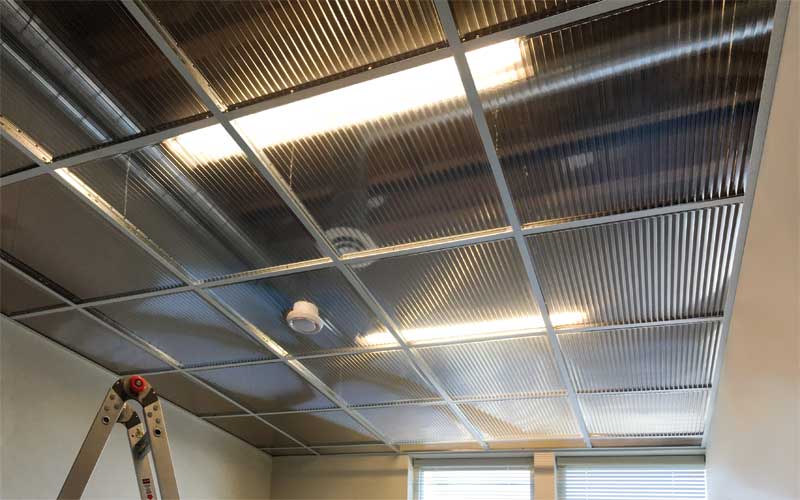
The increasing use of transluminous ceilings in architectural design is discussed, highlighting their contributions to sustainable building and occupant well-being. These ceilings, often employing thermoformed panels, leverage advancements in lighting technology to offer aesthetic and functional benefits. The article delves into the sustainability aspects of the materials used, particularly rigid vinyl (uPVC), addressing common concerns about vinyl's environmental impact. It emphasizes that while some organizations red-list vinyl due to manufacturing chemicals and combustion toxicity, certain manufacturers produce uPVC without harmful precursors and with stringent environmental controls. These panels can also achieve GreenGuard Gold certification for low volatile organic compound (VOC) emissions. The article notes that PVC compounds are inherently fire-resistant, and the minimal mass of thermoformed panels reduces their potential fuel contribution during a fire. Furthermore, the light weight and compact nature of these panels decrease the environmental burden associated with manufacturing, shipping, and handling.
Beyond production, the life cycle performance of vinyl is explored. Despite vinyl's non-biodegradable nature, which is a disadvantage in landfills, it proves beneficial in building applications due to its durability. Thermoformed ceiling panels are water-resistant, do not support mold or fungi growth, and are easy to clean. Their robustness ensures resistance to damage during installation or maintenance, and UV inhibitors prevent discoloration. The article points out that these panels can often be salvaged and reused during redecoration or at the end of a building's life. If not reused, they are recyclable, with some manufacturers accepting scrap material to produce new panels with over 98 percent recycled content, demonstrating a high-quality closed-loop recycling process.
The evolution of luminous ceilings, particularly with the integration of light-emitting diodes (LEDs), is a key focus. Grids with closely spaced LEDs positioned above and behind light-transmitting surfaces minimize the required distance between light sources and the finished ceiling. The article provides an example of LEDs spaced 25 mm (1 in.) on-center, positioned 125 mm (5 in.) above ceiling panels. This configuration allows frosted panels to create uniformly illuminated surfaces, while clear panels with molded surfaces effectively scatter the bright LED light. The unique interaction of different thermoformed panel styles with the LED array results in varied visual effects, and the appearance changes dynamically with the viewer's position.
The discussion then draws upon Richard Kelly's three elements of visual design: focal glow, ambient luminescence, and play of brilliants. Traditional luminous ceilings excelled at providing ambient luminescence, characterized by shadowless, diffused light that minimizes form and suggests infinity, creating a reassuring and restful atmosphere. Modern transluminous ceilings have advanced to incorporate focal glow, achieved through variations in light intensity and color, which draws attention and highlights important areas. They also offer the 'play of brilliants,' creating sparkle and excitement through light shining through panel perforations or clear panel facets, akin to crystal chandeliers or Times Square at night. This technological evolution allows transluminous ceilings to provide a comprehensive lighting experience that can engage and stimulate occupants in diverse ways.
#AcousticalCeilings #SuspendedPlasticCeilings #LuminousCeilings #Ceiling #Lighting #LED #Transluminous #SustainableDesign #Vinyl #AcousticalCeilings #SuspendedPlasticCeilings #LuminousCeilings #Ceiling #Lighting #LED #Transluminous #SustainableDesign #Vinyl
0 comment in total
 No comments yet
You may also like
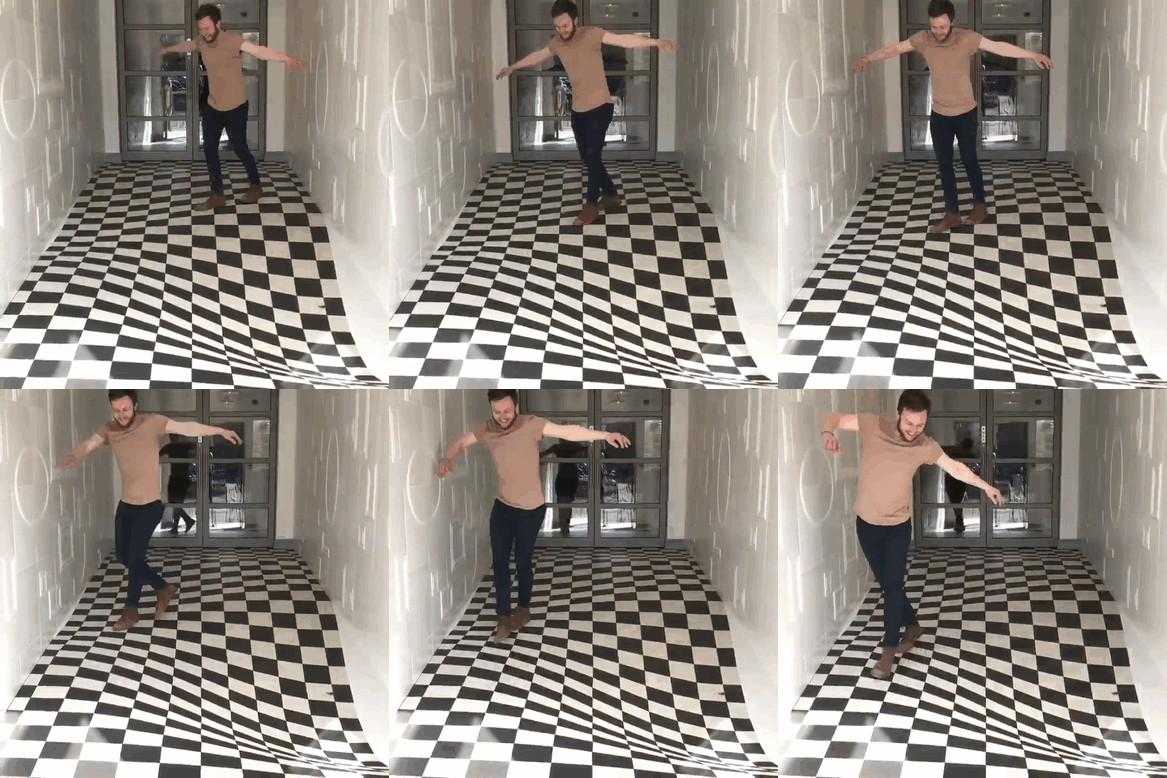
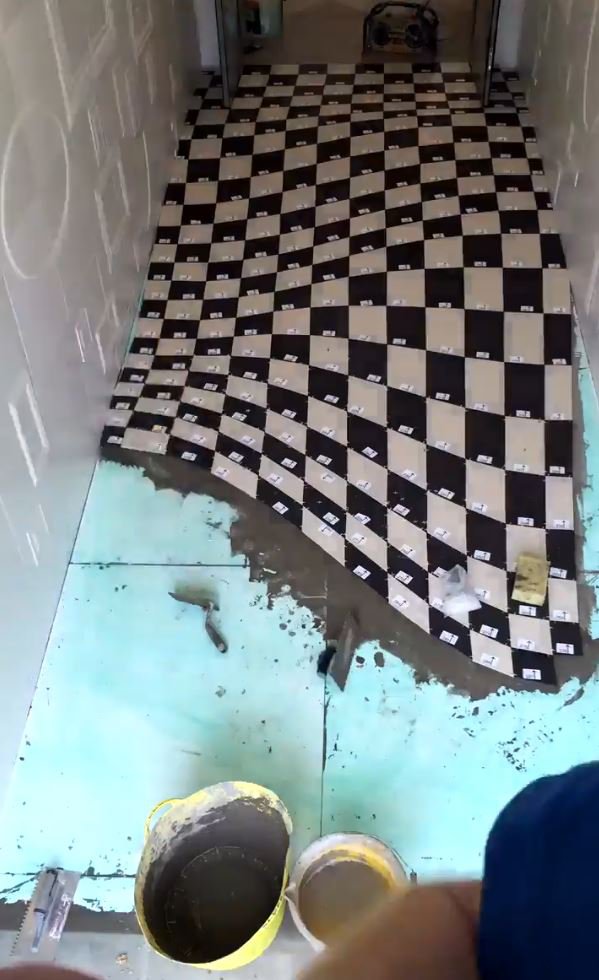
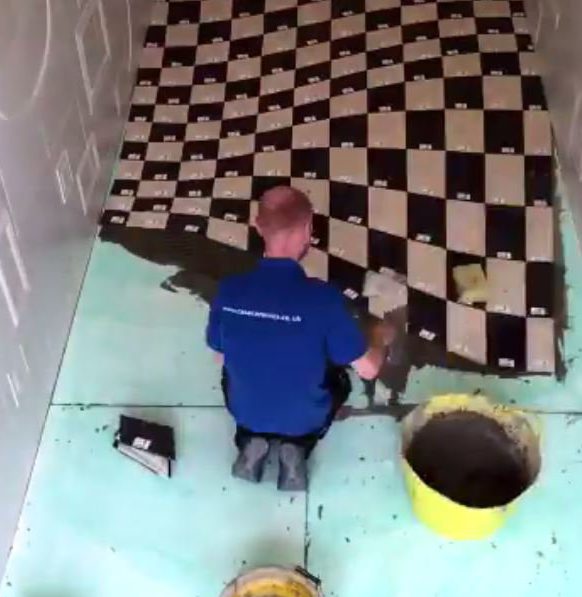
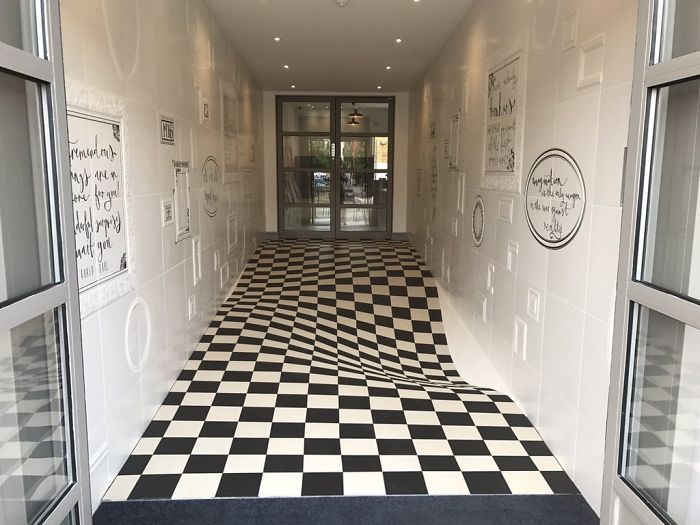
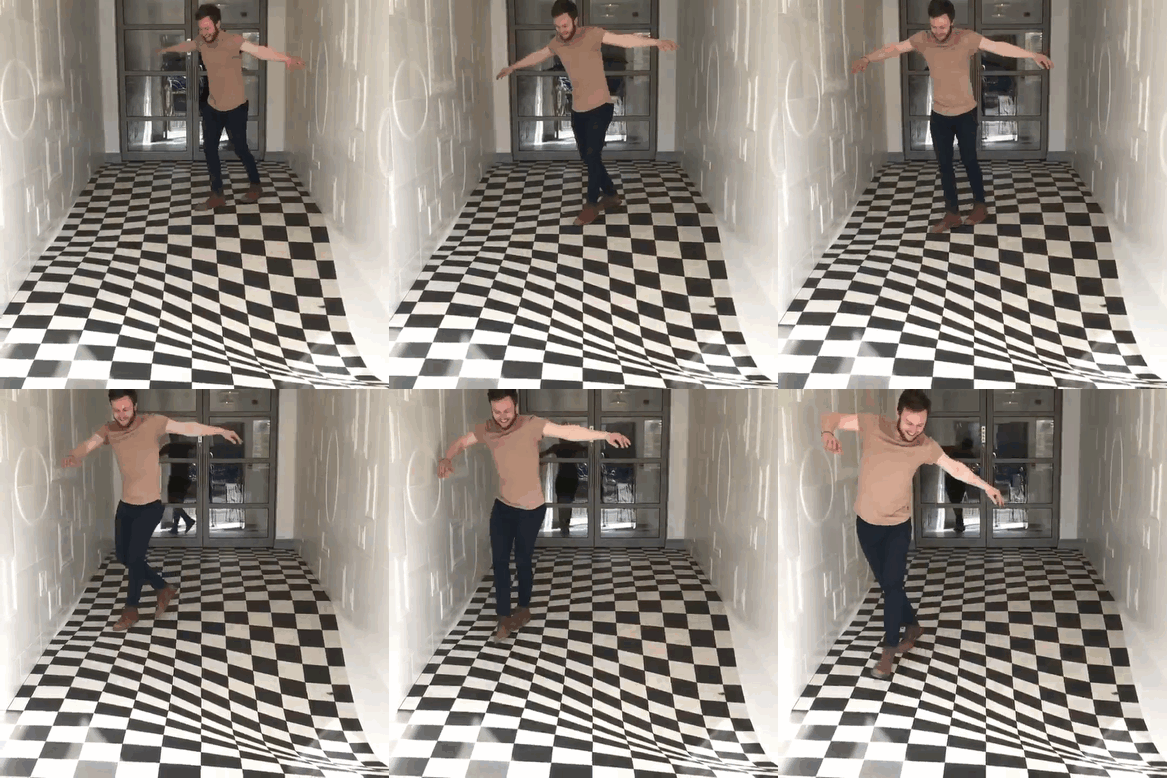
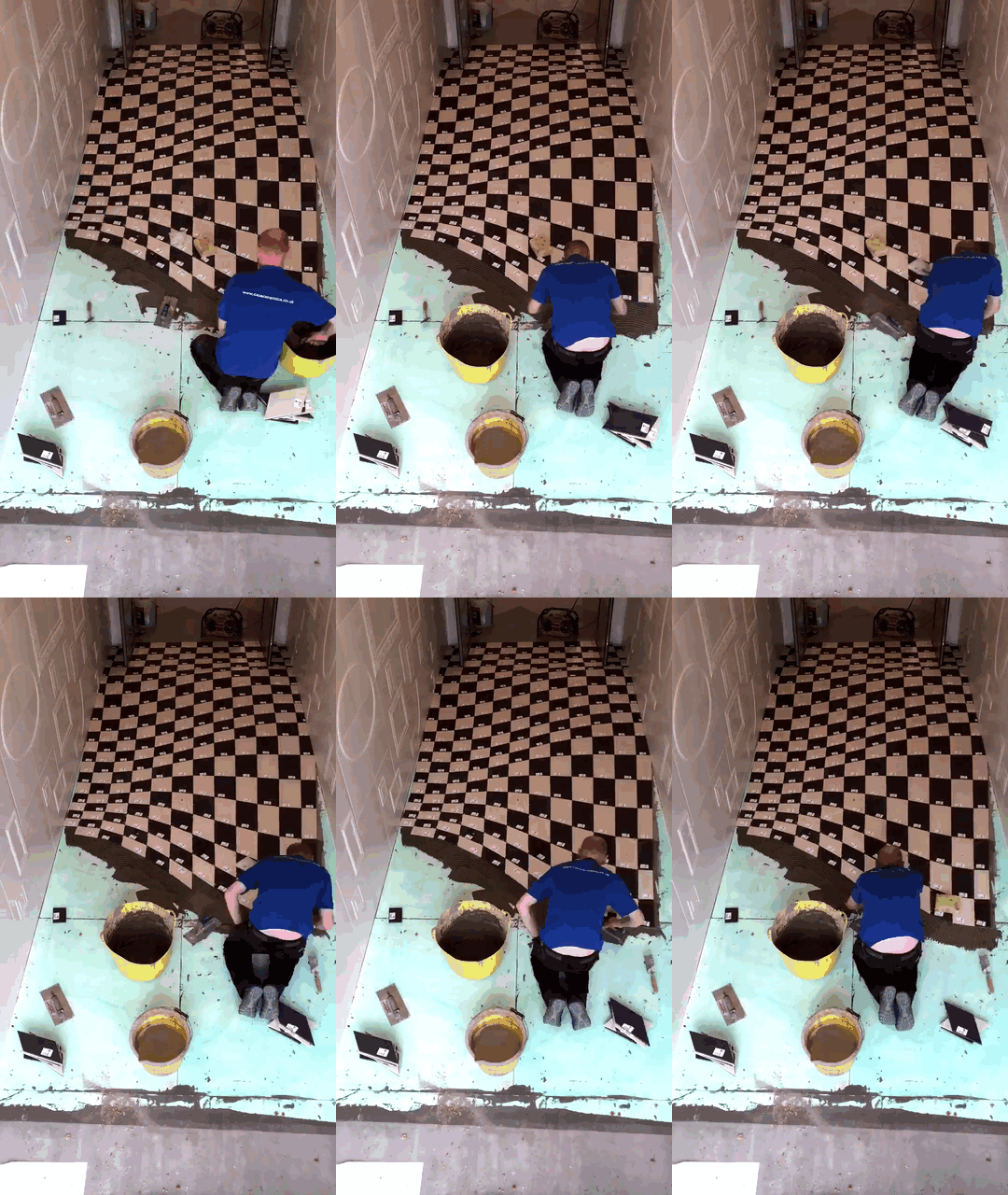
Tile company installs confusing optical illusion floor

Skylights and Massive Glass Walls Transformed This Dramatic Black Home from Brooding to Bright

Downlights

Wallpaper Adds Ceiling Drama

Genius Optical Illusion On This Floor Stops People From Running In The Hallway
Forget painting your walls grey, it’s time to sparkle
Ceilings can be turned into eye-popping attention-getters
Tented Ceilings Are Back—And More Magical Than Ever

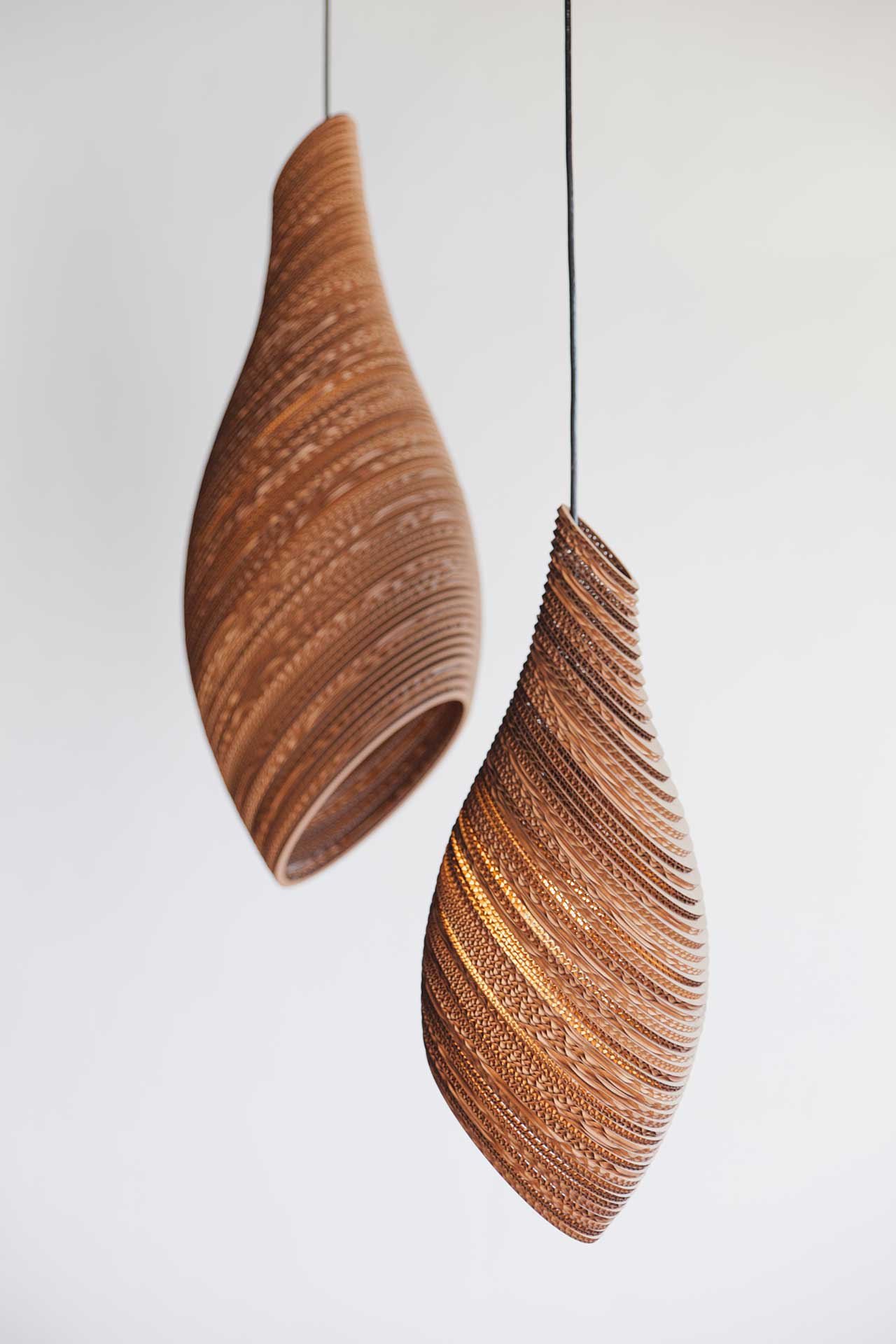
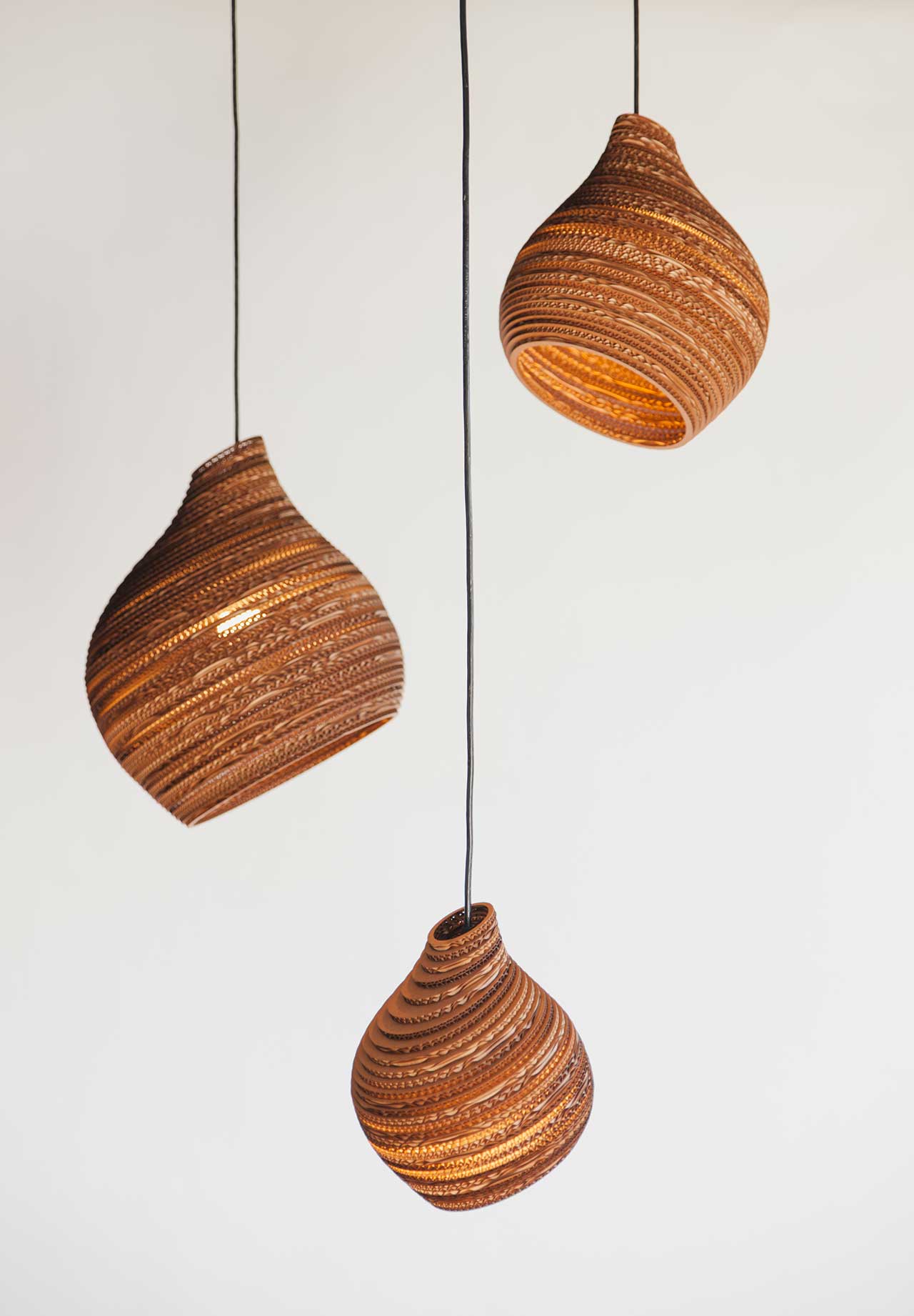
Graypants’ Scraplights Transforms Cardboard into Elegant Lighting
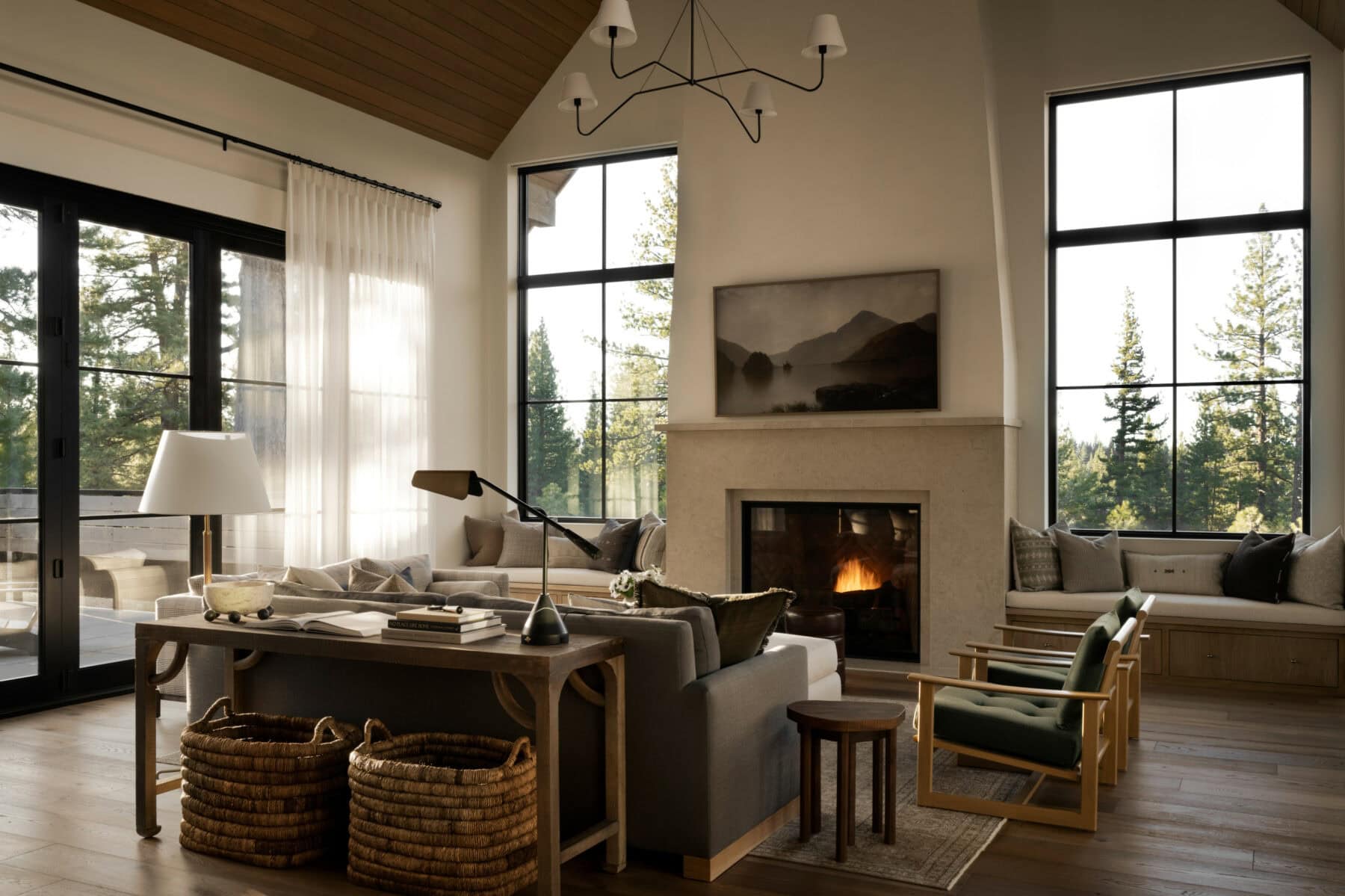
Soaring Ceilings & Wrapped Windows
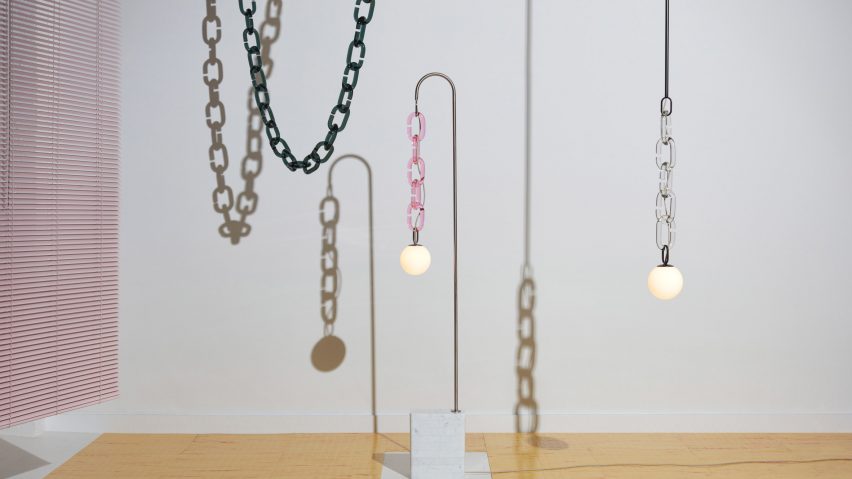
Trueing's Cerine lighting hangs from chunky coloured glass chains
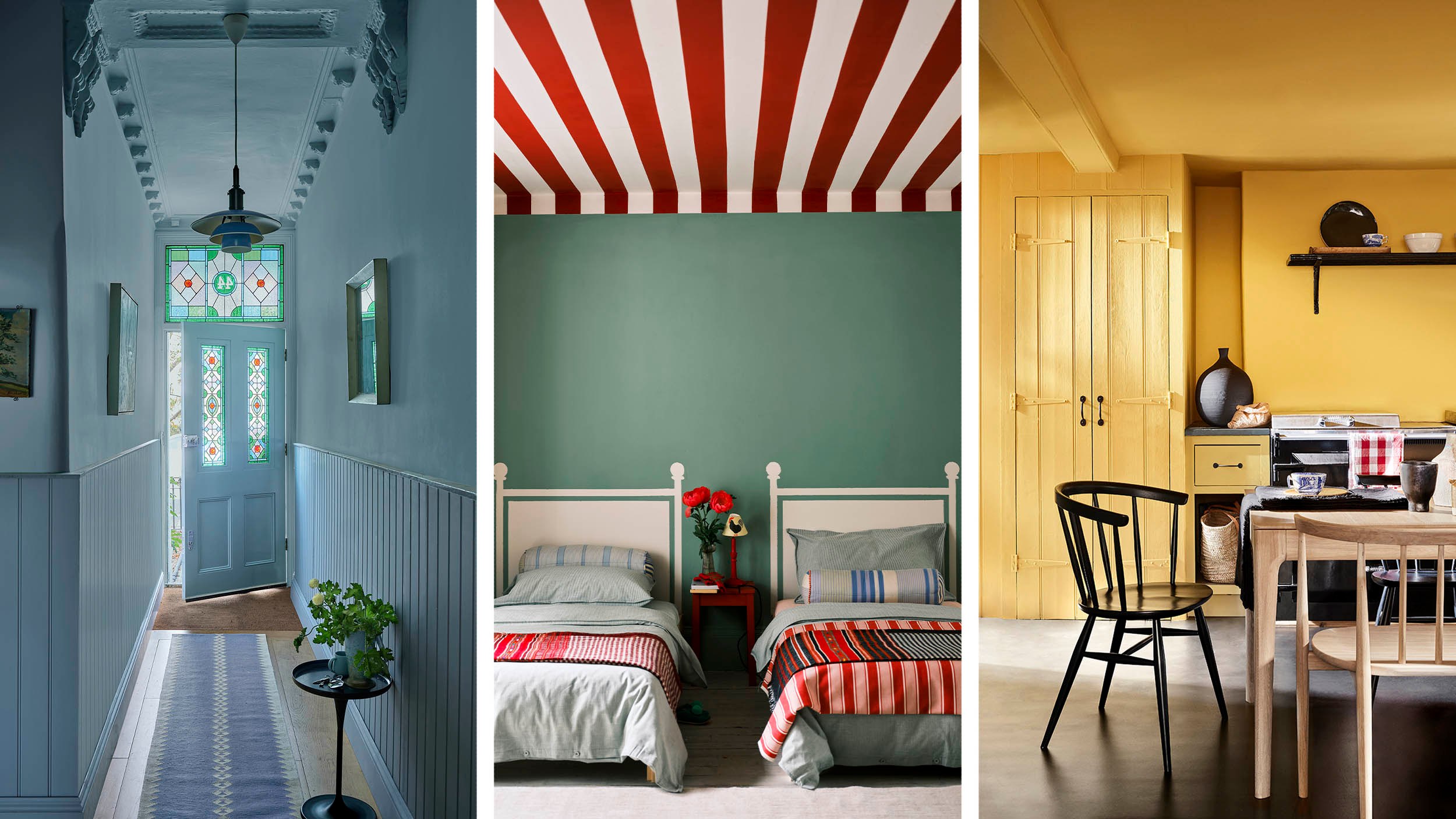
Painting the ceiling with colour is a trend that is looking up
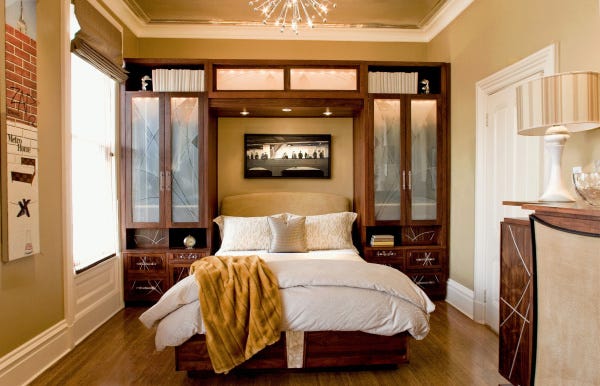
Ceiling makeovers uplifting

Flush Ceiling Lights
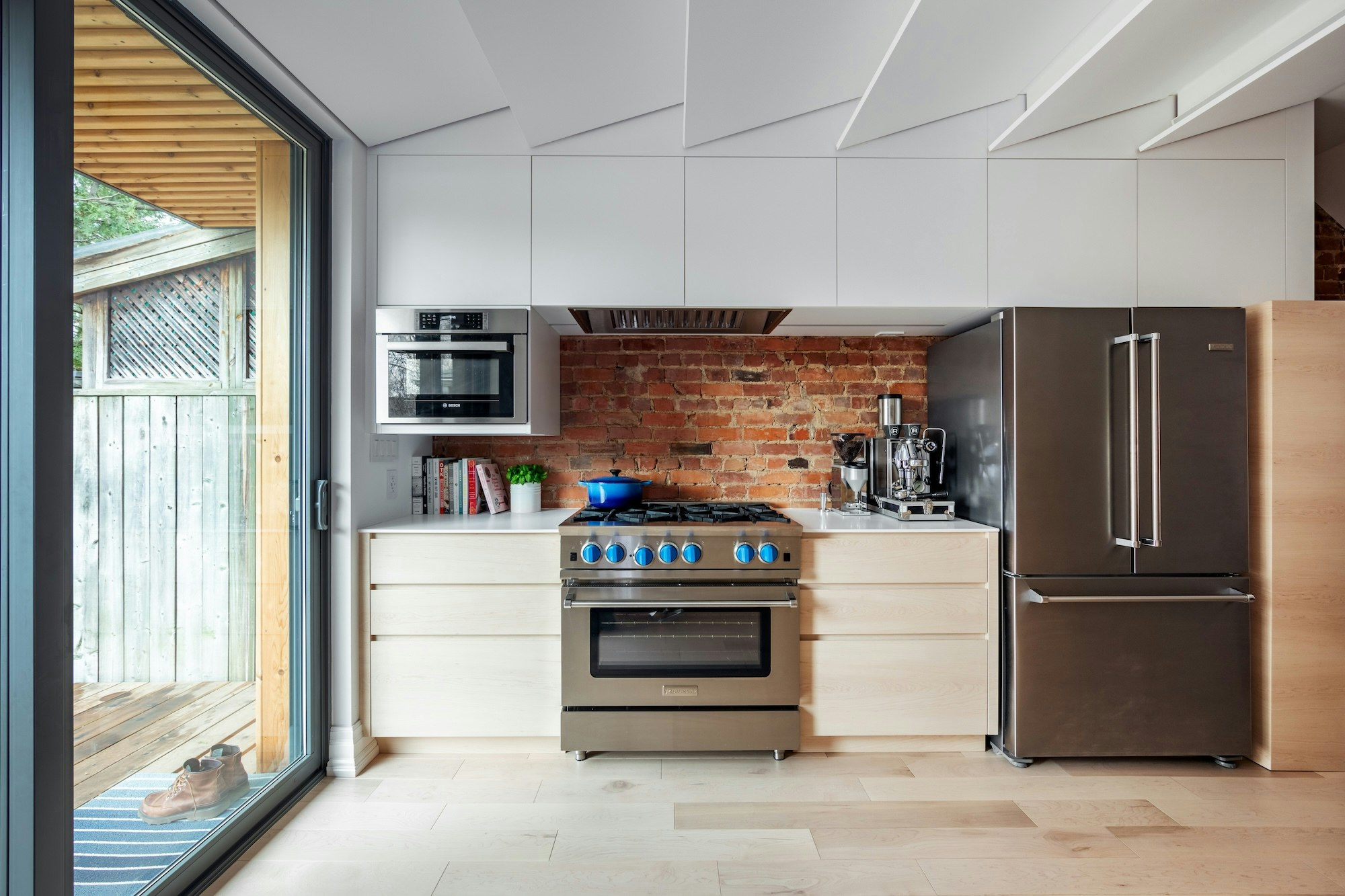
How They Pulled It Off: A Ceiling That Conceals Recessed Lighting

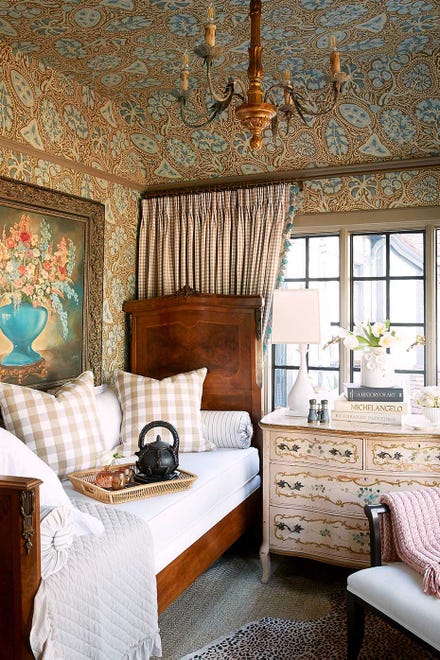
Homestyle: Ceilings are where it's at

Ceiling Lights

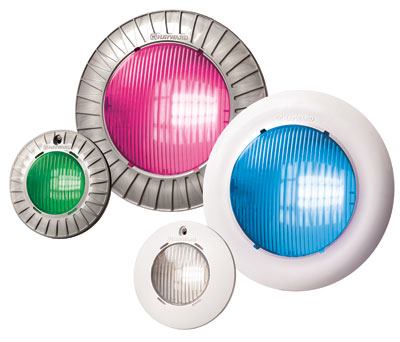
Lighting Up

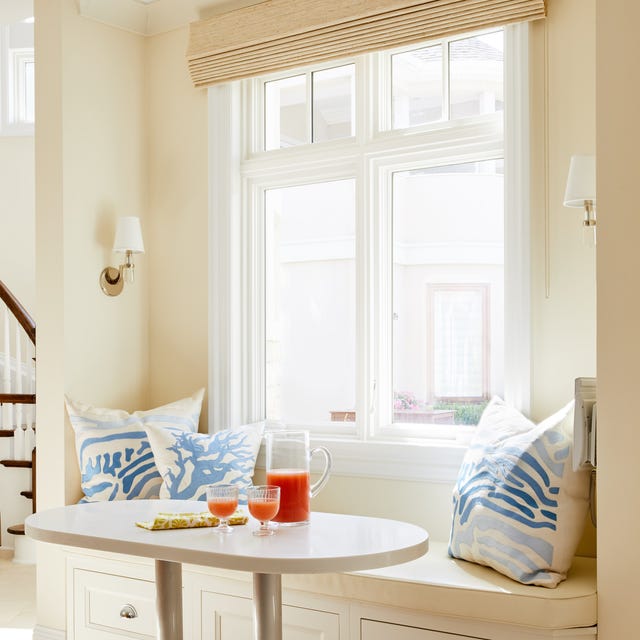
This Design Element Instantly Brightens a Dark Room

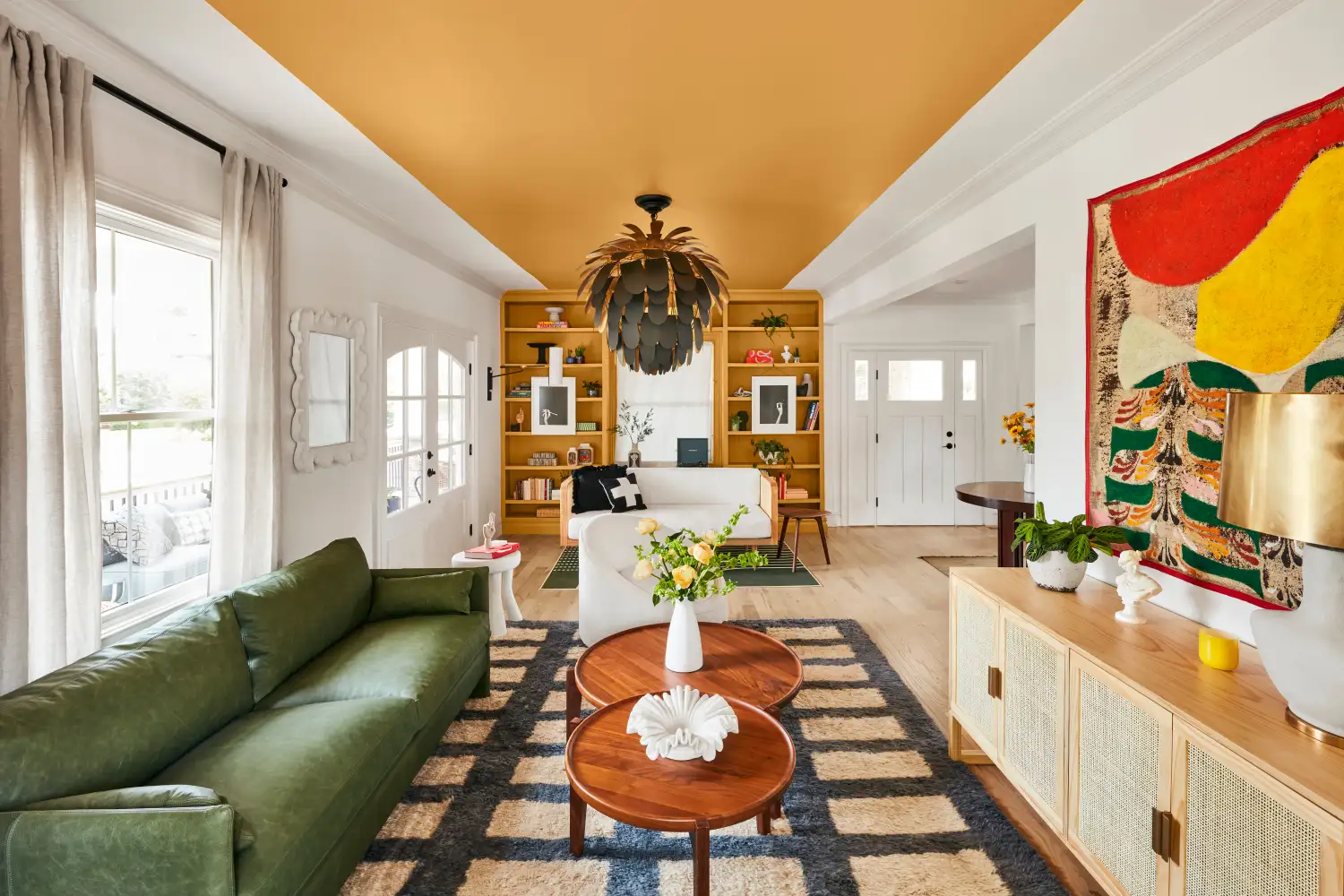
4 Paint Colors That Magically Make Low Ceilings Look Higher