1/4
Lighting Up
This article explores the benefits of upgrading swimming pool lighting to LED technology, focusing on energy savings, reduced maintenance, and enhanced aesthetic appeal. Many existing pools, equipped with older incandescent or fiberoptic lighting systems, present a significant opportunity for service professionals to offer LED conversions. LEDs offer substantial energy savings compared to traditional lighting. Incandescent lights consume up to 500 watts, fiberoptic lights use 150 to 200 watts, while LED pool lights typically use between 20 and 50 watts per hour. This drastic reduction in energy consumption can lead to considerable cost savings for pool owners, potentially paying for the conversion within one to two years, depending on usage habits.
Beyond energy efficiency, LEDs also boast lower maintenance requirements. Incandescent bulbs need replacement approximately every 2,000 hours, and fiberoptic systems require replacement every three to seven years, alongside other components like motors and color wheels. LED lights, in contrast, have a much longer lifespan, often exceeding 10 years, significantly reducing the frequency and cost of replacements. This longevity makes LEDs a more sustainable and economically sound option for pool owners.
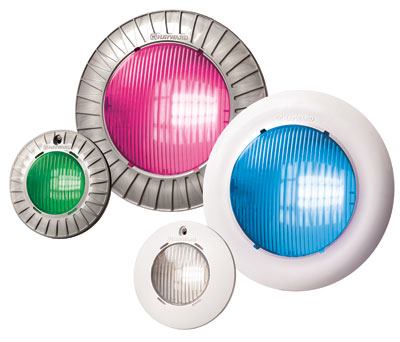
The ease of upgrading is another compelling factor. Many LED models are designed to fit into existing light niches, simplifying the installation process for service technicians. For instance, Hayward’s Universal ColorLogic LEDs are UL listed for various niche styles, eliminating the need for technicians to determine specific niche types. Similarly, Pentair’s GloBrite lights are made entirely of plastic, removing the need for grounding or bonding and making them suitable for gunite, fiberglass, or vinyl pools.
One of the most appealing aspects of LED pool lighting is its ability to introduce a vibrant spectrum of colors. Pool owners can select from a wide range of hues or program dynamic light shows to match specific moods or events. This customizable lighting transforms the backyard ambiance, offering a significant upgrade from the static illumination of older systems. The transition to LEDs also extends beyond just the pool; modern platforms allow for the integration of multiple LED lights on a single transformer, enabling homeowners to illuminate landscaping, water features, and other outdoor elements, thereby creating a cohesive and visually striking outdoor environment. This expanded application presents additional opportunities for service professionals to broaden their offerings.
Specialized LED replacements are available for fiberoptic systems as well. Companies like Fiberstars offer small-niche LED lights that fit directly into existing wall fittings, replacing fiberoptic cables and connecting to a 'Power Tower' controller with built-in transformers and wireless remote control. This allows for a straightforward conversion from older, more expensive fiberoptic systems to modern, color-rich LED lighting.
Finally, the convenience of remote control is a major draw for contemporary pool owners. Systems like Zodiac’s iAqualink enable users to manage their pool lighting and other features via smartphones or tablets, enhancing user experience and control. The inherent safety of low-voltage LED systems (typically 12 volts) is also highlighted, particularly in contrast to the potential electrical hazards associated with high-voltage pool lights. Overall, upgrading to LED pool lighting offers a combination of energy savings, reduced maintenance, aesthetic versatility, and enhanced safety, making it an attractive investment for pool owners.
#LEDLighting #PoolDesign #EnergyEfficiency #HomeImprovement #OutdoorLighting #SmartHome #PoolMaintenance #TechnologicalAdvancement #BackyardDesign #LEDLighting #PoolDesign #EnergyEfficiency #HomeImprovement #OutdoorLighting #SmartHome #PoolMaintenance #TechnologicalAdvancement #BackyardDesign
0 comment in total
 No comments yet
You may also like
The Allure of Uplights

Brighten your space up with this limited edition light

Design experts offer lighting tips for upgrades that shine

manual air pump inflates glowing bubble lighting series
Downlights


Browsing: Let there be light. And the quirkier the better

Lumen on the Horizon

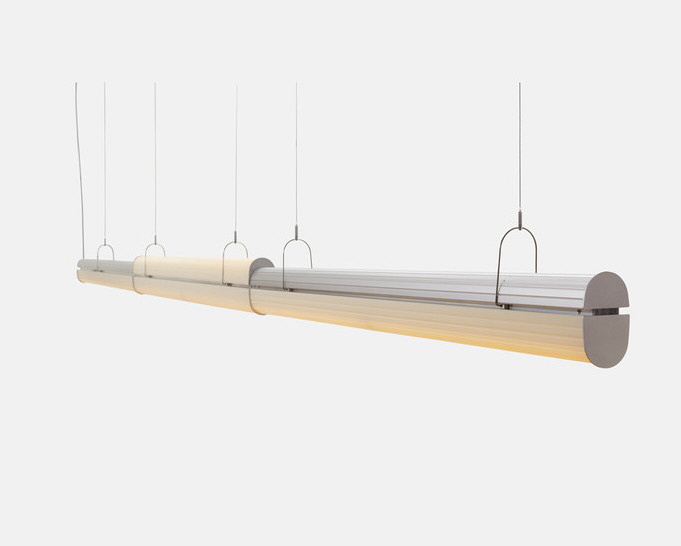
Meet Queue, A Linear LED Pendant System from Rich Brilliant Willing

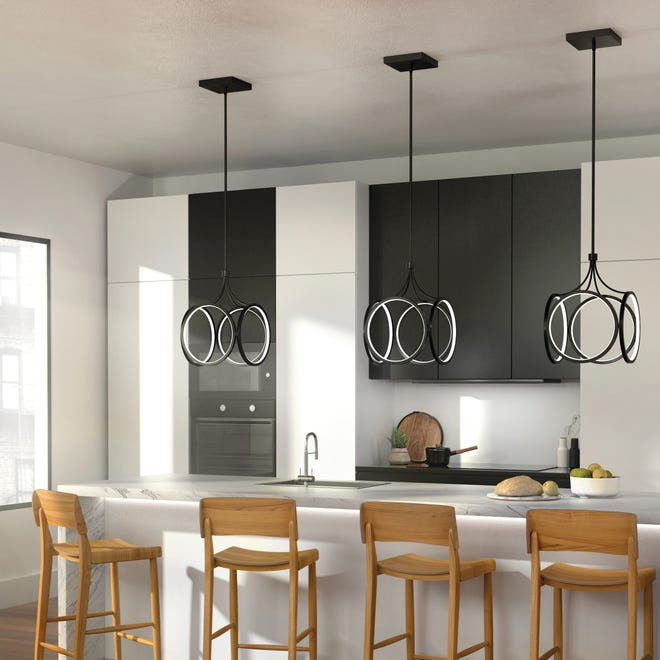
Homestyle: Lighting the way
Light Your Fire
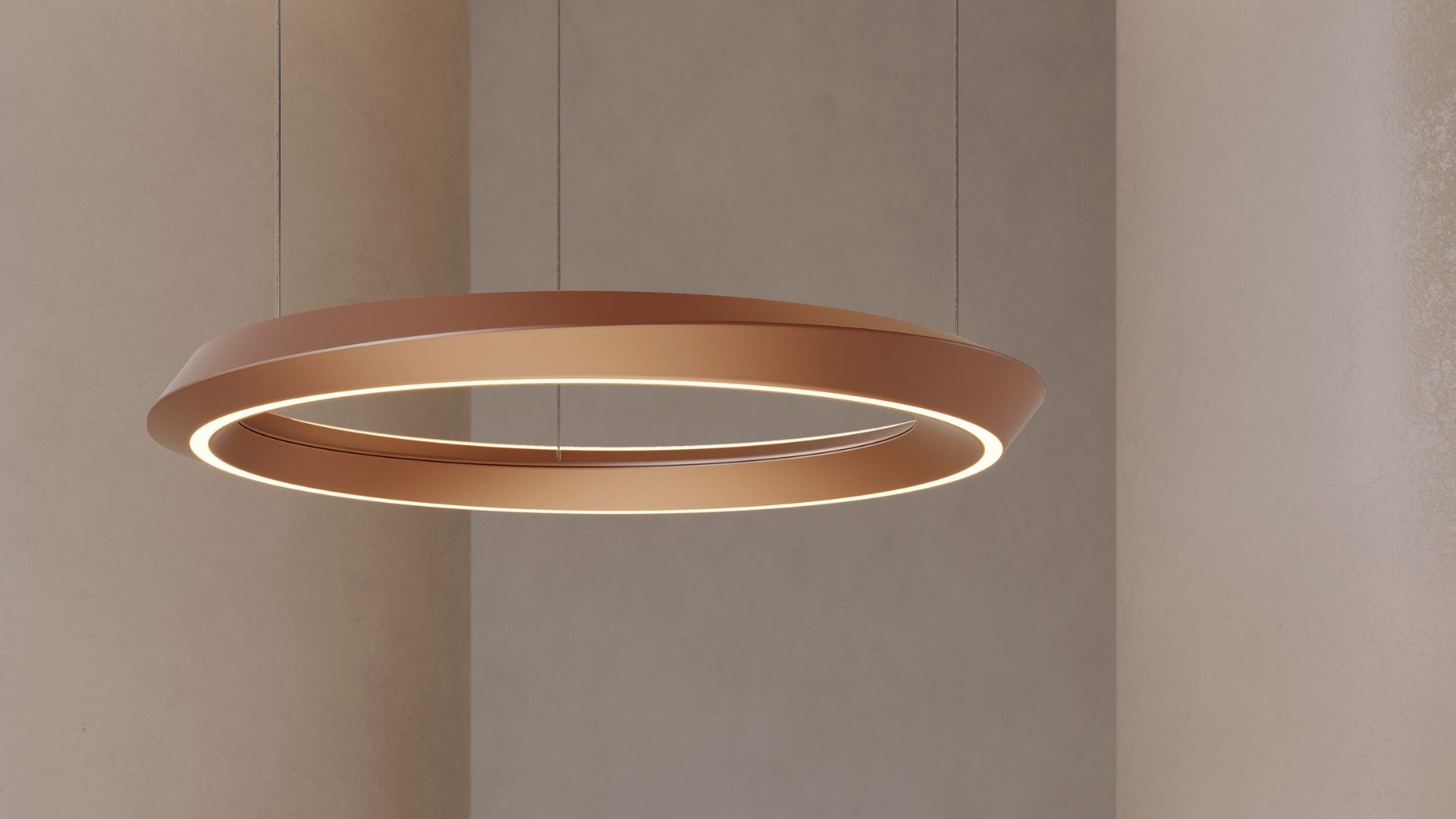
Dynamic perspectives: a lamp that transforms with every angle

The Bold New Lighting Collection Everyone is Talking About

Keeping the Light On
The Brighter Floor Lamp Brings The Sun Inside
Let There Be Light — 10 Lighting Tricks That Will Transform Any Dark Room Into A Warm and Inviting Space


9 Statement Lighting Fixtures With Creative Verve

Fall into smarter lighting

This Design Element Instantly Brightens a Dark Room

Banish the “Big Light” Completely With Some Snazzy Lamps

Windows Dynamic Lighting