Lumen on the Horizon
This article explores the future of lighting, particularly in residential settings, through the insights of three design experts: Gary Novasel, a residential lighting designer; Matt Mazzuchi, vice president of market and business development at QD Vision, Inc.; and Johanna Grawunder, a designer and architect. The discussion centers on the evolving landscape of lighting technology, efficiency, and integration into architectural design.
Gary Novasel addresses common misconceptions regarding the phasing out of incandescent lamps. He clarifies that while certain incandescents are being regulated, advancements in efficiency have led to a resurgence of longer-life, more efficient incandescent light sources. Novasel emphasizes the growing importance of daylight harvesting in lighting design, especially in commercial properties. He notes that its application in residential settings will be contingent on it not distorting the home's architecture. He predicts an increased adoption of such practices as energy costs rise and environmental consciousness becomes more prominent.
Matt Mazzuchi highlights challenges in consumer experience with current LED technology, noting that many inexpensive LED lamps produce a harsh, unpleasant white light due to a poor color rendering index (CRI). He introduces quantum dot technology as a solution, asserting its ability to provide high color quality light with high CRI, effectively mimicking the warmth and color of traditional incandescent bulbs. Mazzuchi underscores the potential of quantum dot technology to significantly contribute to energy conservation while maintaining high efficiency.
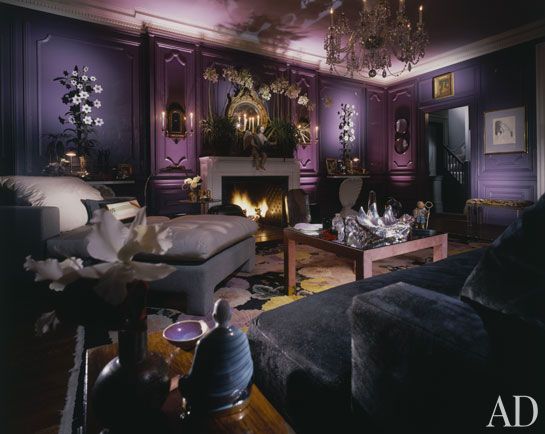
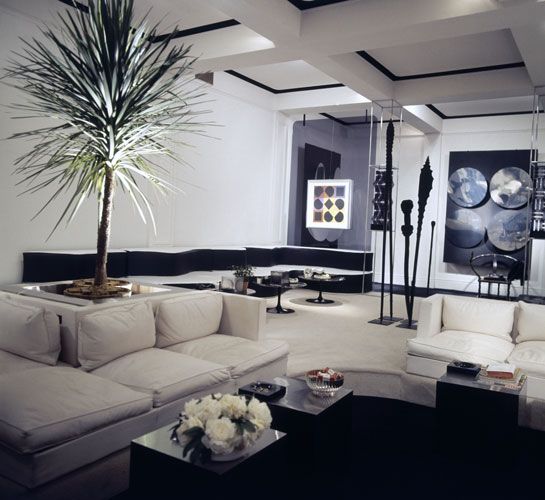
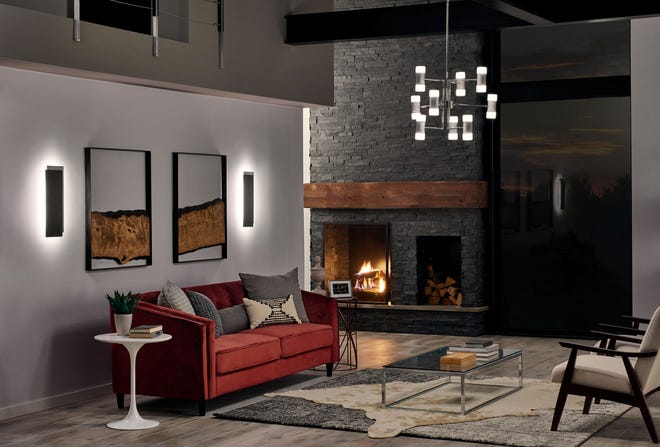
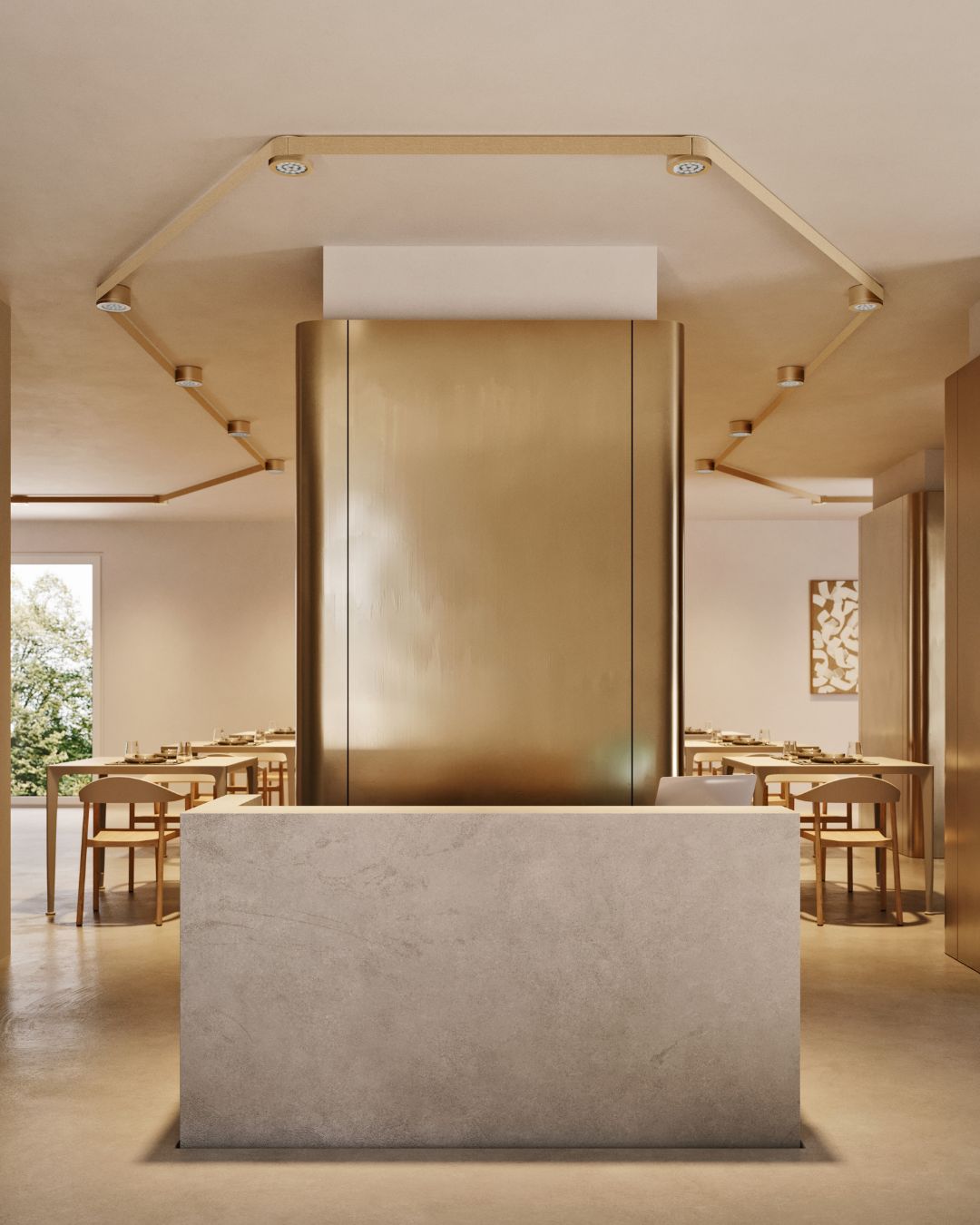
Johanna Grawunder offers a perspective on the aesthetic and architectural integration of future domestic lighting. She envisions a shift towards more colorful and material-rich lighting solutions. Grawunder believes that the transition from incandescents to energy-efficient lighting will positively influence how homes are illuminated. A key aspect she anticipates is a greater emphasis on integrated lighting within the architecture itself. Traditionally, architects have prioritized natural light, often treating artificial lighting as an afterthought or as external objects. Grawunder suggests that architects will increasingly consider artificial, particularly nighttime, lighting as an intrinsic part of the built space, integrating it directly into the forms and details of a structure. This holistic approach promises to enhance both the functionality and aesthetics of home illumination.
Collectively, the experts paint a picture of a future where lighting is not merely functional but is also energy-efficient, aesthetically pleasing, and seamlessly integrated into the architectural fabric of homes. The conversation touches upon the technological innovations driving this change, the importance of consumer experience, and the broader implications for energy conservation and sustainable living.
#LightingDesign #EnergyEfficiency #QuantumDotTechnology #LEDLighting #DaylightHarvesting #ArchitecturalIntegration #ResidentialLighting #SustainableDesign #LightingDesign #EnergyEfficiency #QuantumDotTechnology #LEDLighting #DaylightHarvesting #ArchitecturalIntegration #ResidentialLighting #SustainableDesign
0 comment in total
 No comments yet
You may also like
Lighting Up

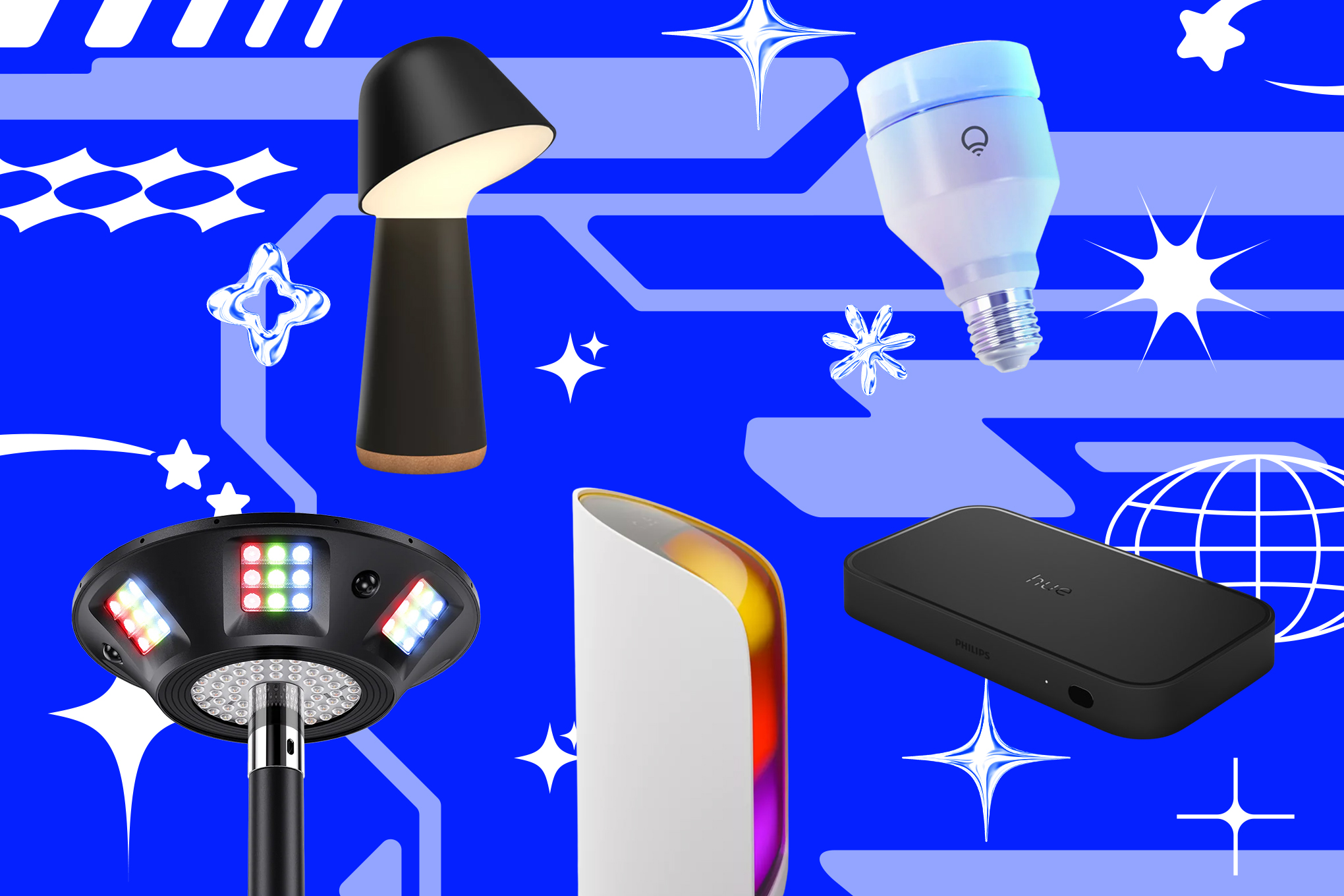
Fall into smarter lighting
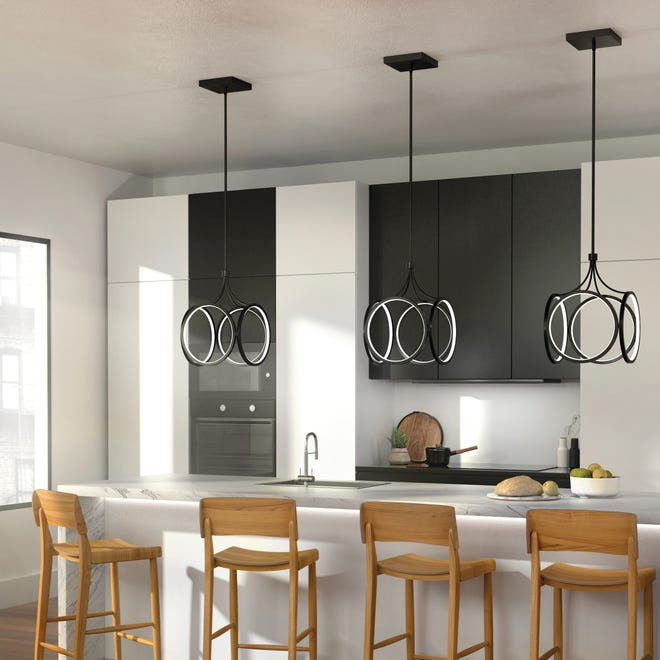
Homestyle: Lighting the way
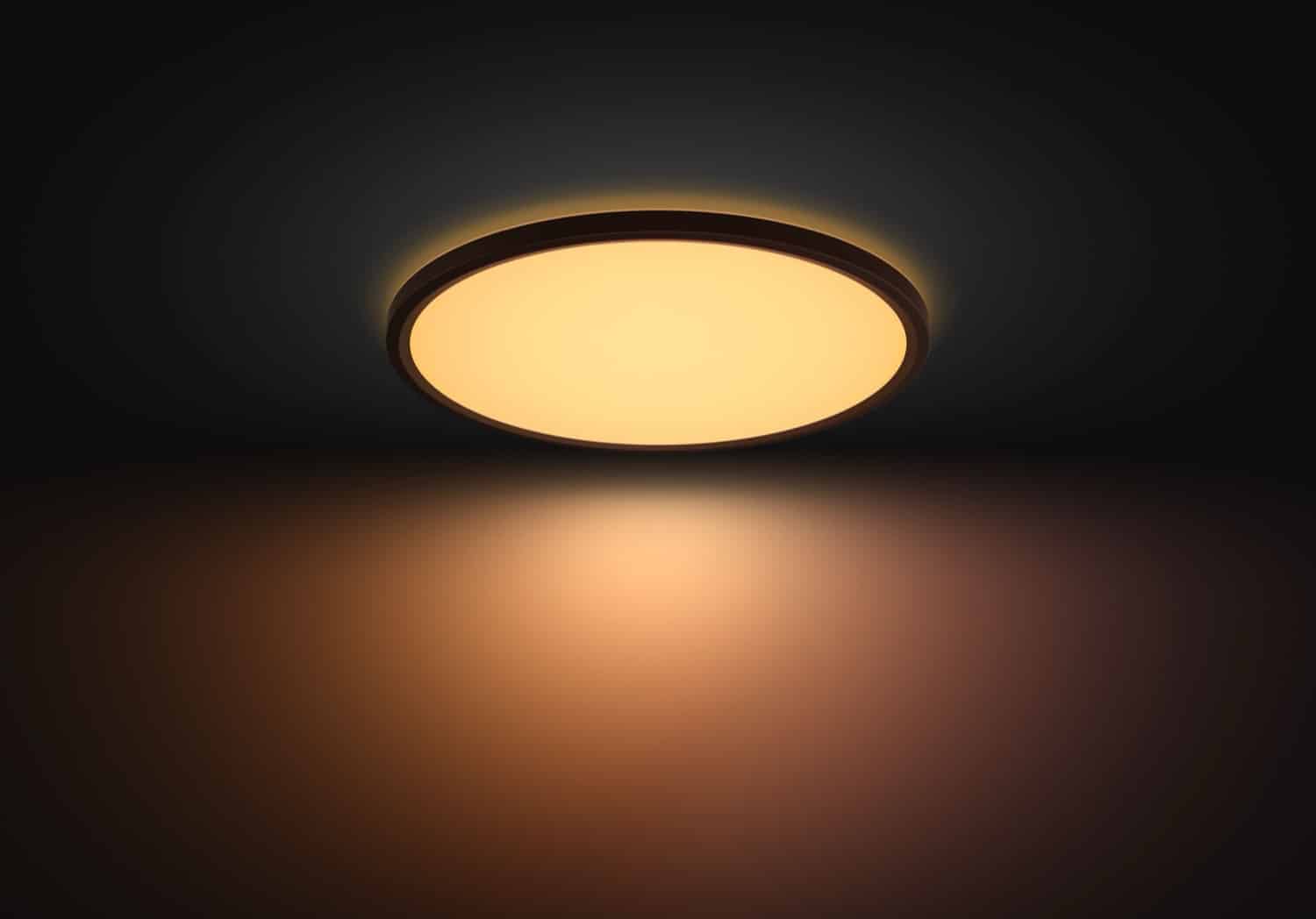
Philips Hue Tento: Simple ceiling lights about to be launched

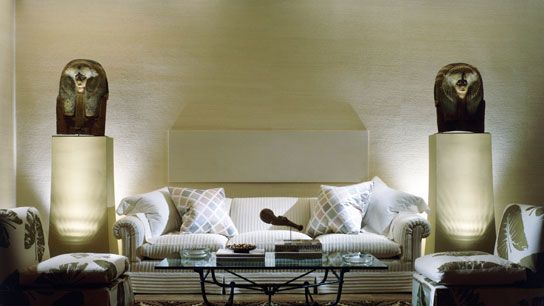
The Allure of Uplights


Outer Space: Axiom Space station opening


Fight Light Pollution and Reclaim the Night's Sky
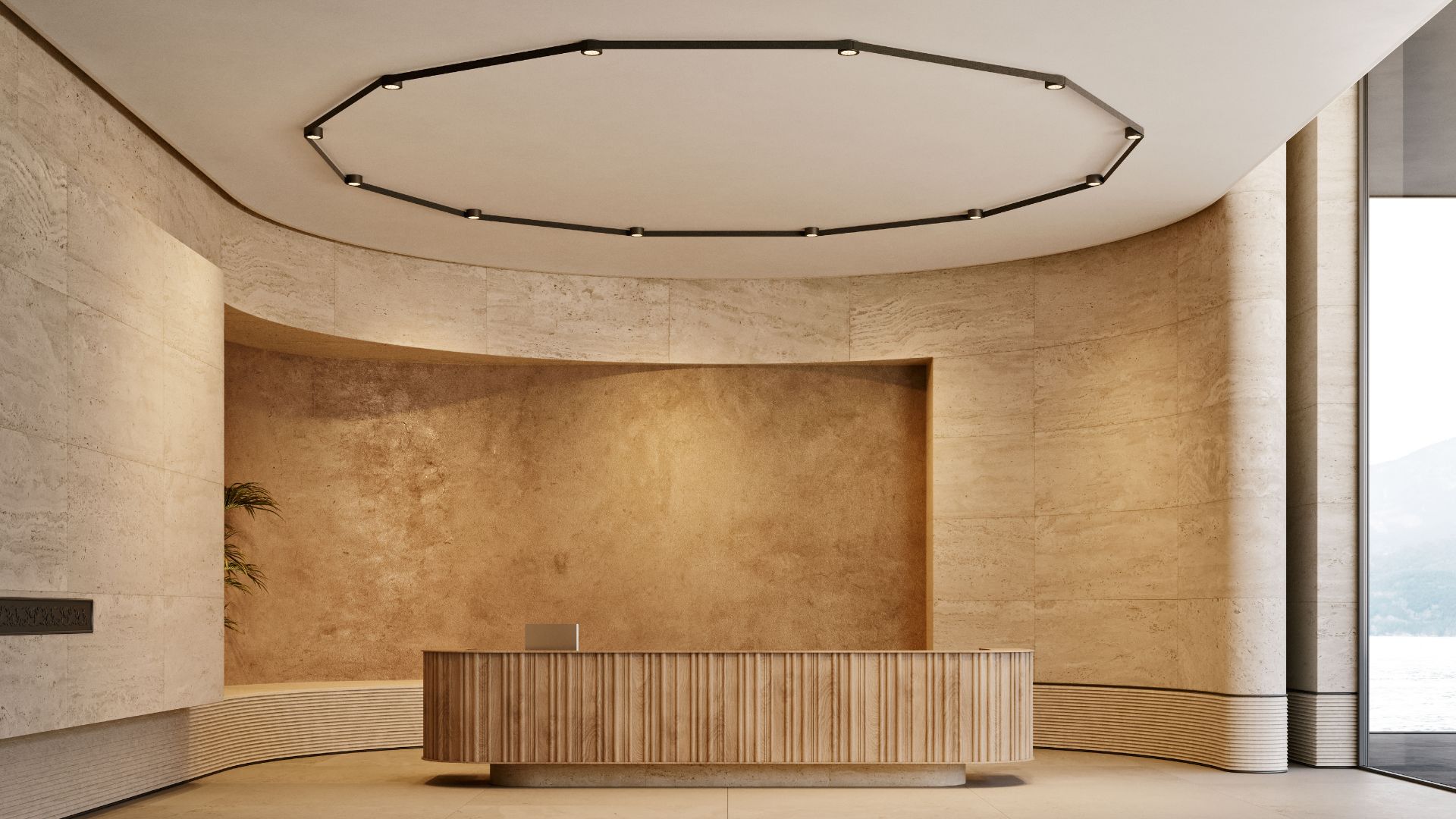
Finding your way back to wonder through Lodes’ luminous landscapes

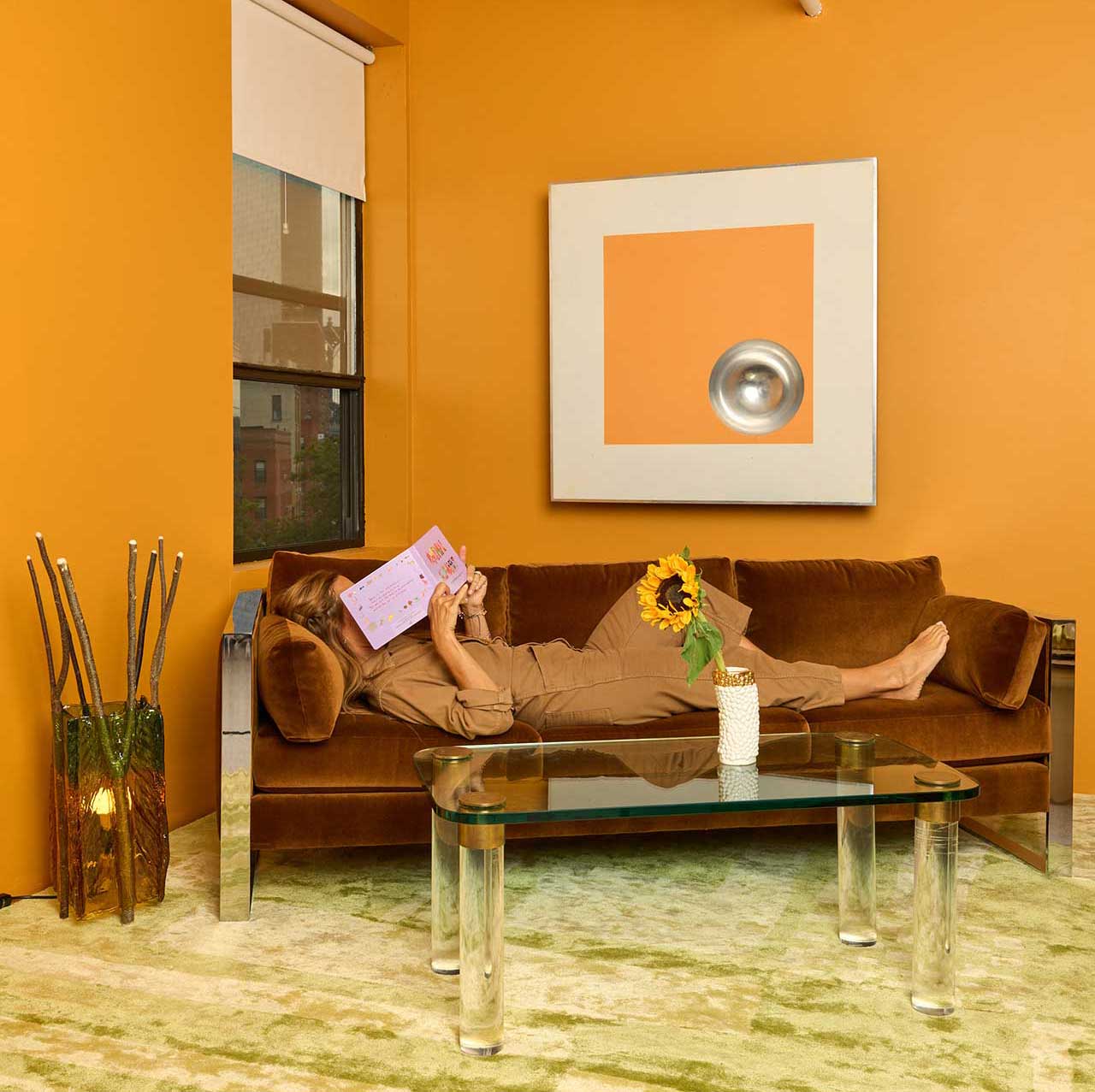
Backdrop + Coming Soon Reveal Bold Color of the Year
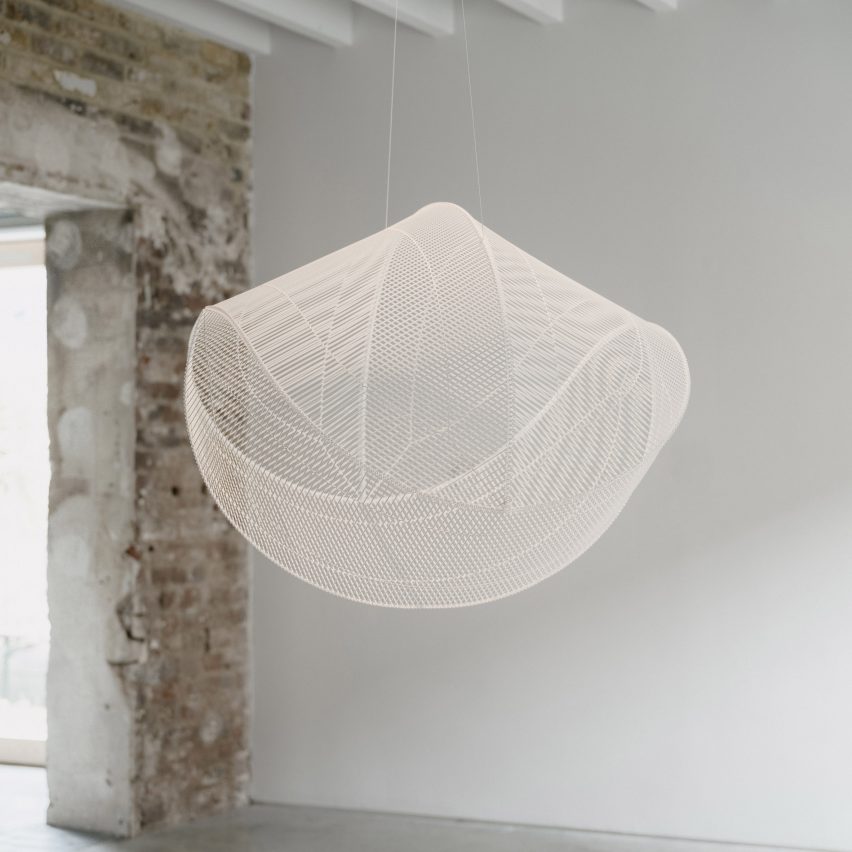
LightMass^ | Shortlists | Dezeen Awards 2025
Downlights

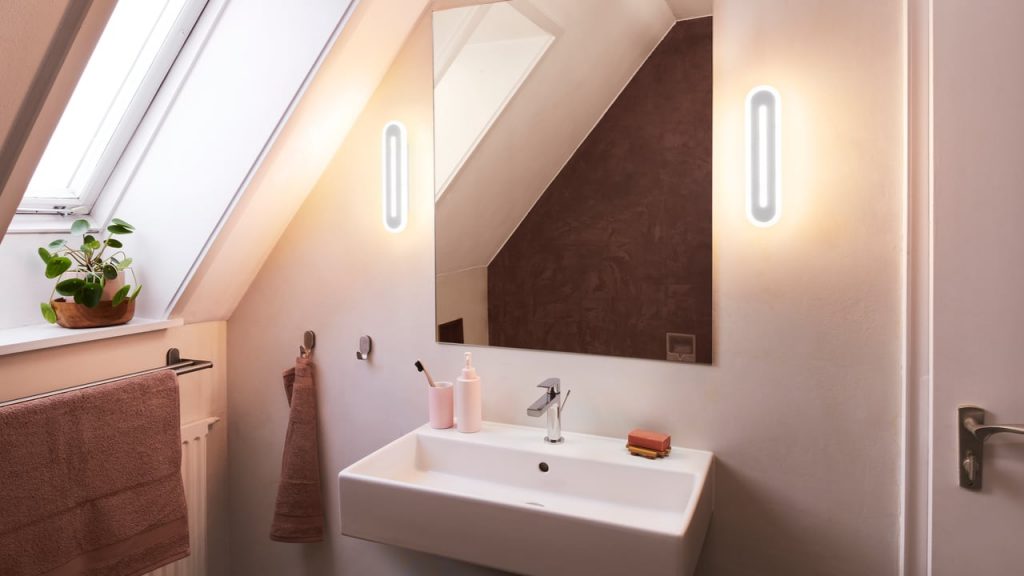
Wall and Ceiling Lights With Matter From Ledvance

The Core Shed Light in an Unexpected Place

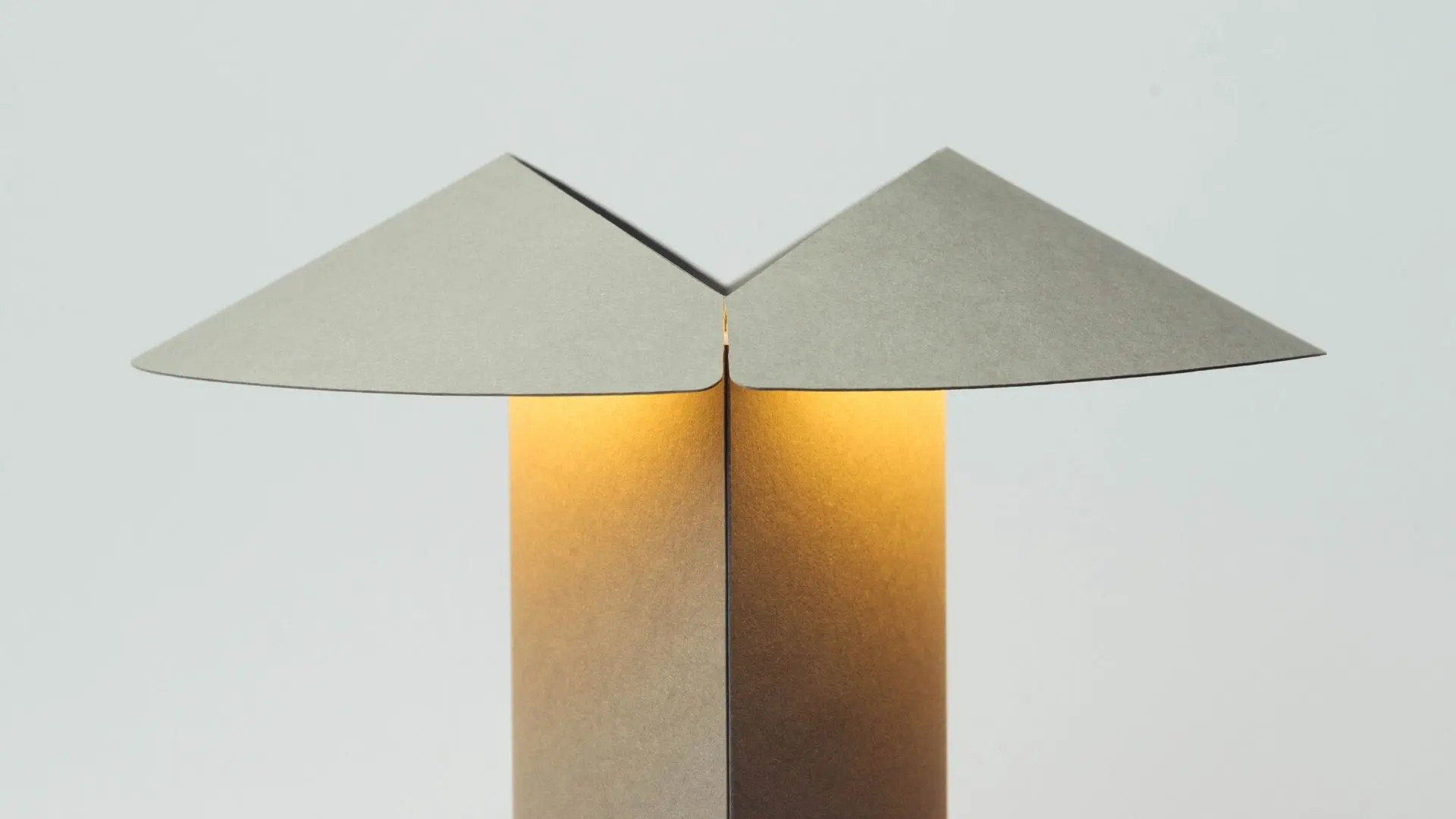
Brighten your space up with this limited edition light
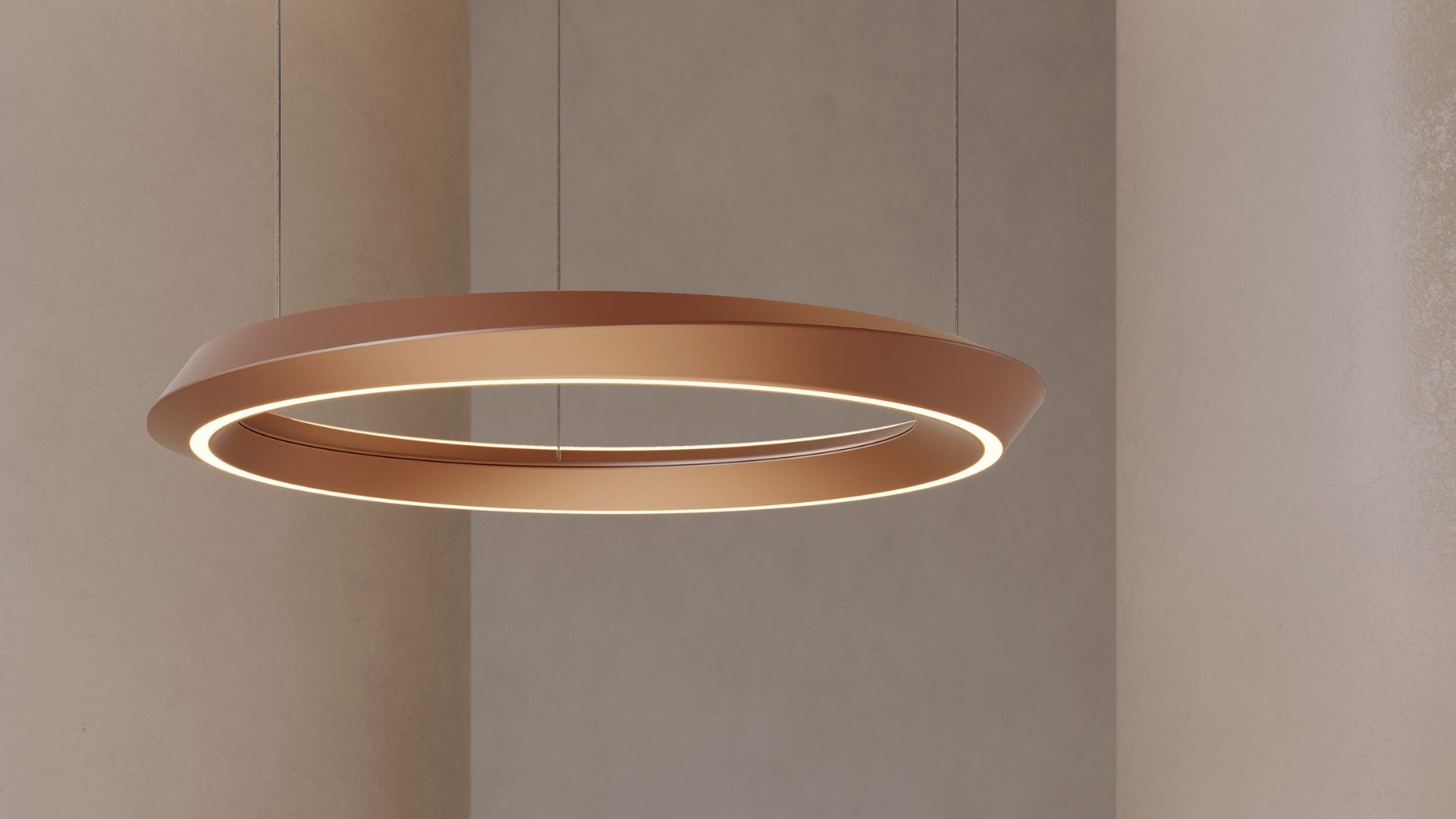
Dynamic perspectives: a lamp that transforms with every angle
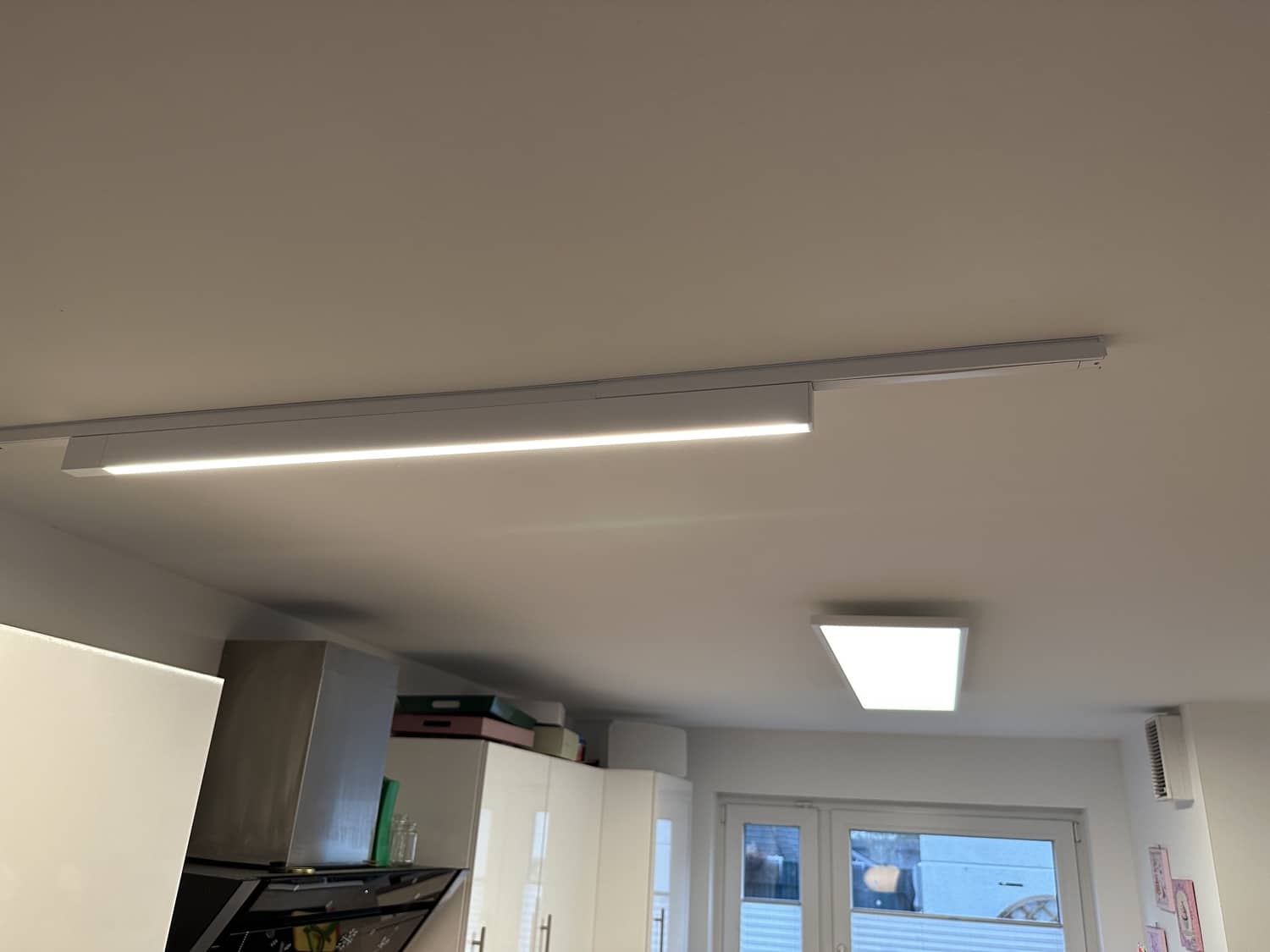
Hue Perifo Linear Lightbar: A miracle of brightness
Meet Queue, A Linear LED Pendant System from Rich Brilliant Willing


Browsing: Let there be light. And the quirkier the better

Curate daylight with Lutron’s automated shades
An Edwardian revival that lets the light pour in