1/4
The Allure of Uplights
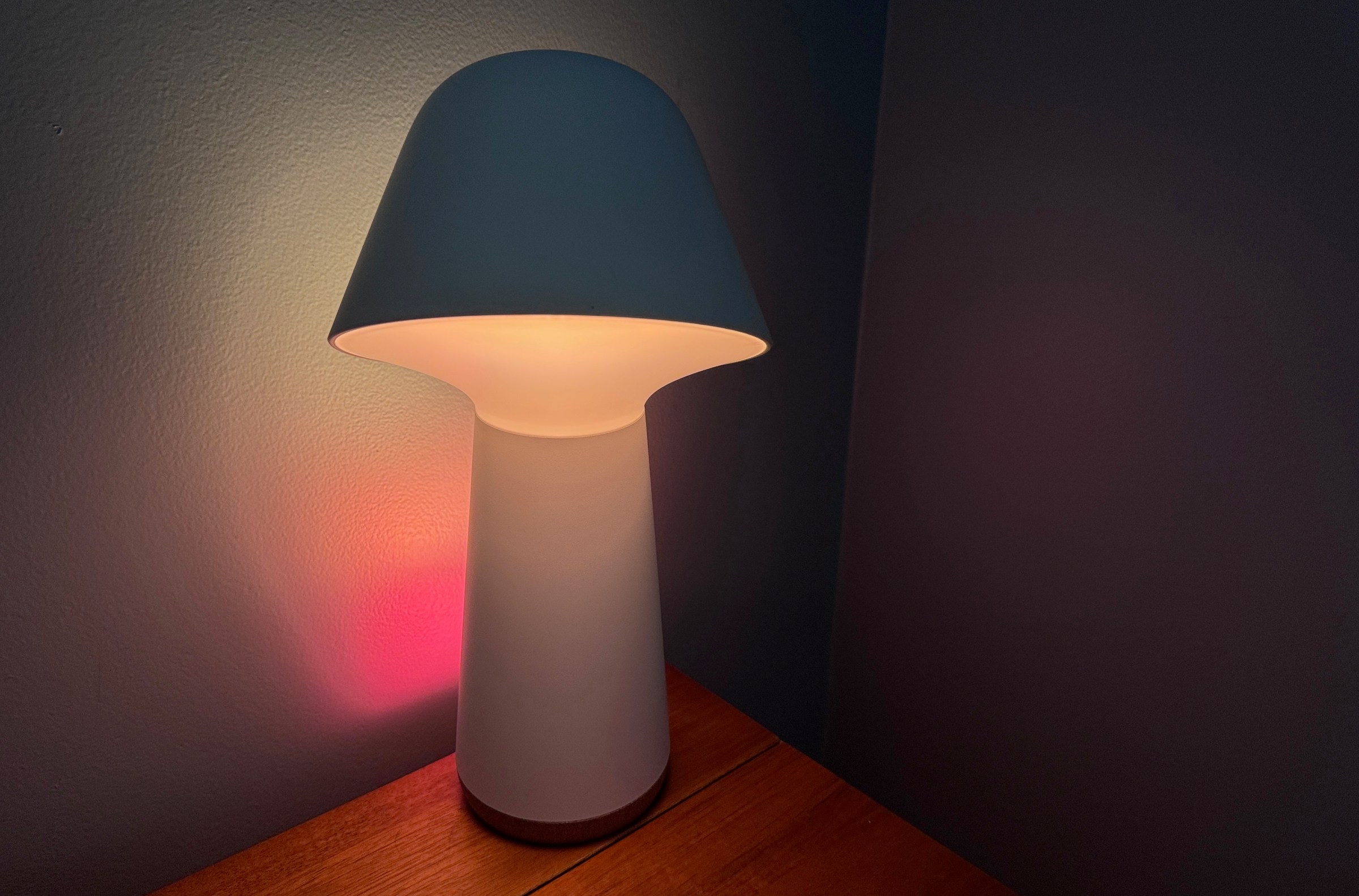
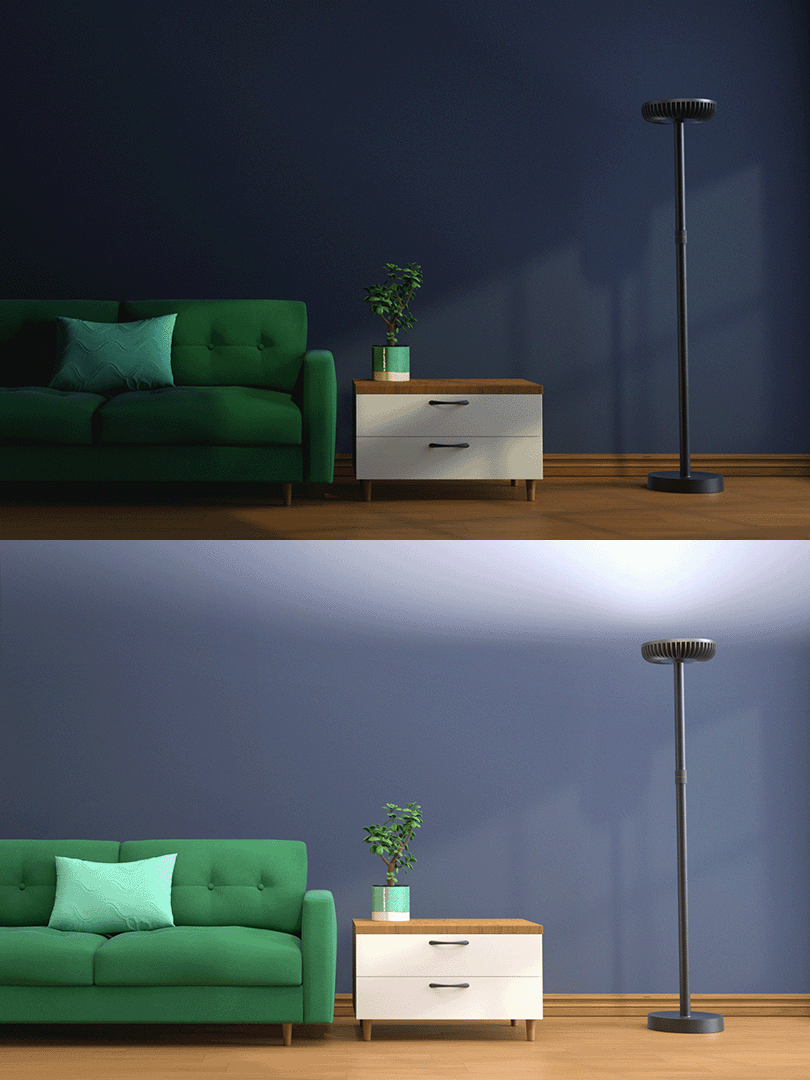
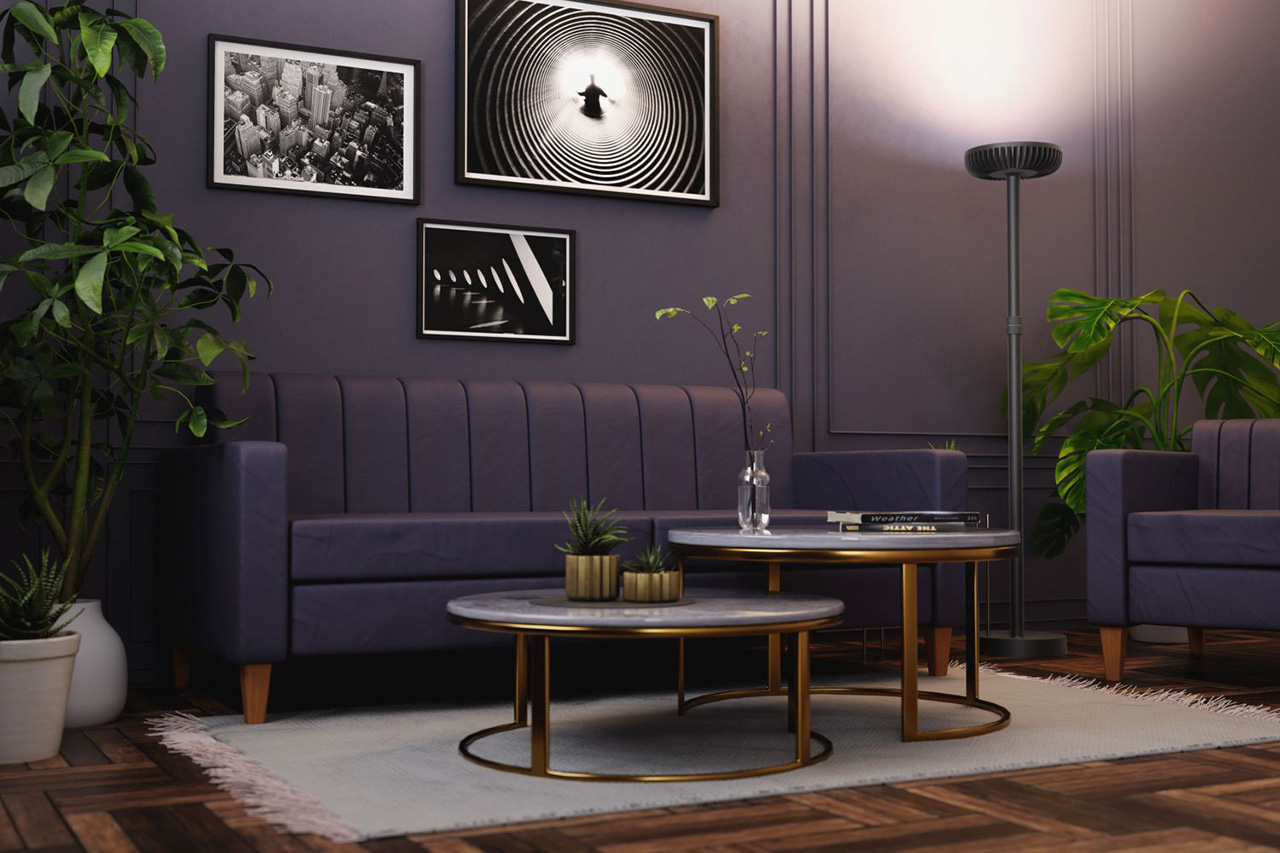
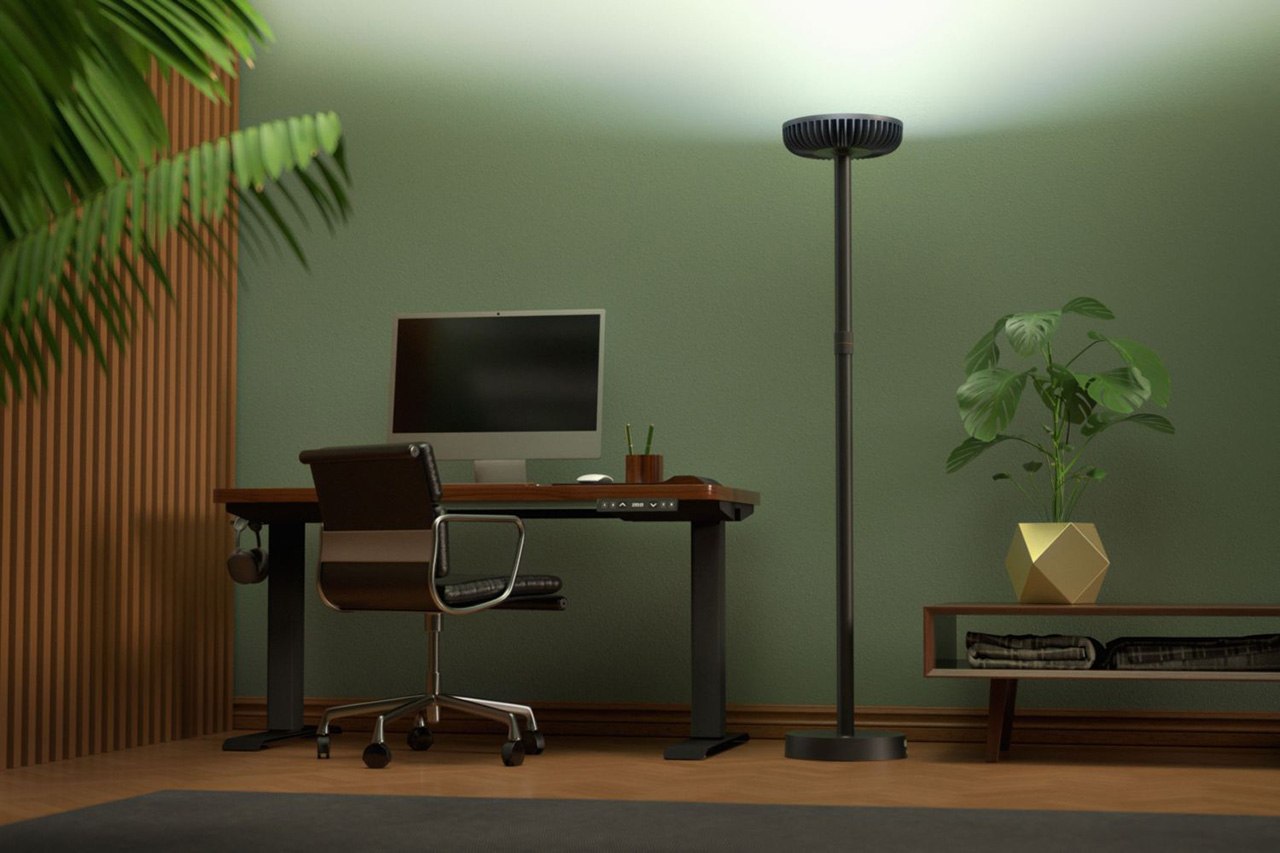
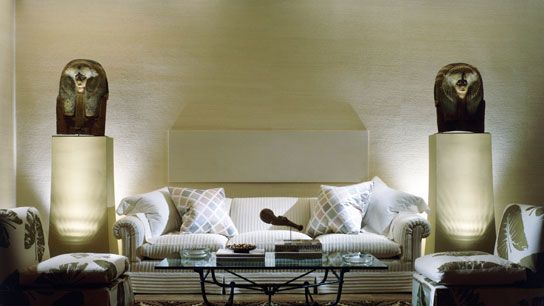
Uplighting, a lighting technique pioneered in 1949 by Manhattan lighting designer Harry Gitlin, has experienced a resurgence in popularity, aligning with a broader revival of 1970s aesthetics in design. These compact, typically inexpensive fixtures, about the size of a coffee can and housing a light bulb, are placed on a flat surface, usually the floor, to cast light upwards. Their primary function is not direct task illumination but rather to create an atmospheric 'mood,' often characterized by a sophisticated, soft glow, reminiscent of a nightclub ambiance.
Barbara D’Arcy, a highly influential interior designer who oversaw Bloomingdale’s Manhattan home-furnishings department from 1958 to 1973, was a notable proponent of uplights. In her 1973 book, 'Bloomingdale’s Book of Home Decorating,' D'Arcy expressed enthusiasm for rooms designed with minimal traditional lamps, relying instead on a combination of downlights and, especially, uplights to provide general illumination and set a distinct mood. This approach prioritized ambient light over direct light, contributing to a sense of allure and drama within a space.
A prominent example of uplighting's effective use is seen in the Paris apartment of French interior designer François Catroux and his wife, Betty. Their living room, situated in a 17th-century mansion on Île Saint-Louis, was a celebrated black-and-white space dubbed a '1970 space capsule' by American Vogue. It featured a bold, coffered ceiling with downlights, complemented by uplights discreetly integrated within an L-shaped modular seating unit. These uplights were concealed within a planter containing large dracaenas, casting splintered shadows and enhancing the room's dramatic and 'louche' character.
Despite their association with a specific era, uplights gained widespread acceptance within the design community, even among figures like Mario Buatta, known for his chintz-laden designs, and fashion designer Valentino Garavani. Designer Tom O’Toole, commenting in 1985, suggested that _Architectural Digest_ publications frequently featured interiors utilizing uplights. A review of the magazine's archives from 1970 to 1990 confirms their prevalence in diverse settings, from Larry Laslo’s sensual Manhattan living room, where uplights highlighted purple-lacquer boiserie, to Diana Phipps’s London bedroom, where they were hidden behind a pink-plaid canopy bed.
While some uplights might have been introduced by photographers to enhance specific shots, many were integral to the overall design, enriching otherwise minimalist environments. Lee F. Mindel of Shelton, Mindel & Associates, an AD100 architecture firm, acknowledges the value of uplights despite finding them more commercially than residentially oriented. He notes that in neutral spaces lacking architectural embellishments, an uplight positioned to shine through a large plant, such as a palm or fiddle-leaf ficus, can introduce dynamism and make a bold architectural statement. For those seeking to introduce dramatic lighting and animate a space, contemporary options for uplights are readily available. Lexstar offers classic square canister uplights in various finishes and sizes, ranging from approximately $60, with custom options available. Pro Track provides more affordably priced cylindrical uplights, typically between $15 and $35, through online retailers like Lamps Plus and Amazon.
#Uplighting #InteriorDesign #1970sRevival #ArchitecturalLighting #HomeDecor #LightingDesign #MoodLighting #FrançoisCatroux #BarbaraD'Arcy #Uplighting #InteriorDesign #1970sRevival #ArchitecturalLighting #HomeDecor #LightingDesign #MoodLighting #FrançoisCatroux #BarbaraD'Arcy
0 comment in total
 No comments yet
You may also like
Downlights

The Bold New Lighting Collection Everyone is Talking About
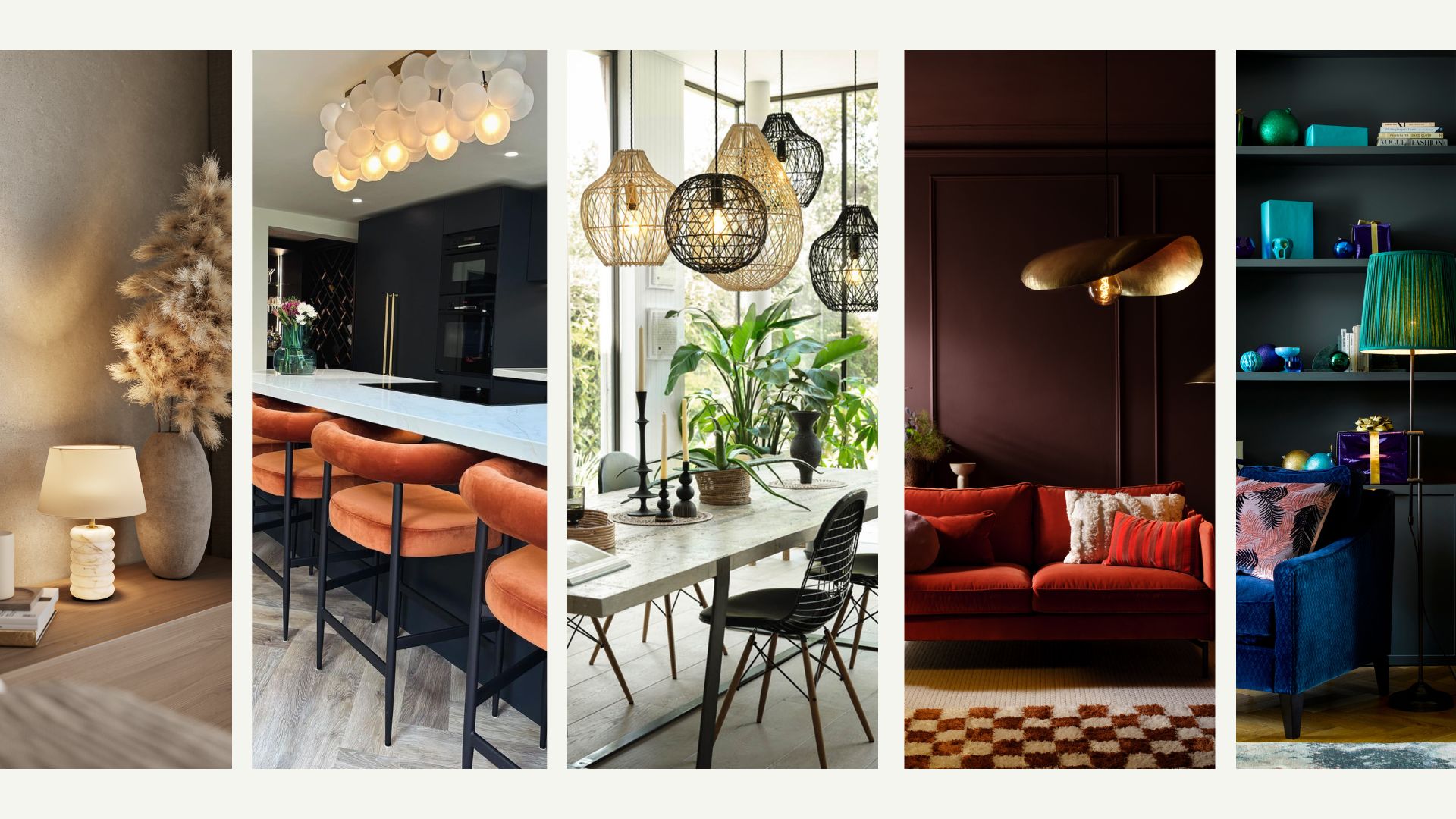
Lighting Trends 2025: 12 illuminating ways to elevate your interiors with on-trend designs

No Natural Light? Here's How To Brighten Your Space, According To Designers
Lighting Up

Proper lighting can add drama and coziness to any space

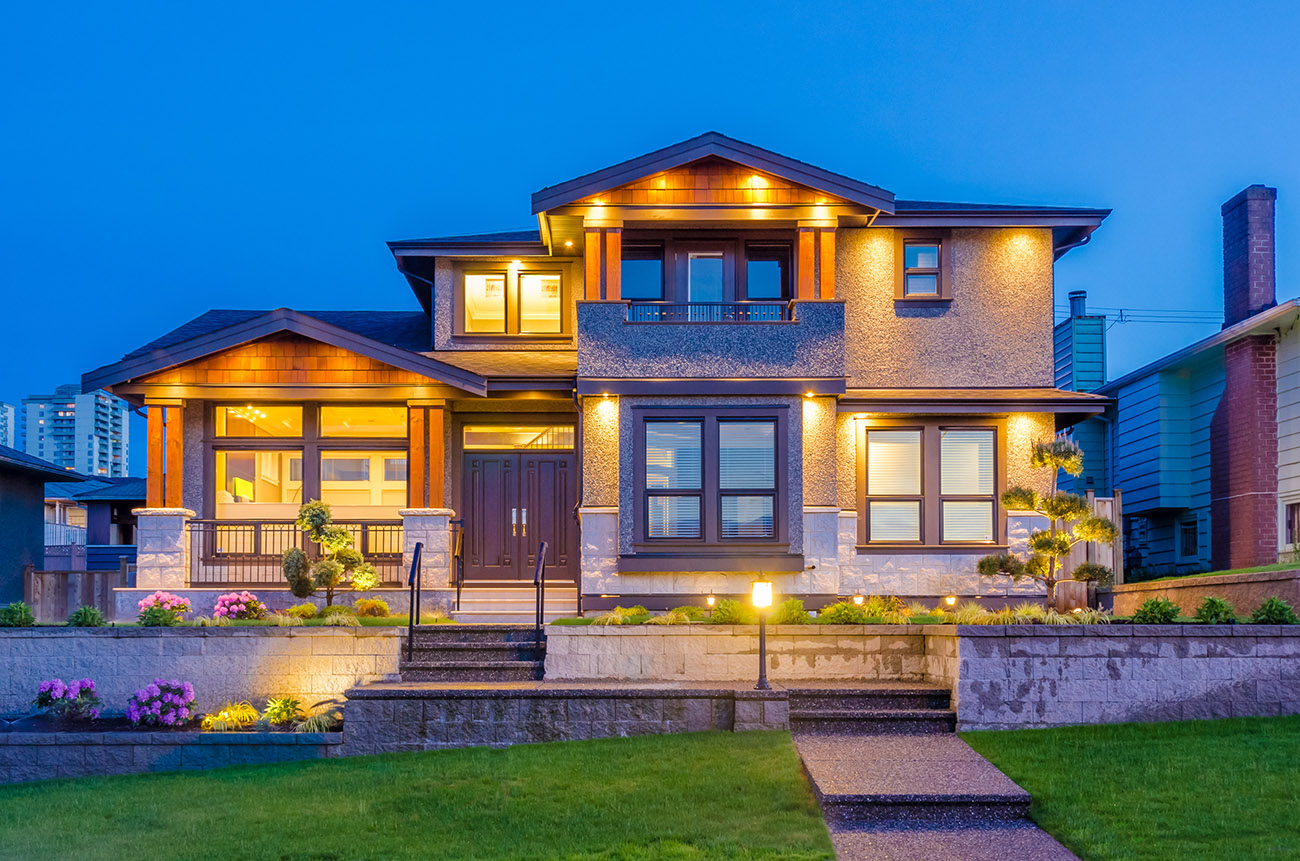
Landscape Lighting: The Curb Appeal Boost
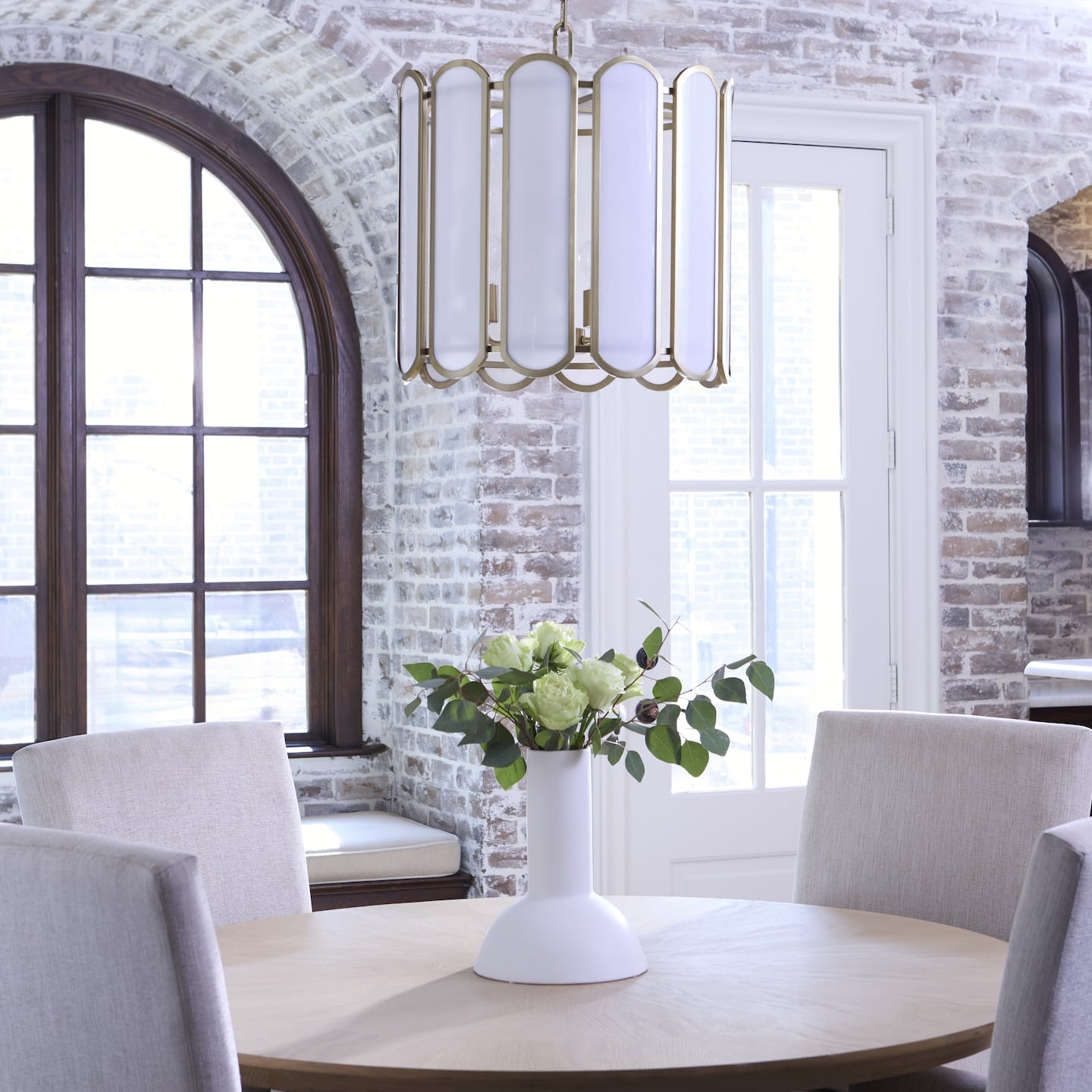
Design experts offer lighting tips for upgrades that shine

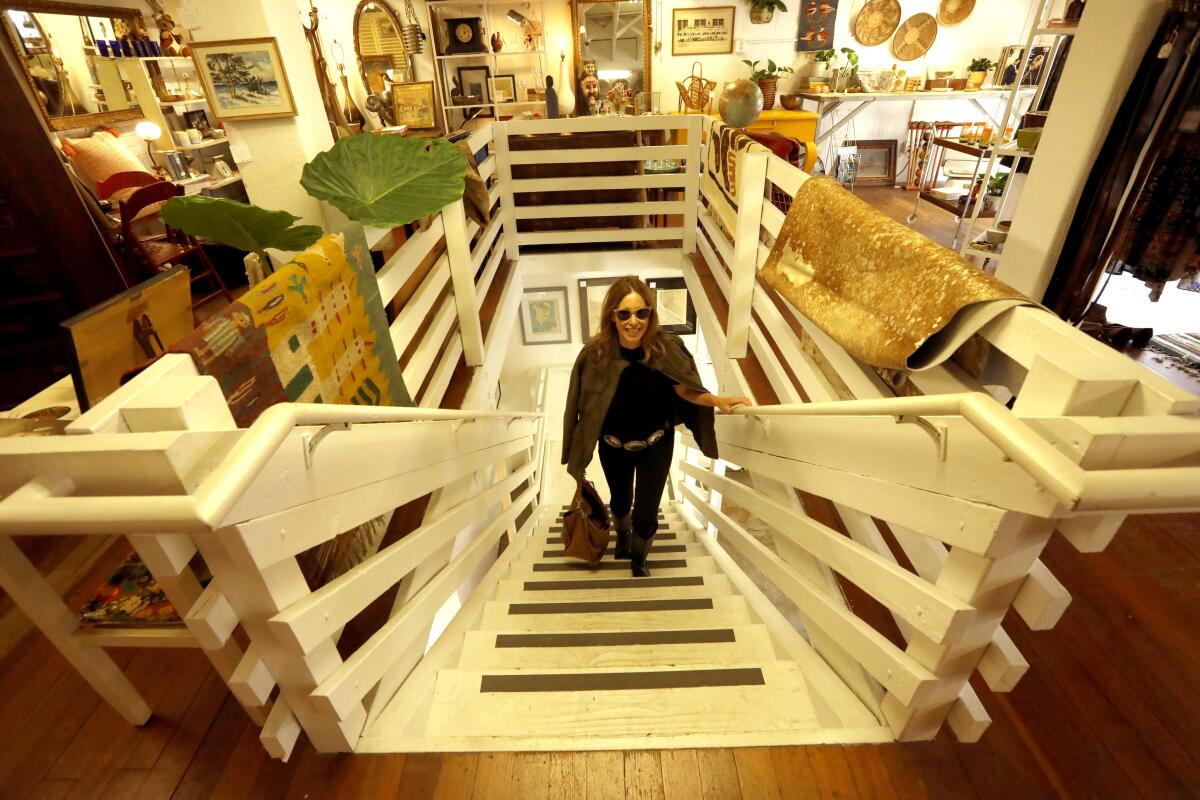
Browsing: Let there be light. And the quirkier the better

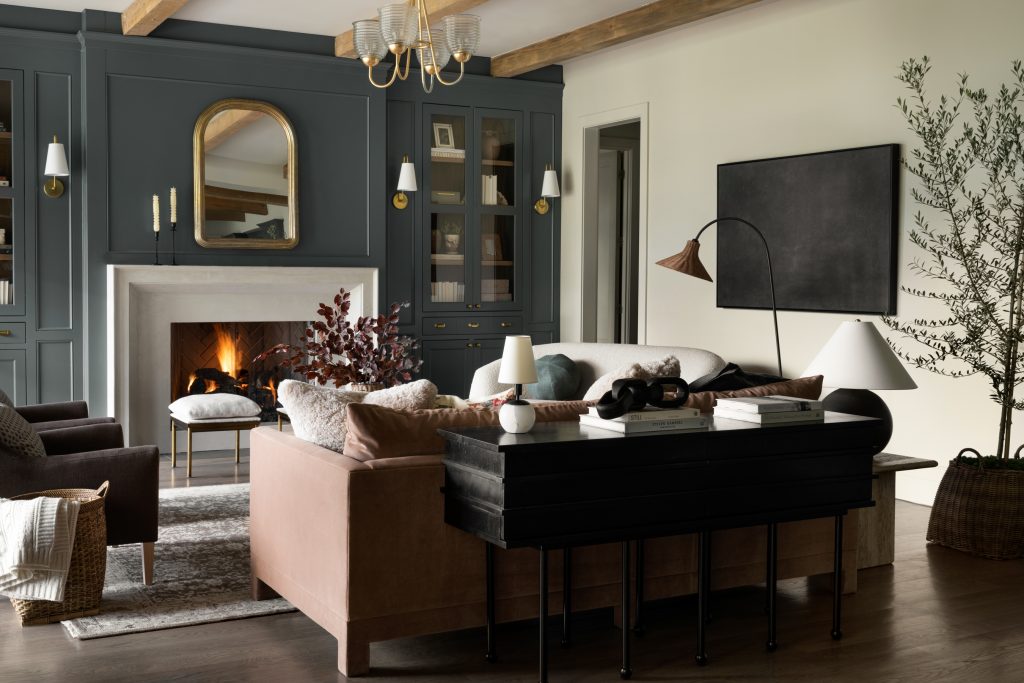
Lighting Trends We’re Loving
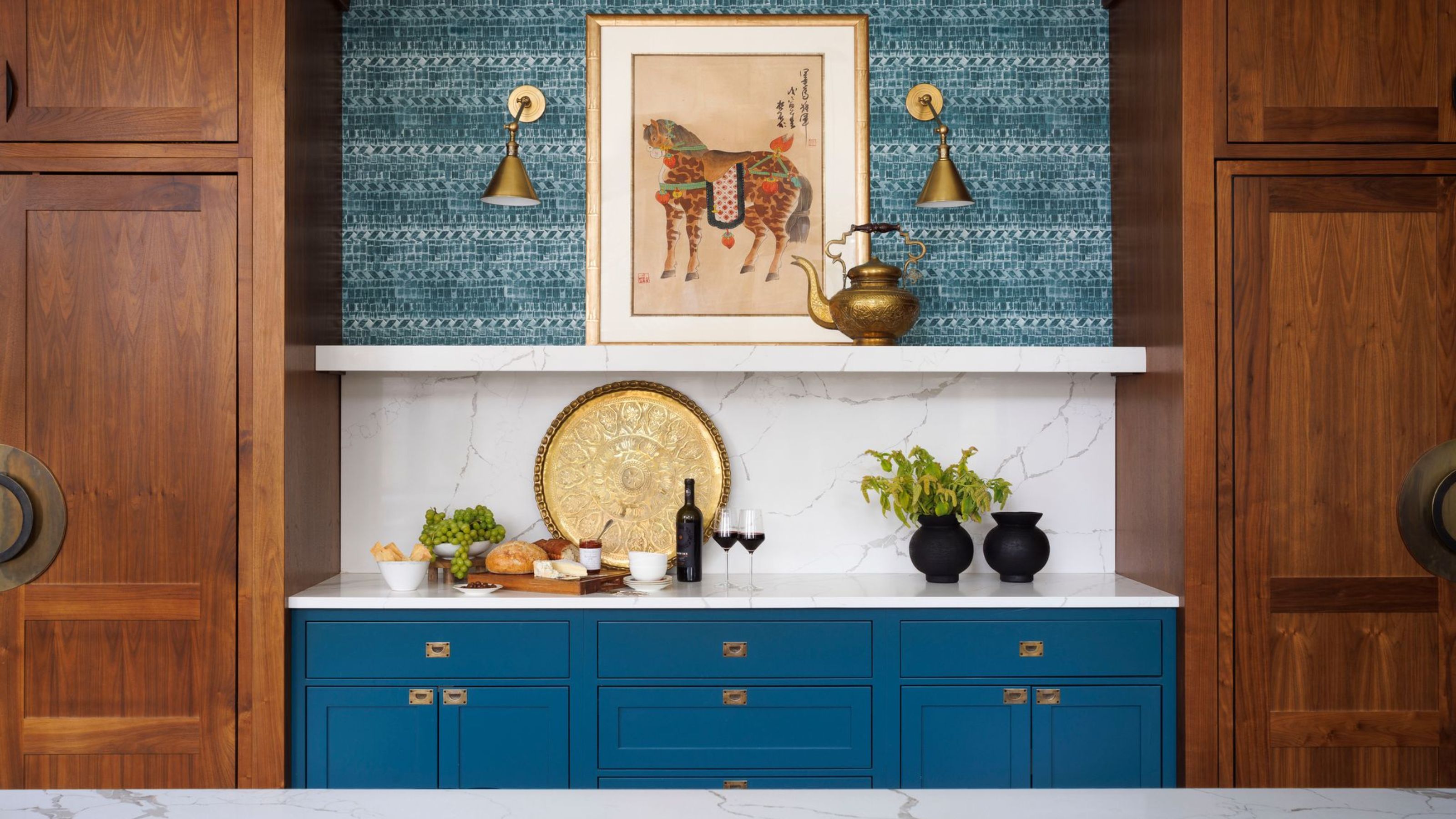
The 5 lighting trends that designers say will shine brightly in 2025

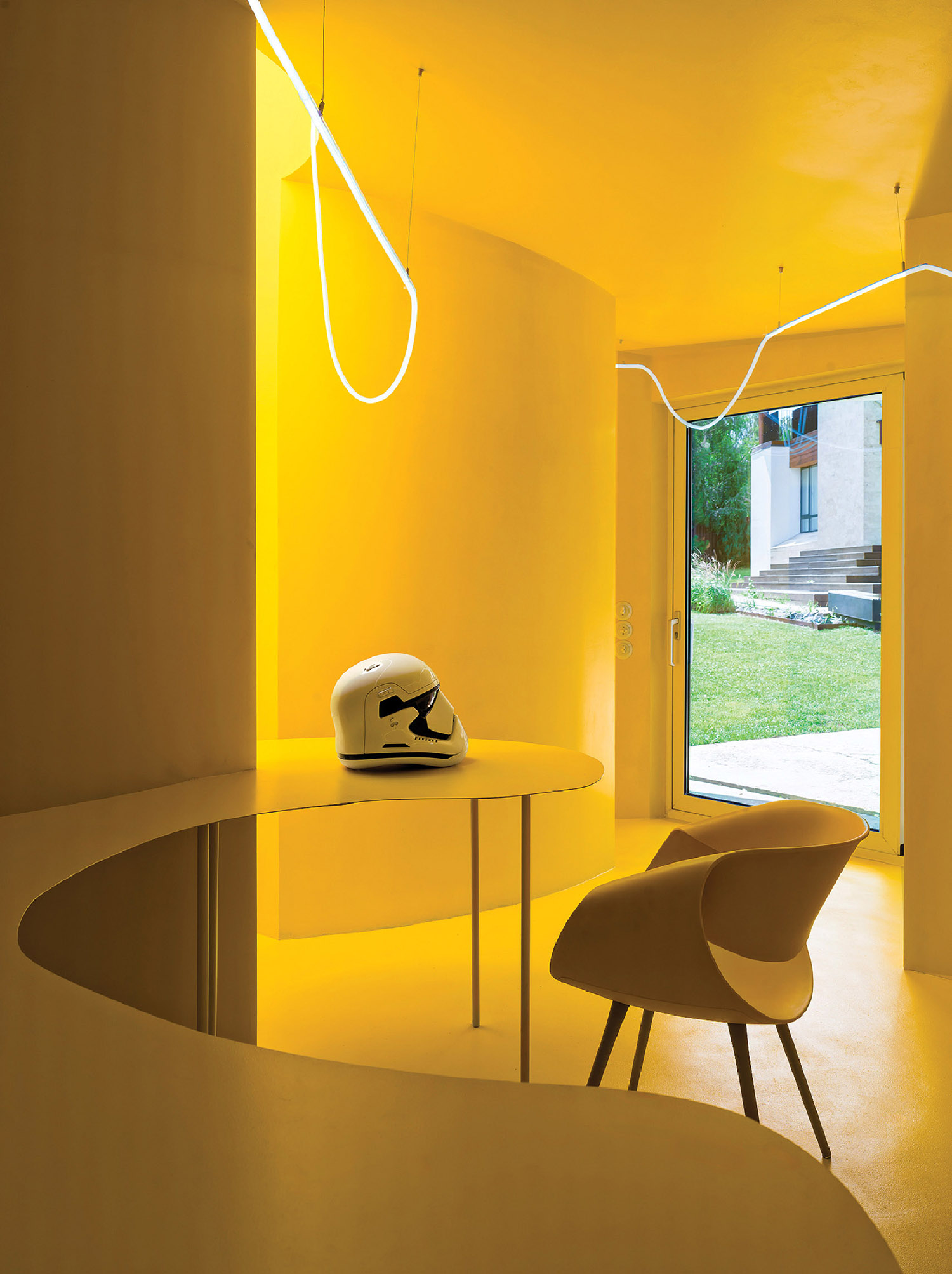
A Home Addition Offers A Sunlit Ode To Suprematism

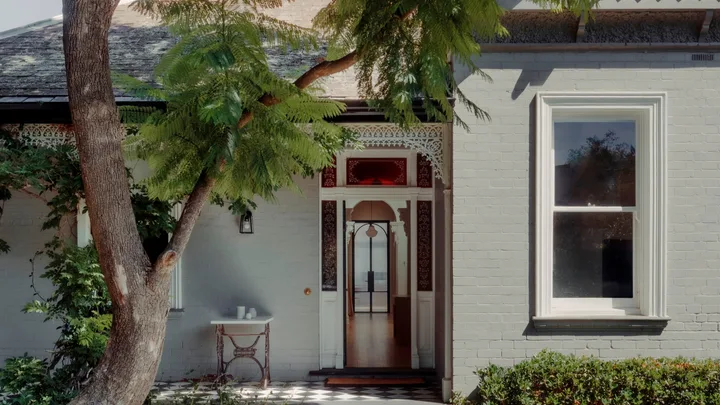
An Edwardian revival that lets the light pour in

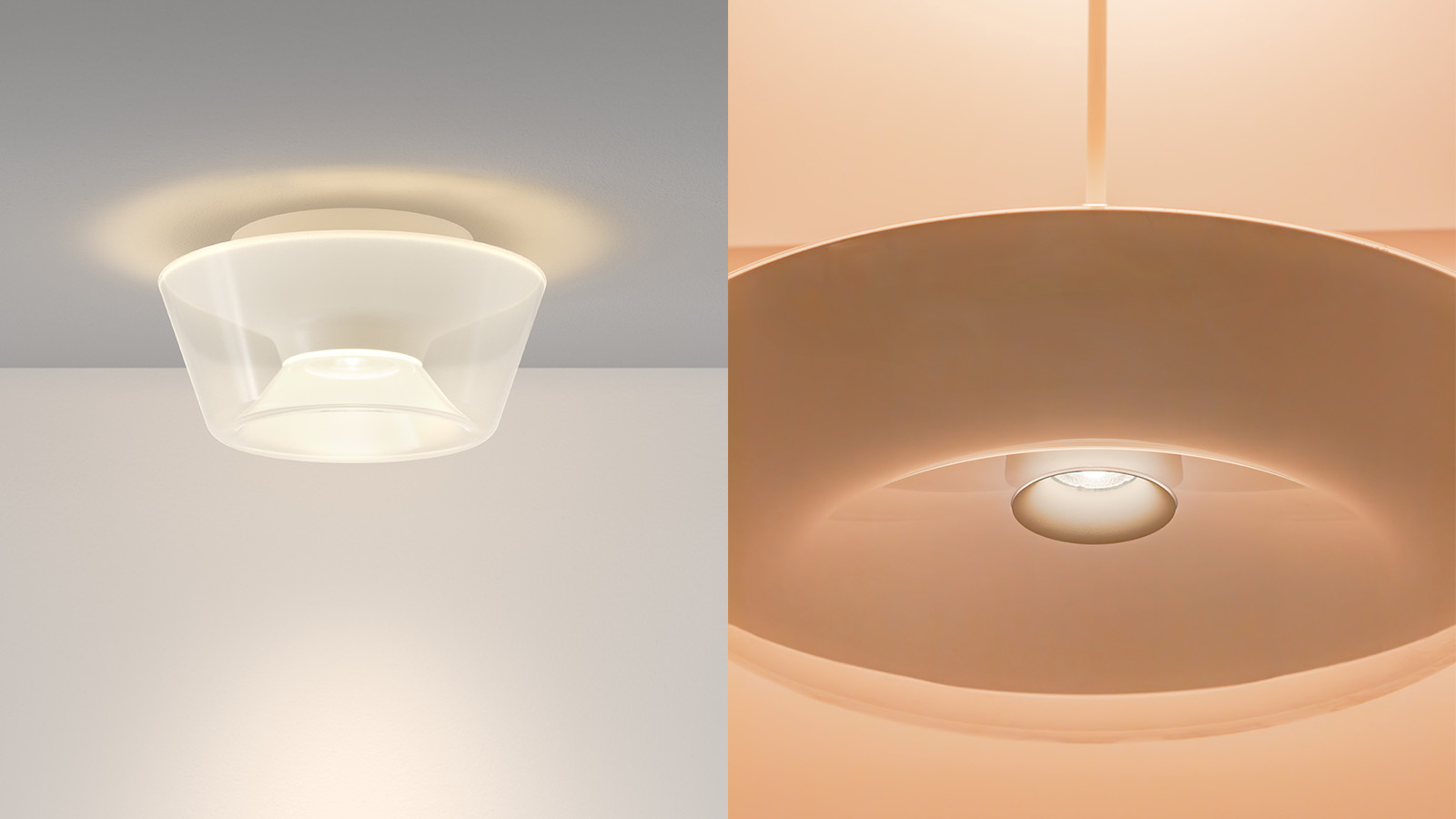
Lucifer Lighting's fixtures are designed to ‘define and disappear’

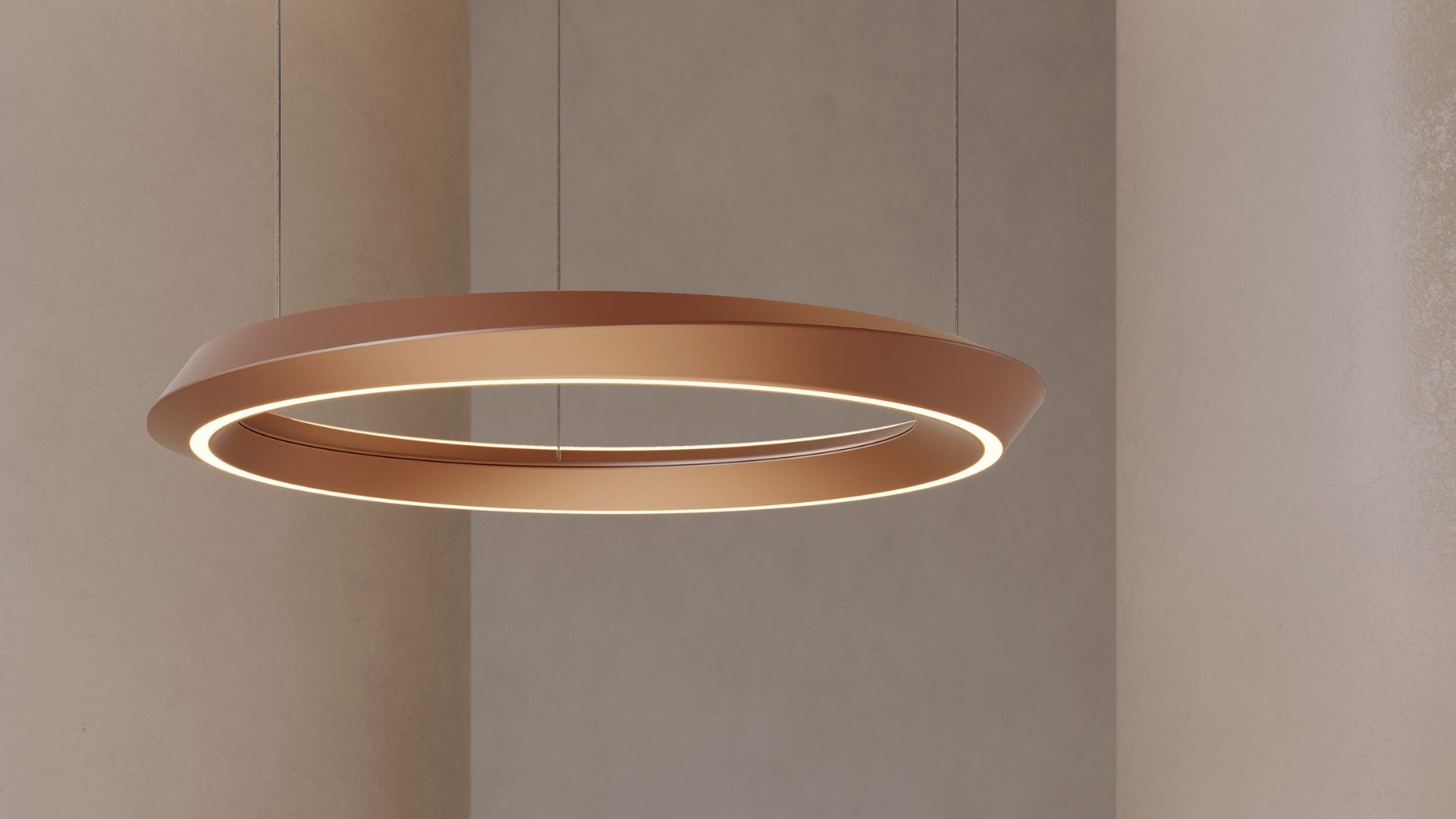
Dynamic perspectives: a lamp that transforms with every angle

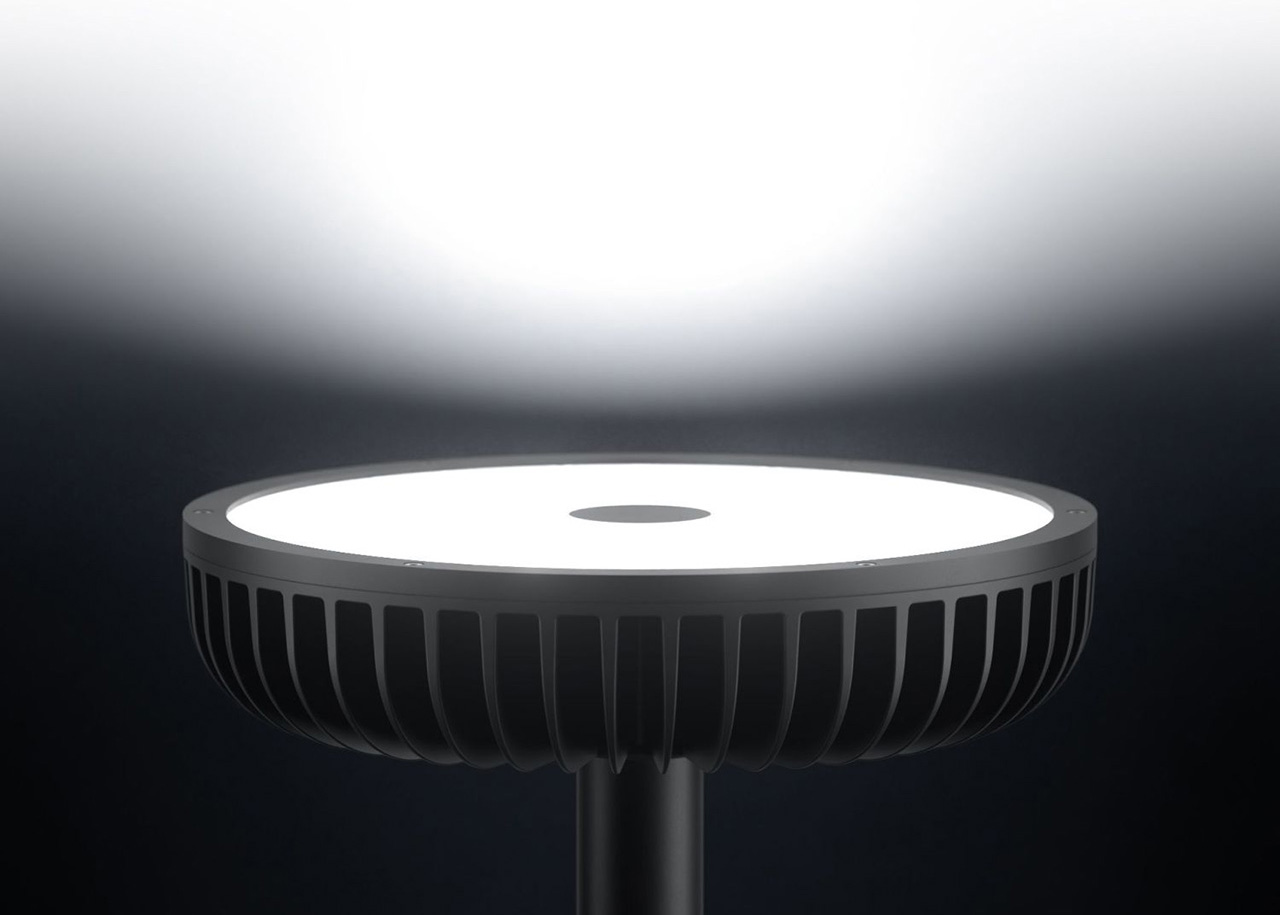
The Brighter Floor Lamp Brings The Sun Inside
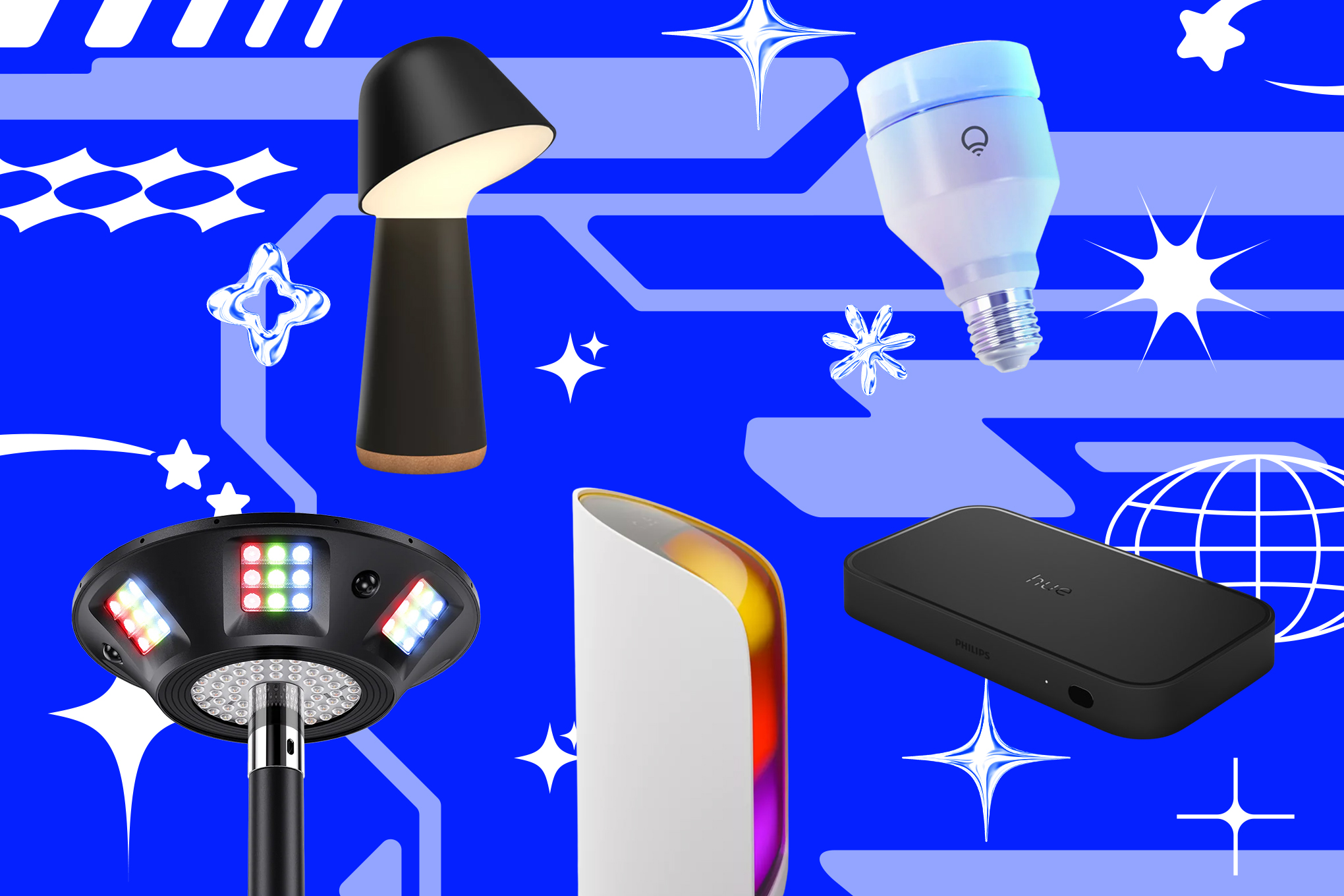
Fall into smarter lighting
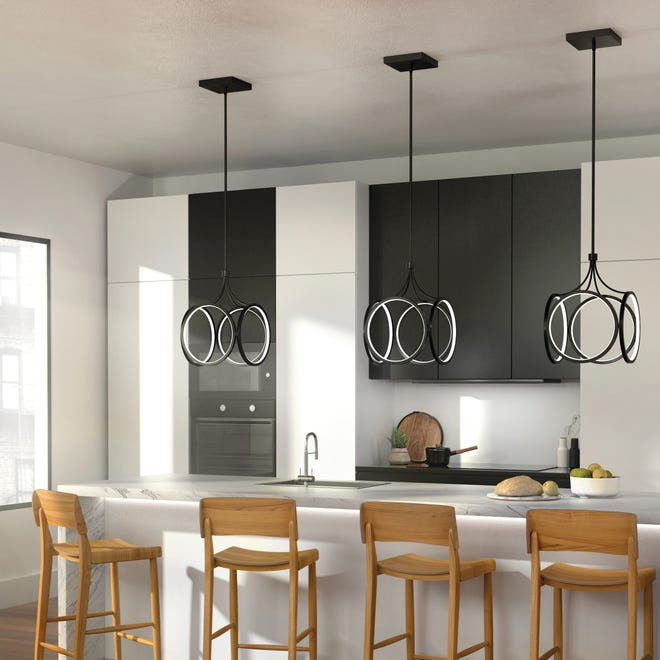
Homestyle: Lighting the way
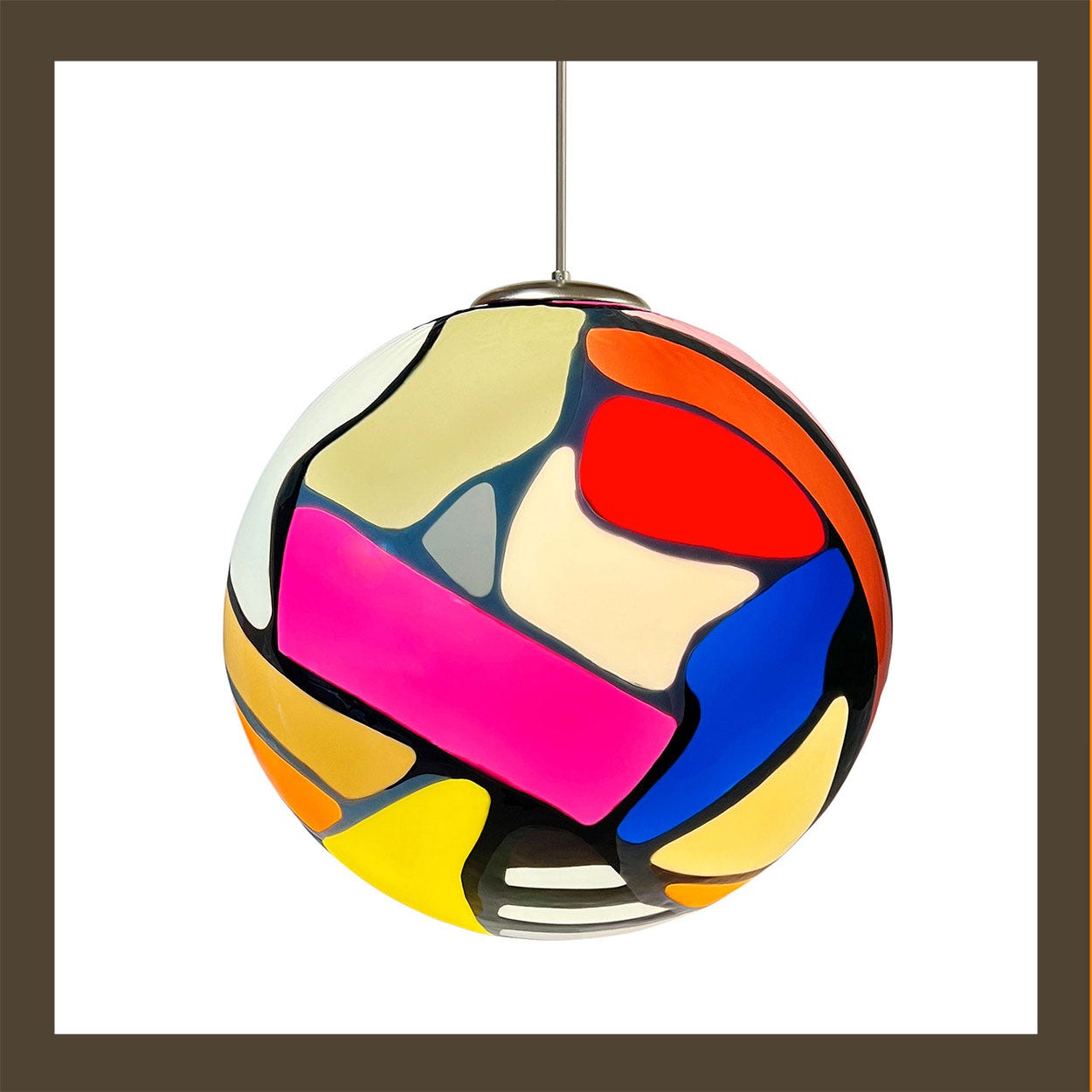
These Statement Lighting Options Will Take Your Living Room from Drab to Fab
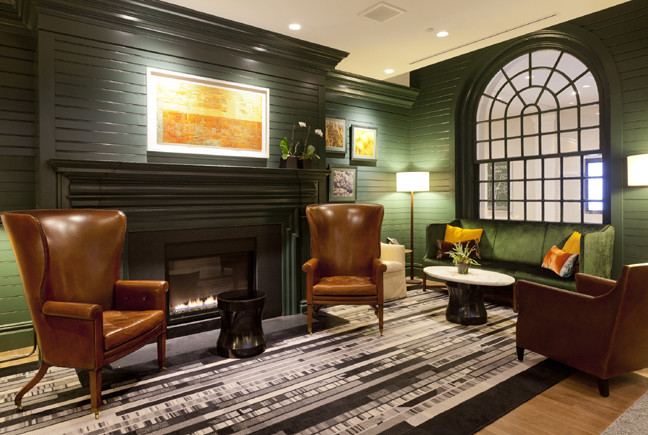
The Secrets Of Good Lighting