Light Your Fire
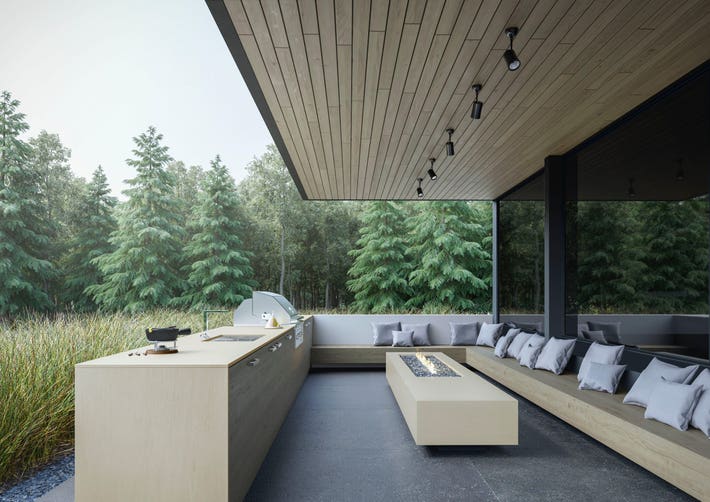
The increasing popularity of outdoor fire features, such as fireplaces, fire pits, and chimineas, is extending the enjoyment of outdoor living spaces year-round. These additions are becoming integral to luxury home design and outdoor entertaining, allowing individuals to utilize their yards earlier in the spring and later into the fall. Tim Dewson of Dewson Construction Company notes that people are consistently seeking ways to enjoy their outdoor environments, and fire features provide an excellent incentive.
Carol Christensen, a casual furniture buyer for Waterloo Gardens, observes that nearly all high-end hardscaping projects now incorporate a fire element. Gathering around a fire pit has evolved into a social event, facilitating casual drinks among adults and offering a fun activity like making s'mores for families. Traditionally, outdoor fireplaces were constructed from masonry. However, recent innovations include prefabricated stainless steel fireboxes, which serve as a durable base for both wood-burning and gas fireplaces, costing approximately $1,500. Homeowners can then customize the surround with materials such as stone, brick, or stucco. Another modern option is "crystal fire," a circular marble-top cocktail table that can transform into either a wine cooler or a natural/propane gas-fueled fire pit. This unit, priced around $1,500, features multi-colored glass that glows when lit, offering a visually stunning effect and versatility for outdoor comfort.
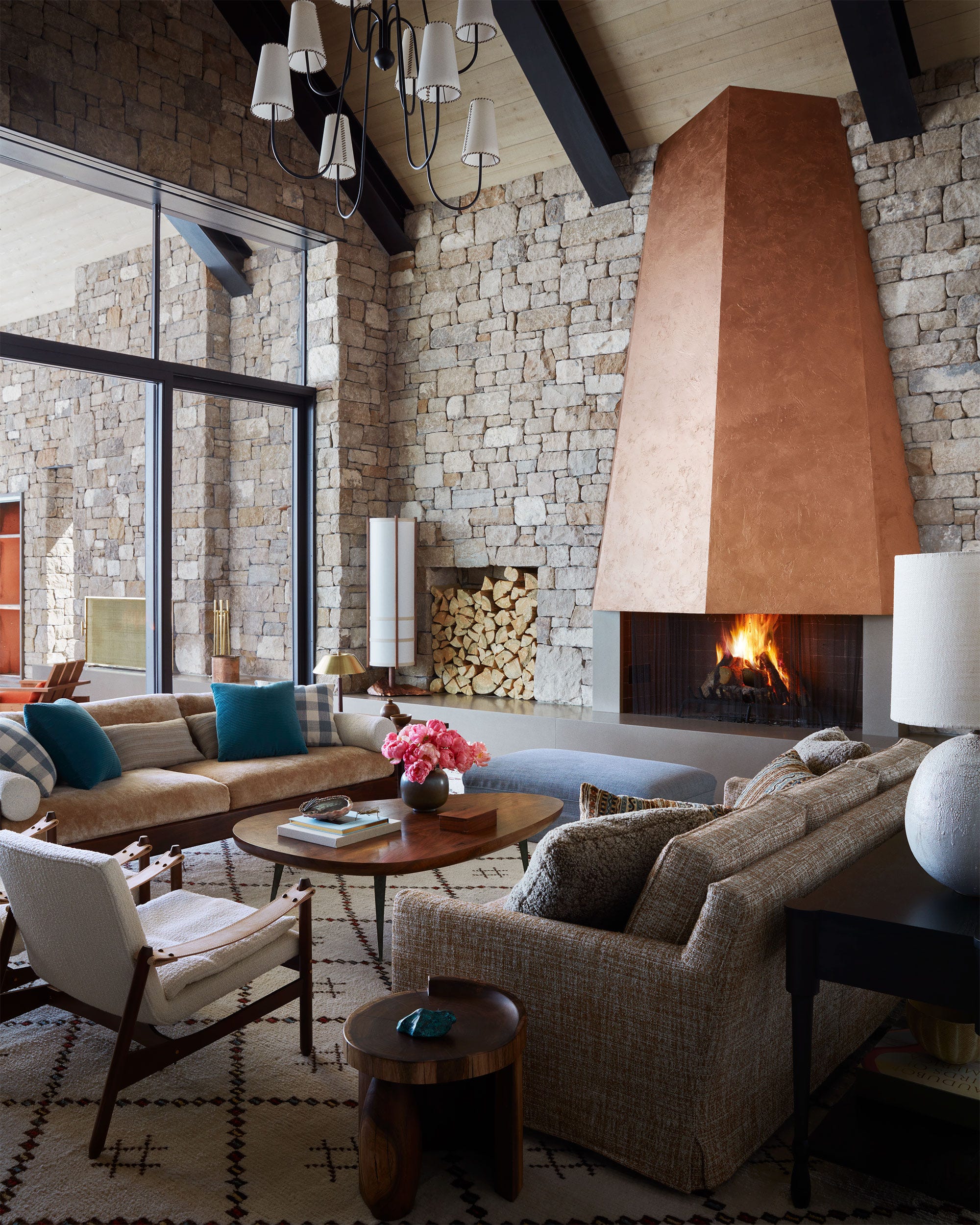
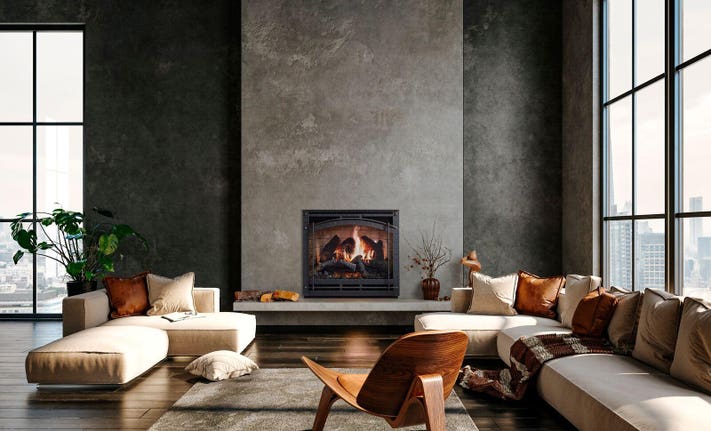
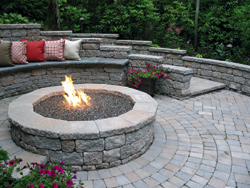
Selecting an appropriate fire feature involves balancing aesthetics, practicality, and safety, often guided by local ordinances. The scale of the property and personal entertaining style are key considerations. Fireplaces emit significant heat and are ideal for creating outdoor rooms, while fire pits are more suited for communal activities like toasting marshmallows. Both can be equipped with cast-iron racks for cooking, though grease splatter can stain stonework. Dewson has designed free-standing fireplaces for elaborate outdoor rooms, complete with built-in seating, wood storage, and pergolas. These often match the home's existing stone or brick, with complementary or contrasting hardscaping. Zach Davis of Davis Young Associates highlights details like chimneypots that mirror the main house and raised hearths for better flame visibility and easier maintenance, as seen in a project combining a fieldstone fireplace with a bluestone patio.
Less expensive alternatives include clay chimineas, typically under $500, which are portable and evoke a Southwestern aesthetic. However, they require logs to be cut to size and need to be stored indoors in cold weather to prevent cracking. Cast-iron chimineas are more durable but less mobile. Like fireplaces and fire pits, chimineas can also be gas-fueled, offering convenience and vent-free operation for both indoor and outdoor use. Safety is a critical concern, with wood-burning units requiring placement on stone surfaces, while gas units can be safely integrated into wood decks. Gas options eliminate the need for log splitting, kindling, or ash shoveling, making them suitable for urban settings or areas with close neighbors, as they produce less smoke.
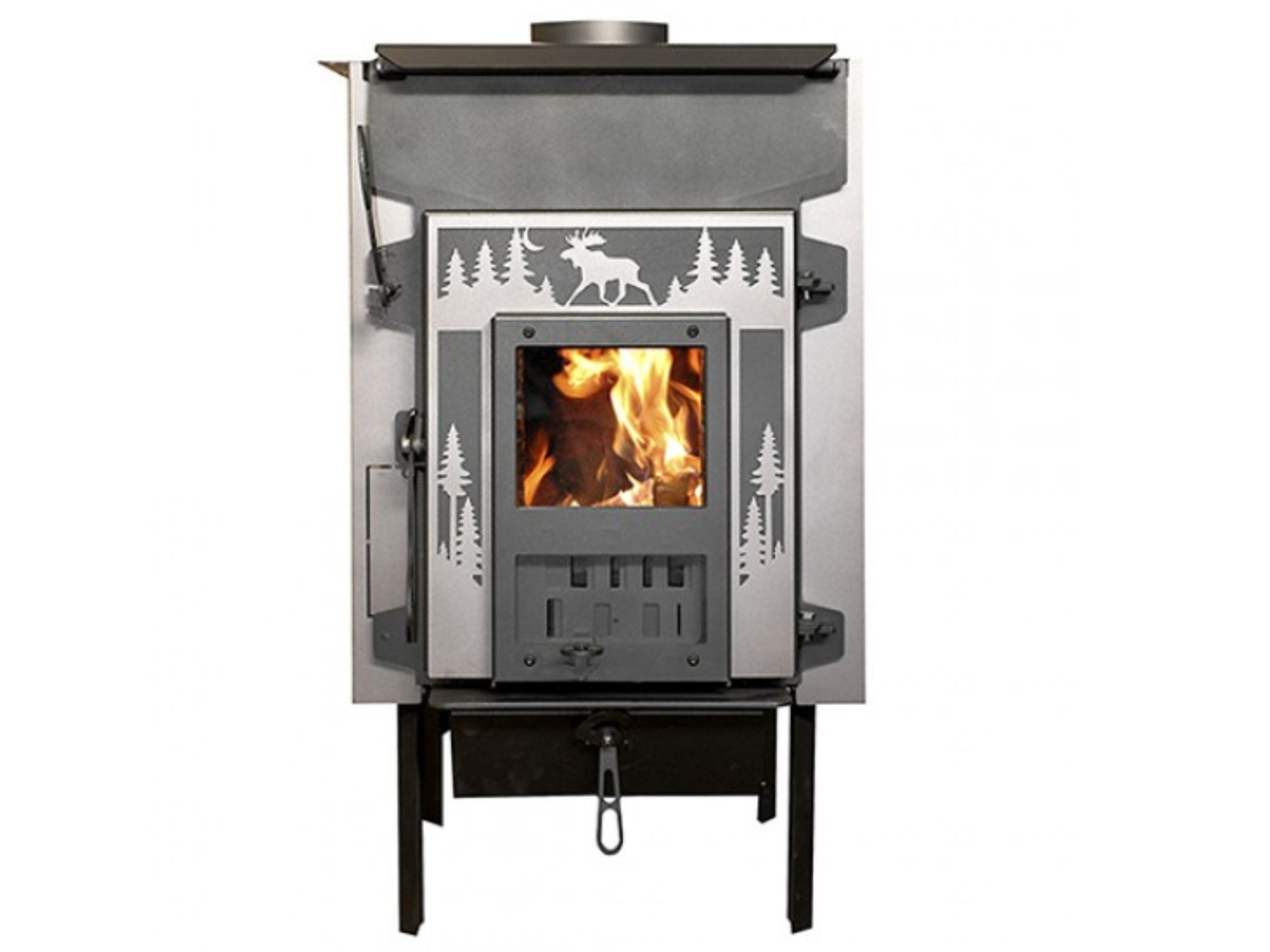
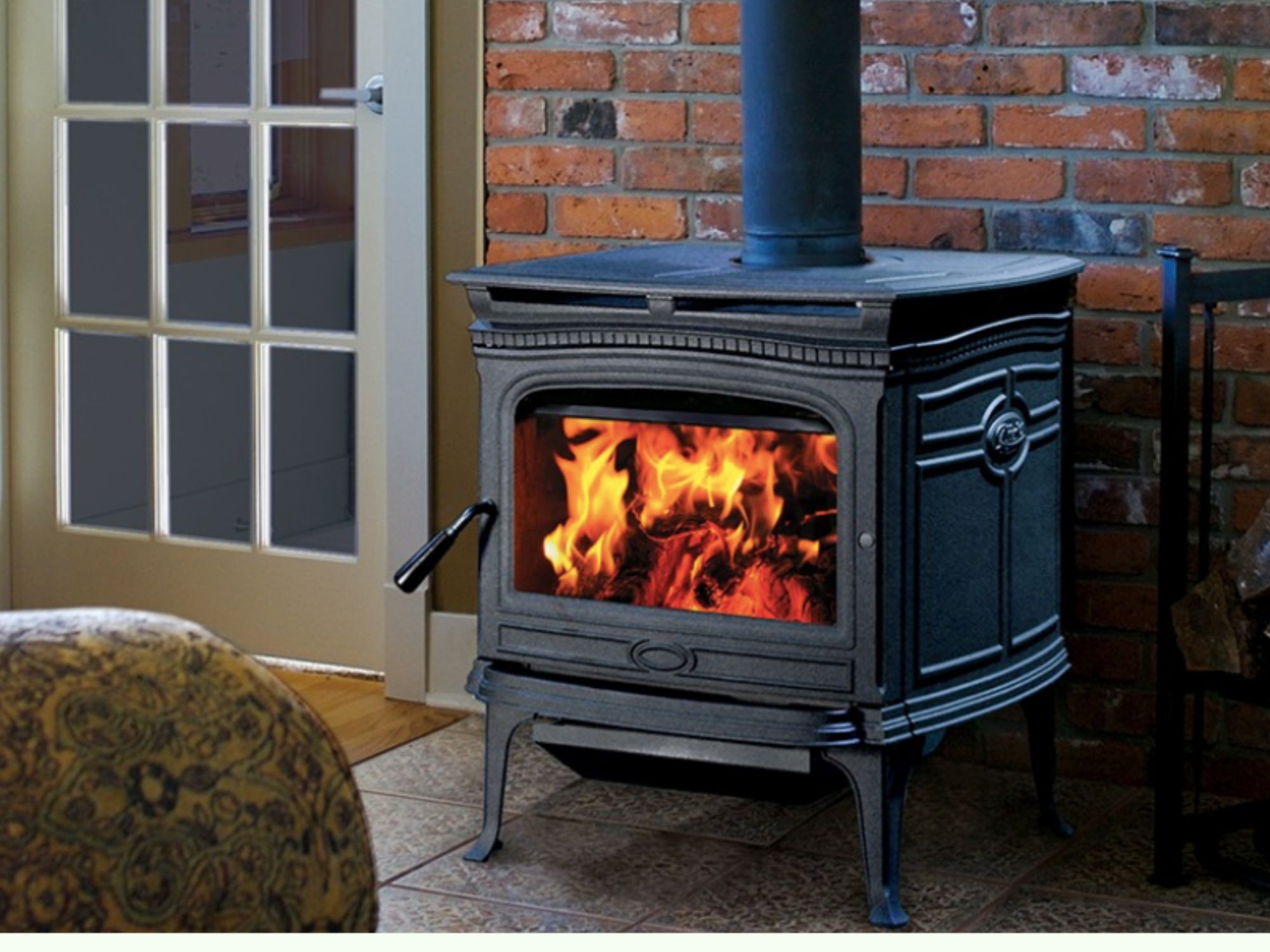
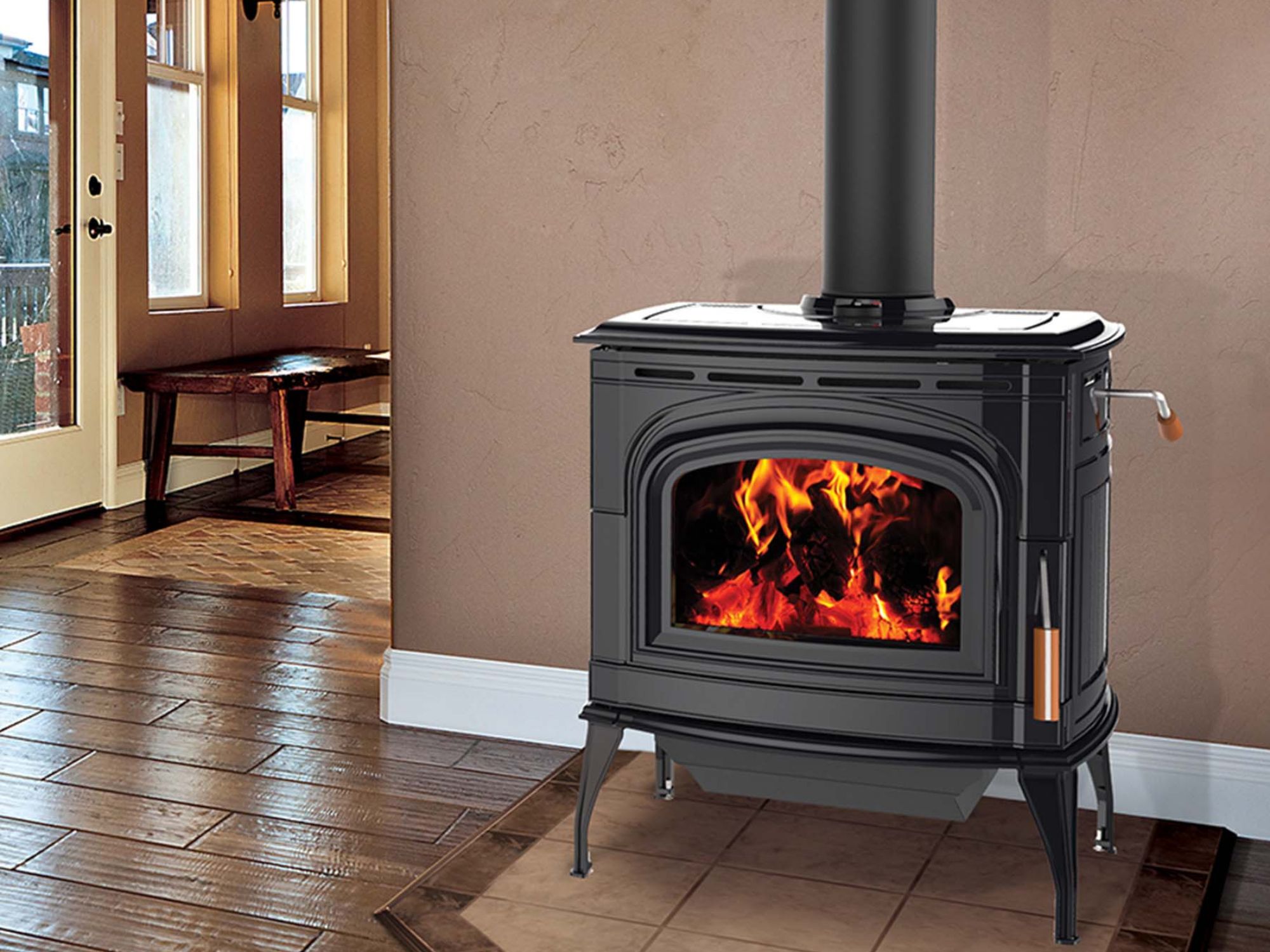
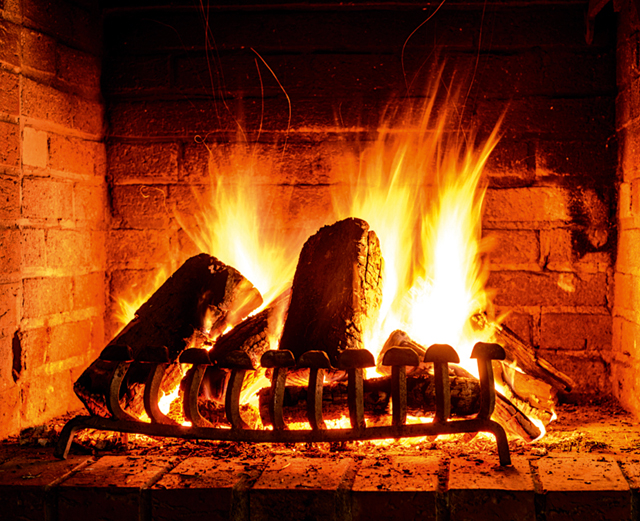
While gas offers convenience, many still prefer wood-fueled fires for their primal appeal, crackle, and distinct smell. Flammable gel packs provide a third alternative, with the amount of gel depending on the unit's size. Professionally designed and installed masonry fire pits can cost upwards of $10,000, and comprehensive outdoor entertaining areas with fireplaces, pergolas, and patios can reach $50,000. More budget-friendly options are available from retailers like Target, offering models from $49 portable fireplaces to $600 stone tables with copper fire pit inserts. Home Depot sells a $3,400 stand-alone outdoor wood-burning fireplace convertible to gas. Crucial safety tips include never using wood-burning units in enclosed spaces due to carbon monoxide risk, insulating metal or clay chiminea bowls, building small initial fires in clay units, avoiding placement near flammable materials, and never burning chemically treated wood or using gasoline to start fires. Fires should never be left unattended, and units should not be moved for at least 24 hours after use due to retained heat. Always check local ordinances regarding outdoor fire units.
#OutdoorLiving #Fireplaces #FirePits #Chimineas #HomeDesign #OutdoorEntertaining #Hardscaping #PatioDesign #LuxuryHomes #OutdoorLiving #Fireplaces #FirePits #Chimineas #HomeDesign #OutdoorEntertaining #Hardscaping #PatioDesign #LuxuryHomes
0 comment in total
 No comments yet
You may also like
Fires & Fireplaces

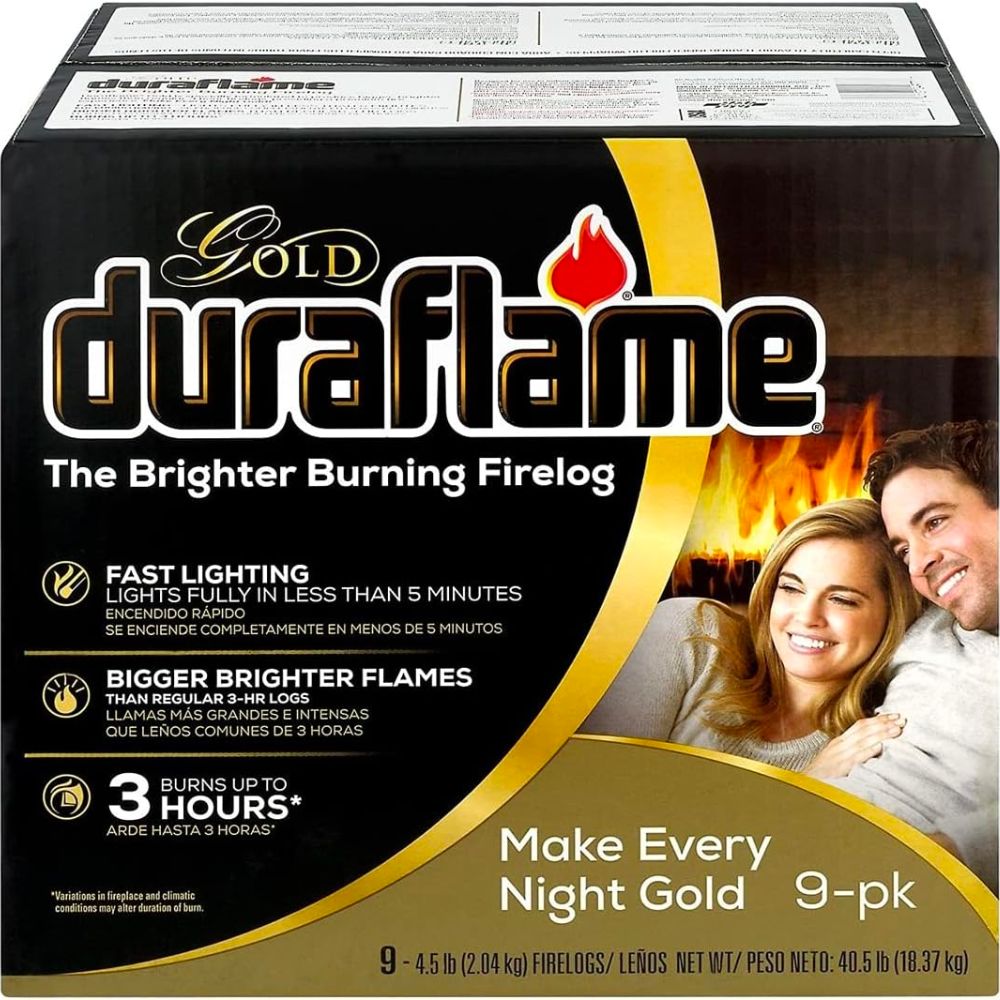
The Best Fire Logs for Long-Lasting Ambience, Tested

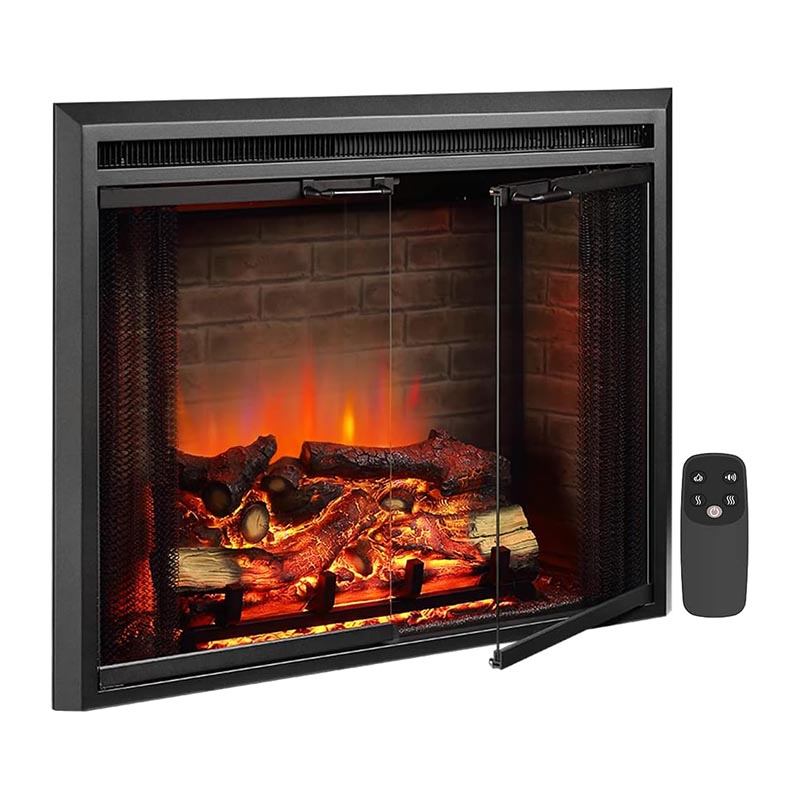
Our Favorite Electric Fireplace Is Easy to Install for a Life-Like Fire

Keeping the Light On
Lighting Up

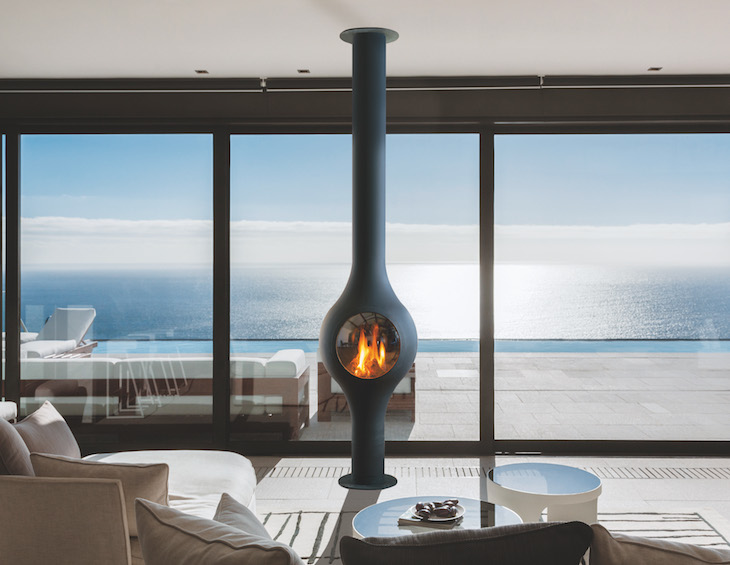
Product watch: Focus’ sculptural fireplaces with eco credentials
Knowledge Bank: Fire Surrounds

Don’t Even Think About Having a Fire at Home Without This One Essential Product

Man on Fire
How to safely start a fire in a fireplace that lights easily every time
Cozy Up Your Home With an Electric Fireplace Insert

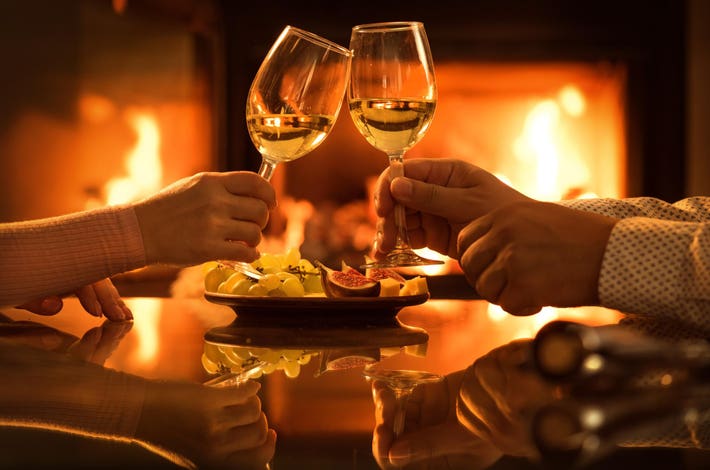
New Fire Features Add Romance, Comfort And Resale Value To Home Spaces

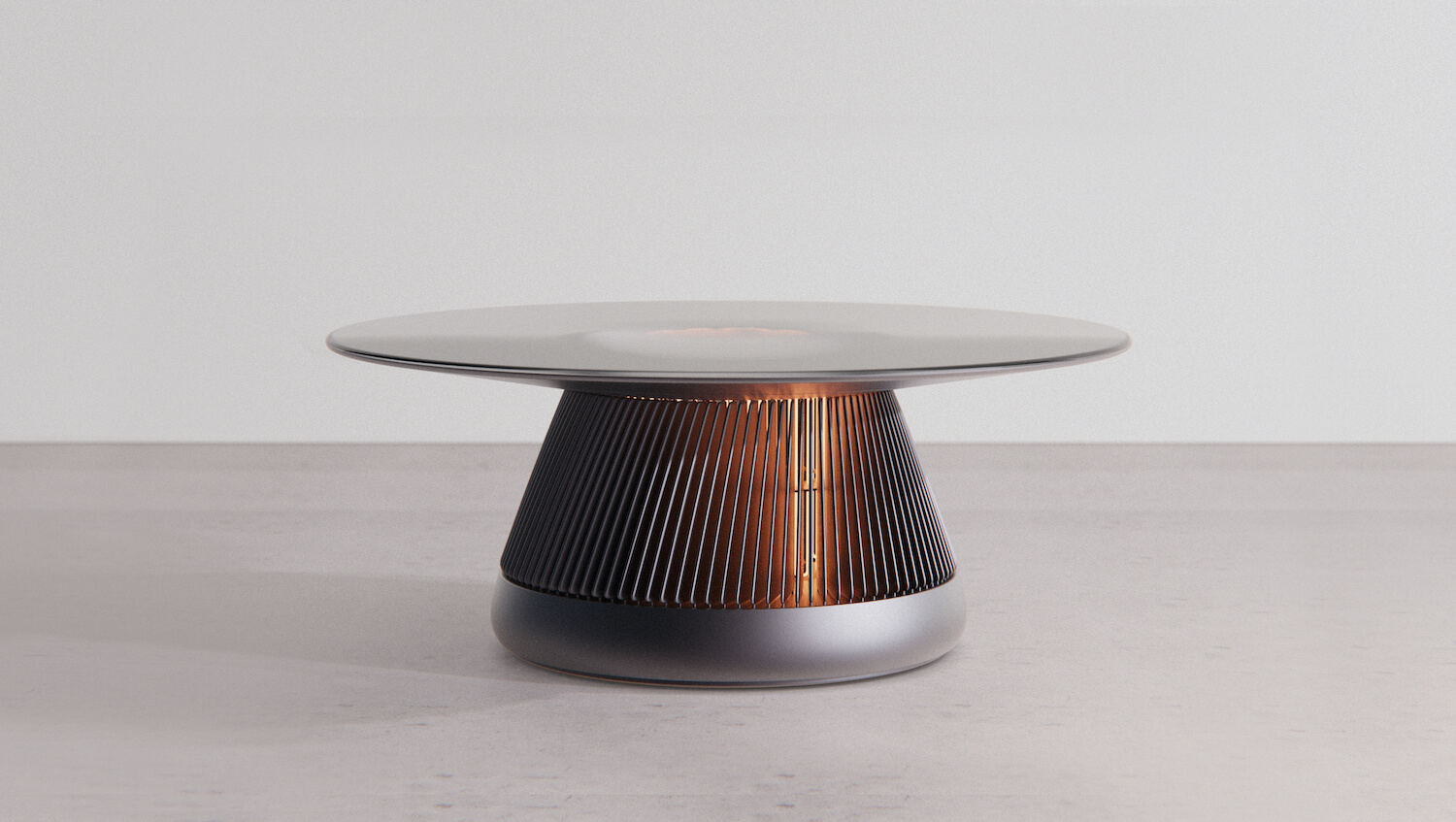
The Hearth electric heater puts a twist on the act of building a fire


Better to Light a Single Lantern Than Curse the Dark
7 fireplace ideas for the home this winter
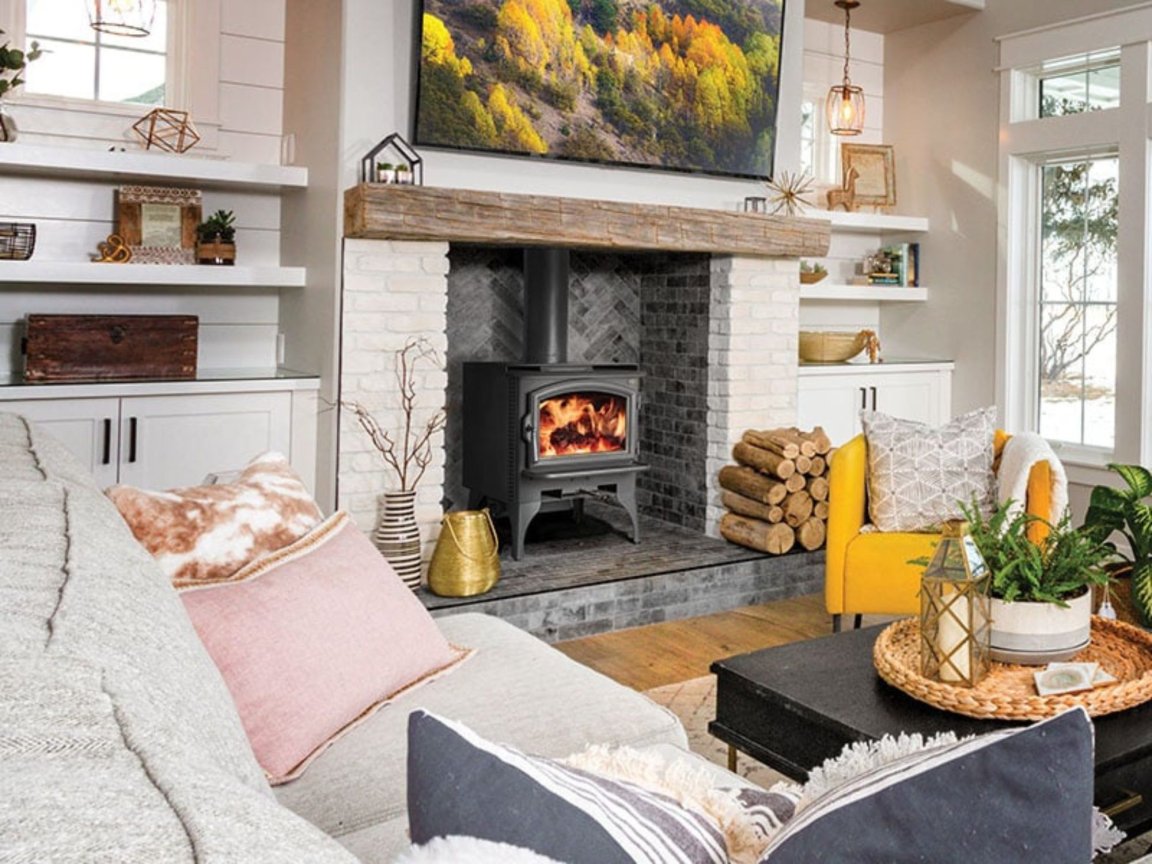
These Are the Best Wood Stove Brands and Manufacturers Today
Take the Chill Off with an Electric Fireplace
The best electric fires: wall-mounted and freestanding

77 Fireplace Ideas to Bring a Much-Needed Spark to Your Space
Open fires v wood-burning stoves: The grate debate