1/8
A Look Back At 7 2000s Kitchen Trends We All Suffered Through
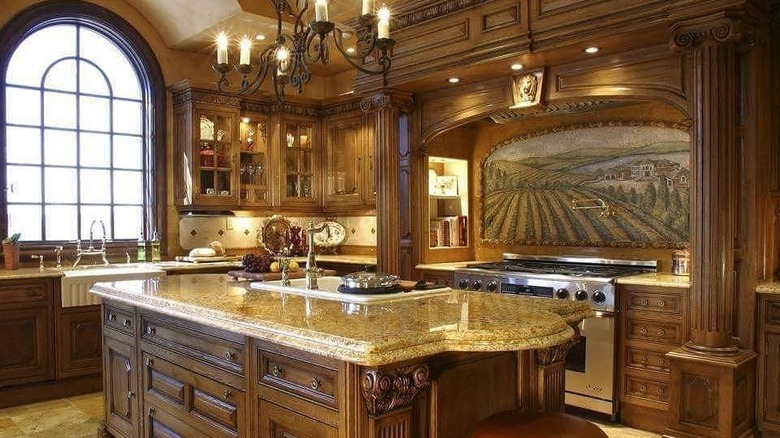
The early 2000s presented a distinct era for kitchen design, characterized by trends that emerged without the influence of social media platforms like Instagram, Pinterest, or TikTok. During this period, homeowners relied on magazines and personal recommendations to shape their interior choices, leading to a surprisingly uniform adoption of certain styles. Key features of 2000s kitchens included granite countertops, extensive use of warm wood, and a propensity for clashing patterns. Stainless steel appliances were considered cutting-edge, and the aspirational design was often a Tuscan-themed kitchen.
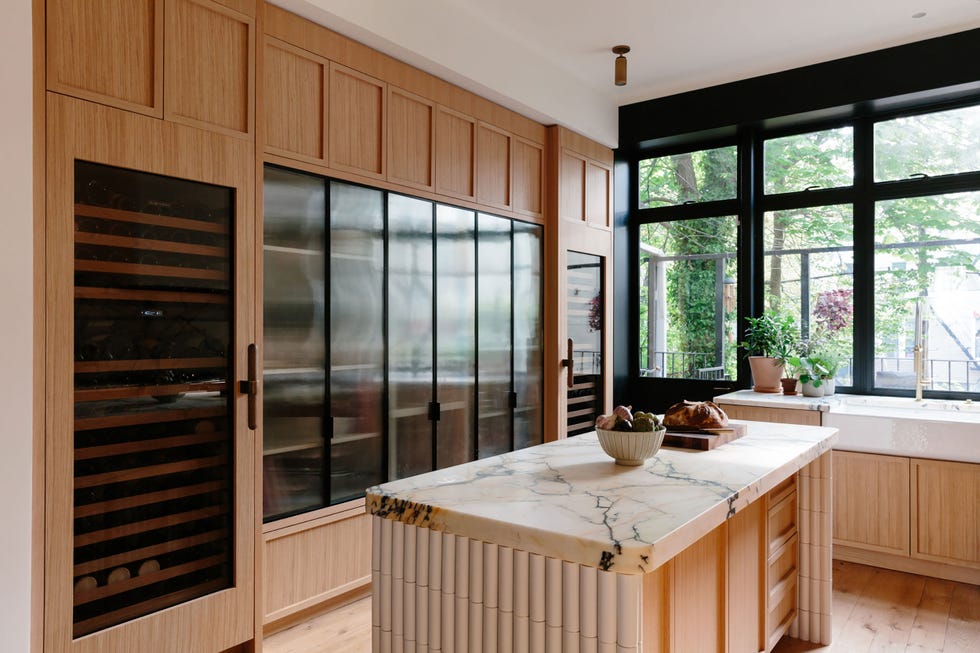
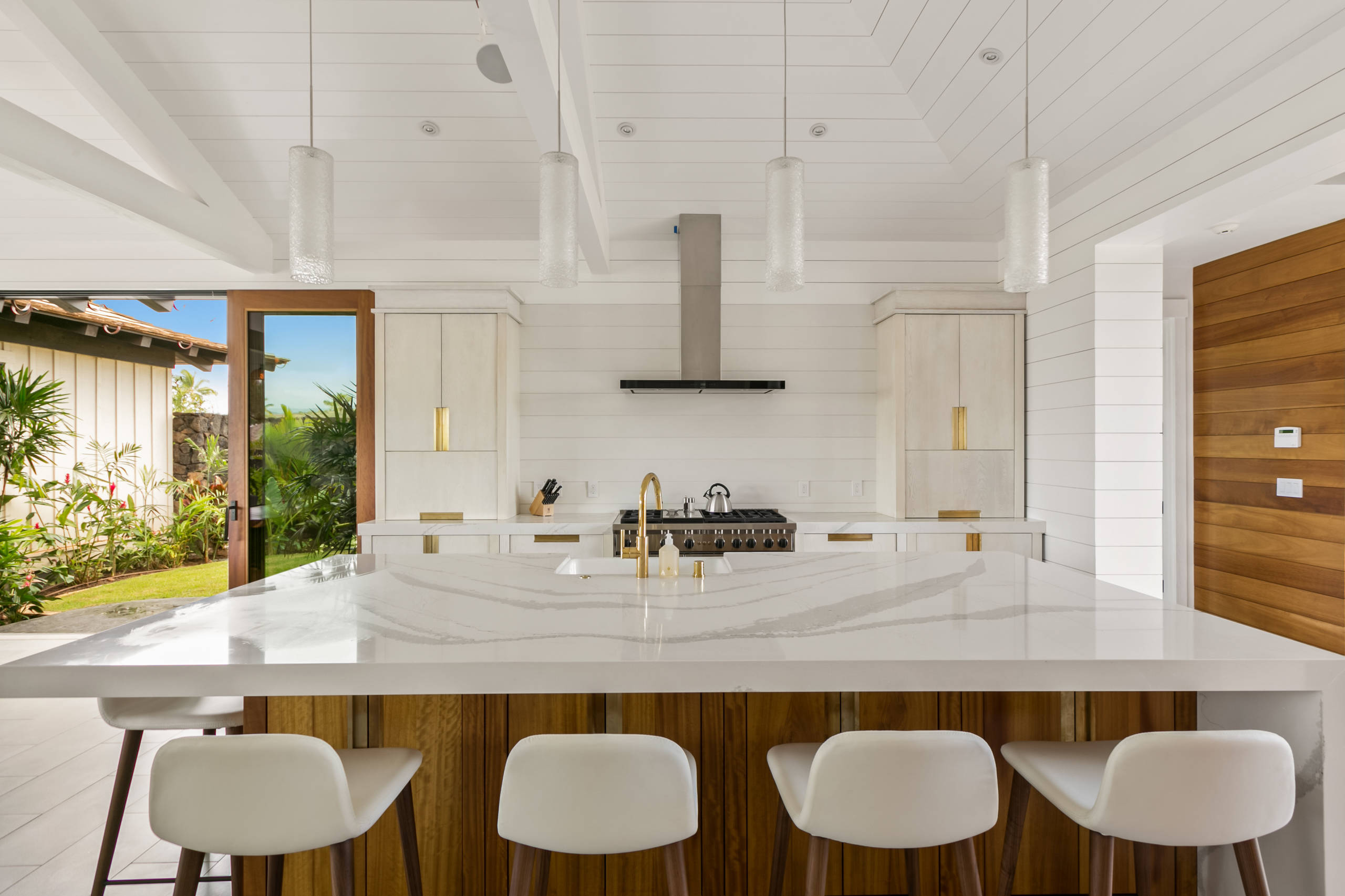
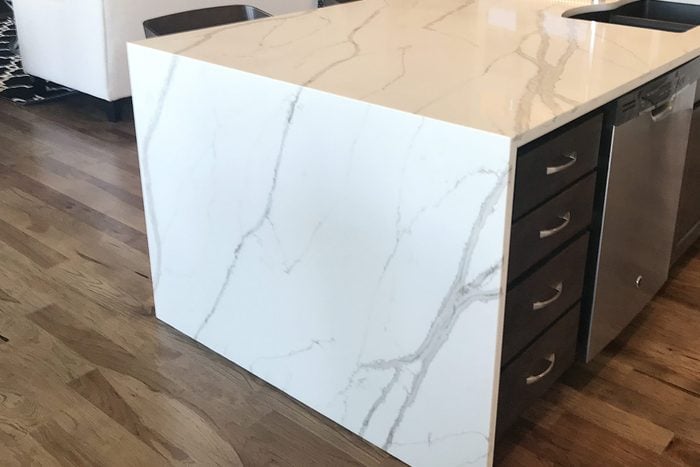
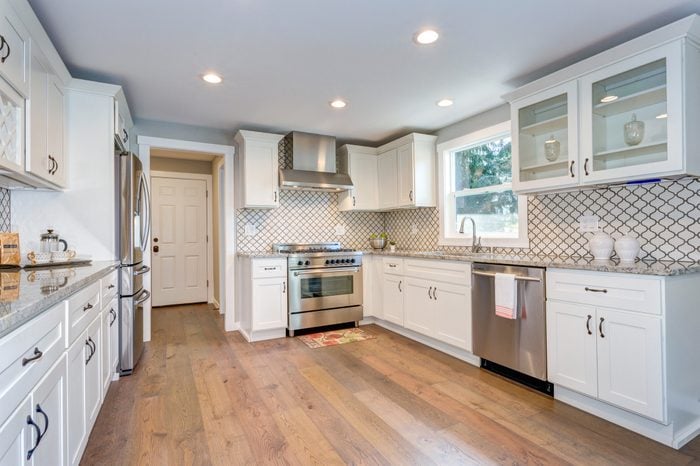
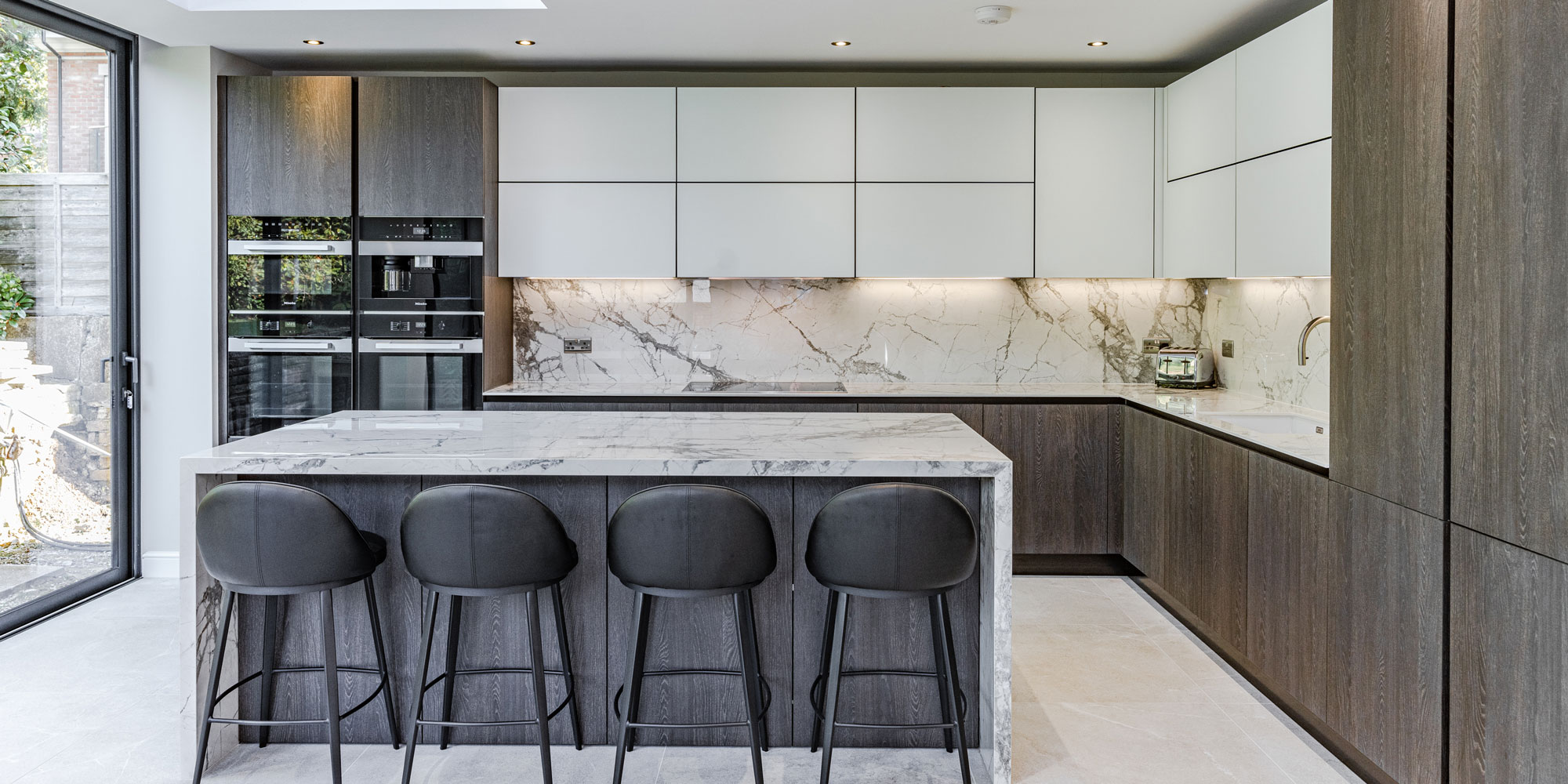
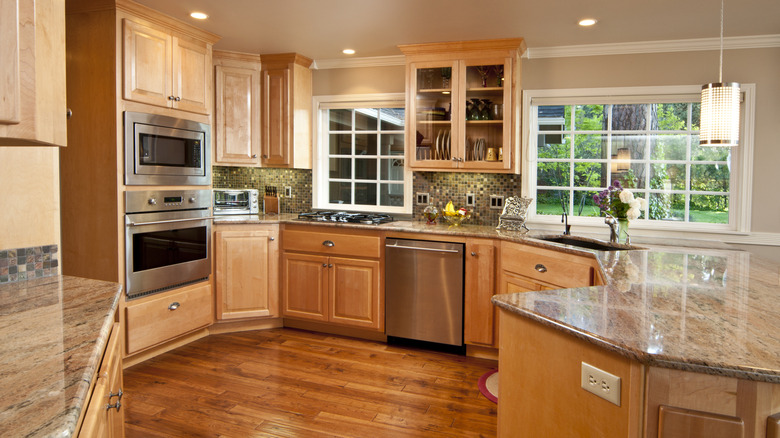
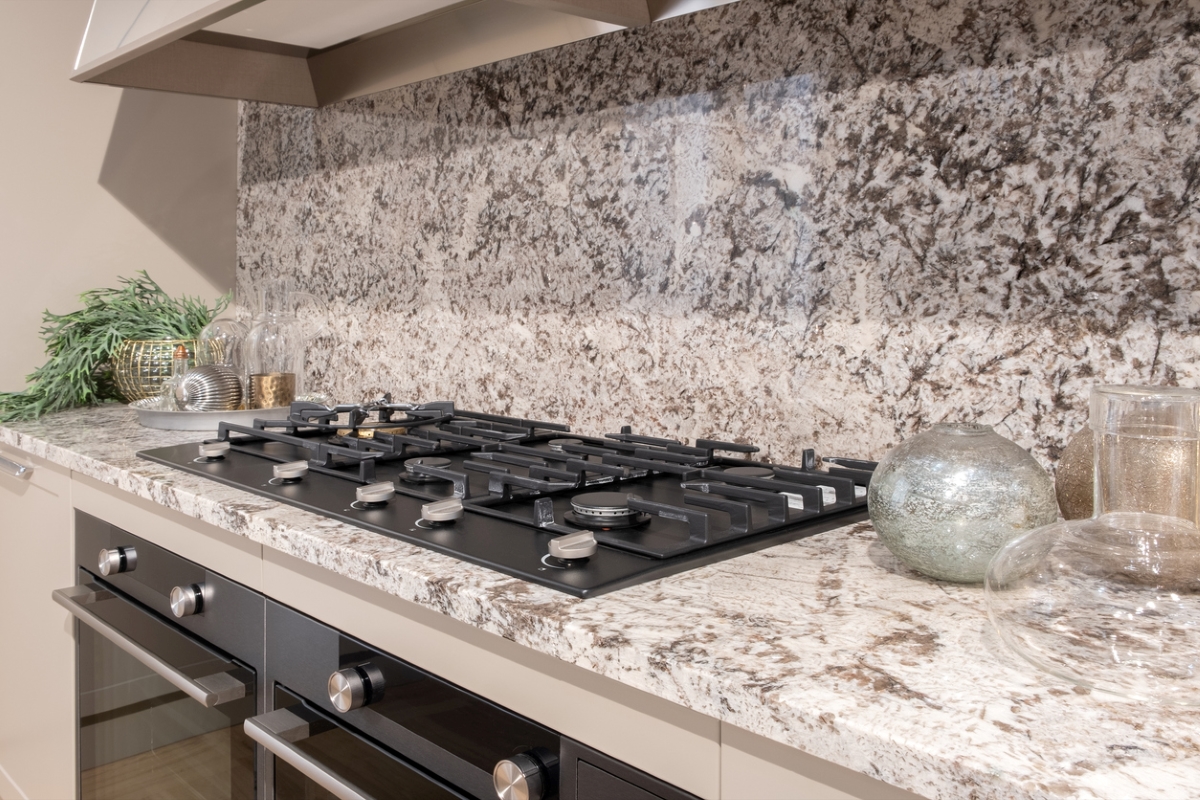
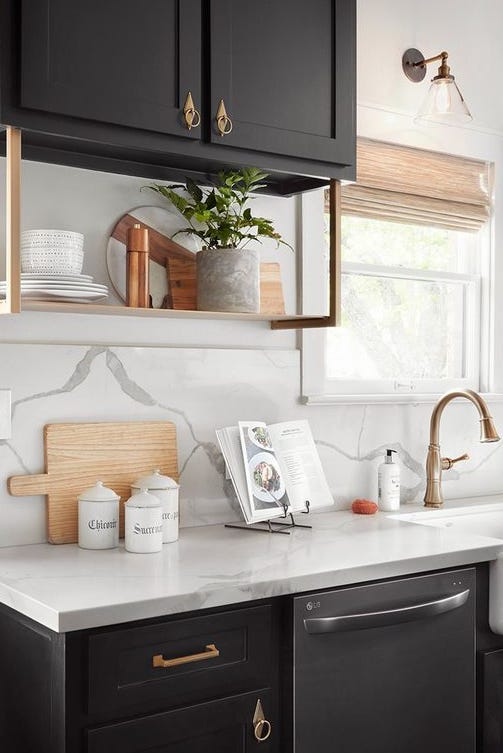
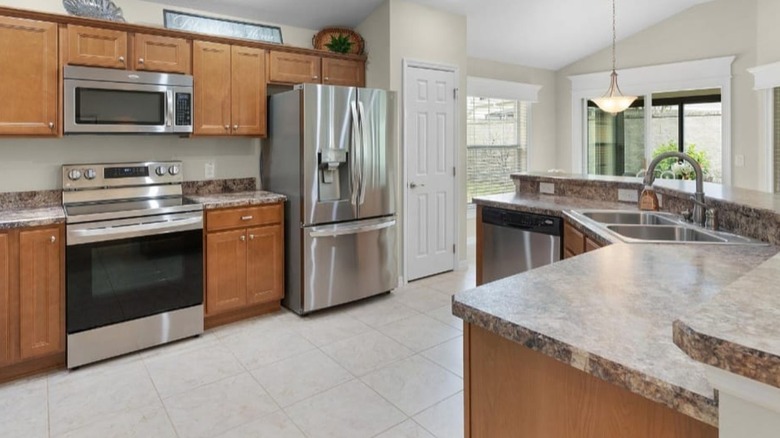
One prominent trend was the widespread use of shiny granite countertops, frequently featuring busy, splotchy patterns. While granite remains a countertop material, contemporary designs favor sleek, often black, options, moving away from the loud aesthetics of the 2000s. This highlights the cyclical nature of design trends and the importance of timeless choices over fleeting fads.
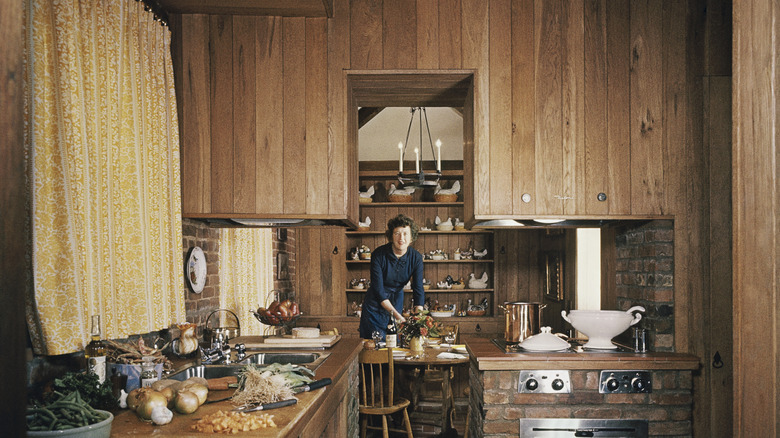
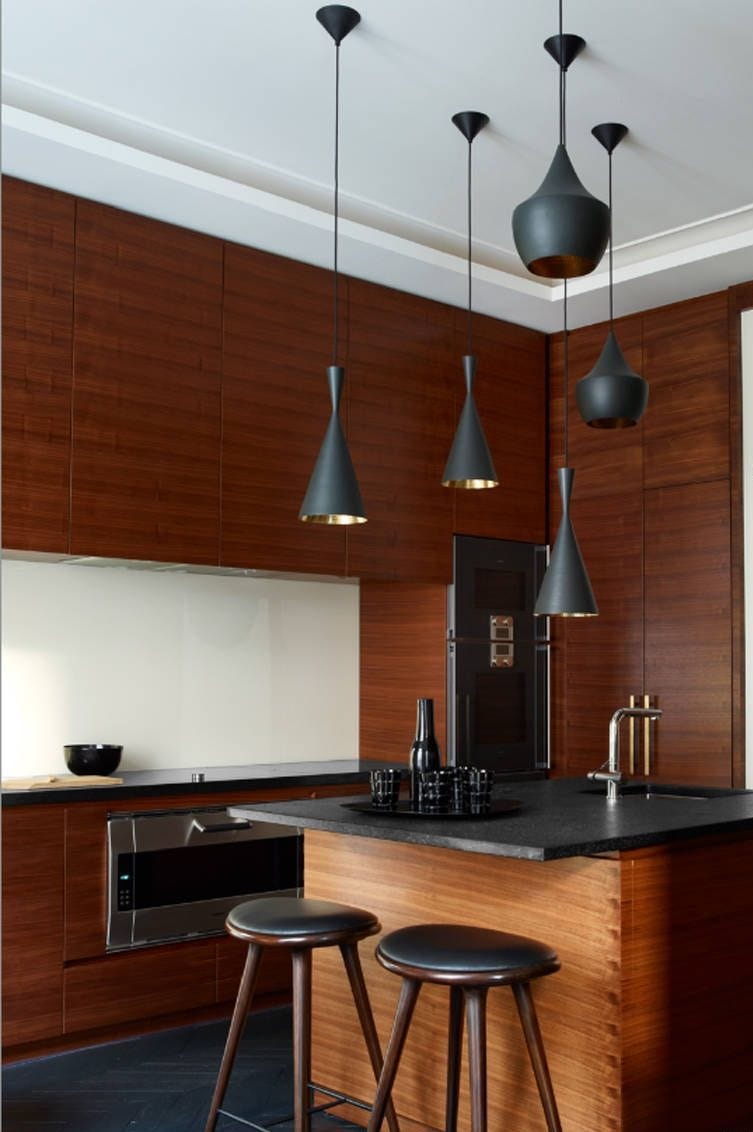
Another defining characteristic was the prevalence of dark, warm color schemes. Kitchens from this period often combined dark wood cabinets, splotchy granite, and orangey-beige wall colors, creating an overall dim aesthetic. Although current trends sometimes revisit earthy tones from the 1970s or elements from the 1990s, the excessively dark palettes of the 2000s are generally avoided today.
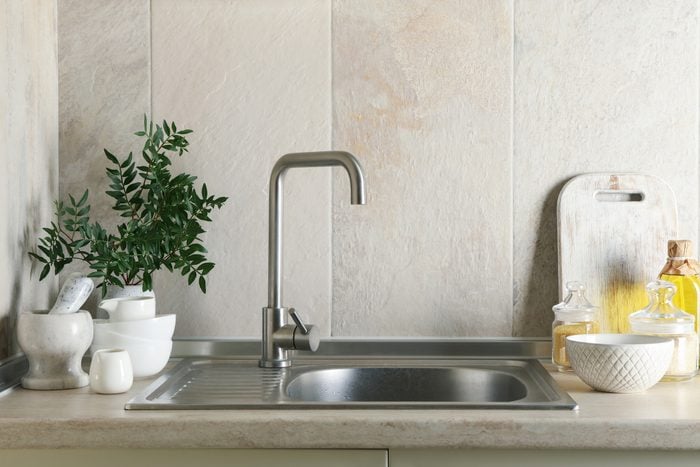
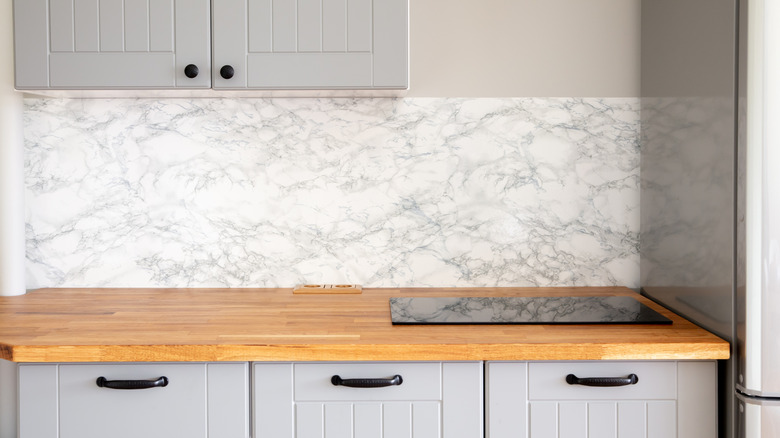
The early 2000s also saw backsplash tiles that frequently clashed with countertops. This was typically due to mismatched tonal shades or competing patterns between the tile backsplash (often travertine) and the granite countertops. Modern kitchen updates often involve replacing these outdated backsplashes to achieve a more cohesive and contemporary look.
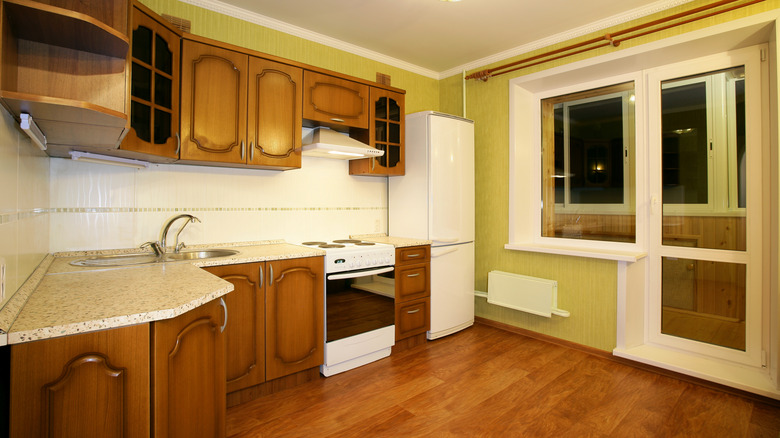
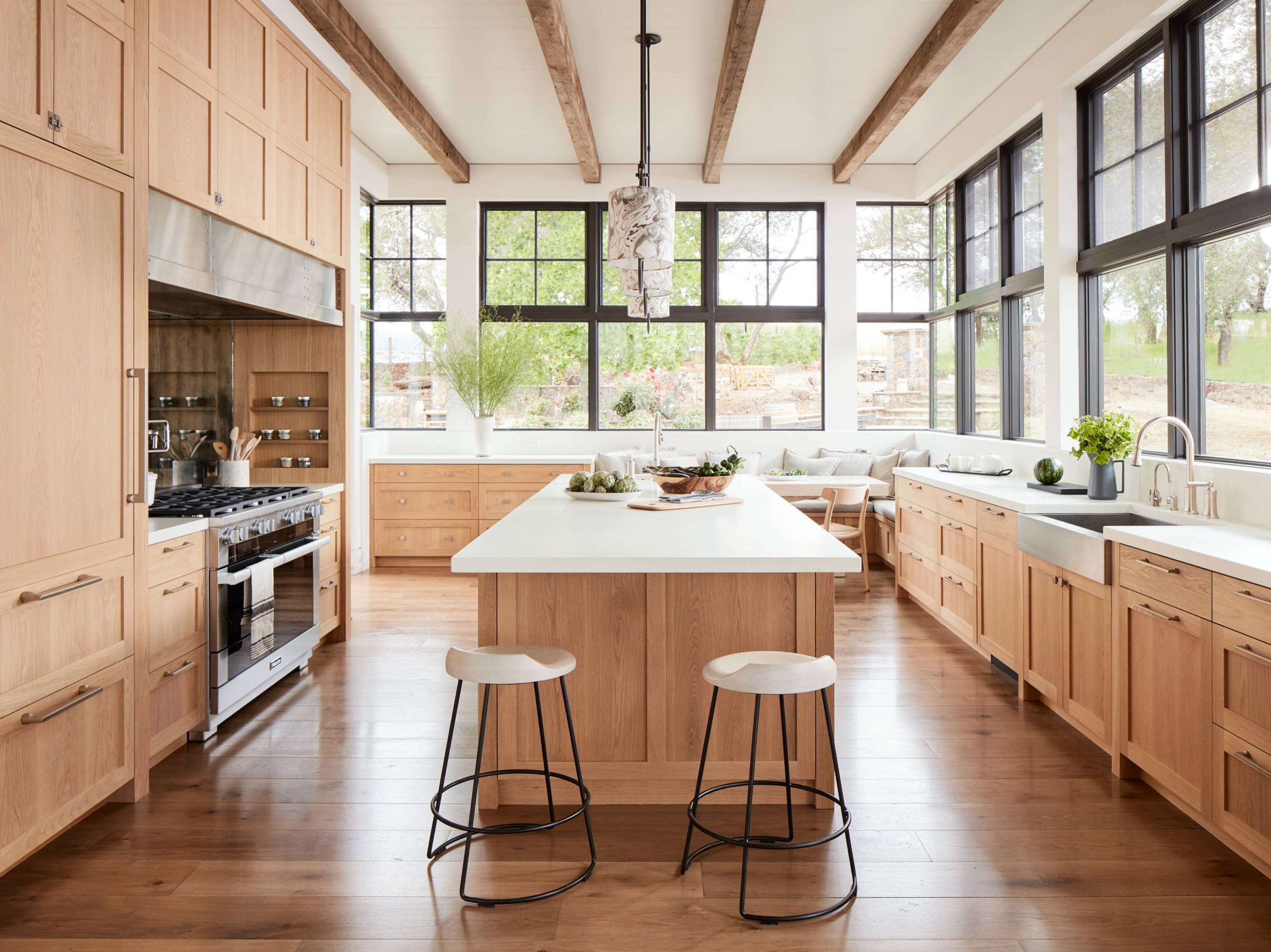
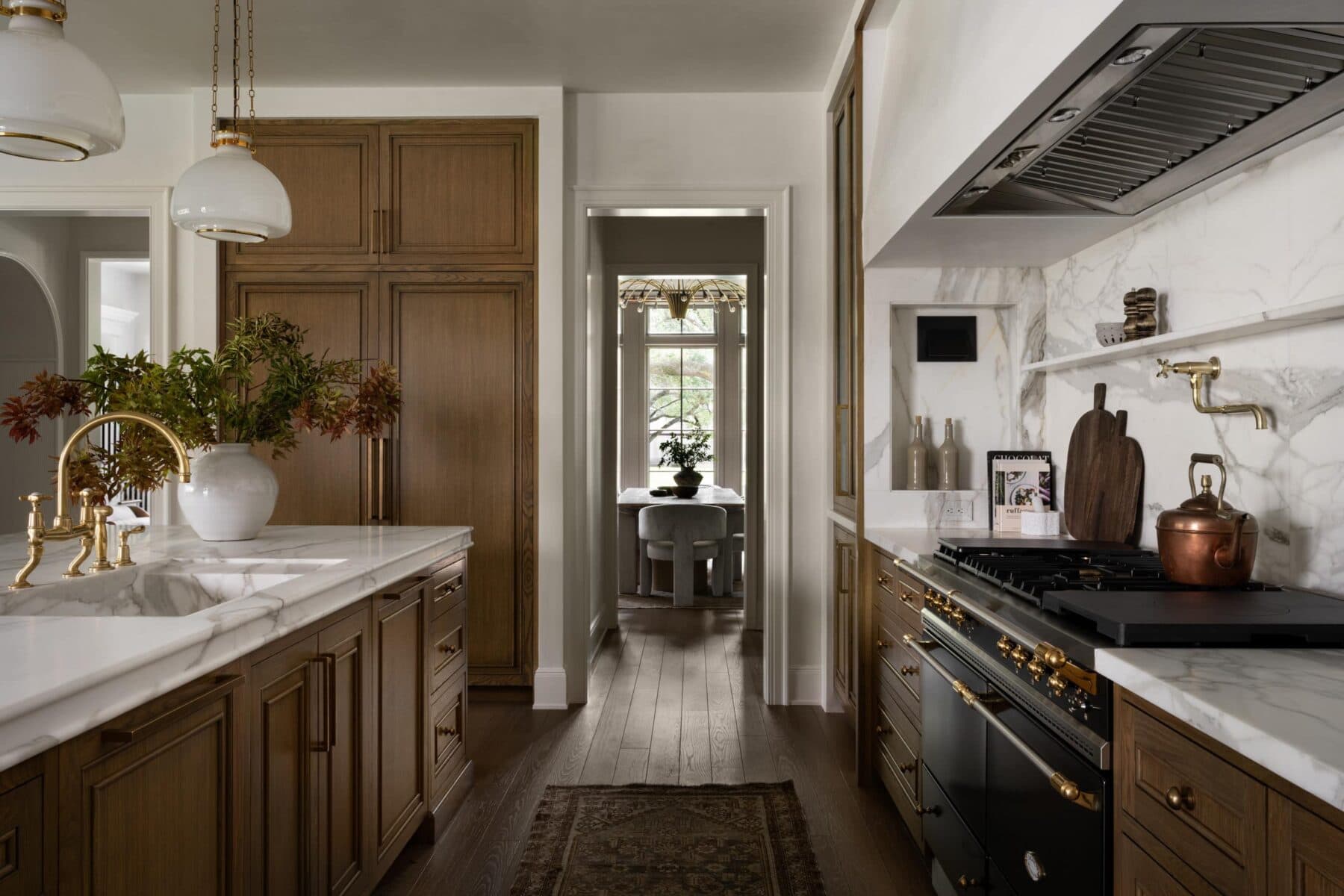
Wooden cabinets, particularly in maple and dark cherry finishes, were another staple. These styles, a continuation from the 1980s and 1990s, are sometimes reincorporated into modern designs with fresh twists, such as pairing them with white walls. For homeowners with existing aughts-style wooden cabinets, painting them in a trendier color offers an easy update.
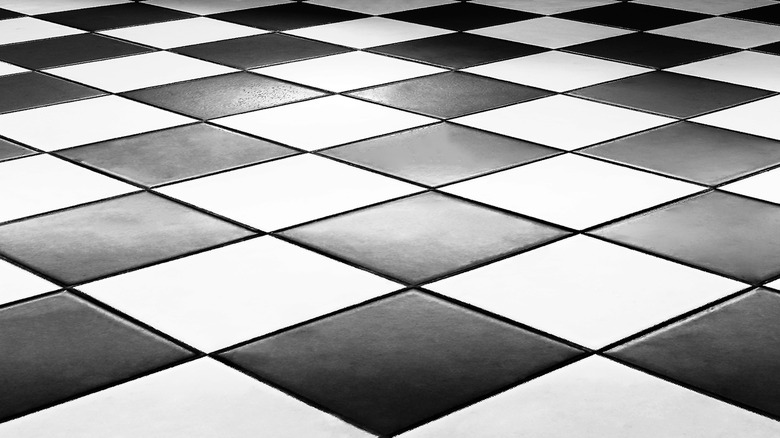
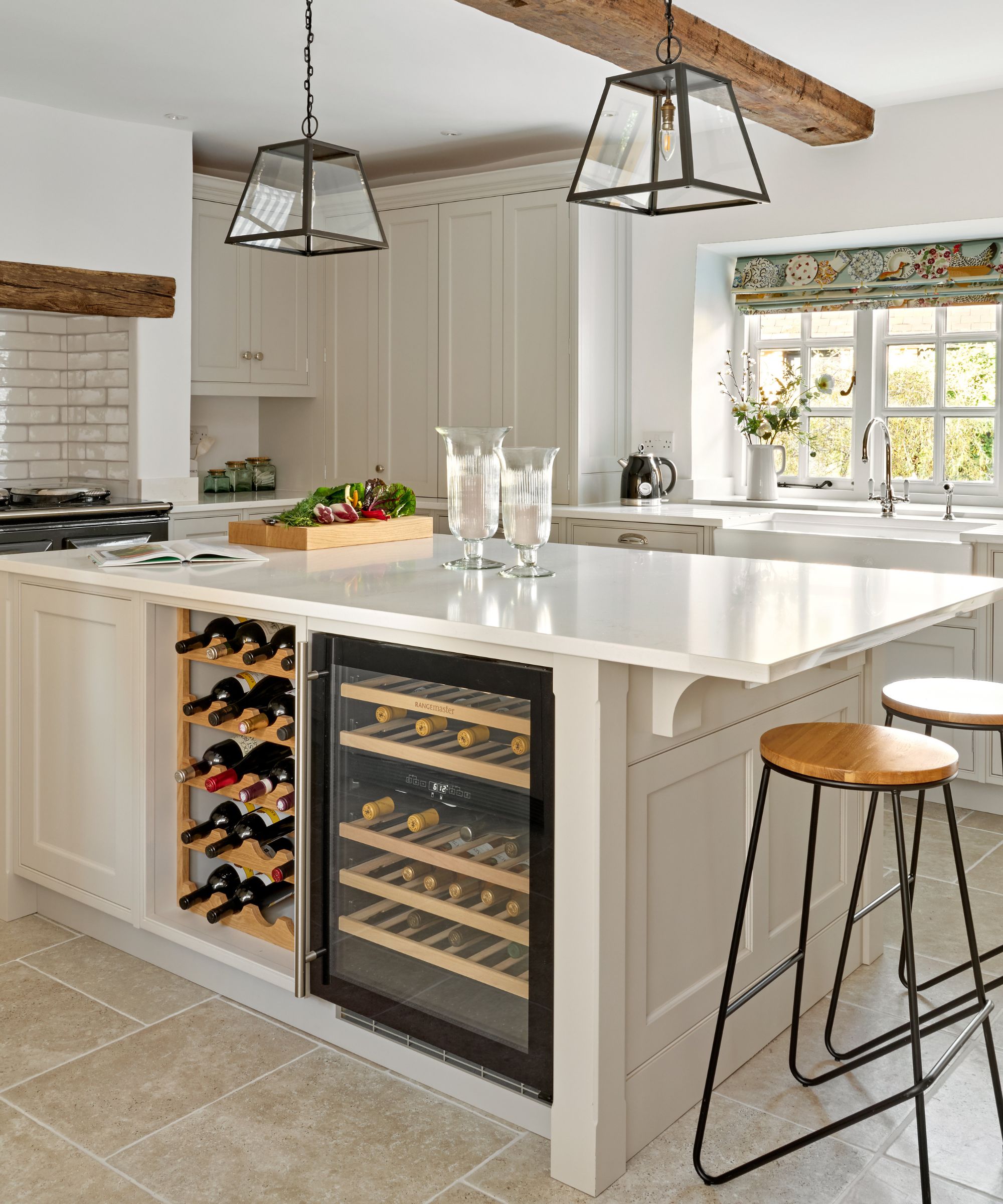
Travertine floors were also highly popular, typically in beige and light brown tones, often combined with dark wooden cabinets. While this sometimes contributed to a gloomy atmosphere, travertine continues to be chosen by some designers for its classic appeal and natural cooling properties, especially in warmer climates.
Perhaps the most iconic trend was the "Tuscan look." This style aimed to evoke a Tuscan villa ambiance, incorporating warm tones, abundant wooden features (including beams), wrought iron fixtures, and brown walls. While the Tuscan aesthetic is reportedly seeing a resurgence, it's reimagined with a focus on conveying a warm, soulful vibe rather than a direct replication of 2000s design elements.
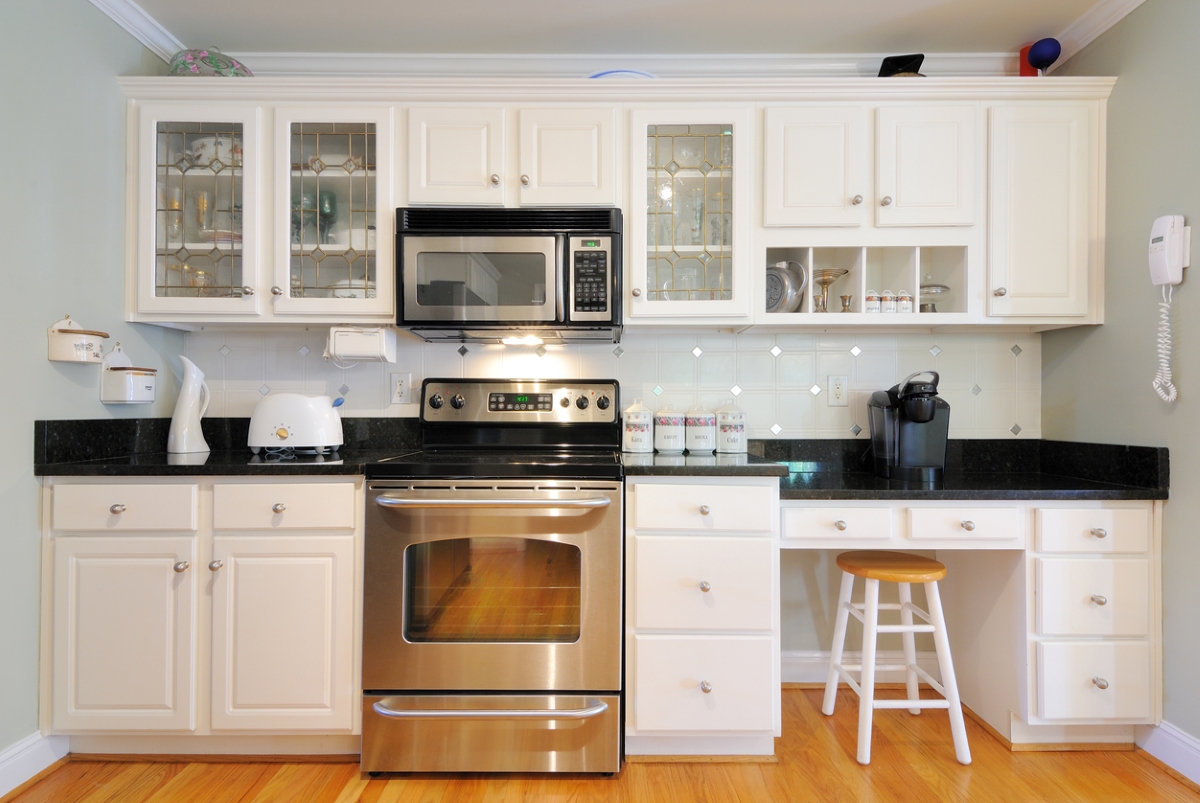
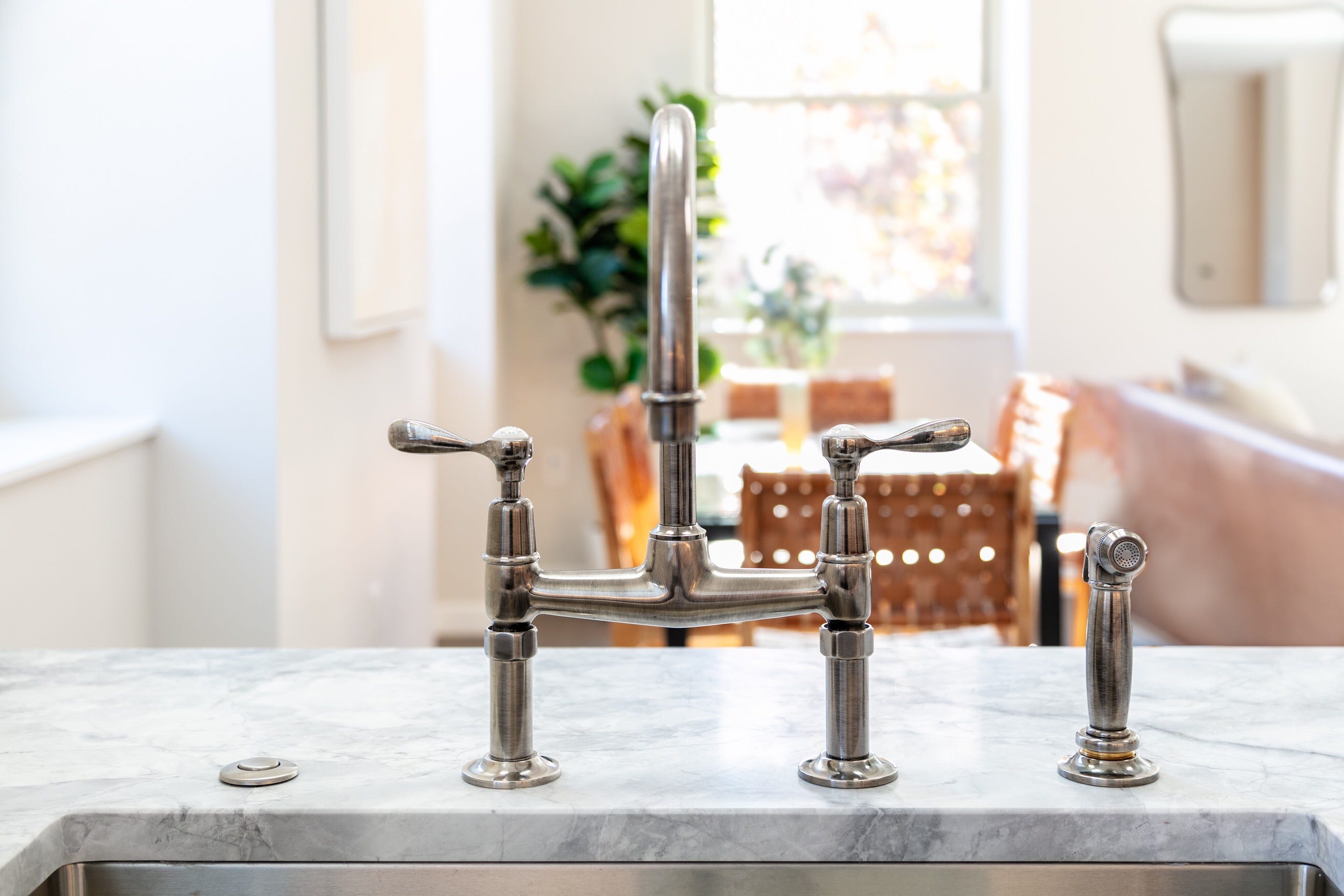
Finally, stainless steel appliances were ubiquitous, symbolizing modernity and a departure from the white or black appliances of previous decades. Initially prized for their sleek, industrial appearance, stainless steel has evolved. While still a common choice, black stainless steel has gained popularity for its contemporary look and improved resistance to stains and fingerprints, offering a more forgiving alternative to its silver predecessor. The journey through these 2000s kitchen trends illustrates the dynamic evolution of home design and the constant reinterpretation of past styles.
#KitchenDesign #2000sTrends #HomeDecor #InteriorDesign #GraniteCountertops #WoodenCabinets #StainlessSteelAppliances #TuscanKitchen #TravertineFloors #KitchenDesign #2000sTrends #HomeDecor #InteriorDesign #GraniteCountertops #WoodenCabinets #StainlessSteelAppliances #TuscanKitchen #TravertineFloors
0 comment in total
 No comments yet
You may also like
7 Kitchen Styles That Dominated The Early 2000s

7 Kitchen Renovation Trends to Watch
9 Kitchen Trends From The '90s That Are Making A Comeback

7 Kitchen Trends That Will Never Go Out of Style

7 Kitchen Trends You’ll Be Seeing Everywhere This Year
9 Outdated Kitchen Trends to Watch Out For

1990s Kitchen Trends We’re Falling In Love With All Over Again
What’s Hot in Kitchen Trends Right Now

I’ve renovated four kitchens - these are the 7 trends I regret falling for, and what I'd now do instead
Open Shelves, Farmhouse Sinks, Wolf Ranges — 25 Trends That Changed Home Kitchens in the 2000s

1920s and now: Kitchen design trends through the decades

Top Designers Reveal the Biggest Kitchen Design Trends of the Year

Interior designers share 7 kitchen trends that really missed the mark this year
7 kitchen trends for 2026
25 Kitchen Trends You Might Regret + Photos

Kitchen island trends — design pros say to try these 7 hot styles

7 Vintage Kitchen Design Trends Boomers Remember Fondly

21 of the Biggest Kitchen Trends Design Pros Love Right Now

10 Outdated Kitchen Trends Making A Comeback, According To A Design Expert
7 Common Kitchen Features That Actually Give Designers the "Ick"