1/2
How to clean cork – 5 expert cleaning tips to keep surfaces spotless
Cork, recognized for its biophilic and eco-friendly properties, is gaining popularity in home decor, appearing in organizers, flooring, and various other applications. Despite its inherent resilience, cork's unique texture can present challenges in maintaining cleanliness through everyday use. However, cleaning and restoring cork is a straightforward process, often utilizing common household items for quick and effective upkeep. Cleaning experts offer five key tips for maintaining cork surfaces without causing damage, ensuring the material retains its sustainable qualities and aesthetic appeal.
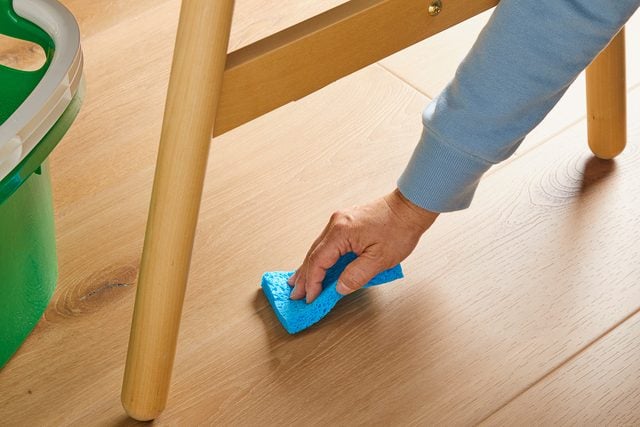
For routine cleaning and general maintenance, a simple approach involves using warm, soapy water. Vanessa Terra Bossart, founder of Green Terra Cleaning, advises a gentle buff with a solution of diluted Dr. Bronner's Pure-Castile Liquid Soap. This method effectively removes grease and stains without harming the cork material. The gentle nature of this soap makes it suitable for regular cleaning, preserving the integrity of the cork. Bo Hellberg, CMO at String Furniture, highlights cork's resurgence due to the "biophilia" trend, emphasizing its ability to connect spaces with nature through organic materials. He notes cork's sustainability and its capacity to add warmth and texture, making it particularly useful for insulating properties in areas like kitchens.
In high-touch areas such as organizers or drawer liners, regular disinfection is crucial. Ken Doty, cleaning expert and COO at The Maids, suggests cleaning with hydrogen peroxide or rubbing alcohol after initial soap cleaning. The surface should be buffed with a clean cloth dampened with either solution and allowed to dry completely. To enhance protection and ease future cleaning and disinfection, applying a cork sealant, such as Kelly’s Waterproof Cork Sealer, is recommended. This creates a barrier that guards against stains and moisture.
For more persistent issues, such as hard-set stains, a degreaser can be effective. Lina Da Silva, founder of Toronto Shine Cleaning, recommends applying a degreaser like Formula 409 or Fantastik to stains, letting it sit briefly, and then wiping it away with a damp cloth. This method is particularly useful for tackling grease and watermarks, especially on sealed cork surfaces. If chemical solutions prove insufficient, light-grit sandpaper offers an alternative for removing stubborn stains. Ken Doty advises sanding very gently in a single direction to avoid damaging the cork. After sanding, any dust or debris should be wiped away, followed by standard cleaning and drying. Reapplying a sealant after such treatment can help protect the cork moving forward.
Preventing mold growth is another vital aspect of cork maintenance. Lina Da Silva warns against leaving cork damp, as this significantly increases the risk of mold. To mitigate this, cork items should be thoroughly dried in a well-ventilated area, possibly near a window or heater. For larger cork installations or flooring, a dehumidifier can further aid in preventing moisture accumulation. For situations involving stains, mold, or sticky residue, cleaning with vinegar offers an all-natural solution. A damp cloth or toothbrush dipped in a vinegar-water solution can be used to gently rub affected areas, followed by complete drying. Ultimately, preventive measures, such as promptly cleaning spills and regularly reapplying sealant, are crucial for long-term cork care, saving time and effort by preventing the buildup of damage and stains.
#CorkCleaning #EcoFriendlyHome #SustainableMaterials #HomeMaintenance #NaturalCleaning #MoldPrevention #SurfaceCare #DIYCleaning #BiophilicDesign #CorkCleaning #EcoFriendlyHome #SustainableMaterials #HomeMaintenance #NaturalCleaning #MoldPrevention #SurfaceCare #DIYCleaning #BiophilicDesign
0 comment in total
 No comments yet
You may also like
Best Cleaning Advice & Tips


How to clean a bathroom sink – expert tips for a well-scrubbed sink
How to clean a fireplace – these expert tips will keep your fireplace looking its best
How to Clean Bronze and Restore Its Luster

How To Clean Vinyl Plank Flooring Like a Pro

Are You Cleaning Your Couch Enough? Here's How to Do It the Right Way

How to Clean Copper and Prevent Future Tarnishing

Can a DIY wood floor cleaner leave your floors gleaming? Experts share their favored techniques
How to clean hardwood floors – experts reveal the best techniques
The best way to clean baseboards – pro tips for dusty, greasy, and painted surfaces


8 items to never clean with bleach – according to cleaning professionals

How to clean a sofa bed – top hacks for tackling stains and everyday cleaning for an immaculate couch
How To Clean & Maintain Countertops: From Corian to Quartz
From a quirky TikTok hack and a $99 sell-out Kmart buy, here are five ways to clean your sofa

18 best spot cleaners and spot washers for eliminating dirt and spills
How to Clean a Couch, According to Experts | NBC Select

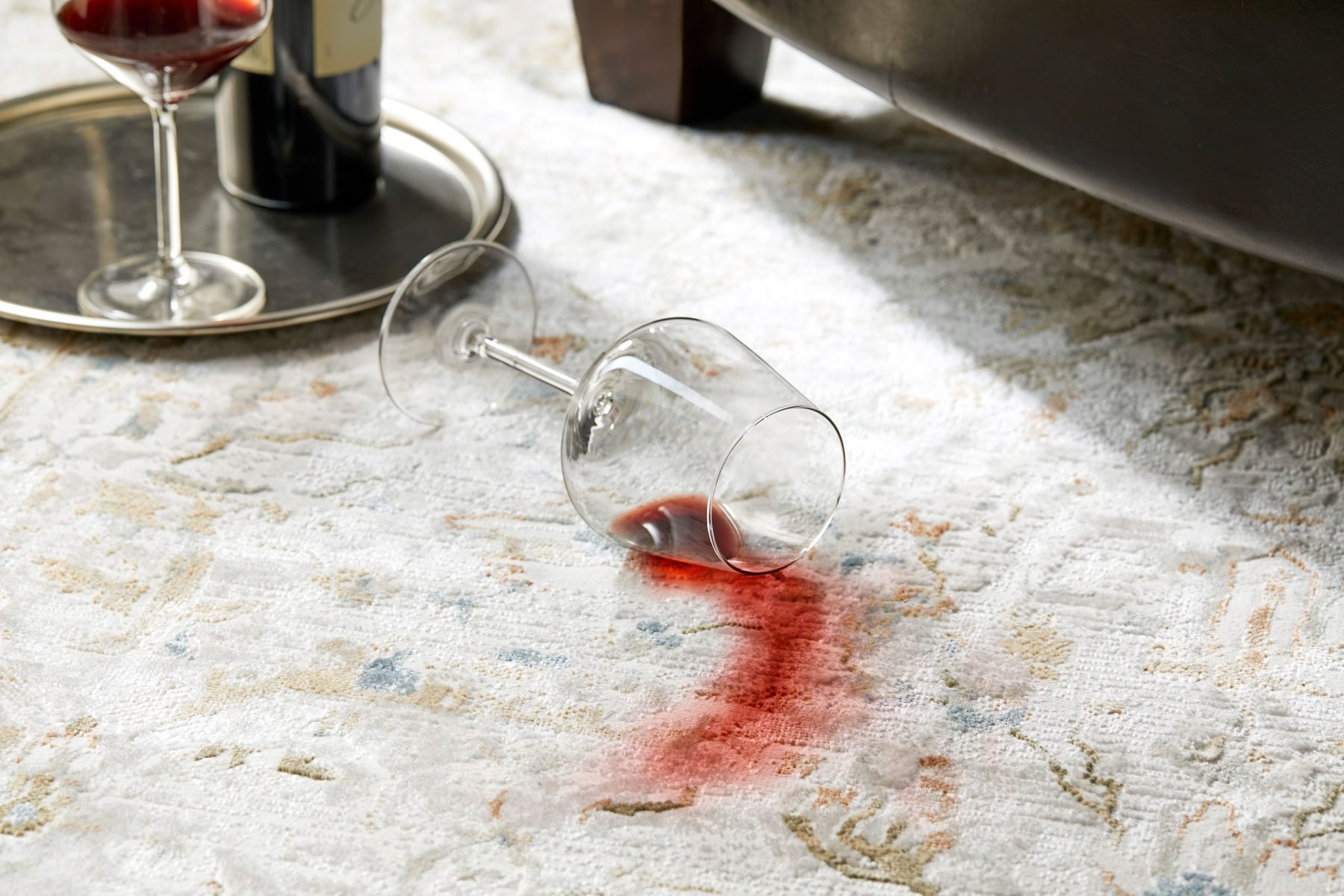
Red Wine Stain Removal: Step-by-Step Instructions for Any Surface


I swear by this incredibly easy 5-step method for cleaning real wood floors
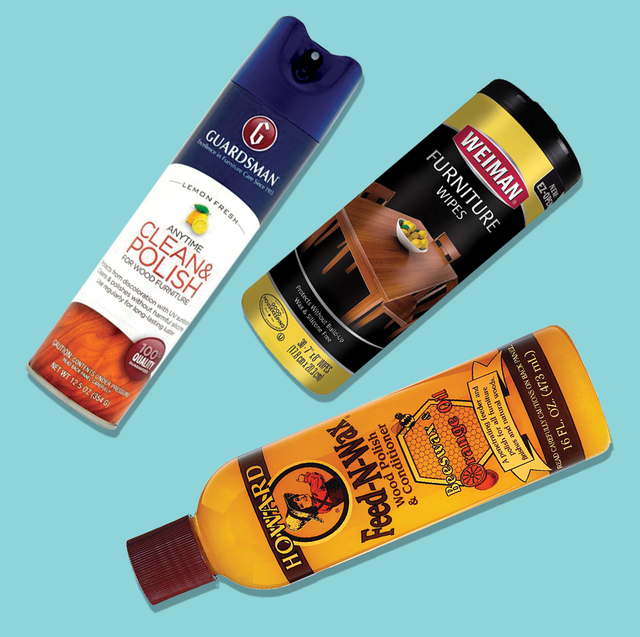
10 Best Furniture Polishes, Tested by Cleaning Experts
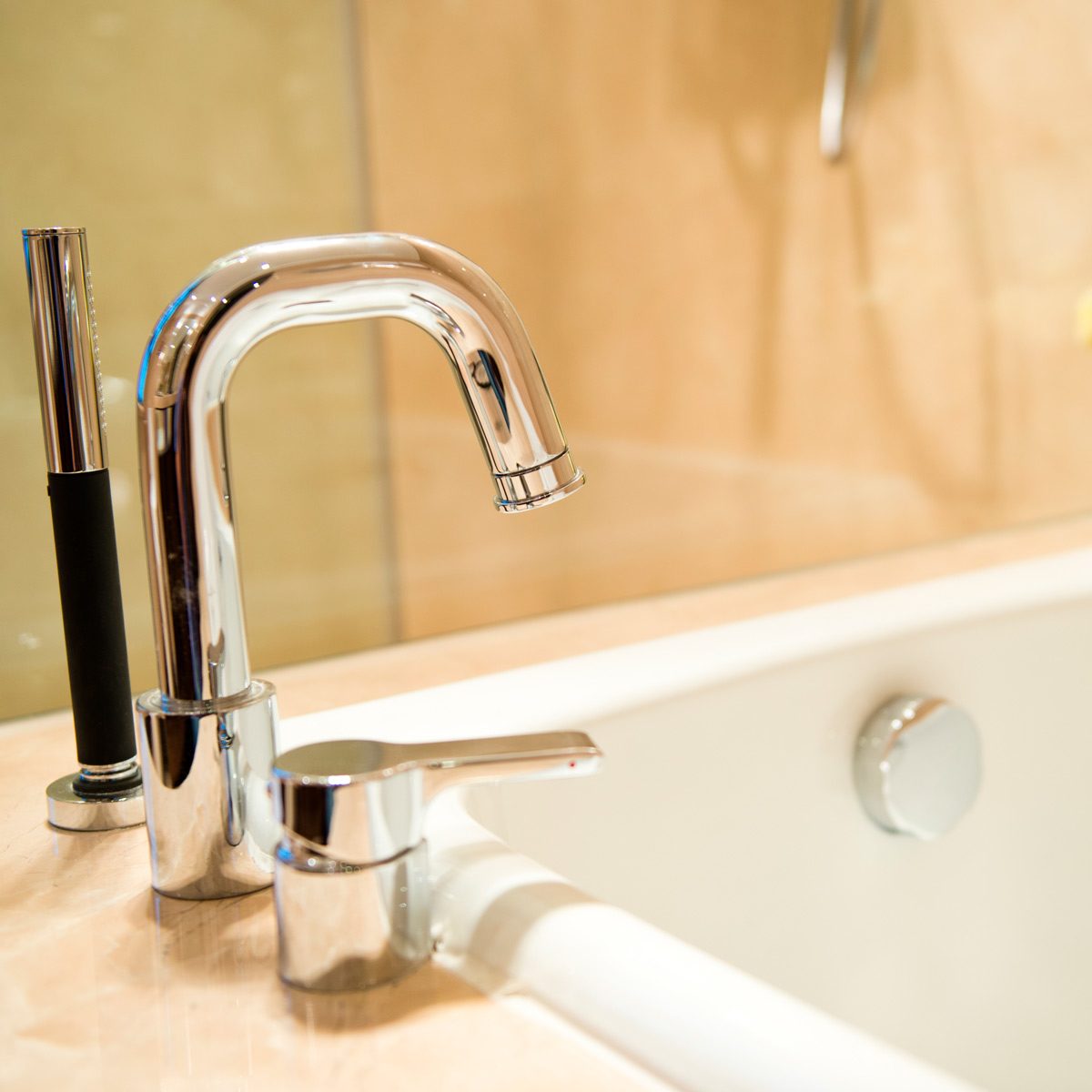
How To Clean Bathroom Chrome