How to Clean Copper and Prevent Future Tarnishing
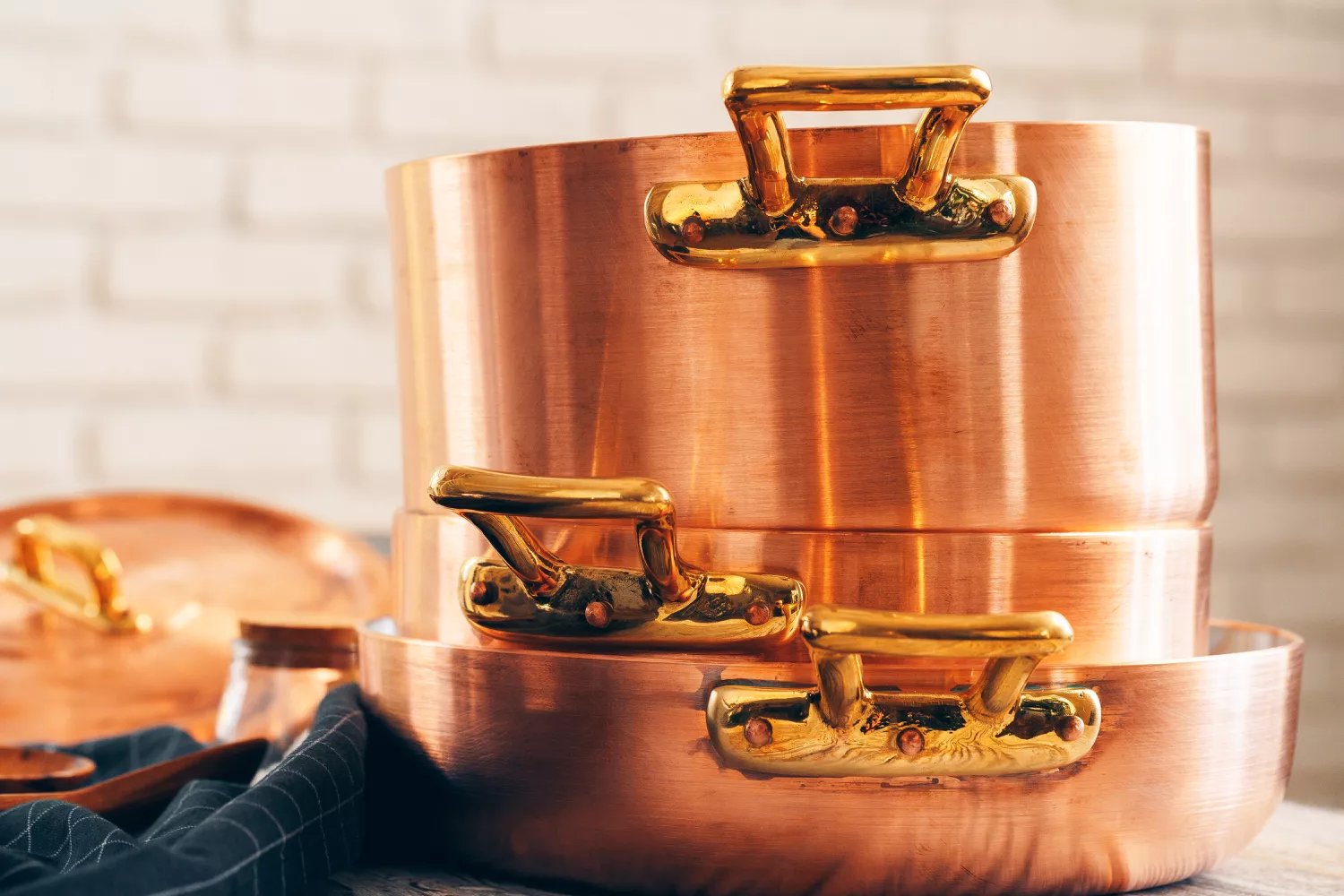
Copper items, known for adding warmth and elegance to any space, are prone to developing a layer of tarnish over time, even in optimal conditions. While not harmful, tarnish can diminish the aesthetic appeal of copper. Fortunately, restoring copper's original luster is straightforward, though care must be taken to avoid scratching the metal or removing its finish during the cleaning process.
The frequency of cleaning copper depends on the item's use and exposure. Decorative indoor pieces, such as vases or ornaments, typically require cleaning every few months or when dullness is noticed. Outdoor copper items, including architectural details or sculptures, may need more frequent attention—every few weeks to months—due to exposure to elements like weather conditions and pollution, which accelerate tarnishing. Copper cookware and kitchen utensils, which come into direct contact with food, should be cleaned after every use to maintain their appearance and hygiene.
Several natural ingredients commonly found in most homes can be used for cleaning copper. Essential supplies include lemons, salt, microfiber towels, white vinegar, ketchup, flour, and a soft-bristled brush. Different methods cater to varying levels of tarnish and types of copper items.
One effective method involves using lemon and salt. This technique is particularly suitable for copper cookware but should be avoided on delicate finishes or valuable antiques. The process involves cutting a fresh lemon, sprinkling salt onto it, and gently rubbing the salted lemon onto tarnished areas. After treatment, the copper is rinsed with water and dried with a microfiber cloth.
Another natural cleaning agent is a mixture of vinegar and salt. This method utilizes an acidic solution, which, if used excessively, could dull or etch certain copper finishes, so a patch test is recommended. Equal parts white vinegar and water, with a tablespoon of salt, are mixed. A microfiber cloth saturated with this solution is then used to gently rub tarnished areas in a circular motion. For stubborn tarnish, the solution can be left on for a few minutes before scrubbing. Afterward, the copper is rinsed and dried.
Ketchup can also be an effective alternative for cleaning copper. The acid present in tomatoes helps remove tarnish. The copper item is covered with ketchup, and a microfiber cloth is used to gently rub away tarnished areas. After rubbing, the item is thoroughly rinsed with water and dried.
For badly tarnished copper, a heavy-duty cleaning solution made from salt, flour, and vinegar or lemon juice is recommended. Equal parts salt and flour are mixed, and vinegar or lemon juice is slowly added to form a thick paste. This paste is applied to heavily tarnished areas and left for 30 minutes to an hour. A soft-bristled brush is then used to scrub the areas gently in a circular motion, followed by rinsing with water and drying with a microfiber cloth.
Preventing future tarnish involves understanding its causes. Copper tarnishes due to a natural chemical reaction with the environment, primarily oxidation, which can be accelerated by moisture and pollutants. Applying a light coat of baby or mineral oil after cleaning helps seal the copper from the air and slows down tarnishing. Thoroughly drying copper items immediately after cleaning or use is crucial, as moisture accelerates the tarnishing process. Proper storage is also important; displaying copper in areas with minimal direct sunlight, humidity, or pollutants can help, and wrapping stored pieces in acid-free tissue paper or cloth can prevent tarnishing from contact with other materials. Limiting humidity in storage environments is also beneficial. Finally, applying a thin layer of wax coating, such as carnauba wax or a commercial copper protectant, creates a barrier against air, slowing down tarnishing without hindering cleaning and polishing.
#CopperCleaning #TarnishRemoval #HomeCare #NaturalCleaningMethods #KitchenMaintenance #HomeDecor #CleaningTips #CopperMaintenance #DIYCleaning #CopperCleaning #TarnishRemoval #HomeCare #NaturalCleaningMethods #KitchenMaintenance #HomeDecor #CleaningTips #CopperMaintenance #DIYCleaning
 No comments yet
Warming up to copper

6 Colors That Go With Copper — And Why Designers Are Embracing This Warming Tone Again


How to Style a Space with Copper Home Decor


How to clean cork – 5 expert cleaning tips to keep surfaces spotless

Copper’s Known to Combat Viruses—Can it Help With Public Health?


How to Remove Rust Stains From Quartz Countertops, Straight From a Cleaning Pro

How to Clean Bronze and Restore Its Luster

How To Clean And Care For Antiques, According To An Expert

Is Copper Back for 2025? Here's All the Ways We’re Falling Back in Love with the Fall-Coded Metallic Finish