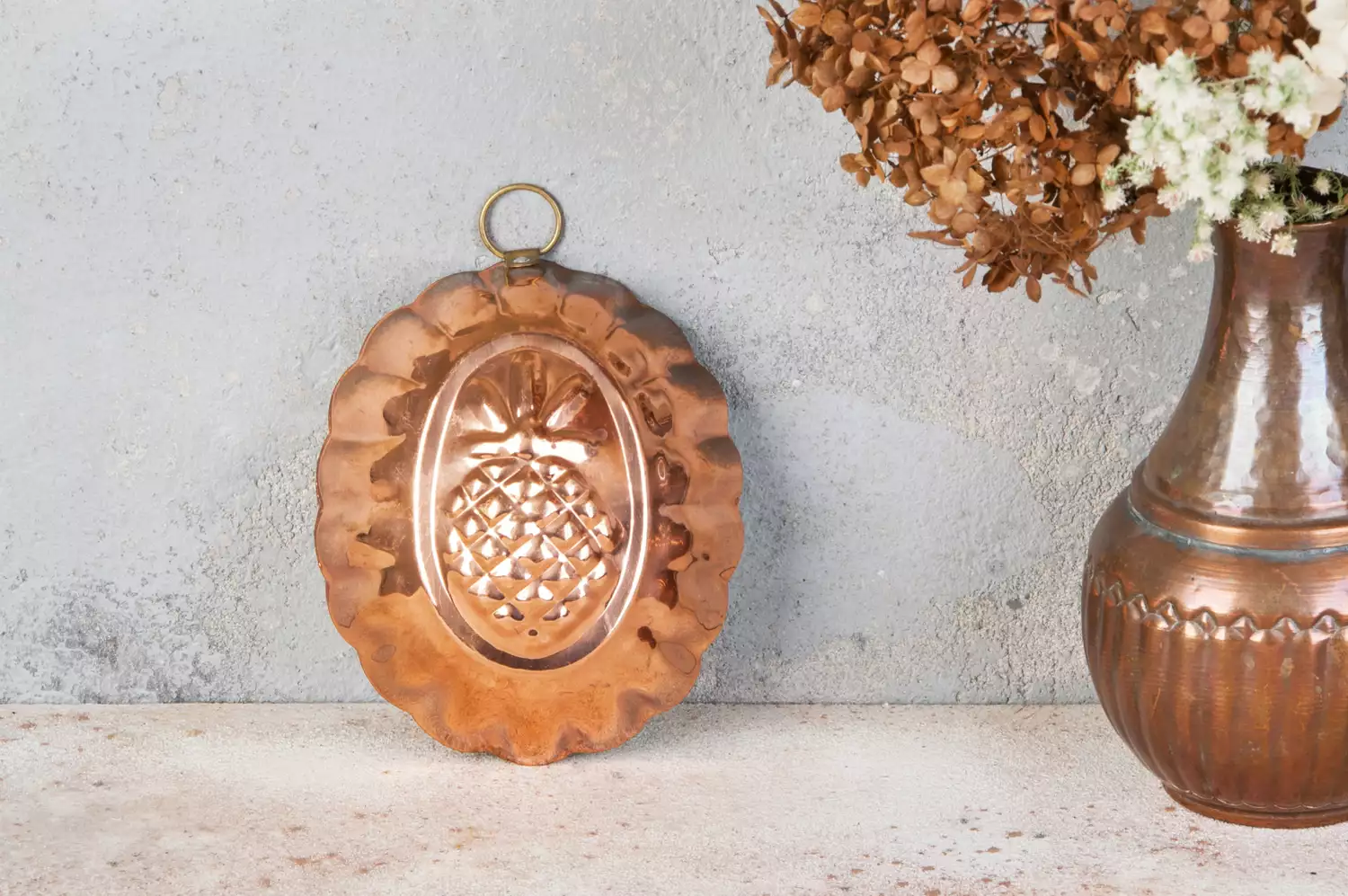
How to Clean Bronze and Restore Its Luster
Bronze items, found in various forms around the home, from lamps to musical instruments, are susceptible to tarnishing due to reactions with air and water. While this natural discoloration can be removed, improper cleaning methods can lead to permanent damage. This guide outlines the correct procedures for cleaning bronze, removing tarnish, and tackling stubborn stains, along with essential maintenance tips to preserve its luster.
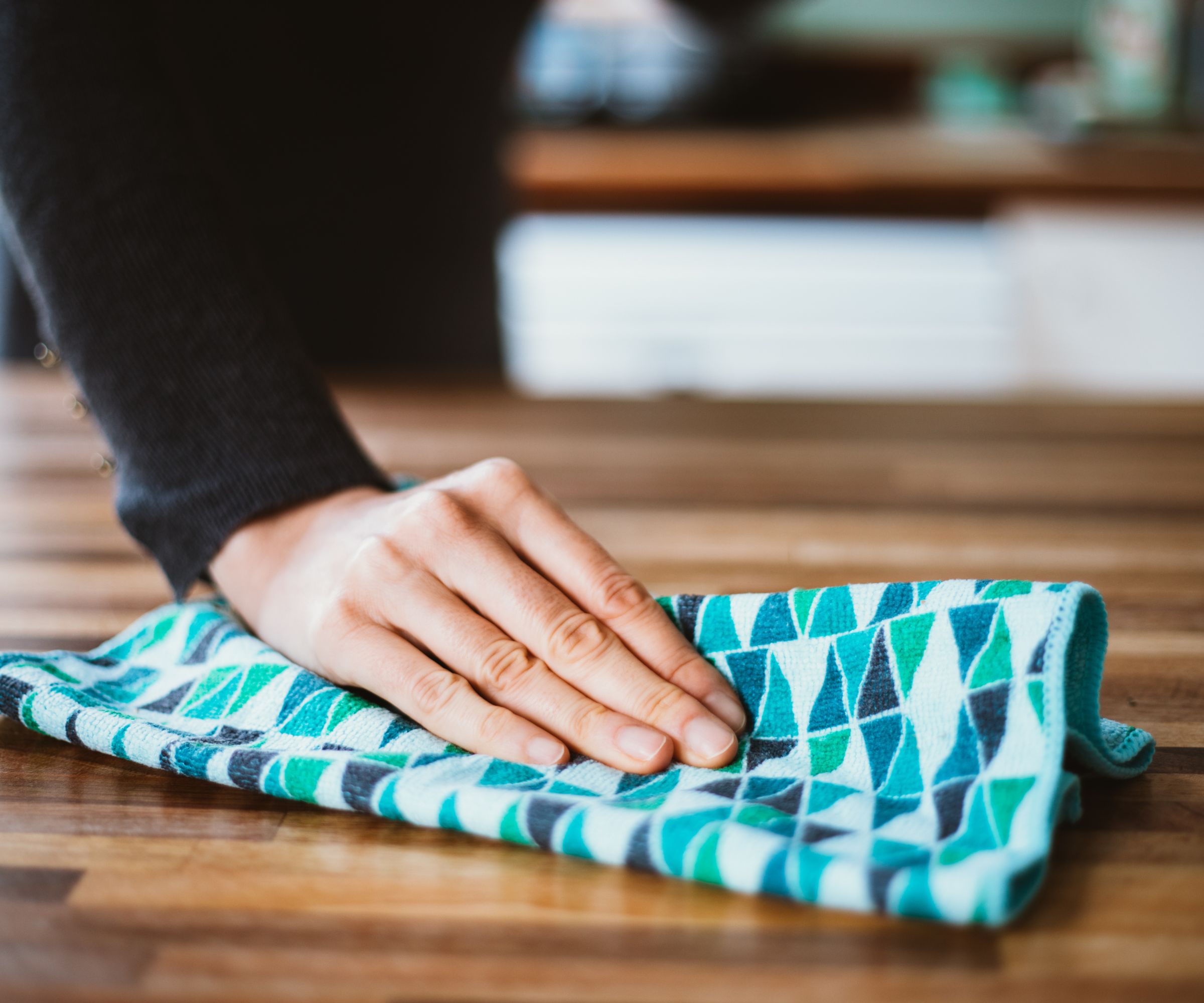
The initial step in cleaning bronze involves basic soap and water. Experts recommend using plain, natural dish soap without additives or scents to prevent unintended reactions. The process begins by gently dusting the bronze object with a microfiber cloth to remove loose debris. A few drops of natural dish soap are then mixed with warm water in a bowl. A microfiber cloth or sponge is dipped into this soapy solution and used to gently wipe the entire bronze surface. After wiping, the object should be thoroughly rinsed with clean water to eliminate any soap residue, then patted dry with another microfiber cloth. Finally, a small amount of mineral oil is applied to a soft cloth and gently rubbed onto the surface to enhance its shine and provide a protective layer.
For bronze items that have developed tarnish or oxidation, natural acids like lemon juice or distilled white vinegar can be effectively used. After completing the initial cleaning steps (excluding the mineral oil application), a microfiber cloth is saturated with either lemon juice or distilled white vinegar. This cloth is then gently rubbed over the tarnished areas. The acid should be allowed to sit on the surface for a few minutes, taking care not to let it dry. Following this, the bronze object must be thoroughly rinsed with clean water to remove all traces of the acid, patted dry with a microfiber cloth, and then treated with a small amount of mineral oil, gently rubbed onto the surface.
Stubborn stains that persist after general cleaning can be addressed using baking soda. Similar to the tarnish removal process, the item should first be cleaned using the basic soap and water method, again omitting the mineral oil application. A thick paste is then created by mixing baking soda with a small amount of water. A microfiber cloth is dipped into this paste and applied to the stained areas. The paste should sit for a few minutes, but not allowed to dry, before being gently rubbed in circular motions. The bronze object is then thoroughly rinsed with clean water to remove any baking soda residue, patted dry with a microfiber cloth, and finished with a gentle rub of mineral oil using a soft cloth.
Effective maintenance is crucial for keeping bronze looking its best and preventing the rapid buildup of tarnish. It is vital to avoid harsh or abrasive cleaners, as these can cause irreparable damage, such as corrosive tarnish known as bronze disease, which can pit and destroy the metal. Pressure washers should also be avoided, as they are unnecessary and can damage the patina of bronze pieces. Minimizing direct human contact is also advised, as oils, salts, and acids from human skin can react with bronze, contributing to tarnishing and the accumulation of dirt over time. Furthermore, bronze pieces should not be exposed to excess moisture, as humidity and airborne pollutants carried by moisture can accelerate the tarnishing process. Adhering to these cleaning and maintenance guidelines will help preserve the beauty and longevity of bronze items.
#BronzeCleaning #HomeMaintenance #TarnishRemoval #StubbornStains #CleaningTips #NaturalCleaners #MetalCare #HouseholdCleaning #BronzeCleaning #HomeMaintenance #TarnishRemoval #StubbornStains #CleaningTips #NaturalCleaners #MetalCare #HouseholdCleaning
0 comment in total
 No comments yet
You may also like

How to clean cast iron – remove rust, reseason and refinish


How to clean butcher block countertops – 5 methods to prevent, and remove, hard-set stains
15 Household Things You Can Clean with Borax


How to restore cast iron – make repairs, remove rust and paint, and refinish
4 things you should never use bleach on at home

How To Clean Bathroom Chrome

Time to Shine: Let’s Restore All Your Rusty Metal

How To Clean Wood Cabinets To Remove Grease And Renew Shine
The Best Way To Clean Frosted Glass


How to clean cork – 5 expert cleaning tips to keep surfaces spotless
How to Clean Copper and Prevent Future Tarnishing
How To Clean Wood Cabinets To Remove Grease And Bring Back Their Shine

Repairing Our Stoop and Historic Ironwork

How To Properly Clean A Chandelier To Preserve Its Sparkle