How To Clean Wood Cabinets To Remove Grease And Bring Back Their Shine
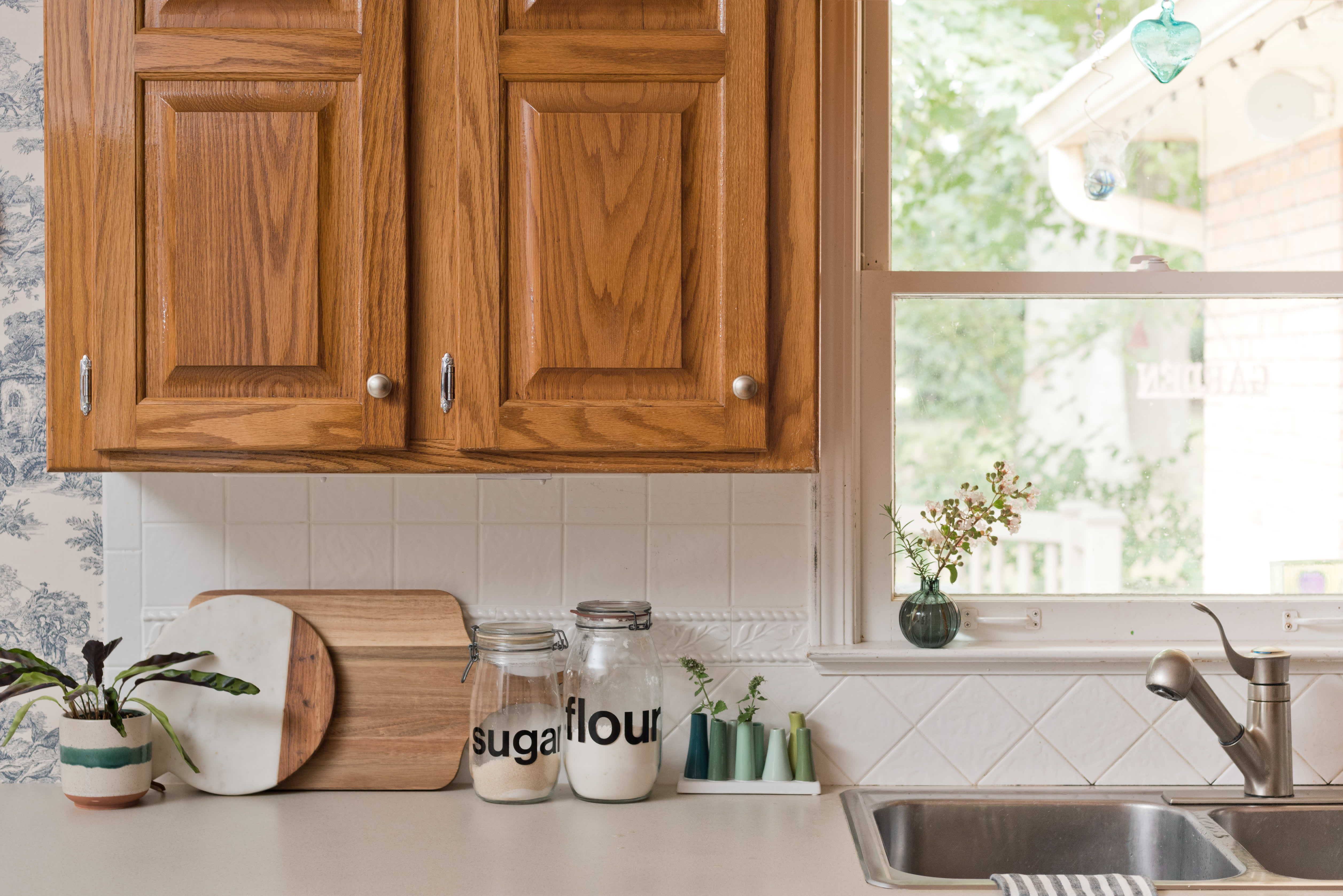
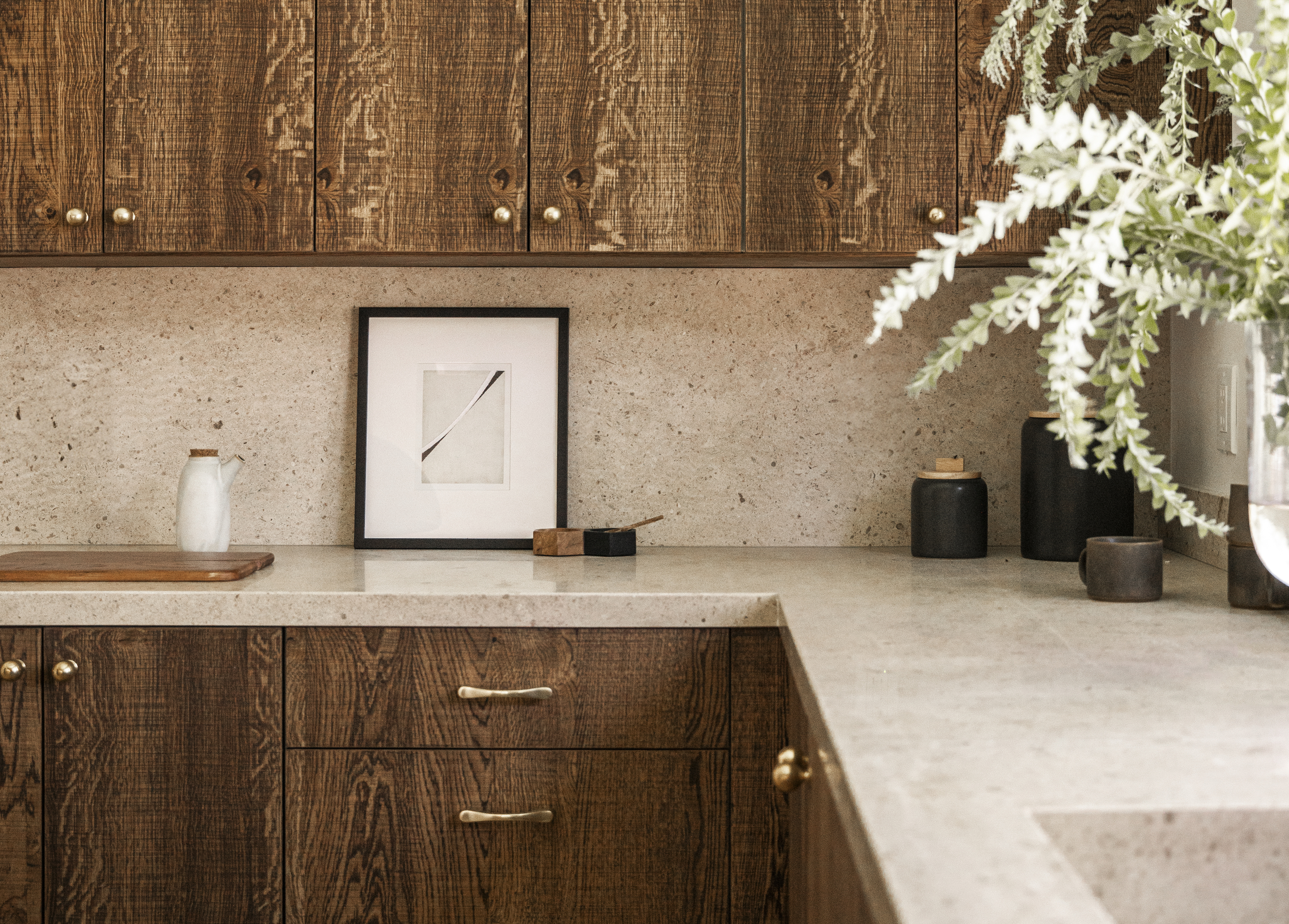
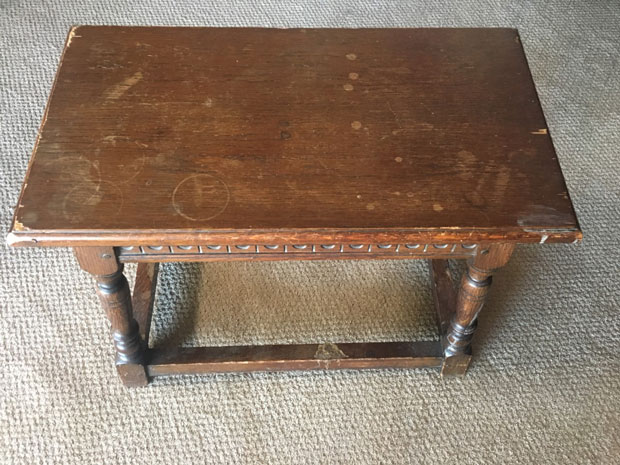
Wood cabinets, whether vintage or modern, are typically finished with protective coatings like varnishes, lacquers, or shellac, which highlight the wood's natural beauty. These finishes, however, are very thin, necessitating careful cleaning to prevent damage. Over time, wood cabinets can accumulate grime from dirty hands, grease splatters, food stains, pet contact, high humidity, smoke, oily dust, and the effects of sunlight and oxidation. Greasy buildup combined with household dirt and fingerprints are major contributors to dullness and discoloration.
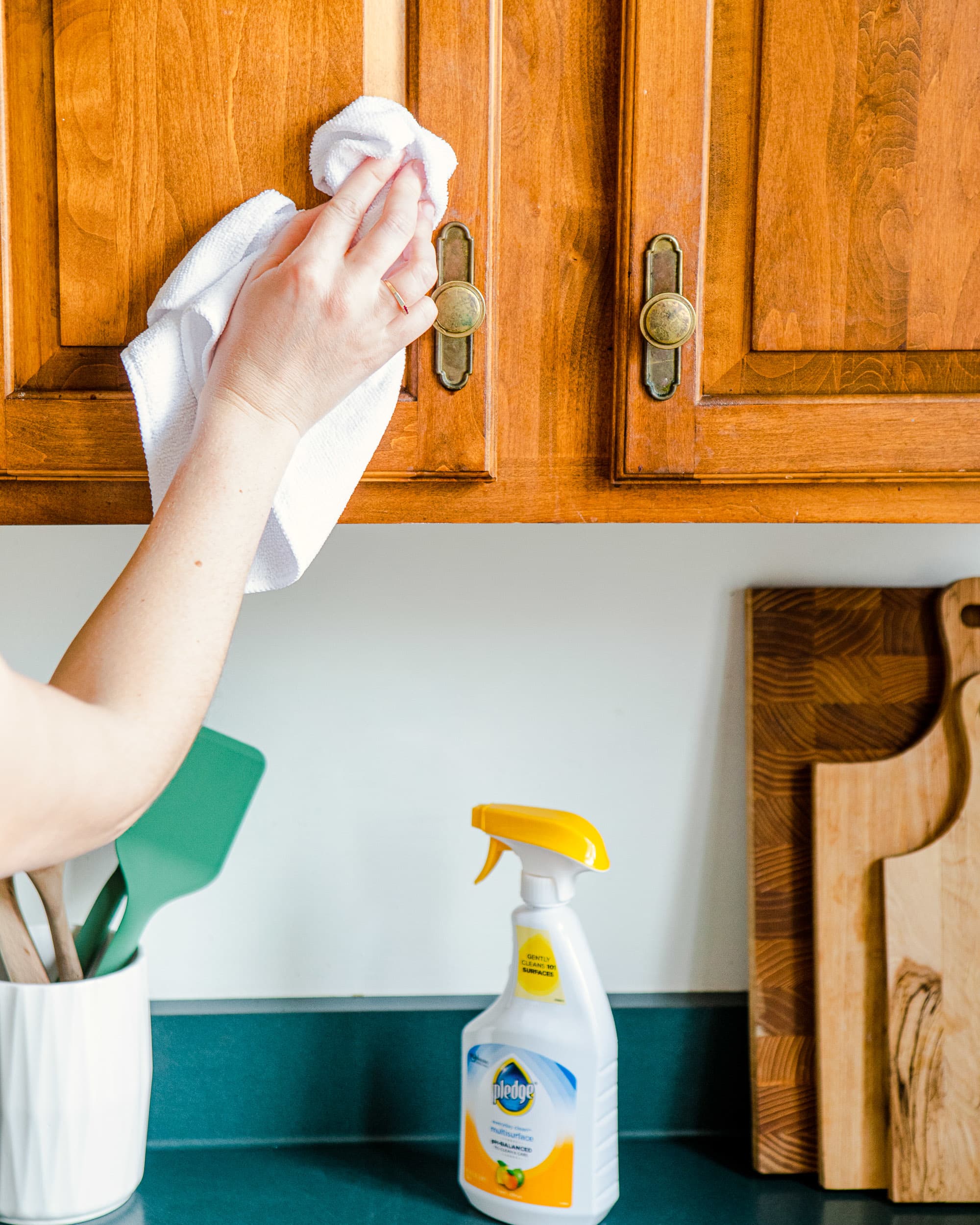
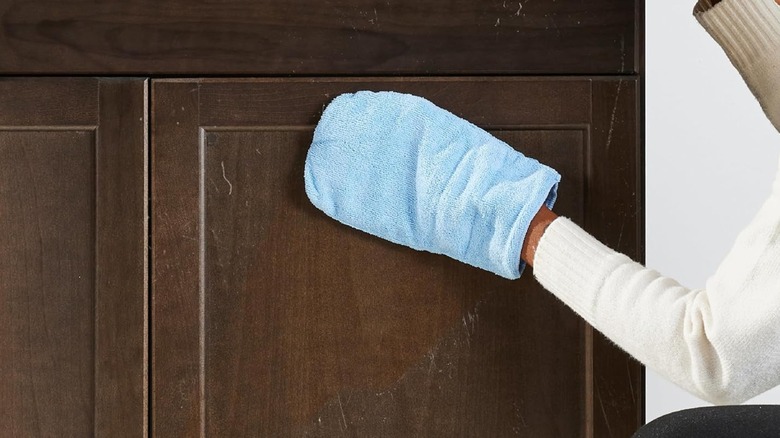
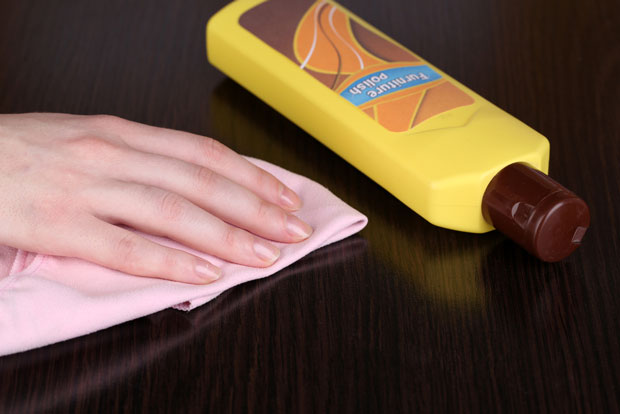
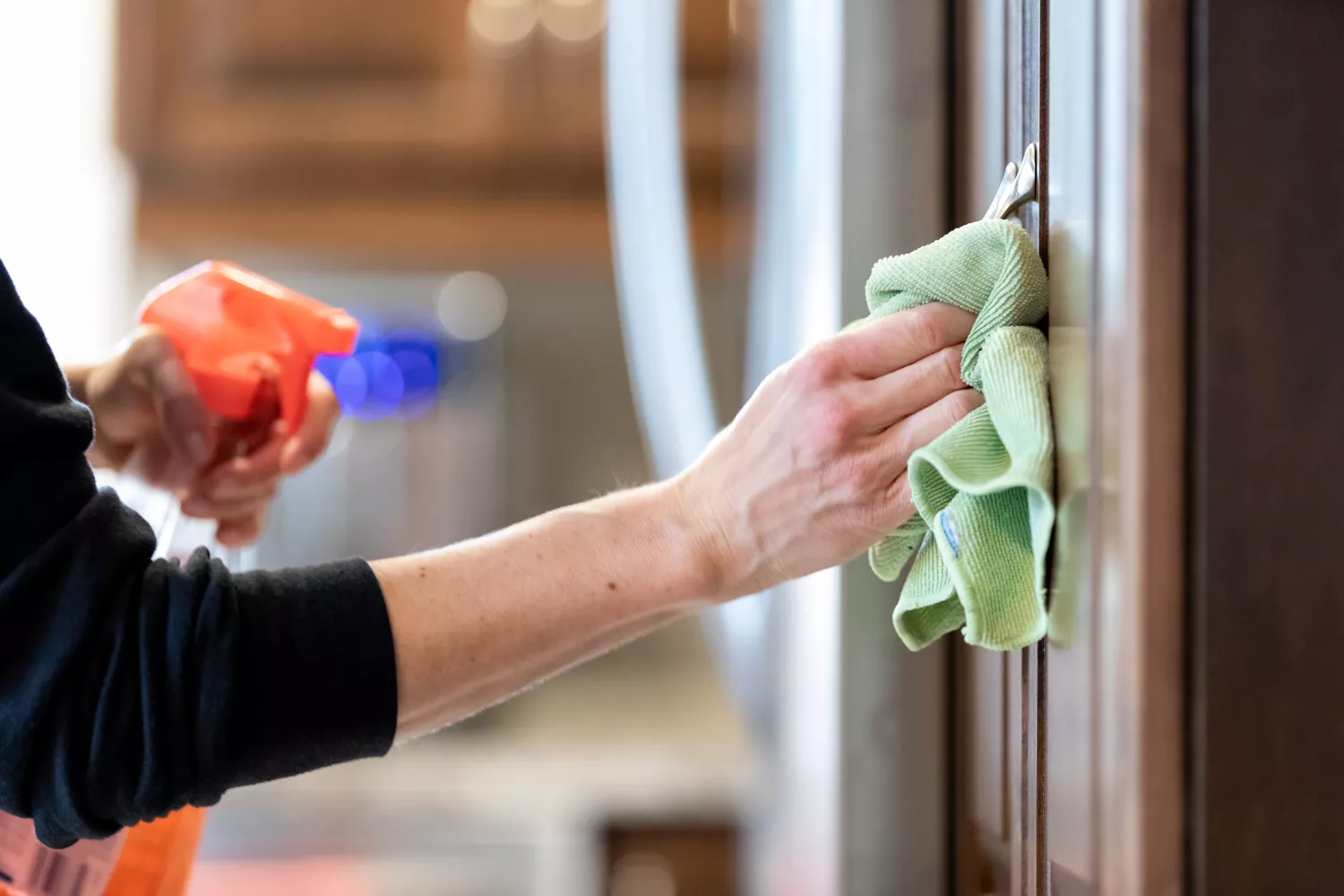
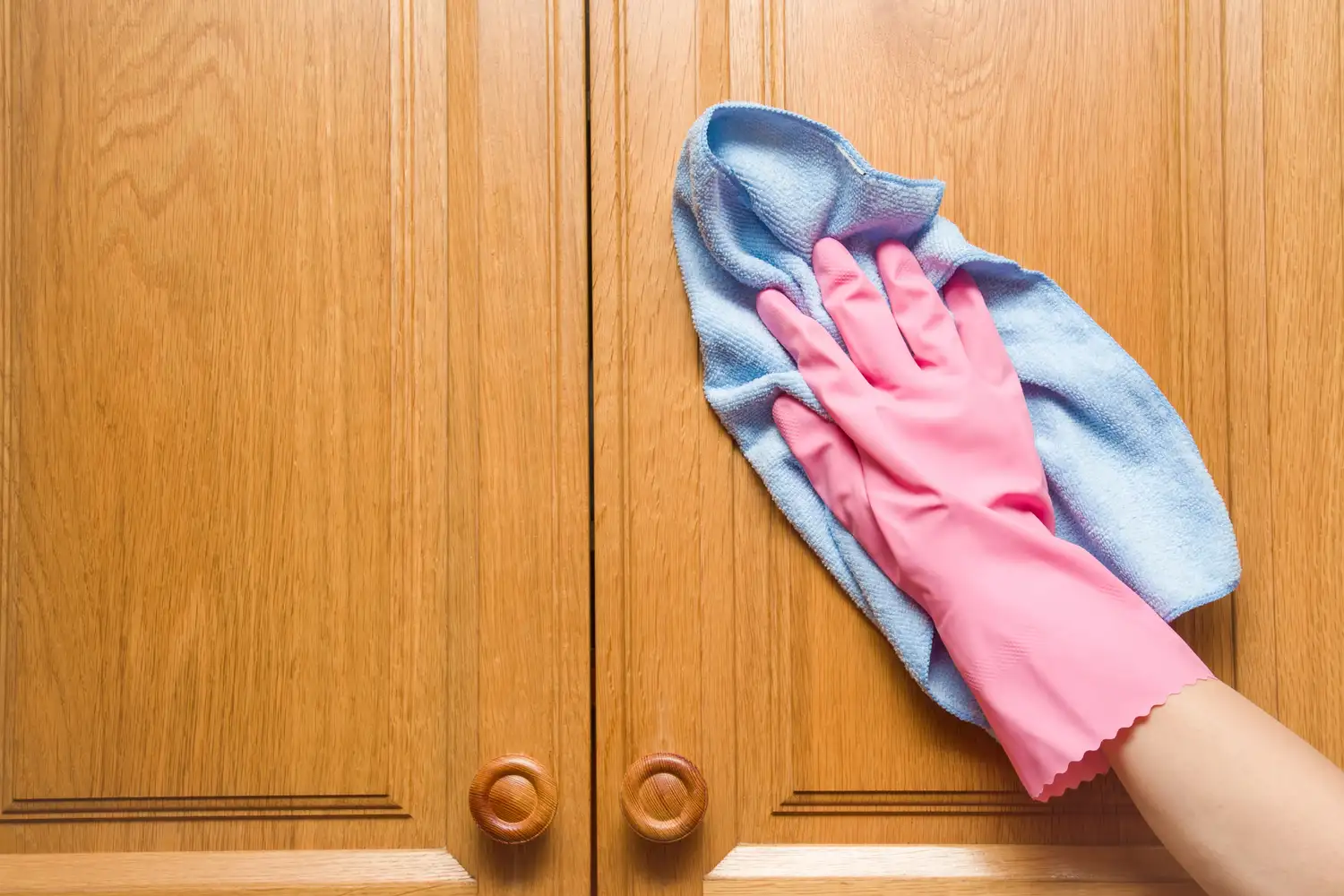
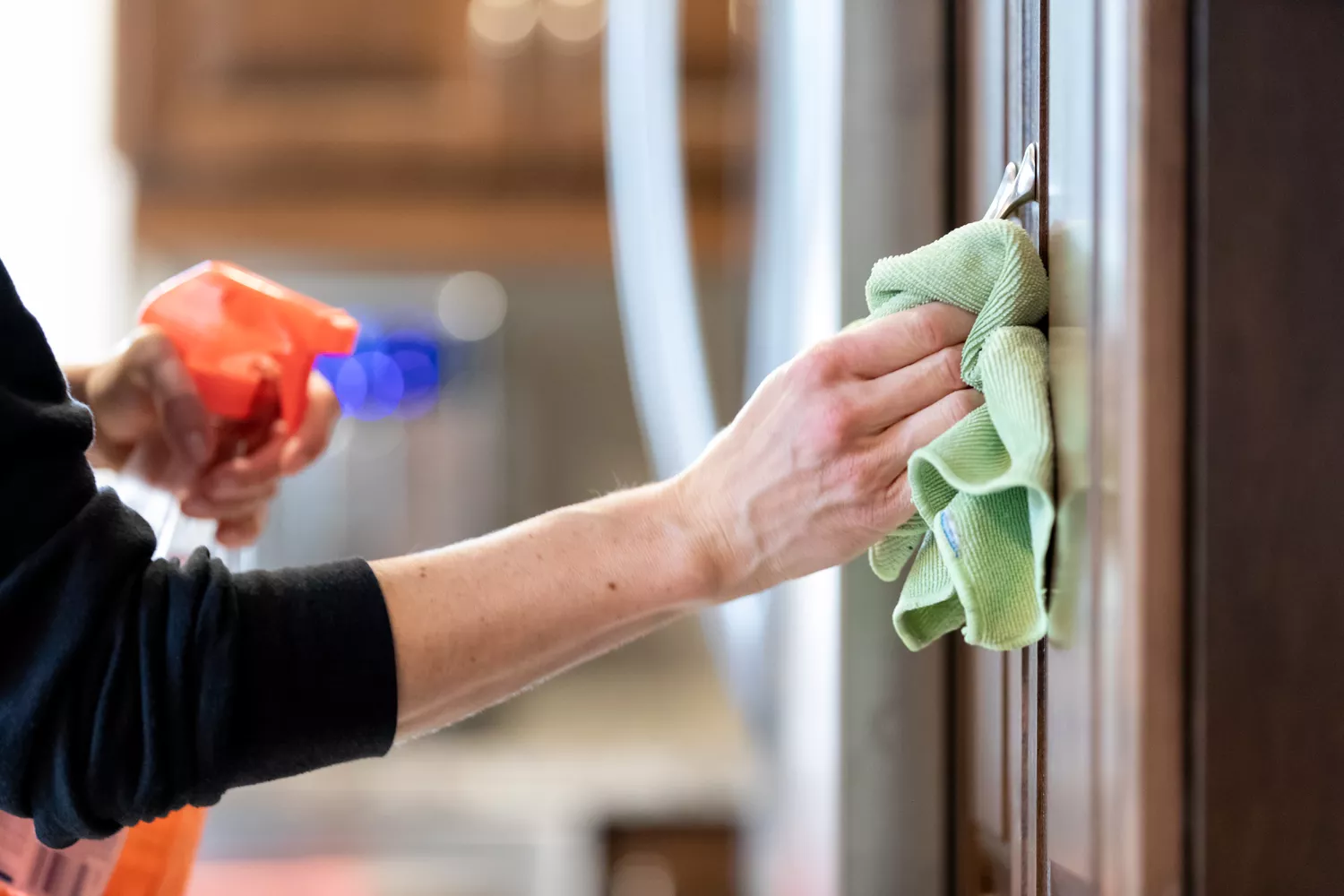
Routine cleaning begins with vacuuming using a bristled upholstery attachment or crevice tool to remove loose dust. Alternatively, a soft rag with furniture polish or a barely damp cloth can be used. The frequency of cleaning depends on usage, household dust levels, and cooking habits, with cleaning recommended when cabinets appear or feel grimy. When wiping, it's crucial to control wetness; the cloth should be damp, not dripping. After cleaning, each section must be dried immediately with a microfiber cloth or soft towel, working from top to bottom in manageable areas like a single drawer or cabinet door.
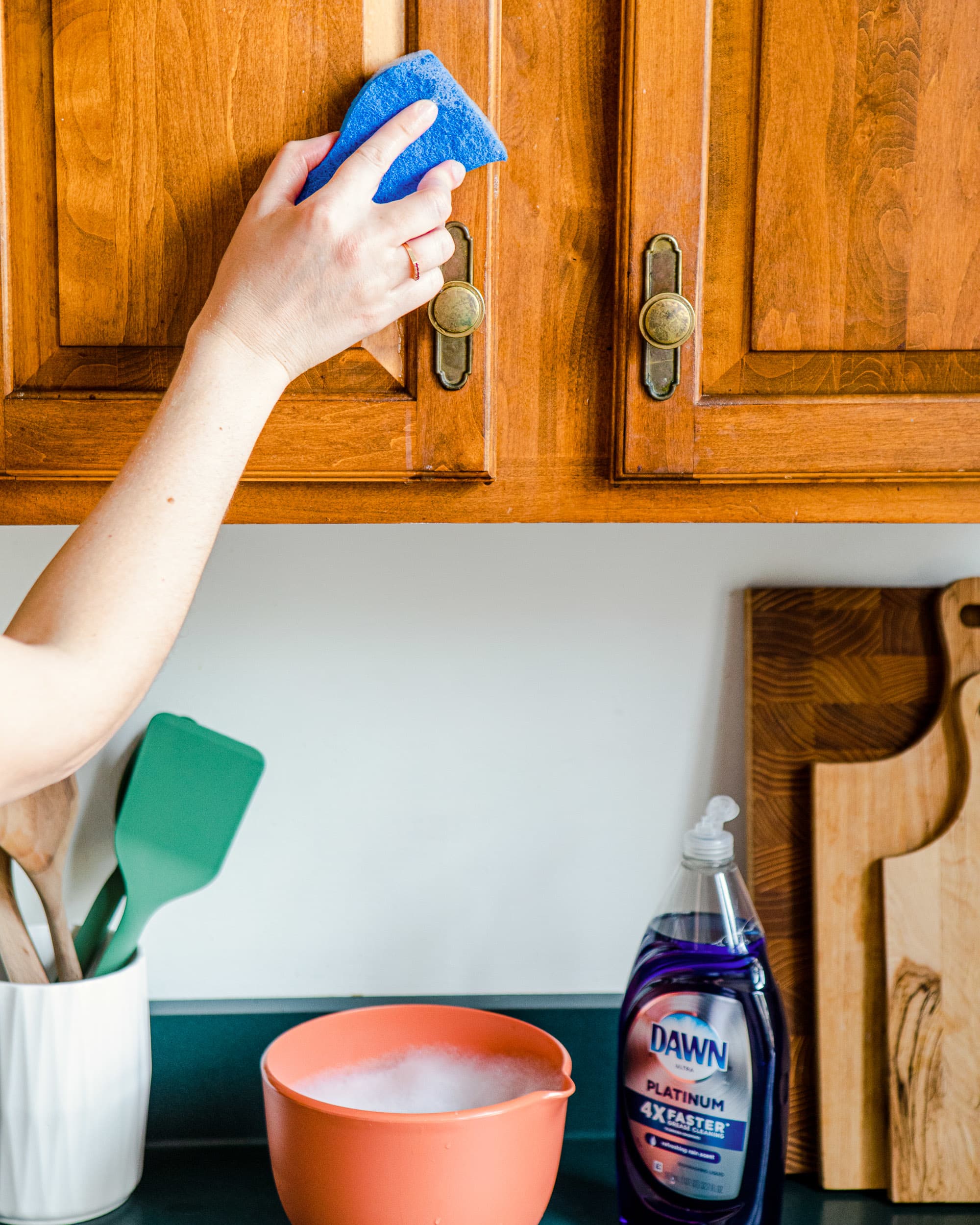
For deep cleaning, the mildest solution should be tried first. A mixture of mild dish soap and water is effective for removing grease. The solution should be applied with a soft sponge or cloth, rubbing gently to allow the soap and water to work. If greasy residue persists, adding ¼ to ½ cup of white vinegar to the soapy water can enhance its degreasing power. However, caution is advised with vinegar, as its acidity can damage certain wood finishes, and a spot test is recommended. Harsh cleaners like TSP, chemical bathroom cleaners, ammonia, or bleach are generally too aggressive for wood finishes. Metal knobs and handles can be cleaned with soapy water, and for stubborn grime or tarnish, a liquid or paste metal polish can be used. WD-40 is useful for cleaning grimy hinges and addressing squeaks.
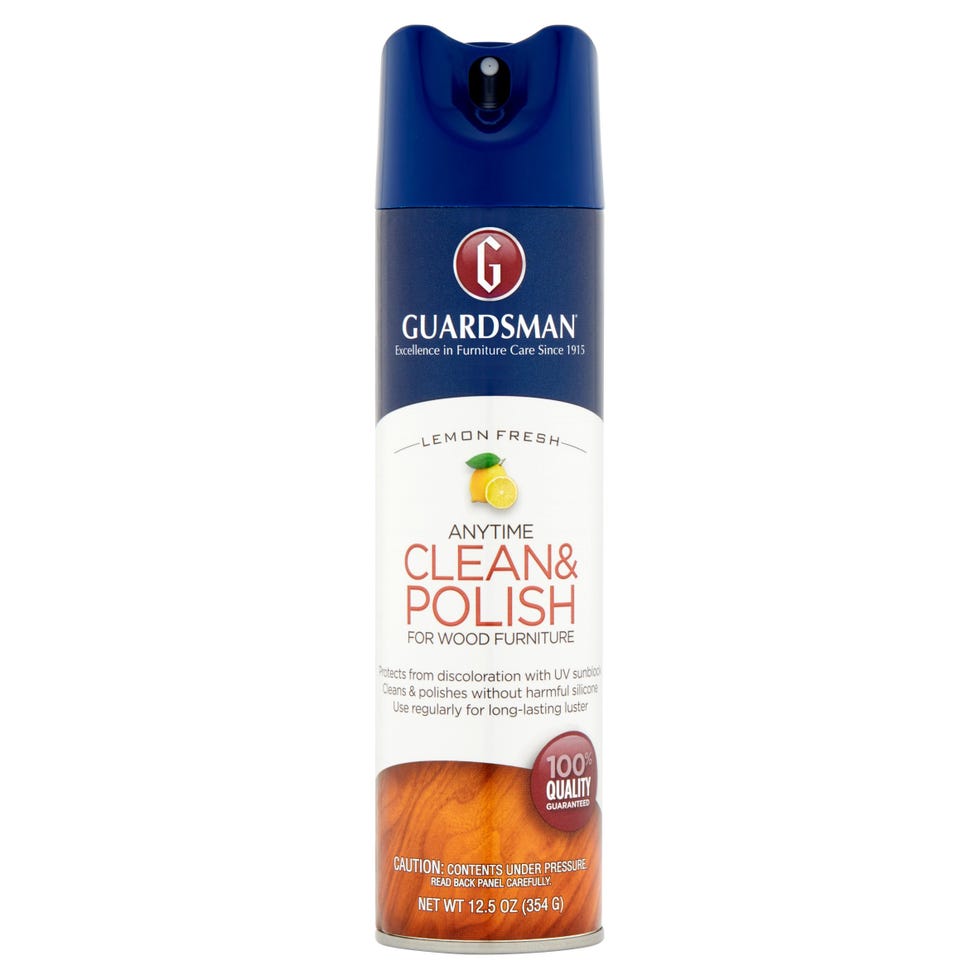
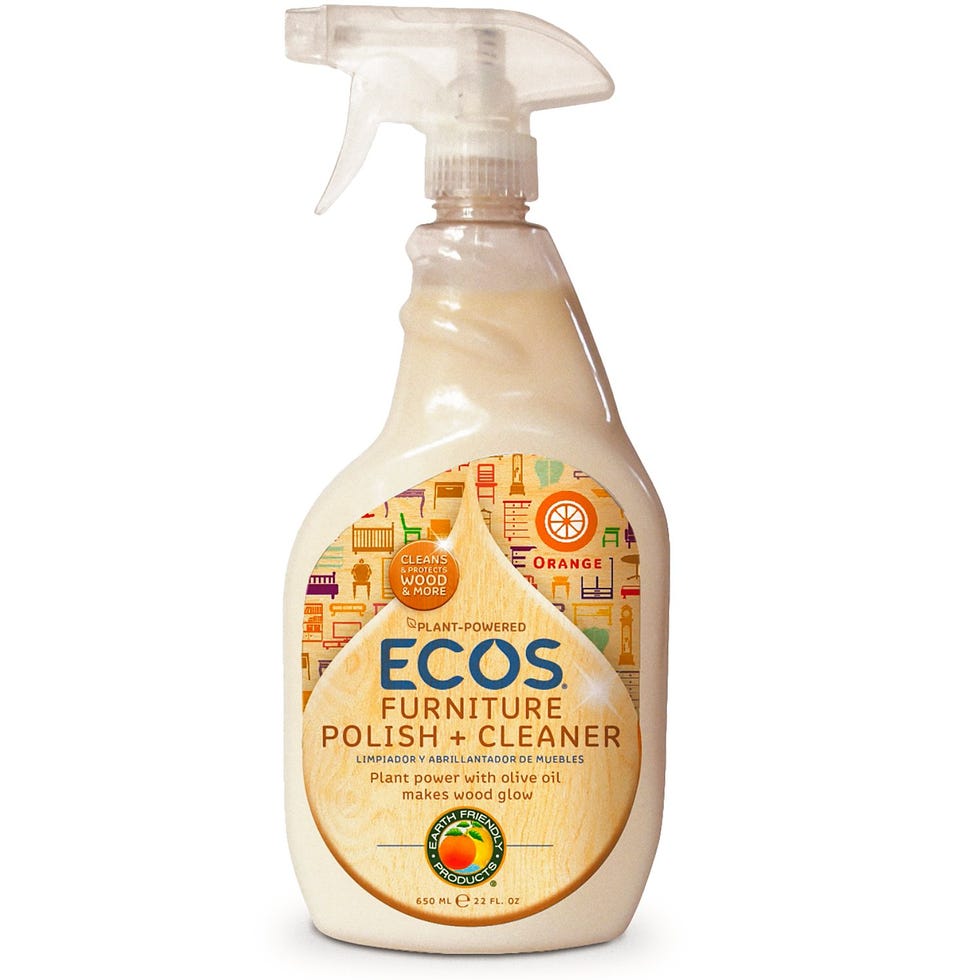
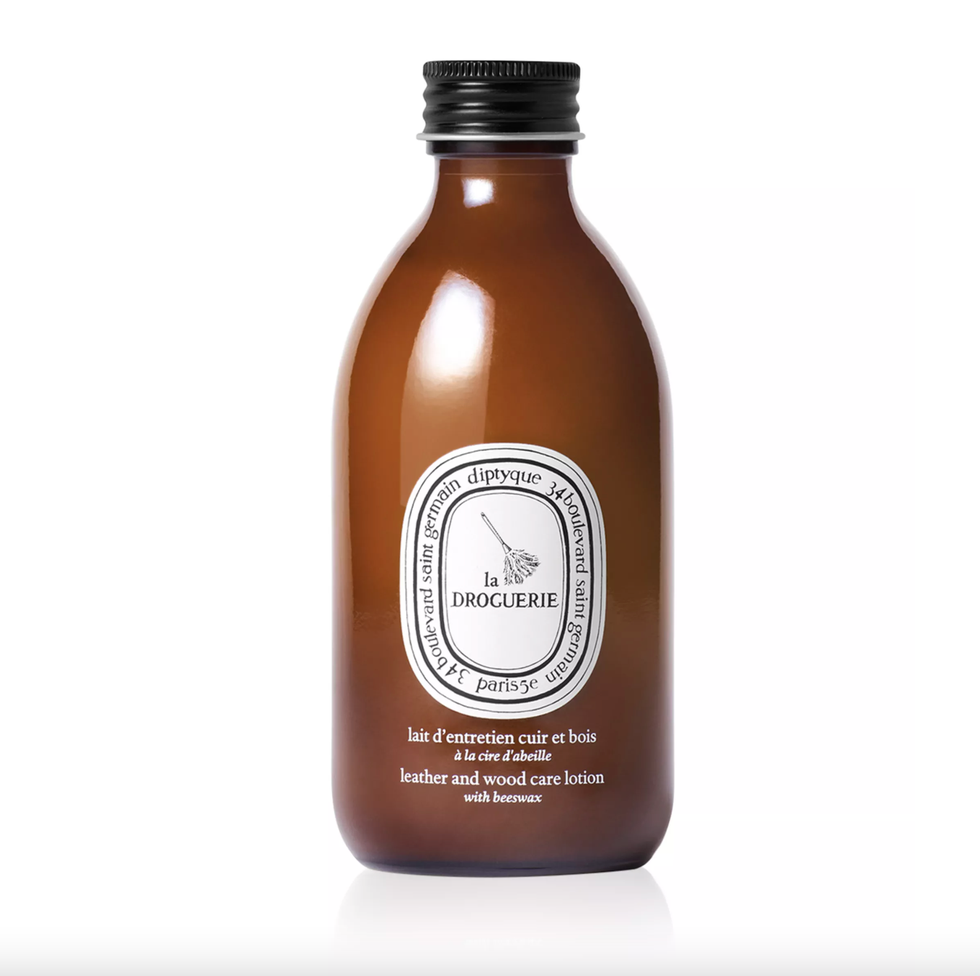
Restoring shine involves using polishes compatible with the cabinet's finish. Mineral oil can condition and restore shine to some wood types, but it can also attract dust and grime. Furniture polish, while adding temporary shine, often contains petroleum solvents and can lead to a cycle of perpetual polishing without significant protection. Waxing with furniture paste wax offers a more durable shine but requires more effort. It's best to avoid furniture polishes and cleaners containing silicone, as silicone can seep into the wood and complicate future refinishing efforts.
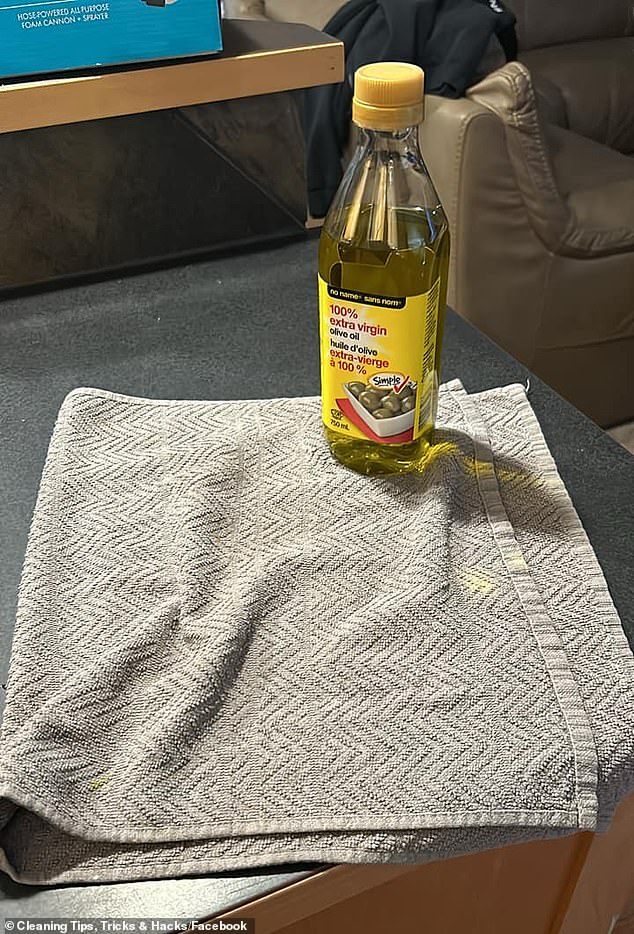
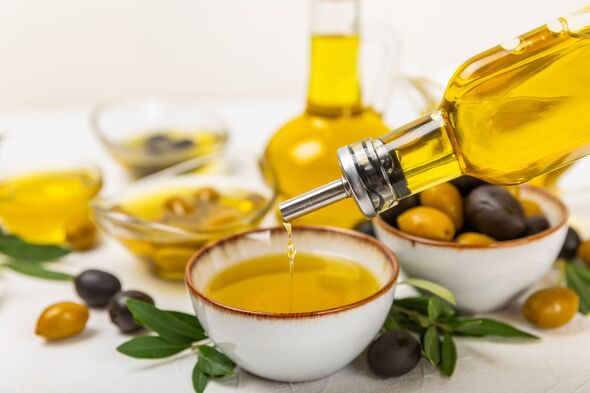
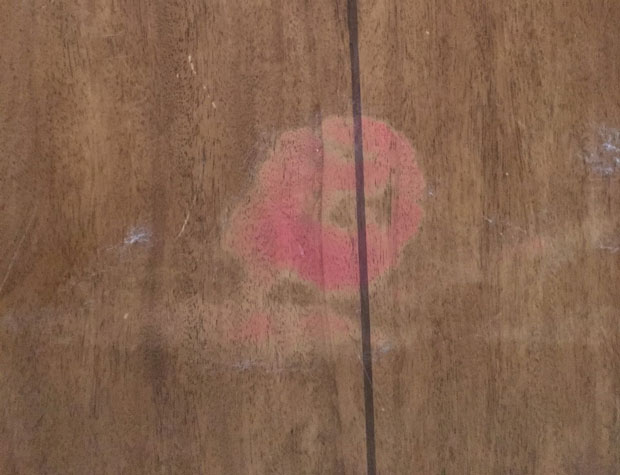
When considering DIY versus commercial cleaners, diluted vinegar is an effective degreaser, though its smell may be a drawback, and proper ventilation and protective gear are recommended. Olive oil can loosen grime but leaves a residue that attracts dust. Dish soap diluted in water is a gentle, economical solution. Commercial options like Murphy's Oil Soap are also effective. The key is to remember that the cleaning targets the thin protective coating, not the raw wood. Common mistakes include over-wetting, which can warp or damage finishes, and using harsh abrasives or chemicals that dull the finish or cause water spots. Any cleaning solution that is unsafe to breathe or use bare-handed is generally too strong for wood cabinets. For persistent grease, a soft cloth with dish soap and water, possibly with added vinegar, is suggested. Deep cleaning frequency varies based on cabinet use and exposure to dirt and grime. For shine, high-quality wood polish is recommended. Waxing and polishing are not essential but can provide a longer-lasting shine if desired.
#woodCabinets #cabinetCleaning #greaseRemoval #woodCare #homeMaintenance #kitchenCleaning #DIYCleaning #cleaningTips #homeDecor #woodCabinets #cabinetCleaning #greaseRemoval #woodCare #homeMaintenance #kitchenCleaning #DIYCleaning #cleaningTips #homeDecor
0 comment in total
 No comments yet
You may also like
I Just Discovered a Brilliant 2-Minute Cabinet Cleaning Trick (It Was Hiding in My Pantry!)

"I Restored My Scratched Wooden Kitchen Cabinets In 20 Minutes In Time for Hosting Thanksgiving — Thanks to This $13 Wonder Product"


How to remove oil stains from a fabric sofa – experts reveal their tried and tested secret
Never Use These 5 Cleaners on Wooden Kitchen Cabinets—You Could Ruin Them, Pros Warn

Follow These DIY Steps to Remove and Refresh Your Kitchen Cabinets

Mum's simple hack to remove stains from wooden furniture using a common pantry item
Your Kitchen Cabinets Deserve Better—Here’s How to Clean Them the Right Way
10 Best Furniture Polishes, Tested by Cleaning Experts

The 11 Best Affordable Products For Refreshing Dated Wood Cabinets
This Is How a Pro Cleaner Deals With Greasy Cabinets Without Damaging the Finish


How to Clean Secondhand Furniture, According to Professional Upcyclers
How to Fall in Love with Your Furniture (Again)
How To Clean Wood Cabinets To Remove Grease And Renew Shine
Expert's clever olive oil hack to 'protect and rejuvenate' furniture
The Right Way To Whitewash Wood Furniture
How to refinish wood furniture - easy ways to totally overhaul your decor
How to Remove Water Stains from Wood with Common Household Products


I Asked My Furniture-Maker Dad How to Remove Water Stains From Wood — These Are His 3 "Tried and Tested" Tricks
How to restore life of damaged wood furniture yourself

Your Kitchen Cabinets Deserve Better—Here’s How to Clean Them the Right Way