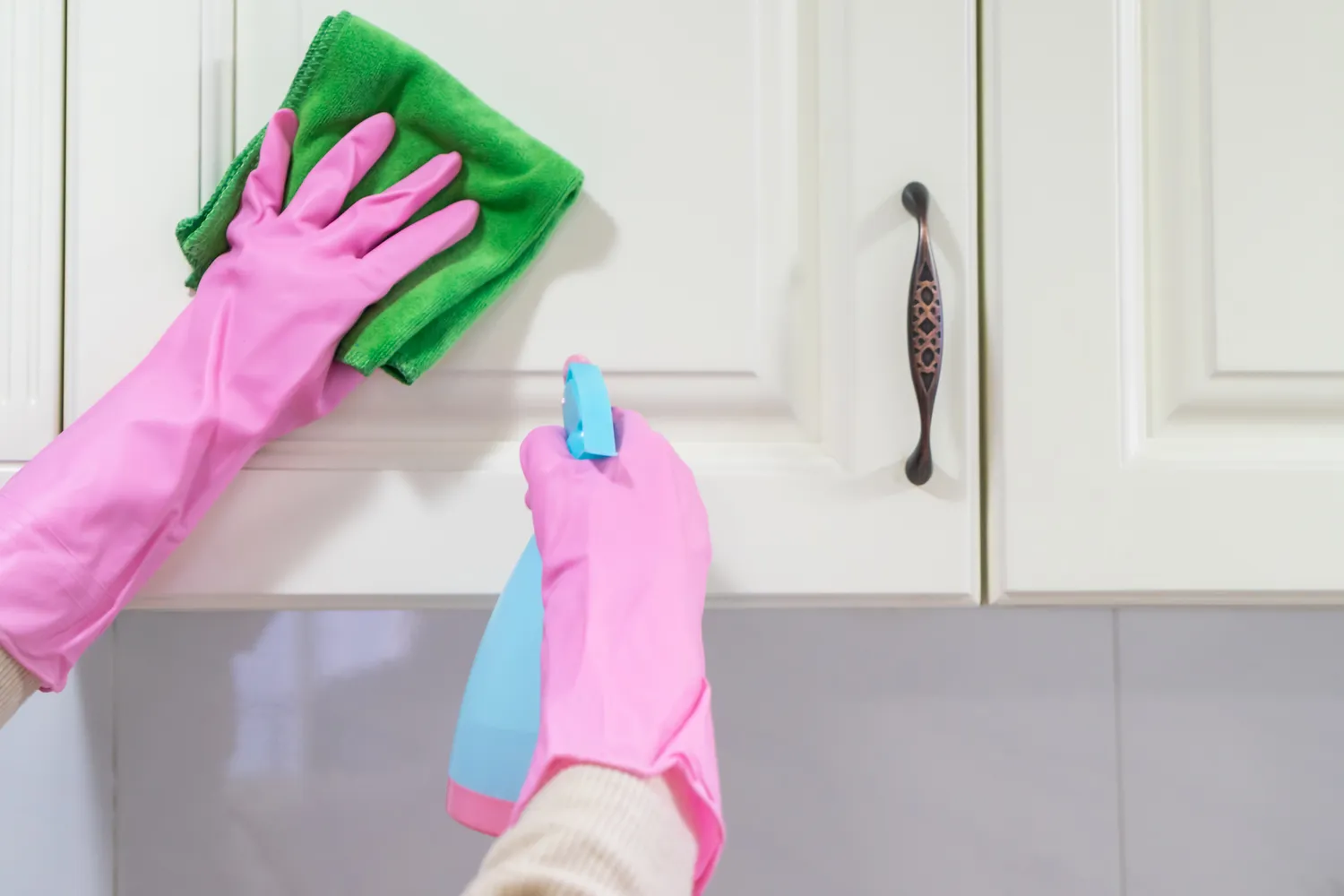
This Is How a Pro Cleaner Deals With Greasy Cabinets Without Damaging the Finish
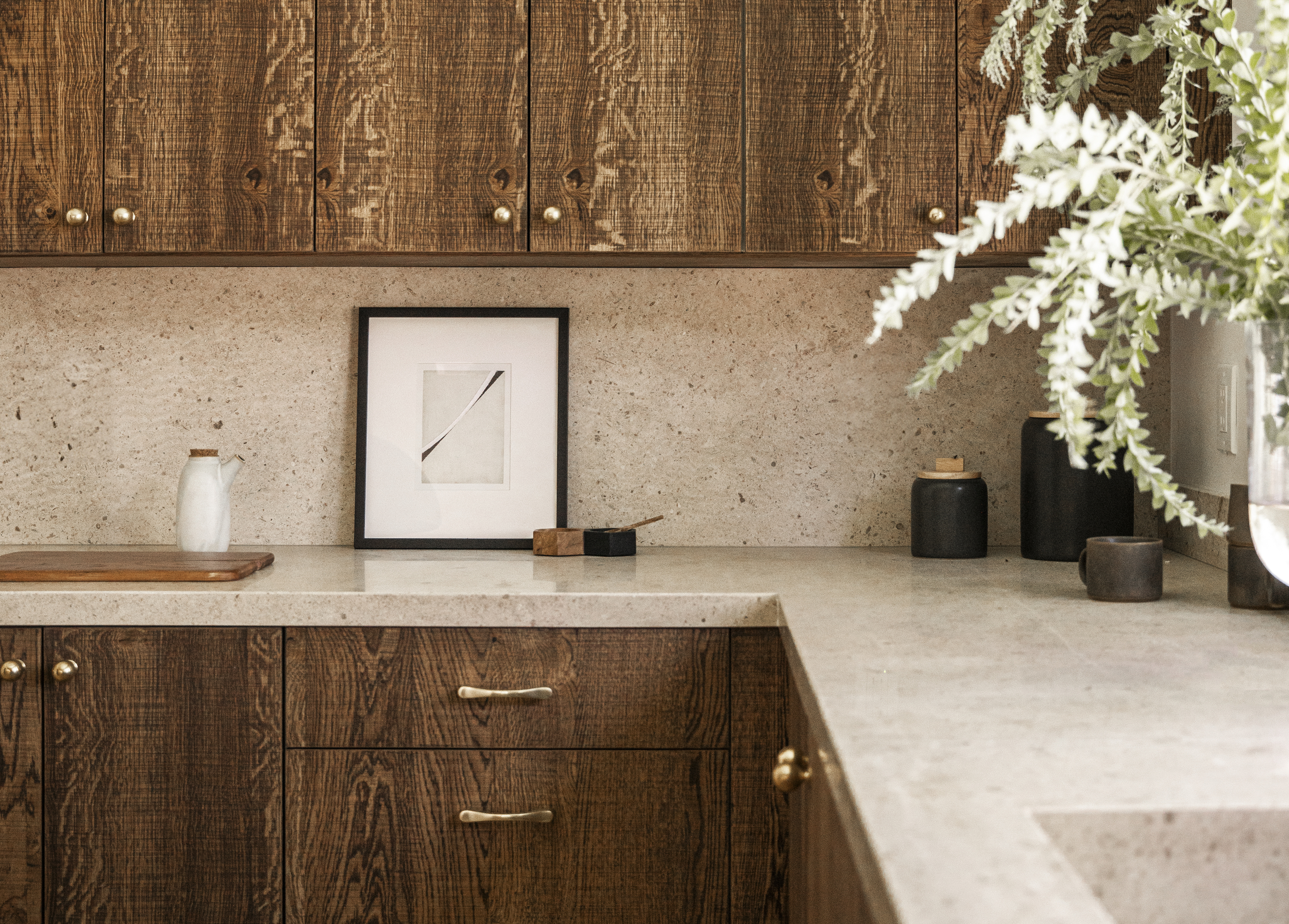
Cleaning greasy kitchen cabinets can often be a challenging task, but a professional cleaner, Derek Christian, co-owner of All Star Cleaning Services, suggests that common dish soap is the most effective solution. This method eliminates the need for specialized cleansers or abrasive tools. The effectiveness of dish soap lies in its chemical composition, specifically organic compounds called surfactants. Surfactants are structured like lollipops, featuring a hydrophilic (water-loving) head and a hydrophobic (oil-averse) tail. When dish soap is applied to grease, the hydrophobic tails embed themselves into the oil, encapsulating the grease. The hydrophilic heads then interact with water, allowing the grease-surfactant mixture to be easily rinsed away with water.
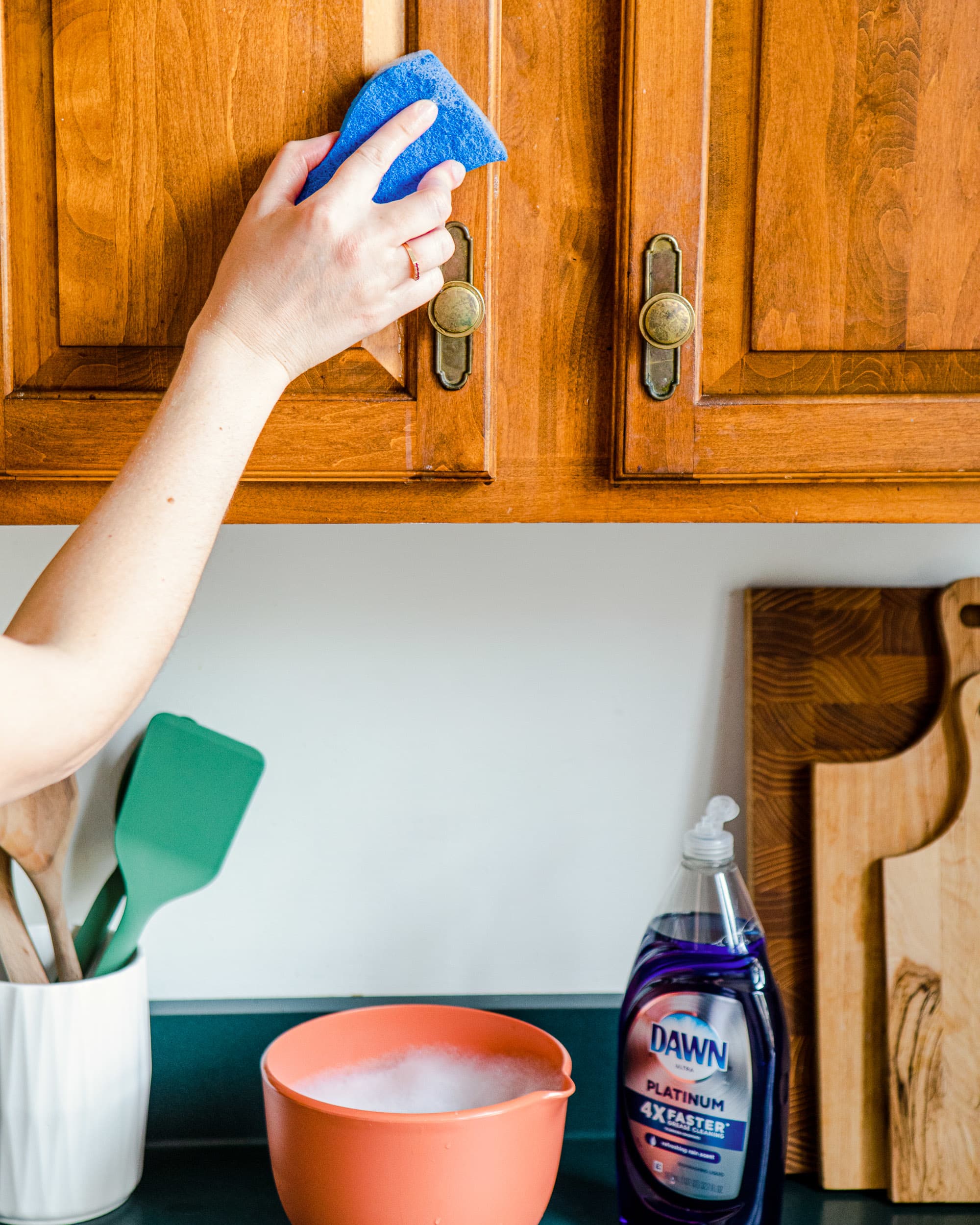
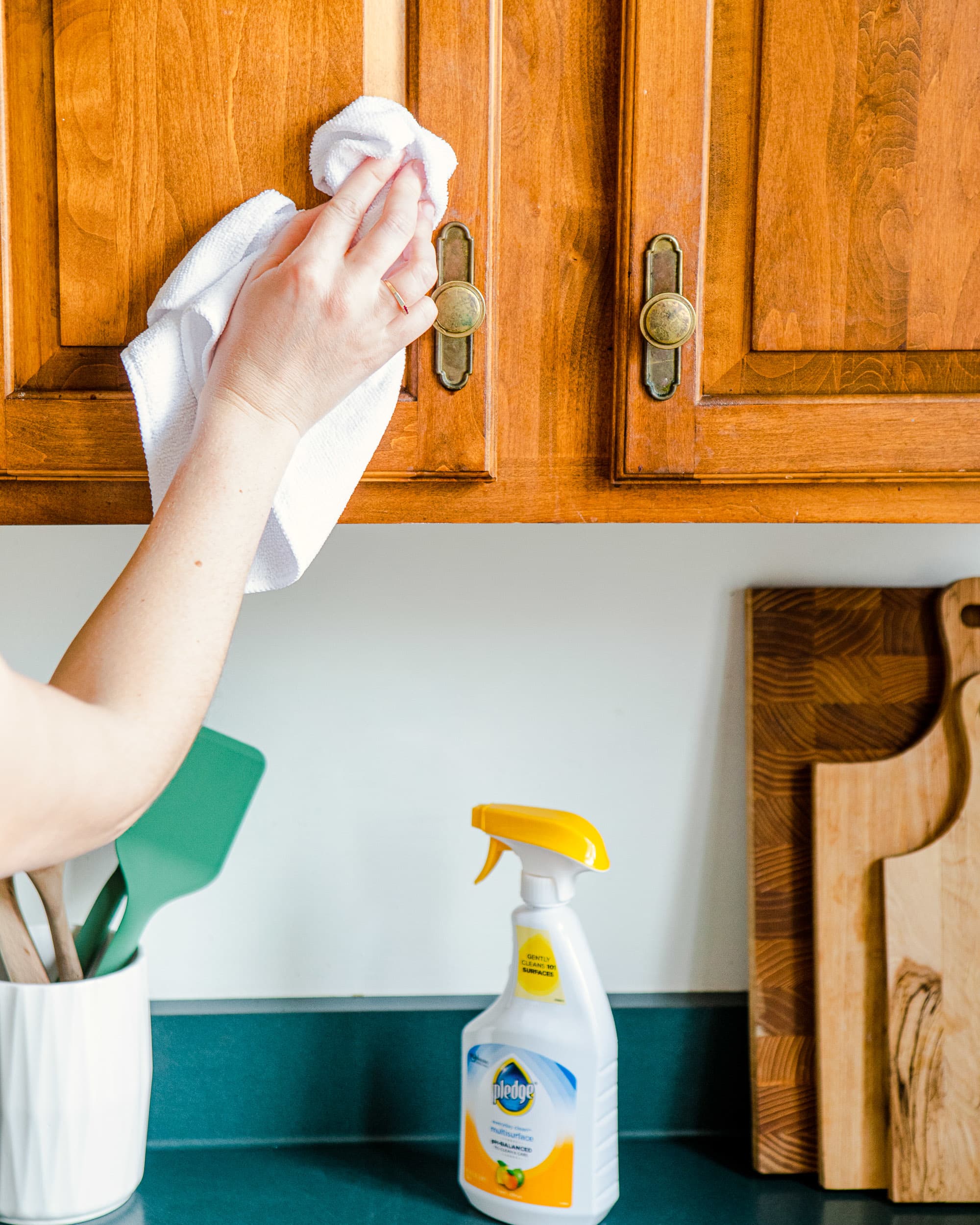
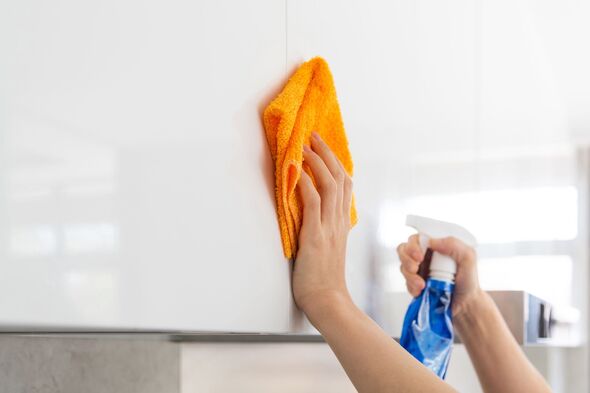
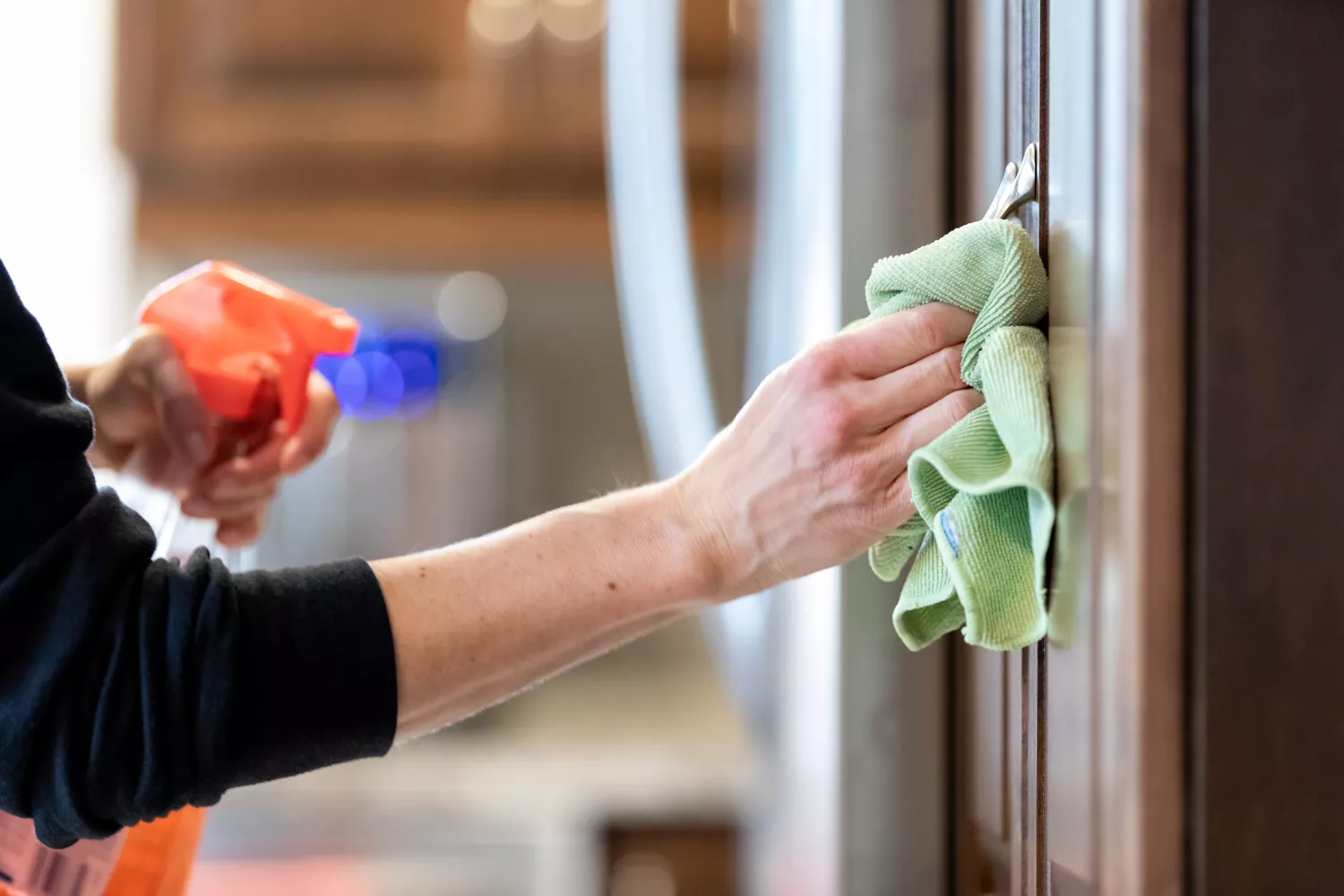
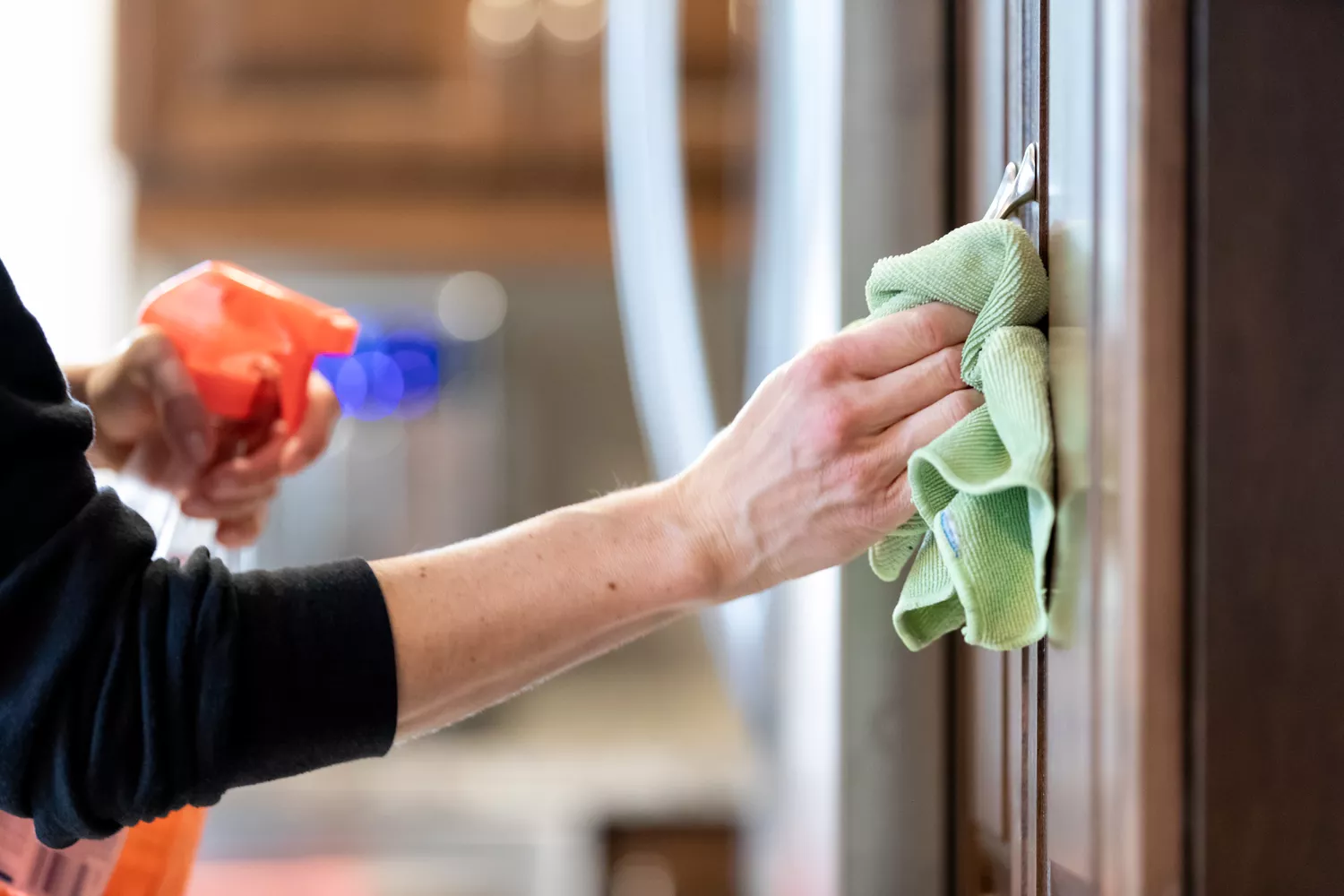
For cleaning, Christian recommends using the hottest water one can tolerate. Heat plays a crucial role in the cleaning process by liquefying oils, which are typically solid at room temperature. This liquefaction makes the grease easier to remove without vigorous scrubbing. The recommended procedure involves mixing dish soap with very hot water, wetting a cloth with this solution, dabbing it onto the greasy cabinet surface, letting it sit for a few minutes, and then rinsing it off with a clean, water-dampened cloth. This process can be repeated as necessary for stubborn stains.
While most dish soaps contain surfactants that are effective against grease, Christian specifically suggests Dawn for particularly tough grease, noting its petroleum-derived surfactants are highly effective. However, for those preferring eco-friendly options, brands like Seventh Generation offer coconut-based surfactants that also perform well in cutting through grease. The use of hot water and dish soap is emphasized over harsh scrubbing tools to protect the cabinet's finish.
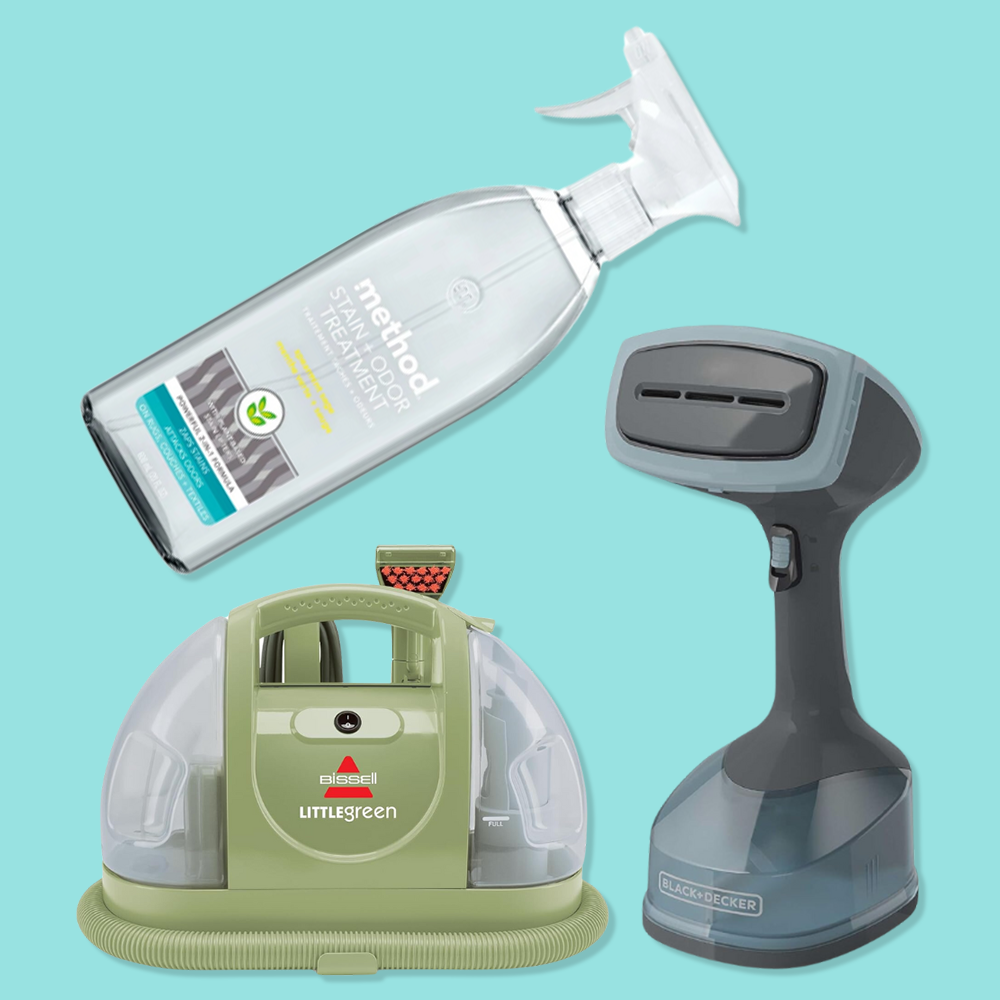
In cases of extremely stubborn grease, Christian advises pre-heating the affected area with a hairdryer or a steamer. A hairdryer is generally safer for various cabinet materials, including wood, as steamers can reach high temperatures that might damage plastic or other finishes. It is crucial to avoid abrasive cleaning materials such as scrubbing brushes, blue scrubby pads, or Magic Erasers, as these can strip away the cabinet's finish. The goal is to let the chemical action of the dish soap and heat do the work, minimizing mechanical friction that could cause damage.
This cleaning approach highlights the importance of understanding the chemistry behind cleaning products and leveraging simple, readily available solutions for effective and safe home maintenance. The method is designed to be gentle on cabinet surfaces while being highly efficient in tackling grease buildup, ensuring kitchen cabinets remain clean without damage.
#KitchenCleaning #GreaseRemoval #DishSoap #CleaningTips #HomeMaintenance #EcoFriendlyCleaning #CabinetCare #KitchenCleaning #GreaseRemoval #DishSoap #CleaningTips #HomeMaintenance #EcoFriendlyCleaning #CabinetCare
0 comment in total
 No comments yet
You may also like
I Just Discovered a Brilliant 2-Minute Cabinet Cleaning Trick (It Was Hiding in My Pantry!)
Best Cleaning Advice & Tips


How to clean a sofa bed – top hacks for tackling stains and everyday cleaning for an immaculate couch
Your Kitchen Cabinets Deserve Better—Here’s How to Clean Them the Right Way

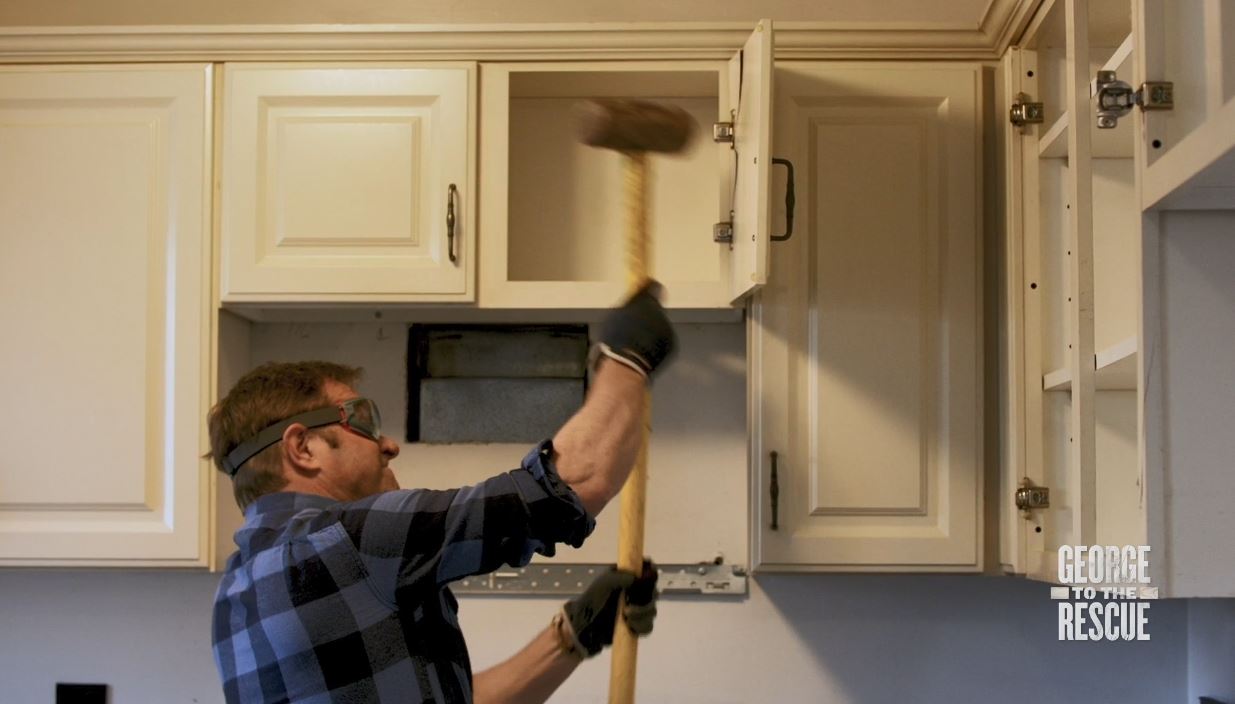
Follow These DIY Steps to Remove and Refresh Your Kitchen Cabinets

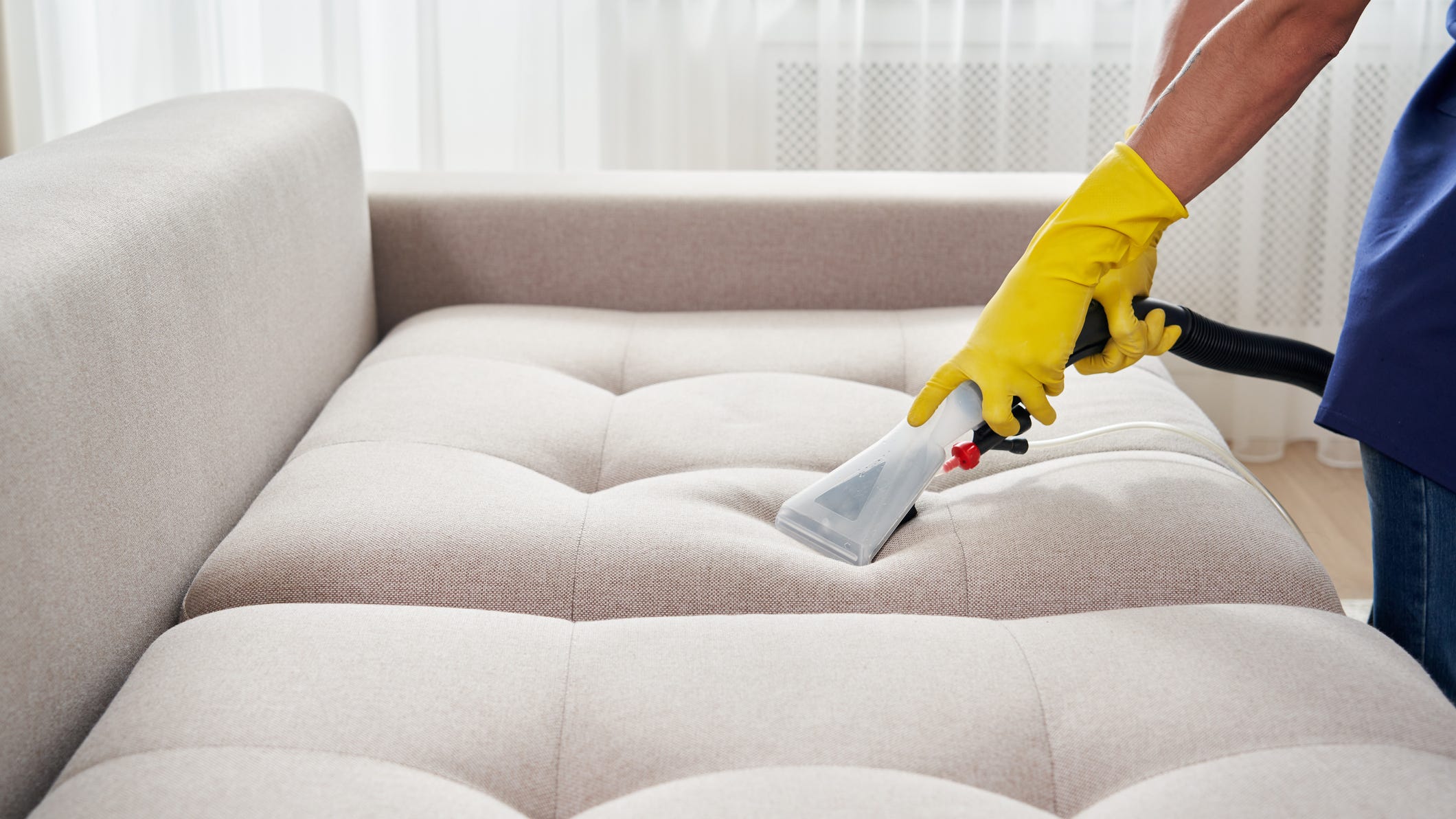
Are You Cleaning Your Couch Enough? Here's How to Do It the Right Way

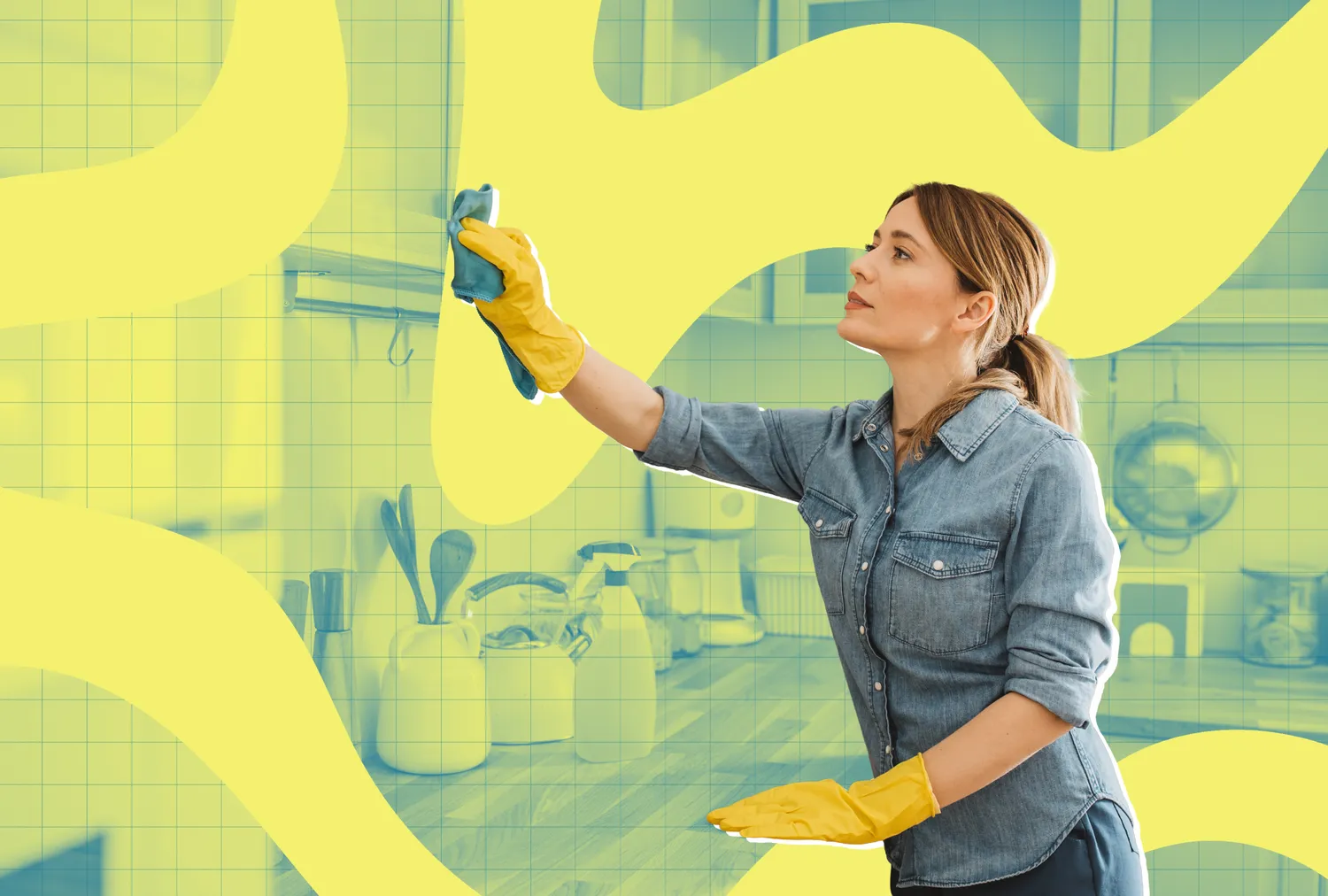
Your Kitchen Cabinets Deserve Better—Here’s How to Clean Them the Right Way
How to Clean a Couch, According to Experts | NBC Select


How to remove oil stains from a fabric sofa – experts reveal their tried and tested secret
How To Clean Wood Cabinets To Remove Grease And Bring Back Their Shine
16 Things In Your Kitchen You NEED To Clean More Often, According To Experts

How to clean a linen sofa to keep it in pristine condition – even in a busy family home
How To Clean Wood Cabinets To Remove Grease And Renew Shine
10 Best Furniture Polishes, Tested by Cleaning Experts
How to organize cleaning supplies – 12 tips to clean up your cleaning cabinet

The Best Oven Cleaners to Tackle Caked-On Gunk


"I Restored My Scratched Wooden Kitchen Cabinets In 20 Minutes In Time for Hosting Thanksgiving — Thanks to This $13 Wonder Product"


5 Common Sofa Cleaning Mistakes You Might Be Making

Our Pros Swear By These Kitchen Countertop Cleaners

Kitchen cabinets won't be greasy or sticky if you use 3 household items cleaners love