1/4
How to fix peeling paint in 4 steps – and reasons why your paint is crumbling
Peeling paint, a common household issue, can be more than just an aesthetic problem; it can compromise the integrity of the underlying surface by exposing it to damage and moisture, complicating future painting projects. This guide outlines a four-step process to effectively repair peeling paint and delves into the primary causes of this issue, offering preventative measures.
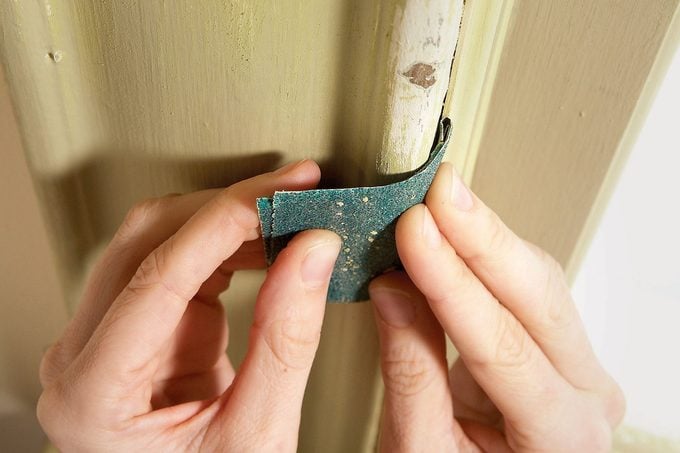
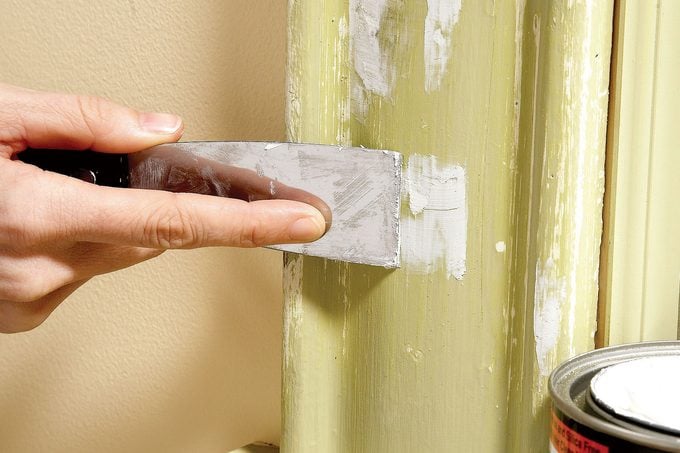
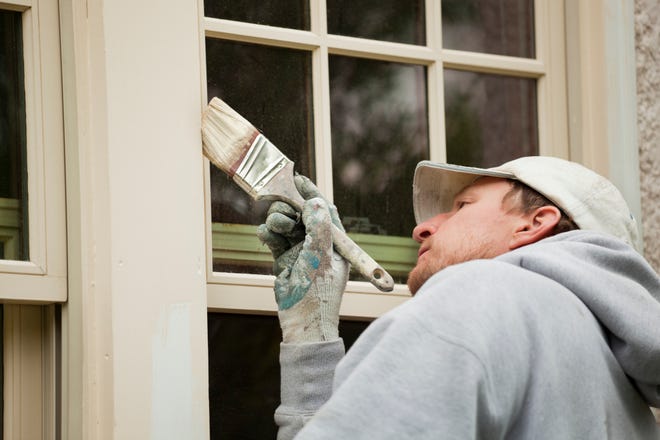
The repair process begins with the crucial step of removing all loose paint. Professional painters recommend using a scraper tool to meticulously clear away any paint that is detaching from the wall, ensuring a smooth foundation for subsequent steps. Following the removal of loose paint, the surface requires sanding to eliminate any rough edges and to further smooth the area. A fine-grit sander is ideal for this task, creating an even surface. Before priming, it's advised to clean the wall with warm water and soap to remove dust, dirt, and any other particles, allowing it to dry completely.
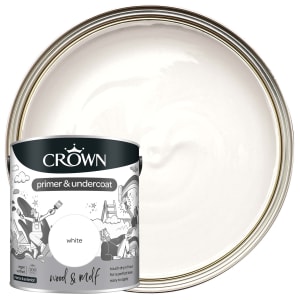
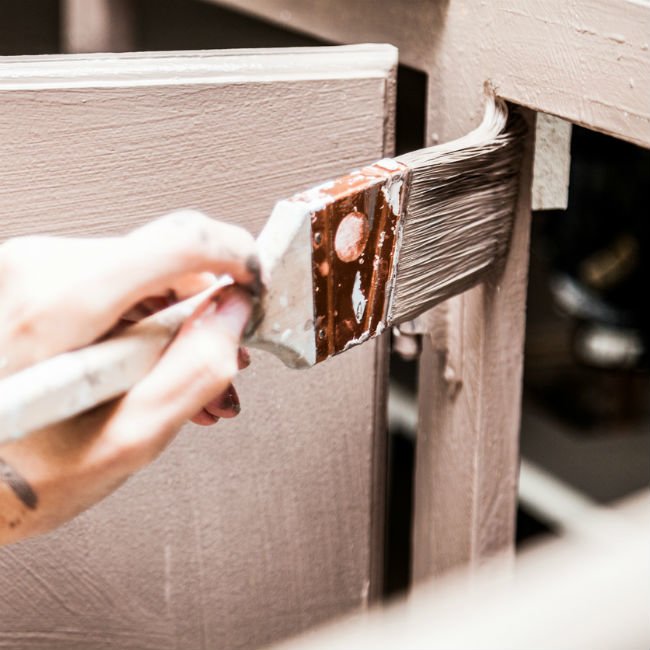
The third step involves applying a quality primer. This is a critical stage, especially if the peeling was due to underlying issues like mold or moisture, as the primer helps to block stains and provide a consistent surface for new paint. Experts suggest using an exterior-grade primer, even for interior applications in areas prone to peeling, for enhanced durability. The final step is repainting the area. It is important to use paint that matches the existing color, finish, and brand. If the original paint is unknown, a small sample can be taken to a hardware store for color matching.
Several factors can cause paint to peel. The most common reason is improper adhesion of the paint to the wall, often occurring when paint is applied to a dirty, wet, or inadequately prepared surface, or when painted under unsuitable temperature conditions (too hot or too cold). Excess moisture is another significant contributor, as condensation or dampness can gradually degrade the paint's bond to the wall. Addressing moisture issues by ensuring proper heating, improving insulation, or using a dehumidifier can mitigate this problem.
Prevention is key to avoiding future peeling paint. This includes consistently using a high-quality peel-stop primer before painting and ensuring painting is done in warm, dry weather to facilitate proper drying and adhesion. Thorough surface preparation is essential to prevent a range of paint problems. Controlling cold air and moisture within the home also contributes significantly to preserving paintwork. Painting directly over peeling paint is not recommended without addressing the root cause, as it is likely to peel again. While PVA glue can serve as a temporary barrier in a pinch, a proper primer is always preferred for long-lasting results. Ultimately, identifying and resolving the underlying cause of peeling paint, alongside proper repainting techniques, is crucial for maintaining fresh and durable walls.
#PeelingPaint #HomeMaintenance #PaintRepair #InteriorPainting #MoistureControl #SurfacePreparation #PrimerApplication #DIYHomeImprovement #PeelingPaint #HomeMaintenance #PaintRepair #InteriorPainting #MoistureControl #SurfacePreparation #PrimerApplication #DIYHomeImprovement
0 comment in total
 No comments yet
You may also like
6 painting mistakes that are making your walls look 'dirtier' – and what you should be doing instead

Paint finishes explained – an expert guide to choosing the perfect type of paint for your projects

Interior Paint
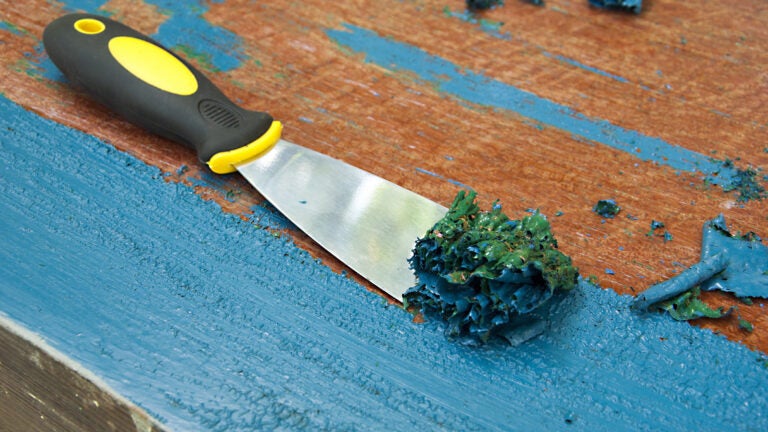
How to strip paint from wood safely

8 Paint Mistakes That Make Your House Look Dingy (and How to Fix Them)

The Best Way To Paint Wood Paneling, According To An Expert
When Should You Use Oil-Based vs. Water-Based Paint?

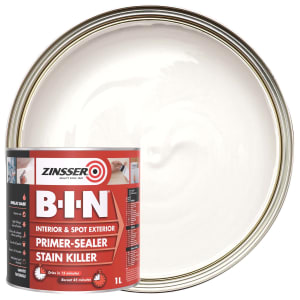
Undercoat & Primer Paints
How to prolong the life of your paint job, according to painters and decorators
Story from Arizona Painting Company: 5 tips to keep your home’s new paint looking great
These Master Tips Will Help You Avoid Choosing The Wrong Type Of Paint
The best paint stripper: 6 best buys for easy paint removal

Paint Maintenance and Touch-Up Tips
This expert’s ‘BRB’ technique is something I'll forever use when painting wall paneling to avoid drips and paint build-up
12 top interior painting tips from experts – for a flawless, fabulous finish
11 Pro Tips for How To Paint Trim

Understanding paint finishes
5 Exterior Paint Mistakes to Avoid If You Don't Want Your House to Become the Worst-Looking on the Street
Can you paint over wallpaper? Experts explain how to make this time-saving hack work
Solved! The Rules for Painting Over Oil-Based Paint