1/17
13 front door colours mistakes you might be making
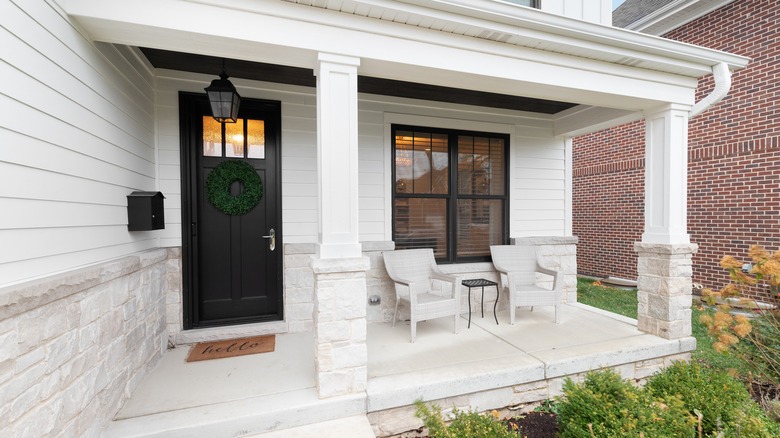
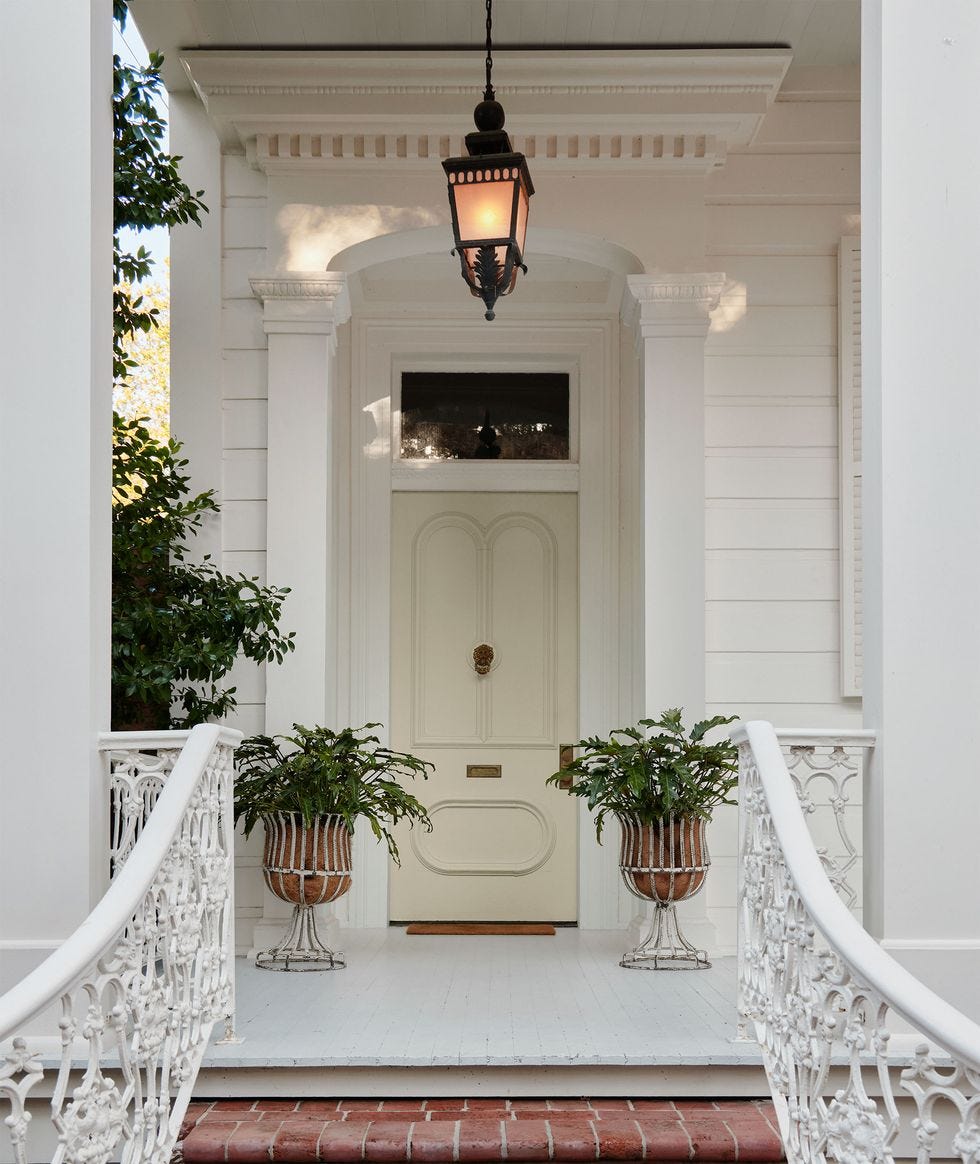
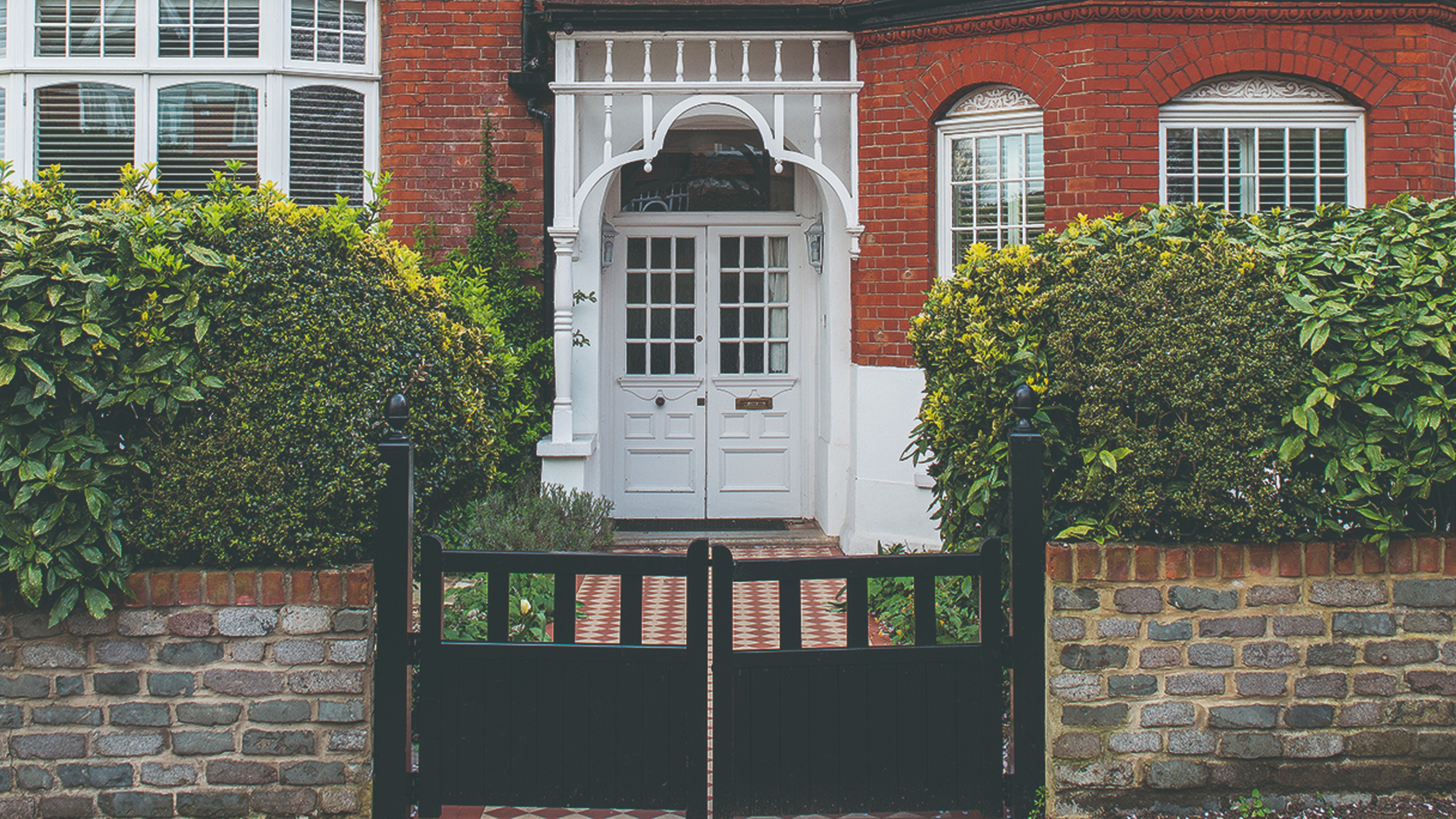
The choice of front door color significantly impacts a home's aesthetic and durability. While selecting a new color can be a fun way to express personal style, several common mistakes can detract from both the visual appeal and the longevity of the entranceway. Experts suggest avoiding white as a front door color. Although a classic choice, white is often considered unoriginal and impractical due to its tendency to show dirt and grime easily. Similarly, classic black, despite its popularity, is advised against, especially in warmer climates, because dark colors absorb more heat, making doors prone to warping and paint fading faster when exposed to the sun. Additionally, black tends to highlight scratches and dirt more visibly than lighter shades.
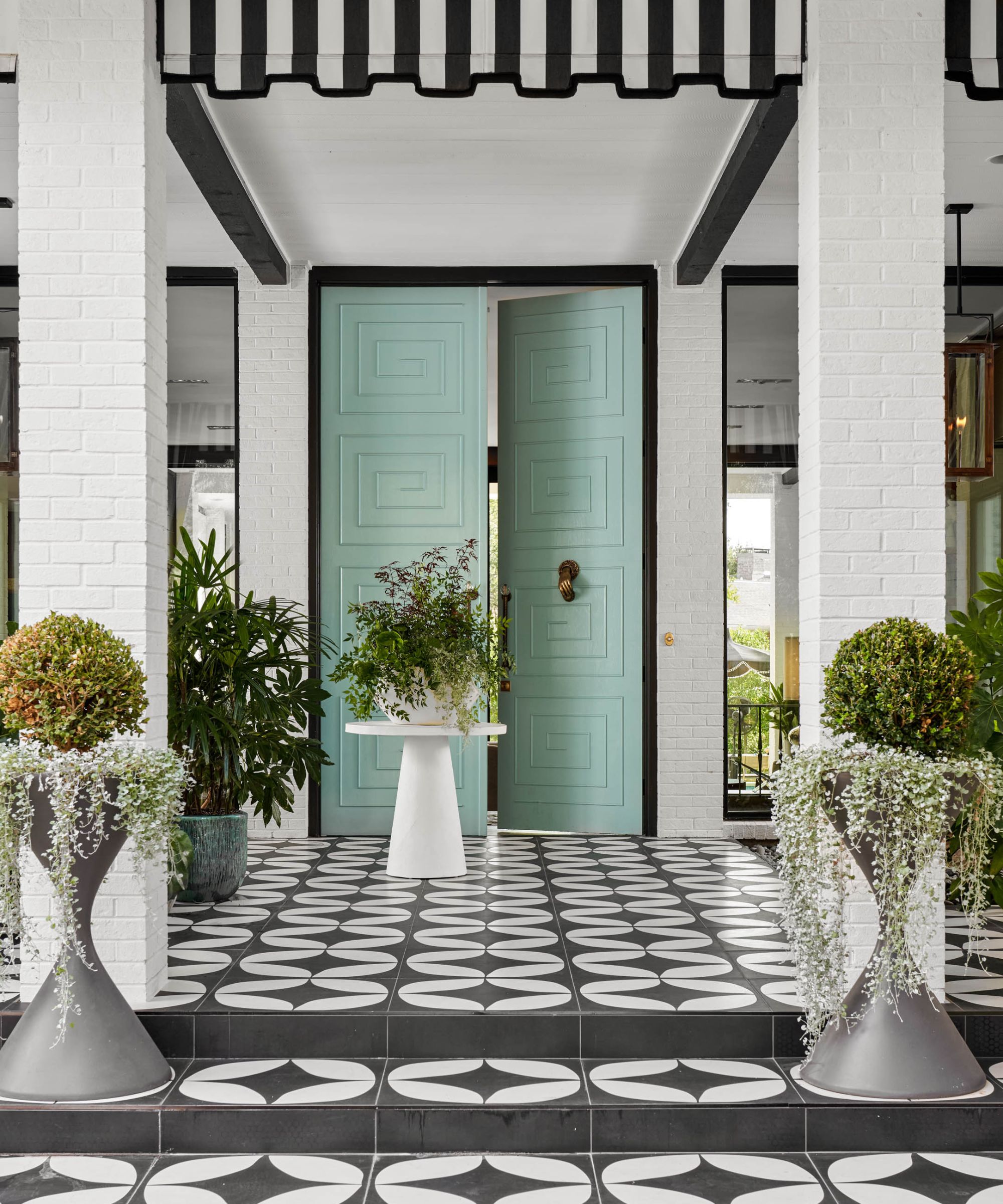
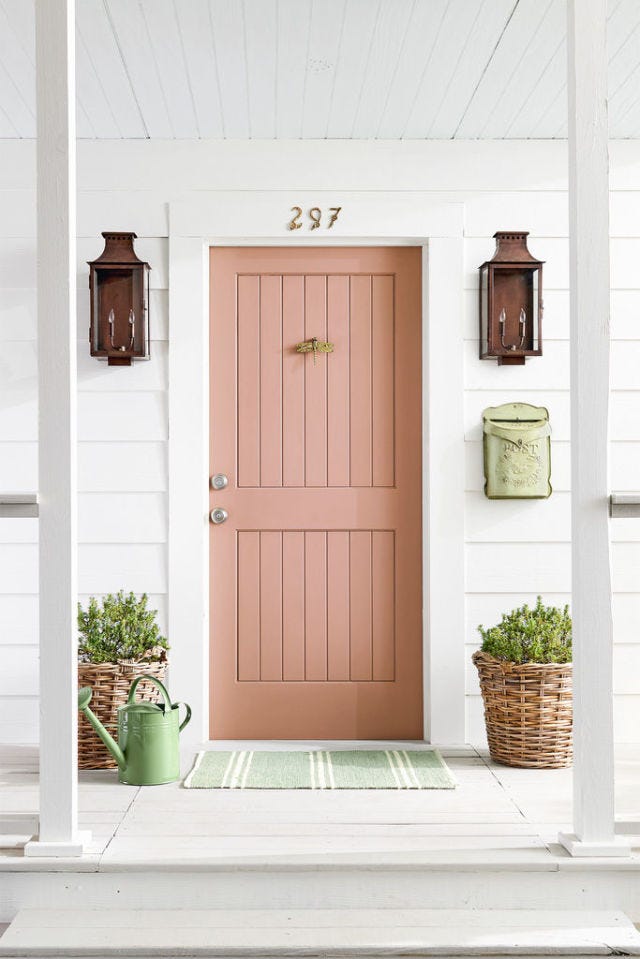
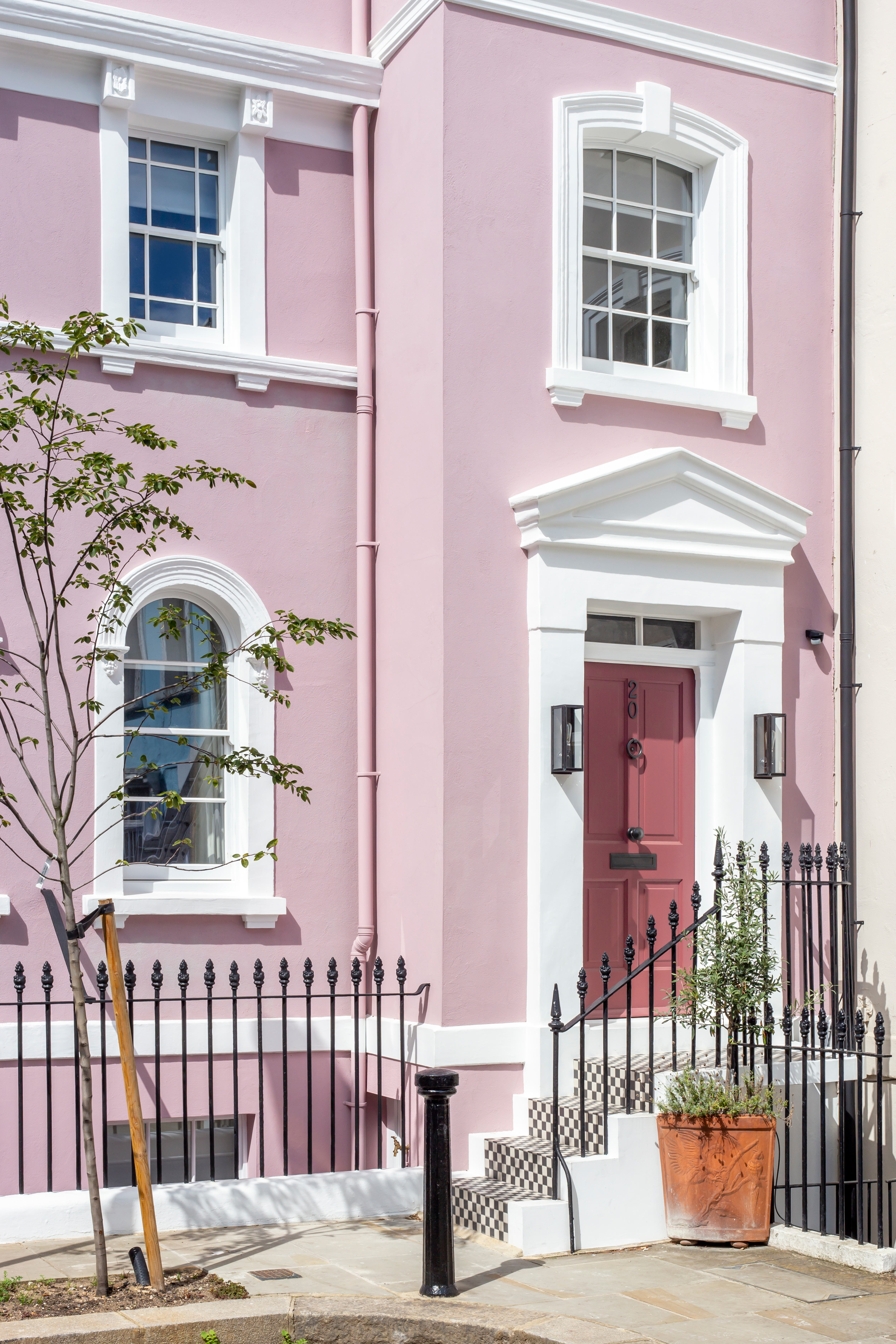
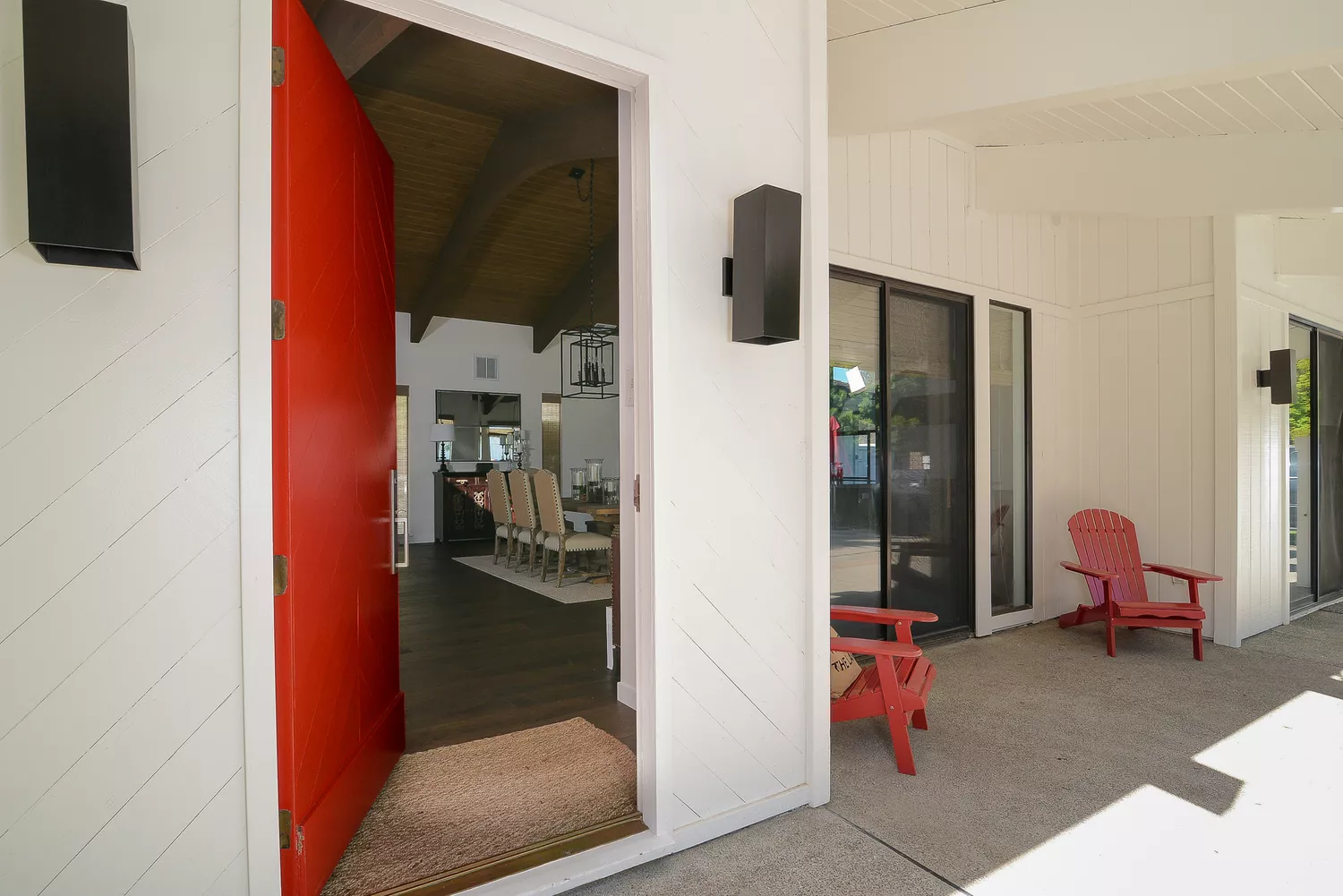
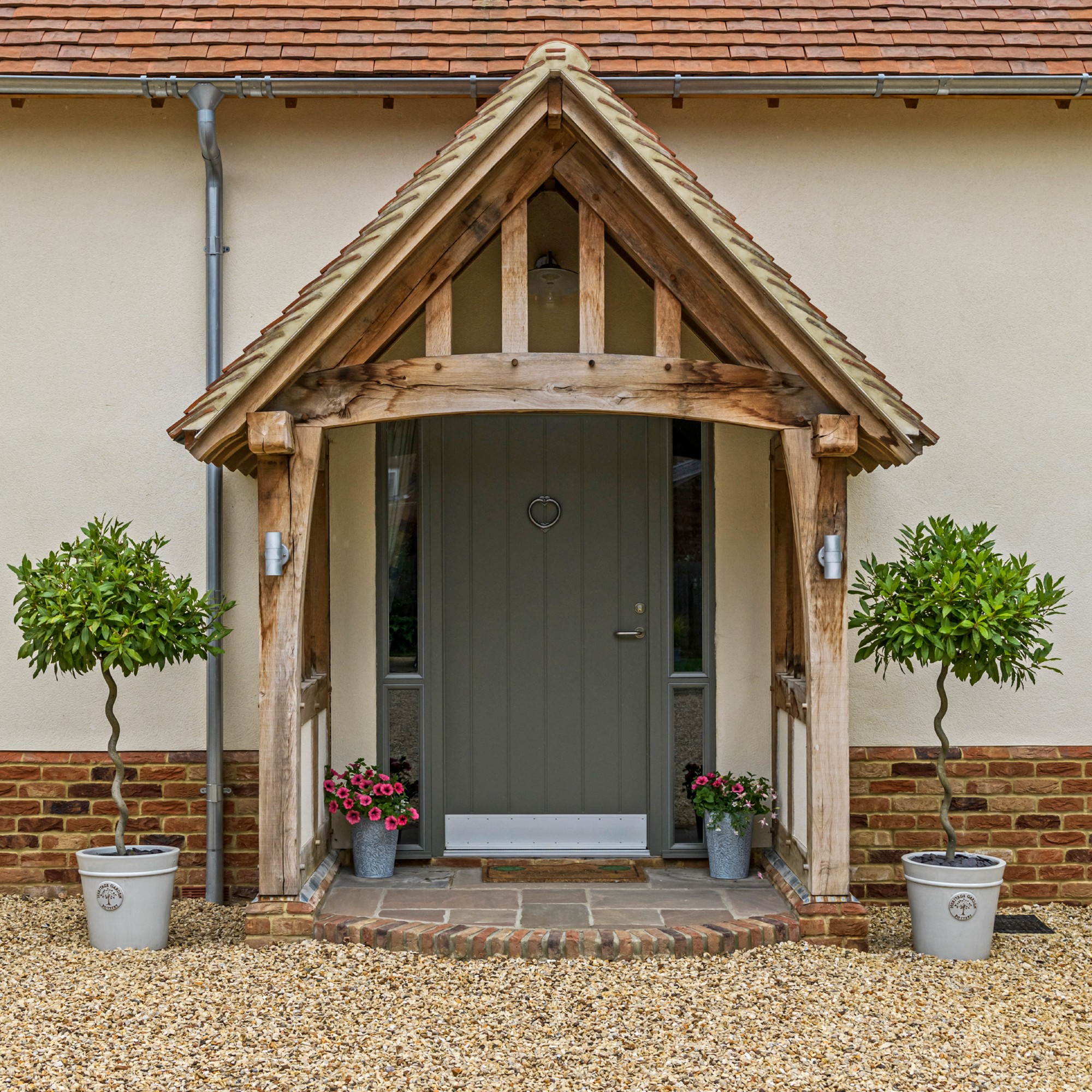
Being excessively bold with color choices, such as neon or fluorescent shades, can also be a misstep as these colors can be too intense for most residential homes. Another crucial consideration is adherence to regulations in conservation areas, where specific rules often dictate acceptable front door colors and styles to maintain historical integrity. These areas might require colors sympathetic to the original character of the home, often with approved palettes from reputable paint companies. For recessed doors or those within a front porch, cool tones are generally not recommended as they can create a visually cold impression. Instead, warm shades like pink, coral, or burnt orange, especially those that complement the home's brick color or era, are preferred to add natural warmth.
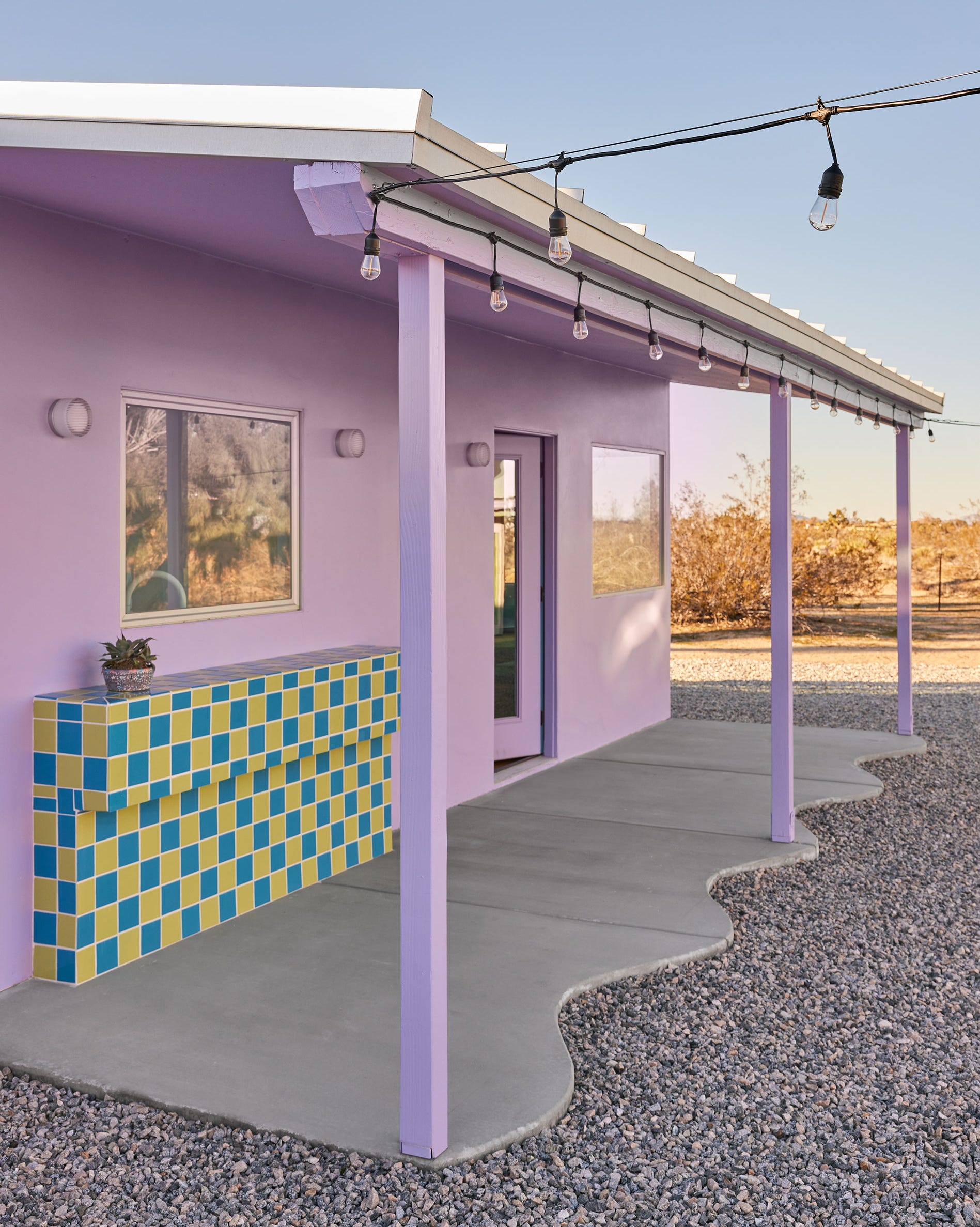

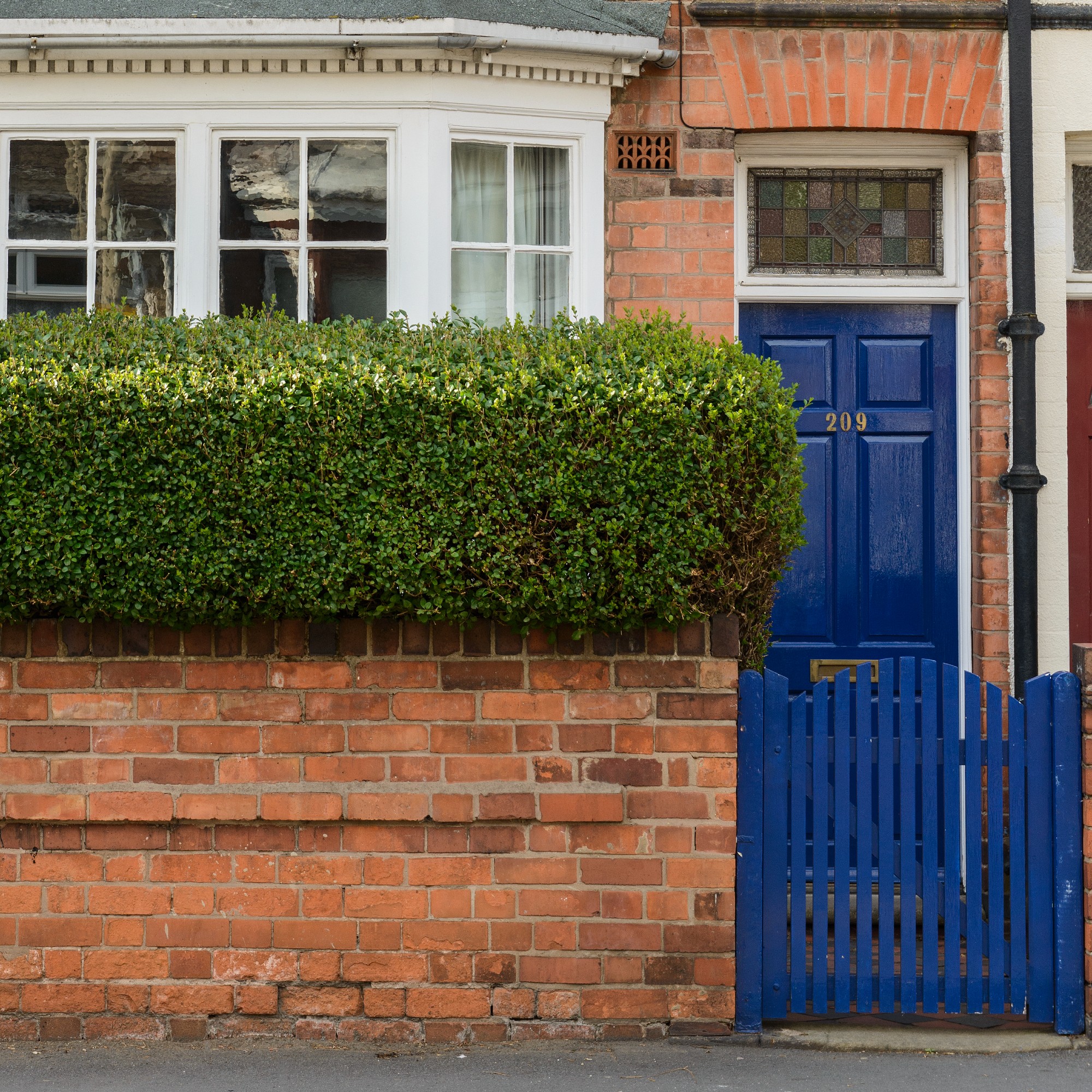
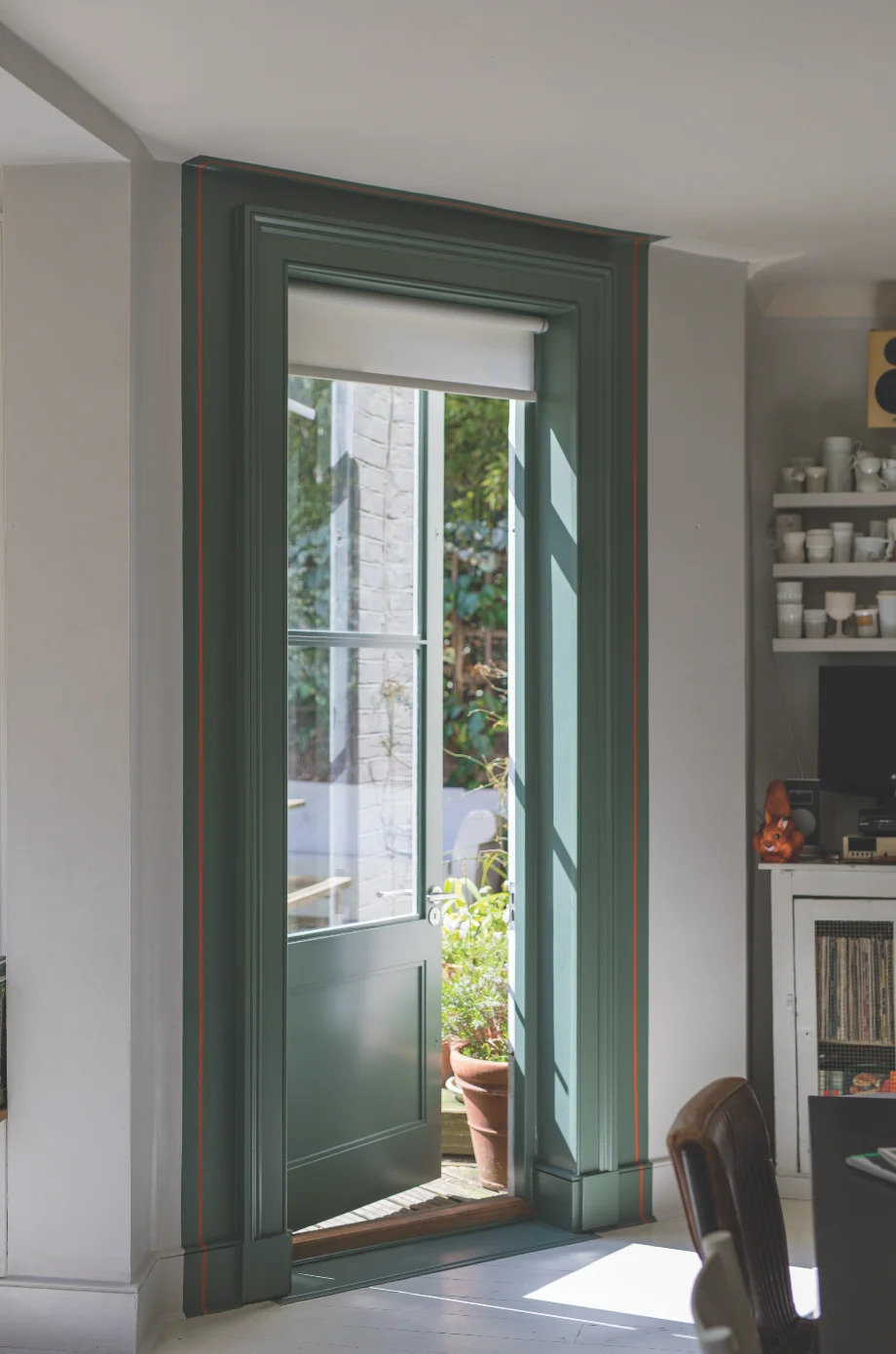
Existing stained glass in a front door should be considered a design asset. Experts recommend celebrating such features by selecting a door color that either matches a hue within the glasswork or is a darker tone of one of its colors, creating a harmonious frame that enhances the home's facade. Failing to consider the surrounding elements, such as painting the door frame, is another common oversight. Painting the frame in a different, lighter shade than the door can highlight the door as a focal point and accentuate hardware or stained glass. Conversely, painting the door and its surround in a single, cohesive color, known as color drenching, can create a more impactful and unified look, especially for darker shades, by avoiding sharp contrasts.
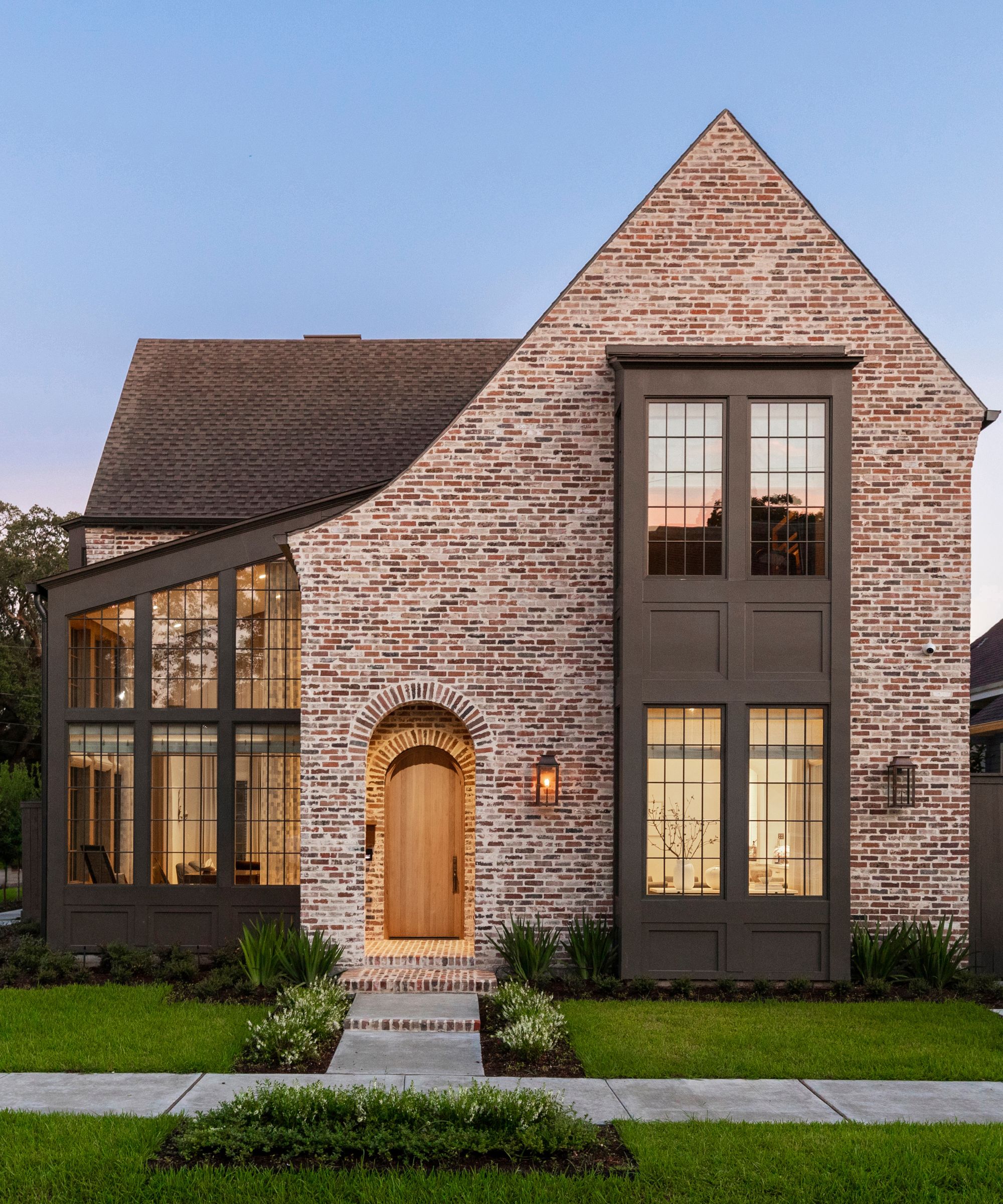
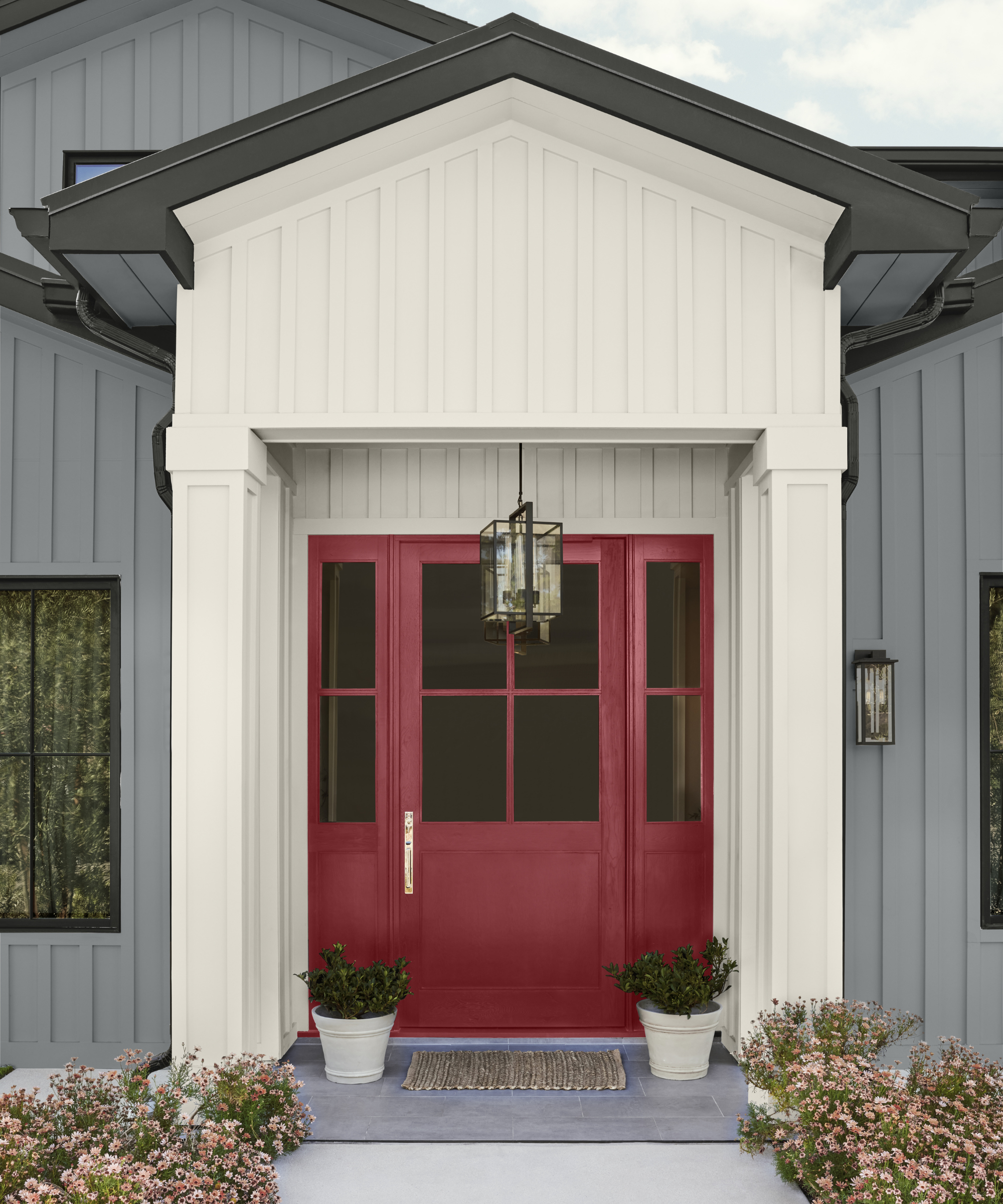
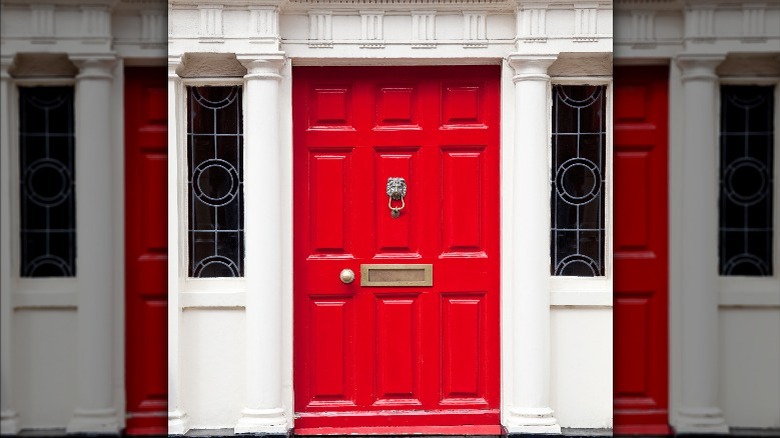
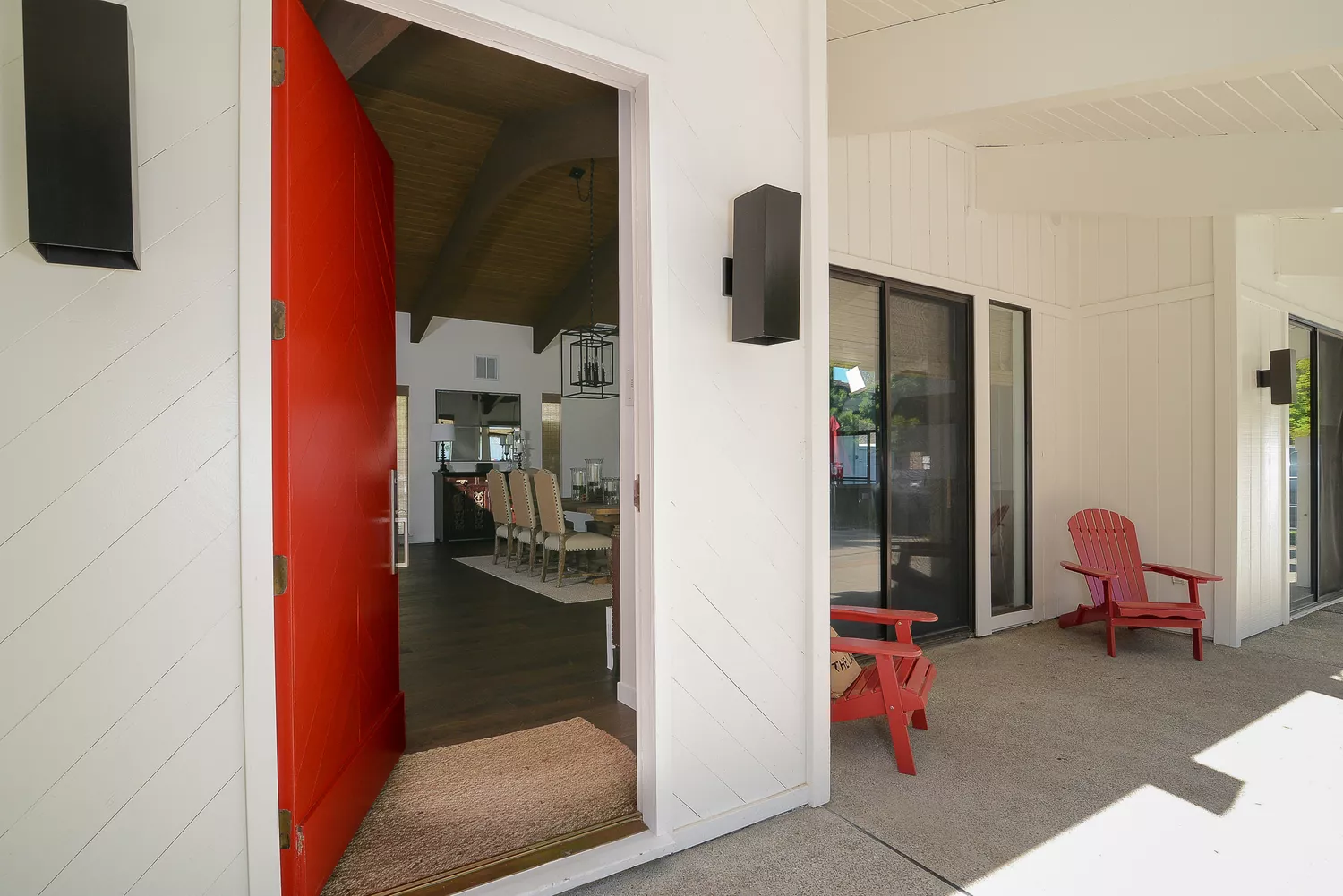
Matching the front door color with windows can also contribute to a cohesive exterior design, adding value and a polished appearance. Exploring tonal color schemes, where the door color complements the masonry in varying shades, offers an alternative to bold contrasts and can achieve an equally beautiful effect. For homes on busy roads, light-colored doors are impractical due to increased exposure to dust and debris; darker colors are more suitable for masking dirt. Finally, playing it too safe with color choices can be a missed opportunity to express personality, particularly when no conservation restrictions apply. Embracing vibrant colors like a sunny yellow, or trending shades such as cherry red, can bring joy and reflect individuality, especially if the home's location allows for such expressive choices without concern for external judgment.
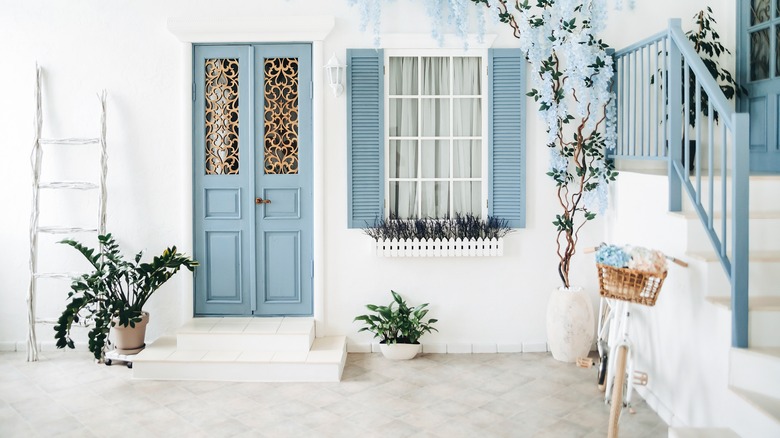
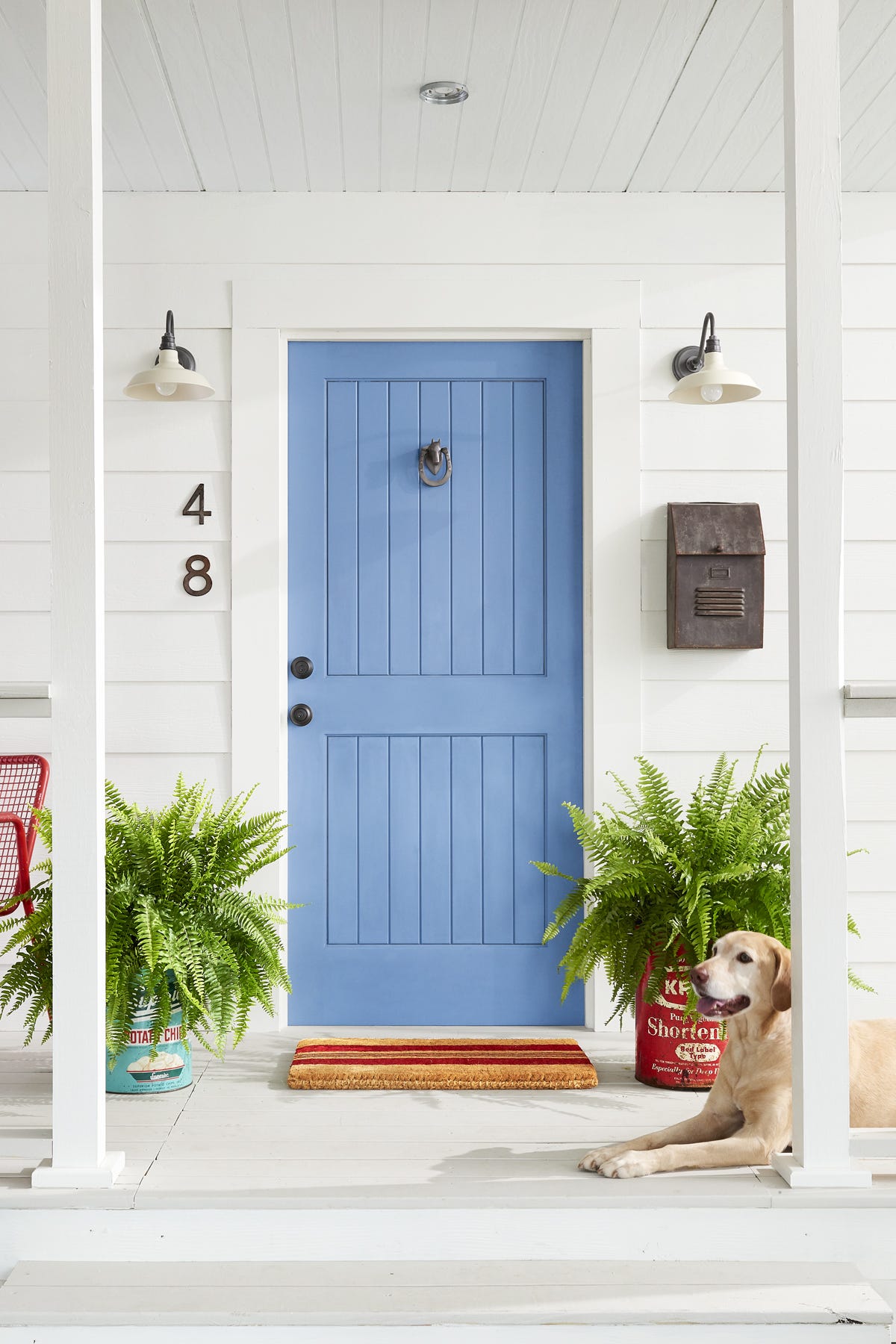
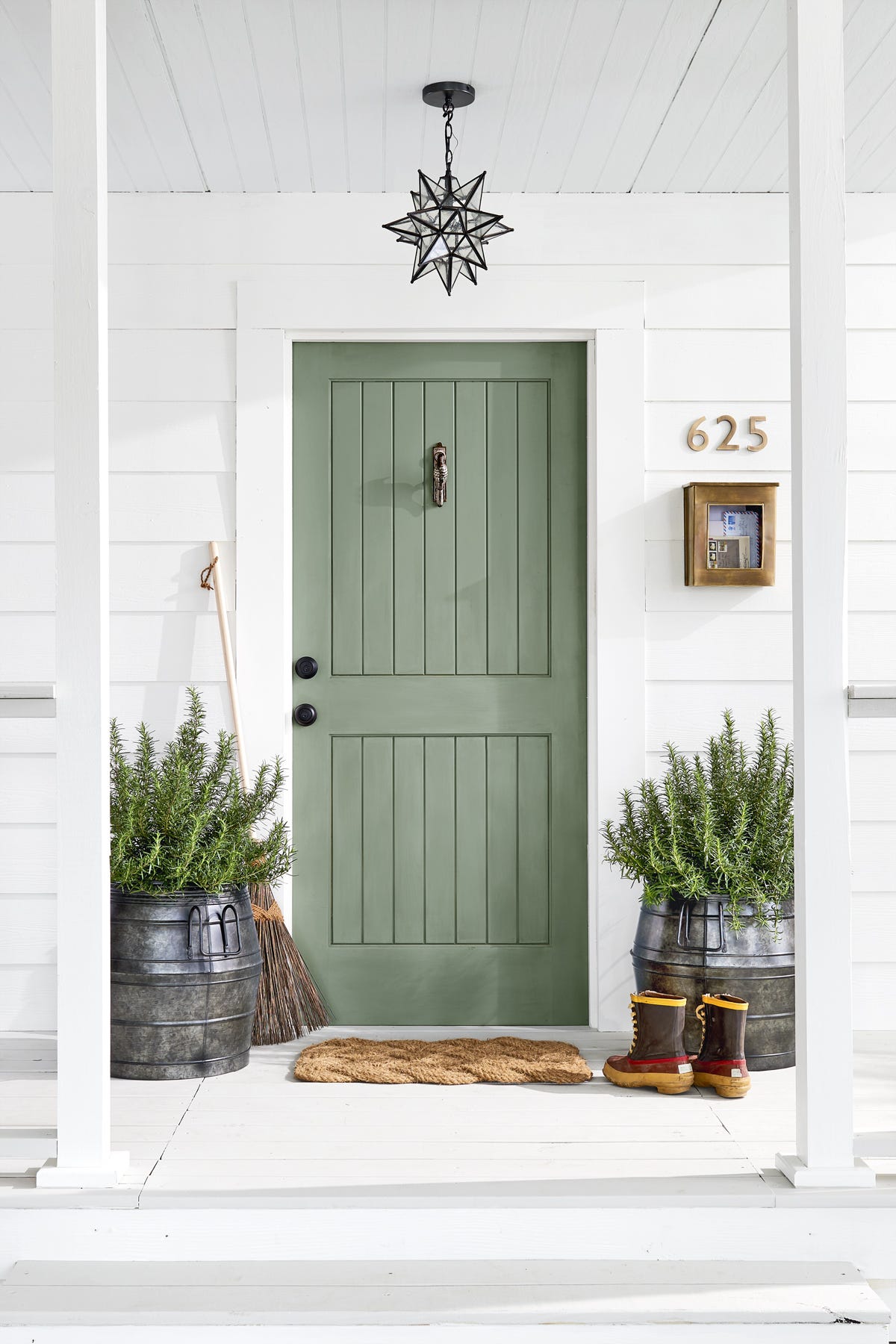
When choosing an exterior front door color, key considerations include the architectural style and age of the building, the colors of surrounding natural materials, and the door's design details, including hardware. Observing neighborhood aesthetics can also guide choices toward suitable yet distinct options. Regarding property value, while personal preference plays a role, generally, appealing and well-maintained colors like mid-blue or sage green are often favored over overly bright or stark shades, particularly if the home is being sold.
#FrontDoorColors #HomeExterior #ColorSelection #HomeRenovation #PaintChoices #HomeDecorMistakes #ArchitecturalStyle #PropertyValue #ConservationAreas #FrontDoorColors #HomeExterior #ColorSelection #HomeRenovation #PaintChoices #HomeDecorMistakes #ArchitecturalStyle #PropertyValue #ConservationAreas
0 comment in total
 No comments yet
You may also like
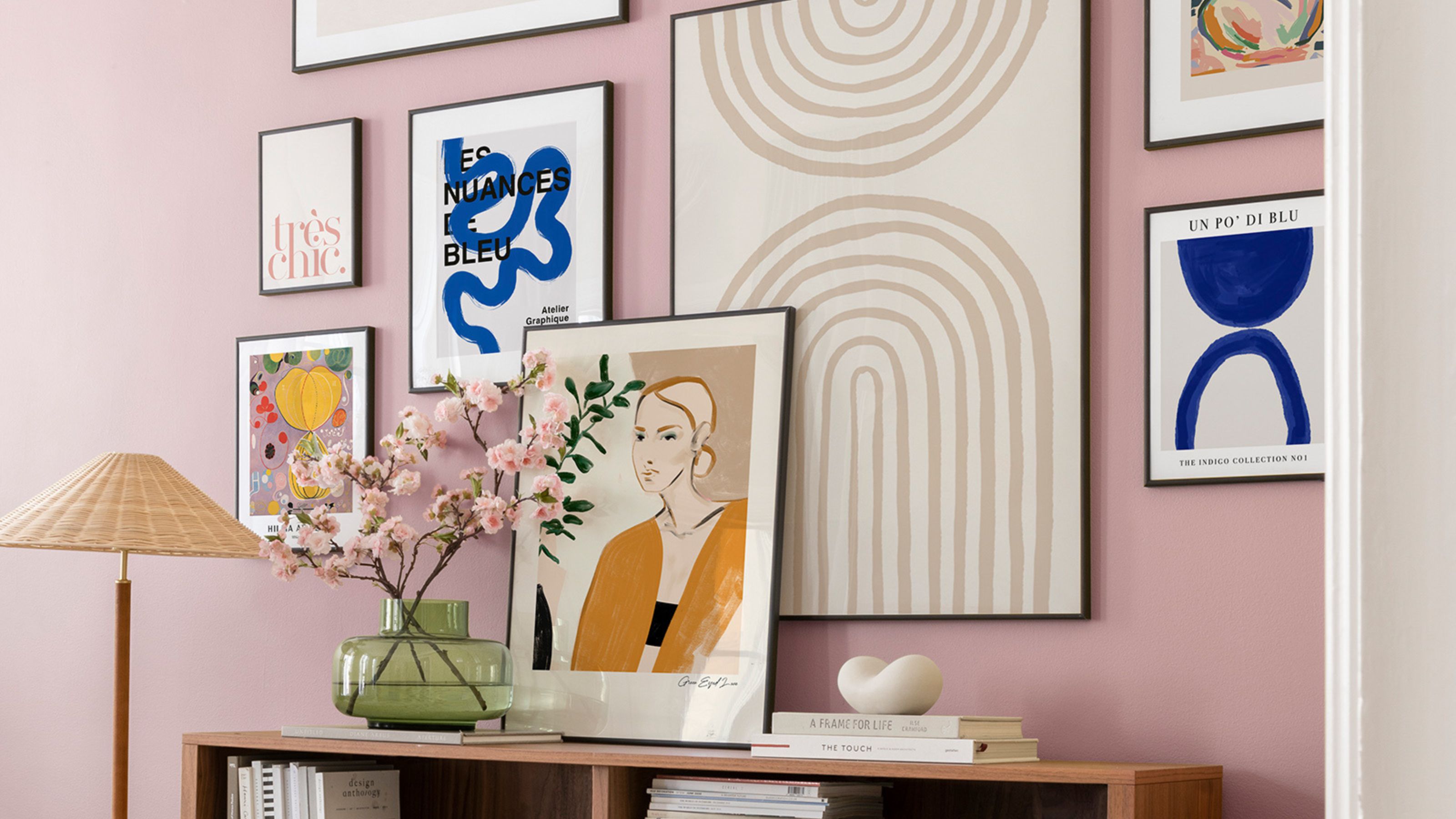
The 5 small entryway color mistakes design experts say are big bloopers

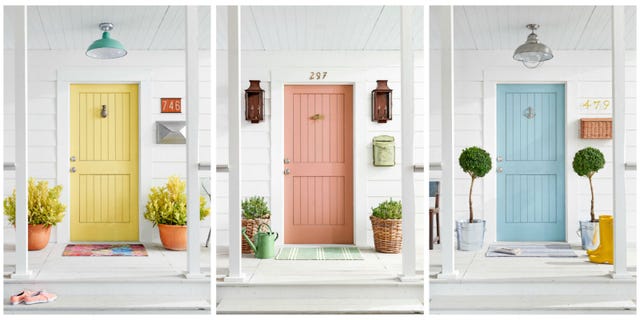
5 Easy Ways To Give Your Front Door a Colorful Makeover

6 colors to avoid in an entryway – and the ones designers know make a better first impression

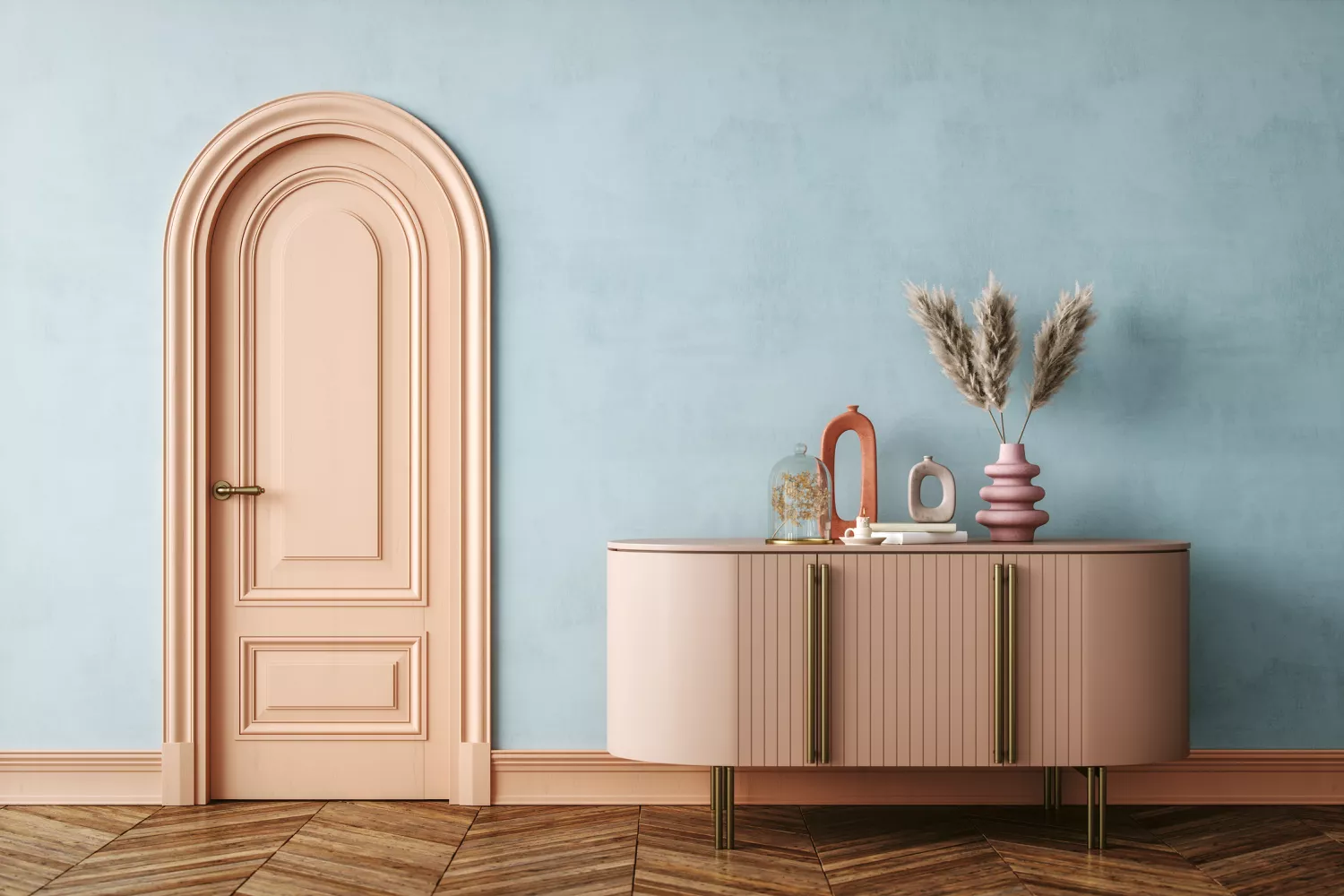
Interior Designers List the Worst Paint Colors for Your Entryway
Don't make these 5 entryway decor mistakes

5 colors you should never paint your entryway – according to interior experts

The 3 Biggest Exterior Paint Color Mistakes Homeowners Make, According to Pros
10 kitchen cabinet color mistakes to avoid for a cool and contemporary result
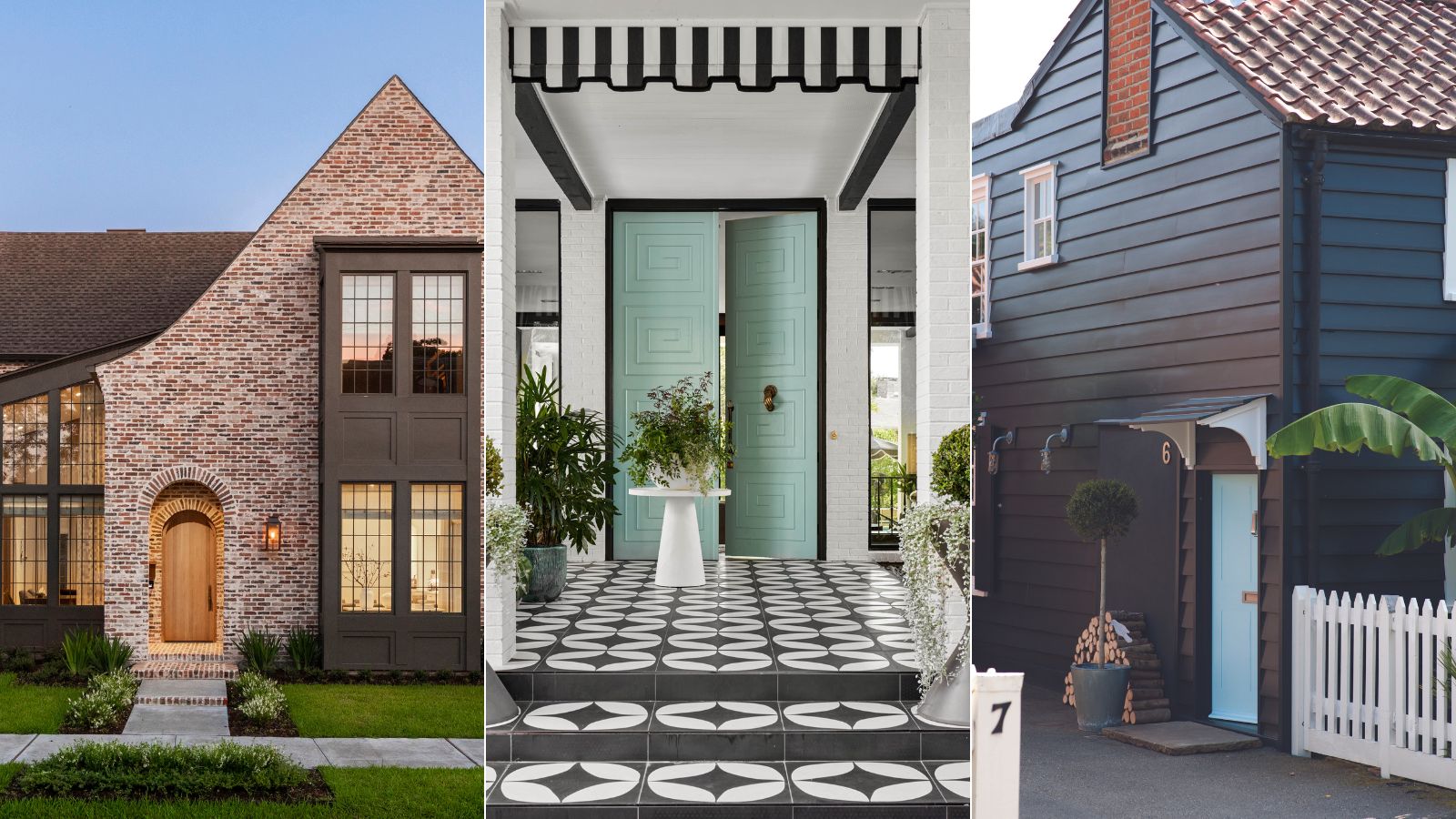
19 front door color ideas that are sure to boost your home's curb appeal
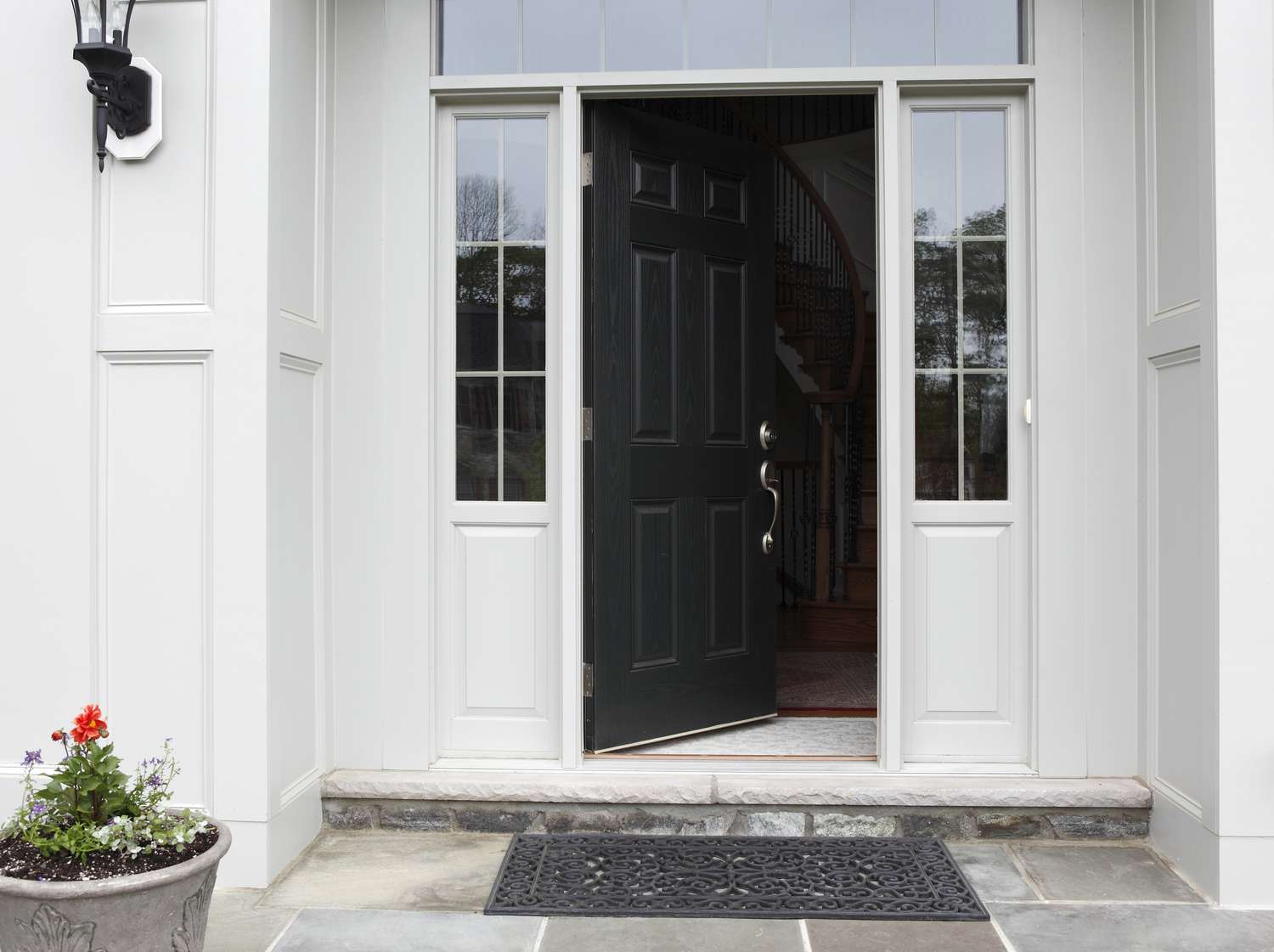
8 Paint Colors You Should Never Use For Your Front Door
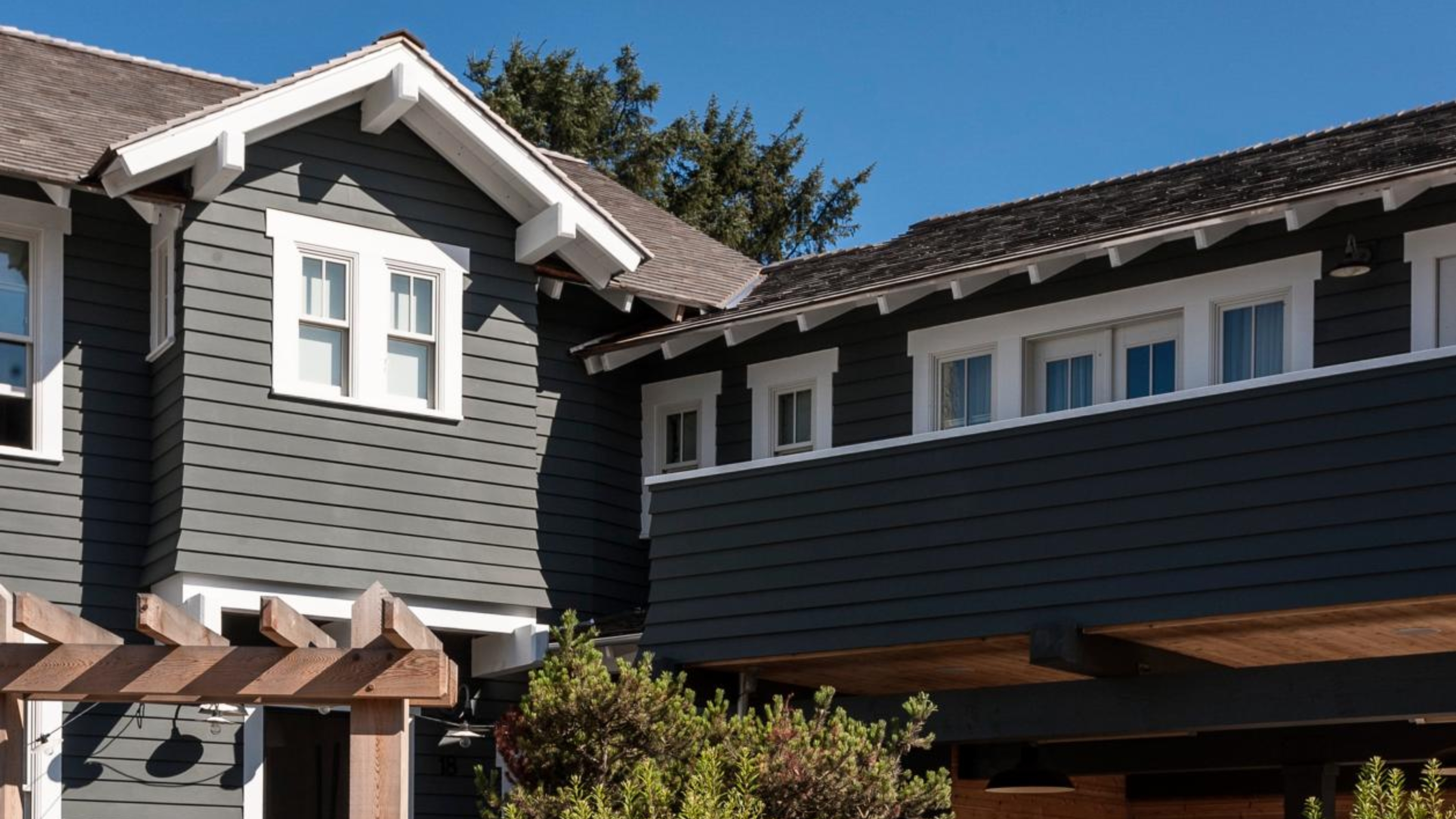
5 Exterior Paint Mistakes to Avoid If You Don't Want Your House to Become the Worst-Looking on the Street
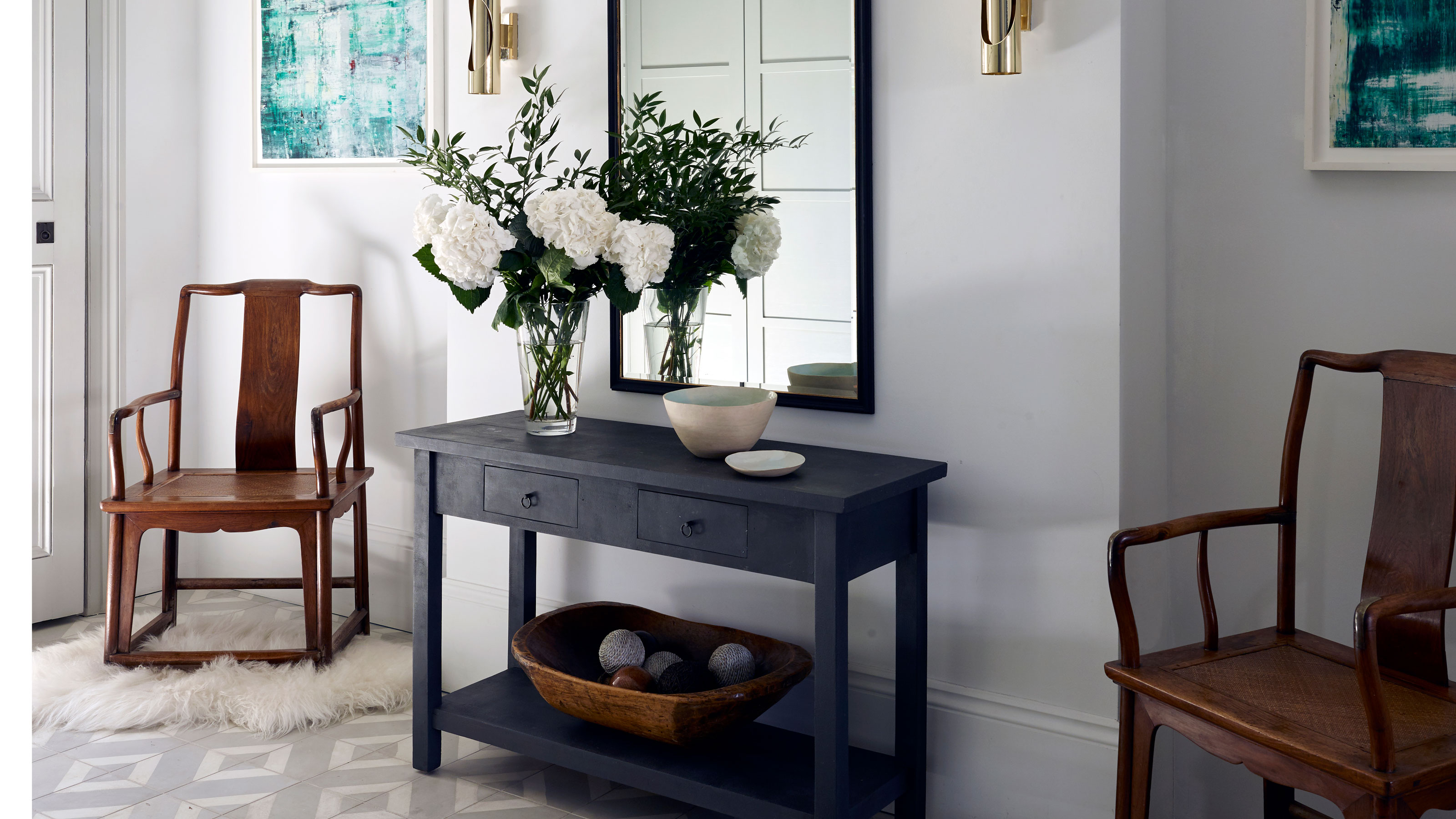
5 entryway mistakes we all make – and how designers suggest we avoid them
These Are the Top 10 Dos and Don'ts for Choosing Front Door Colors

15 Striking Front Door Color Ideas That Will Make Your Neighbors Smile

A Design Pro Shares Her Best Tips for Choosing a Timeless Front Door Color

How to decide what color to paint the inside of your front door
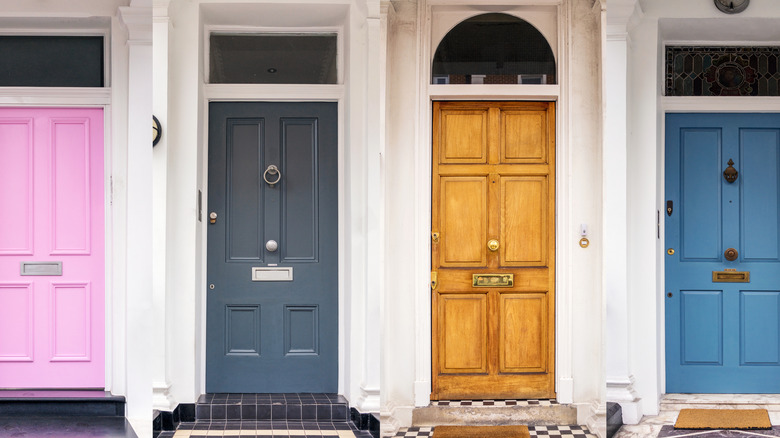
The 5 Best Front Door Colors For A White House (And 5 To Avoid)
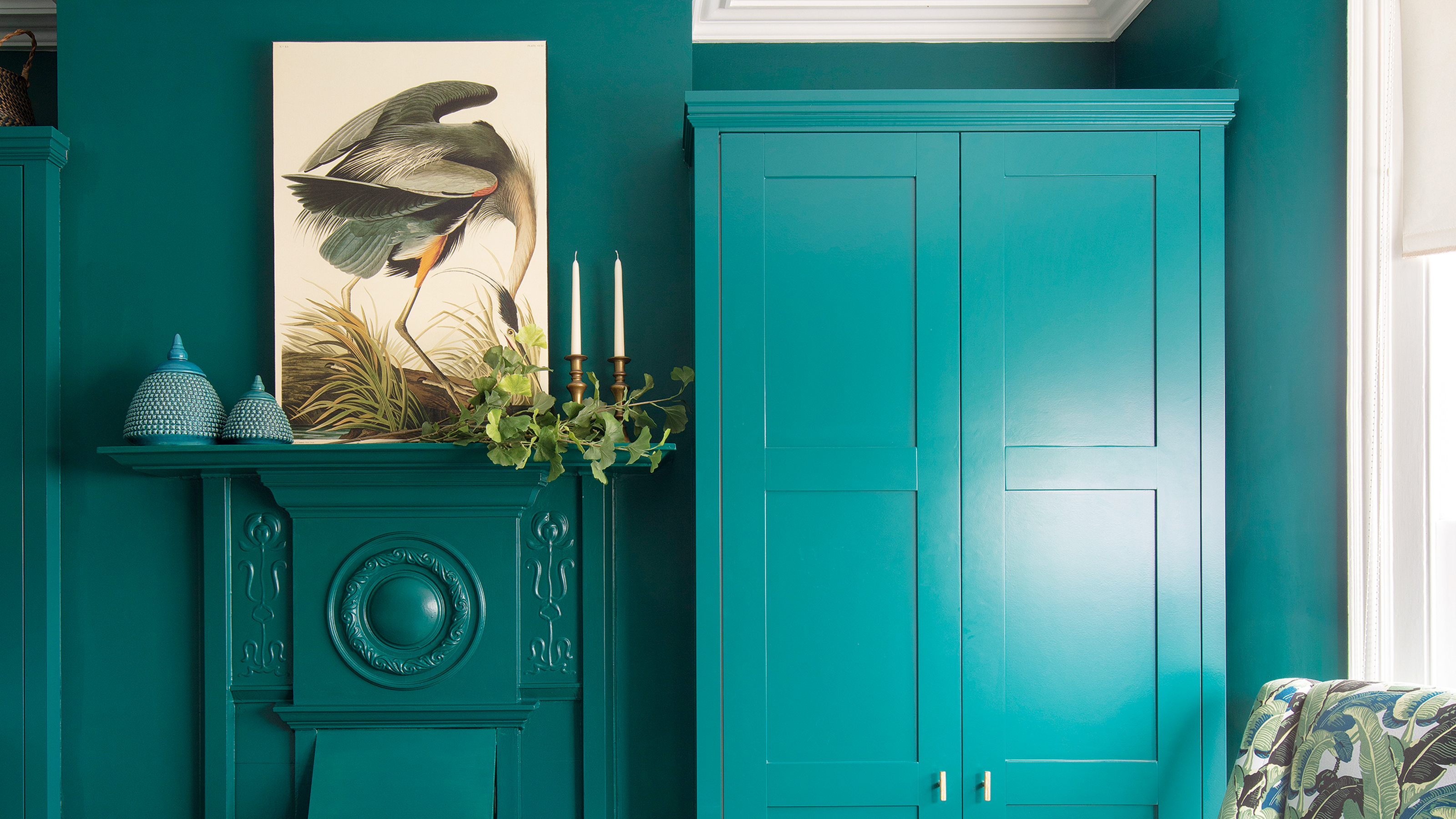
Interior design experts reveal the colour rules you should be breaking
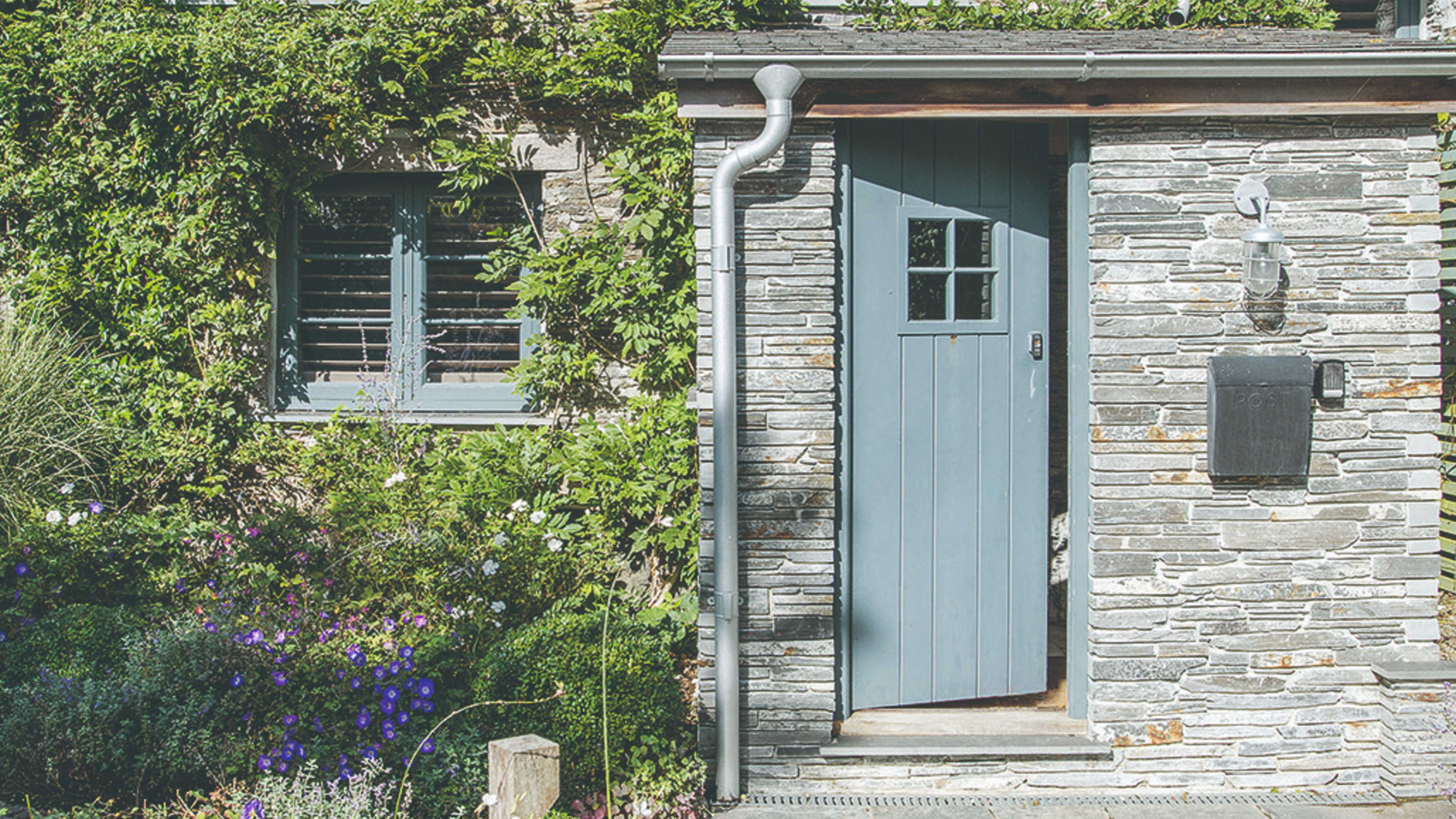
Front door colour ideas – 9 shades to elevate your home’s entrance and set it apart from the rest on your road
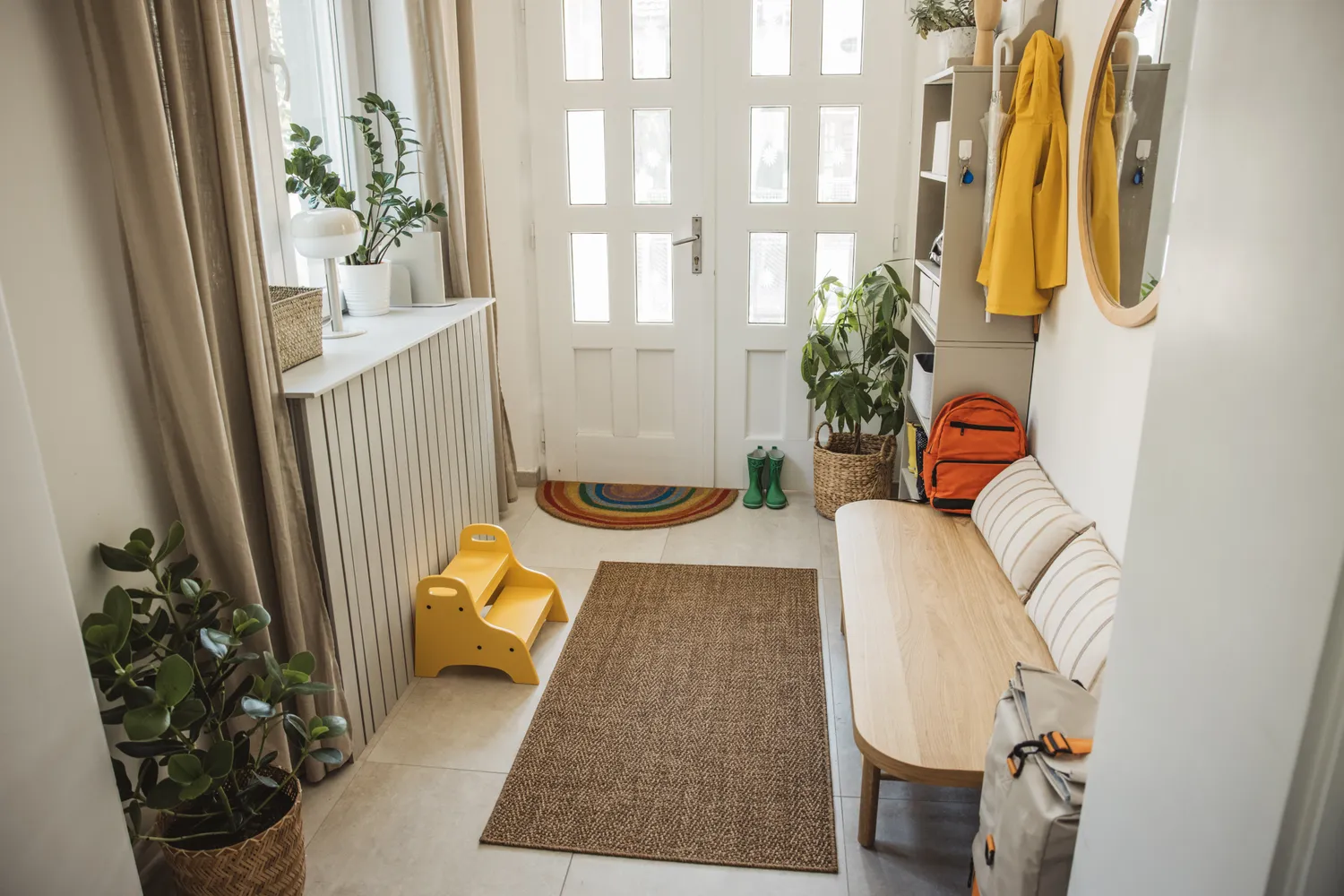
6 Colors You Should Never Paint Your Entryway, According to Color Experts