1/11
Paint tricks – 10 painting tips and techniques loved by the experts
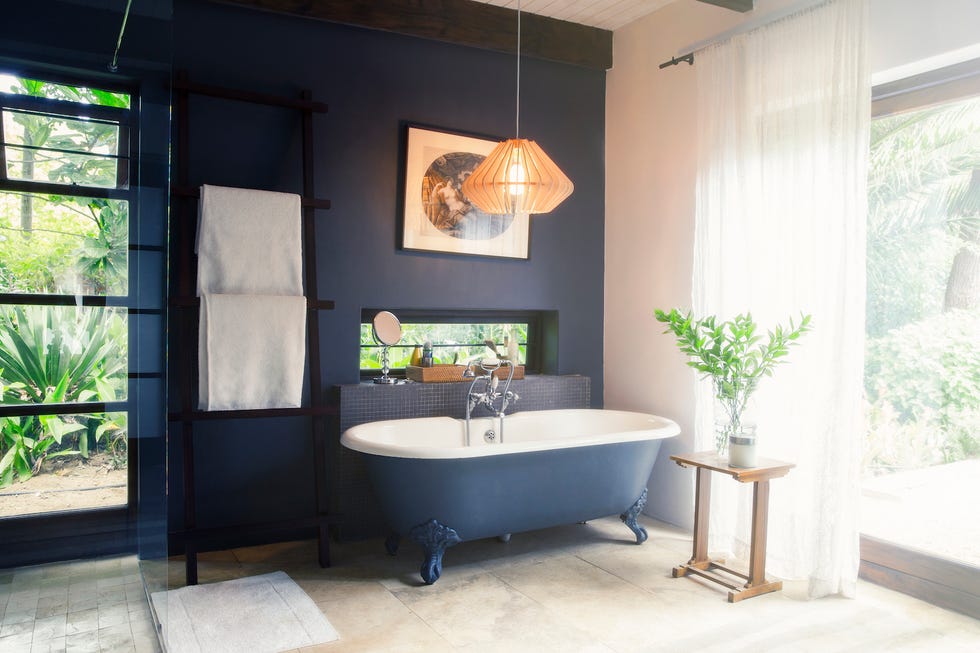
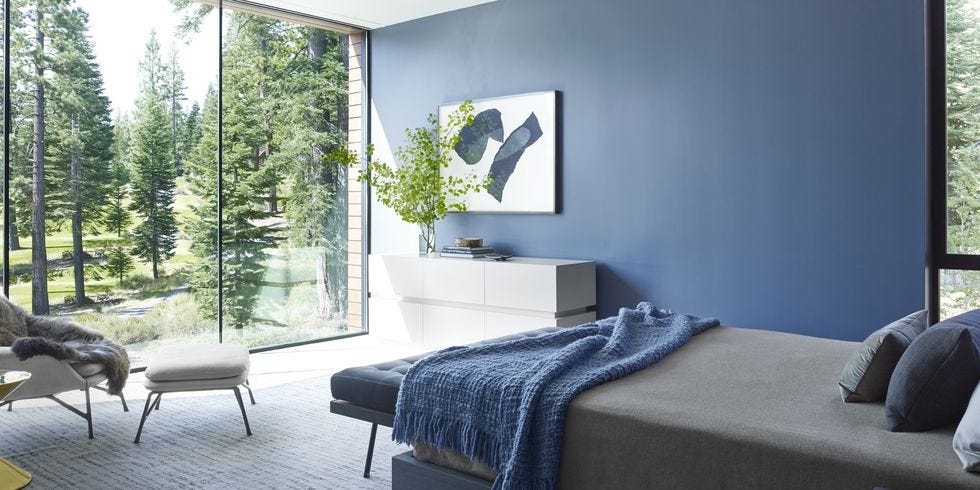
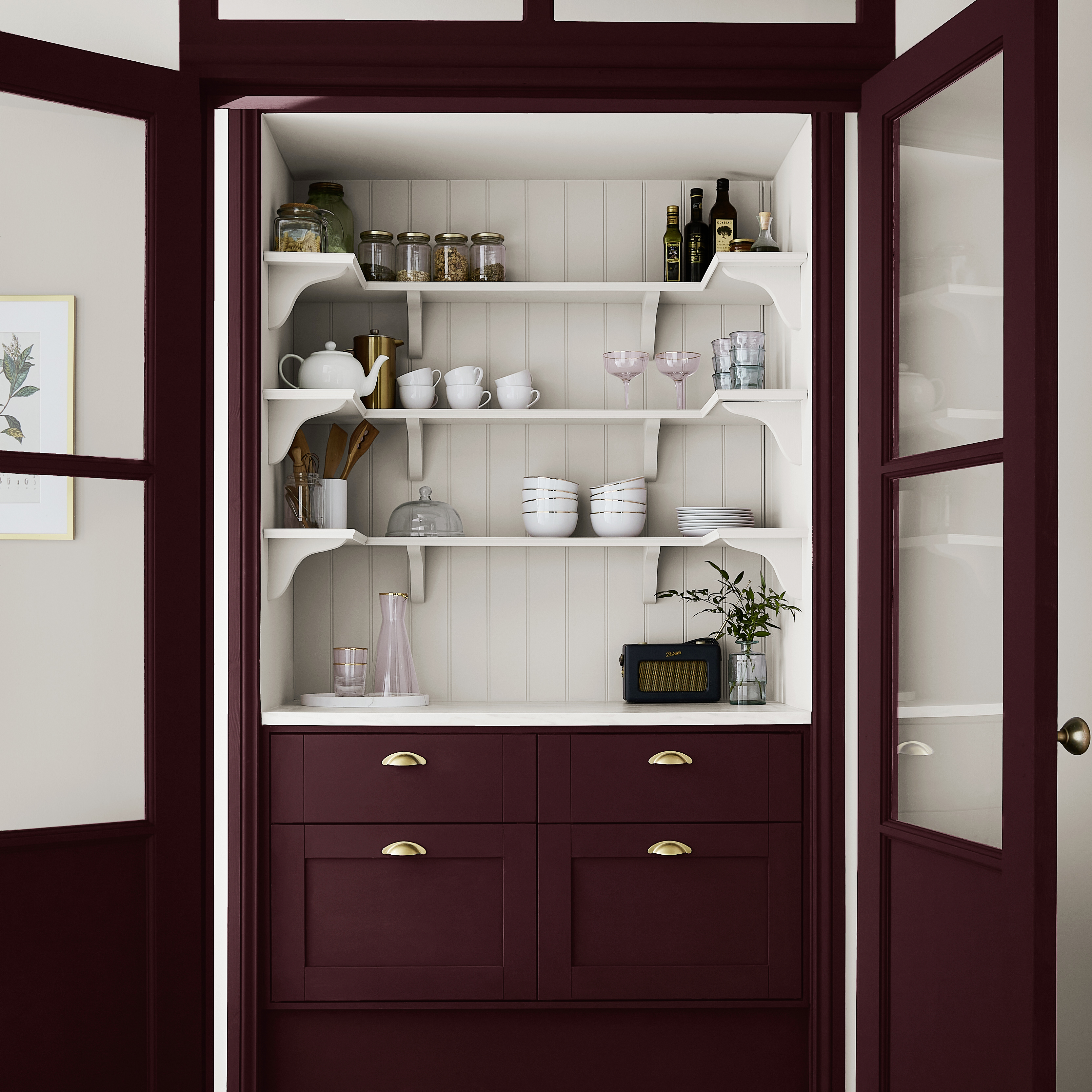

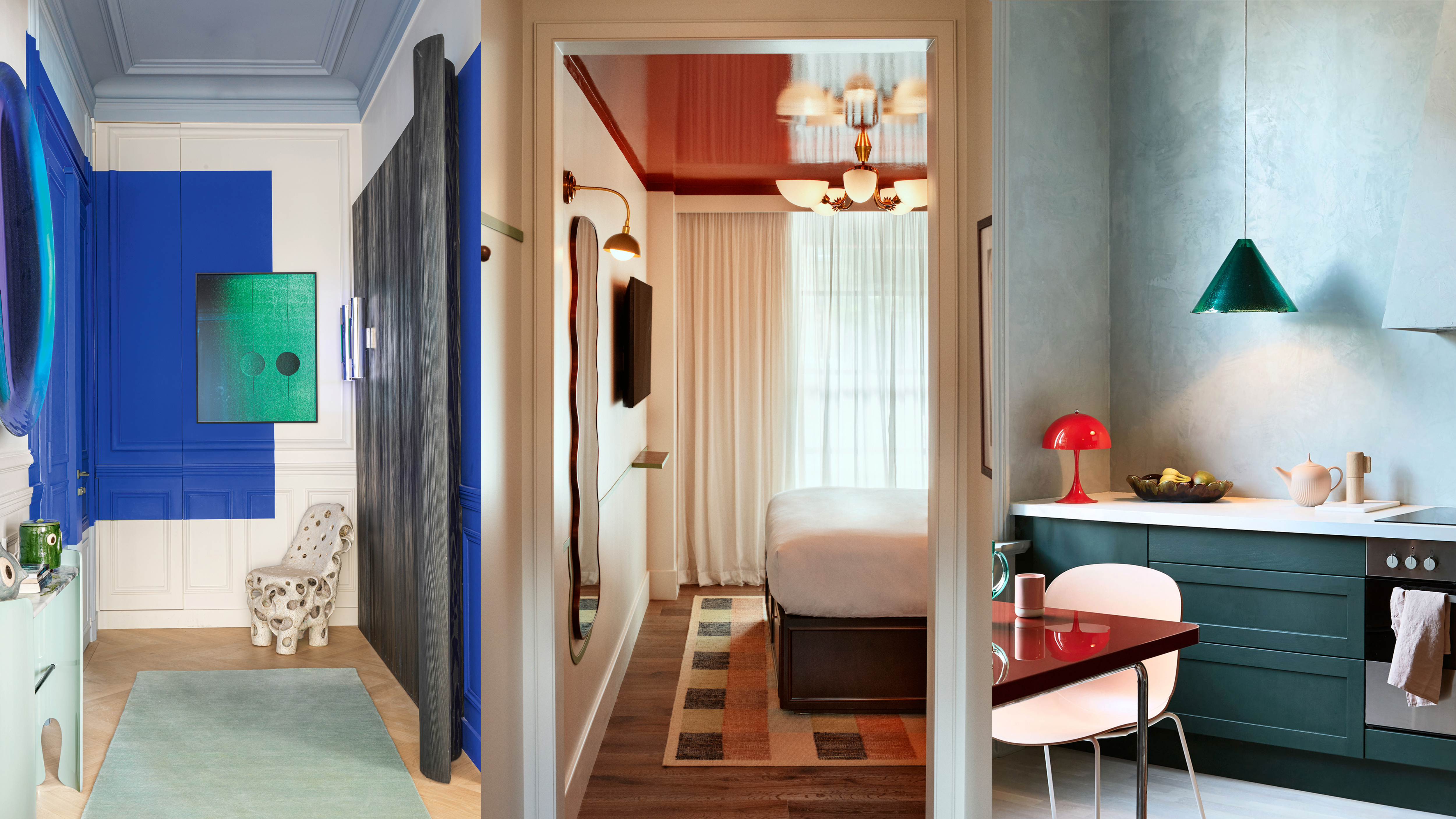
The field of interior design has seen a resurgence in the popularity of decorative paint tricks and finishes, moving beyond basic color application to embrace creative and inventive techniques. Marianne Shillingford, Creative Director at Dulux, emphasizes that paint encompasses a broad spectrum of colors, from organic off-whites and subtle petal shades to deep night blues, greens, golds, and reds. She notes that the lockdown period spurred greater creativity in home painting, a trend that continues to evolve. This includes using paint on ceilings, blending colors without strict corner divisions, employing mid-wall splits, and painting kitchen units and furniture in shades that evoke joy, fundamentally altering perspectives on home living.
Interior designer Kate Guinness concurs, anticipating continued enthusiasm for paint and pattern. Her firm integrates paint details to introduce additional points of interest within homes. This exploration delves into various paint ideas and tricks, showcasing how color can be integrated into diverse interior design settings to craft entirely new home aesthetics.
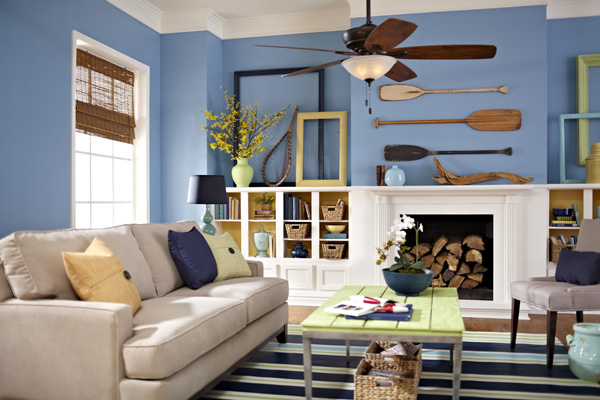
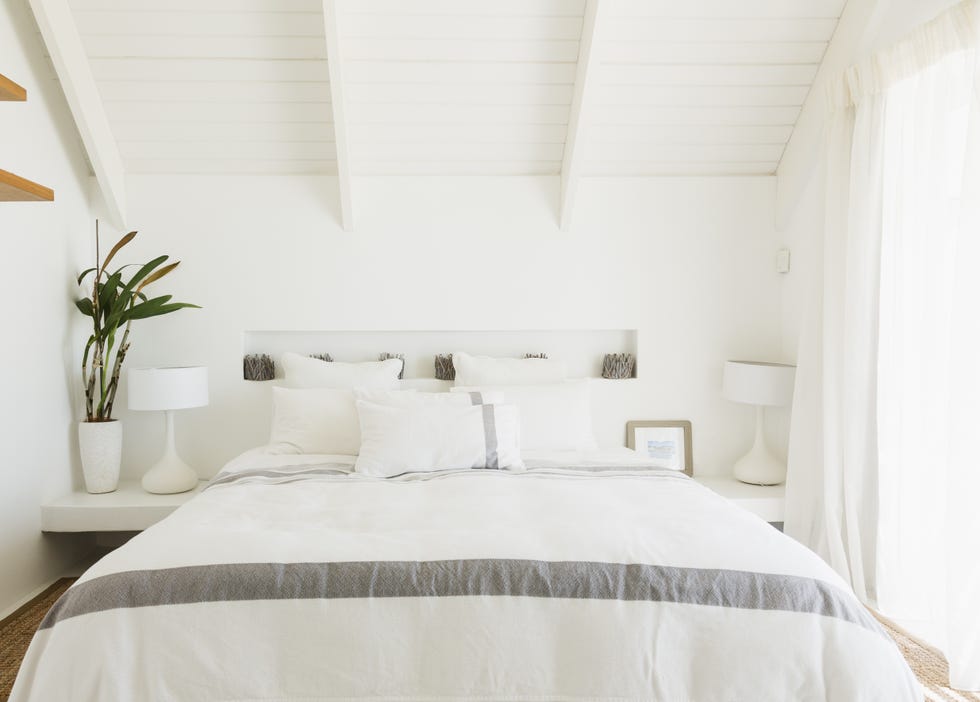
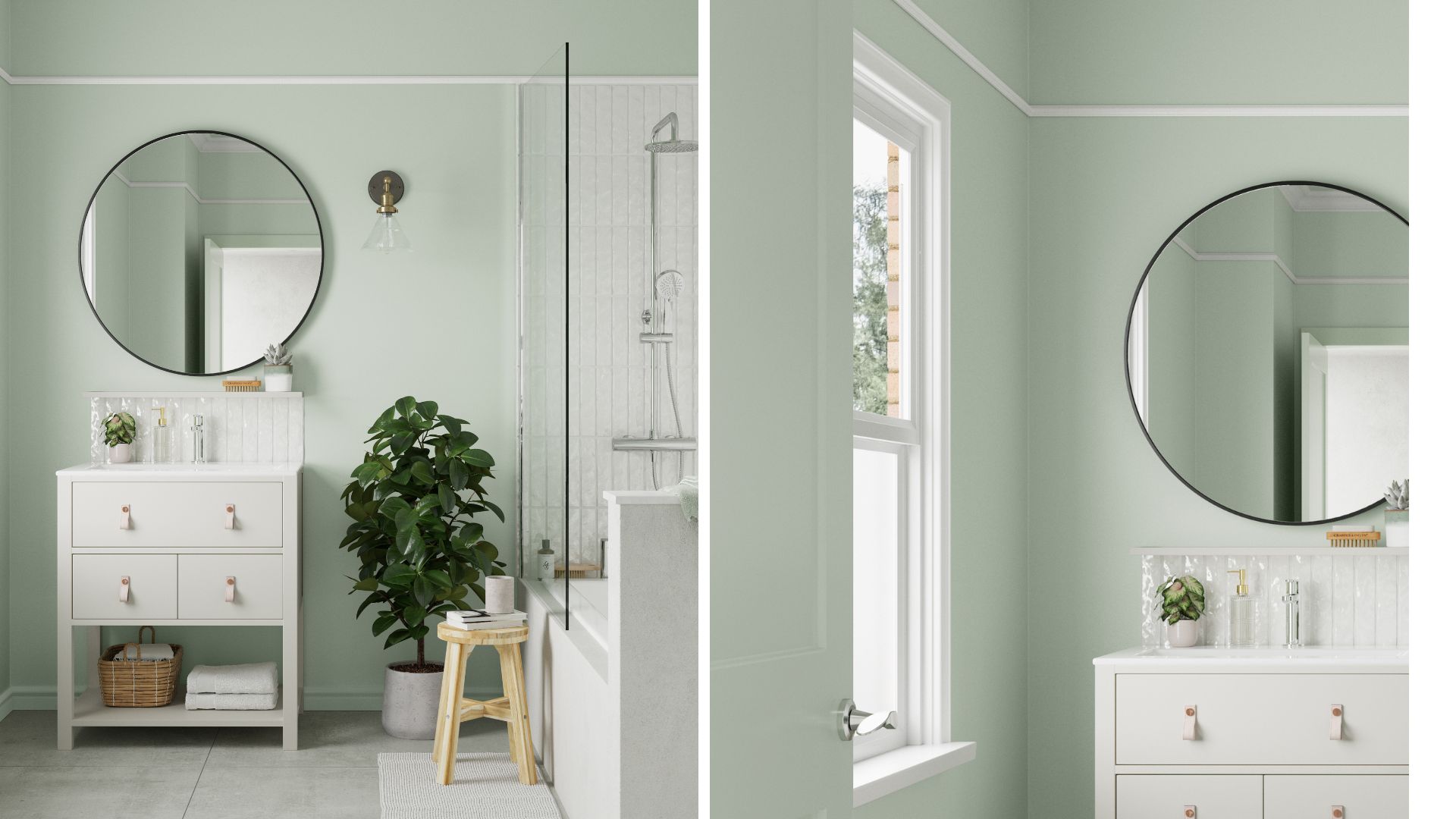
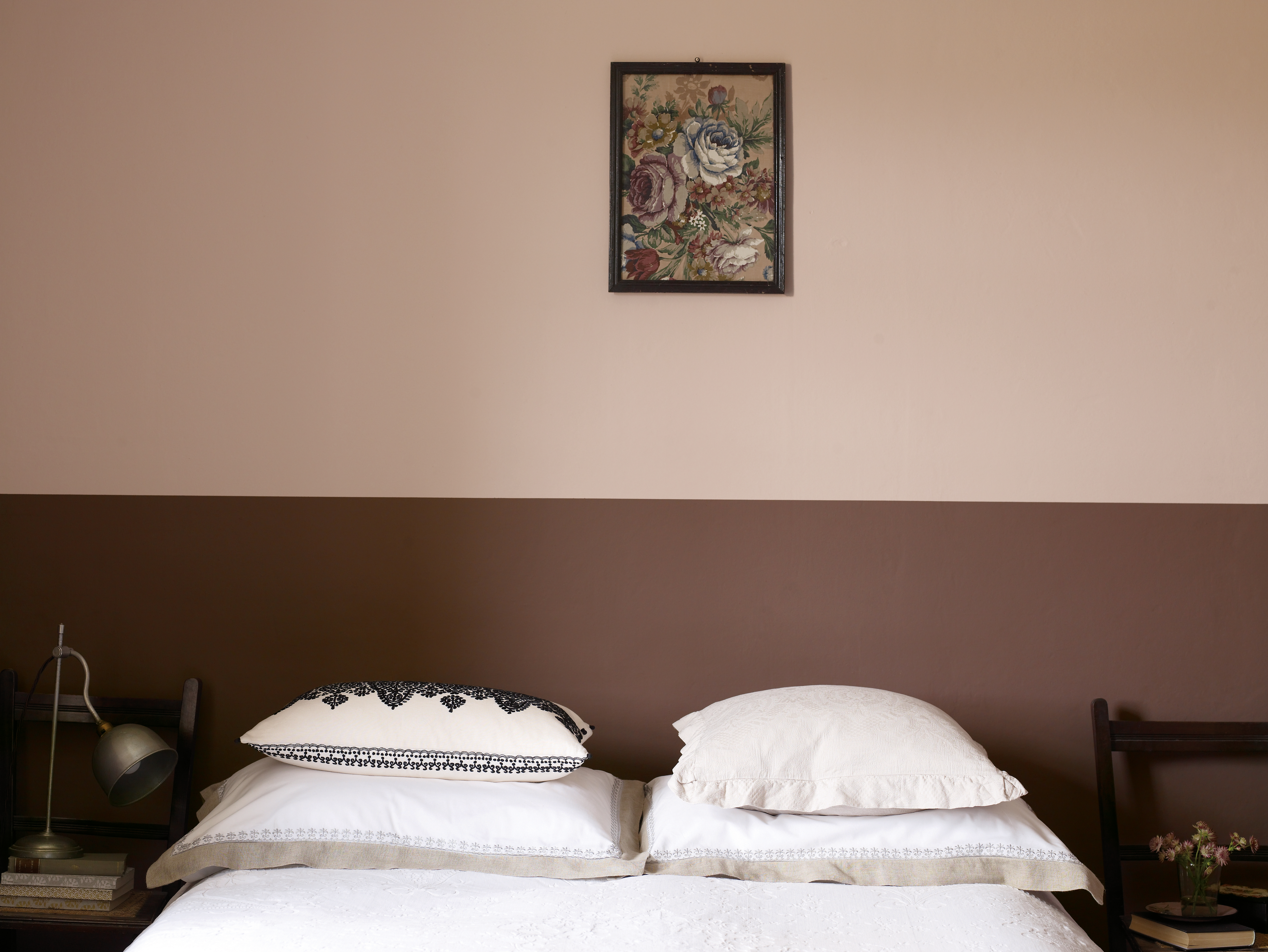
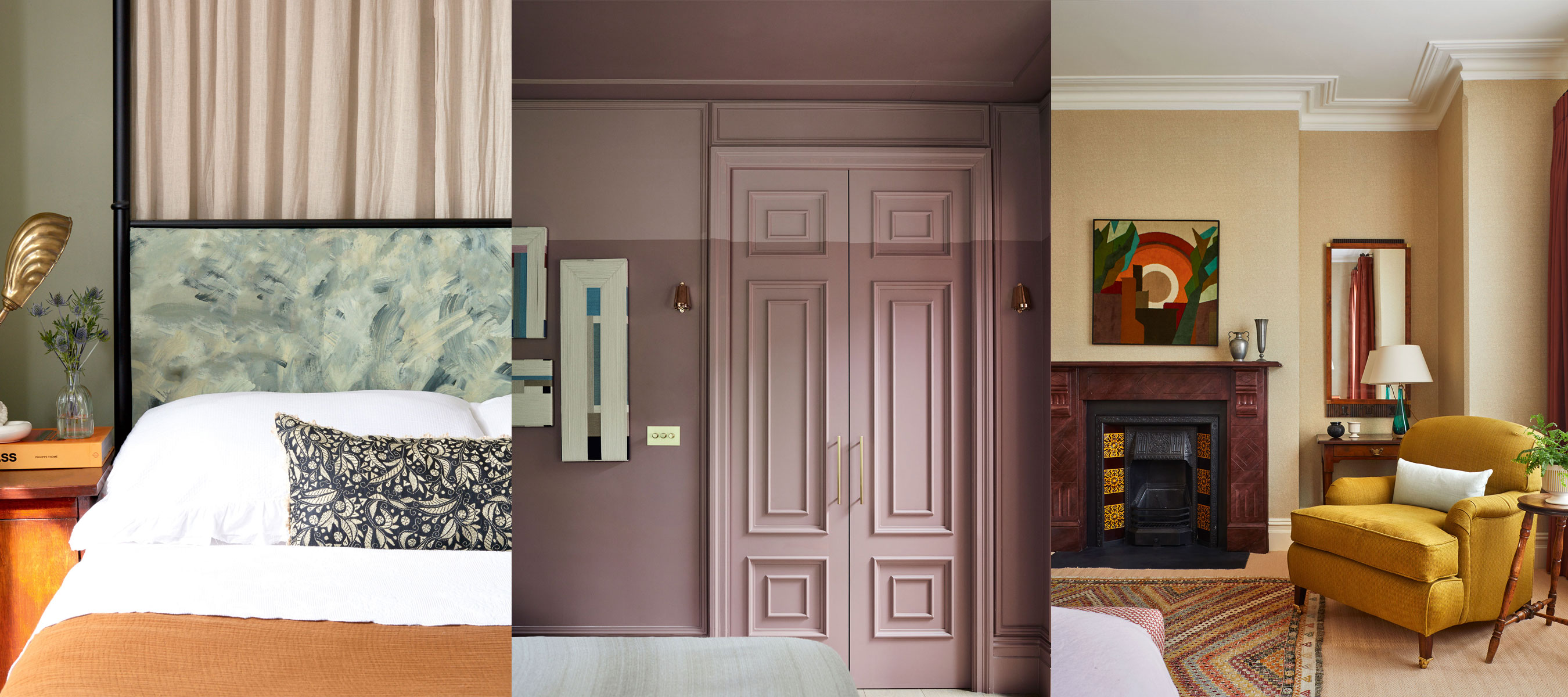
Expert-backed paint trends are highlighted, offering inspiration for transforming home looks. One technique involves using two-tone paint to enlarge a room. For instance, Irene Gunter, a designer, advocates for blush shades in bedrooms to create a soothing ambiance. She suggests applying a base color on the lower wall and a lighter version of the same color (mixed with 50% white) on the upper wall. This method adds visual interest and blurs room edges, making ceilings appear higher and rooms feel more spacious.
Another innovative idea is to create a painted headboard that functions as a piece of art. Designer Sarah Stemp of Sascal Studio achieved this by using canvas fabric and sample pots of green paint, building layers from Farrow & Ball's Vert De Terre to lighter and darker green shades. The resulting textural effect, with visible brushstrokes, adds depth and artistry to the headboard. Additionally, a fireplace can be given a faux marble finish, as demonstrated by Brandon Schubert, who collaborated with Lara Fiorentino of The Paint Effect to create a convincing red marble effect, emphasizing the importance of a smooth finish.
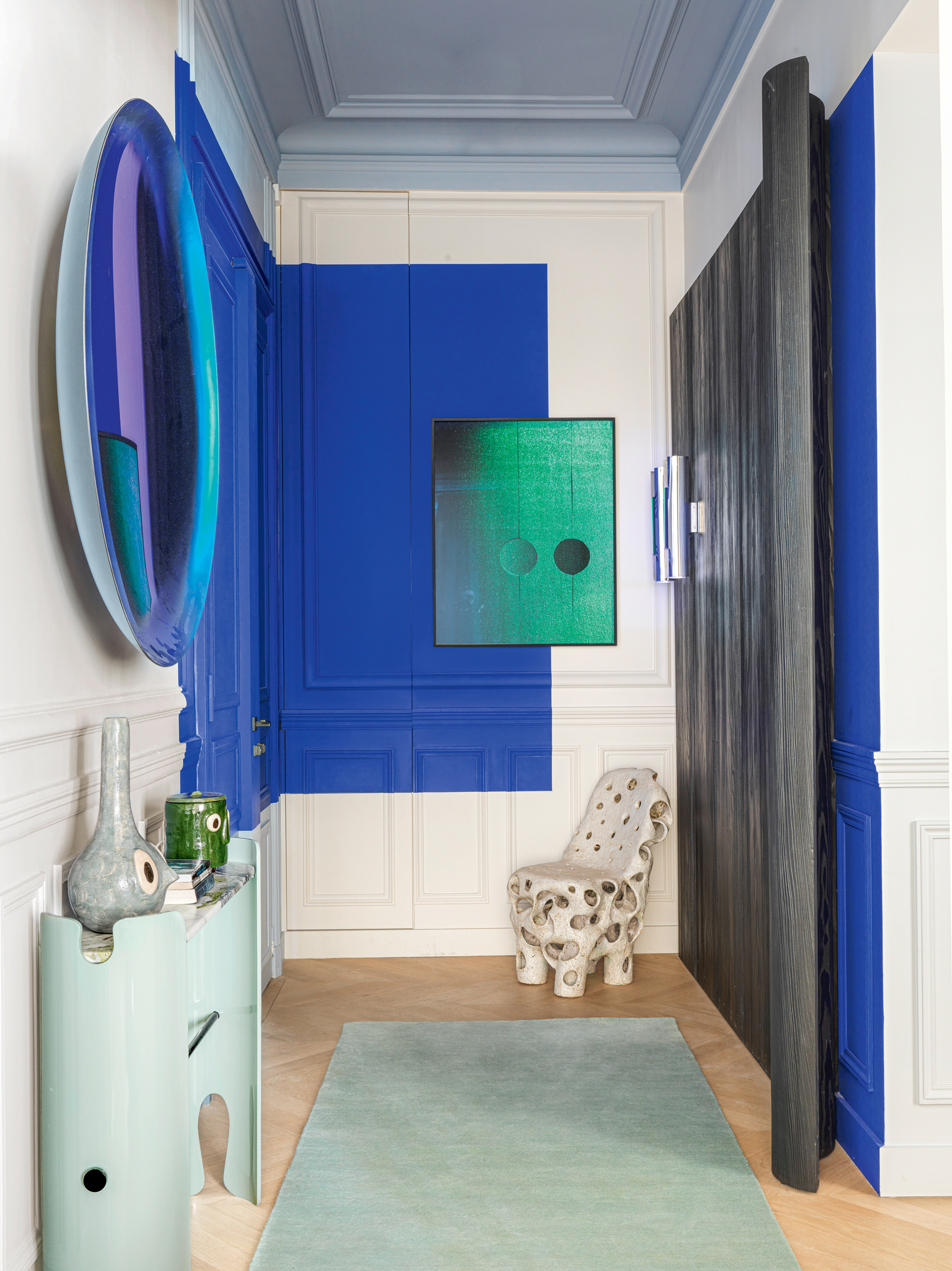
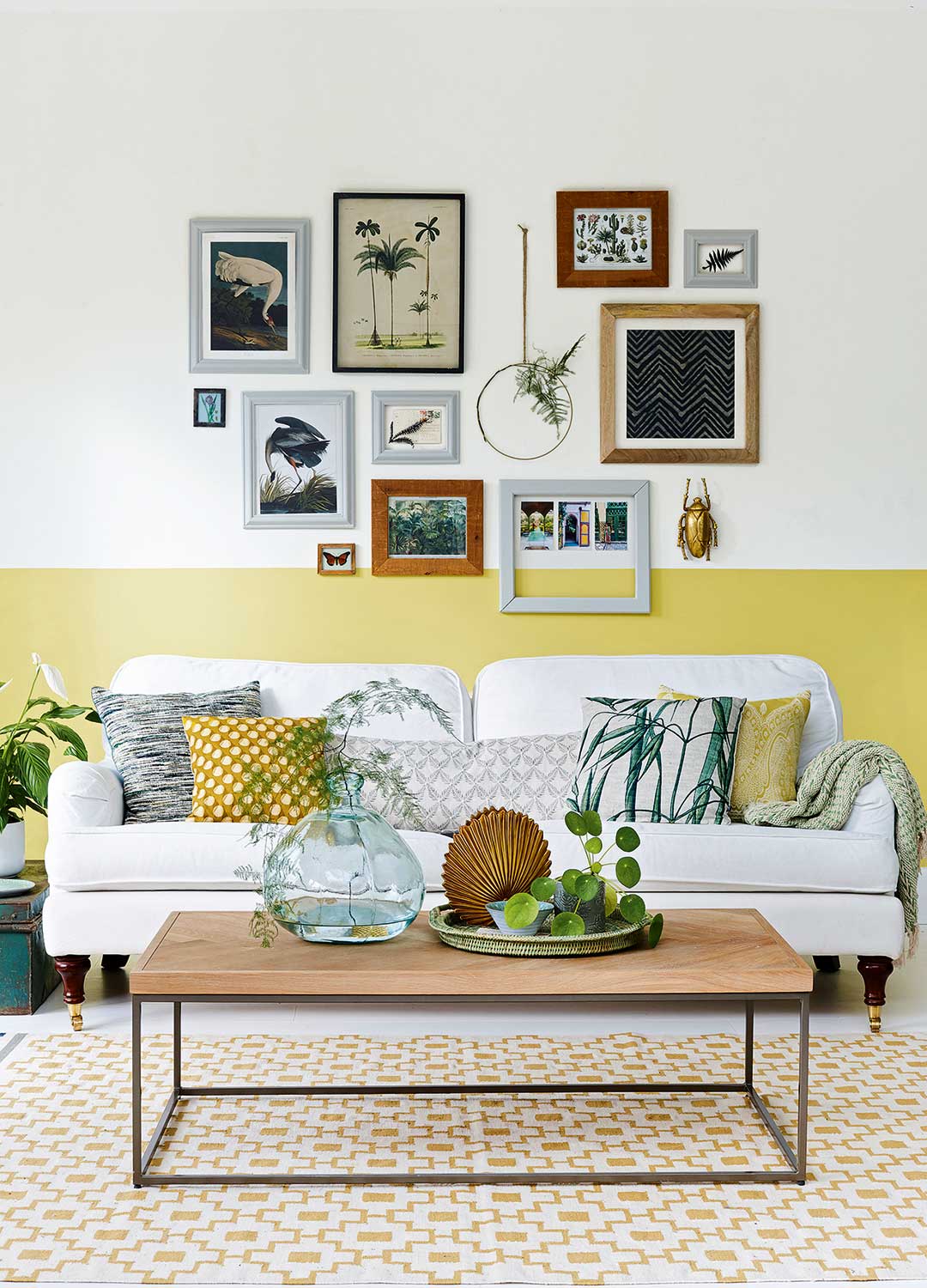
Introducing tactile textures to walls, particularly in hallways, is another effective trick. Designers like Chan & Eayrs utilize color pigments combined with various materials, applied with brushes or sponges, to create subtle textures that add depth beyond conventional paint. Paint can also be used to define zones within a room. Andy Greenall from Paint & Paper Library explains that contrasting paint finishes, such as a satinwood finish for a backsplash against a matt finish in the same shade, can segment a space, adding character cost-effectively. Painted borders can emulate expensive inlays, as seen in Louise Roe’s dressing room where a rich maroon paint was enhanced with hand-painted borders.
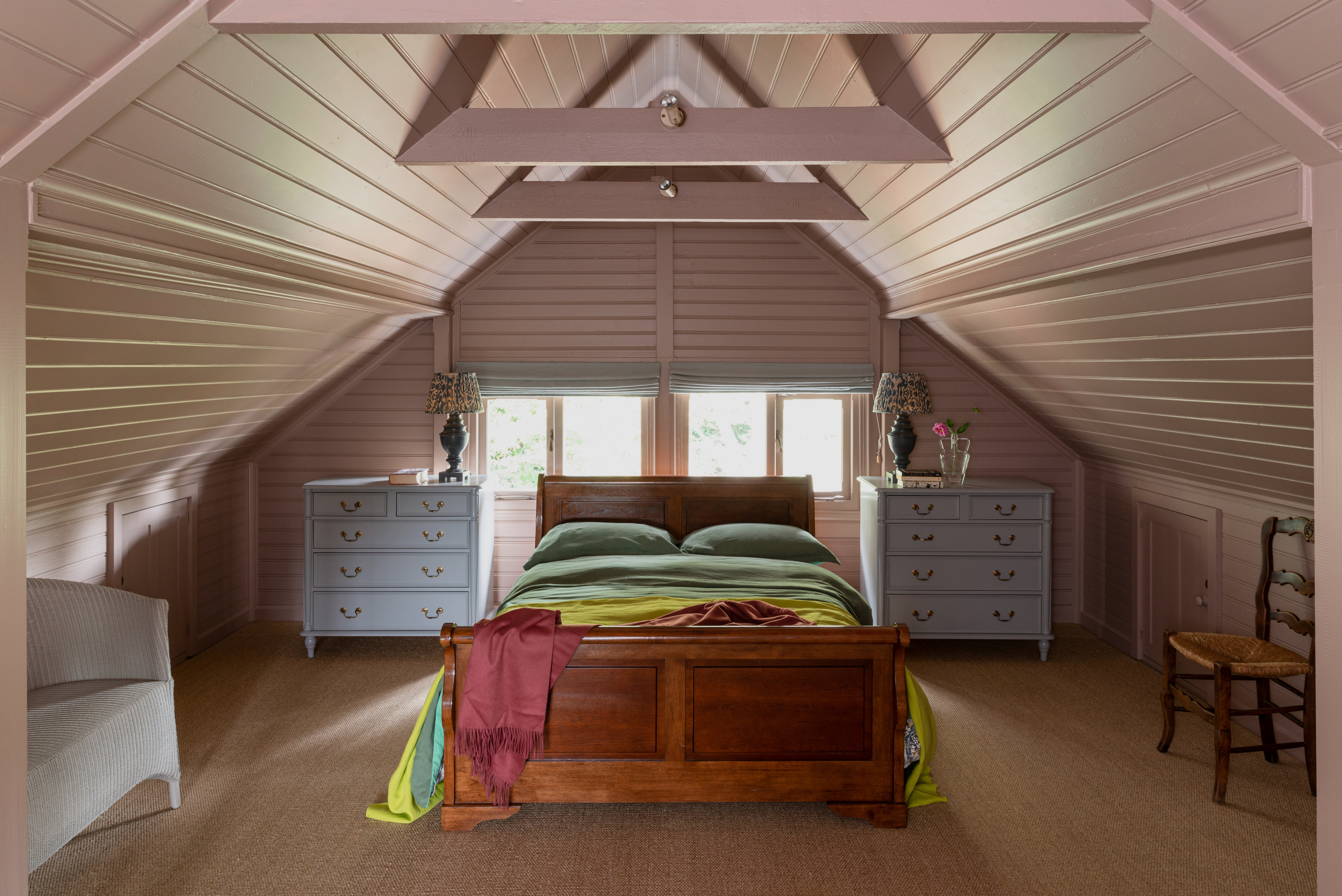
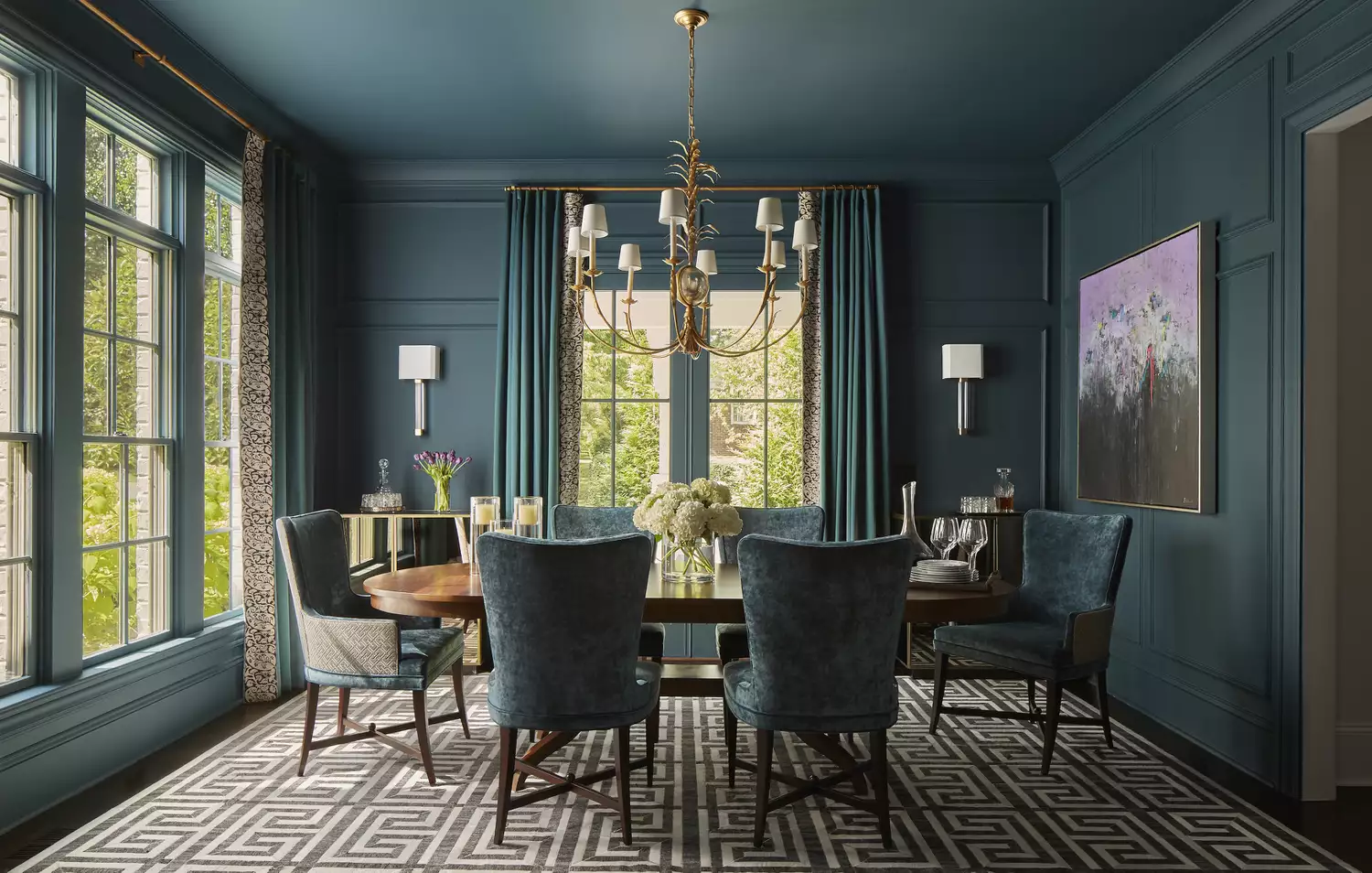
Creating a 3D effect with paint, especially on the 'fifth wall' (the ceiling), can add dimension to a space. Elnaz Namaki Studio used bespoke plastered paint with overlaid paisley stencils to achieve this. Visually expanding walls with clever ceiling paint ideas is also recommended, as interior designer Nicola Harding illustrates by using Farrow & Ball's Stone Blue on a dining room ceiling to make the space feel larger and cozier. Furthermore, paint can conceal flaws; in older homes, white paint on exposed ceiling beams can hide imperfections while creating a softer look. Finally, positioning paler finishes at eye level, especially in kitchens, can enhance spaciousness and prevent wall units from overpowering the room, with Frank & Faber suggesting darker shades at the bottom and lighter tones at the top to optimize natural light and minimize visual clutter.
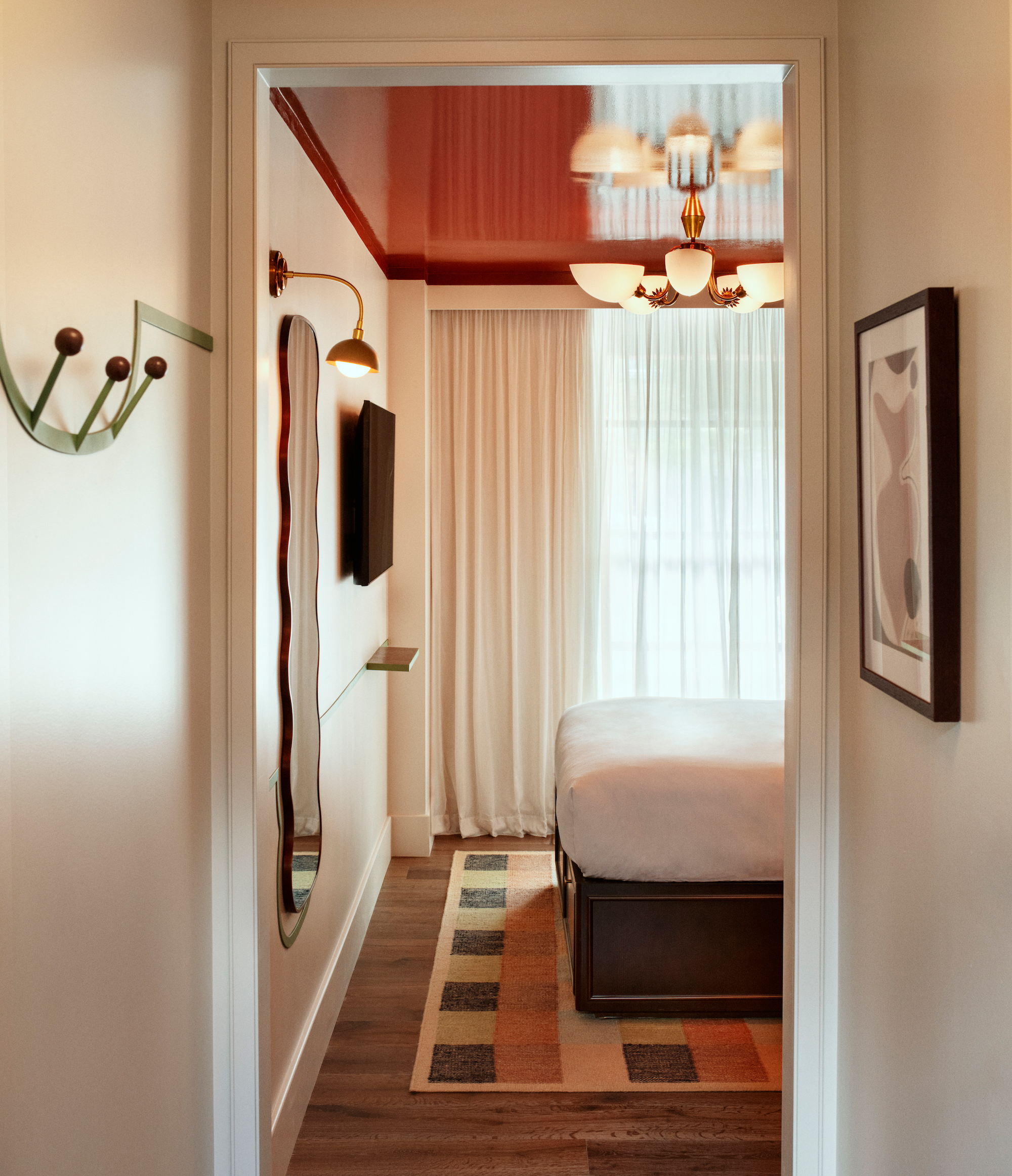
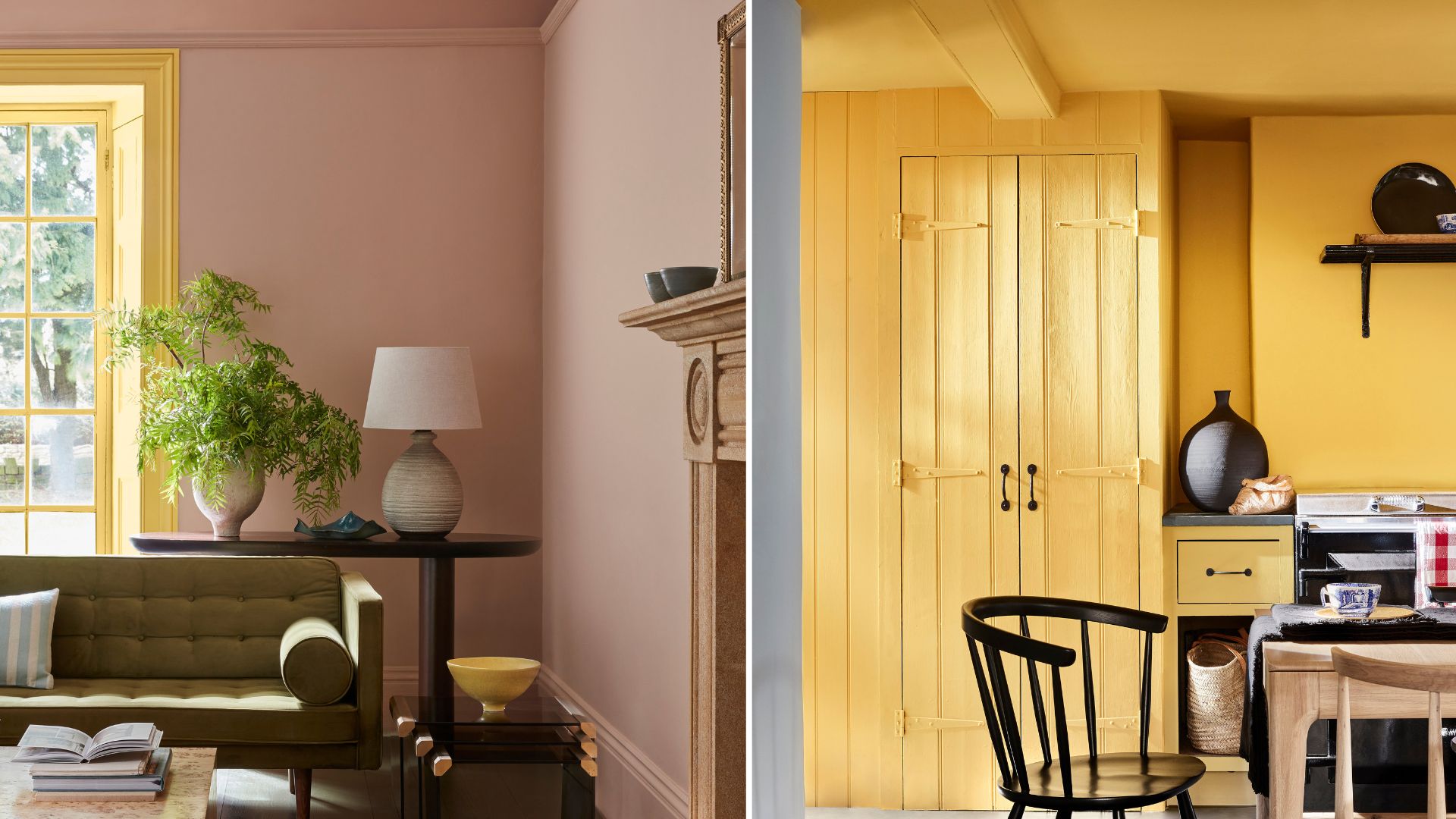
Contemporary paint tricks are sophisticated and tailored, moving past outdated styles like 1970s stenciling. Interior designer Brandon Schubert suggests using unusual finishes like gloss paint on walls, even with dark colors, to reflect light and achieve a smooth finish. For more advanced effects, professional specialist decorators are recommended, or adventurous individuals can try themselves. Kit Kemp, renowned for her use of color, suggests starting with door frames as an easy way to introduce a 'shock of color' or a complementary hue, framing the adjacent room and adding a playful element to the transition between spaces. These modern paint techniques foster a new freedom of expression through color in interiors.
#InteriorDesign #PaintTricks #ColorSchemes #HomeDecor #CreativePainting #RoomEnlargement #TexturedWalls #FauxFinishes #CeilingDesign #ZoningWithPaint #InteriorDesign #PaintTricks #ColorSchemes #HomeDecor #CreativePainting #RoomEnlargement #TexturedWalls #FauxFinishes #CeilingDesign #ZoningWithPaint
0 comment in total
 No comments yet
You may also like
20 Essential Painting Tools for Your Next Project, According to Painting Pros

12 top interior painting tips from experts – for a flawless, fabulous finish
Understanding paint finishes


Paint Maintenance and Touch-Up Tips
11 Pro Tips for How To Paint Trim
Update your home with these paint tips!

Nine Tricks That Make Painting Any Room a Lot Easier

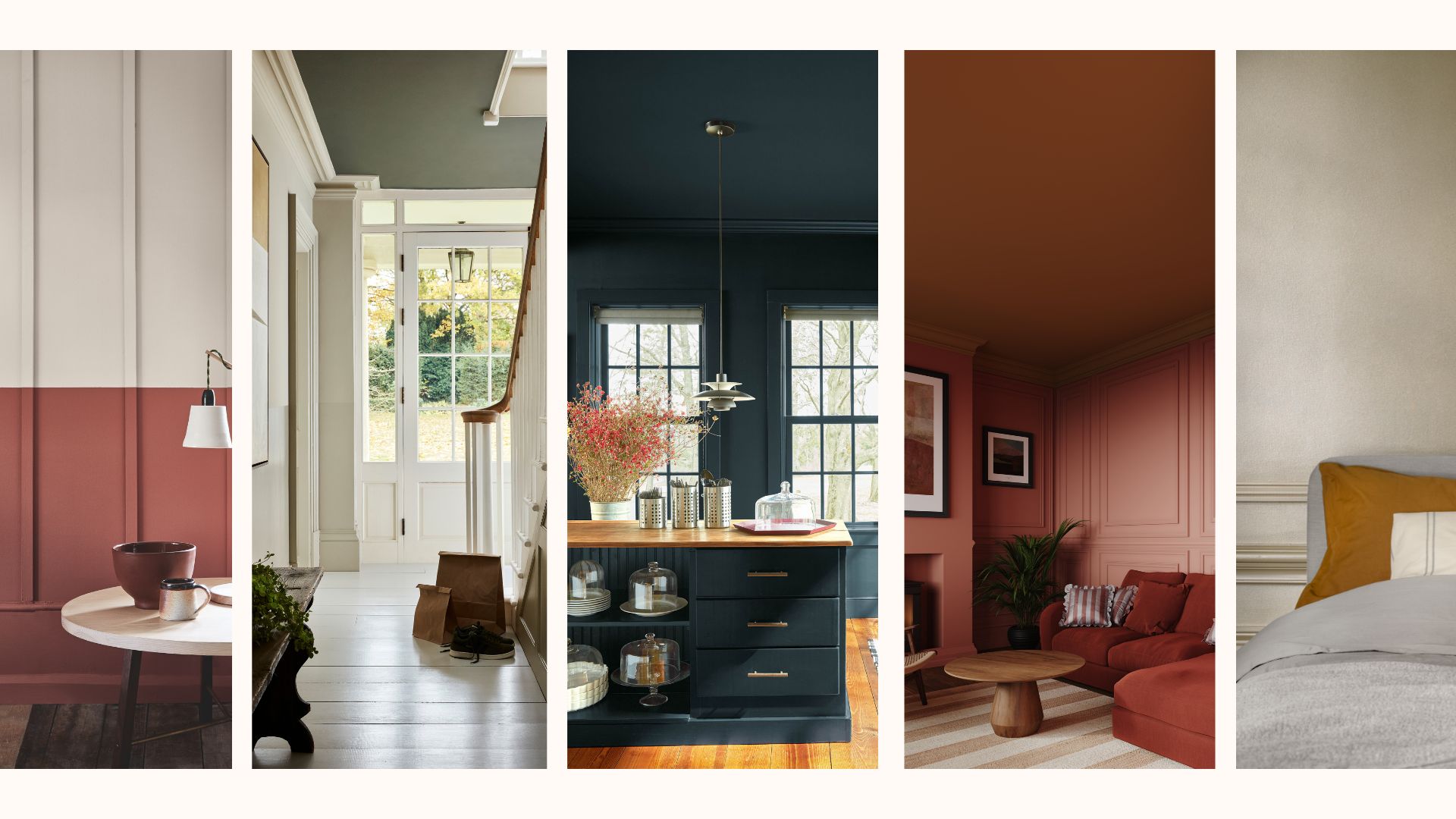
How to make a room look bigger with paint: 10 expert tips

The Best Painting Tools

8 Secrets Only Professional Painters Know

These Master Tips Will Help You Avoid Choosing The Wrong Type Of Paint
The Best Paint Brushes, Tested and Reviewed
Paint tips from a pro!
10 Paint Color Apps Every DIYer Should Know About
I’m a paint expert - the £1.25 buy pros swear by for a flawless finish on walls

The best paint colours for autumn — and how to style them at home
These hacks are all you'll need for your next home painting project

What are the best paint techniques for walls? 11 inventive effects that go beyond basic

The ultimate DIY hacks | loveproperty.com
10 Color Drenching Ideas That Highlight the Beauty of This Paint Trend