8 Secrets Only Professional Painters Know
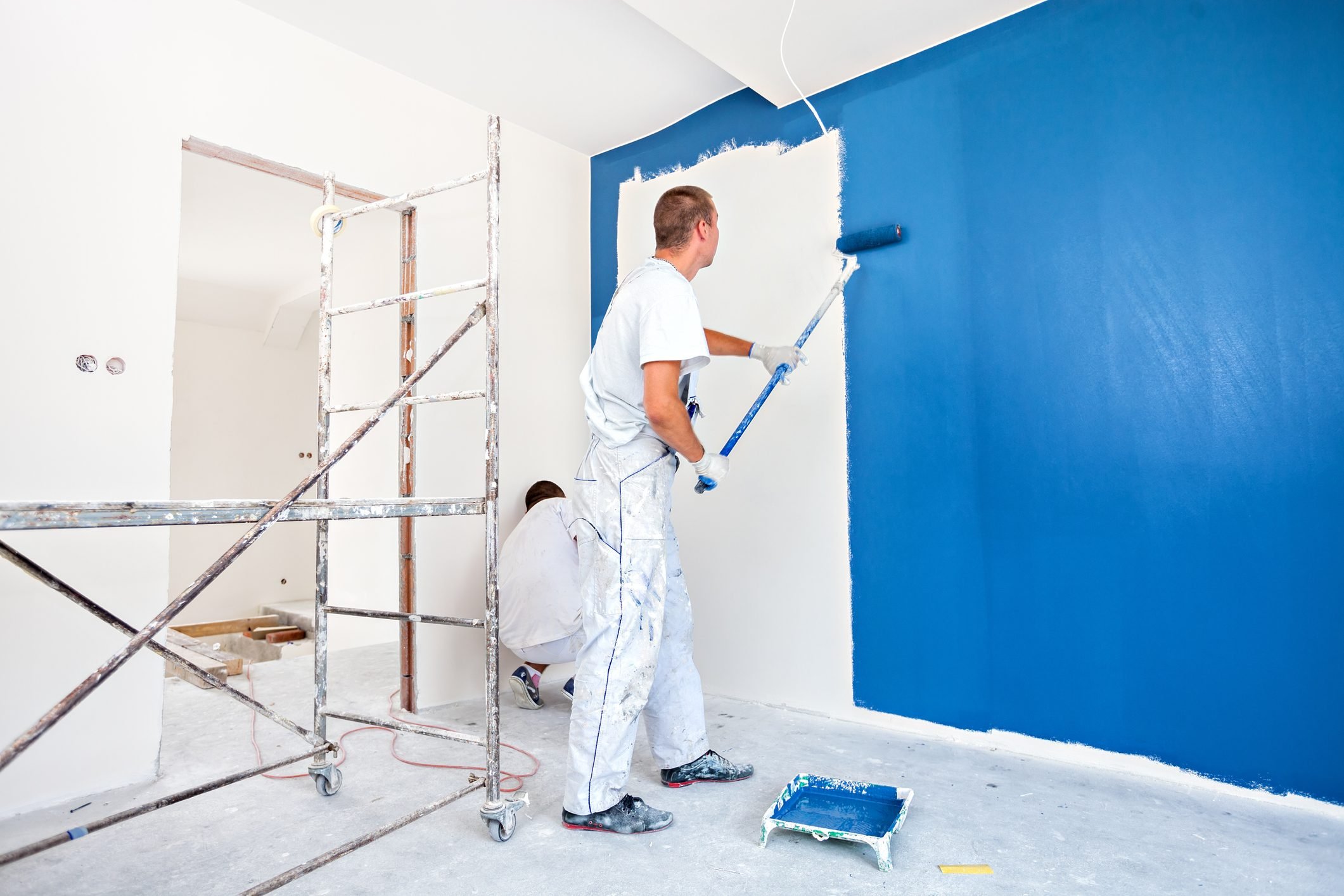
Achieving a flawless paint job can be daunting for homeowners, but professional painters possess a wealth of knowledge that can simplify the process and elevate the results. One fundamental tip is the strategic use of an extension pole. While many associate it with reaching high areas, an extension pole is crucial for painting large wall surfaces as it provides greater leverage, reducing strain on the arms and back by minimizing the need to bend down to reload the roller. This not only enhances comfort but also improves efficiency, allowing for faster and more effective painting.
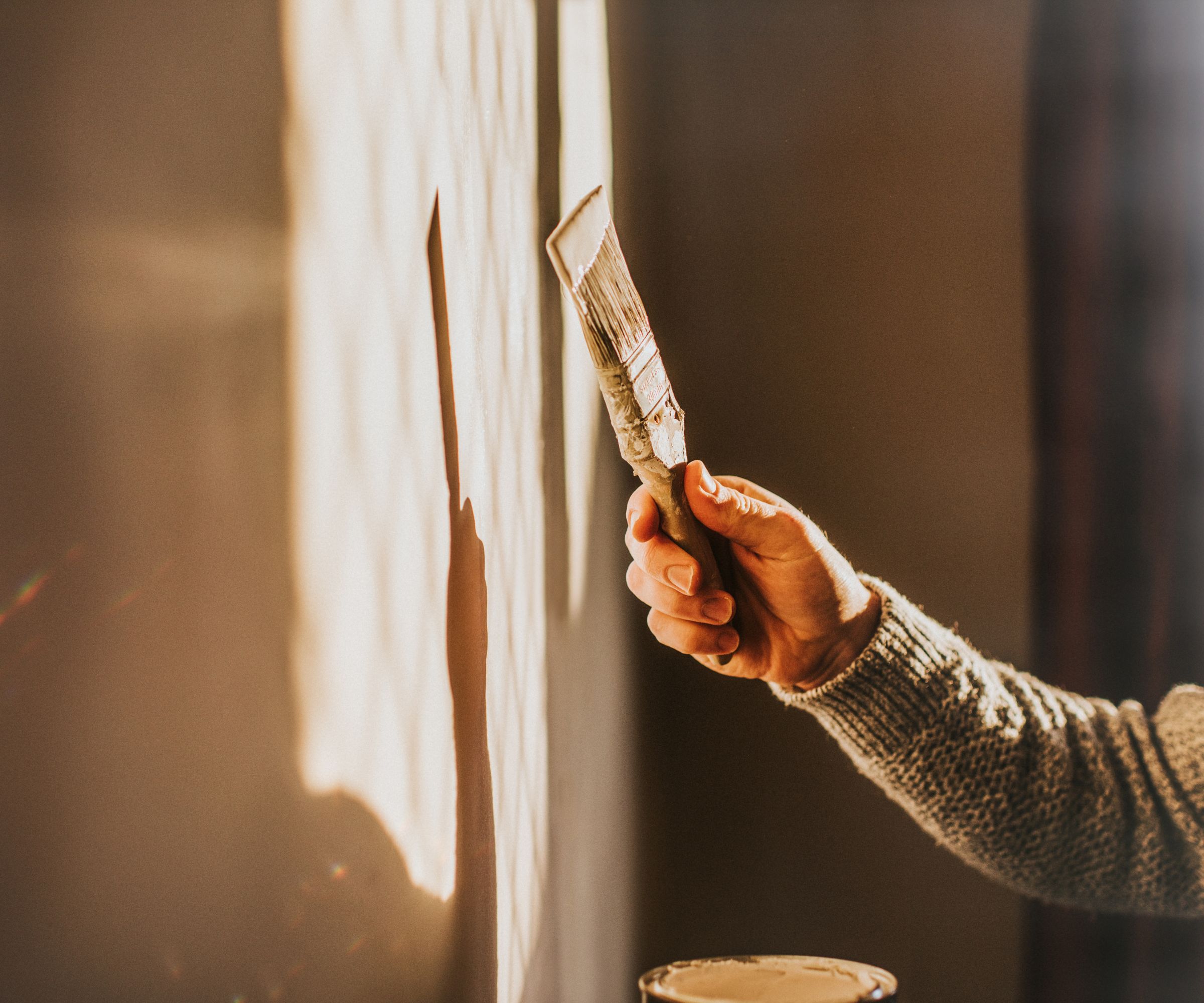
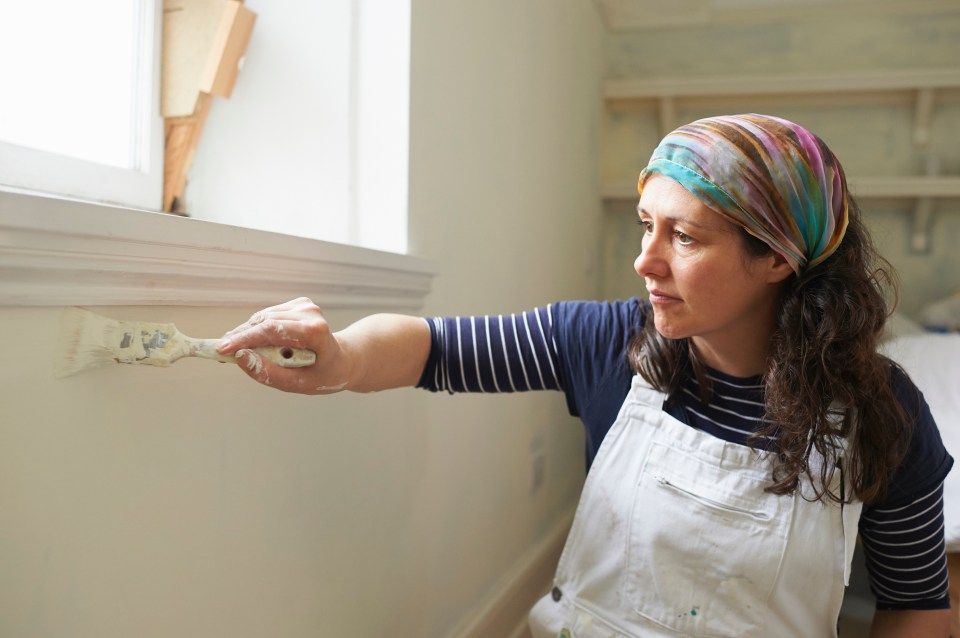
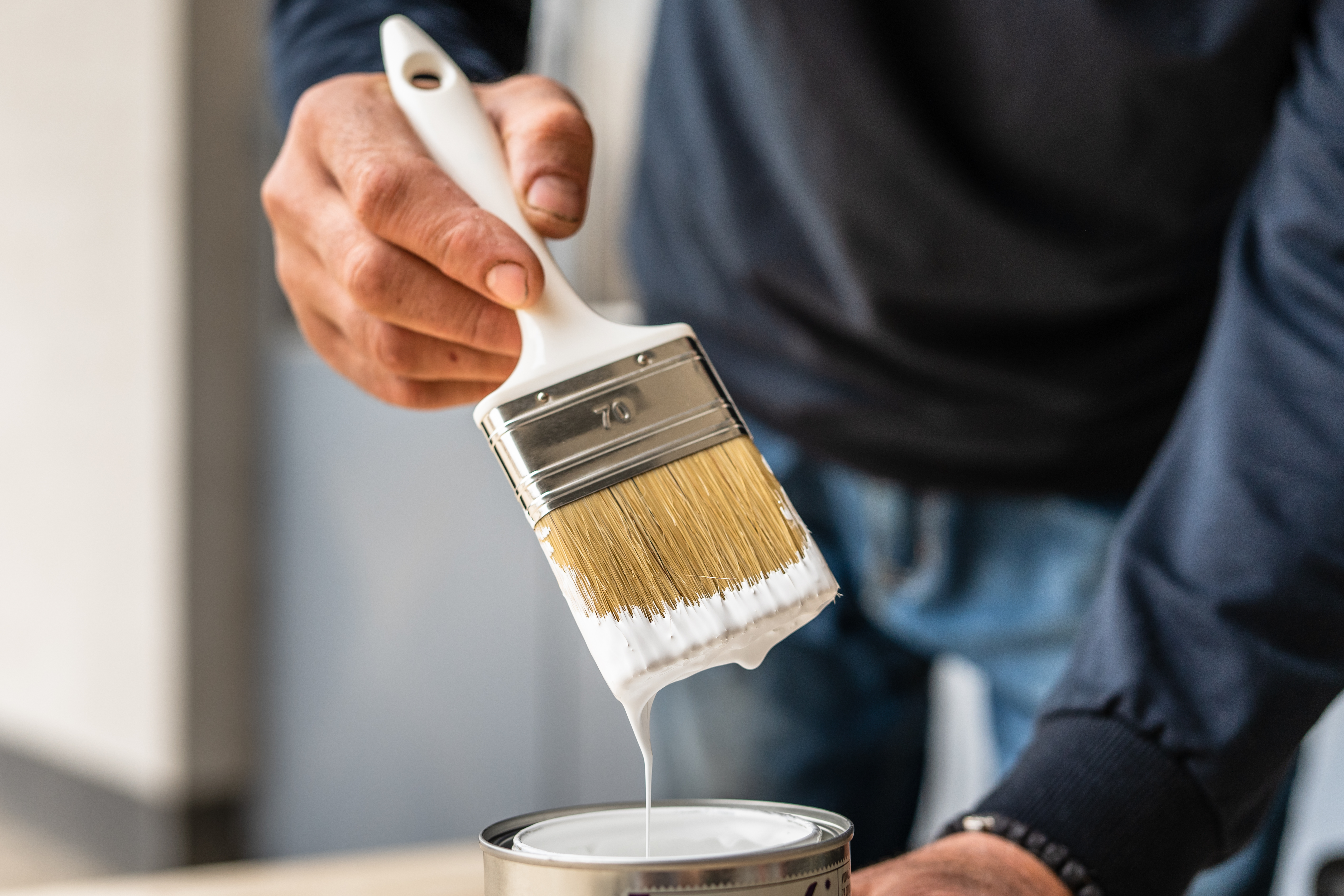
Protecting doorknobs is another essential step. Beyond taping around doors and baseboards, professional painters meticulously cover doorknobs to prevent splatters and drips. A simple yet effective method involves slipping a small plastic bag over the doorknob and securing the edges with tape, ensuring paint stays where it belongs. The quality of tools also plays a significant role in the outcome. Investing in a good paintbrush from trusted brands like Wooster, Purdy, or Benjamin Moore is highly recommended, with prices typically ranging from $20 to $25. The brush material and size should be chosen based on the task: synthetic or polyester brushes are ideal for exterior work, while soft nylon is preferred for interiors. For precise tasks like painting trim and cutting in, a 2 ½-inch angled brush offers optimal control.
Preparation is key, and caulking is a critical pre-painting step often overlooked by amateurs. Applying caulk around trim work, crown molding, windows, and door frames creates a clean, professional finish, making these architectural details stand out. Additionally, caulking can offer practical benefits, such as preventing drafts and improving energy efficiency by sealing gaps. It is important to caulk before painting, especially when contrasting colors are used for trim and walls.
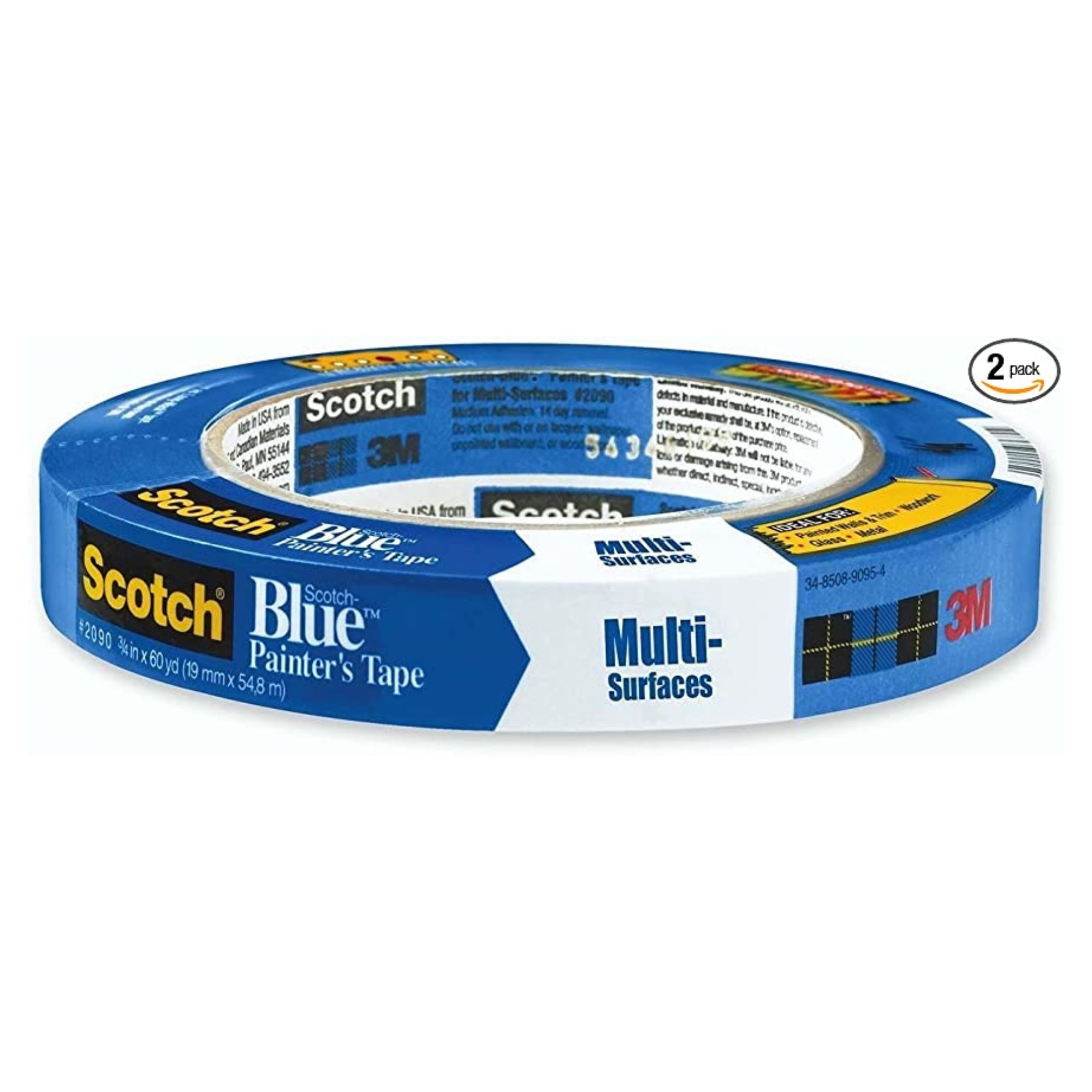
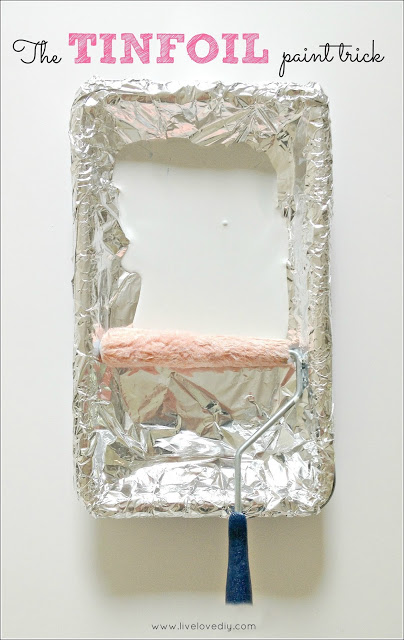
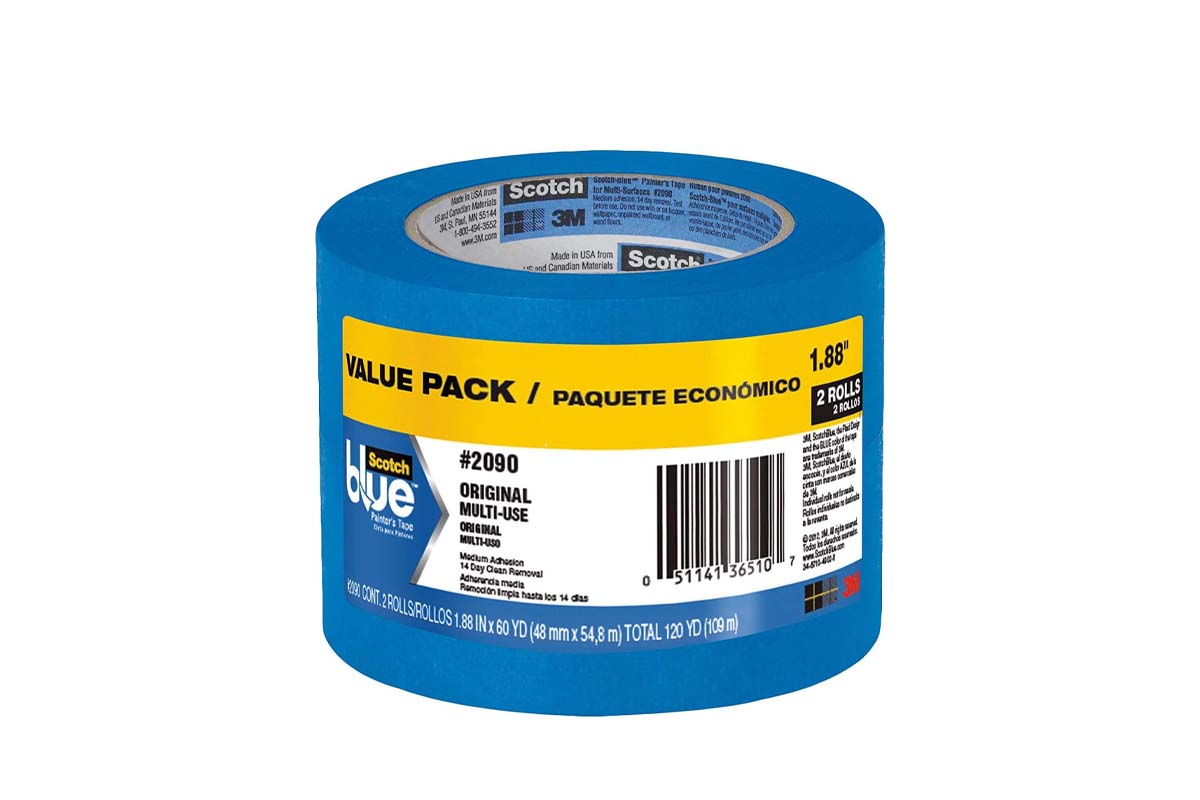
Removing painter's tape correctly is crucial to avoid damaging the fresh paint. Latex paint, particularly before it fully cures, can have an elastic quality that causes it to pull away with the tape, ruining the finish. To prevent this, a retractable utility blade or box cutter should be used to score the paint where the tape meets the wall, ensuring a clean break and a crisp edge when the tape is removed. For multi-day projects, preserving paint rollers and brushes overnight is vital. Wrapping them tightly in a plastic bag or aluminum foil, securing with a rubber band, and storing them in the refrigerator (not the freezer) keeps them from drying out, allowing for immediate use the next day. After the project, thorough cleaning of rollers and brushes ensures their longevity.
The "W" method is a professional technique for applying paint to walls that prevents lifting freshly applied paint. Instead of painting in straight up-and-down strokes, paint is rolled onto the wall in a "W" shape, with each "W" approximately arm's length. The areas within and around the "W" are then filled in to create a square, and the process is repeated across the wall. This method ensures even paint distribution and a professional-quality finish, with the roller being reloaded before starting each new section.
Finally, preparation for unexpected drips and splatters is paramount. Professional painters always keep a wet rag handy. Wiping unwanted paint with a wet rag is more effective than using a dry cloth or paper towel, especially on surfaces like trim. For paint that lands on window panes, a razor blade can be used to carefully remove it, ensuring a pristine finish throughout the painted area.
#PaintingTips #HomeImprovement #DIYPainting #ProfessionalPainters #InteriorPainting #PaintingTools #PaintApplication #Caulking #PaintPreparation #PaintingTips #HomeImprovement #DIYPainting #ProfessionalPainters #InteriorPainting #PaintingTools #PaintApplication #Caulking #PaintPreparation
0 comment in total
 No comments yet
You may also like

Paint tricks – 10 painting tips and techniques loved by the experts

12 top interior painting tips from experts – for a flawless, fabulous finish
I’m a paint expert - the £1.25 buy pros swear by for a flawless finish on walls

How To Conduct the Paint Inspection When You Hire a Pro


Professional painters reveal the secret to color matching a paint shade from an image alone
These Master Tips Will Help You Avoid Choosing The Wrong Type Of Paint
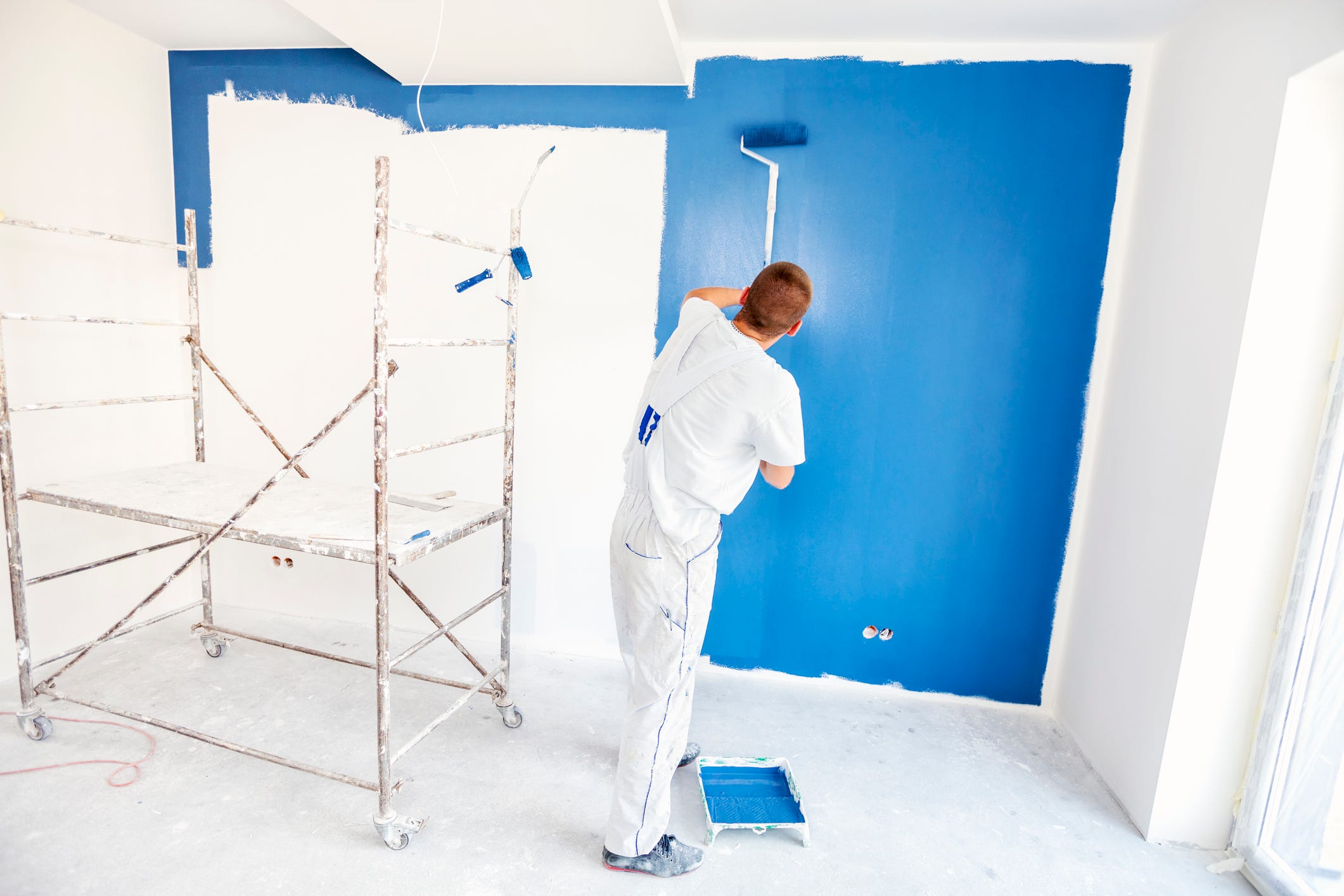
Story from Arizona Painting Company: 6 tips to prepare a home for a professional paint crew

Paint finishes – a guide for every room
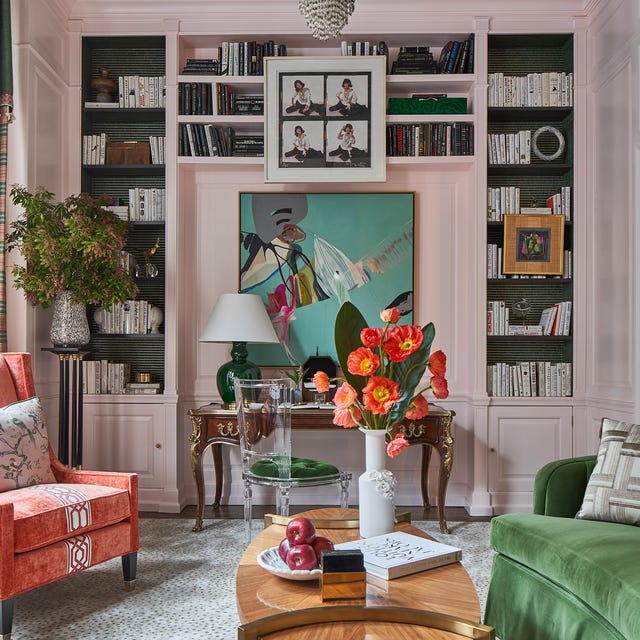
An A-List Designer’s Secrets To Picking Perfect Paint Colors


5 Secrets To Picking Paint Colors Like A Designer

BBB Tip: When to call a professional painter

7 Wall Murals In, This DIYer’s Top Paint Tip Is to—Gasp!—Not Use Tape

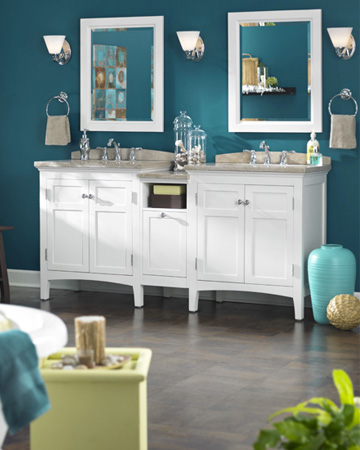
Paint tips from a pro!

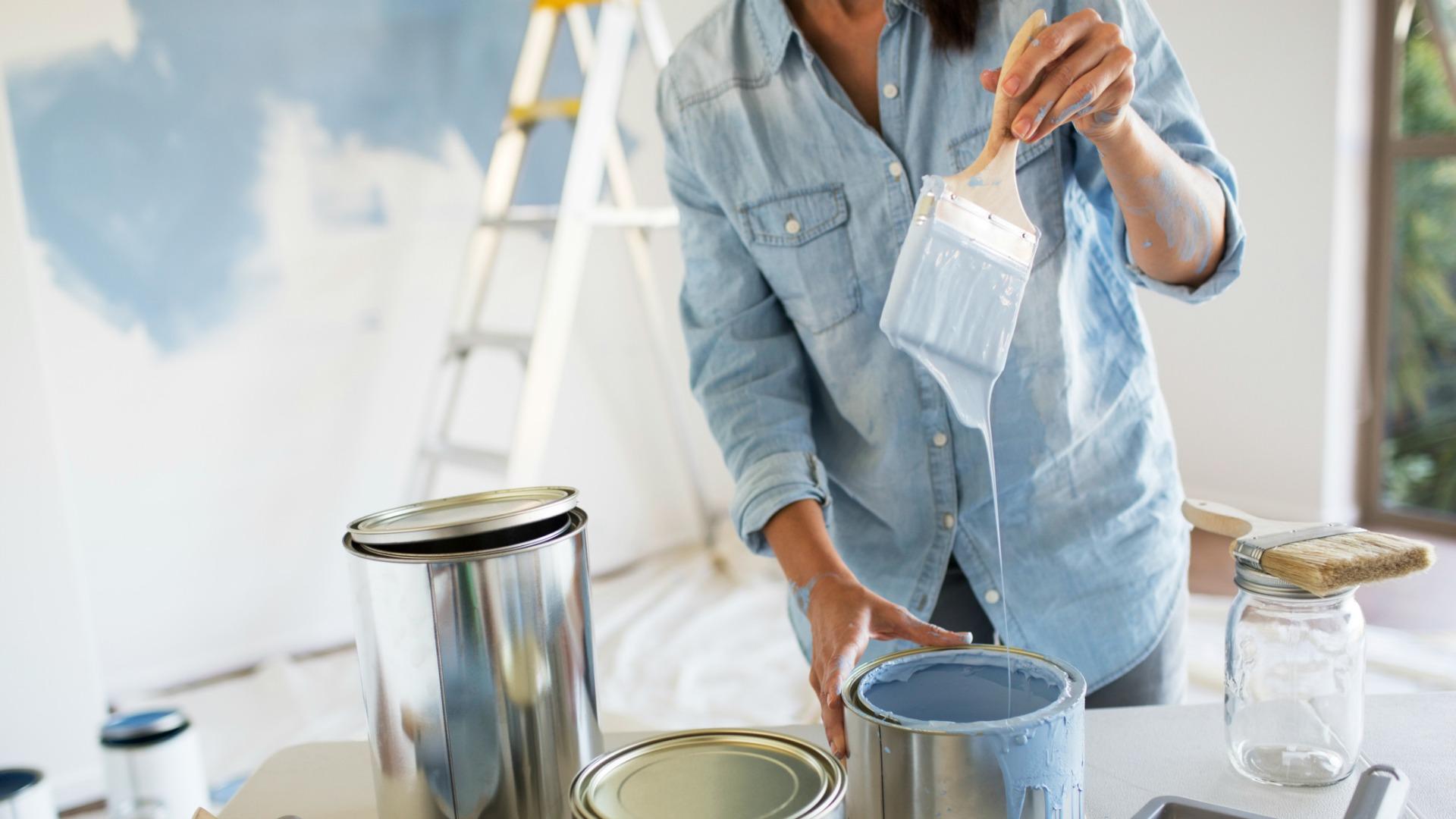
These hacks are all you'll need for your next home painting project

Understanding paint finishes

Here's What Colorists Want You to Know About Picking House Paint

20 Essential Painting Tools for Your Next Project, According to Painting Pros
The Best Painting Tools

Paint finishes explained – an expert guide to choosing the perfect type of paint for your projects


We Asked a Pro Painter For His Secret to a Seamless Paint Job Every Time—And We’re Obsessed