Nine Tricks That Make Painting Any Room a Lot Easier
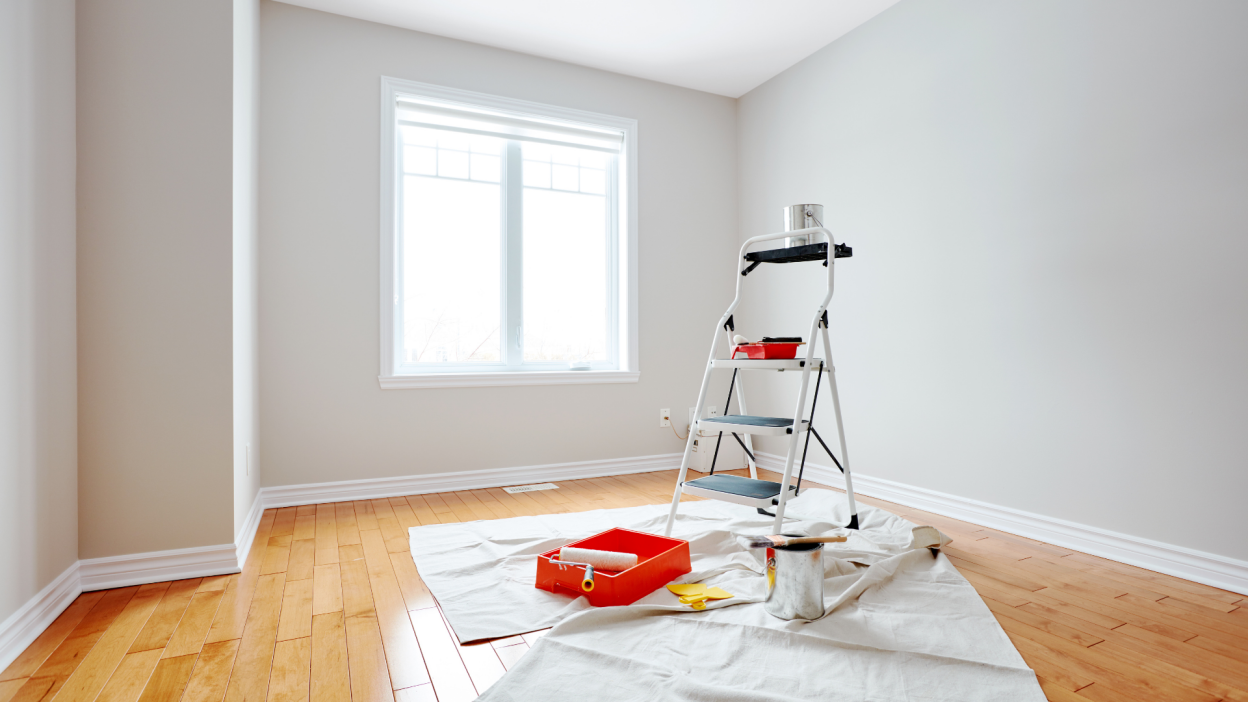
Painting a room is a common home renovation project that can significantly refresh a living space and cover imperfections. While professional painting services for a single room typically range from $350 to $850, many individuals choose to undertake this task themselves. Several techniques and tools can streamline the painting process, making it more efficient and less laborious.
For instance, applying paint near windows and other glass surfaces can be simplified by using liquid masking tape. This product is applied to glass, allowed to dry, and then painted over. Once the paint has dried, the liquid masking tape can be peeled away like a plastic film, ensuring clean lines and eliminating the need for meticulous traditional painter's tape application and subsequent scraping.
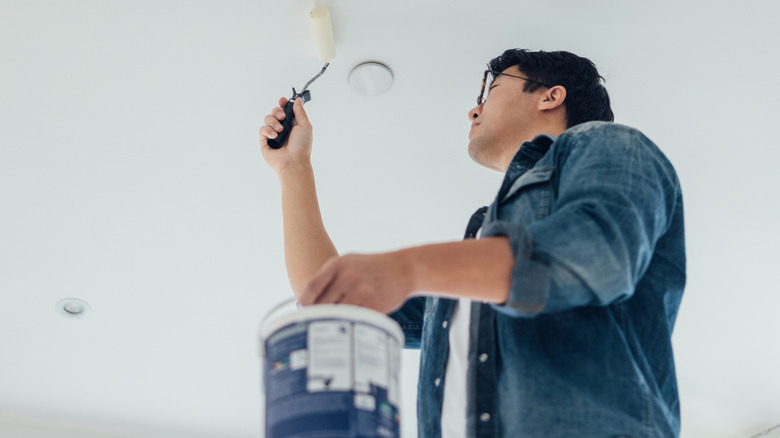
When painting ceilings, a common challenge is preventing paint drips. An inventive solution involves using an inverted umbrella. By creating a hole in the umbrella, inserting the paint roller handle, and sealing the opening with tape, the umbrella acts as a catch-all for drips, protecting the painter and the room's surfaces. Opting for a clear plastic umbrella allows for better visibility during the painting process. Alternatively, a clear plastic paint tray liner can serve a similar purpose, offering a more compact solution.
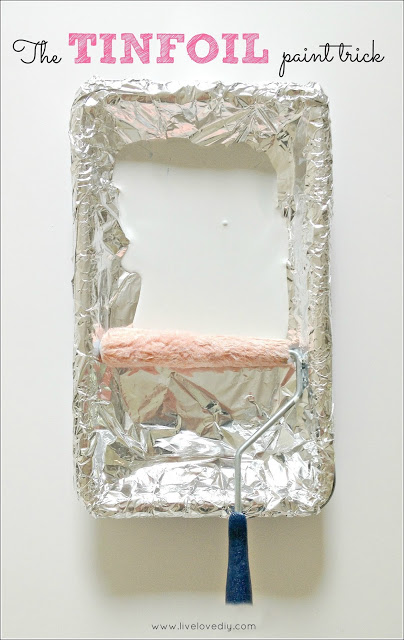
Regarding paint tray maintenance, rather than meticulously cleaning it after each use, a practical hack is to simply drain excess paint back into the can and allow the remaining paint in the tray to dry. The dried paint layer does not impede the tray's future utility. Painting floor trim often presents difficulties in protecting the floor. Instead of relying on painter's tape or shifting drop cloths, a piece of cardboard or similar thin, impermeable material can be inserted into the gap between the wall and the floor. This allows for unrestricted painting of the trim, as the cardboard shields the floor and can be easily repositioned along the length of the trim.
For intricate areas around fixtures and hardware that are difficult to tape off or remove, such as screws, petroleum jelly can be applied to create a barrier. Any paint that accidentally gets on the petroleum jelly will wipe away cleanly once dry. For fine lines, touch-ups, or correcting small mistakes, paint pens offer a convenient solution. These refillable tools enable precise application in tight spaces, eliminating the need for taping off small areas.
Painting oddly shaped items like stair balusters or furniture legs can be more efficient by using a gloved hand covered with an old sock, dipped directly into the paint. This method provides greater flexibility and dexterity than traditional brushes. To paint behind stationary objects like radiators or toilets without removing them, specialized tools such as radiator brushes or paint pads are available. These tools are designed to reach difficult areas, ensuring complete coverage.
Finally, to achieve perfectly crisp paint lines without bleed-through, a technique called "Back Caulking" can be employed. This involves leaving a thin gap between the painter's tape and the wall, filling this gap with a bead of caulk, smoothing it, and then allowing the paint to dry before removing the tape. This method creates a sealed edge, preventing paint from seeping under the tape.
#HomePainting #DIYHomeImprovement #PaintingTips #HomeRenovation #InteriorDesign #PaintingHacks #DIYProjects #HouseholdMaintenance #PaintingTools #HomePainting #DIYHomeImprovement #PaintingTips #HomeRenovation #InteriorDesign #PaintingHacks #DIYProjects #HouseholdMaintenance #PaintingTools
0 comment in total
 No comments yet
You may also like
How to make a room look bigger with paint: 10 expert tips

7 different interior designers on ingenious ways they use paint to easily elevate a room

Paint color ideas for every room – experts explain the best choices for different spaces

14 Genius Painting Tricks to Make a Room Look Bigger

12 Tips For Making Small Rooms Appear Larger Using Paint

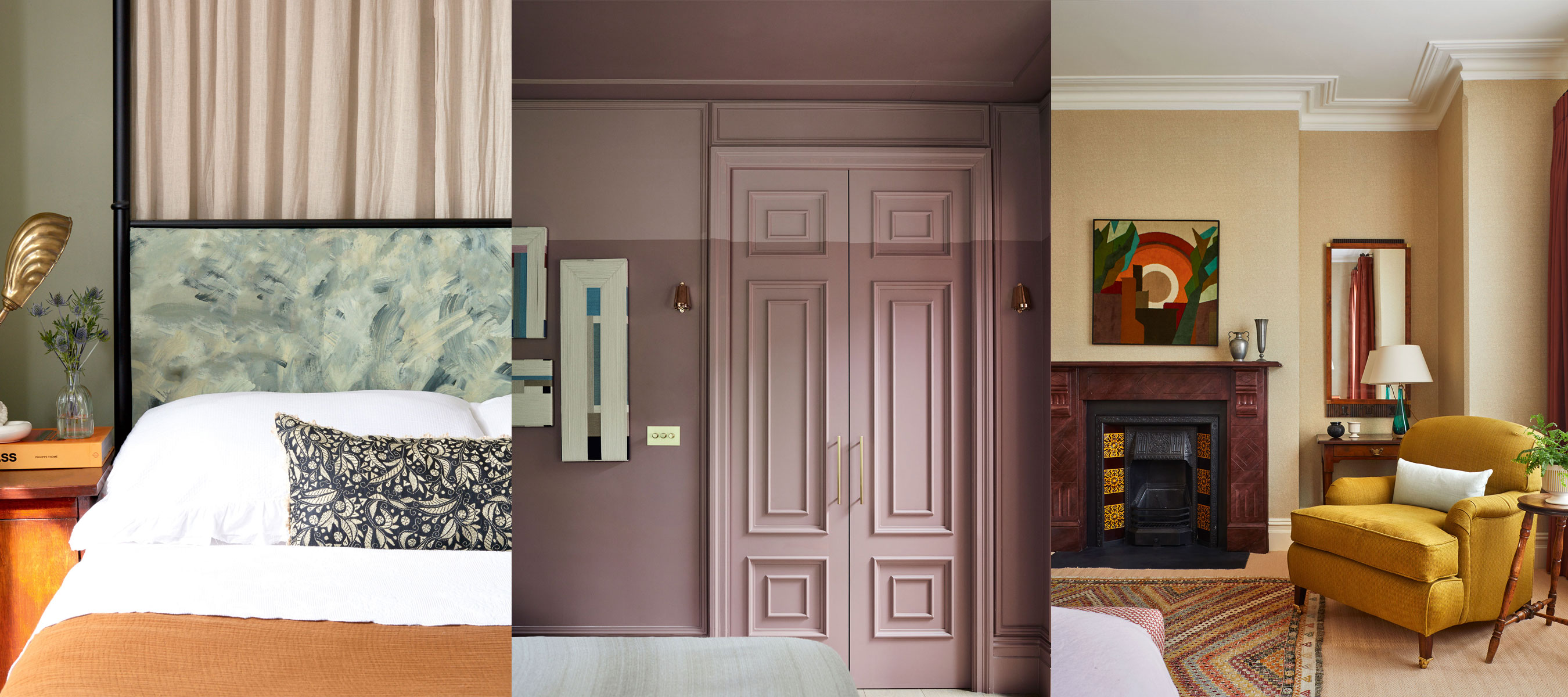
Paint tricks – 10 painting tips and techniques loved by the experts
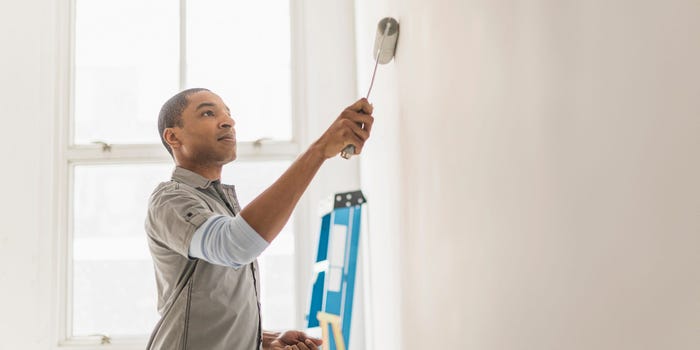
How to paint a room and give it a refresh

Update your home with these paint tips!

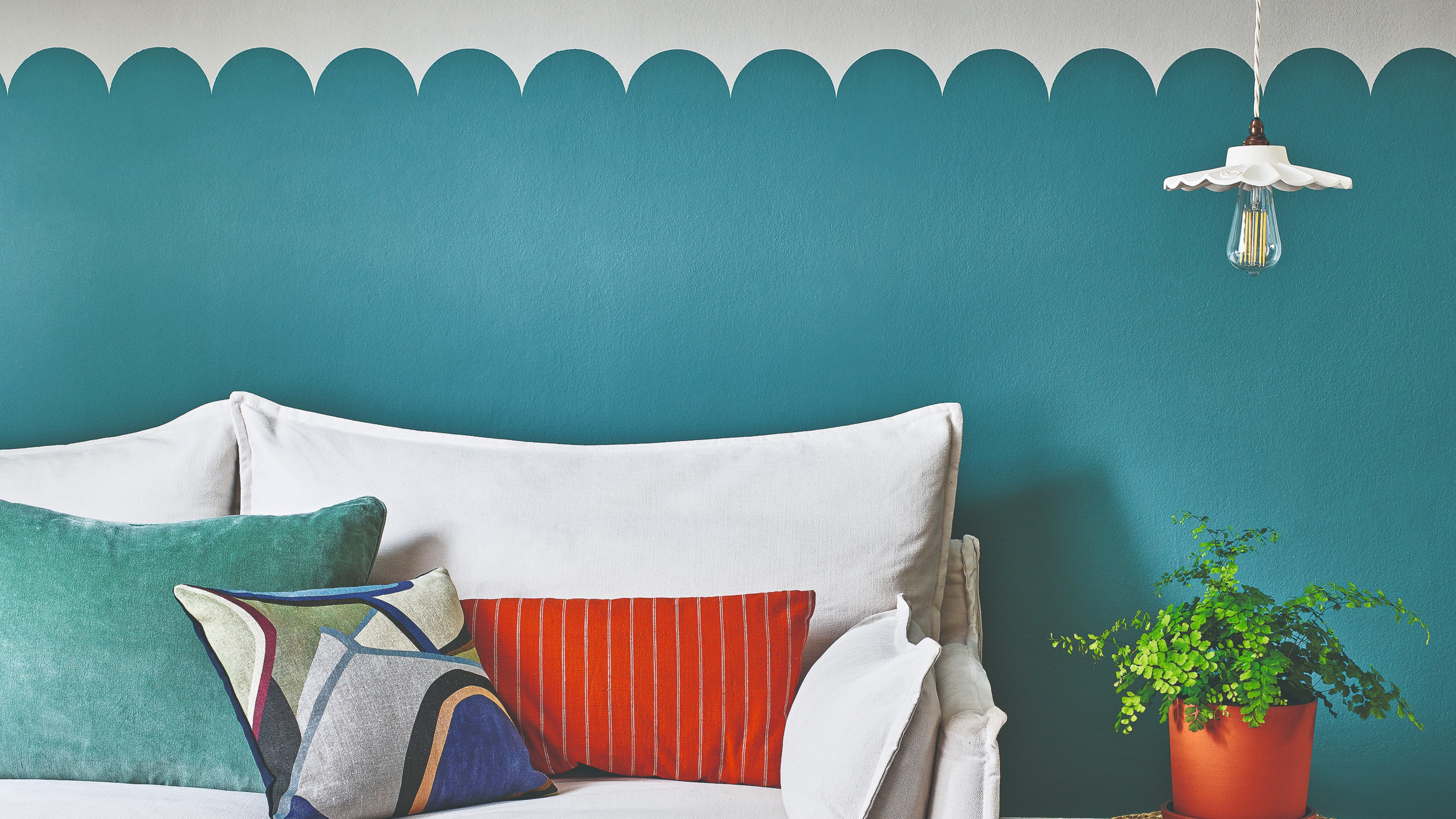
Paint ideas for your home – 36 ways to turn every room into a beautiful space bursting with character
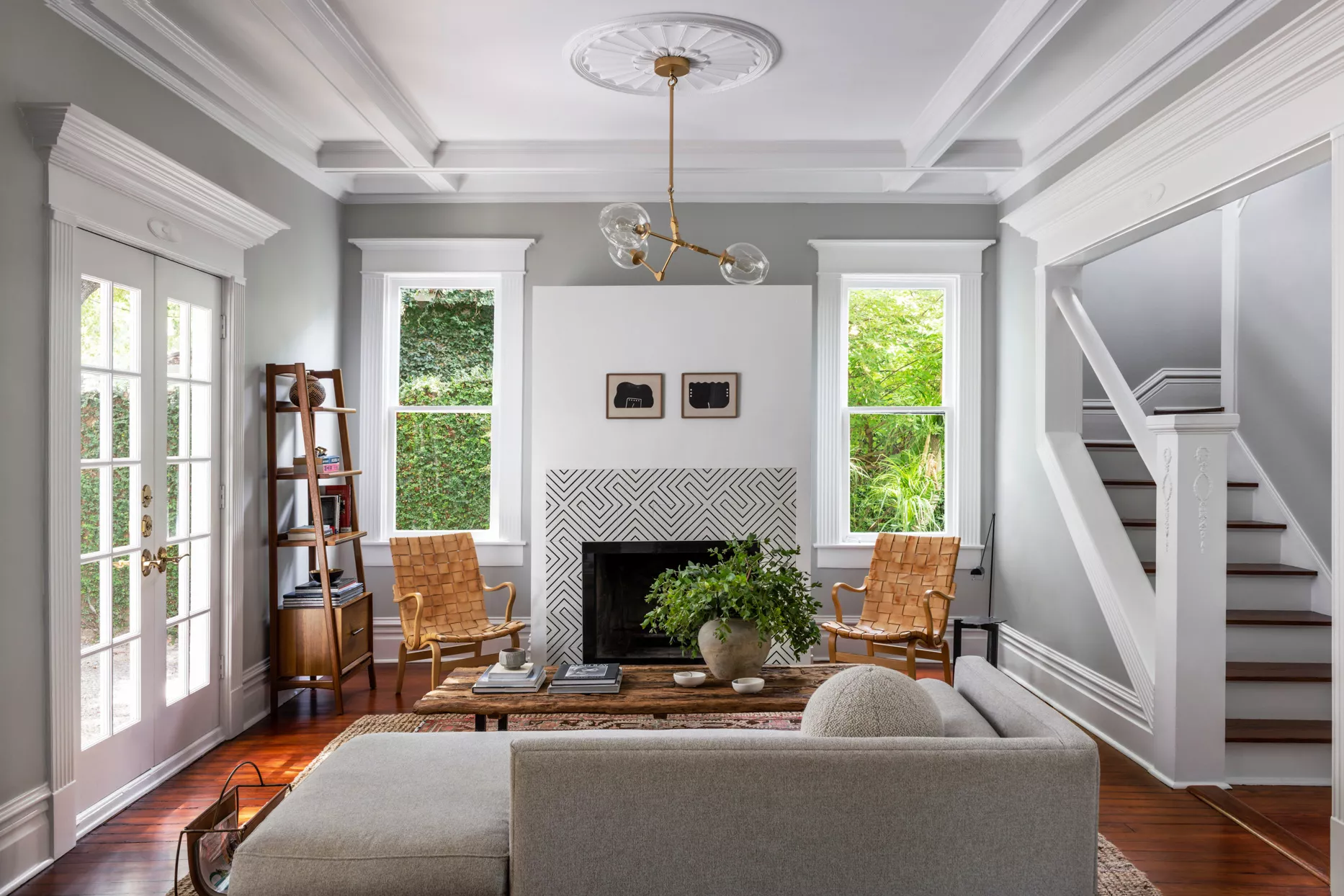
14 Genius Painting Tricks That Will Make a Room Look Bigger
10 ways to transform your home with just half a pot of paint

How to Pick the Best Paint Colors for Every Space in Your Home

These Easy DIYs Prove That Paint Can Transform Any Room Without Breaking the Bank

8 Expert Tips for Styling Surfaces in Every Room

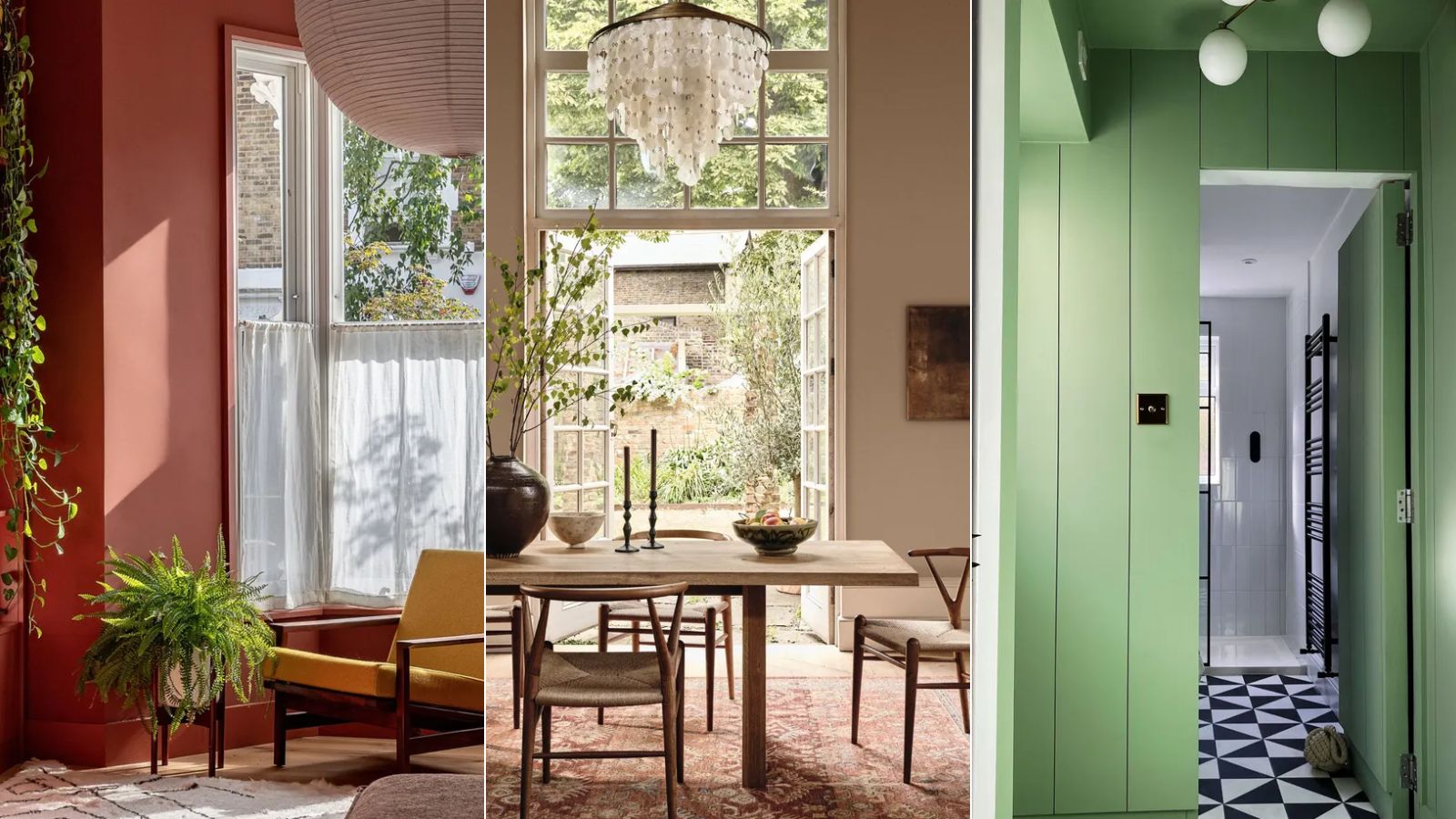
Color drenching has never been simpler with this color expert's one-paint-finish approach for the whole room
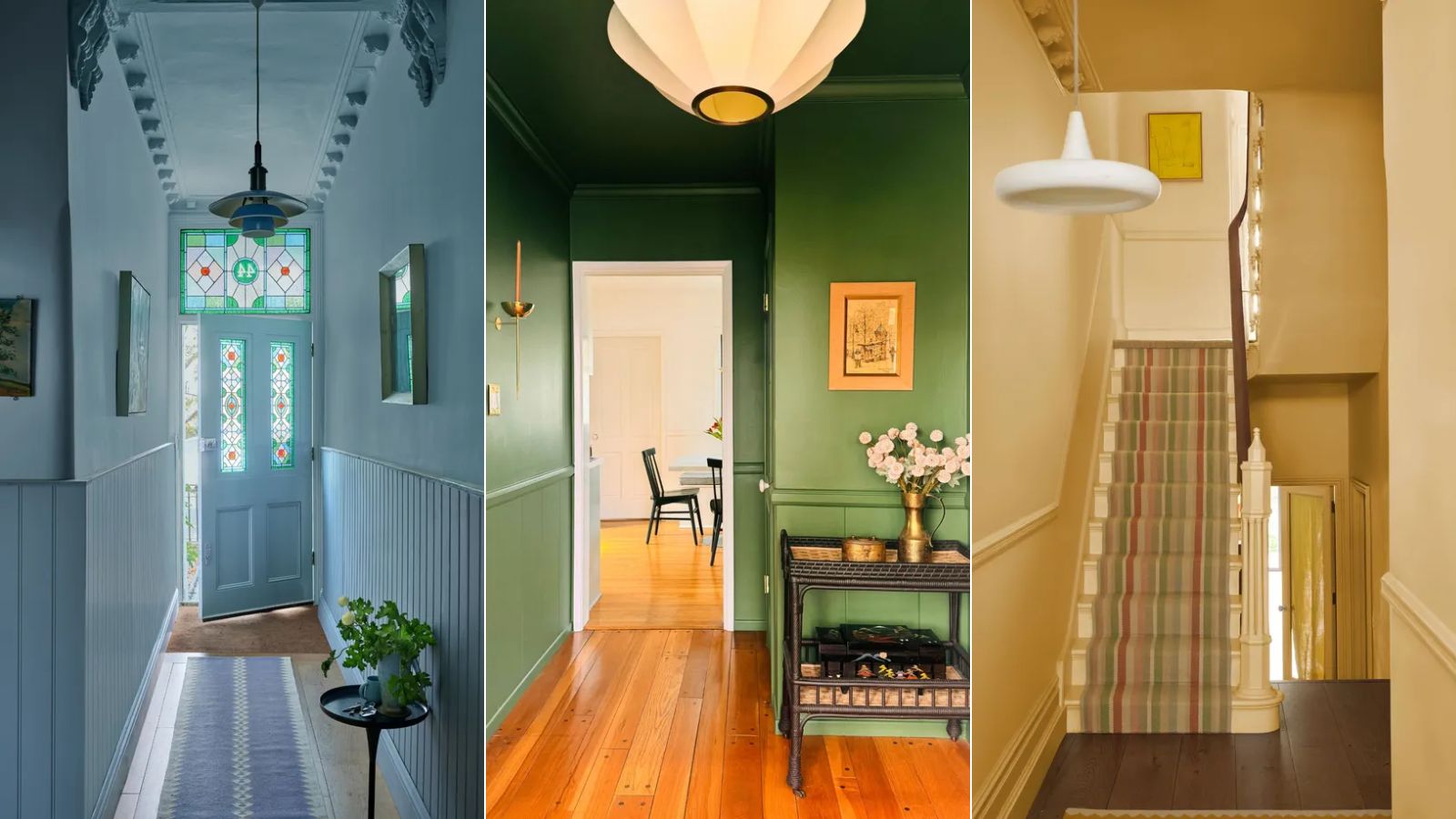
If you color drench any room make it this one
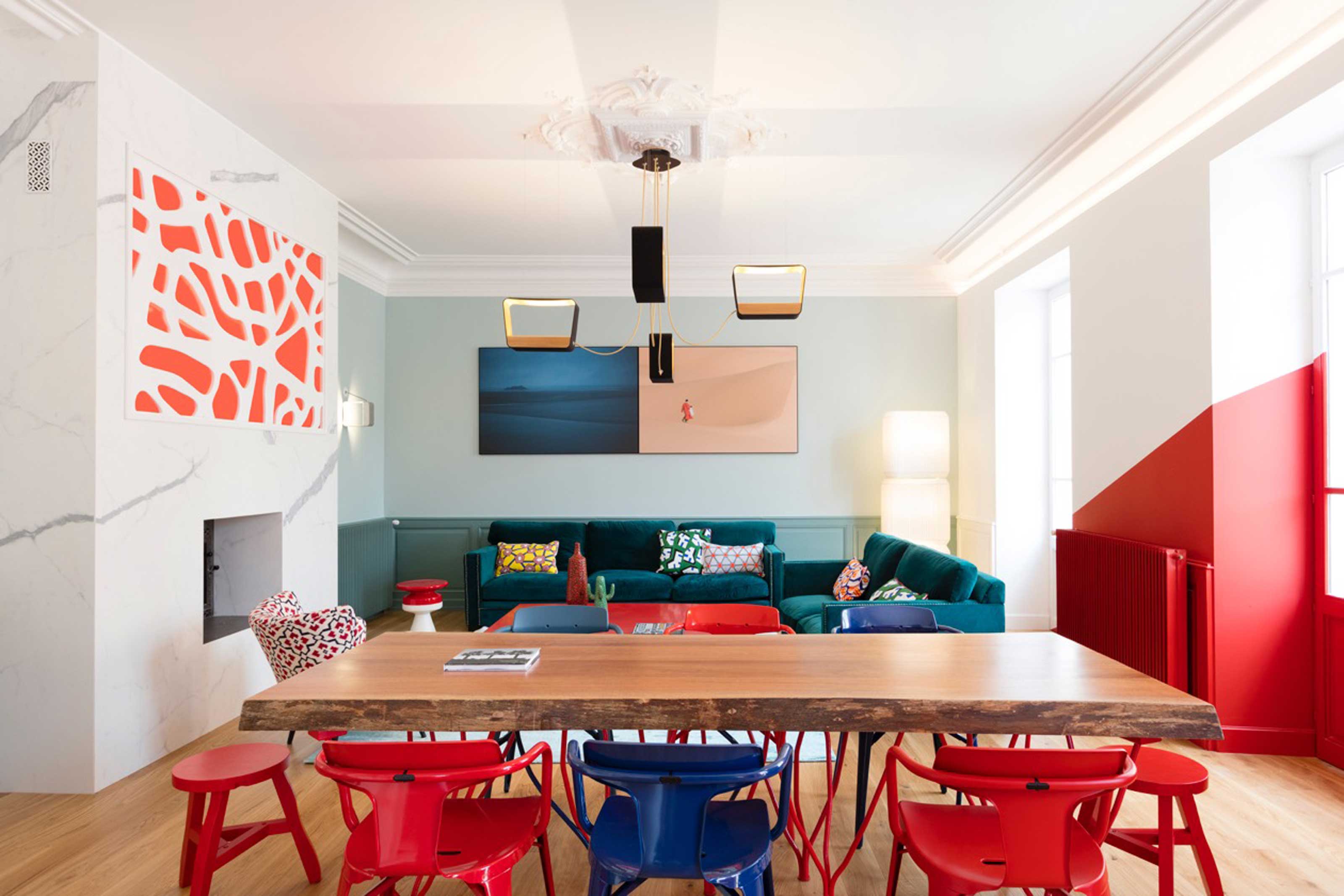
How to use paint to change the size and shape of your room
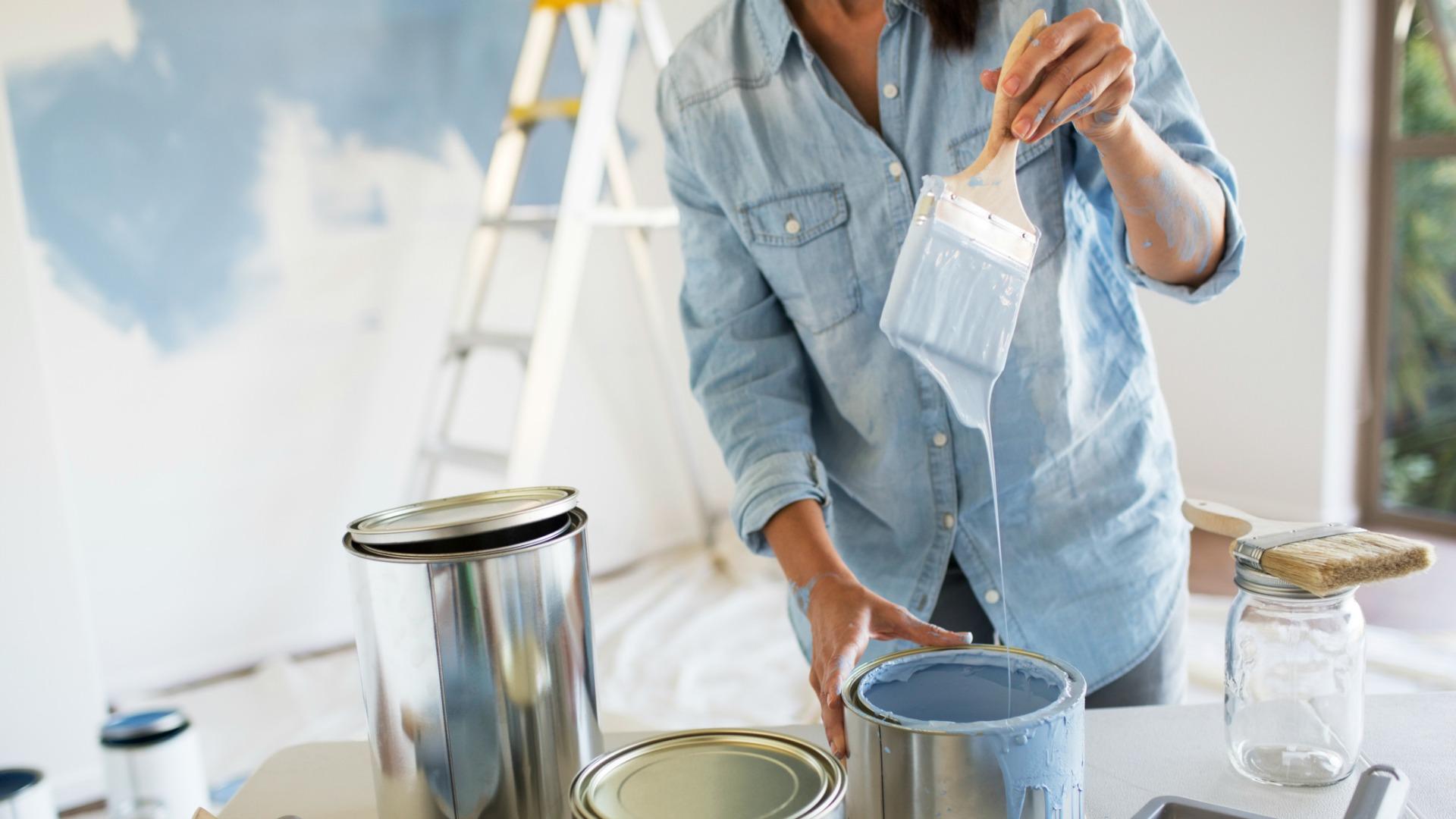
These hacks are all you'll need for your next home painting project

Understanding paint finishes

14 Genius Painting Tricks to Make a Room Look Bigger