5 Reasons You Should Think Twice Before Painting Brick, Pros Say
Brick is a design element that offers timeless appeal and distinctive texture, creating a dynamic interplay of light and shadow. However, homeowners sometimes consider painting brick surfaces when they find the natural ruddy tones clash with their interior design or simply tire of the look. While staining is an alternative, painting is a common consideration. Before undertaking a brick painting project, experts advise careful consideration of several factors to avoid potential pitfalls and ensure a successful, lasting result.
One critical aspect to assess is the condition of the brick and its mortar or grout. Paint can exacerbate existing damage by trapping moisture, leading to decay. Visible signs of deterioration such as cracks, chipping, or flaking indicate that painting should be avoided until these issues are resolved. Applying paint to a compromised surface can worsen the damage and lead to premature paint failure, making it crucial to ensure the brickwork is sound and free of defects before proceeding.
Another indicator that painting should be paused is the presence of efflorescence. This appears as white powdery or chalky stains and streaks on the brick surface, a result of salt deposits forming when water is present. Unlike dirt, efflorescence cannot simply be washed away; it requires removal with a wire brush or similar tool prior to painting. Failure to remove these crystalline deposits means they will be trapped under the paint, leading to degradation of both the brick and the paint finish. Addressing efflorescence ensures proper adhesion and longevity of the paint.
Historical significance also plays a role in the decision to paint brick. If the brickwork is historic or possesses architectural importance, painting it can diminish its value and character. Covering original brick of an older home, a fireplace dating back centuries, or exposed brick walls in a converted historic building, can obscure intriguing history and potentially devalue the property. In such cases, alternative treatments like a grout wash are suggested to refresh the appearance without concealing its historical integrity. This allows for revitalization while preserving the unique character of the structure.
The surface sheen of the brick is also a significant factor. If the masonry has a gloss or sheen, it often indicates the presence of a protective or decorative glazing. Paint struggles to adhere properly to such surfaces, leading to issues like fading or peeling. While specialized primers or de-glossers might offer a solution, consulting an expert is recommended to assess the feasibility and appropriate approach. The general rule for painting any surface is to ensure it is sound, clean, dry, and dull to allow for optimal paint adhesion and durability.
Finally, extreme weather conditions can impact the suitability of painting exterior brick. In regions experiencing heavy rain or high humidity, painted brick may require frequent maintenance due to peeling, flaking, or fading. If painting is still desired in such environments, it is essential to use permeable primers and paints specifically formulated for brick. These 'breathable' paint systems allow moisture to escape, preventing blistering and peeling that can occur when moisture is trapped beneath the surface. Considering these five expert-backed reasons helps homeowners make informed decisions about painting brick, ultimately preserving the material and ensuring a lasting finish.
#BrickPainting #HomeImprovement #MasonryMaintenance #InteriorDesign #ExteriorDesign #DIYHome #ArchitecturalPreservation #PaintTips #KerrieKellyStudio #BrickPainting #HomeImprovement #MasonryMaintenance #InteriorDesign #ExteriorDesign #DIYHome #ArchitecturalPreservation #PaintTips #KerrieKellyStudio
0 comment in total
 No comments yet
You may also like

8 Exterior Brick Paint Color Ideas To Transform Your Home

Nexus Designs curates eight ‘styles’ for PGH Bricks and Pavers

These Master Tips Will Help You Avoid Choosing The Wrong Type Of Paint
5 Painting Mistakes That Are Actually Ruining Your Projects, According to Reno Pros
The Number-One Rule of Decorating a Space With Exposed Brick

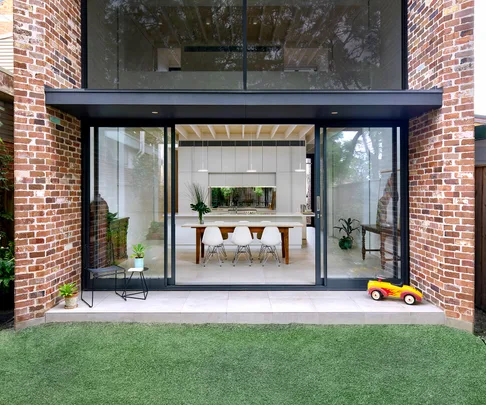
Statement bricks are the latest design trend


Spotlight: Wait for the just-right conditions before tackling any exterior painting and staining


When you should and shouldn't paint your ceiling, according to interior designers

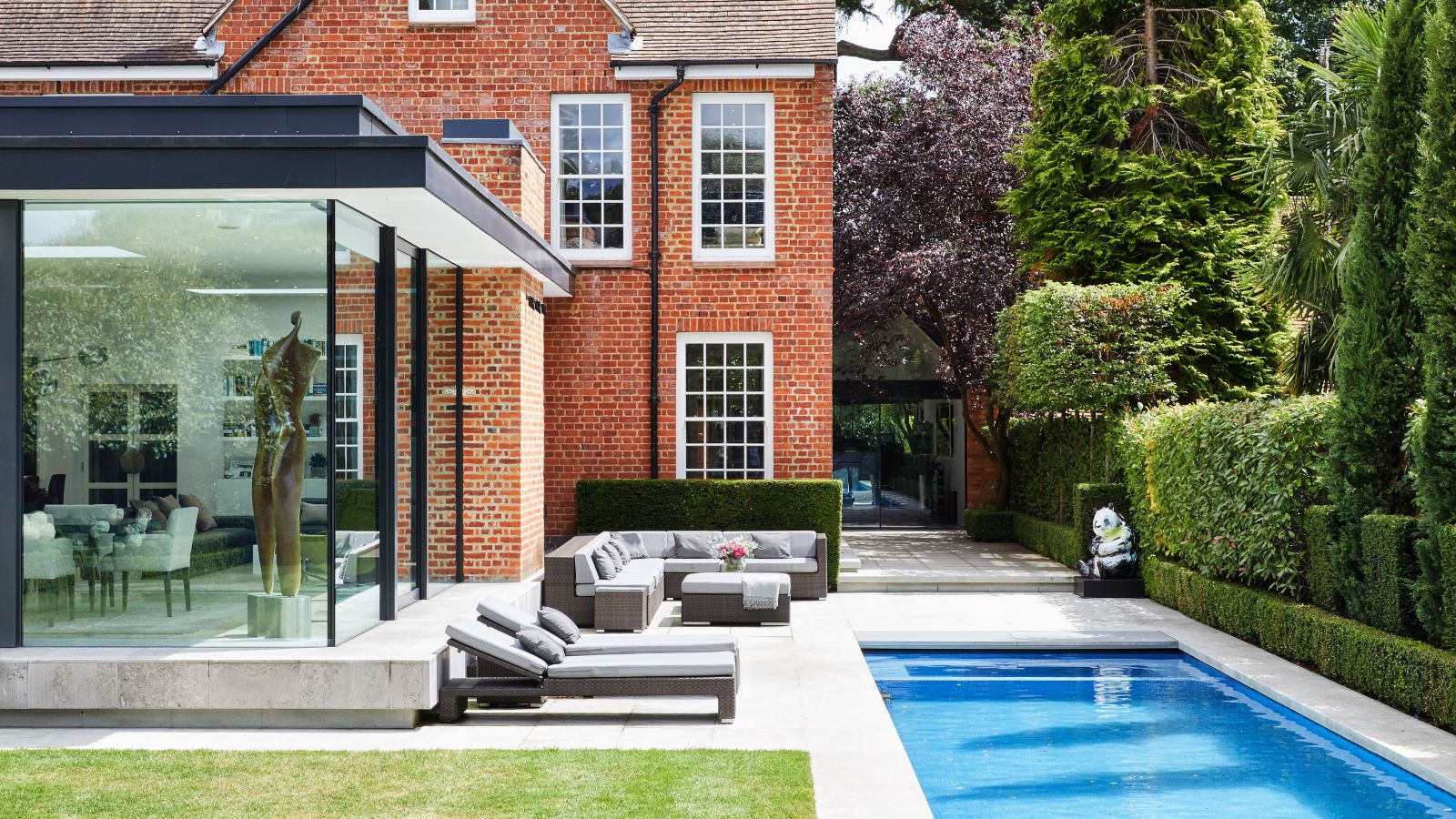
‘It’s a tough lesson to learn’ – brick homeowners must complete this outdoor maintenance task to avoid costly repairs and structural failure

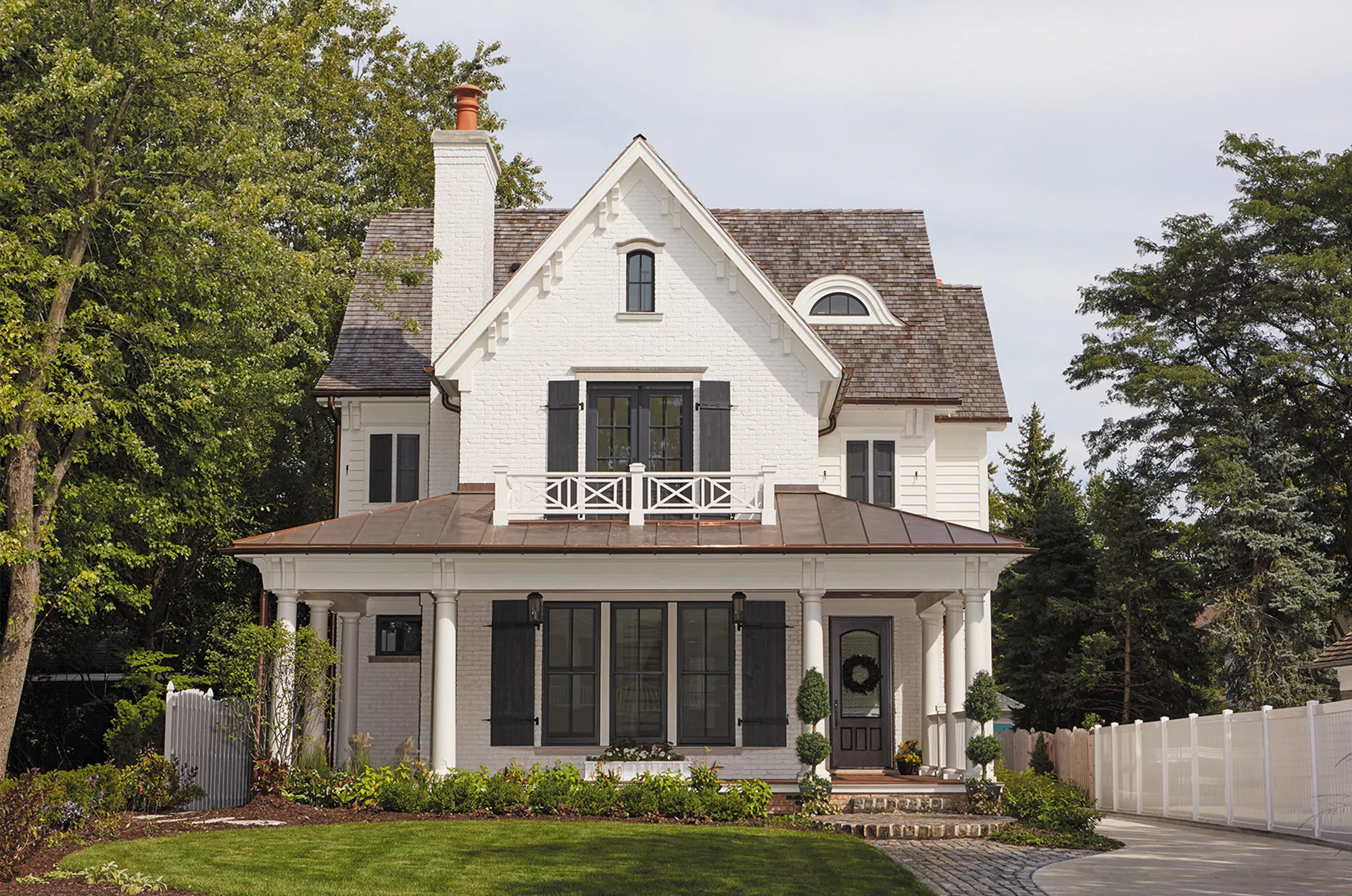
10 Exterior Brick Paint Color Ideas the Pros Swear By


4 Times Designers Say You Definitely Shouldn't Paint Your Walls and Ceiling in the Same Color

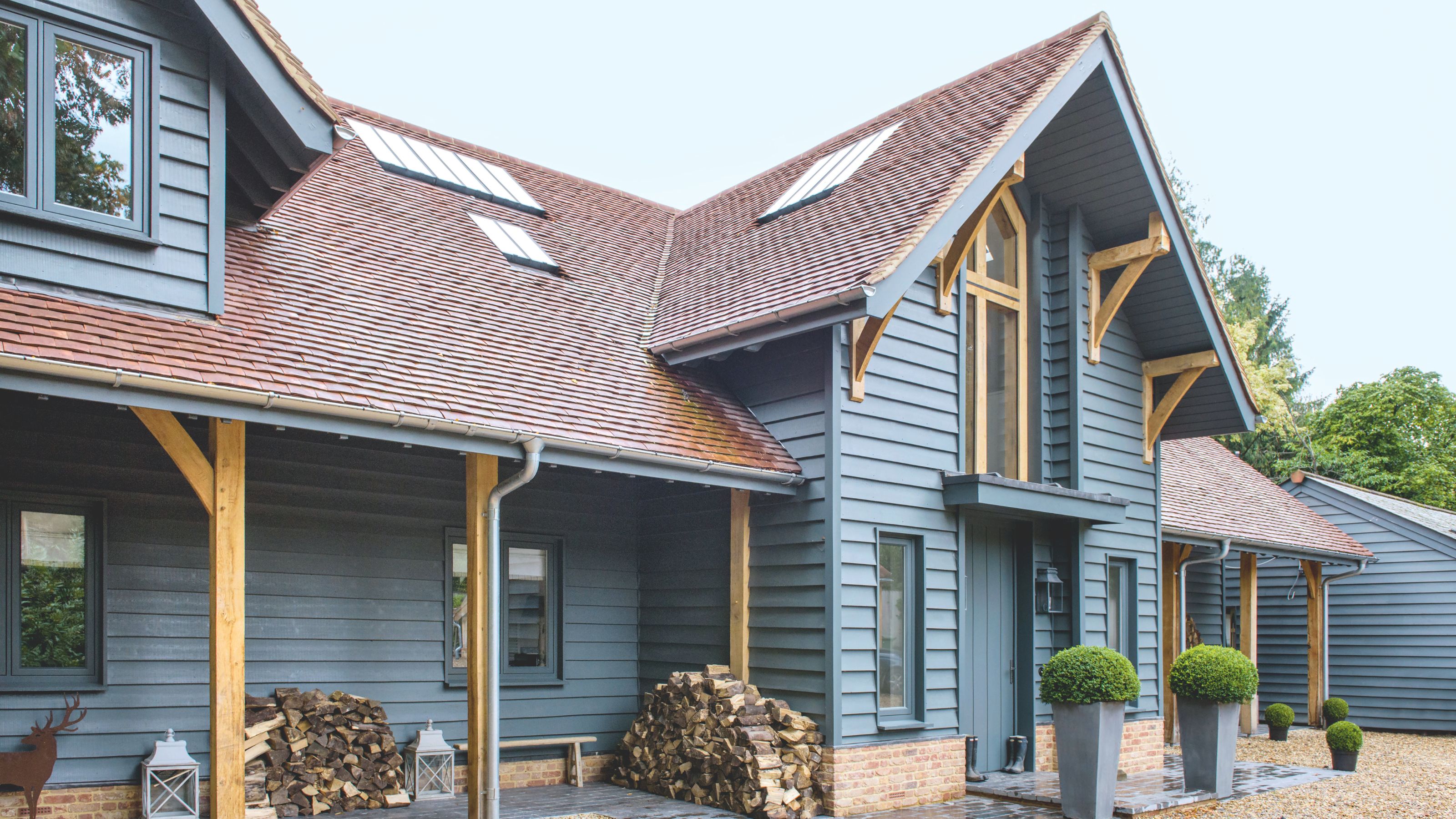
5 things to know before cladding your home's exterior

Painting Your Brick House Might Be Controversial, But It's Not Hard—How to Do It Right

3 Things To Consider When Painting With Bold Colors

Here's What Colorists Want You to Know About Picking House Paint

The Best Concrete Paints for Masonry Surfaces, Tested


BBB Tip: When to call a professional painter

10 baseboard painting mistakes to avoid – and what experts say to do instead

7 Paint Mistakes That Make Designers Instantly Cringe When They Walk Into Someone's Home

6 Paint Color Mistakes To Stop Making, According To Designers