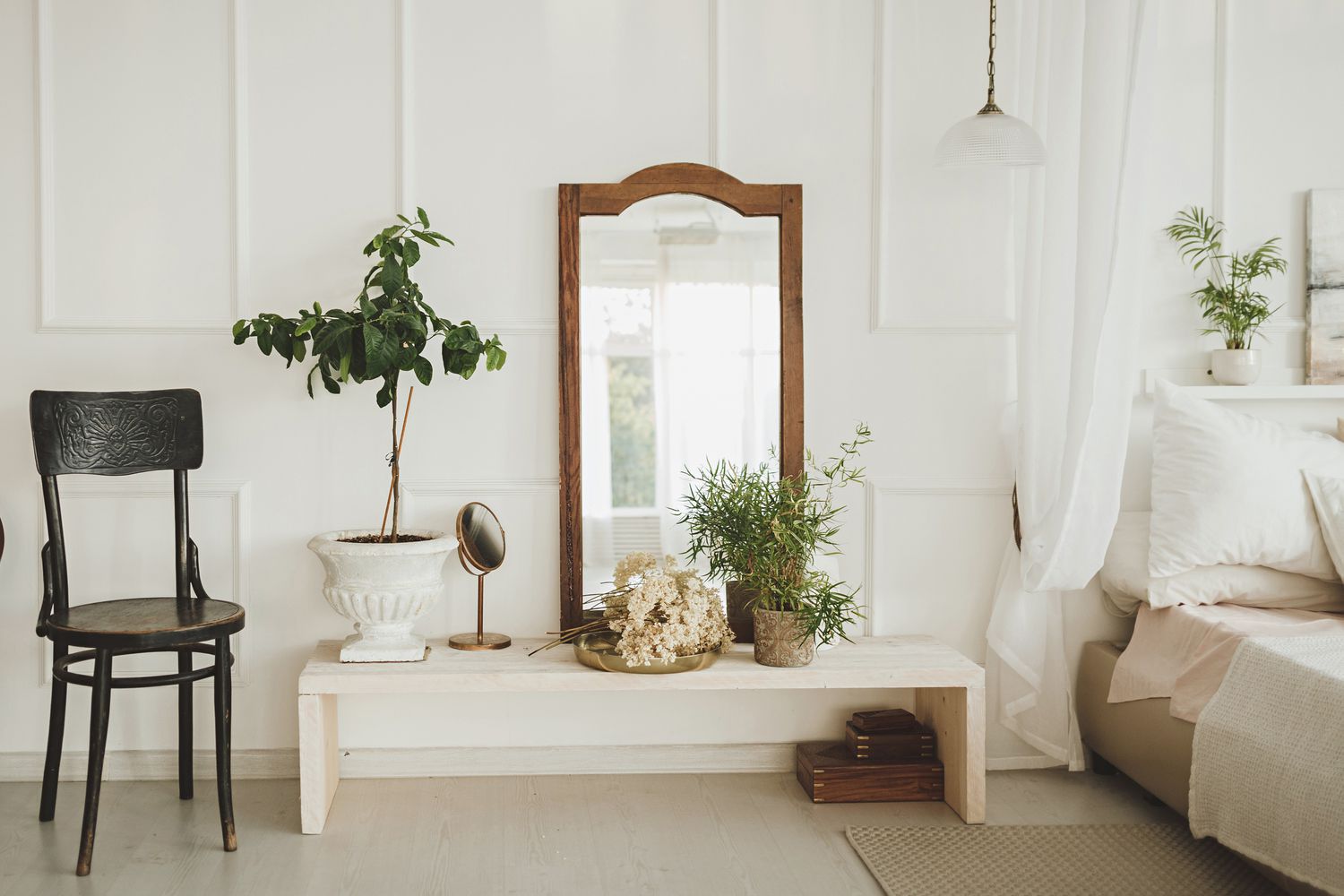
8 Ways to Make a Dark, Gloomy Room Feel Instantly Brighter
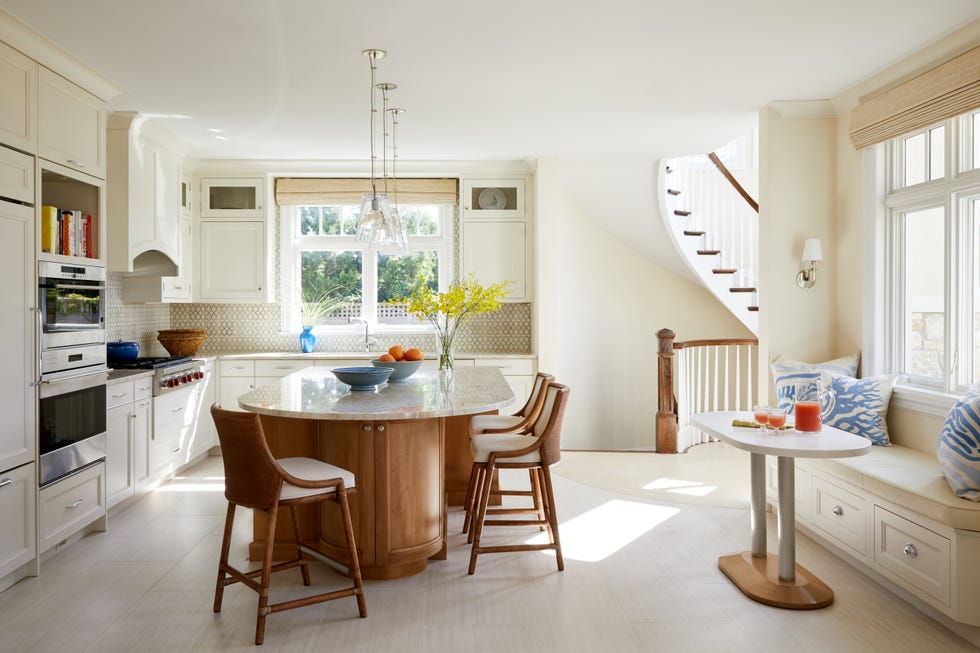
Many homes feature rooms that lack abundant natural light due to factors such as north-facing orientation, ground-floor location, or external obstructions like large trees or neighboring buildings. However, even in such challenging scenarios, it is possible to enhance the brightness and overall ambiance of these spaces. Interior designers offer several strategies to counteract the dimness and create a more inviting atmosphere.
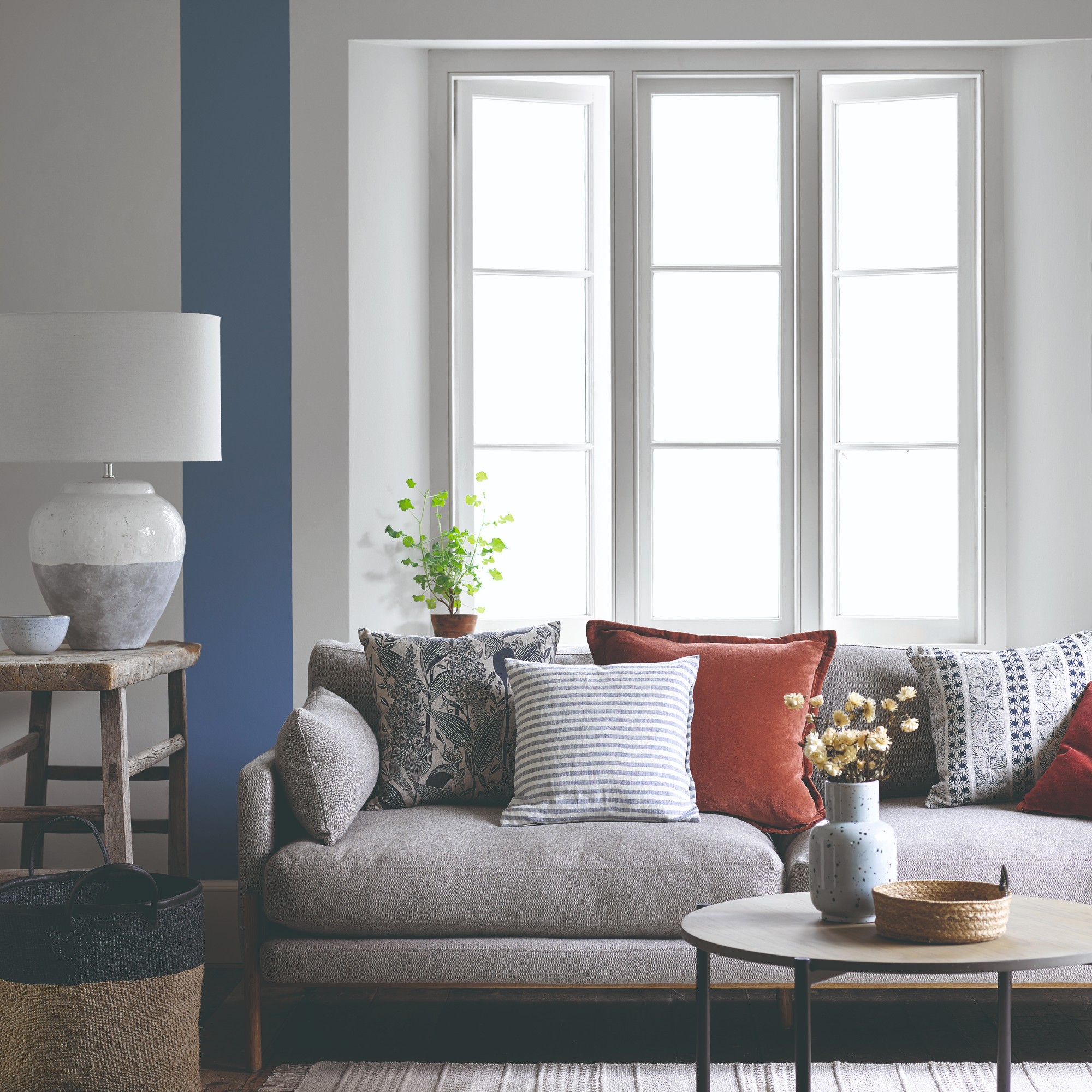
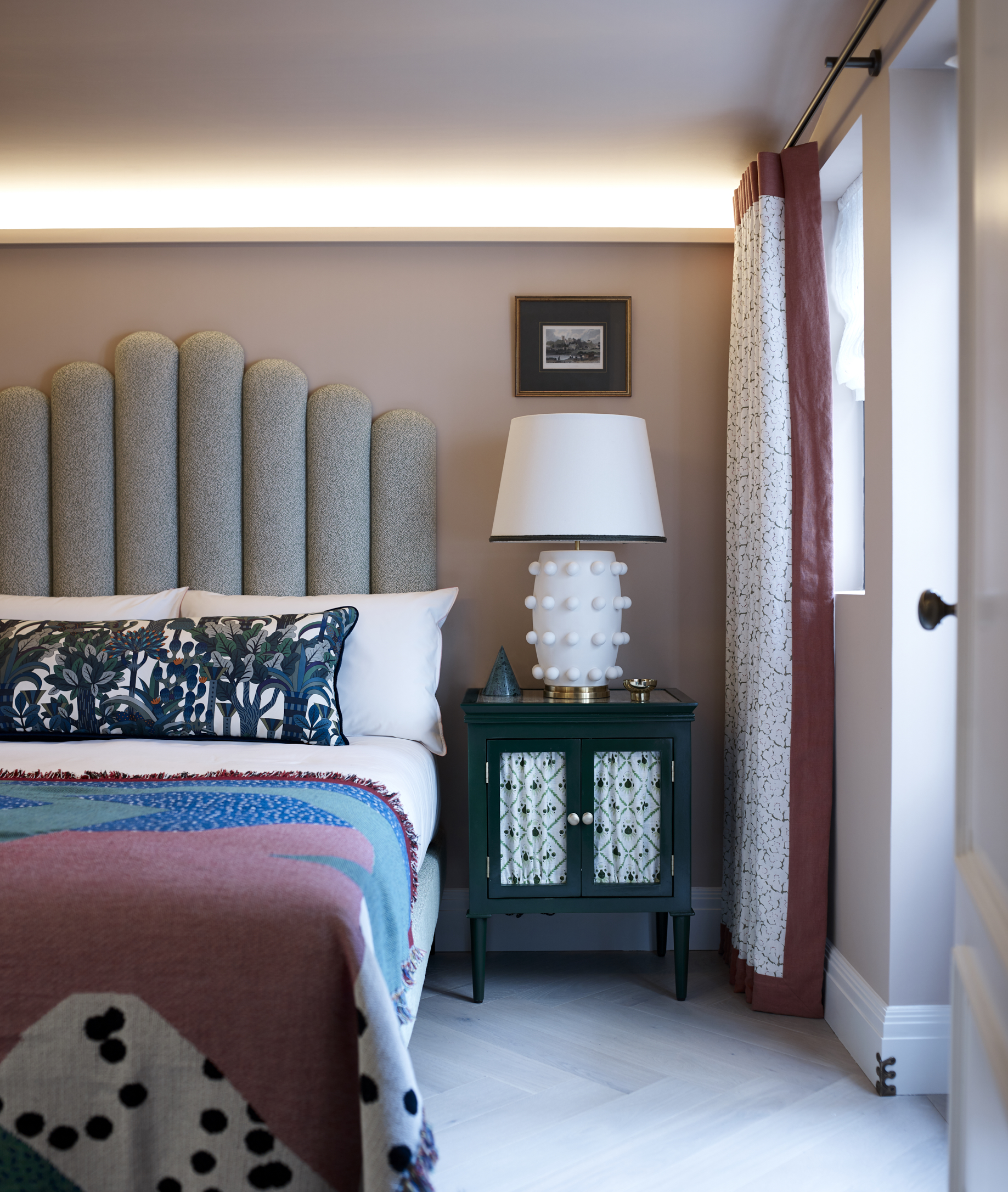
Maximizing the existing natural light is a primary step. This involves selecting appropriate window treatments, such as light, airy fabrics for drapery or shades that allow sunlight to filter through. Options like sheer drapes in white hues, particularly linen sheers, can soften windows and introduce texture. Avoiding heavy window coverings like wood shutters, which can reduce light ingress, is also recommended.
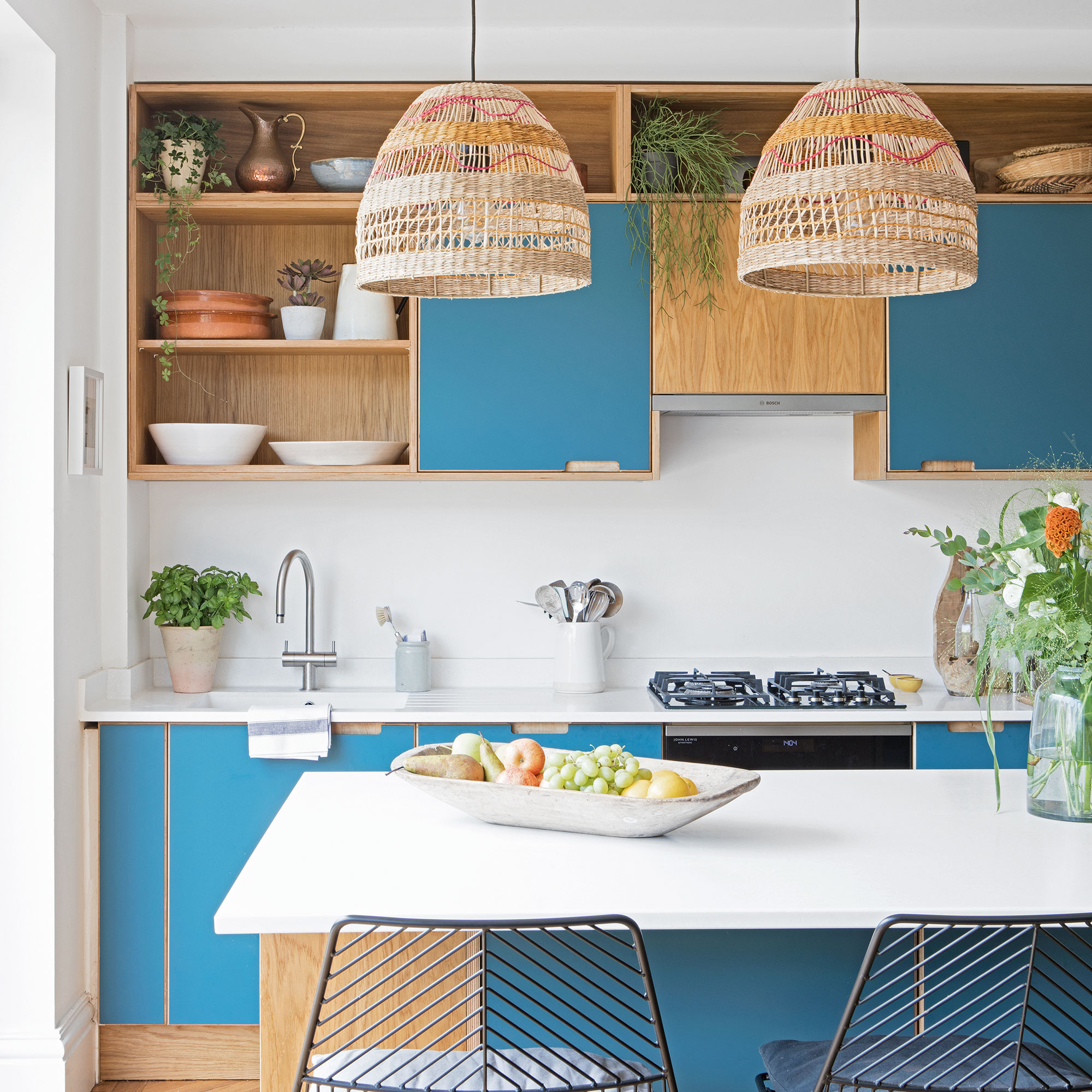
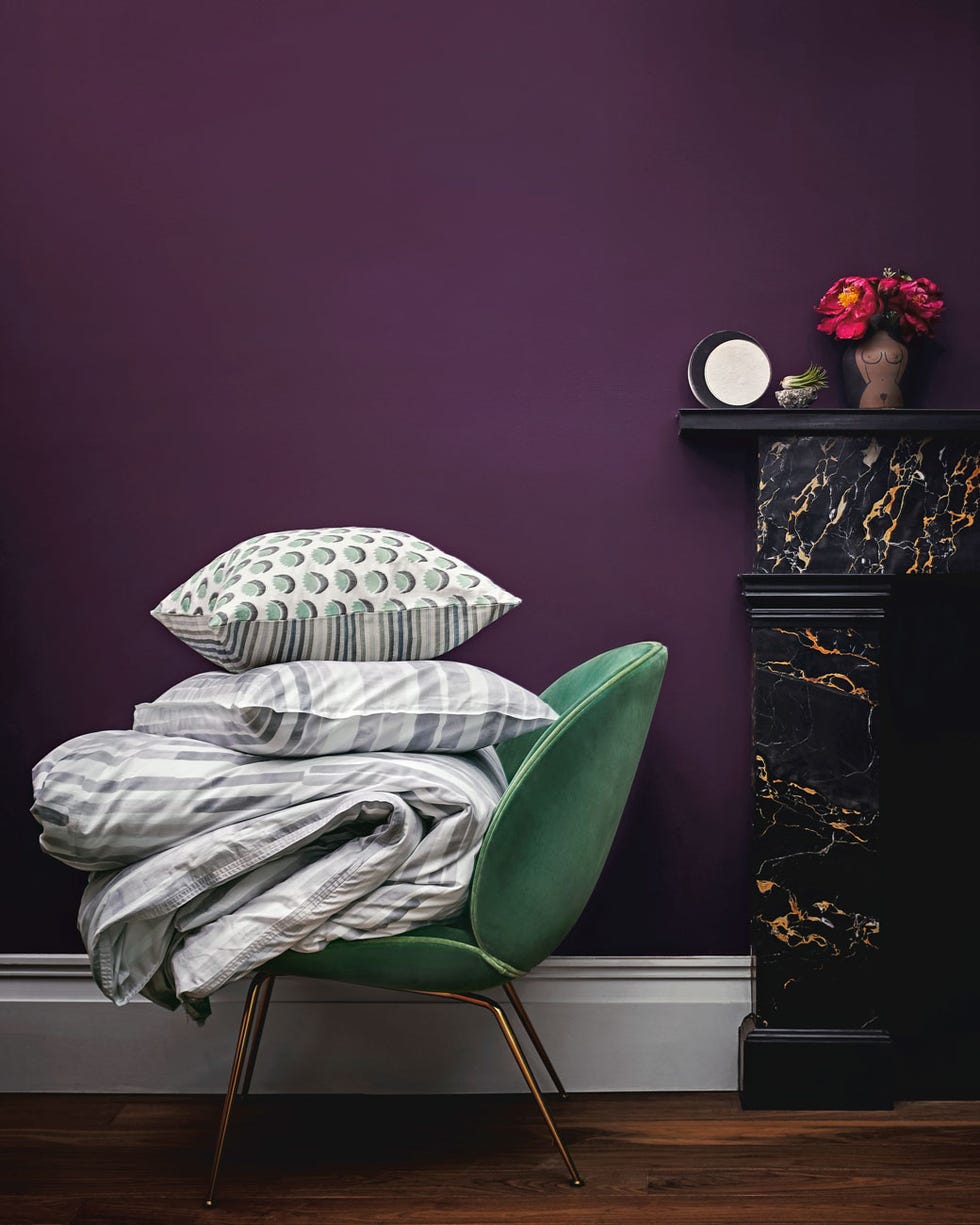
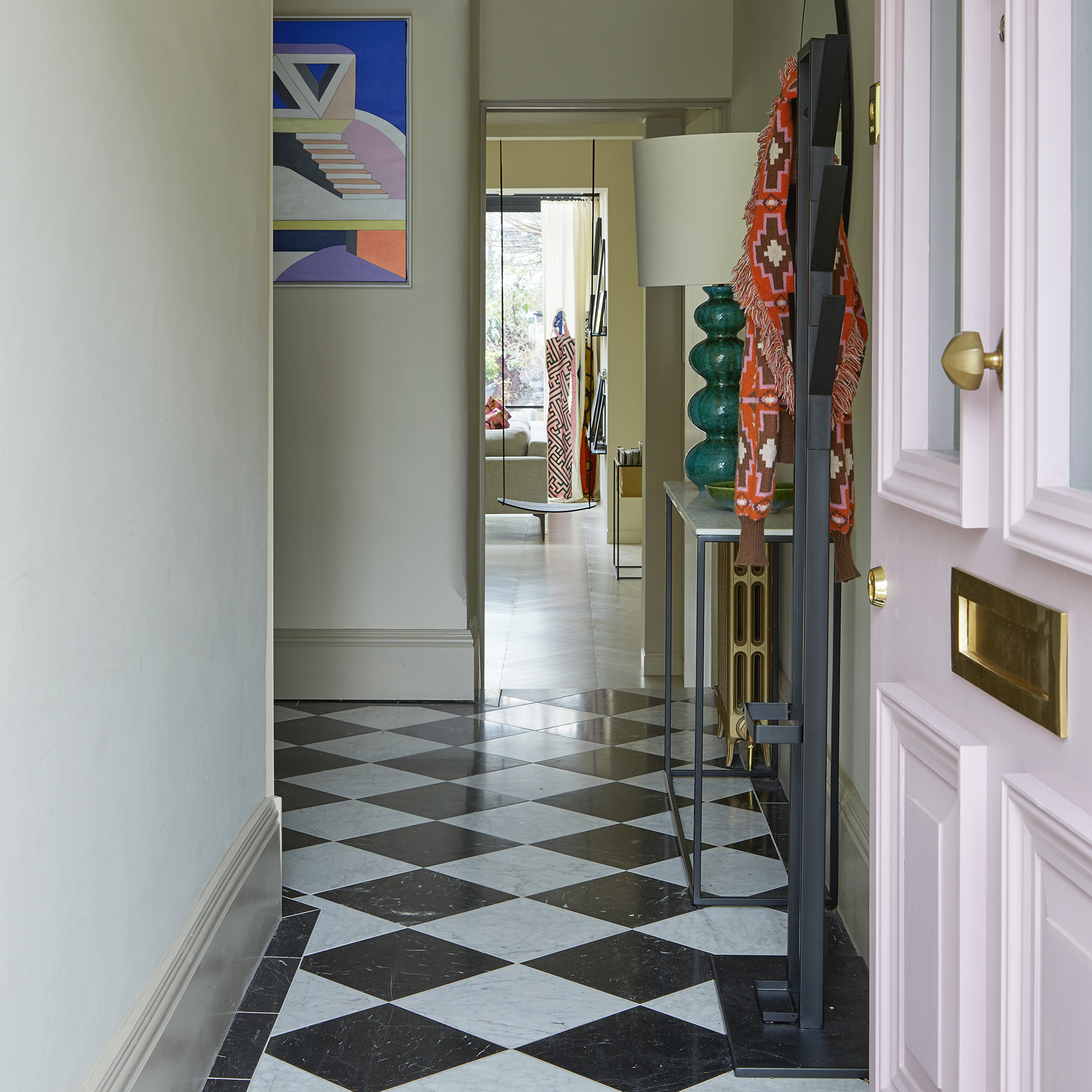
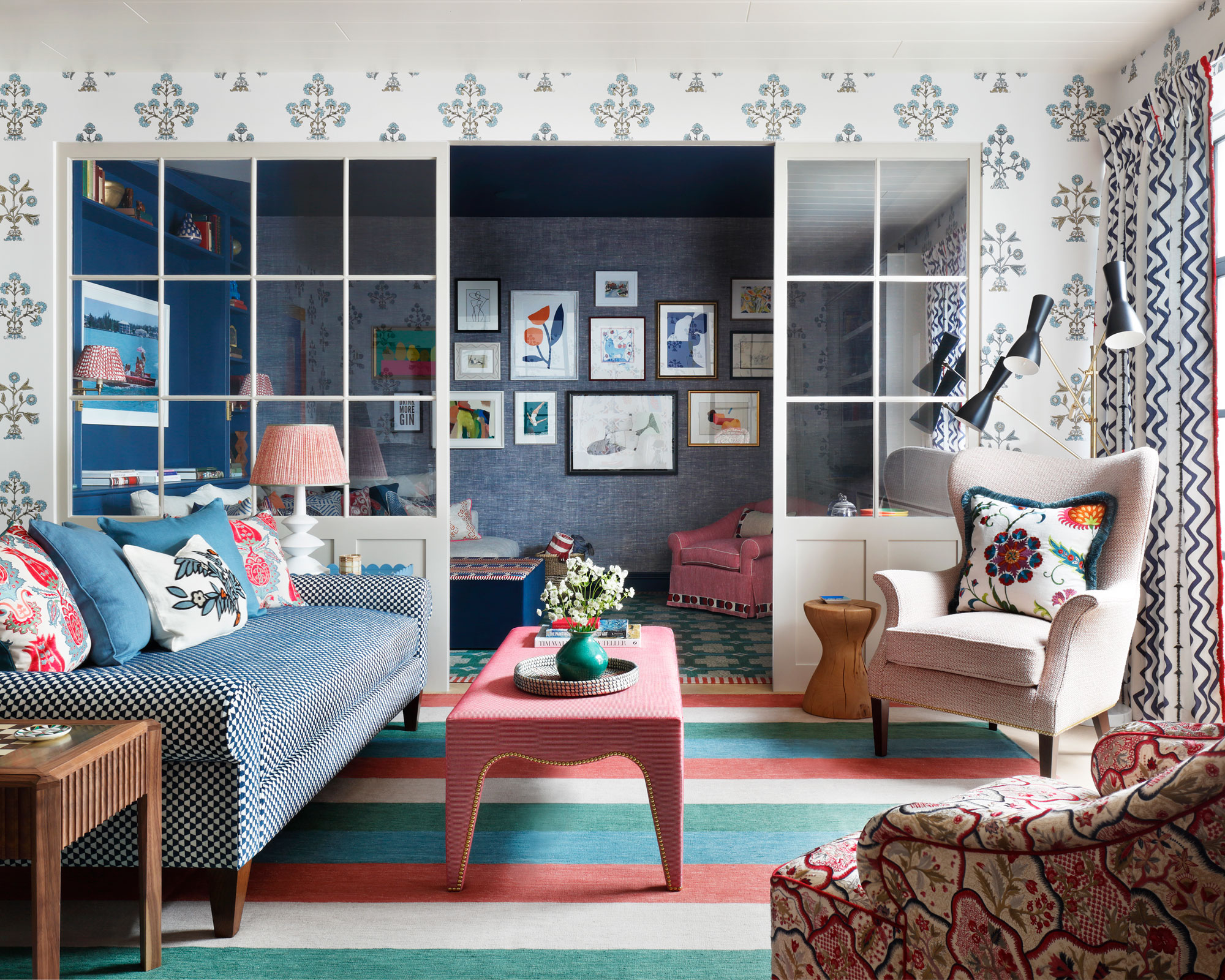
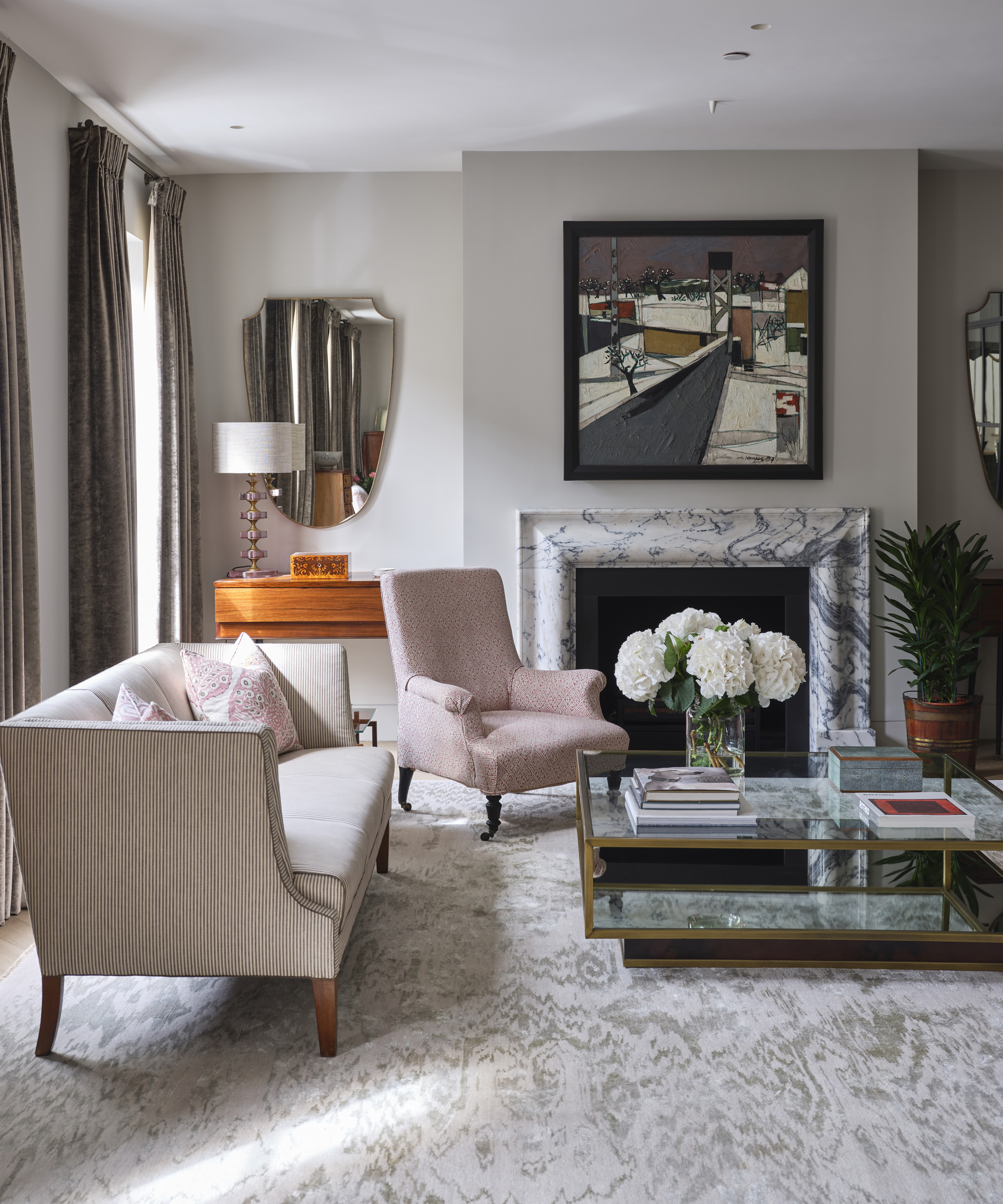
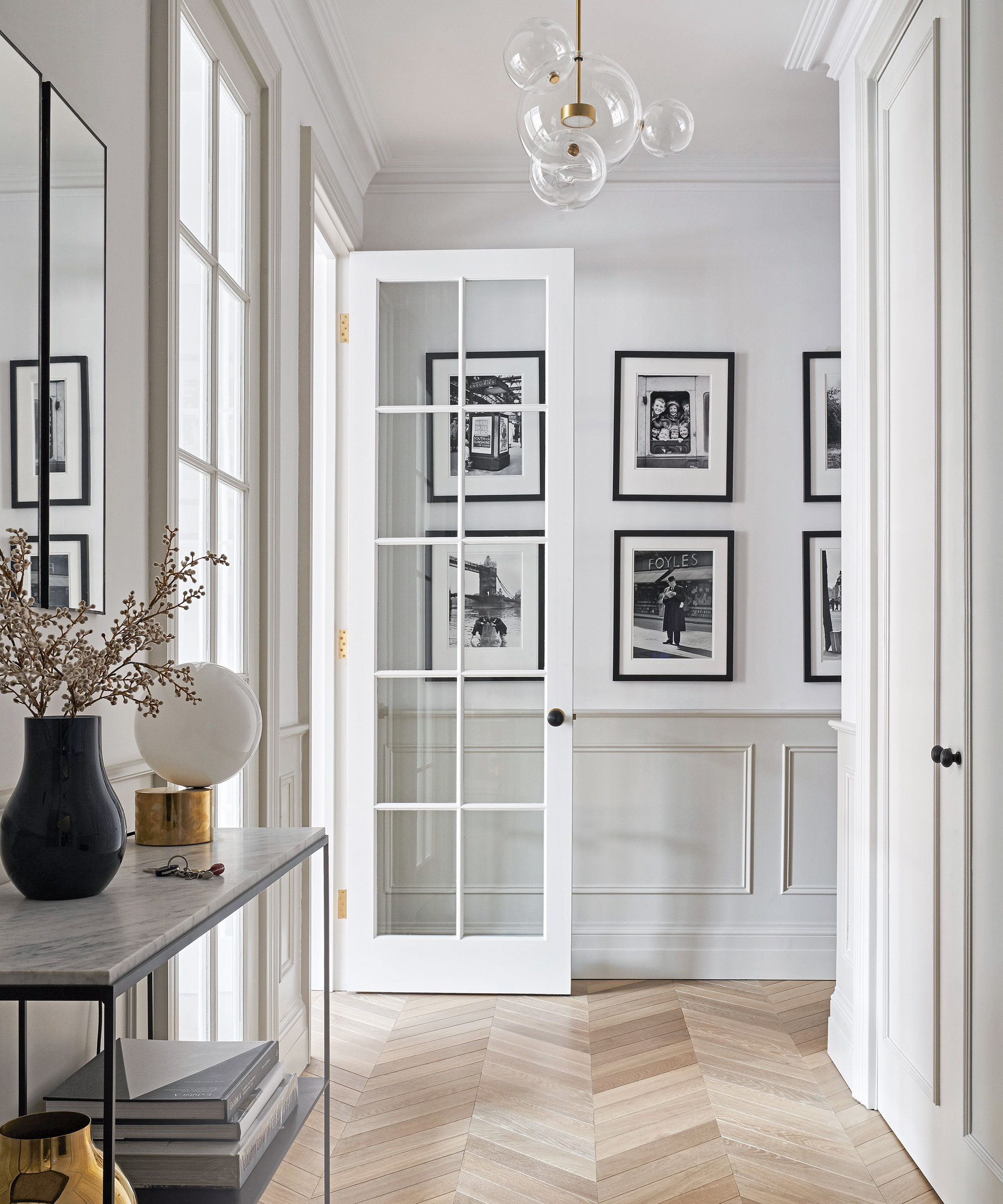
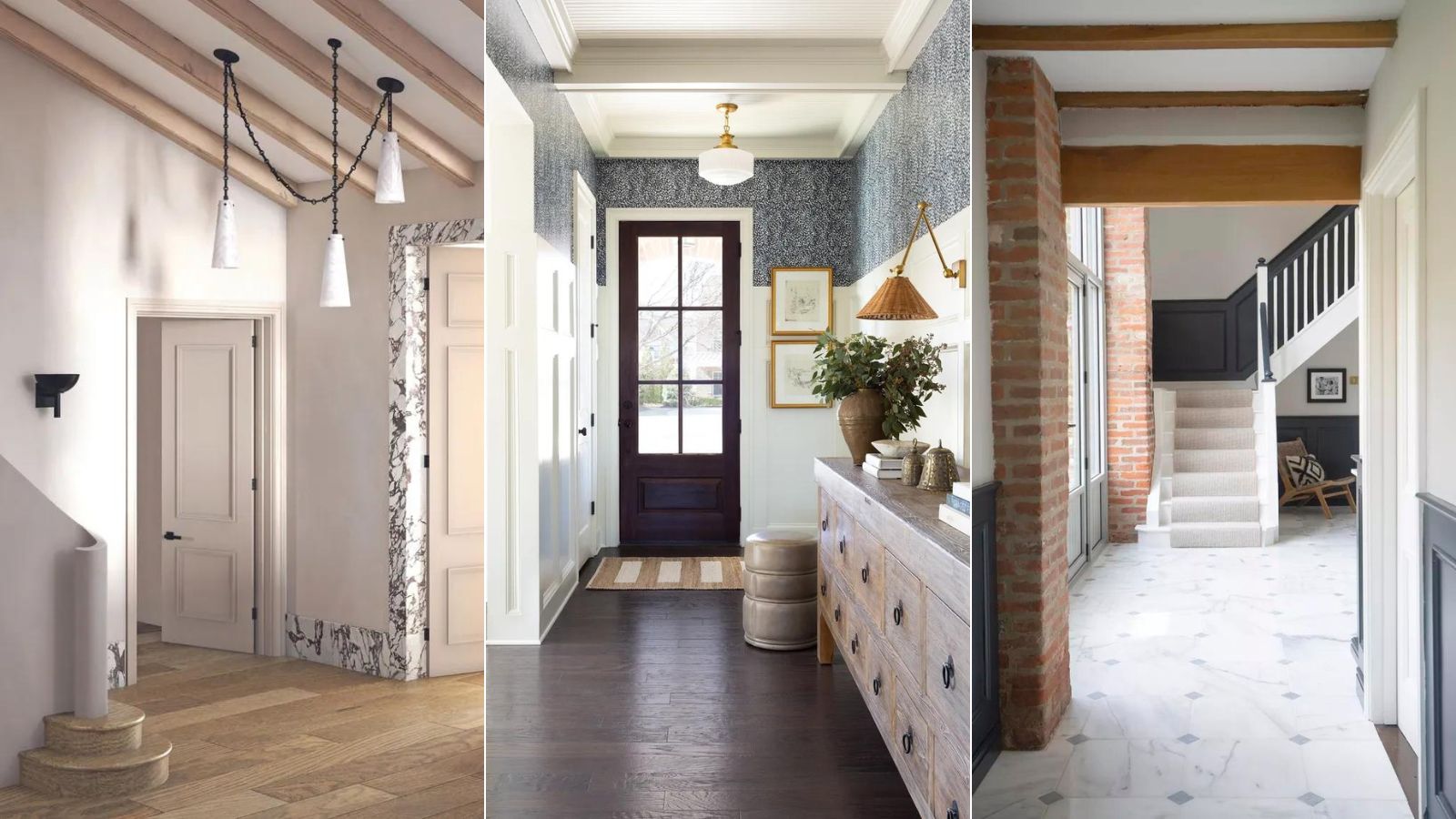
Choosing a simple and light overall color palette contributes significantly to brightening a room. A "less is more" approach to colors, augmented by textural elements such as plaster or lime-wash walls, can create depth and visual interest without overwhelming the space. Similarly, lighter flooring patterns, like herringbone, and subtle marble patterns for features like fireplace surrounds, can foster a holistic and visually appealing environment.
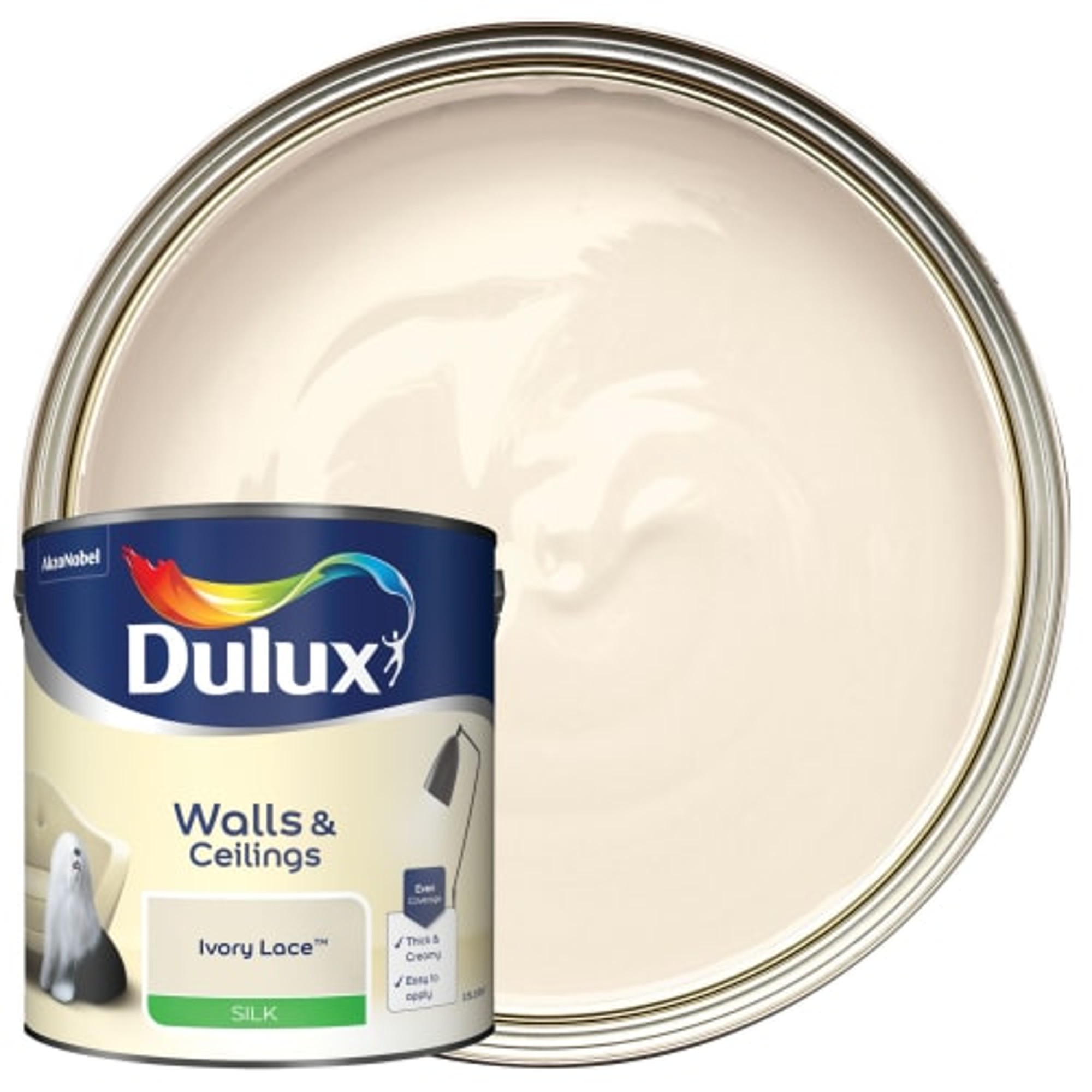
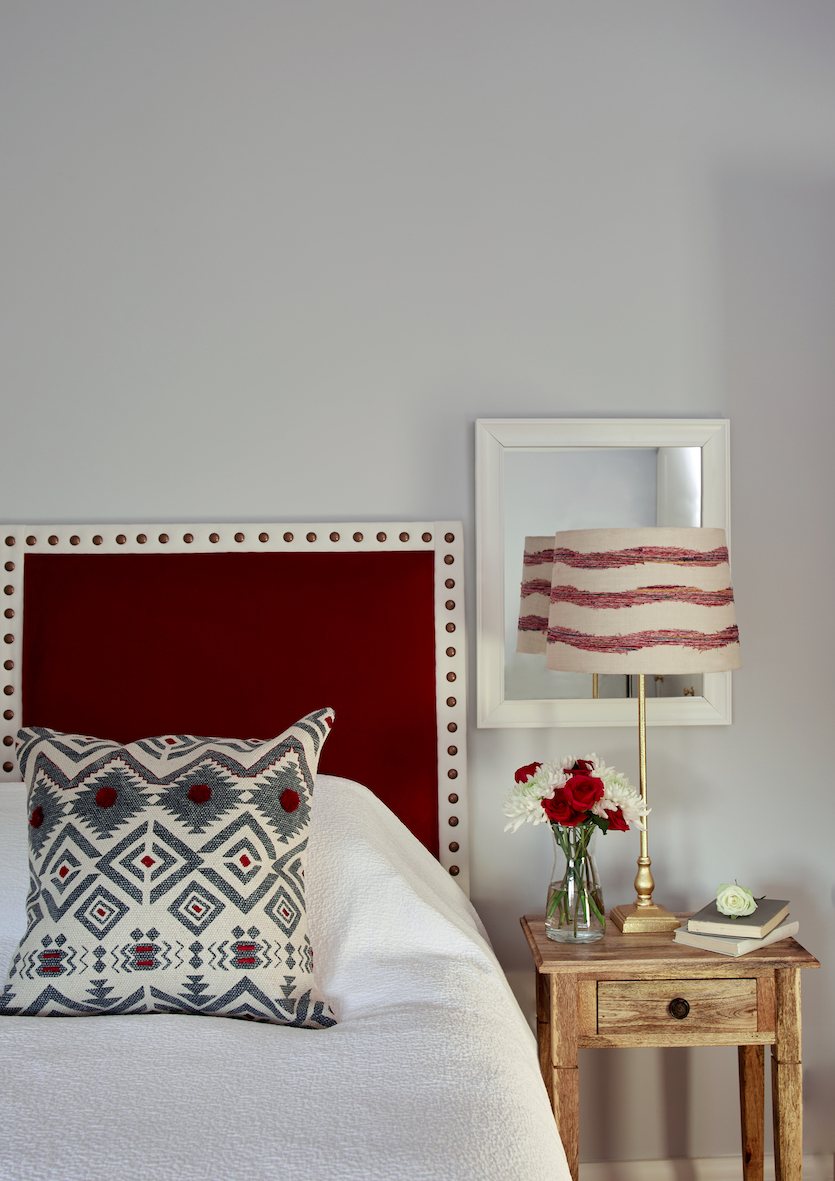
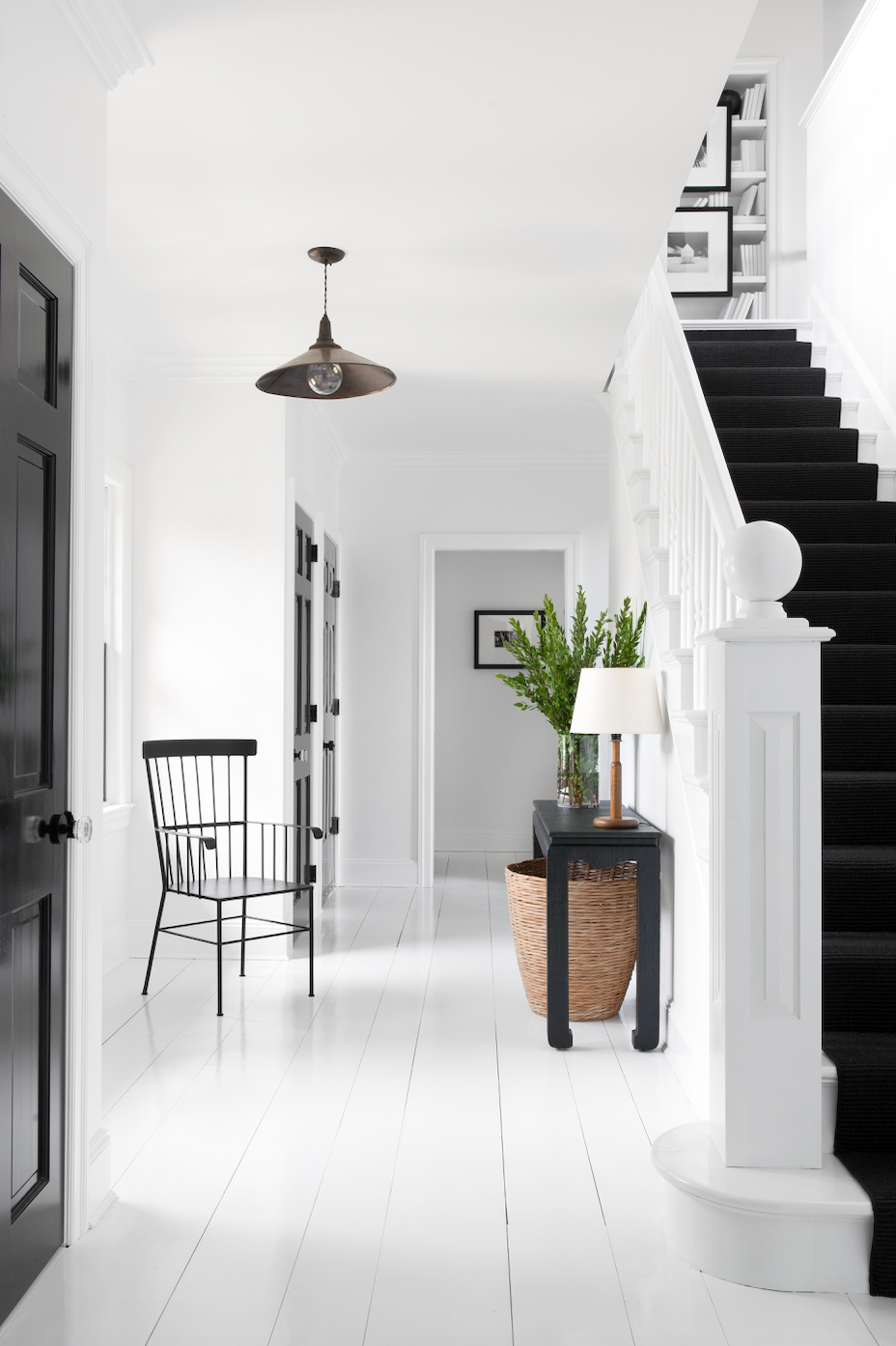
Painting walls with light, reflective colors such as soft whites or pale neutrals provides an airy foundation. If a full room repaint is not feasible, painting the ceiling white or surfacing it with warm wood can make a substantial difference, as dark ceilings tend to make rooms feel smaller. When selecting paint colors, the room's orientation is a critical consideration; for north-facing rooms with cooler, diffused light, paints with warm undertones, such as Benjamin Moore Alabaster OC-29, are effective in preventing the space from feeling cold or dull.
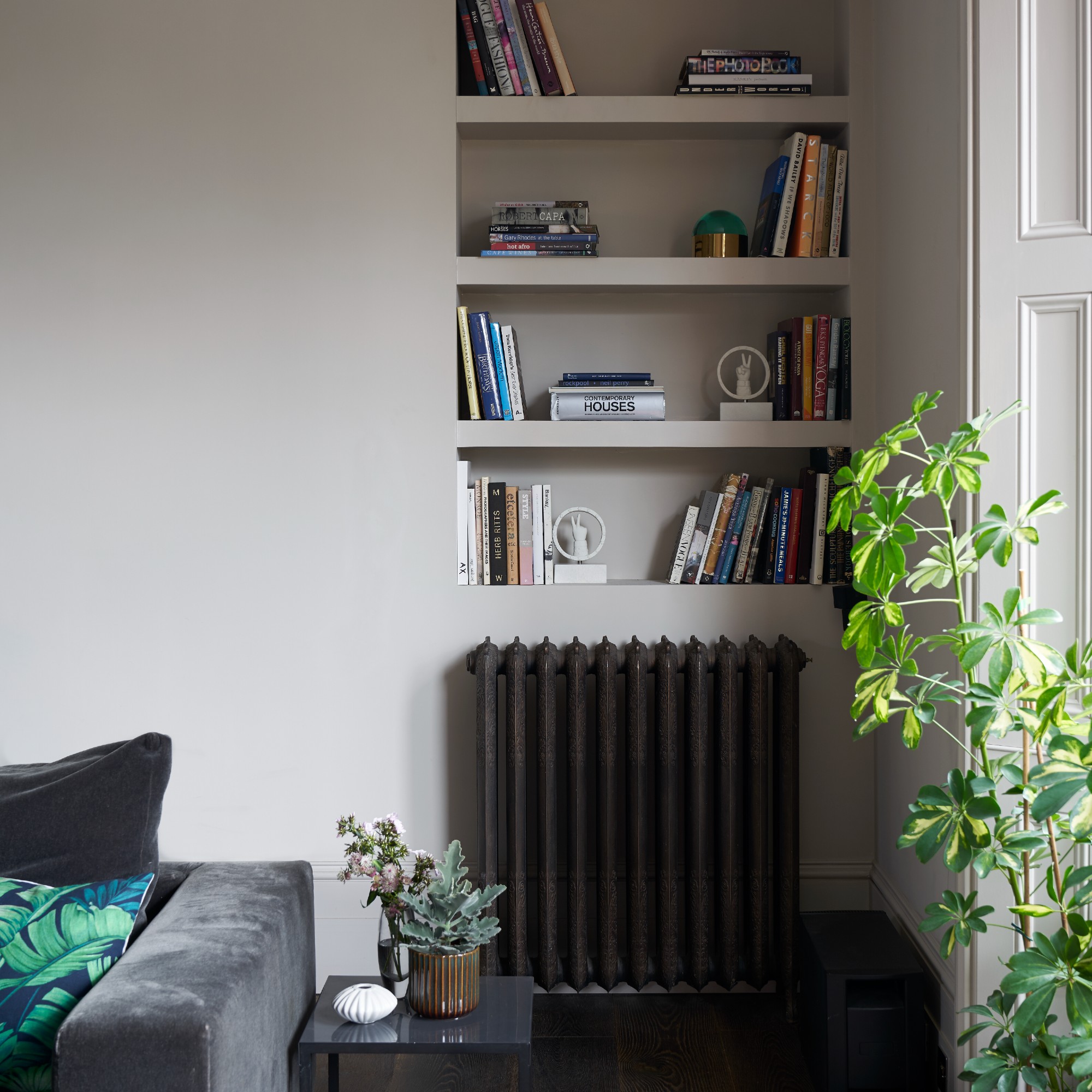
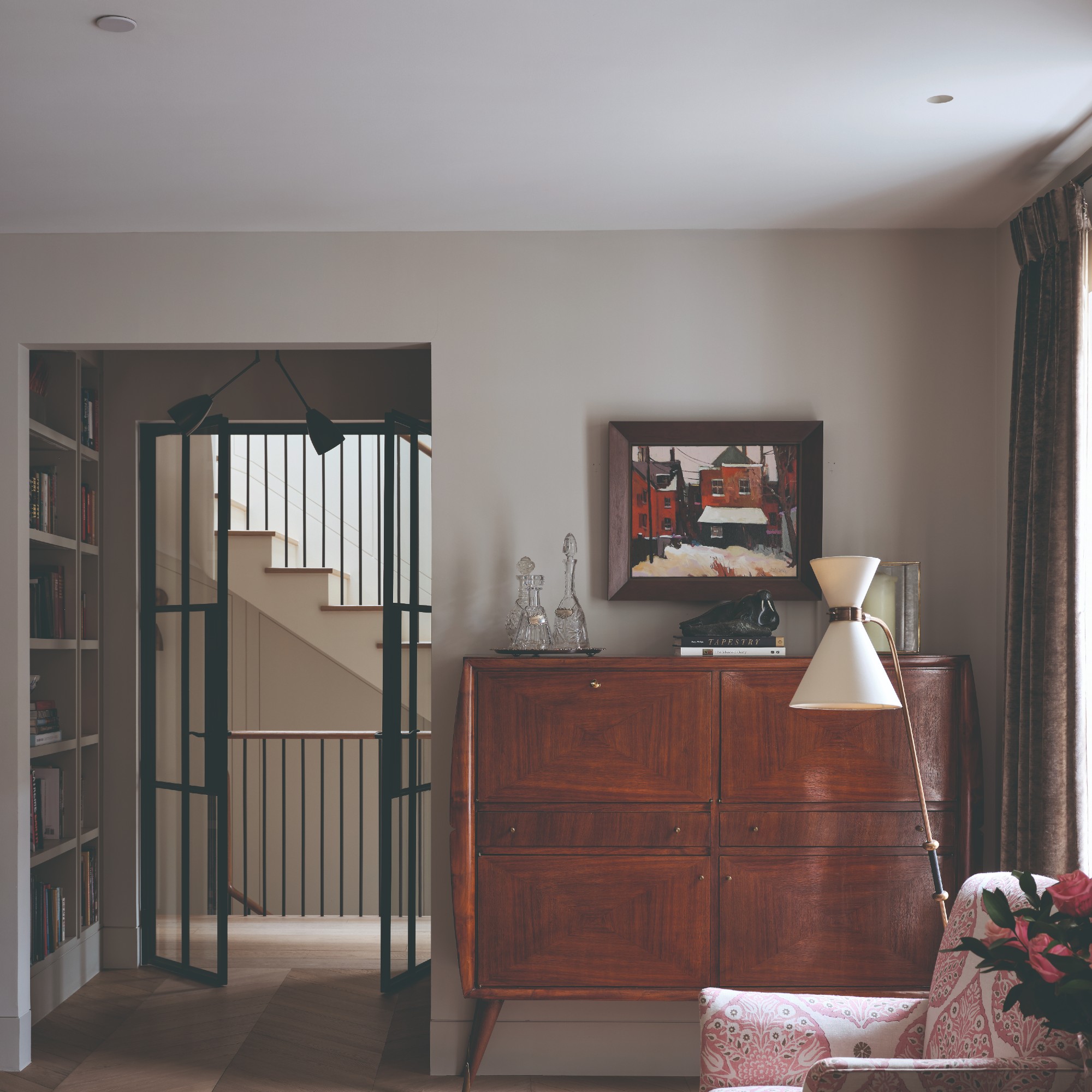
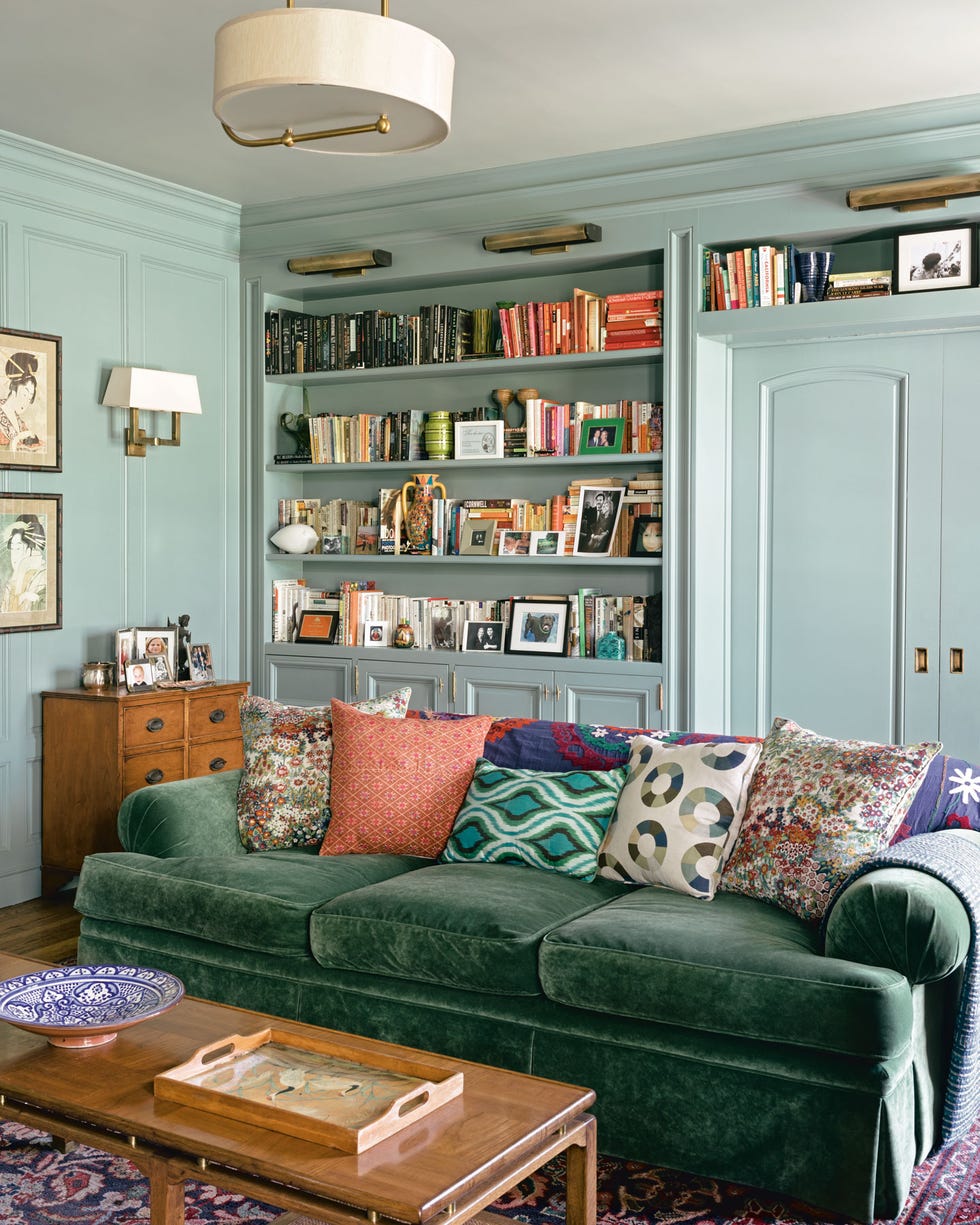
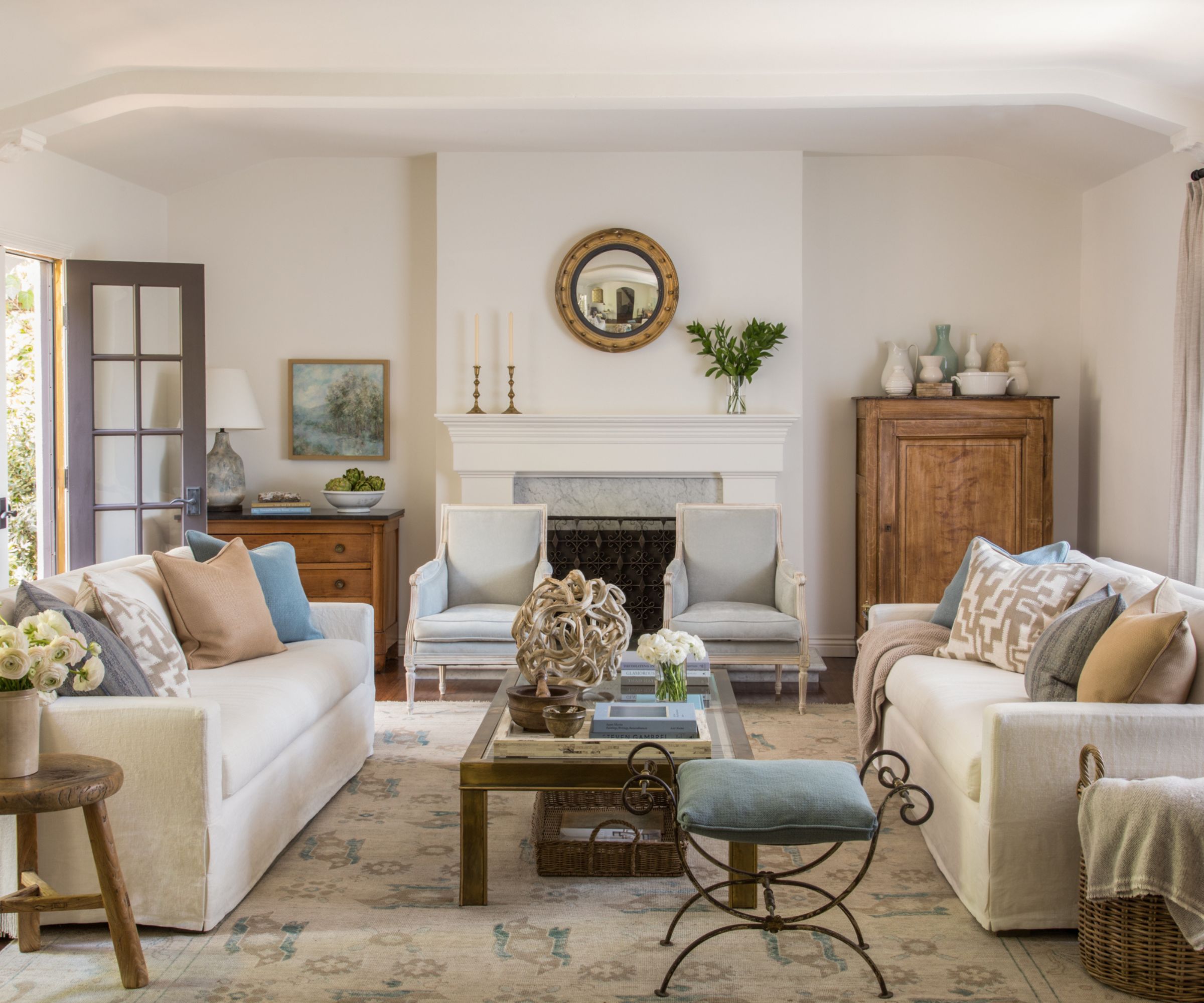
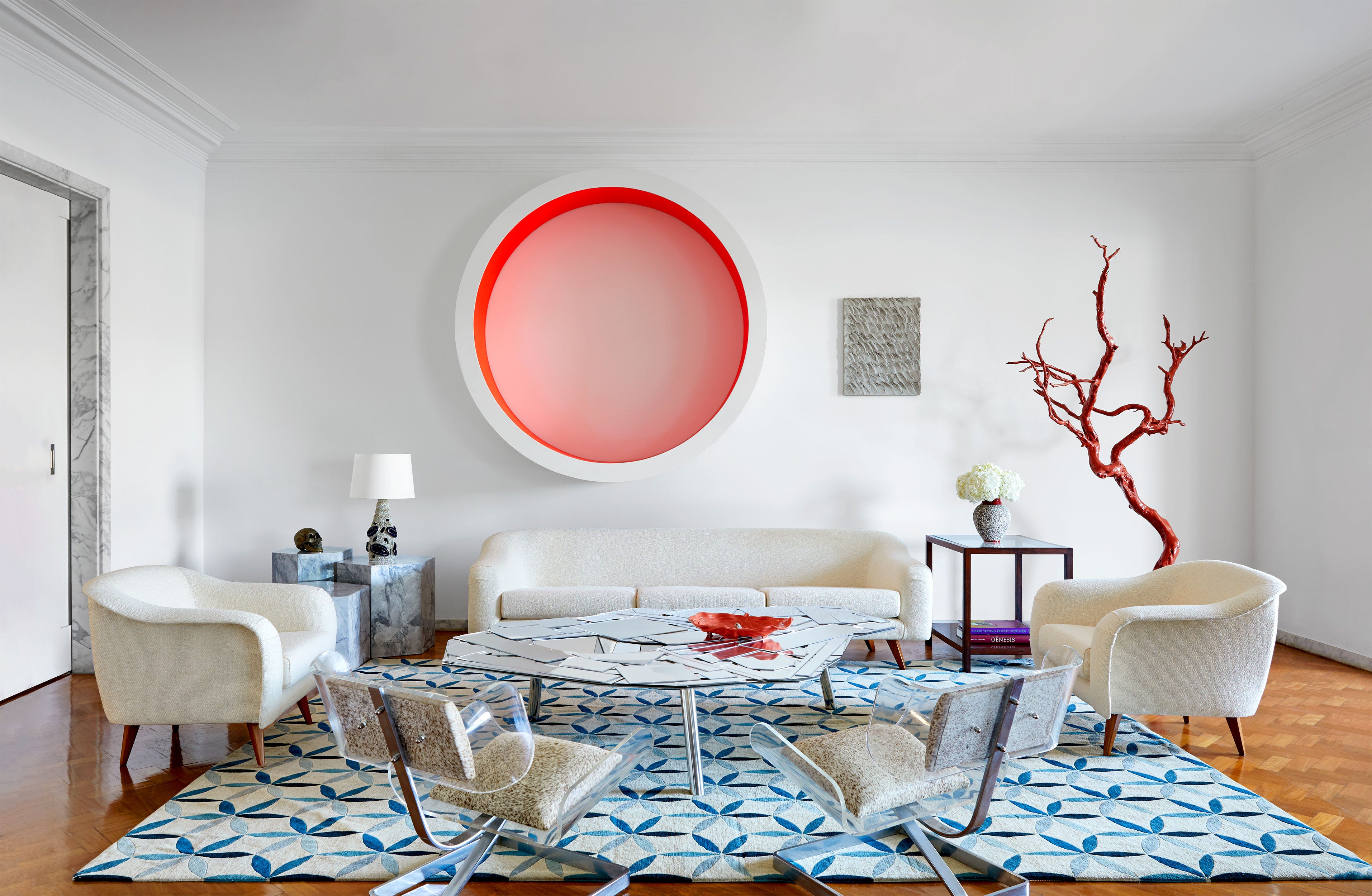
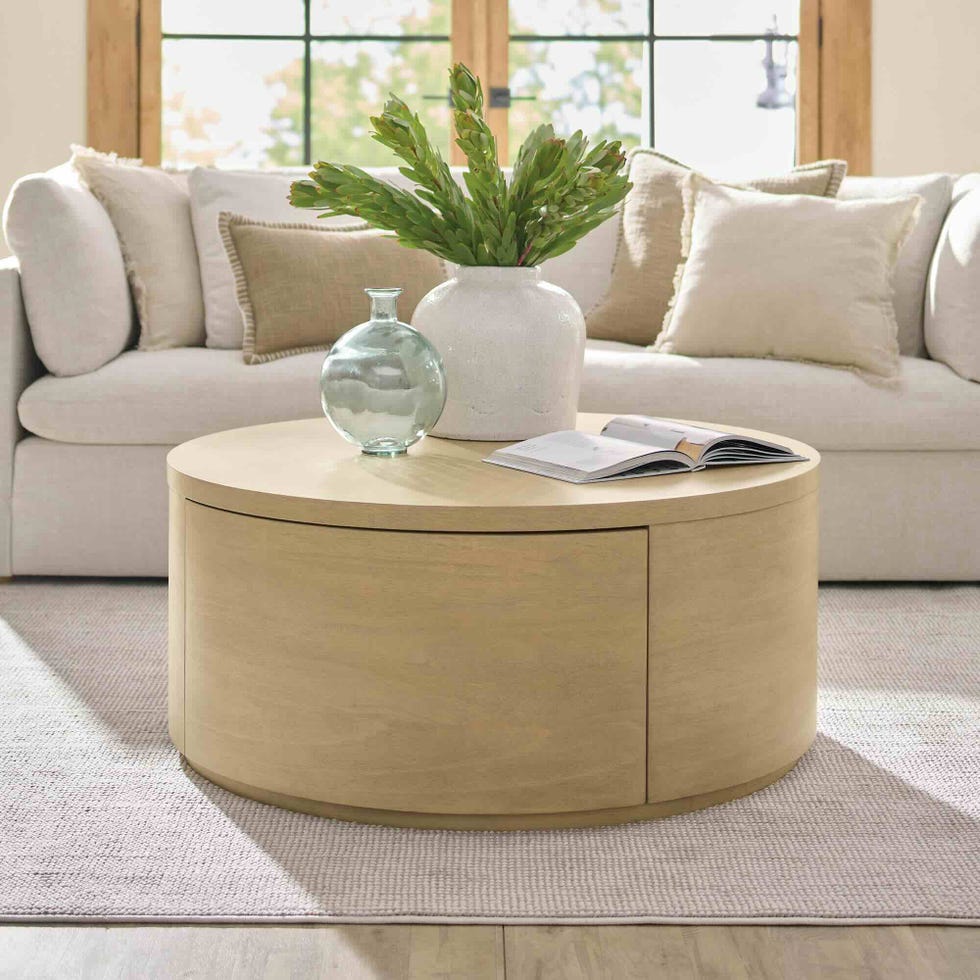
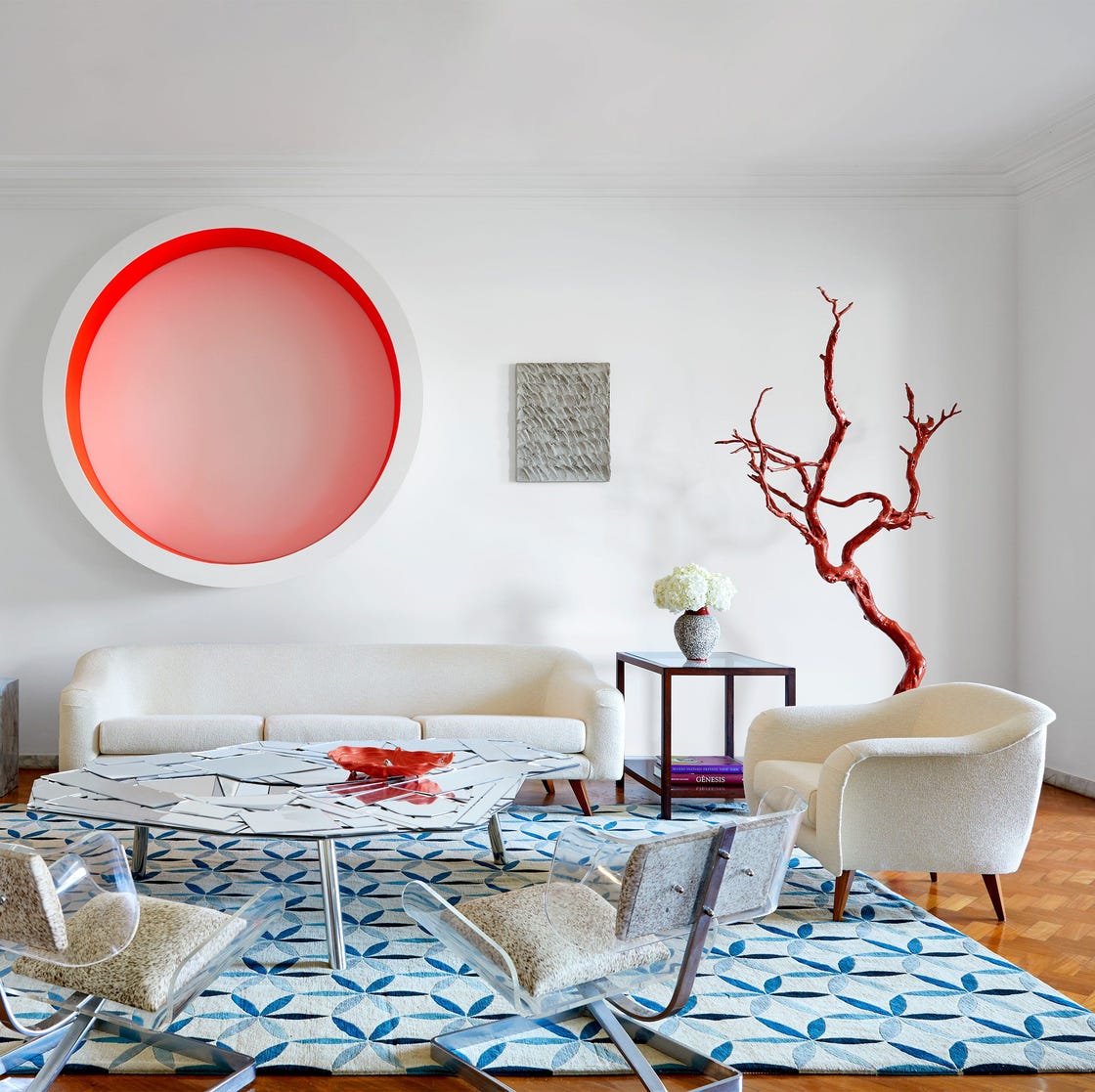
Furniture choices also play a crucial role. Large, dark furniture pieces can exacerbate the dimness of a room. Opting for lighter-colored fabrics, such as light beige for sofas, or incorporating accent pieces in powder blue or light sage, can lighten the seating areas. Viewing furniture as sculptural elements within a gallery can help in selecting pieces that enhance rather than diminish brightness.
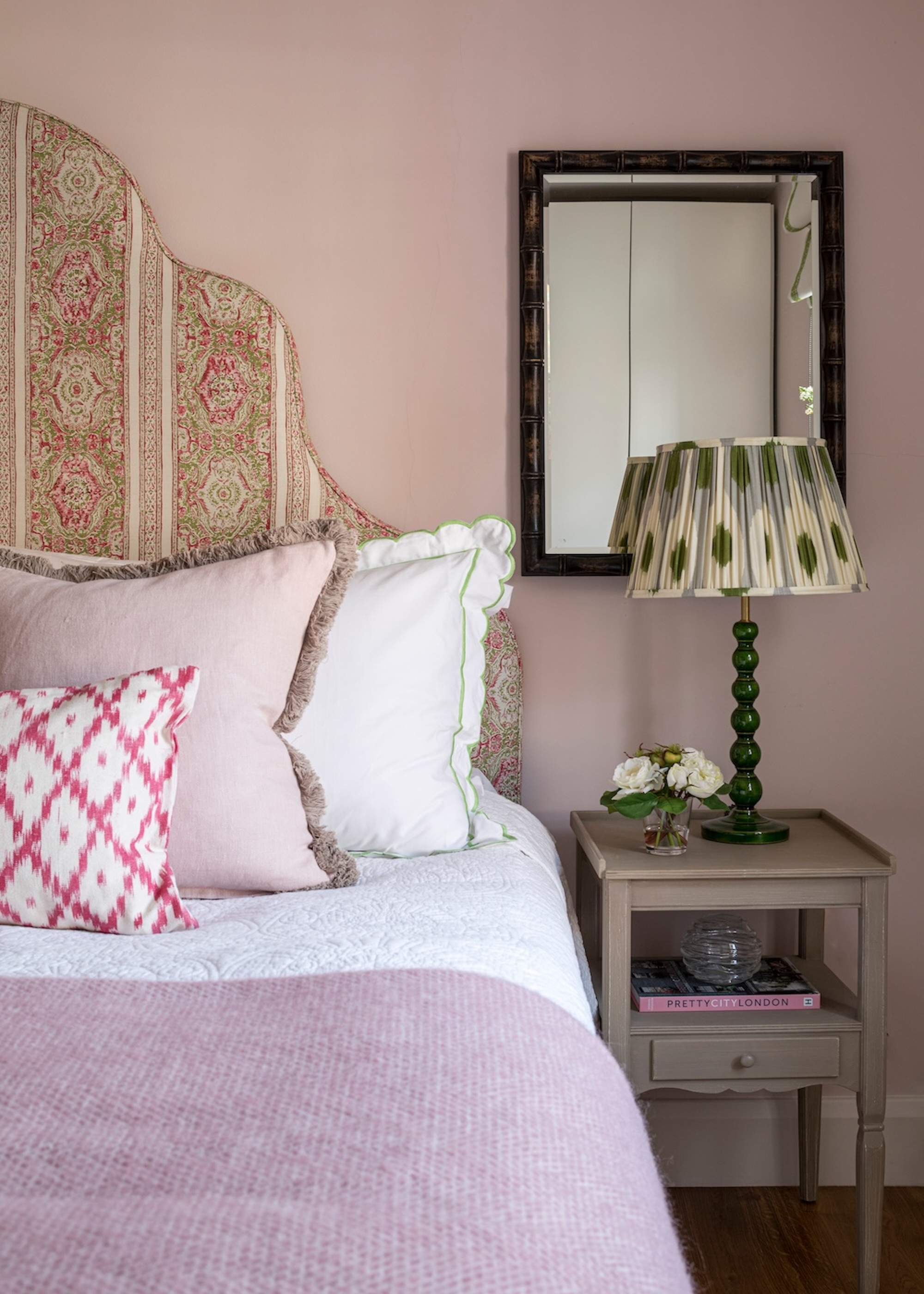
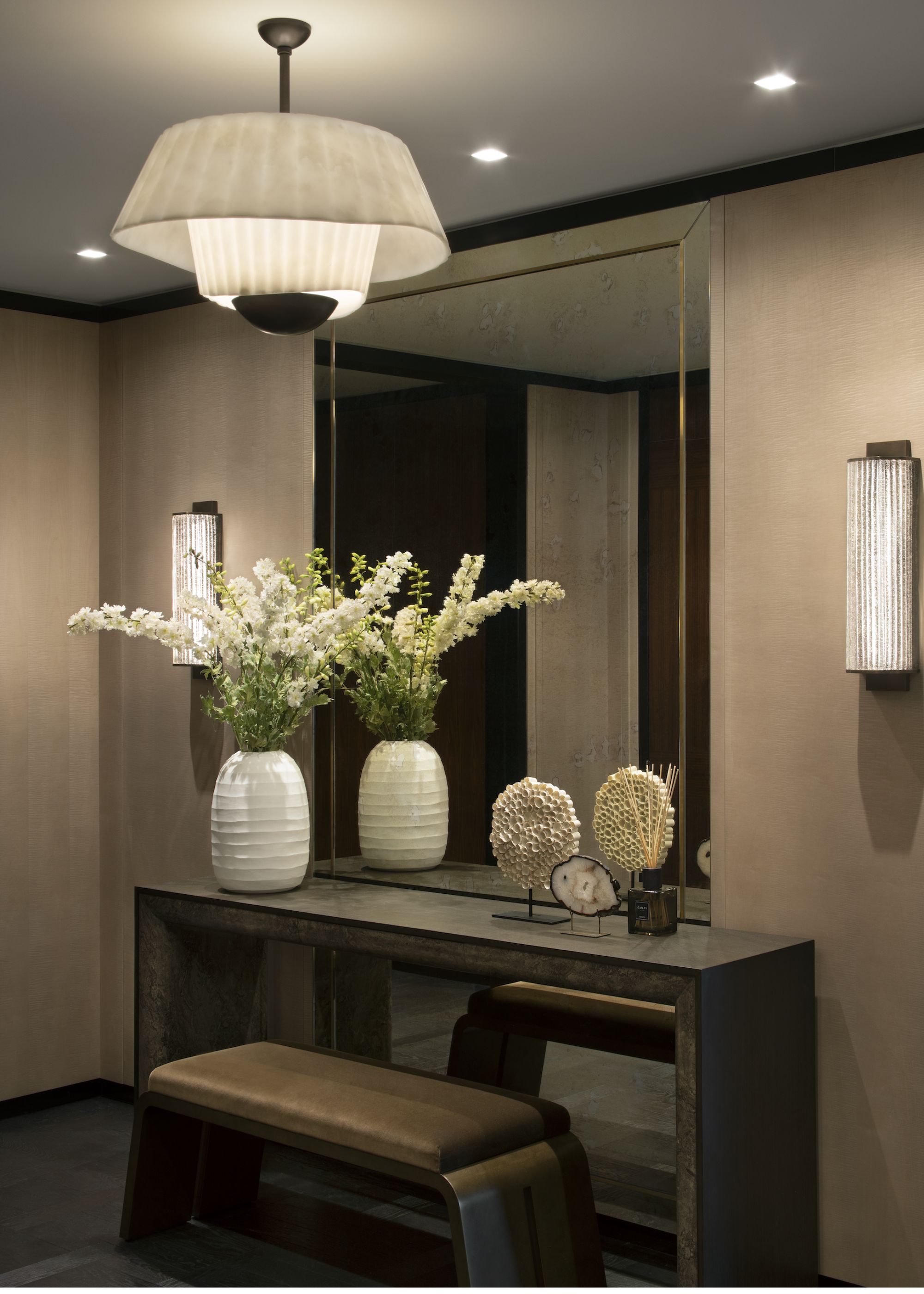
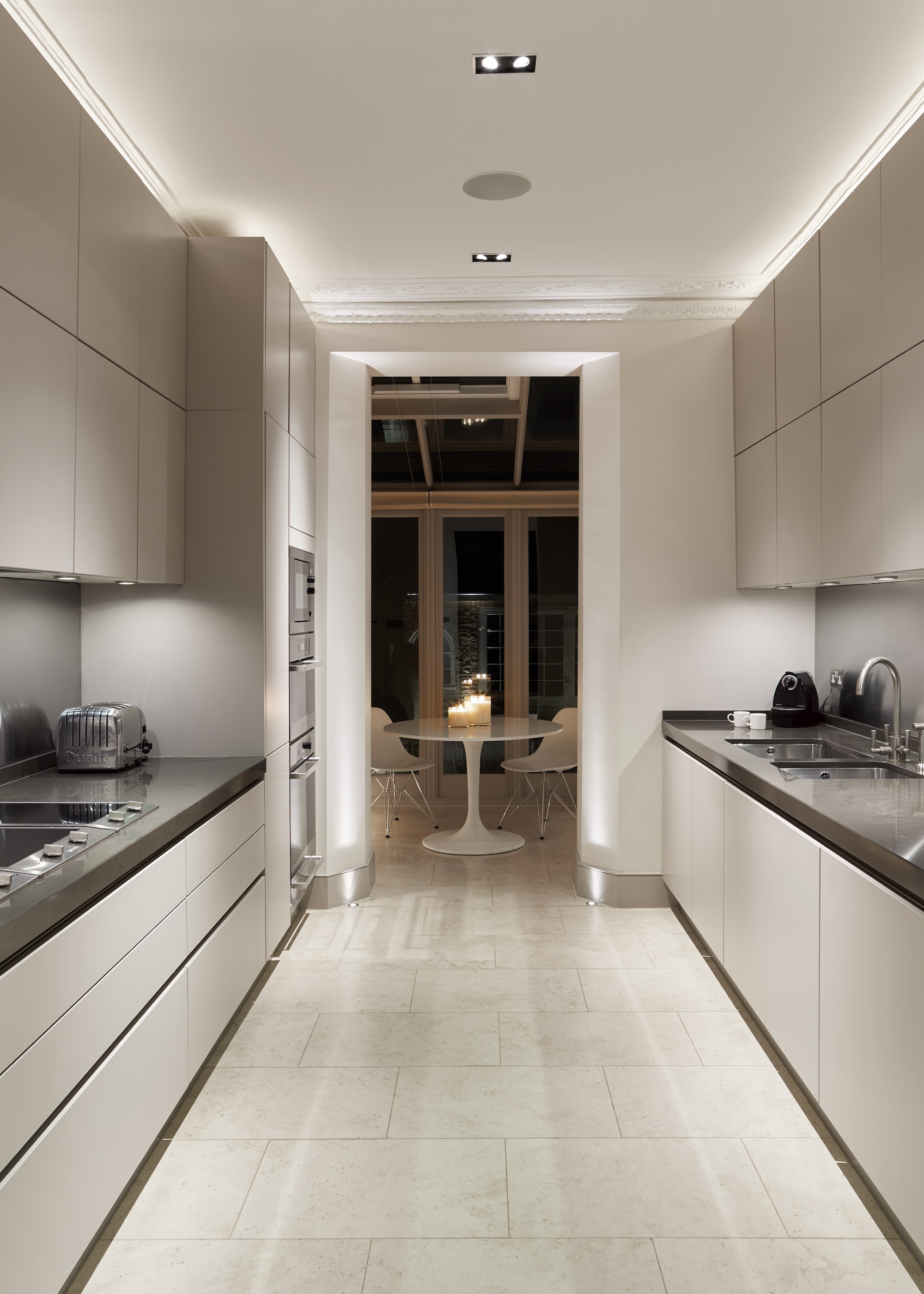
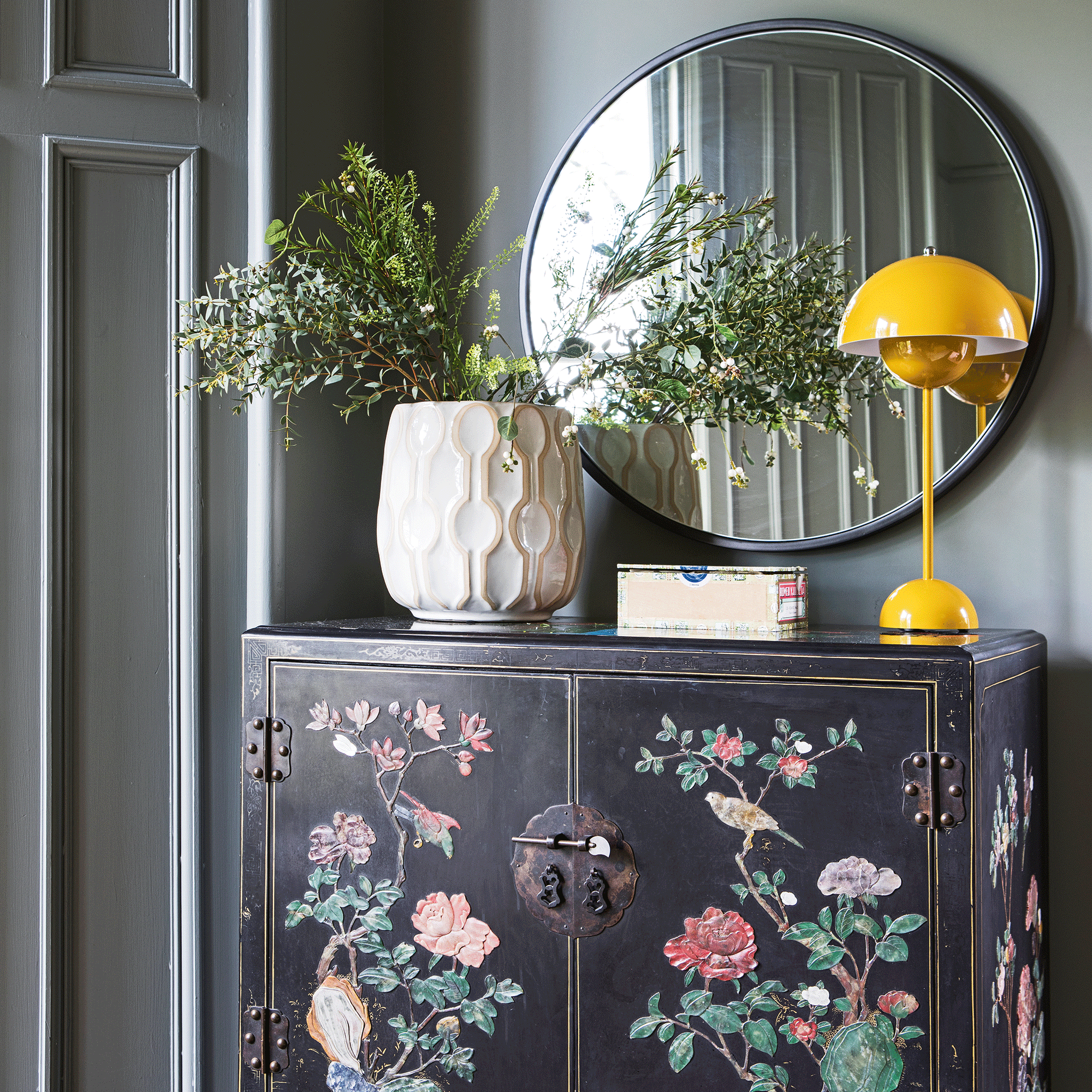
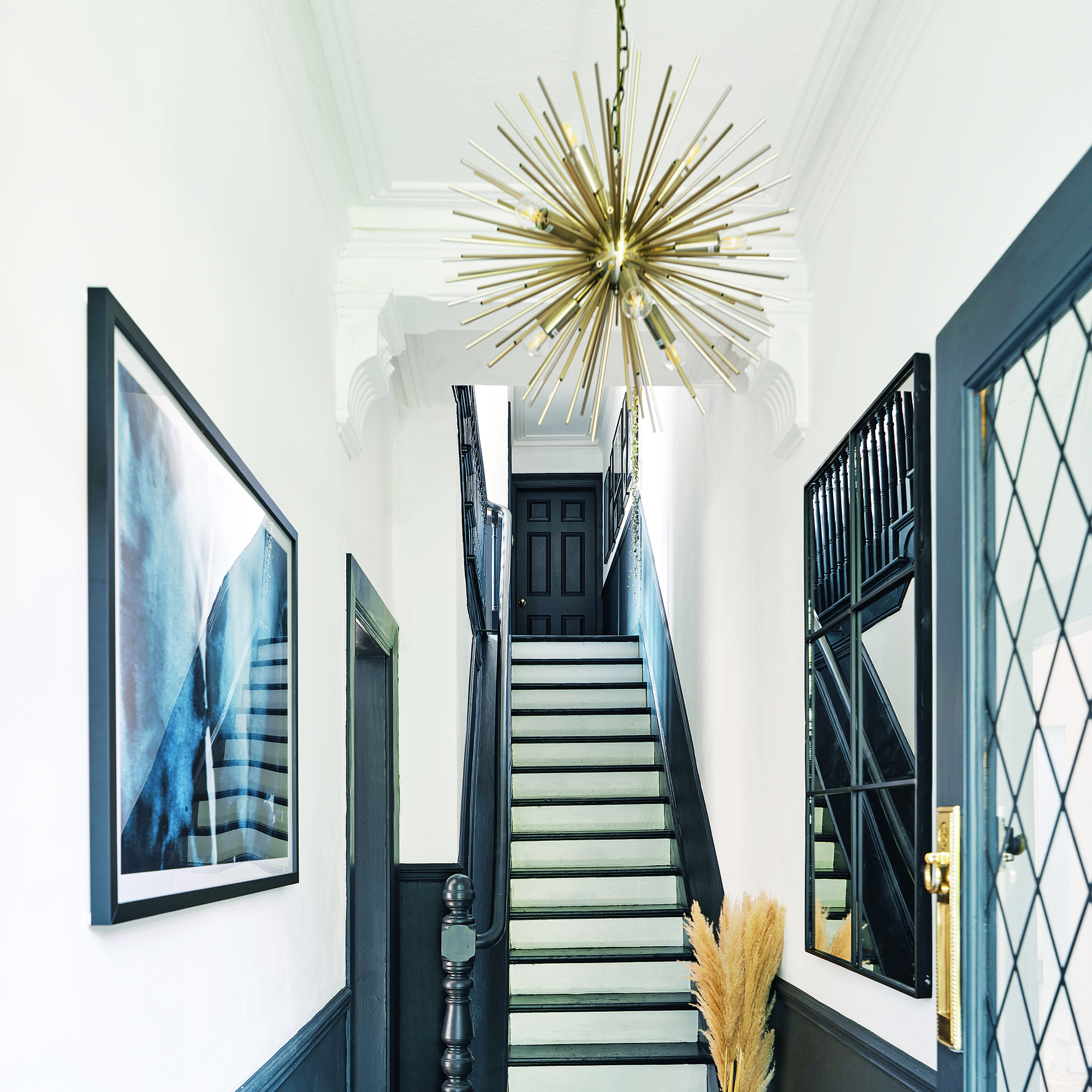
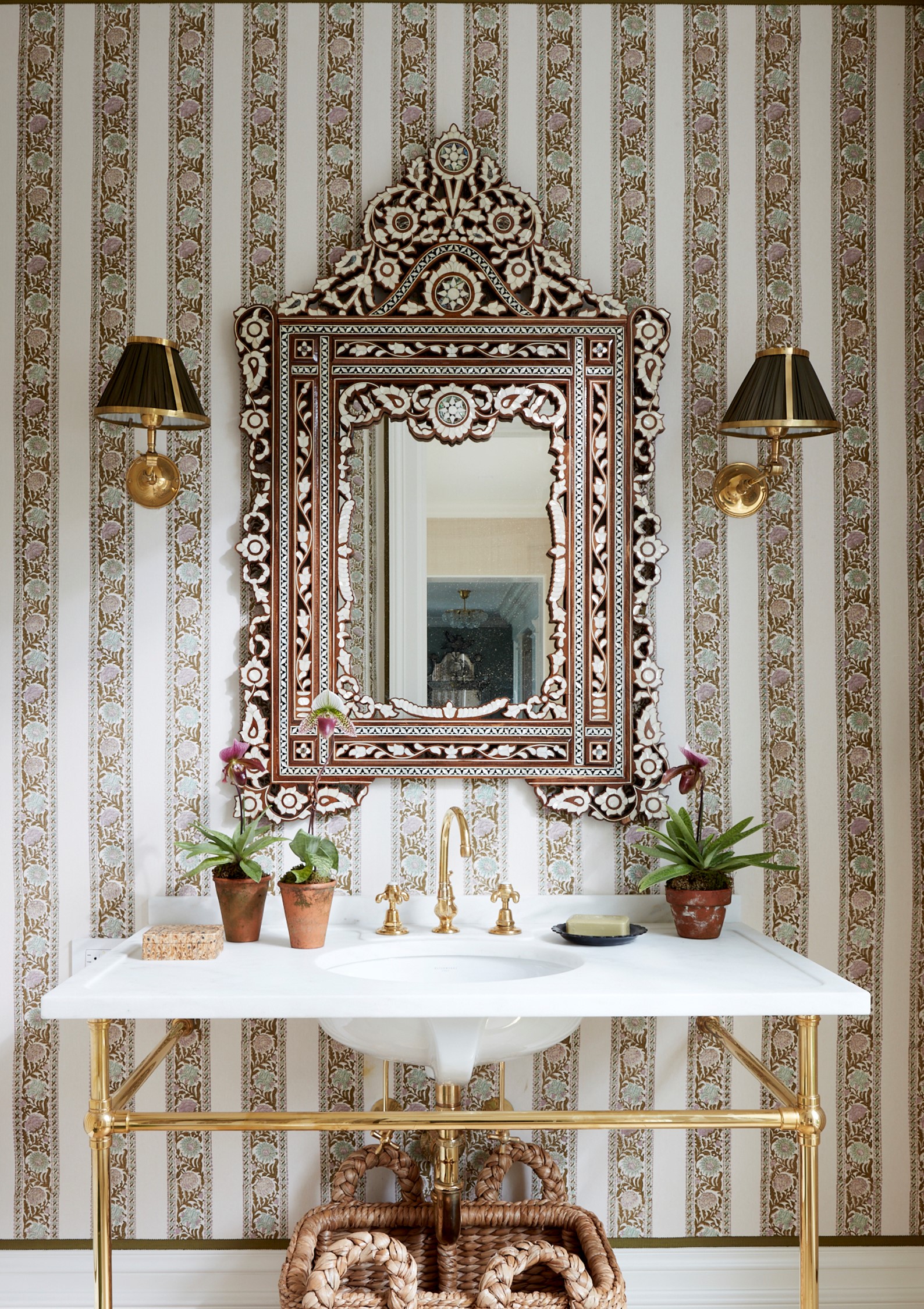
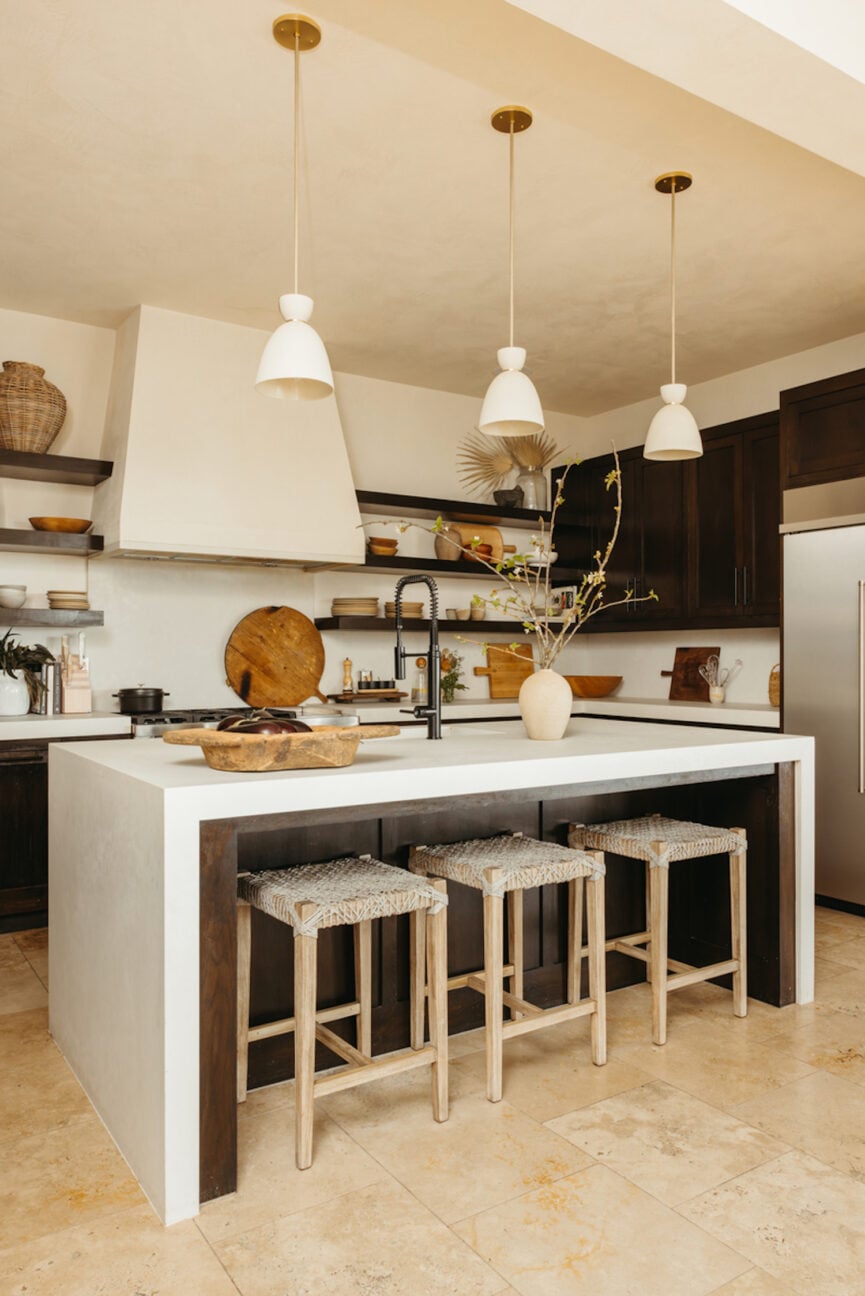
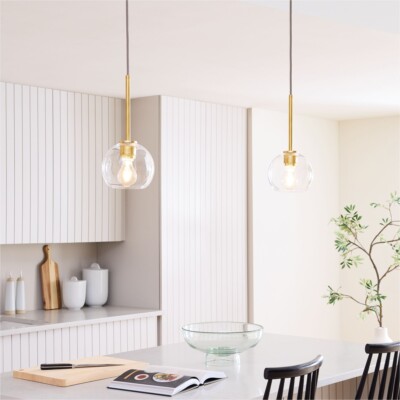
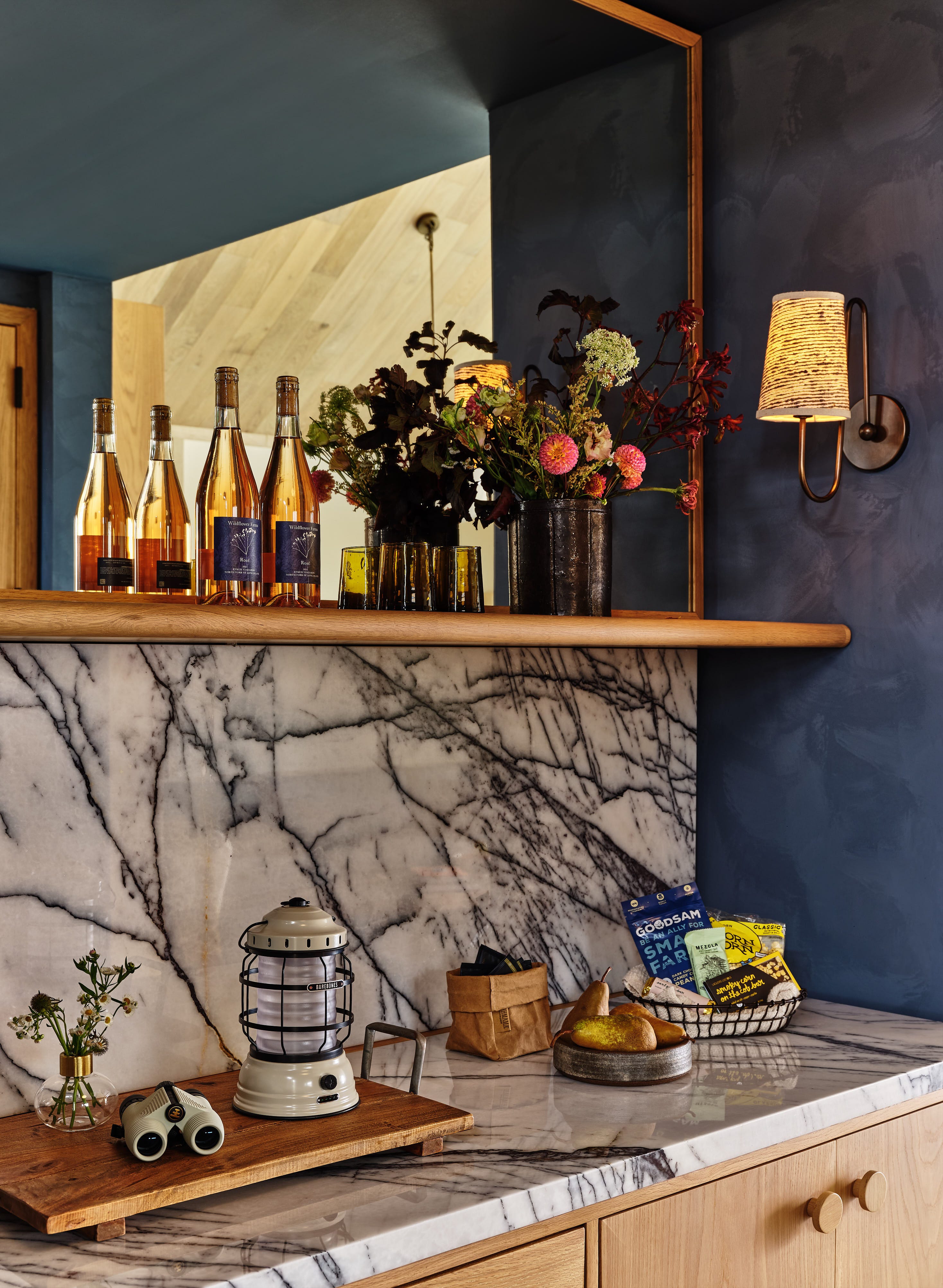
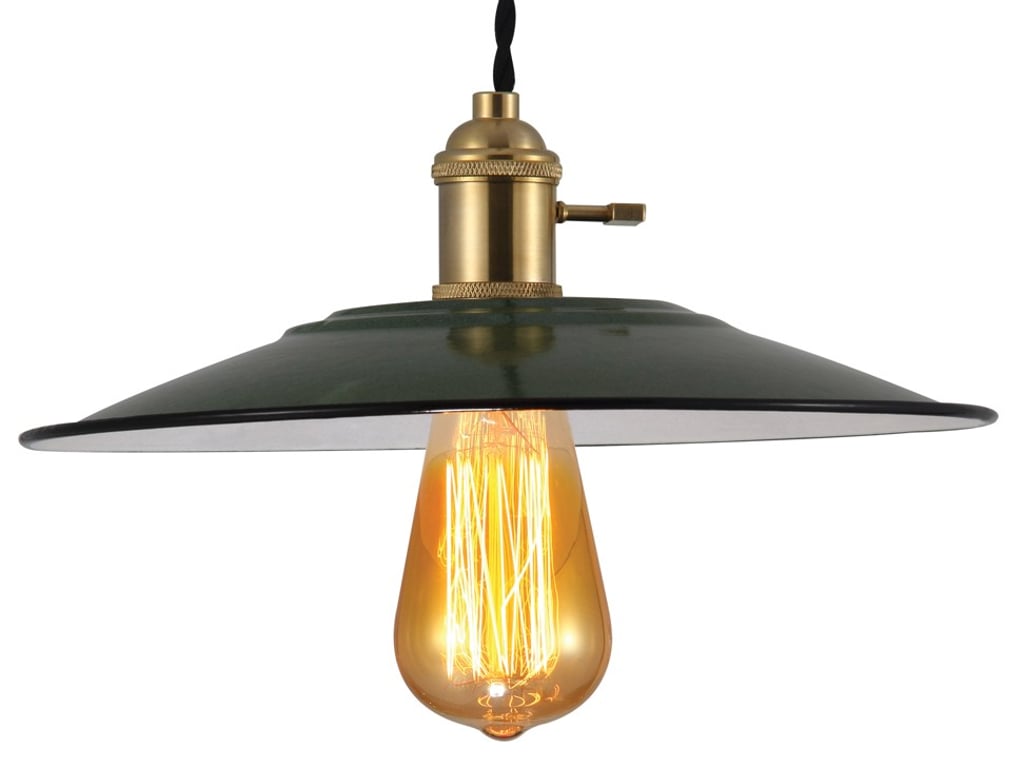
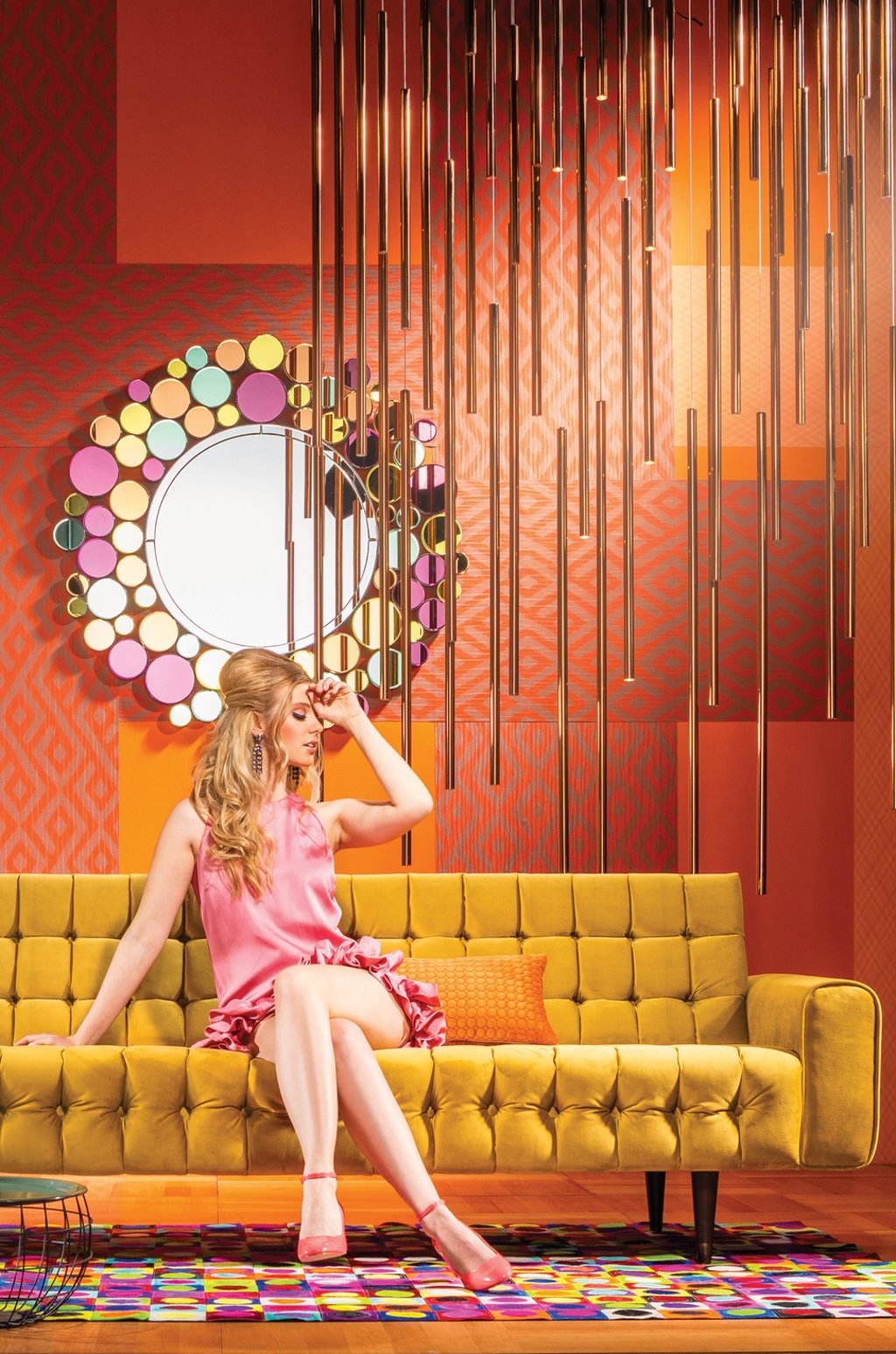
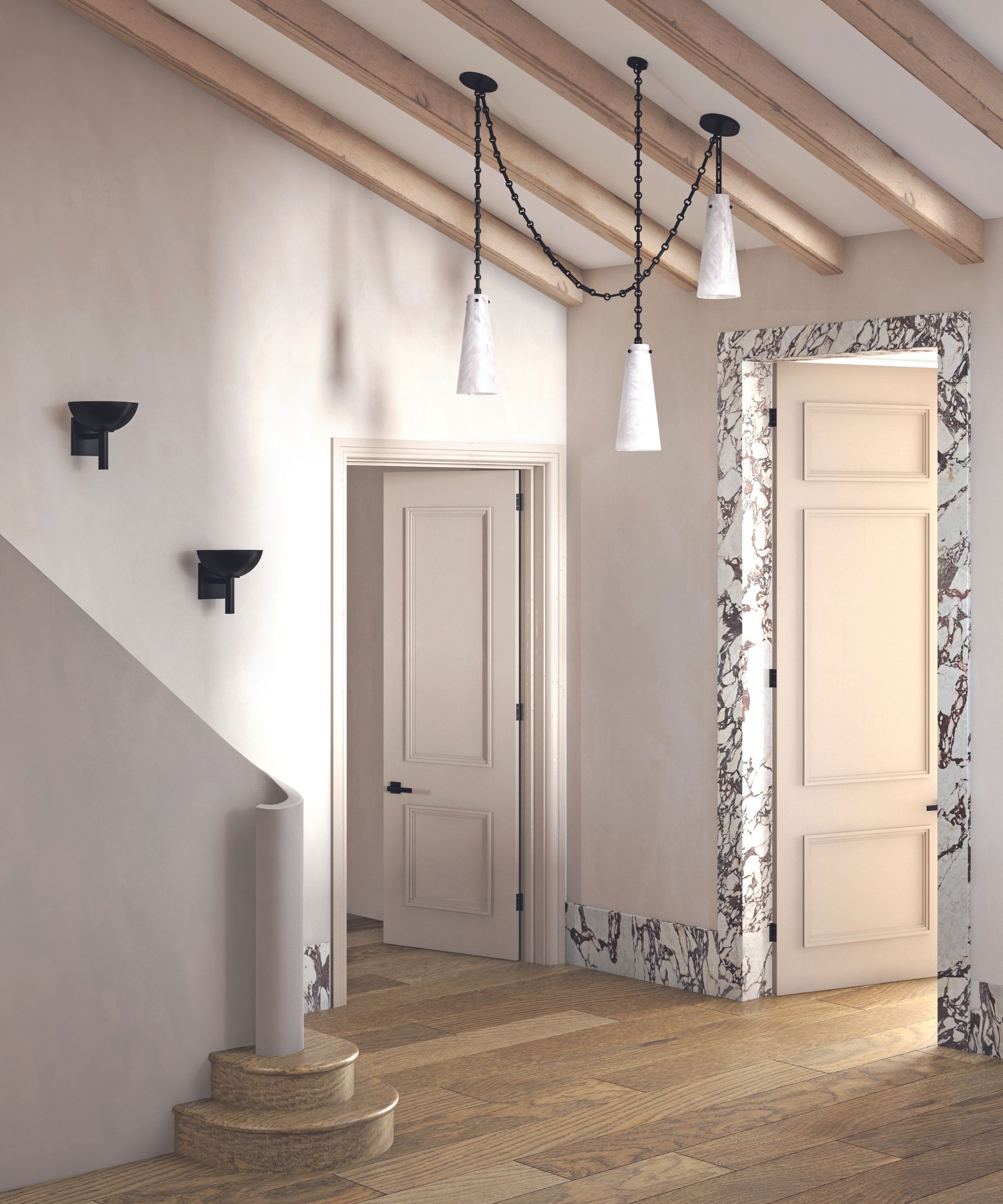
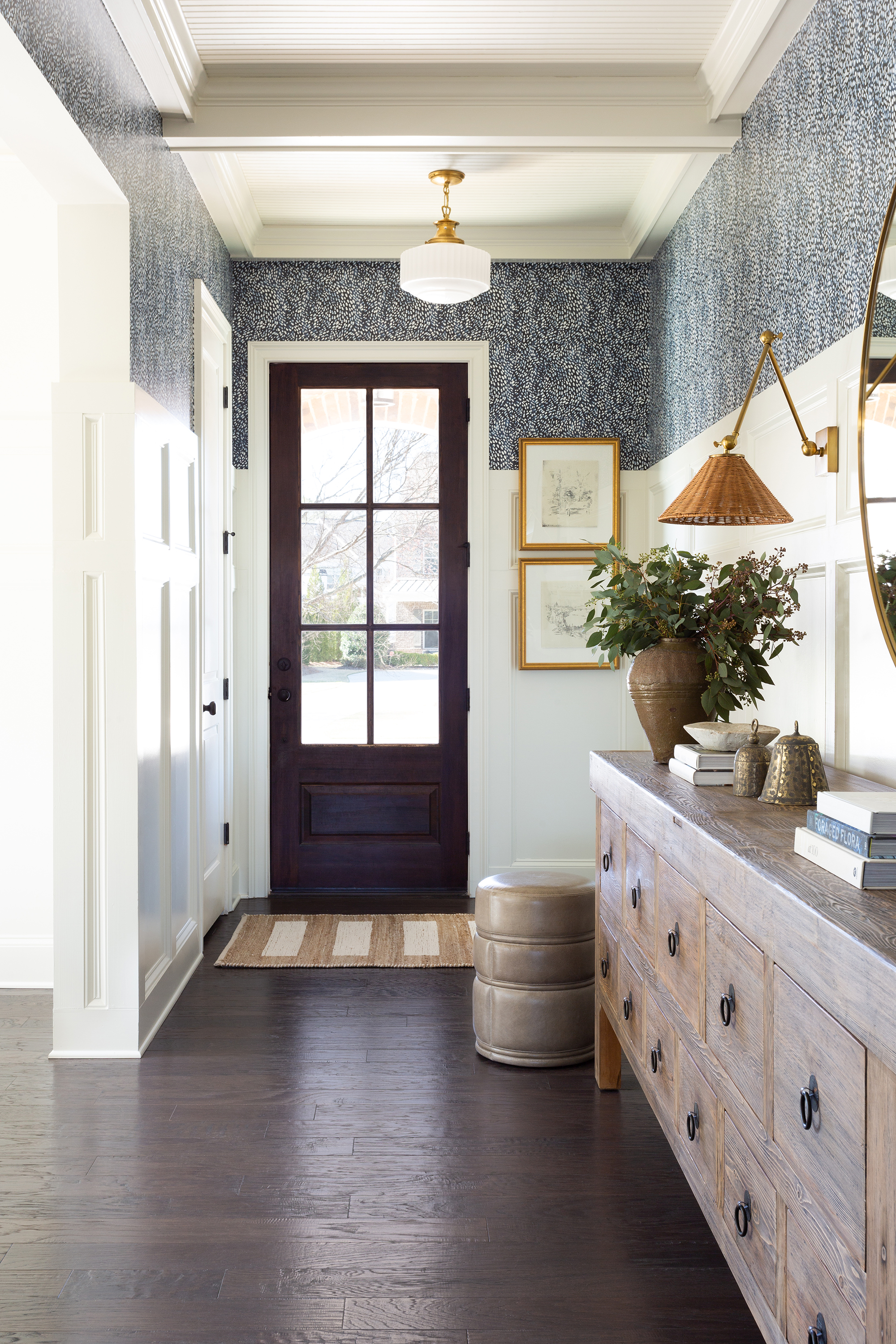
Layering artificial lighting is essential where natural light is limited. Incorporating various light sources like lamps, chandeliers, and sconces can illuminate the space and add visual intrigue. The use of metallic finishes, such as gold or brass, and glass or light-colored decor accents can further reflect light and amplify brightness, transforming dark spaces into warm and inviting ones.
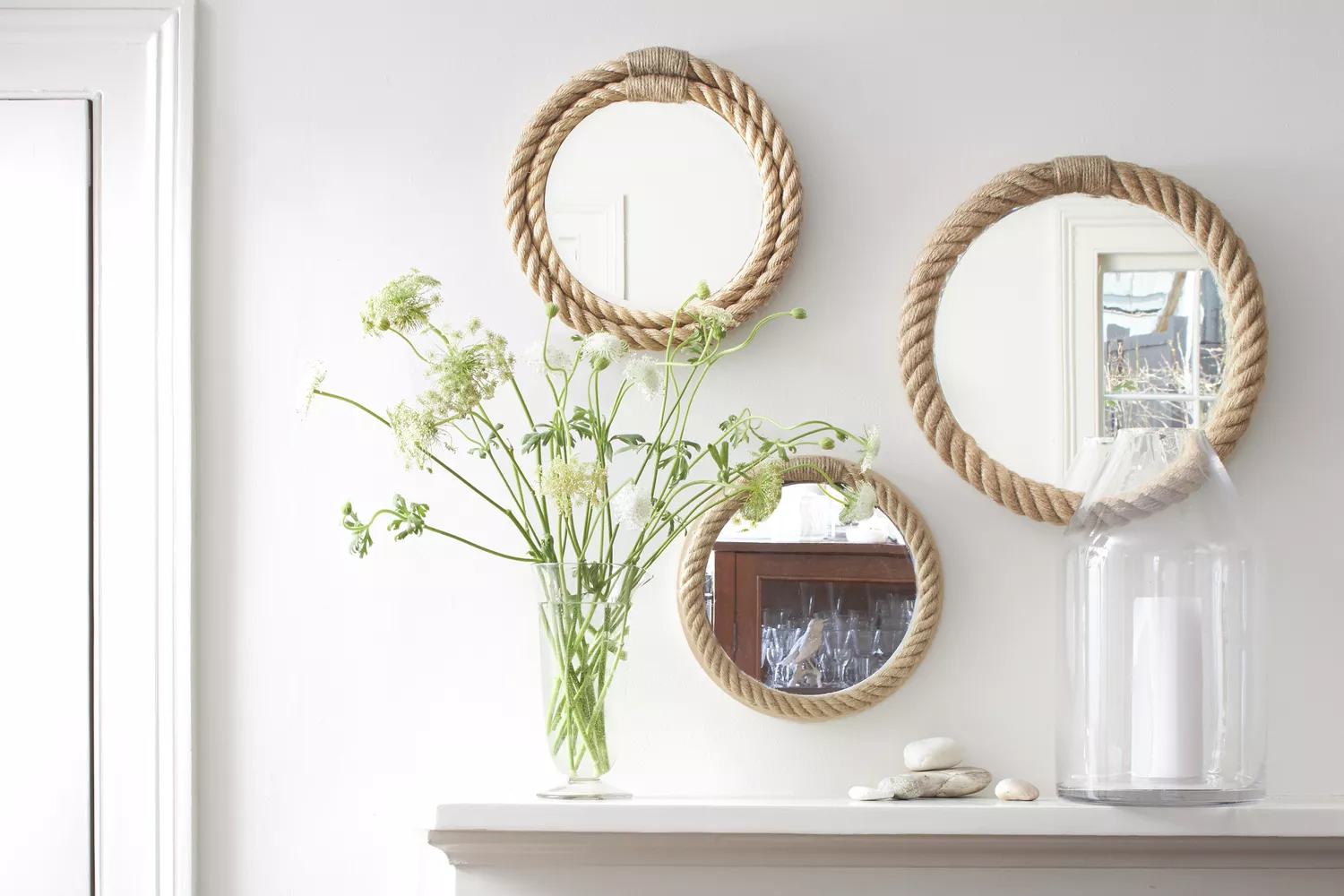
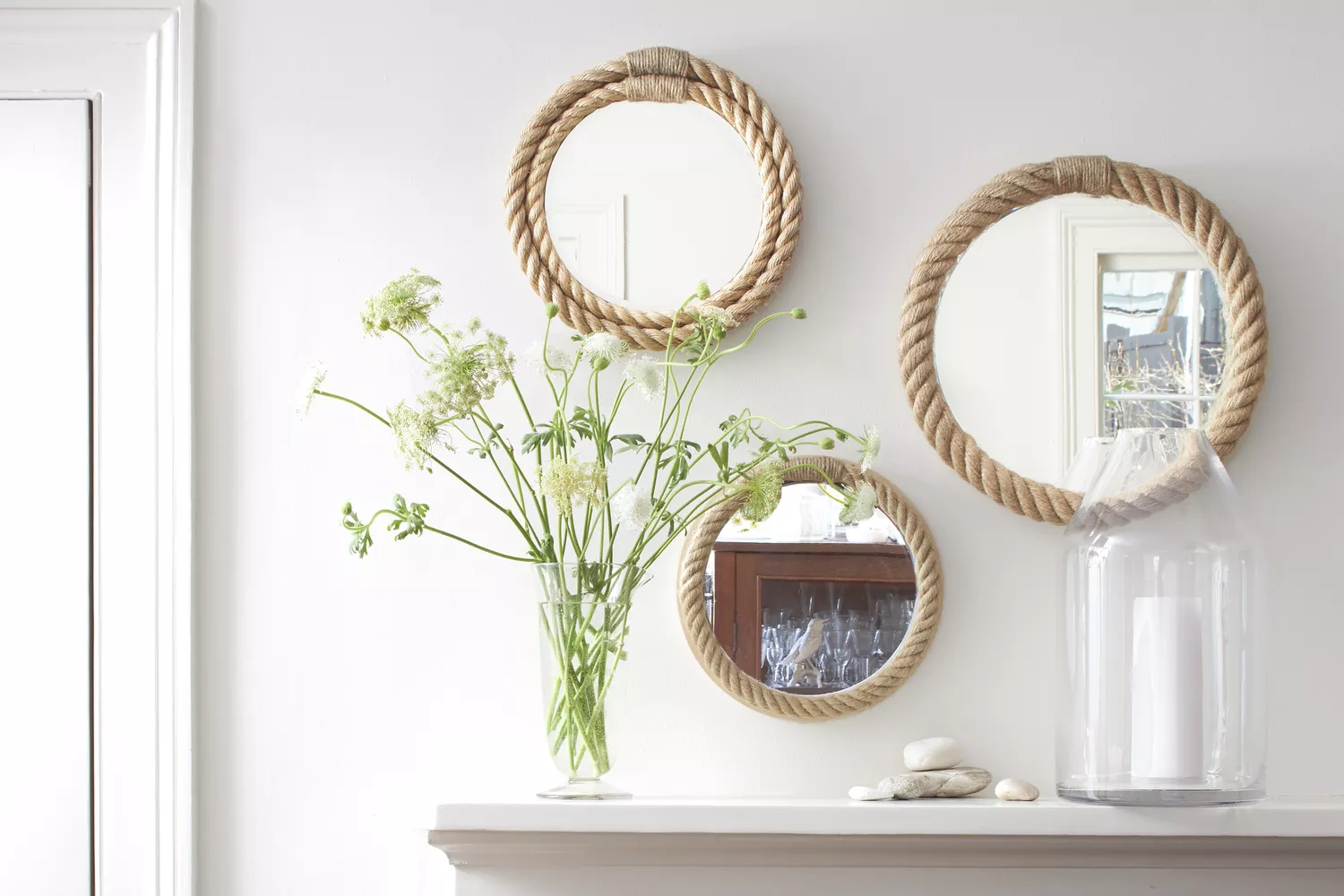
Addressing dark wood flooring is another key strategy. If refinishing the floors to a lighter shade is not an option, strategically placed lighter-colored area rugs can effectively break up the dark expanse and define living spaces, making the room feel brighter. Finally, mirrors are a simple yet effective tool for enhancing brightness. Placing full-length mirrors in the darkest corners or arranging smaller mirrors as art can reflect natural or artificial light around the room, adding elegance and depth to the decor, especially when positioned across from windows or other light sources.
#HomeDecor #InteriorDesign #Lighting #ColorPalette #RoomBrightness #FurnitureSelection #MirrorPlacement #WindowTreatments #HomeDecor #InteriorDesign #Lighting #ColorPalette #RoomBrightness #FurnitureSelection #MirrorPlacement #WindowTreatments
0 comment in total
 No comments yet
You may also like
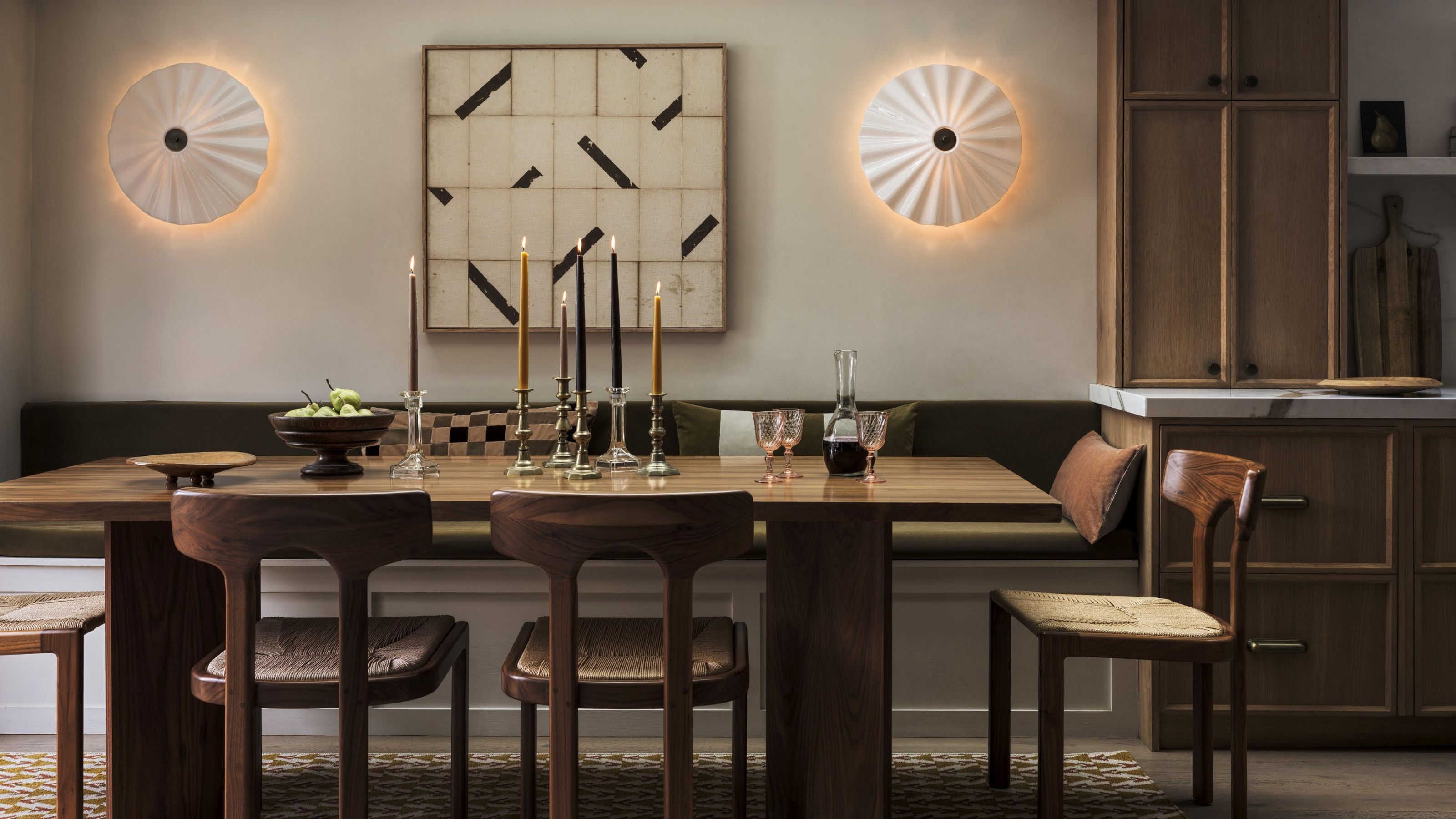
Let There Be Light — 10 Lighting Tricks That Will Transform Any Dark Room Into A Warm and Inviting Space

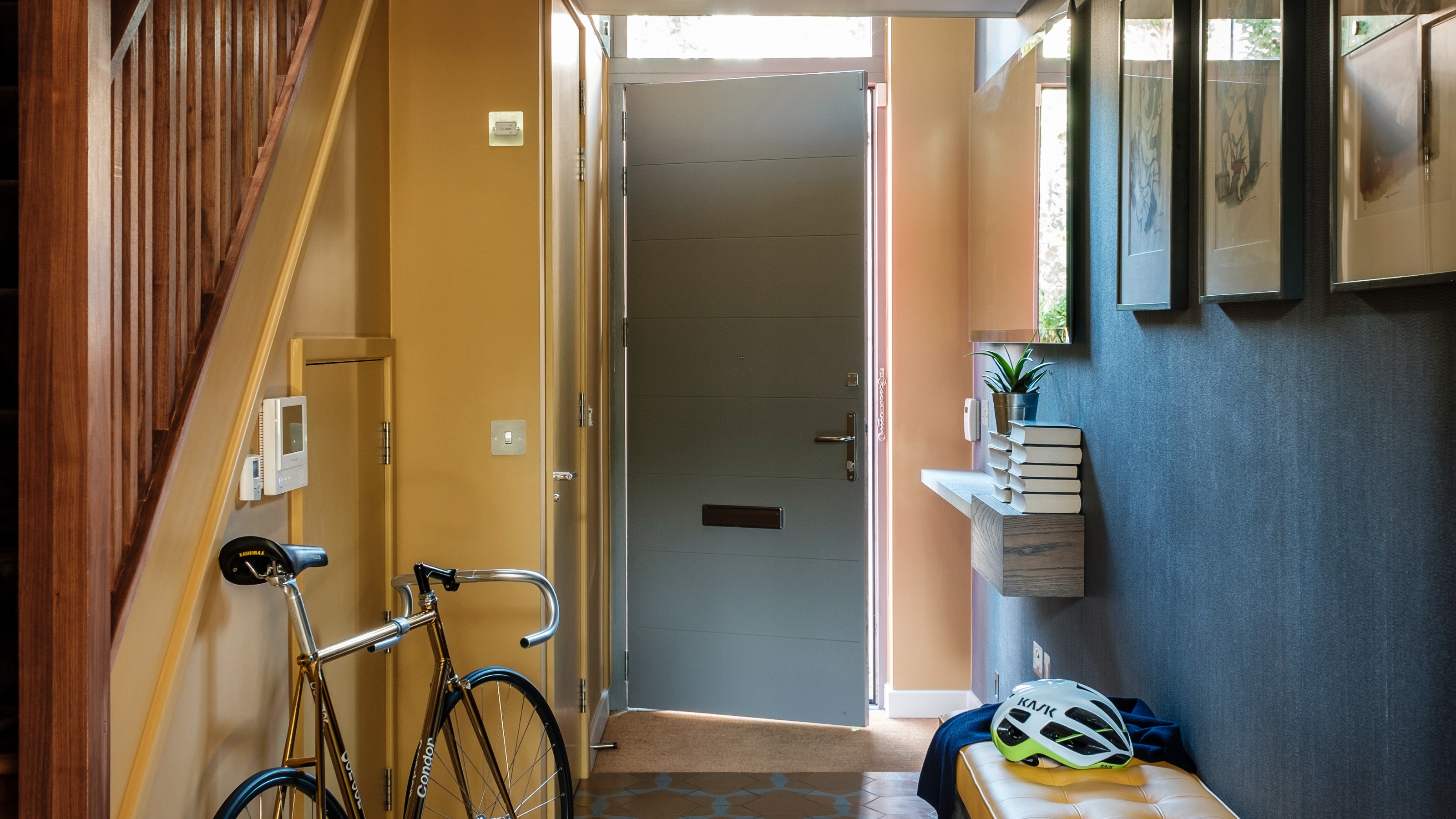
How to lighten a dark hallway - genius design tips to brighten a gloomy corridor
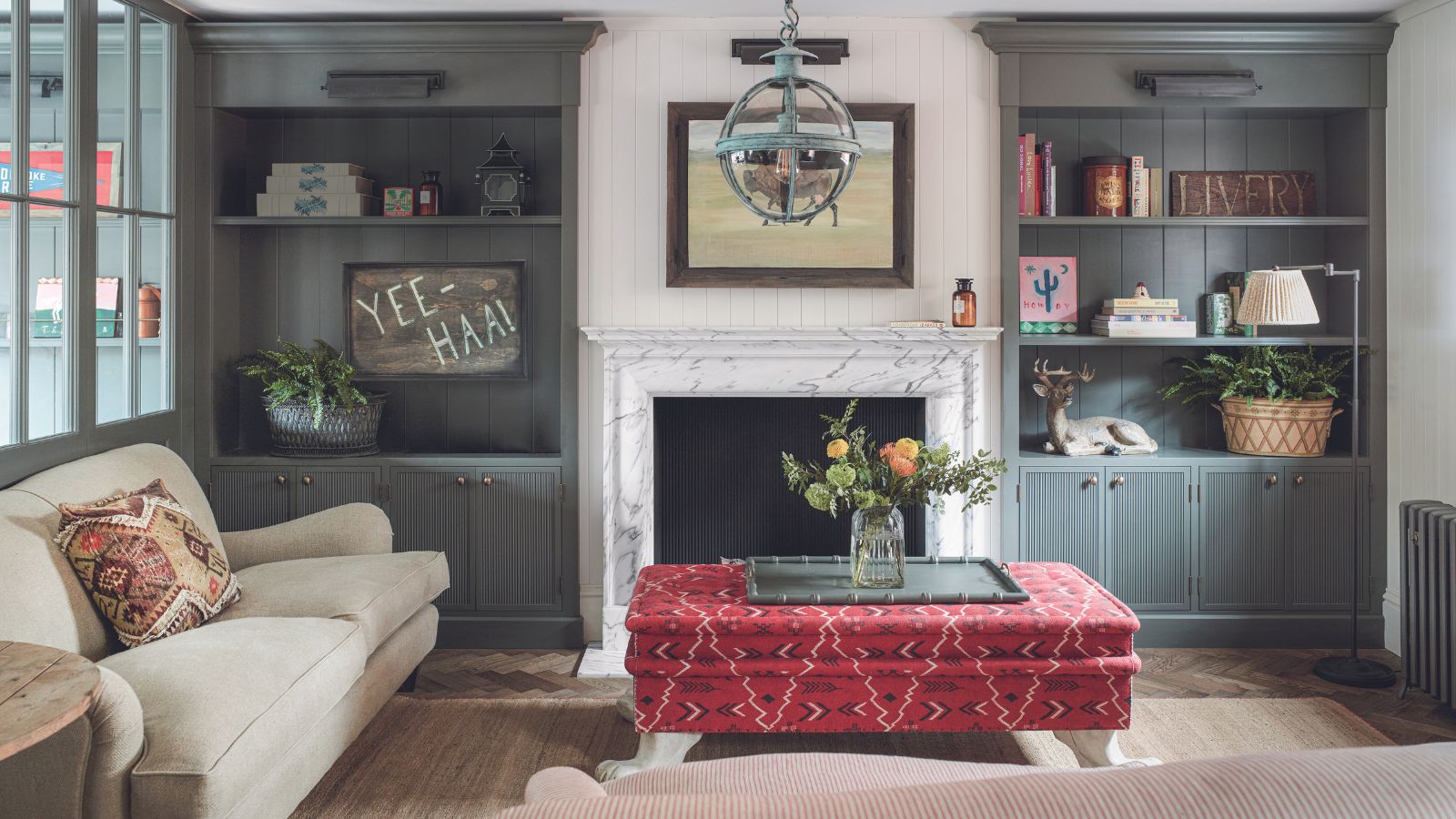
How to make a living room lighter – an interior designer's 10 tips for a creating brighter space
We Asked Designers How to Brighten a Dark Room and We’re Using These All Winter

How to fake natural light in a dark room - 5 design tricks to brighten up a gloomy space
This Design Element Instantly Brightens a Dark Room


10 Smart Ways to Illuminate Your Dark Closet
Refresh Your Living Room the Easy Way

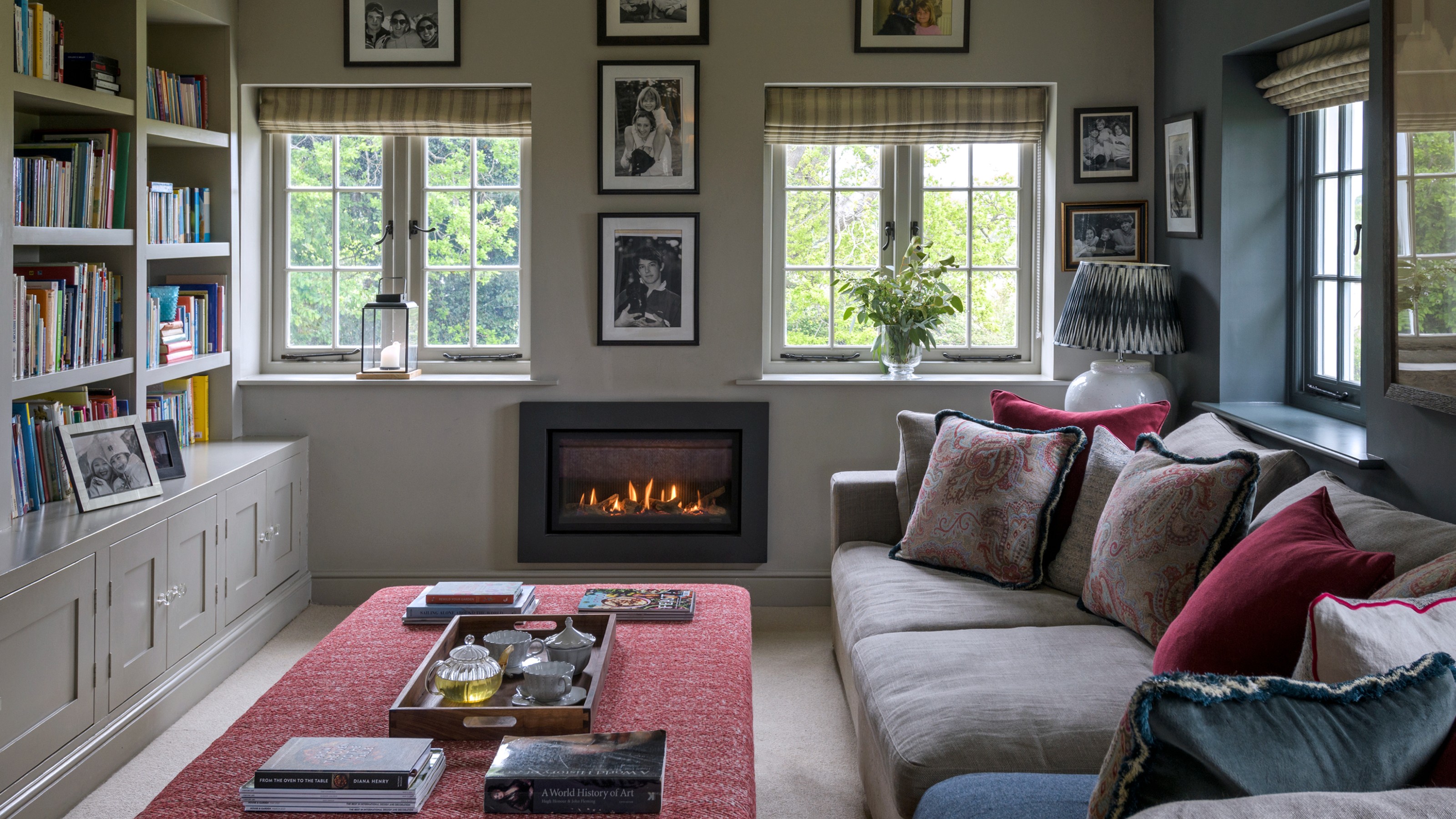
How to brighten a dark living room – 6 ways to make a dingy lounge feel light and airy
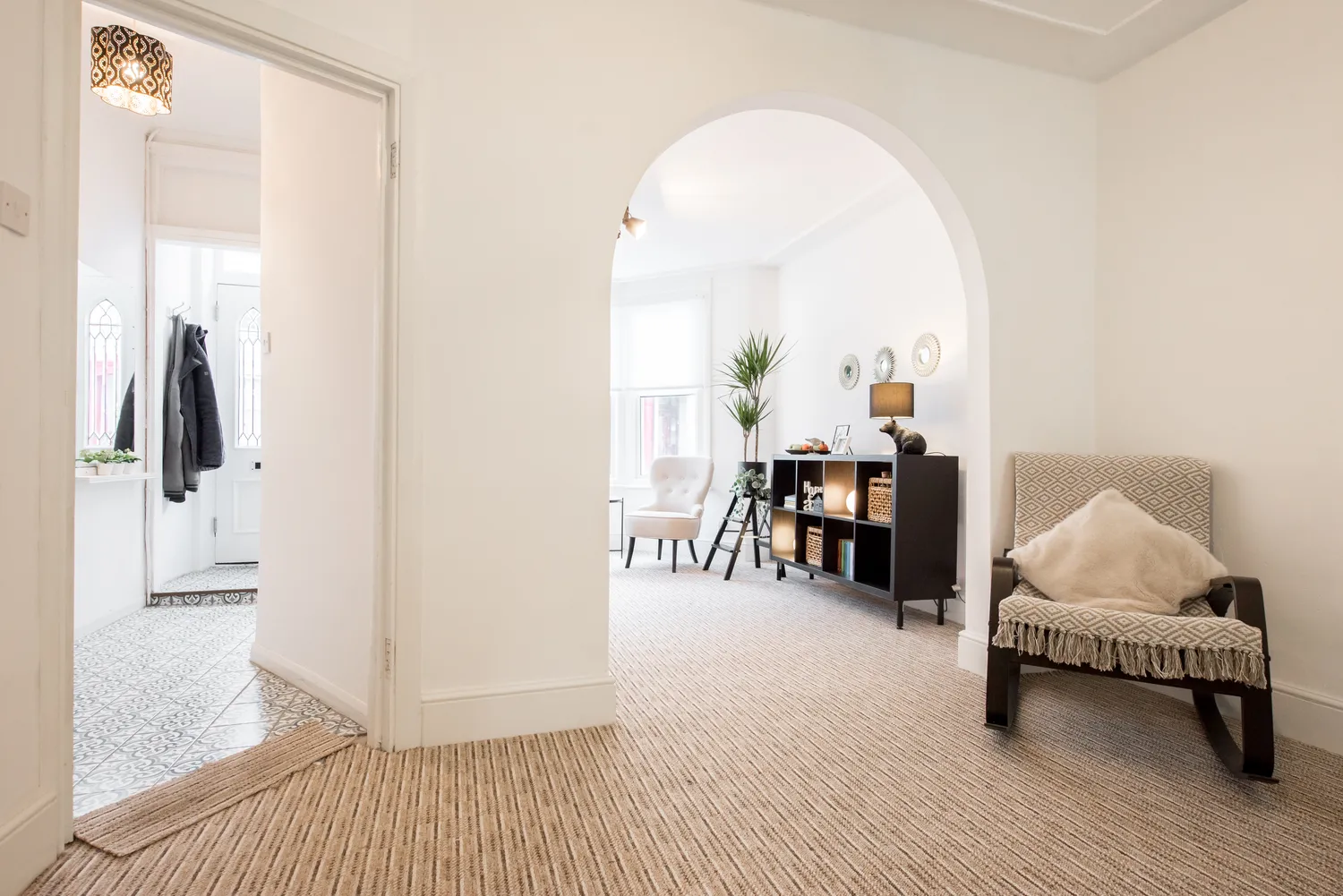
These Simple Paint Tricks Can Make Even the Darkest Hallway Feel Bright

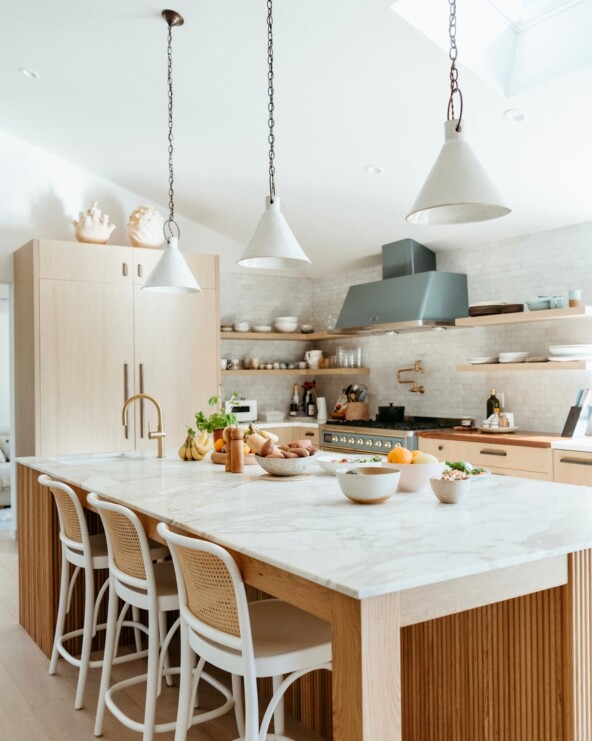
Lighting Is the Easiest Way to Transform A Room—15 Ideas to Inspire

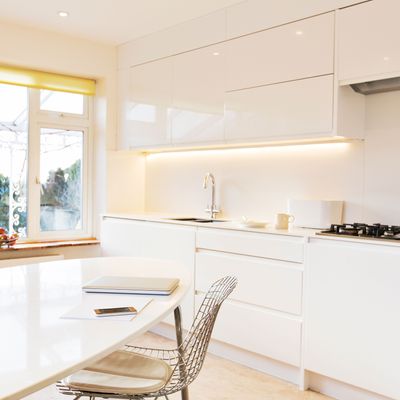
How to Brighten Up Your Sad Kitchen Lighting, According to Interior Designers
10 Ways to Brighten a Dark Room, According to Interior Designers


10 Easy And Renter-Friendly Ways To Add Lighting To Your Dark Closet
So You Live in a Lightless Cave. Here’s How to Create the Illusion of Sunshine
How to increase natural light in your entryway – 8 pro-endorsed solutions that experts love

6 Ingenious Ways to Brighten Up a Room That Gets Very Little Natural Light

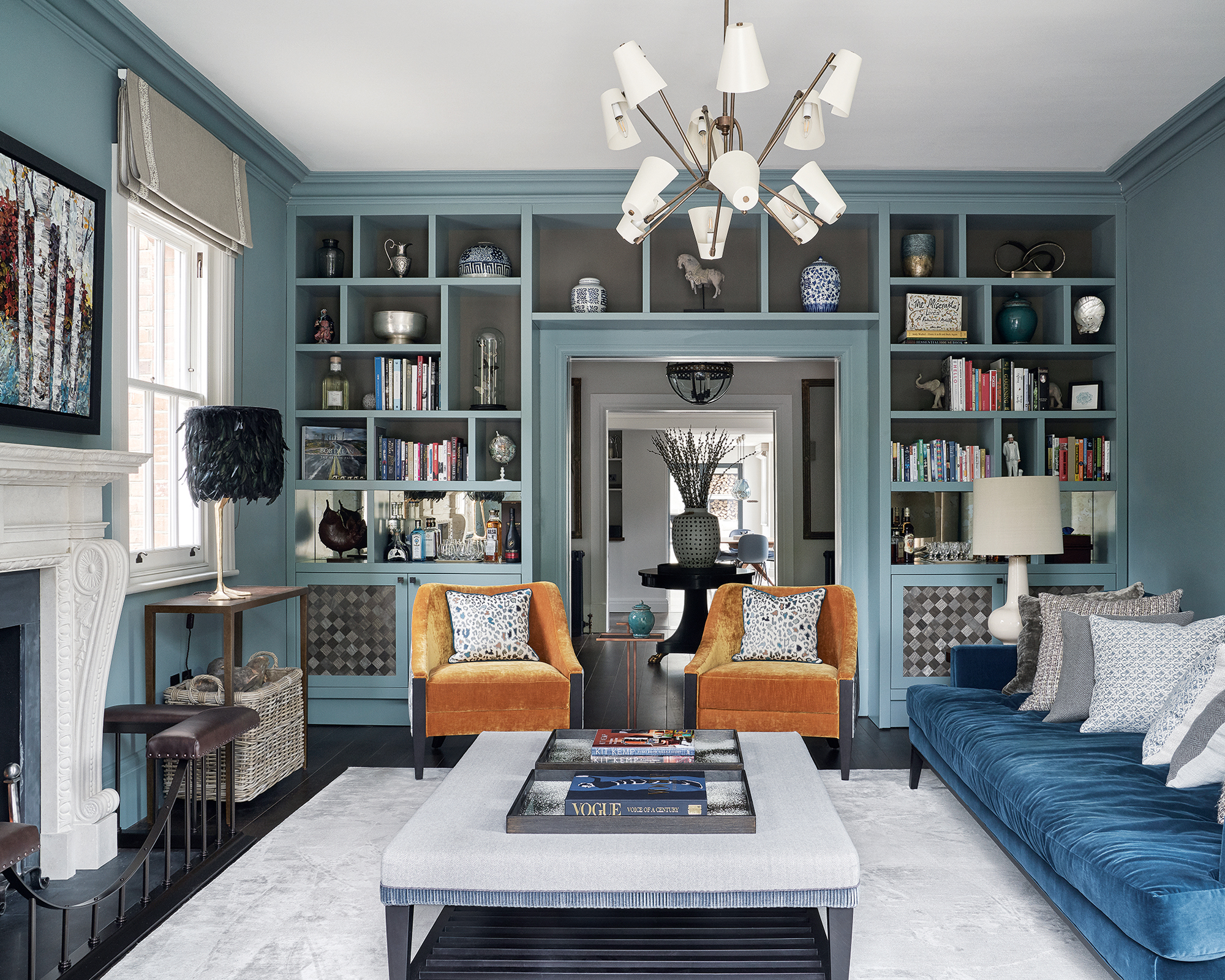
Lighting a dark room – 10 top tips from experts
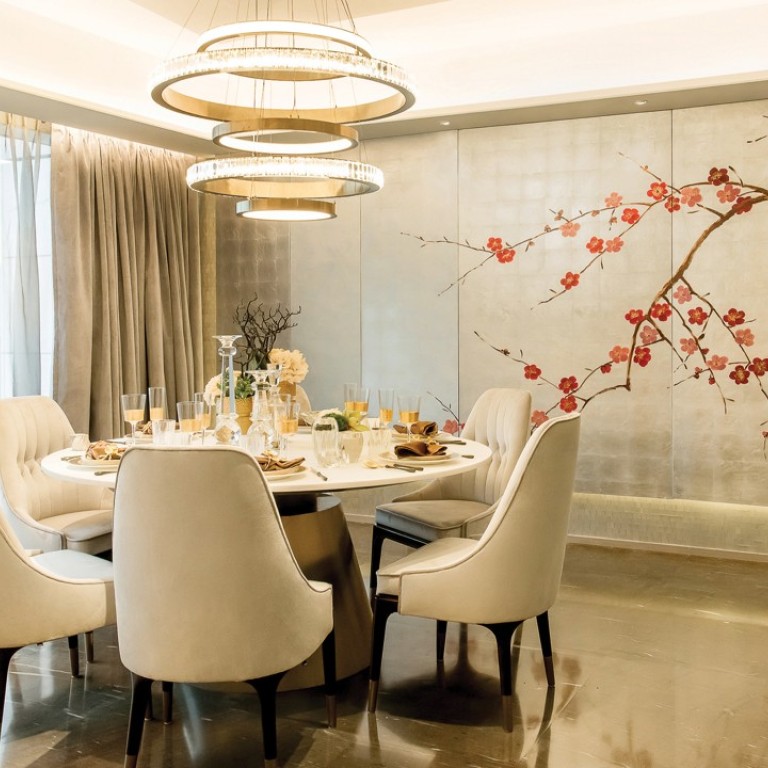
How to make your ceiling light up the room


The Secrets To A Well-Lit Room