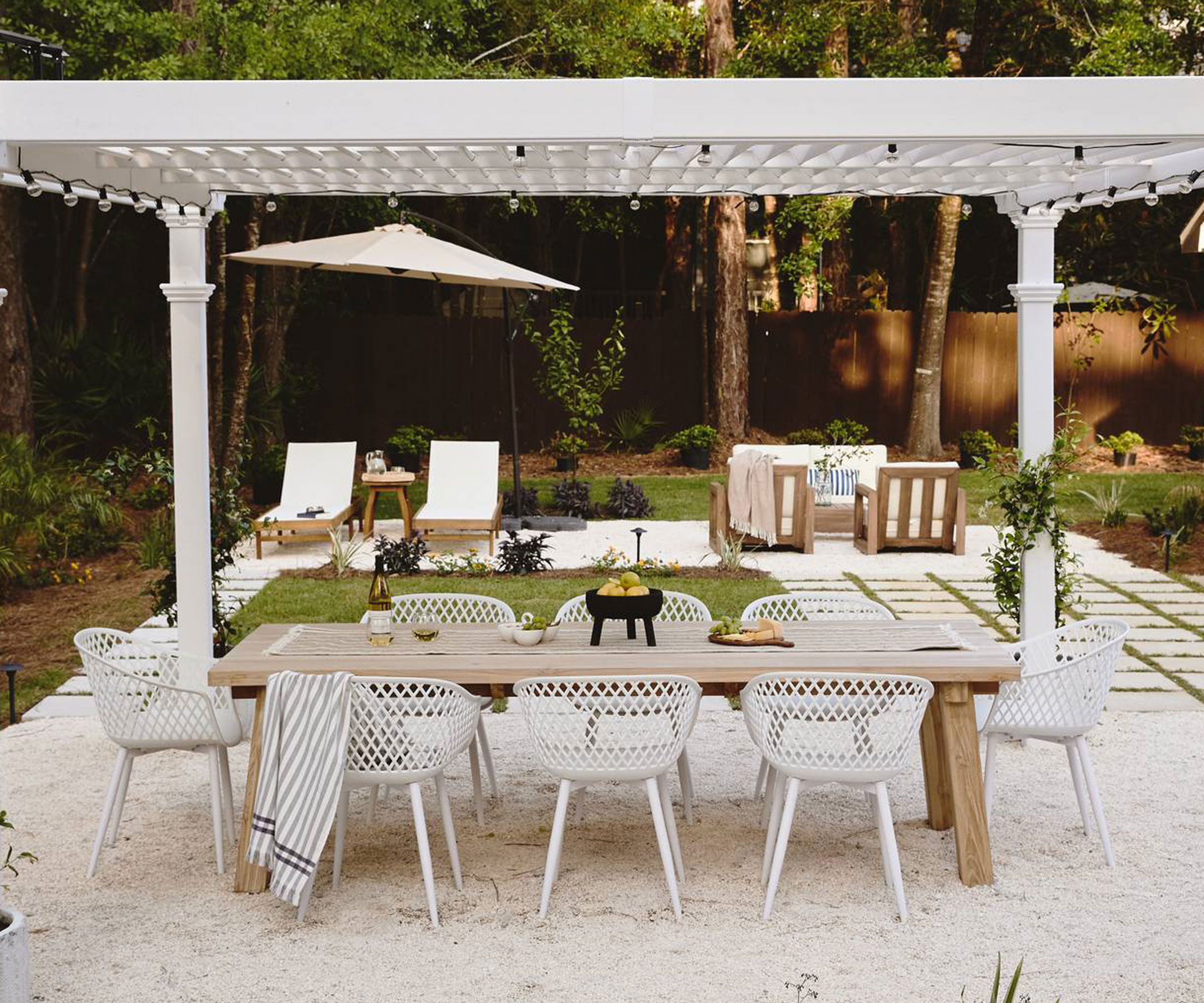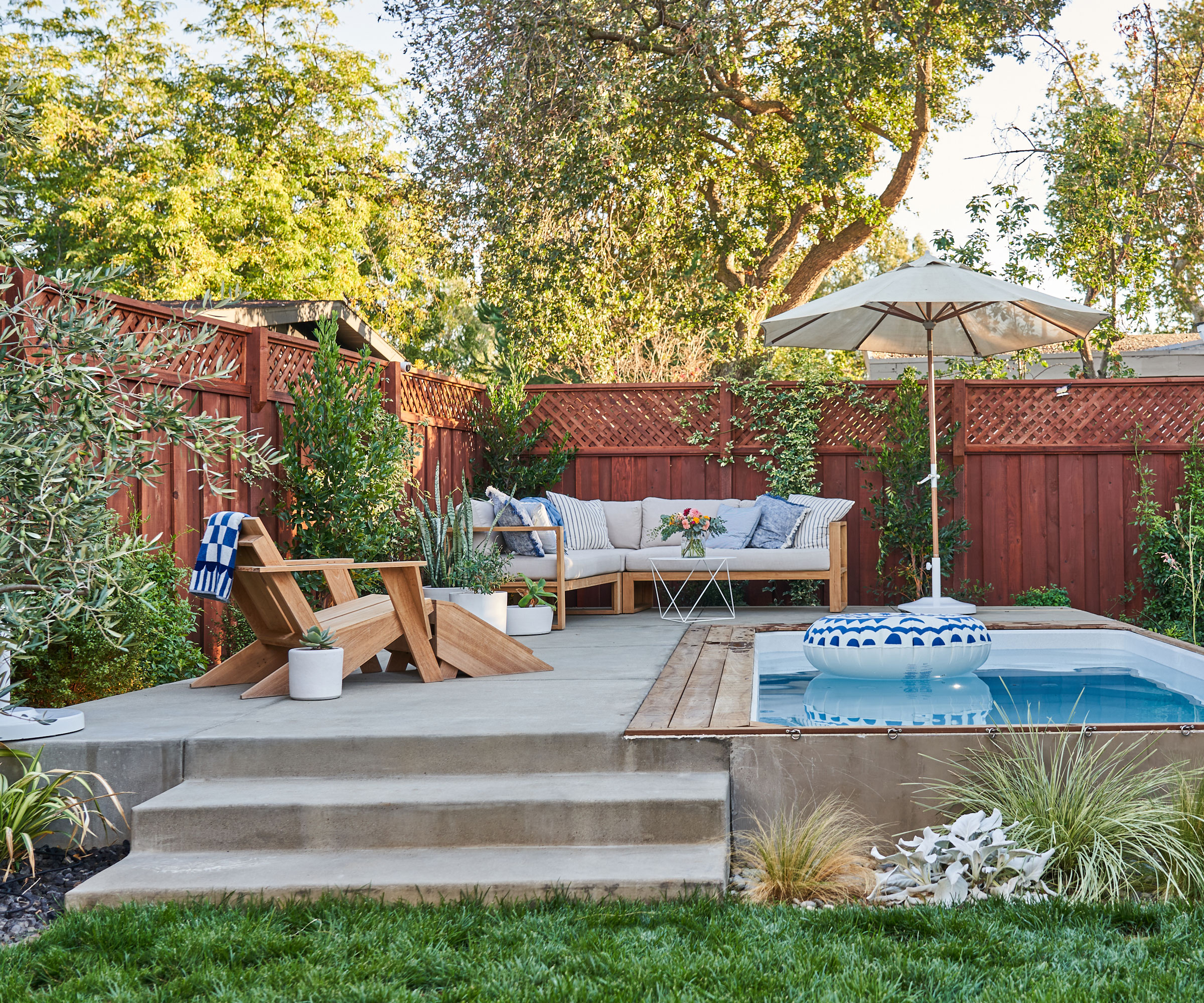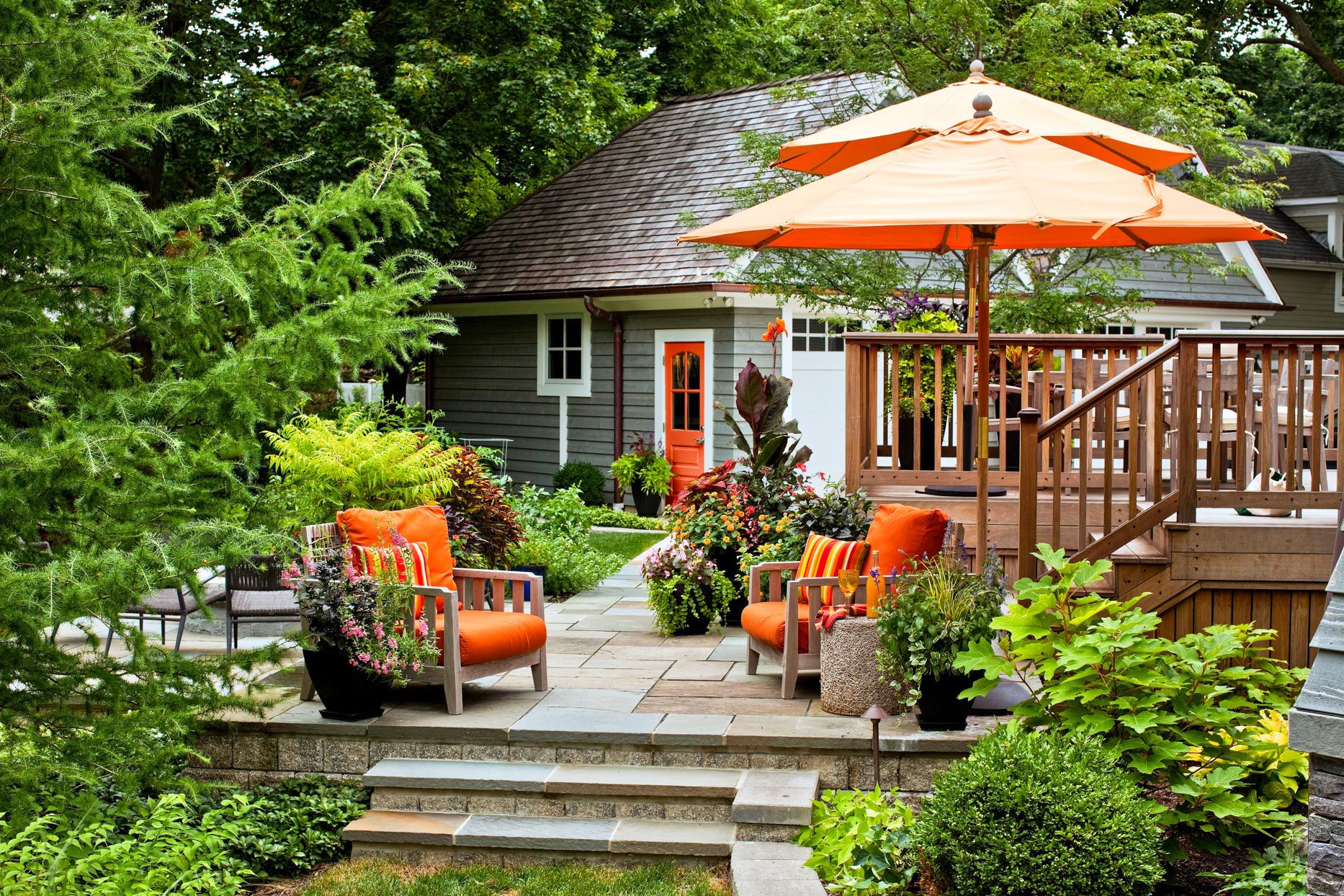
7 Landscape Design Tips for Beginners
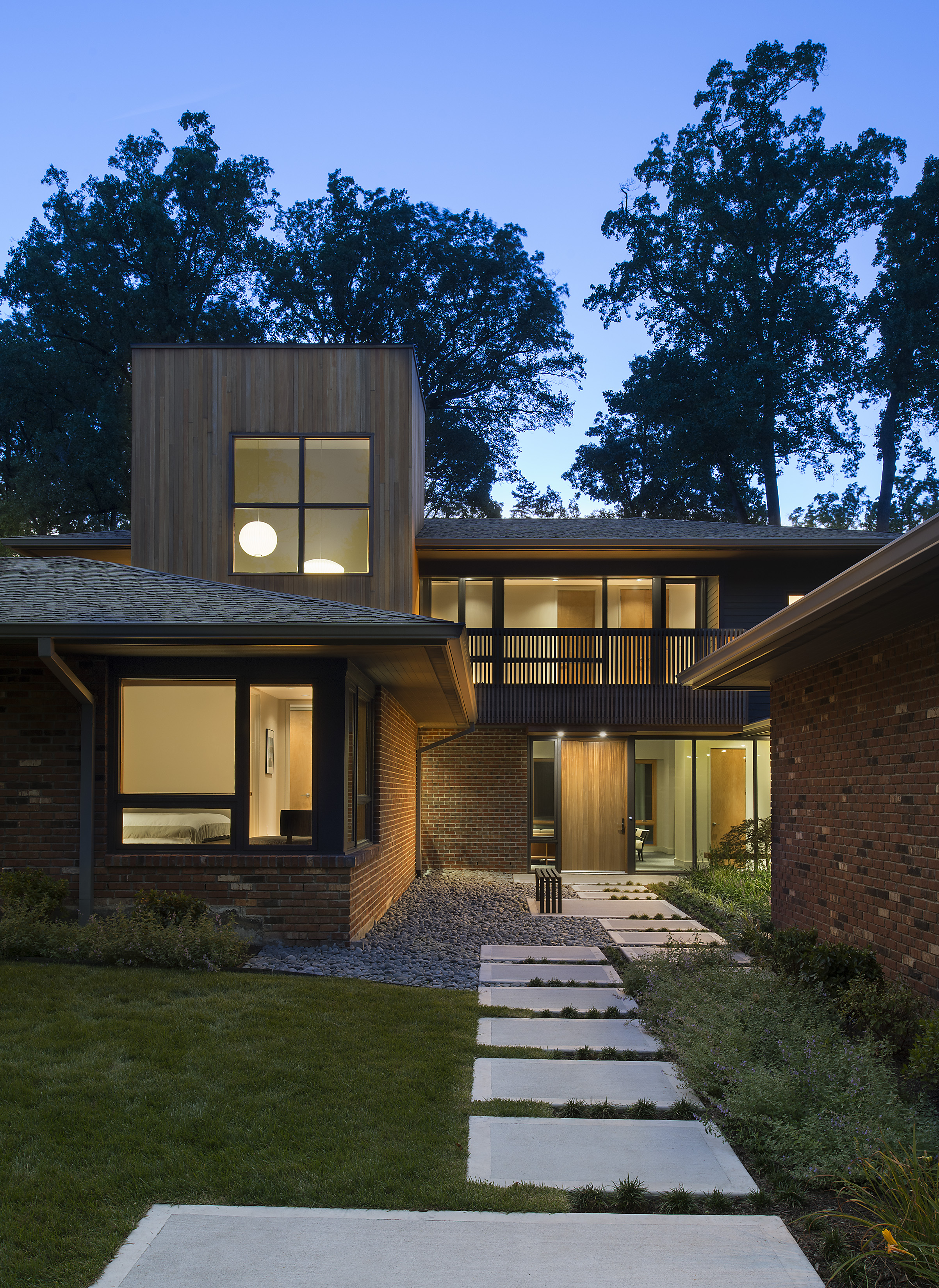
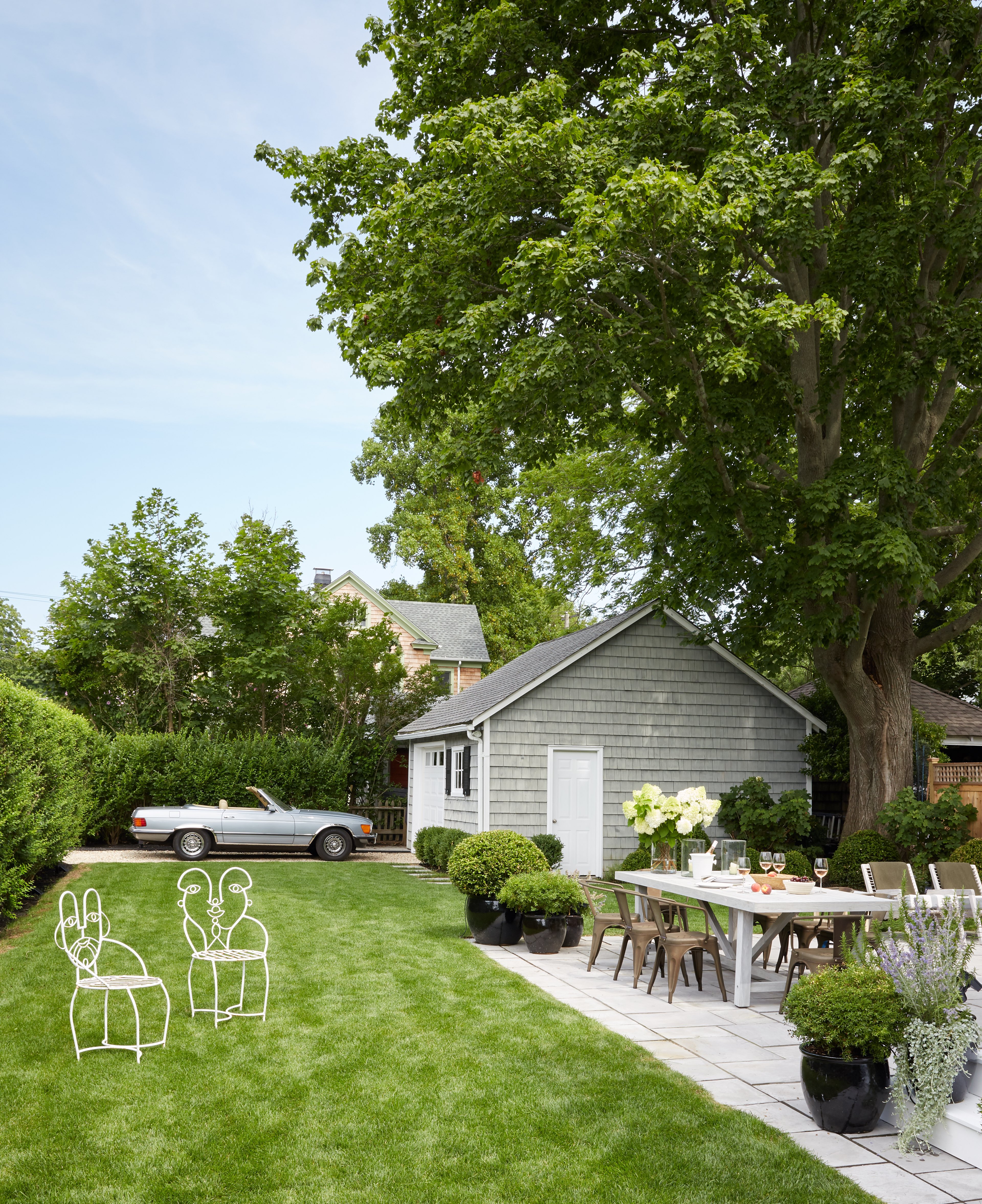
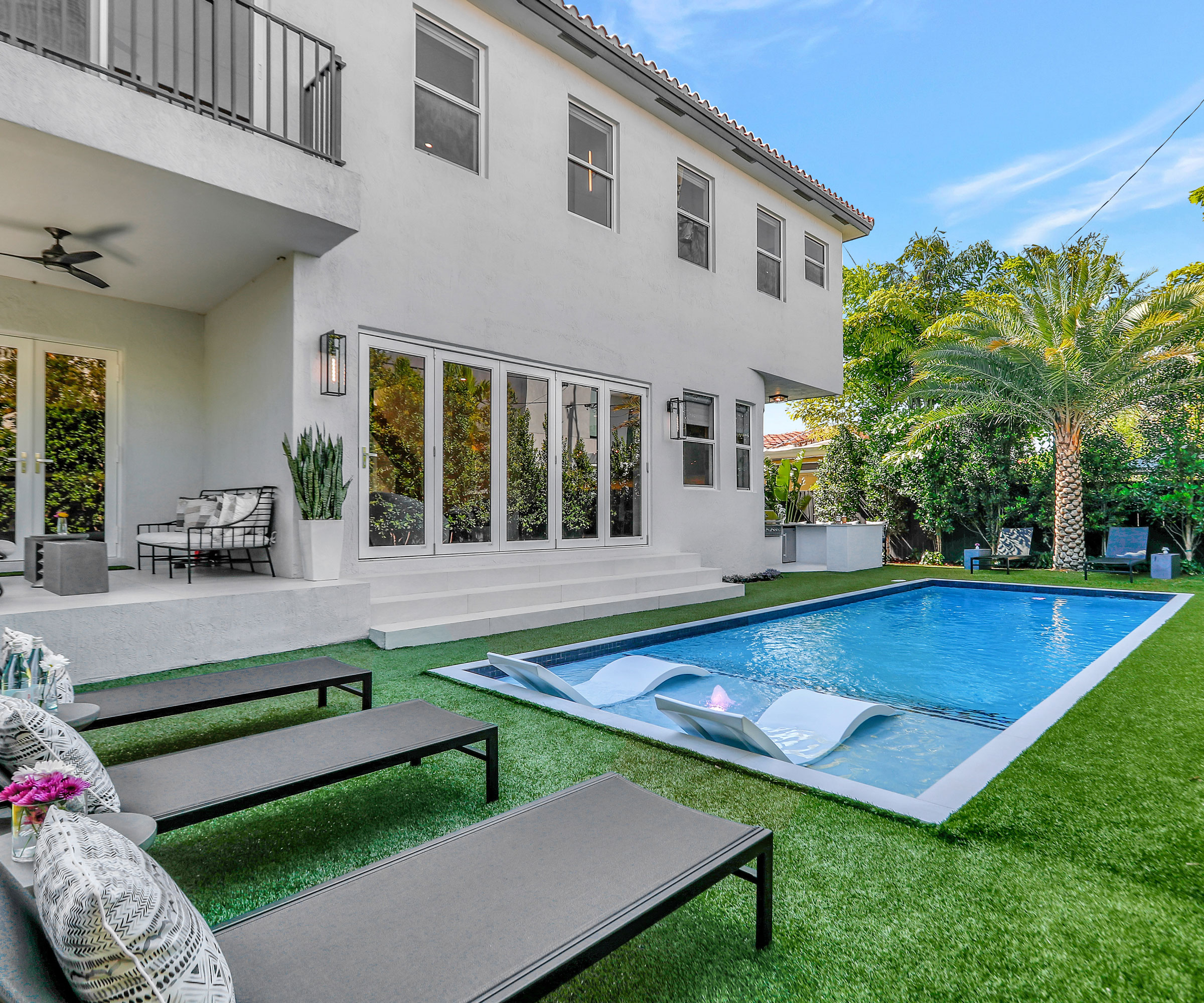
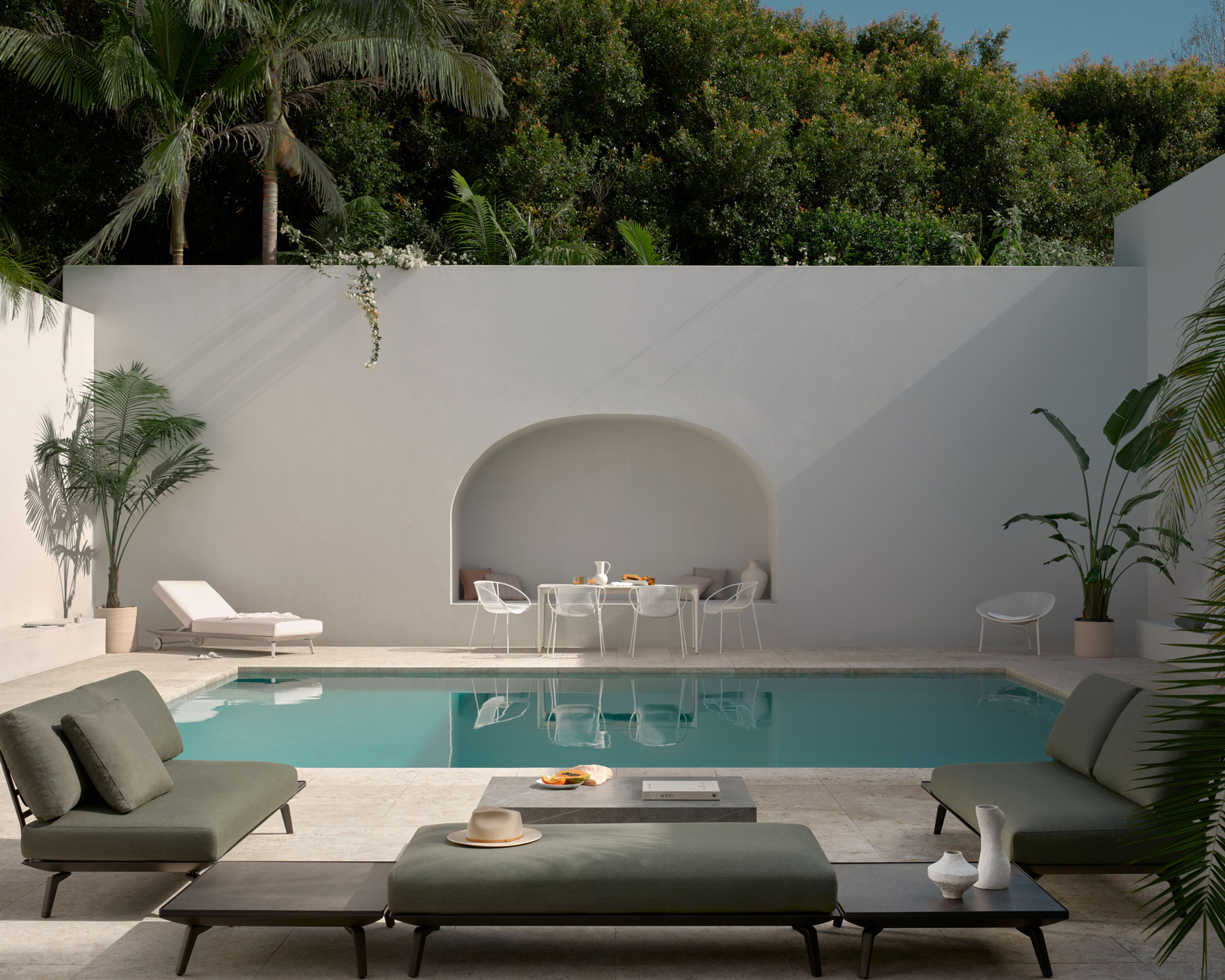
Landscape design can be an overwhelming endeavor for beginners due to the vast array of choices available, from plant selection and placement to the layout of paths and the inclusion of decorative accessories like benches and birdbaths. A helpful approach is to consider the outdoor space as an extension of the indoor home, applying similar design principles. Marianne Lipanovich, author of 'Big Book of Garden Designs,' offers seven essential tips to kickstart a new landscaping project.
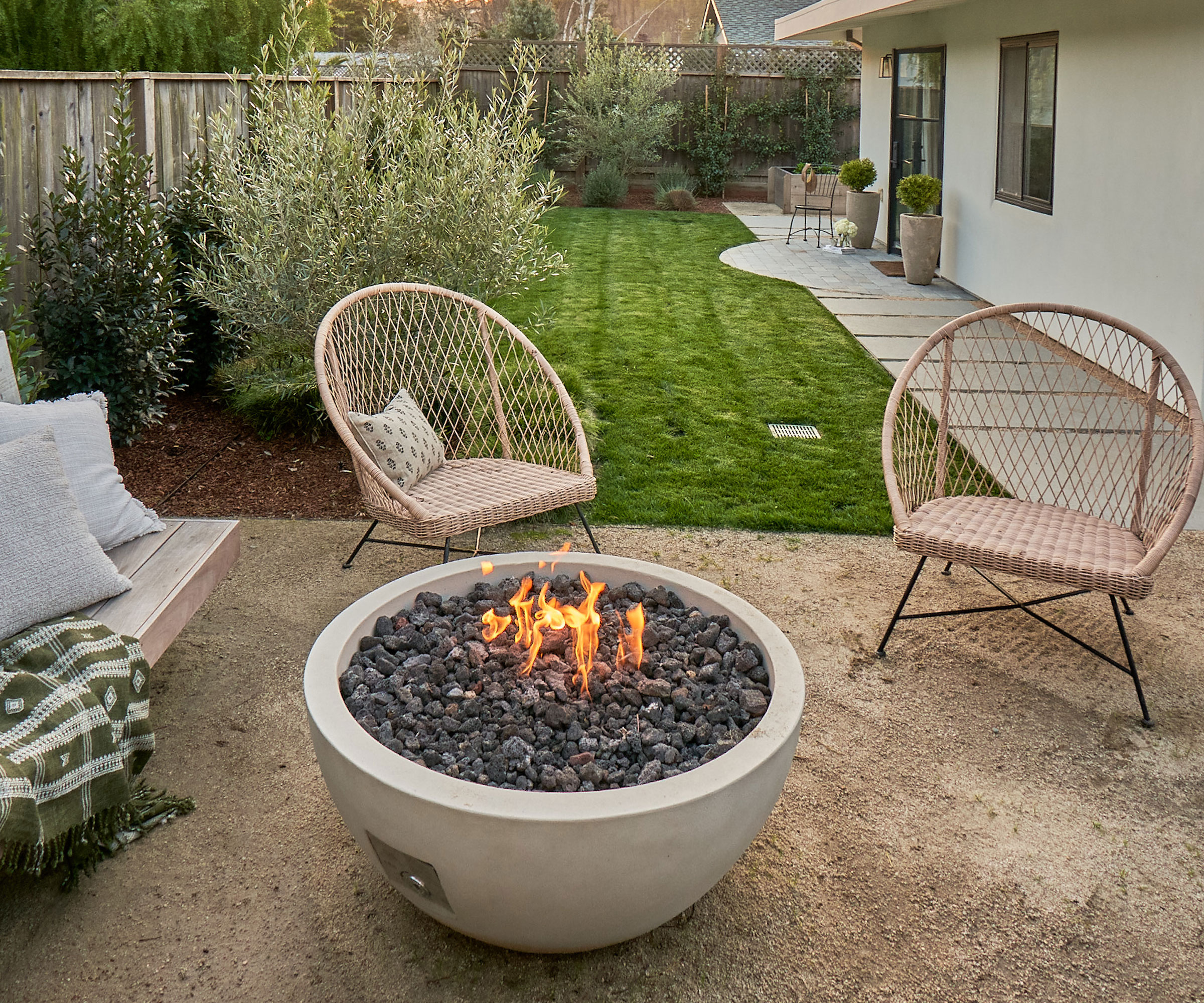
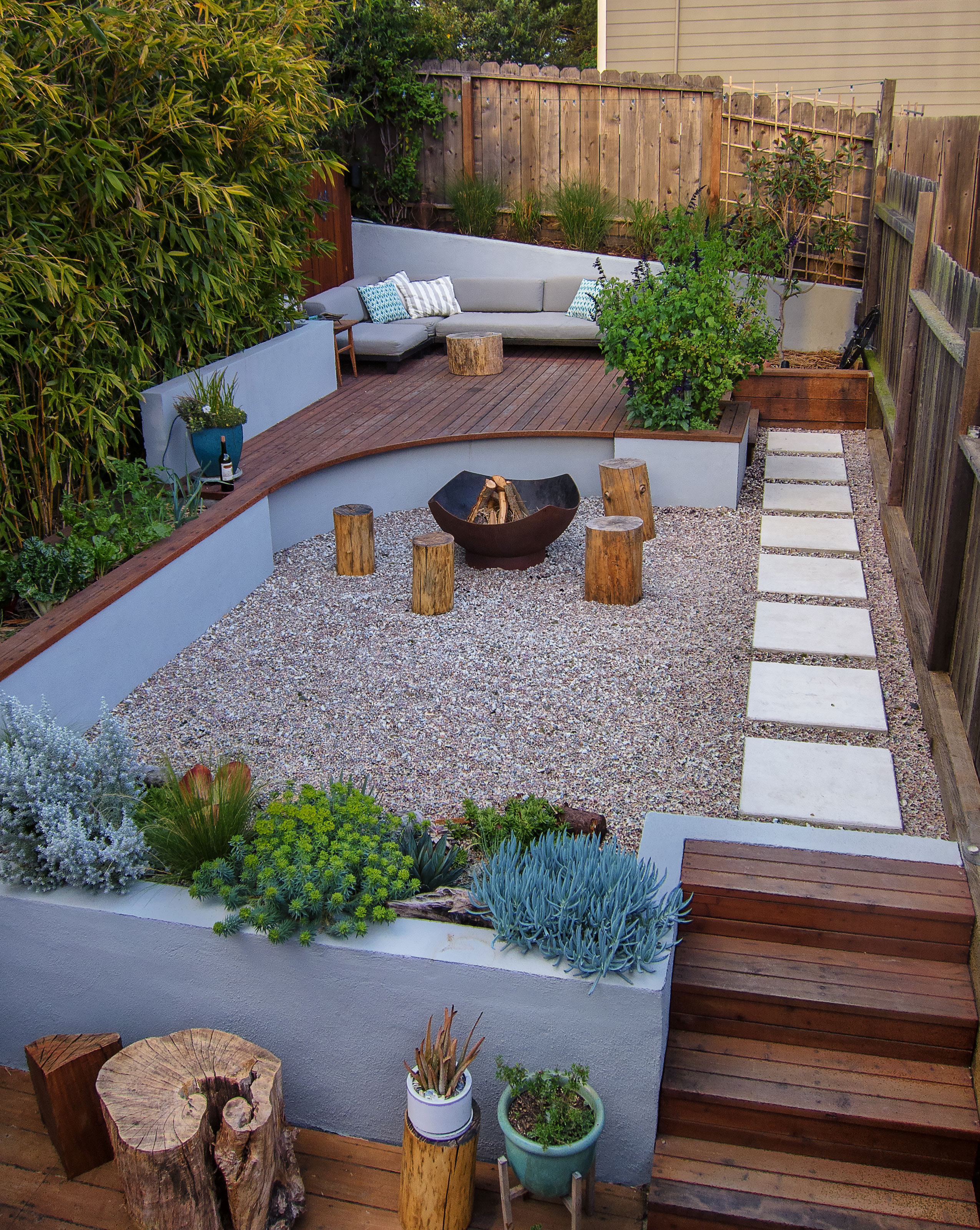
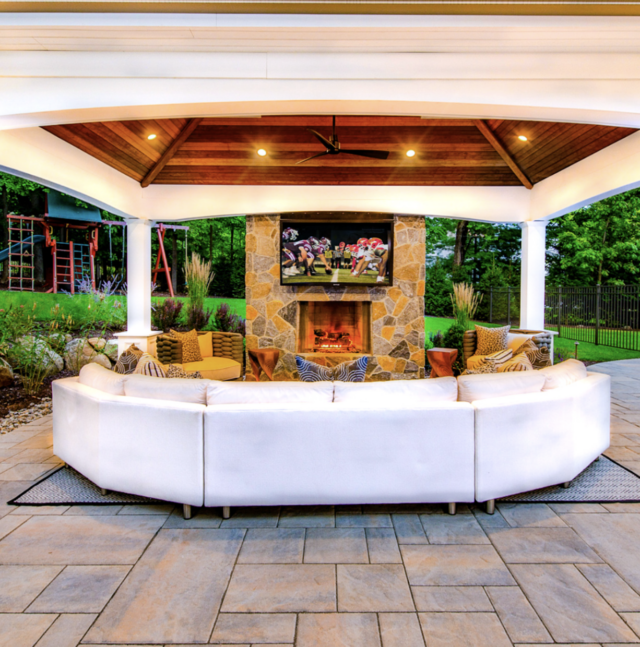
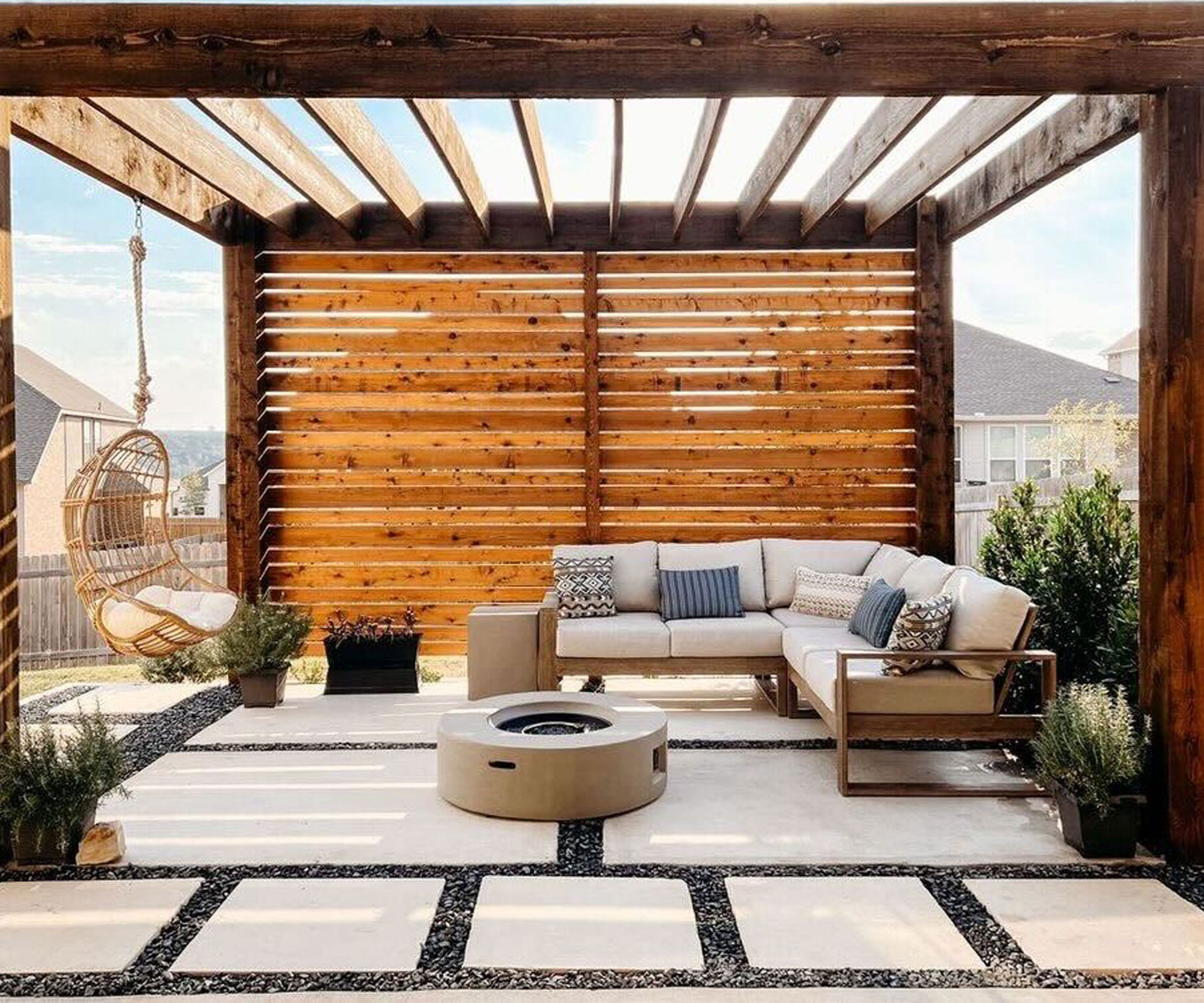
The first step involves identifying specific needs and desires for the landscape. This includes considerations like play areas for children, vegetable gardens, or gathering spaces with fire pits. Simple sketches, even if not professional master plans, can help organize these ideas and provide a flexible framework for the design. Lipanovich emphasizes that even basic drawings with a few lines and circles are sufficient to begin conceptualizing the space.
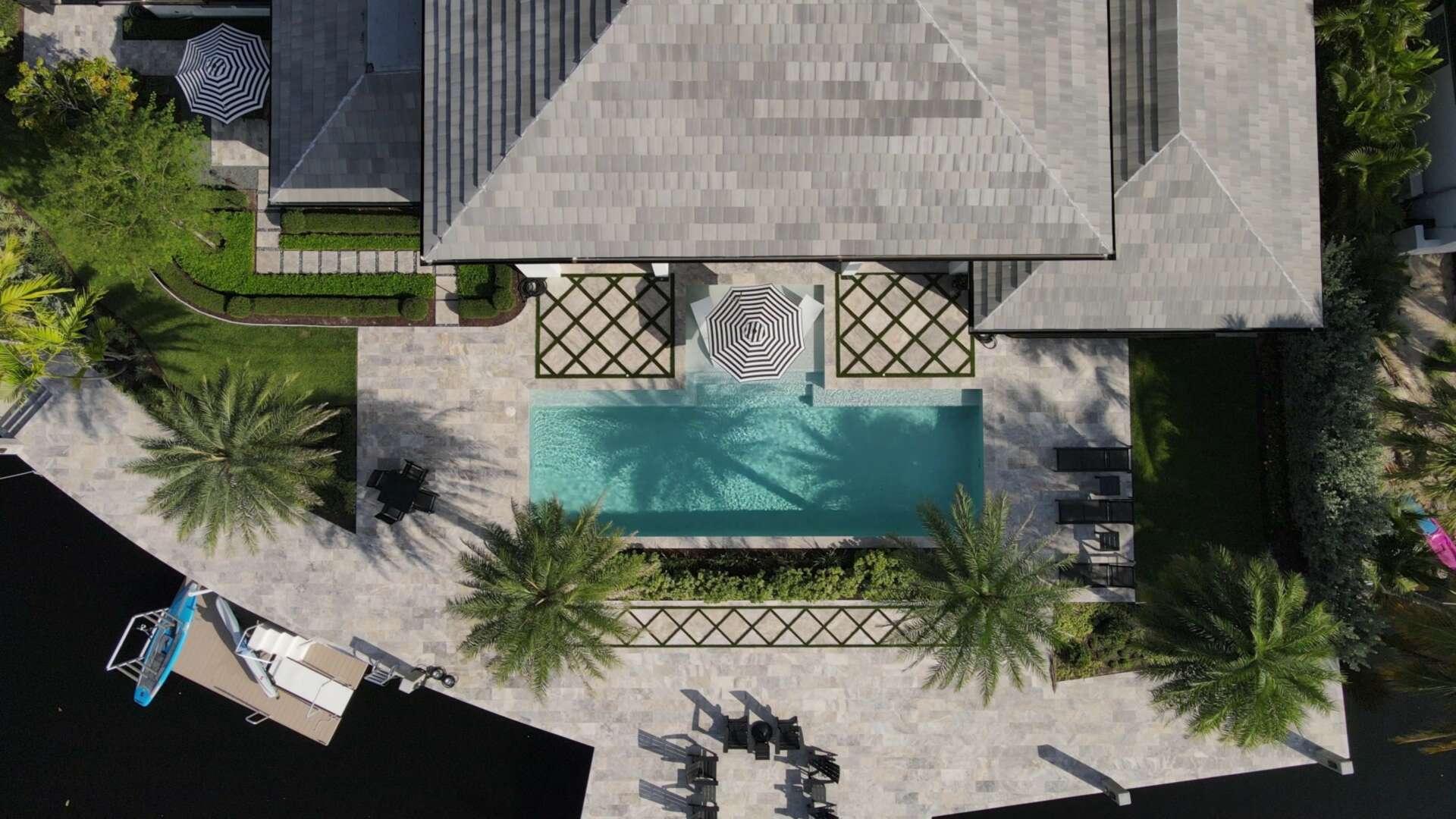
Next, understanding the site's environmental conditions is crucial. Analyzing sun exposure and wind patterns will prevent common mistakes, such as placing a patio in an area that becomes uncomfortably hot in the afternoon or where a fire pit would be extinguished by strong winds. It is also advisable to determine the plant hardiness zone and conduct a soil test to ensure suitable planting conditions.
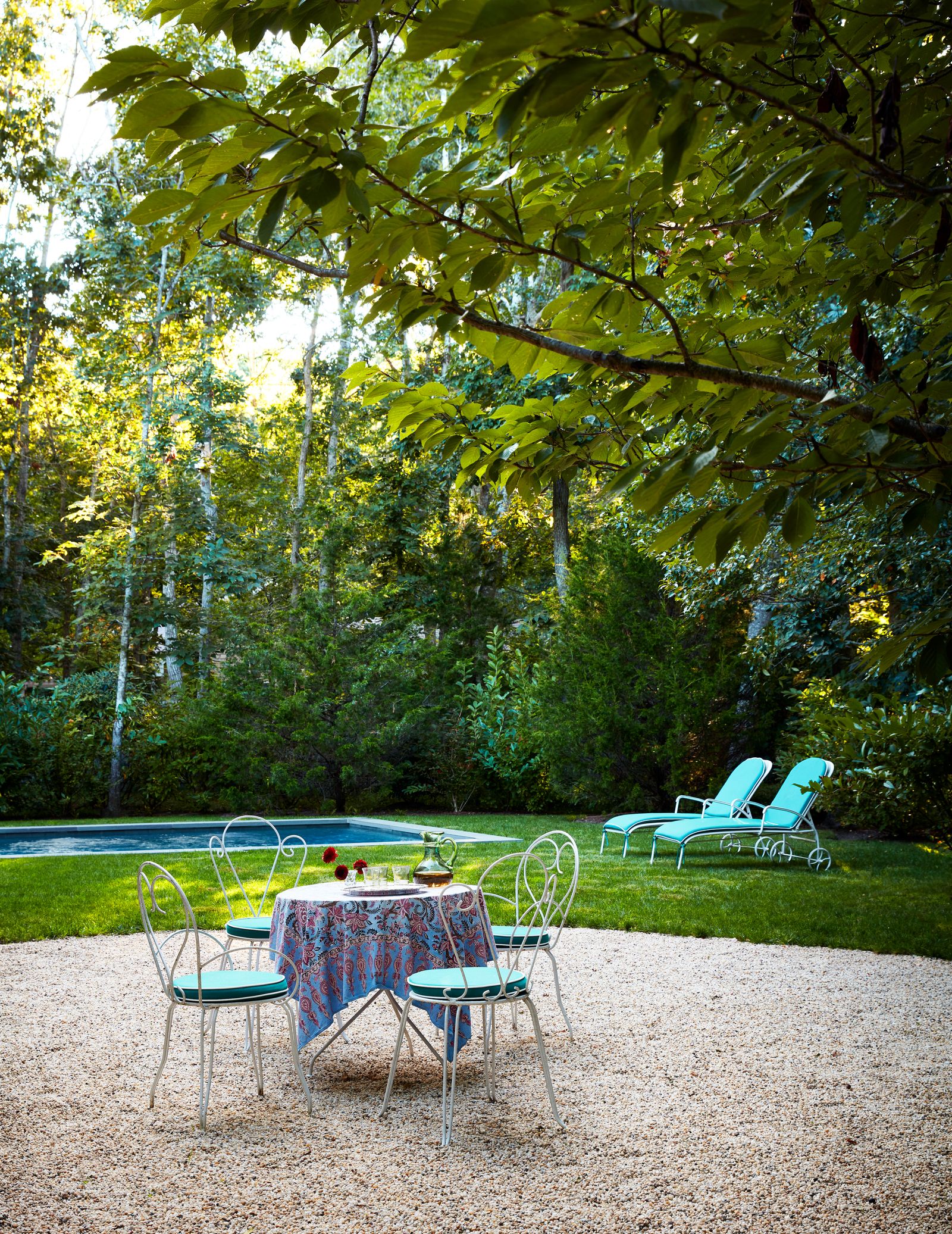
Before making any permanent changes, it is beneficial to spend time observing the existing landscape. This allows for a deeper understanding of how the space is used and where natural gathering spots or preferred seating areas might emerge. Choosing flexible patio furniture and accessories can accommodate evolving preferences during this observation period.
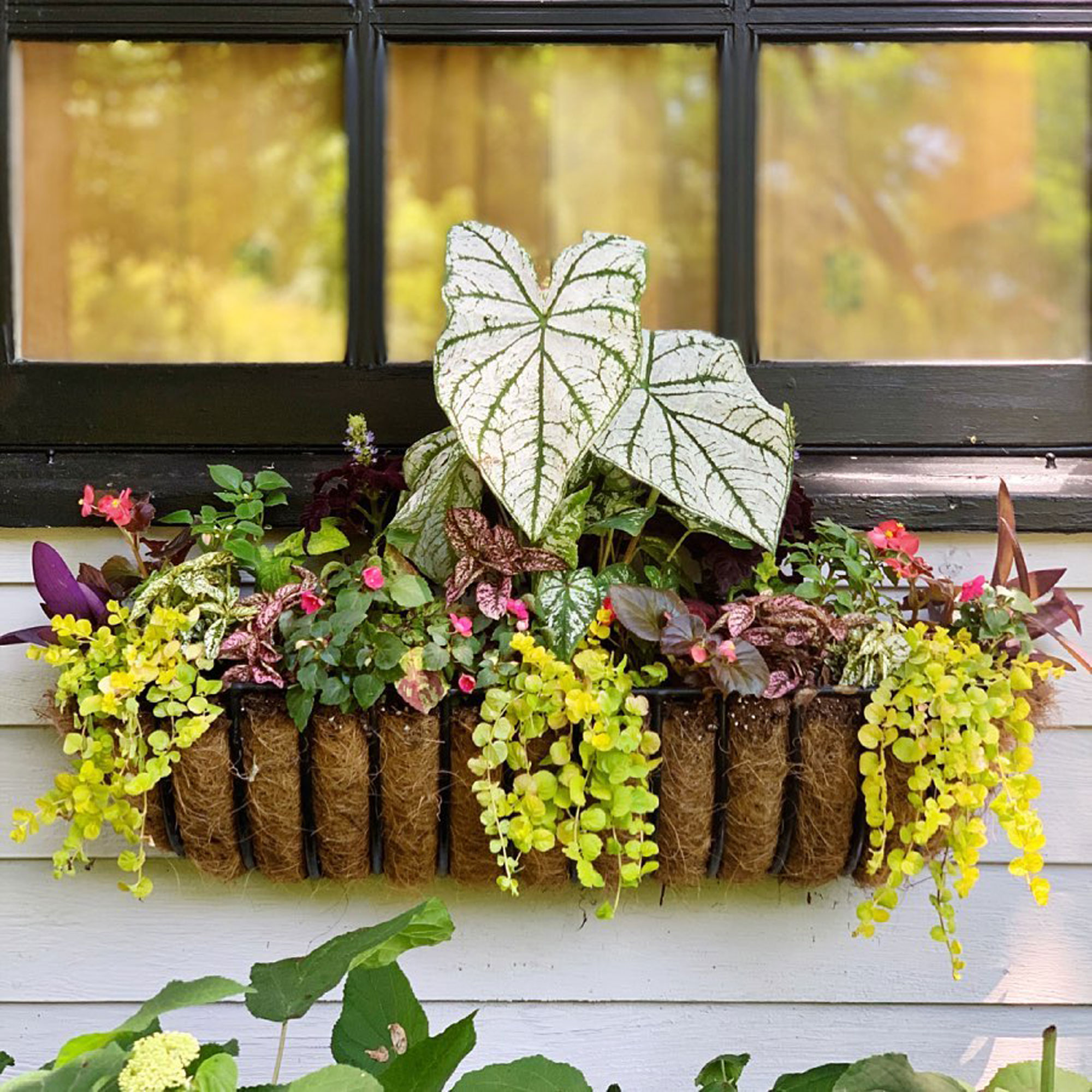
Beginning with small, manageable projects is recommended. While television shows might depict rapid outdoor makeovers, these often involve large crews. For a beginner, starting with a small flower bed and dedicating an hour or two at a time fosters a more enjoyable process and reduces the likelihood of rushing decisions that might later be regretted. This gradual approach allows for thoughtful development and refinement of the design.
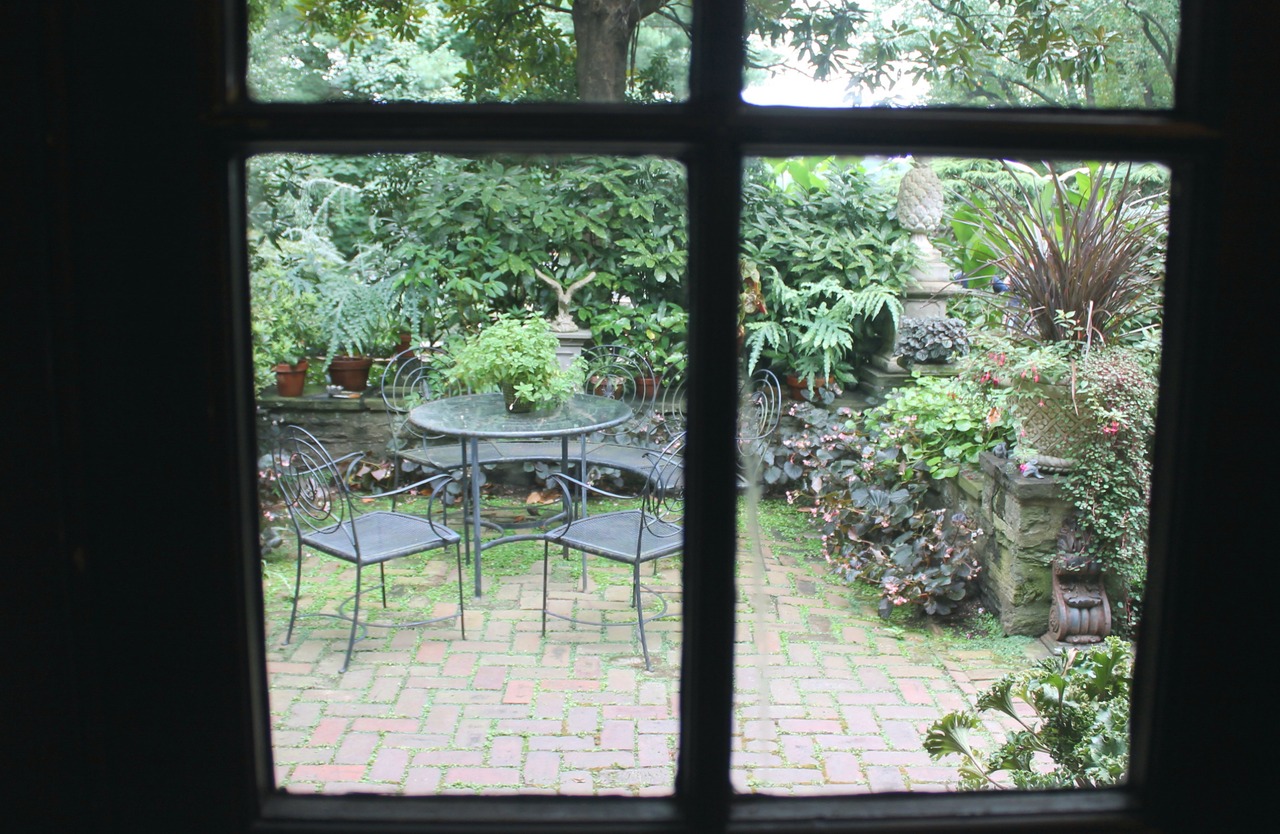
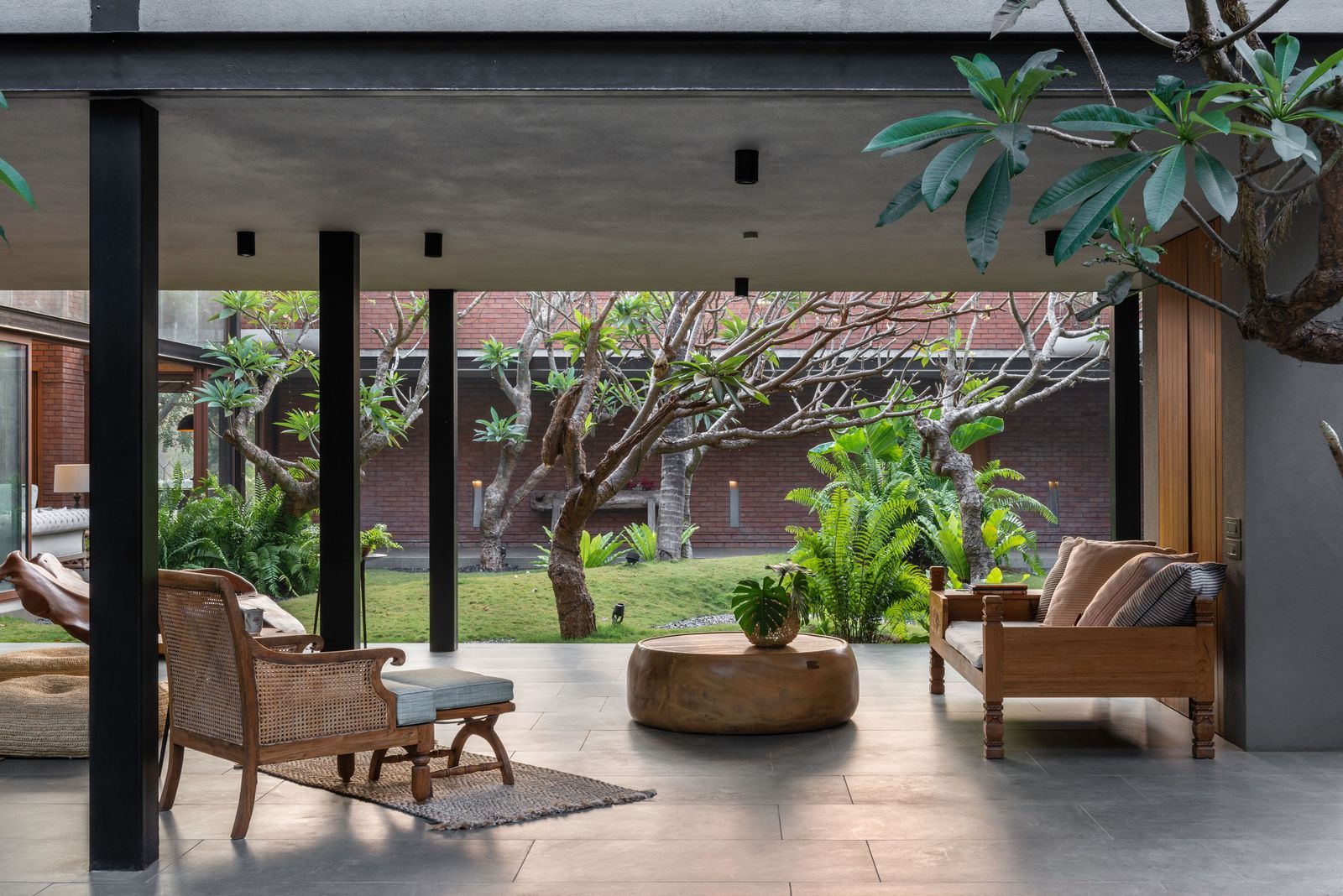
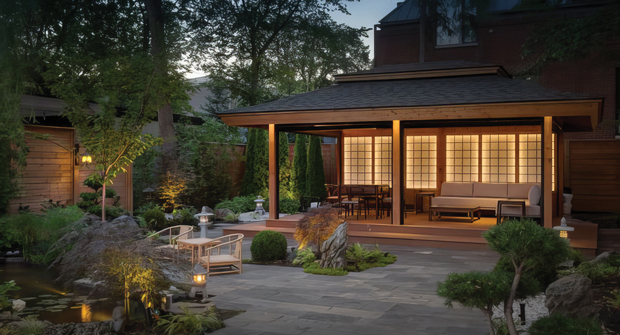
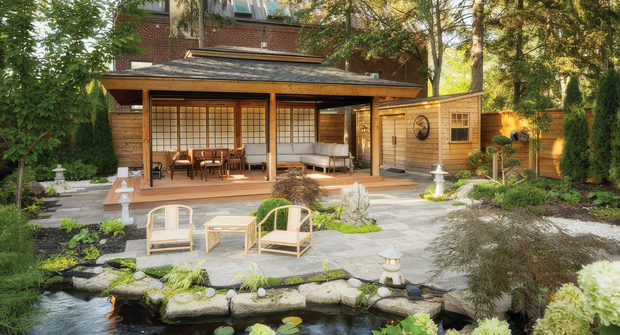
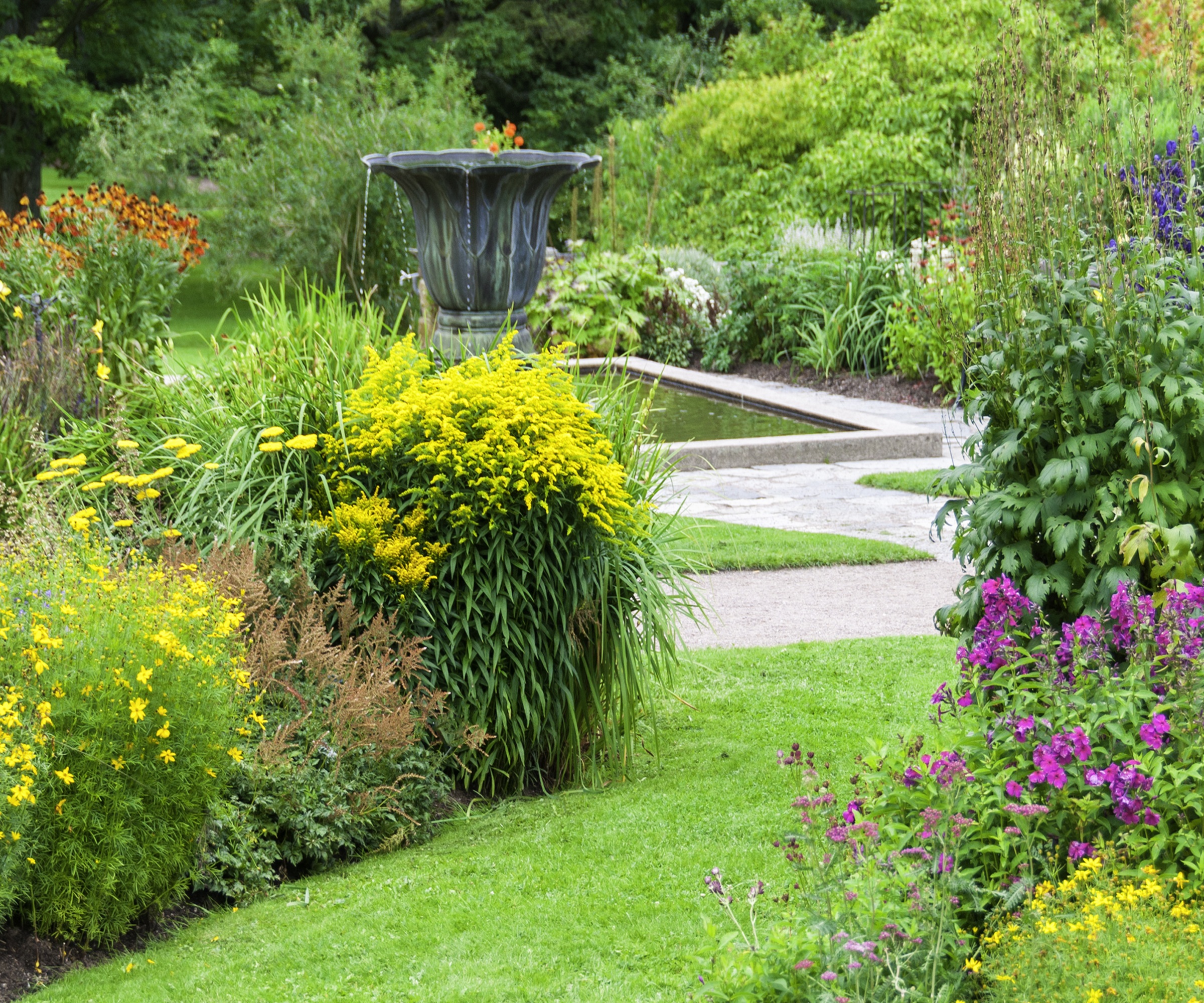
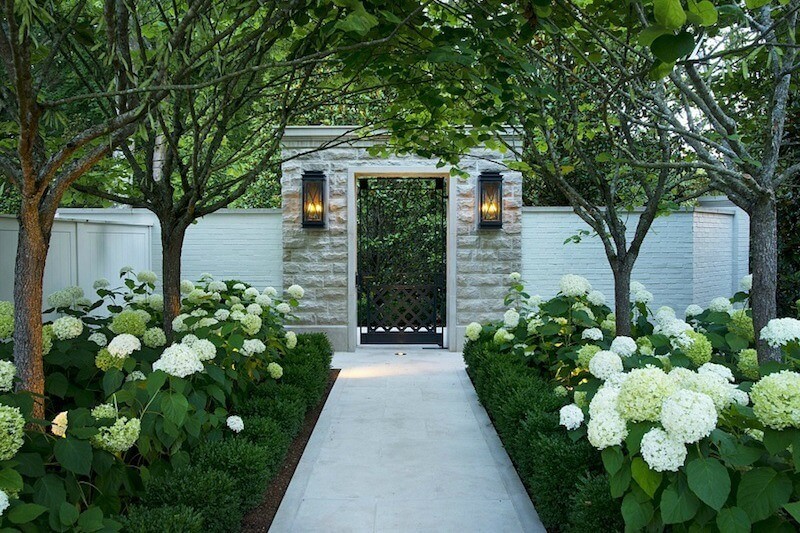
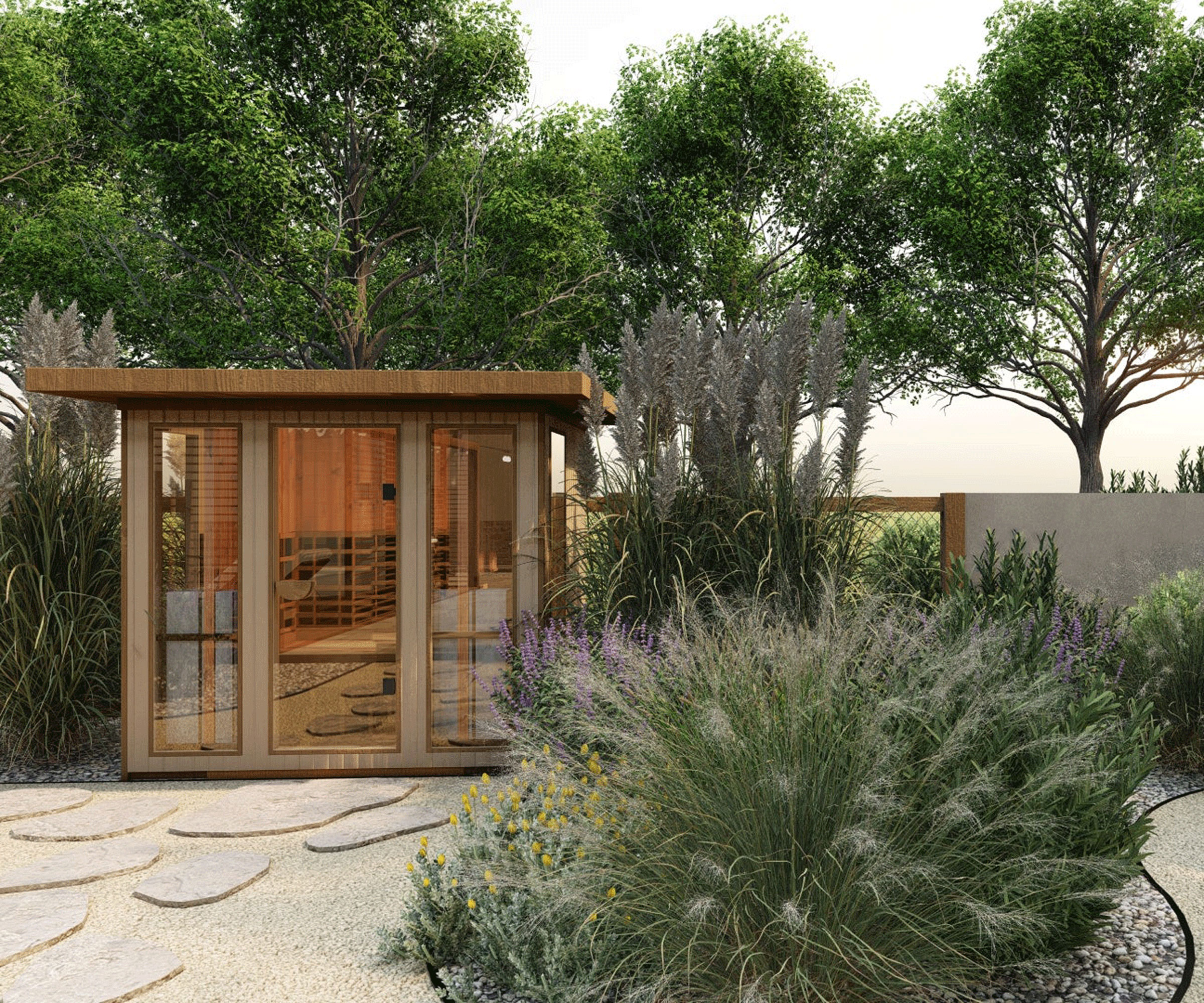
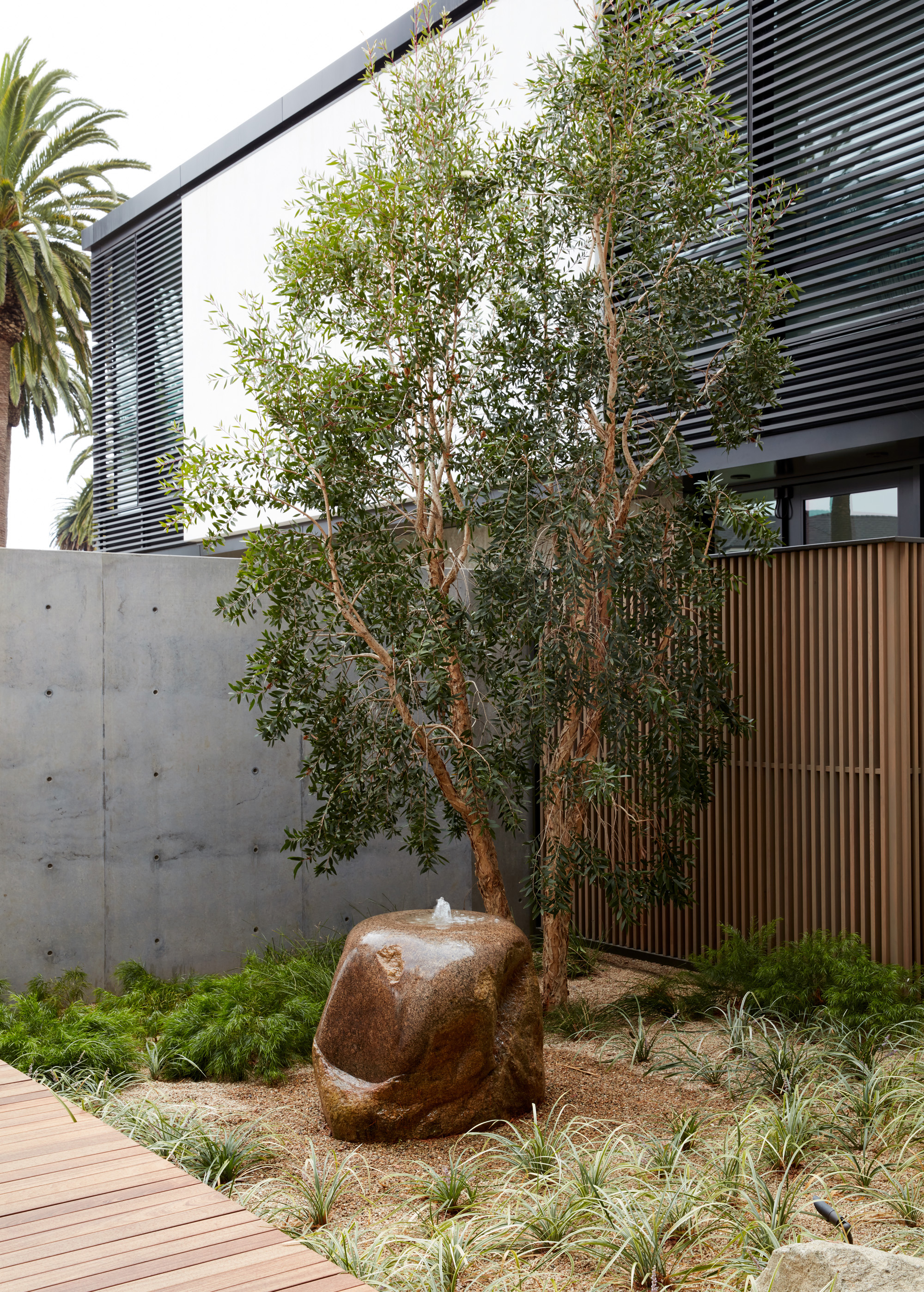
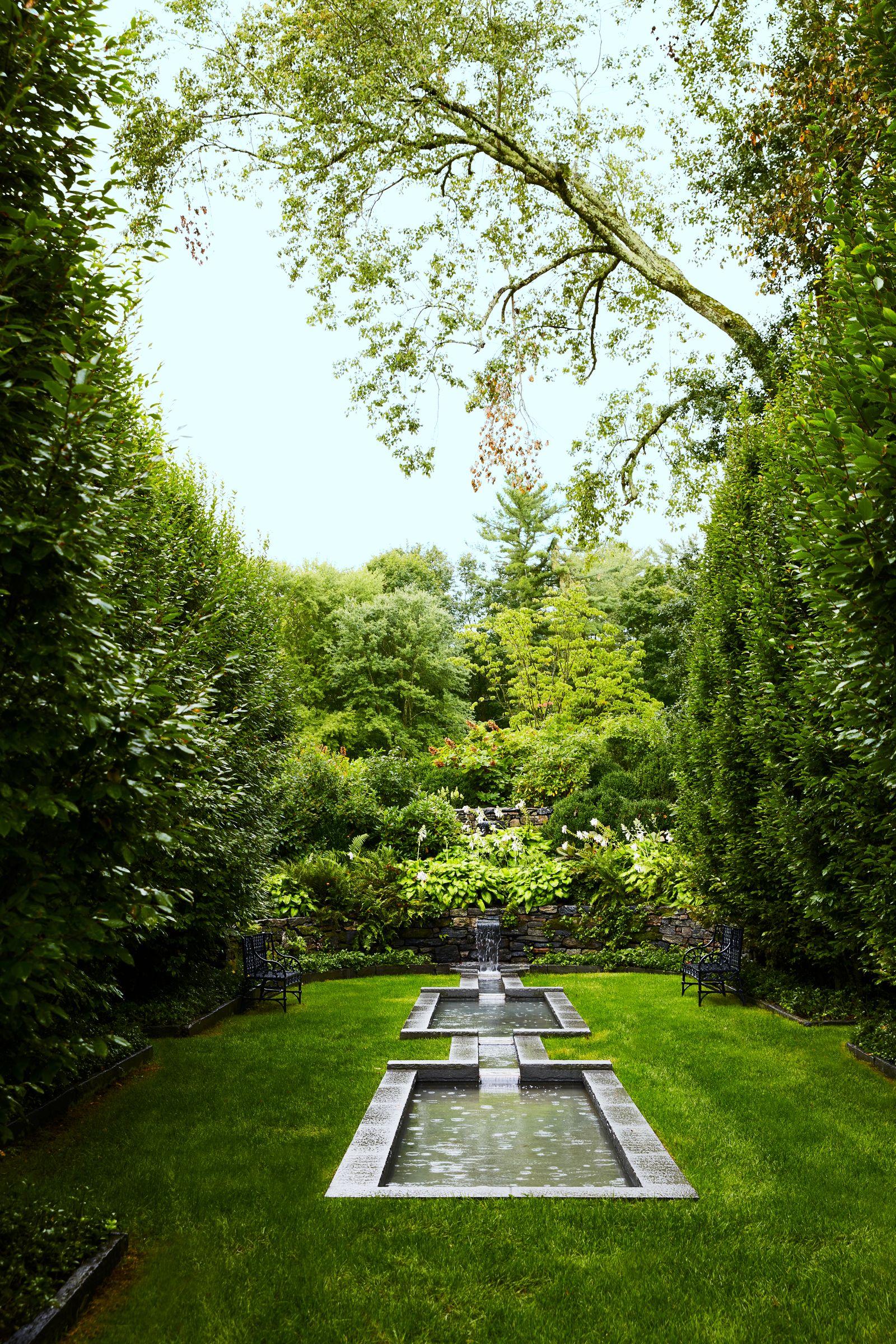
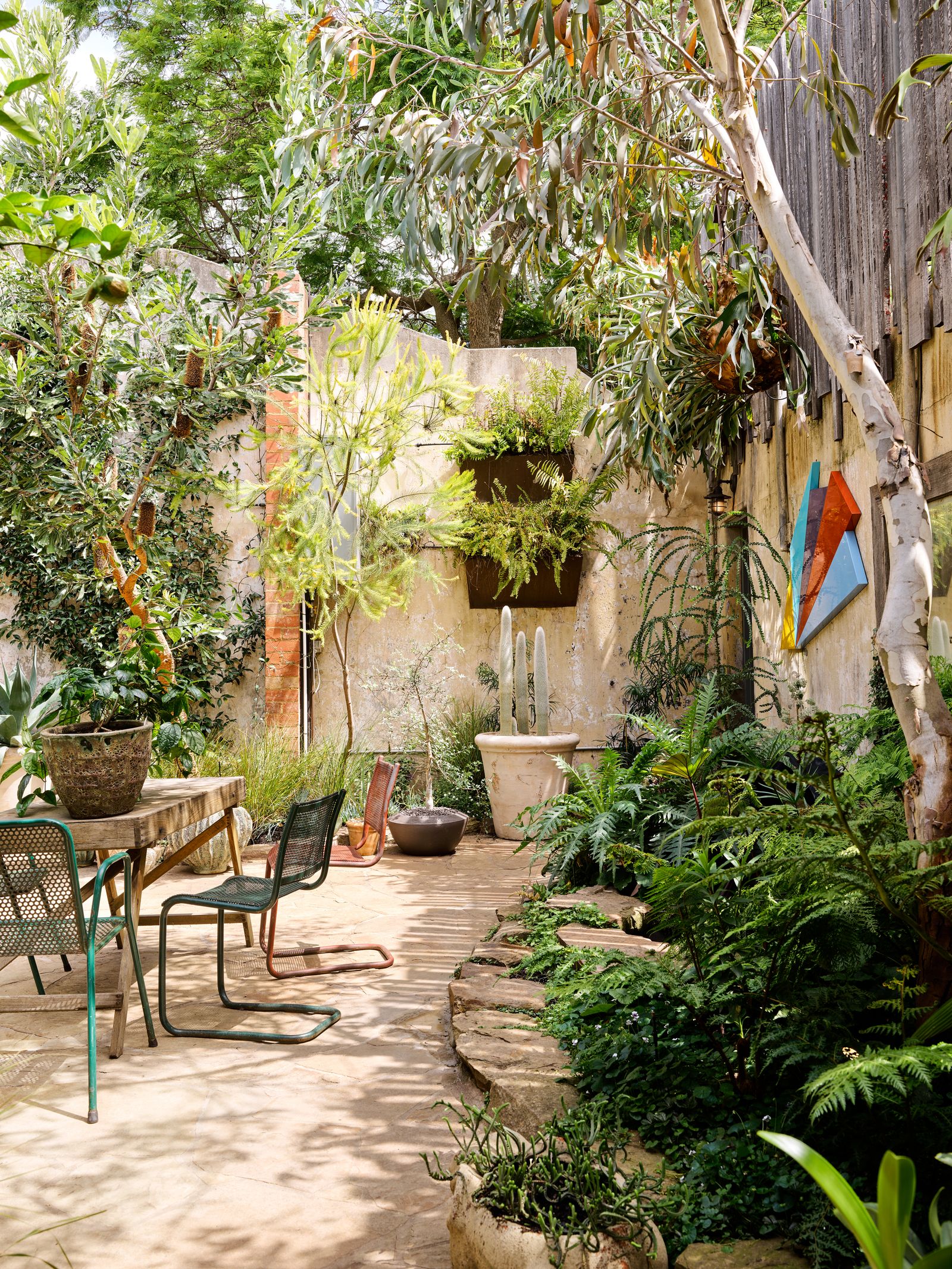
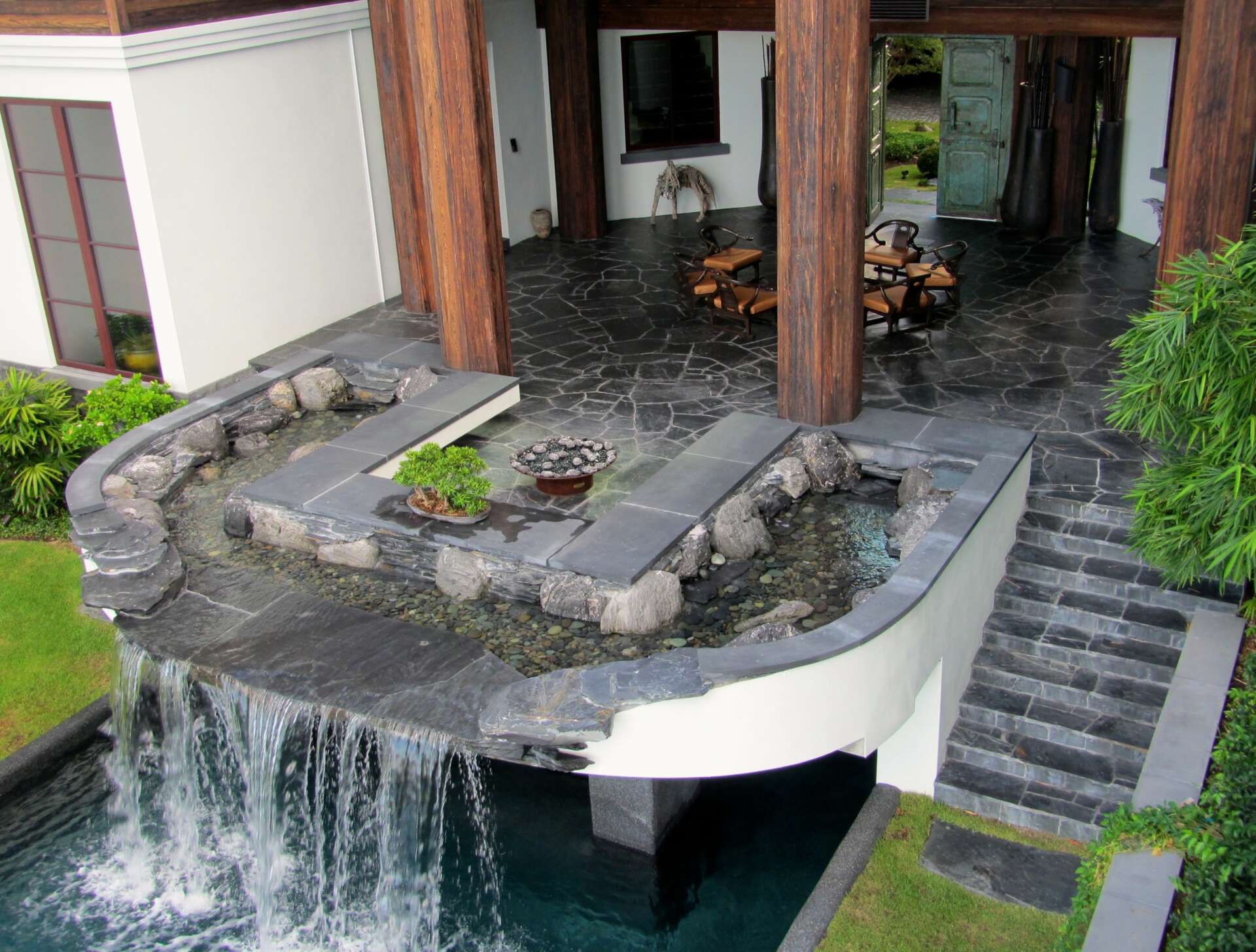
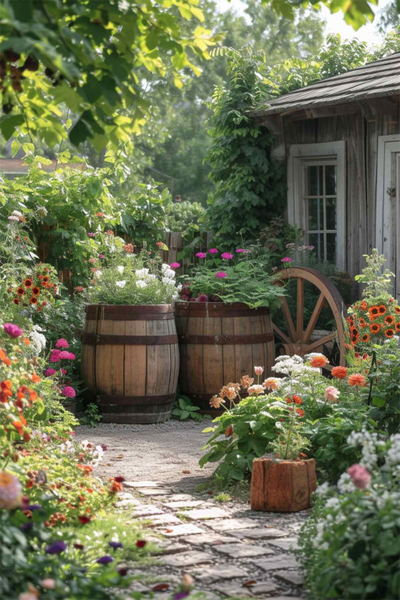
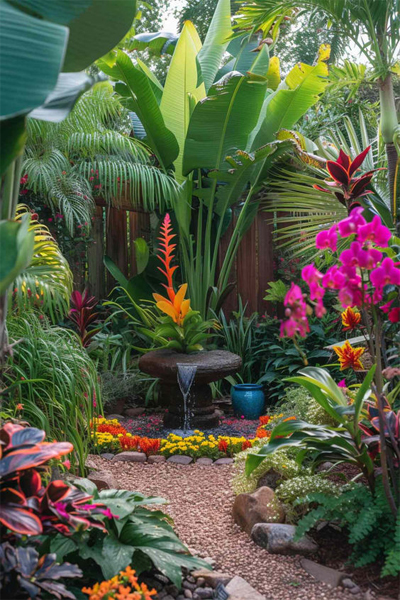
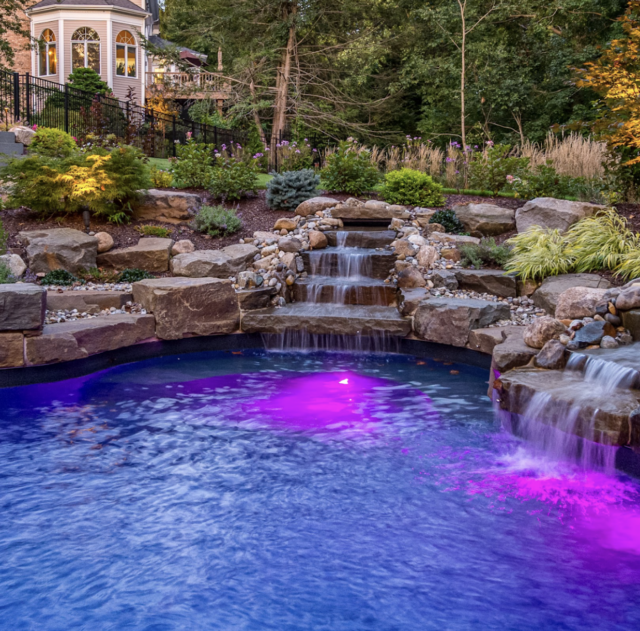
Incorporating a focal point or a series of focal points is a key principle in garden design. This could be a striking sculpture, a prominent tree, or a collection of shrubs. Creativity can be used to integrate salvaged elements for a rustic look or to maintain clean lines for a contemporary aesthetic. For flat, square yards, traditional designs may work best, while more free-flowing spaces can accommodate unique features like fairy gardens, small ponds, or gazebos, guiding the eye through the landscape.
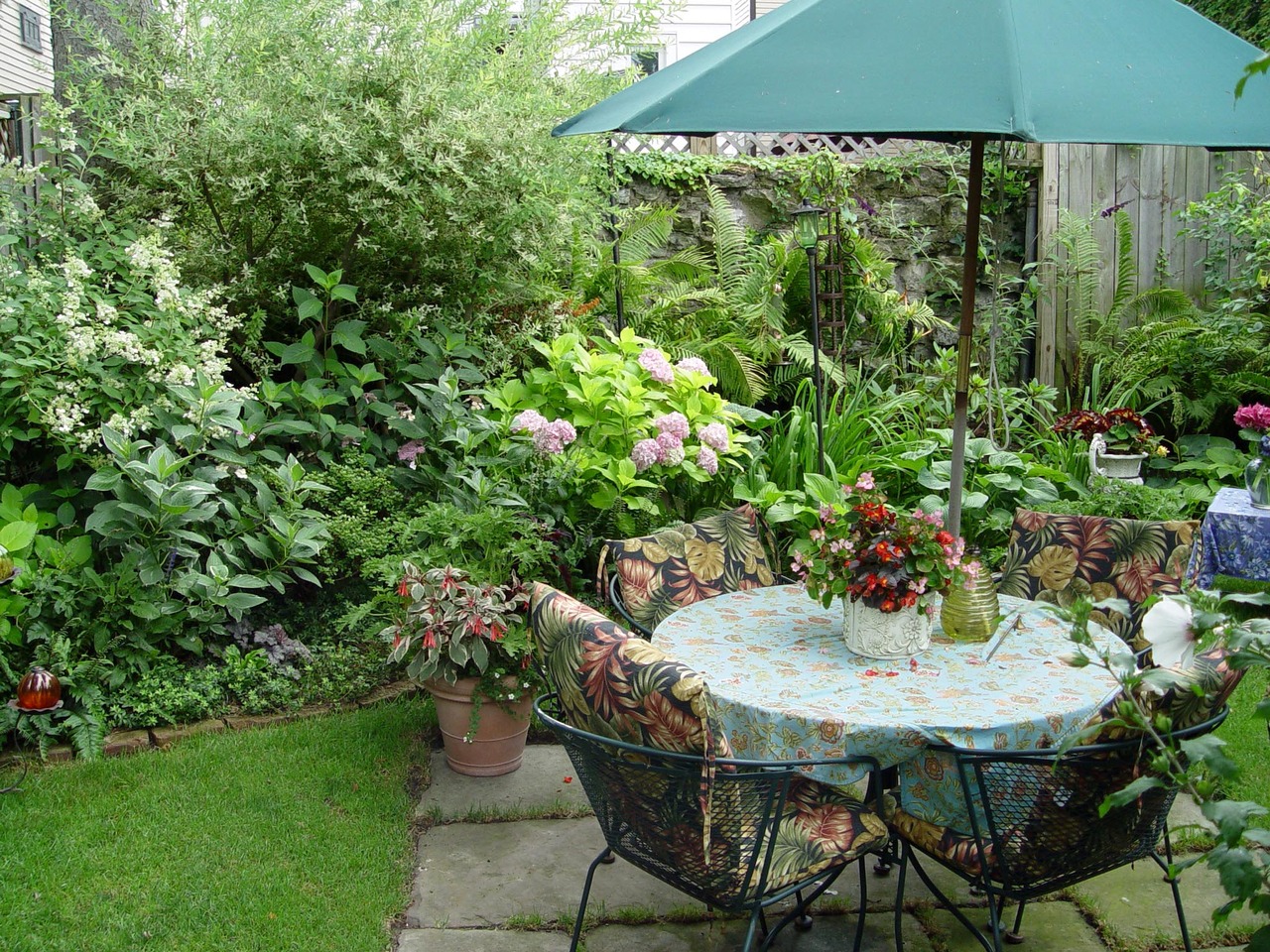
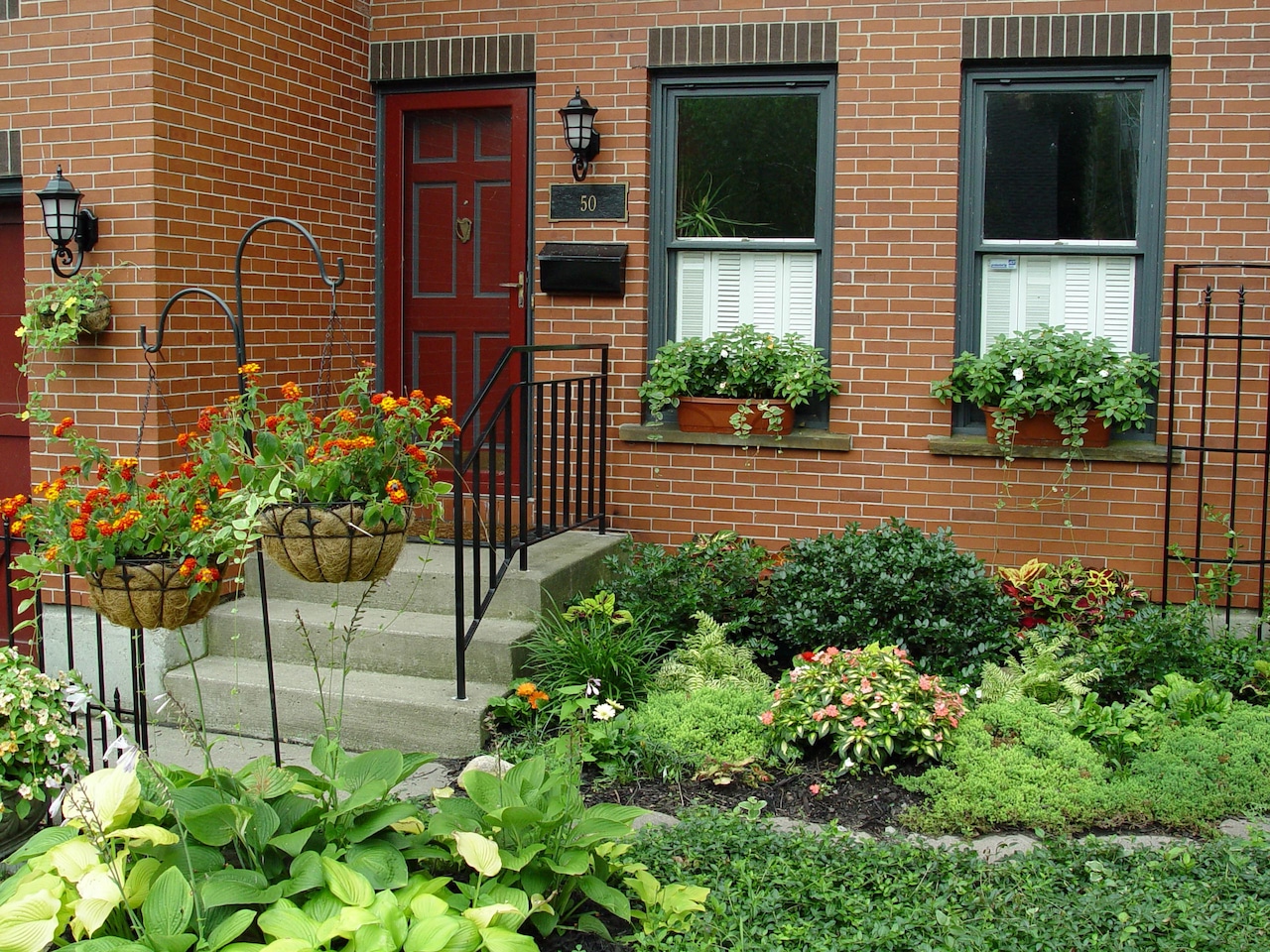
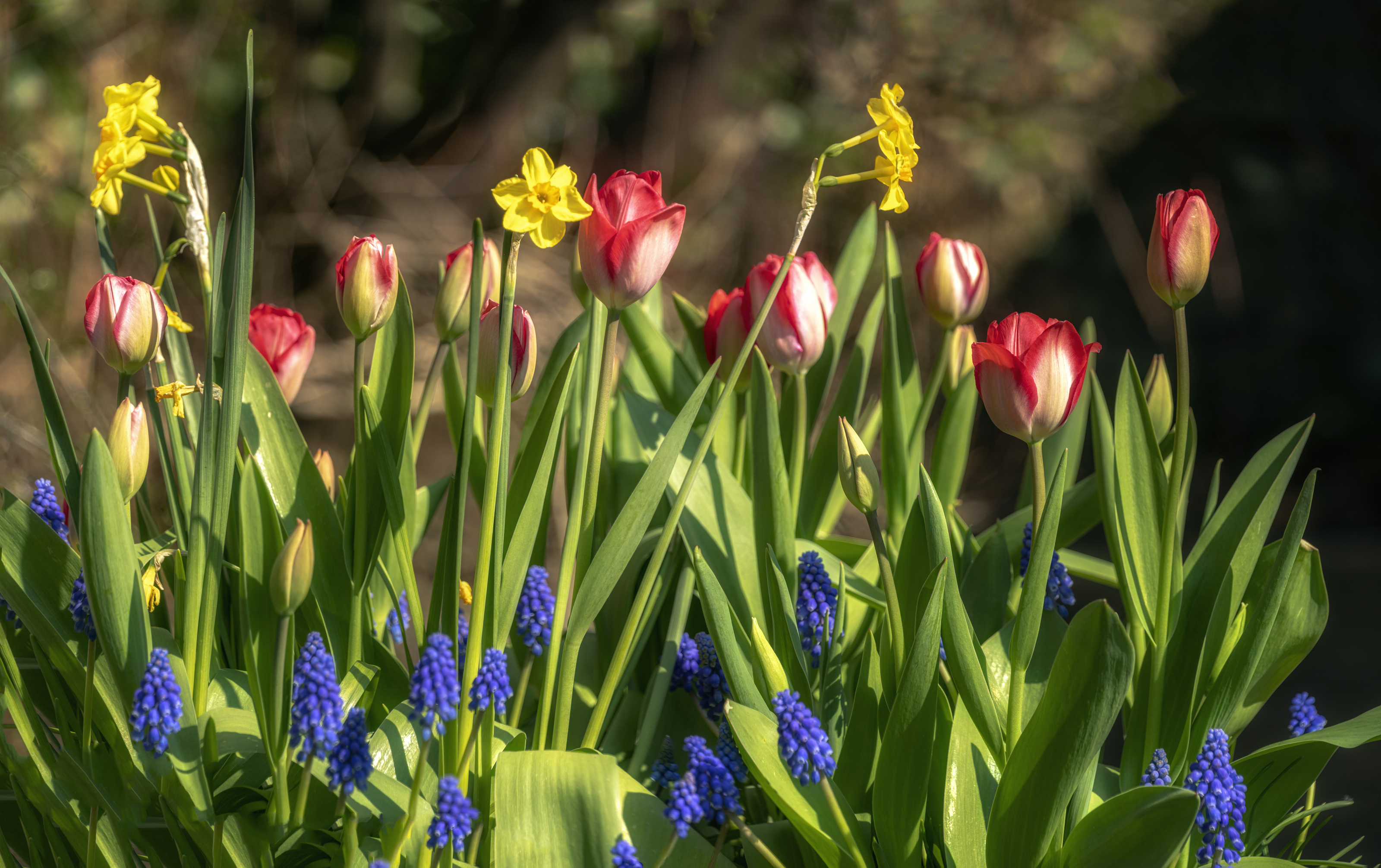
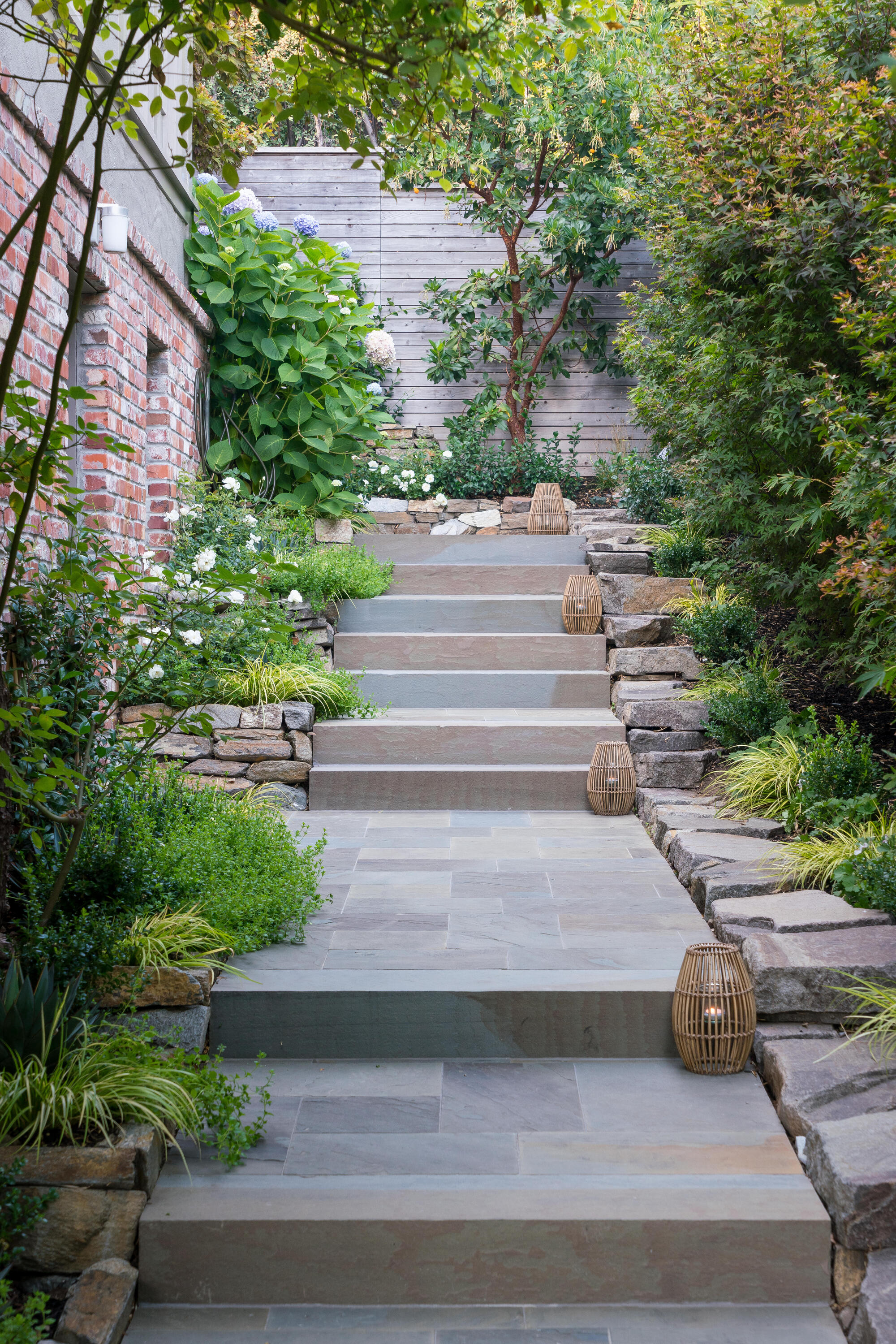
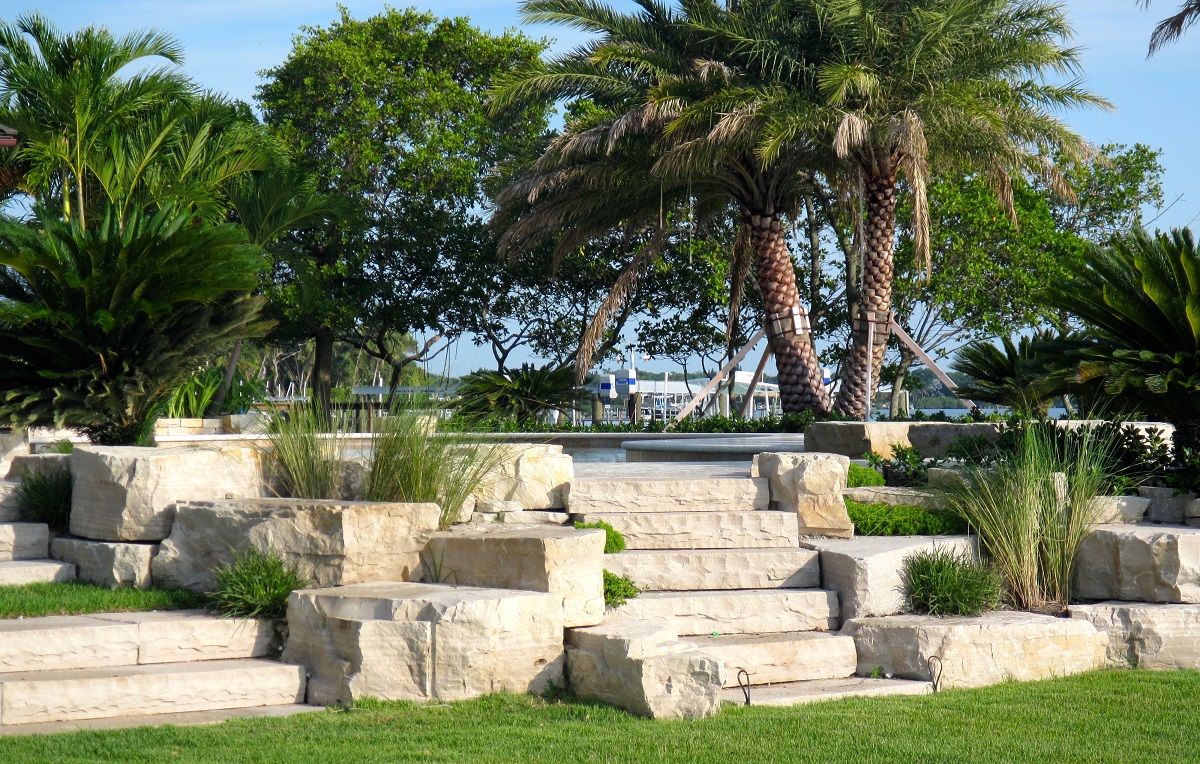
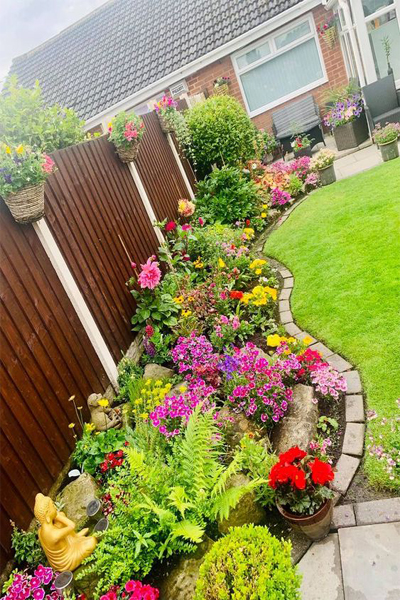
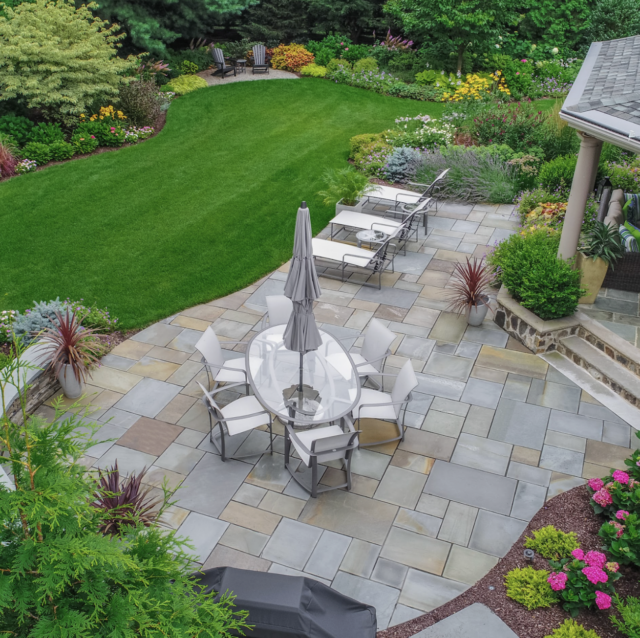
Scale and pacing, although challenging for novices, are vital for a cohesive look. This involves creating variations in plant size, shape, and color, placing taller plants against structures or at the back of beds, and designing paths that lead visitors through the space. A balance between repetition, which provides cohesion, and the introduction of new elements, which prevents monotony, is essential. An occasional new element is more effective than a disparate collection of many different features.
Finally, maintaining an open mind and being willing to adapt the design are important. Even experienced designers find that their preferences change over time. Experimentation and editing are integral parts of the process. For immediate solutions to bare areas or muddy spots, temporary measures like annuals, mulch, or fast-growing groundcovers can be used while permanent plans are developed. These temporary plantings can be relocated later as the landscape evolves. The cost of professional landscape design can range from approximately $1,000 to over $10,000, depending on the project's scale and complexity. Essential elements of landscape design include texture, color, scale, line, and form, which designers use to create balanced and seasonally appropriate spaces. Popular styles include English, Japanese, French, and native gardens. Professional designers offer expertise in layout, plant selection, and care tips, especially for new outdoor spaces.
#LandscapeDesign #BeginnerGardening #OutdoorSpace #YardTransformation #GardenPlanning #PlantSelection #FocalPoints #ScaleAndPacing #LandscapeDesign #BeginnerGardening #OutdoorSpace #YardTransformation #GardenPlanning #PlantSelection #FocalPoints #ScaleAndPacing
0 comment in total
 No comments yet
You may also like
Great landscaping ideas for ‘regular people’ from a design expert
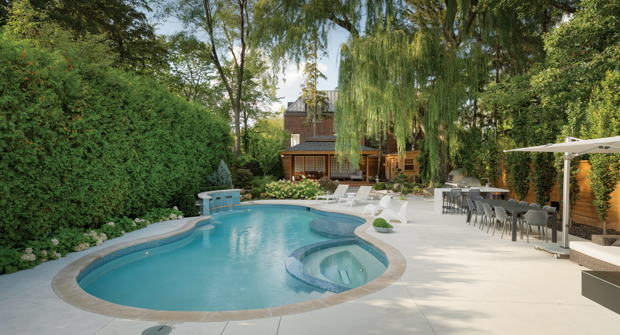
How a century-old willow anchored a Toronto backyard transformation
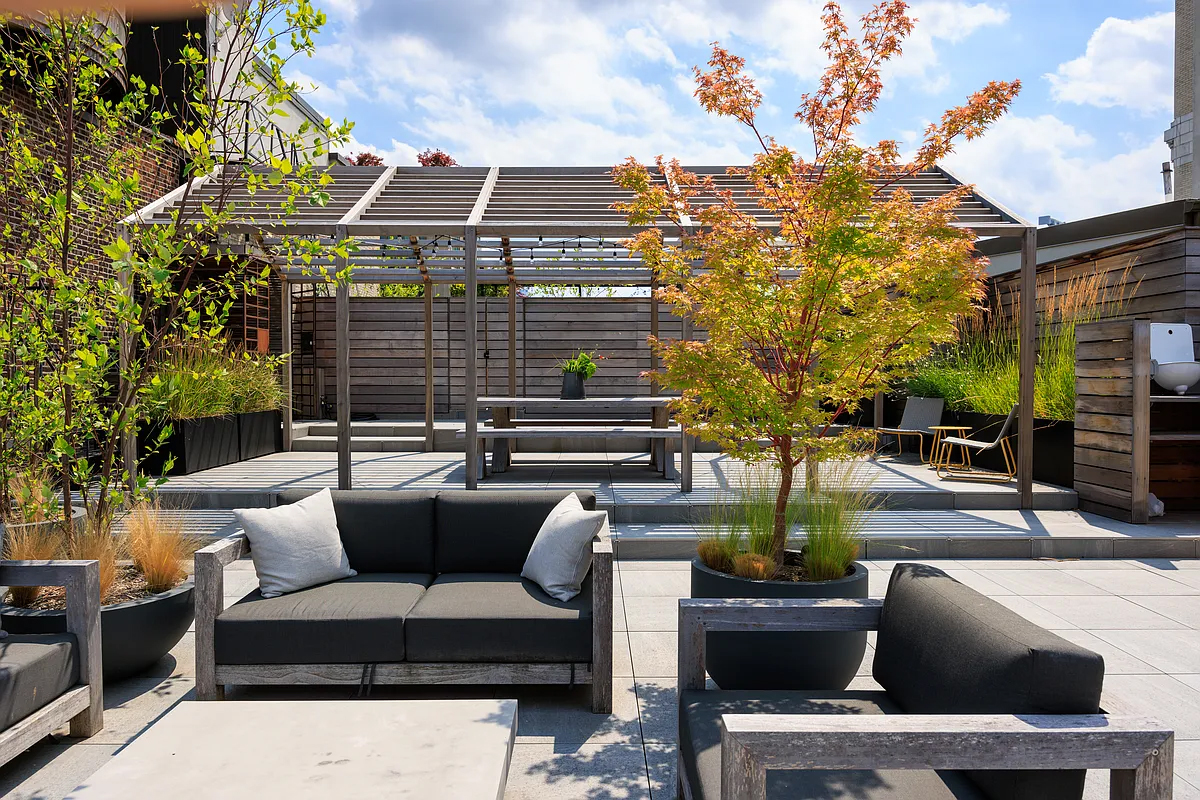
6 Easy Design Ideas to Add Height to a Backyard That Feels Flat

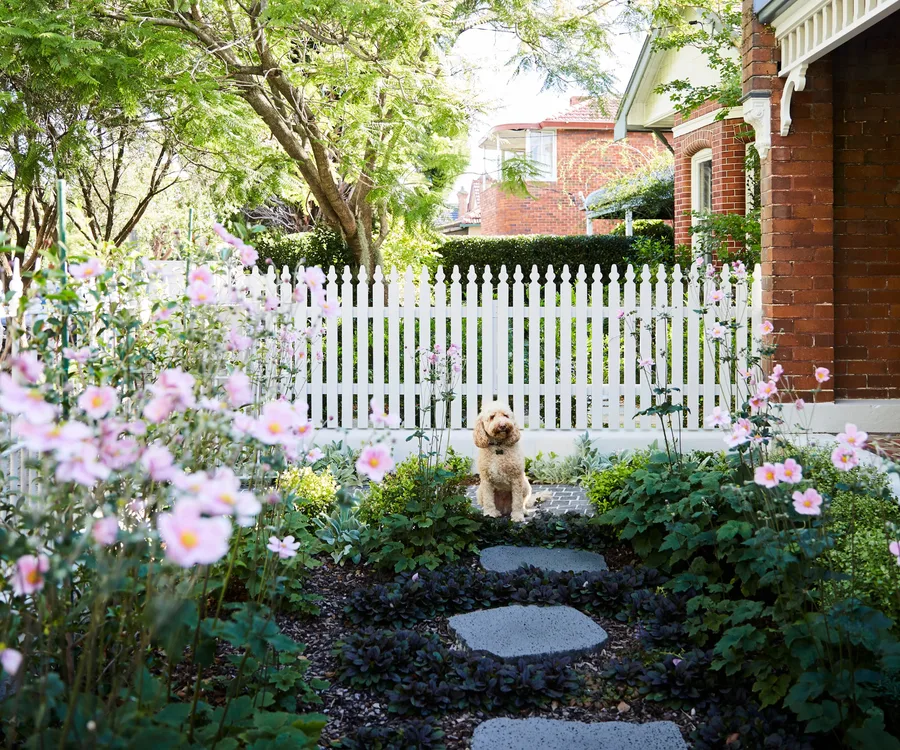
14 small garden design ideas that maximise space and greenery

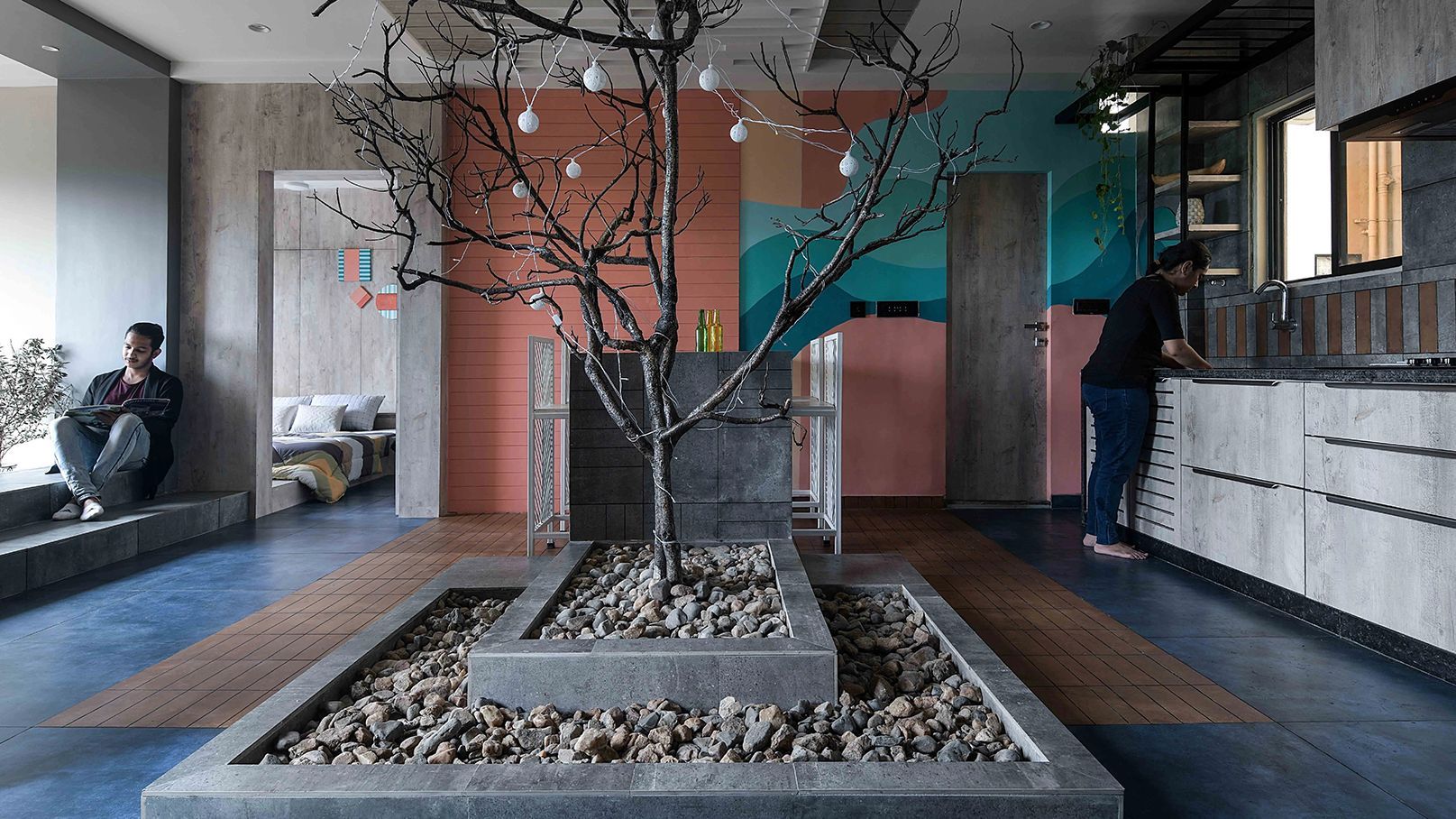
7 indoor courtyard design ideas to bring you closer to nature

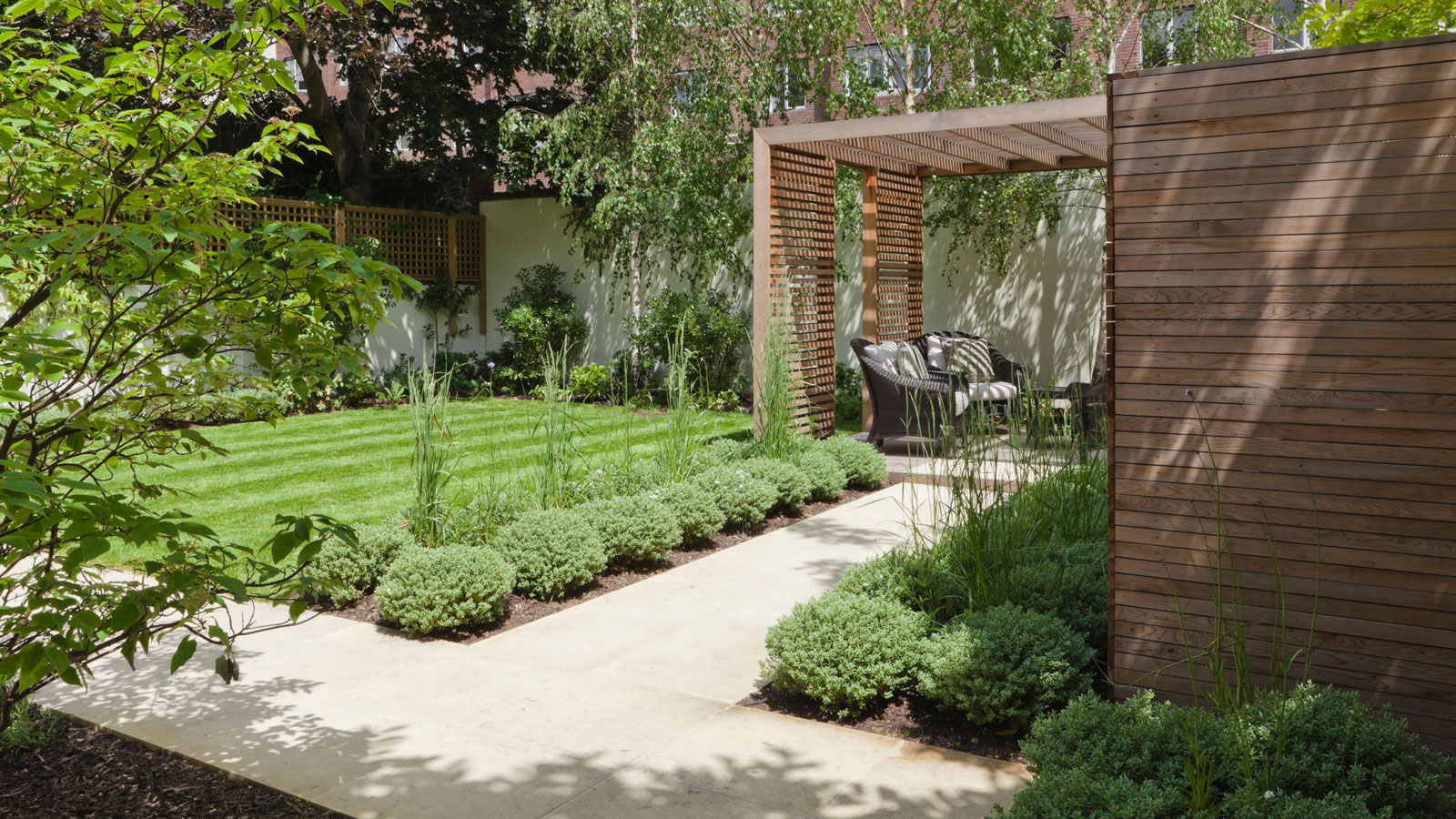
L-shaped garden ideas to help you create a visually pleasing space

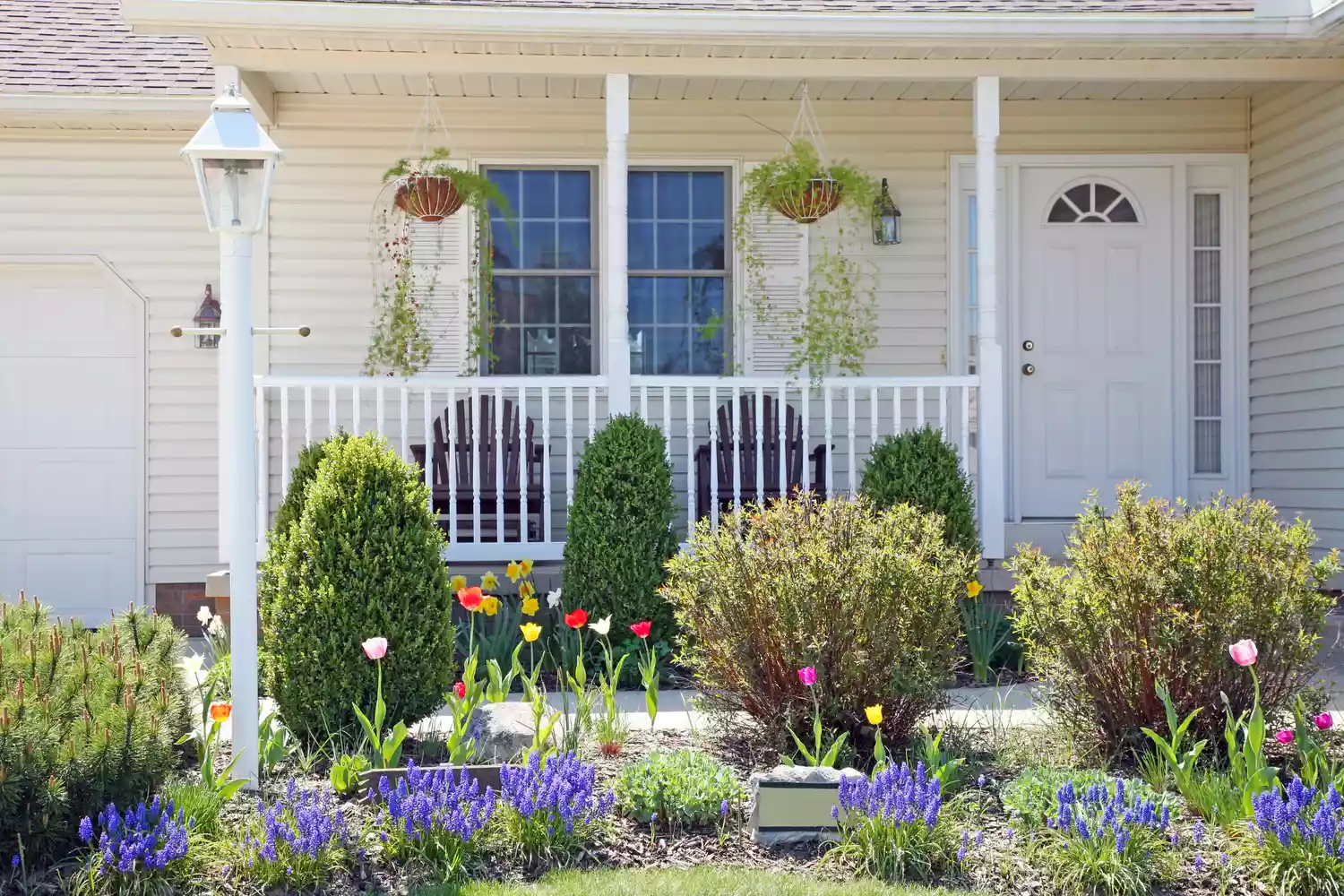
10 Small Front Yard Landscaping Ideas That Make a Big Impact, According to Designers
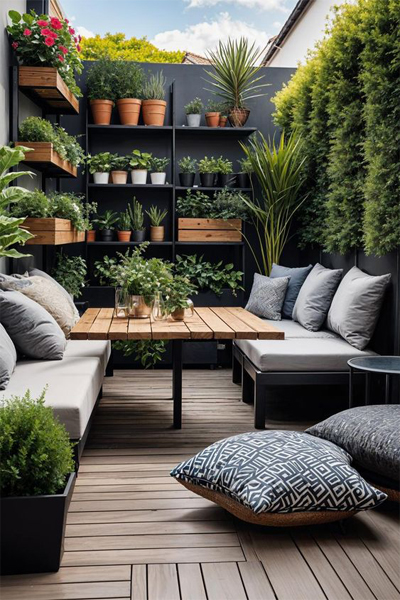
20 Beautiful Garden Design Ideas for Home In 2024
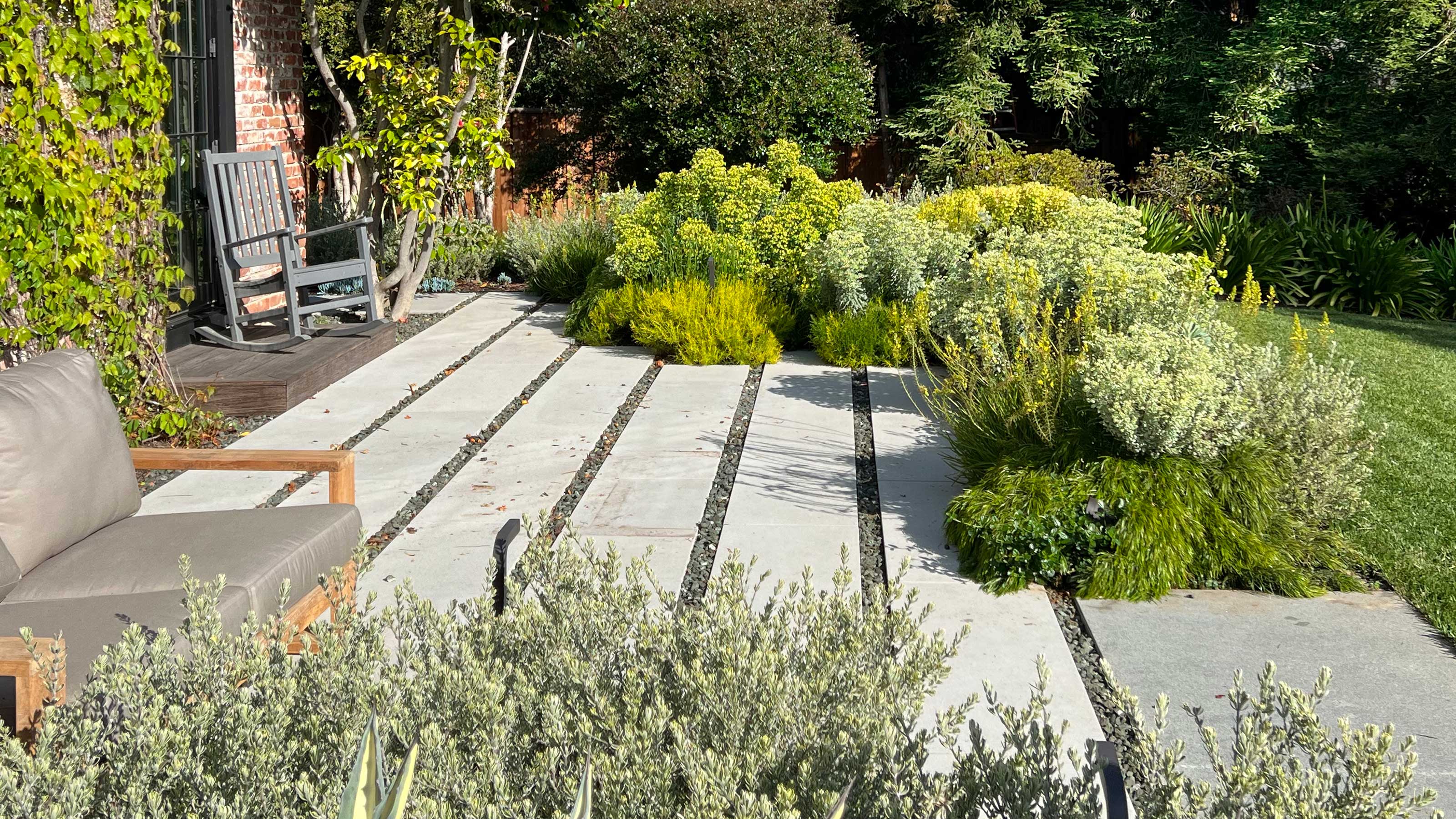
'It mimics nature's randomness' - this simple gardening trick is how landscape designers make a backyard look more put together
Insider Advice: Where to Splurge and Save on Landscape Design

Creating the Perfect Deck and Landscape
This Northern New Jersey Landscape Team Designs Dream Backyards
6 Easy Tips for a Stunning Outdoor Space That Designers Always Follow

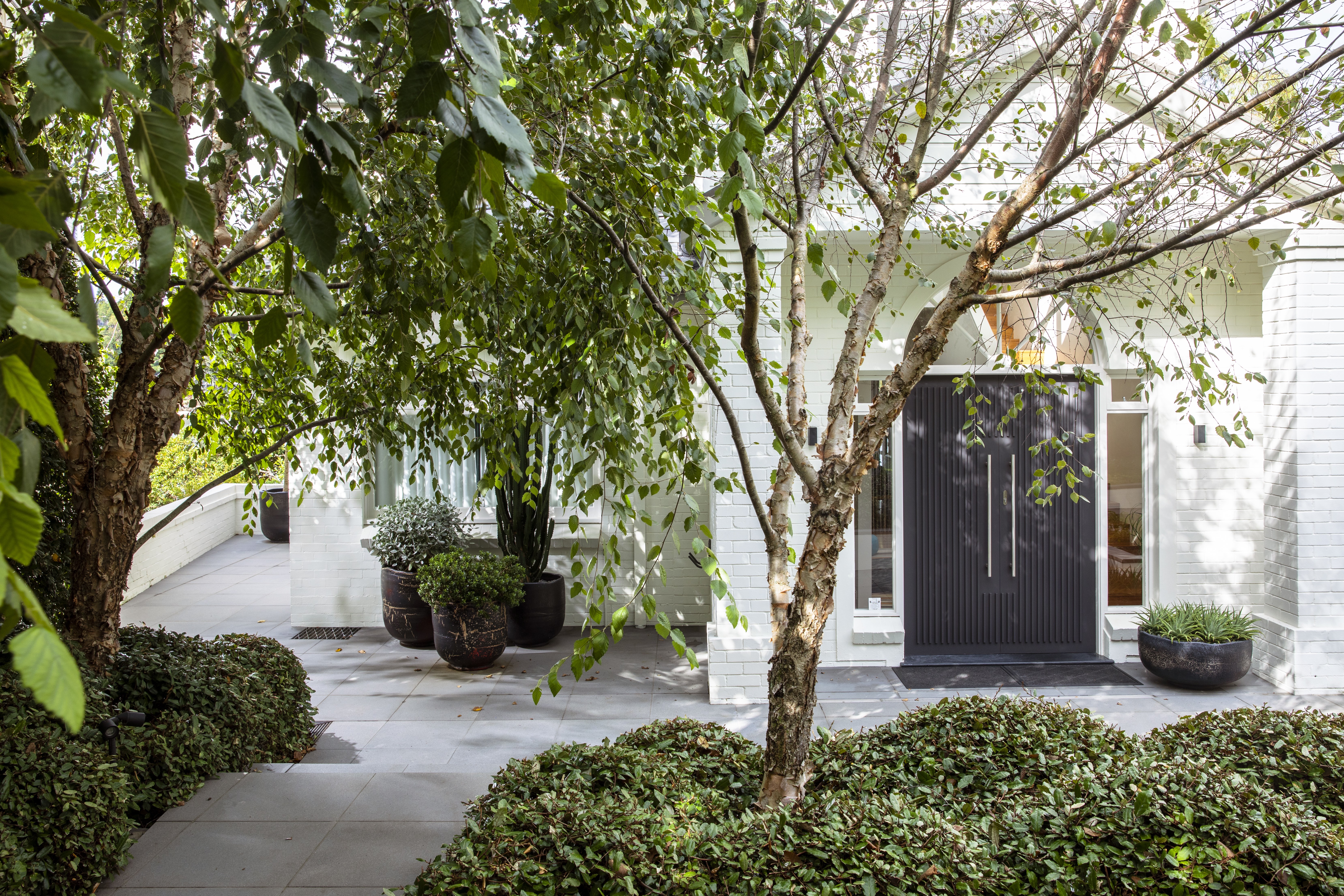
6 simple ways you can make your front yard look beautiful without having to plant anything new

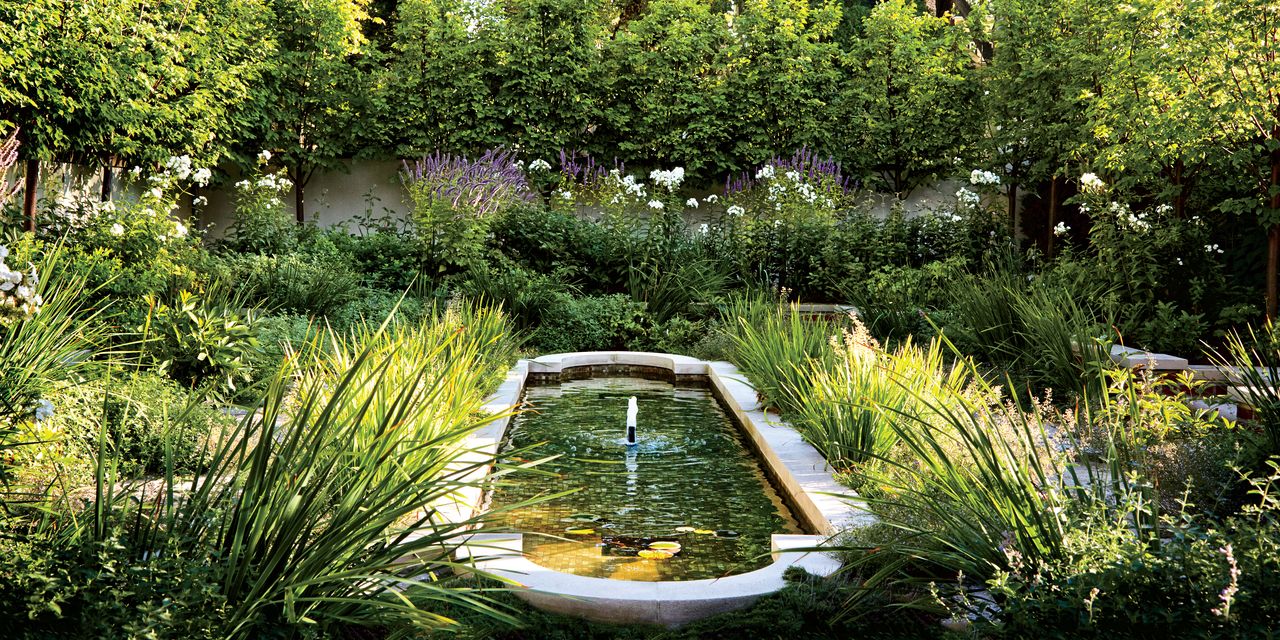
18 Genius Garden Landscaping Ideas From the AD Archive

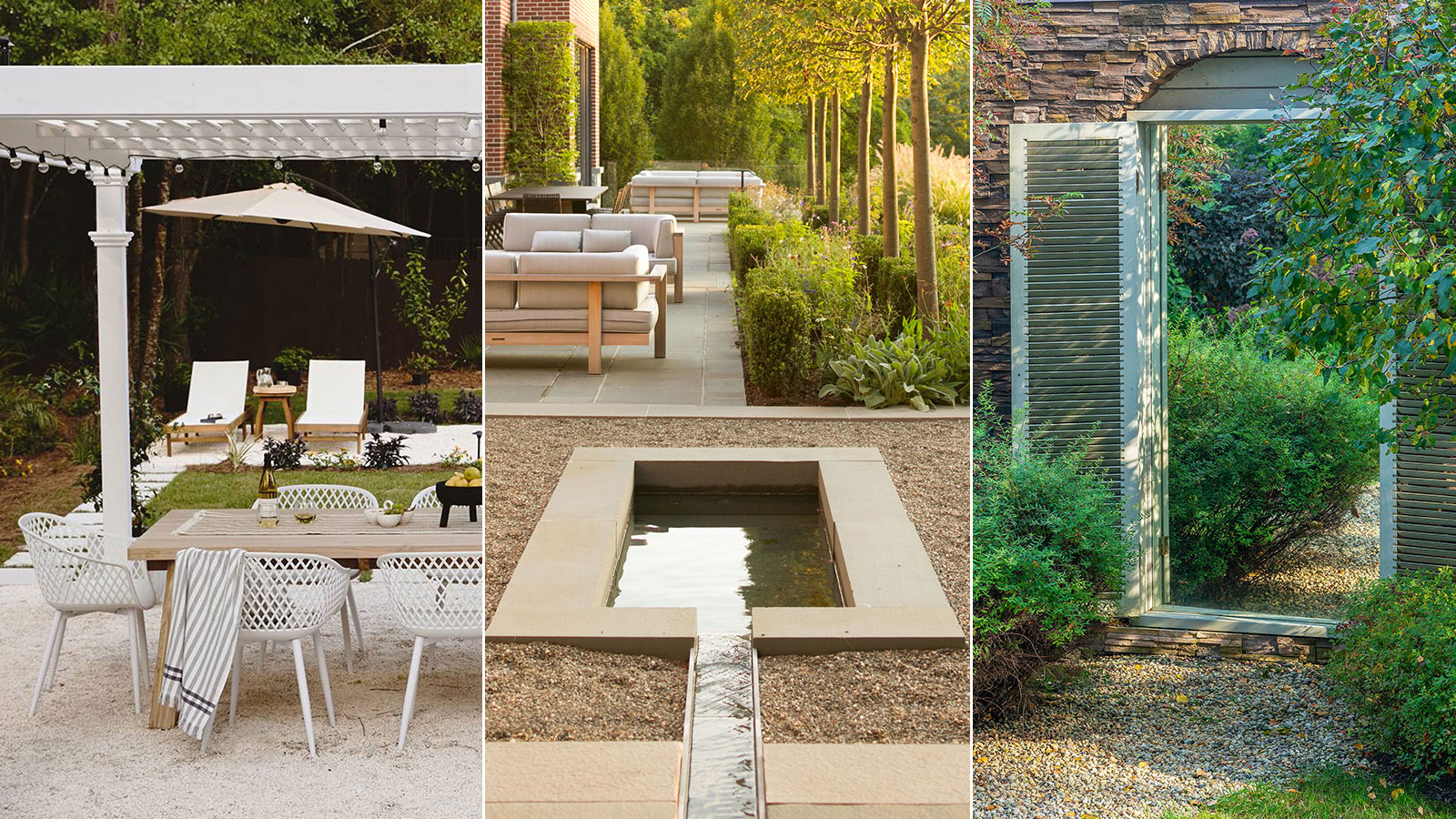
How to make a backyard look bigger – 8 space-enhancing tricks that work every time
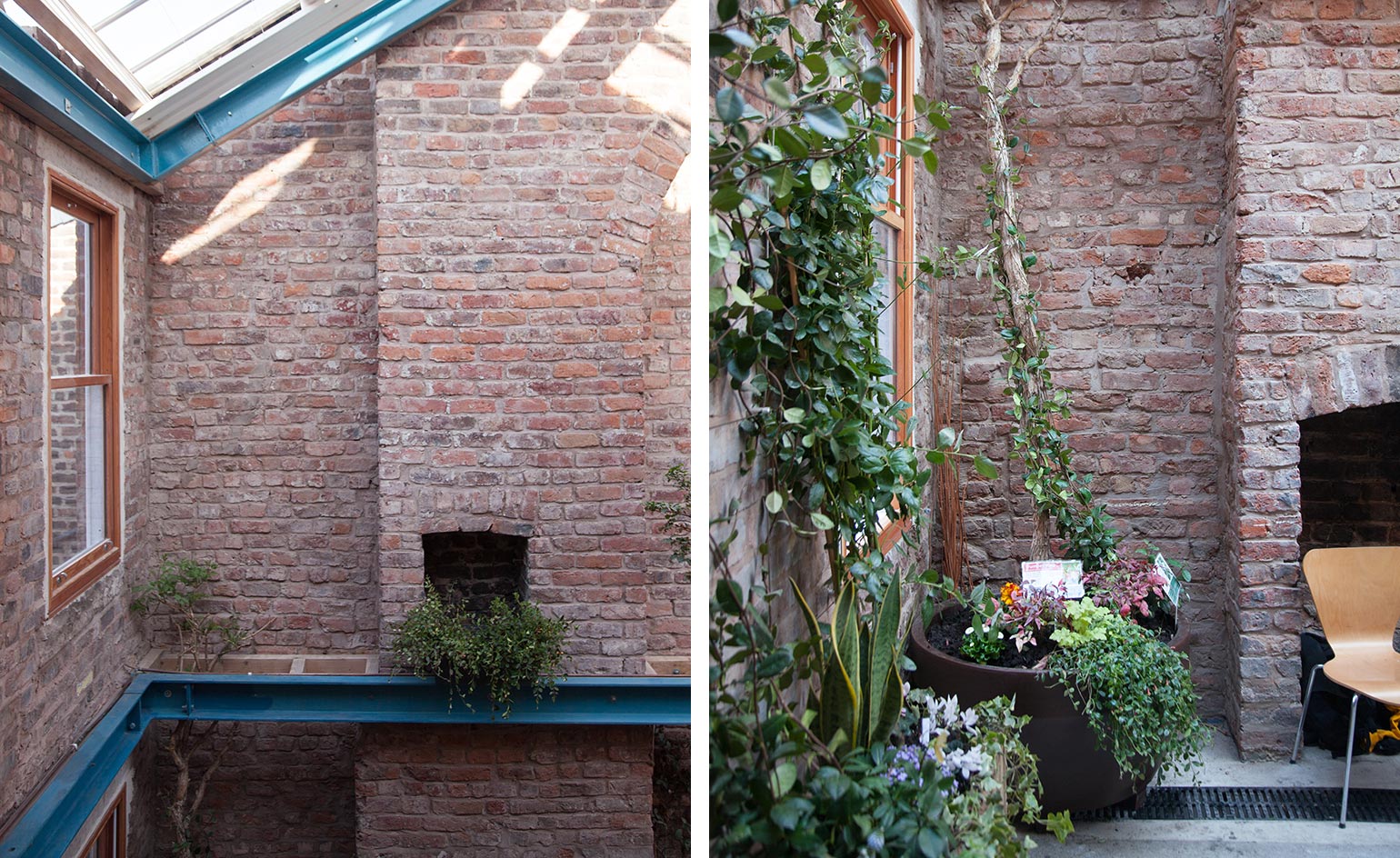
Innovative landscape architecture and garden design around the world

How to make a small backyard look bigger – 10 clever ways to max out your space

Meet Matthew Giampietro Landscape Designer

7 Secrets For Maximizing Your Outdoor Space, According To Designers