1/2
Insider Advice: Where to Splurge and Save on Landscape Design
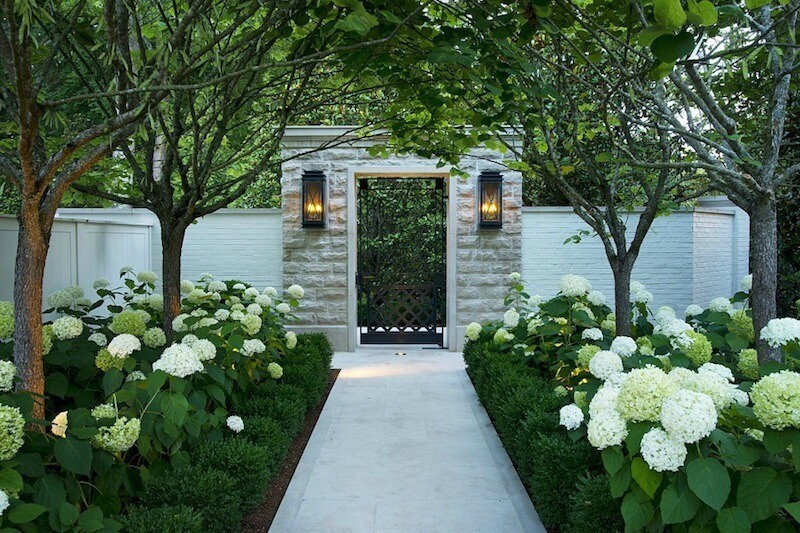
Landscaping can be a daunting and expensive endeavor for many homeowners. This article provides insider advice from Gavin Duke of Duke Design Group on how to strategically allocate resources for landscape design projects, focusing on areas to splurge and save. The overarching recommendation is to establish a clear budget and prioritize spending to maximize impact and longevity.
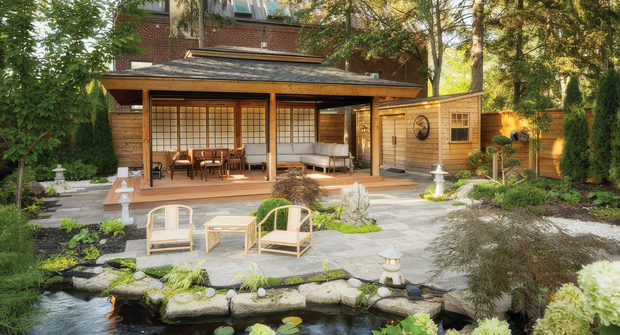
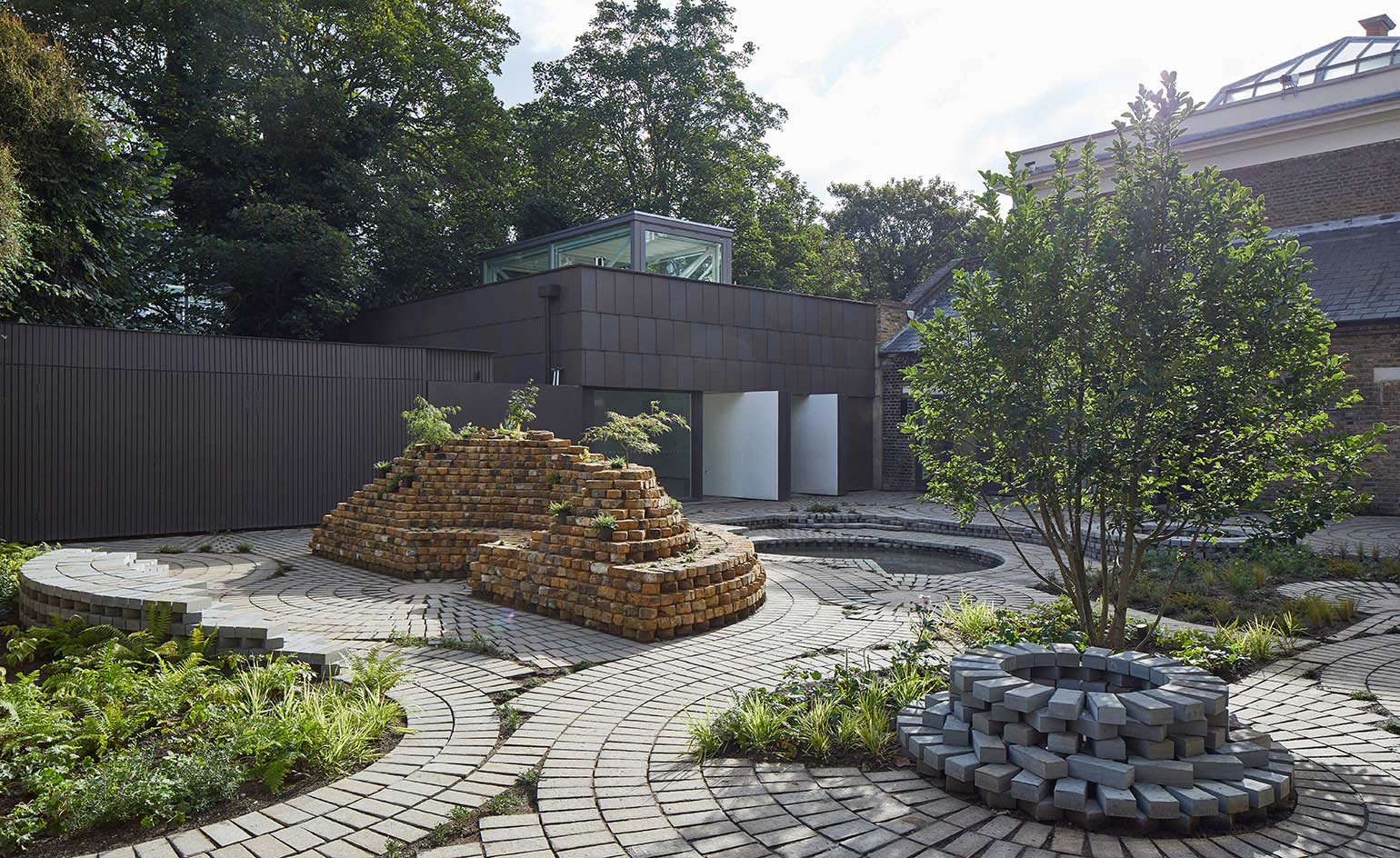
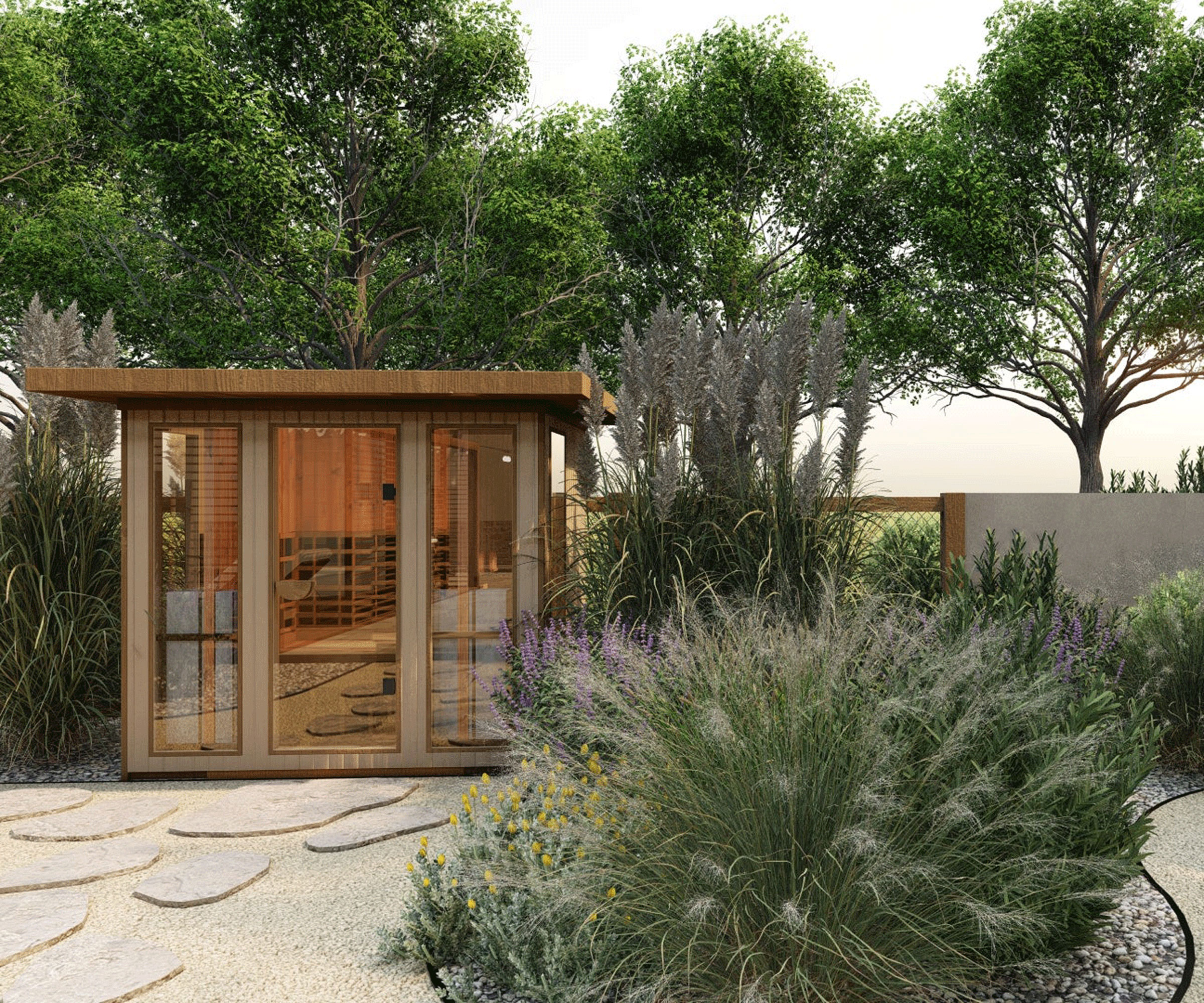
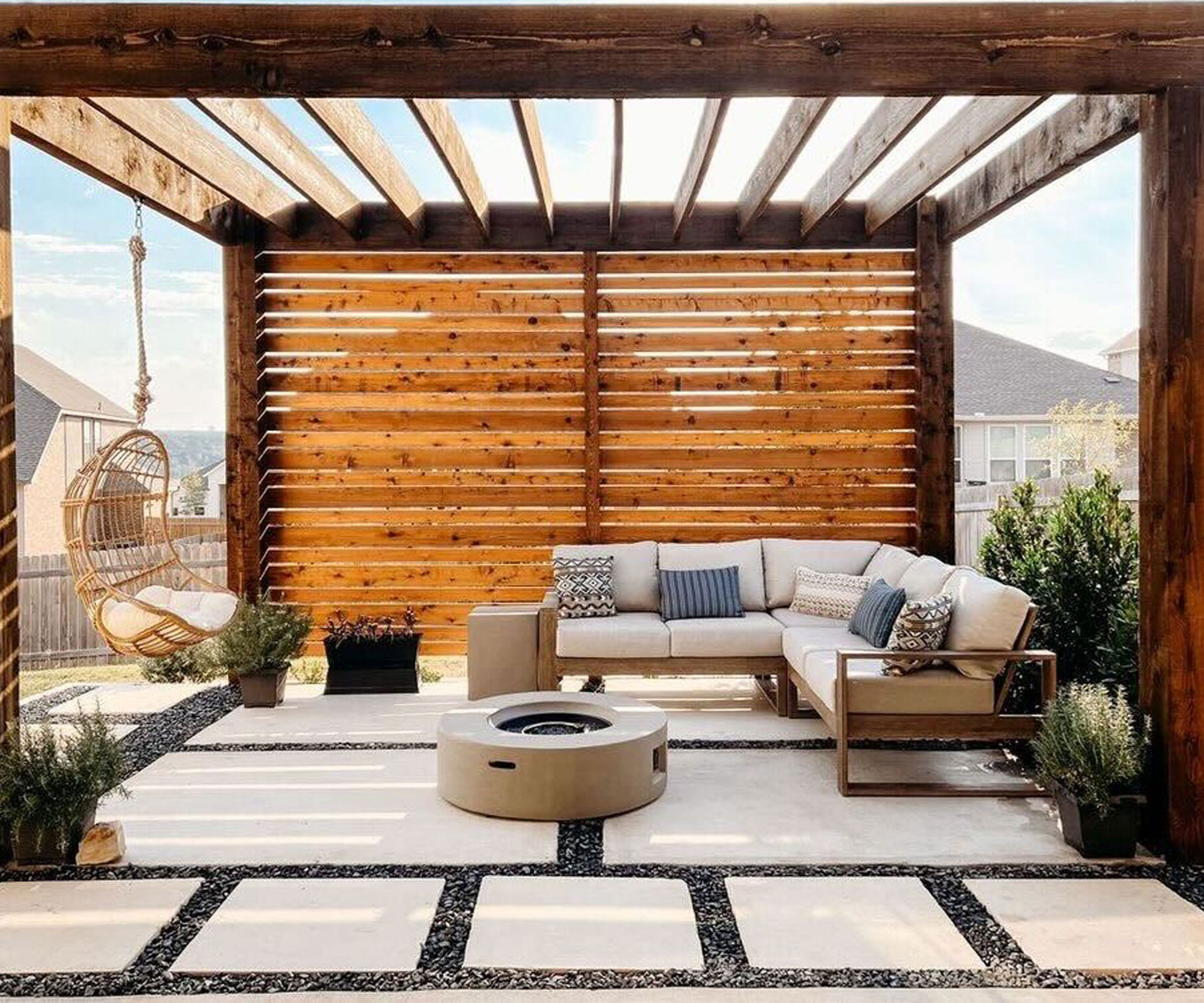
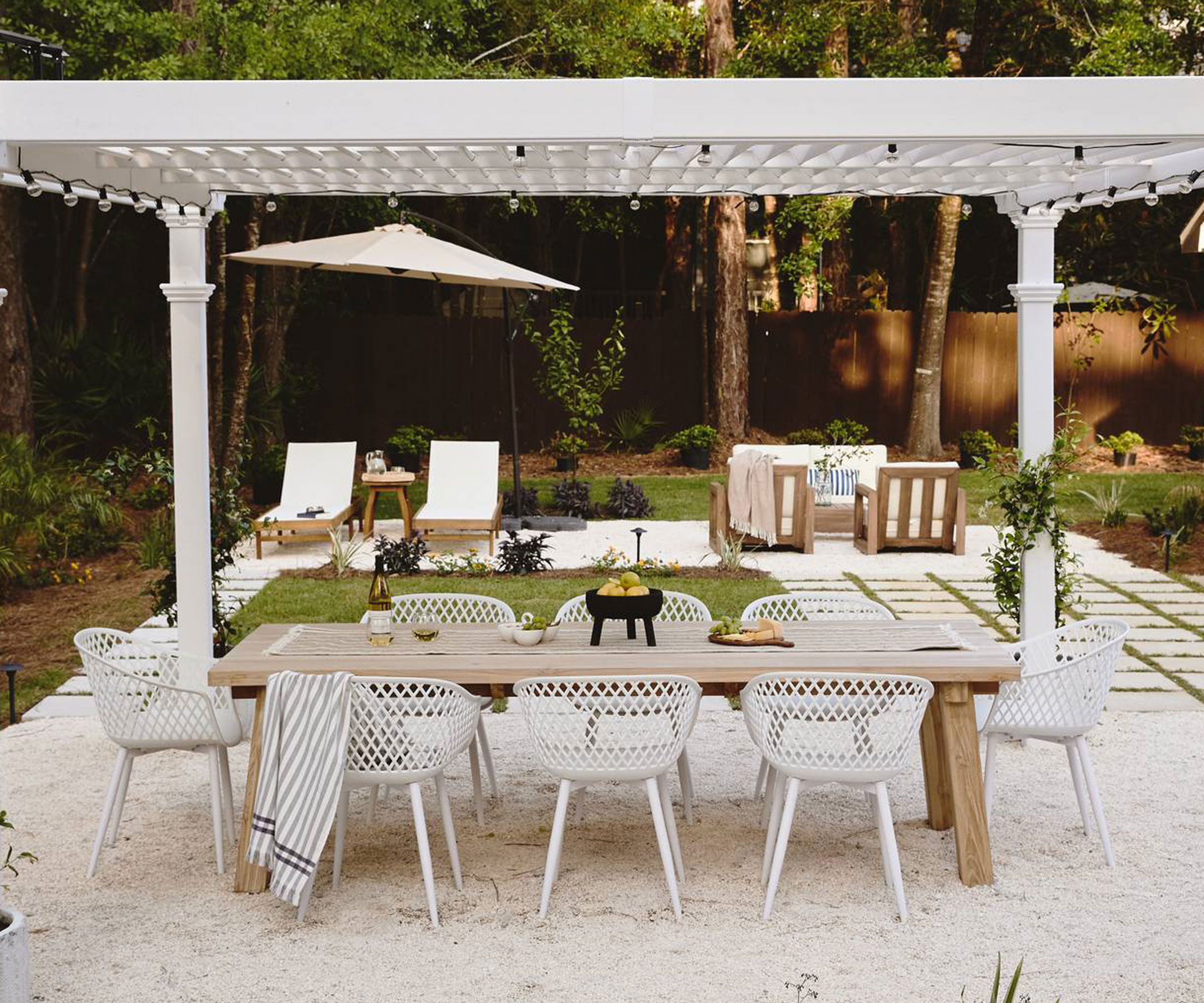
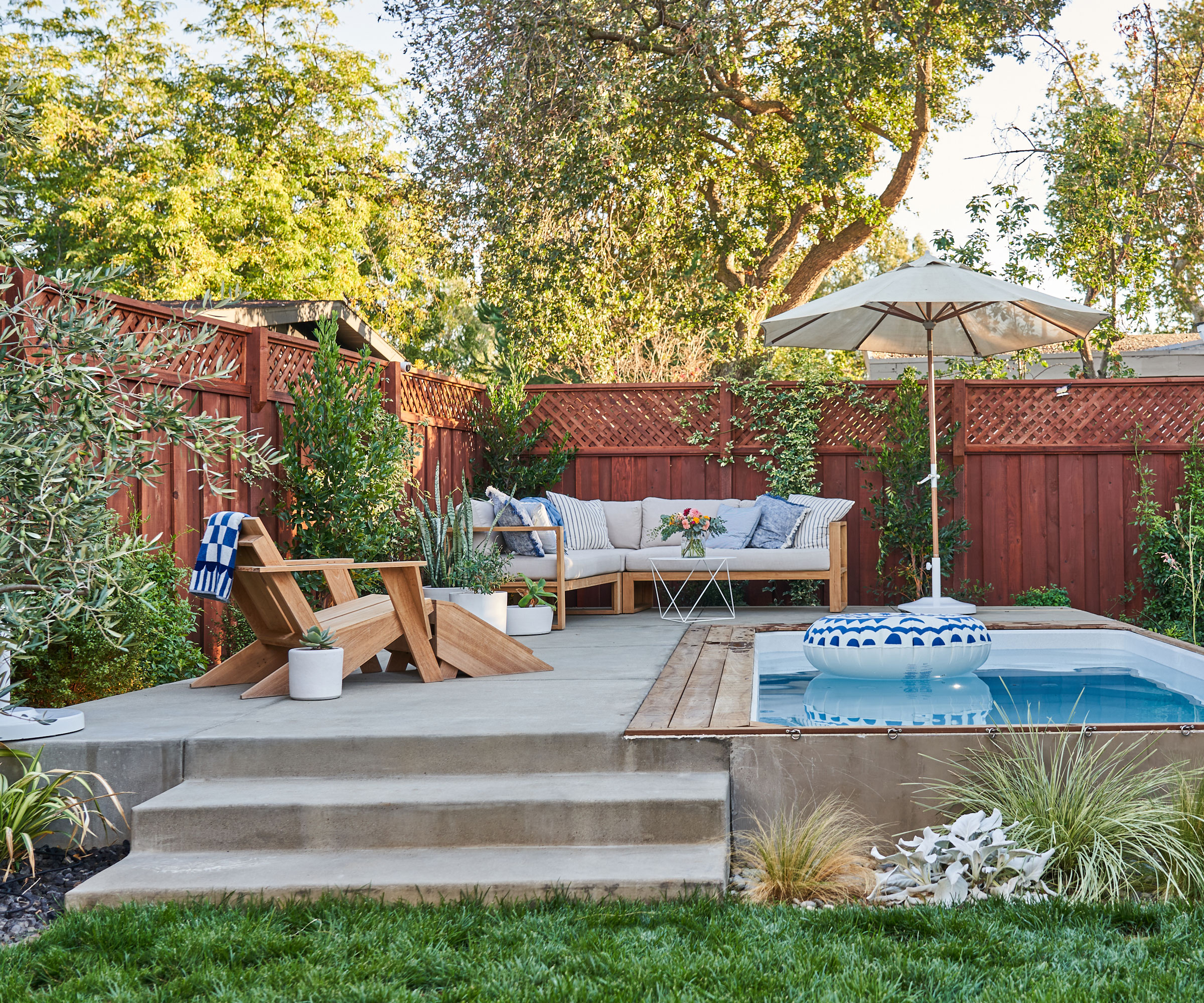
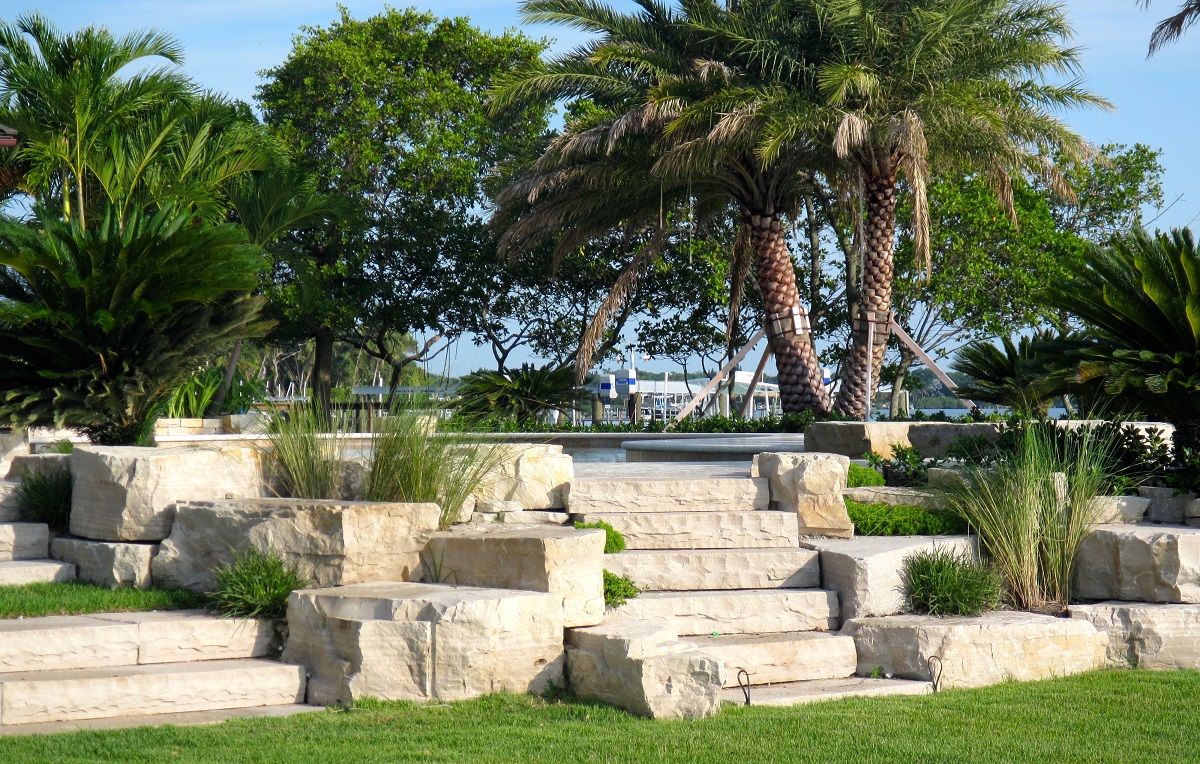
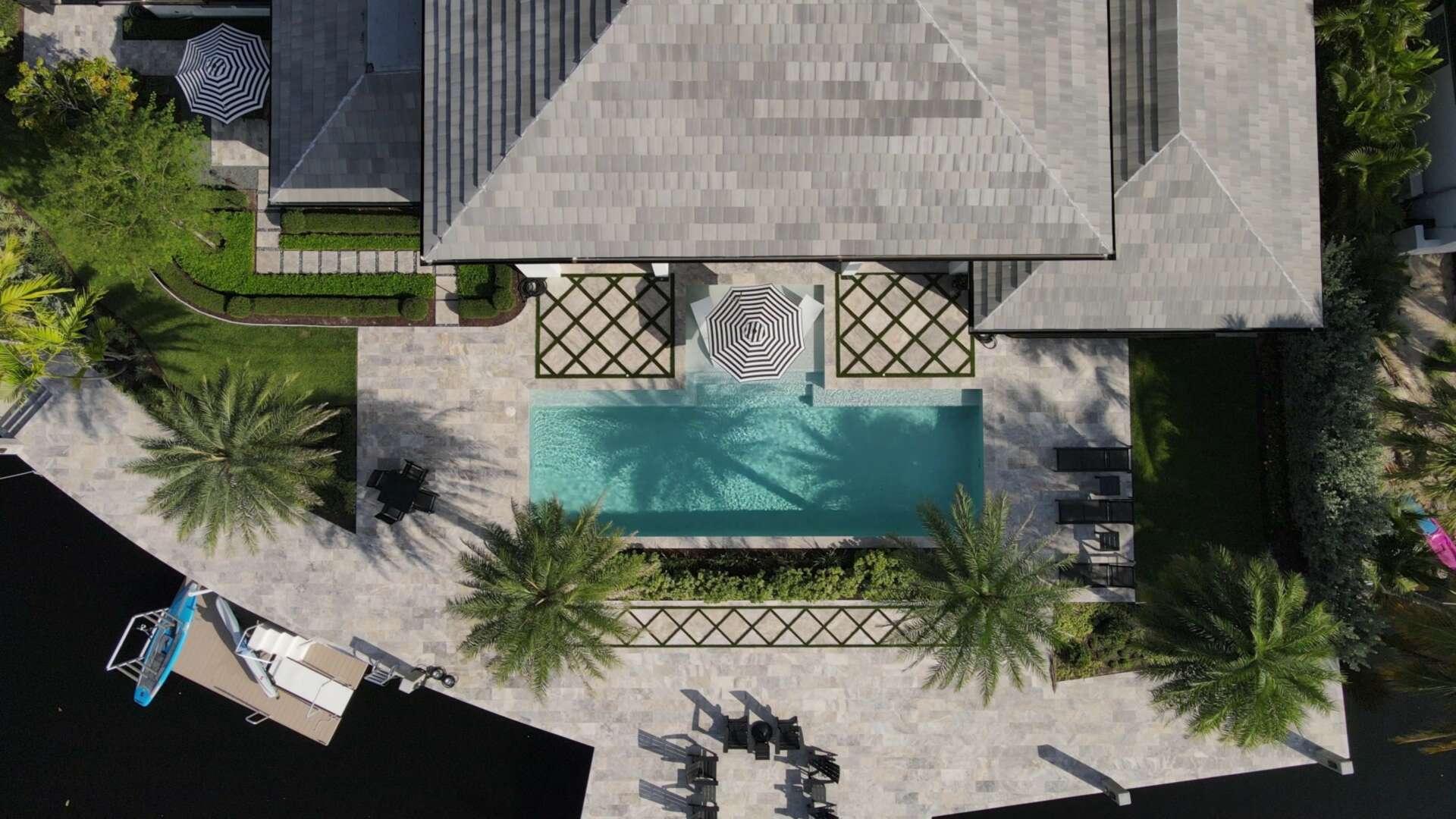
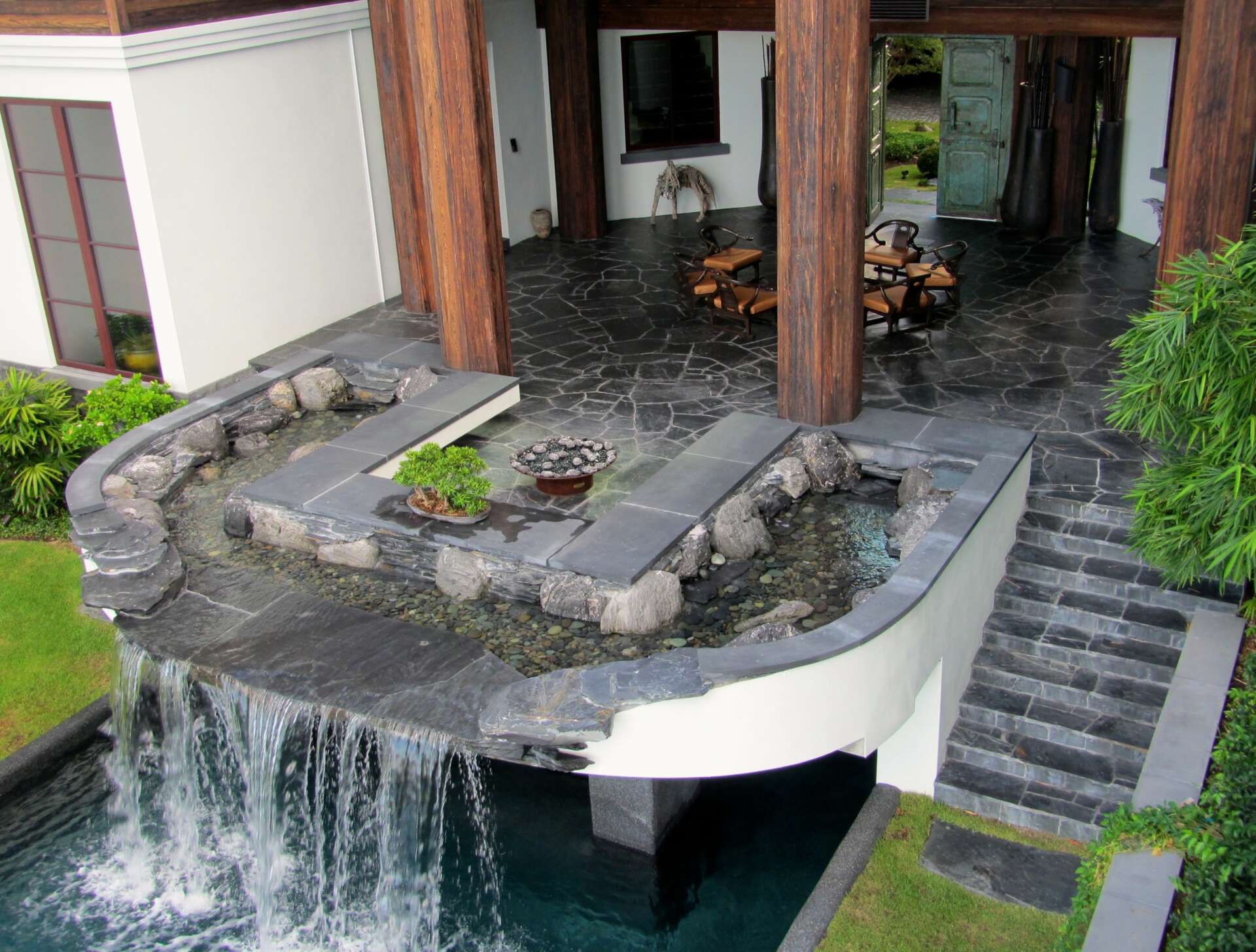
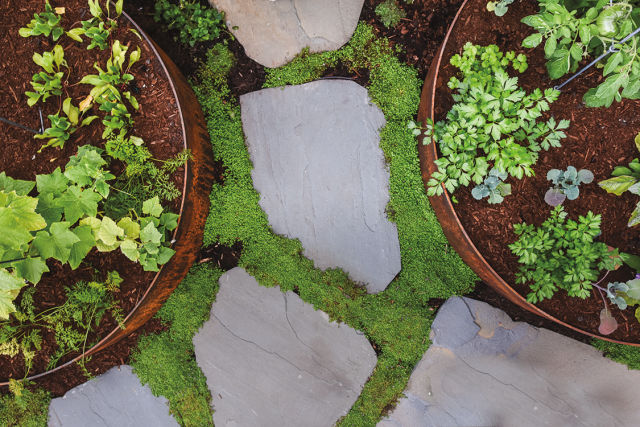
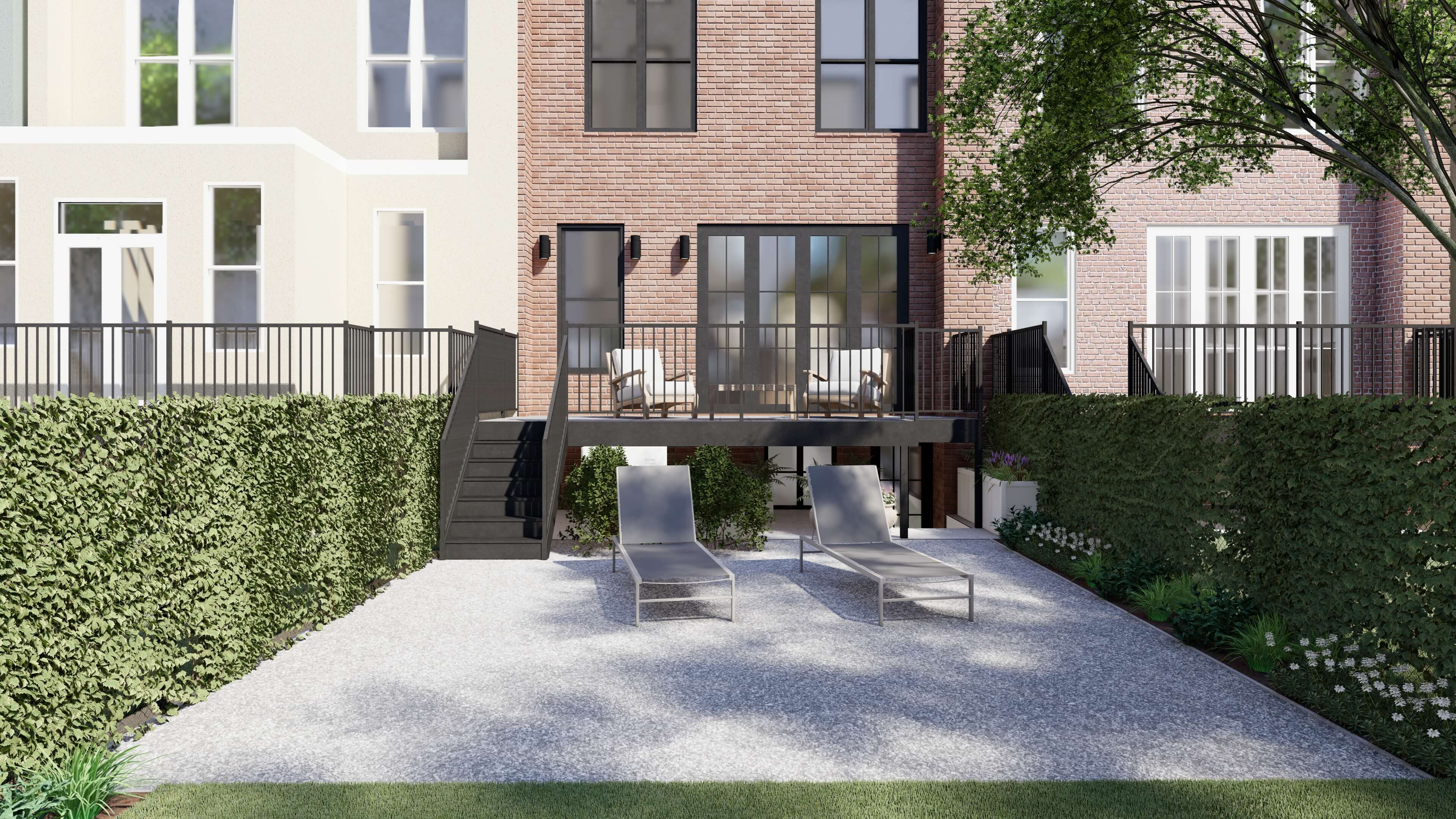
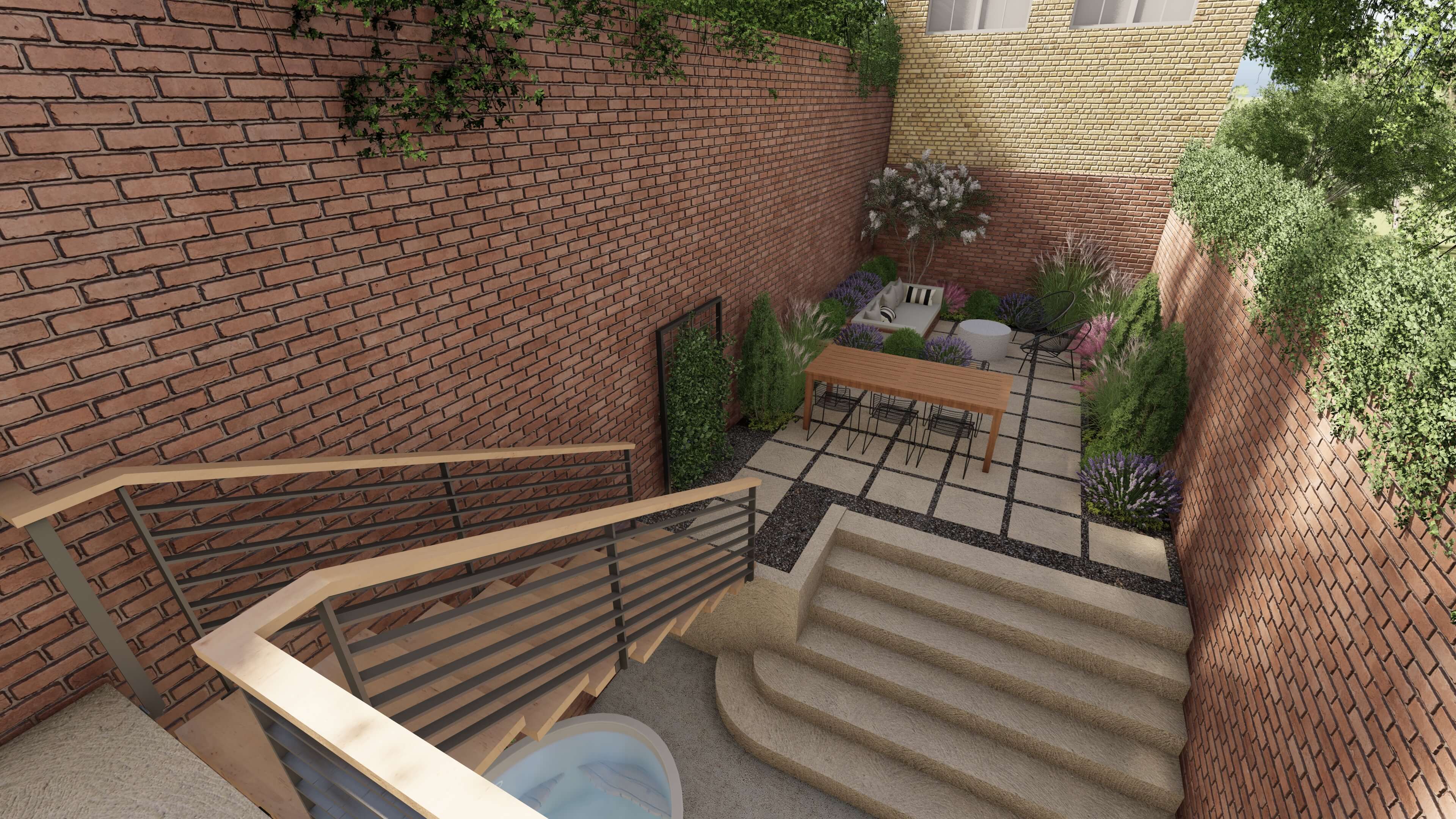
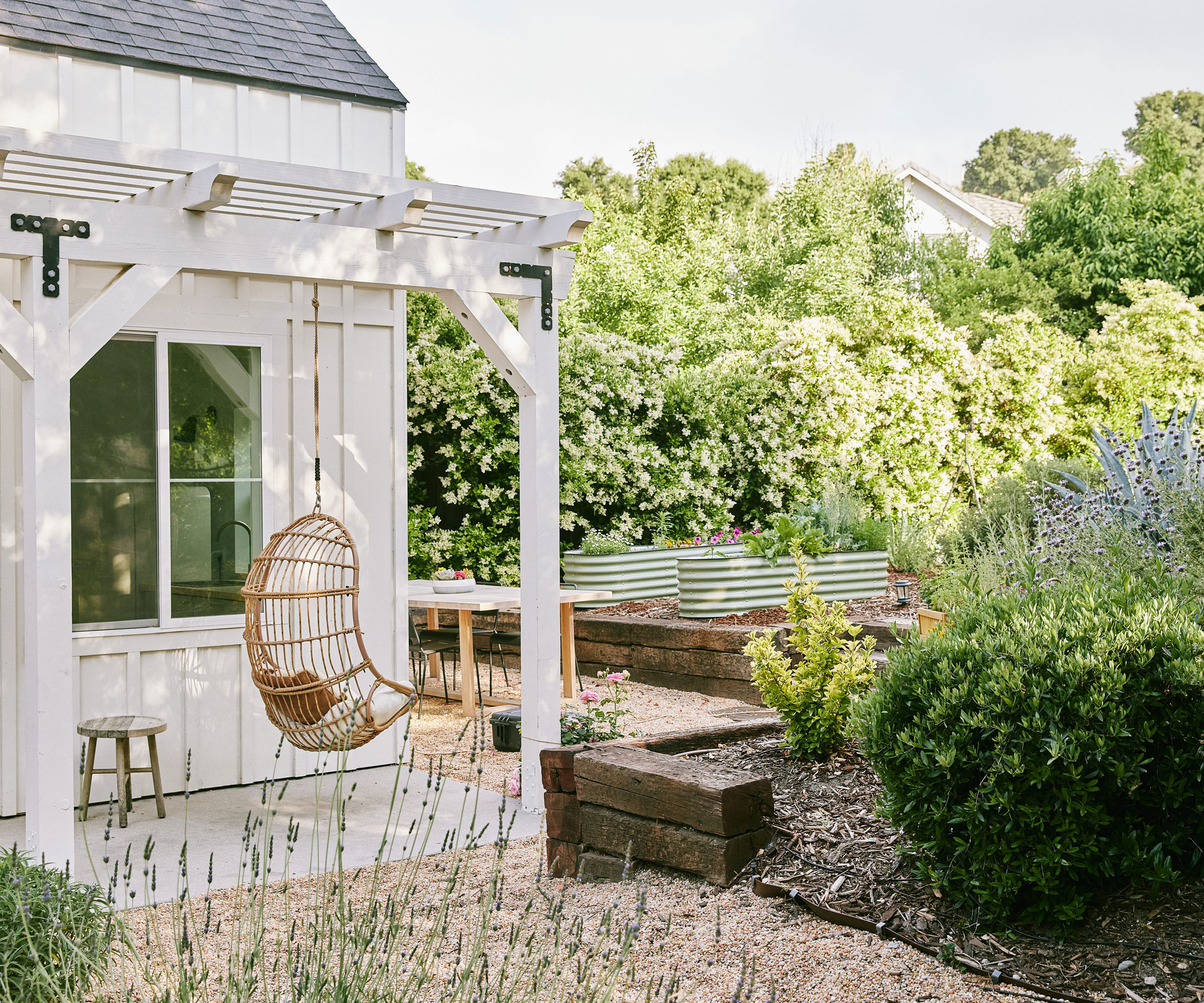
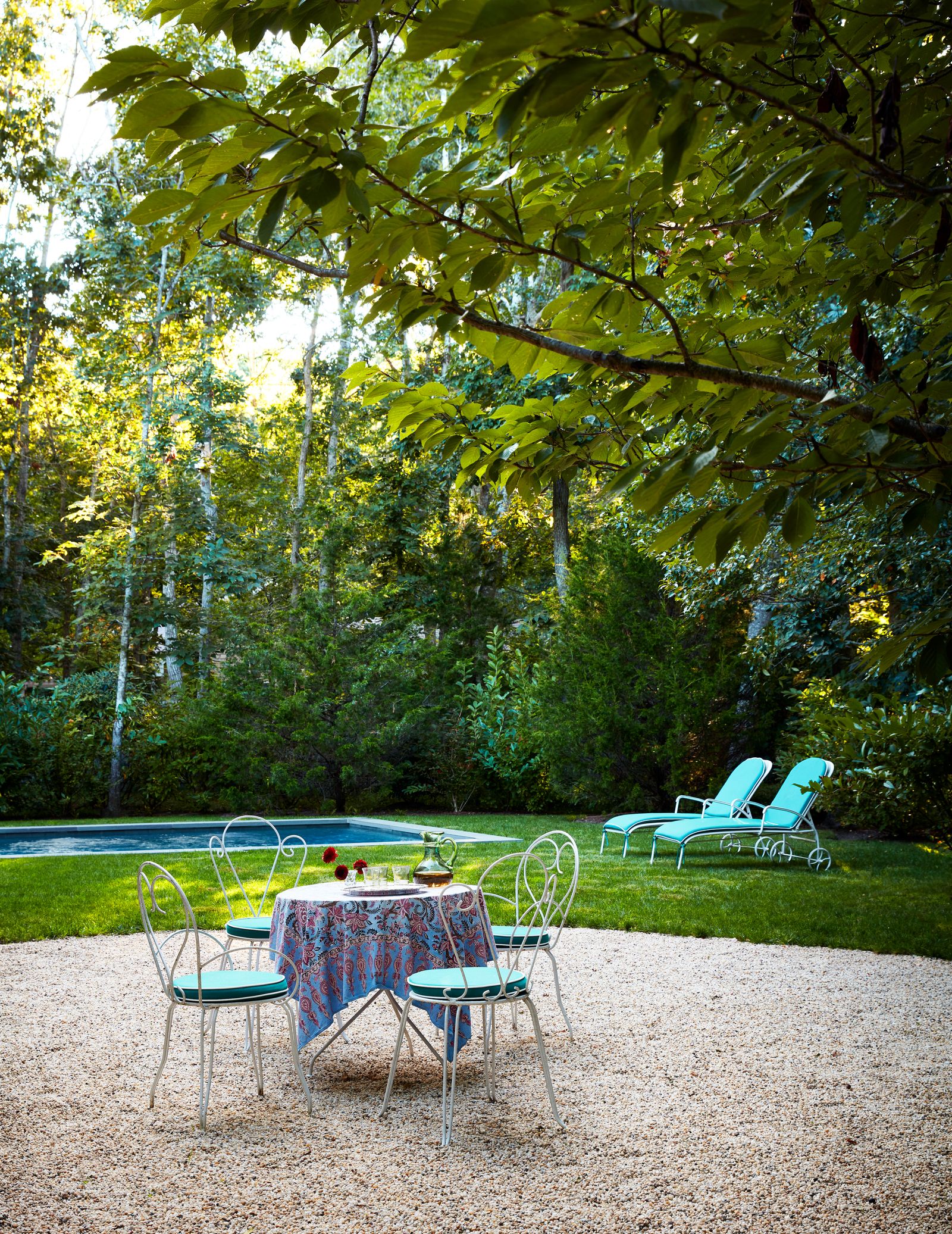
The article first addresses areas where cost savings can be achieved without compromising the overall aesthetic and functionality. For instance, ornamental grasses are highlighted as a cost-effective choice for seasonal interest, especially when paired with long-lasting plants like dogwoods or redbuds. Regarding irrigation, a drip irrigation system is recommended over elaborate spray systems, as it conserves water and is sufficient for regional plants after their initial establishment phase. In hardscaping, alternatives to traditional stone, such as porcelain pavers, are suggested for similar aesthetics at a lower cost. Additionally, gravel drives are presented as a more economical option compared to concrete. When it comes to spas, the article mentions "Diamond Spas" made of copper or stainless steel as a more affordable option that still offers desired aesthetics.
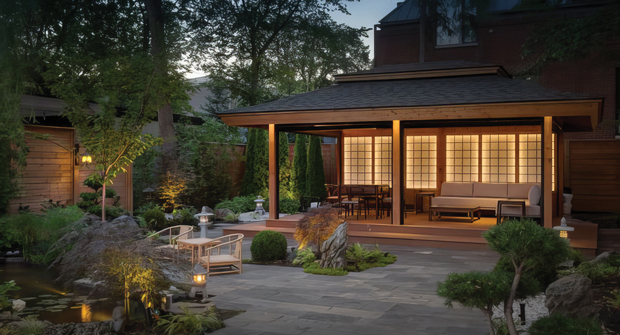
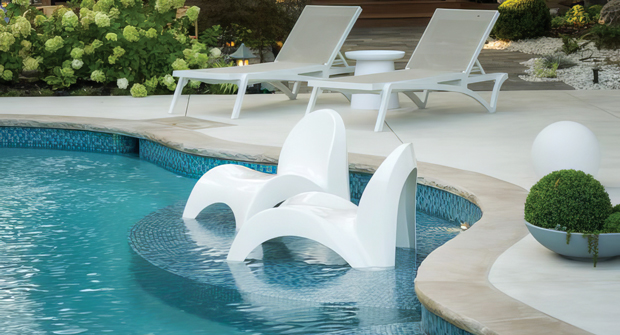
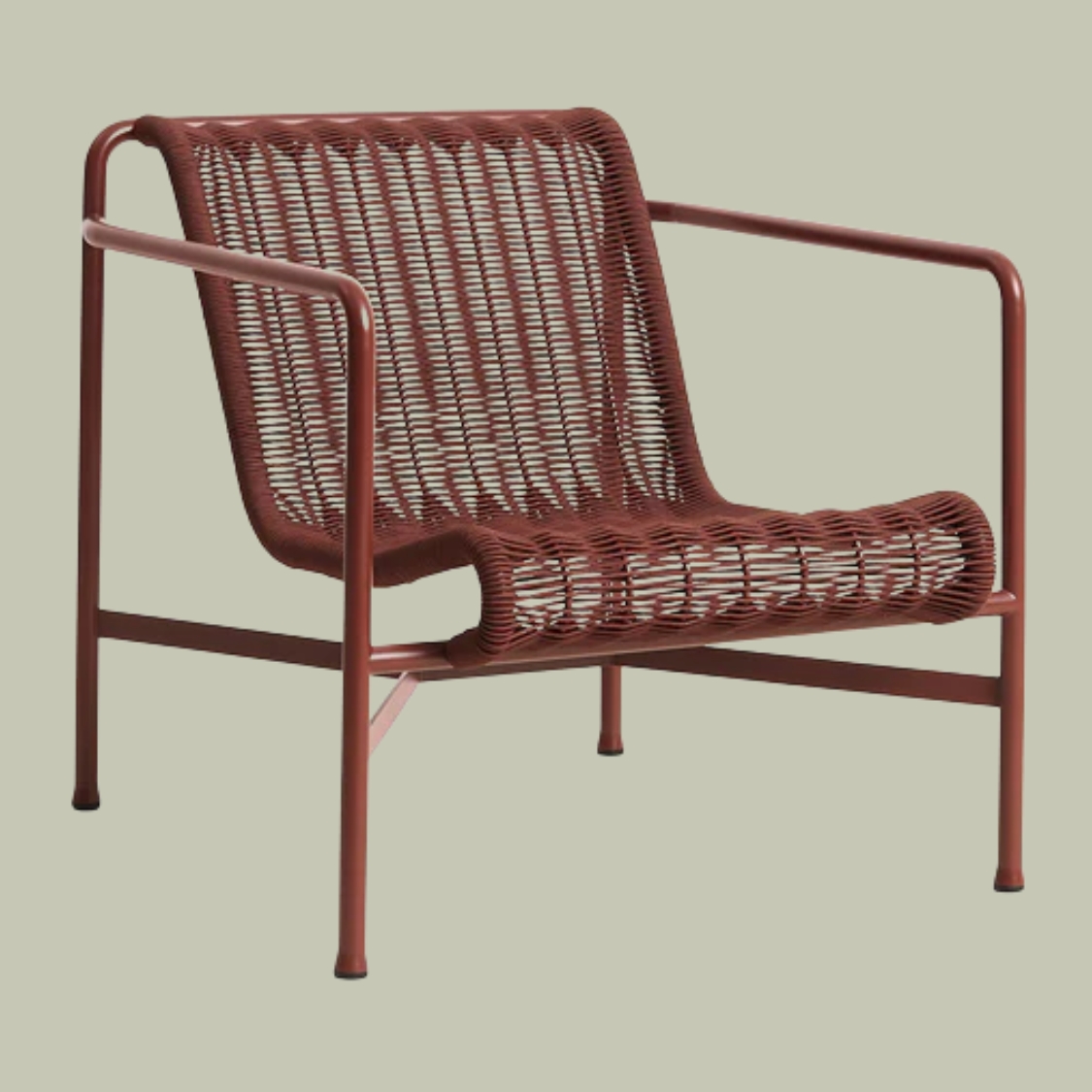
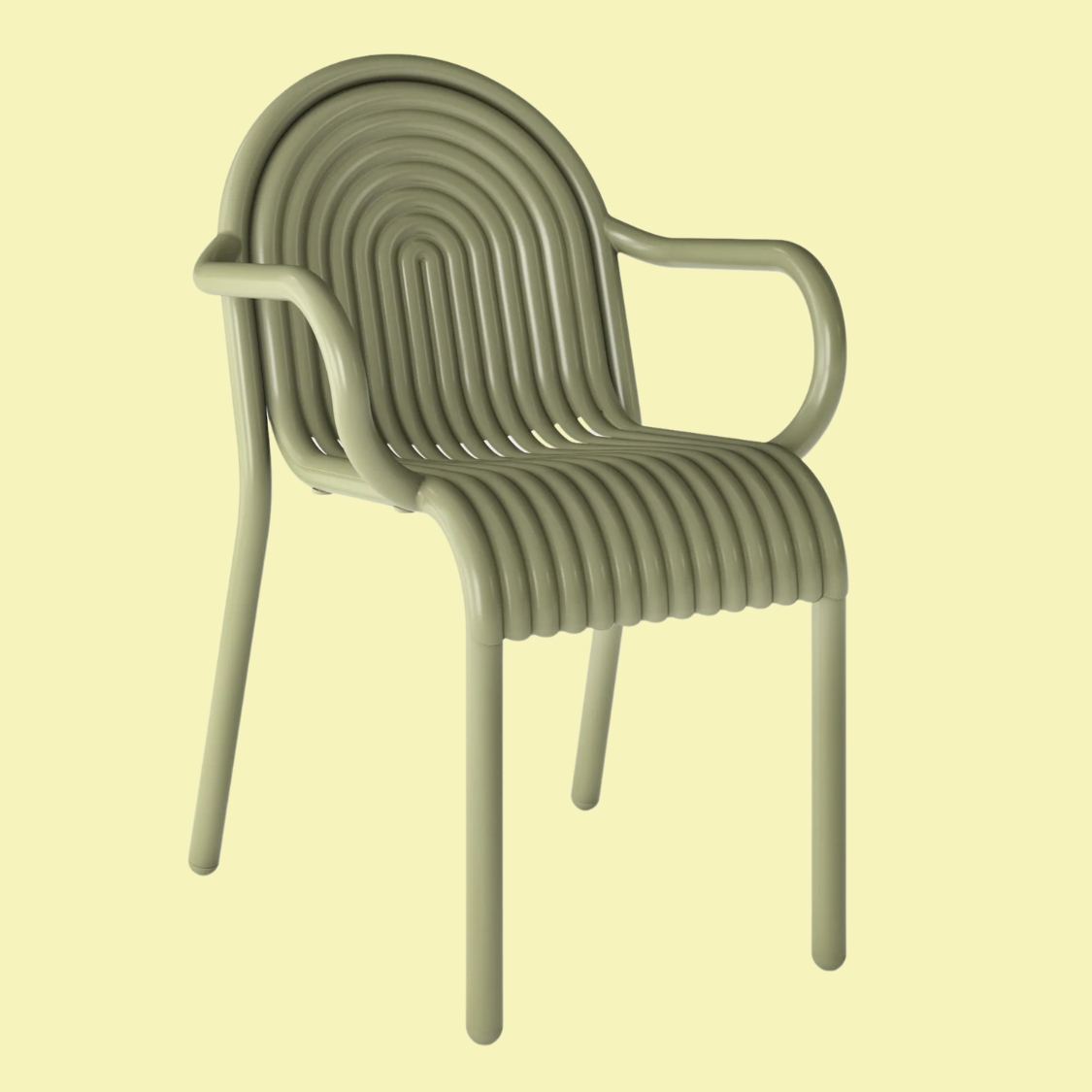
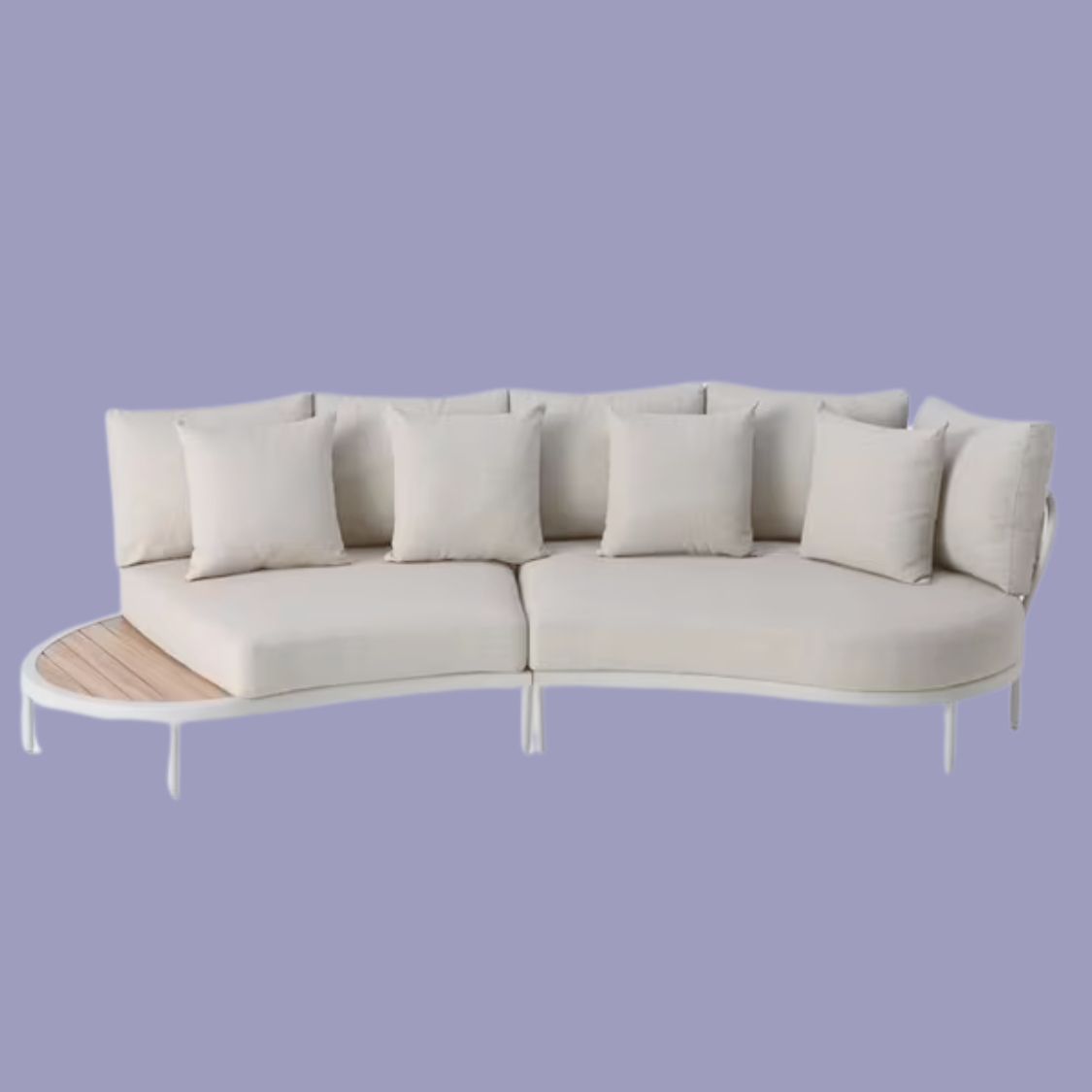
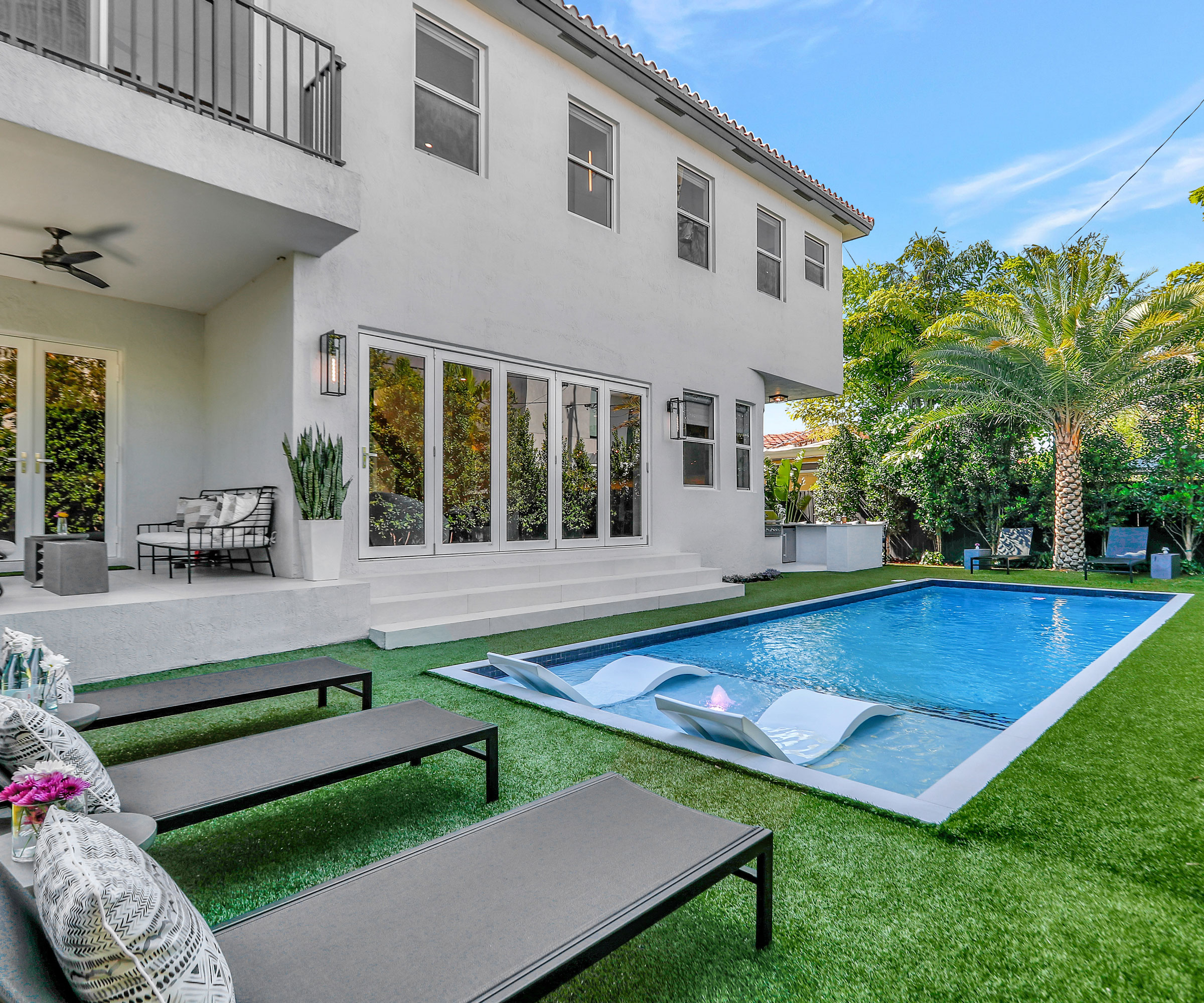
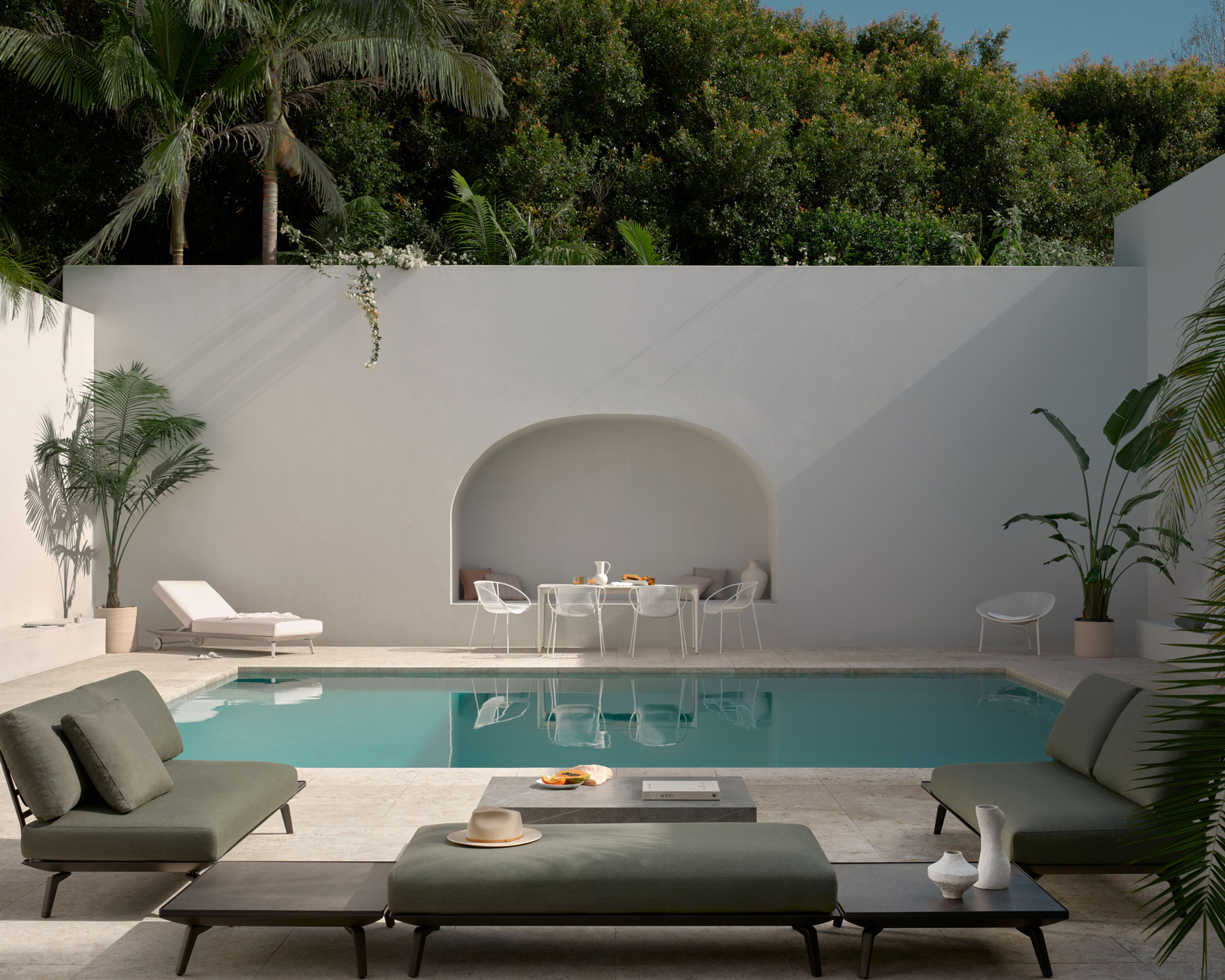
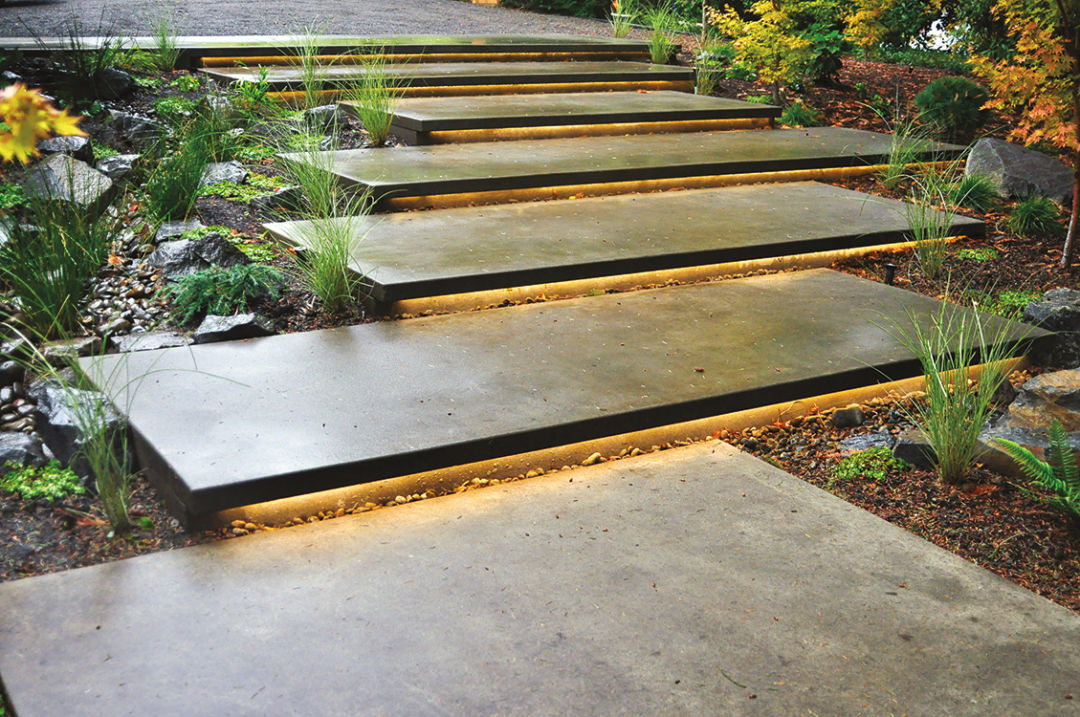
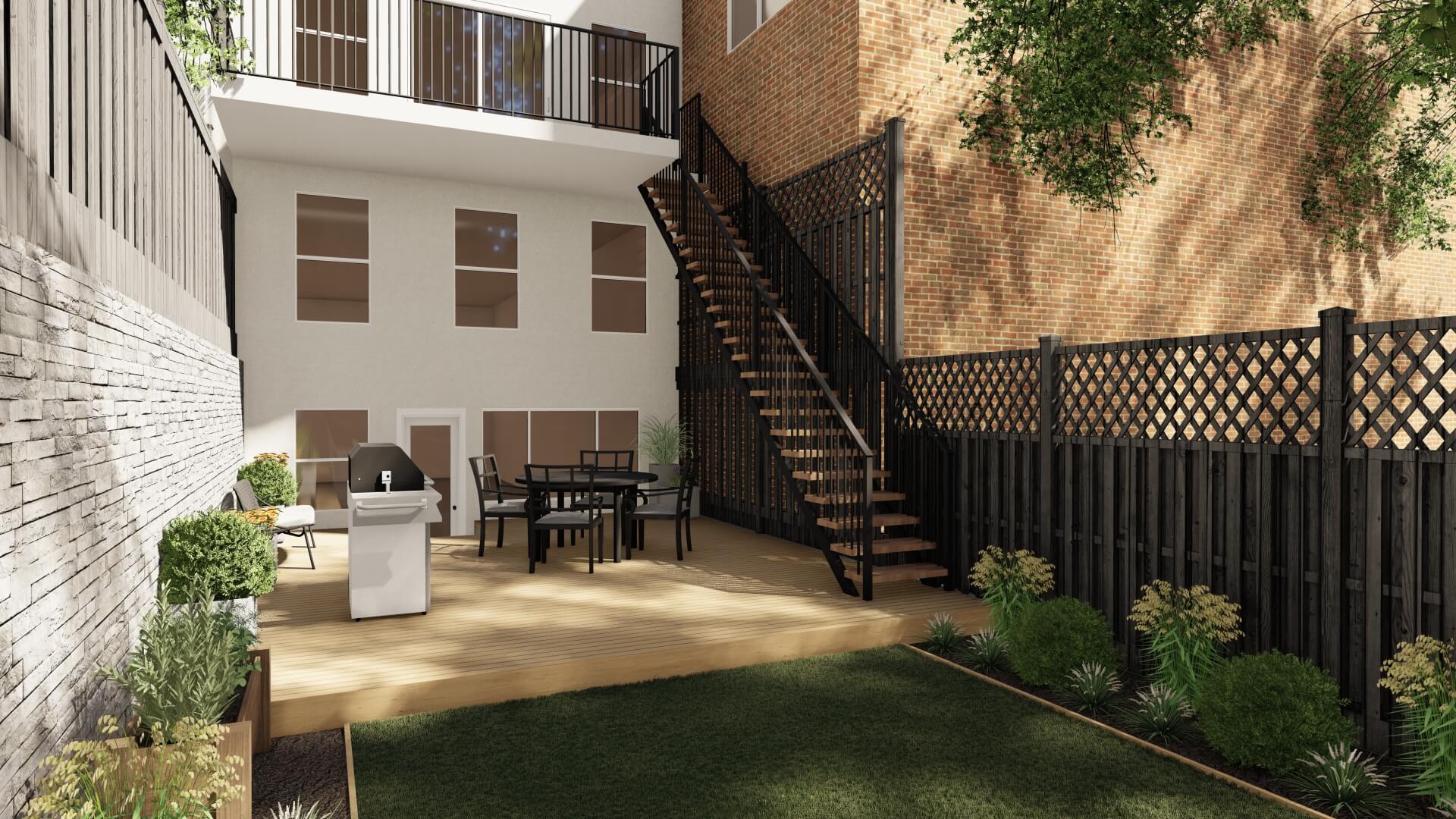
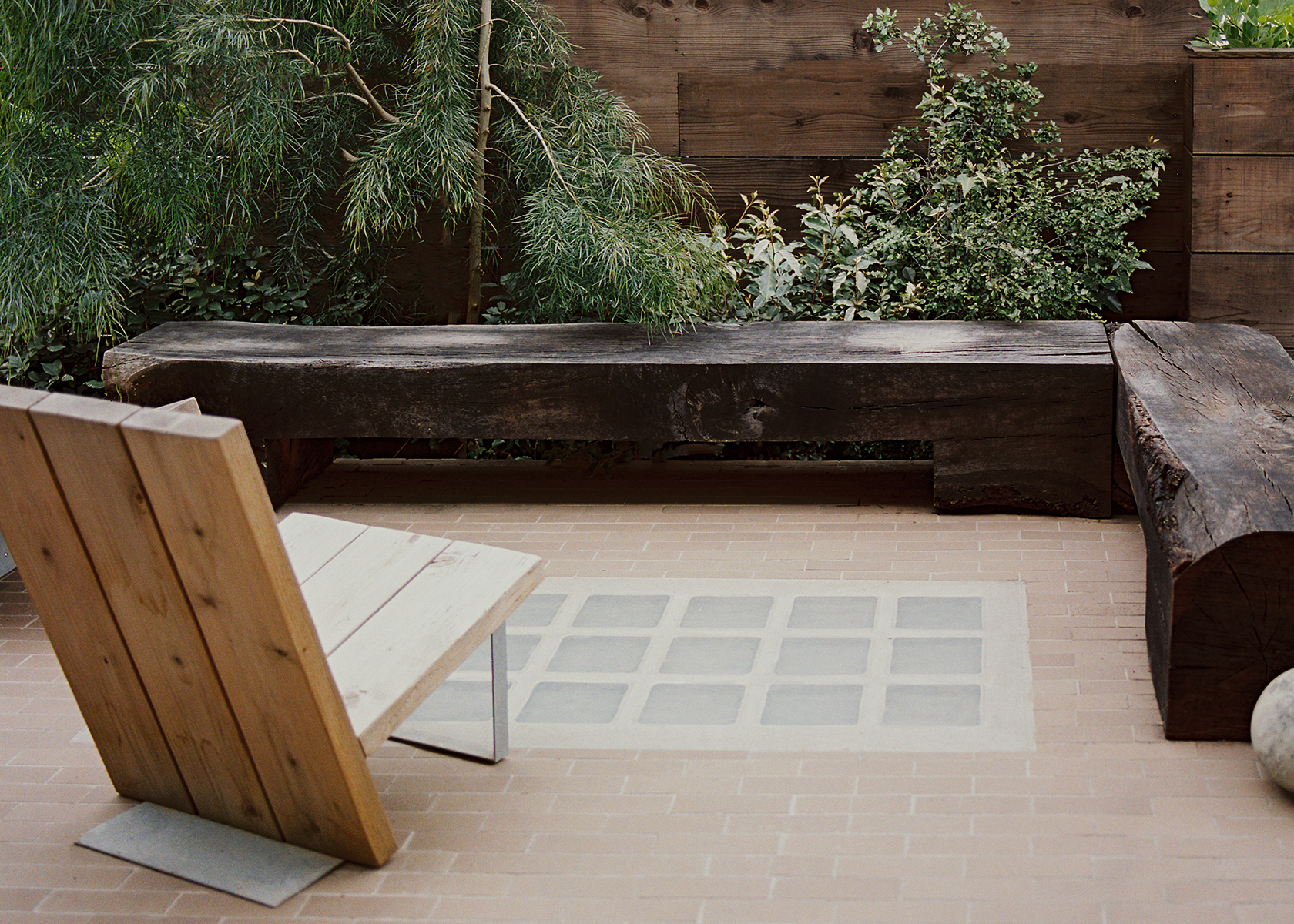
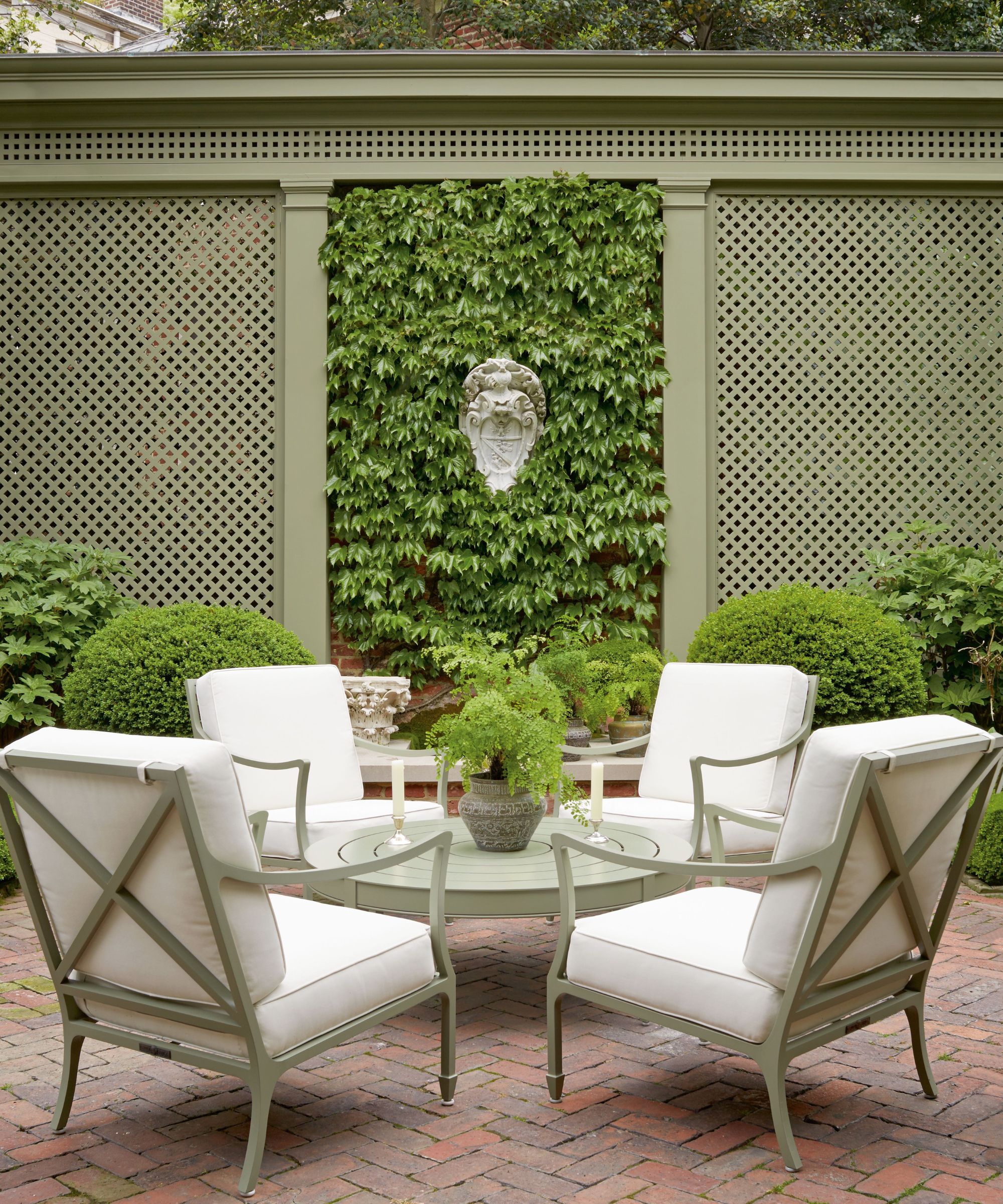
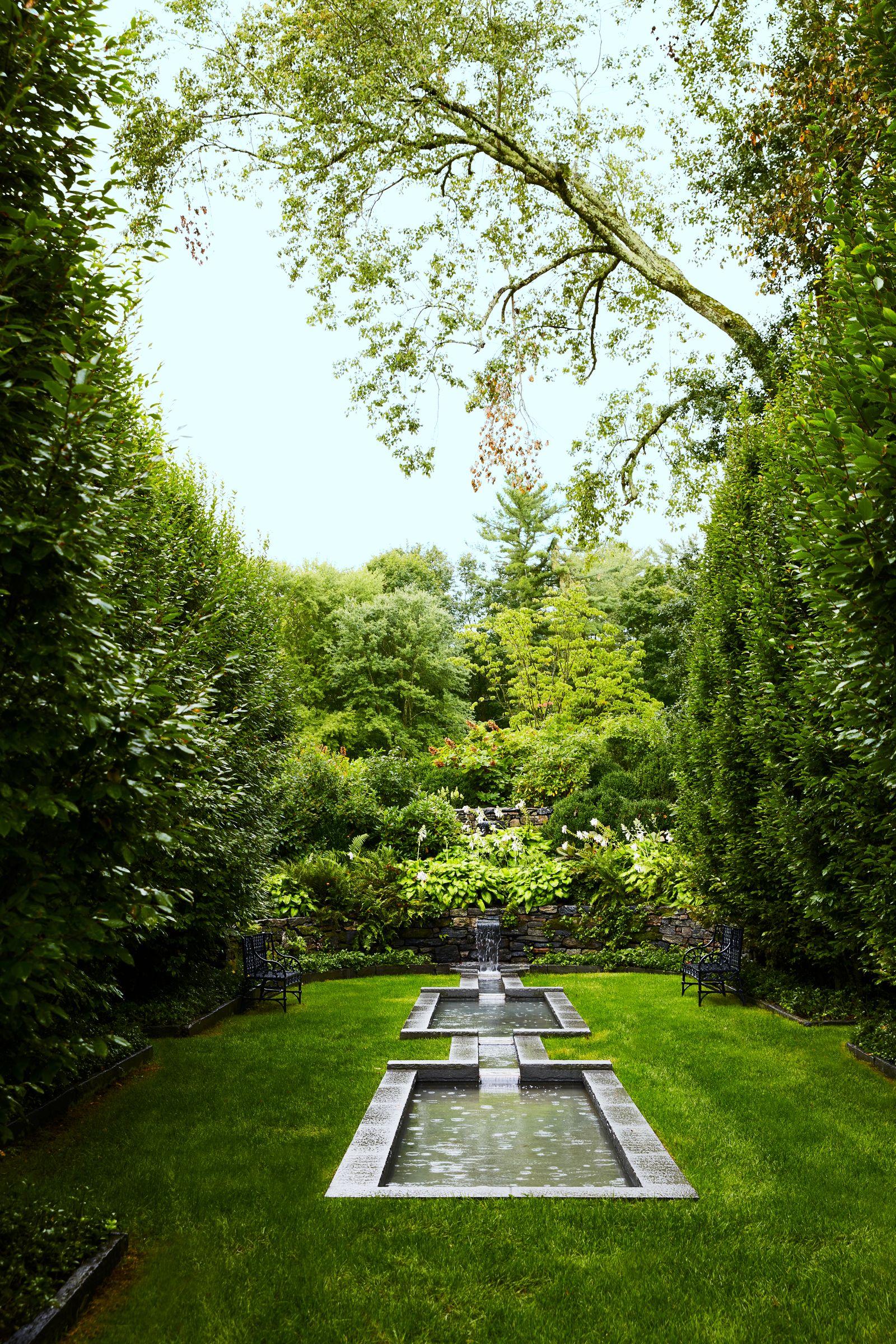
Conversely, the article identifies key areas where investing more can lead to significant long-term benefits and enhanced visual appeal. The primary splurge area is the soil, as healthy soil and proper drainage are crucial for plant health and garden success, regardless of the plant's cost. Investing in the backdrop of the landscape, such as magnolias and hollies, is advised. These pricier plants provide effective perimeter screening and serve as strong foundational elements for the garden. High-quality outdoor furniture is another recommended splurge, as durable pieces will withstand the elements and last longer. Outdoor lighting is emphasized as a crucial element, with a suggestion to invest in soft, long-term LED lighting (around 2700 Lumens) to enhance the home's curb appeal and ambiance. Lastly, creating well-designed outdoor entertaining areas with subsurface and intricate drainage systems is presented as a worthwhile investment, allowing these spaces to be usable shortly after rain.
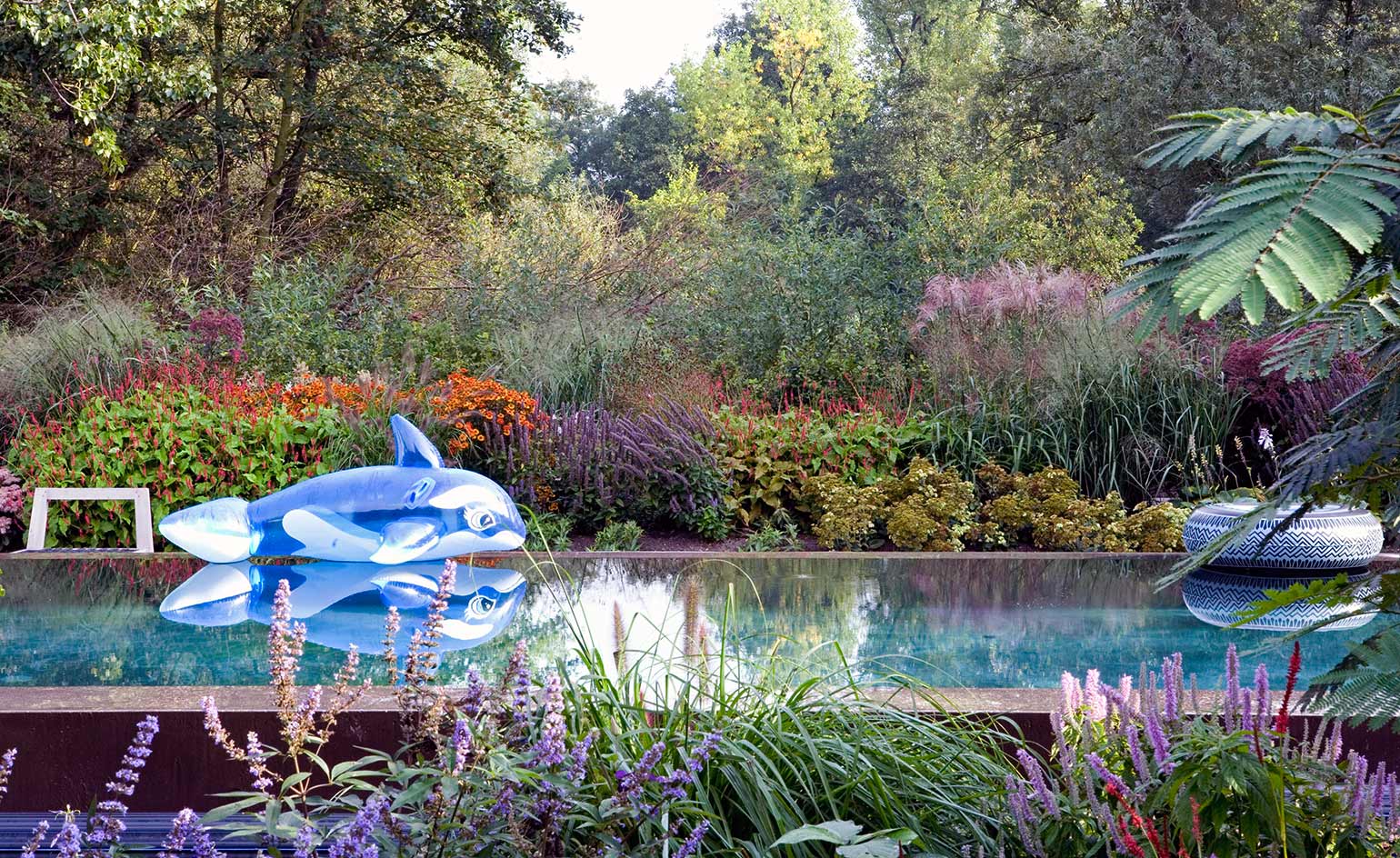
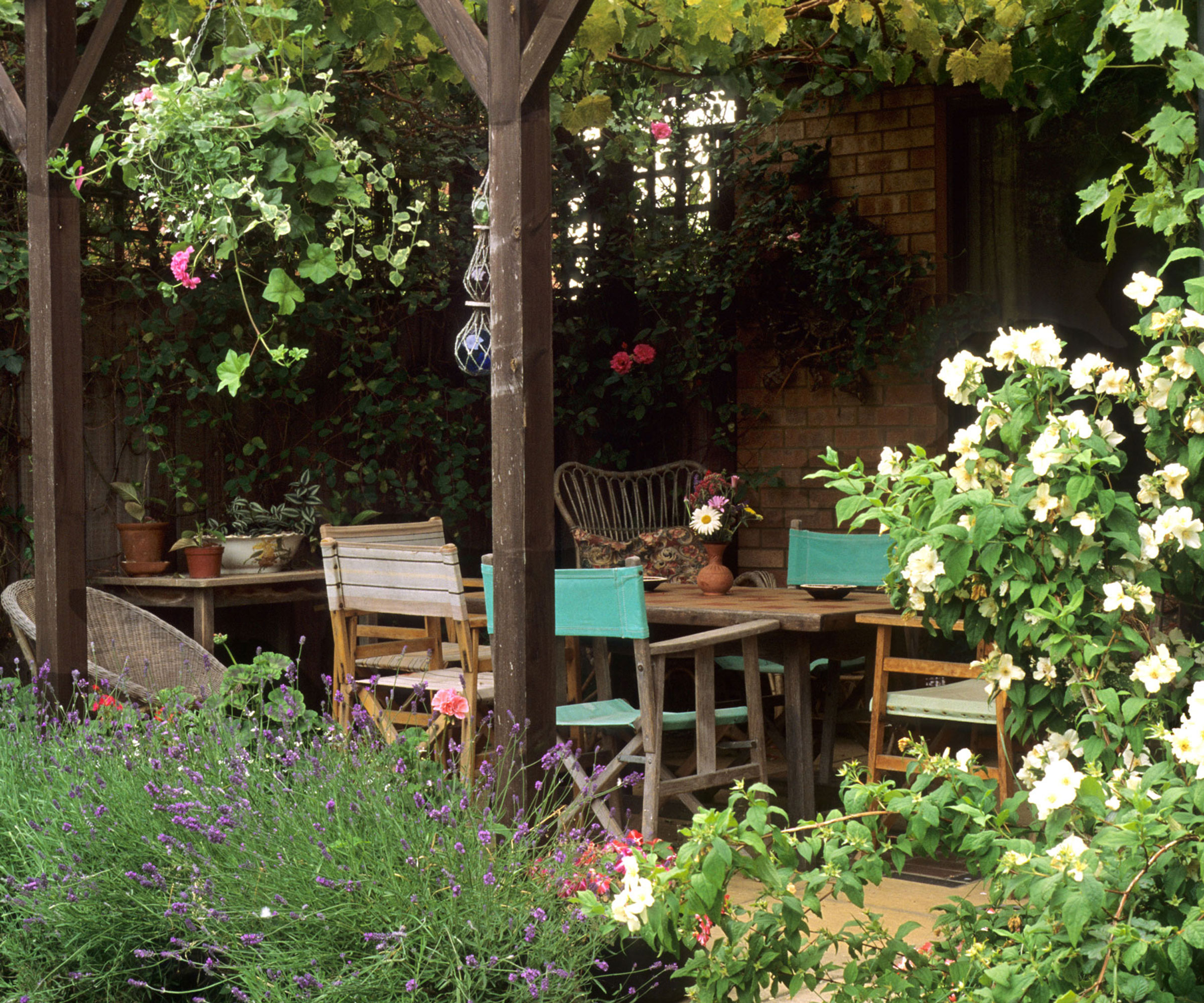
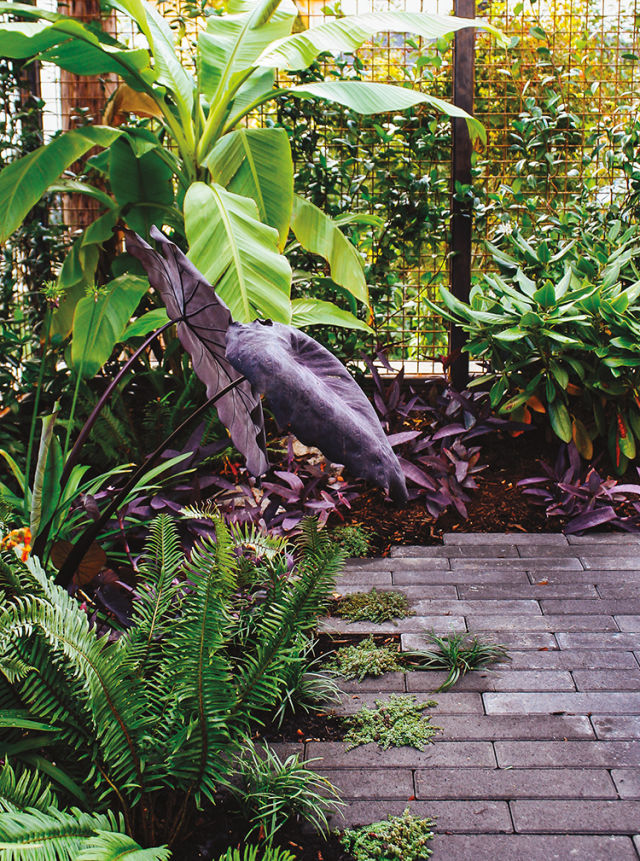
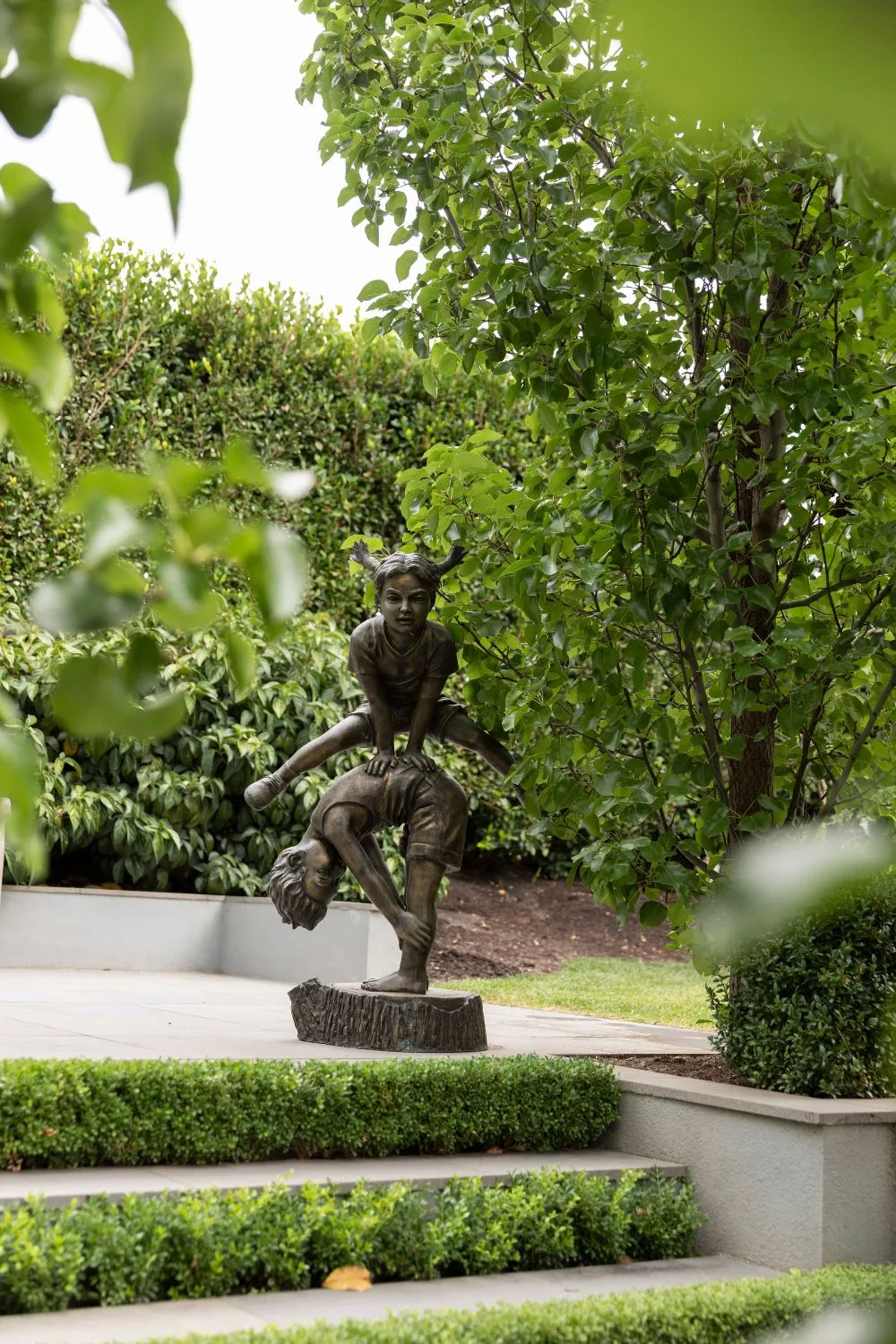
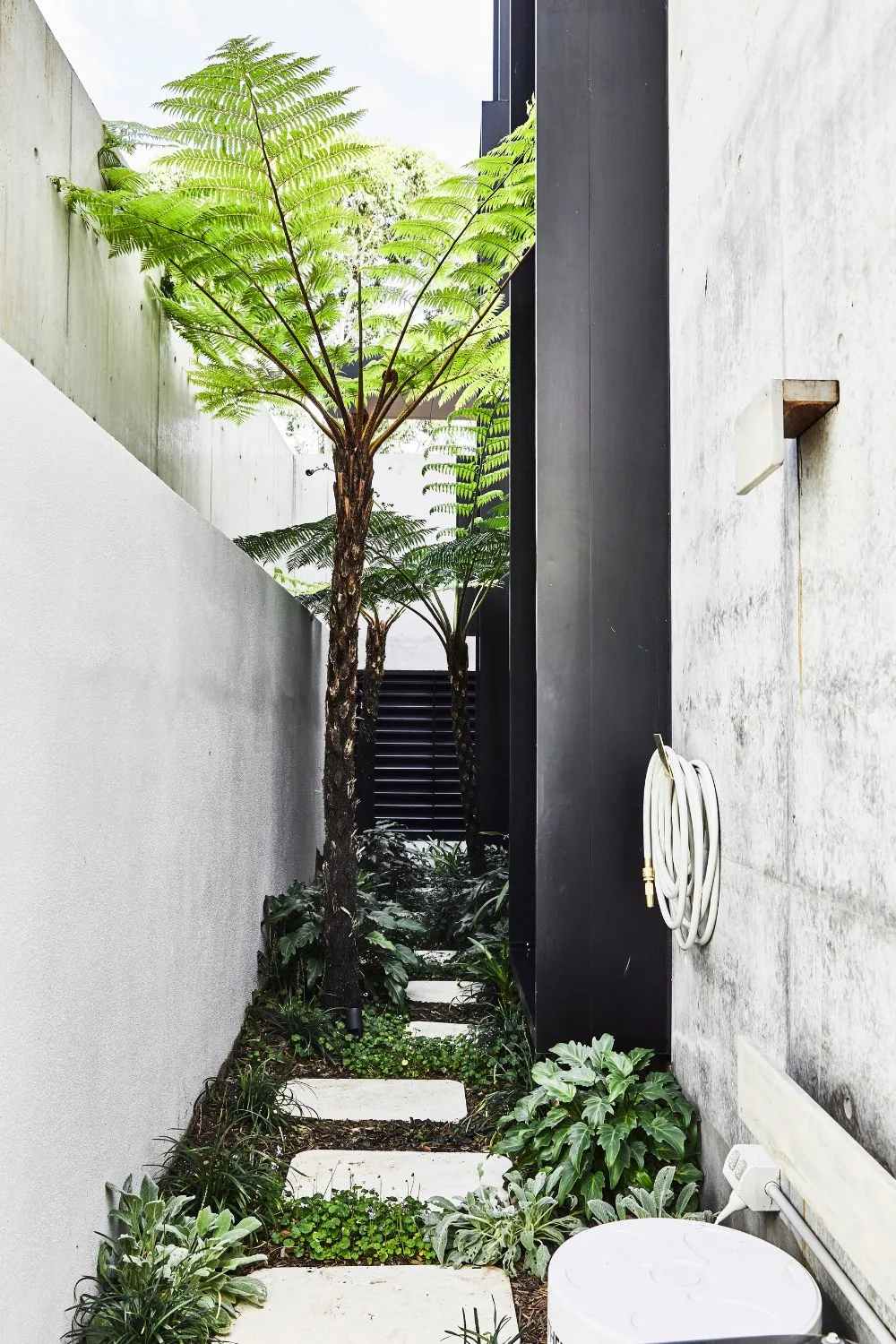
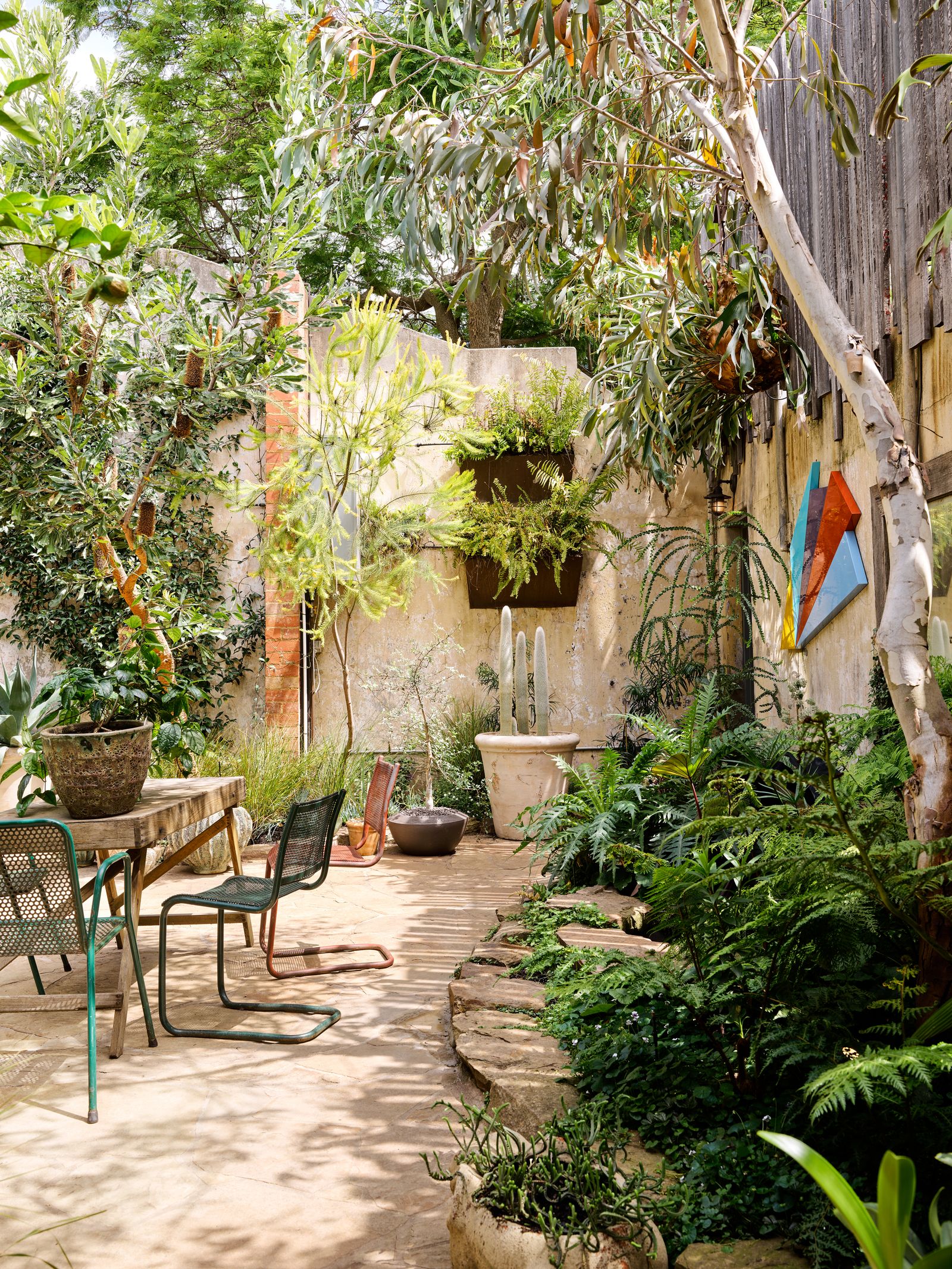
The article also advocates for planting native species, particularly for regions like the South. Native plants, such as coneflowers, American boxwood, dogwoods, redbuds, azaleas, rhododendrons, beautyberry, and hydrangeas, require less water and support local ecosystems, making them a sustainable and practical choice. The importance of design details is underscored, with Gavin Duke emphasizing proper space organization, layering, and scale. Layering plants, with evergreens as a backdrop, helps create a lush and visually appealing garden. Regarding scale, it is noted that elements tend to appear smaller outdoors than they do indoors, so full-scale mock-ups of garden elements like sundials or containers are recommended to ensure appropriate sizing. By considering these expert tips, homeowners can effectively plan their landscape projects to achieve beautiful and functional outdoor spaces.
#LandscapeDesign #HomeGardening #OutdoorLiving #NativePlants #Budgeting #Hardscaping #OutdoorLighting #GardenTips #LandscapeDesign #HomeGardening #OutdoorLiving #NativePlants #Budgeting #Hardscaping #OutdoorLighting #GardenTips
0 comment in total
 No comments yet
You may also like
Backyard Design Choices That Are Making It Harder For You To Sell Your House
How to make a small backyard look bigger – 10 clever ways to max out your space


Meet Matthew Giampietro Landscape Designer

14 small garden design ideas that maximise space and greenery

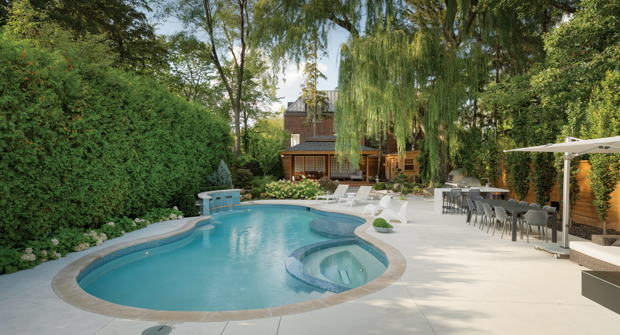
How a century-old willow anchored a Toronto backyard transformation
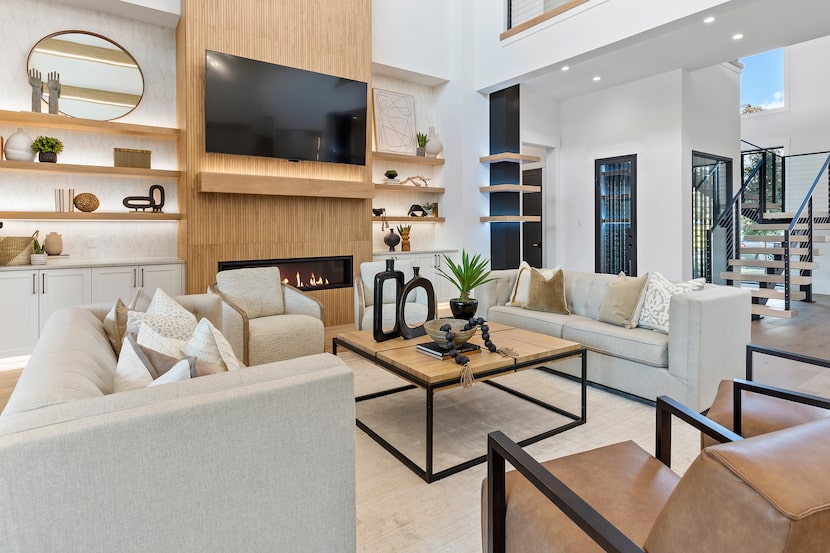
Maximize your home decor budget — here’s where Dallas designers splurge and save

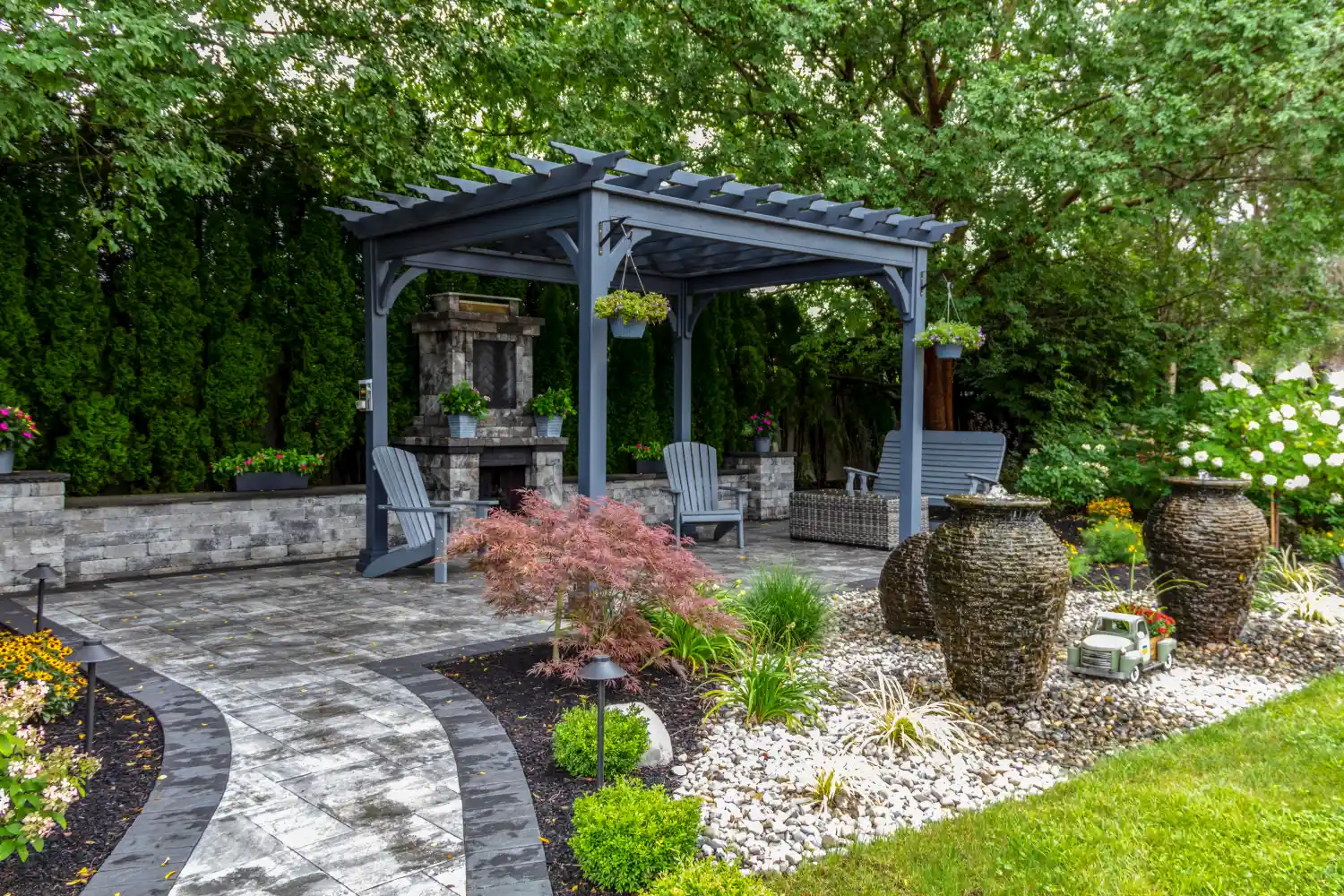
5 Backyard Design 'Upgrades' That Lower Your Home’s Value—and What to do Instead
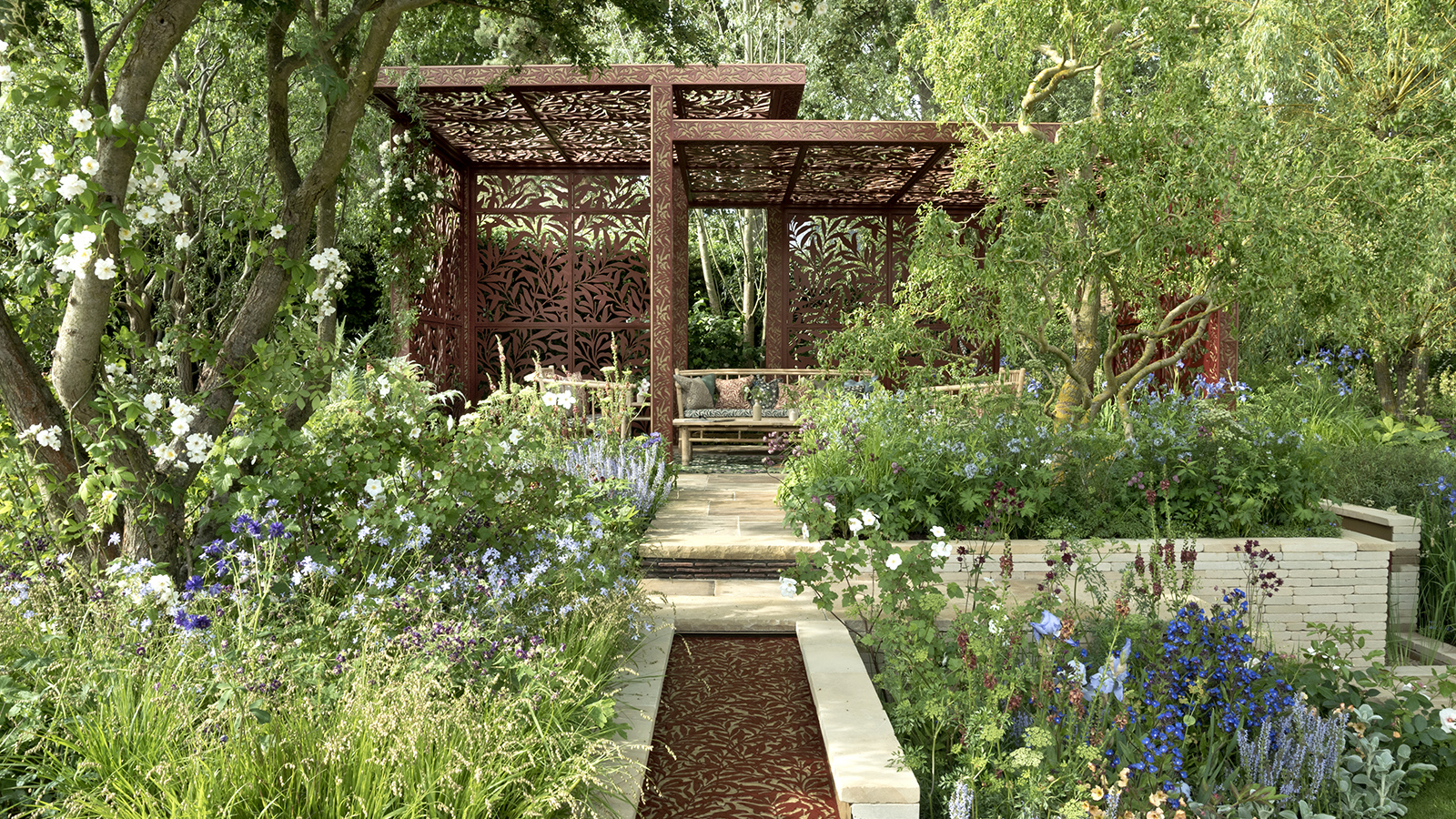
Outdated backyard trends and what's replacing them in 2025 – 8 expert suggestions to refresh your outdoor space
Innovative landscape architecture and garden design around the world

Digging Into Trends in Commercial Landscape Design

Build Your Perfect Backyard Patio in 5 Easy Steps

The 5 best ways to make your backyard look expensive

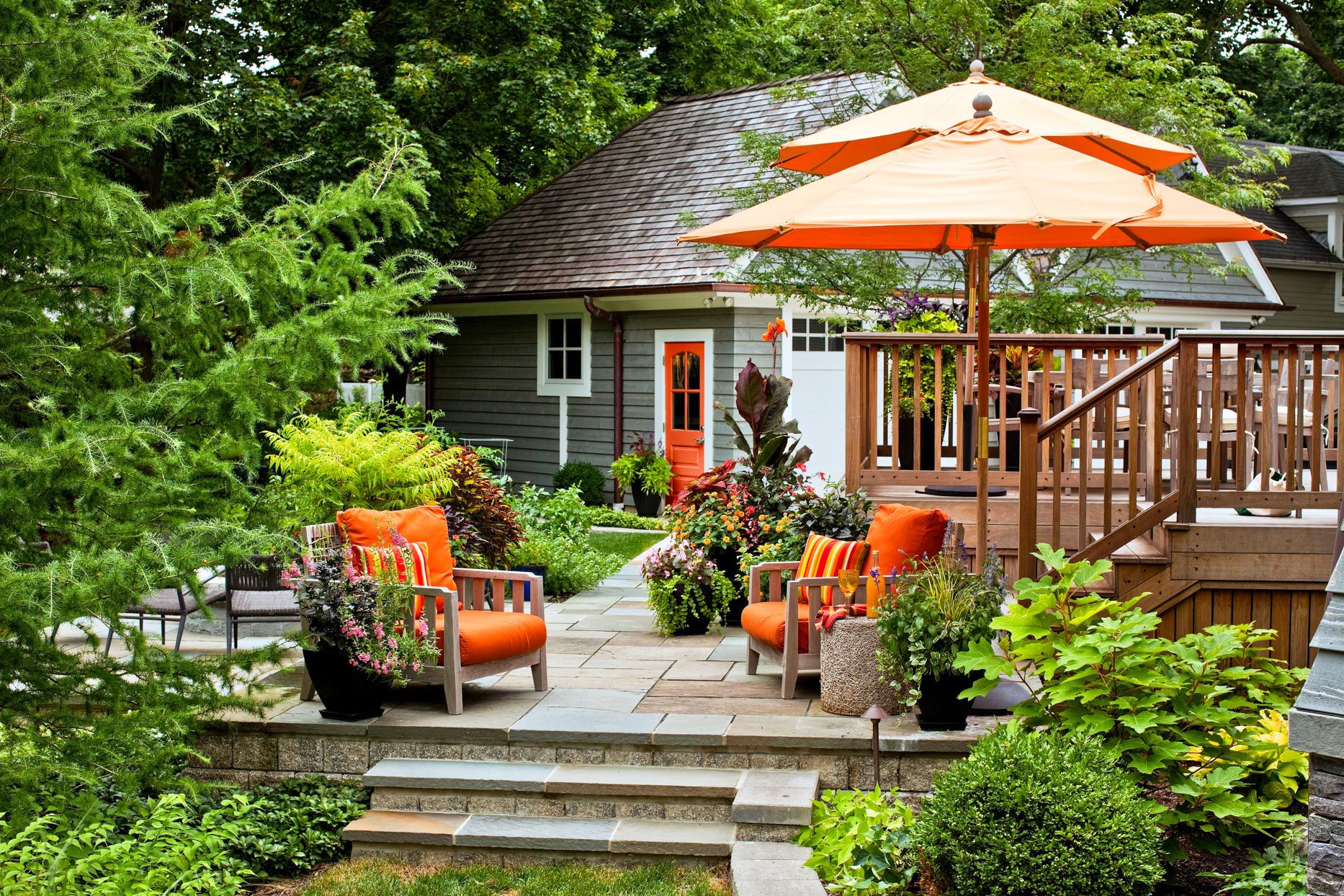
7 Landscape Design Tips for Beginners

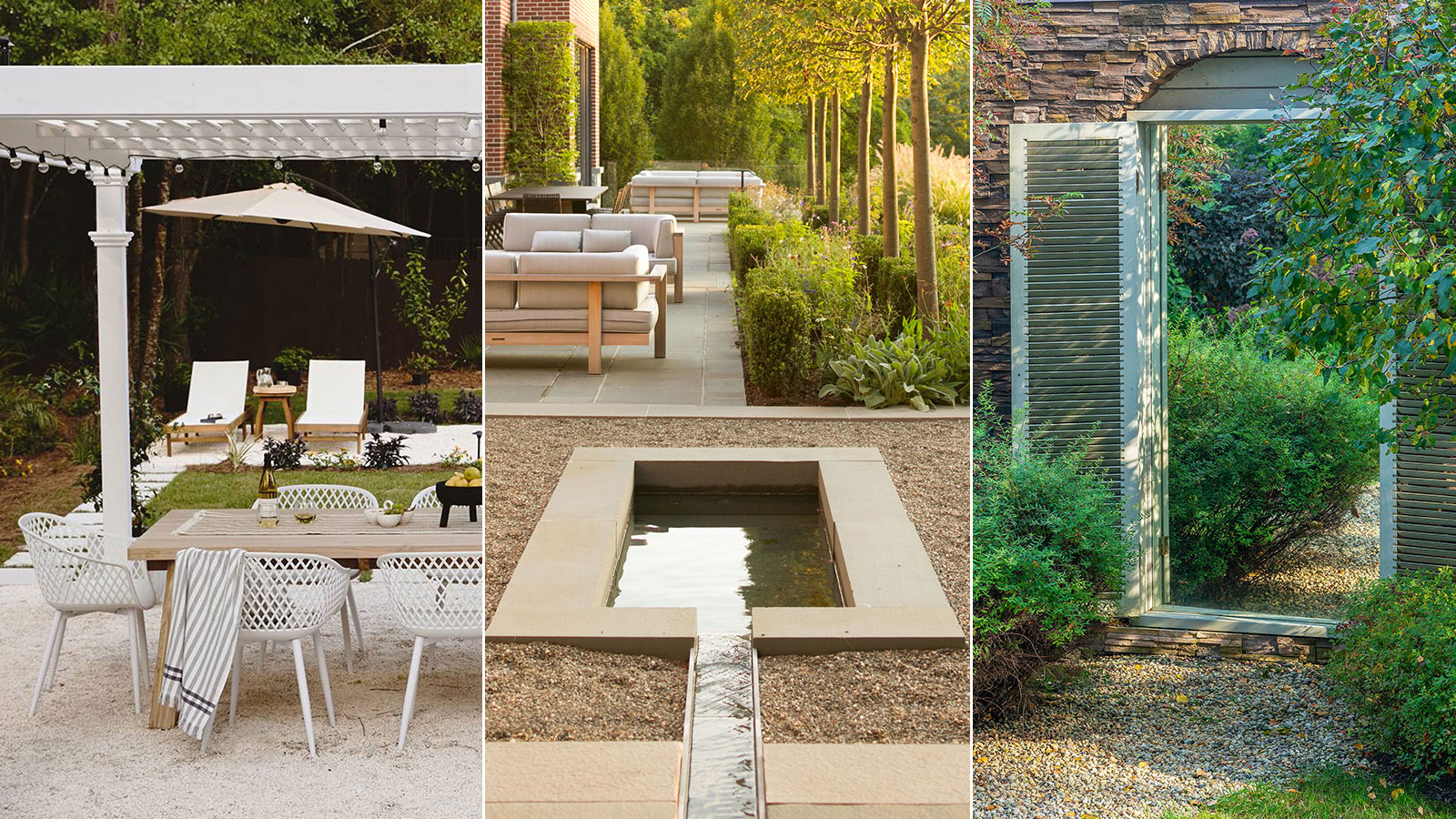
How to make a backyard look bigger – 8 space-enhancing tricks that work every time

Reimagine Landscape Design Online With Yardzen and Realize Your Dream Outdoor Space
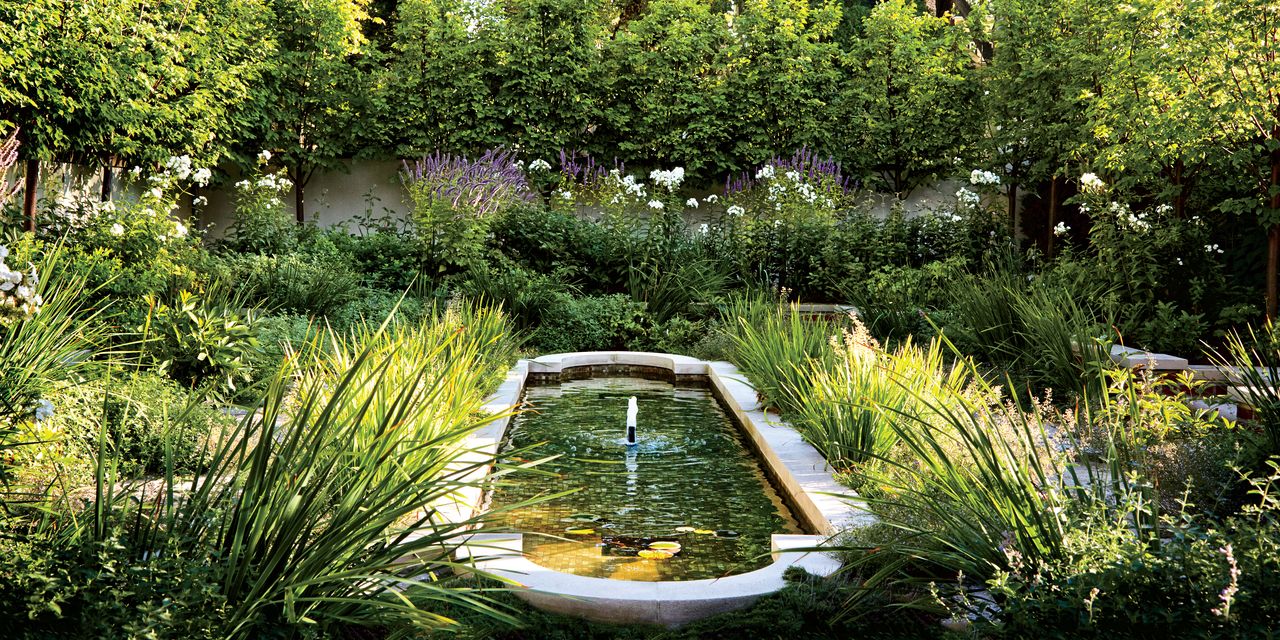
18 Genius Garden Landscaping Ideas From the AD Archive

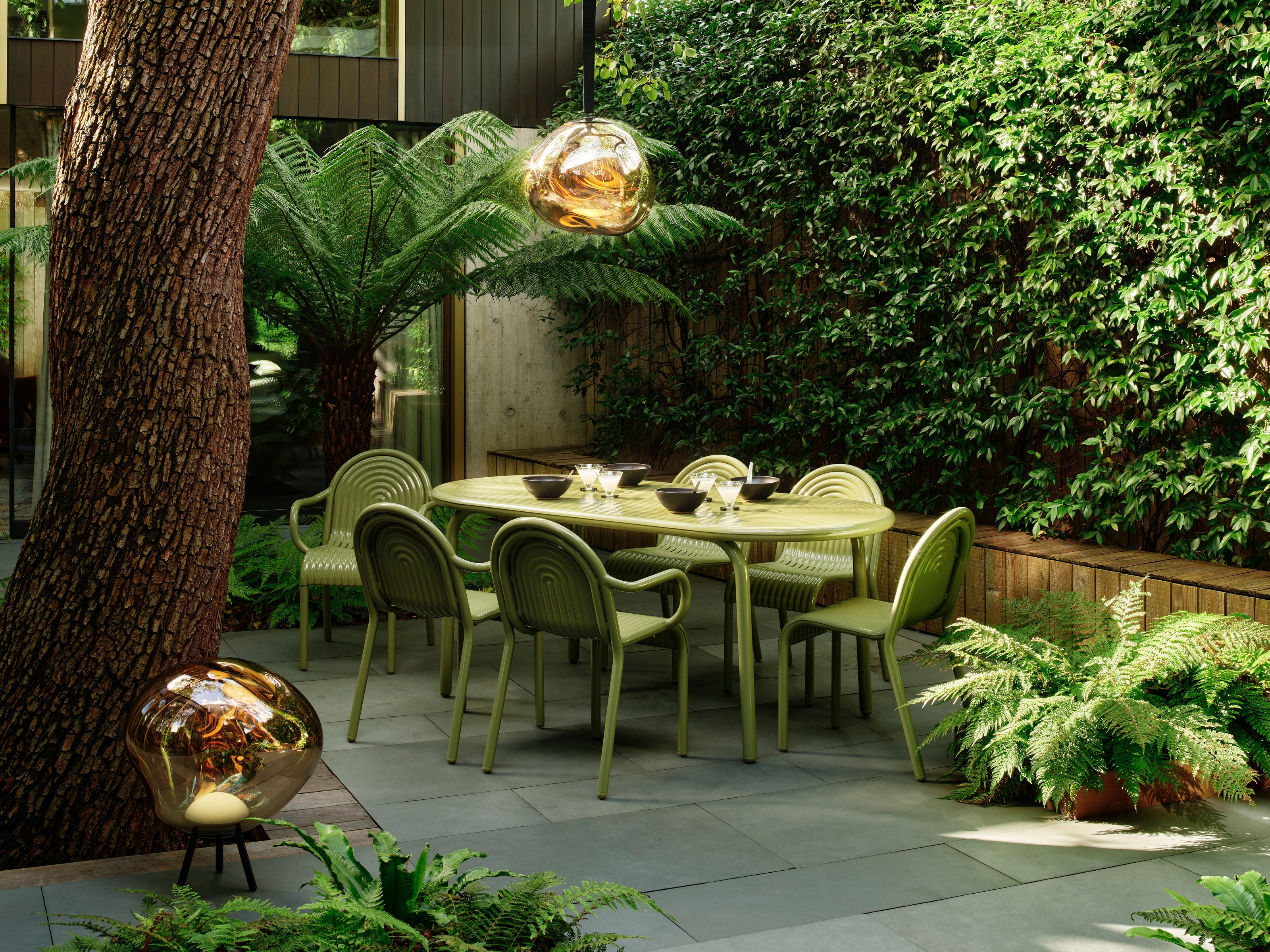
The Best Garden Furniture in 2025 — The Essential Edit of What to Buy, Where to Buy It, and the Brands to Know

How to make a courtyard garden look bigger – 8 tips and tricks from the experts to utilize every inch of your city yard
The Patio Construction Material This Landscape Designer Won’t Ever Work With

6 Small Backyard Layout Mistakes You Should Avoid This Summer, According to Designers