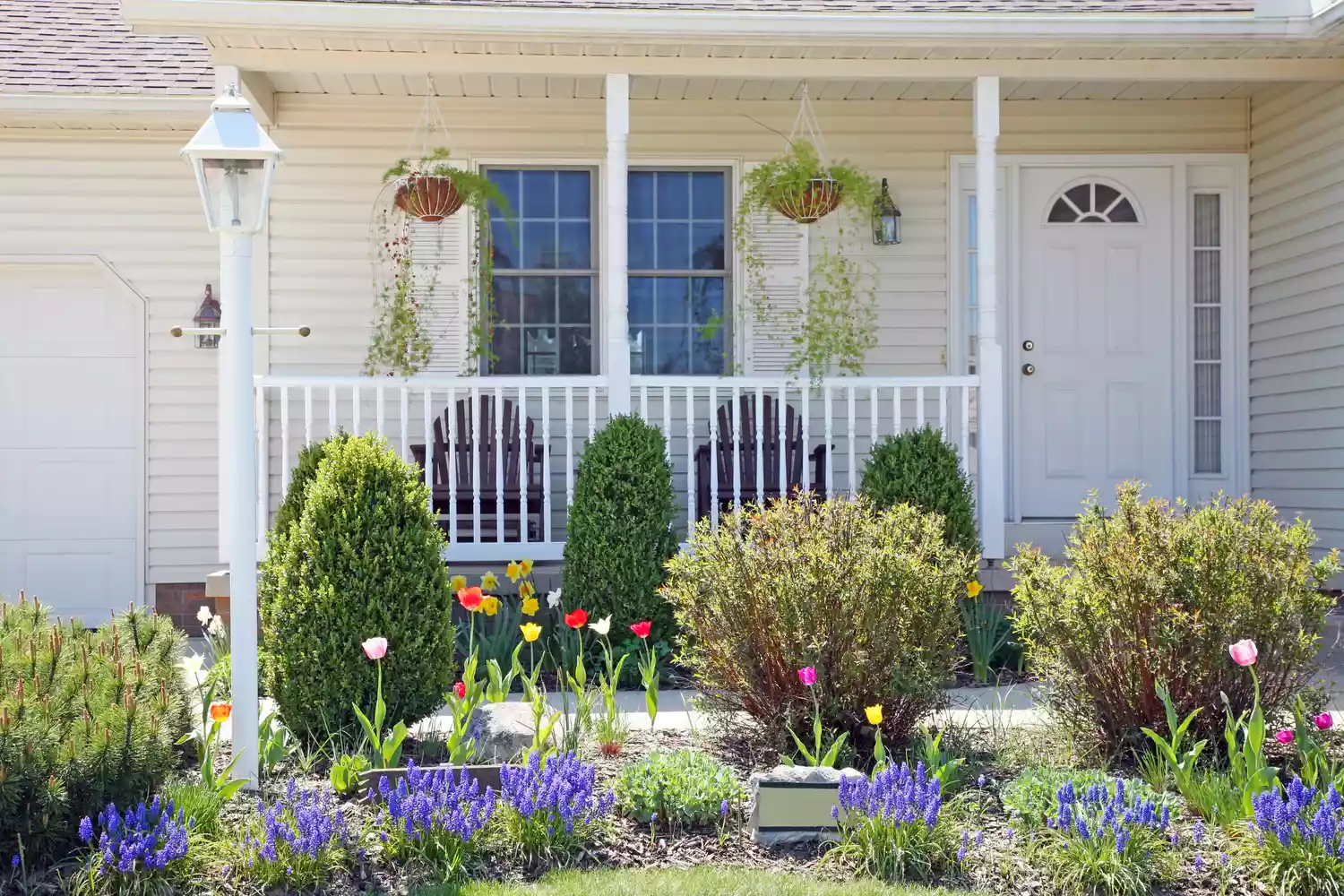
10 Small Front Yard Landscaping Ideas That Make a Big Impact, According to Designers
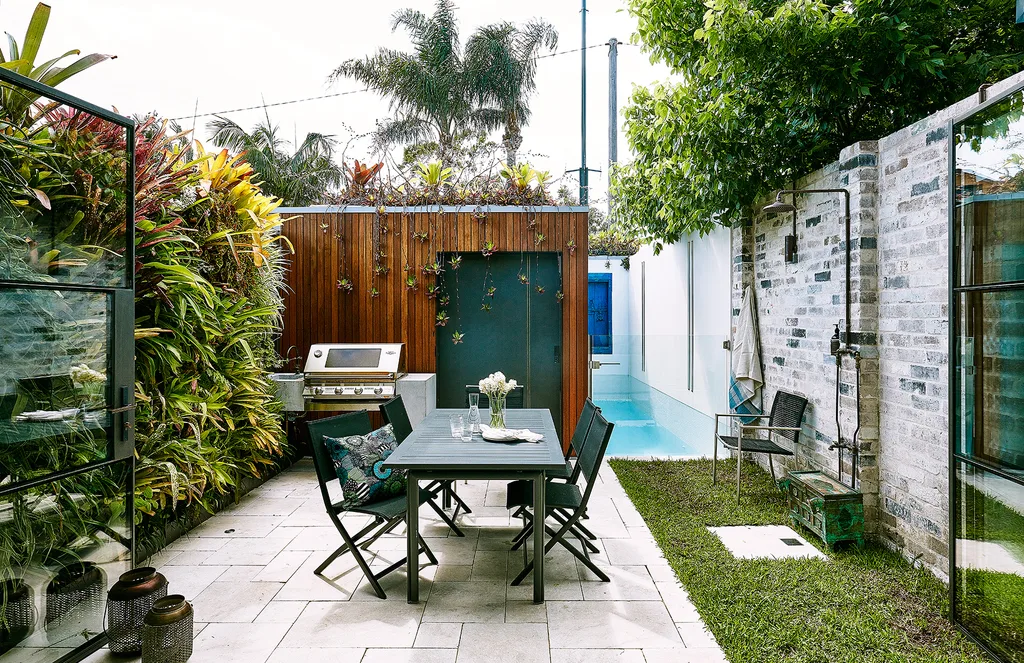
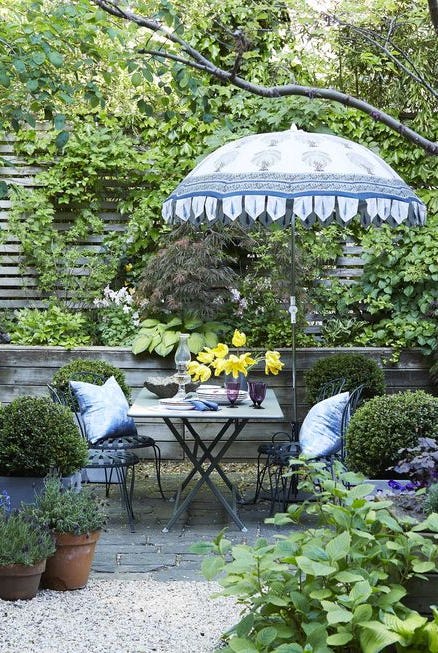
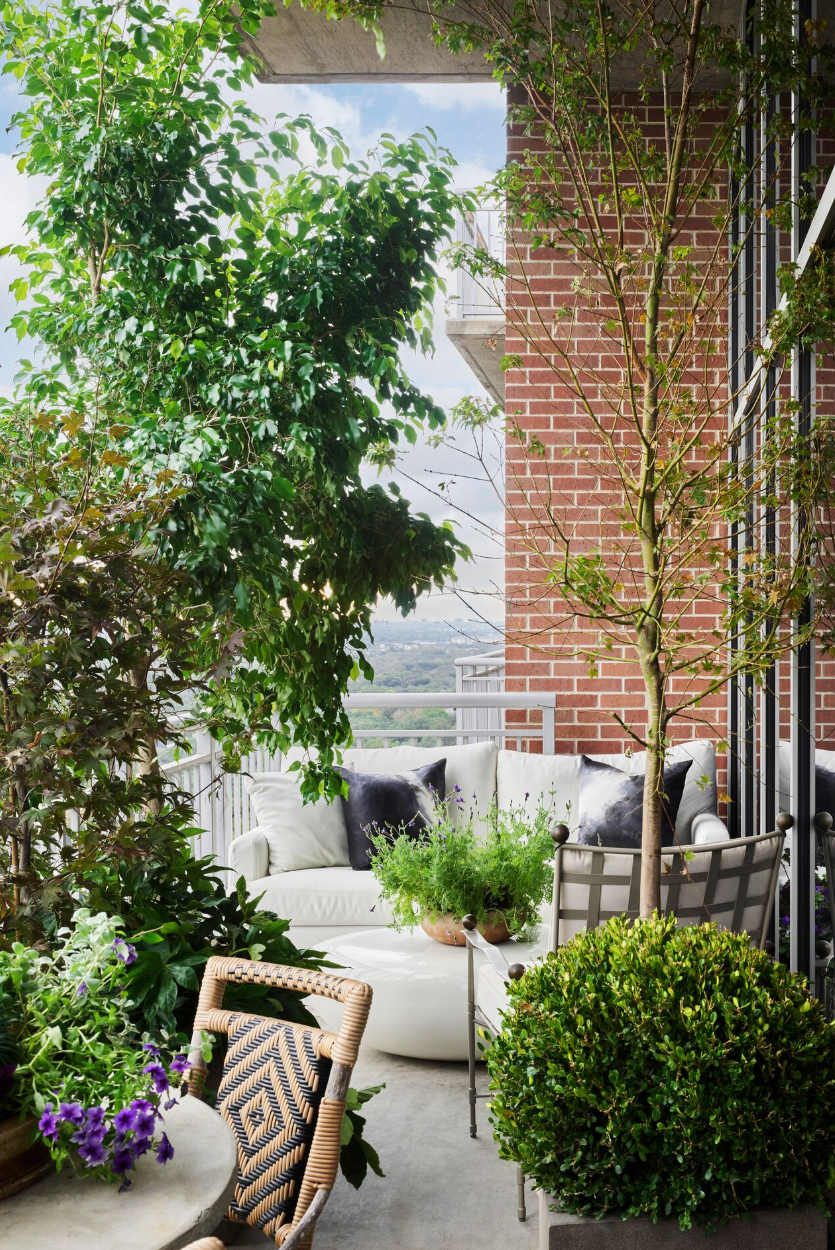
Small front yards, despite their limited space, offer significant potential for creating inviting and impactful outdoor areas. These spaces serve as crucial extensions of the home, forming the first impression for visitors and passersby. Thoughtful landscape design can transform even the tiniest yard into a functional and aesthetically pleasing environment. The key lies in strategic planning and intentional choices that align with one's lifestyle and desired use of the space.
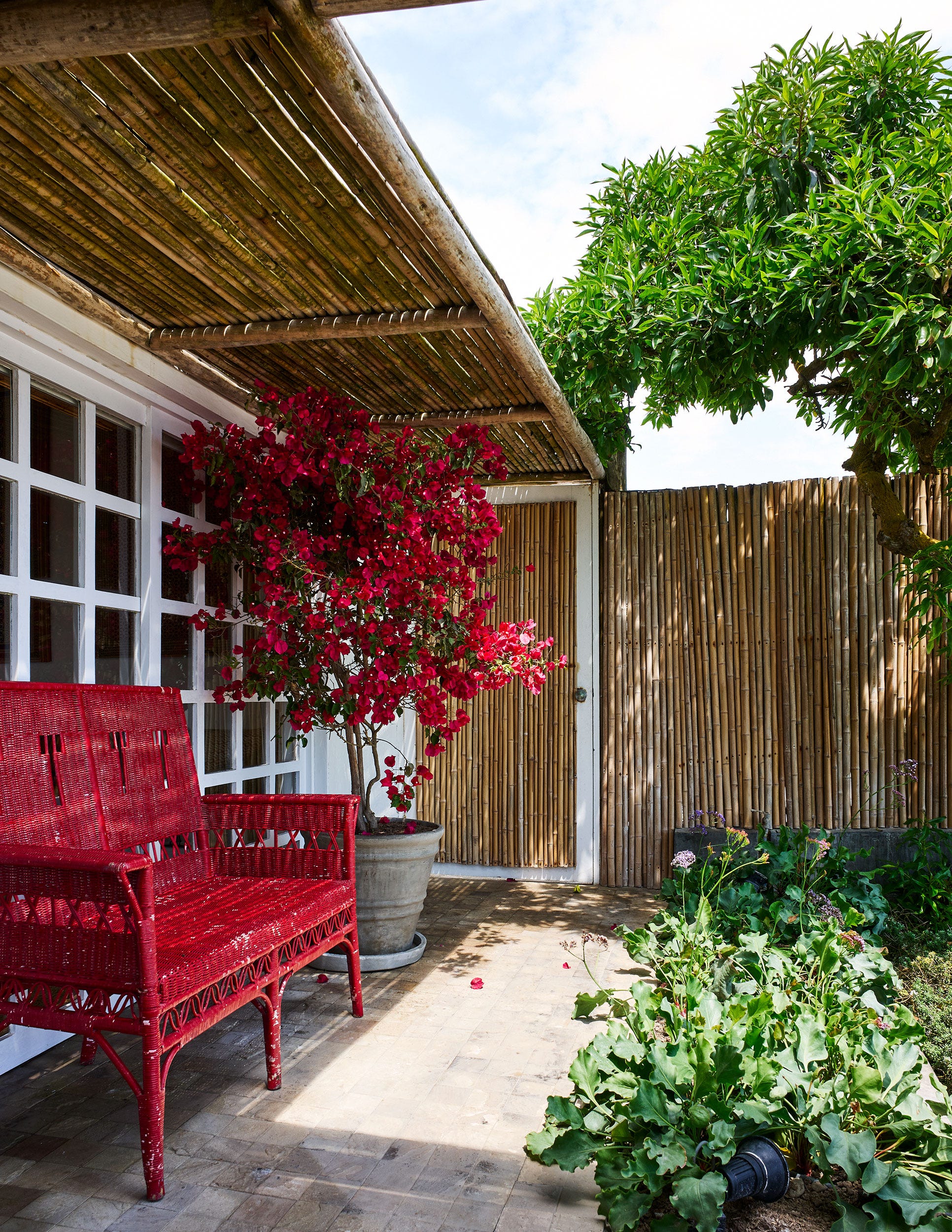
One fundamental principle for designing small front yards is to limit focal points. Over-designing can lead to a cluttered and overwhelming appearance. Instead, selecting a few key elements, such as an entryway, a distinctive tree, or a vibrant accent planting, allows each feature to stand out without competing for attention. Once these primary focal points are established, medium and smaller design elements can be introduced to complement the overall scheme, ensuring a cohesive and edited look.
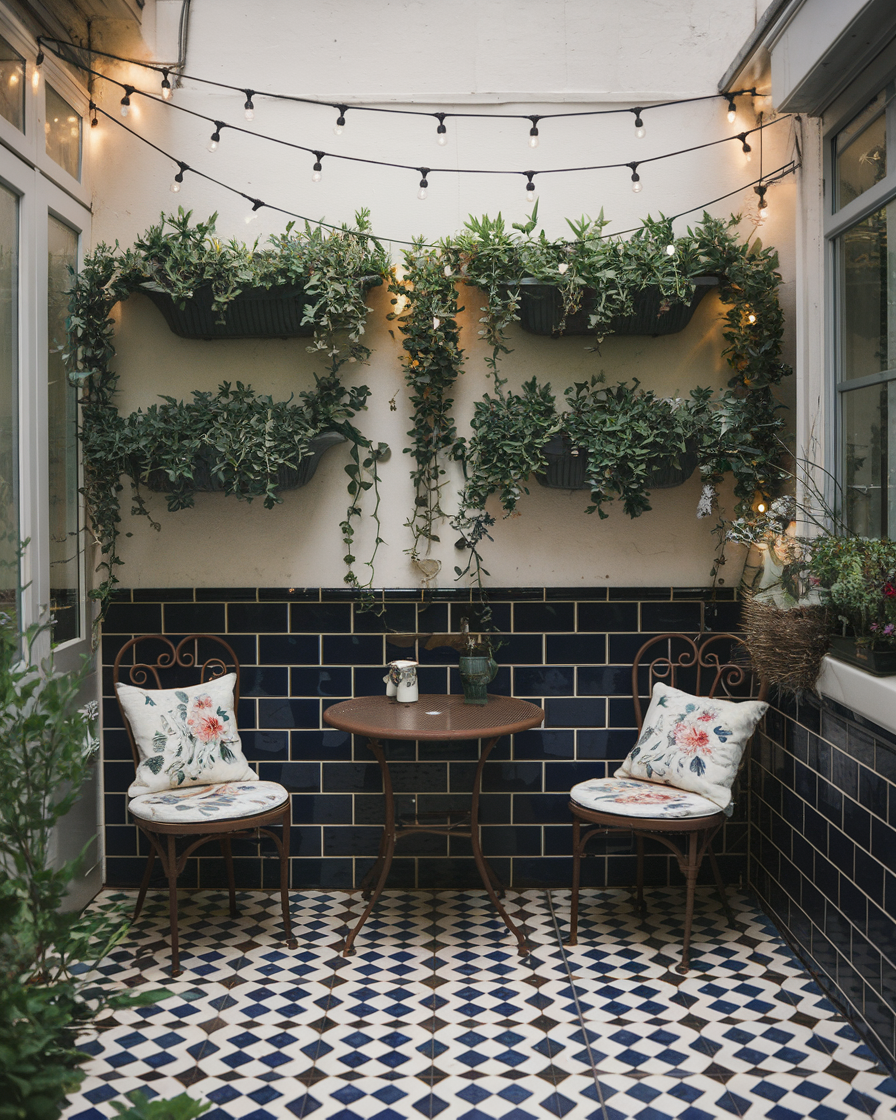
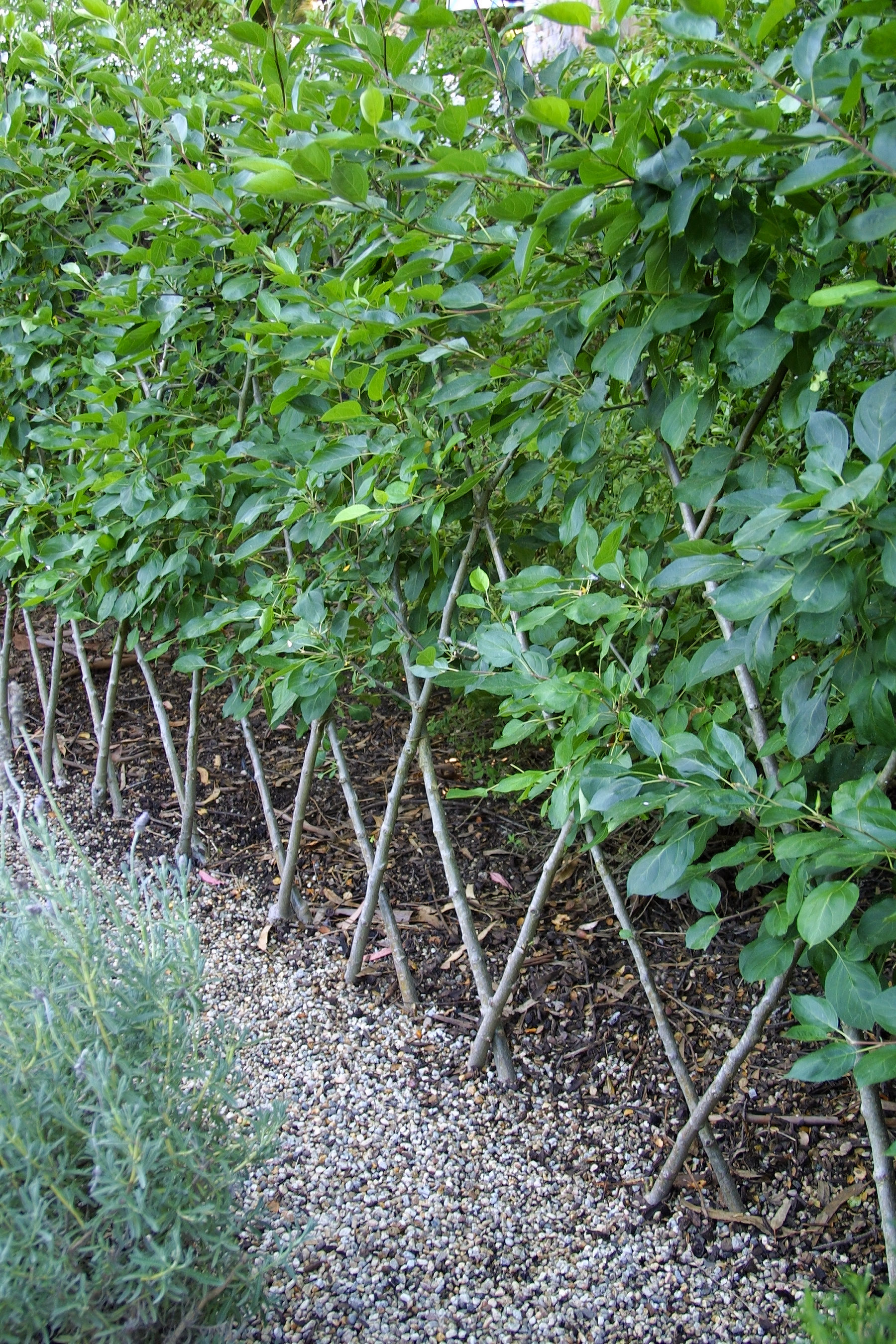
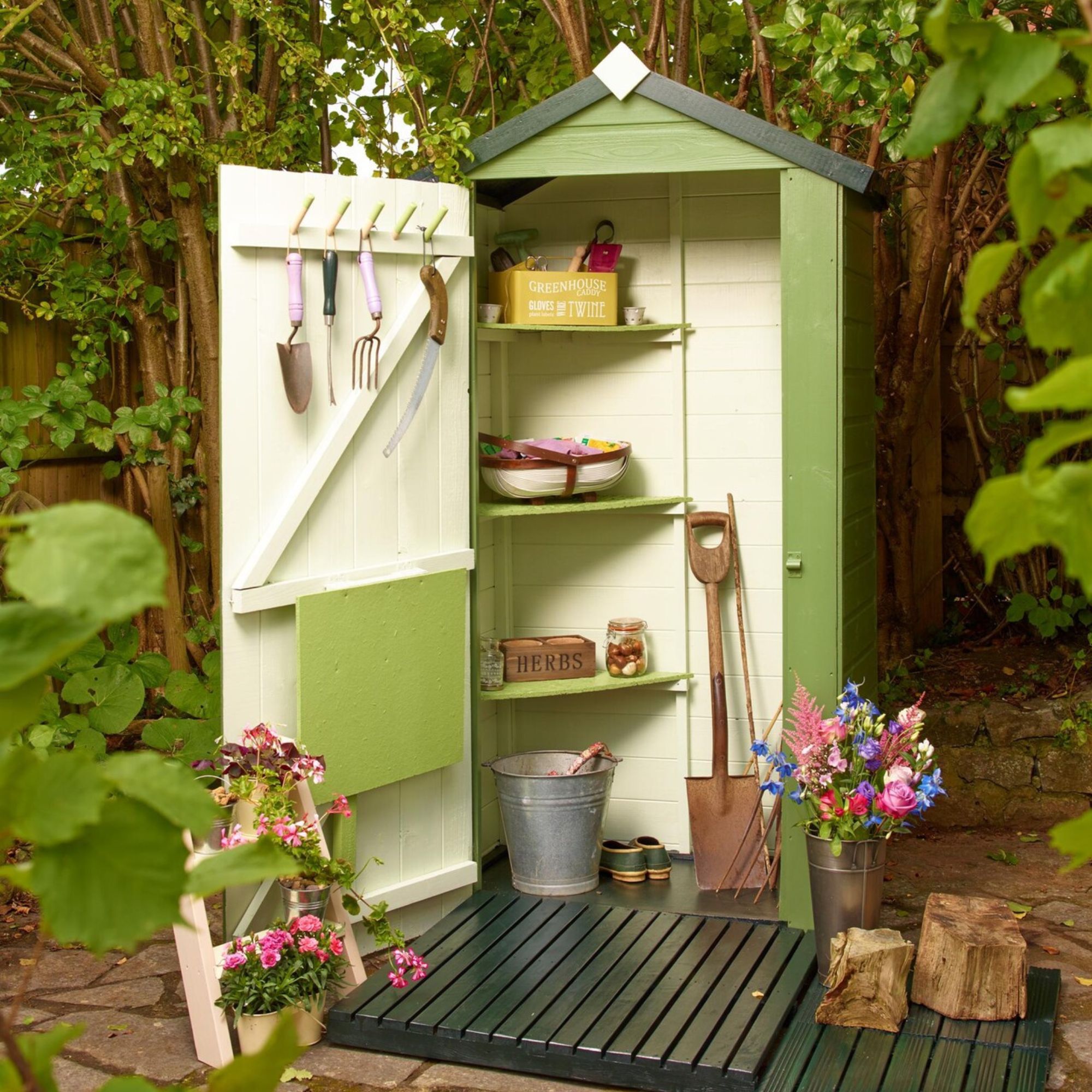
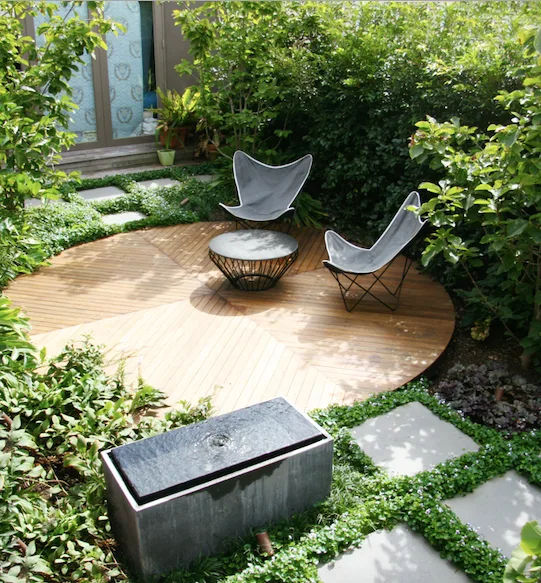
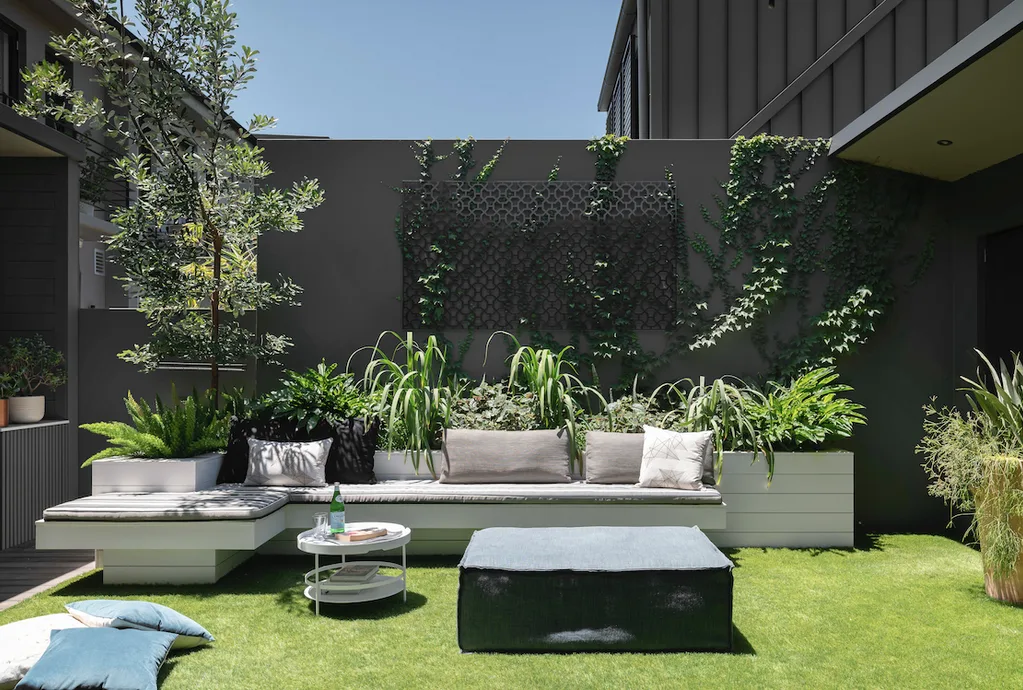
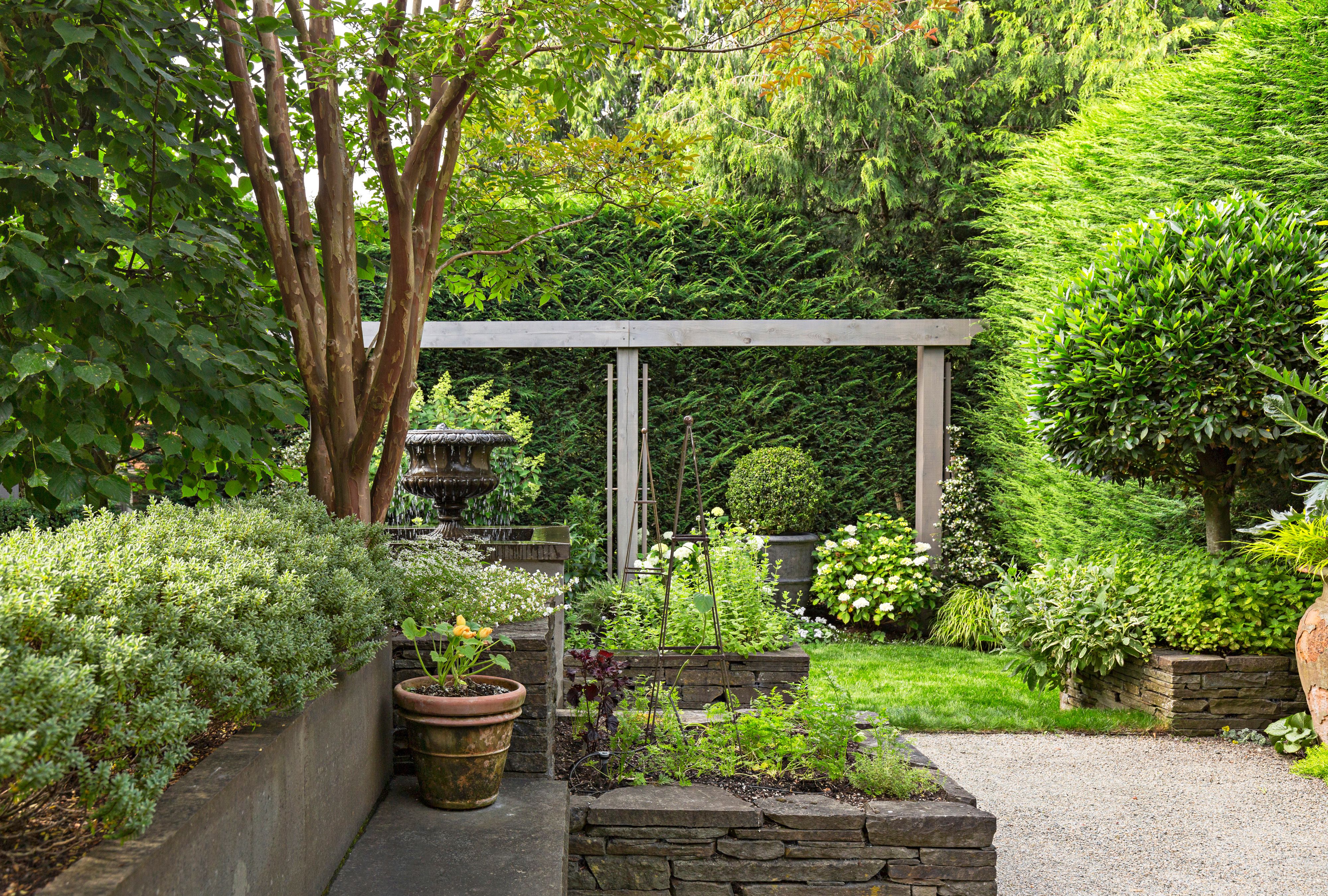
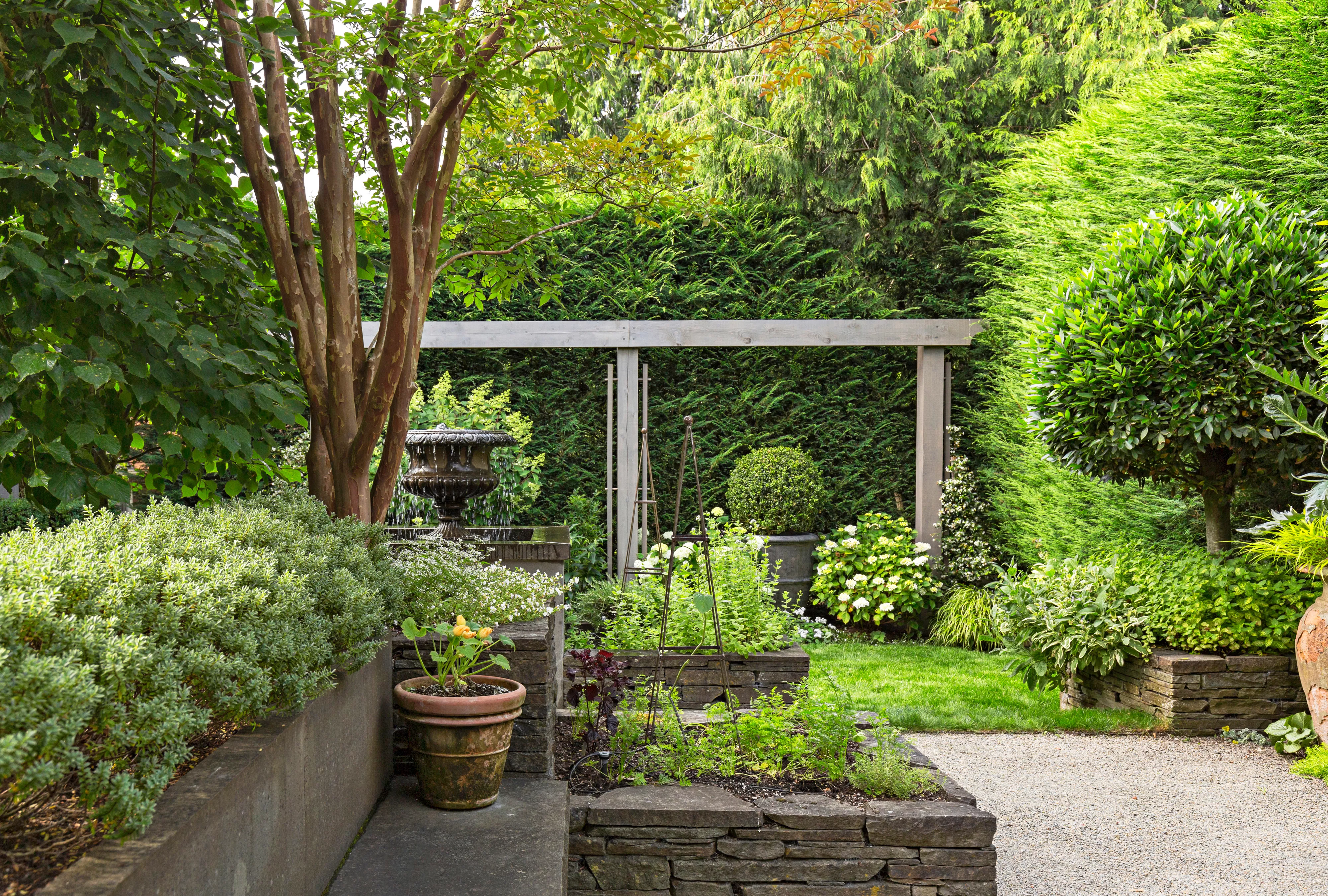
Incorporating constructed elements like raised flower beds, trellises, and pathways can add both structure and functionality. These elements can be multi-purpose; for instance, raised beds can delineate different zones or offer additional seating, while trellises can support climbing plants, provide privacy, and create shade. The design process should involve considering how these structures can address multiple needs simultaneously, enhancing the yard's utility.
Designers often utilize either symmetrical or asymmetrical approaches. A symmetrical design, often centered around an architectural feature like a front door, involves mirroring plantings on both sides, resulting in a formal and balanced look. Conversely, an asymmetrical design uses varying plant arrangements and sizes on opposite sides to create a more informal and dynamic feel.
Minimizing maintenance is a practical consideration for any small front yard. Opting for native plants that are well-suited to the local climate, soil, and light conditions can significantly reduce upkeep. Additionally, reducing the number of complex design elements and installing efficient irrigation systems like drip lines can ensure the yard remains attractive with less effort.
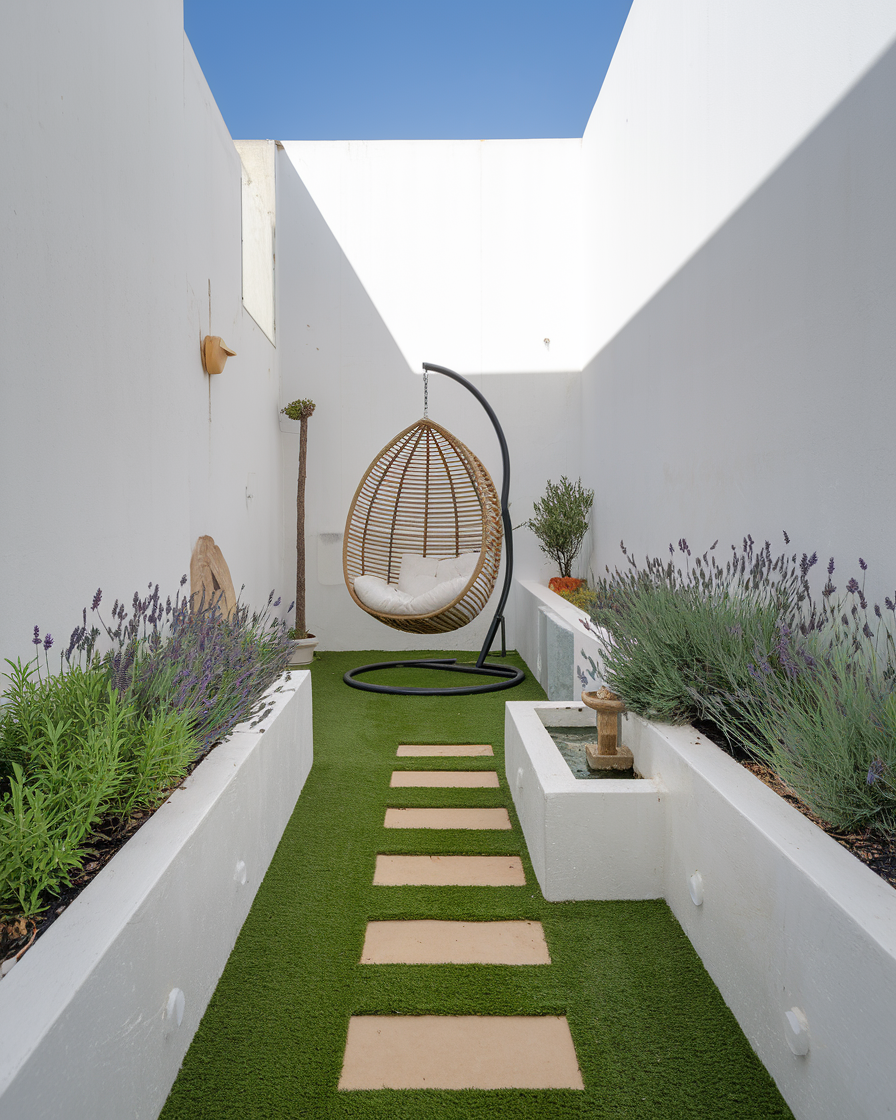
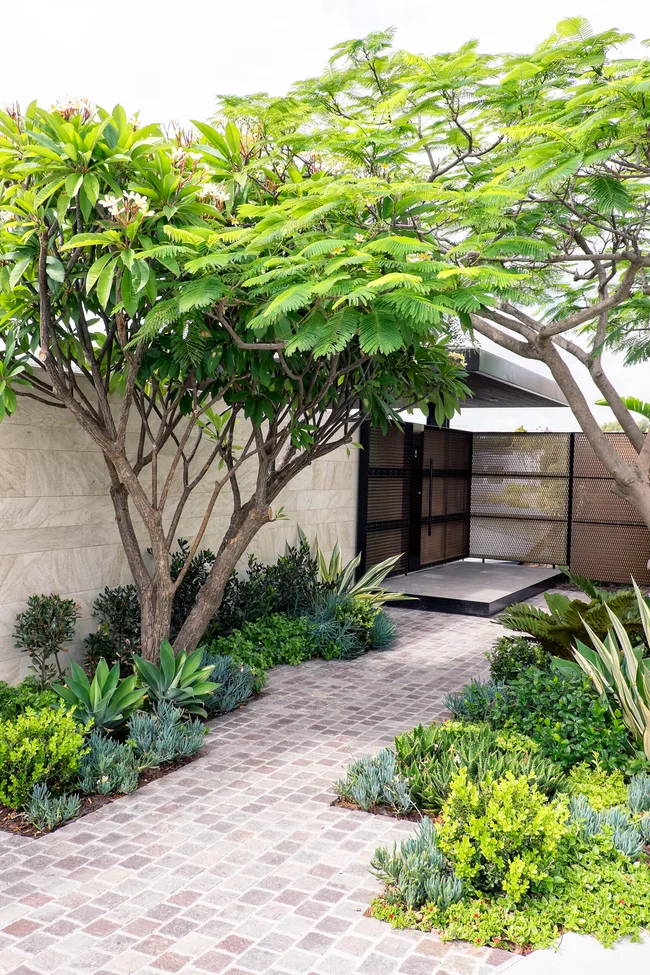
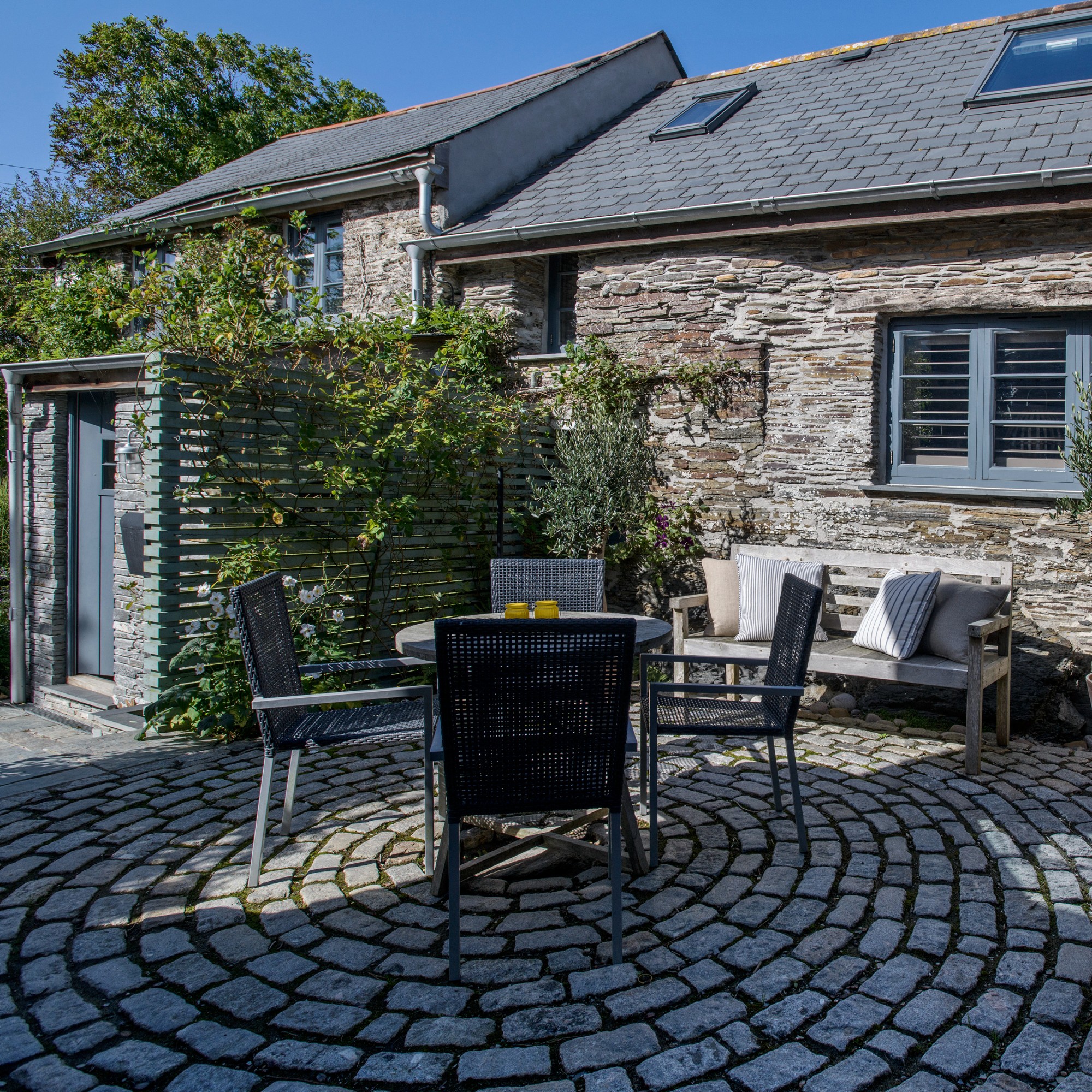
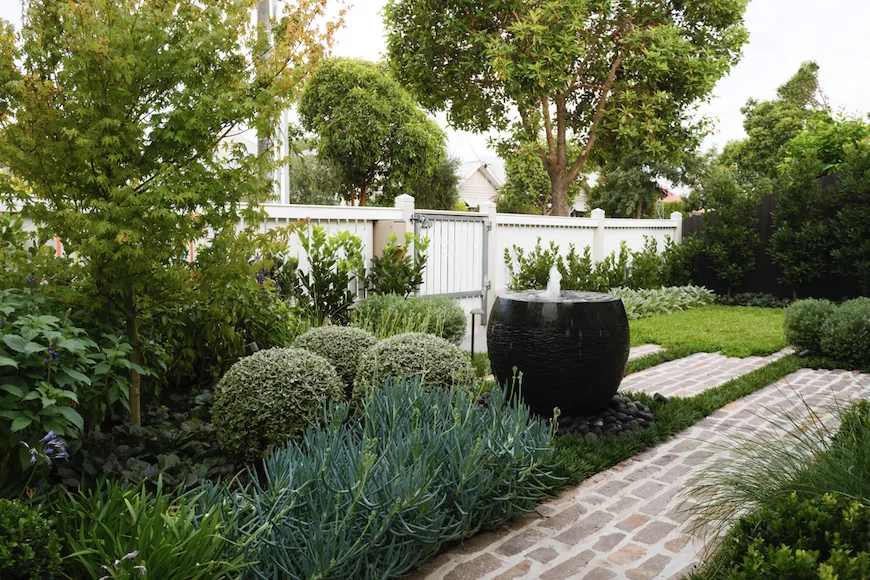
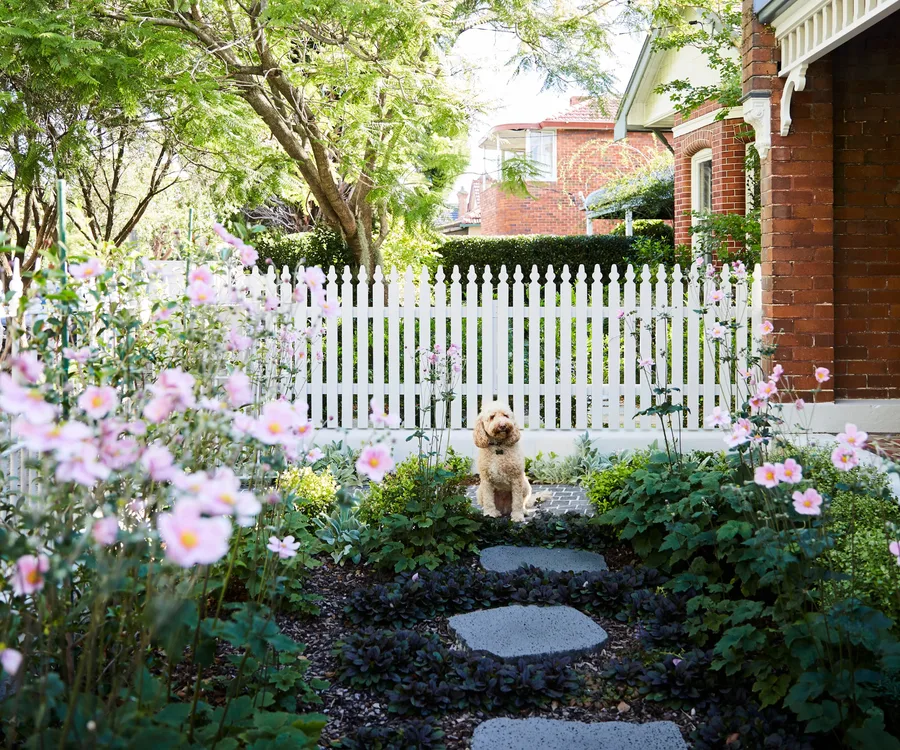
Permeable pathways, such as those made from brick pavers set in sand, are recommended over concrete. These pathways not only add visual interest and define areas but also accommodate natural ground shifts, preventing cracks and enhancing the garden's longevity. Pathways can be designed in various forms, from straight to winding, and can incorporate different levels to add dimension to the front entry.
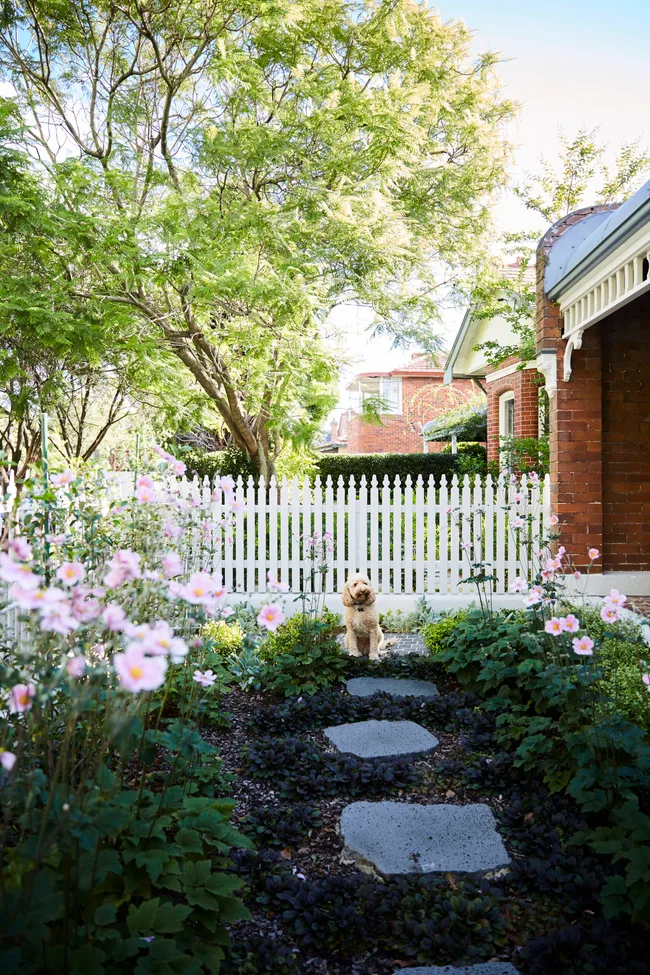
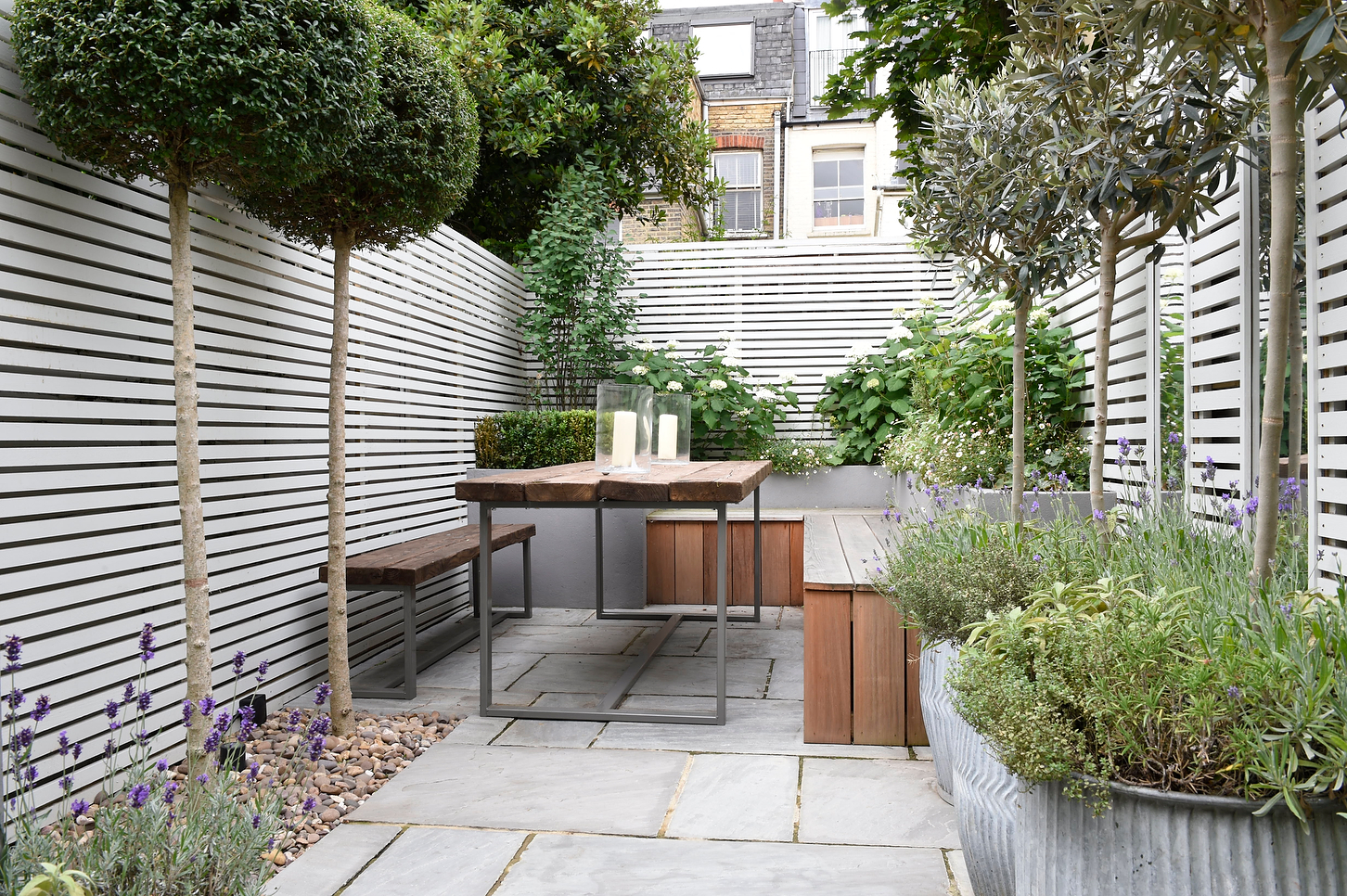
In small spaces, it is generally advisable to reconsider large barriers. Tall fences or dense hedges can make a small yard feel even more confined. Instead, an open and free-flowing design creates an illusion of greater space. Subdividing the yard into zones with clear, unimpeded boundaries allows for seamless movement and a sense of connection between different areas. This can be achieved by using spaced plantings rather than continuous lines, allowing for glimpses through the landscape.
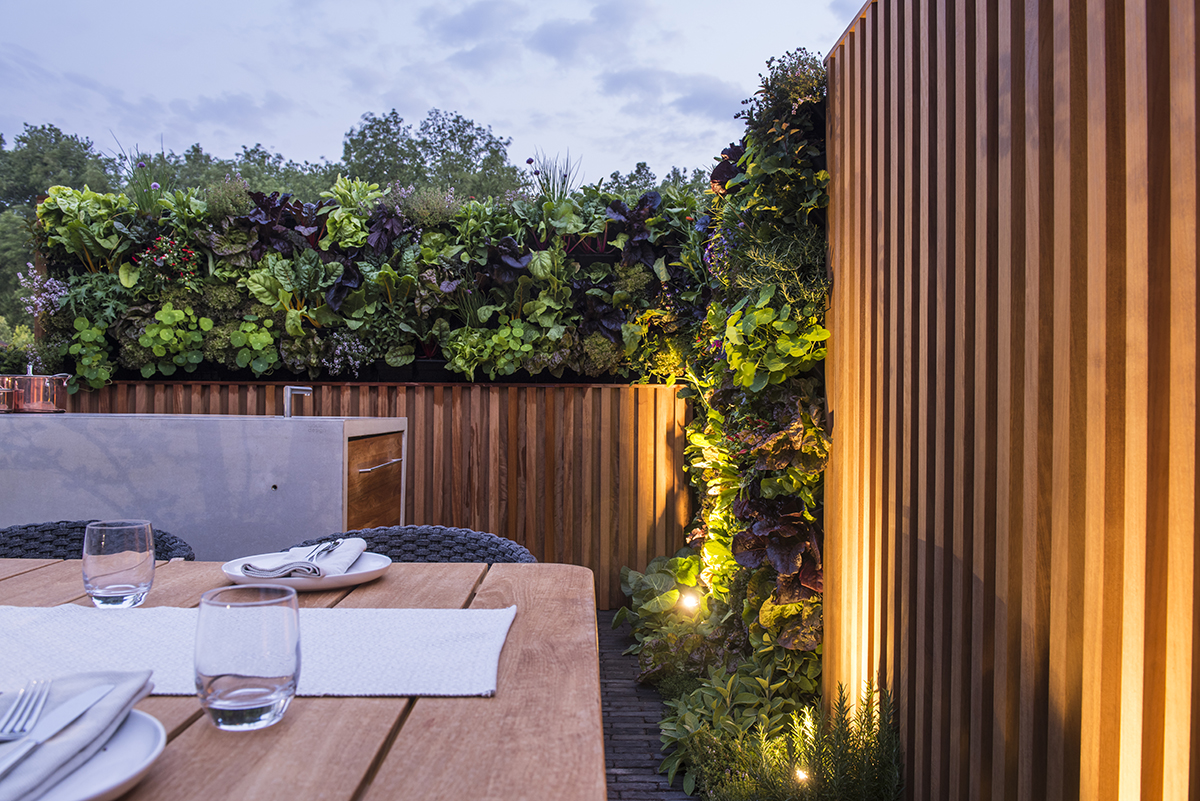
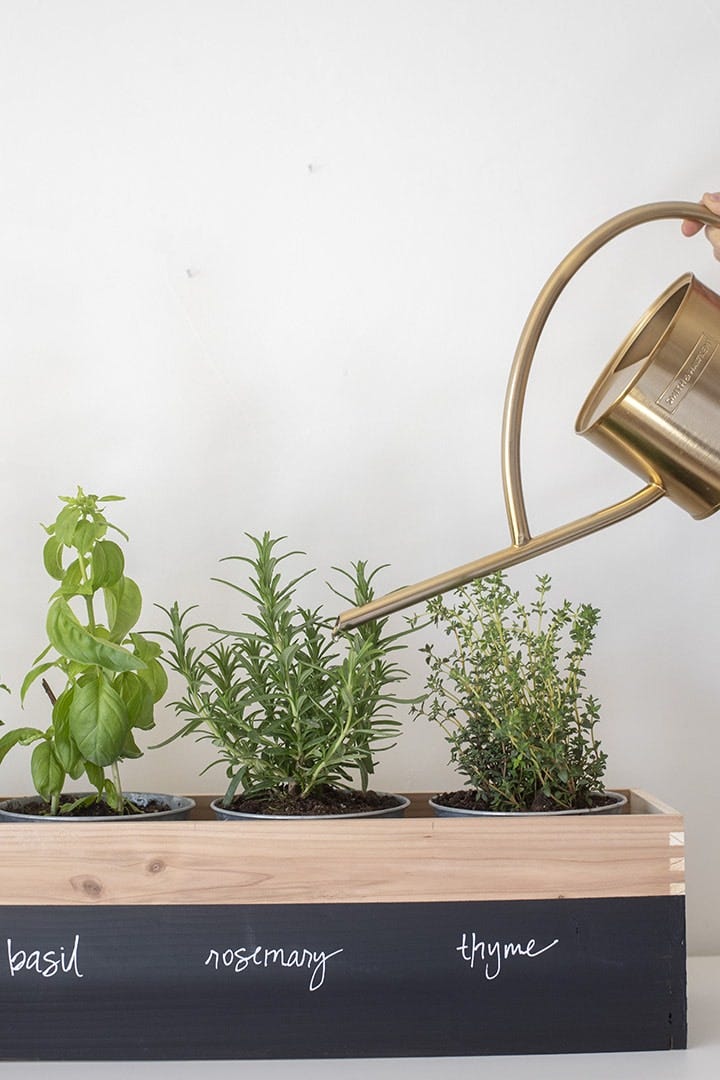
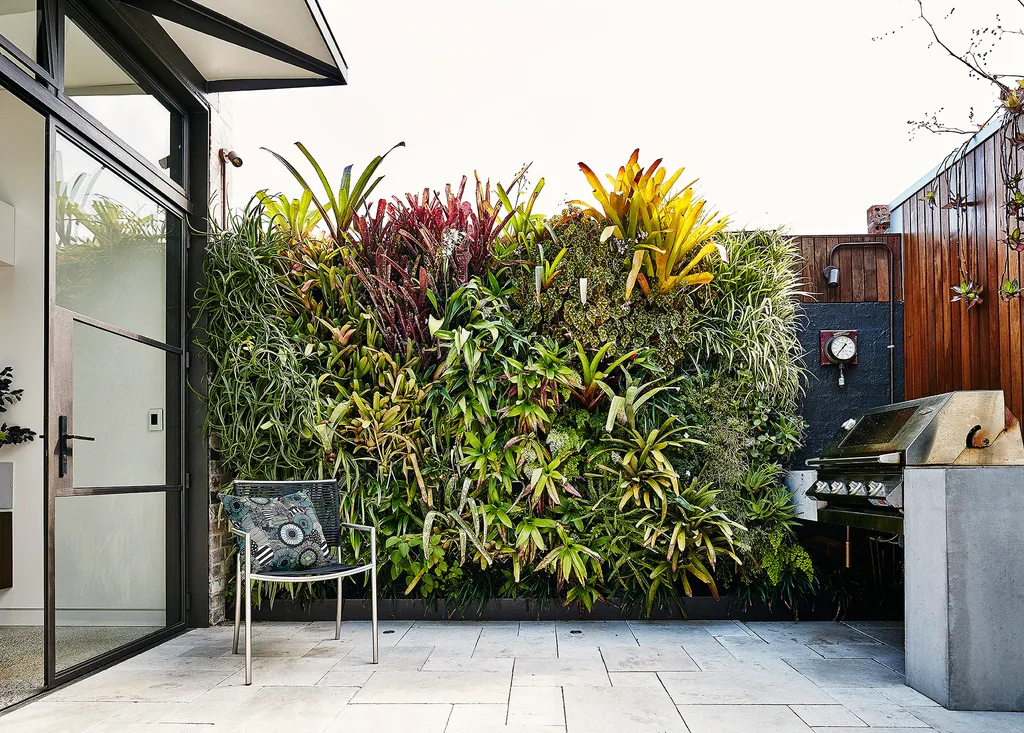
Selecting multi-functional plants is another effective strategy for maximizing impact in a limited area. Plants that serve multiple purposes, such as providing ornamental beauty, privacy, and supporting pollinators, contribute to a layered and resilient landscape. Integrating vegetable garden beds can also offer aesthetic appeal, nourishment, and a sense of community.
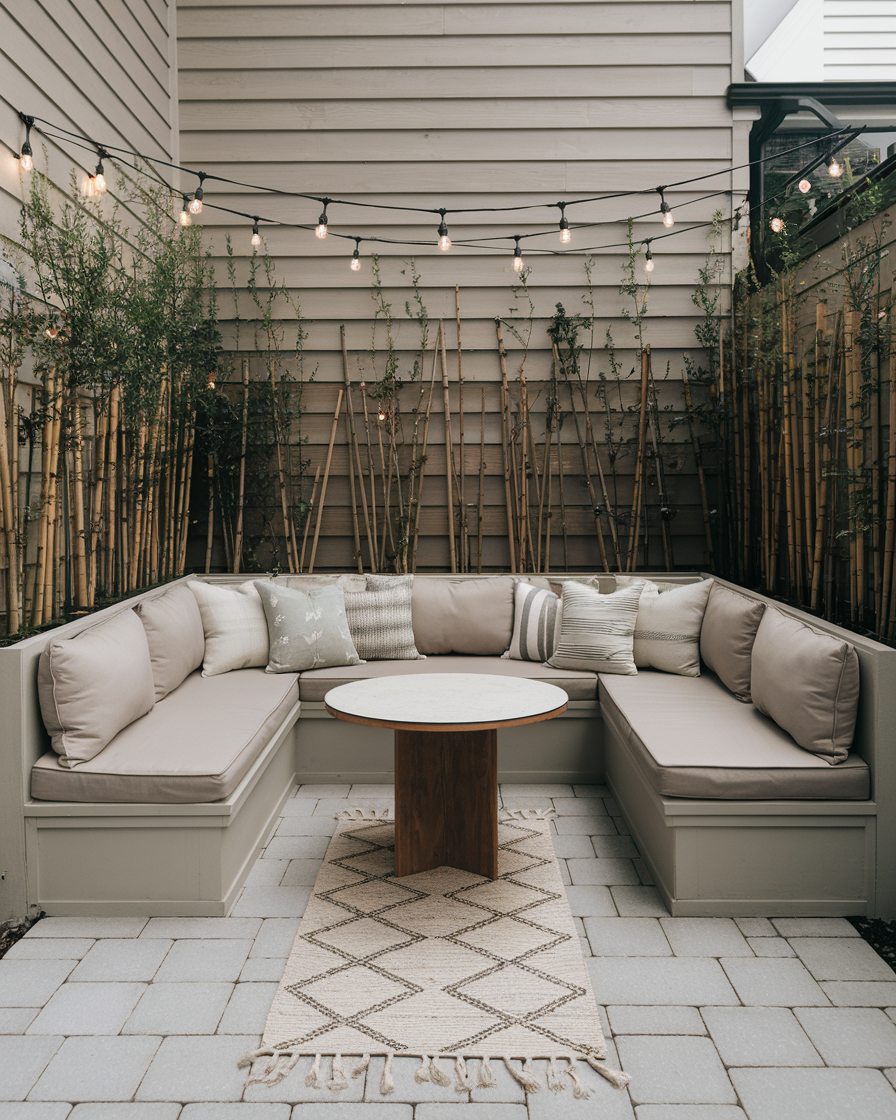
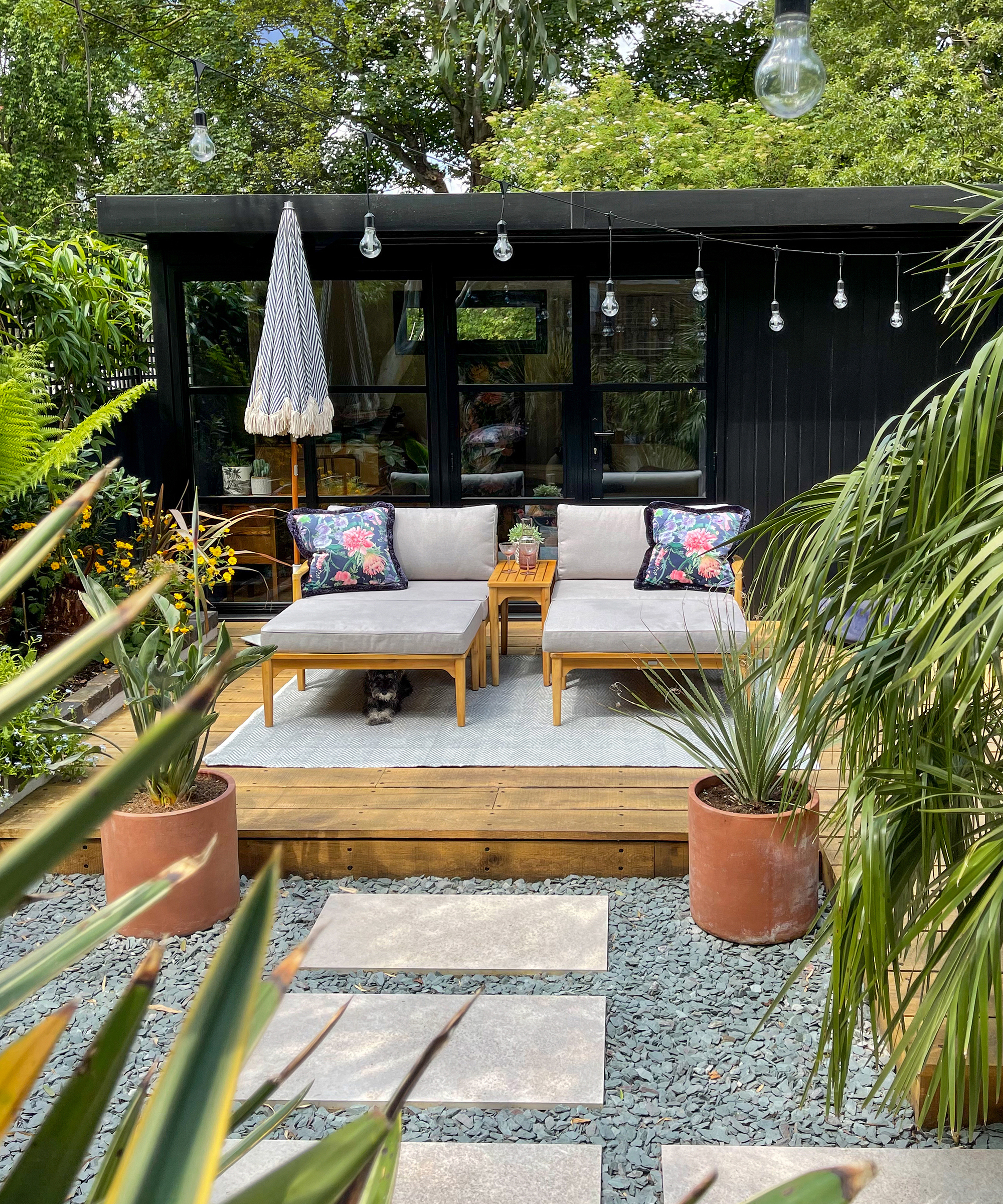
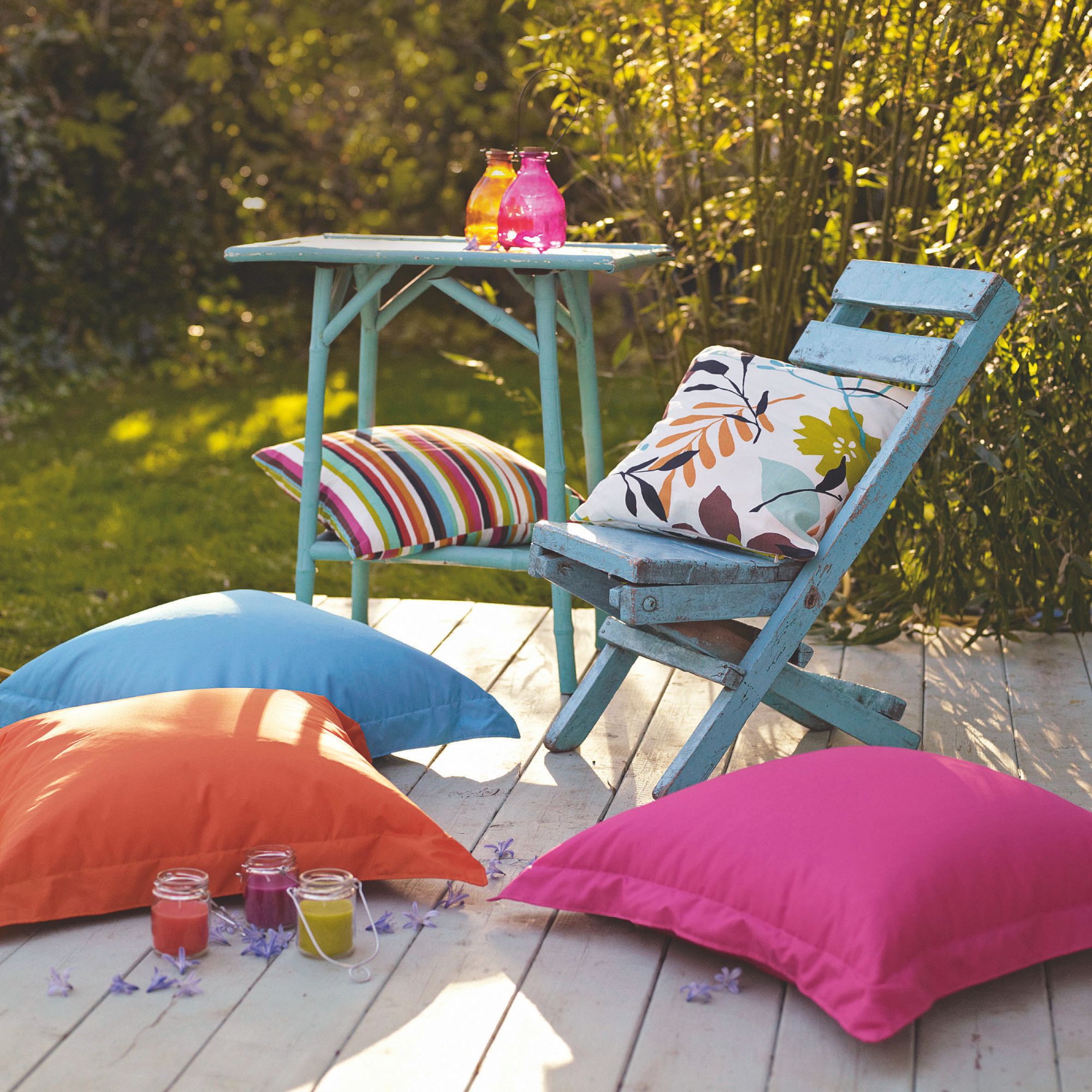
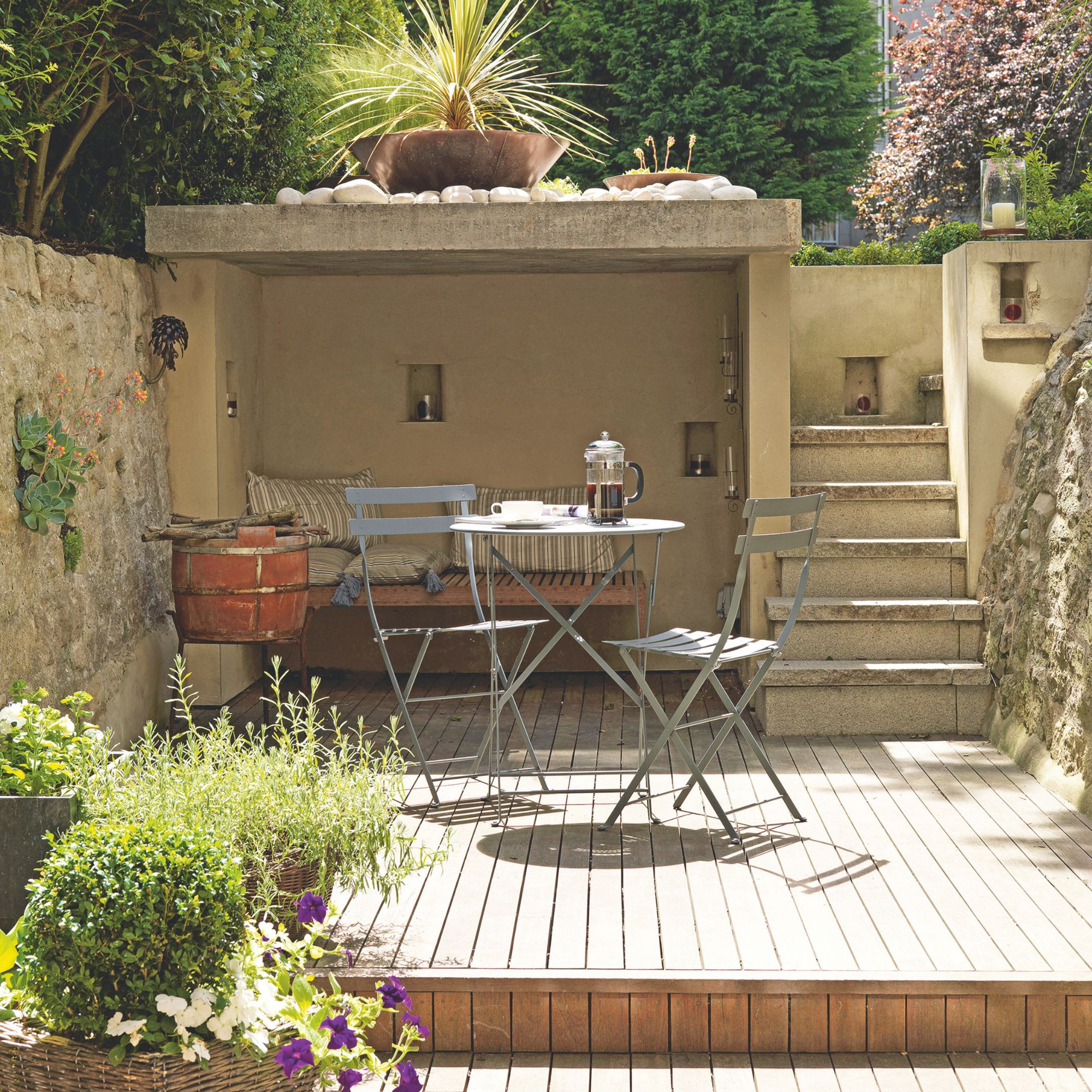
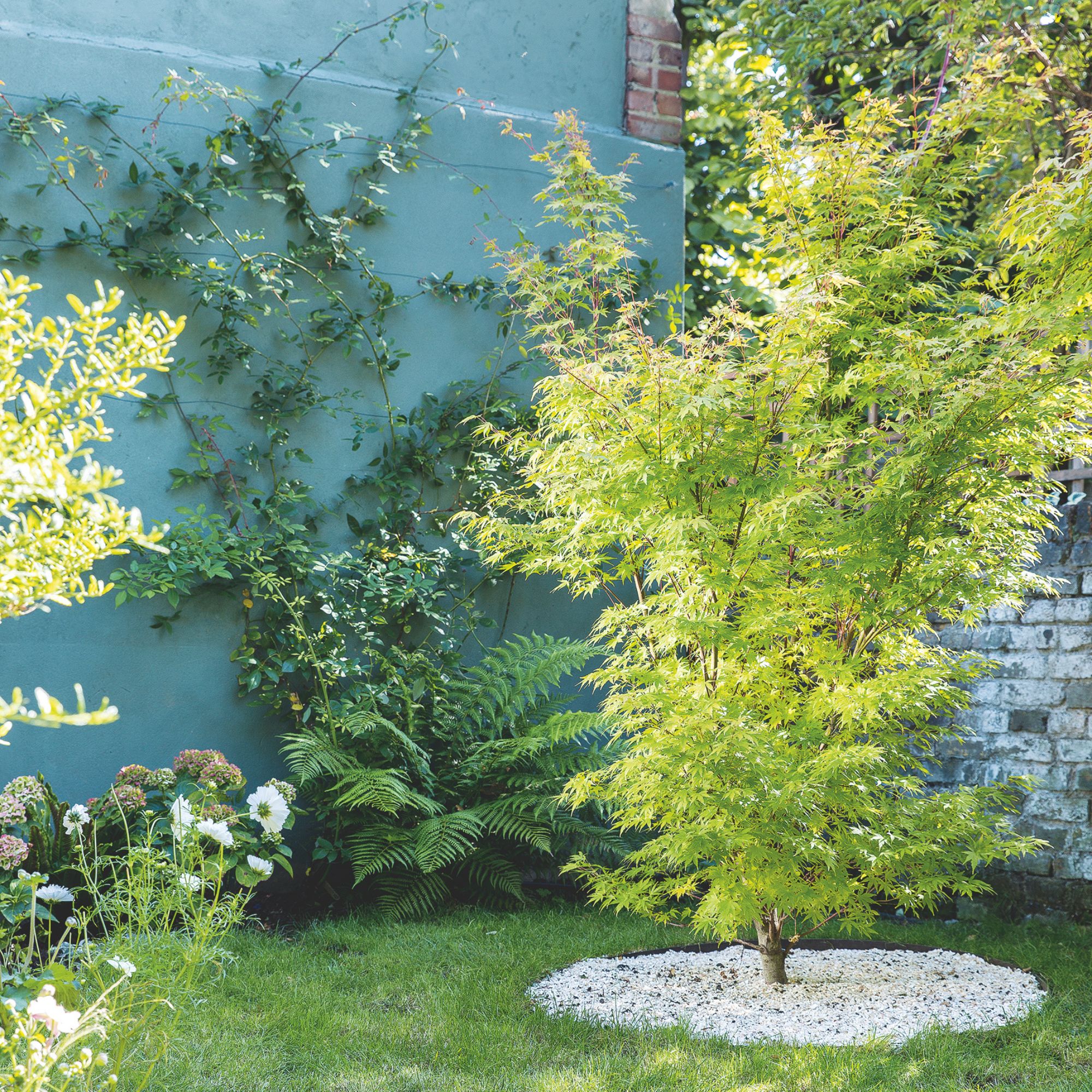
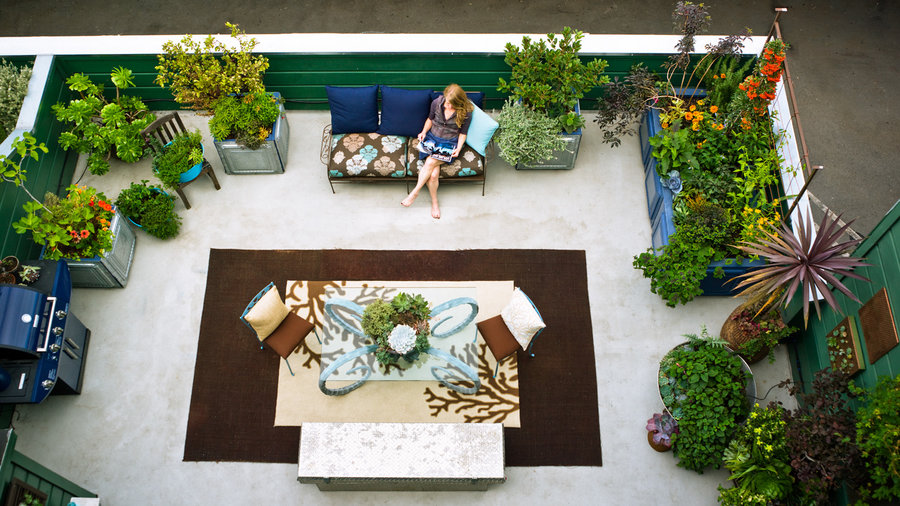
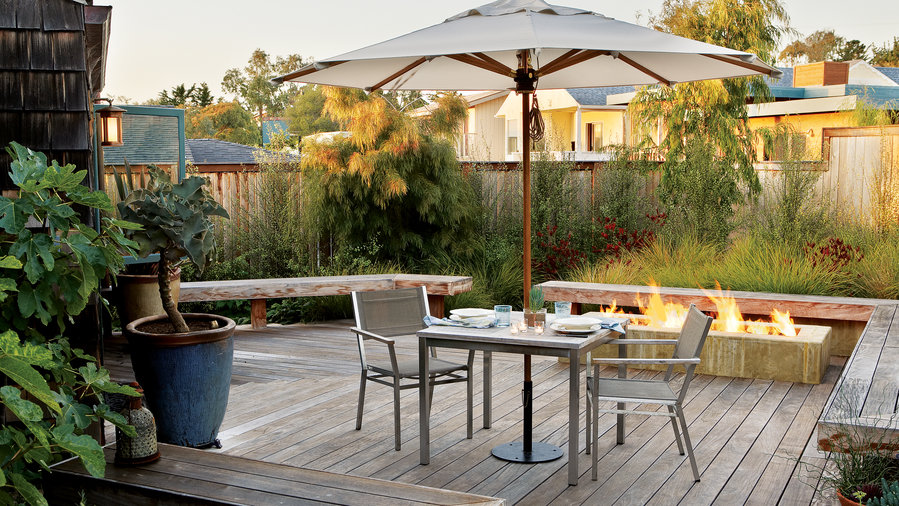
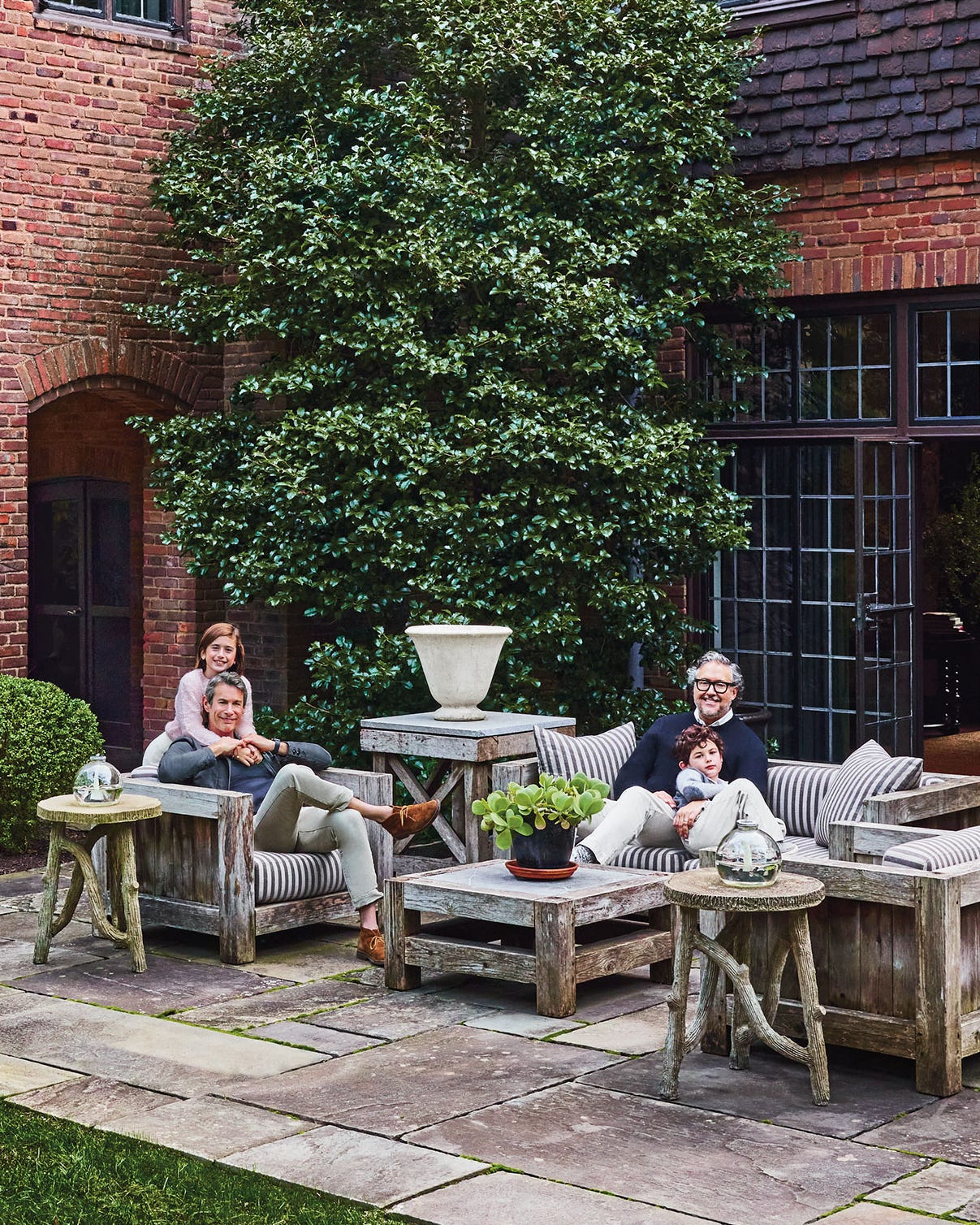
Understanding and utilizing microclimates within the yard is crucial. Even small yards have varied conditions, including sunny spots, shaded areas, and different soil types. Designing and planting according to these specific microclimates allows for a greater diversity of plant choices and ensures each plant thrives in its optimal environment. Finally, transforming the front yard into a social space can foster community engagement. Incorporating seating, lighting, and perhaps a fire pit creates an inviting area for gathering, while strategic plantings can offer a balance between openness and privacy.
#SmallYardLandscaping #FrontYardDesign #GardenDesign #CurbAppeal #OutdoorSpace #LandscapeArchitecture #PermeablePathways #NativePlants #VegetableGardens #Microclimates #SmallYardLandscaping #FrontYardDesign #GardenDesign #CurbAppeal #OutdoorSpace #LandscapeArchitecture #PermeablePathways #NativePlants #VegetableGardens #Microclimates
0 comment in total
 No comments yet
You may also like
21 Genius Small Patio Ideas That Make Your Backyard Feel 10x Bigger
How to make a small backyard look bigger – 10 clever ways to max out your space

Small garden ideas – 35 brilliant ways to transform a tiny outdoor space
Create a Dreamy Backyard Oasis in the City with Expert Help

10 easy DIY landscaping ideas to elevate your backyard

Small garden fence ideas – 9 ways to add style and structure to a small outdoor space

30 Small Backyard Ideas That’ll Make Your Neighbors Wonder How You Pulled It Off
50 Small Patio Ideas That Are Big on Style
13 small garden design ideas that maximise space and greenery

20 Small Backyard Ideas That Pack a Lot of Punch
13 compact landscape design ideas for small gardens
Efficient worker: courtyard landscape design
13 Big Ideas to Make Your Small Backyard Better
Small garden decking ideas — 7 clever ways to deck a petite space for the ideal outdoor retreat
Budget-Friendly Ways to Transform Your Small Garden Into a Dreamy Oasis

I Can’t Stop Thinking About These Enchanting Small Gardens

How to make a small garden look bigger –25 ideas that are simple but effective
Great landscaping ideas for ‘regular people’ from a design expert
Smart Design Solutions to Give Even the Tiniest Yard Big Style
14 small garden design ideas that maximise space and greenery