1/8
7 Tips to Save Your Kitchen Lighting From Being Too Harsh
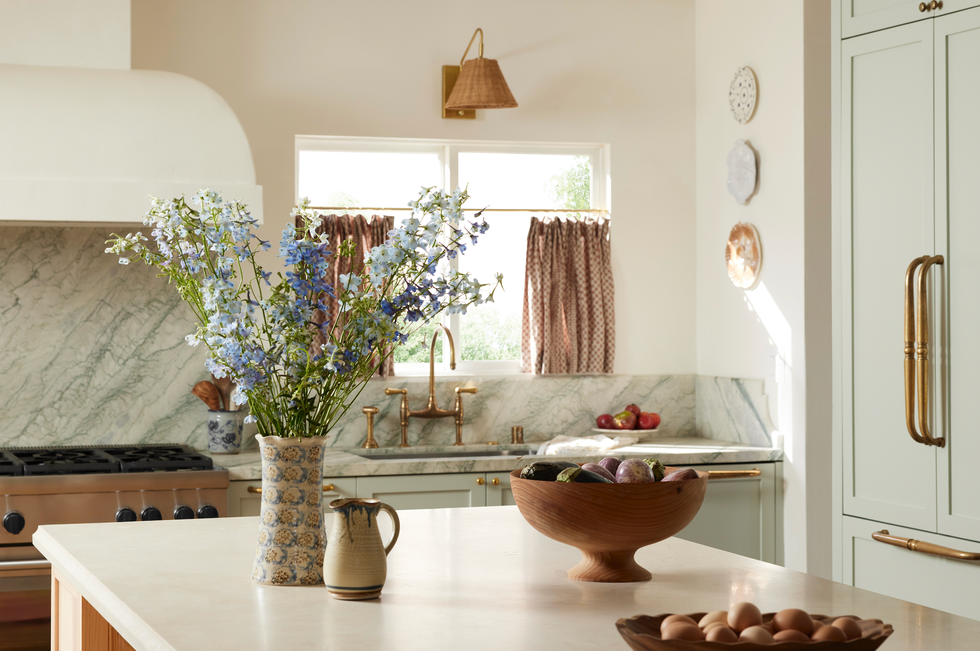
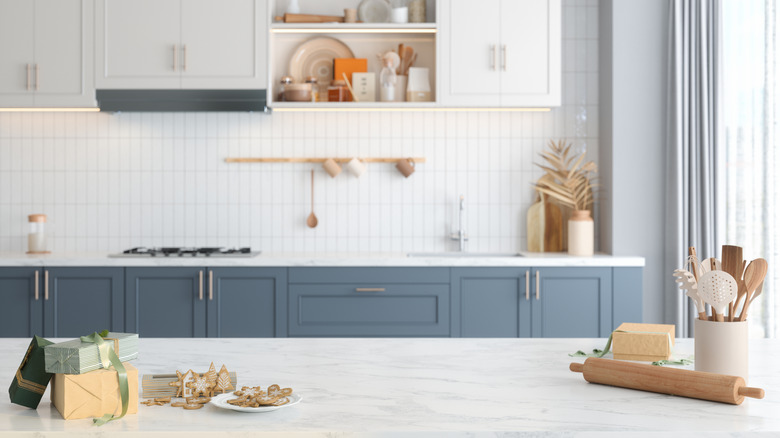
Harsh, bright overhead lighting can transform an otherwise beautiful kitchen into an uninviting, sterile environment, akin to a doctor's waiting room rather than a cozy space for meal preparation. The right kitchen lighting, however, can create a sense of comfort and relaxation. Experts emphasize several key strategies to ensure kitchen lighting is warm and inviting rather than overwhelming.
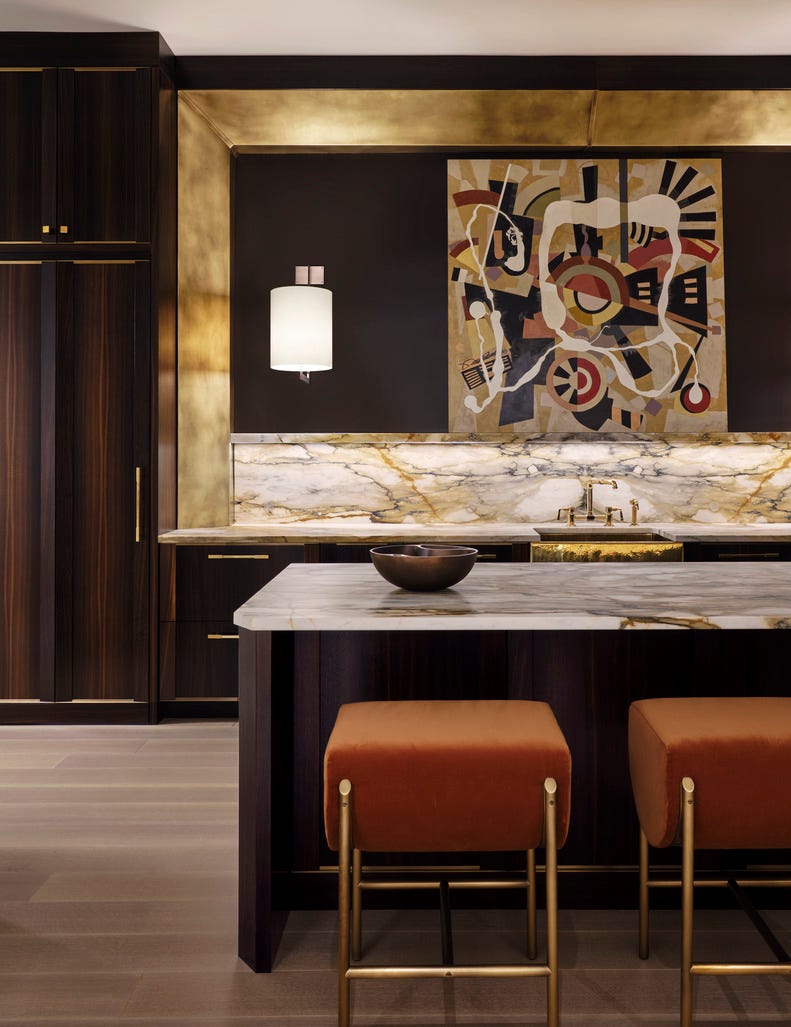
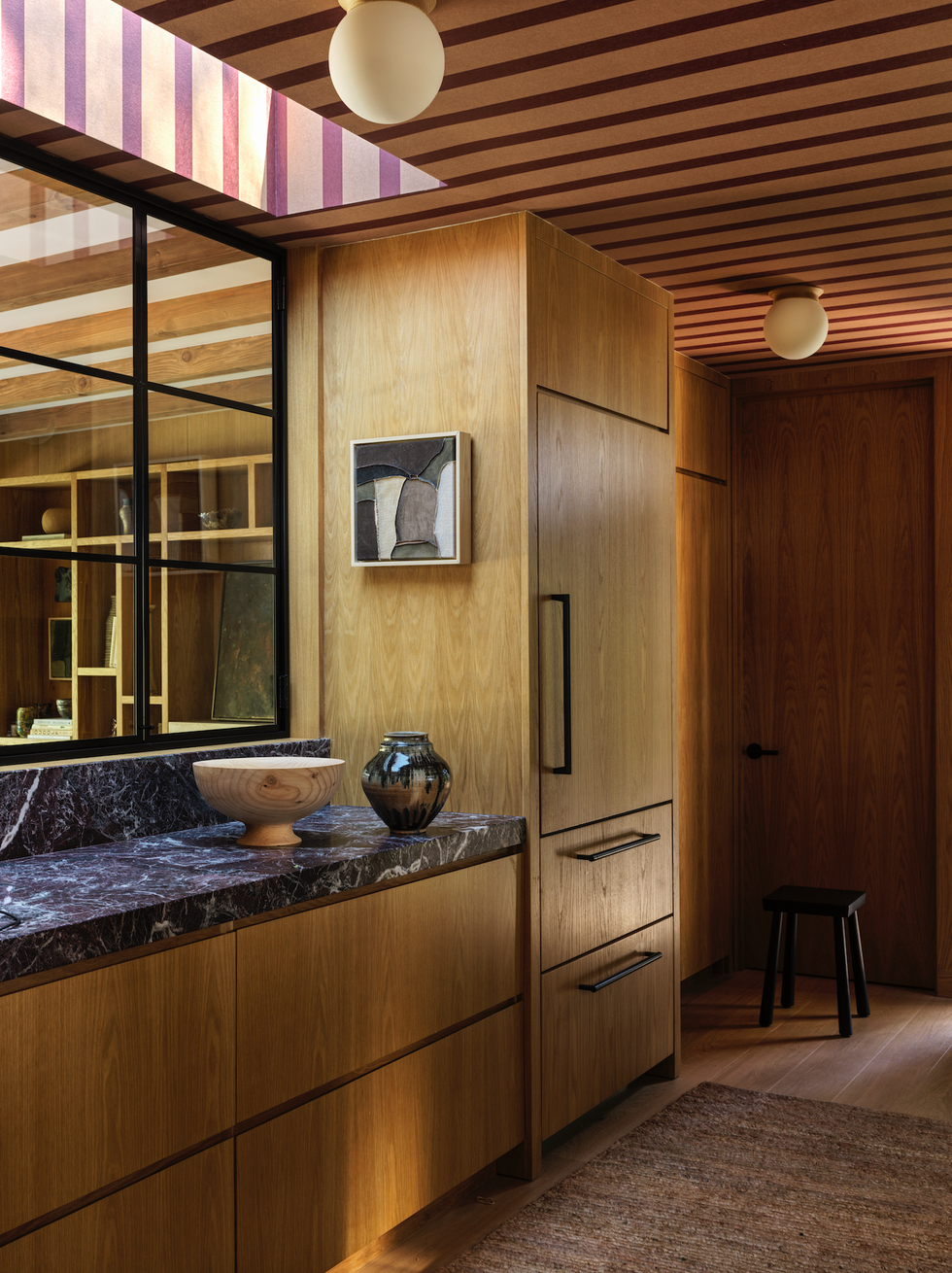
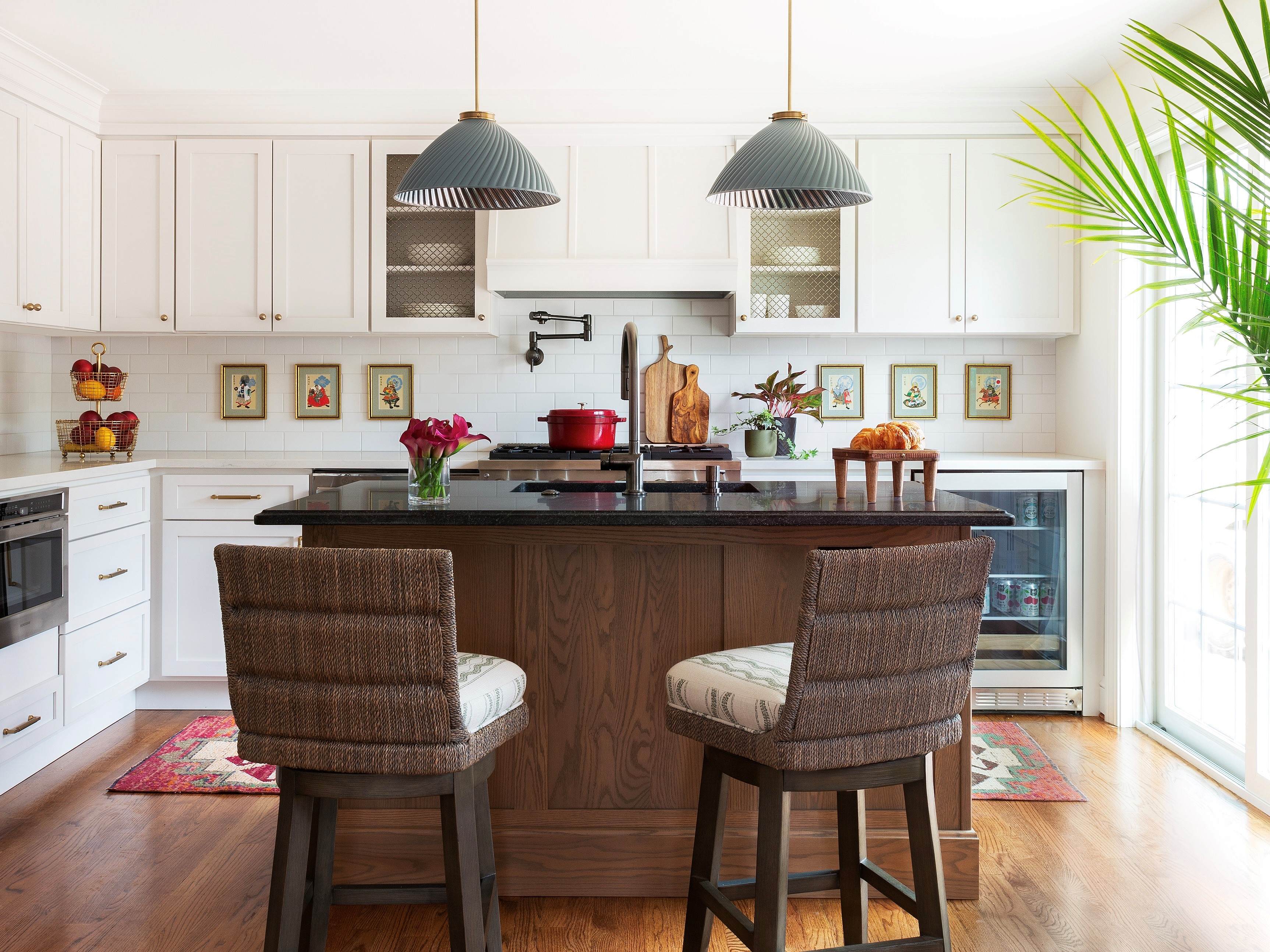
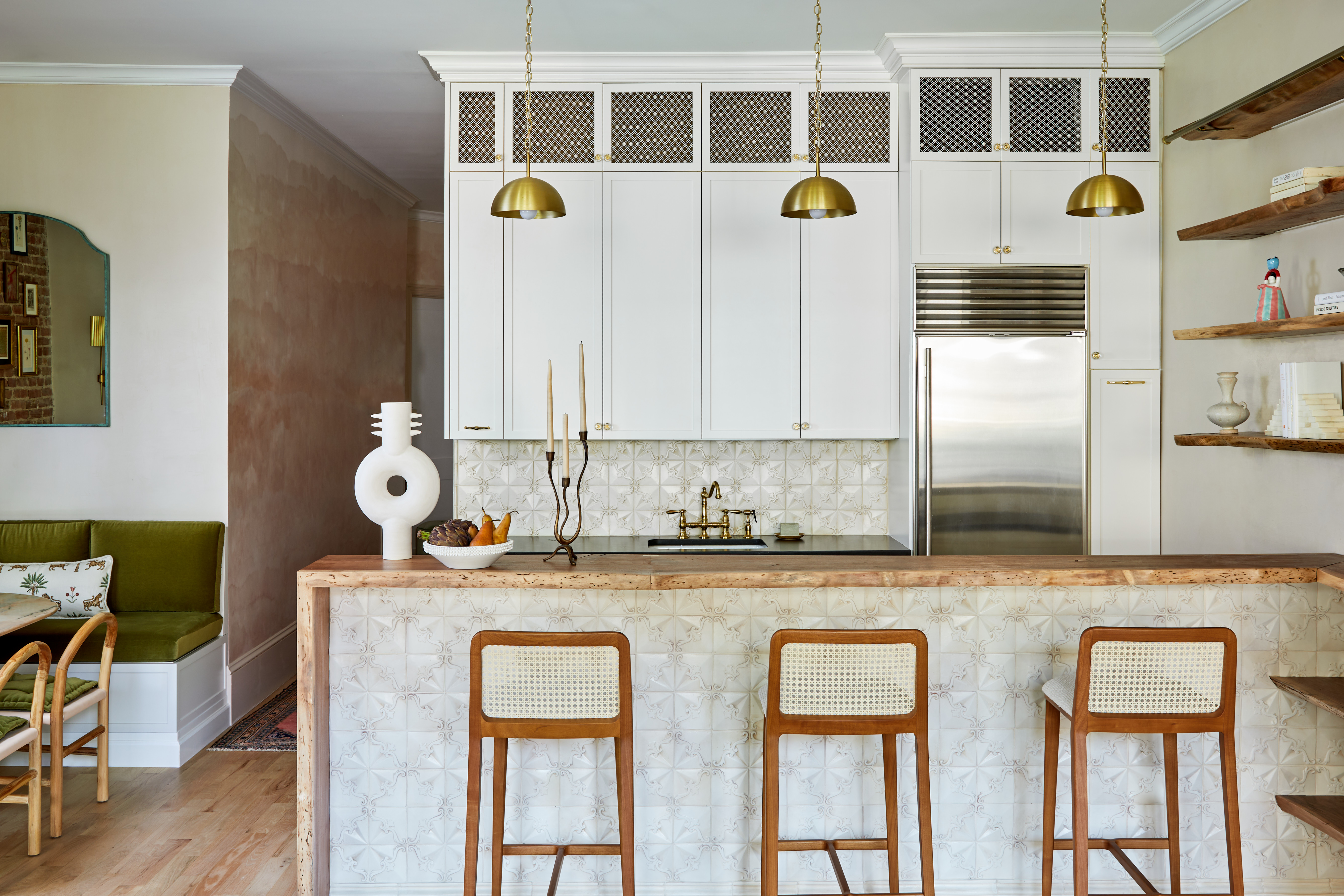
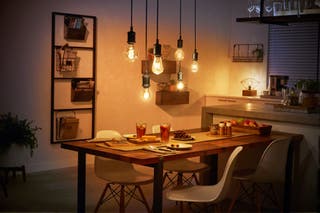
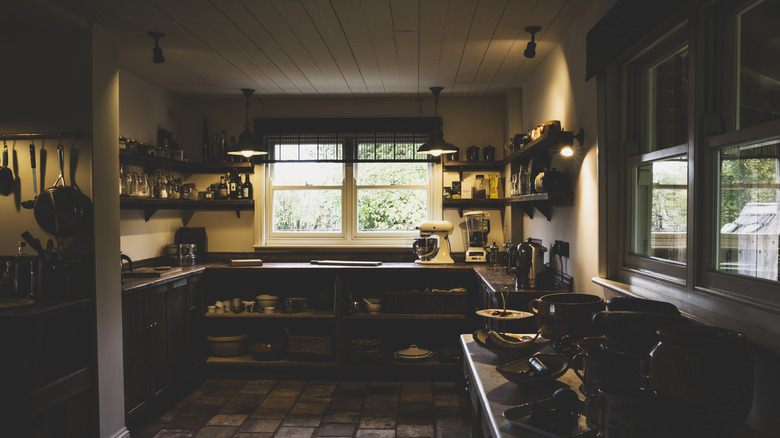
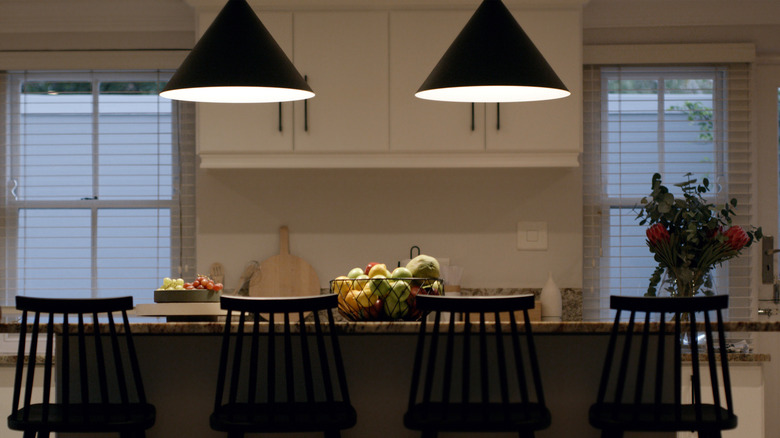
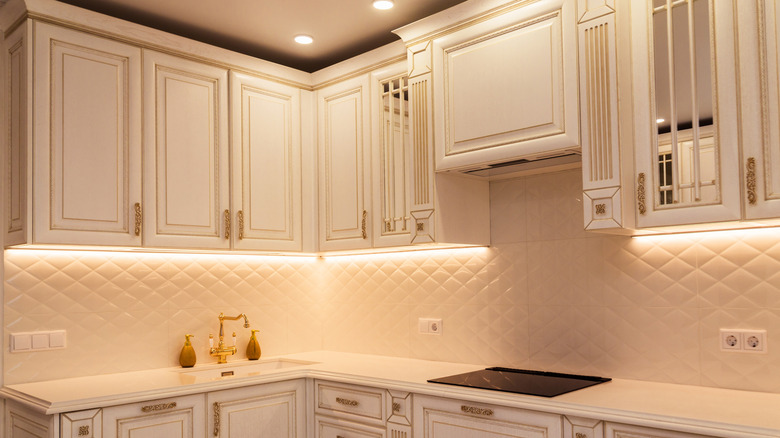
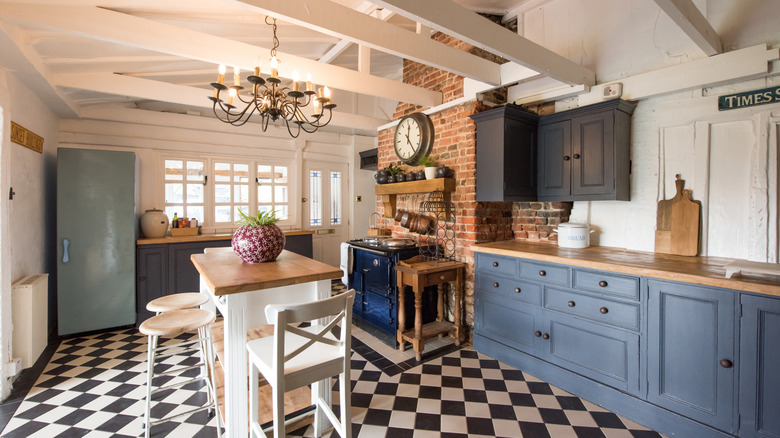
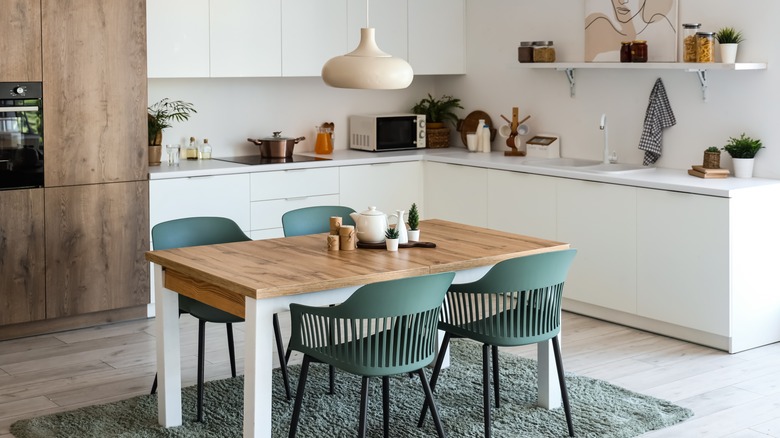
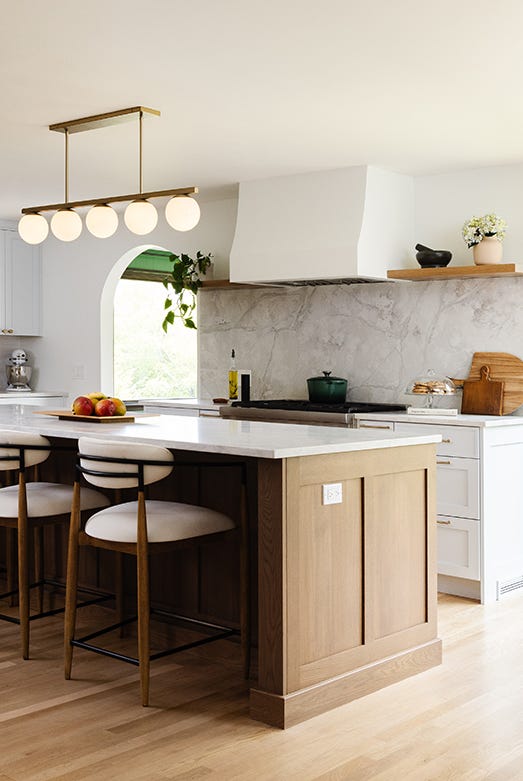
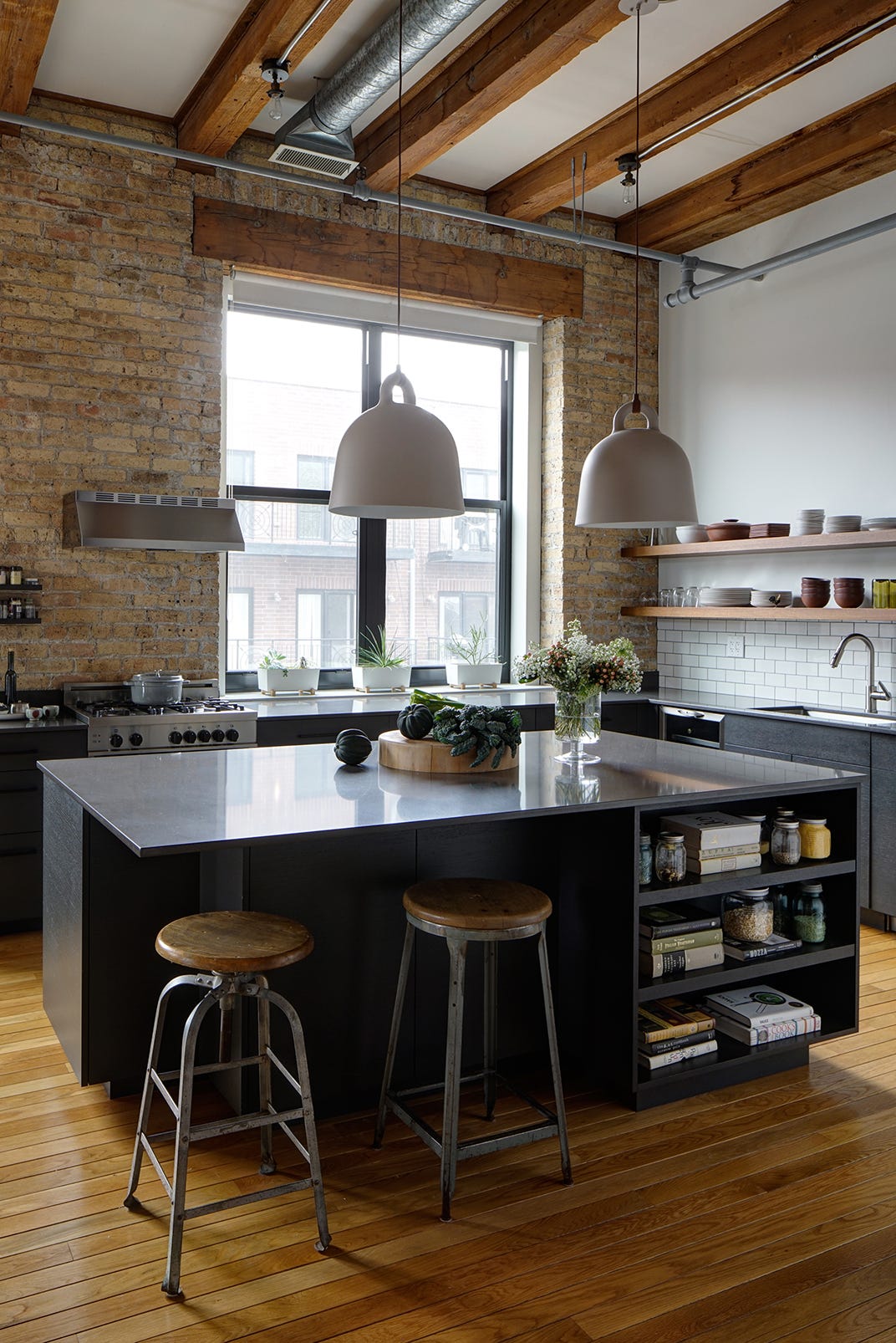
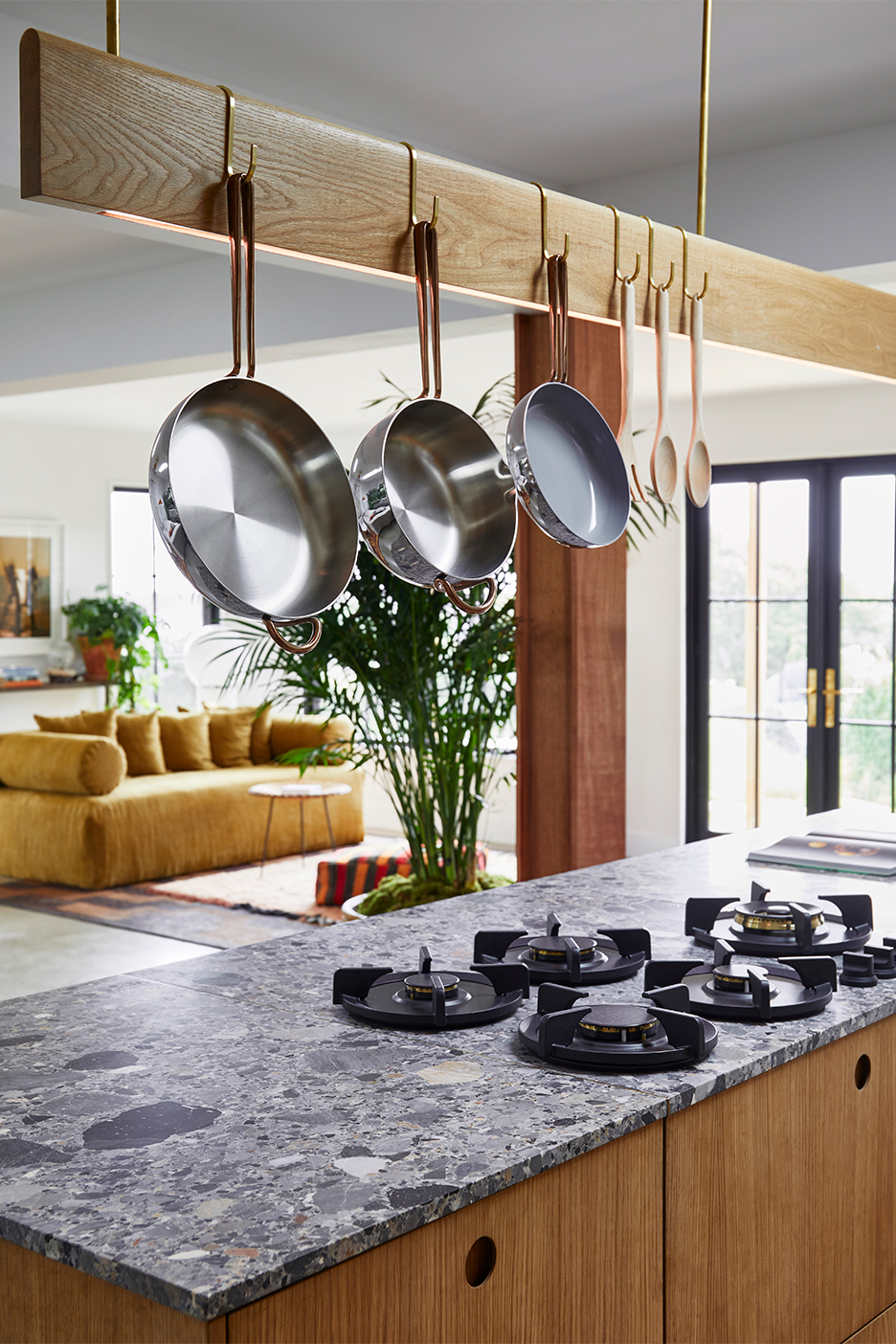
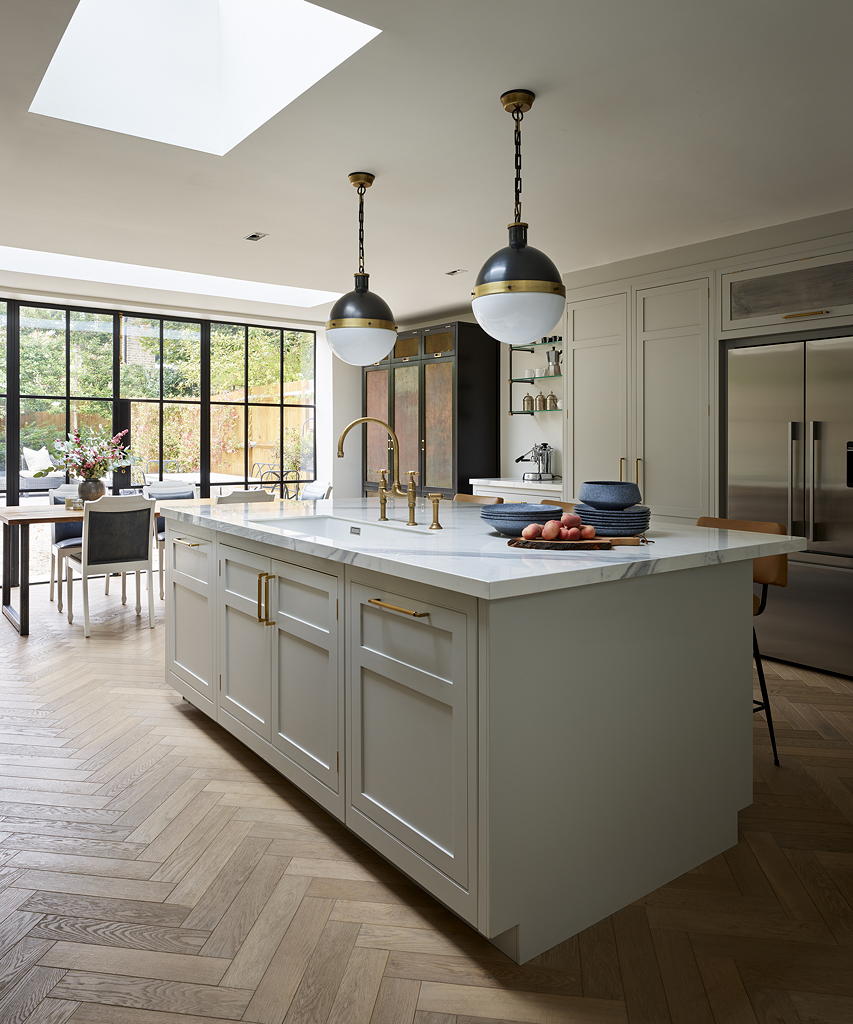
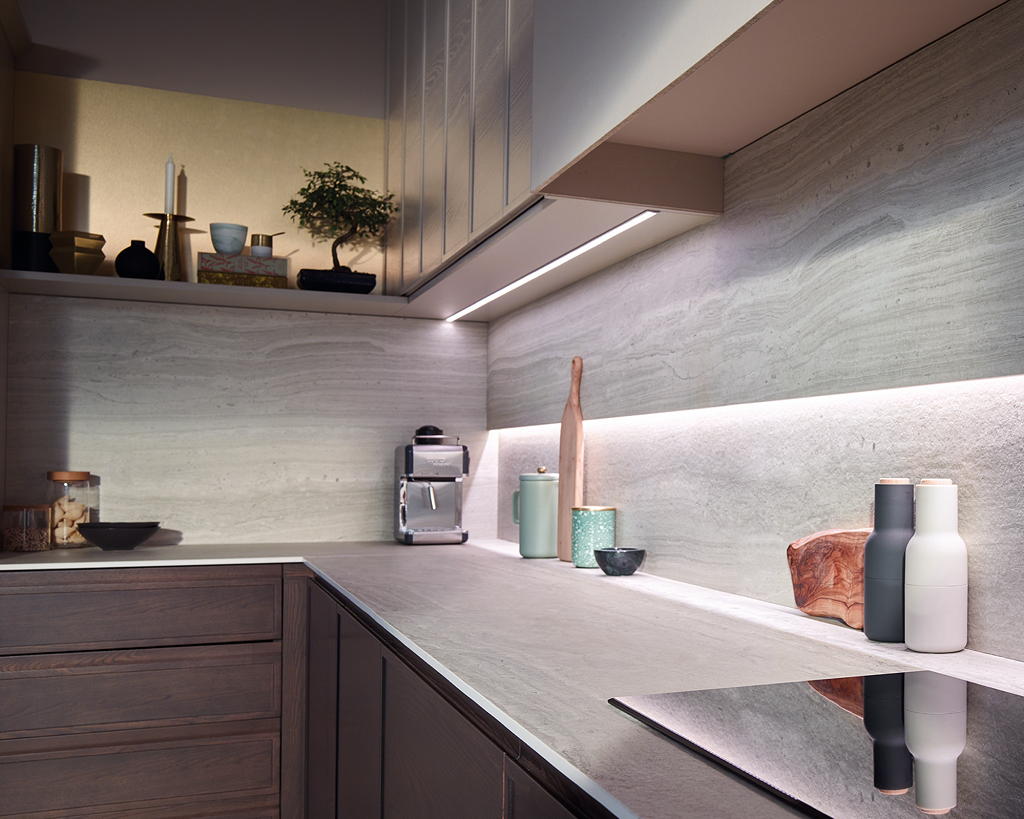
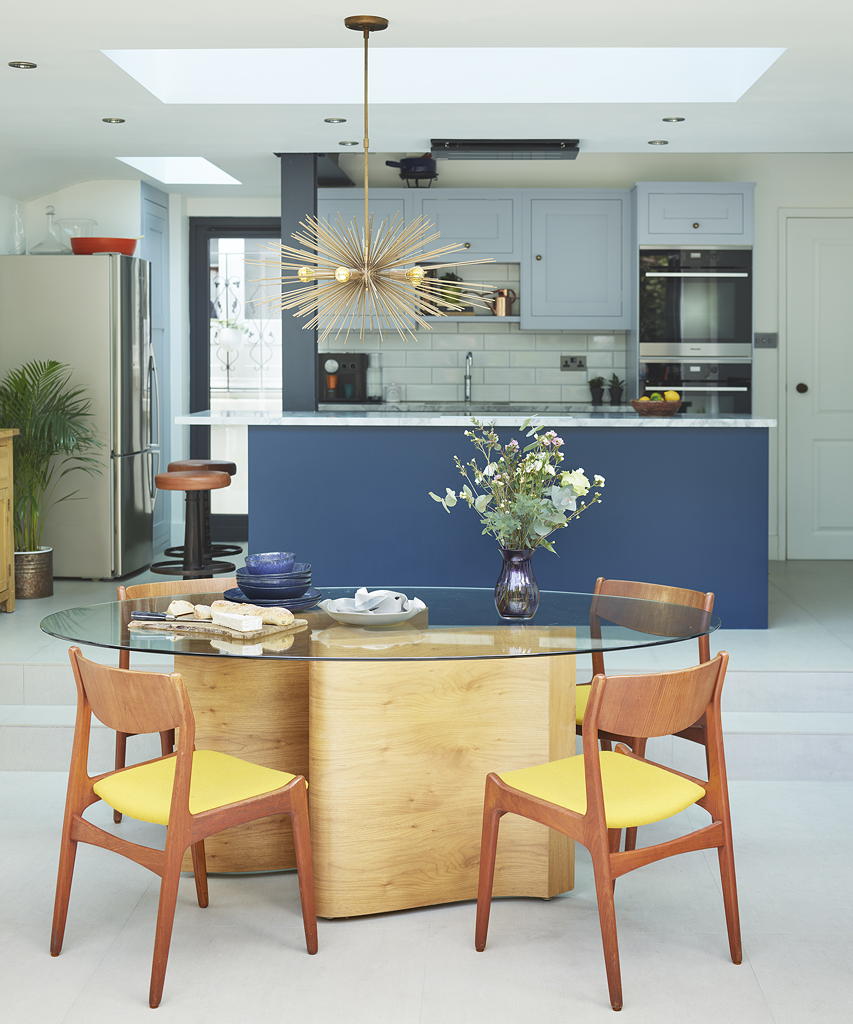
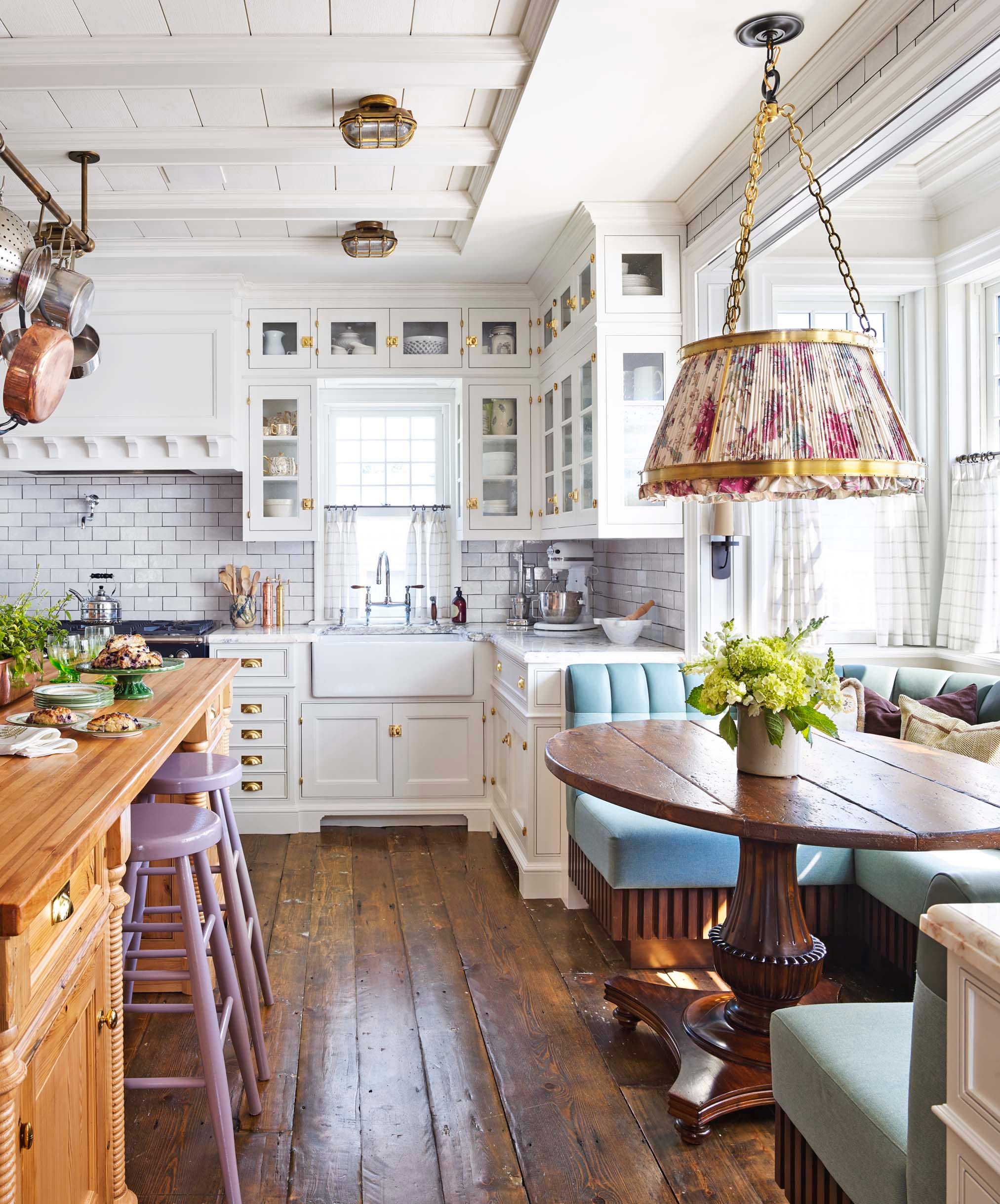
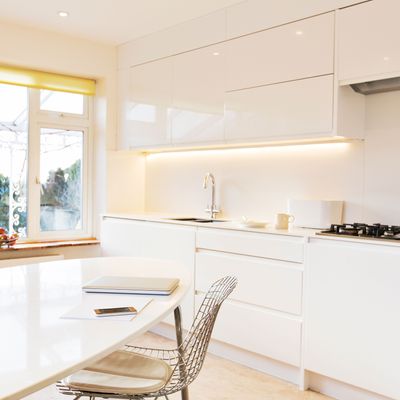
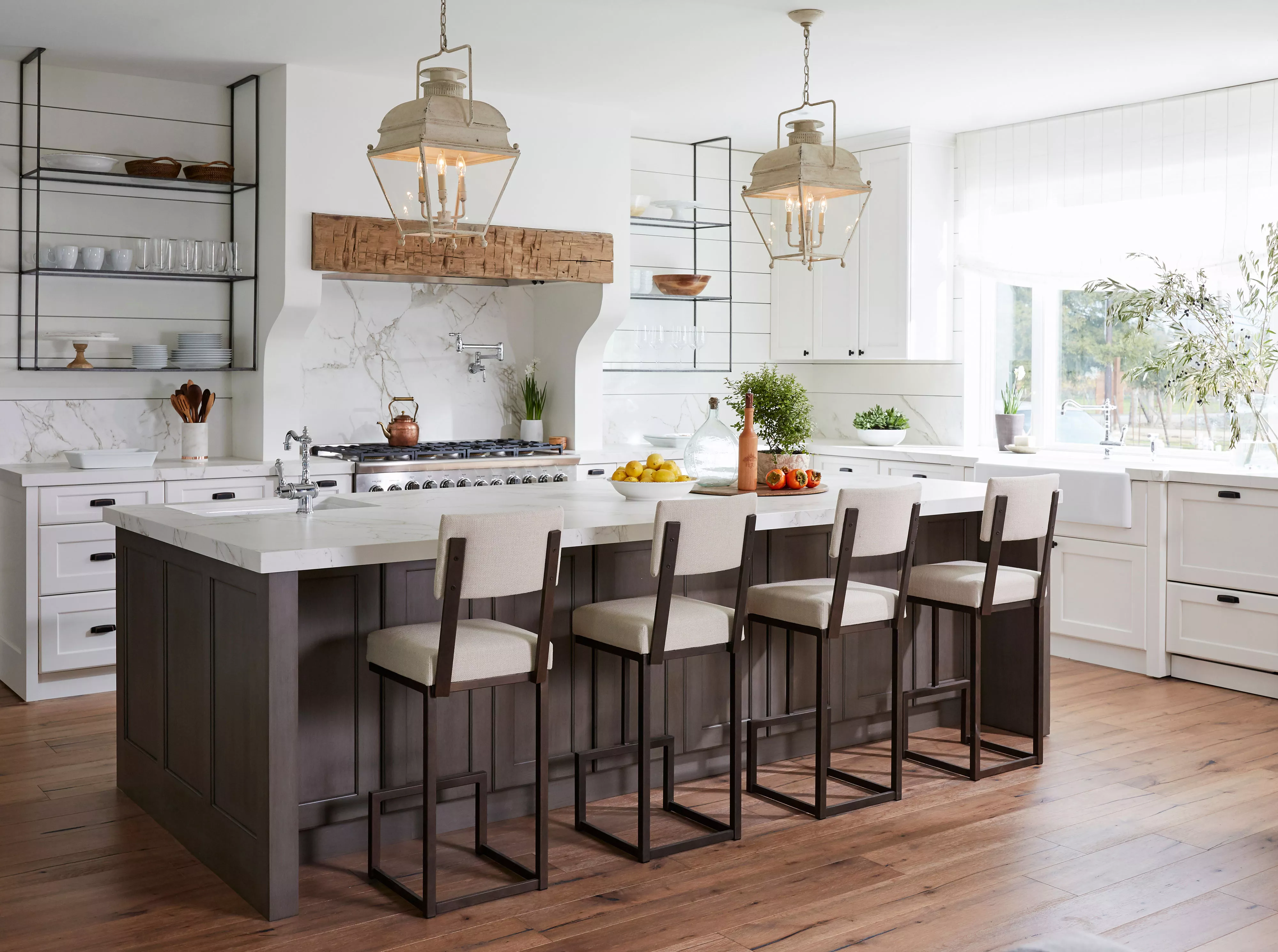
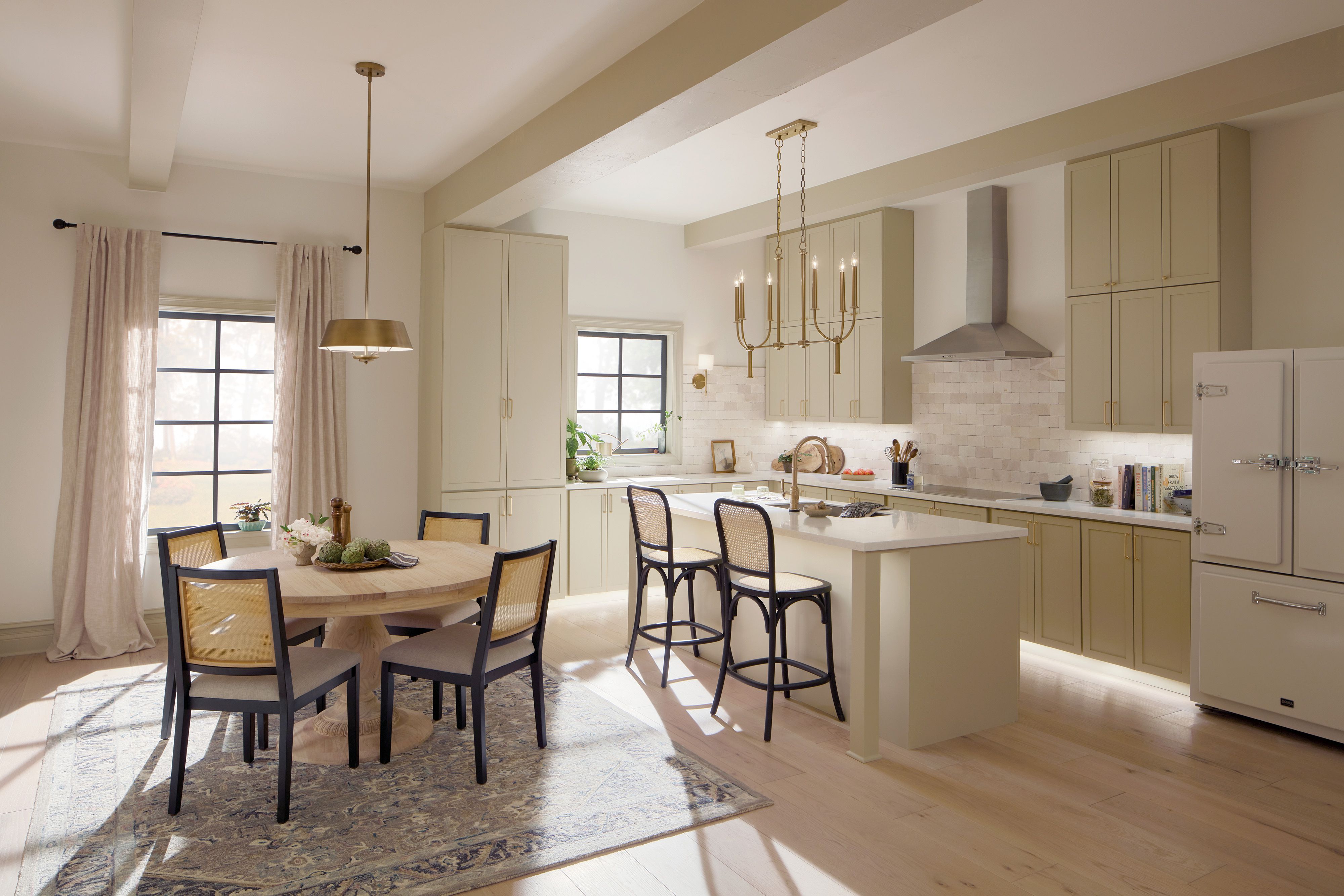
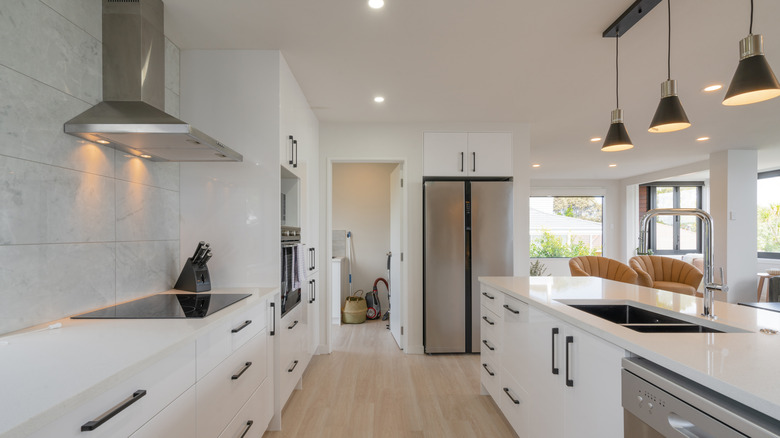
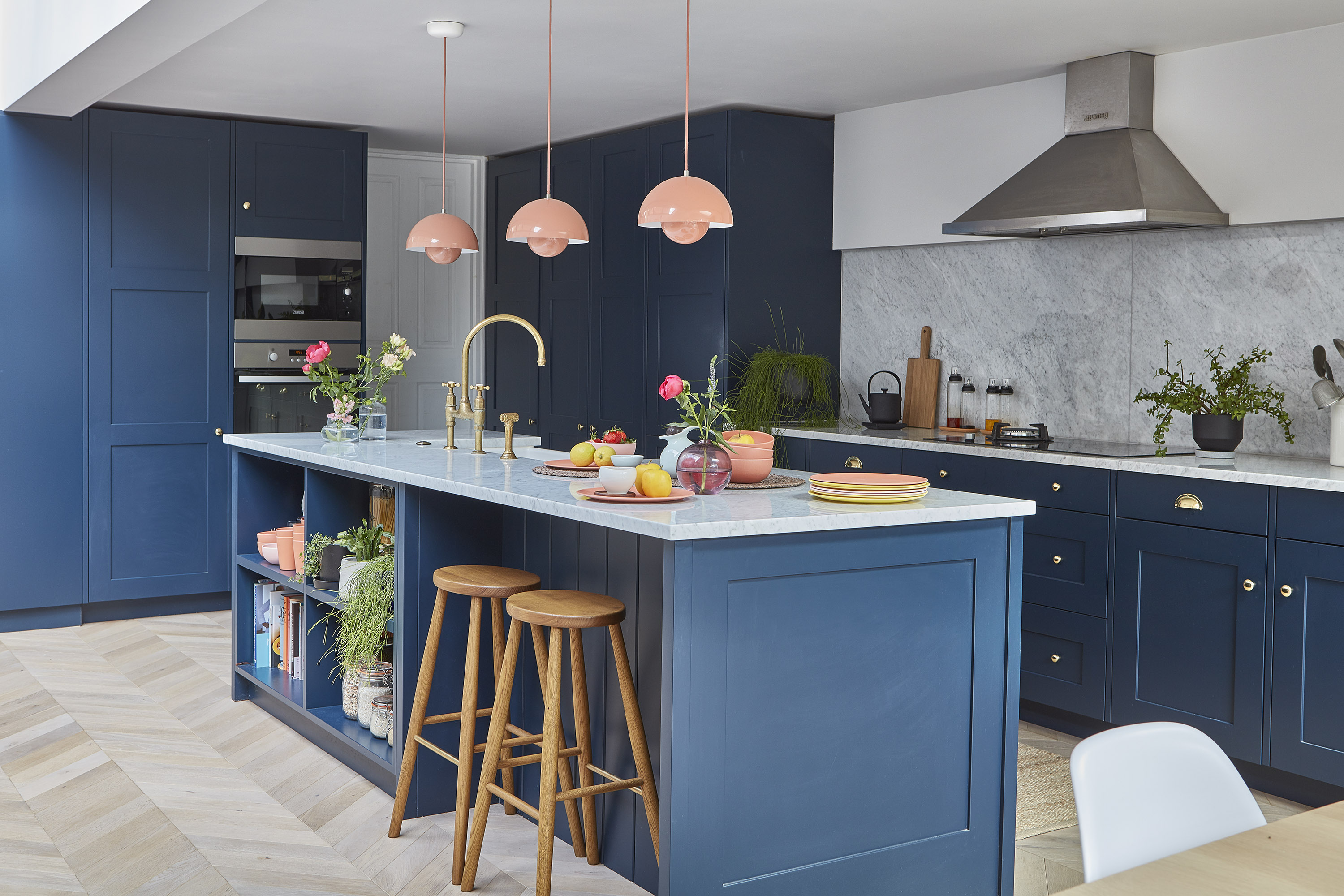
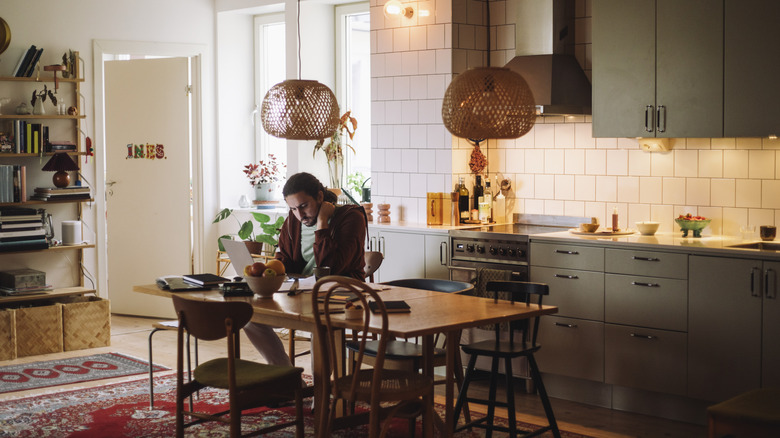
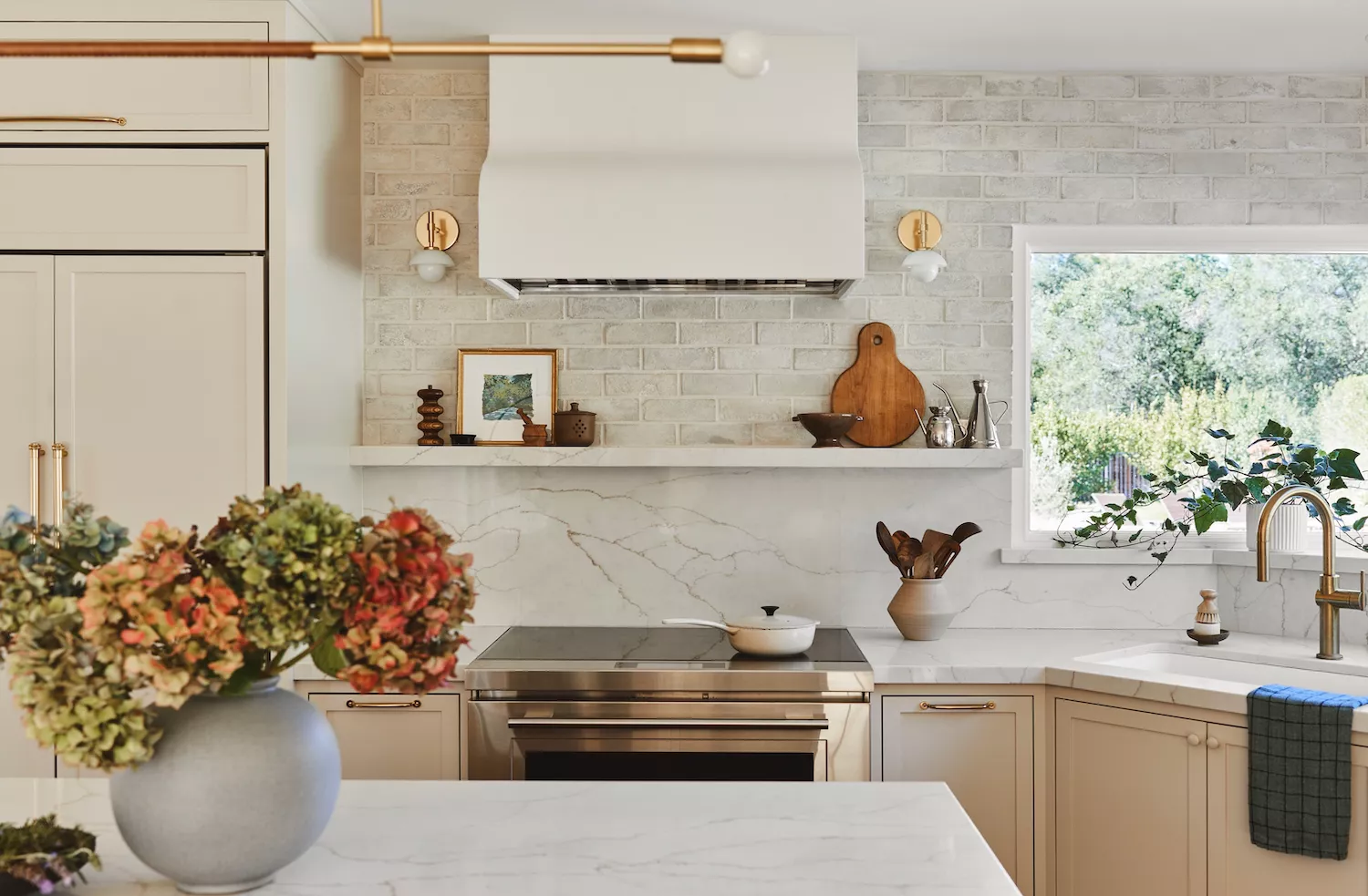
One crucial tip is to layer lighting. Relying solely on a single overhead light often leads to glare and hard shadows. Instead, a layered approach combines ambient, task, and accent lighting. For instance, under-cabinet lights provide practical illumination for prep zones, pendants over an island offer focus and style, and subtle downlights above cabinets create a warm overall glow. This combination adds depth, reduces harshness, and balances functionality with ambiance.
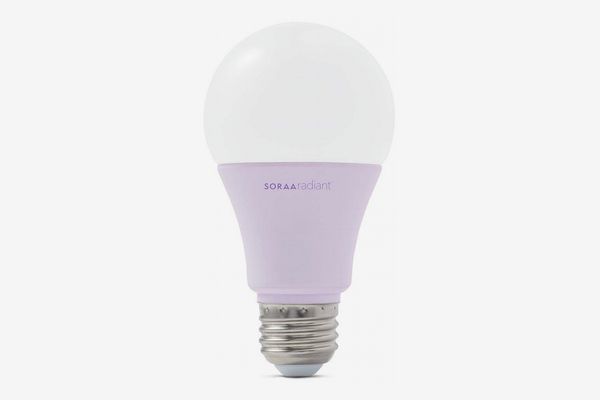
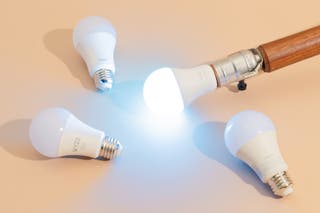
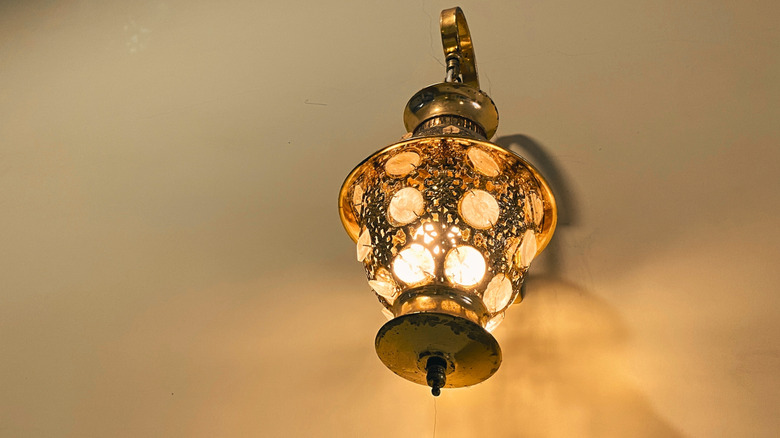
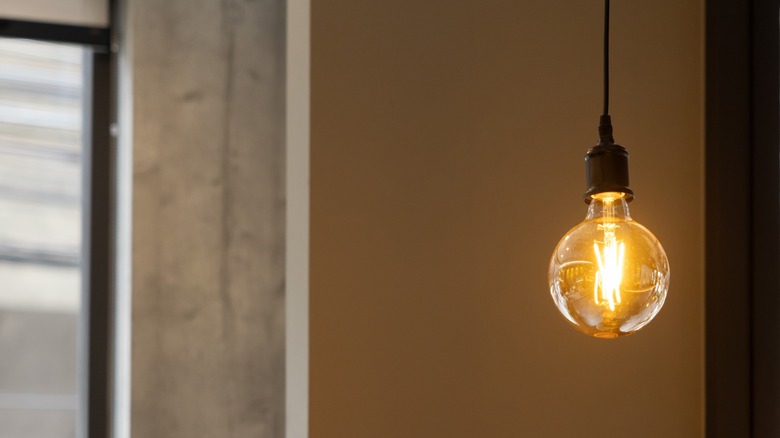
Another significant factor is the color temperature of light bulbs. The color grade can drastically alter a space's feel. Cool, blue-toned light (around 4000K and above) tends to appear stark and clinical, while warmer white light (2700K–3000K) emits a soft, golden glow ideal for evenings and entertaining. Switching to warmer bulbs is a simple yet effective way to enhance comfort. Additionally, paying attention to the Color Rendering Index (CRI) and aiming for 85+ ensures accurate color representation of food and finishes, preventing distortions that can occur with low CRI LED strips.
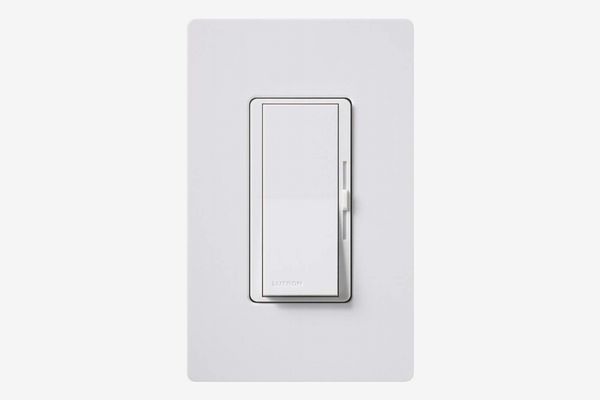
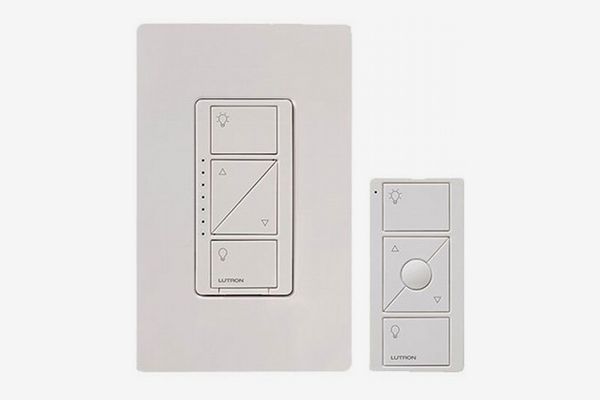
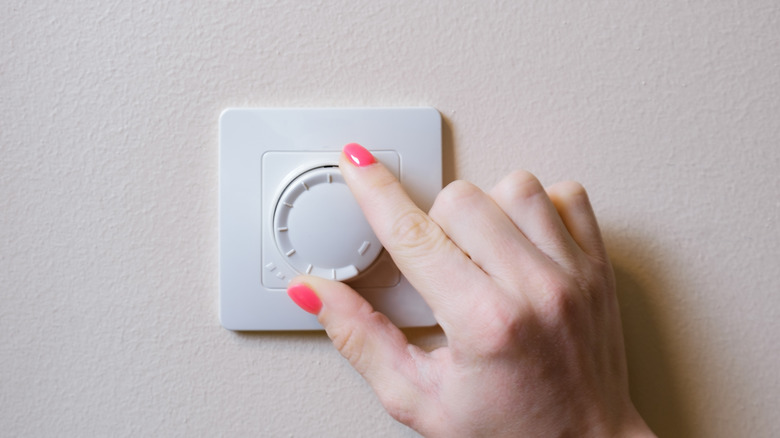
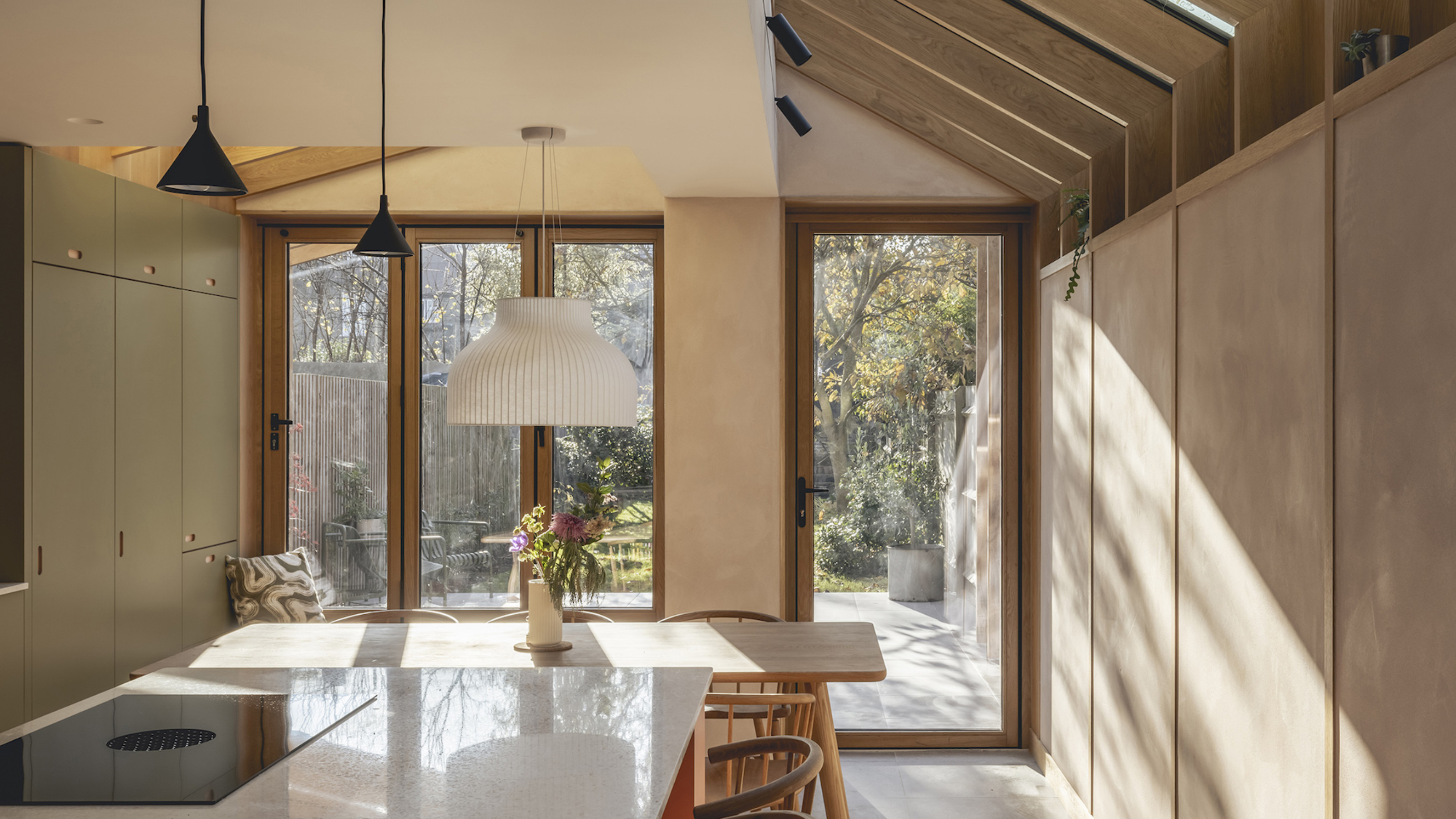
Control over lighting is also essential. Dimmers or smart lighting systems allow for easy adjustment of brightness, enabling a seamless transition from bright, functional light for cooking to a softer, ambient glow for dining or unwinding. This flexibility reduces glare and fosters a more calming environment. Smart automated lighting, controllable via apps or timers, further enhances convenience.
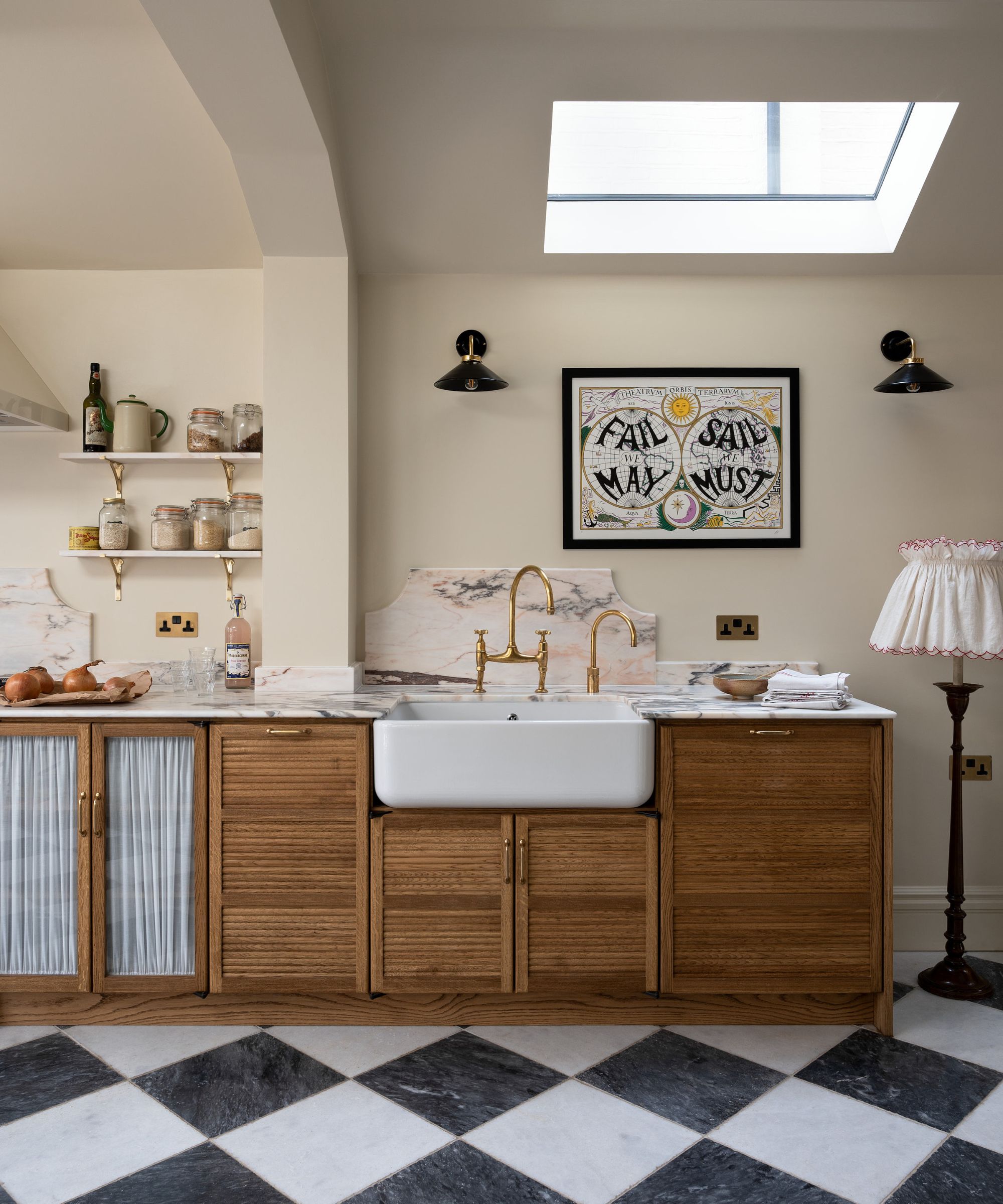
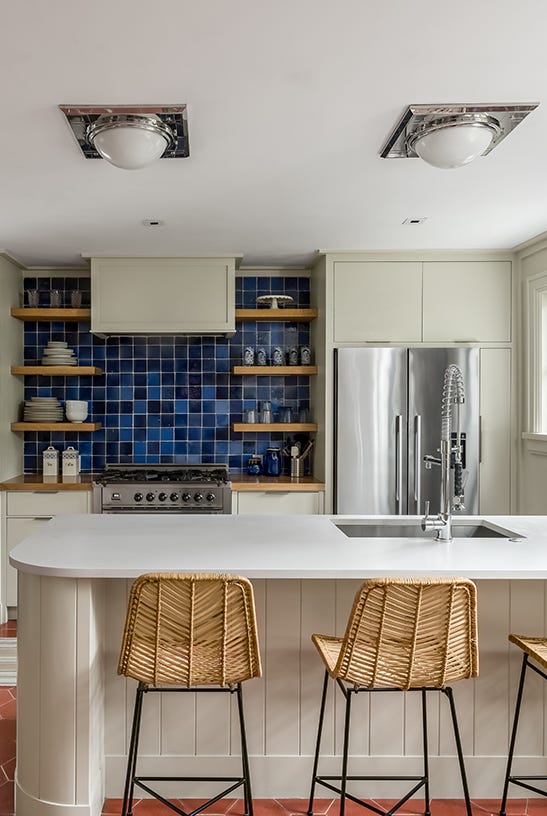
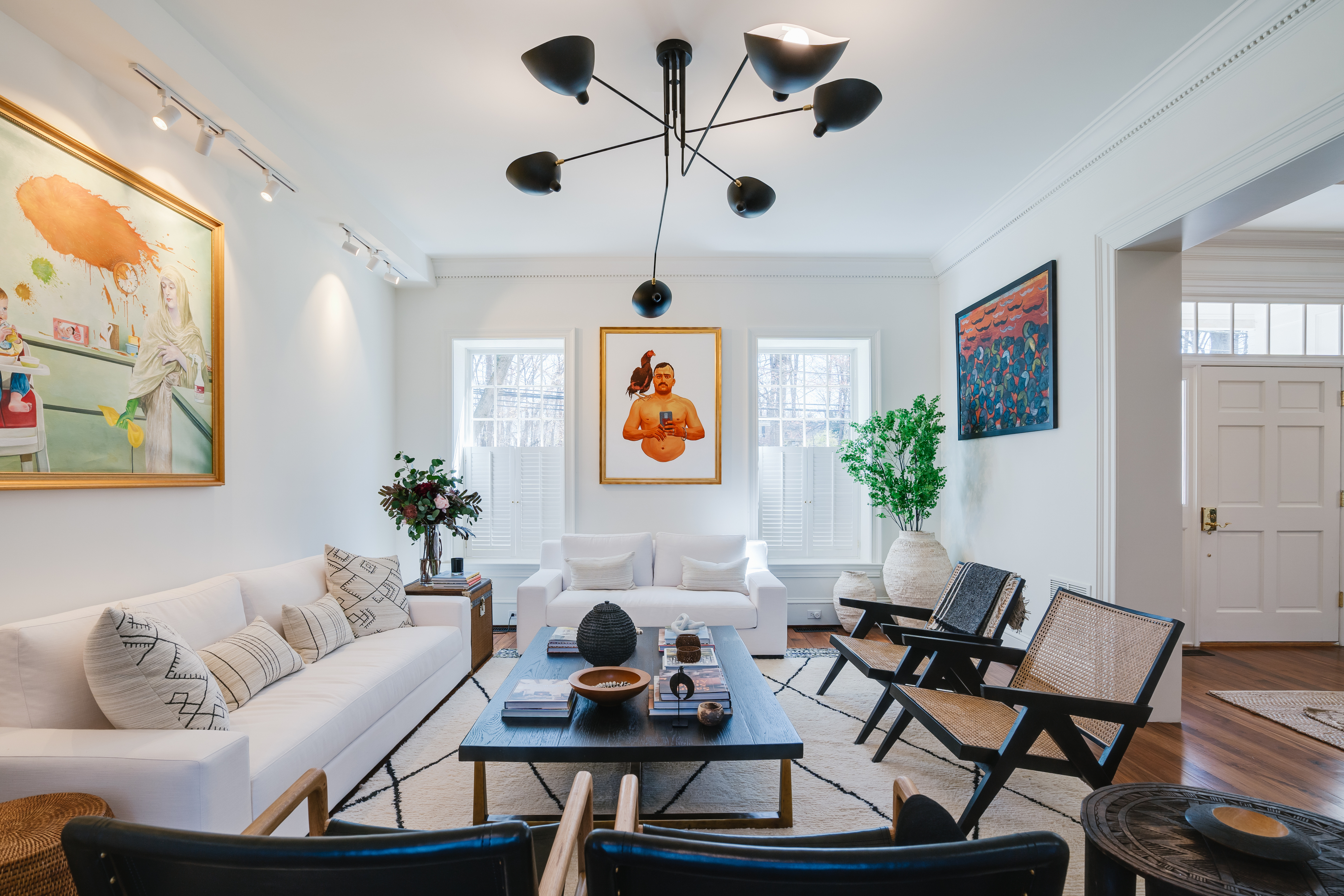
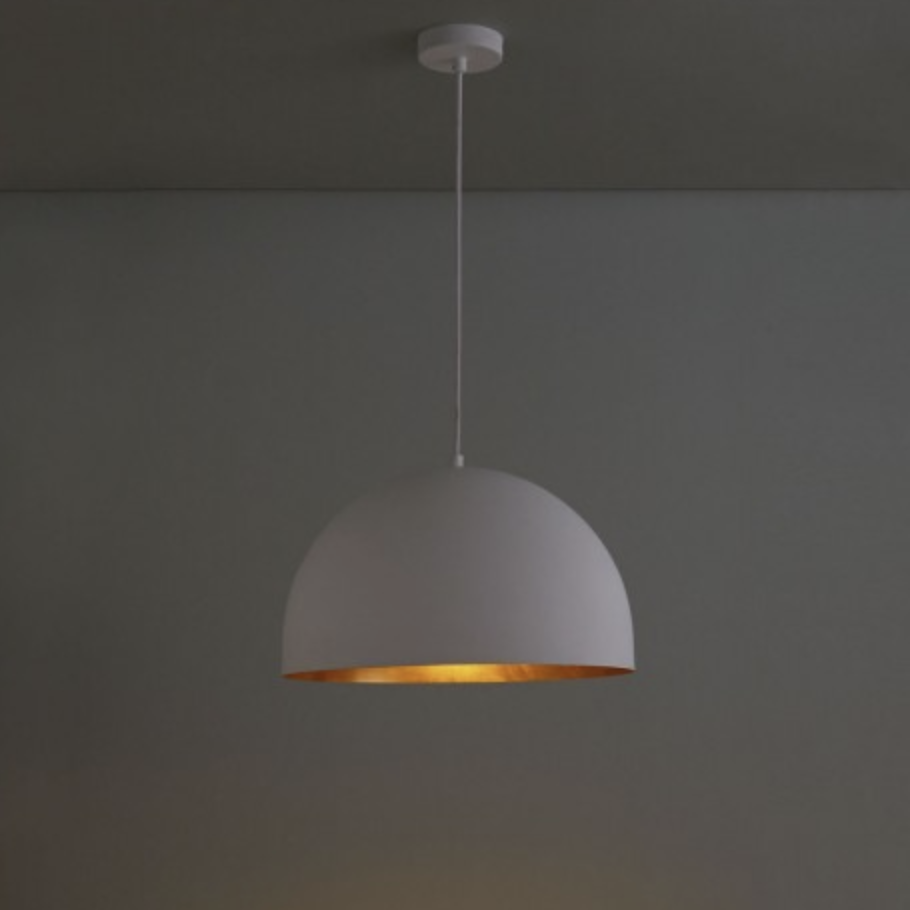
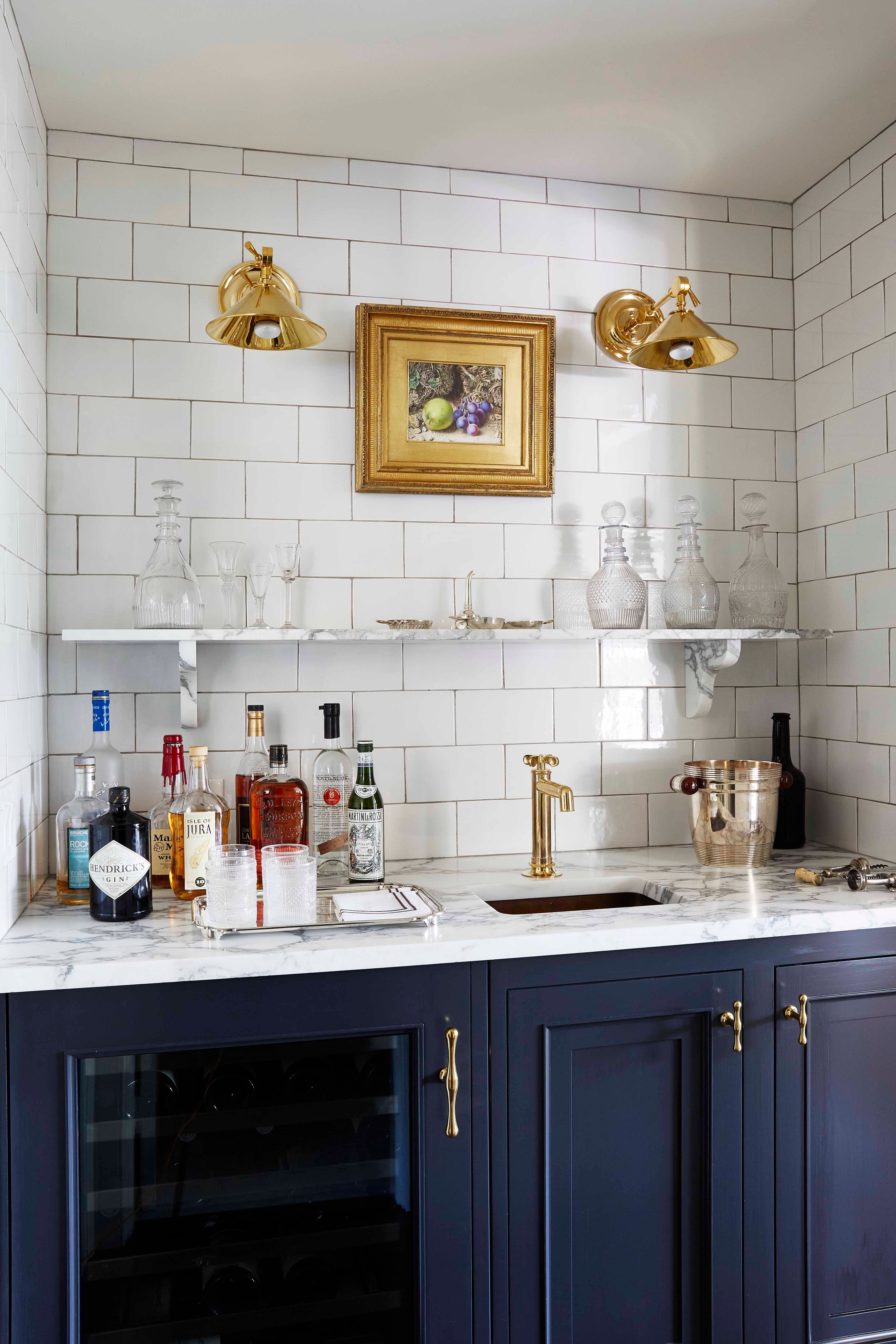
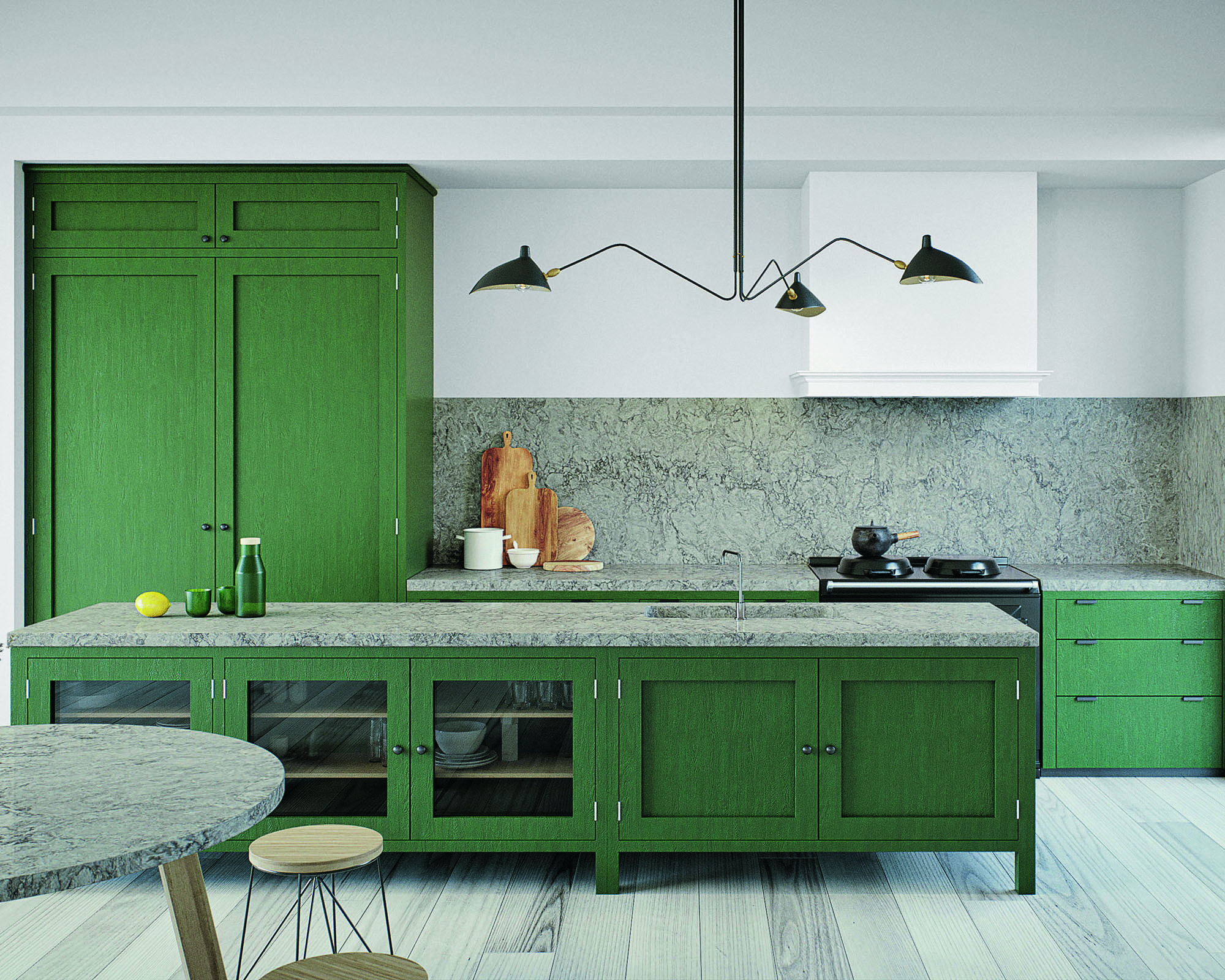
Redirecting and rebalancing light is particularly important in kitchens, where glossy surfaces like worktops and lacquered cabinets can reflect strong downlights, causing harsh glare. Instead, using uplighters, wall lights that gently wash light across a surface, or pendants that direct illumination upwards to bounce off the ceiling can soften and calm the space. This approach maintains brightness while eliminating clinical glare.
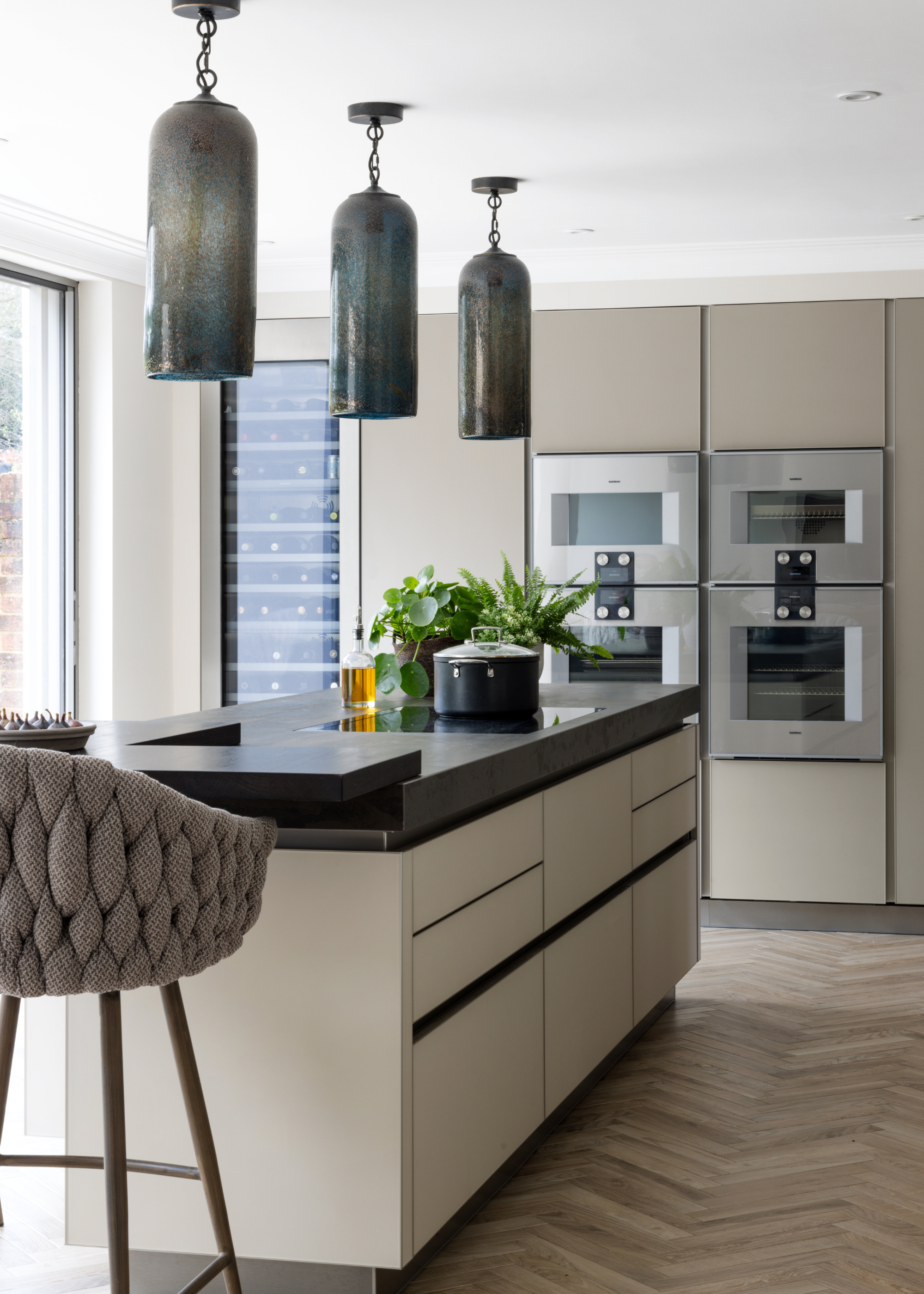
Color coordination extends beyond decor to lighting. It is advisable to coordinate color temperatures across all fixtures and appliances, as elements like kitchen hoods and wine fridges often come with cooler built-in lighting that can clash with the overall scheme. Requesting matching specifications from manufacturers helps achieve a cohesive, balanced look.
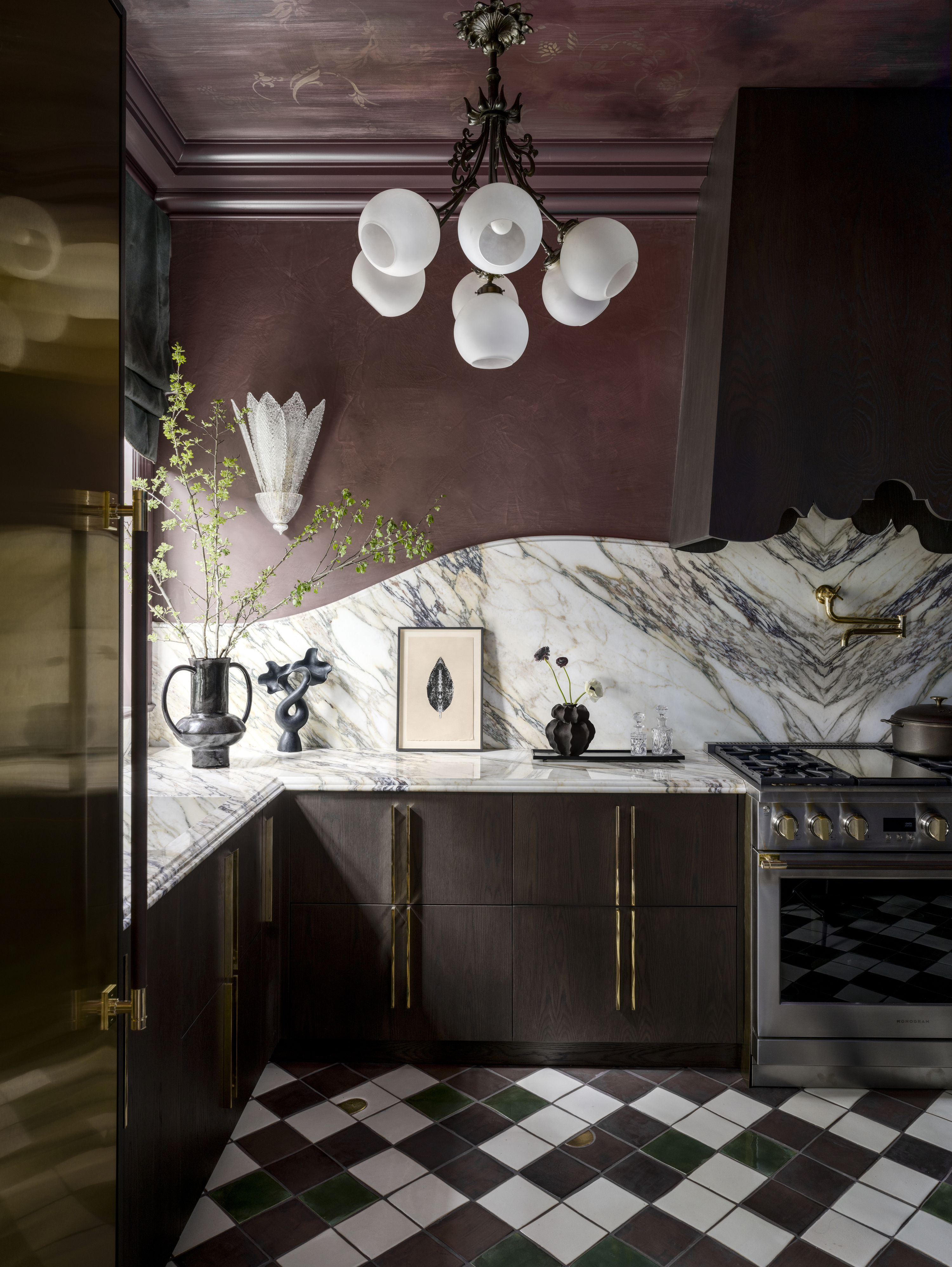
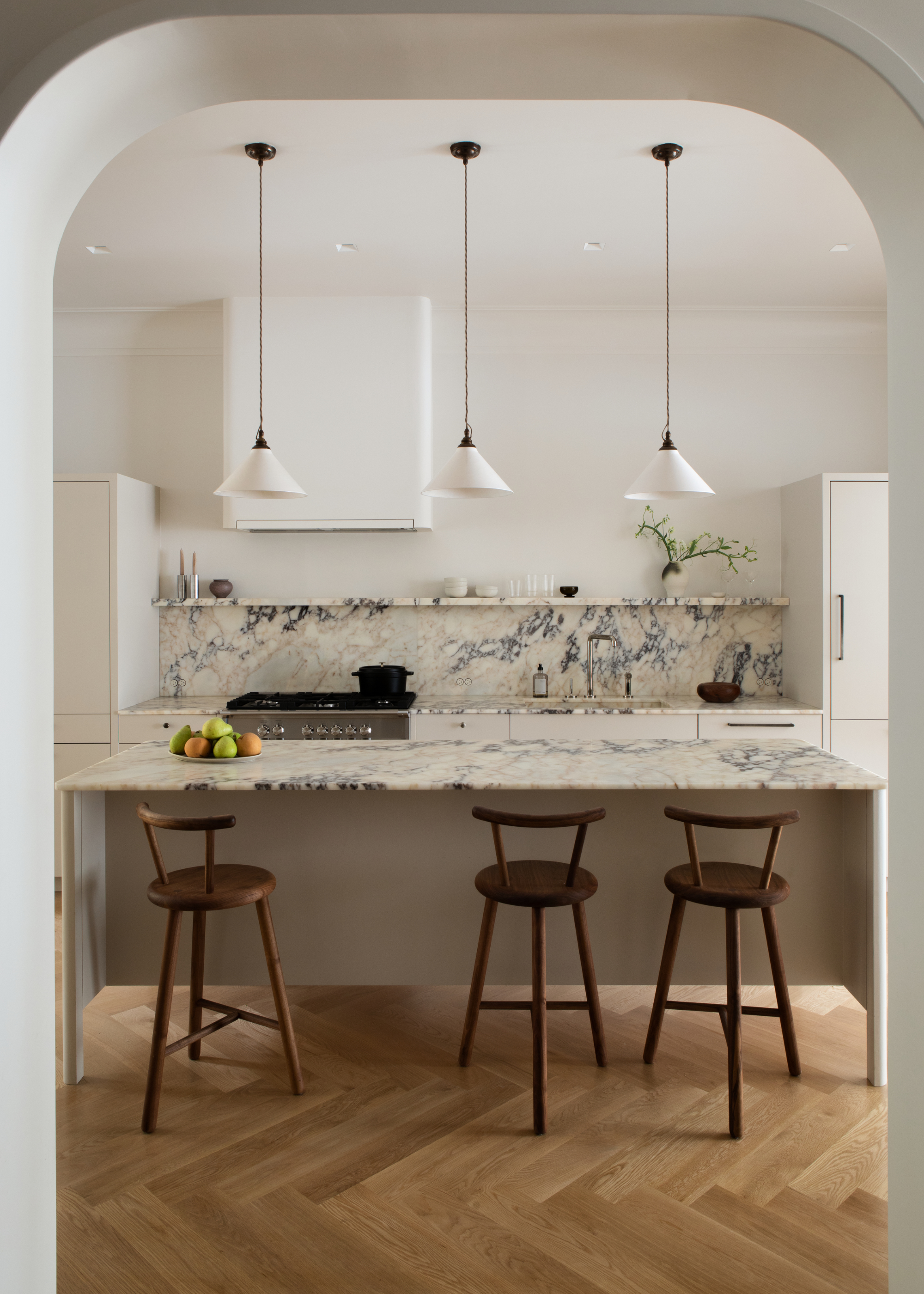
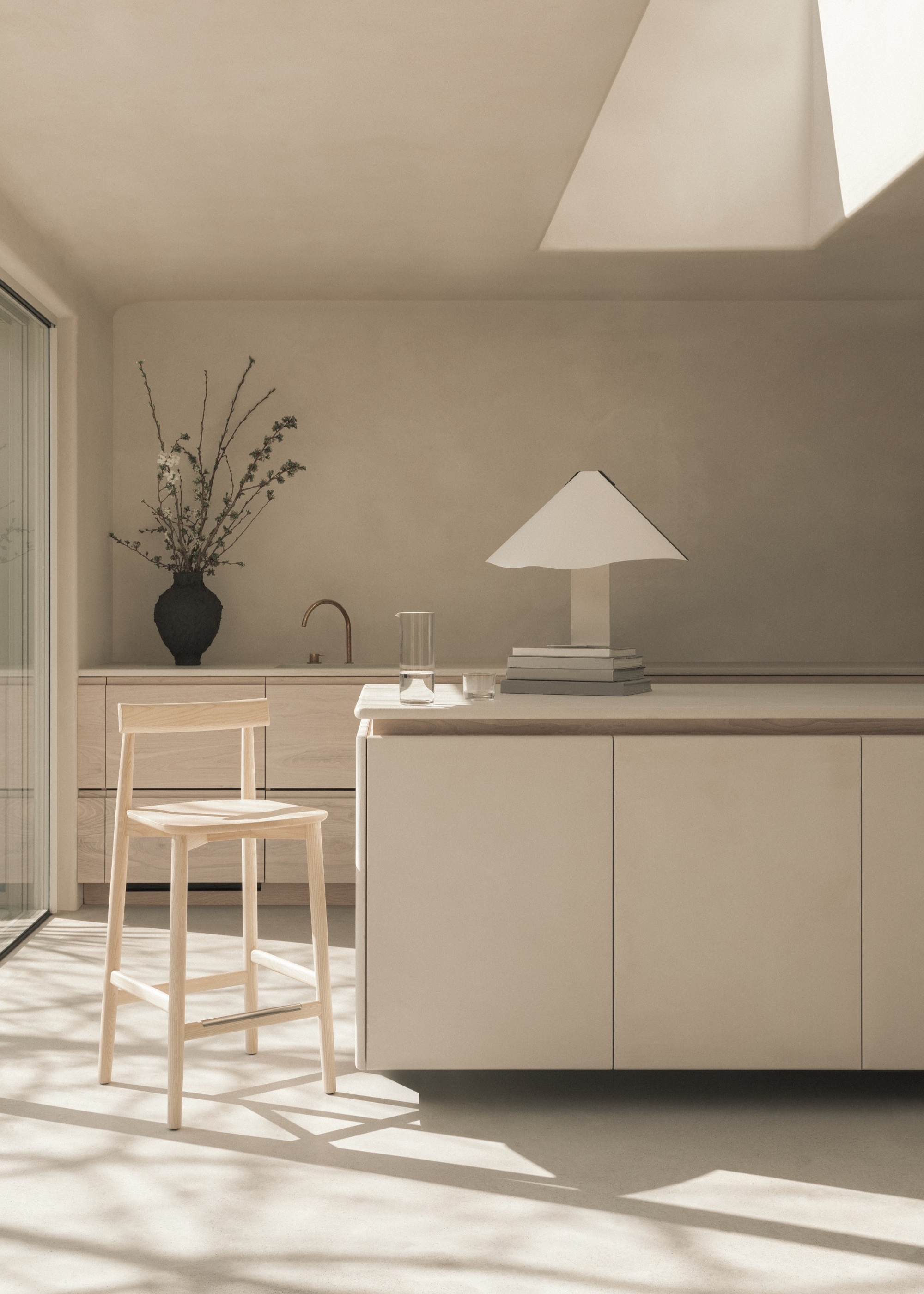
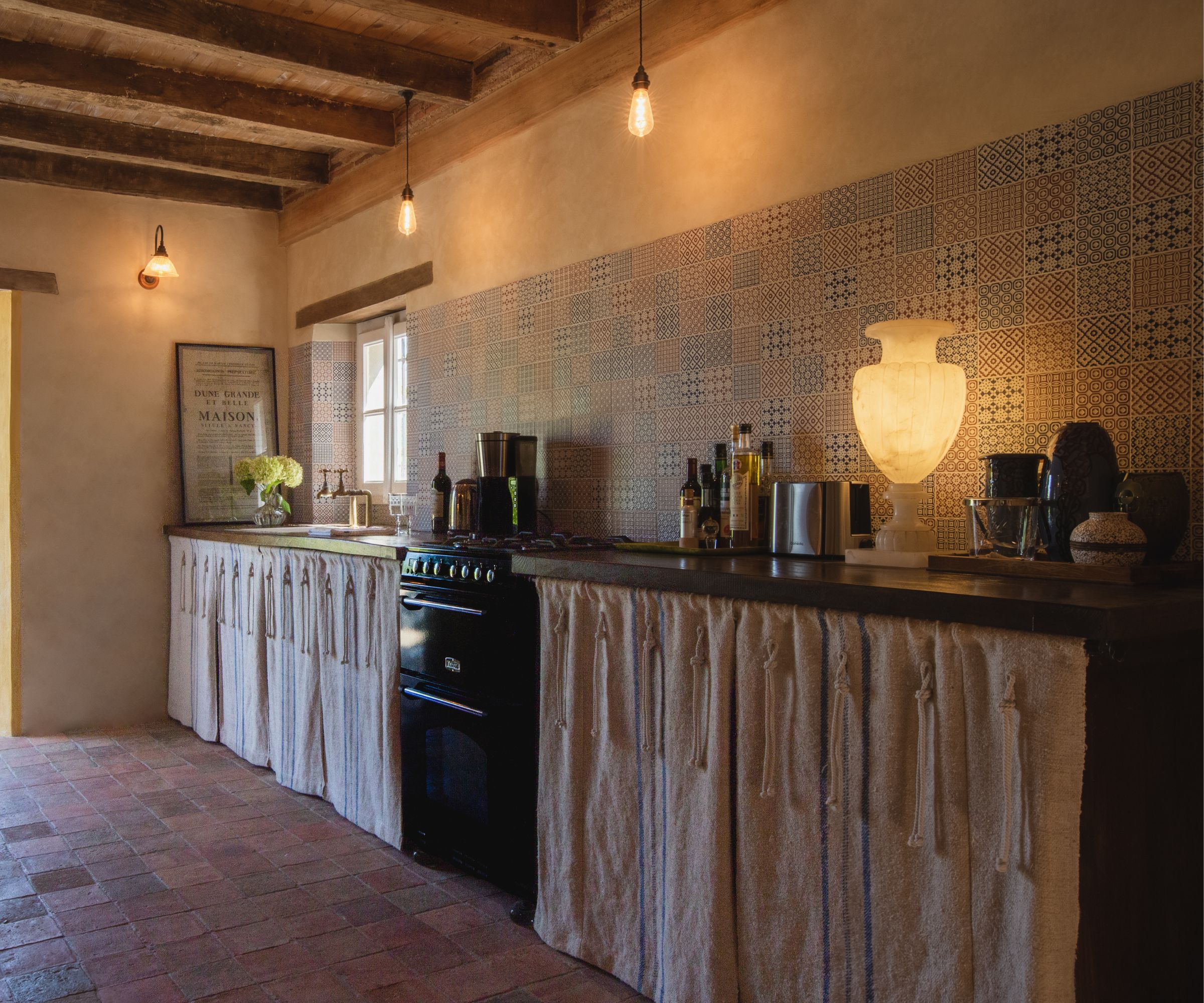
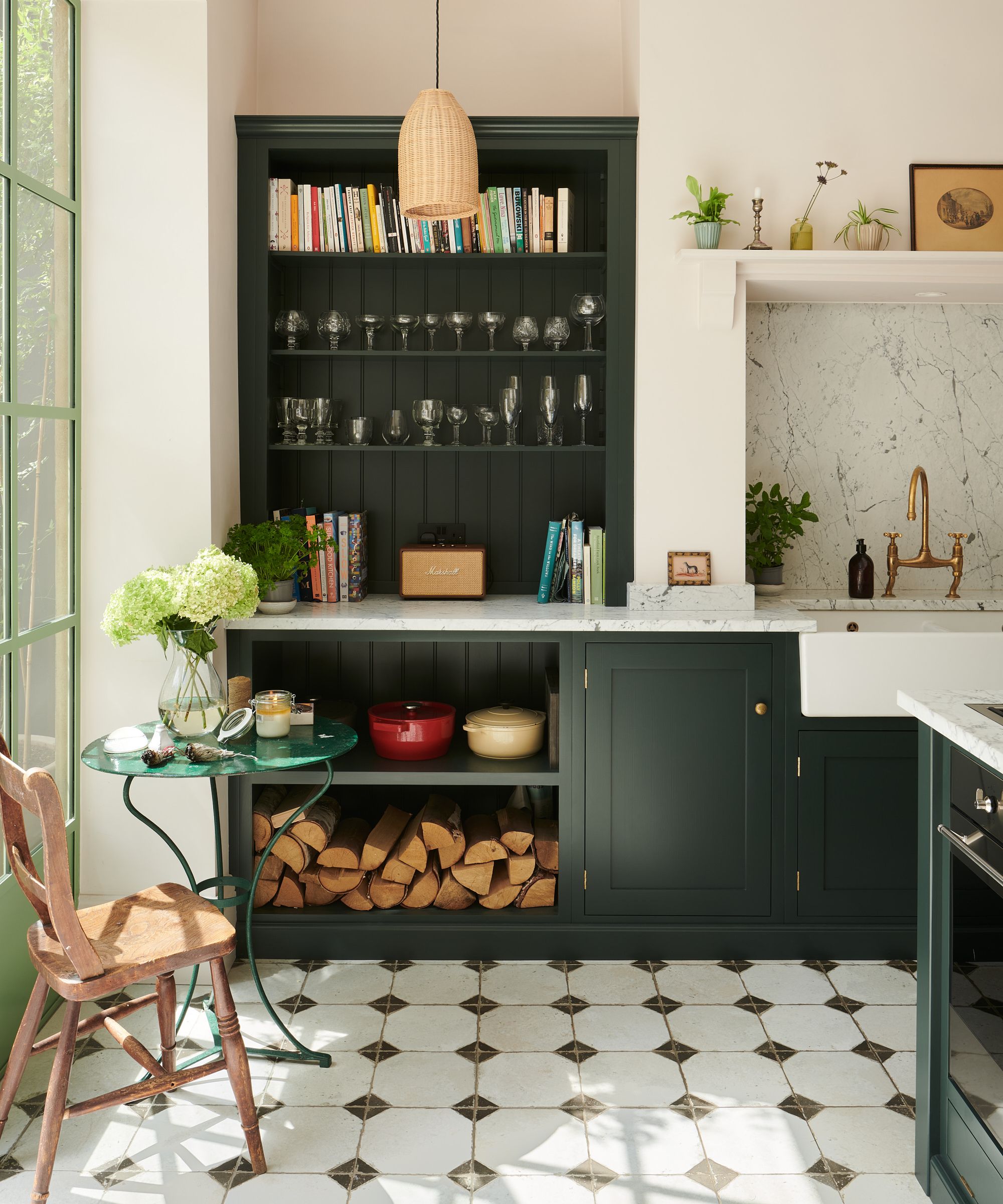
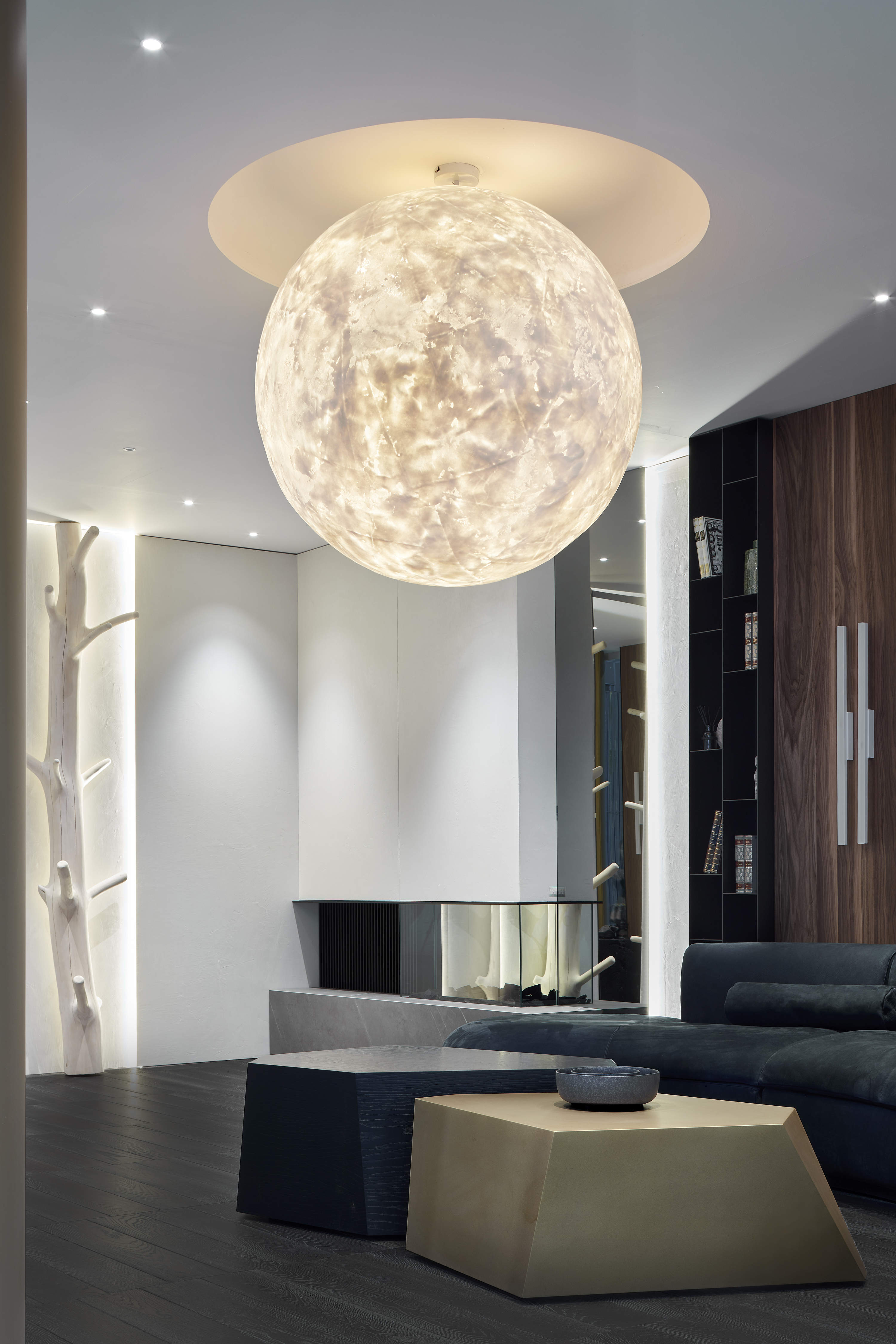
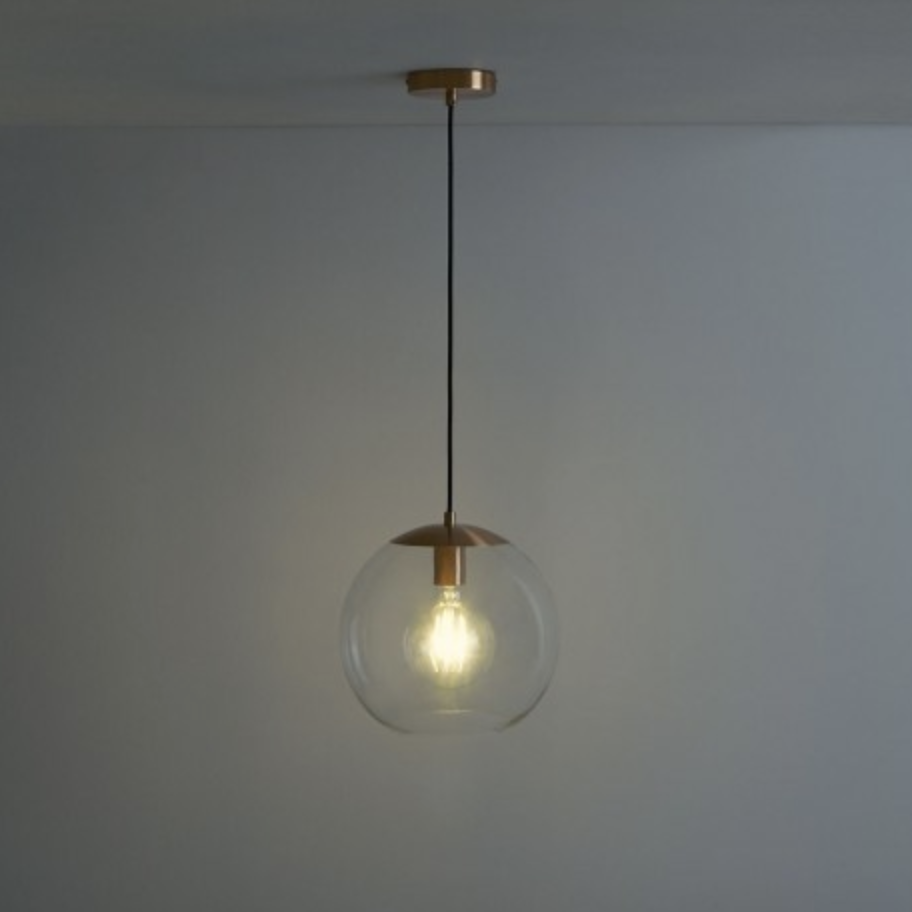
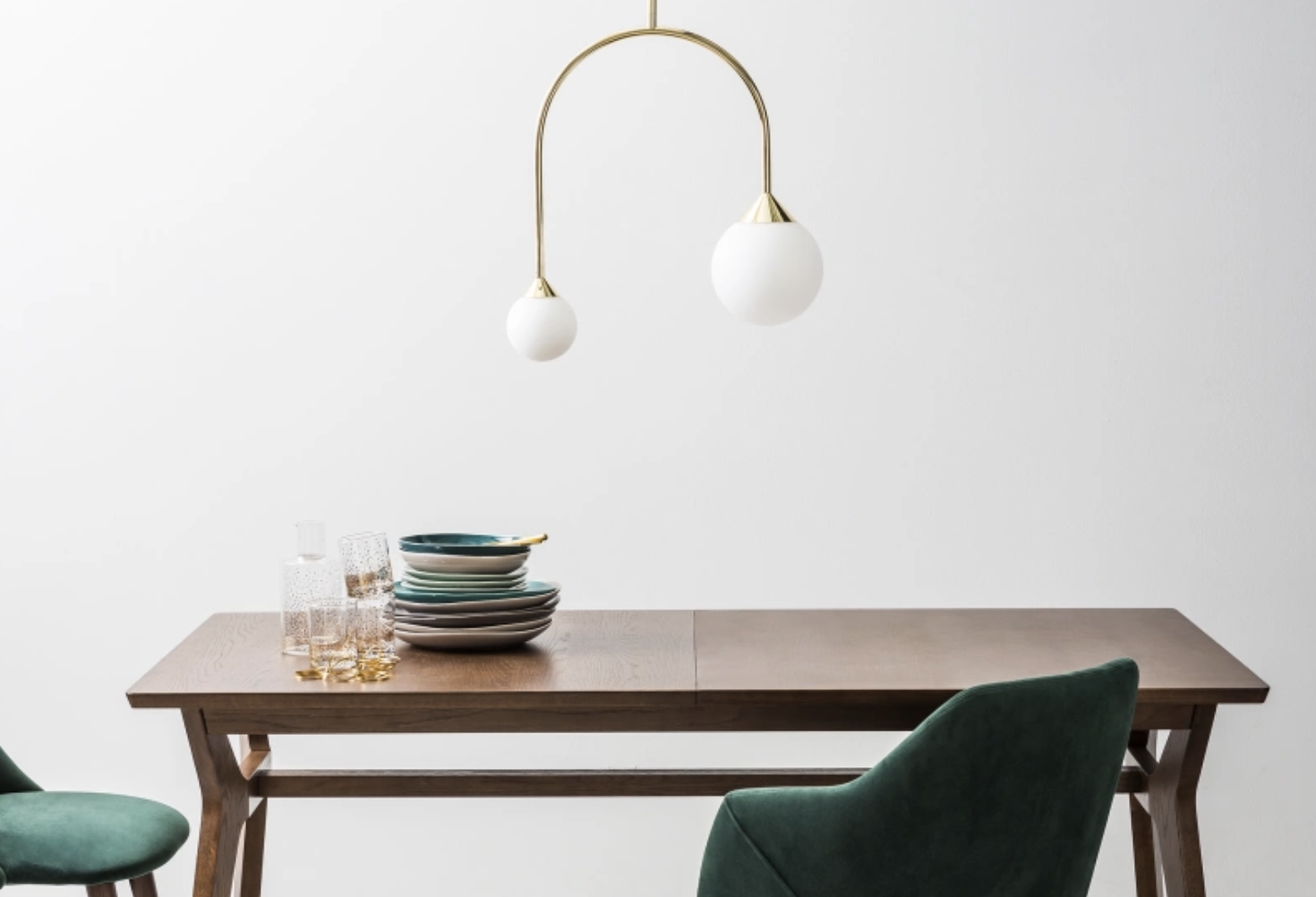
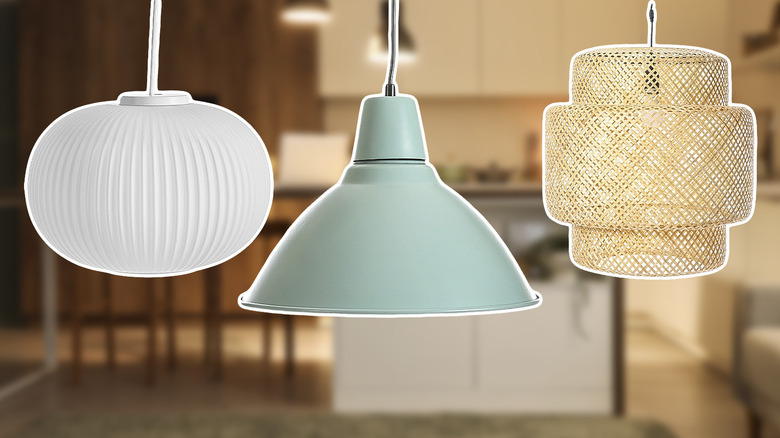
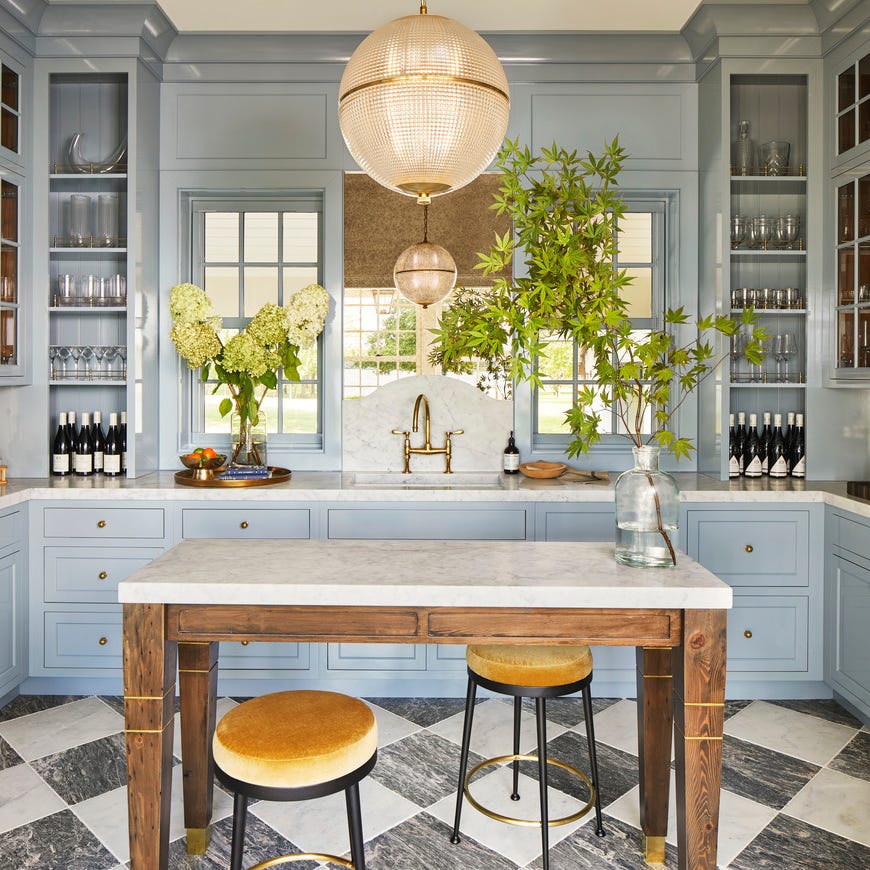
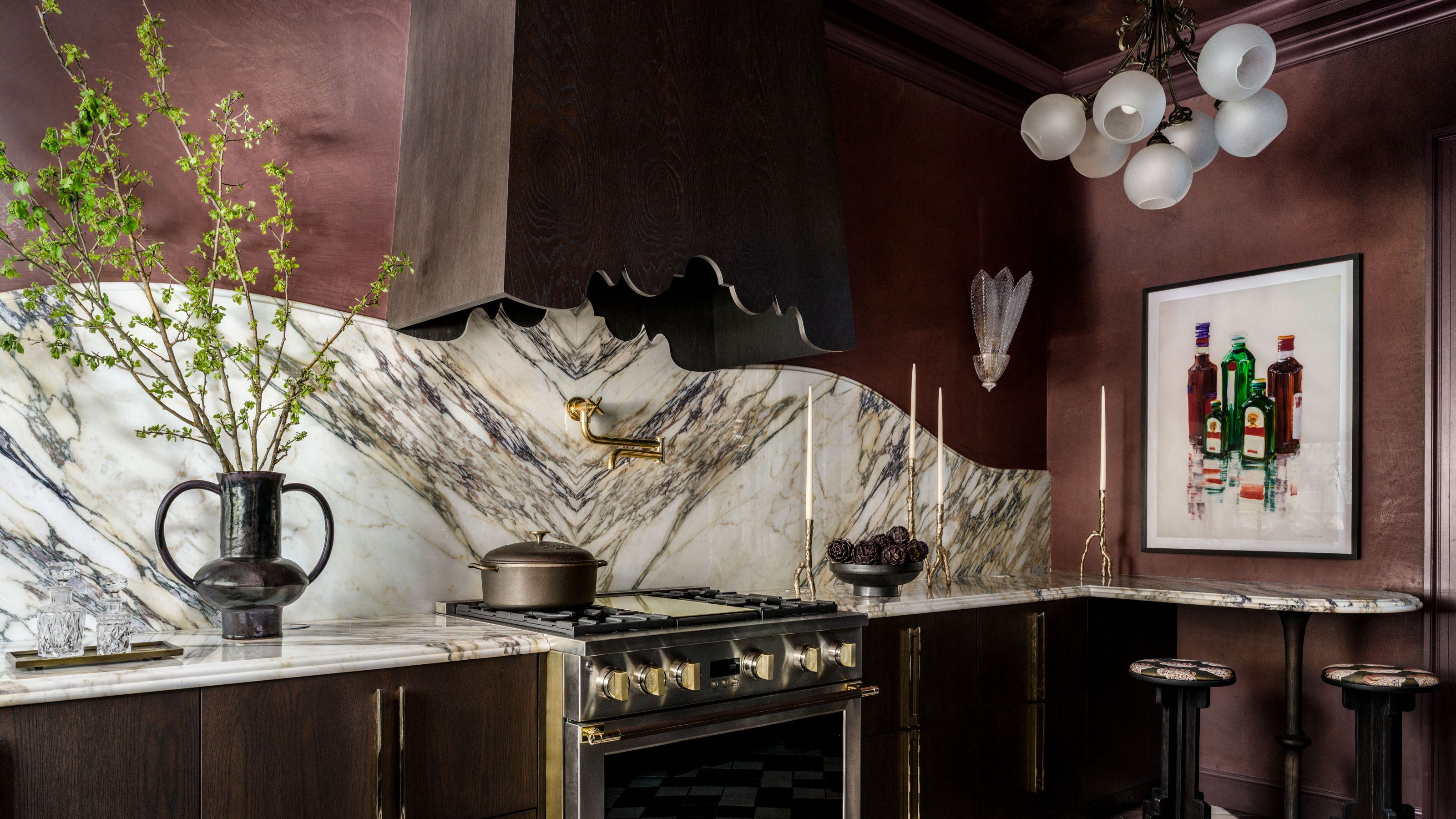
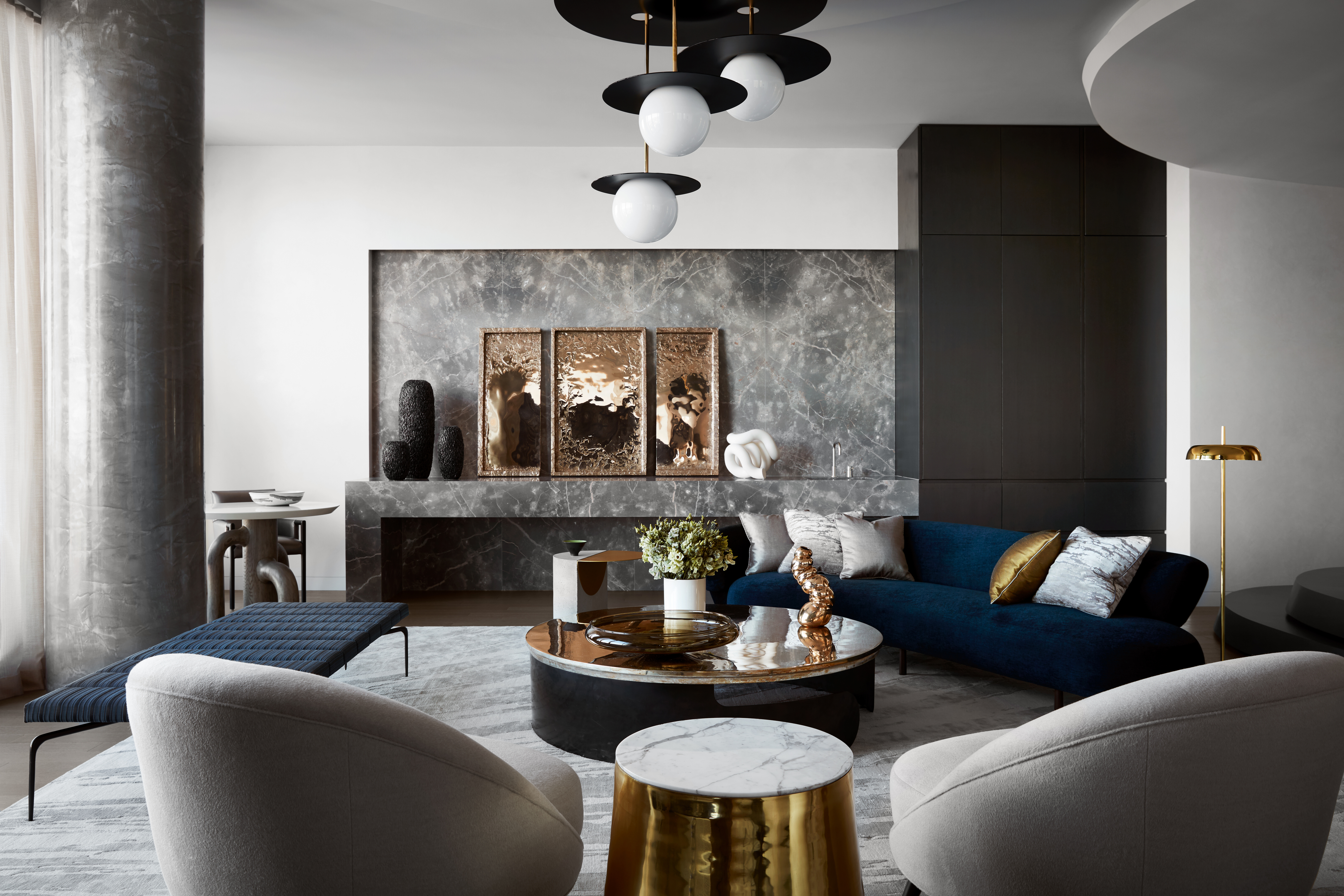
The choice of materials for light fittings also plays a vital role. Opting for designs made with alabaster, frosted, or opal glass diffuses light naturally, softening brightness and blurring harsh edges. This creates a warm, ambient glow that enhances both the space and the people within it. Such material choices contribute to a welcoming atmosphere from morning to evening.
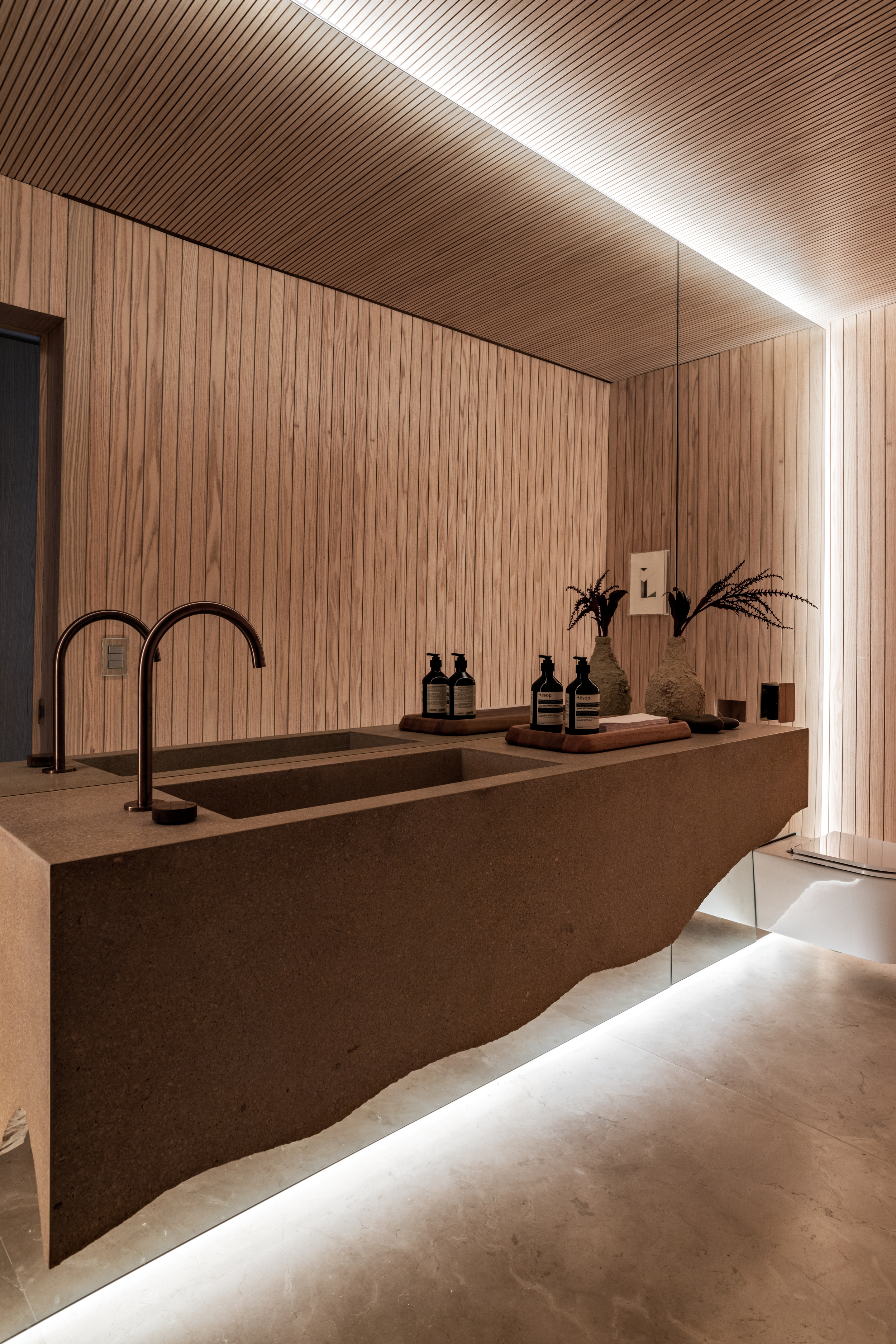
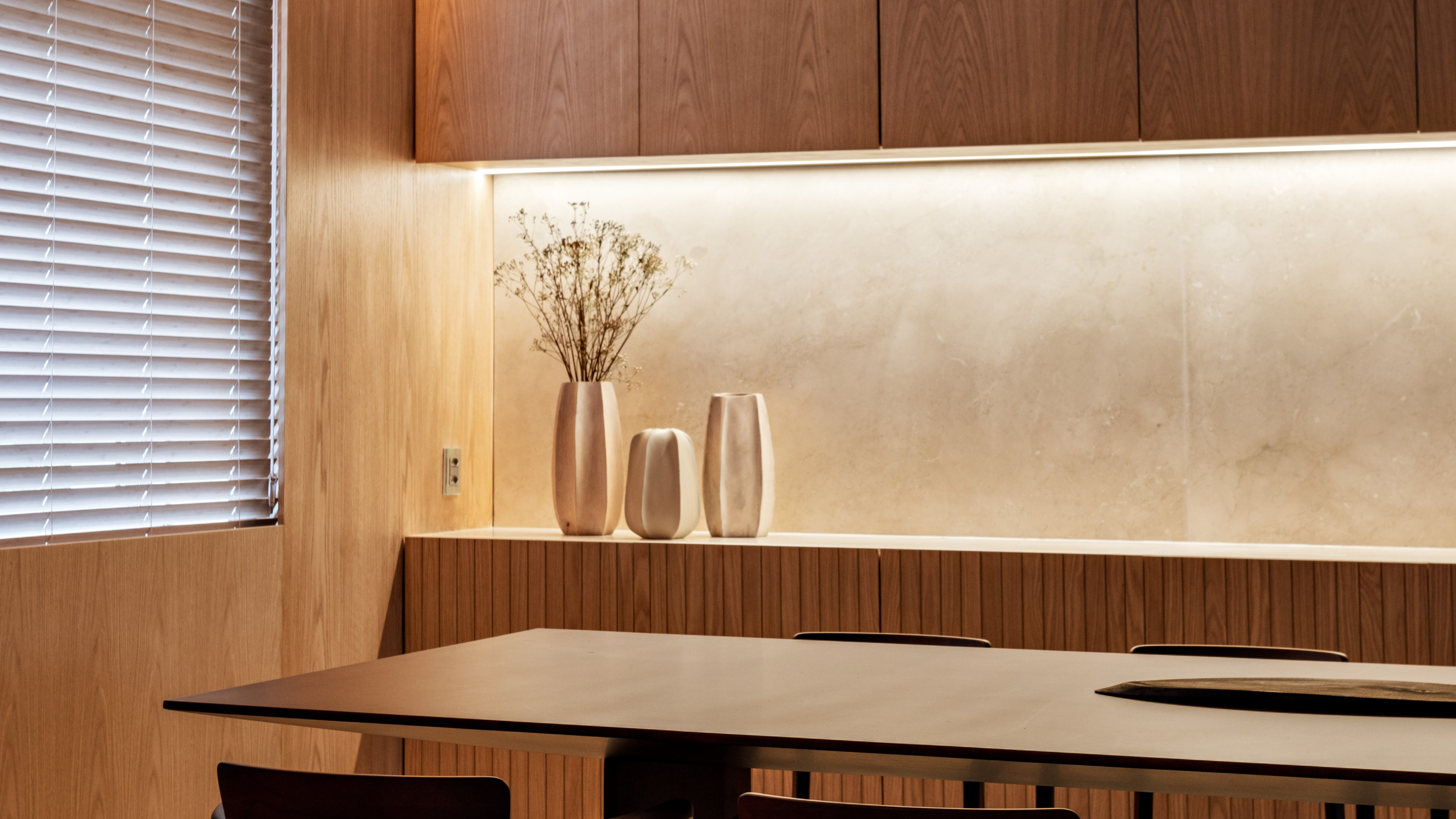
Finally, being mindful of glare is crucial, especially in kitchens with their prevalence of hard, shiny surfaces. Bare tape LEDs without diffusers can cause harsh reflections on polished stainless steel or stone. Utilizing LED strips within diffused profiles creates a softer, more uniform glow that is easier on the eyes and visually refined. By implementing these expert tips, a kitchen can be transformed into a warm, inviting heart of the home where people love to gather.
#KitchenLighting #HomeLighting #InteriorDesign #LightingDesign #LayeredLighting #ColorTemperature #SmartLighting #KitchenDecor #HomeDecoration #KitchenLighting #HomeLighting #InteriorDesign #LightingDesign #LayeredLighting #ColorTemperature #SmartLighting #KitchenDecor #HomeDecoration
0 comment in total
 No comments yet
You may also like
How to Brighten Up Your Sad Kitchen Lighting, According to Interior Designers
12 Kitchen Lighting Mistakes (And How To Avoid Them)

Designers say that lighting is the easiest way to elevate your kitchen
Your Kitchen Lighting Is a Missed Opportunity for Storage
The BEST Way to Light Your Kitchen Is Not What You Think

5 Renter-Friendly Ways to Upgrade Your Kitchen Lighting — Without Having to Call in an Electrician
3 Steps to Perfect Kitchen Lighting, According to an Expert

How to plan kitchen lighting — create a scheme in sync with your routine

5 Kitchen Lighting Design Rules Interior Designers Warn You Should Never Ignore for a Well-Lit Space
Essential Kitchen Lighting Tips, According to Industry Pros
15 Kitchen Lighting Mistakes Everyone Makes

Best kitchen lighting: top picks to brighten up your kitchen space

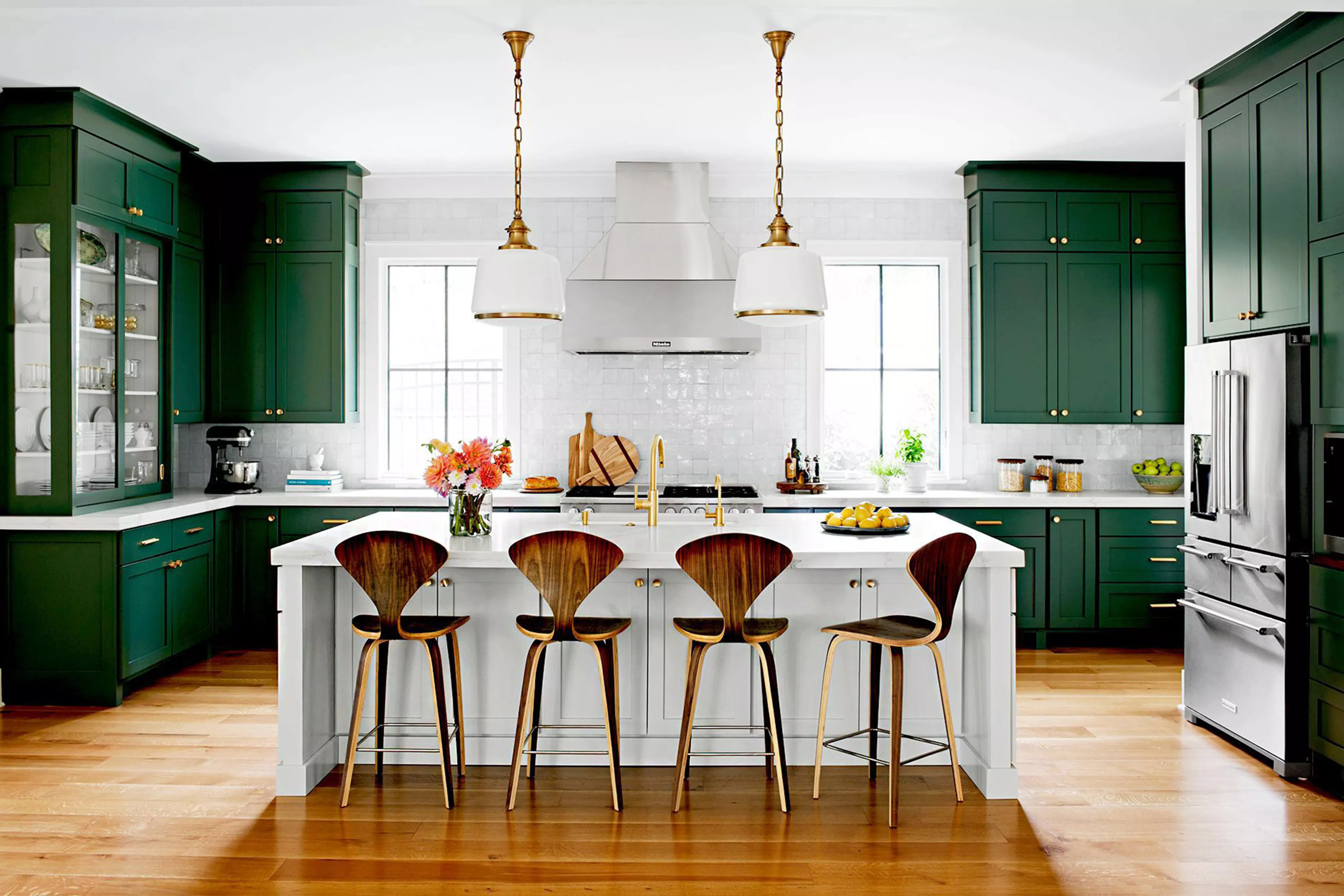
Say Goodbye to Cooking in Harsh Lighting: Cabinet Lights Are Here to Save Your Cookspace’s Ambiance
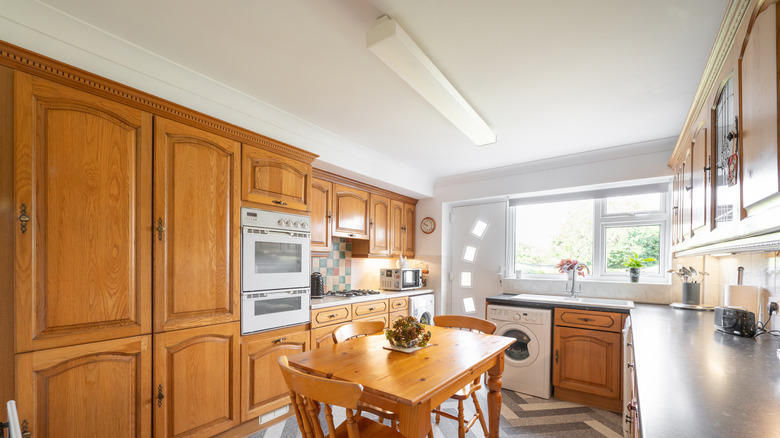
Kitchen Lighting Mistakes That Are Making Your Space Look Dated
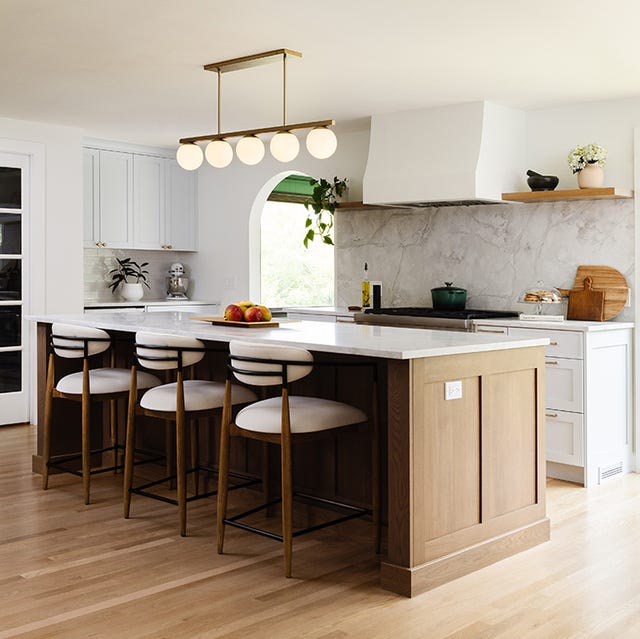
Try These Kitchen Lighting Ideas to Brighten Your Space

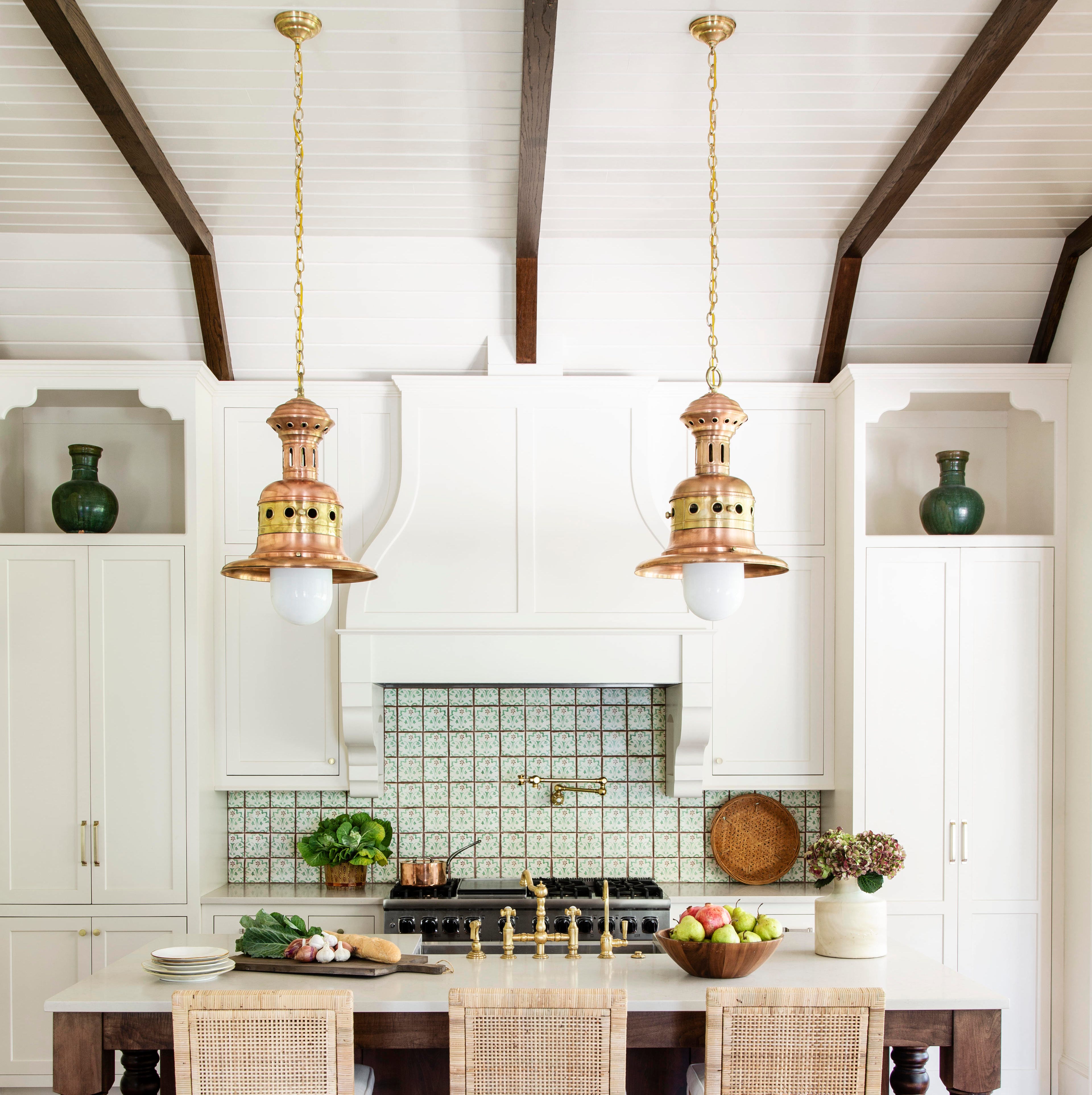
These Kitchen Lighting Ideas Will Bring Idyllic Ambiance to the Heart of Your Home
The Secret to Making Your Kitchen Great for Cooking and Entertaining: Smart Lighting

17 Best Creative Lighting Ideas For Your Kitchen
How do you make overhead lighting less harsh? 7 tips for a more flattering scheme
Small Kitchen, Big Impact: 5 Lighting Ideas Designers Actually Use to Instantly Brighten a Space