
How to create design contrast with two-tone kitchen cabinets
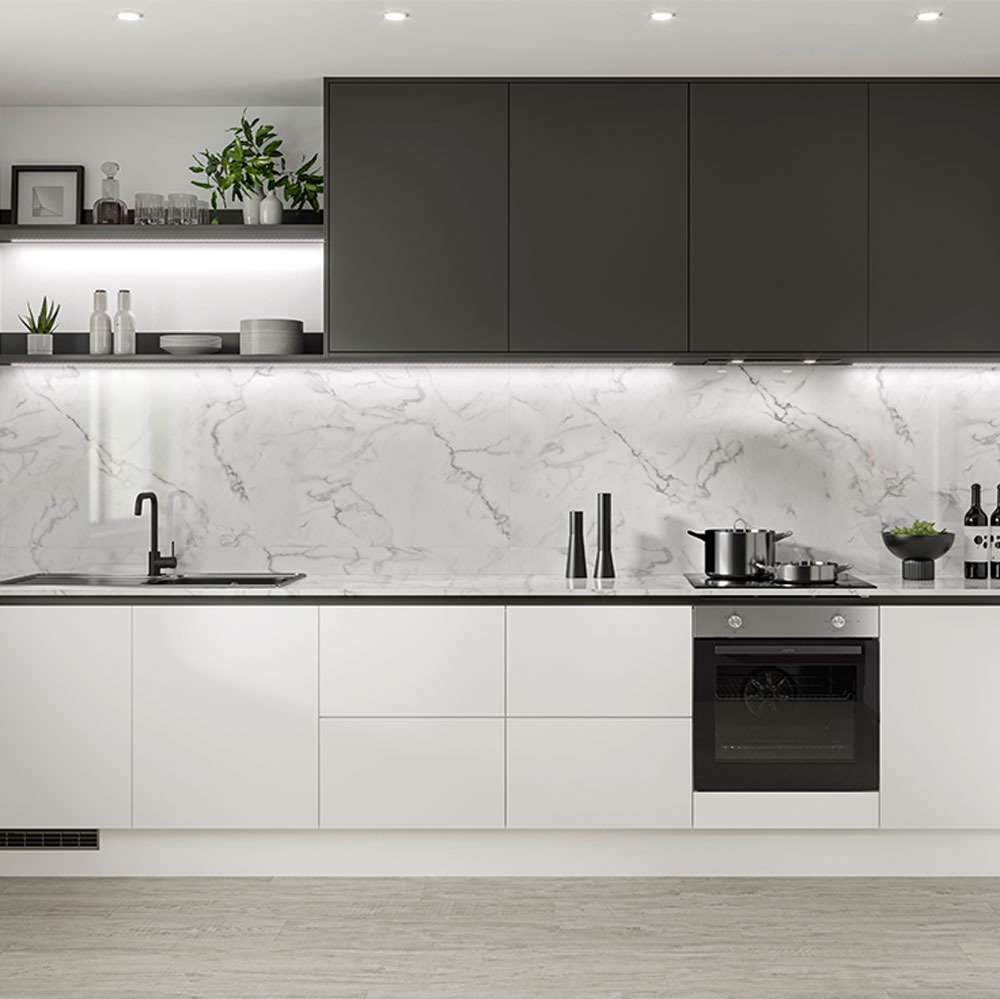
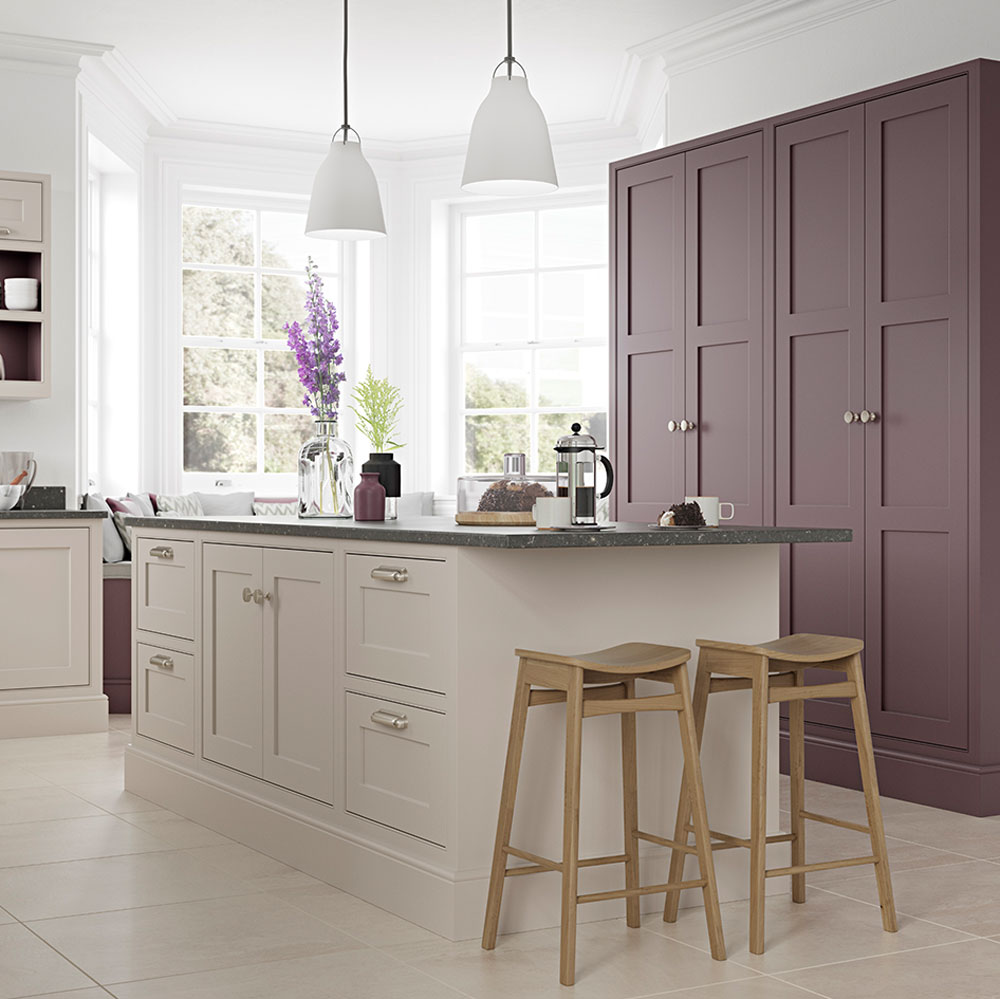
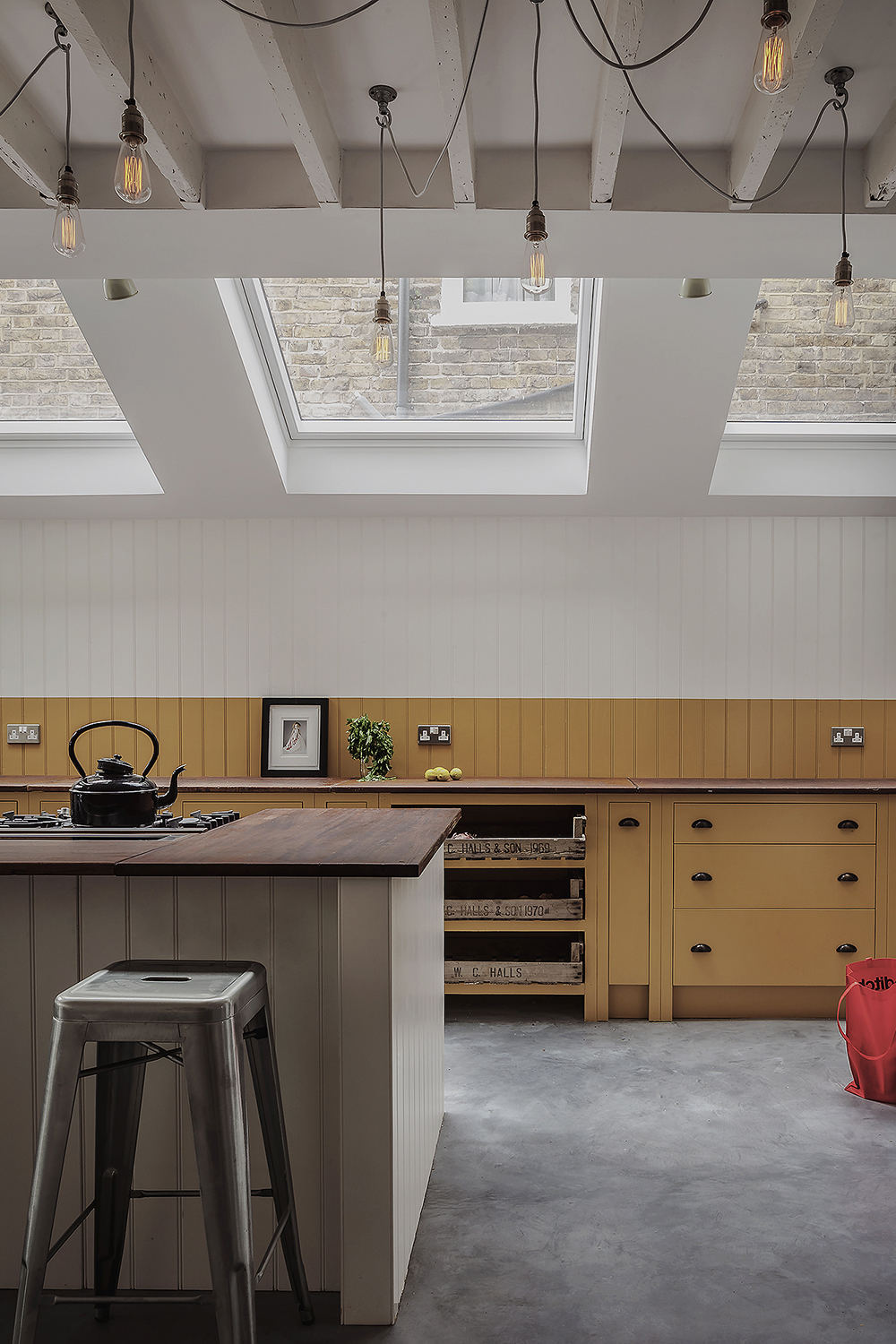
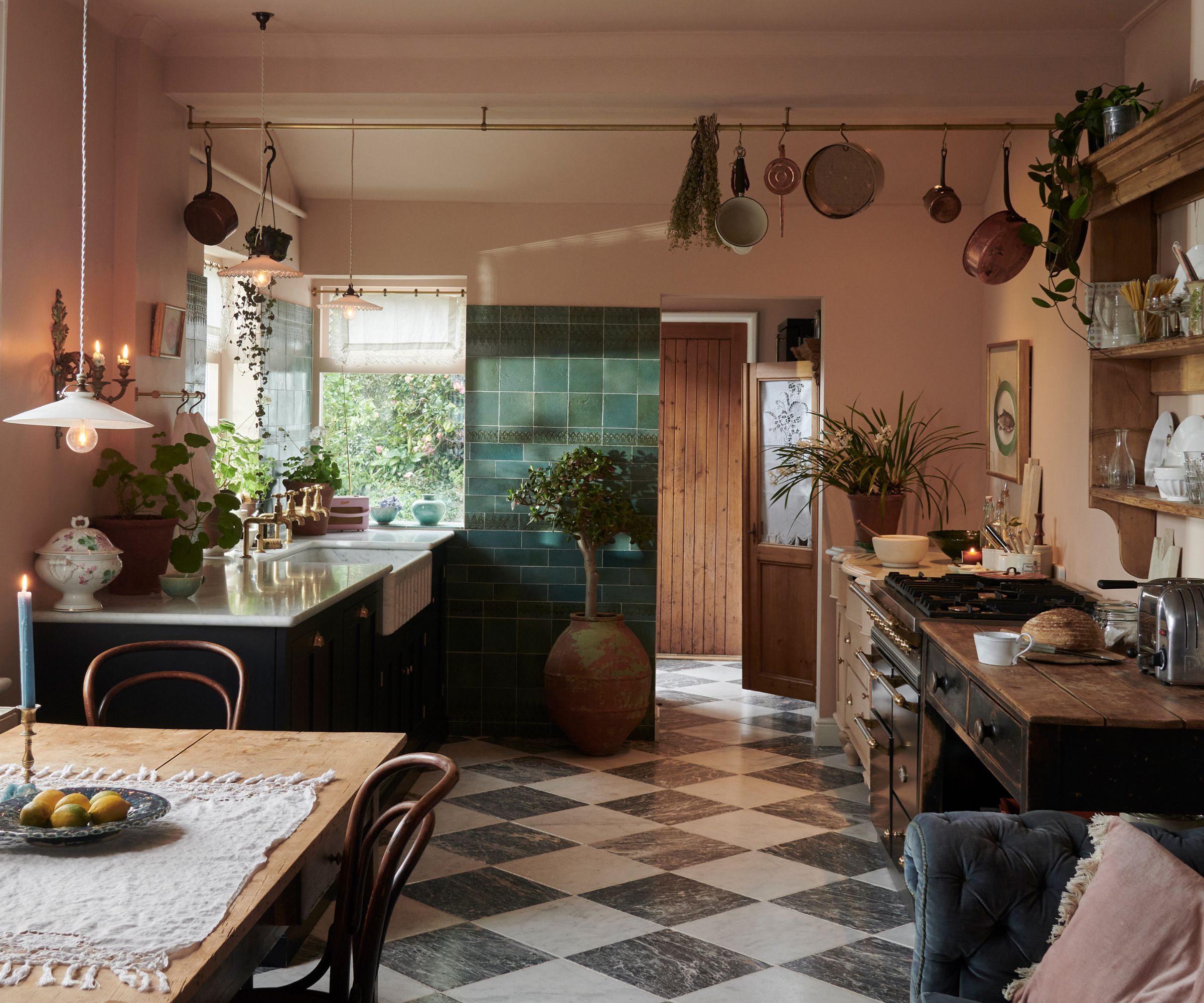
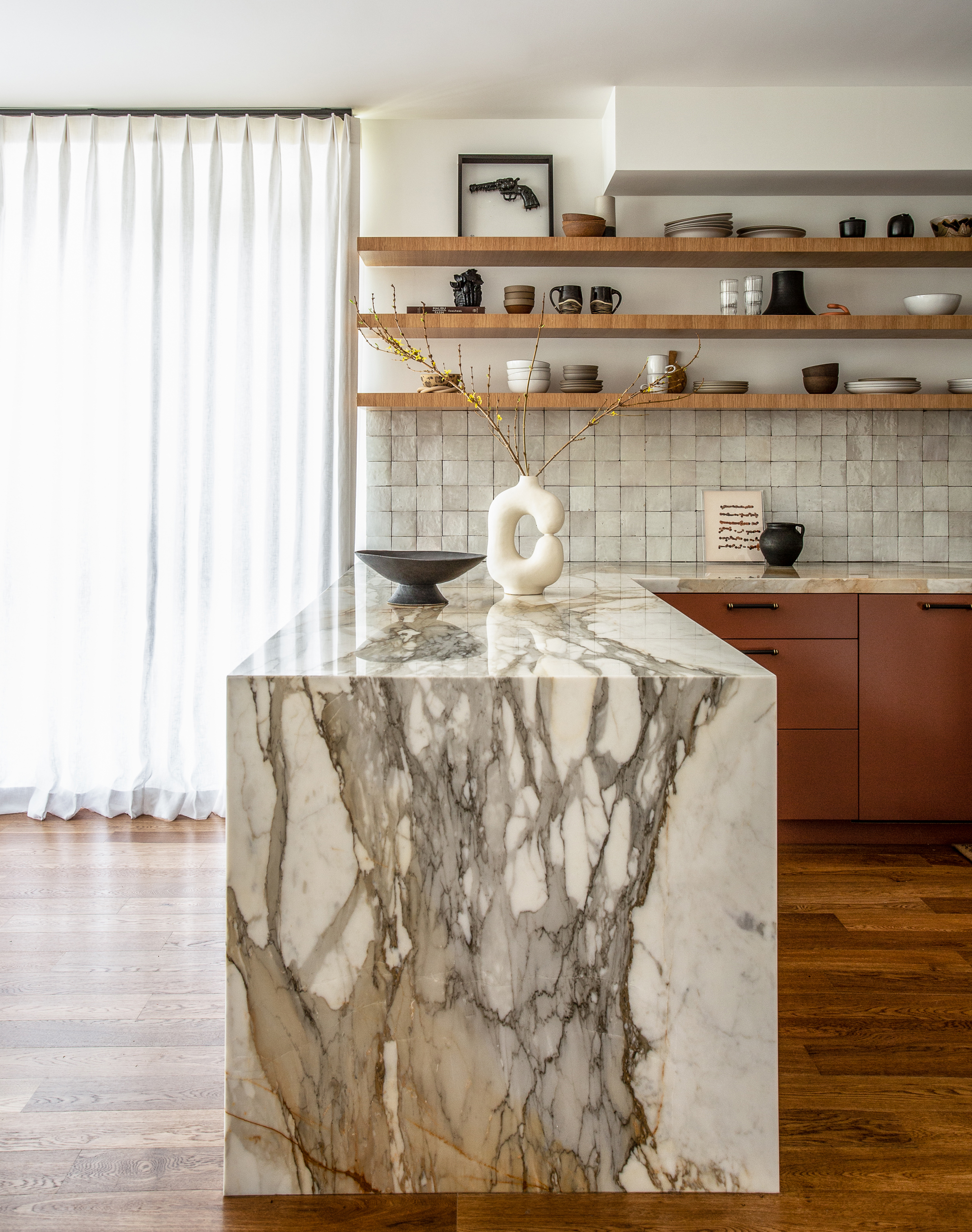
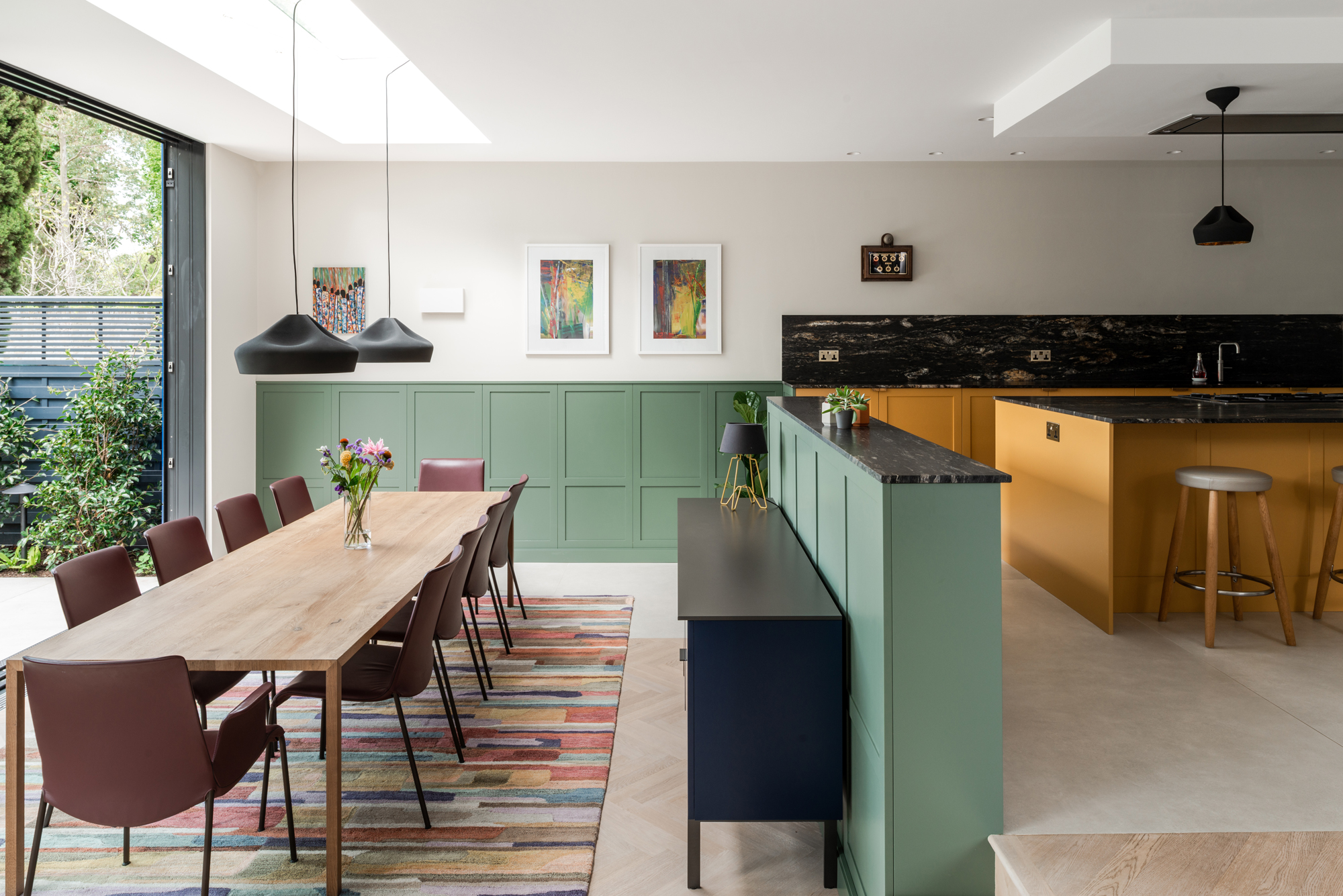
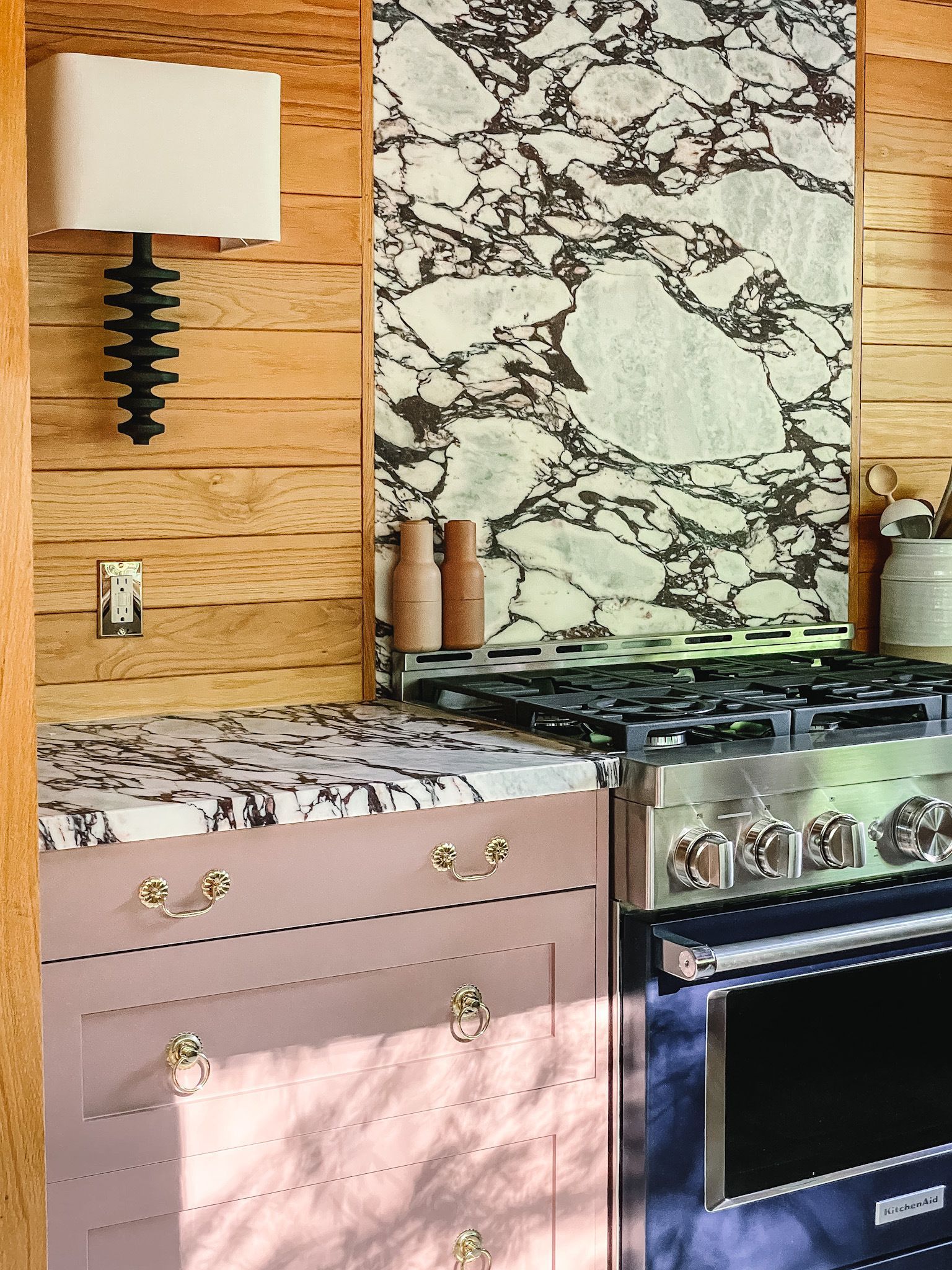
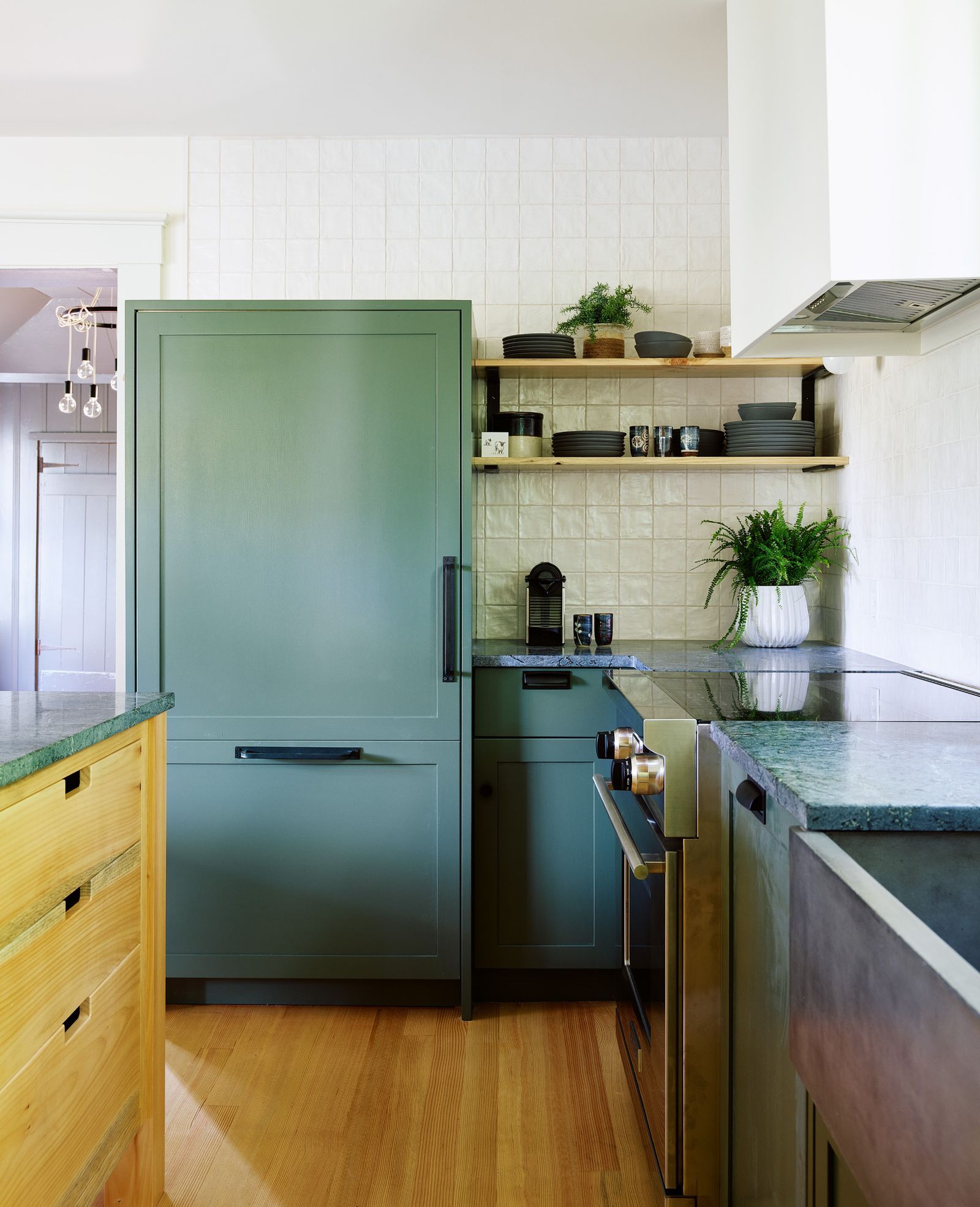
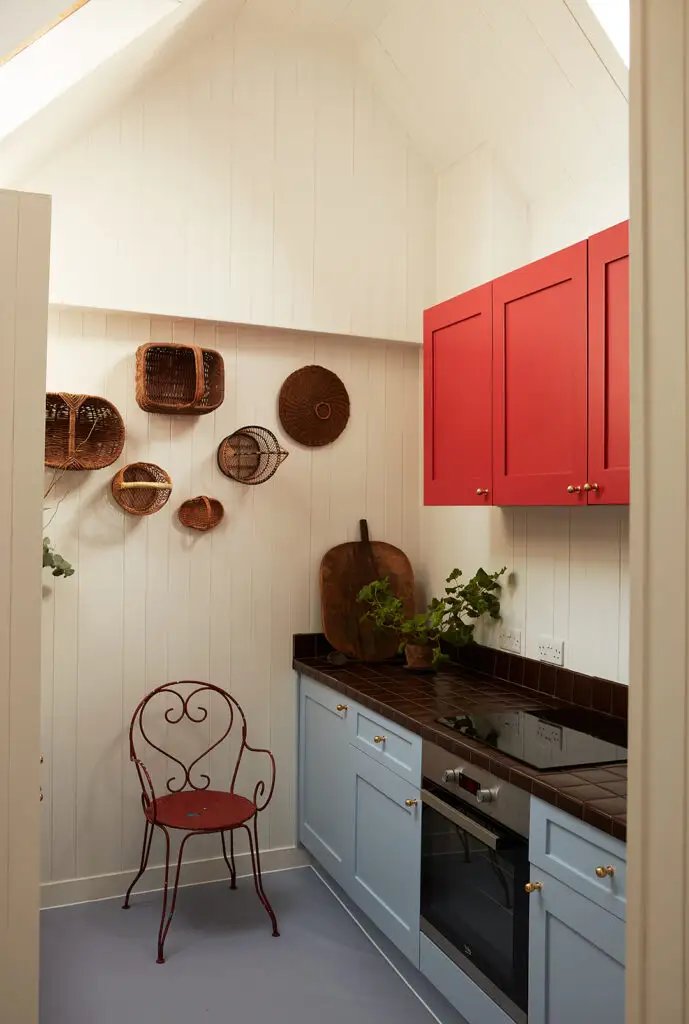
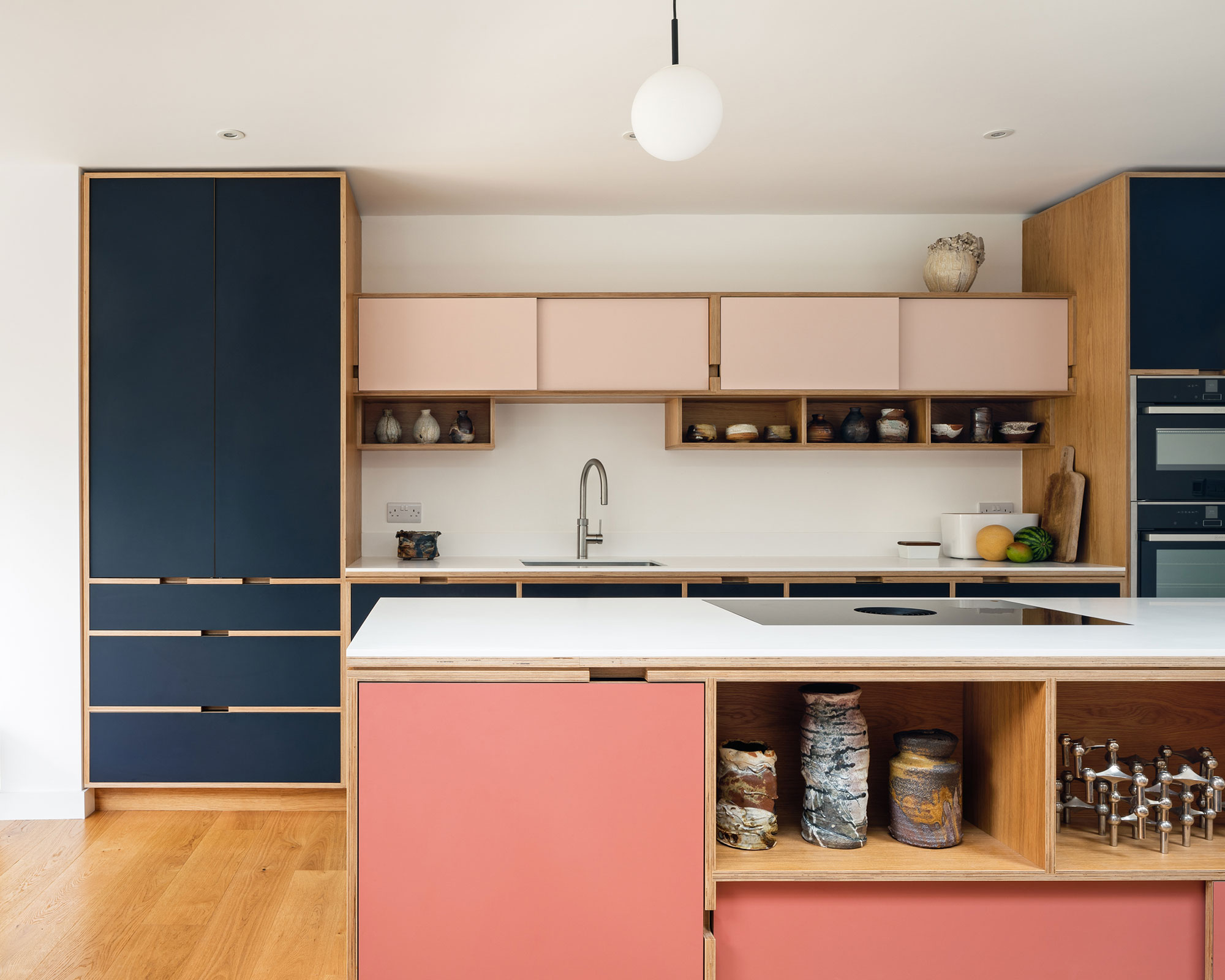
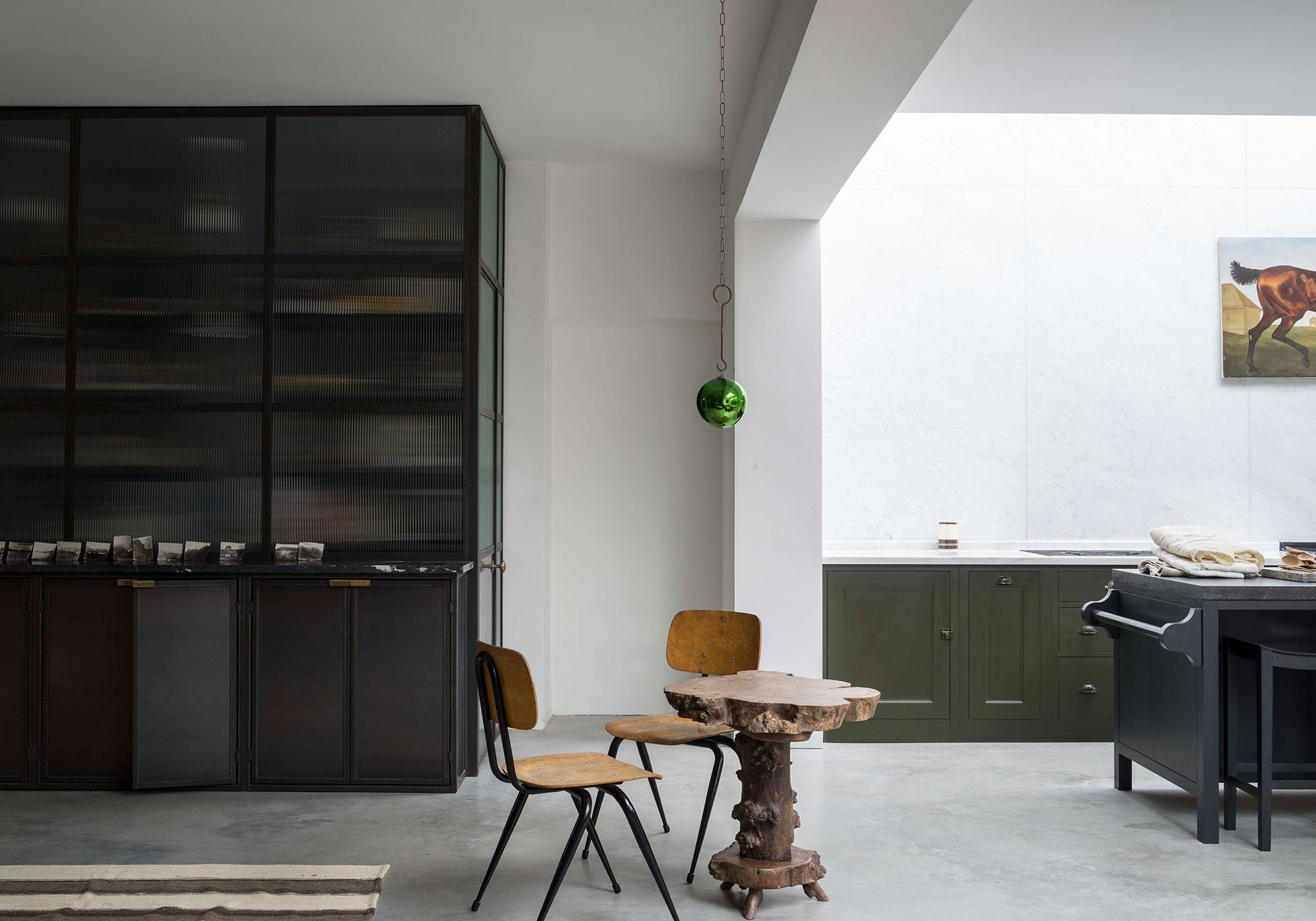
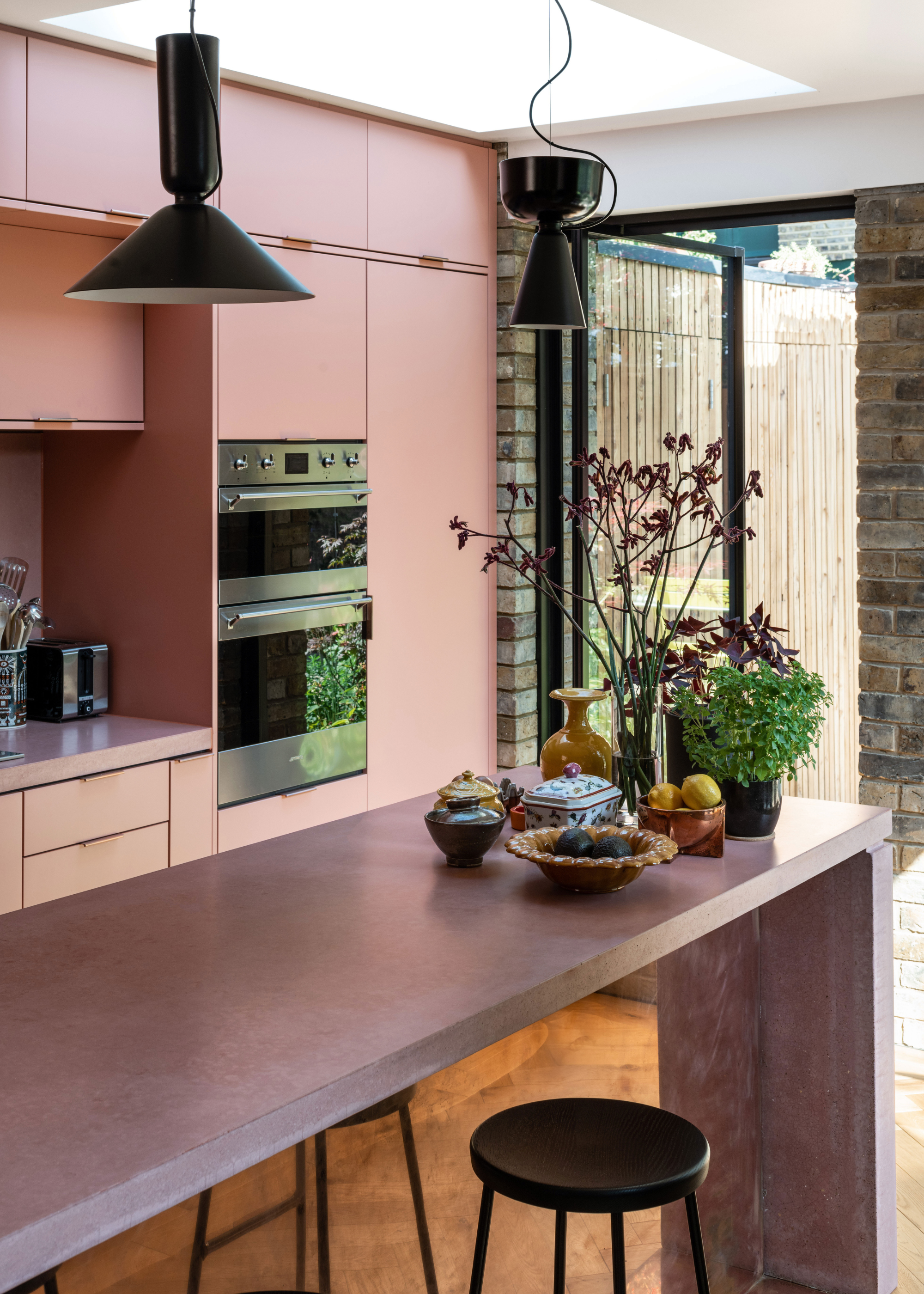
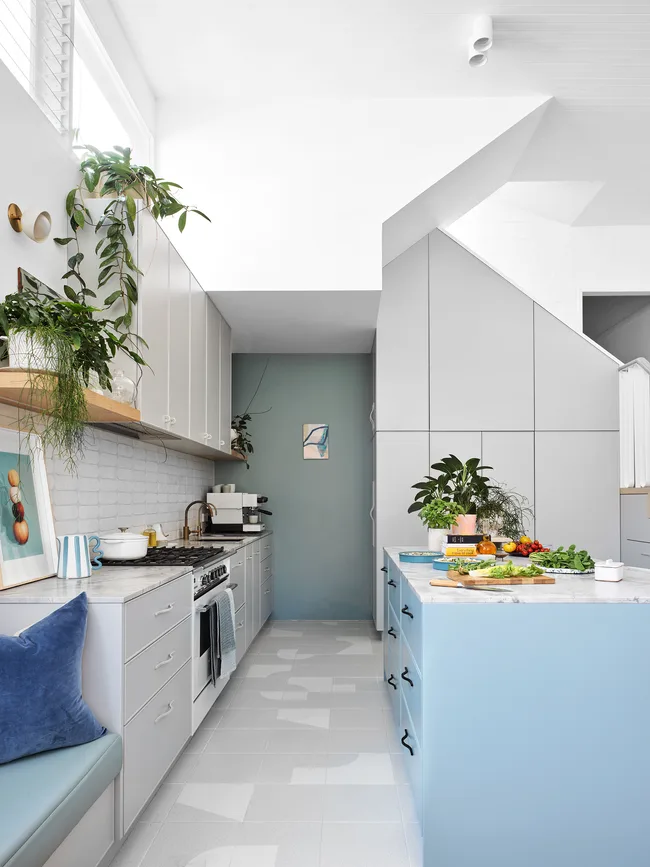
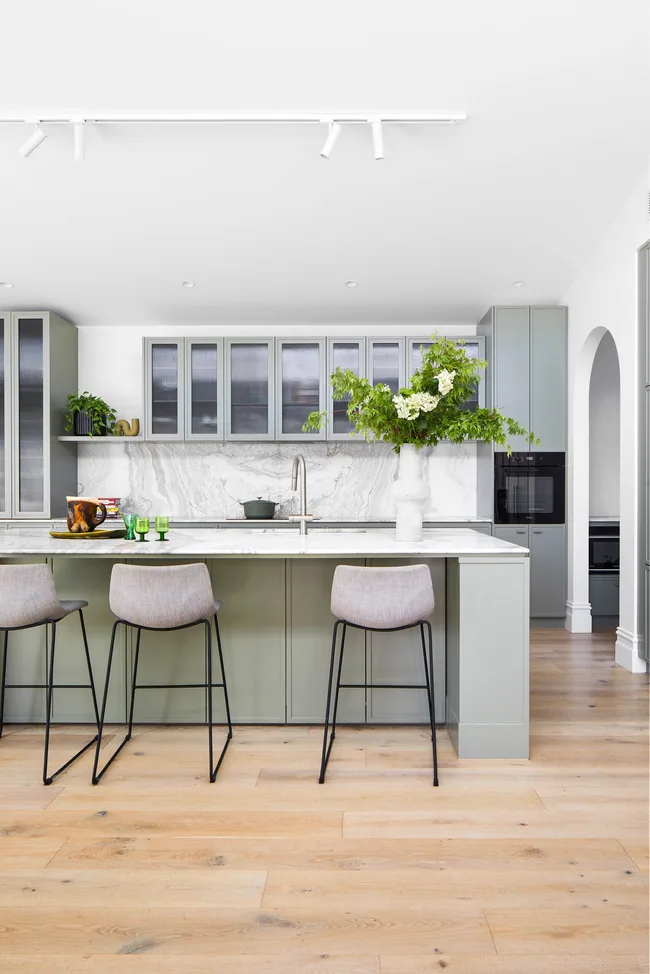
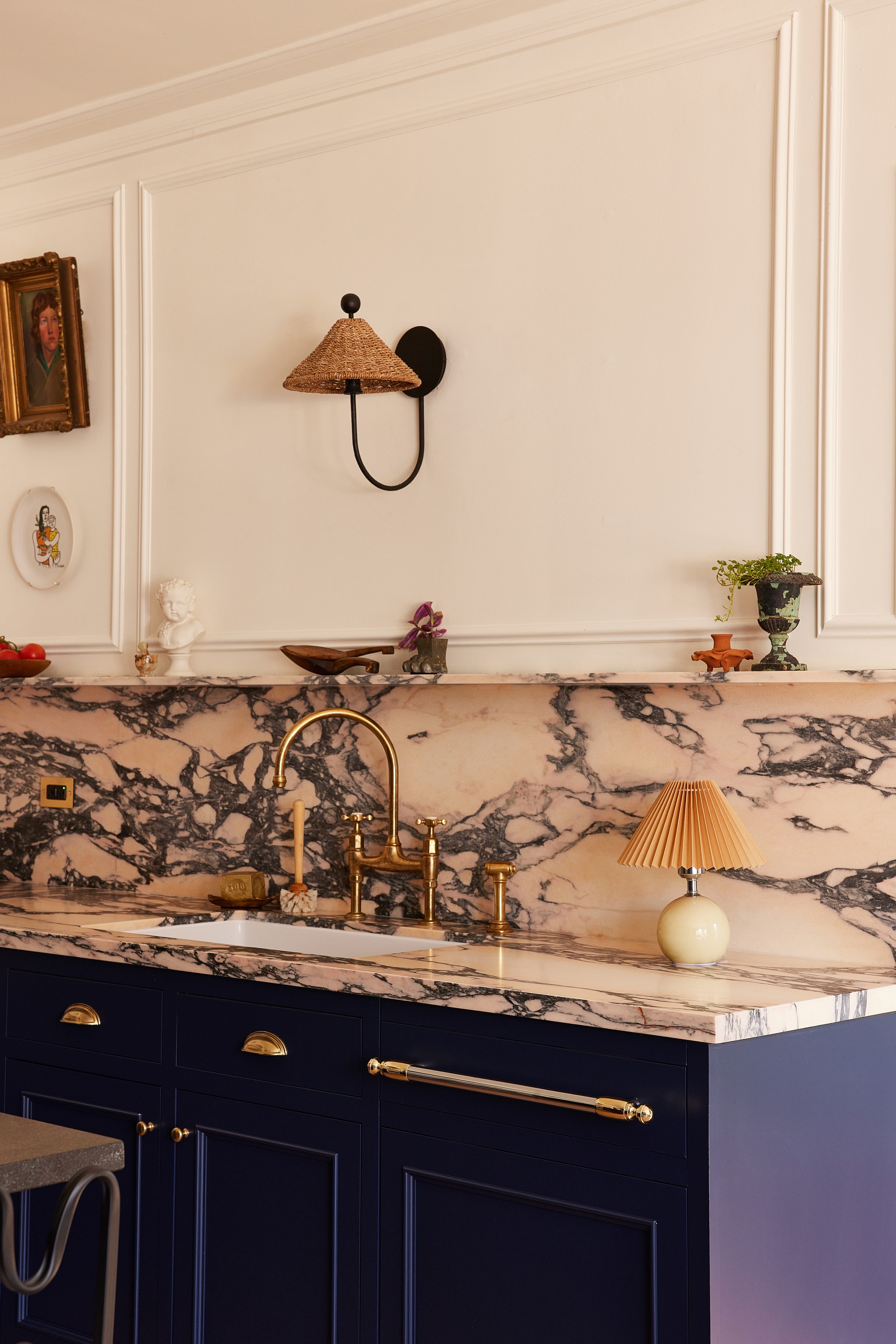
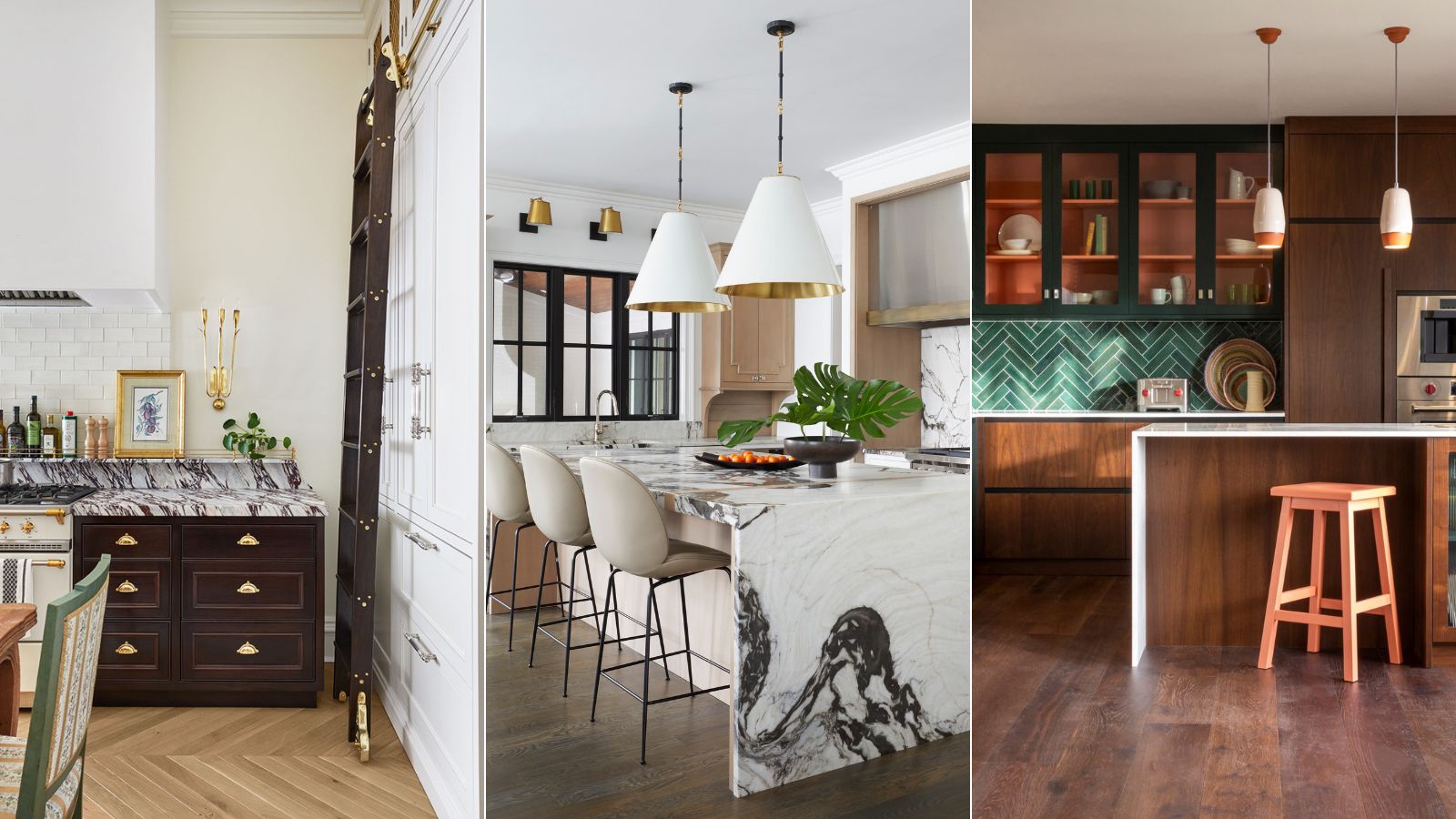
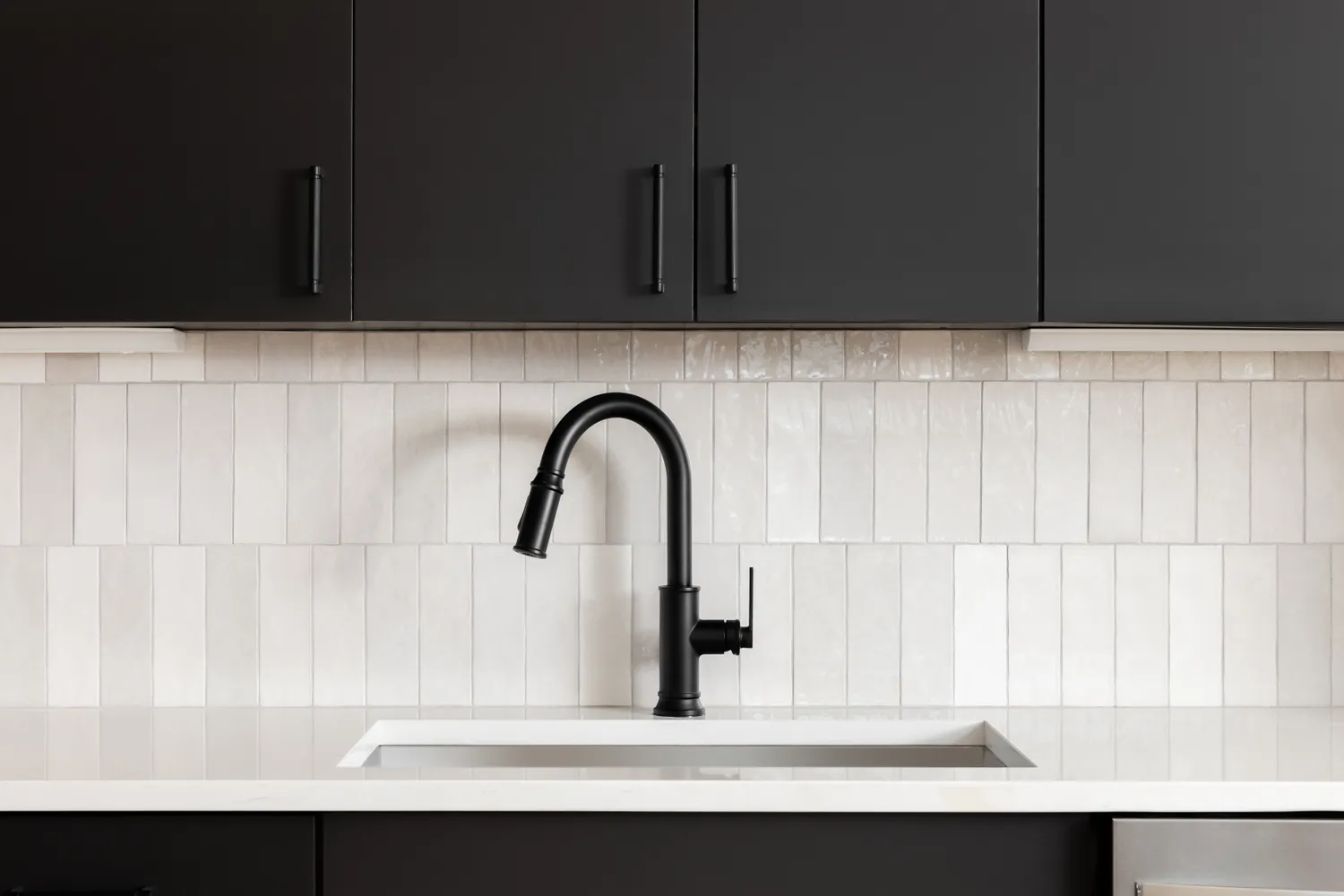
The all-white kitchen has been a long-standing popular trend, but 2020 has ushered in the moment for two-tone kitchen cabinets, embracing a mix of colors and wood finishes. This design approach introduces warmth and character to the kitchen space. A key principle for successful two-tone kitchen cabinet design is contrast, as articulated by Allison Moran, design principal at Live Well Interiors. Without a distinctive difference between cabinet finishes, the eye struggles to perceive them as separate elements, leading to a blended, rather than cohesive, look. Moran emphasizes that a successful execution provides two distinct colors or finishes, allowing the eye moments of rest and reflection.
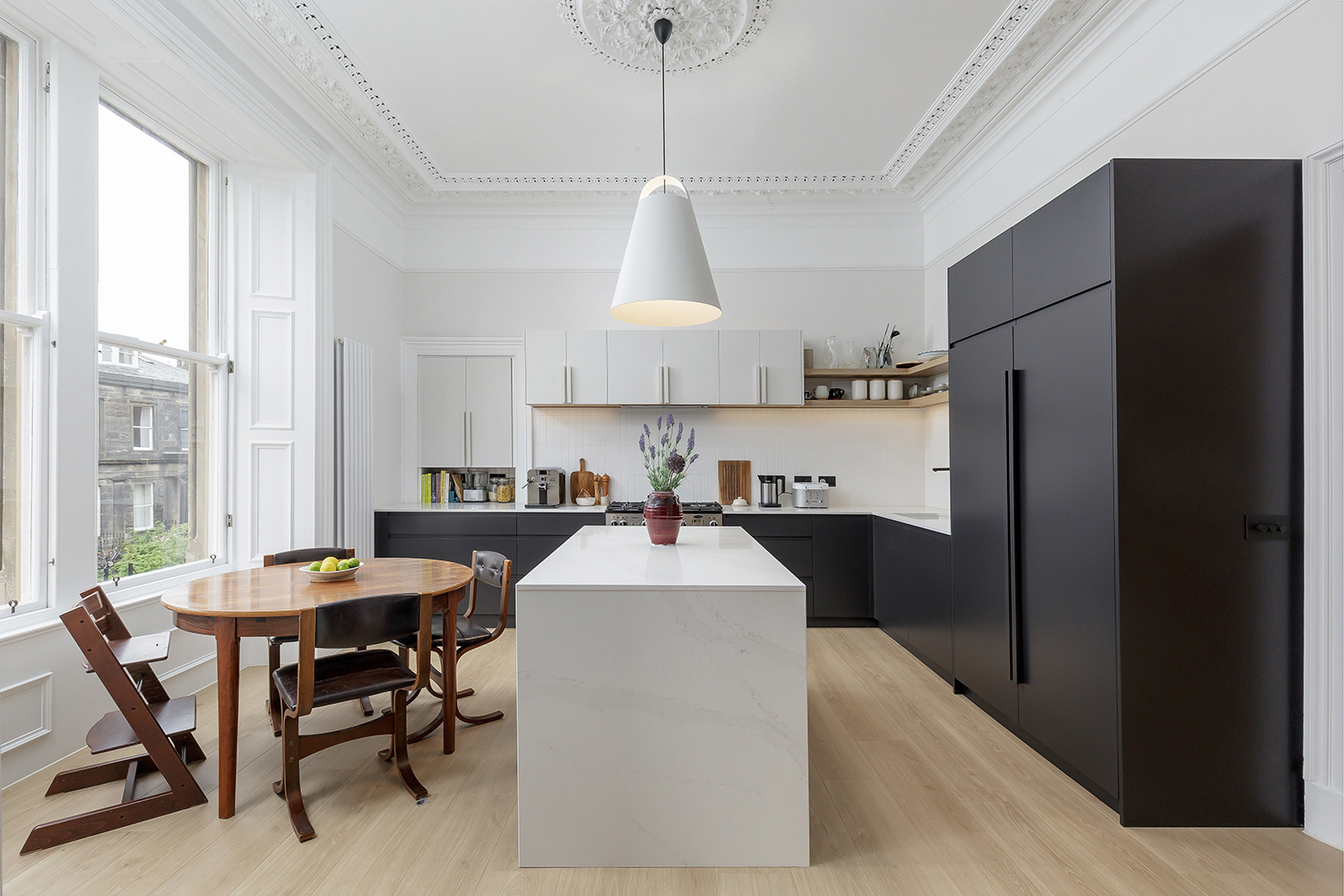
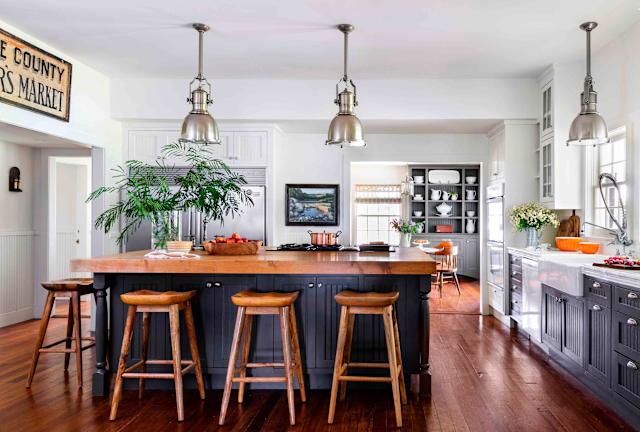
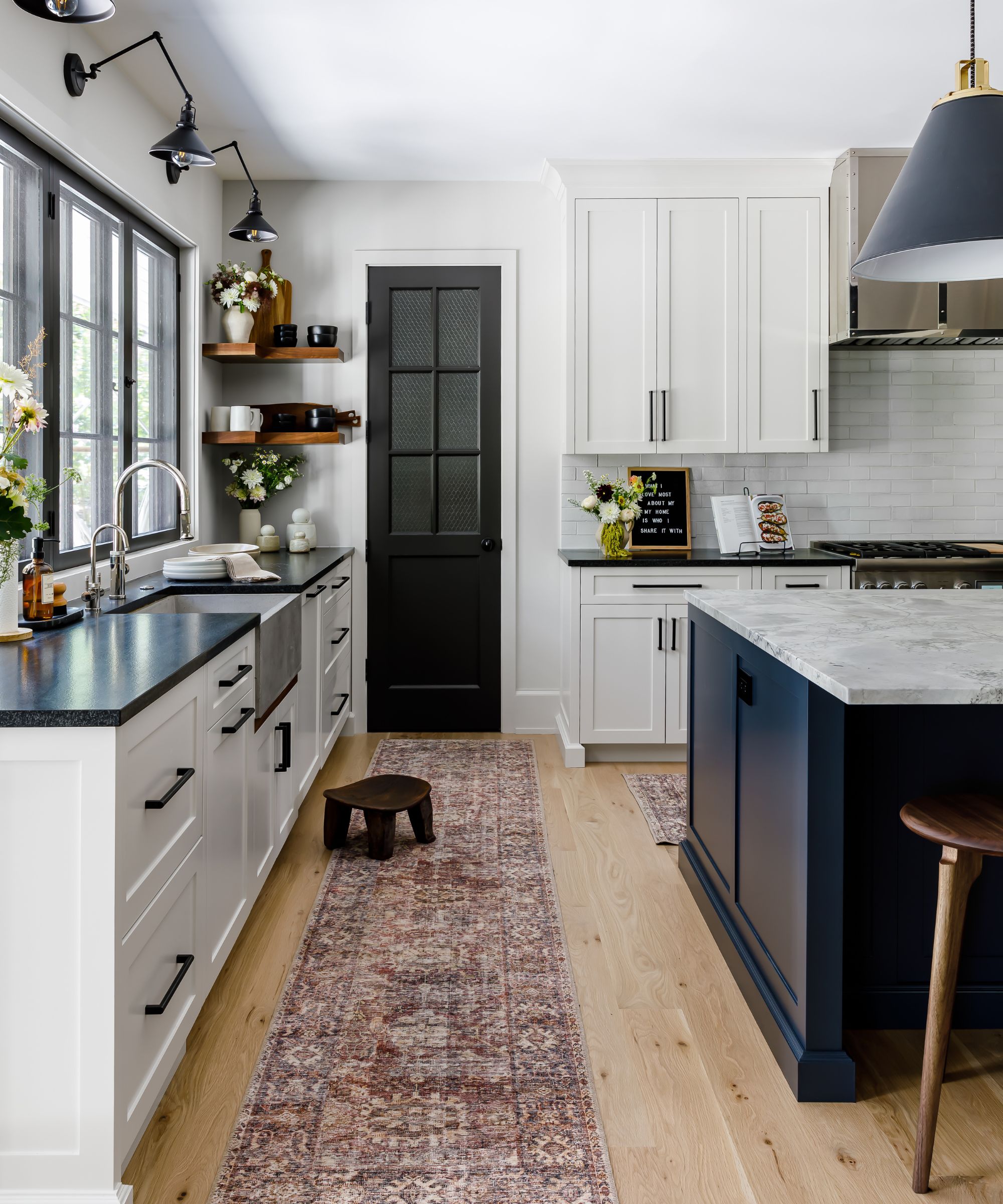
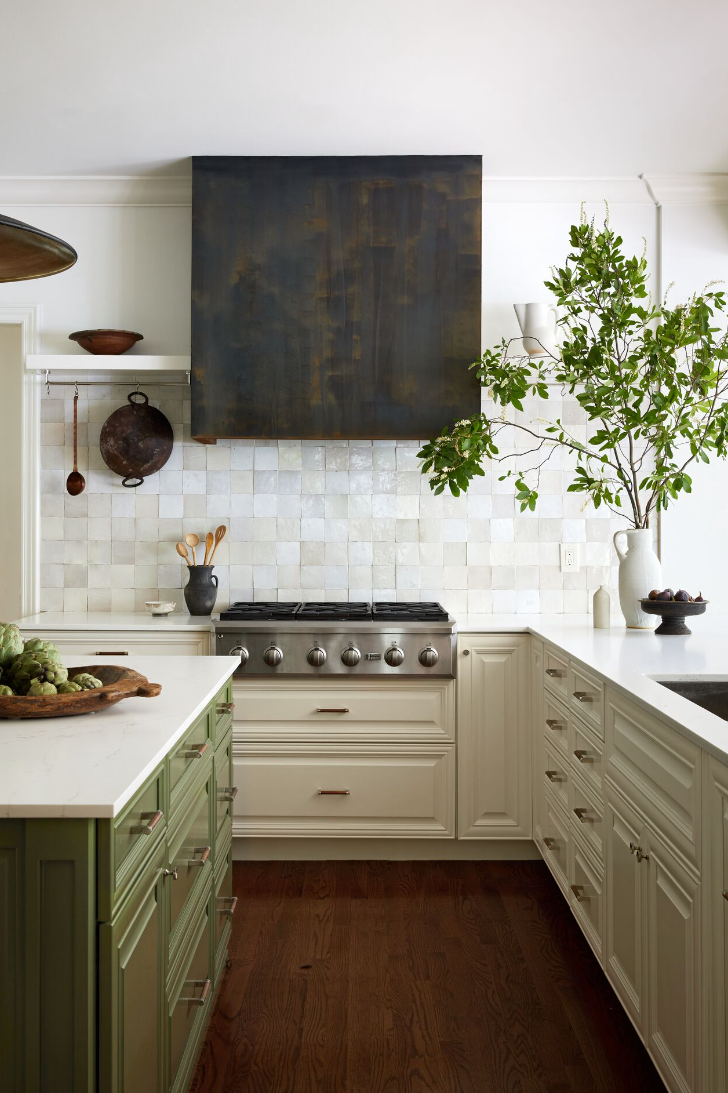
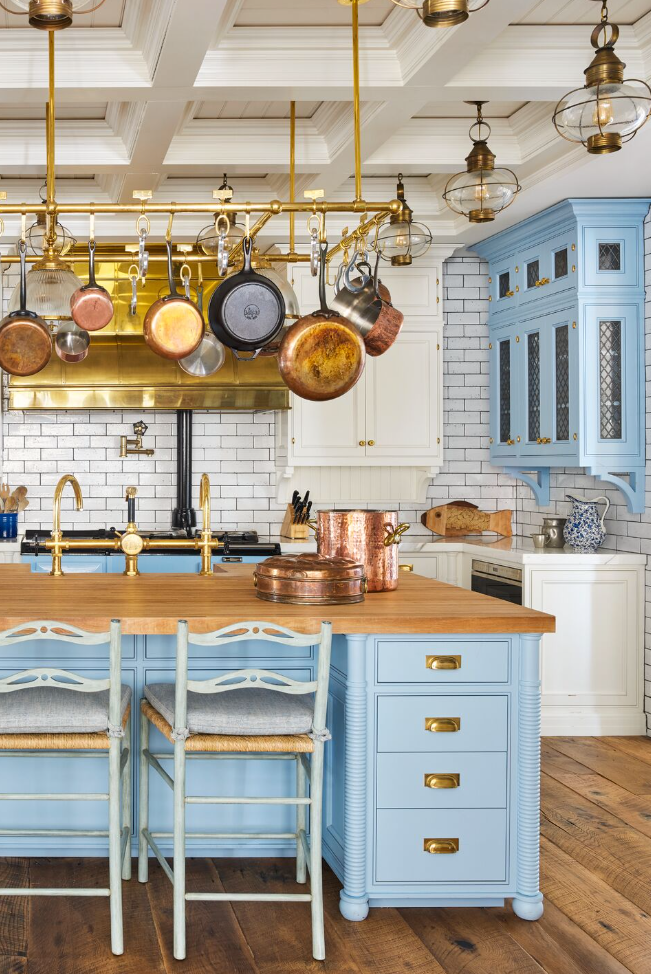
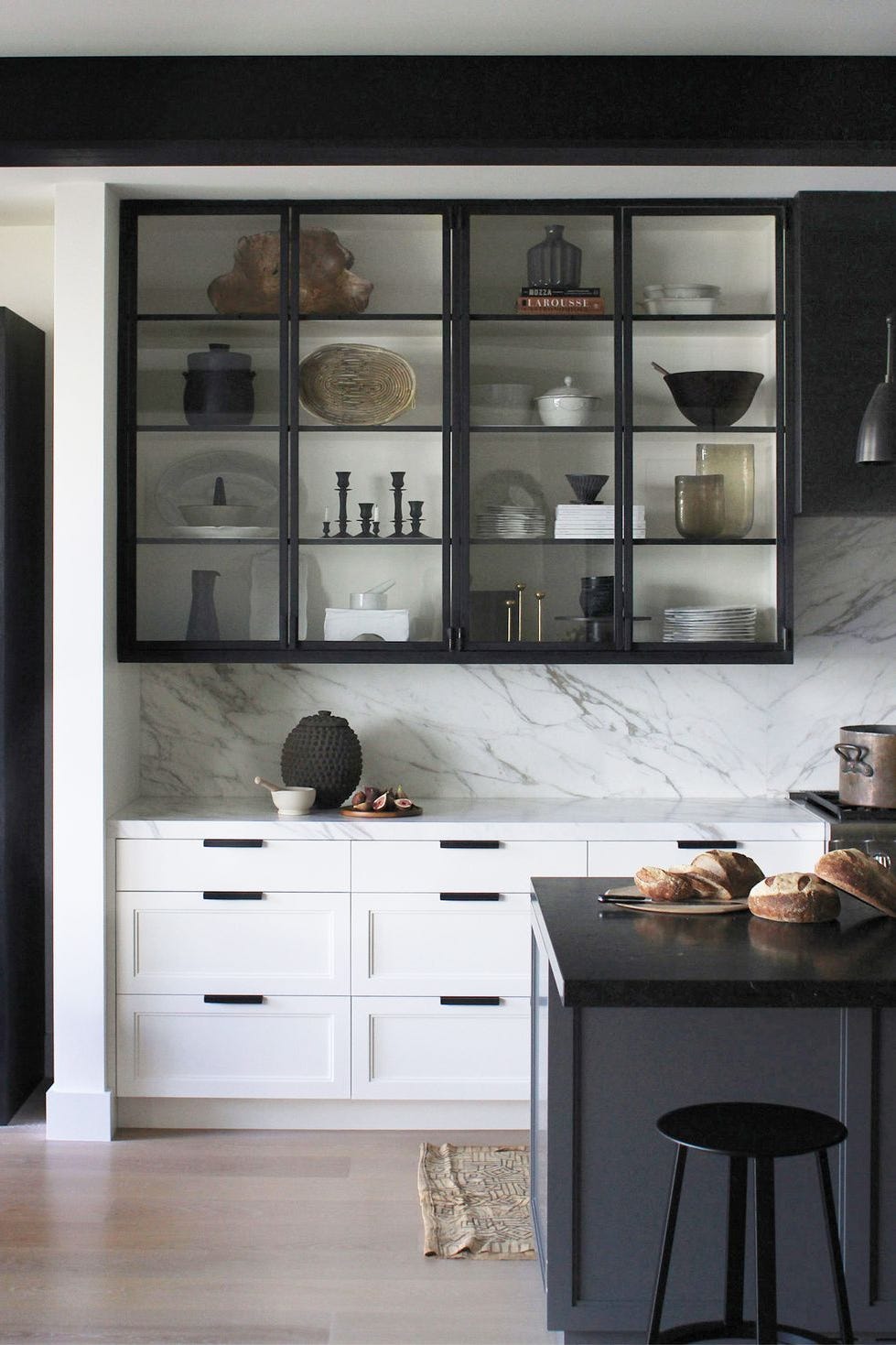
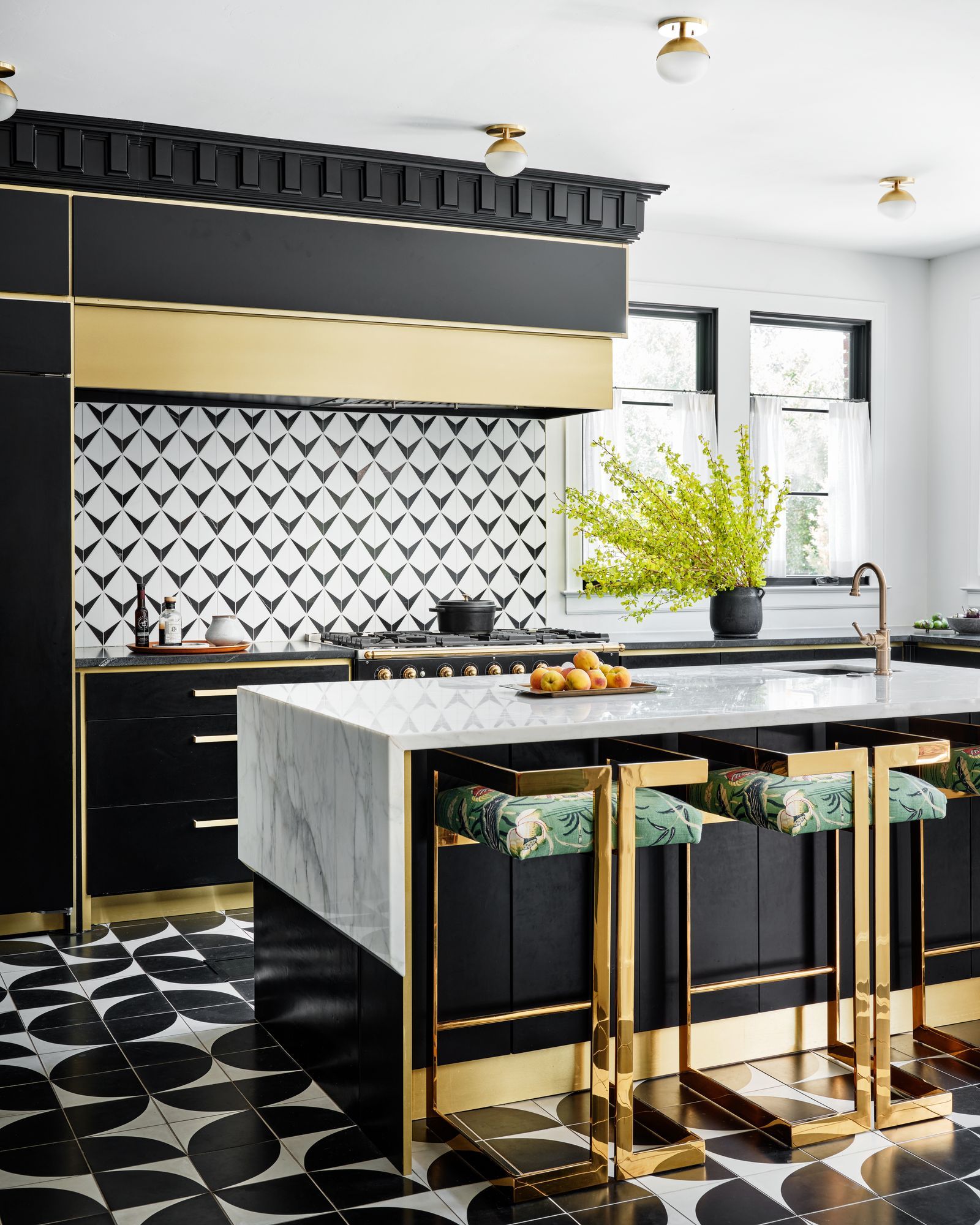
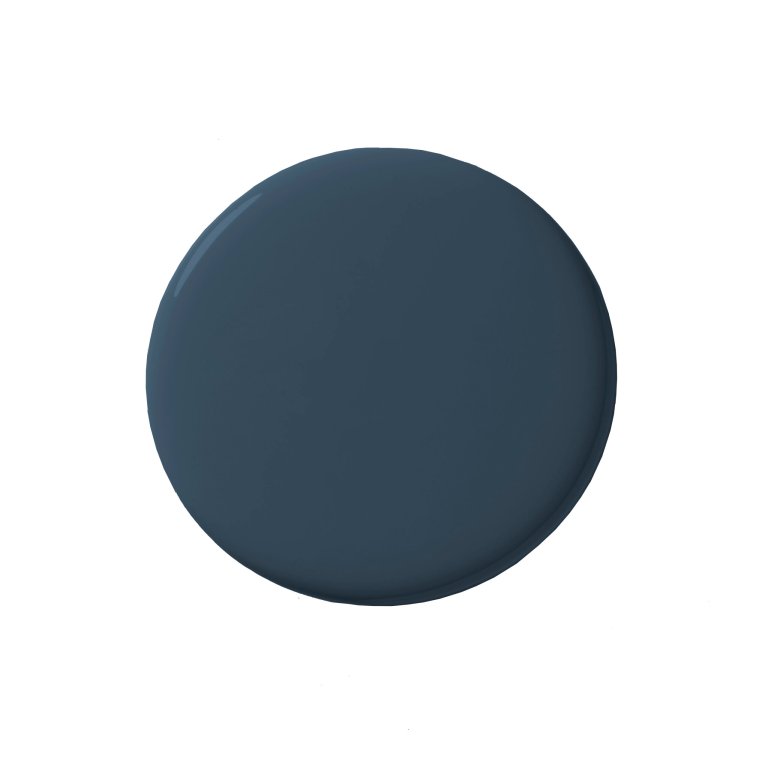
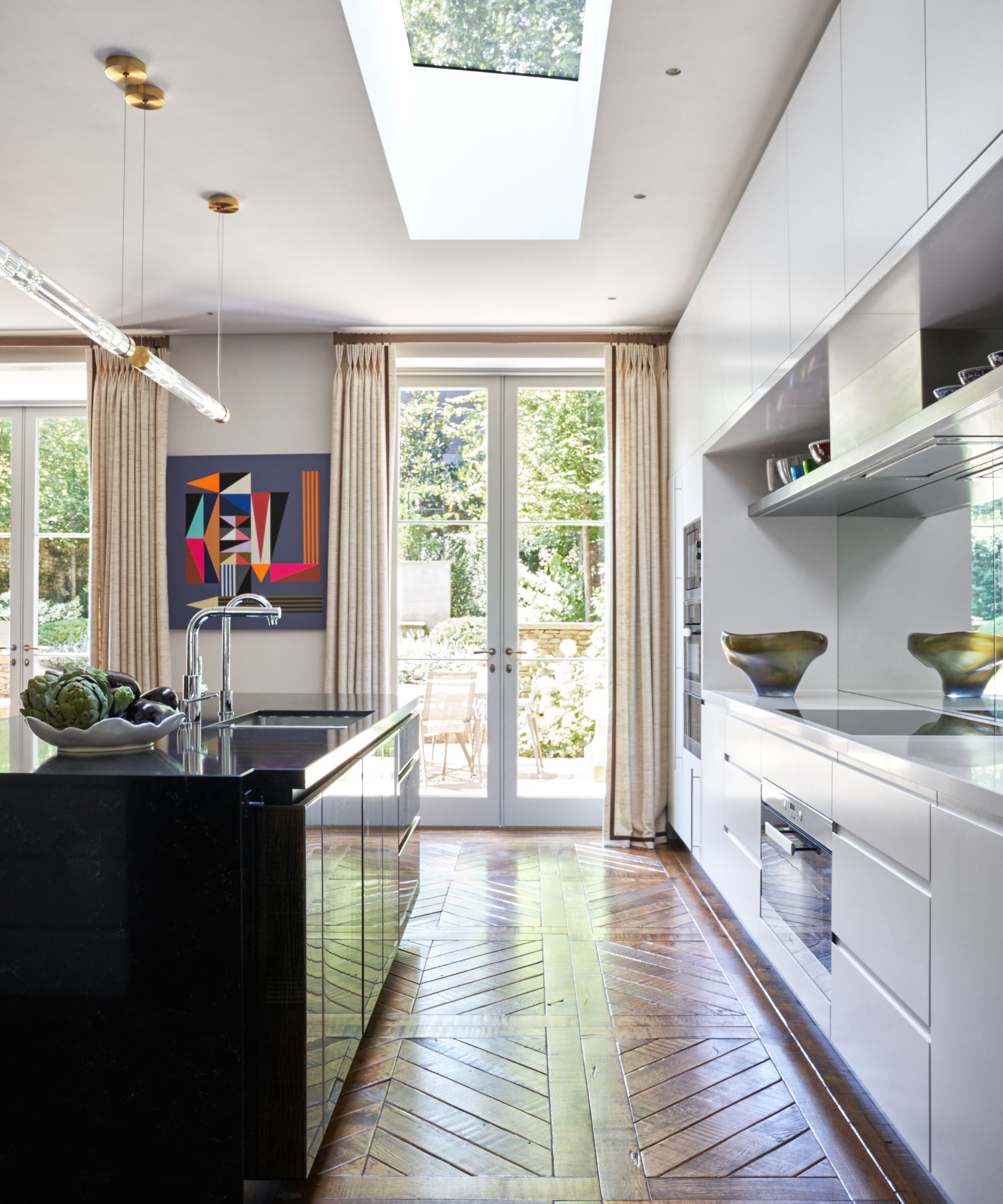
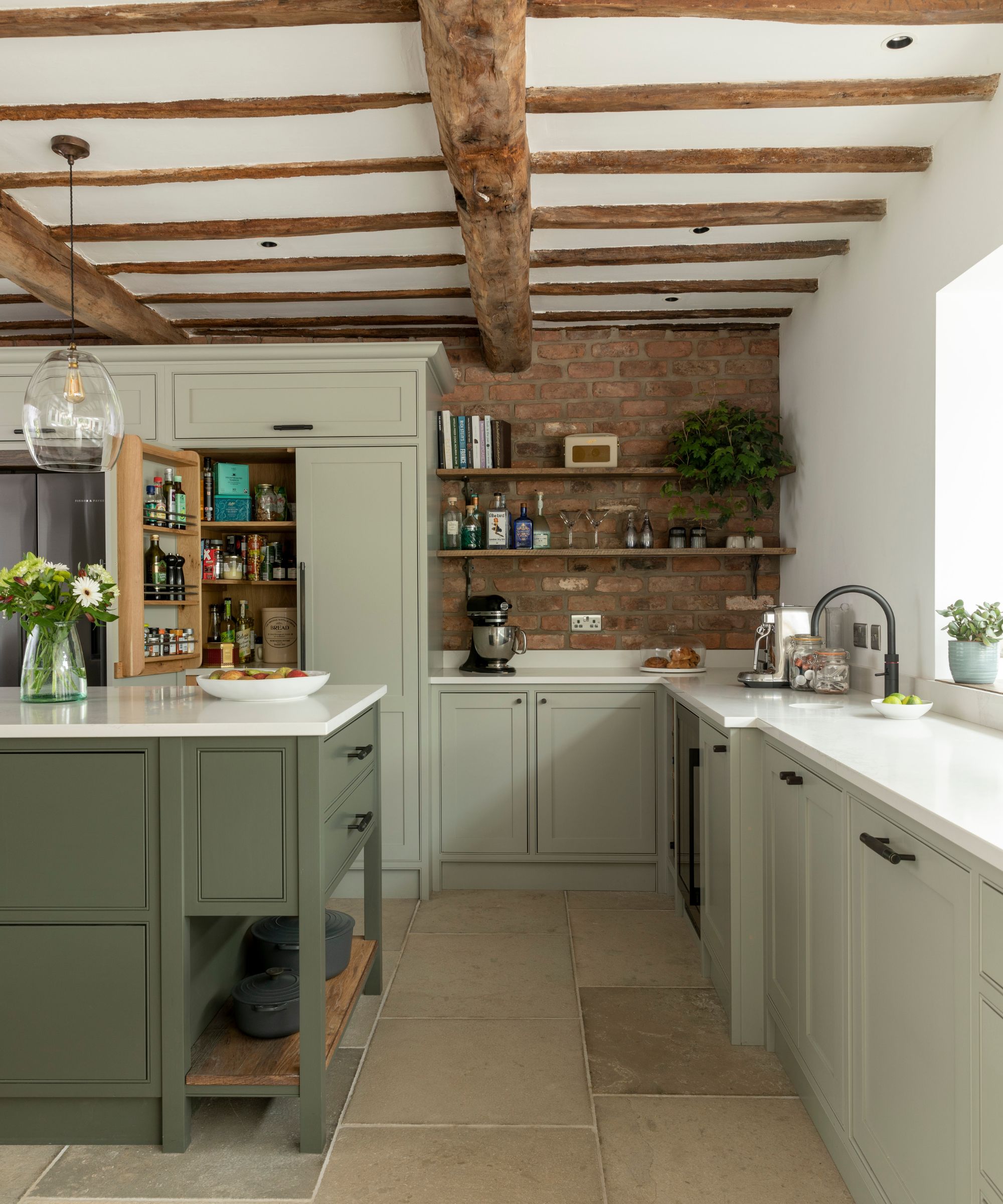
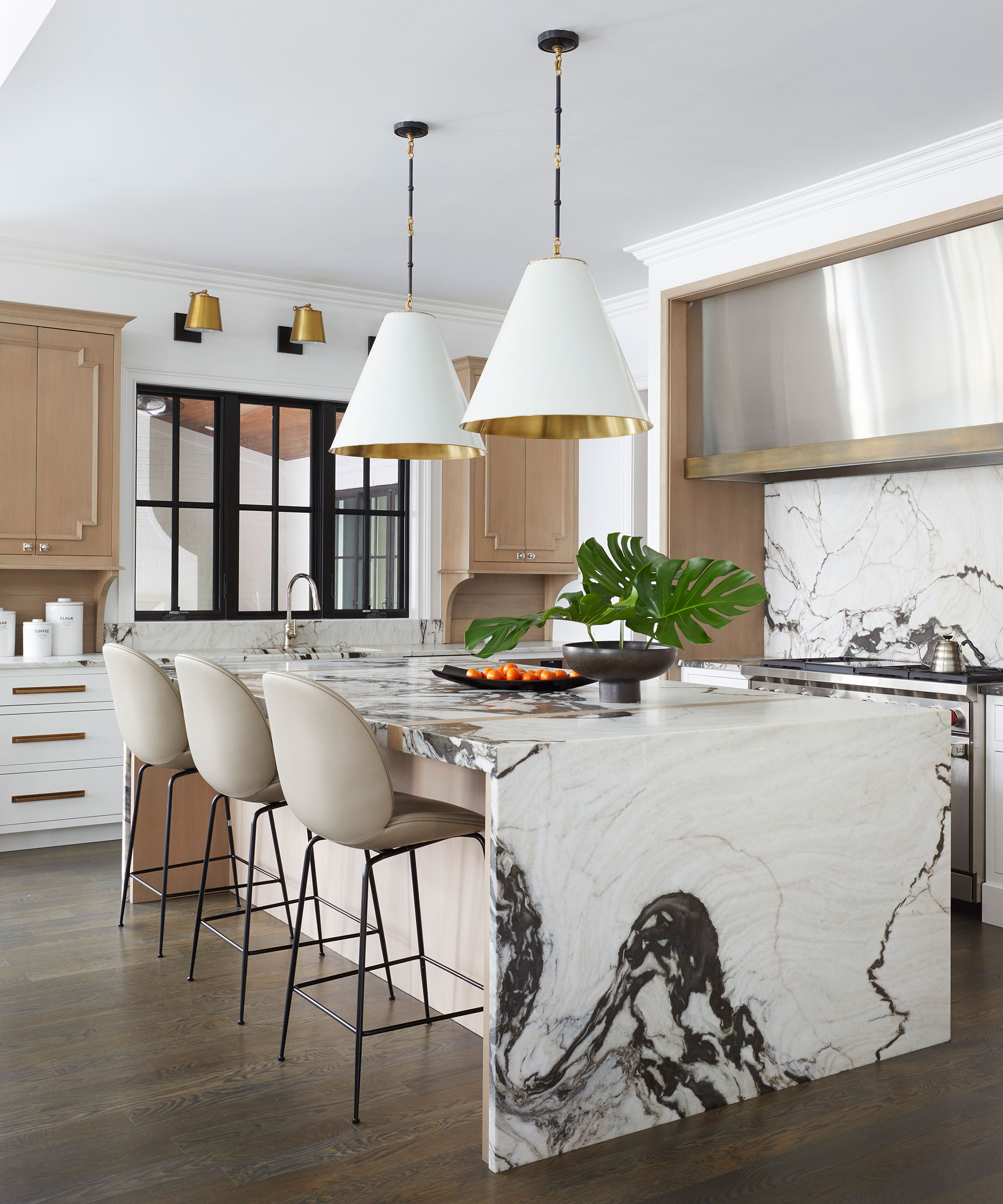
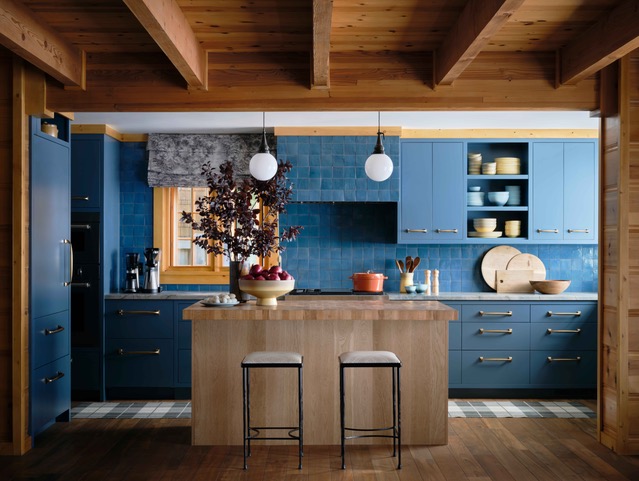
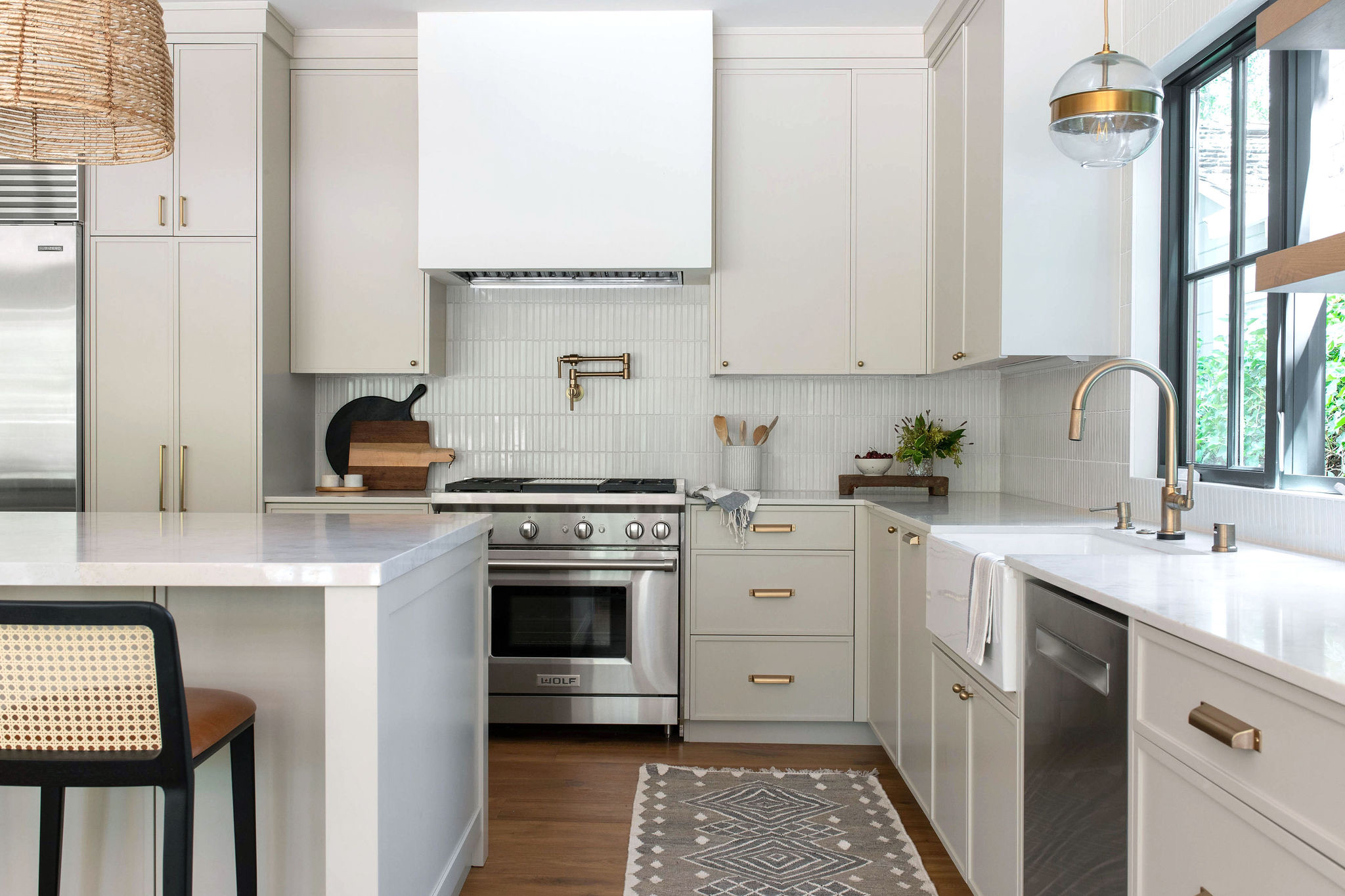
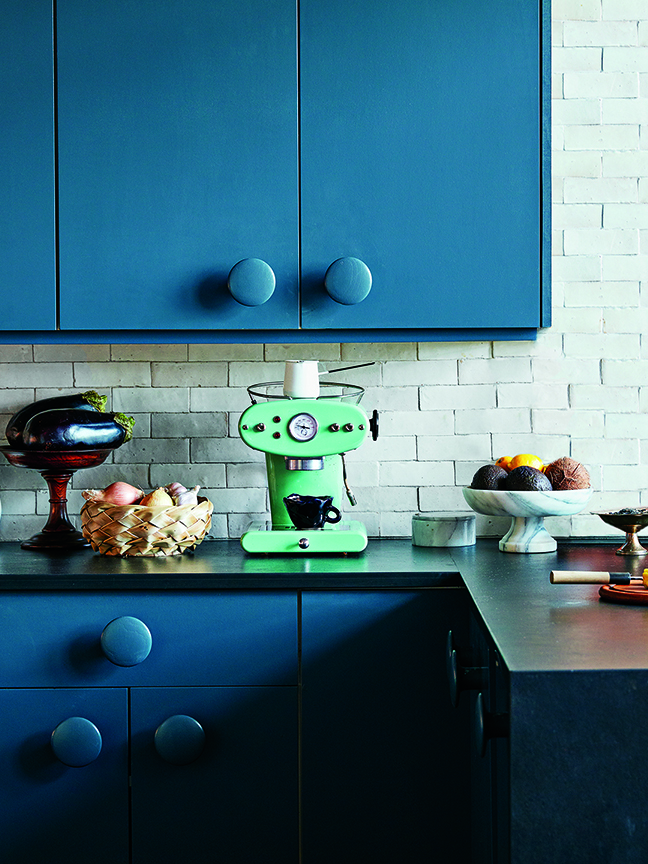
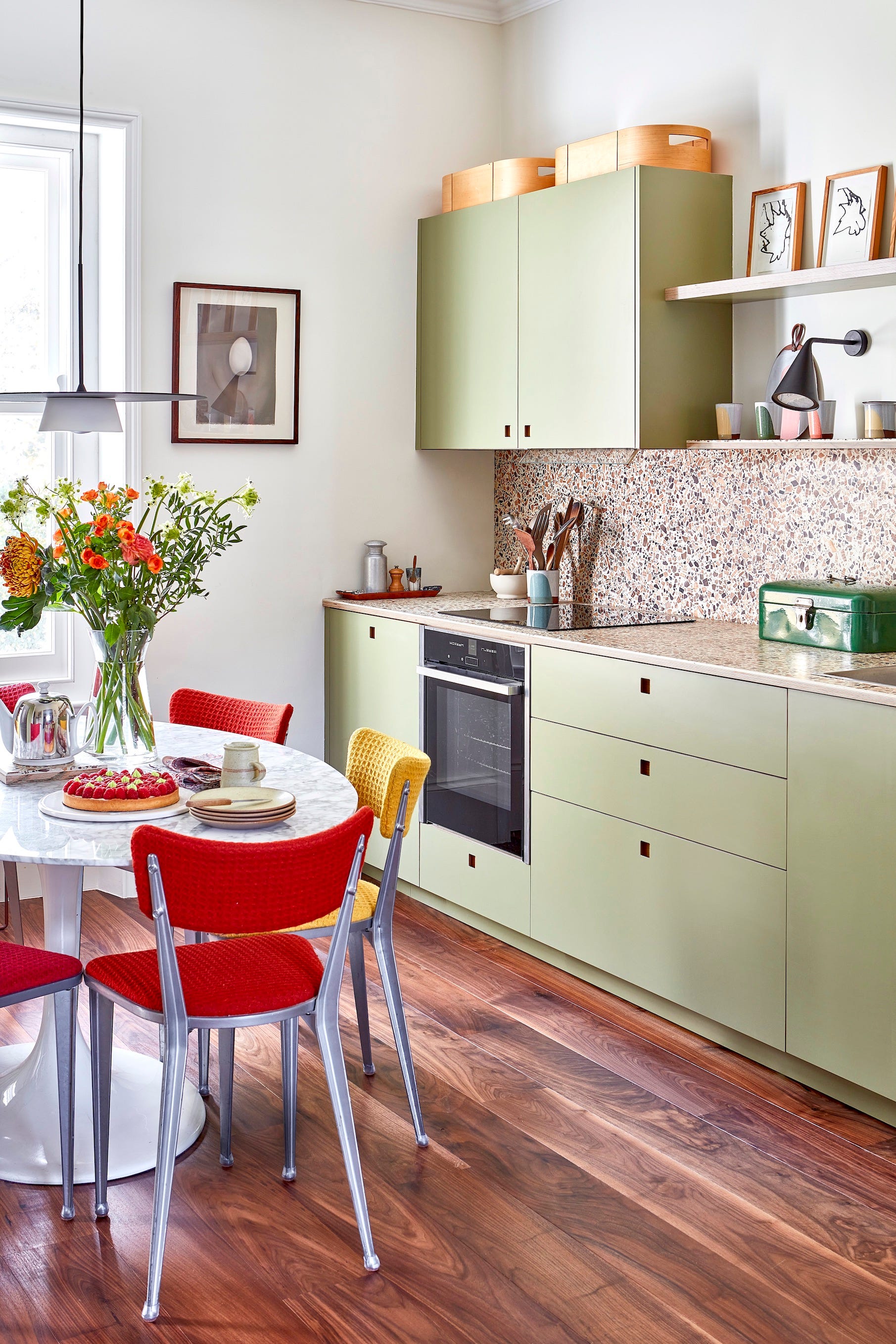
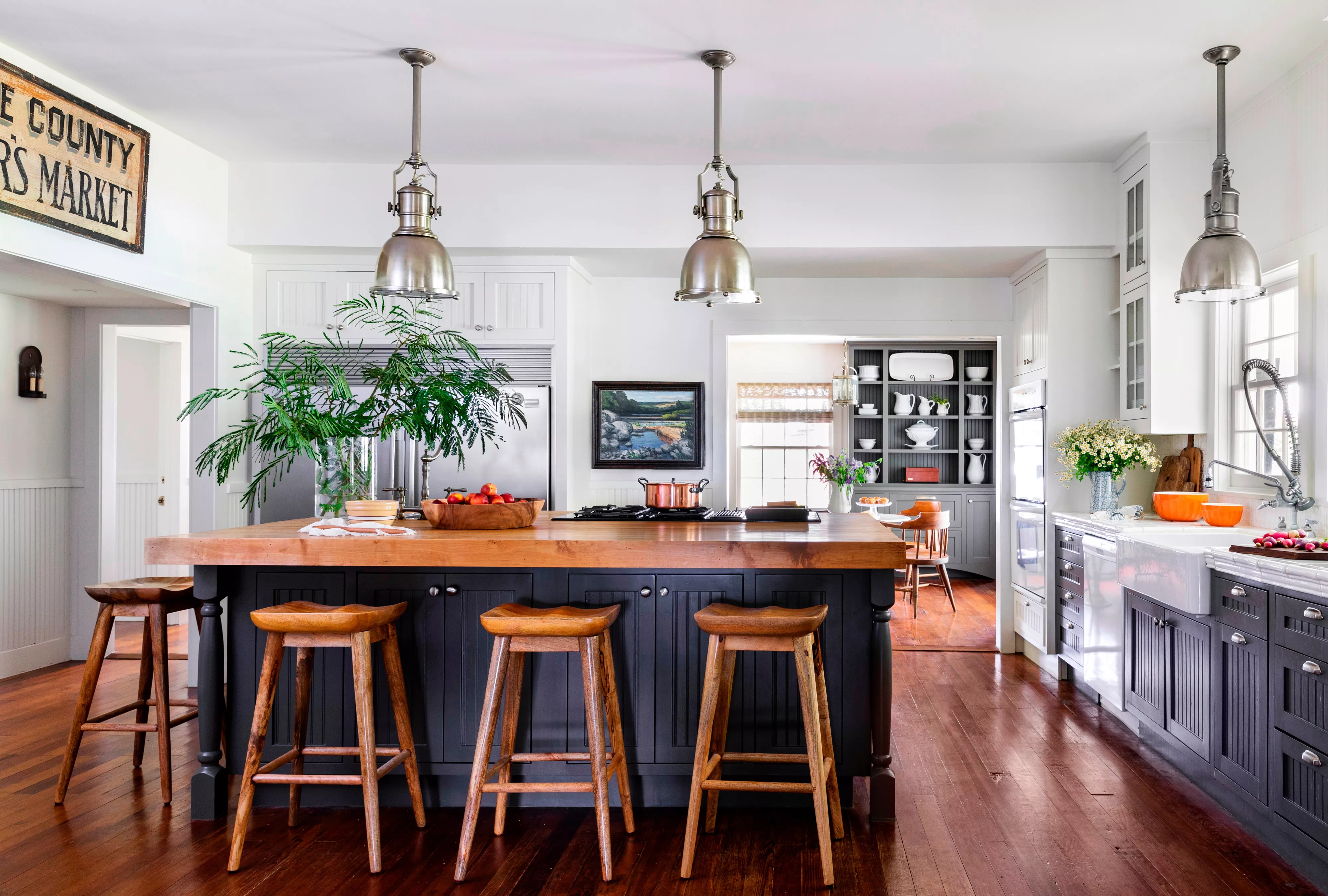
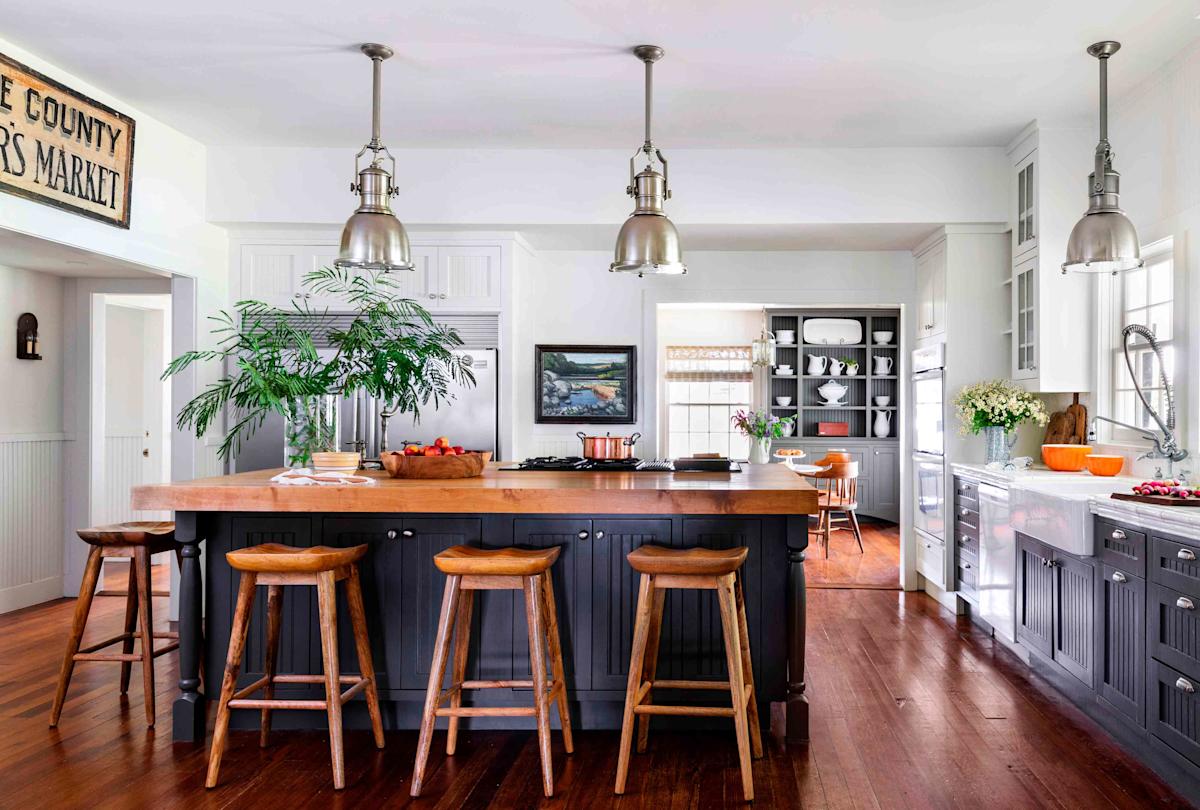
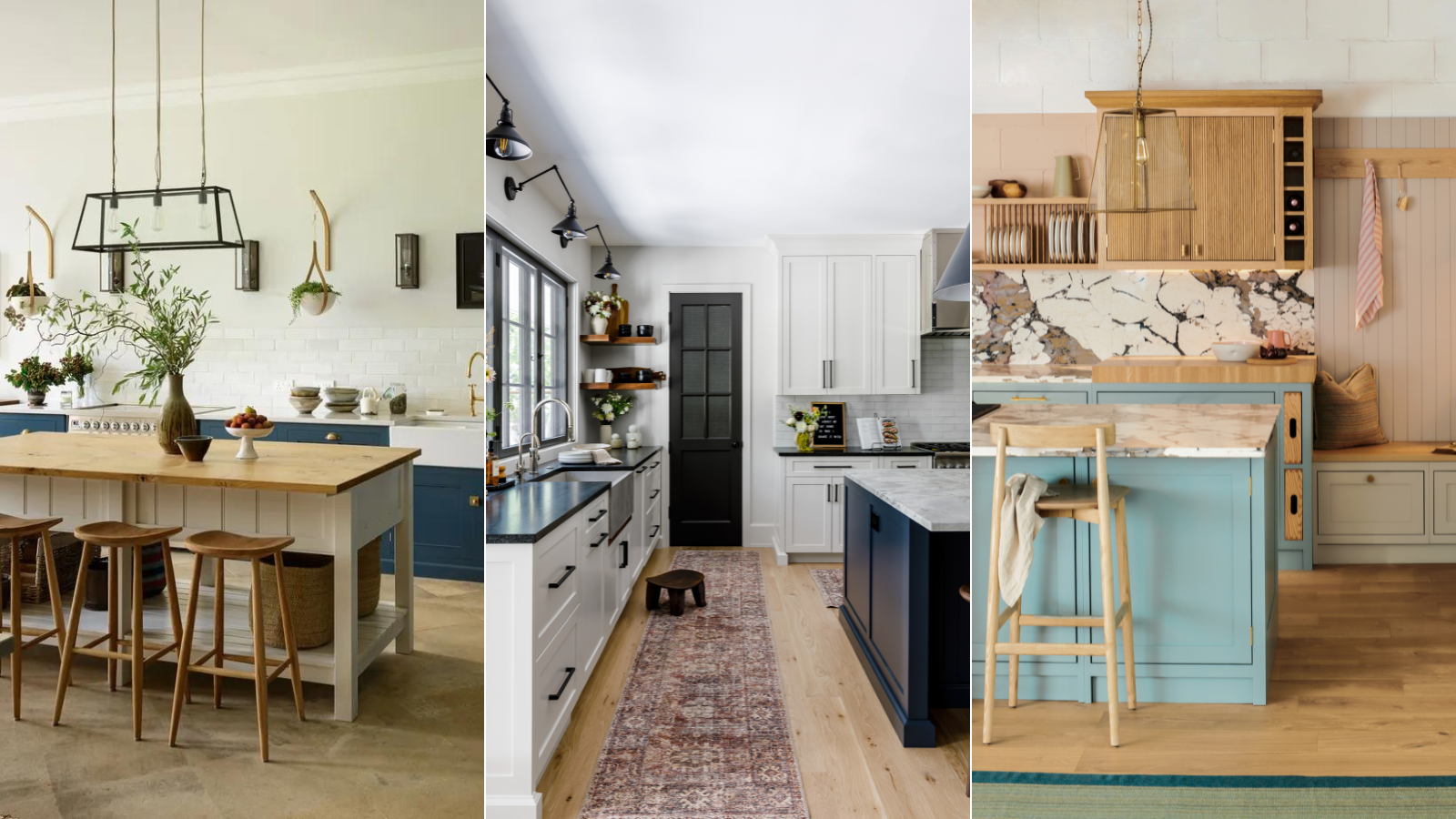
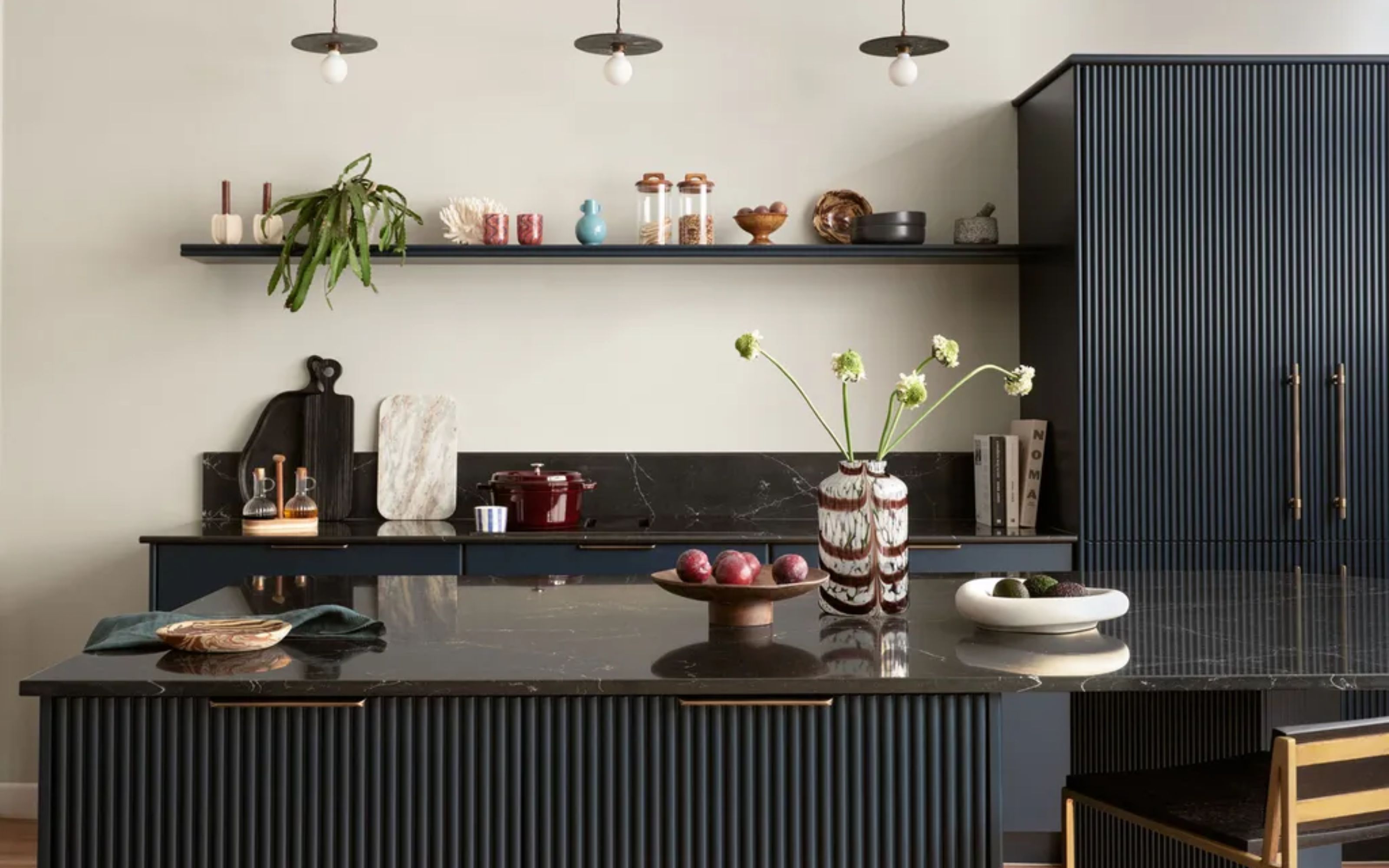
For those venturing beyond the all-white kitchen, a classic two-tone look can be achieved by pairing white cabinets with a dark or black-painted or stained island. This creates an appealing tonal contrast, making the island a focal point. Popular cabinet colors on the rise include blues, such as Benjamin Moore’s Hale Navy and Van Deusen Blue, particularly in coastal-inspired kitchens. Greens and grays, like Sherwin Williams’ Oyster Bay, Behr’s Cabbage Leaf, and Farrow & Ball’s Skimming Stone, are also gaining favor. Suzanne Lovell, a Chicago-based interior architect, similarly advocates for contrast, as demonstrated by her transformation of a Tudor-style kitchen using a black and white palette, where white cabinets with black granite countertops mirrored the black cabinetry and white marble top of the central island.
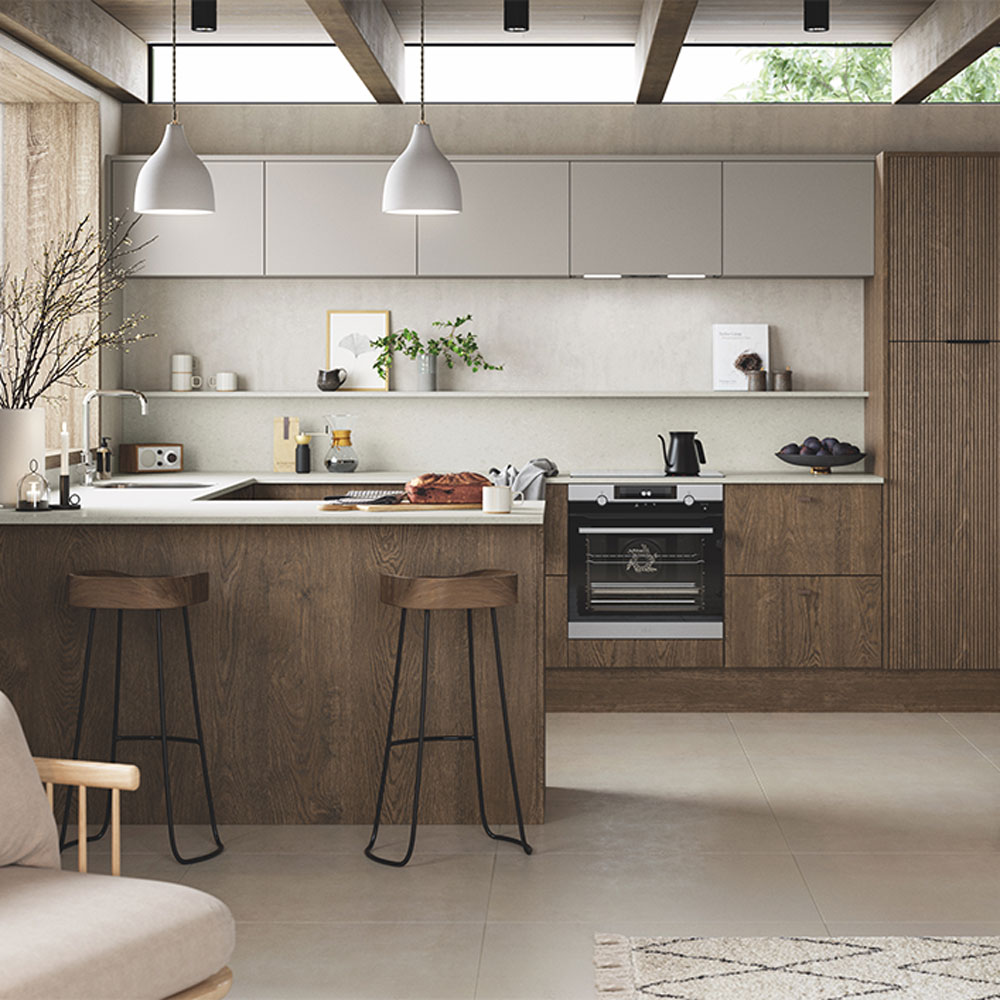
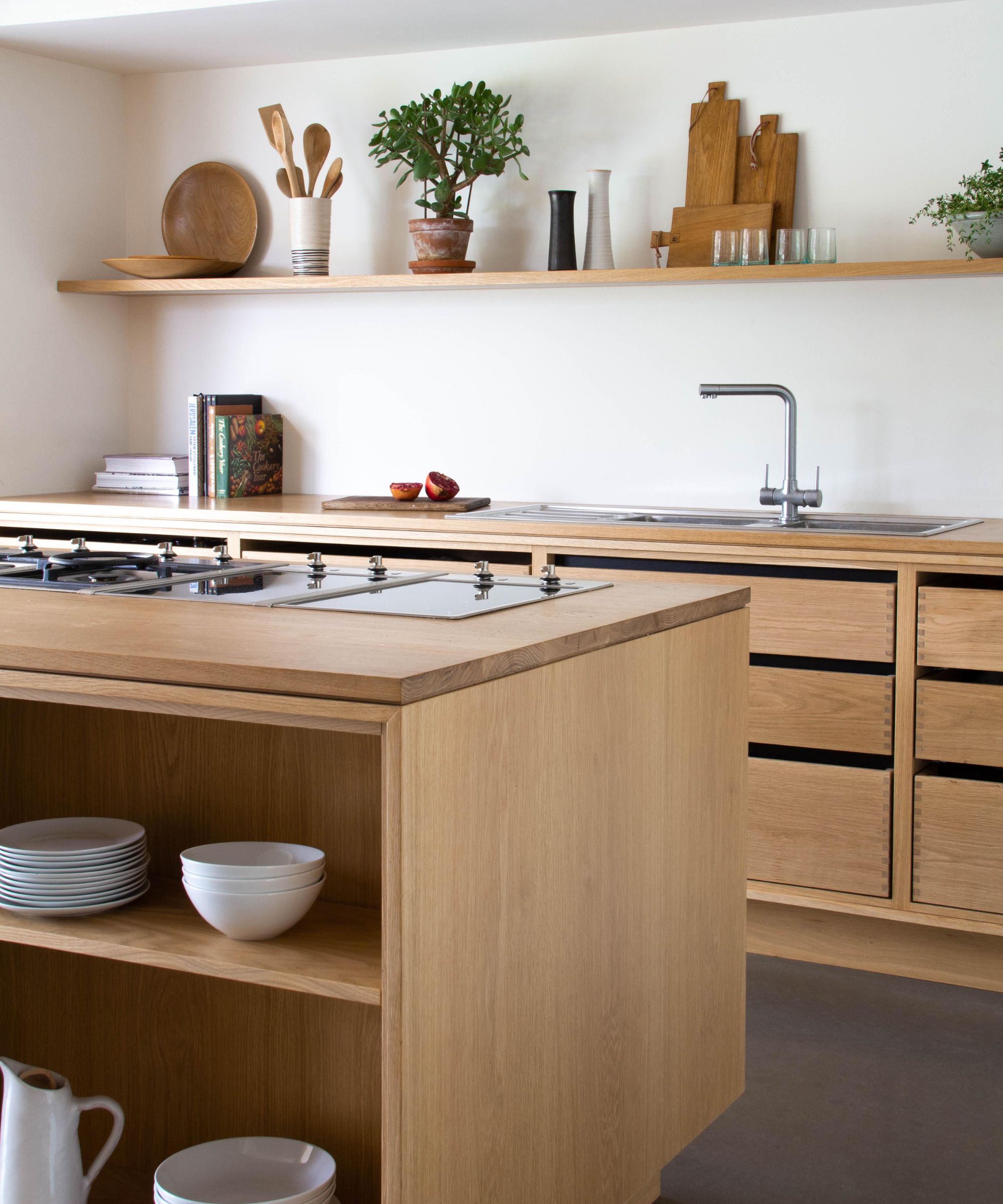
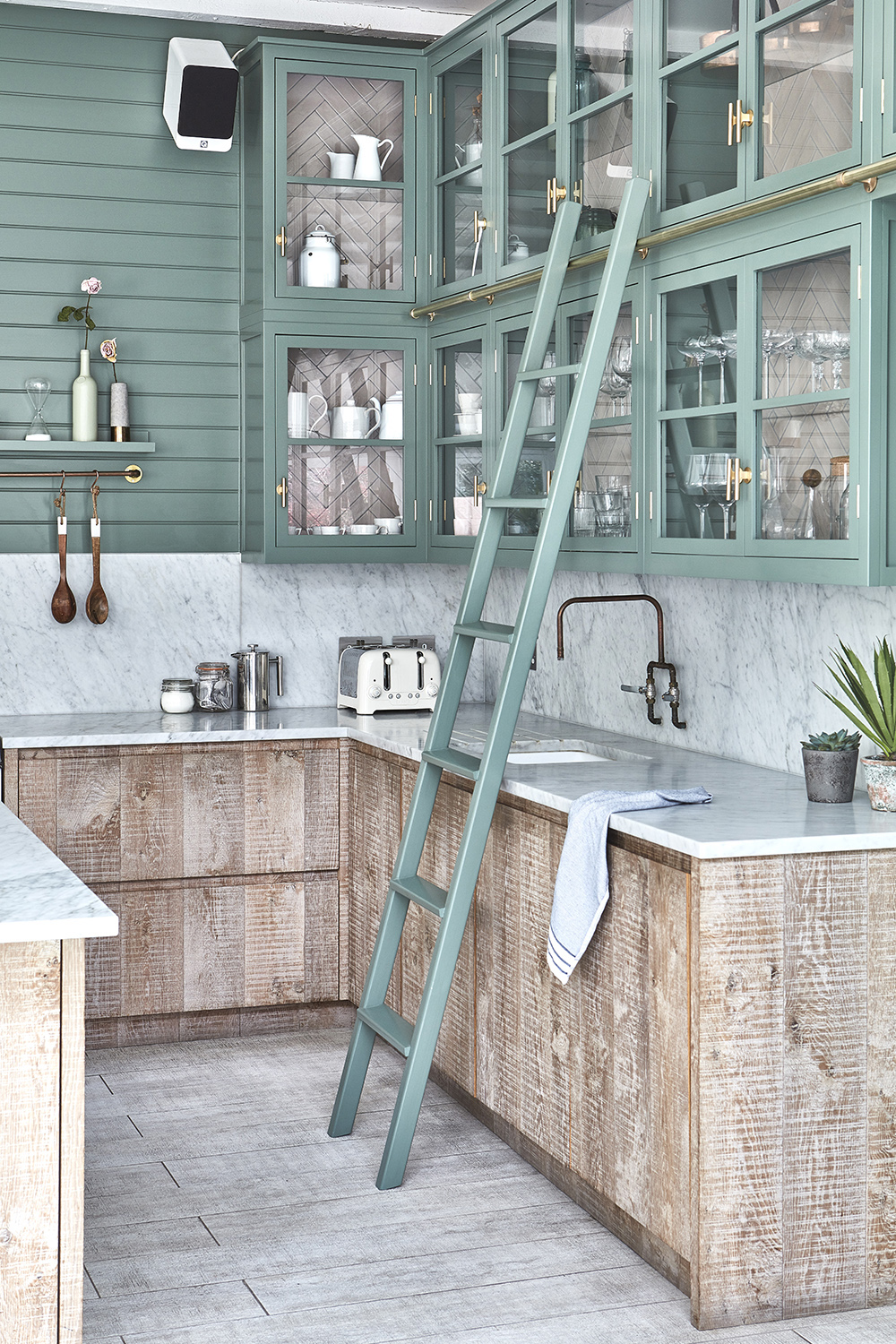
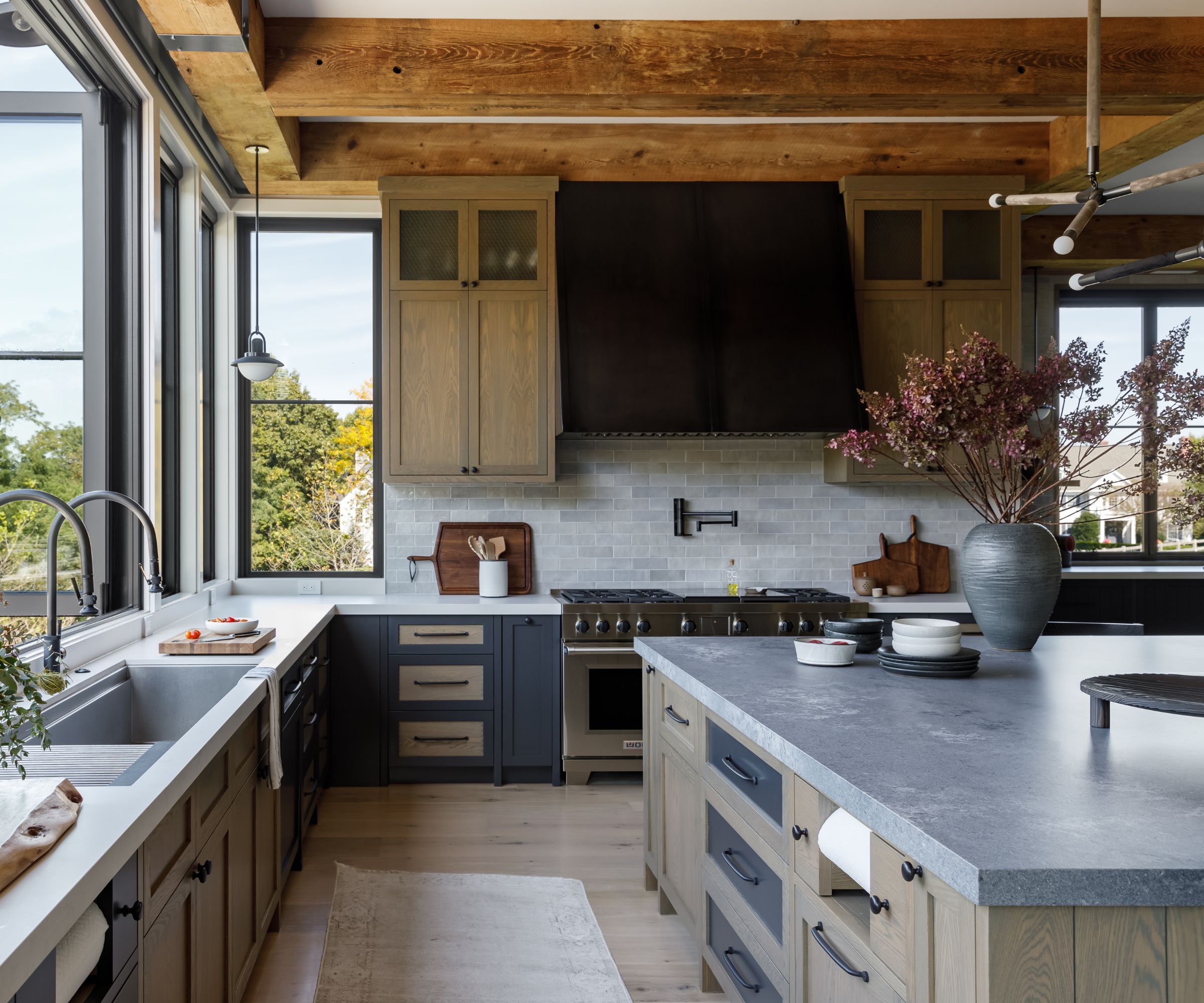
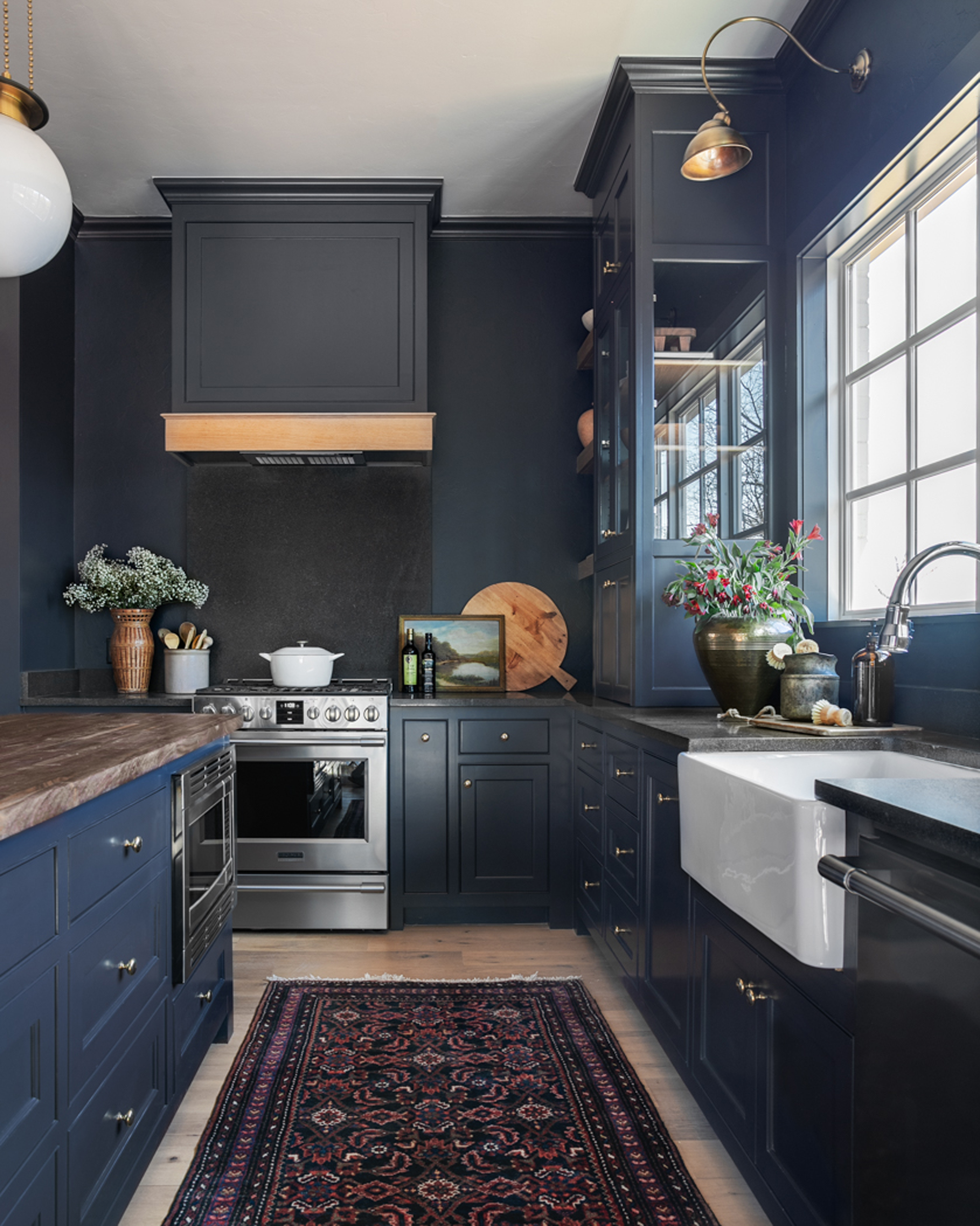
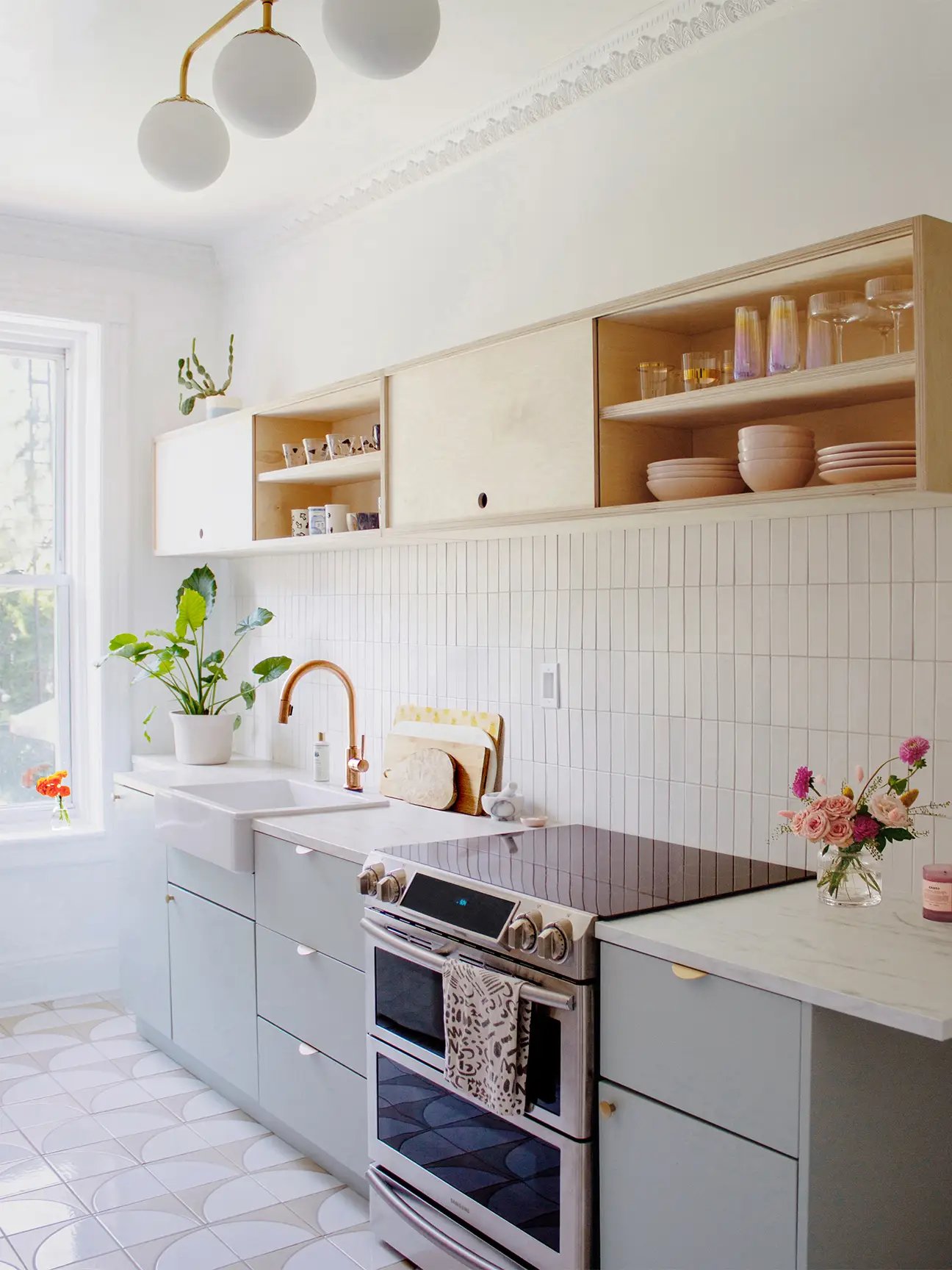
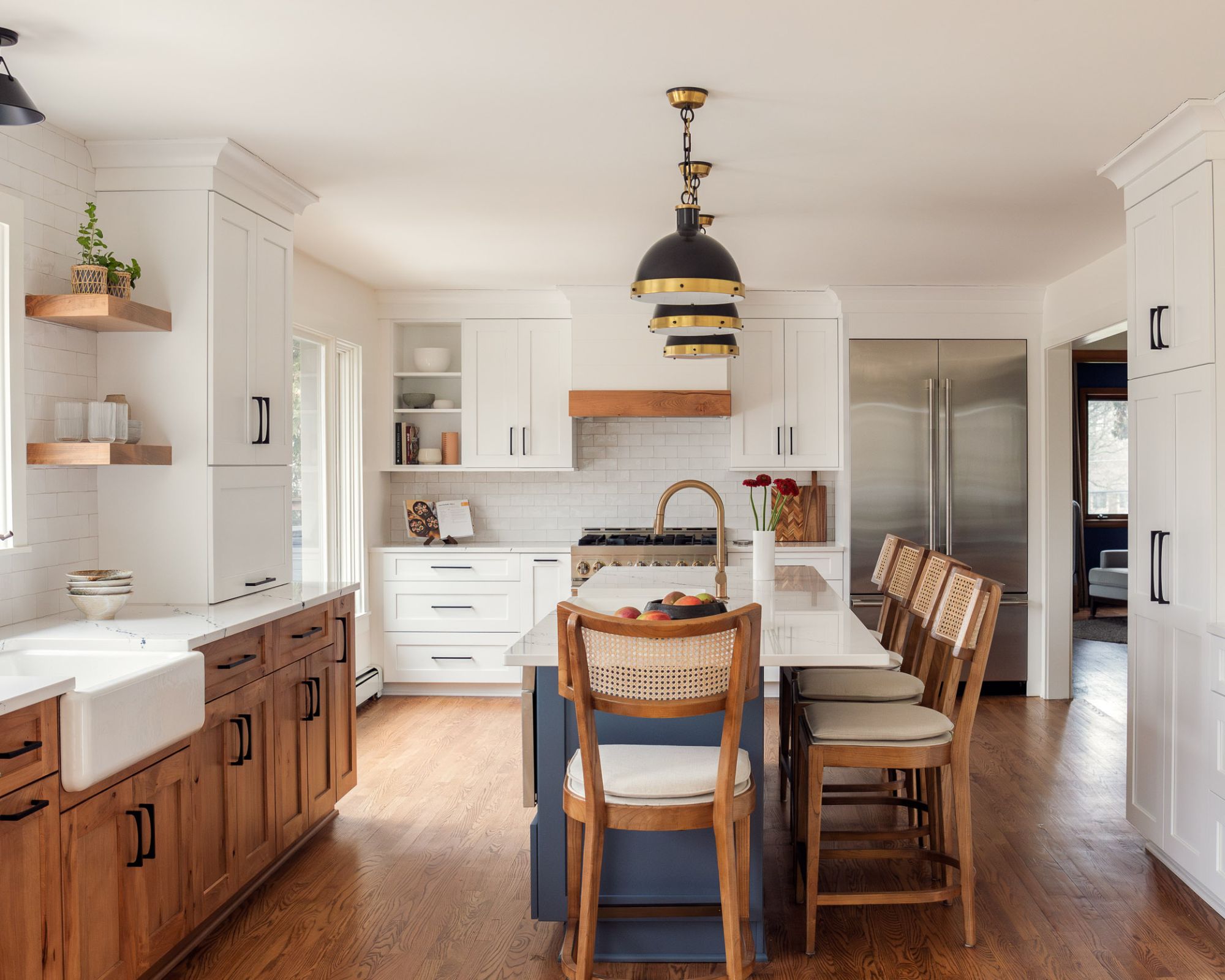
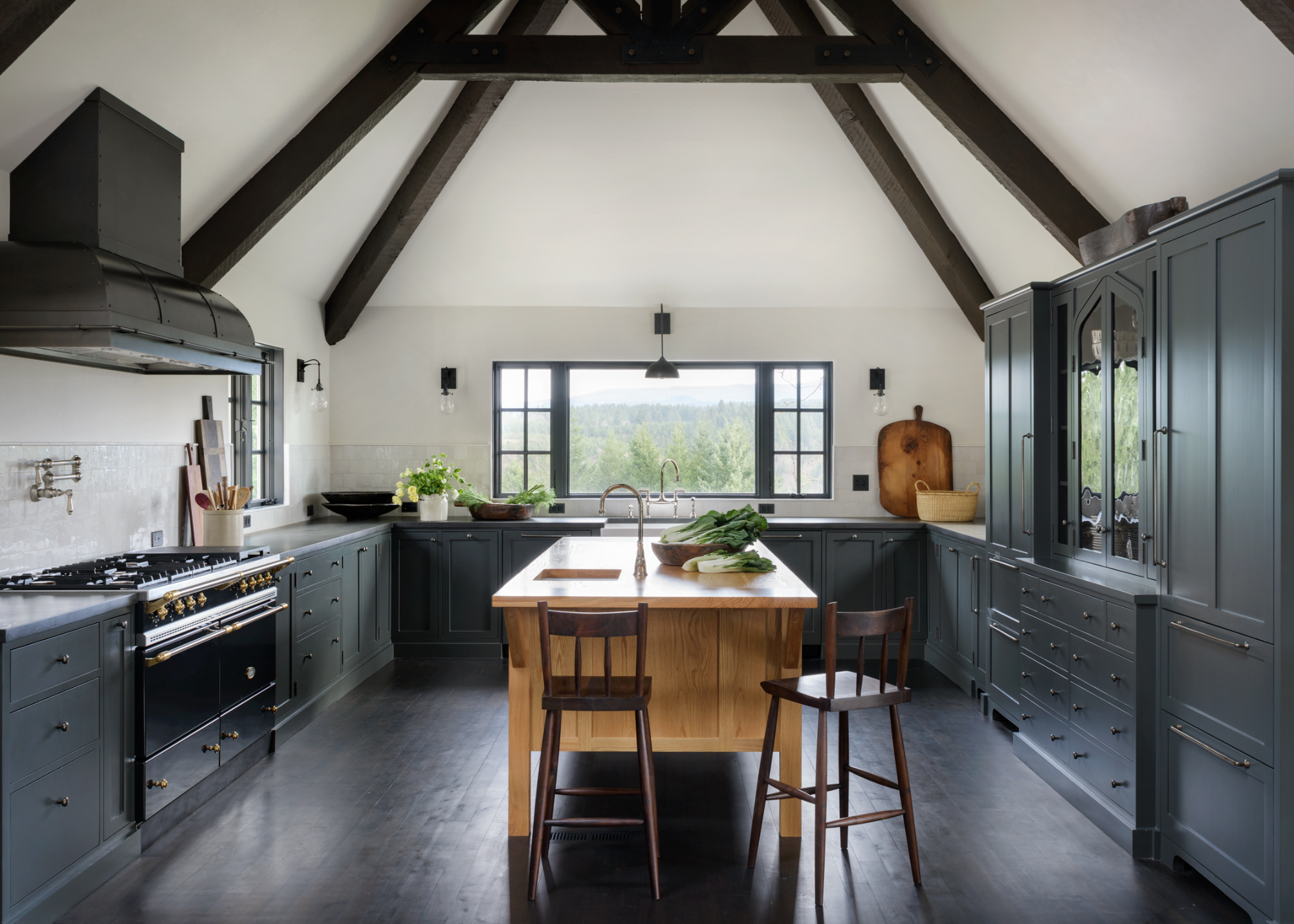
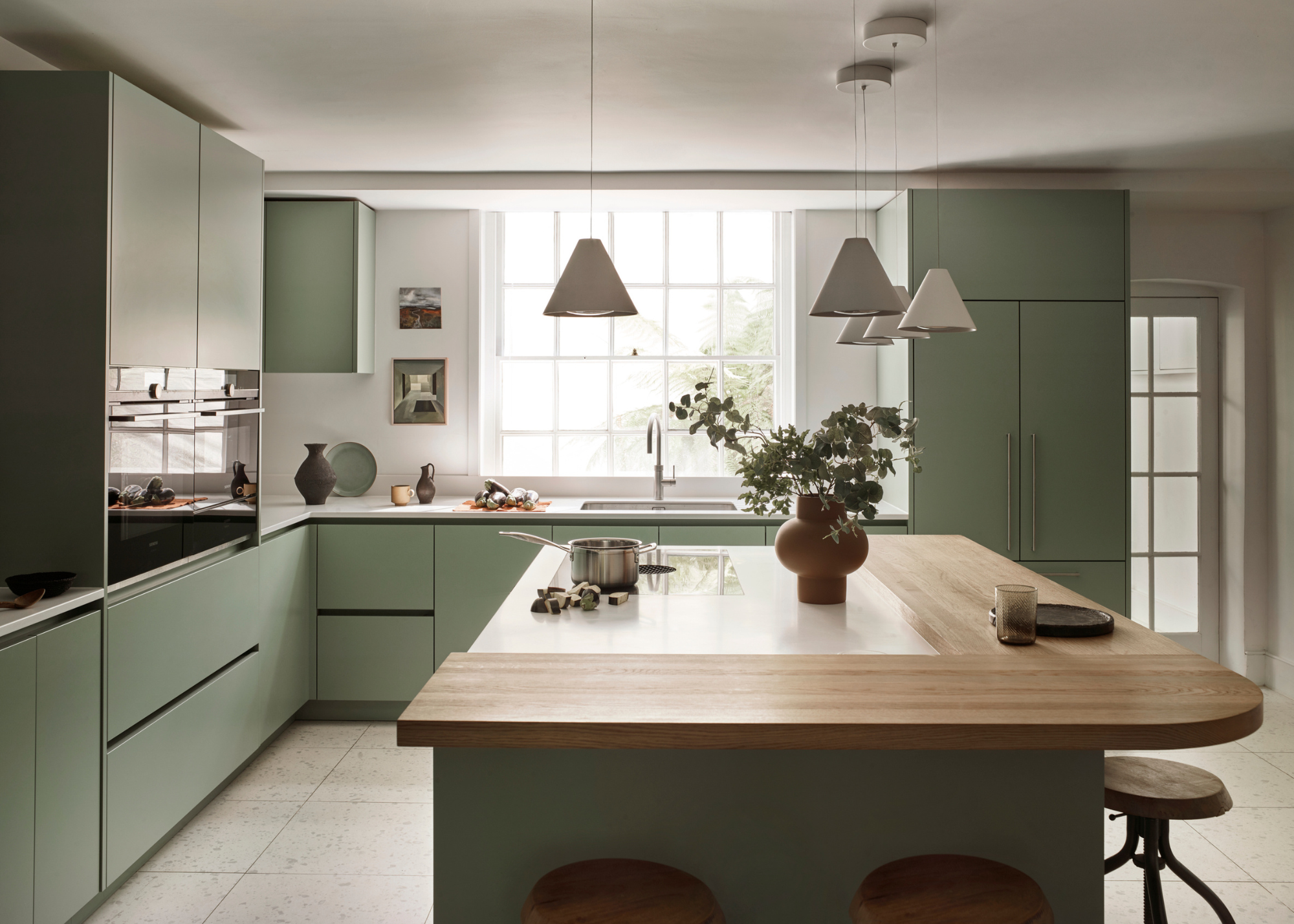
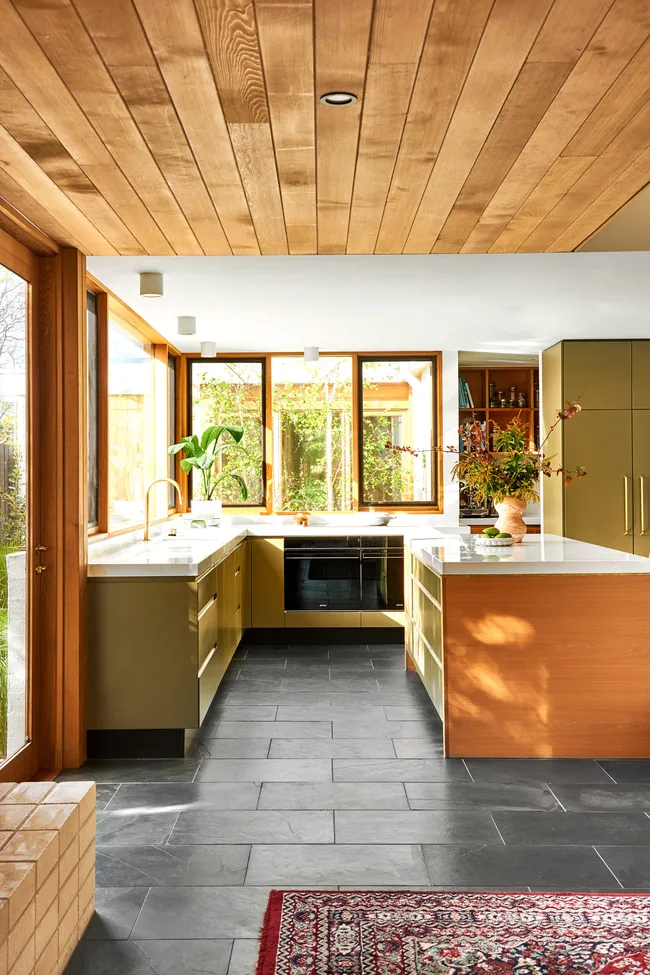
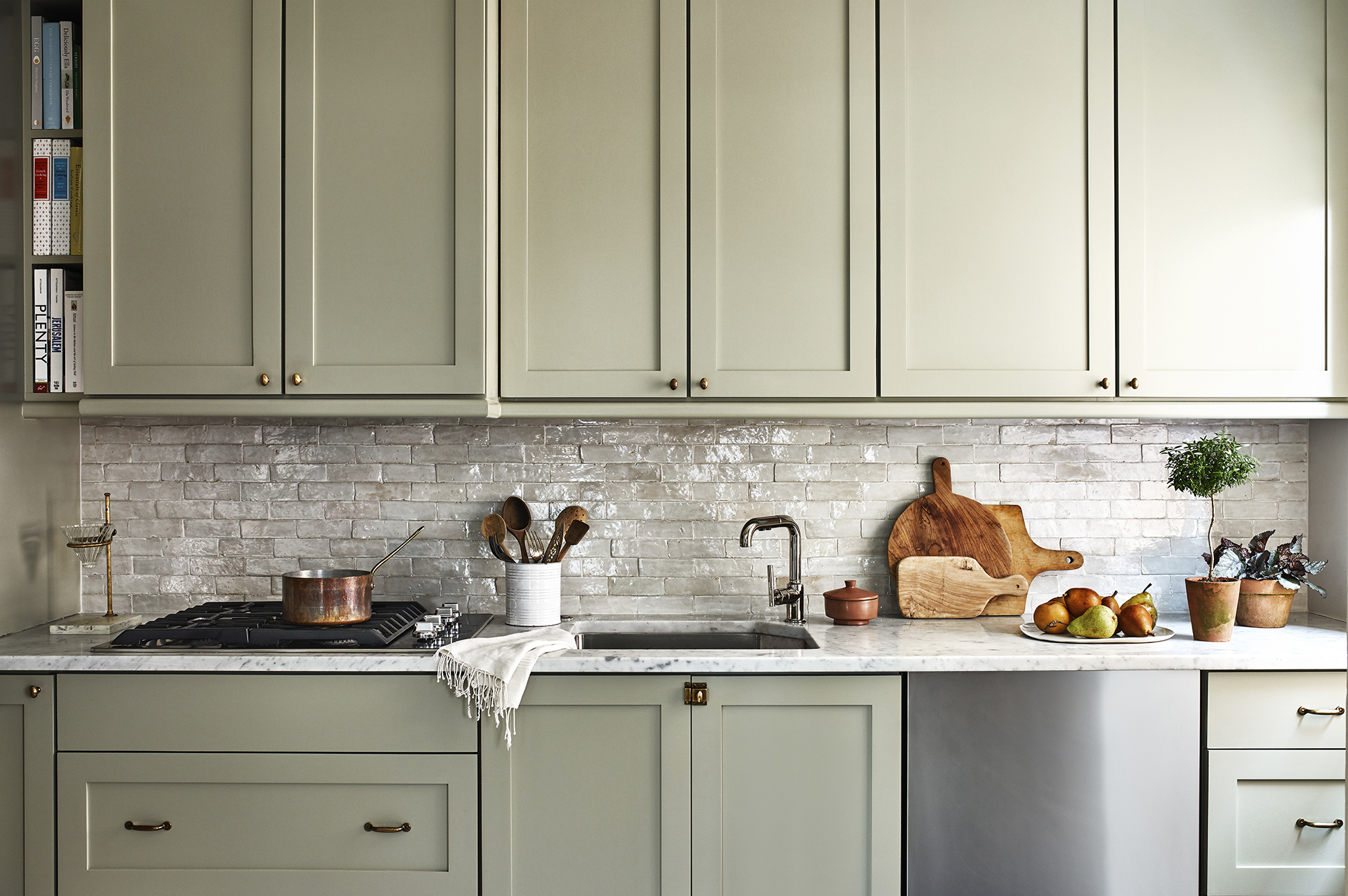
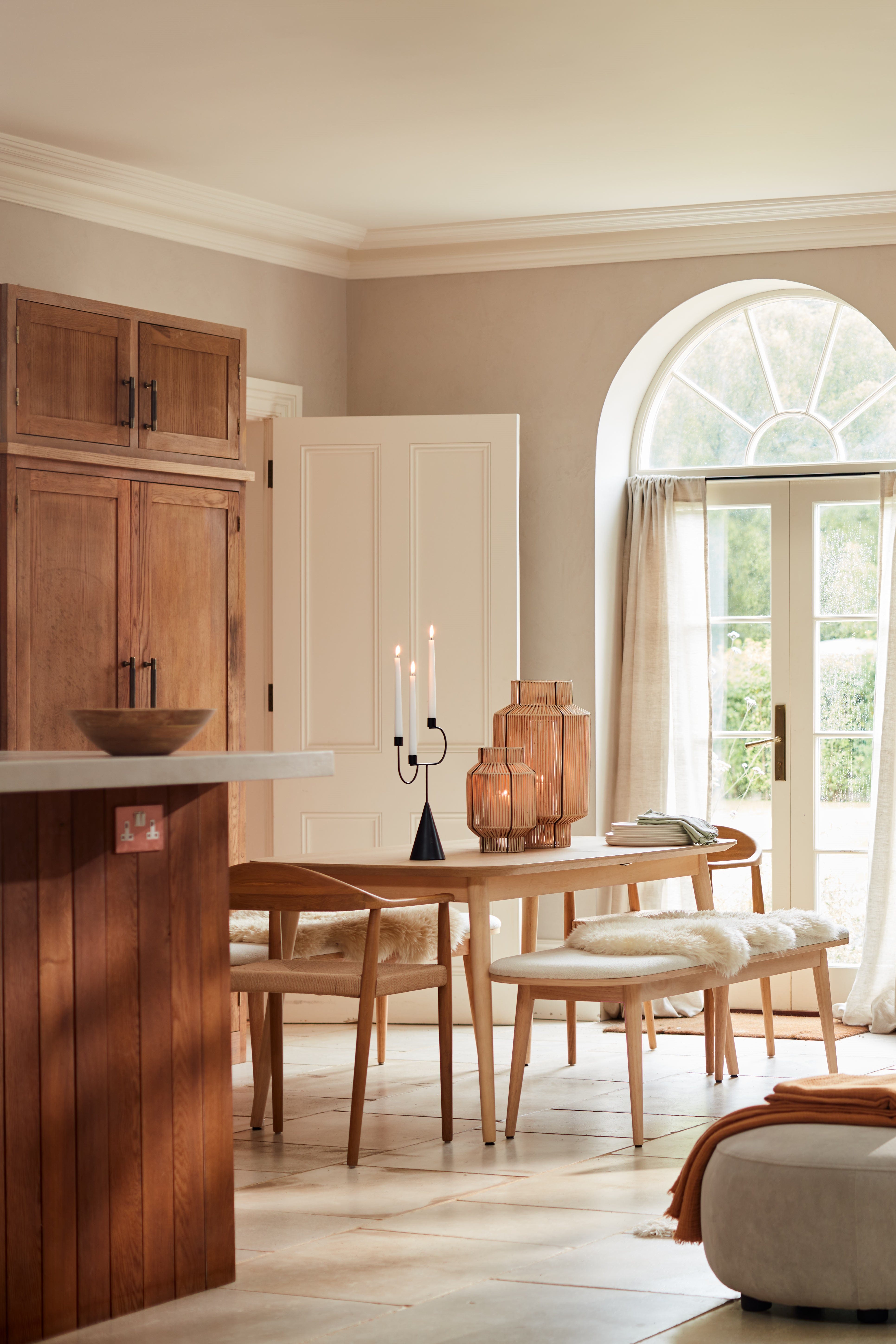
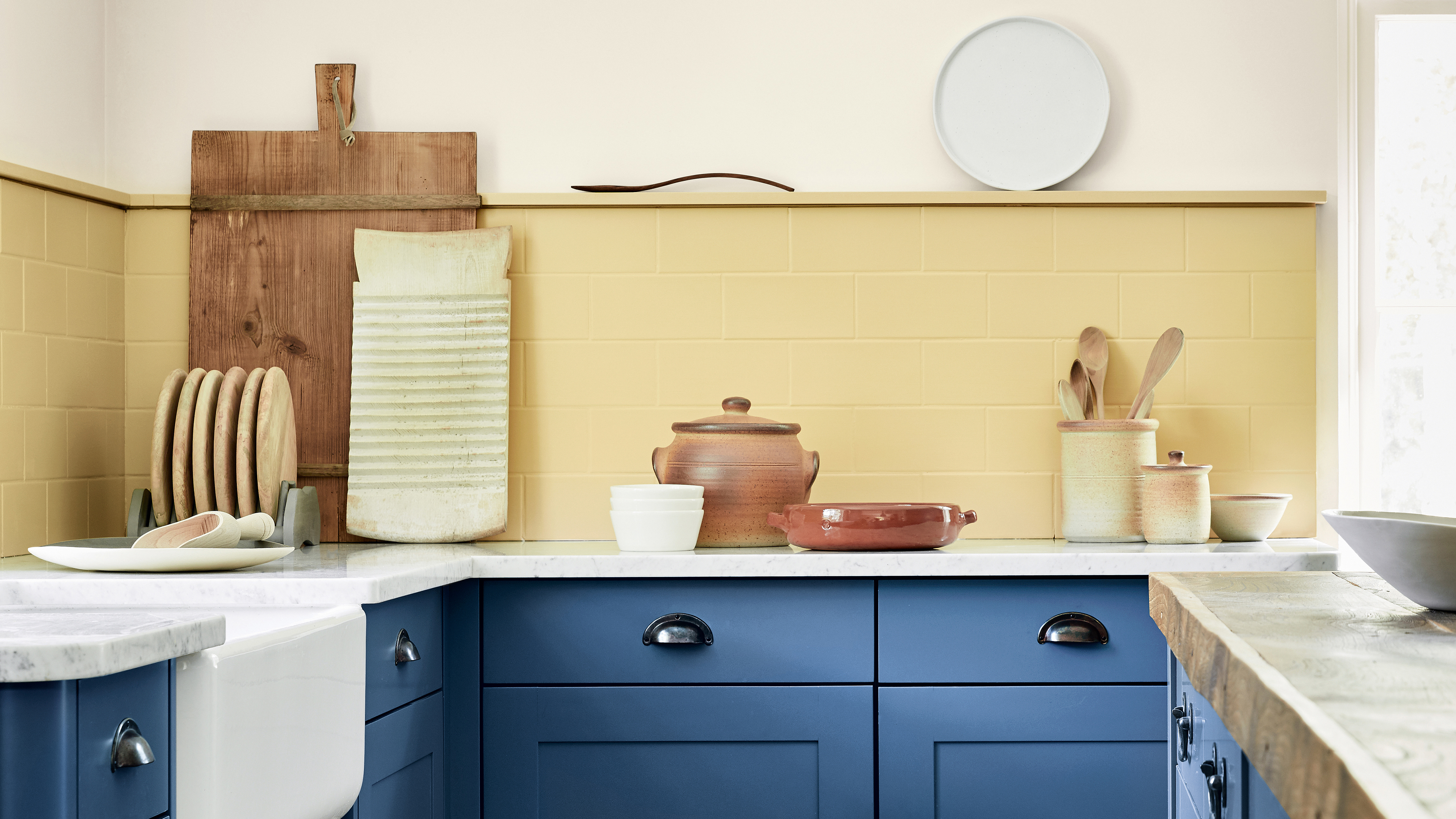
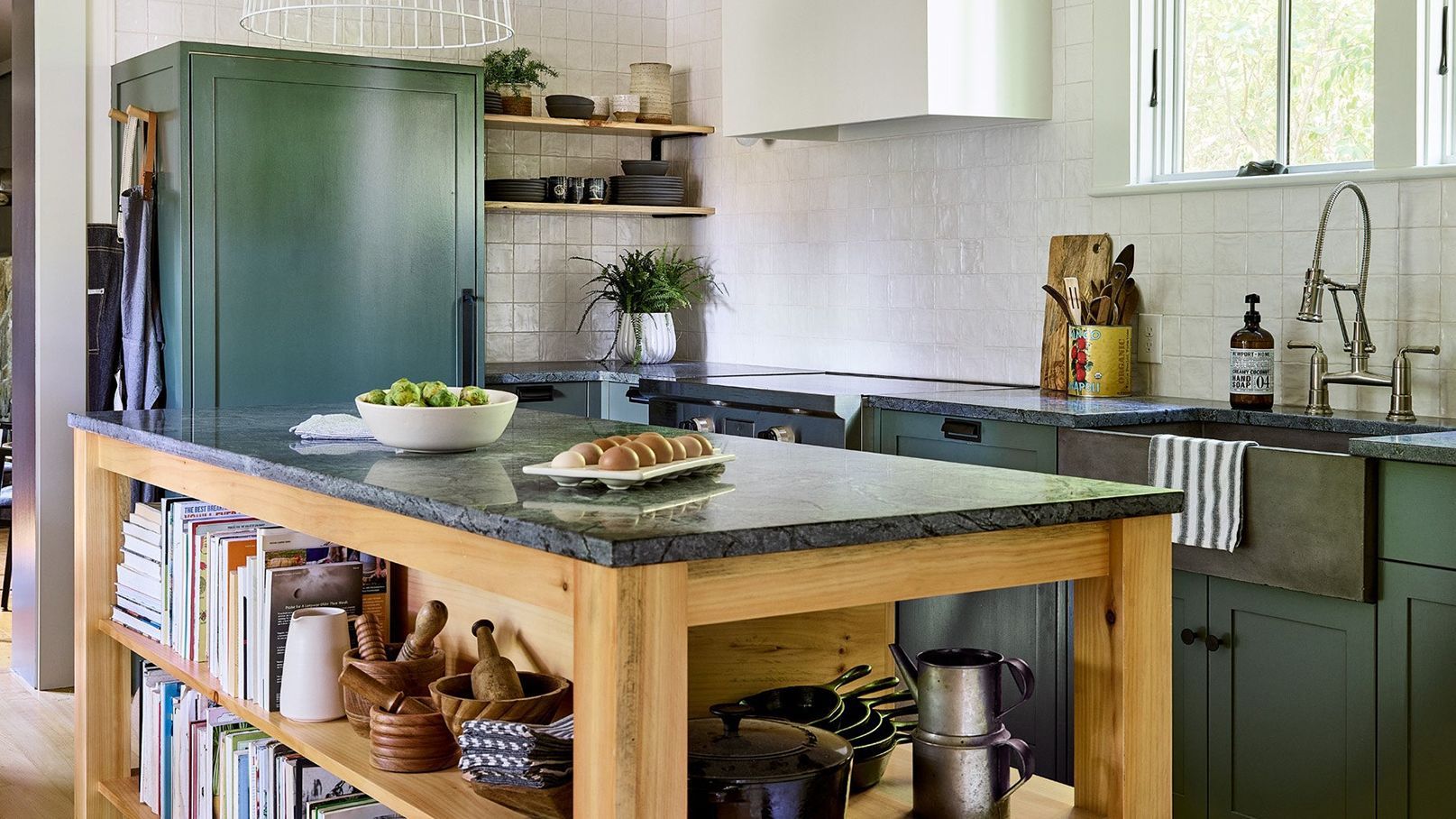
When an island isn't present, a two-tone approach can be applied to perimeter cabinetry. Professionals often recommend using lighter shades for upper cabinets and darker ones for lower cabinets. This arrangement draws the eye upward to the brighter hue, creating an illusion of a larger kitchen. Alternatively, wood cabinets, made from various types like oak, maple, hickory, cherry, birch, ash, and pine, are making a comeback. This resurgence is attributed to trends like modern farmhouse style, a desire to incorporate natural elements indoors, and the comfort-seeking associated with the pandemic. David Beaulieu of Beaulieu Cabinetry highlights the unique warmth and character wood brings, noting its versatility in terms of grain, texture, and milling patterns.
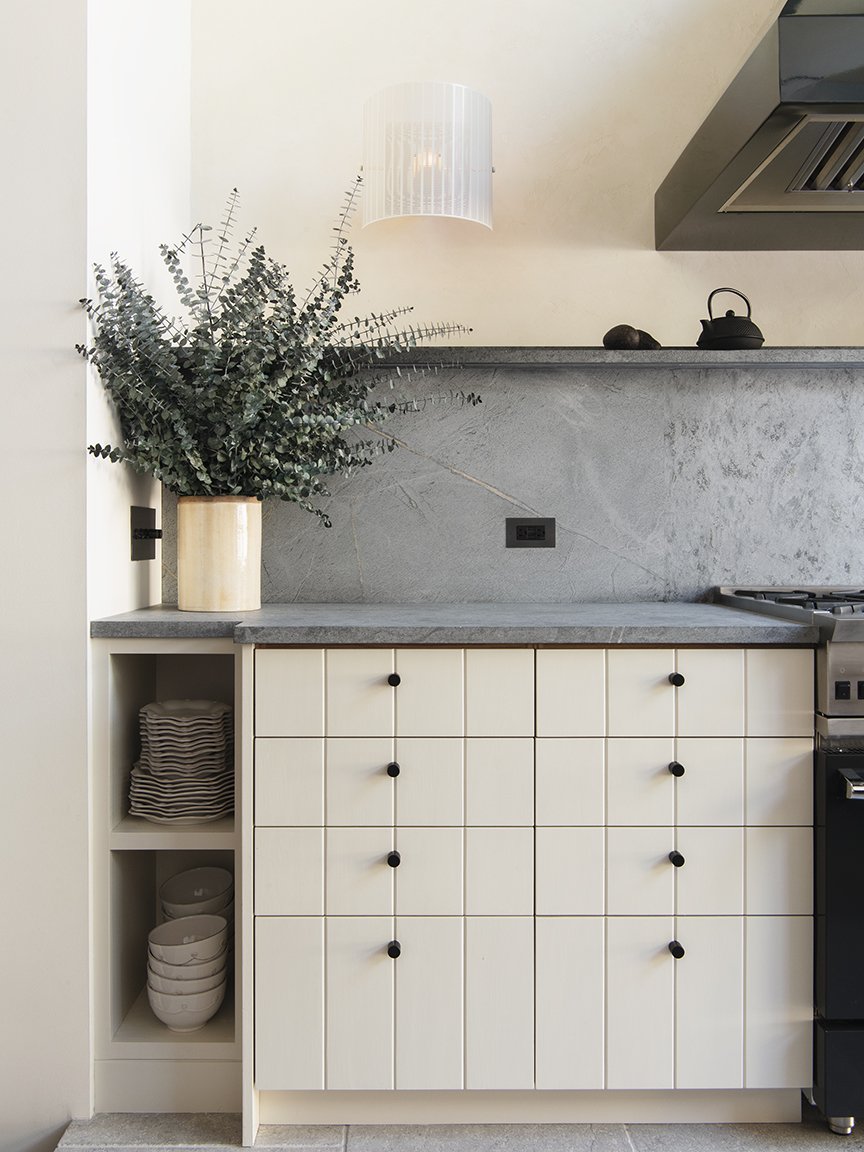
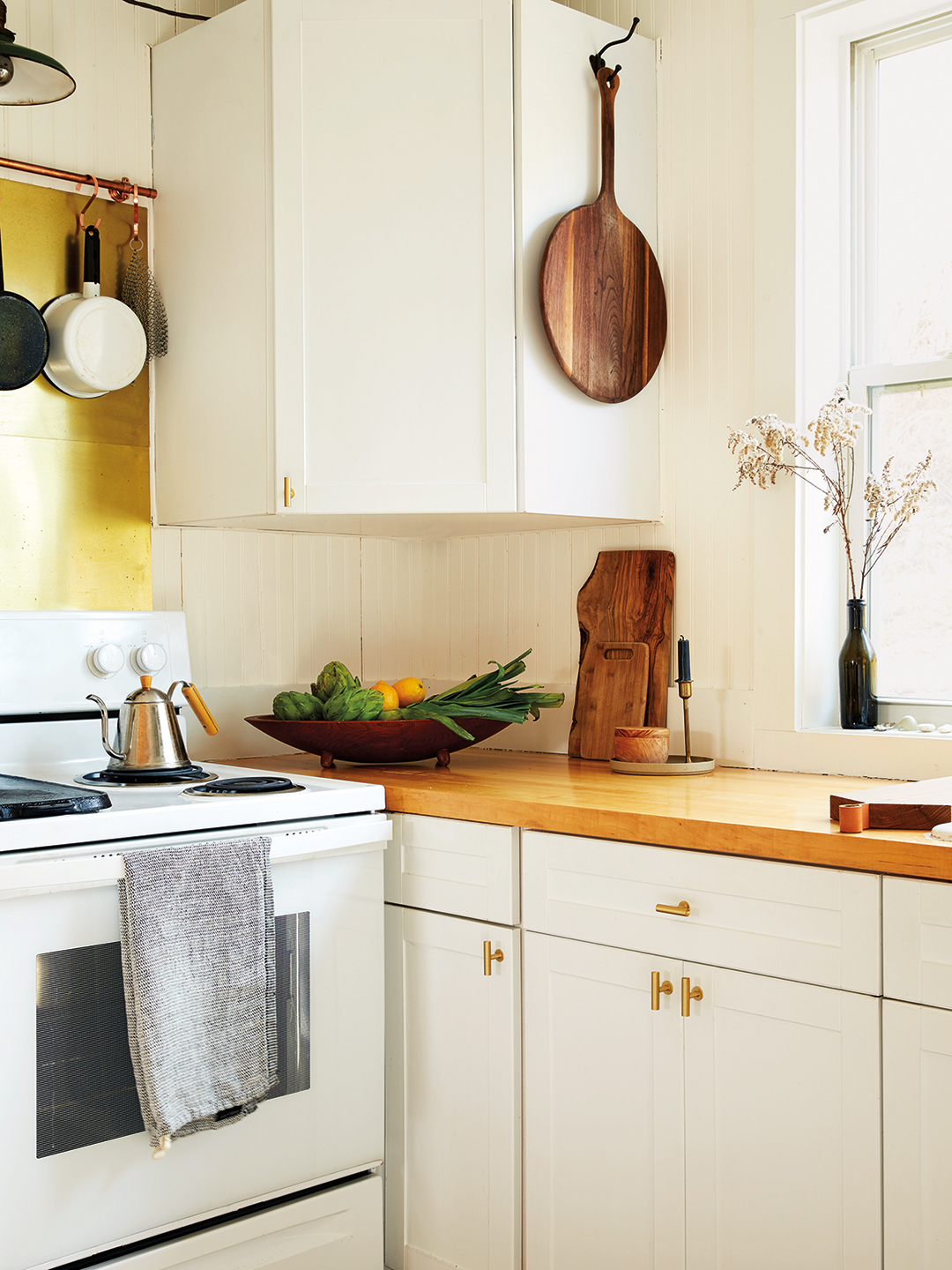
The amount of wood incorporated depends on factors such as existing wood floors or the desire for textural variety, especially when combined with natural stone. Stains and semi-opaque finishes can further refine the color and pattern of wood. Kitchen designer Julie Lyons notes the growing popularity of wood grain for both perimeter cabinetry and islands. She suggests combinations like soft blues and teal grays with walnut, and a recent project successfully paired soft sandy-colored cabinets with a cherry wood bar. For existing dated wood cabinets, a DIY approach involves removing the old finish, sanding, and applying a new stain. Minwax senior color and design expert Sue Kim points out that staining enhances wood's texture and grain, with Minwax offering over 200 water-based stain colors and a Design Series of wood finishes and special effects waxes for DIY projects.
#TwoToneKitchenCabinets #KitchenDesignTrends #ColorContrast #WoodCabinets #KitchenRenovation #InteriorDesign #HomeDecor #DIYKitchen #CabinetFinishes #TwoToneKitchenCabinets #KitchenDesignTrends #ColorContrast #WoodCabinets #KitchenRenovation #InteriorDesign #HomeDecor #DIYKitchen #CabinetFinishes
0 comment in total
 No comments yet
You may also like
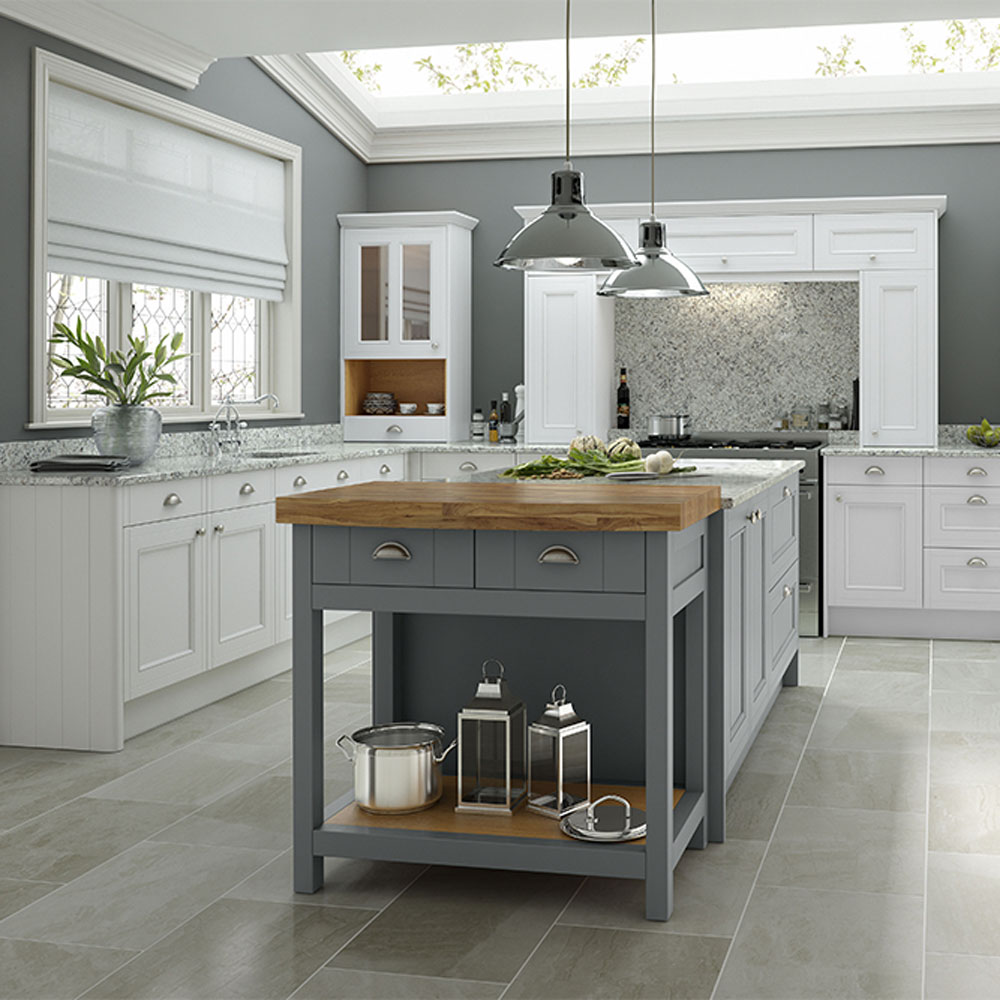
Two tone kitchen cabinet ideas – 10 colour combinations to inspire
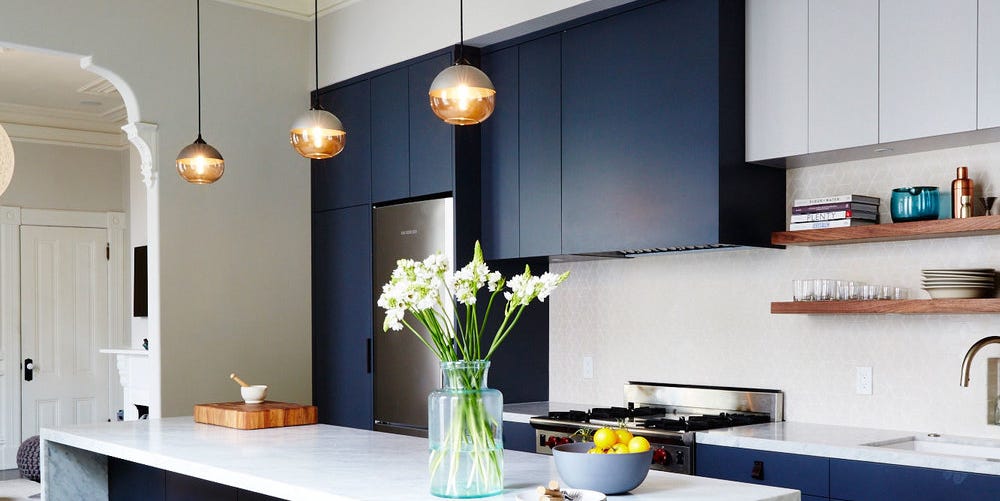
14 Kitchen Cabinet Colors You Can Easily Mix and Match

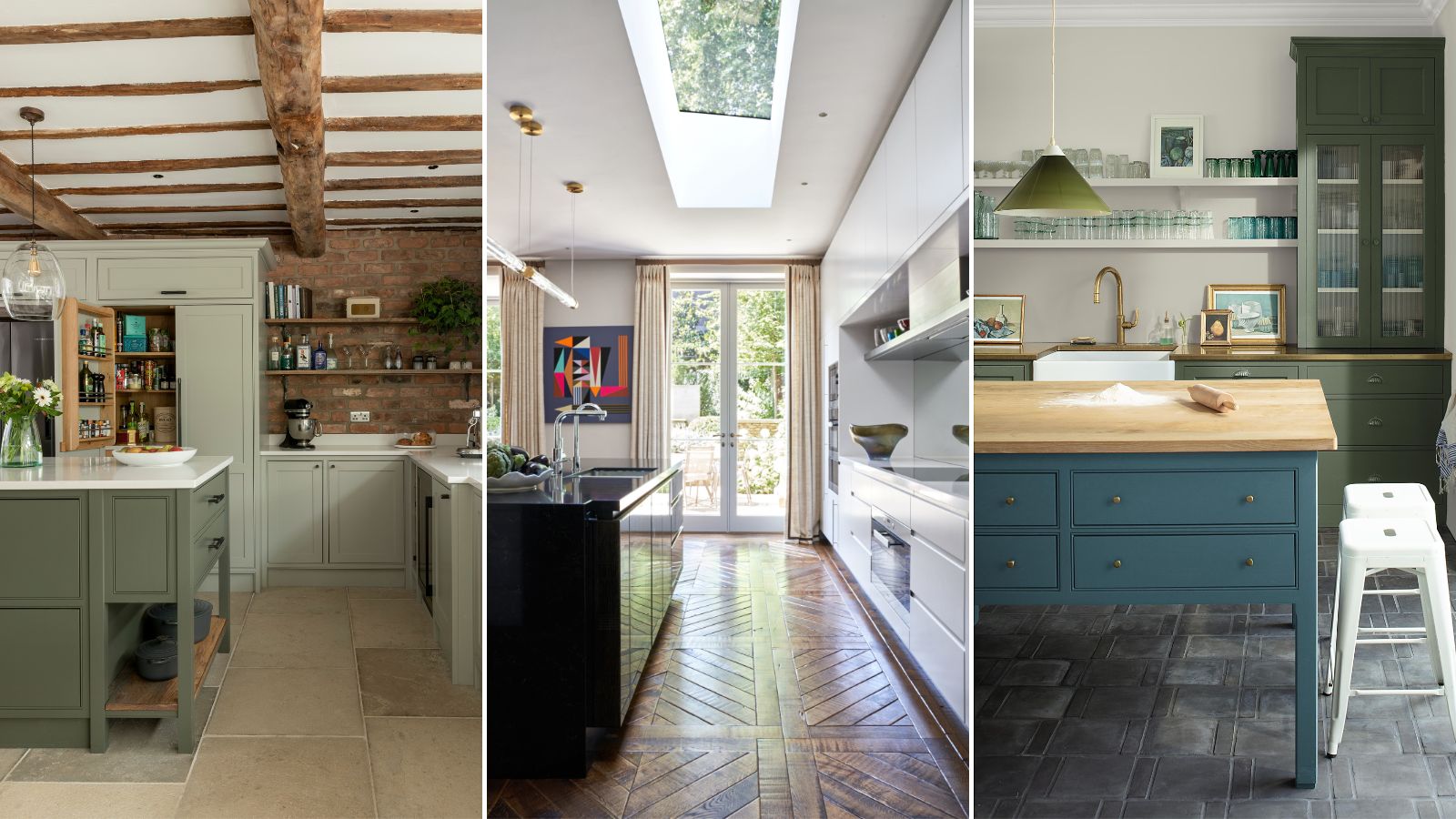
5 fail-safe kitchen cabinet color combinations that always work

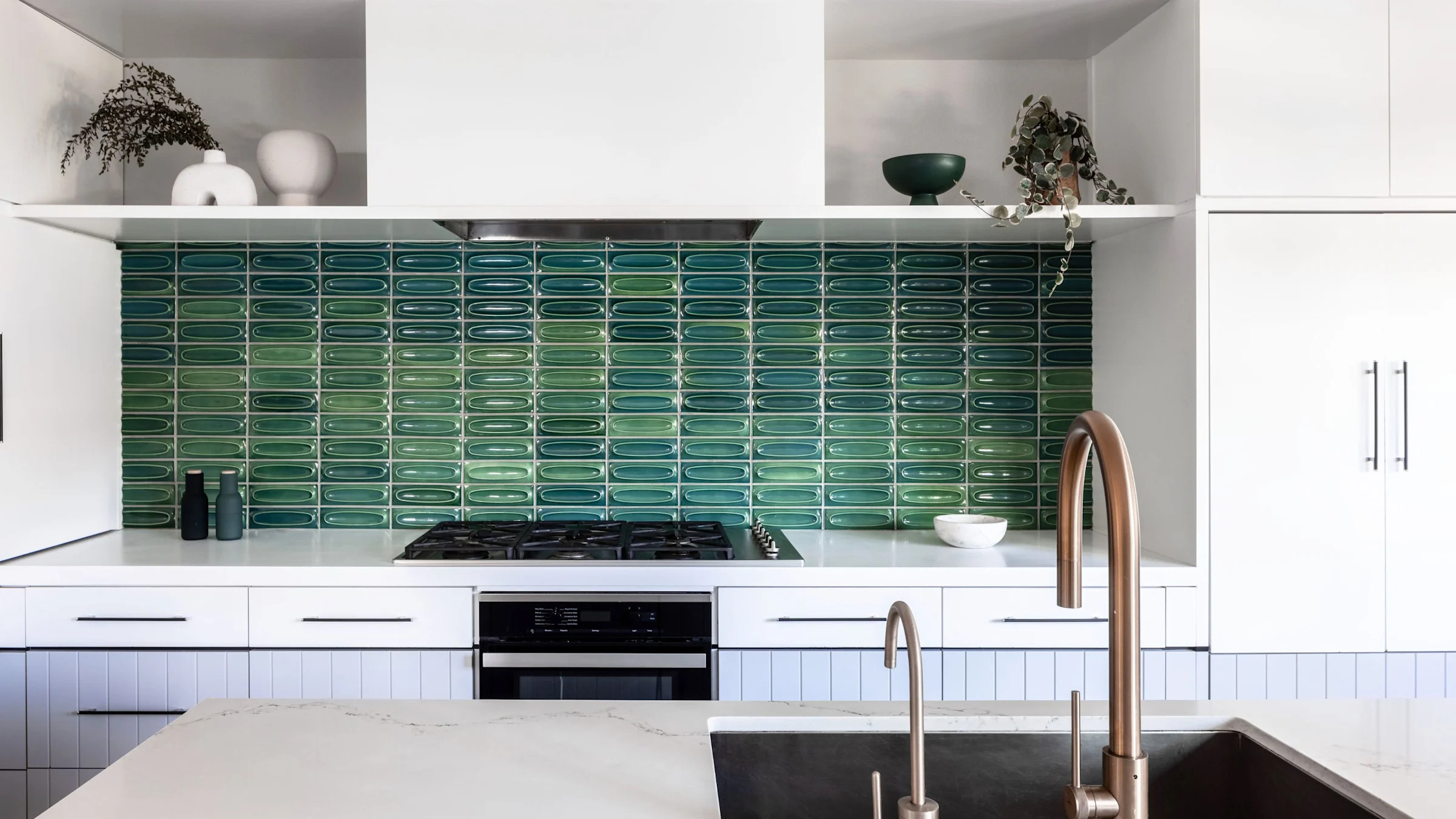
10 'Mix and Match' Cabinet Ideas That Will Make Your Kitchen Look So Much More Interesting

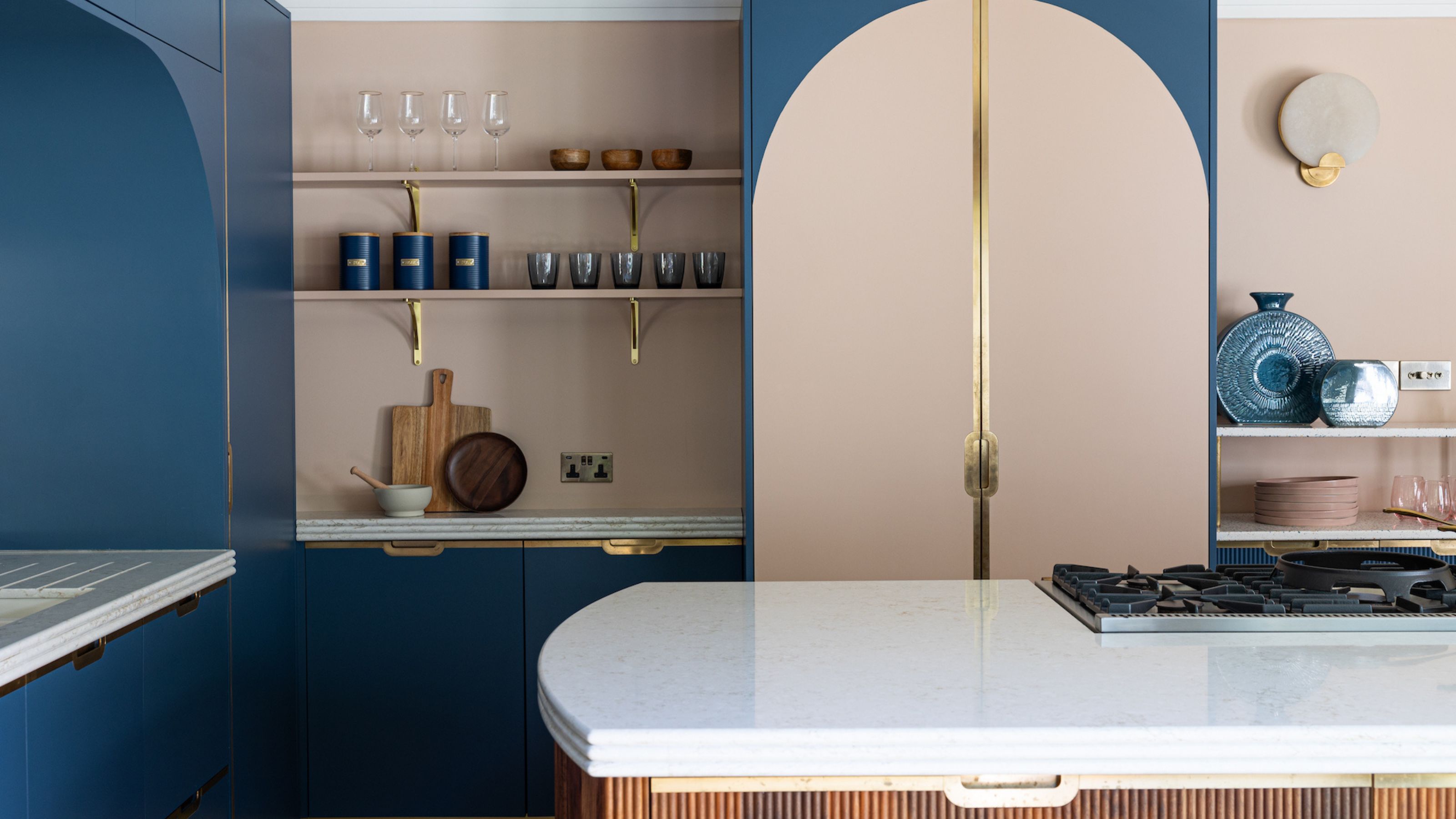
10 two-tone kitchens that totally nail this 2021 trend

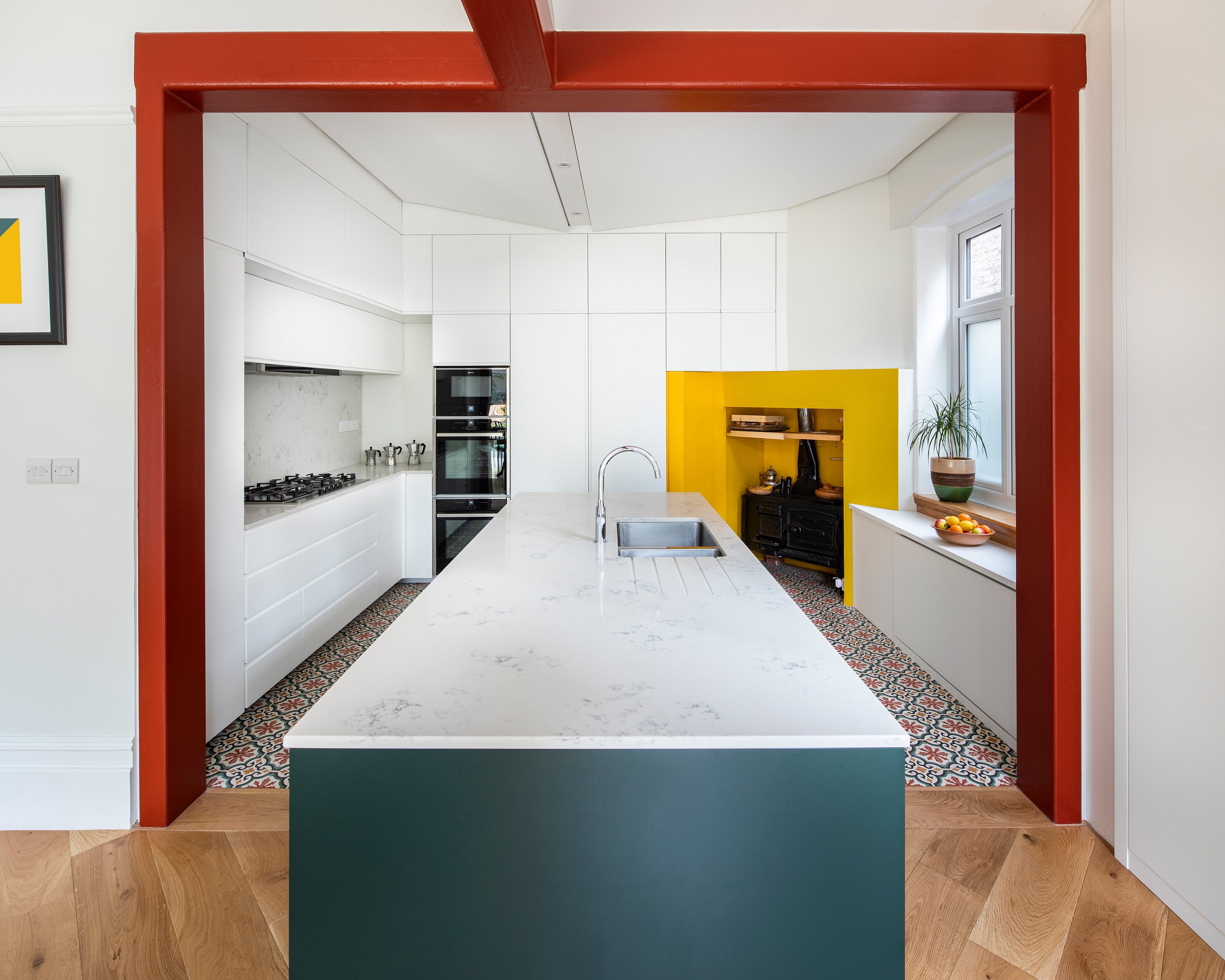
Should kitchen cabinets match your wall color? These are the pros and cons of going monochromatic

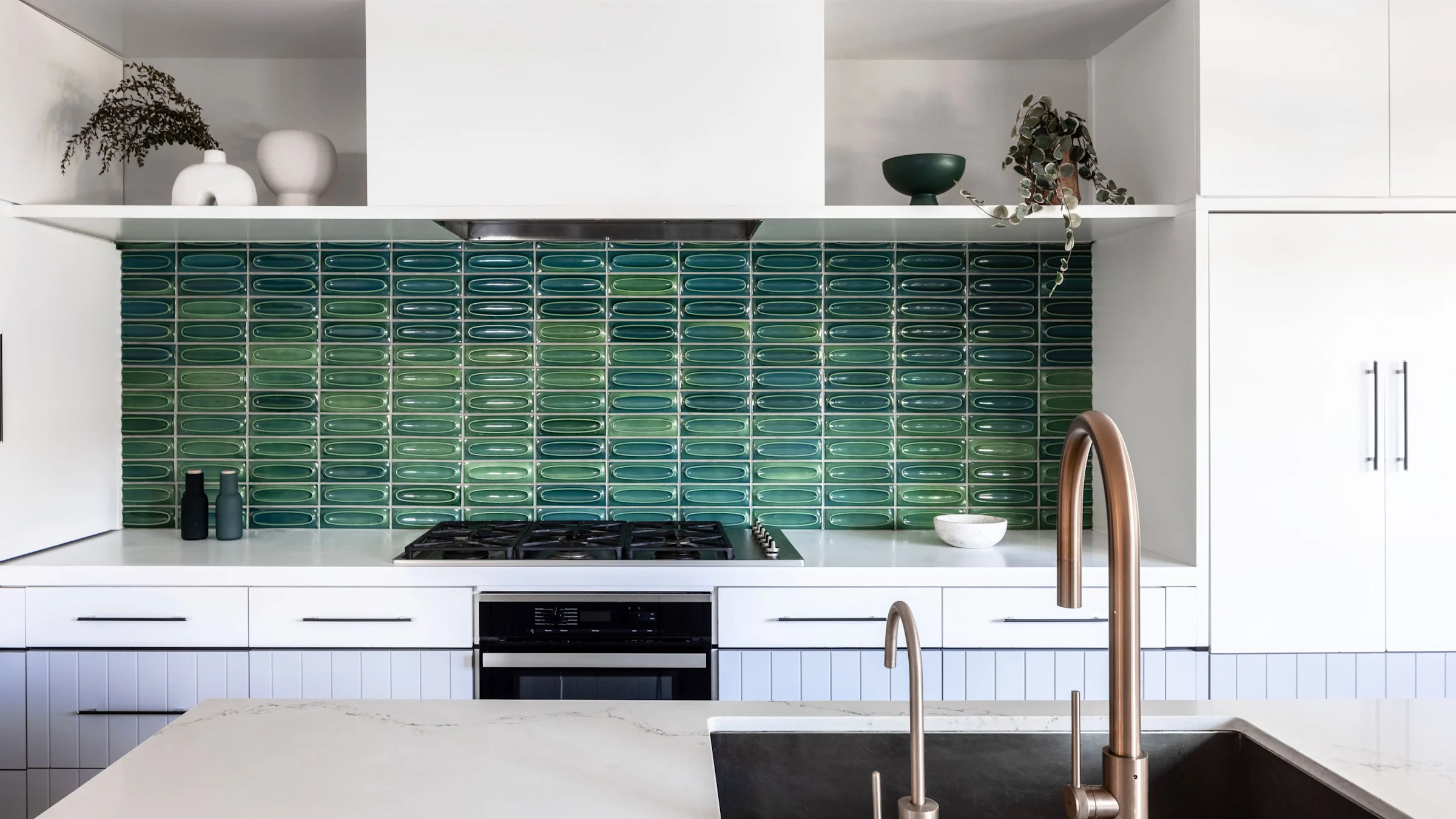
10 'Mix and Match' Cabinet Ideas That Will Make Your Kitchen Look So Much More Interesting

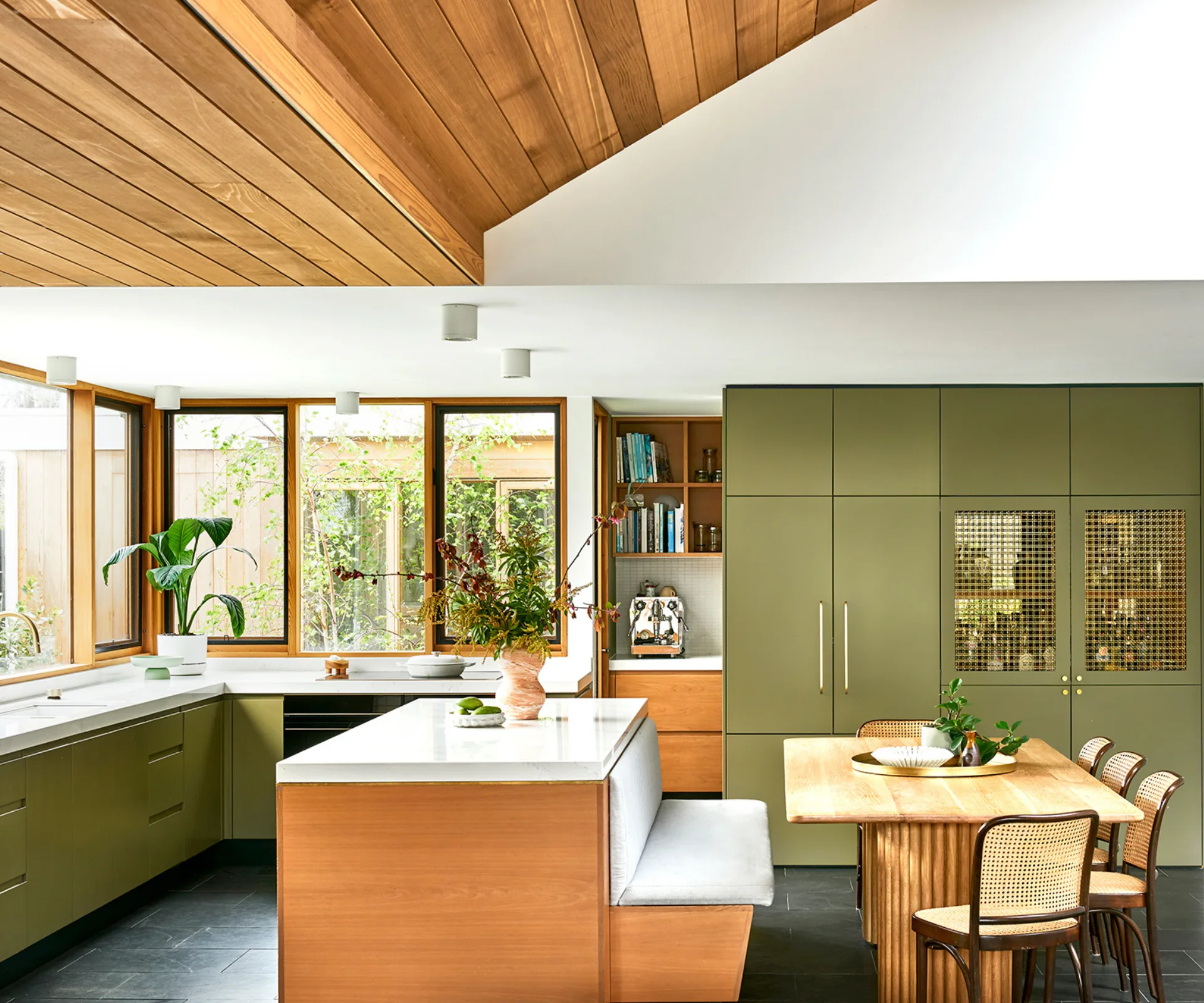
17 bright kitchen cabinet colour ideas to try in your home

Two tone kitchen ideas – how to achieve the colorful kitchen trend we can't get enough of
The 2 Cabinet Colors Designers Say Make Kitchens Look Outdated

Mix-and-match kitchen cabinet ideas – 10 ways to make a kitchen feel bright, spacious and bold
The Best Hardware for Every Kind of Kitchen Cabinet, Period
The 2 Cabinet Colors Designers Say Make Kitchens Look Outdated

Kitchen cabinets and countertops: 13 combos that look good together

What Color Kitchen Cabinets Actually Go Well With Wooden Countertops? Designers Share Their Perfect Pairings
No-fail kitchen colour ideas: 20 pairings that just work
Should you choose two-tone kitchen countertops? Interior designers on whether this trend will endure
This Paint Color Is Way More Popular With Lower Cabinets Than Upper Ones

What Color is Replacing White in the Kitchen? 5 Sophisticated Shades Designers Say to Try Instead
6 Kitchen Cabinet Colors Designers Advise Against—and the Alternatives They Recommend Instead