The 2 Cabinet Colors Designers Say Make Kitchens Look Outdated
Kitchen trends are constantly evolving, and certain cabinet colors can unintentionally anchor a kitchen in the past. While some white shaker styles might appear bland, and once-popular mahogany can now seem heavy, cabinet color plays a significant role in how dated a kitchen feels. To address this, expert designers James Yarosh, an artist, gallerist, and interior designer at James Yarosh Associates, and Eva Littlefield, a designer at nobilia North America, offer insights into identifying and updating these outdated hues.
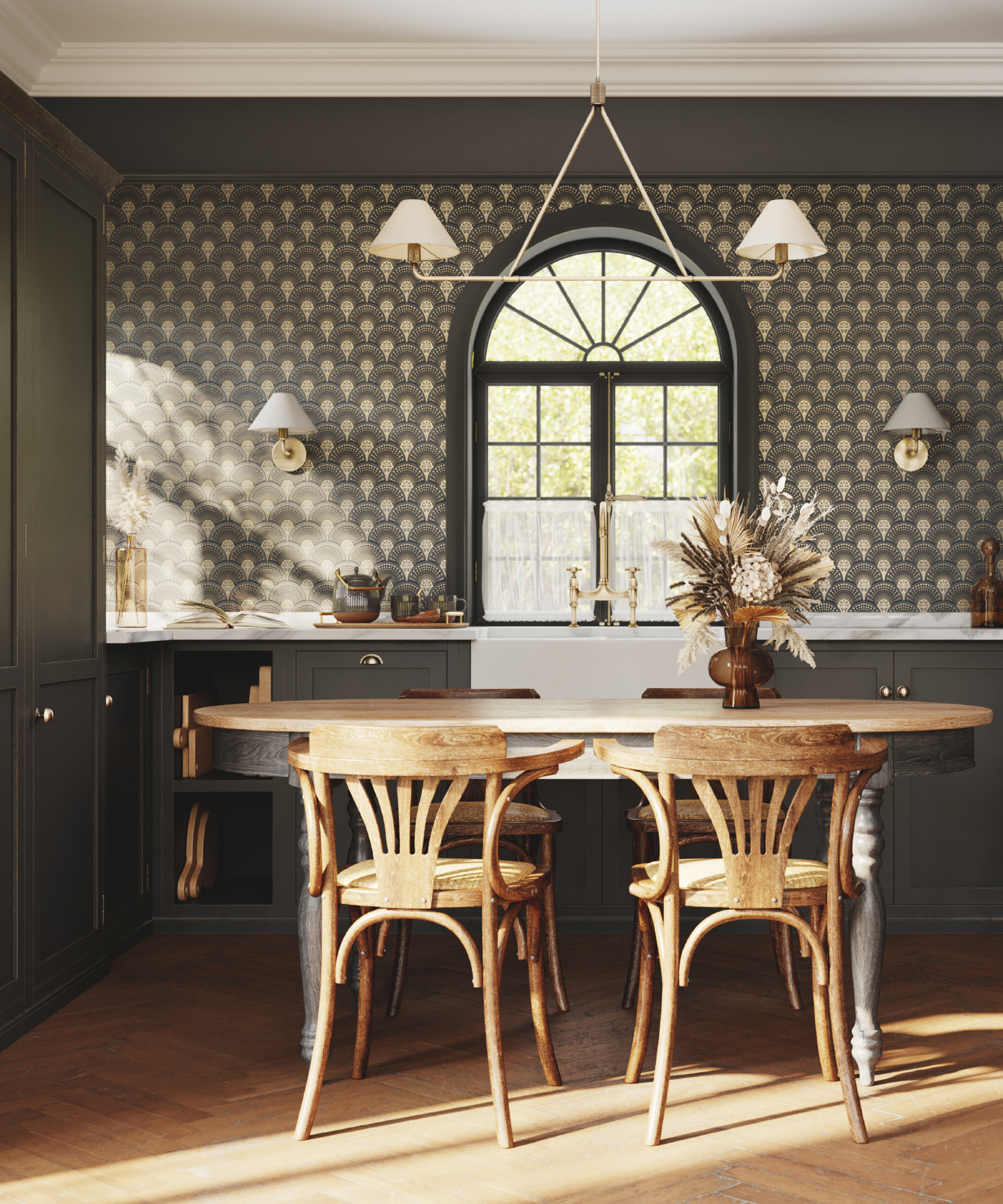
Design experts emphasize that following every trend when choosing cabinet colors can confine a design to a specific era. For instance, the formal mahogany and Tuscan-style kitchens that were once widespread now appear very dated. Instead, a holistic approach is recommended, where cabinet choices align with the home's architecture and surrounding environment rather than being dictated by fleeting trends. The current design philosophy centers on authenticity and emotional resonance, leading homeowners to select colors and finishes that genuinely appeal to them. This contemporary approach often involves blending elements from different decades, such as mixing metals and combining bold and neutral tones, to create a new, timeless aesthetic.
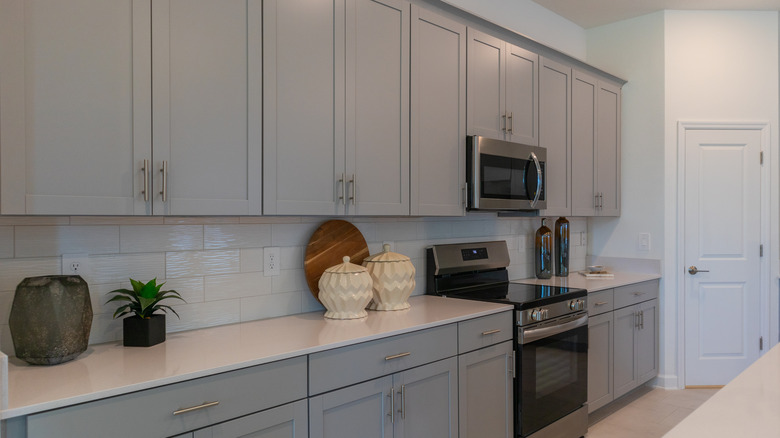
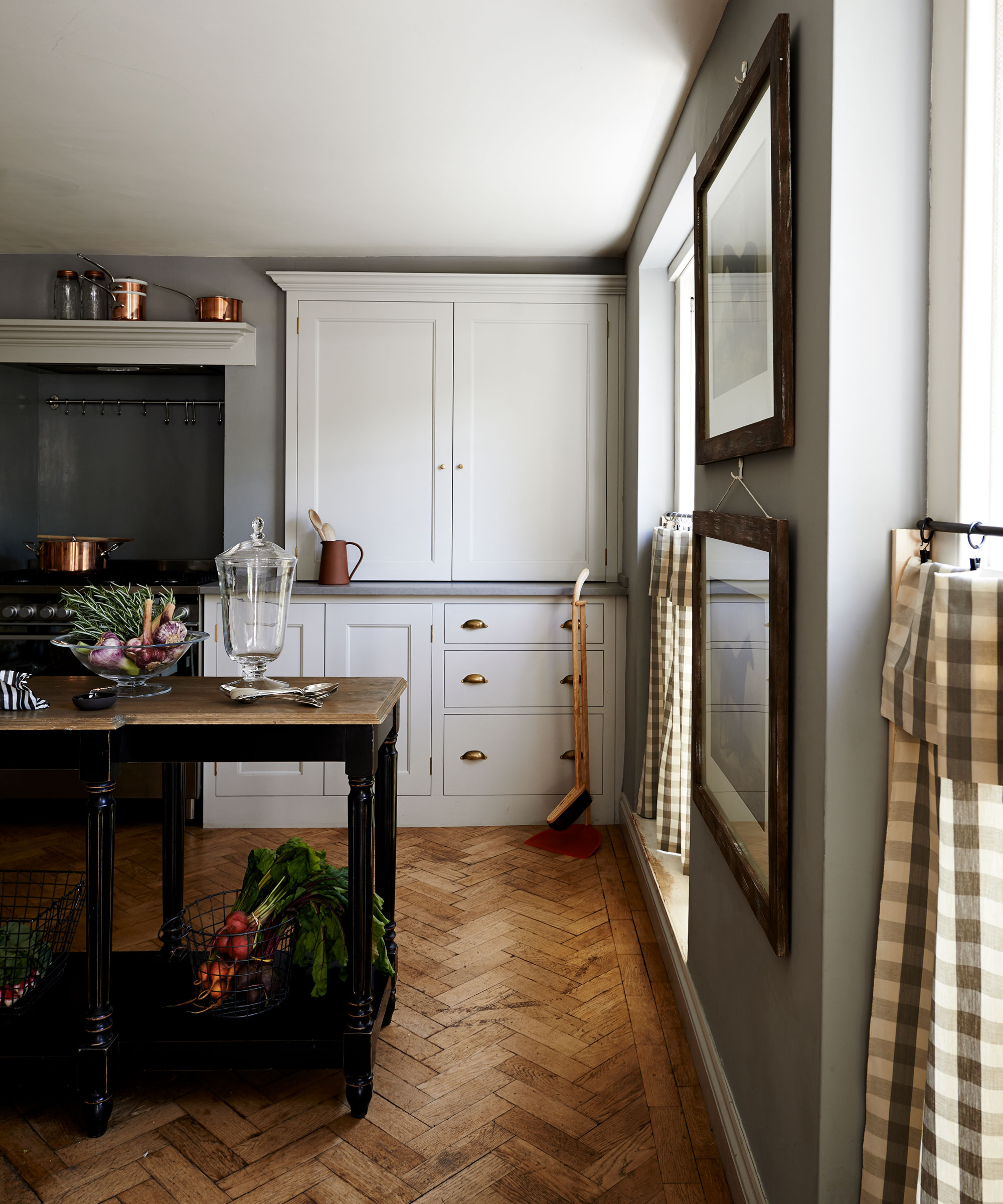
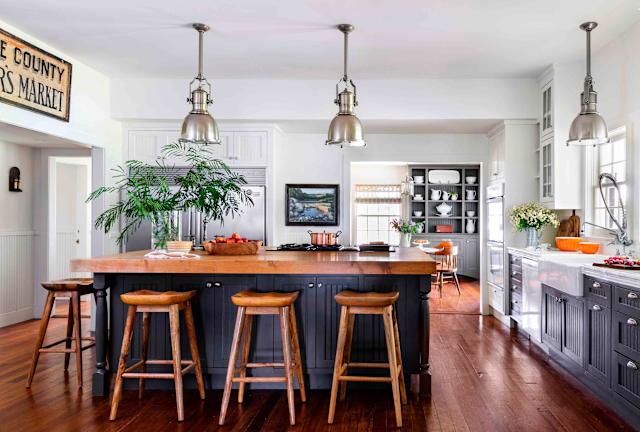
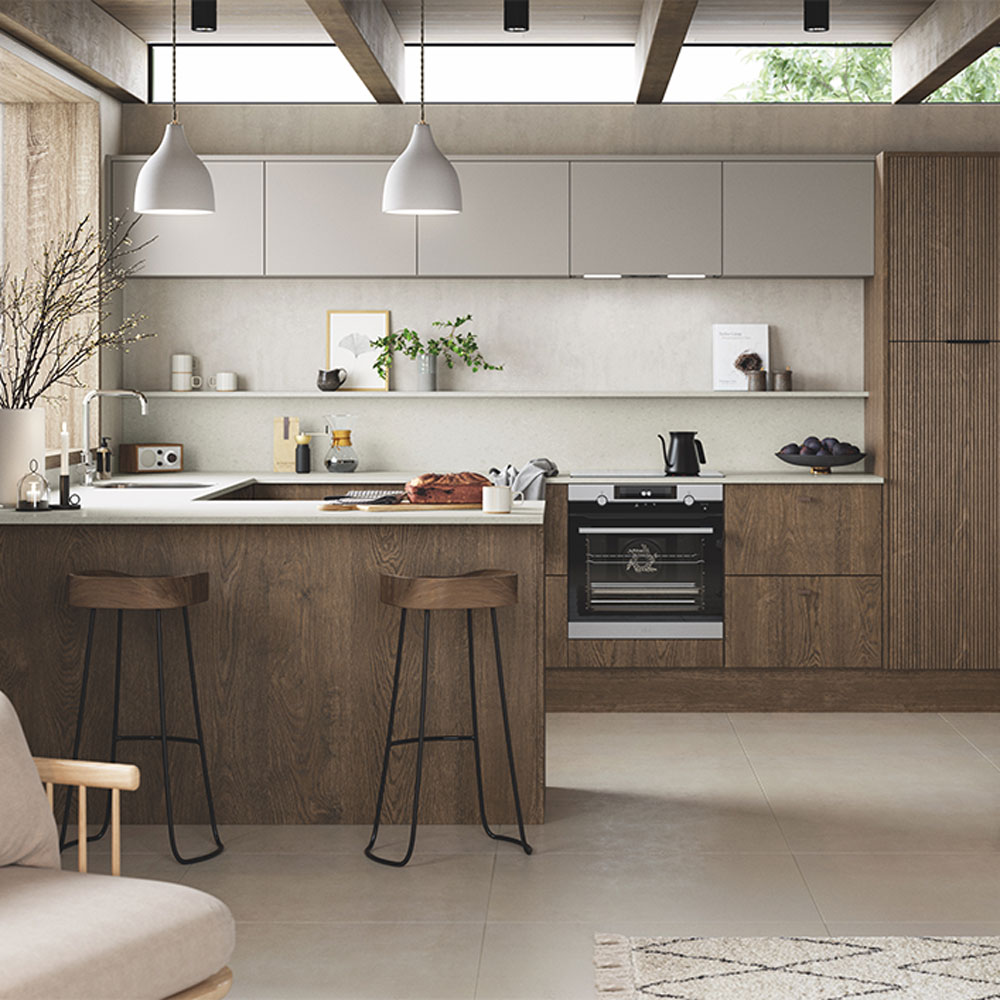
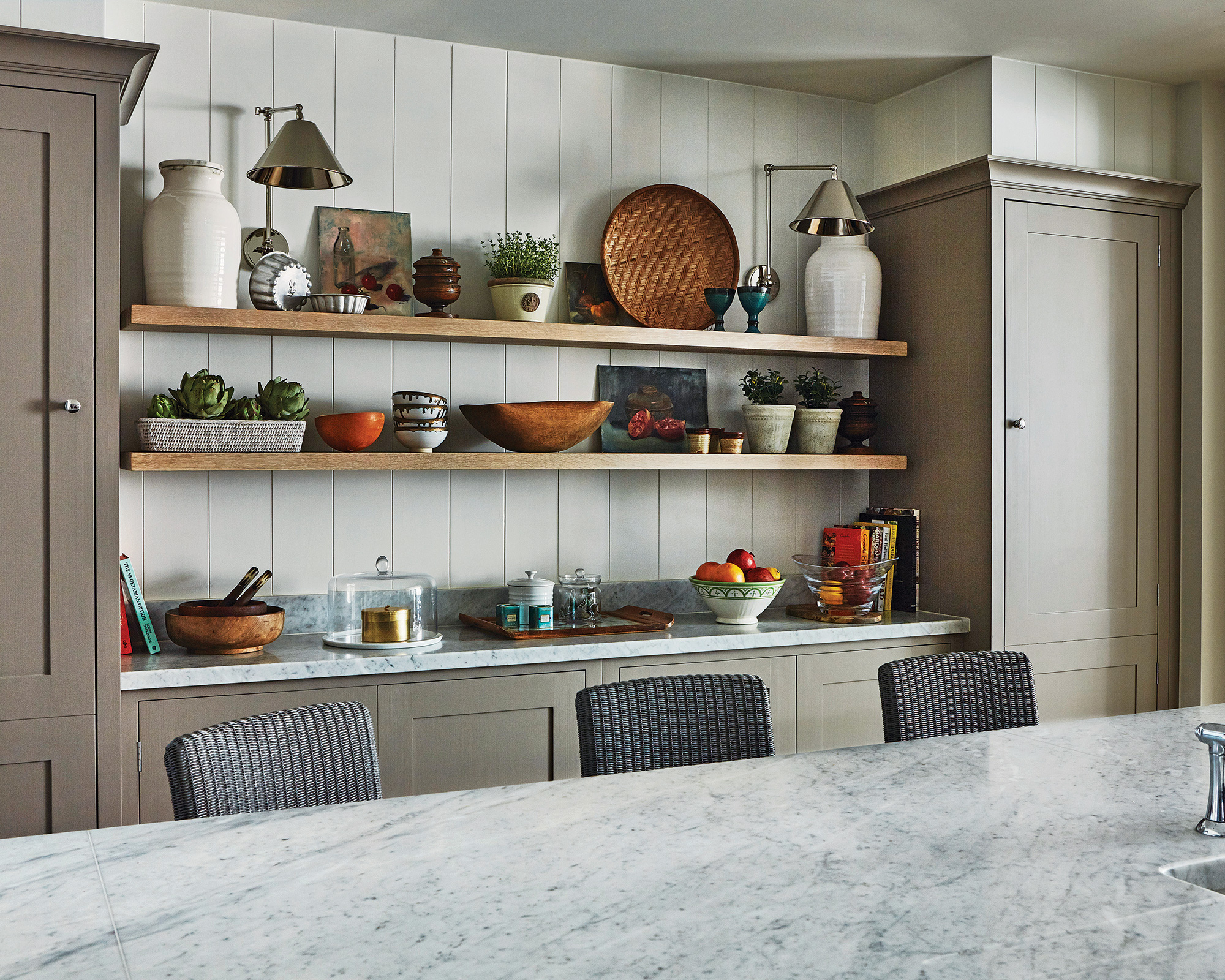
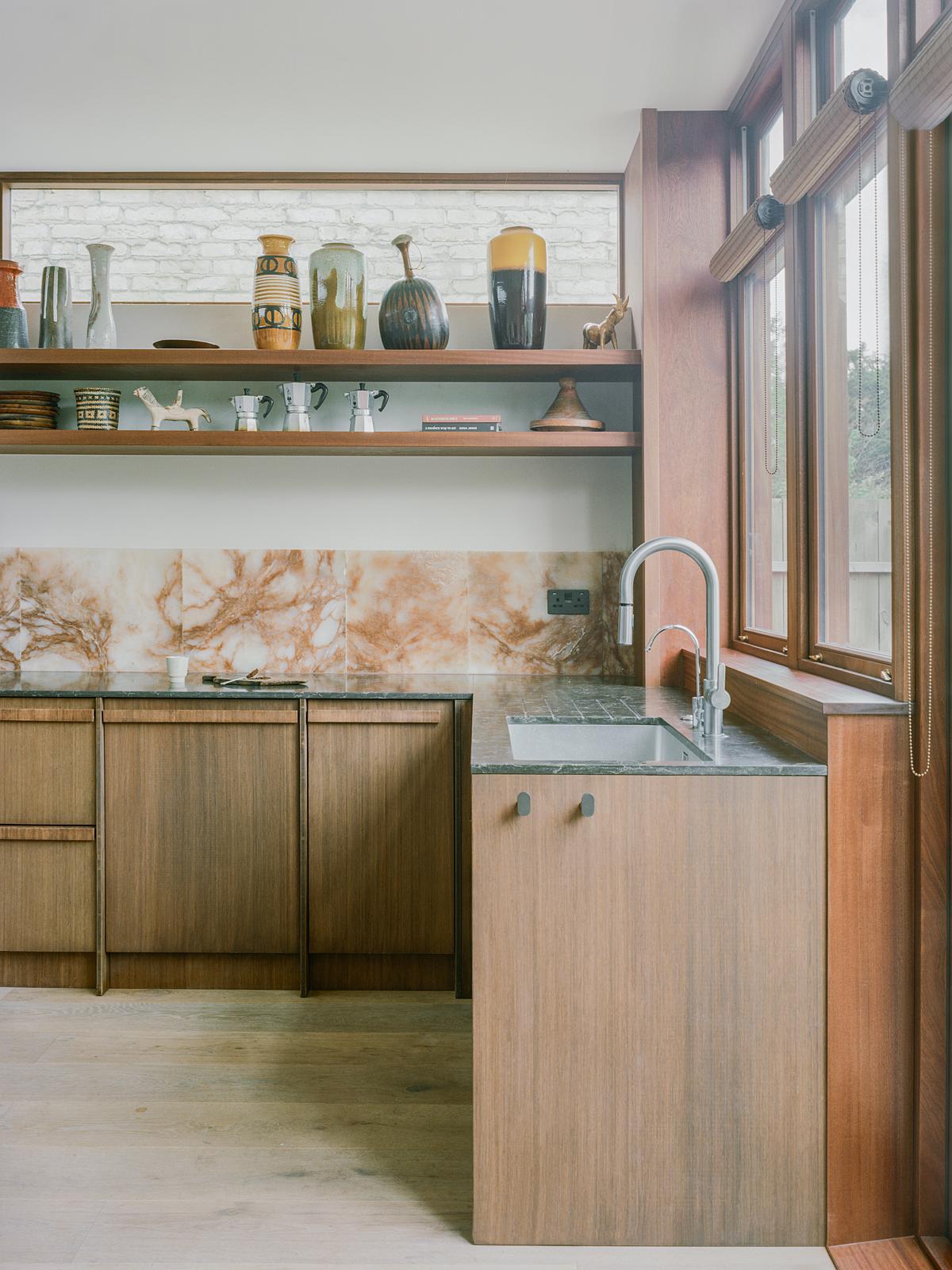
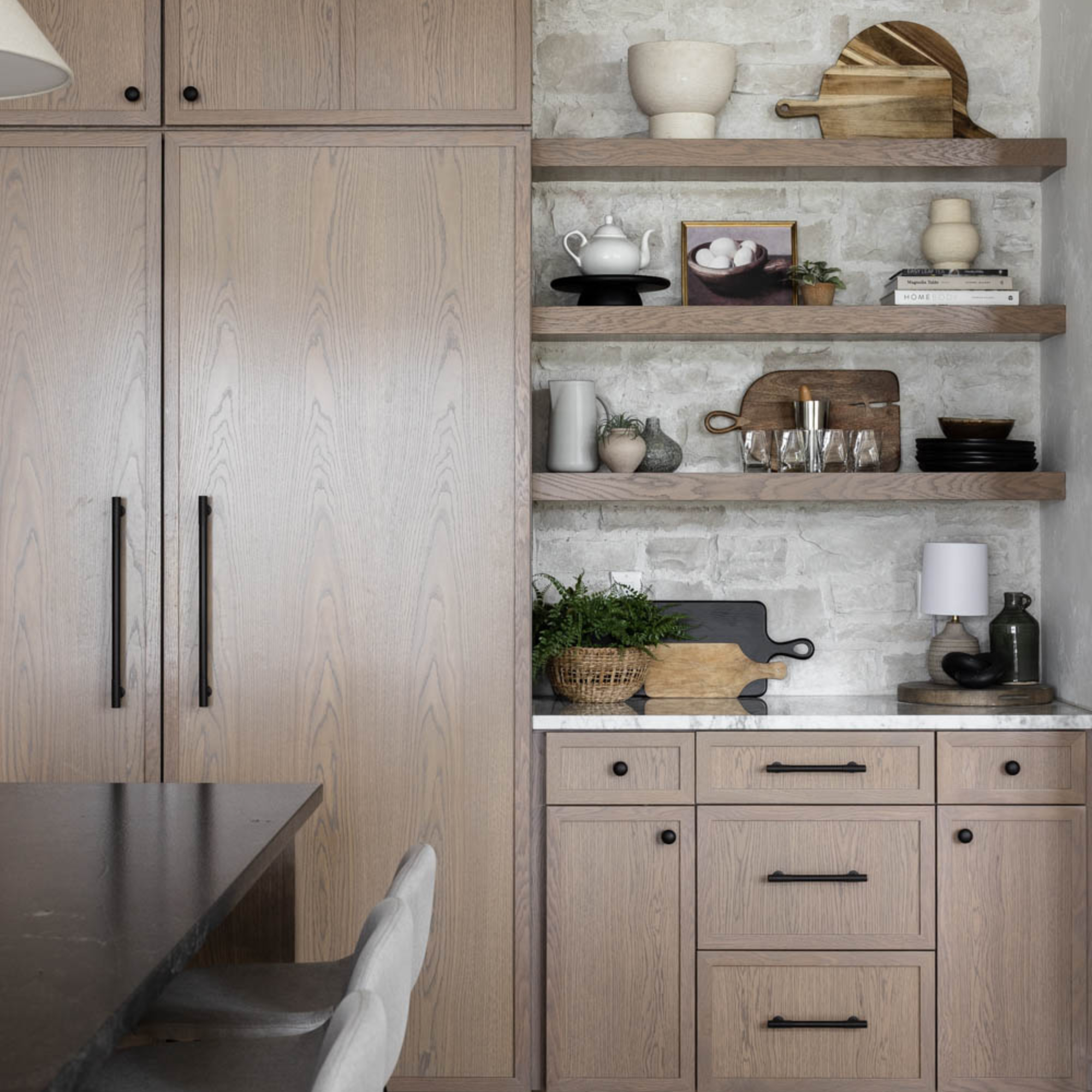
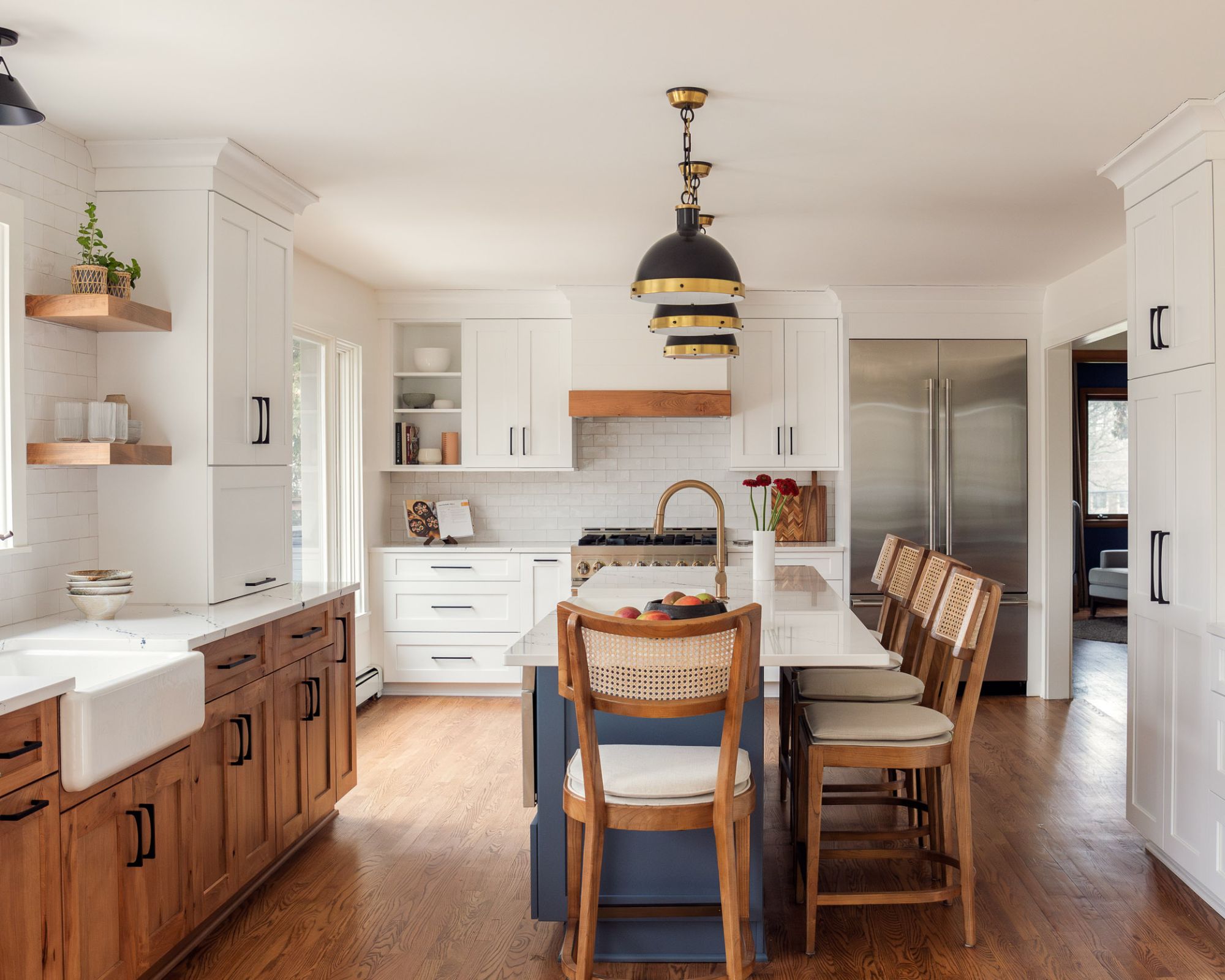
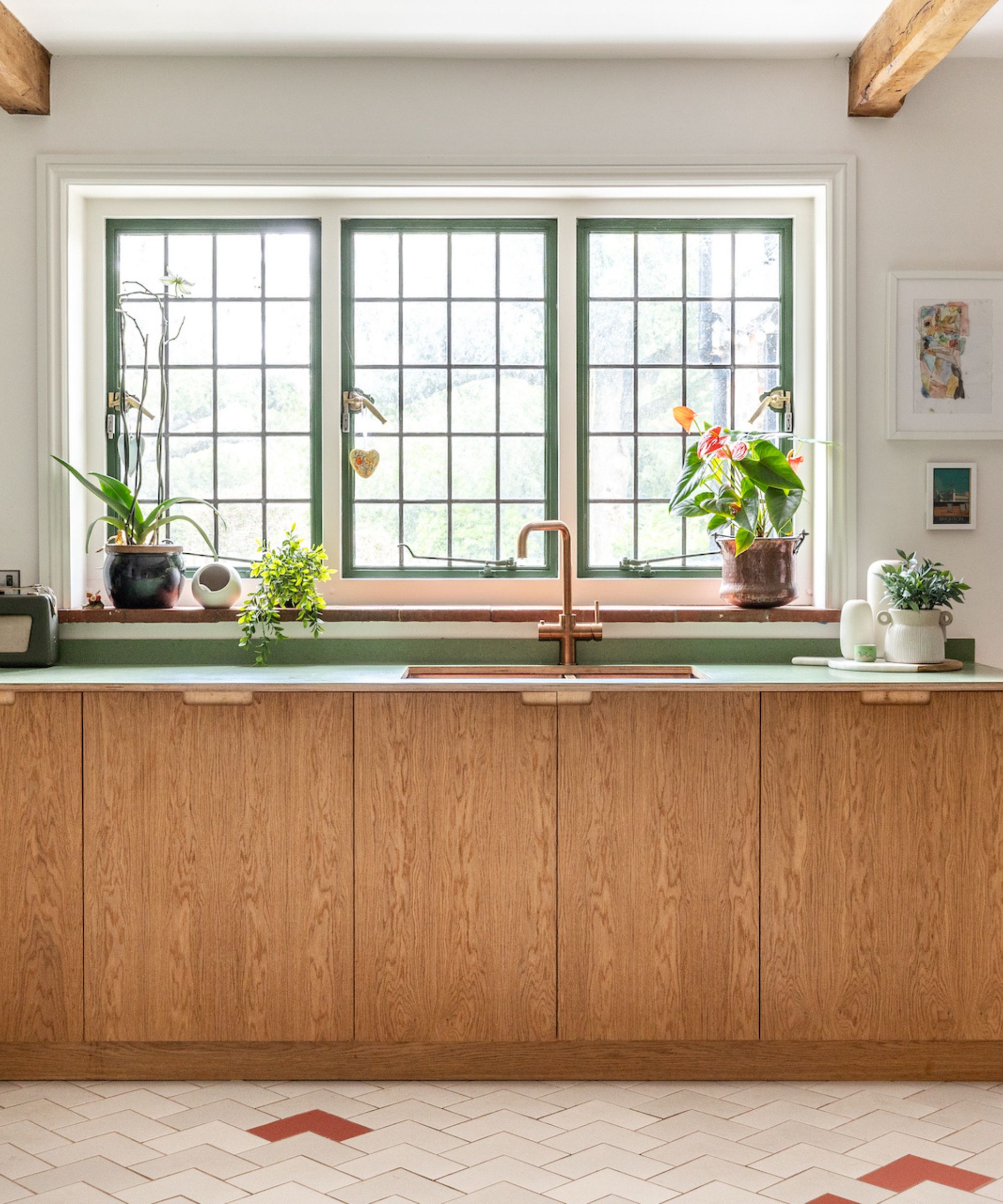
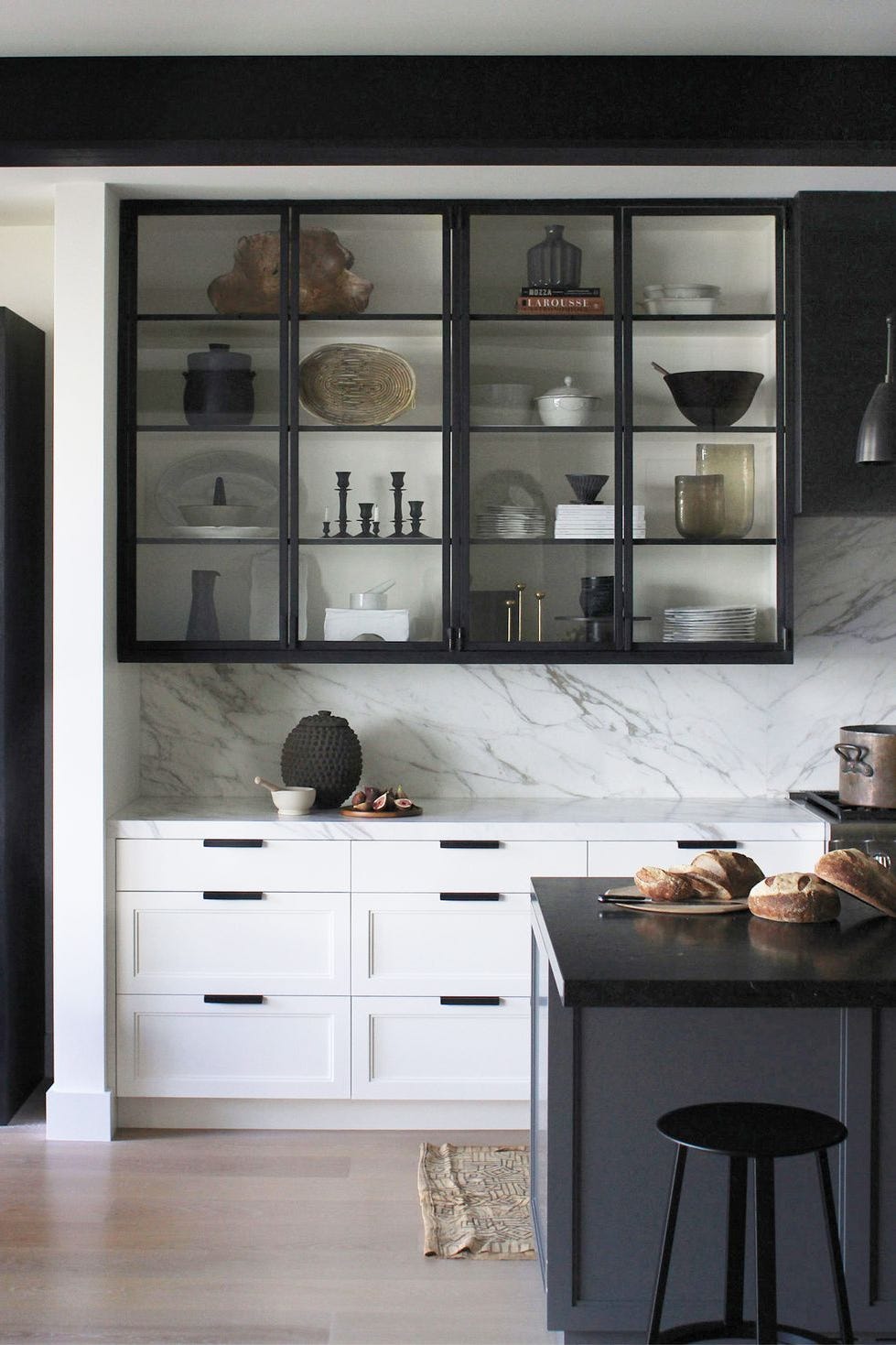
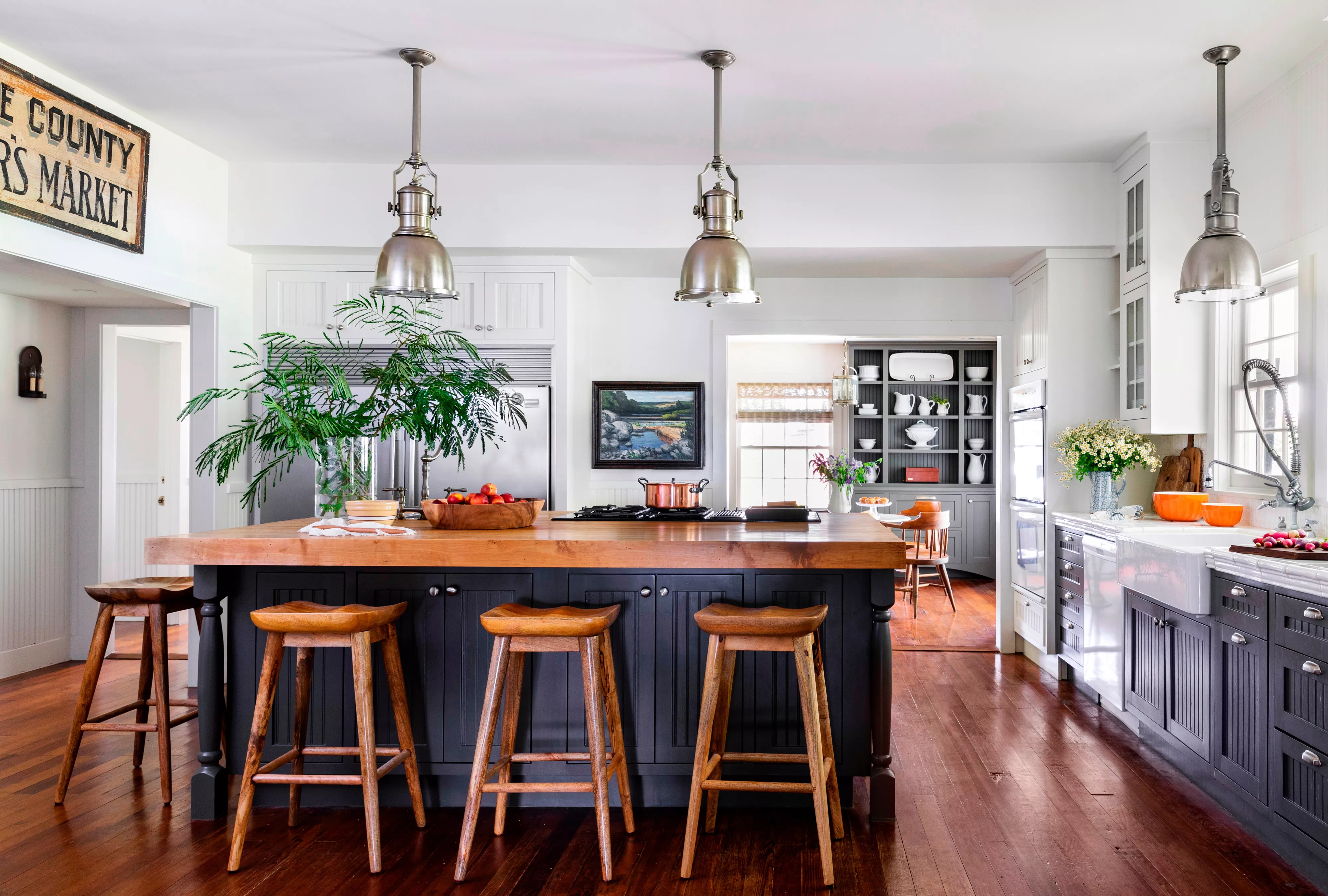
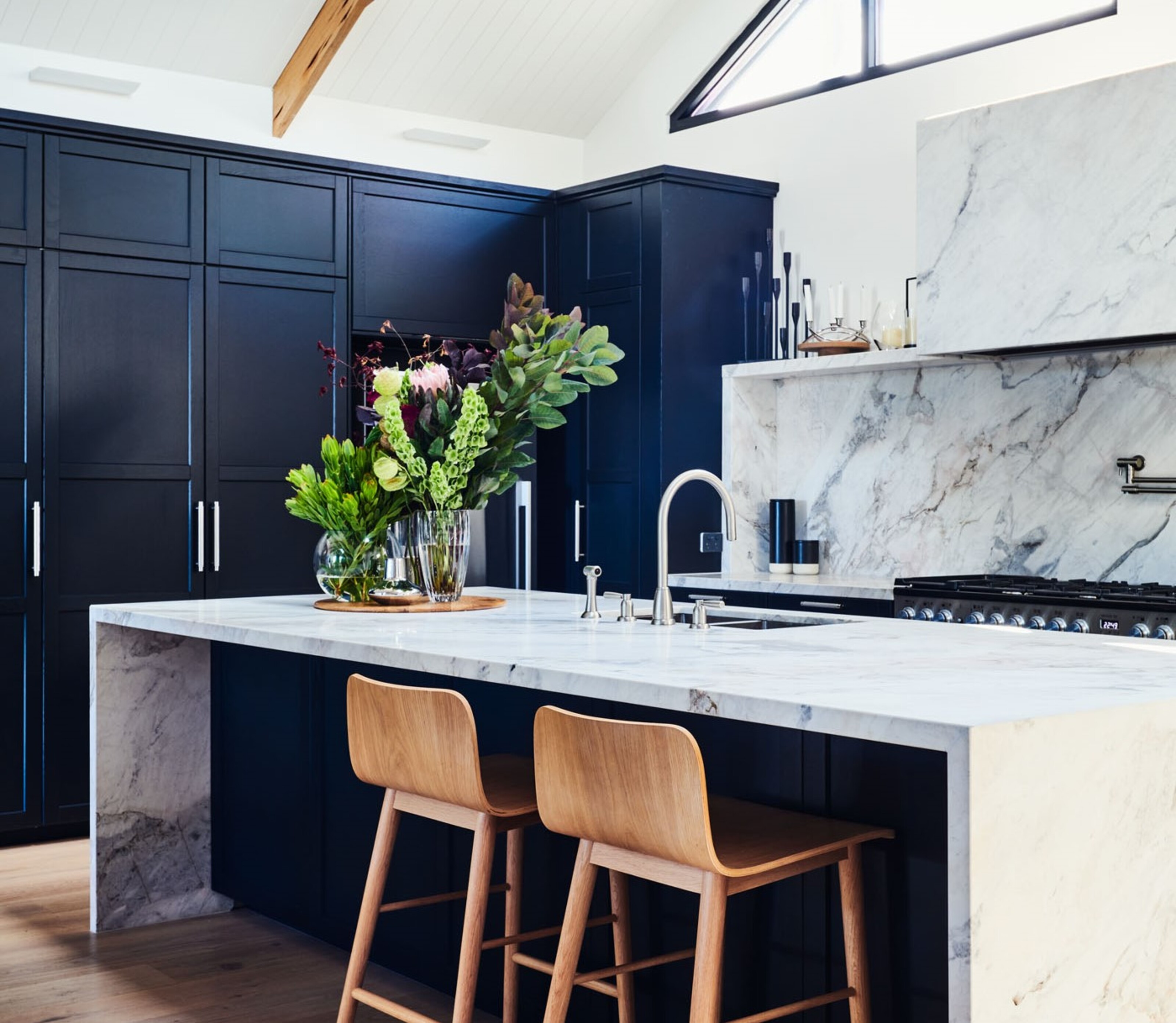
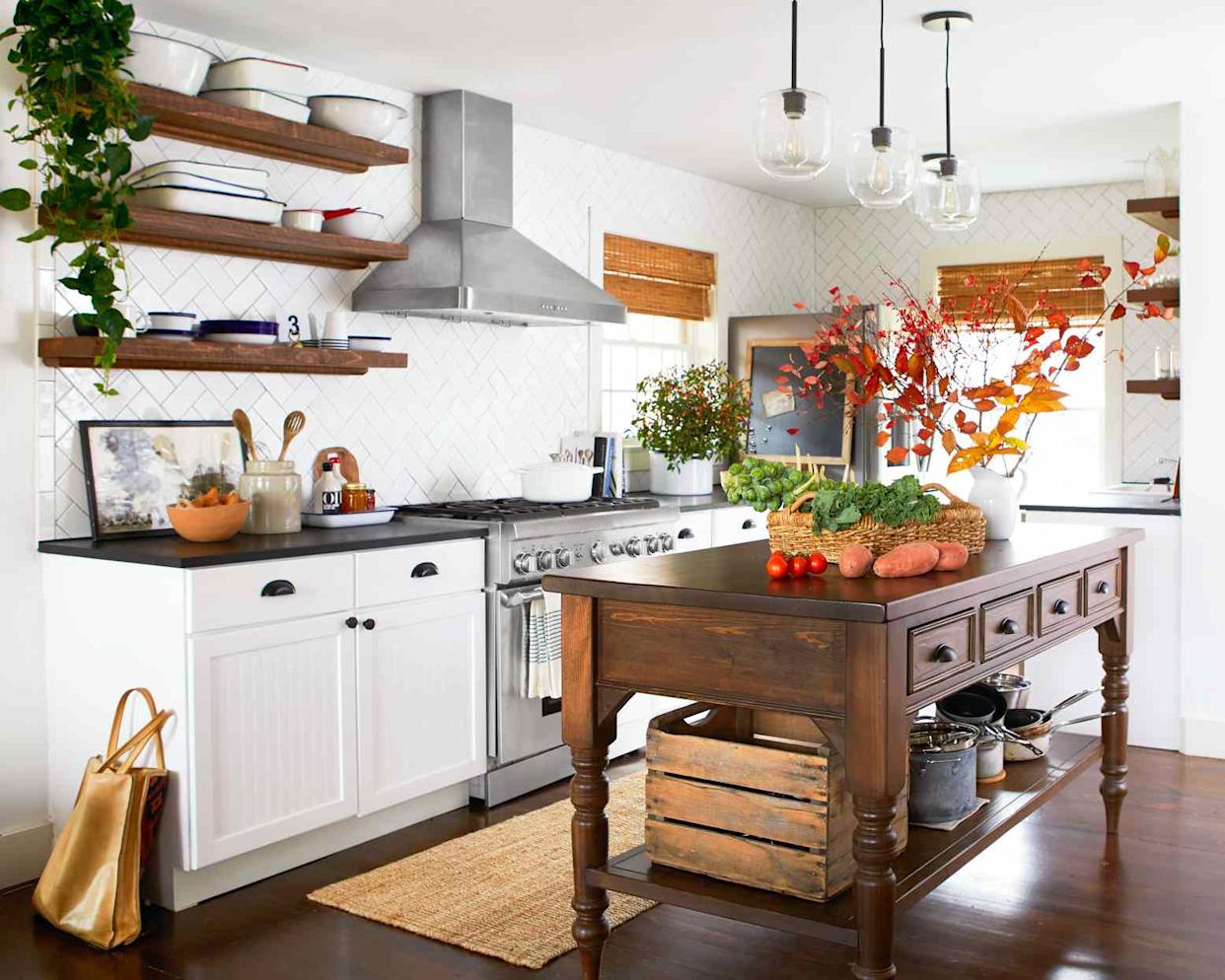
Two cabinet colors are frequently cited by designers as making kitchens appear outdated: heavy red timber tones and stark white. Red and honey-toned woods like cherry or mahogany can quickly date a kitchen. However, if replacing cabinetry is not an option, especially for renters, adjusting lighting can be an effective way to modernize these tones. Changing the color temperature of light bulbs can alter how wood tones are perceived, reducing their visual weight. Painting can also neutralize red undertones; for example, a neutral soft white with a subtle green undertone can counteract red tones. Additionally, updating hardware with sleek black or brushed brass handles can provide a contemporary refresh. For those able to replace cabinetry, light oak or rich walnut are favored for their enduring appeal, natural texture, and welcoming atmosphere, especially when paired with clean lines or handleless designs.
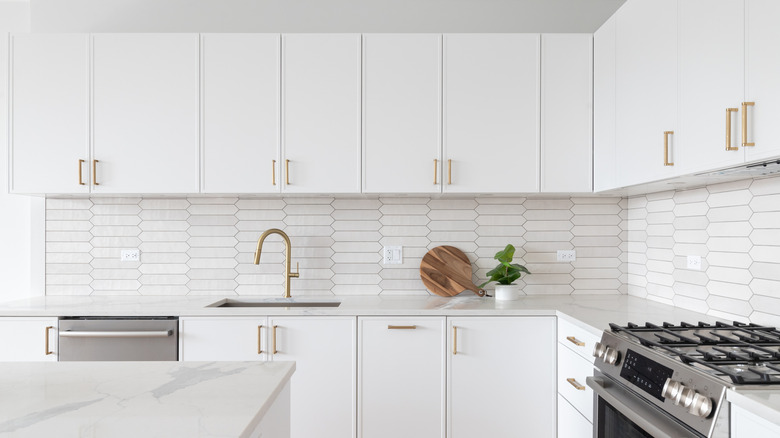
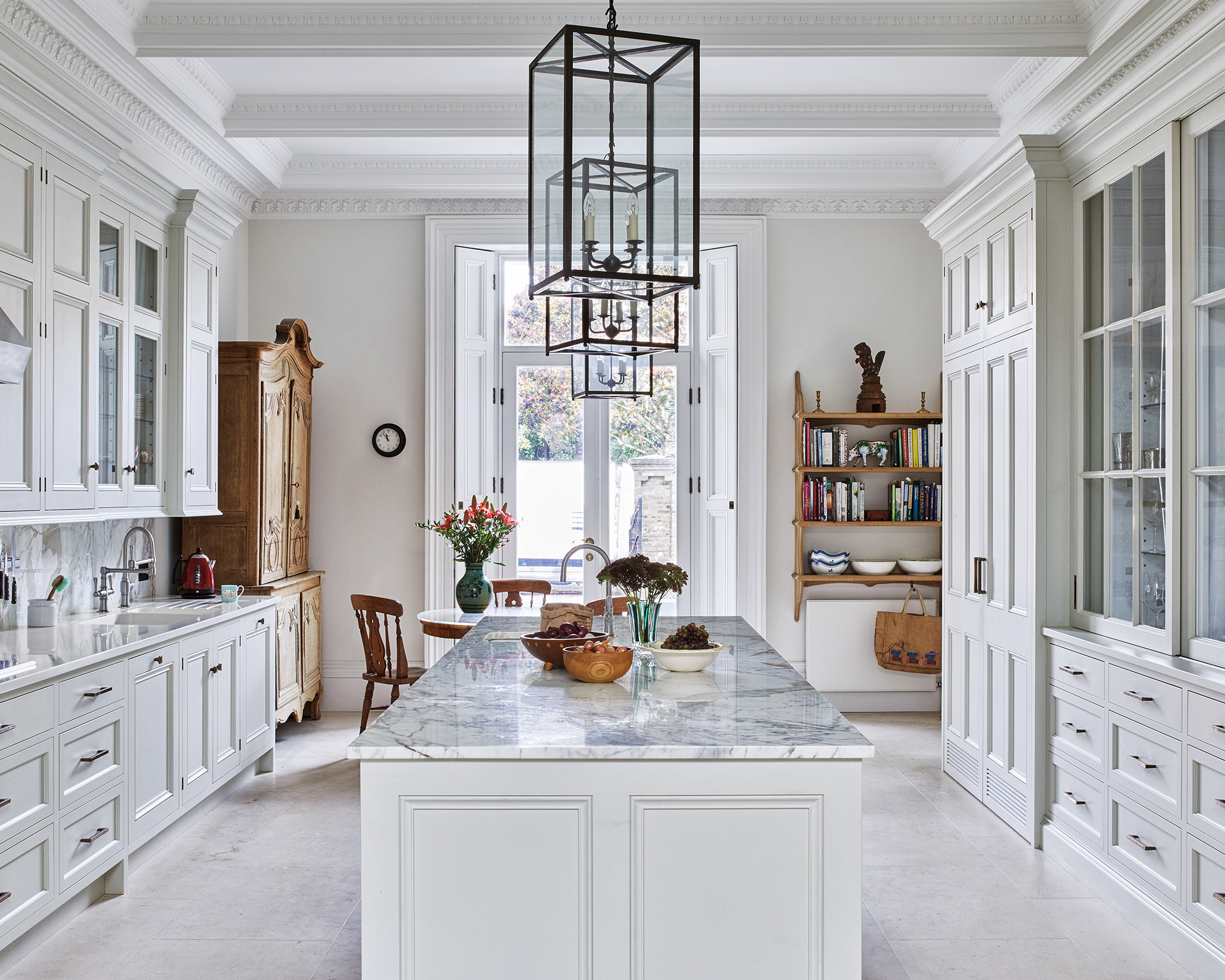
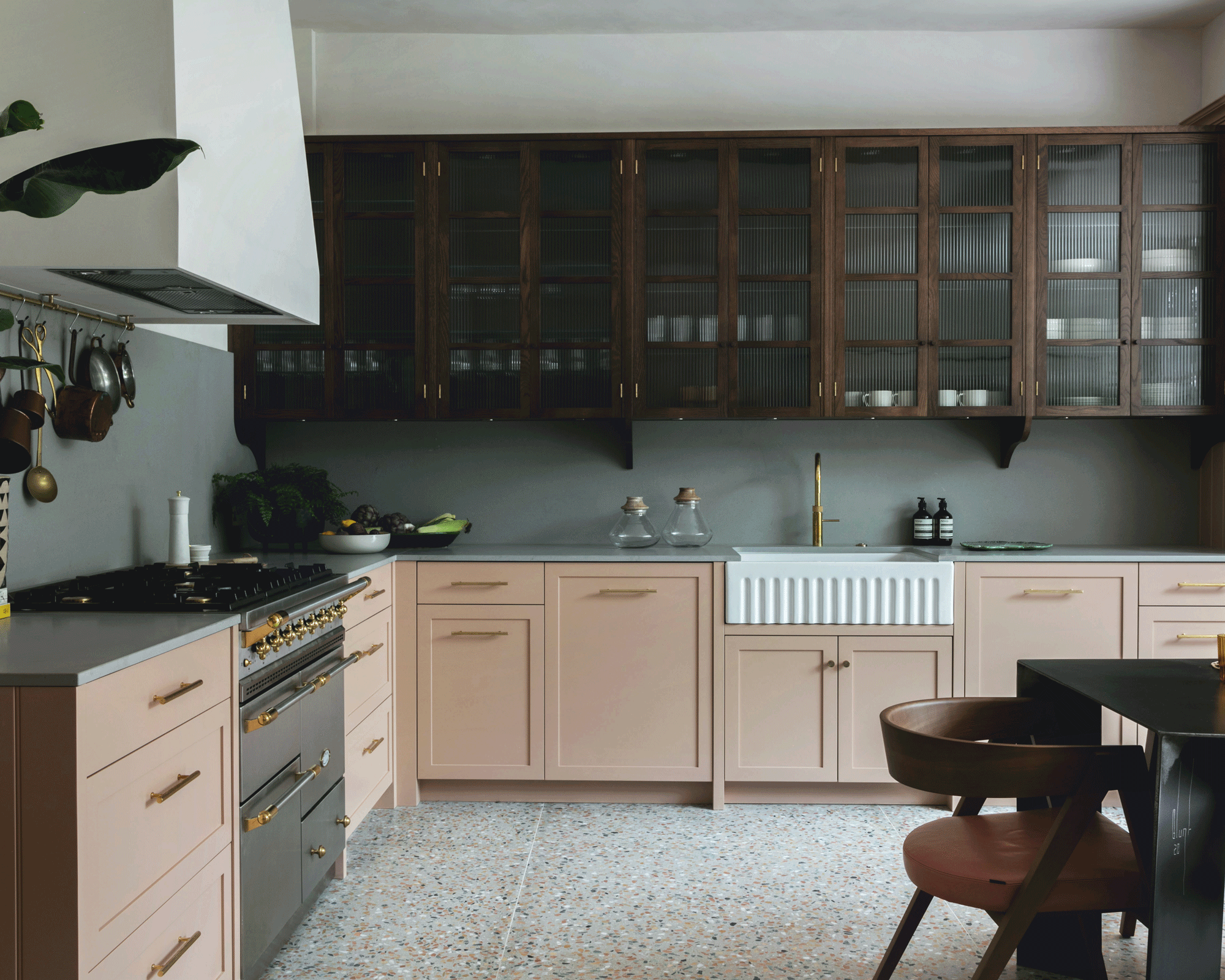
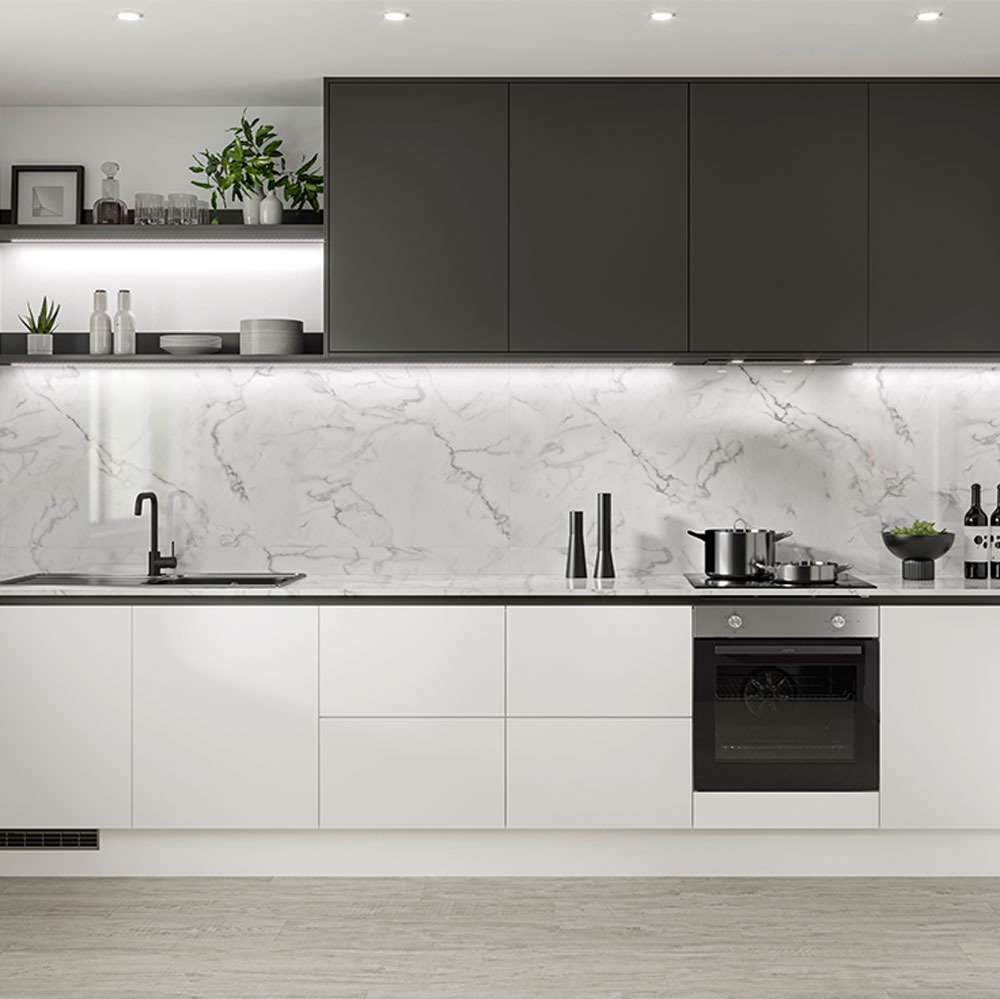
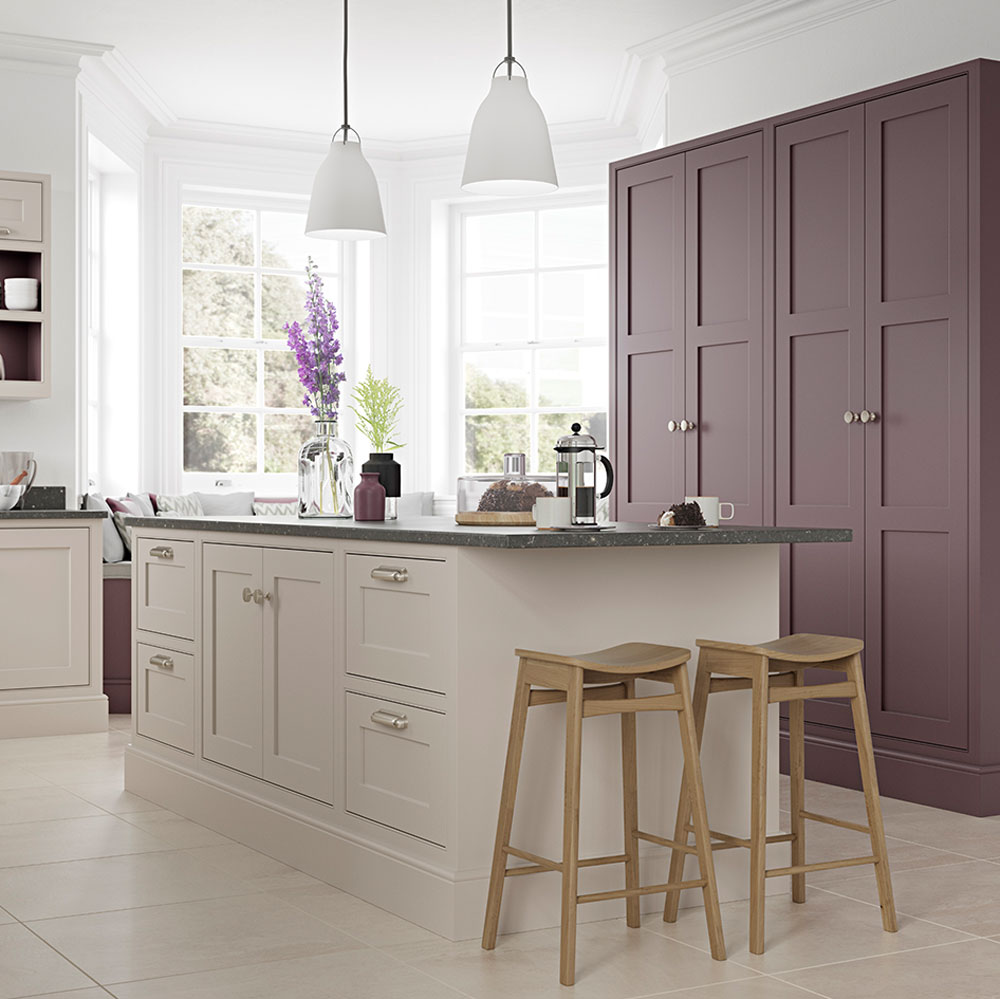
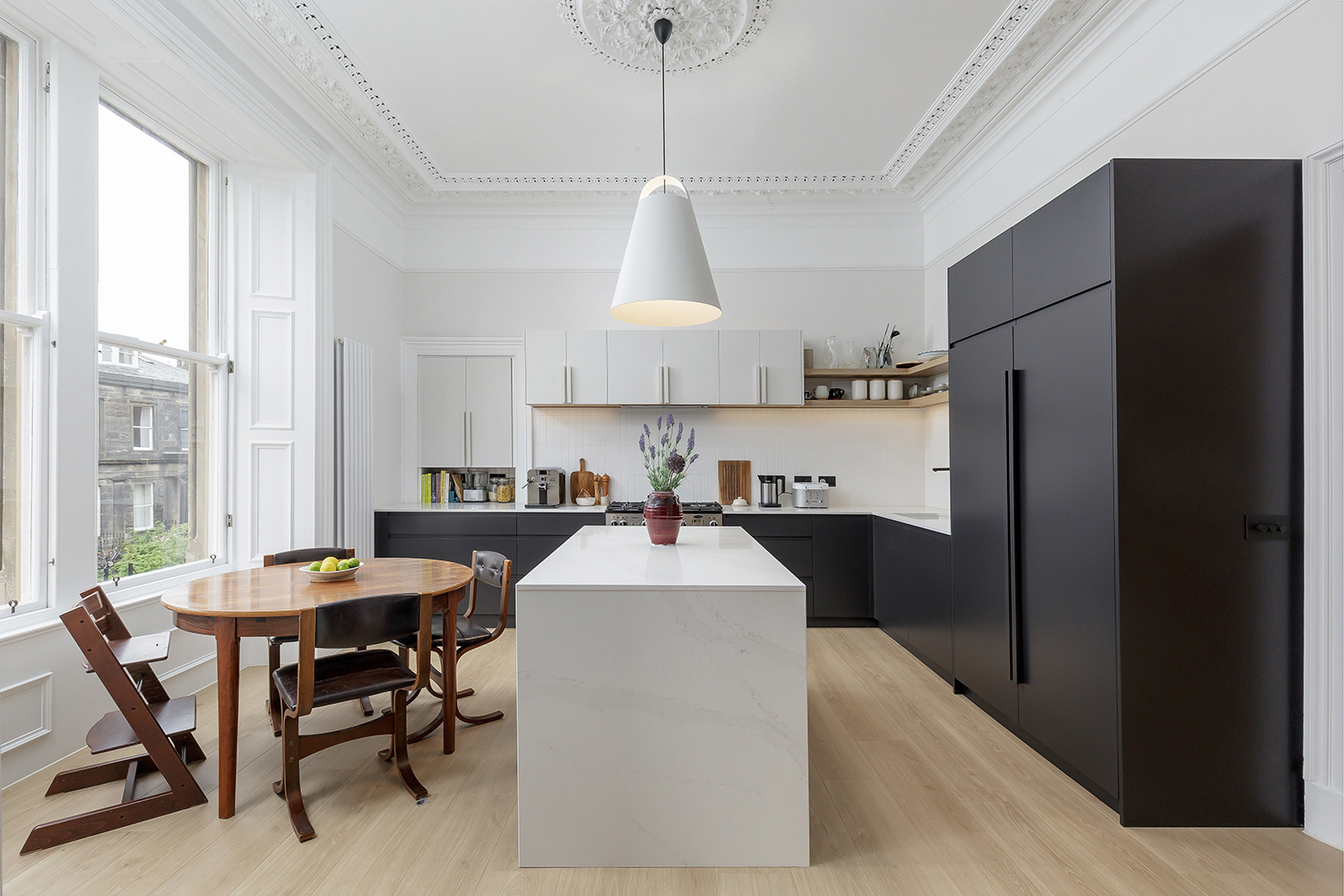
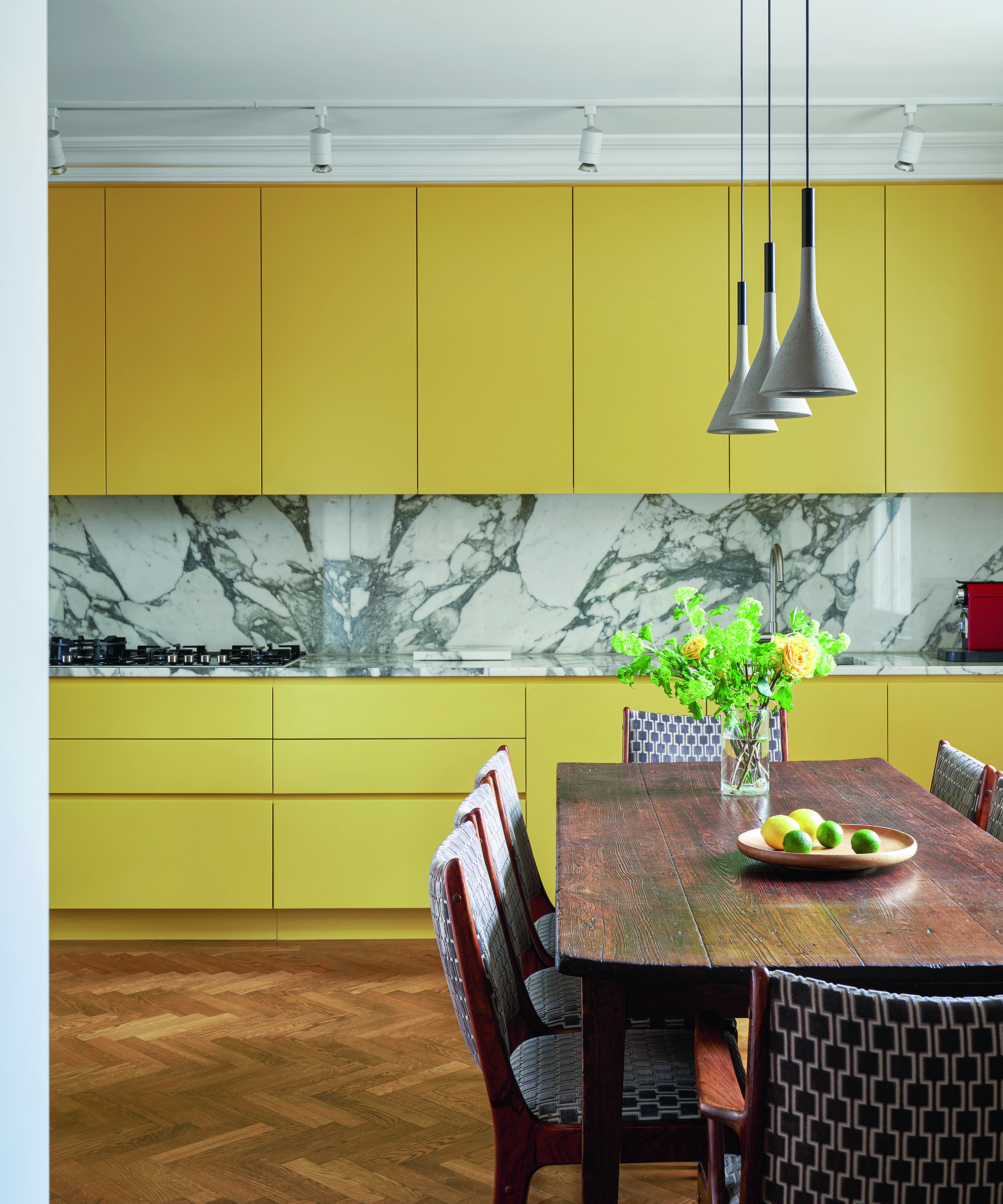
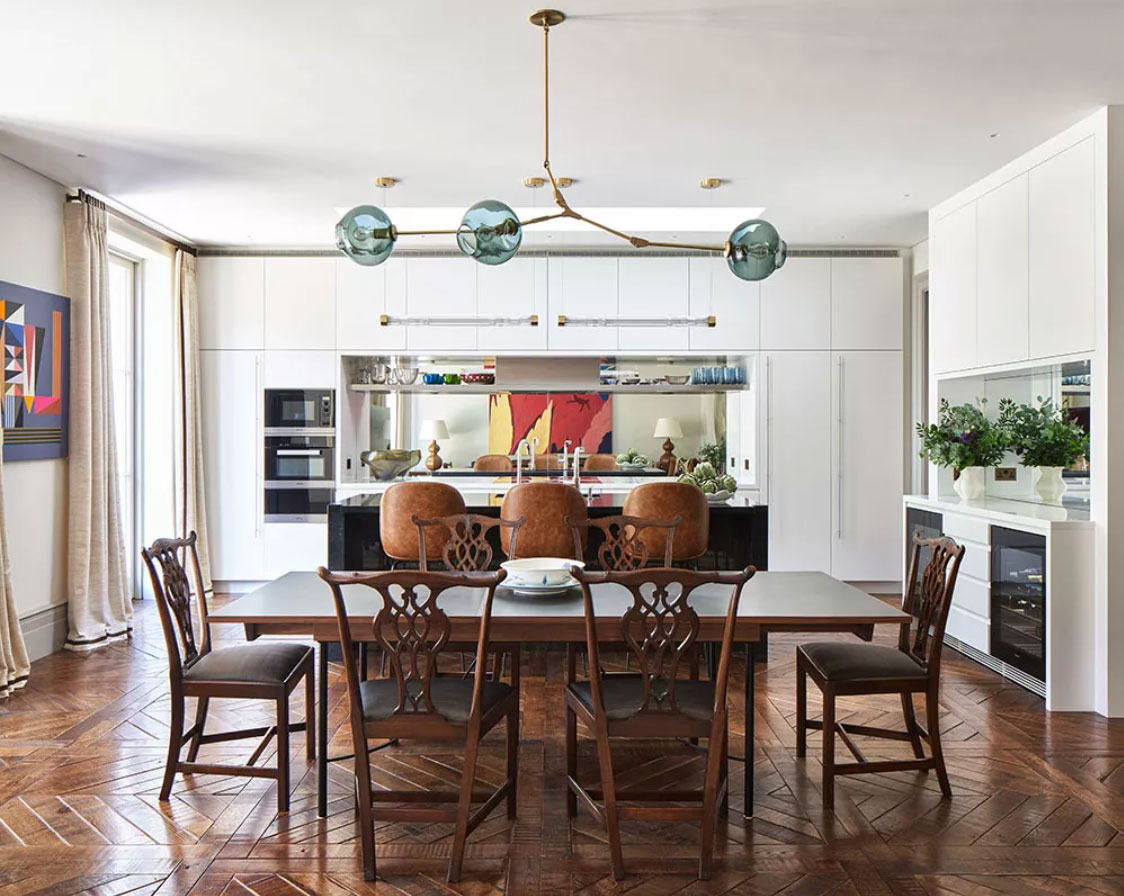
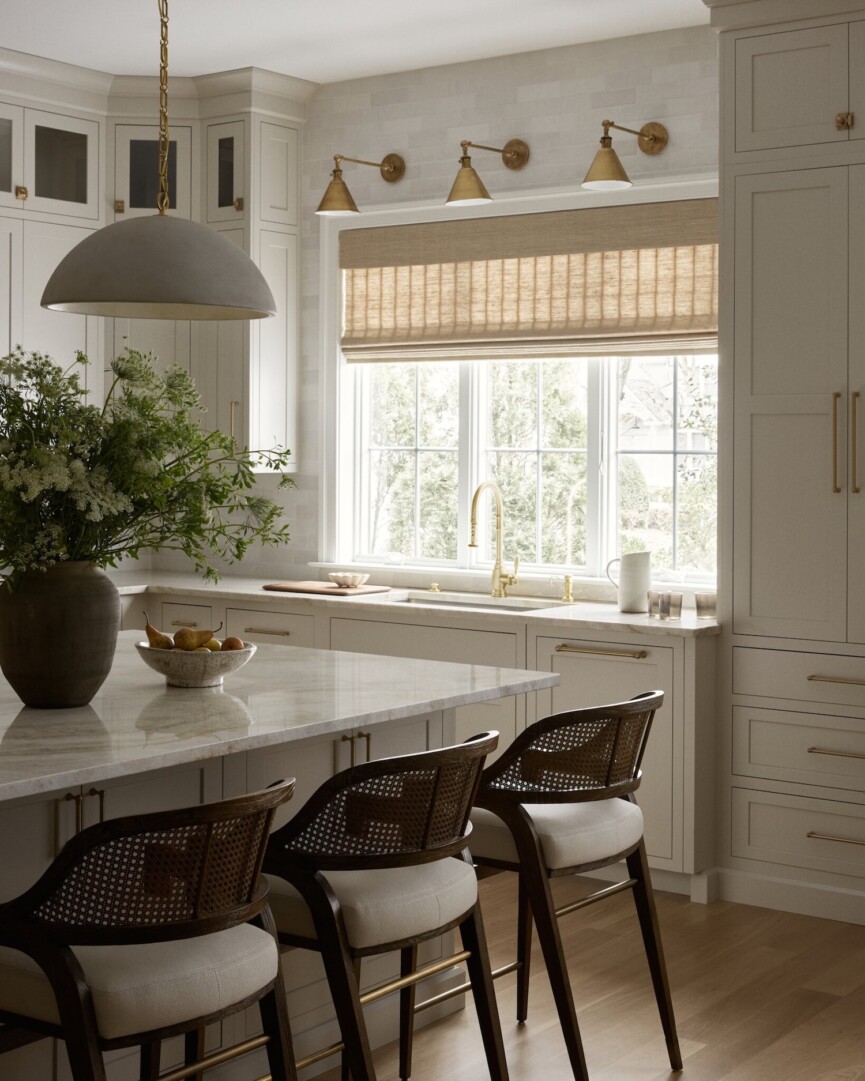
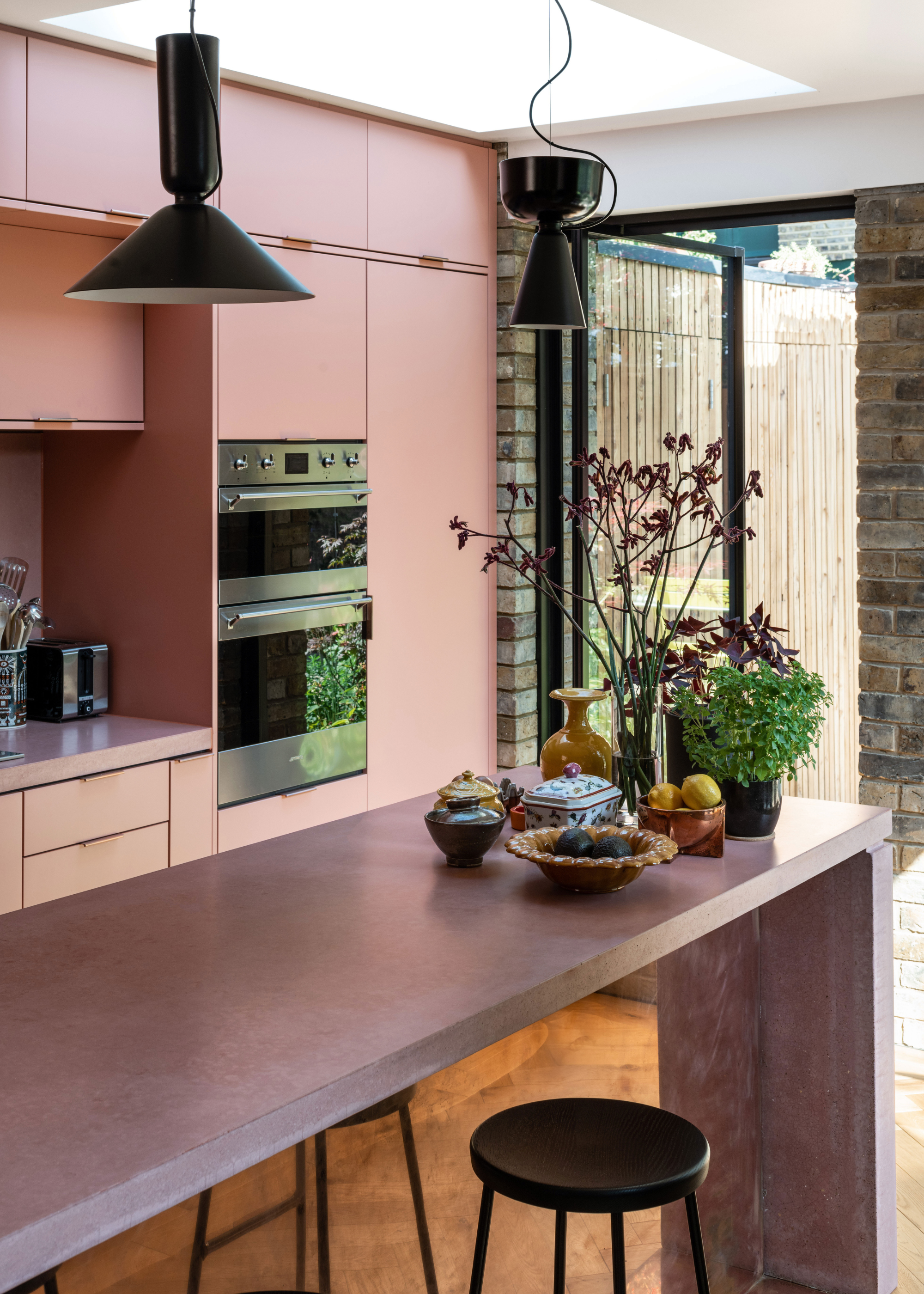
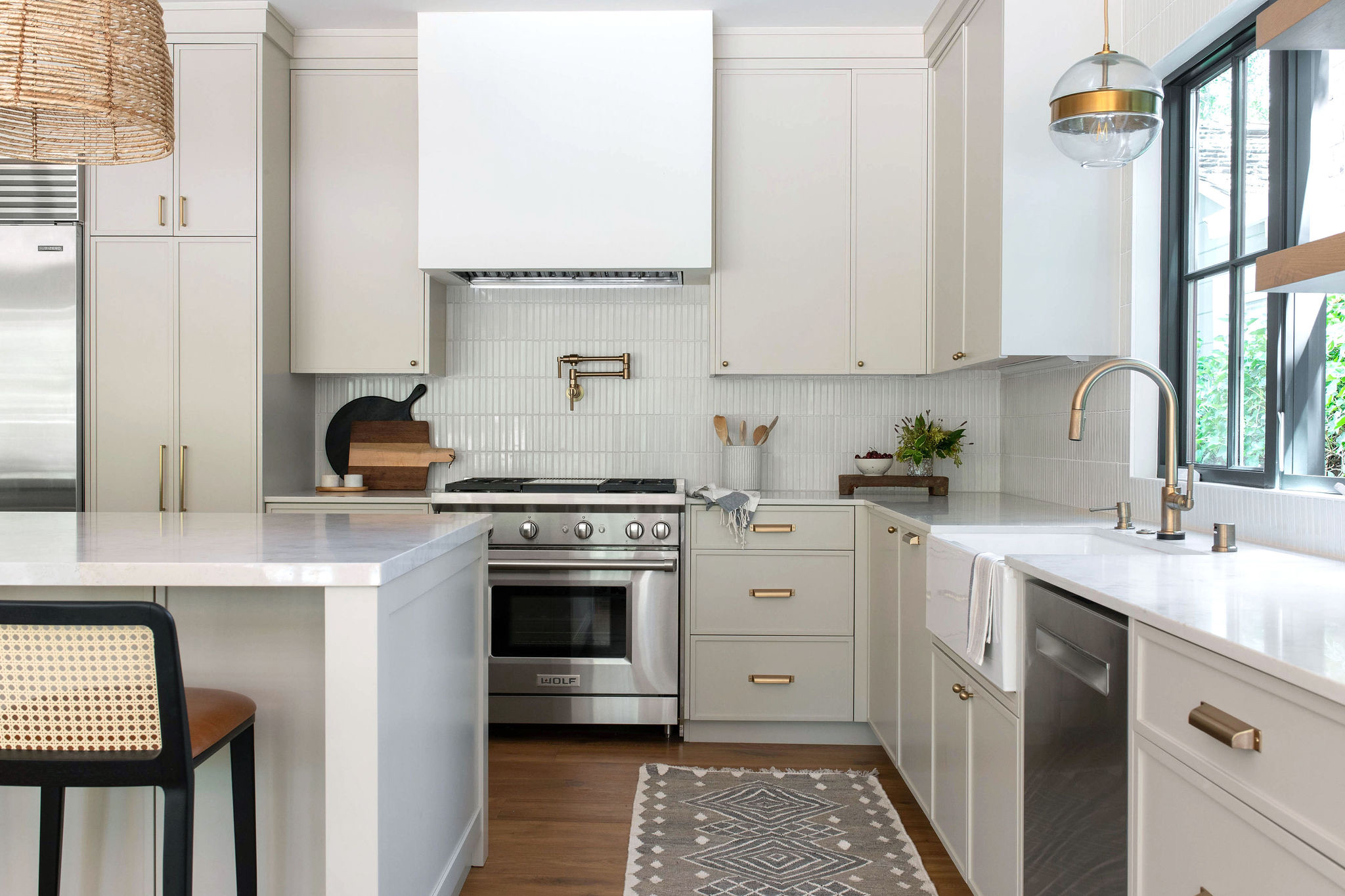
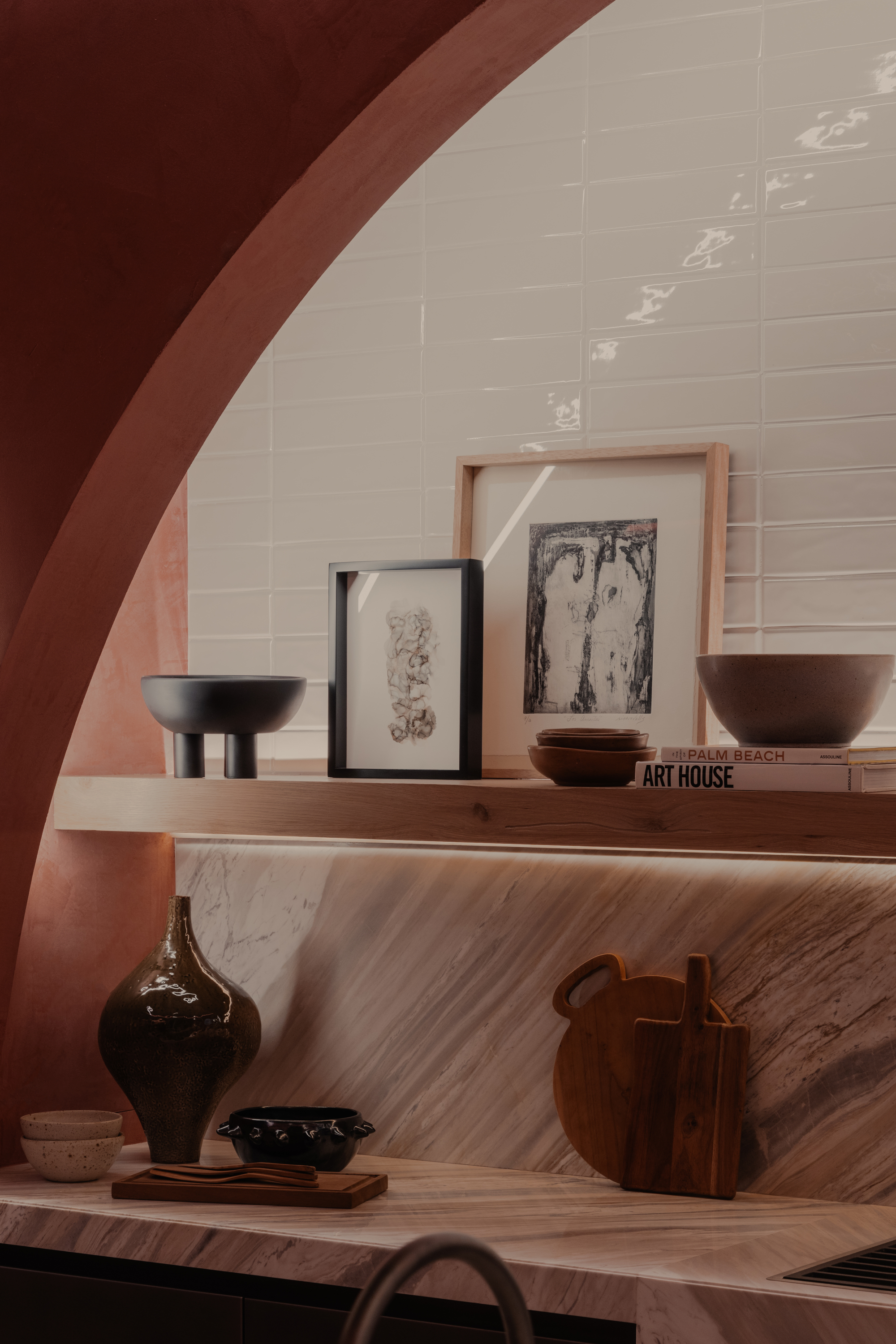
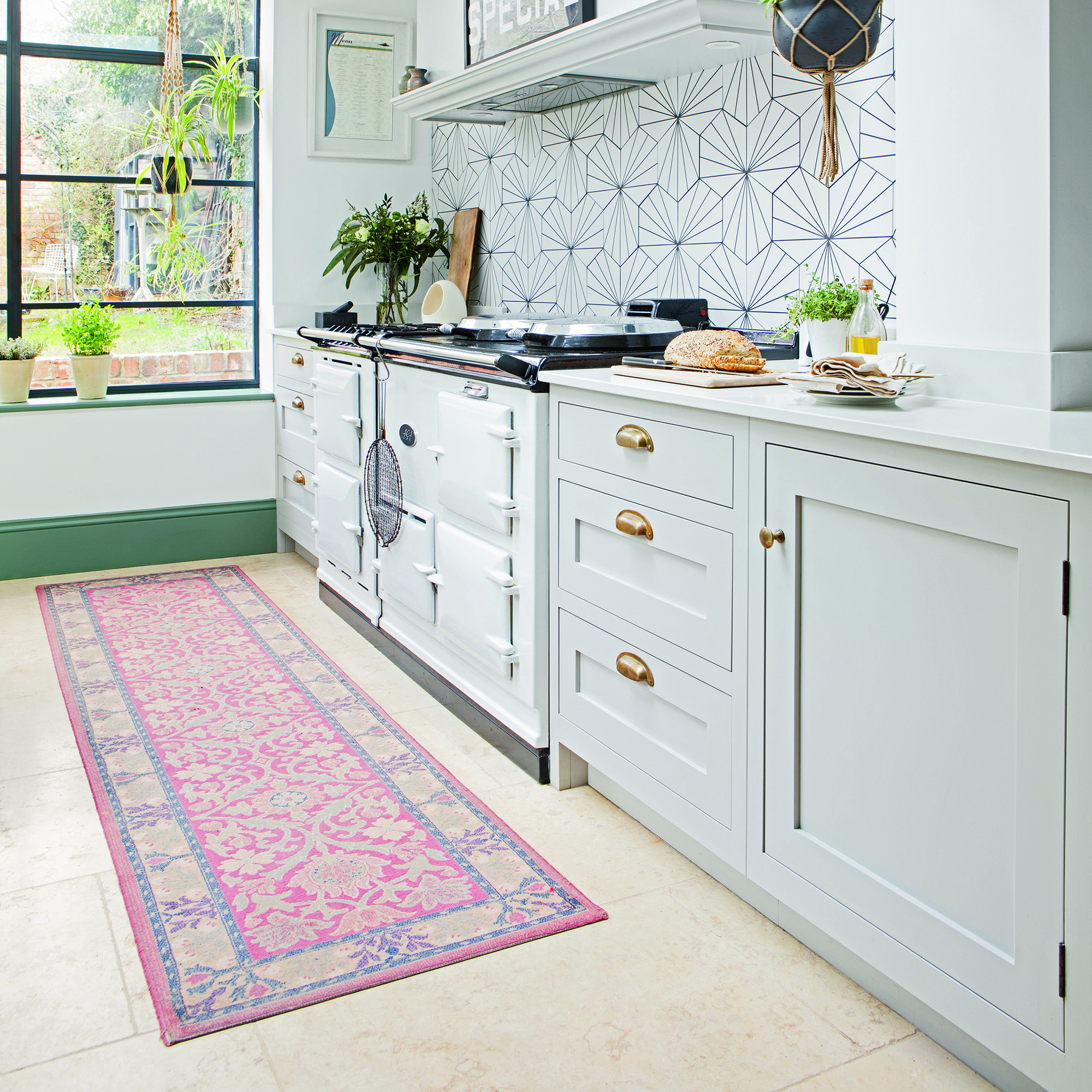
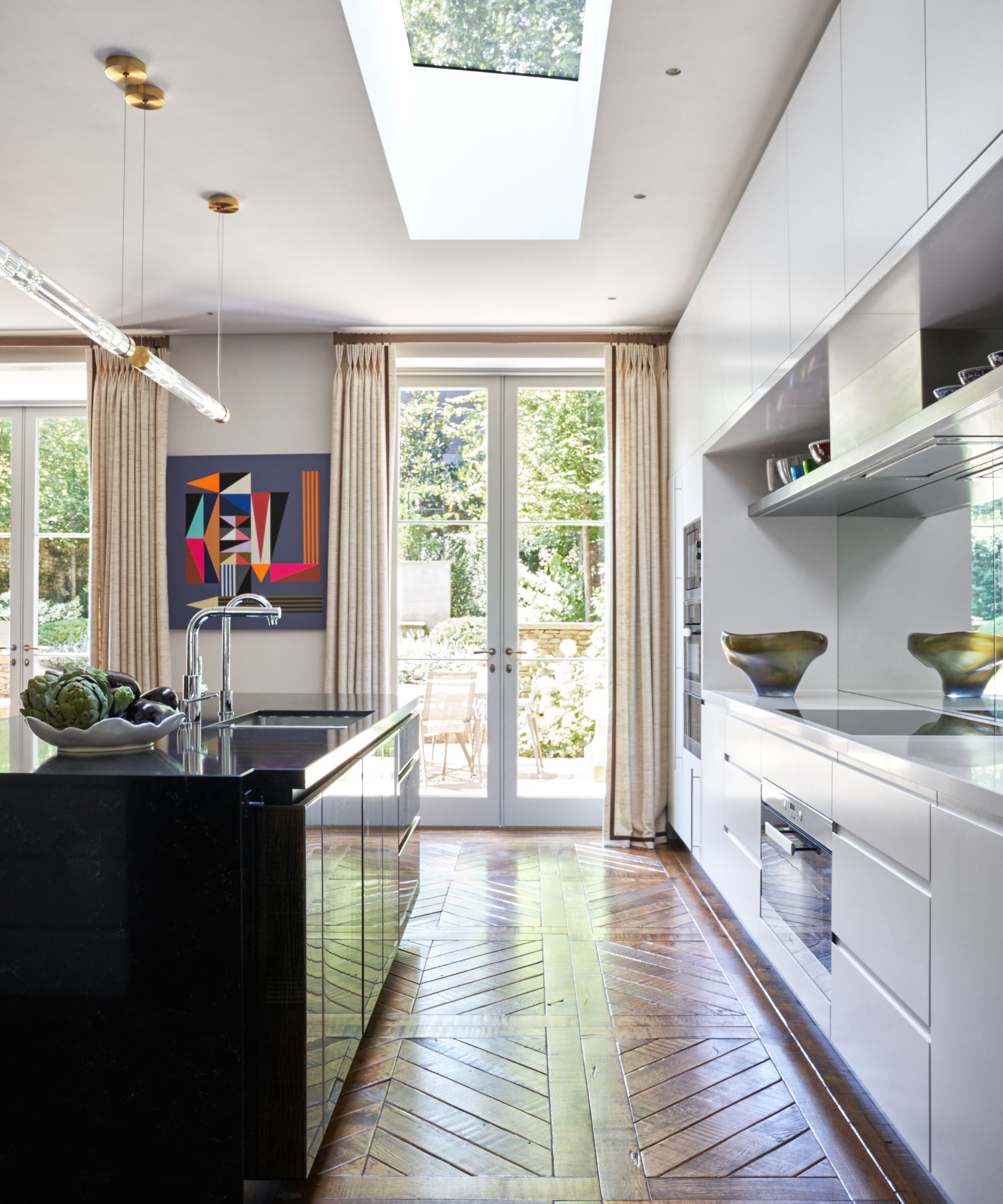
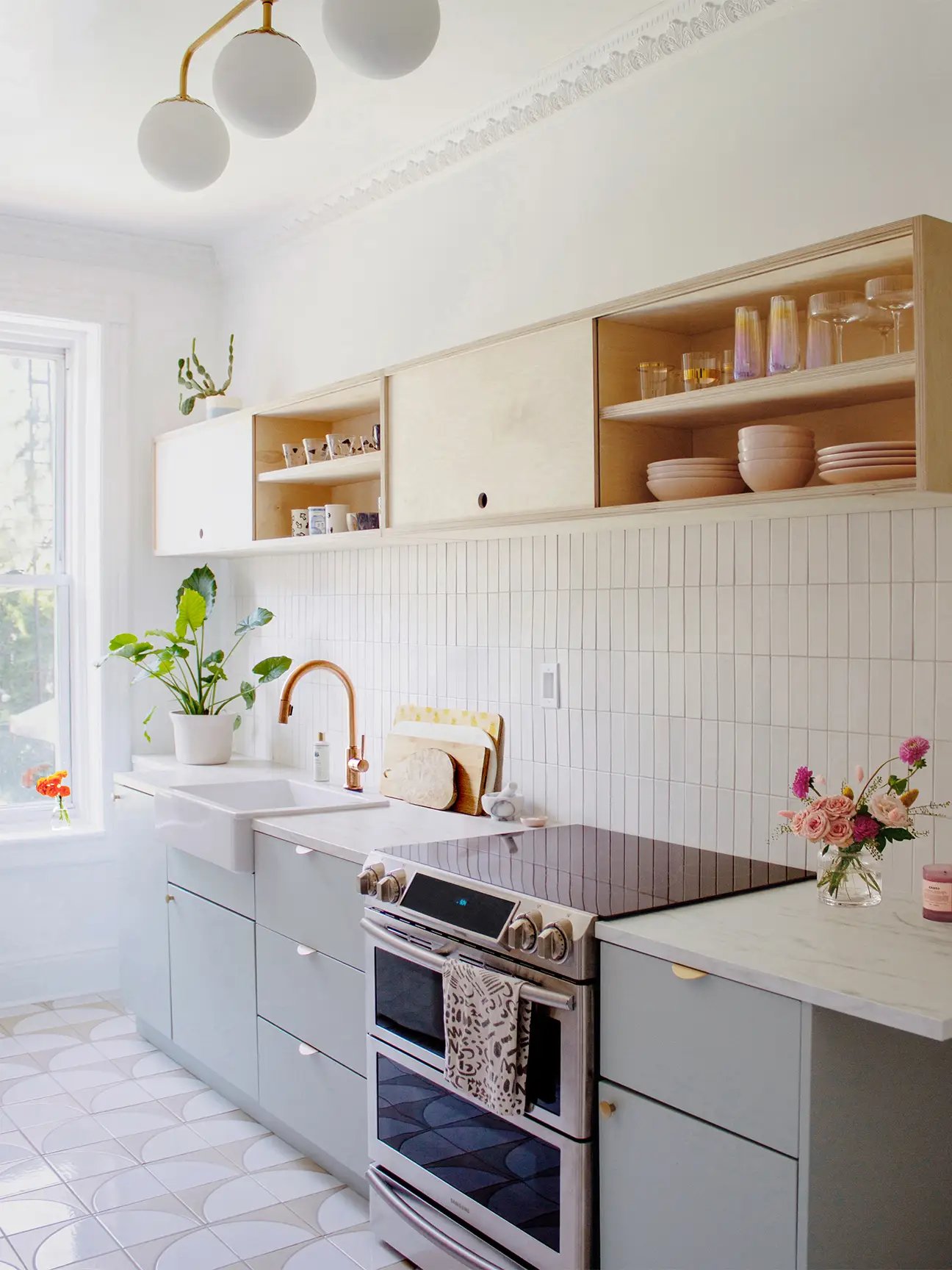
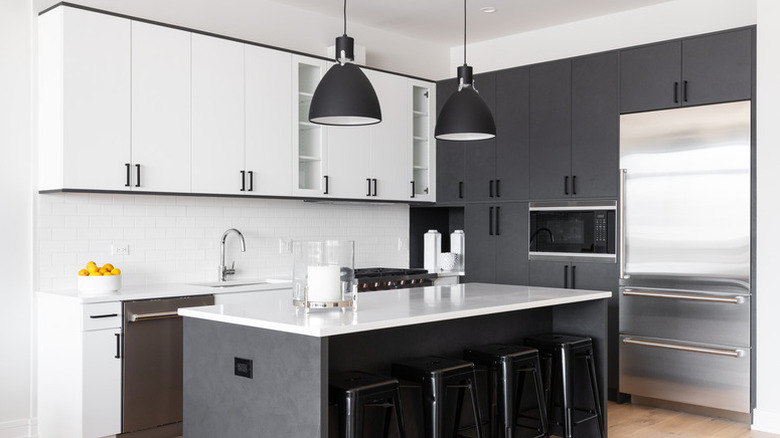
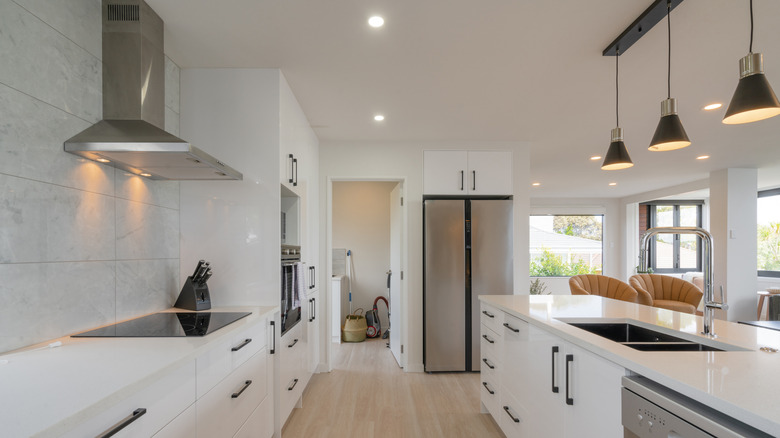
Stark white, particularly the classic white shaker door style, is another color that can date a kitchen due to its ubiquity. While once considered a safe and stylish choice for resale, an uninspired white kitchen can now appear lackluster. Designers are shifting towards alternative neutrals that offer warmth, softness, and depth. For example, a blush pink can serve as a warm-hued neutral, creating a gentle and serene space with more personality than traditional white. Nobilia’s Sand color is recommended as a versatile neutral that adapts to surrounding colors and natural light, making it suitable for contemporary kitchens with good resale value.
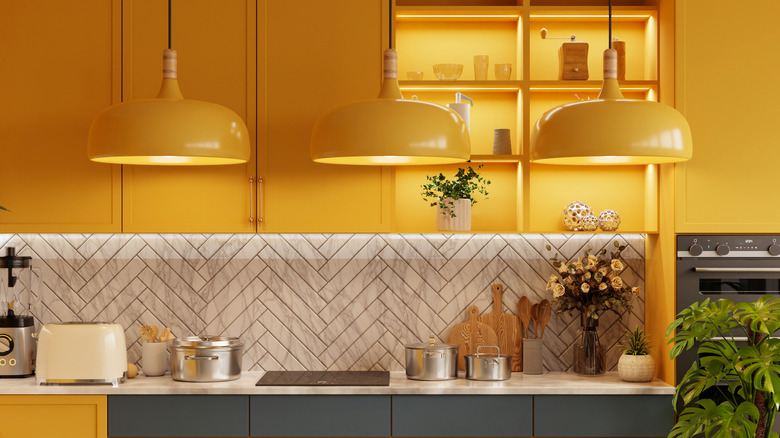
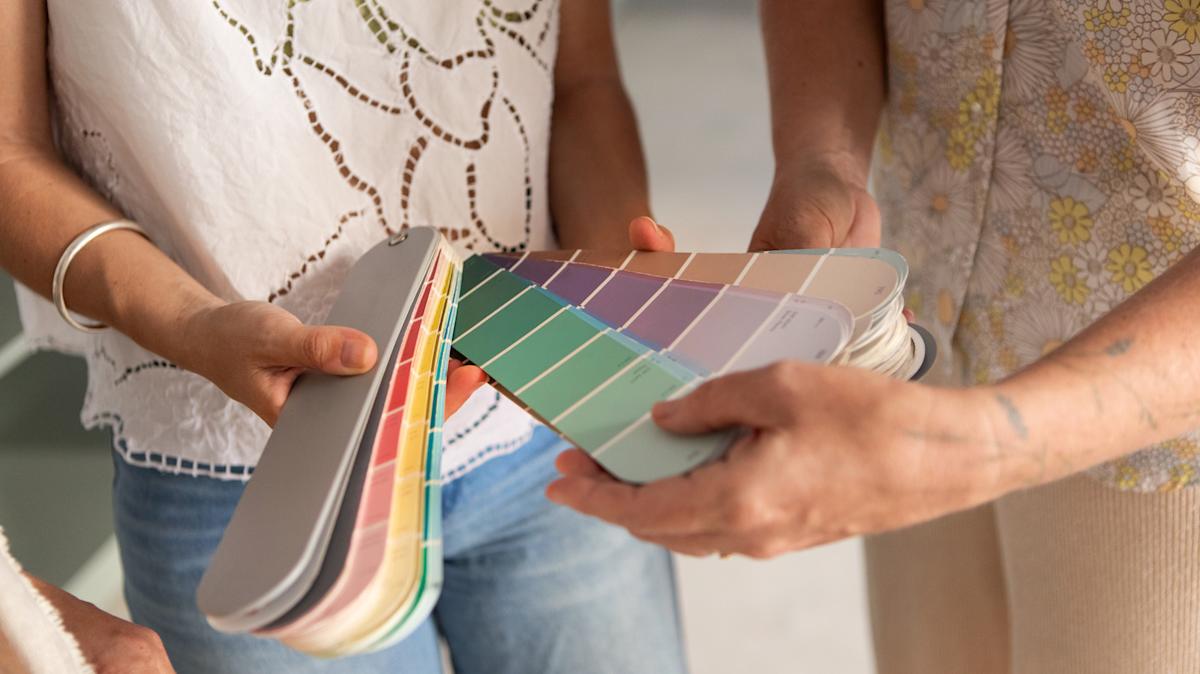
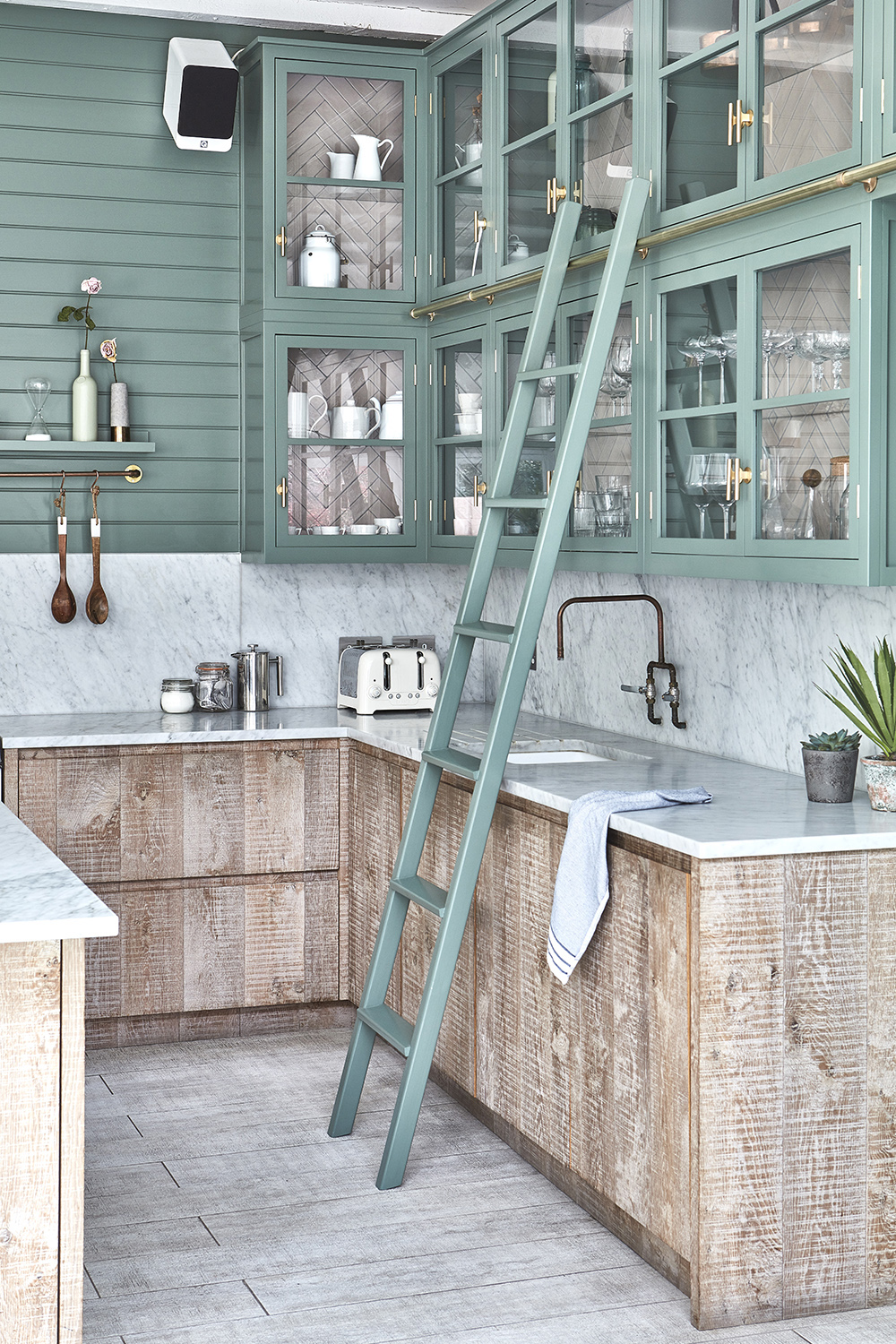
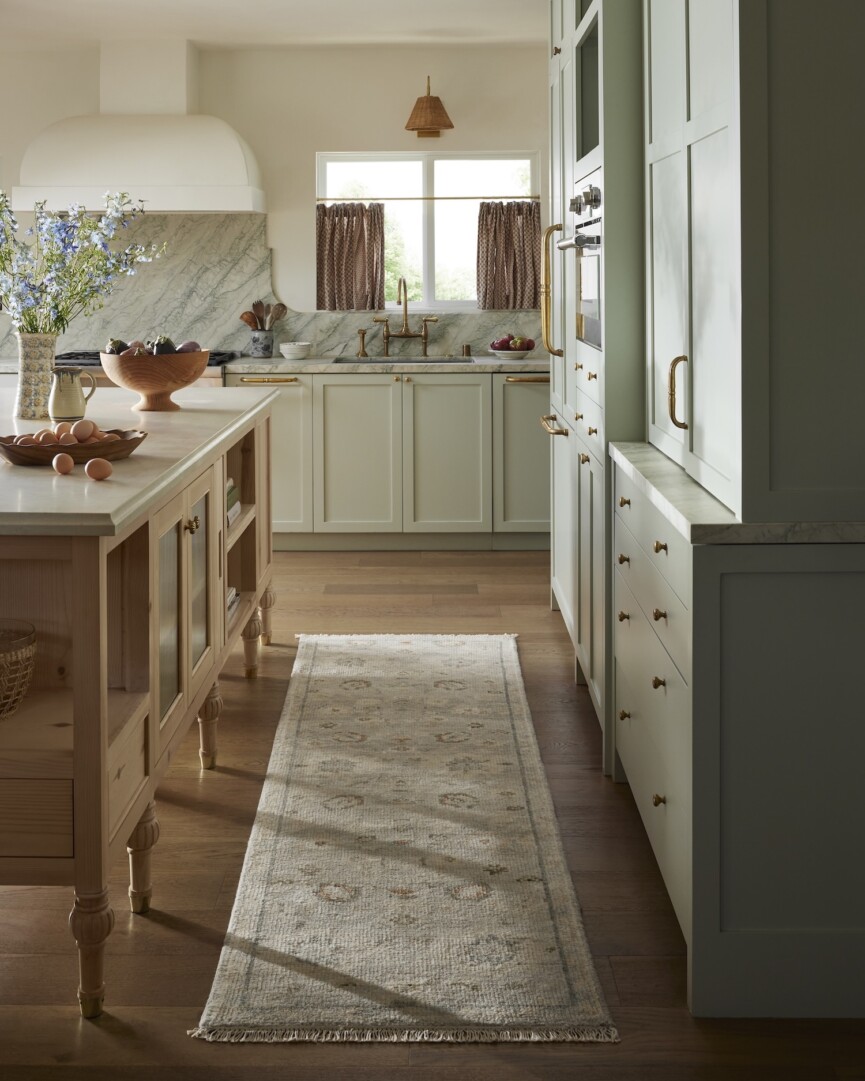
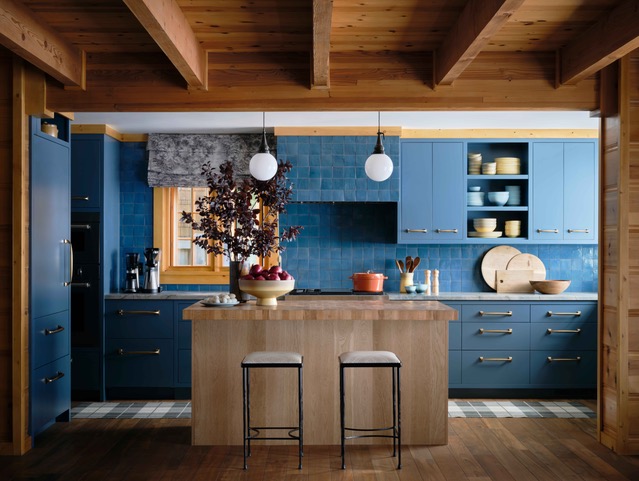
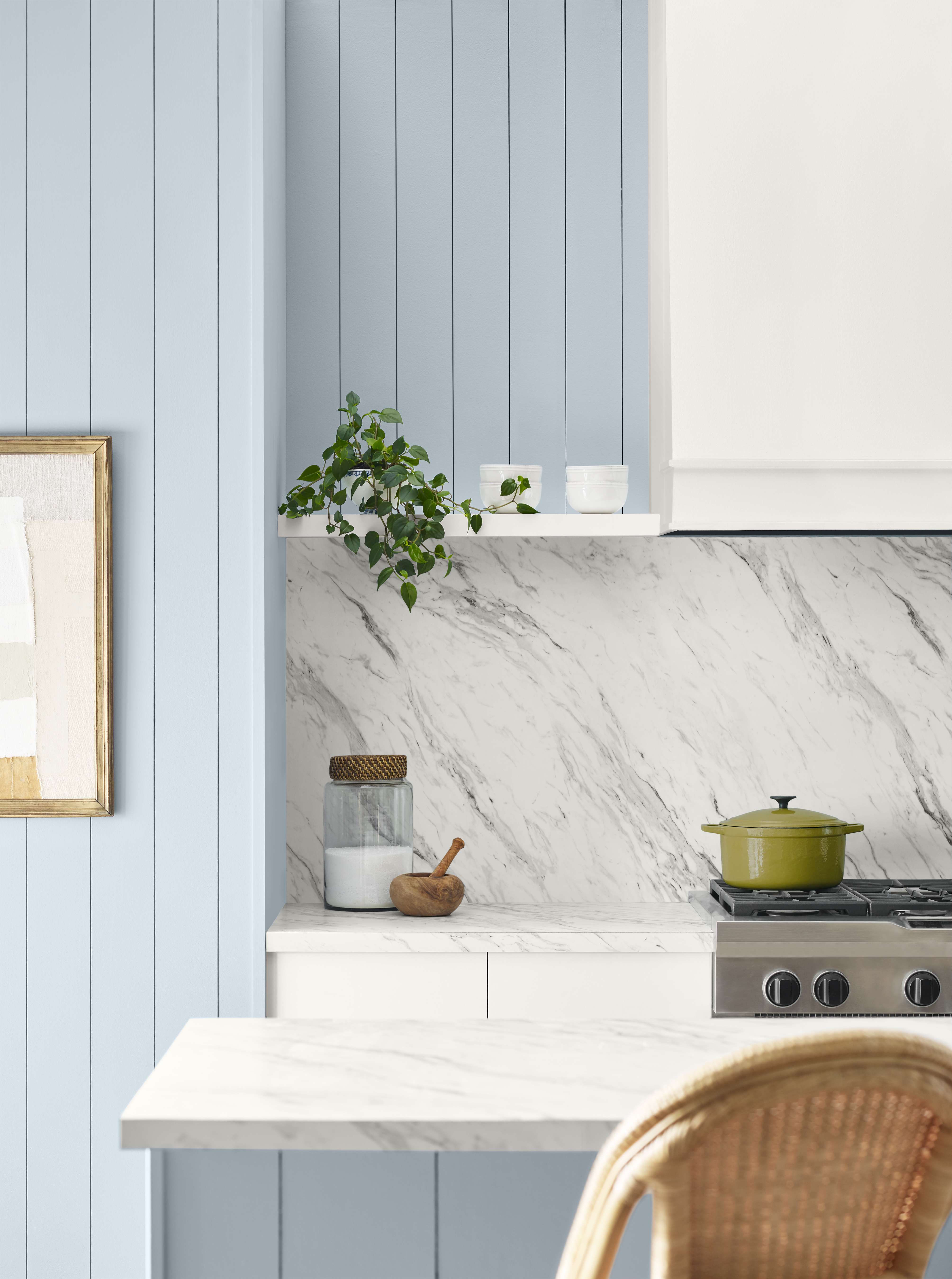
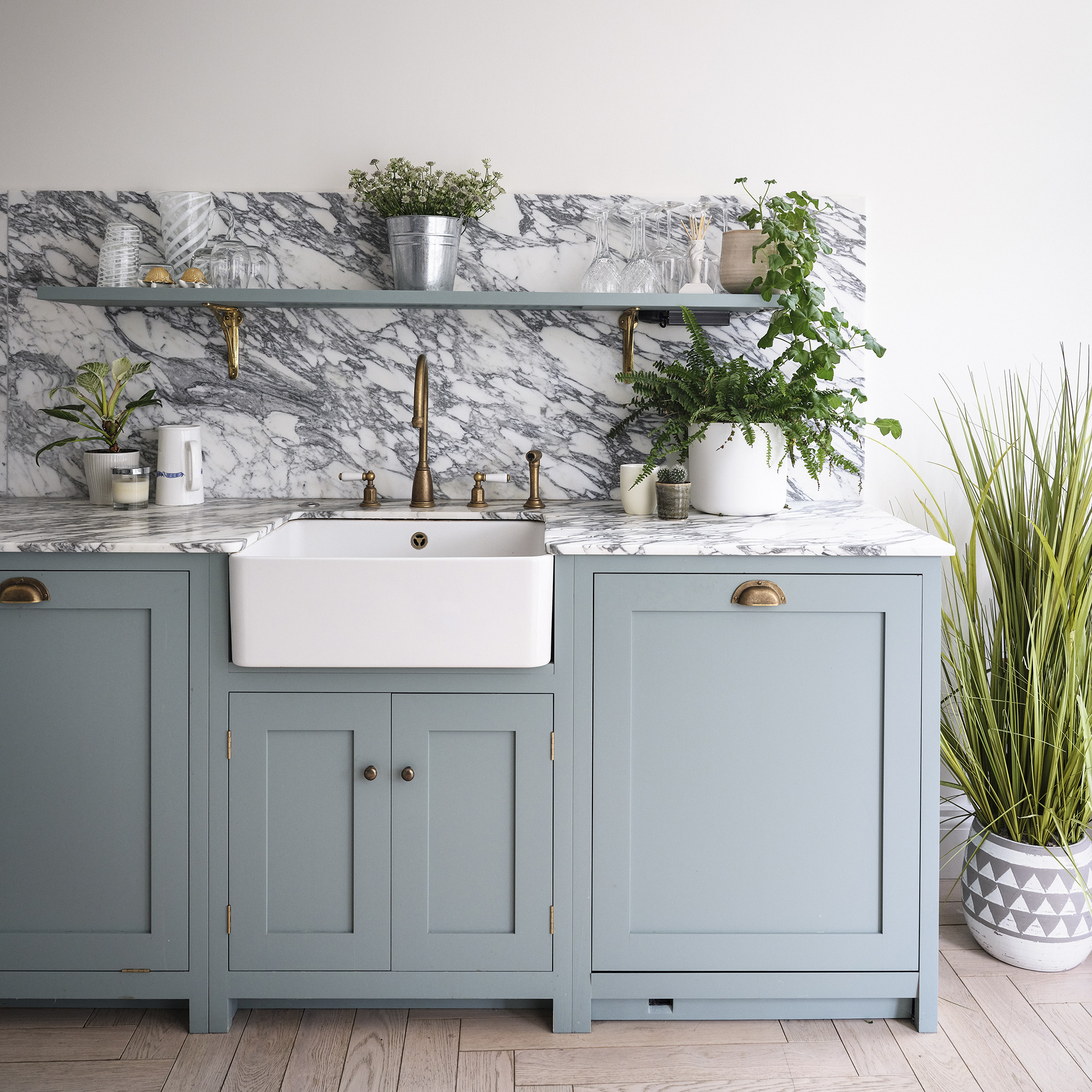
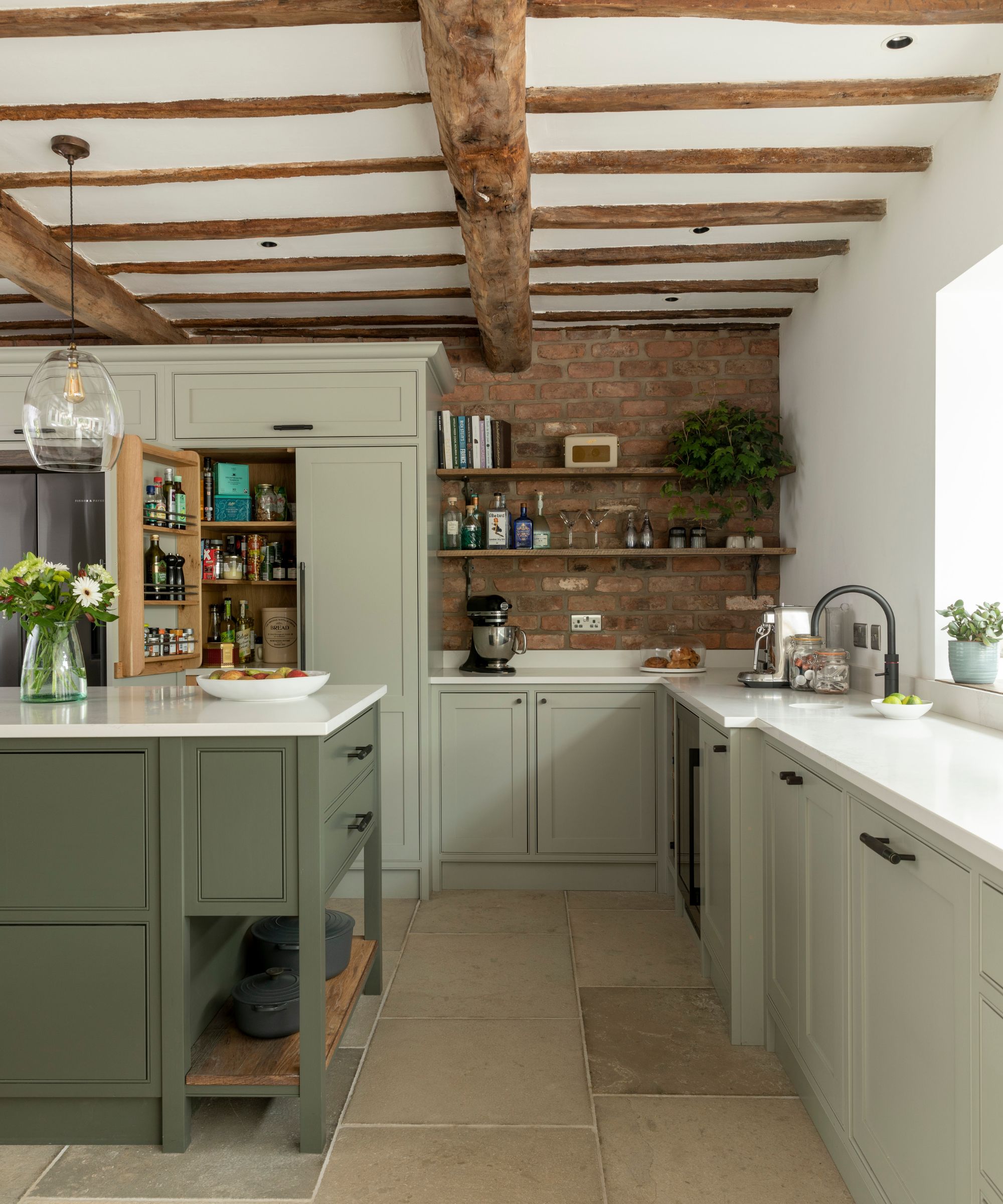
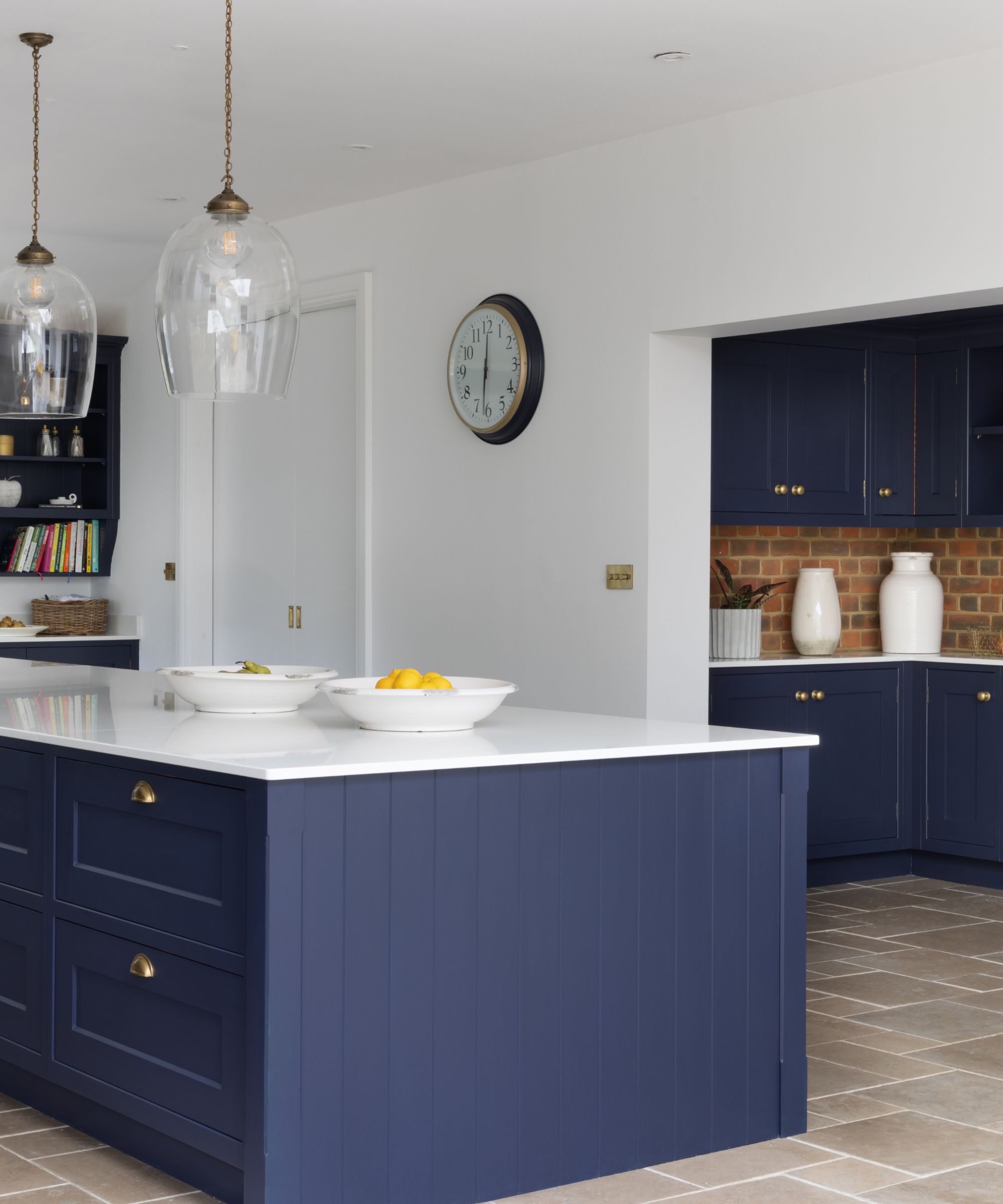
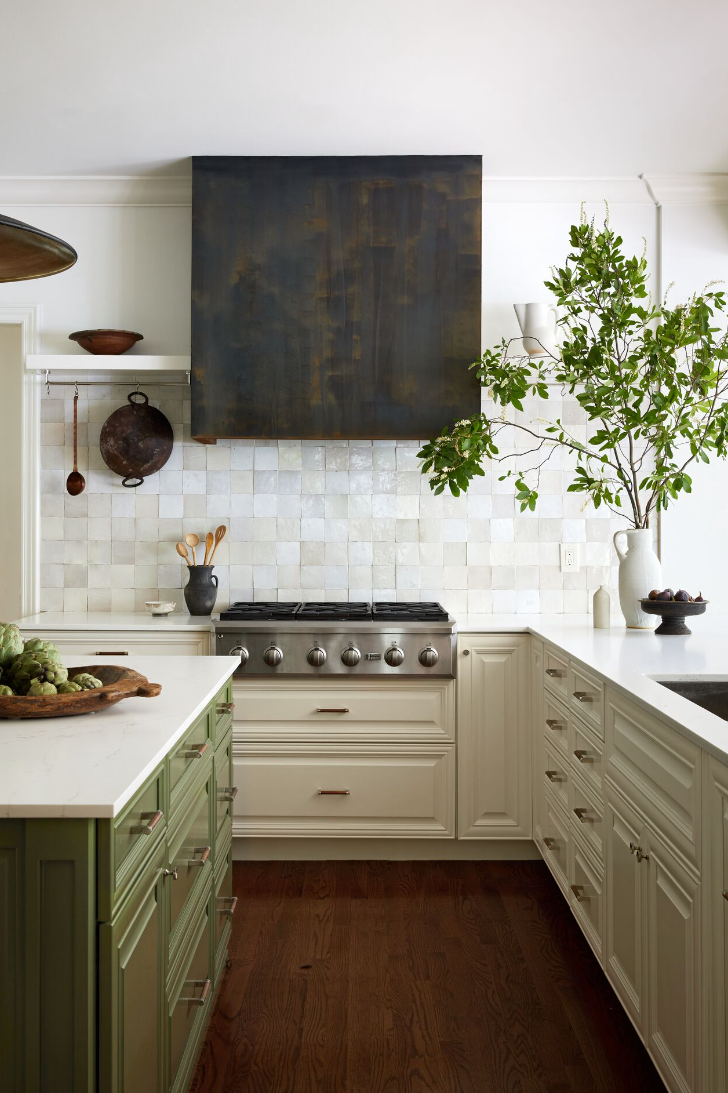
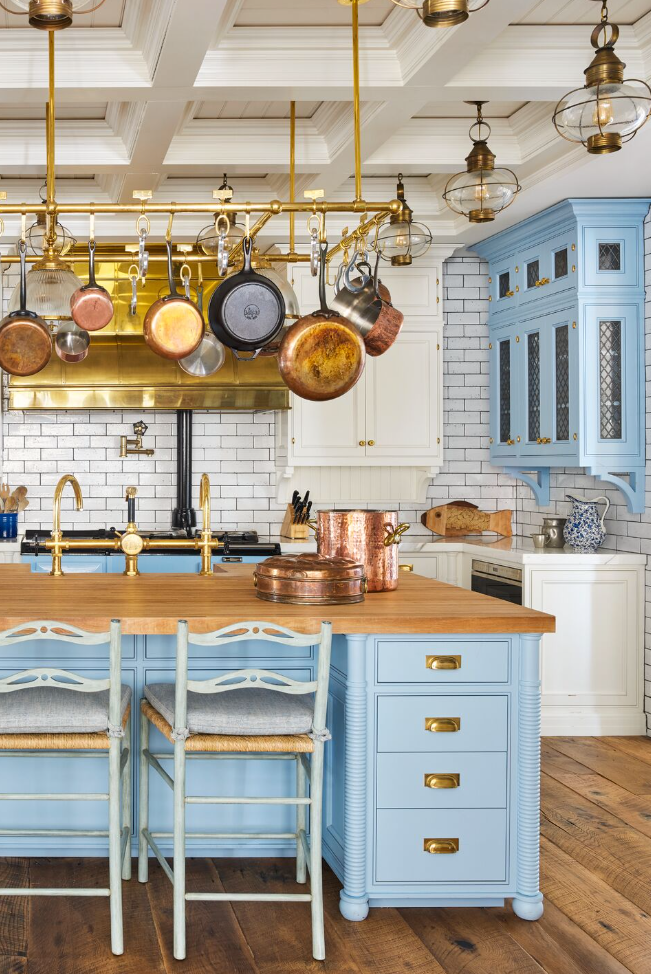
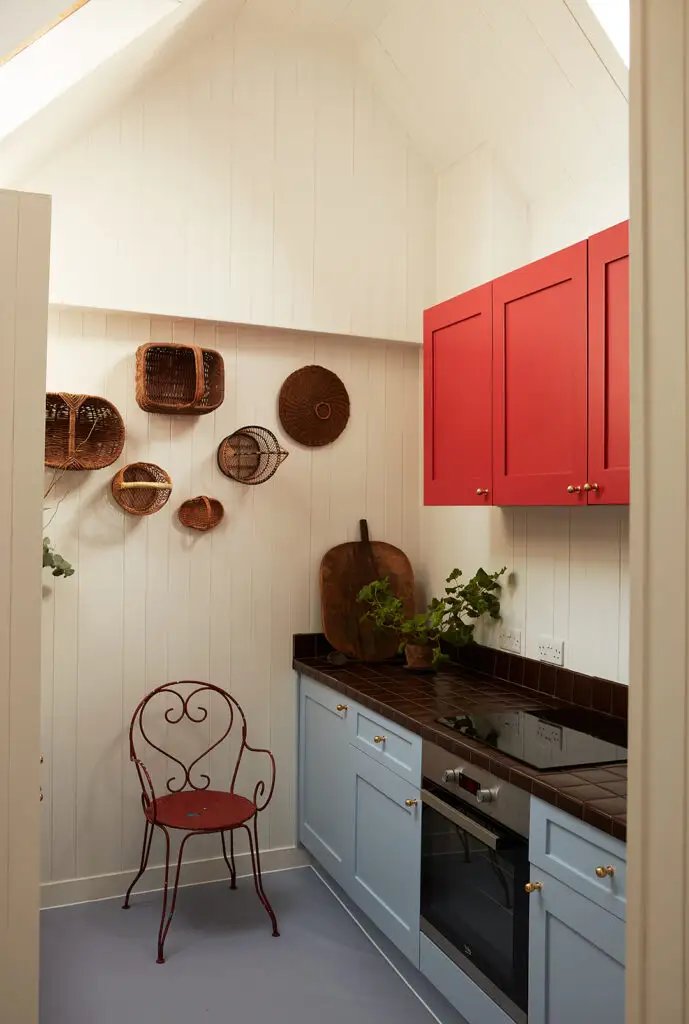
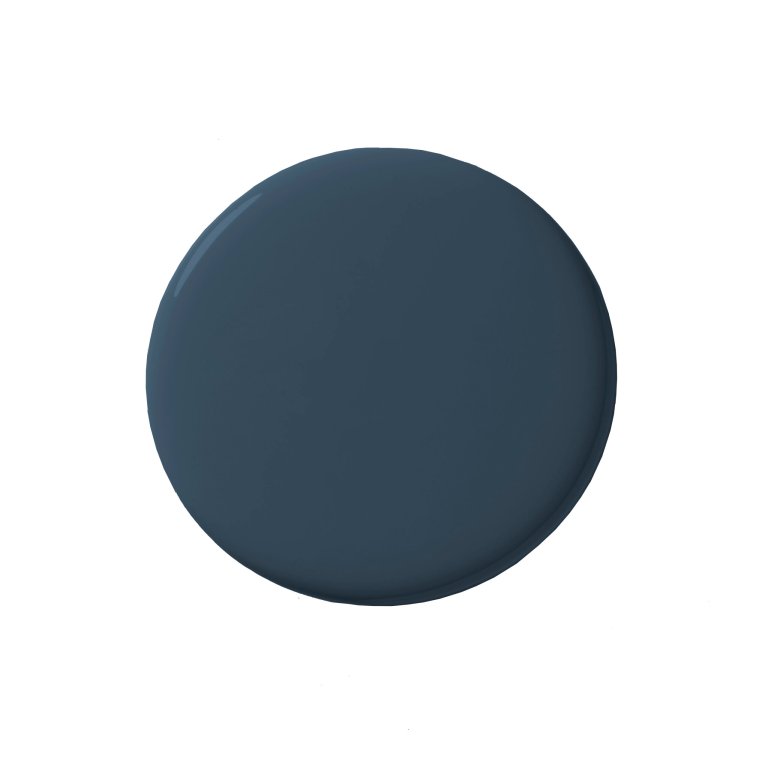
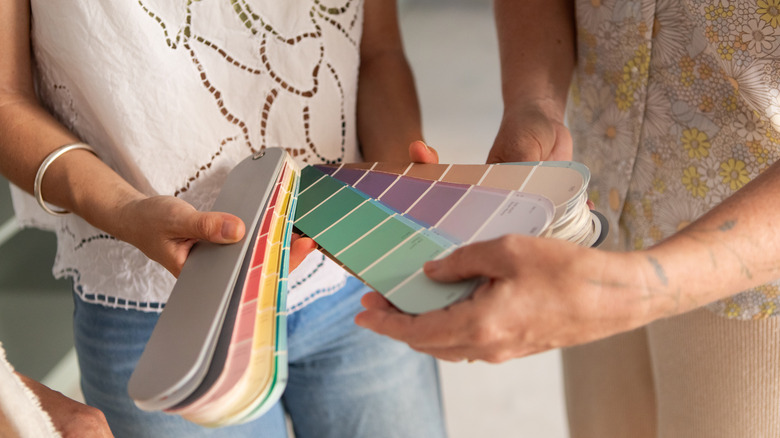
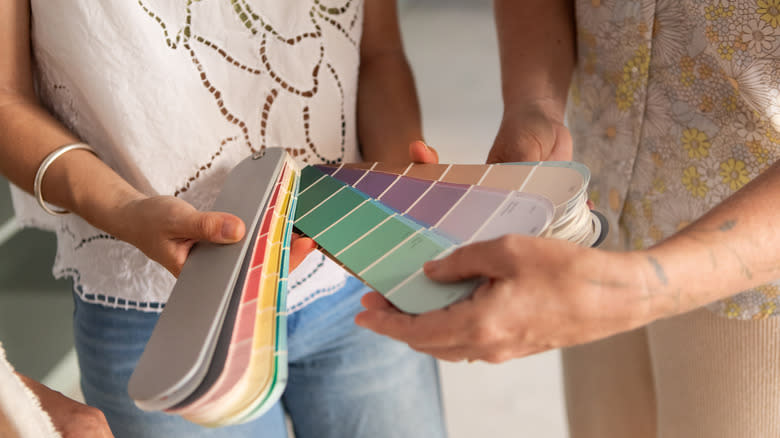
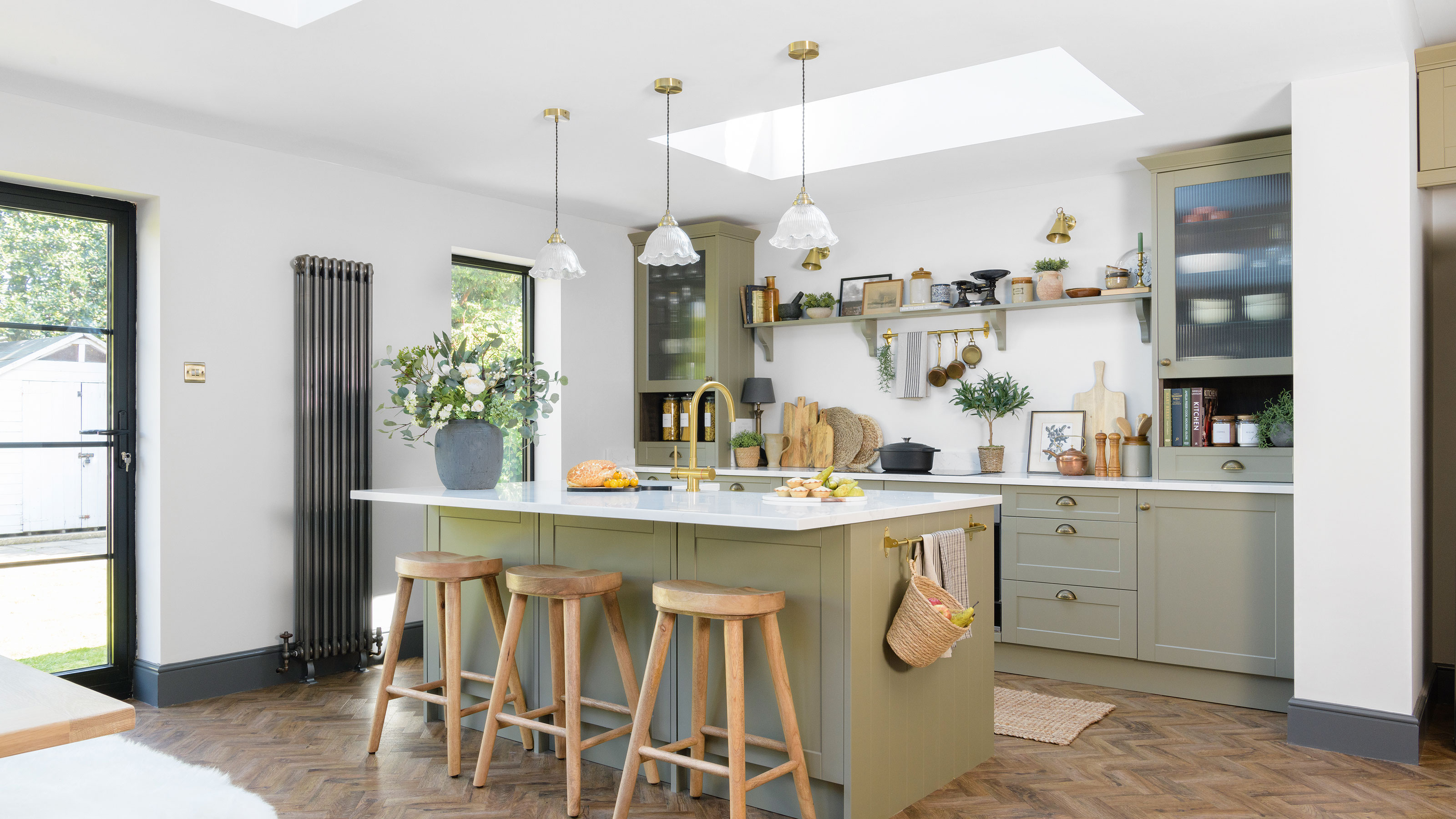
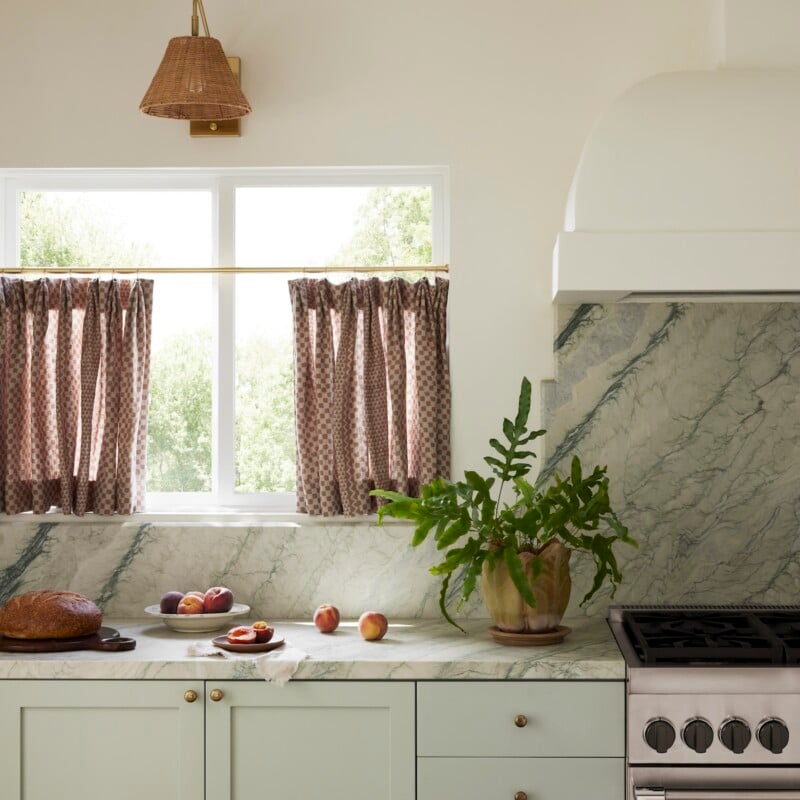
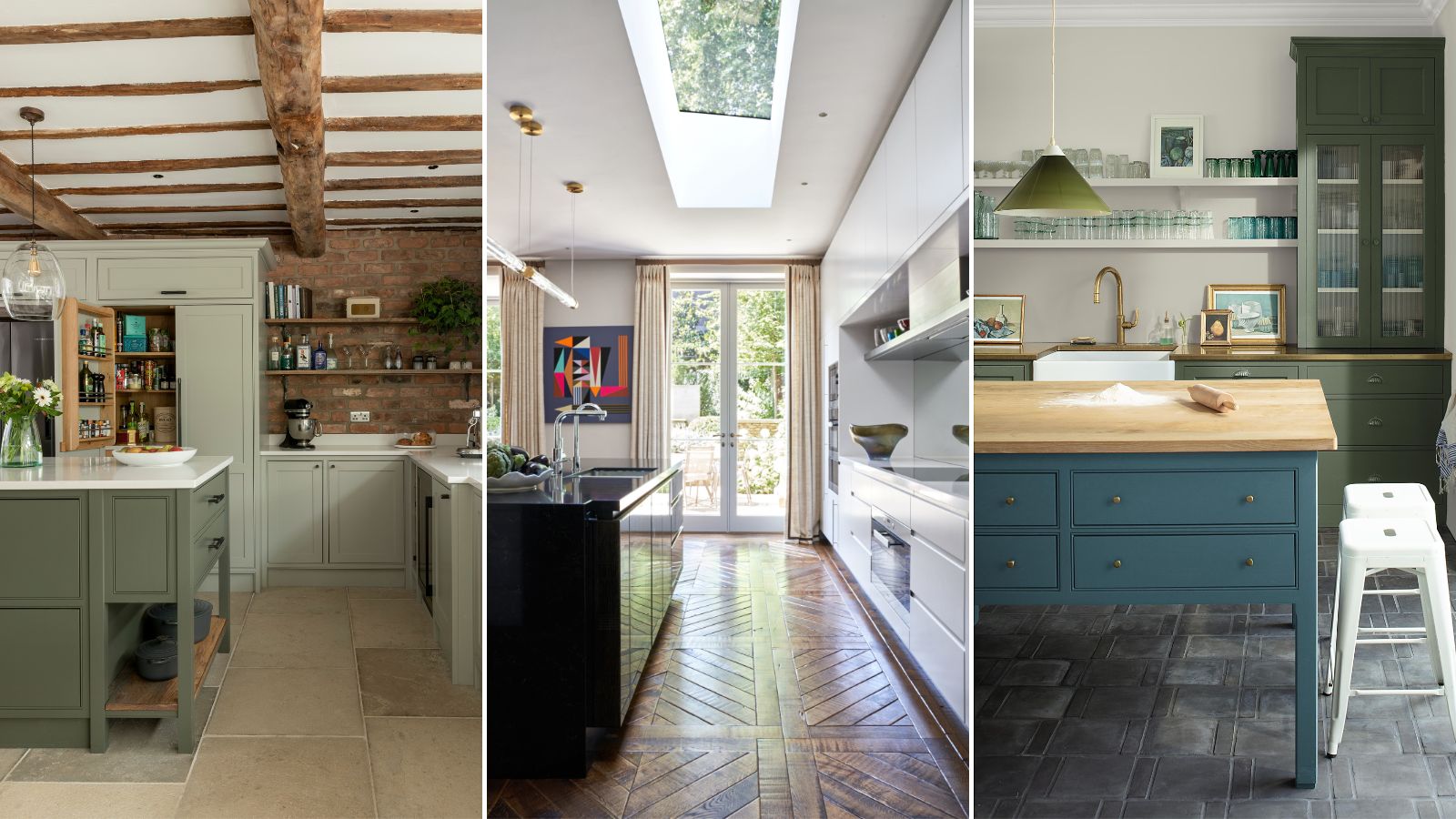
Post-pandemic, homeowners are making more intuitive color choices, prioritizing shades that evoke joy and emotional connection over current trends. A quick paint refresh can significantly impact a kitchen's energy. For instance, painting existing white cabinetry a gentle mint green, like Benjamin Moore’s Scenic Drive, can introduce a happy and fresh ambiance. Blue and green remain popular choices; deep blues offer elegance, while green tones connect spaces to nature. Muted greens like Nobilia’s Senso in Olive are favored for their calming effect and timeless appeal. Ultimately, the best cabinet color is one that reflects the homeowner's personal style and can evolve with changing tastes. Choosing versatile shades that complement various wall colors, decor, or hardware ensures the kitchen remains current without needing frequent overhauls. Some cabinet manufacturers also offer finishes that can be repainted or re-stained, providing long-term flexibility.
#KitchenDesign #CabinetColors #InteriorDesign #HomeRenovation #DesignTrends #KitchenRemodel #ColorPsychology #HomeDecor #KitchenDesign #CabinetColors #InteriorDesign #HomeRenovation #DesignTrends #KitchenRemodel #ColorPsychology #HomeDecor
0 comment in total
 No comments yet
You may also like
9 Outdated Kitchen Cabinet Colors We Hope To Never See In 2026
Two tone kitchen ideas – how to achieve the colorful kitchen trend we can't get enough of

5 kitchen cabinet colors interior designers are avoiding for 2024 - and the shades they're picking instead
Designers Agree: This Kitchen Trend Instantly Makes Your Home Look Outdated

9 Outdated Kitchen Cabinet Colors We Hope To Never See In 2026

These 5 features make kitchen cabinets look dated, designers warn us

9 Outdated Kitchen Cabinet Colors We Hope To Never See In 2026

7 outdated kitchen cabinet colors designers say you should wave goodbye to, plus what to try instead

5 outdated kitchen cabinet color trends to avoid if you don't want your kitchen to look unfashionable, say designers
These 7 Kitchen Cabinet Colors Are So Outdated, According to Interior Designers

5 kitchen cabinet colours to avoid in 2024 - and what to choose instead, according to experts
14 Kitchen Cabinet Colors You Can Easily Mix and Match

The 2 Cabinet Colors Designers Say Make Kitchens Look Outdated

Designers Predict the Next “It” Kitchen Cabinet Color

8 colors you should never paint kitchen cabinets according to the experts

This Paint Color Is Way More Popular With Lower Cabinets Than Upper Ones

Two tone kitchen cabinet ideas – 10 colour combinations to inspire
What Color is Replacing White in the Kitchen? 5 Sophisticated Shades Designers Say to Try Instead
5 fail-safe kitchen cabinet color combinations that always work
The Kitchen Appliance Color Mistake That Makes Interior Designers Cringe