1/8
Two tone kitchen ideas – how to achieve the colorful kitchen trend we can't get enough of
Two-tone kitchen designs offer a creative alternative to monochromatic kitchen schemes, gaining popularity as designers incorporate bold accents and bespoke color services. This approach allows for increased dimensionality and visual interest, often leveraging a mix of natural textures and materials. The strategy caters to those seeking a unique aesthetic beyond standard kitchen offerings, emphasizing a personalized touch through color and material combinations.
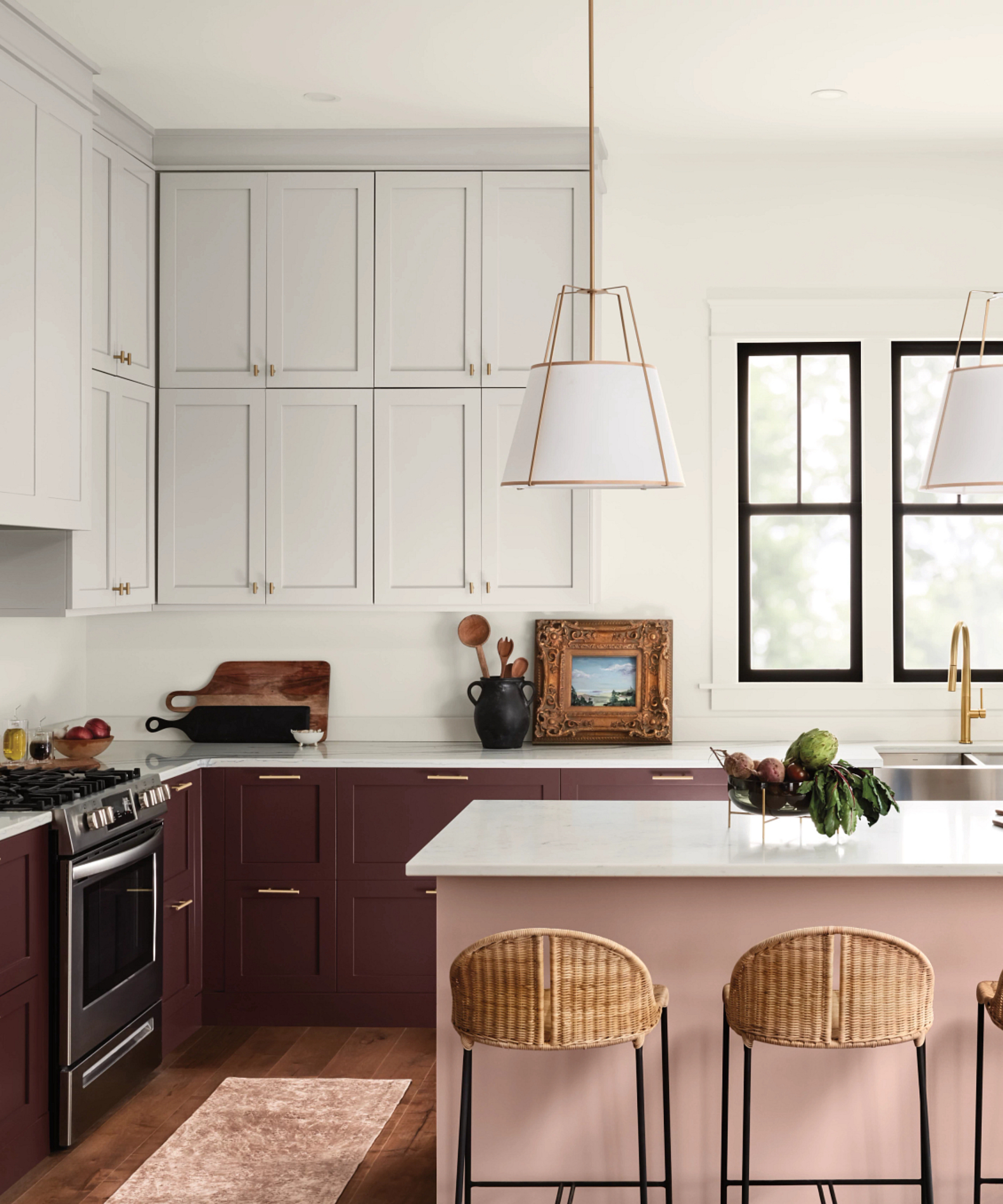
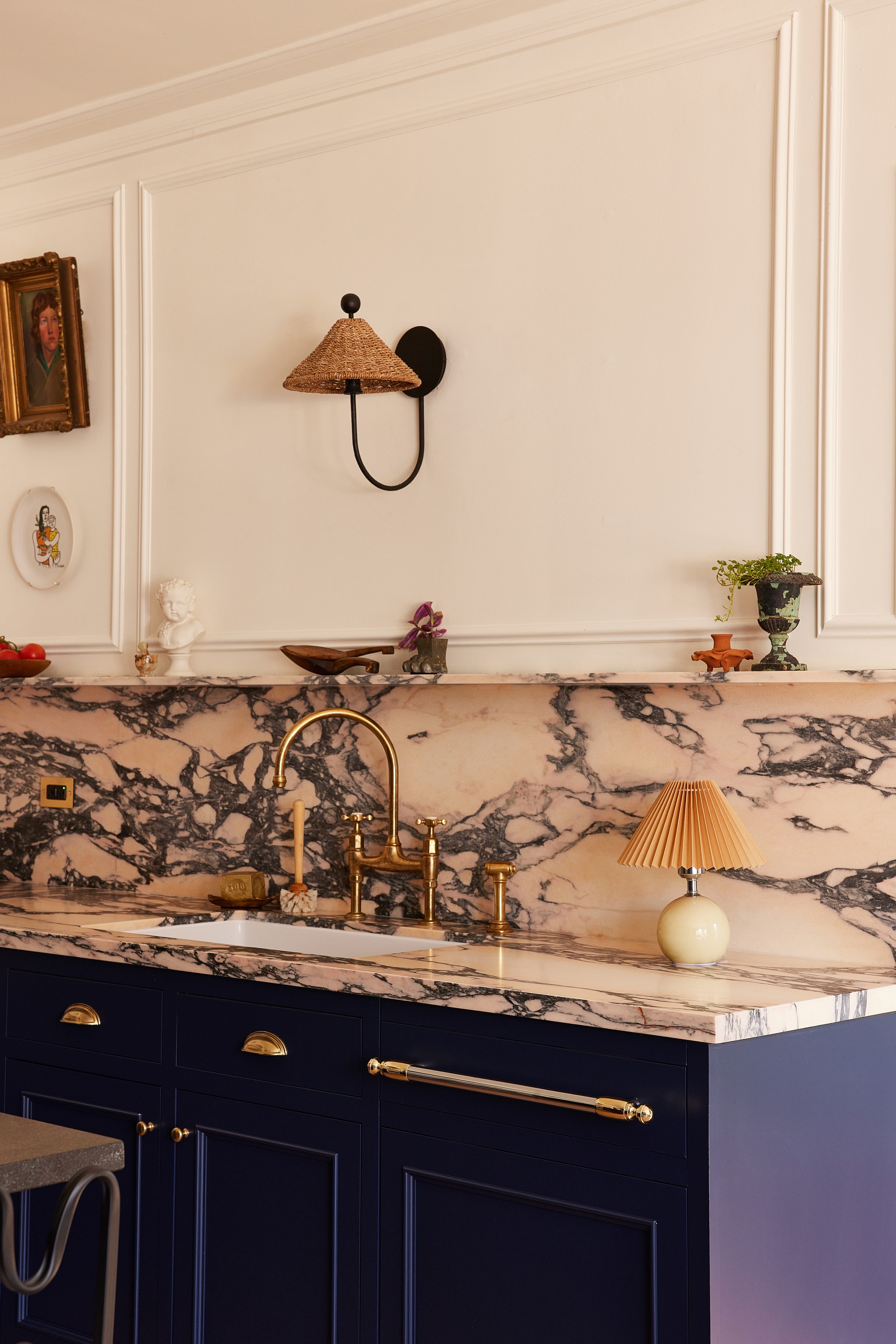
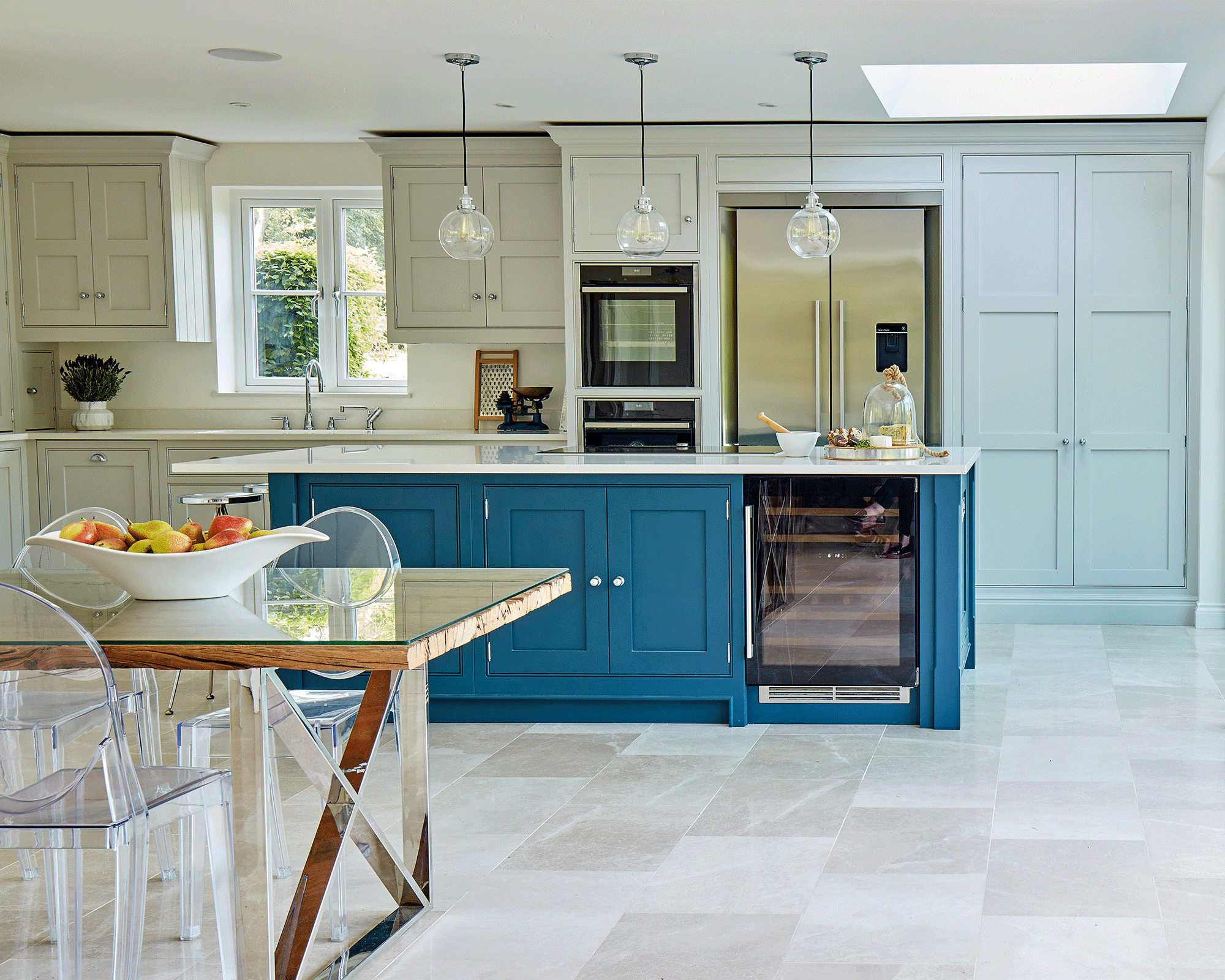
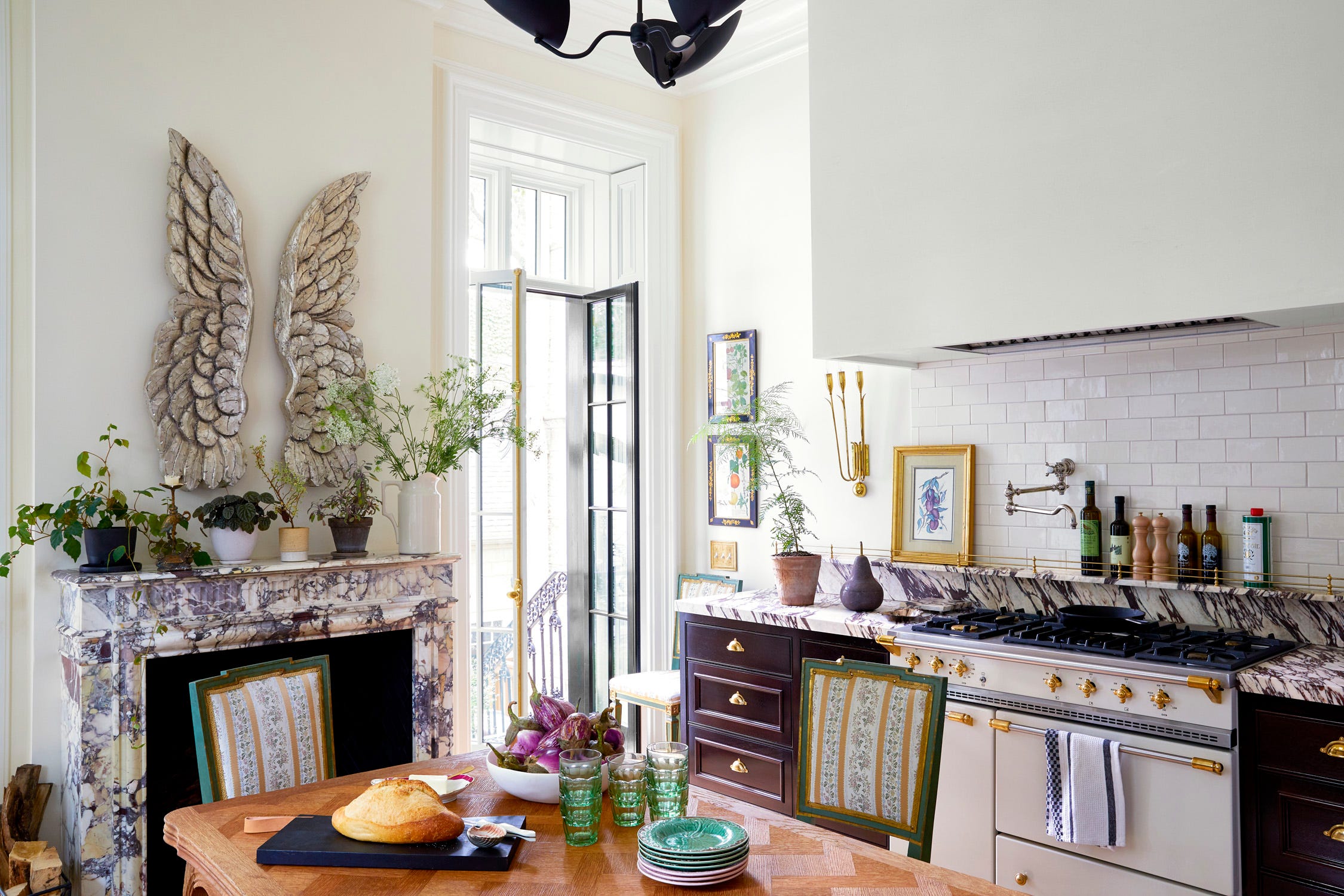
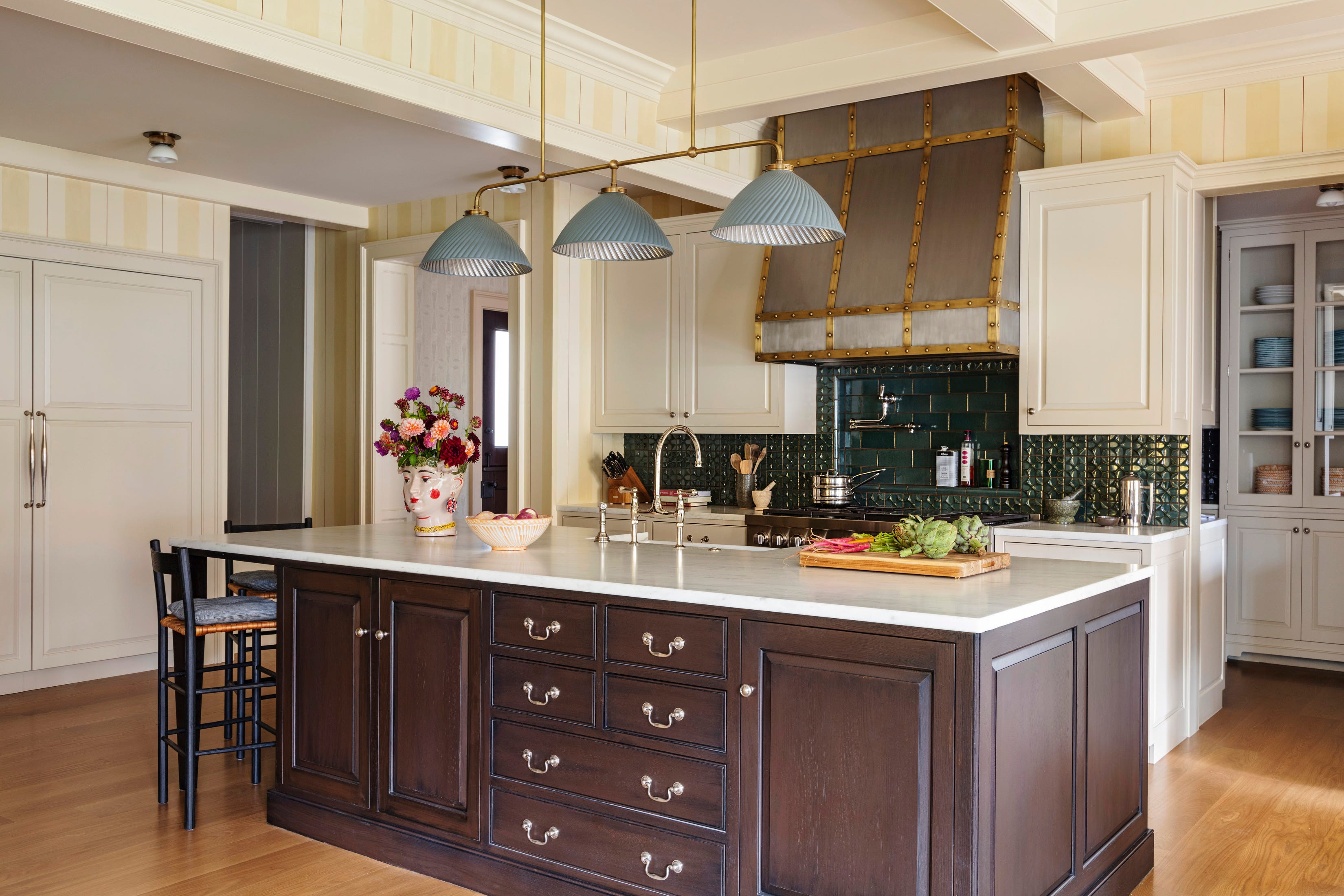
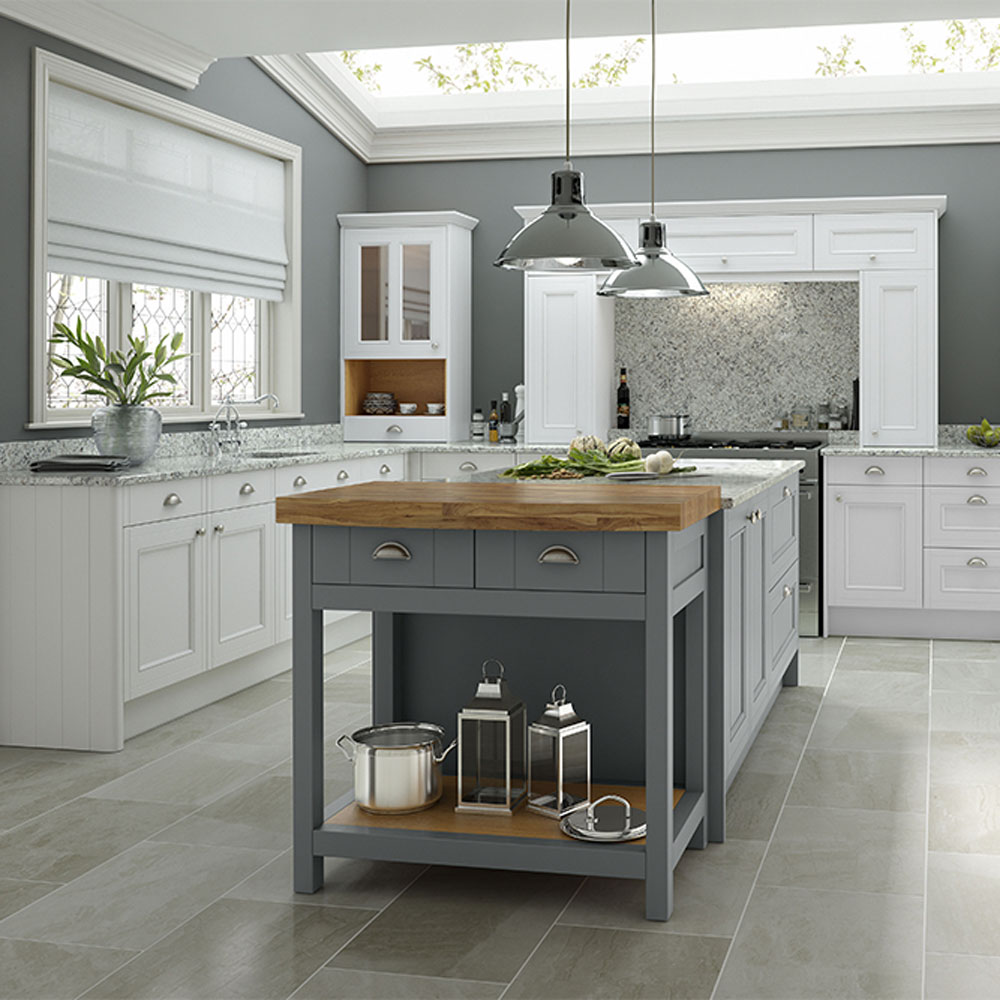
One application of two-tone design involves modernizing traditional kitchen units. By painting upper cabinets in a crisp white and base cabinets in a darker hue, such as olive green, traditional paneling and design details are accentuated. This method allows for the integration of confident shades without overwhelming the space, providing depth and sophistication. Designers advise selecting tones that align with the homeowner's lifestyle and personality to ensure a balanced and appealing outcome.
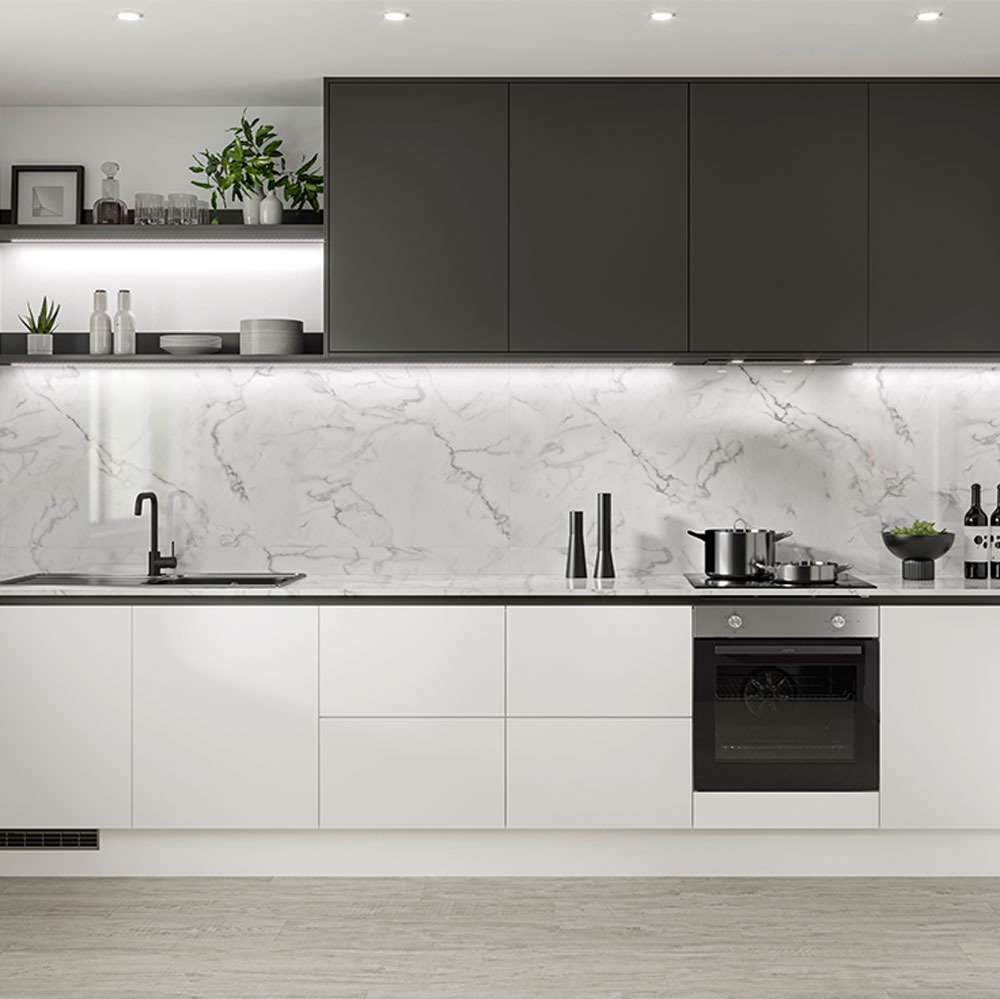
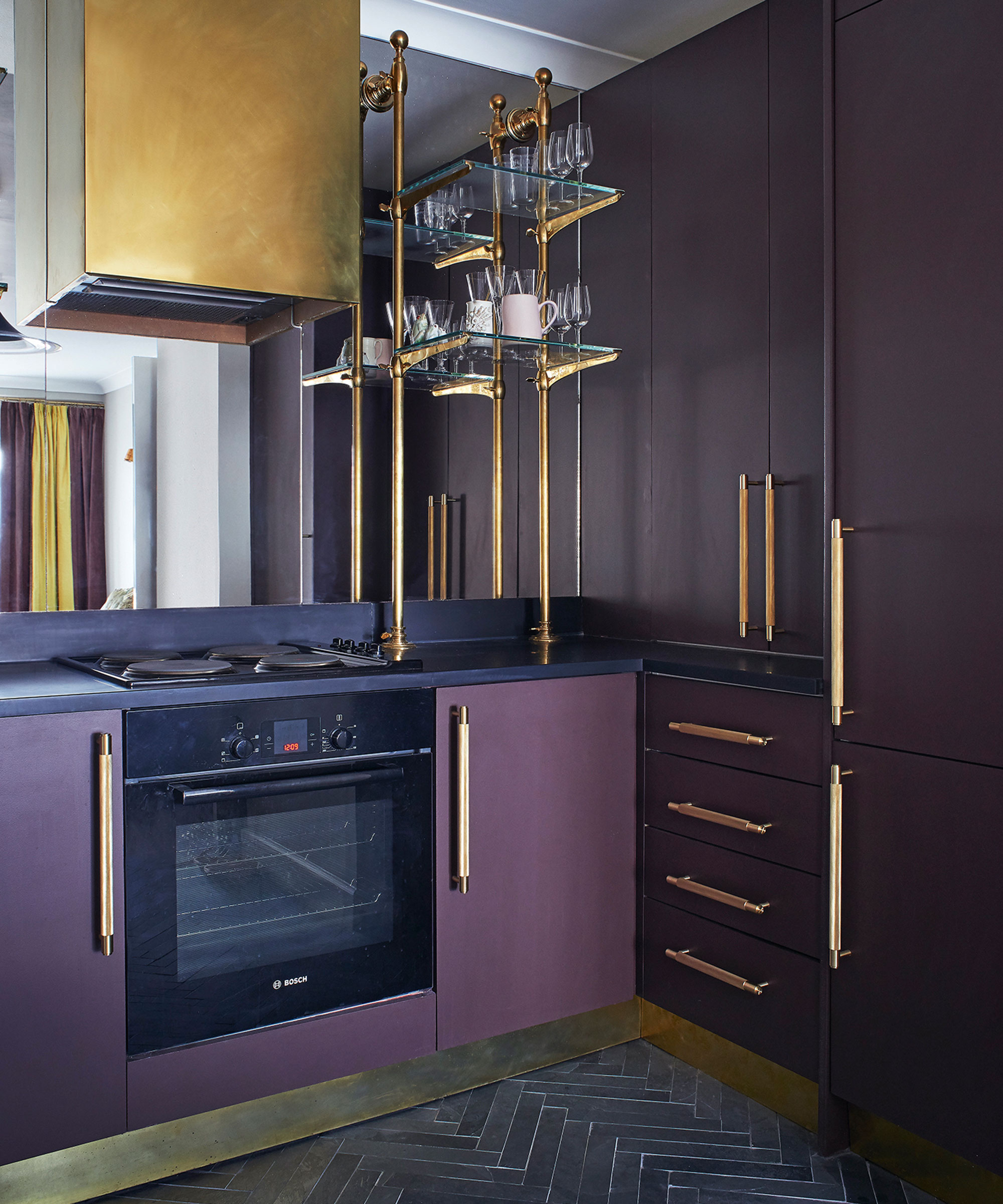
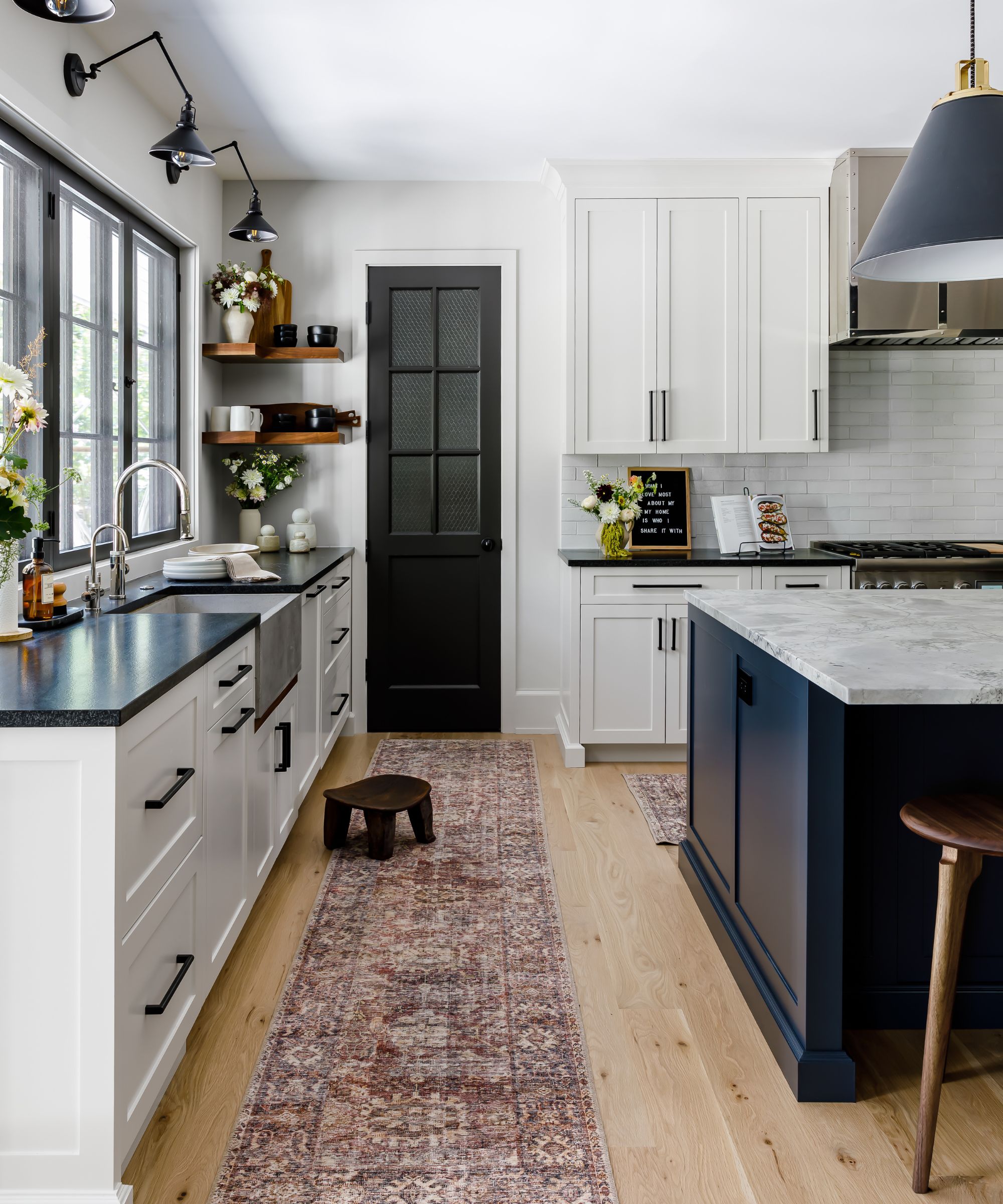
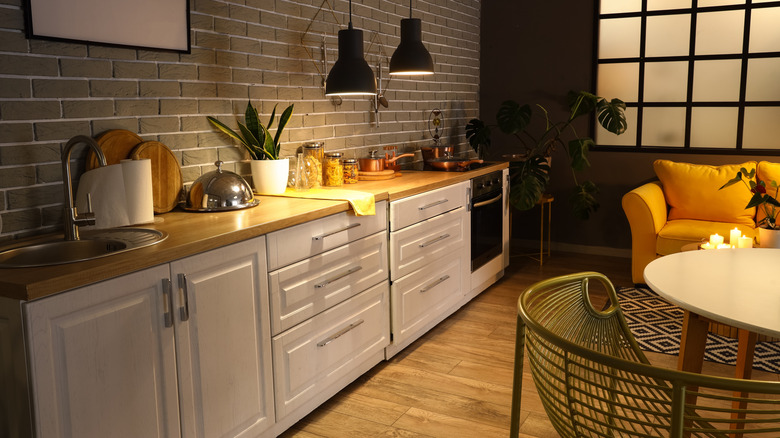
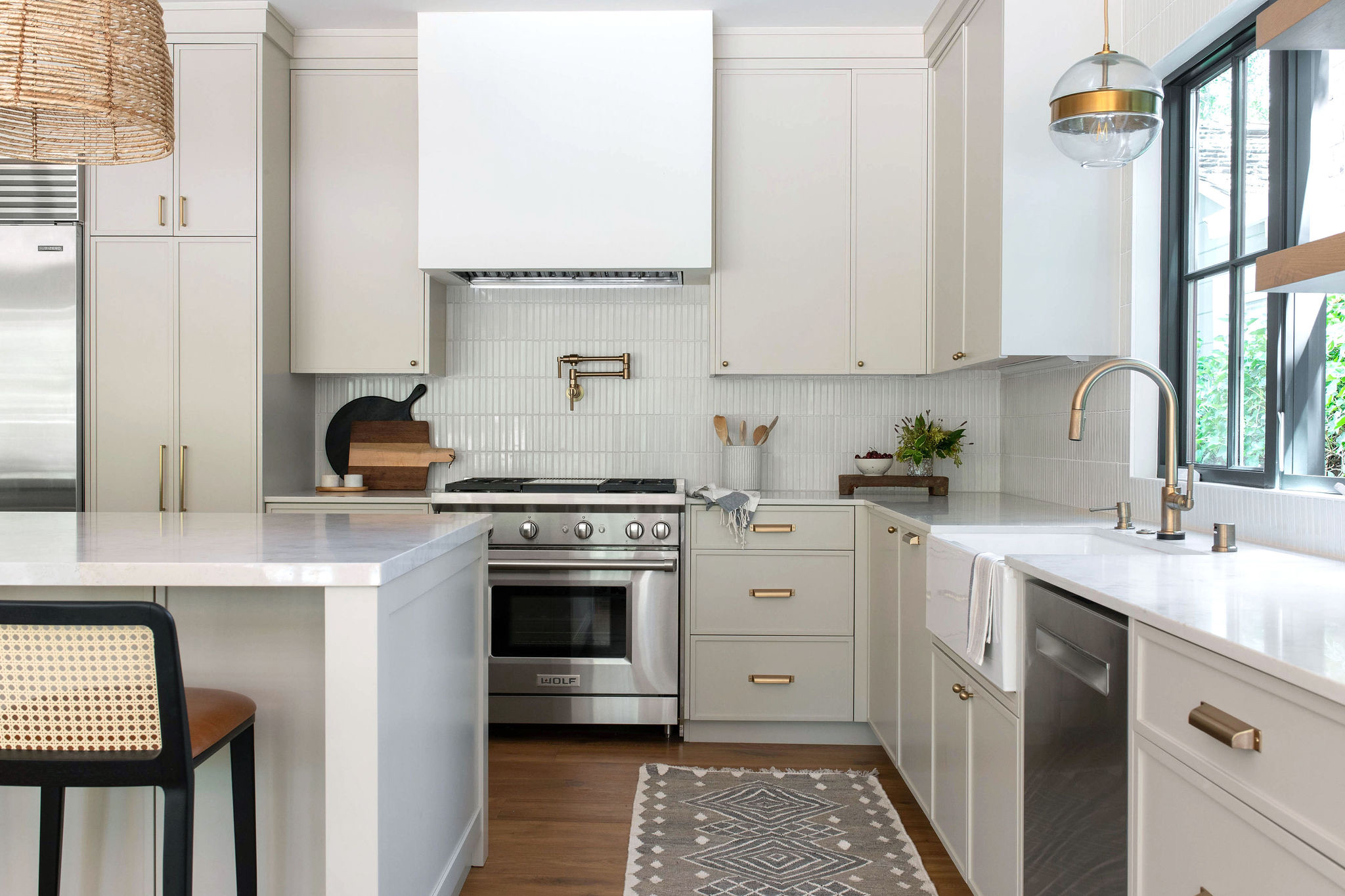
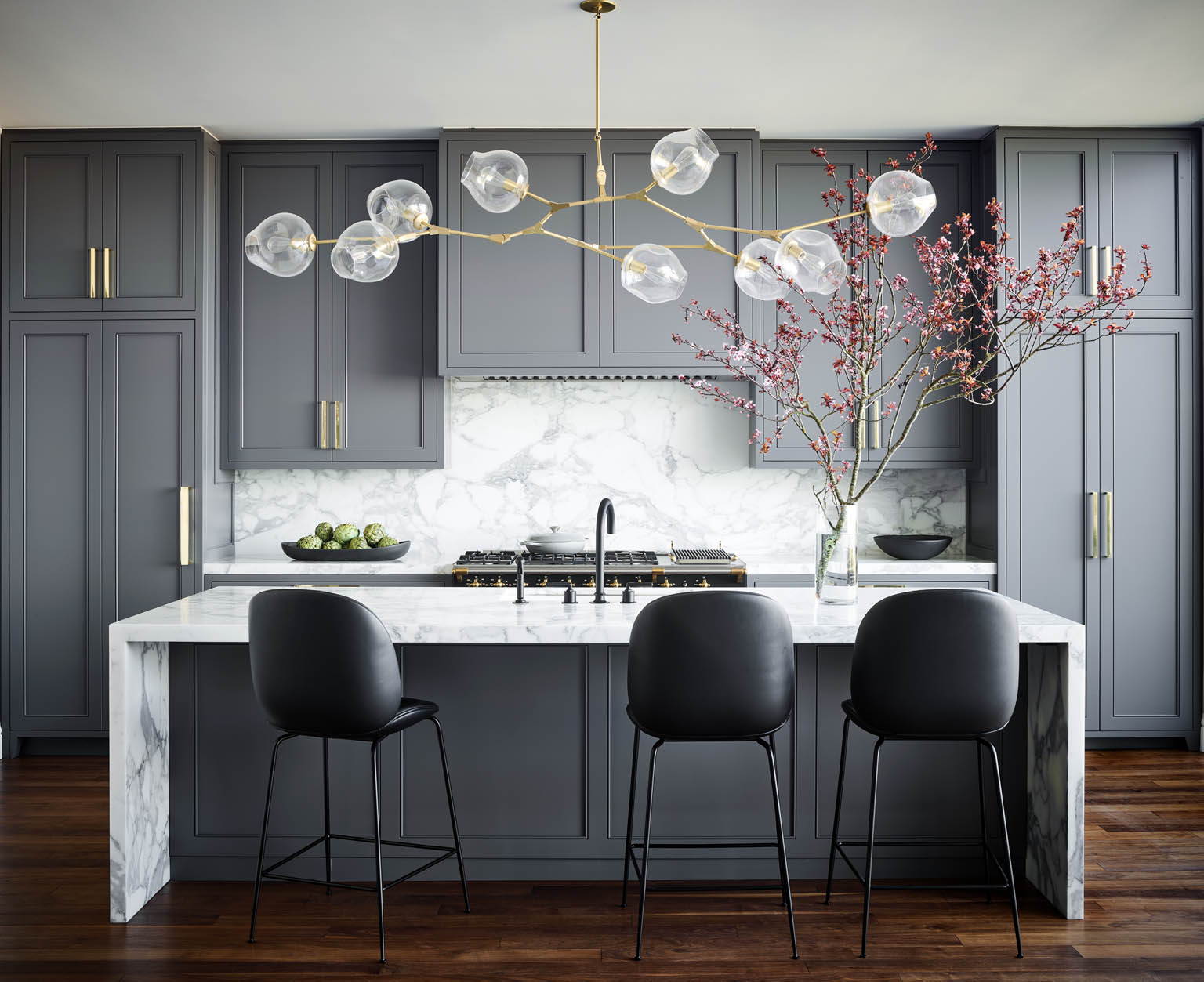
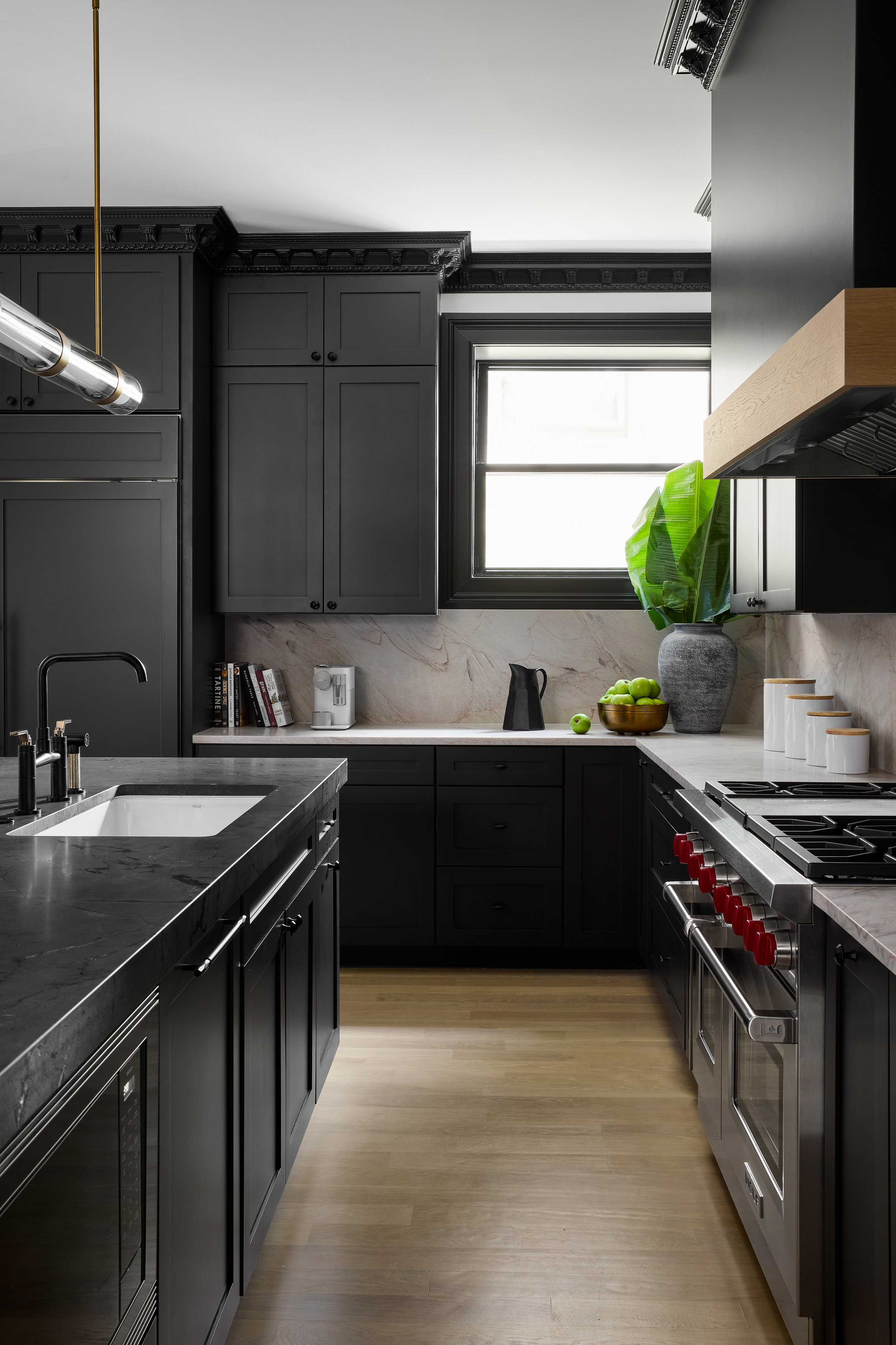
For smaller spaces, a monochrome two-tone palette can create significant impact without resorting to overly vibrant colors. A black and white scheme, for instance, can complement a modern decorating style and prevent small kitchens from feeling overwhelmed. Contrasting elements, such as dark base cabinets with light upper units, establish drama and define the space, especially when paired with white walls and tiles to lift the overall aesthetic while grounding it with darker elements.
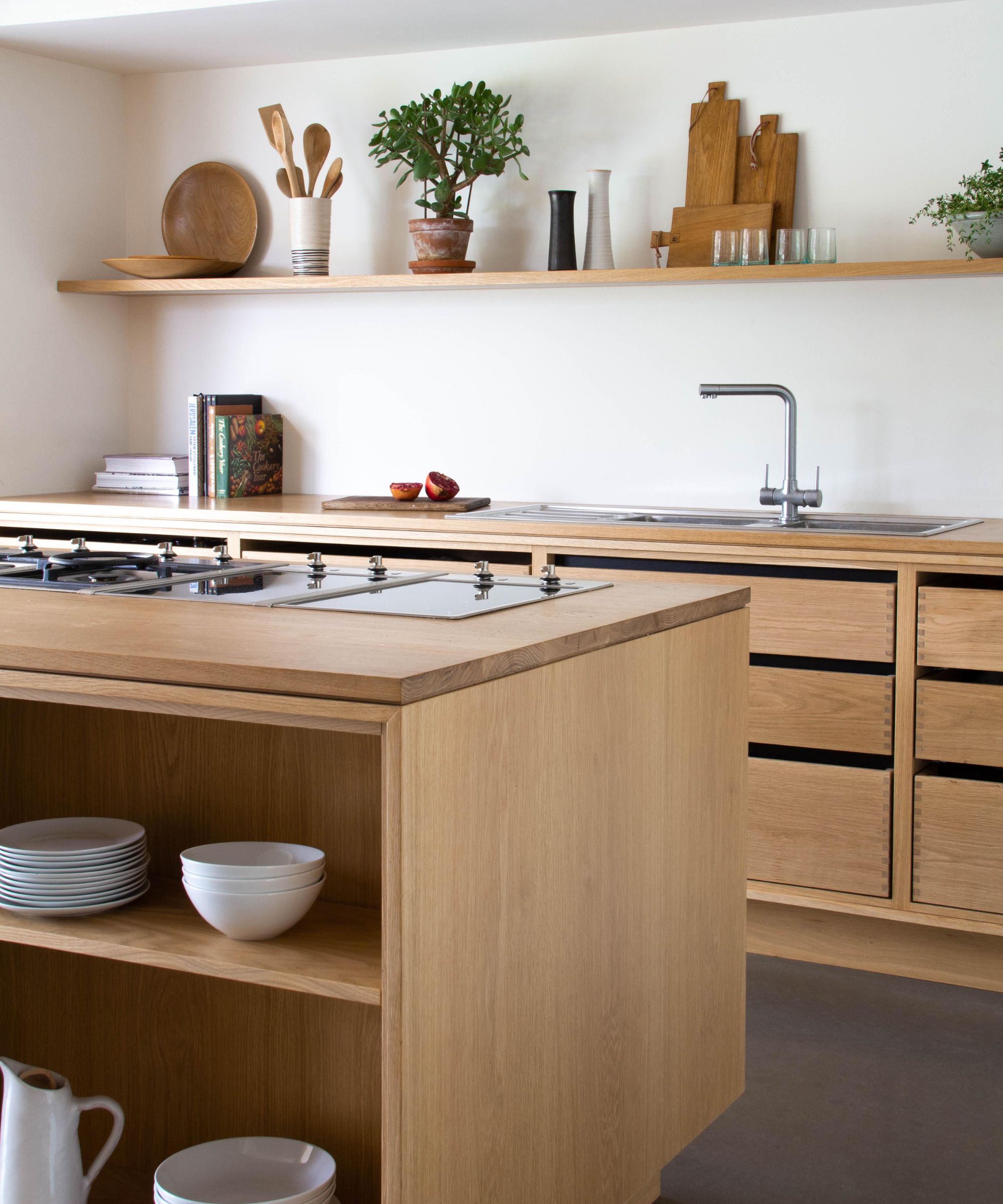
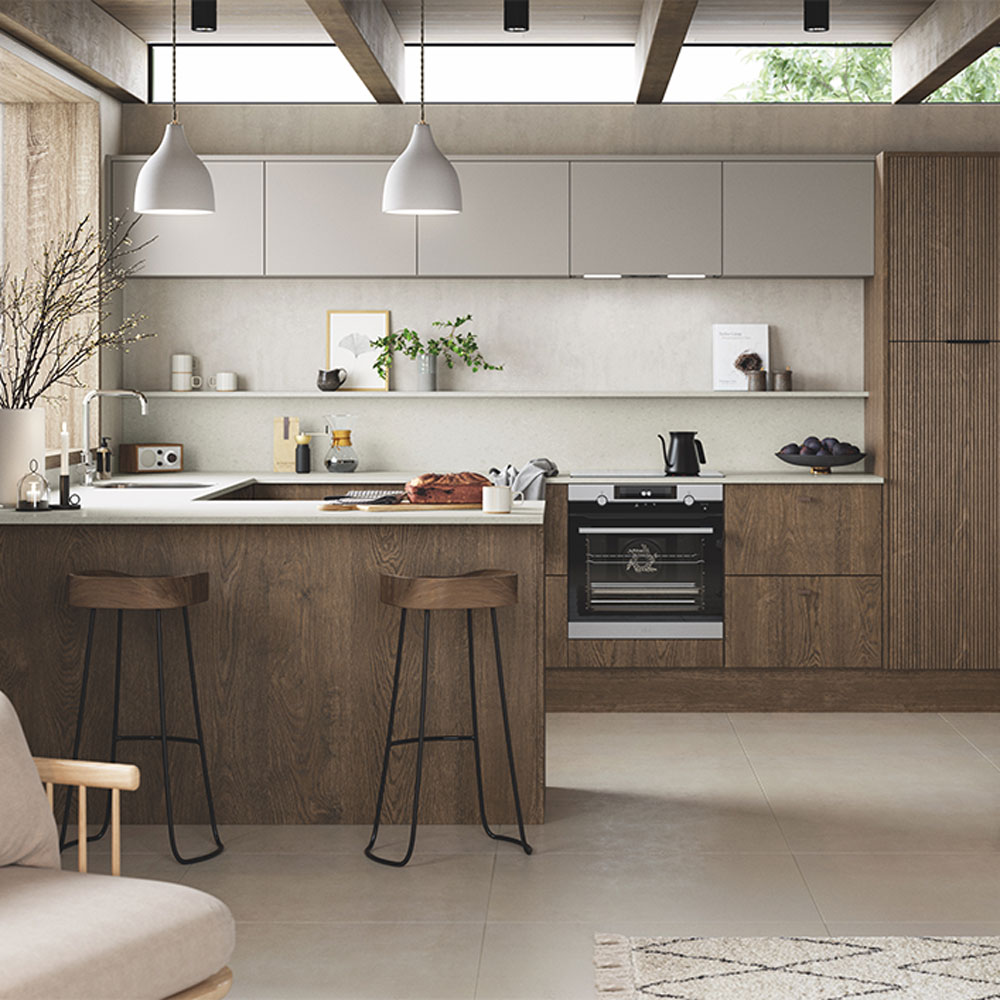
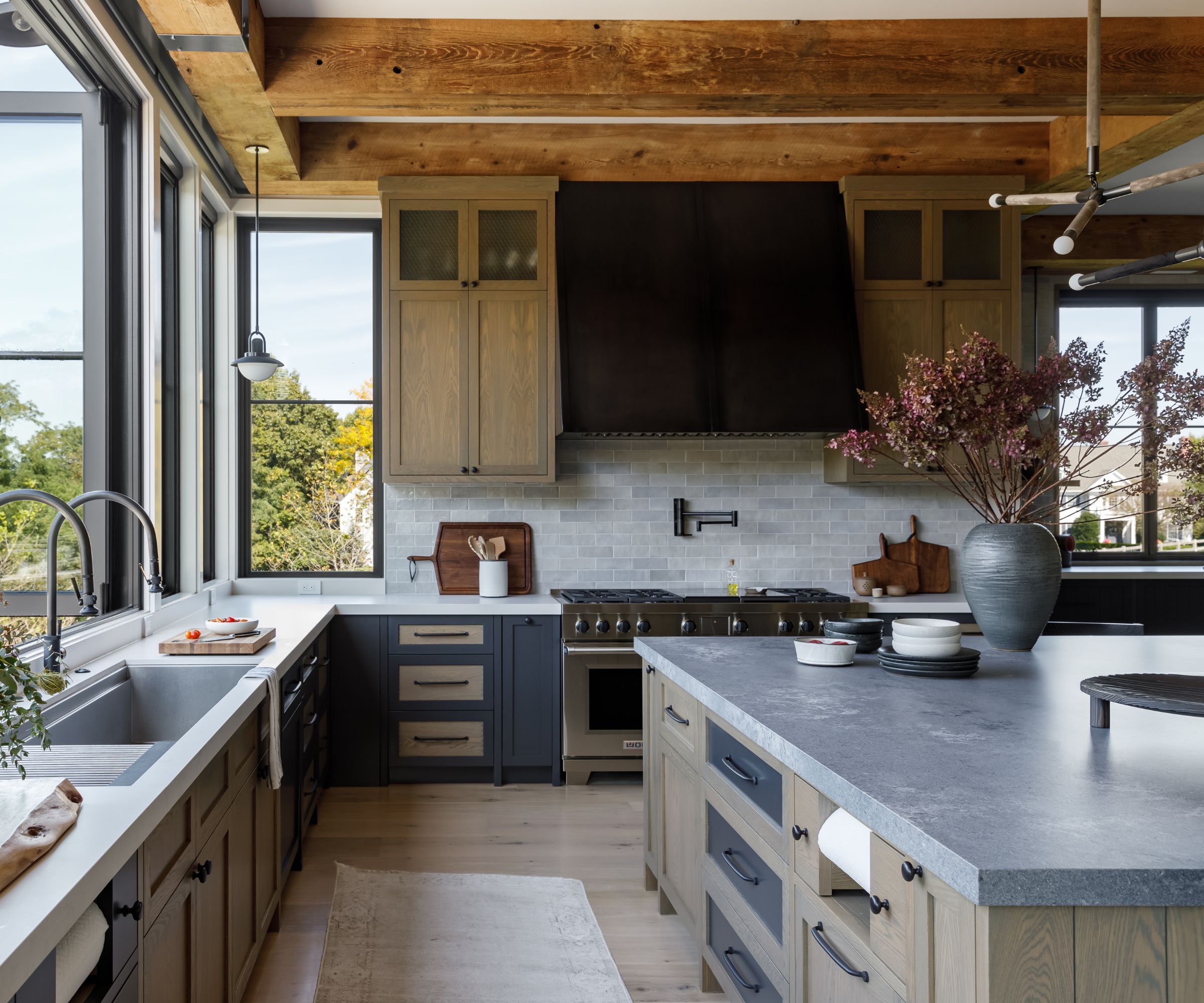
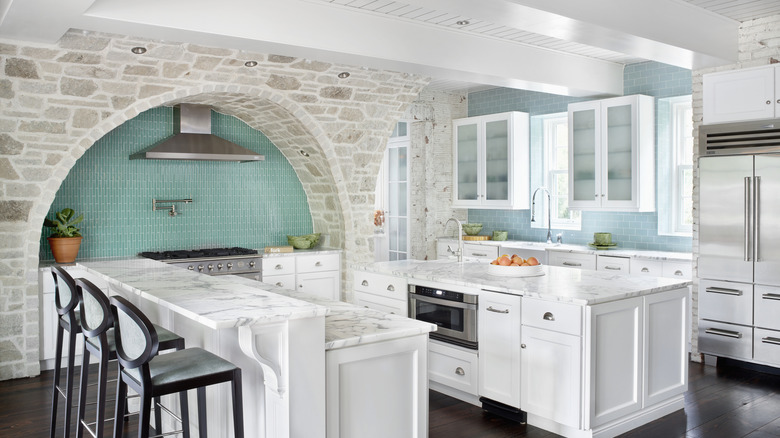
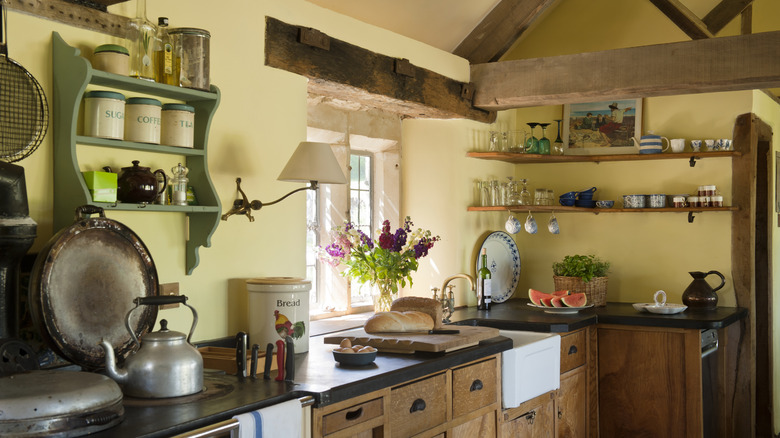
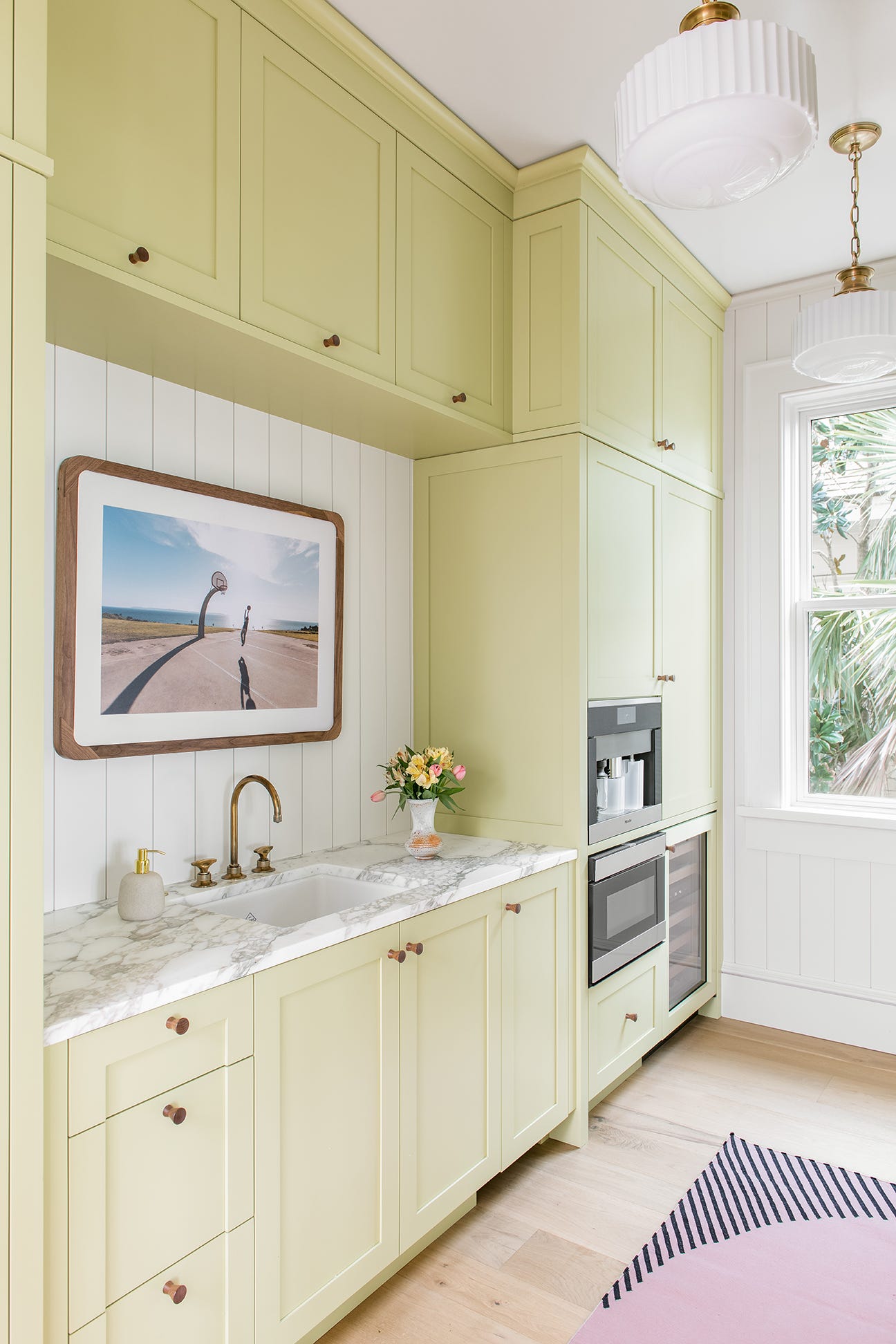
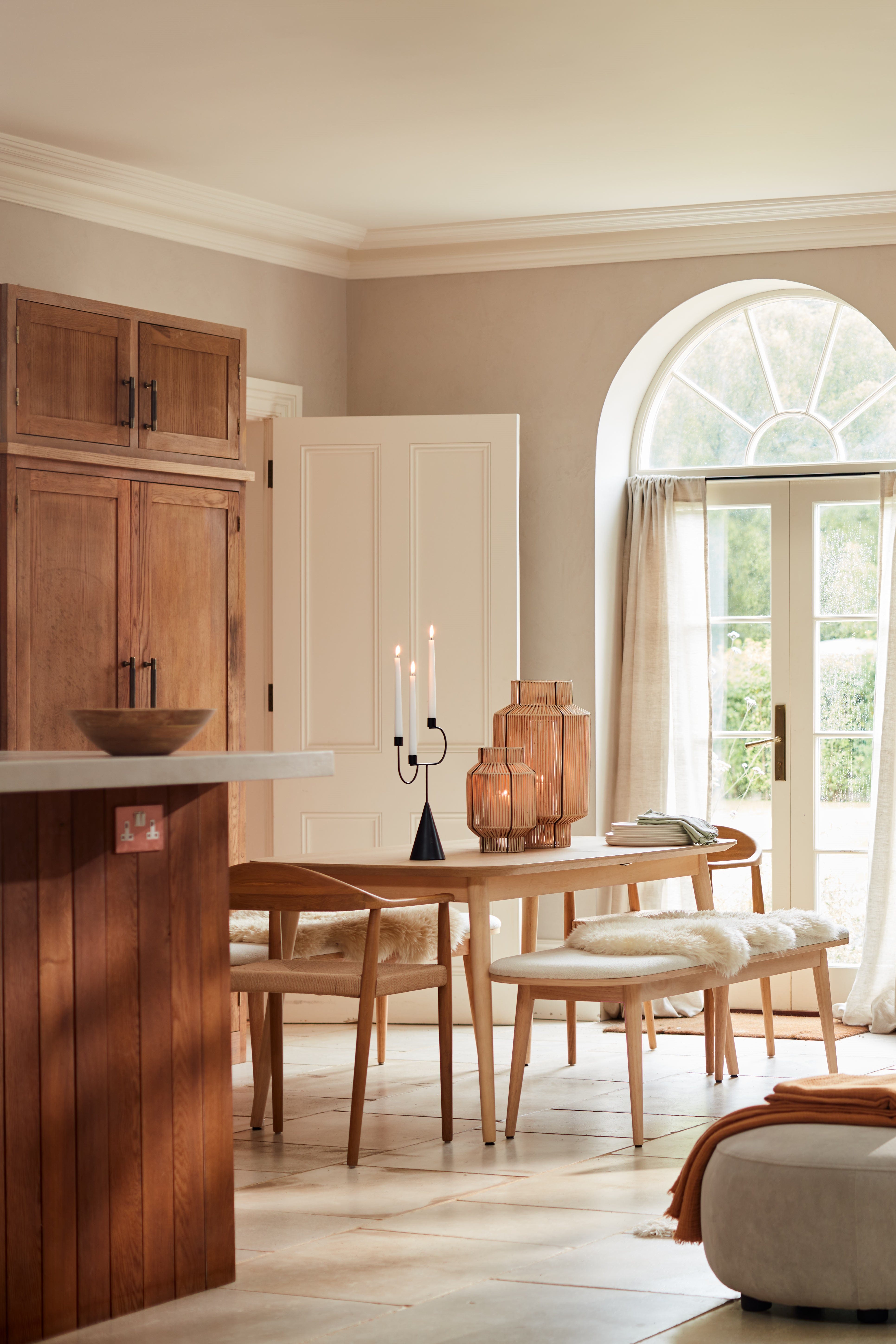
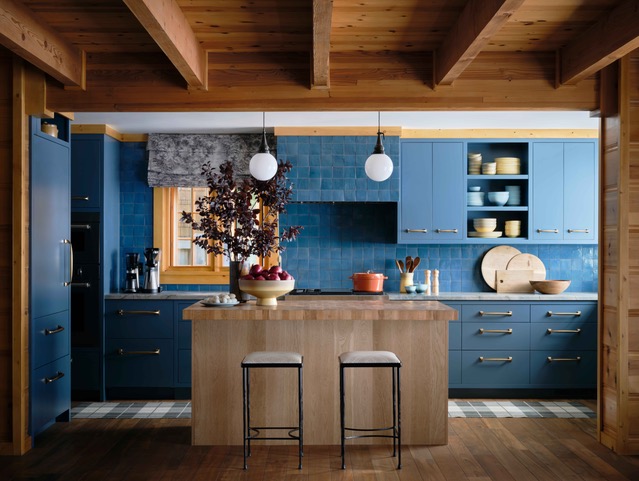
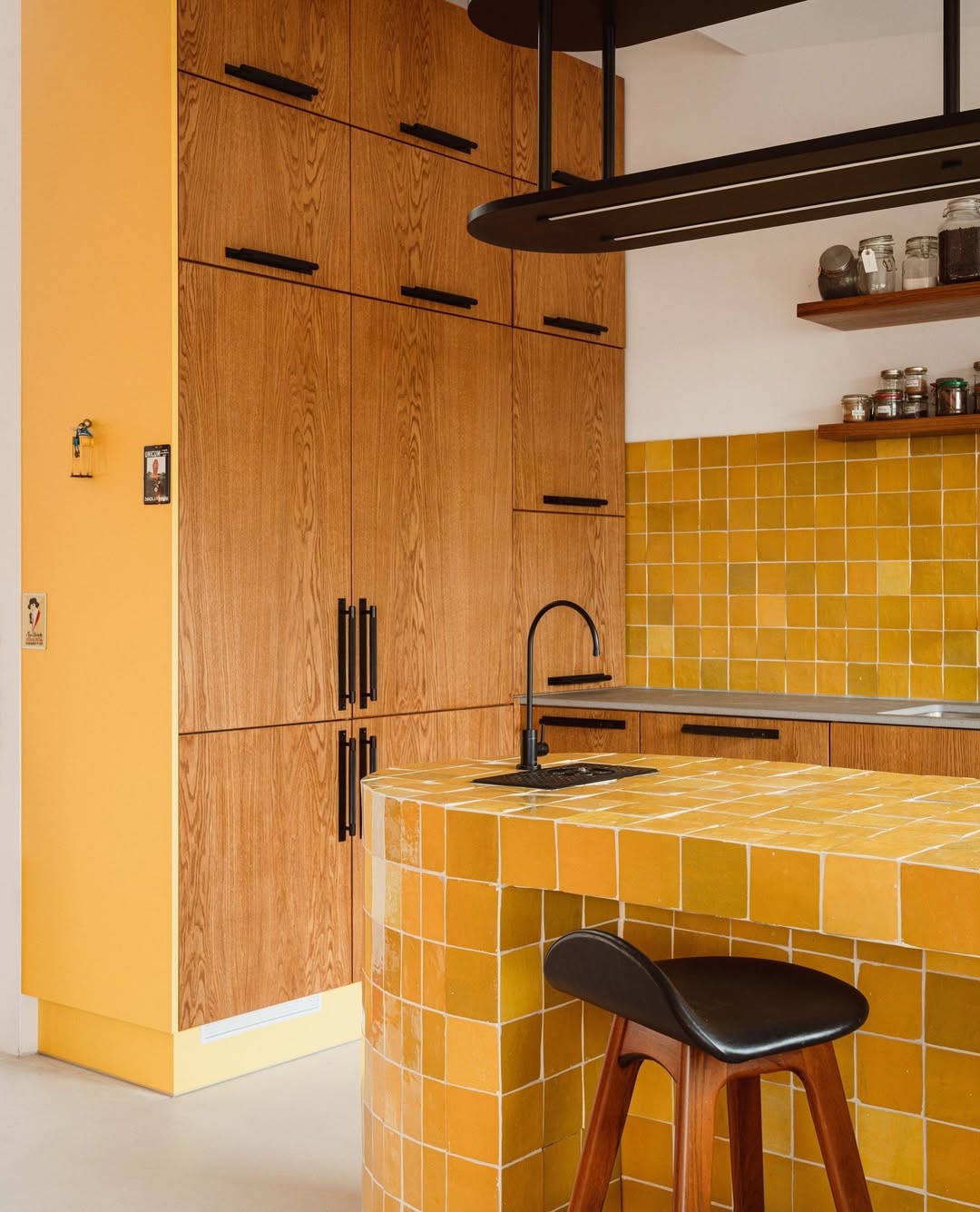
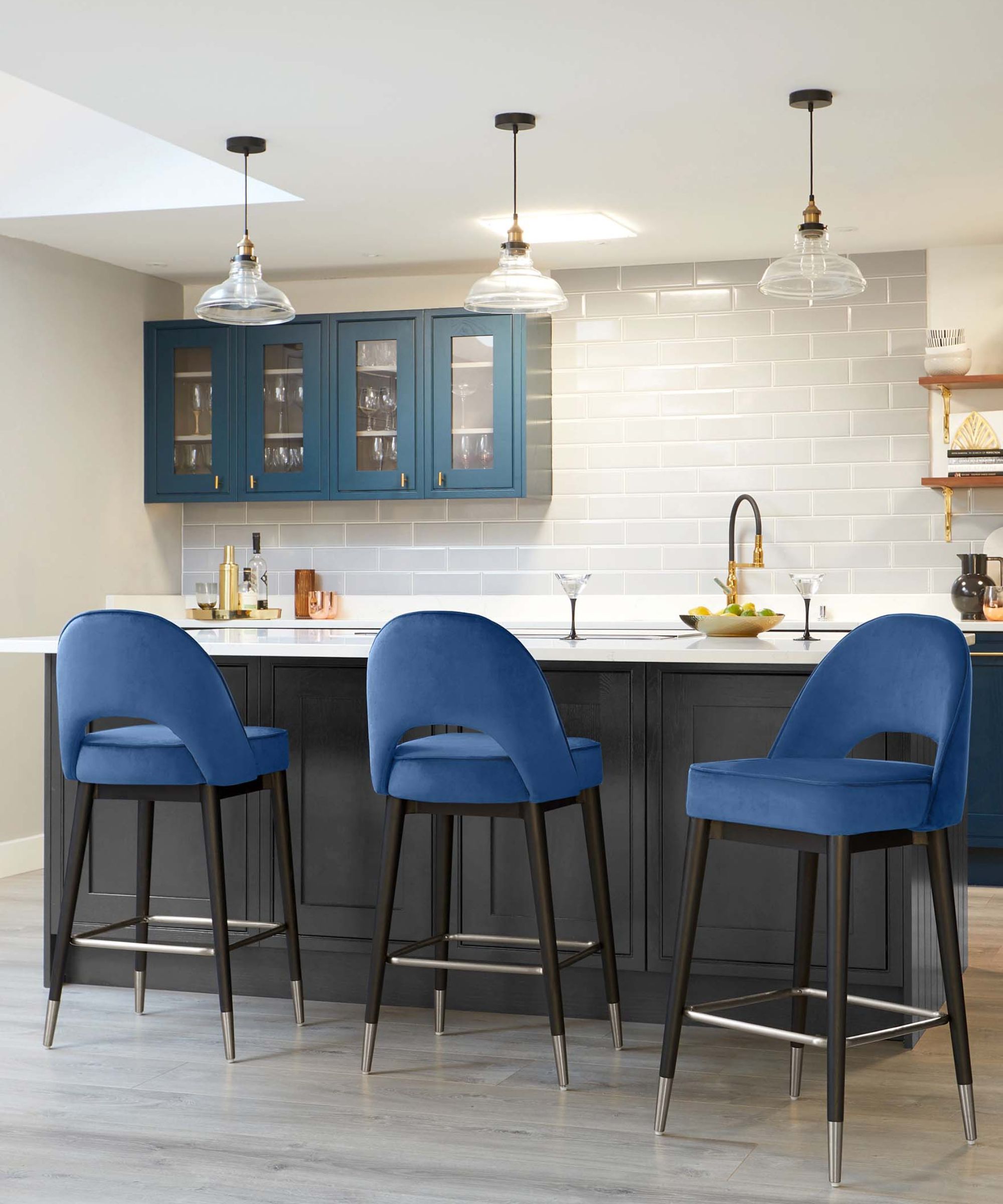
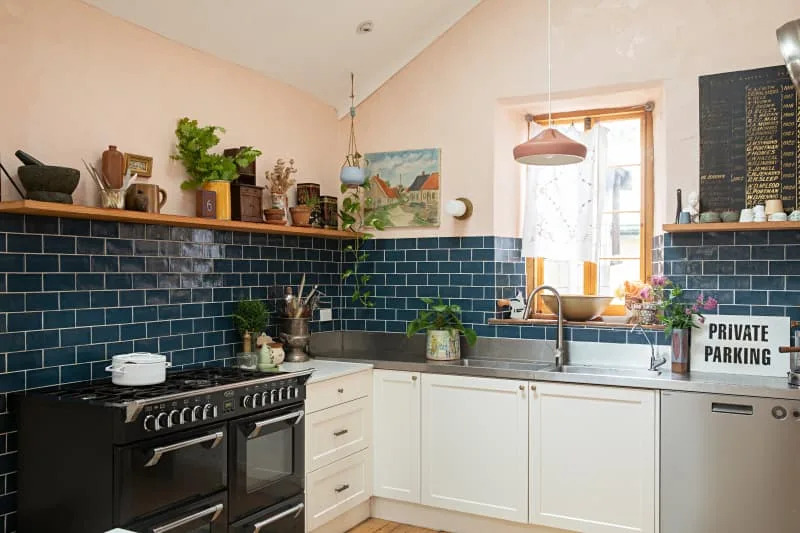
Combining color with texture is another effective approach. This involves pairing painted units with raw, natural textures, such as rustic wood, to introduce character. The growing demand for real wood kitchens, especially when combined with painted elements, highlights a trend toward mixing diverse textures and materials within the kitchen. This blend can be seen in modern Shaker kitchens where mint blue upper cabinets with brass details are paired with unpainted wooden lower cabinets.
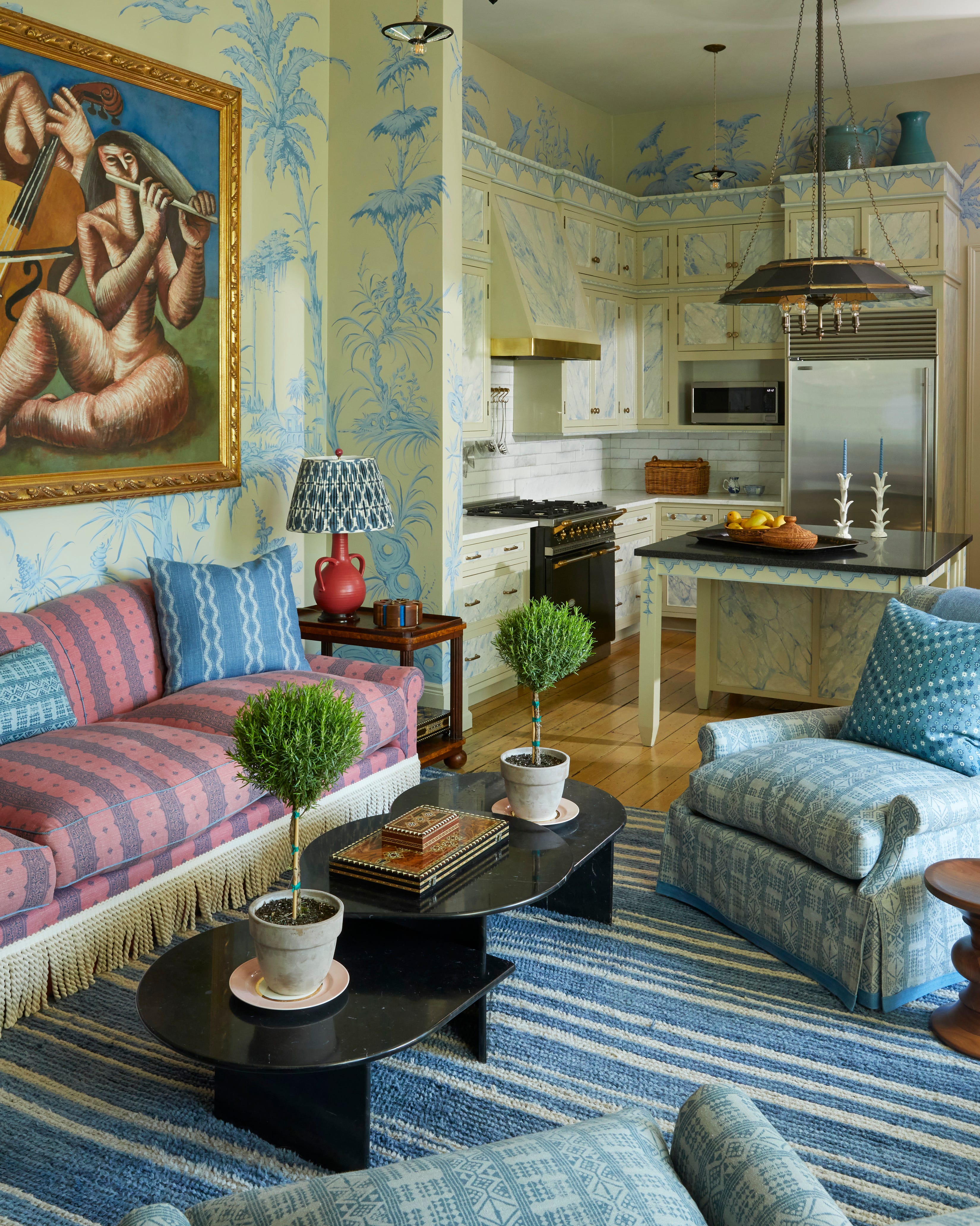
Creating a 'tideline' around the kitchen involves applying a continuous line of color at eye level, often using different colors or varying finishes of the same color (e.g., eggshell and gloss). This technique adds character and is easily adaptable. Kitchen cabinets delivered in off-white can be painted in a variety of colors, making this a flexible way to introduce visual interest.
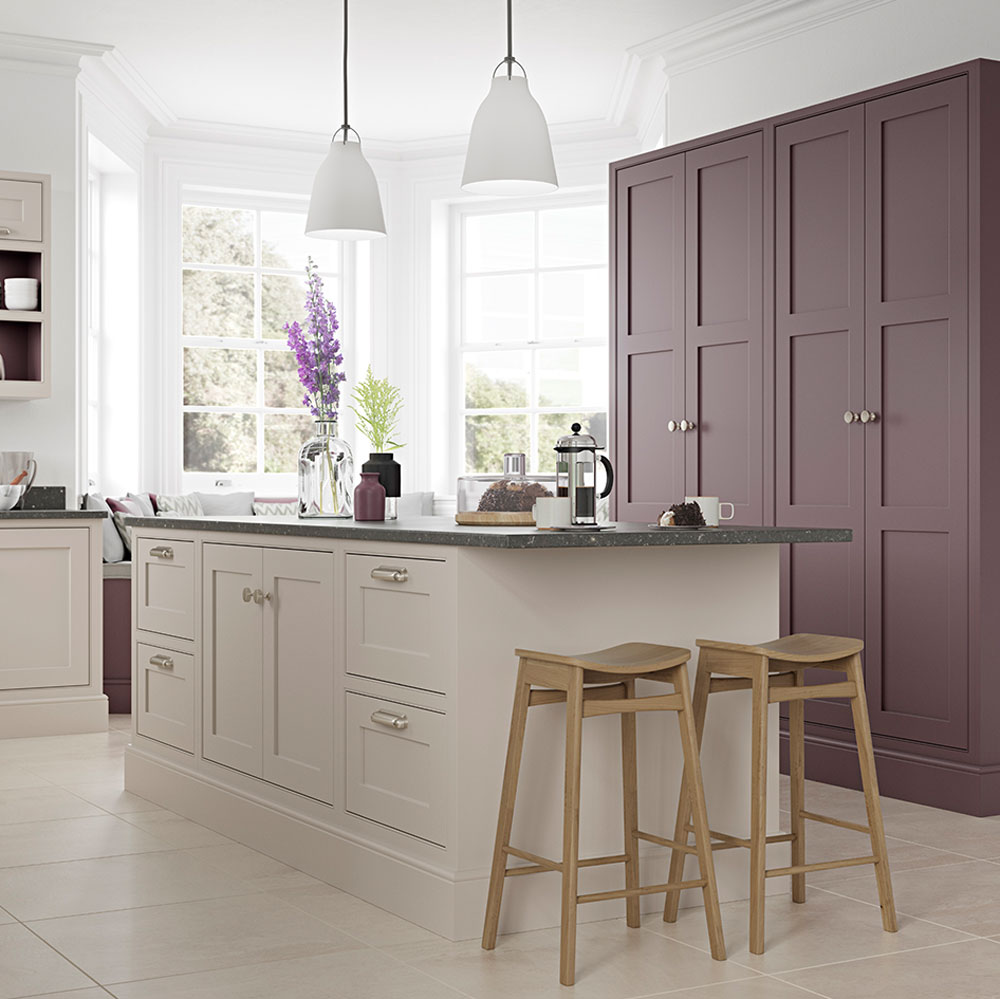
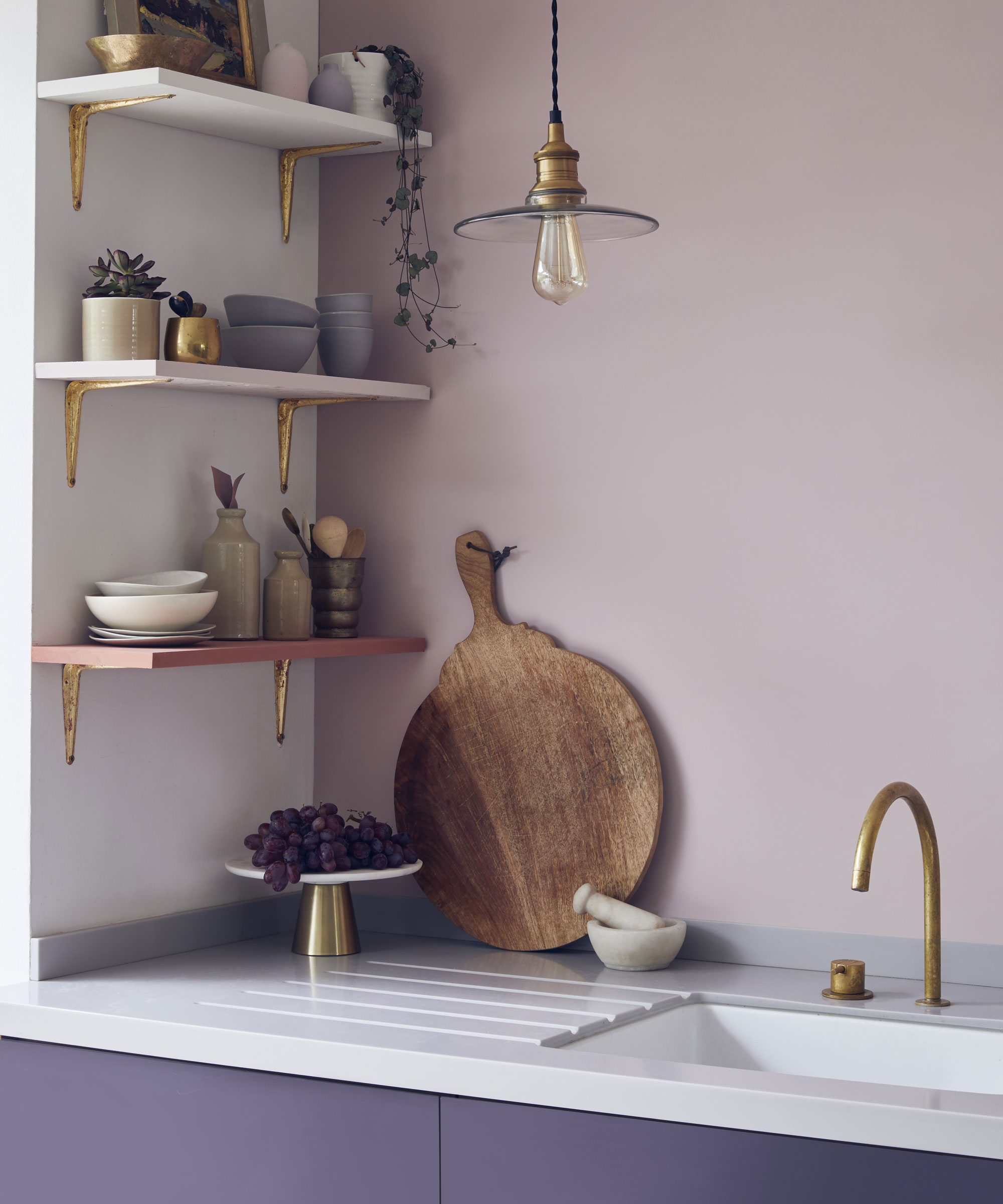
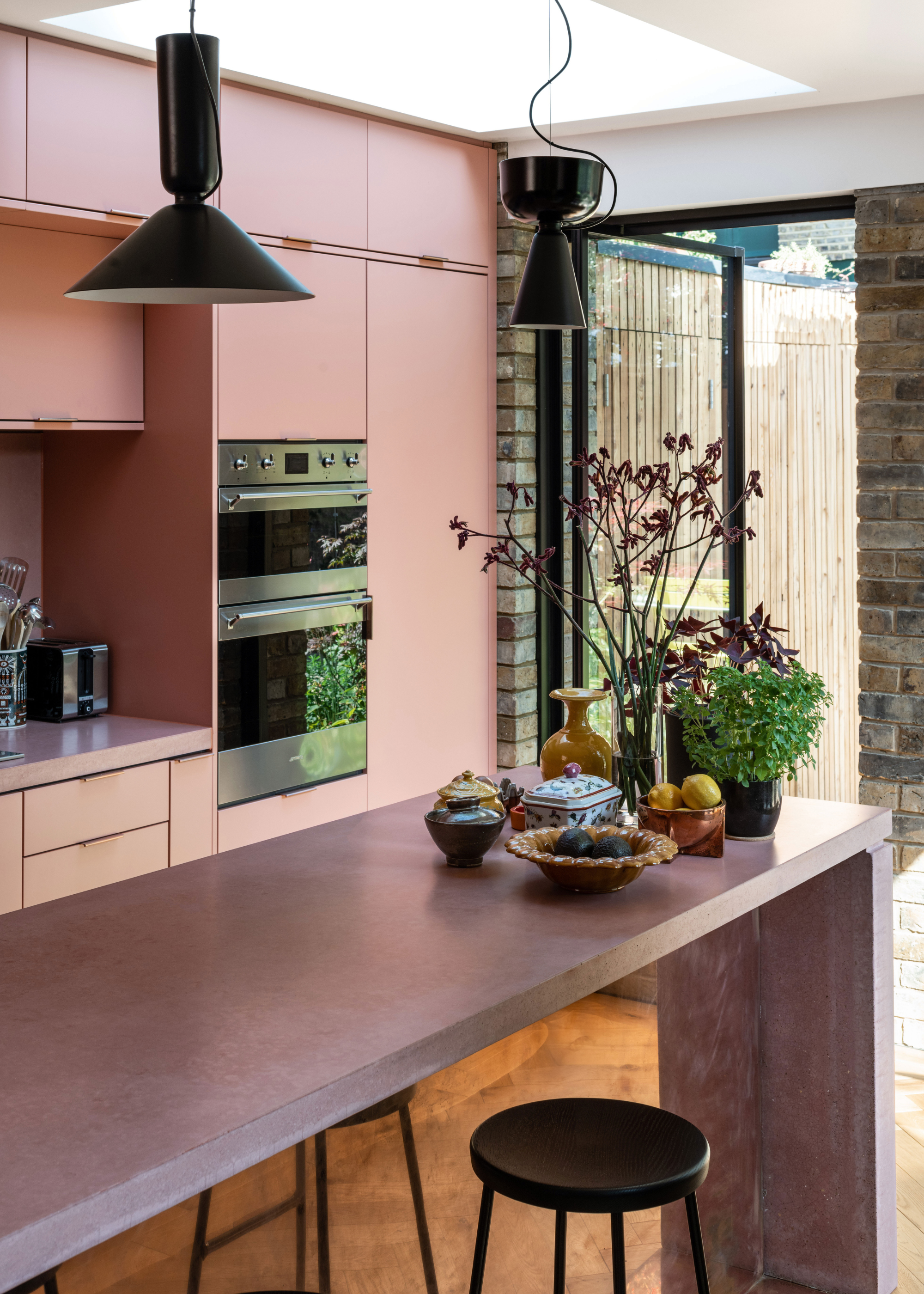
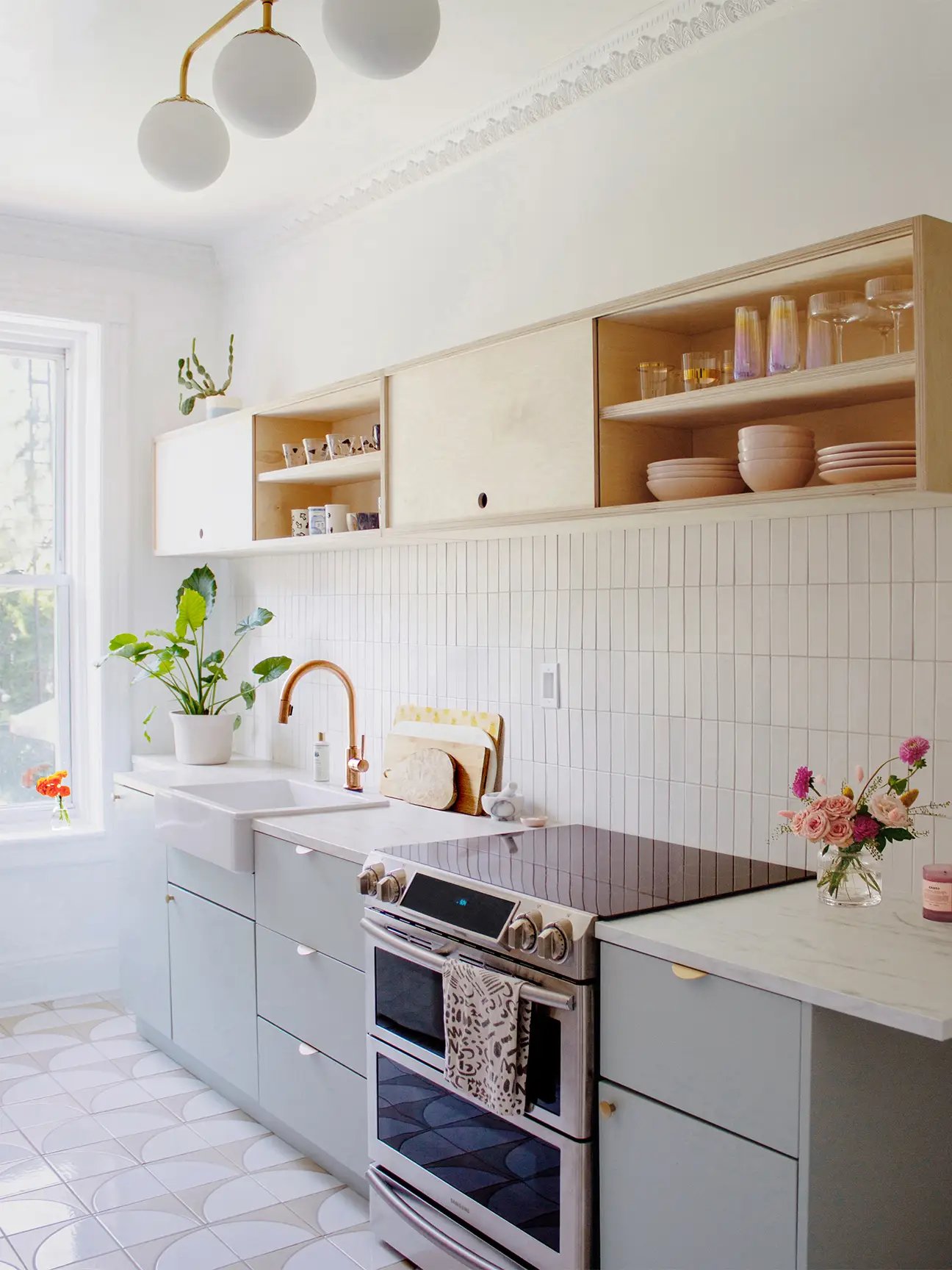
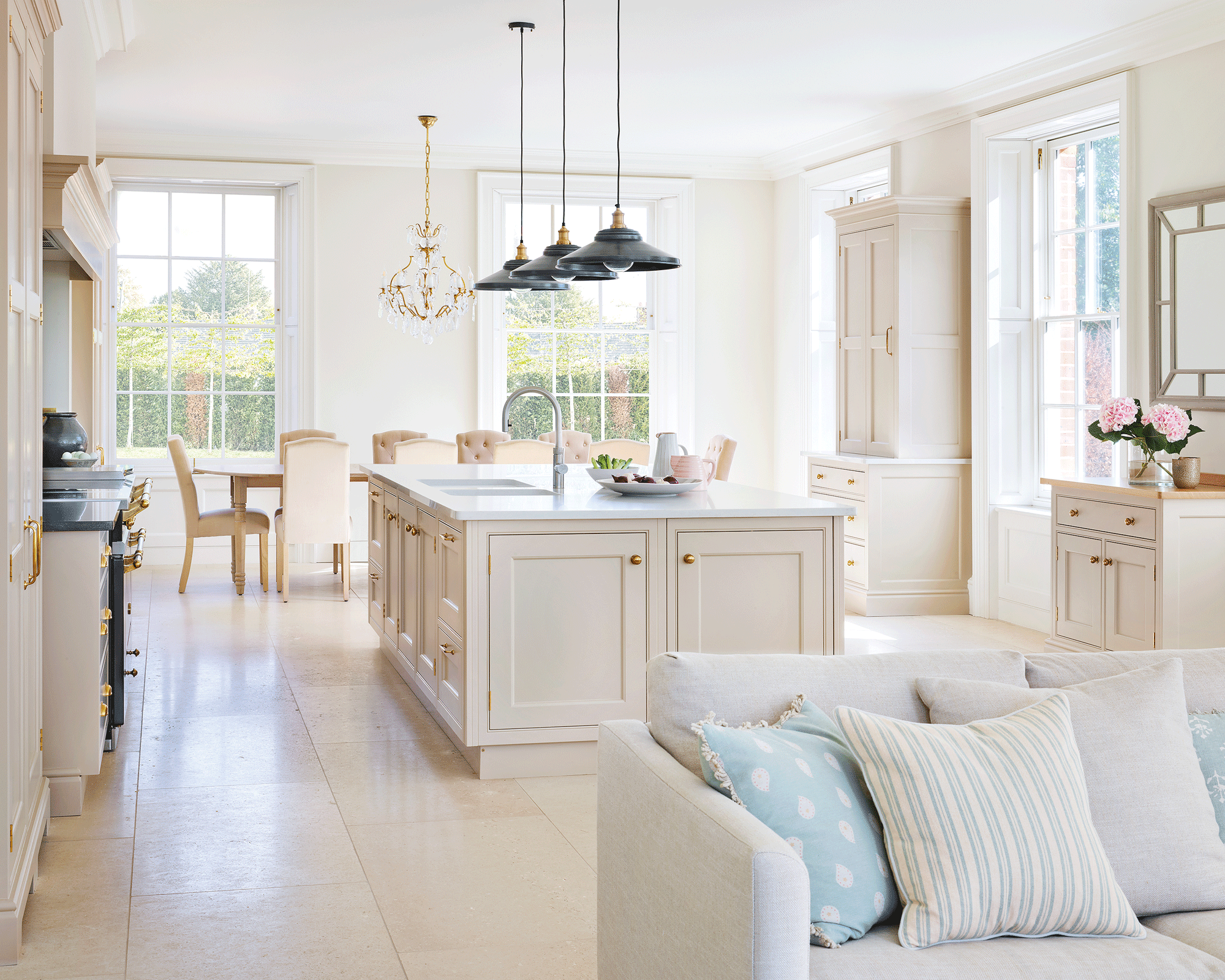
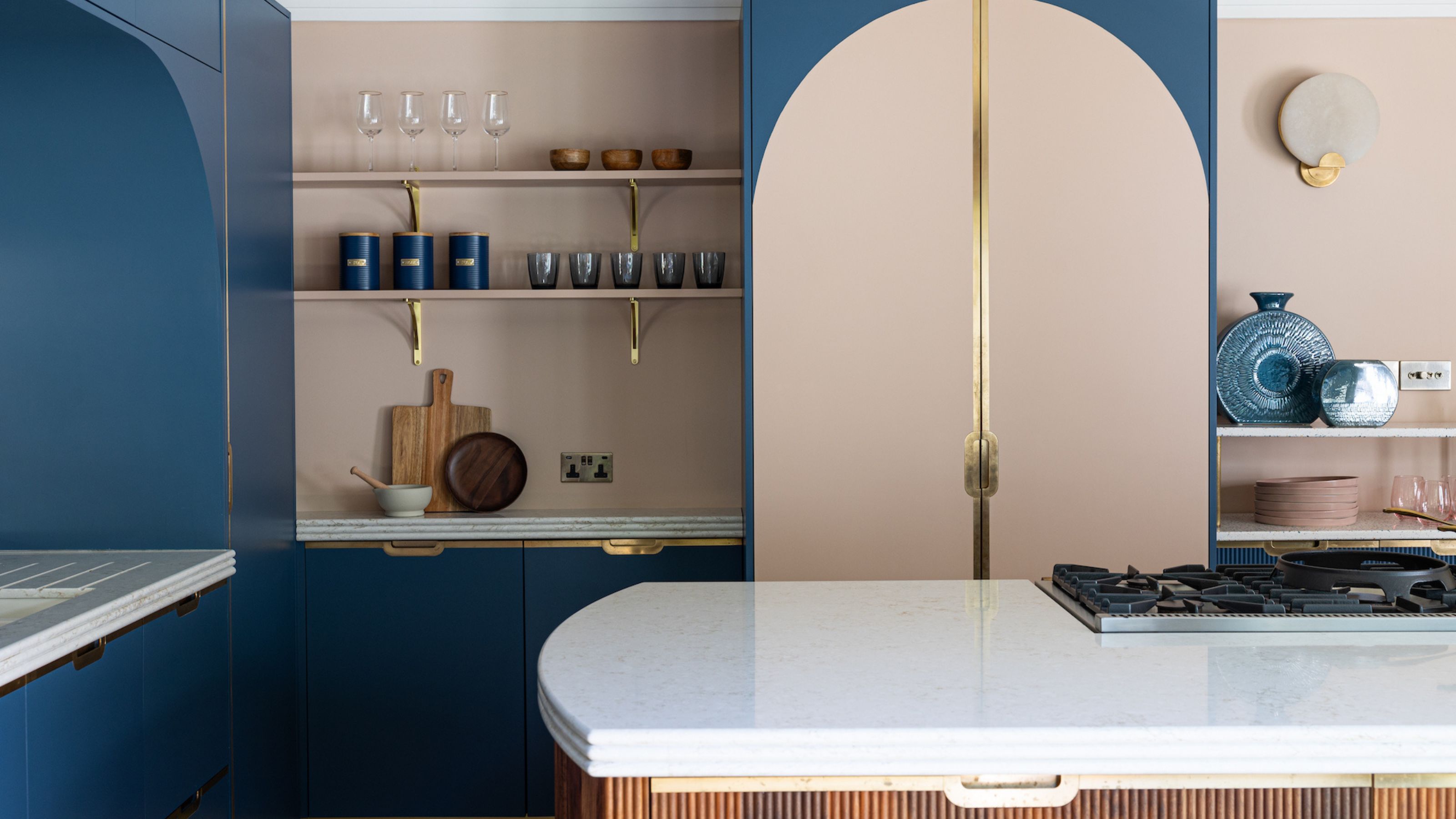
Painting cabinets in tonal hues is suitable for small spaces, where the goal might be to make the kitchen blend seamlessly with other furniture, creating a streamlined and minimal appearance. Using blush tones on minimal fronts can achieve a chic, pared-back look. With larger, light-filled kitchen spaces and effective lighting, designers encourage embracing color contrasts to define different areas, such as islands or isolated wall units.
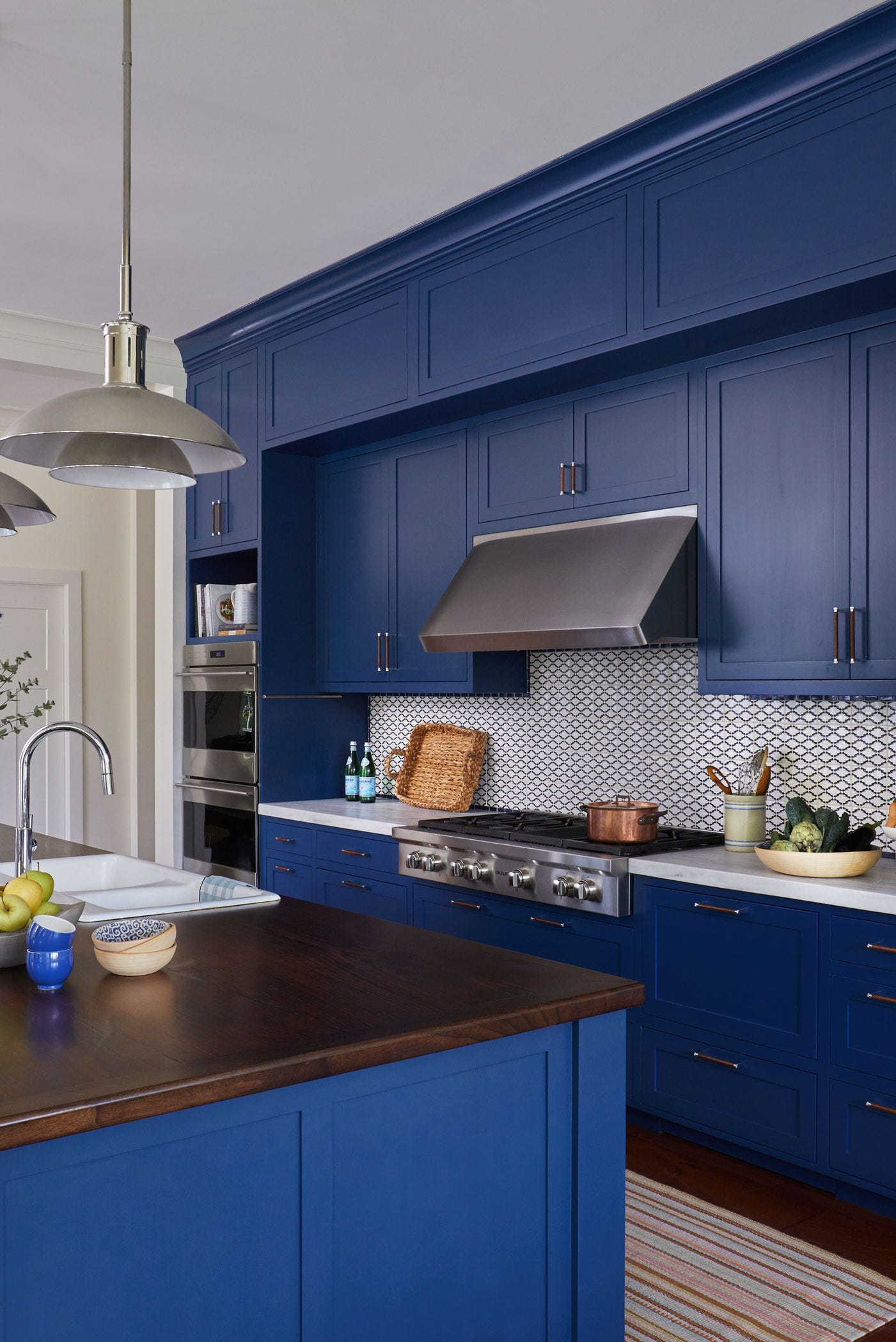
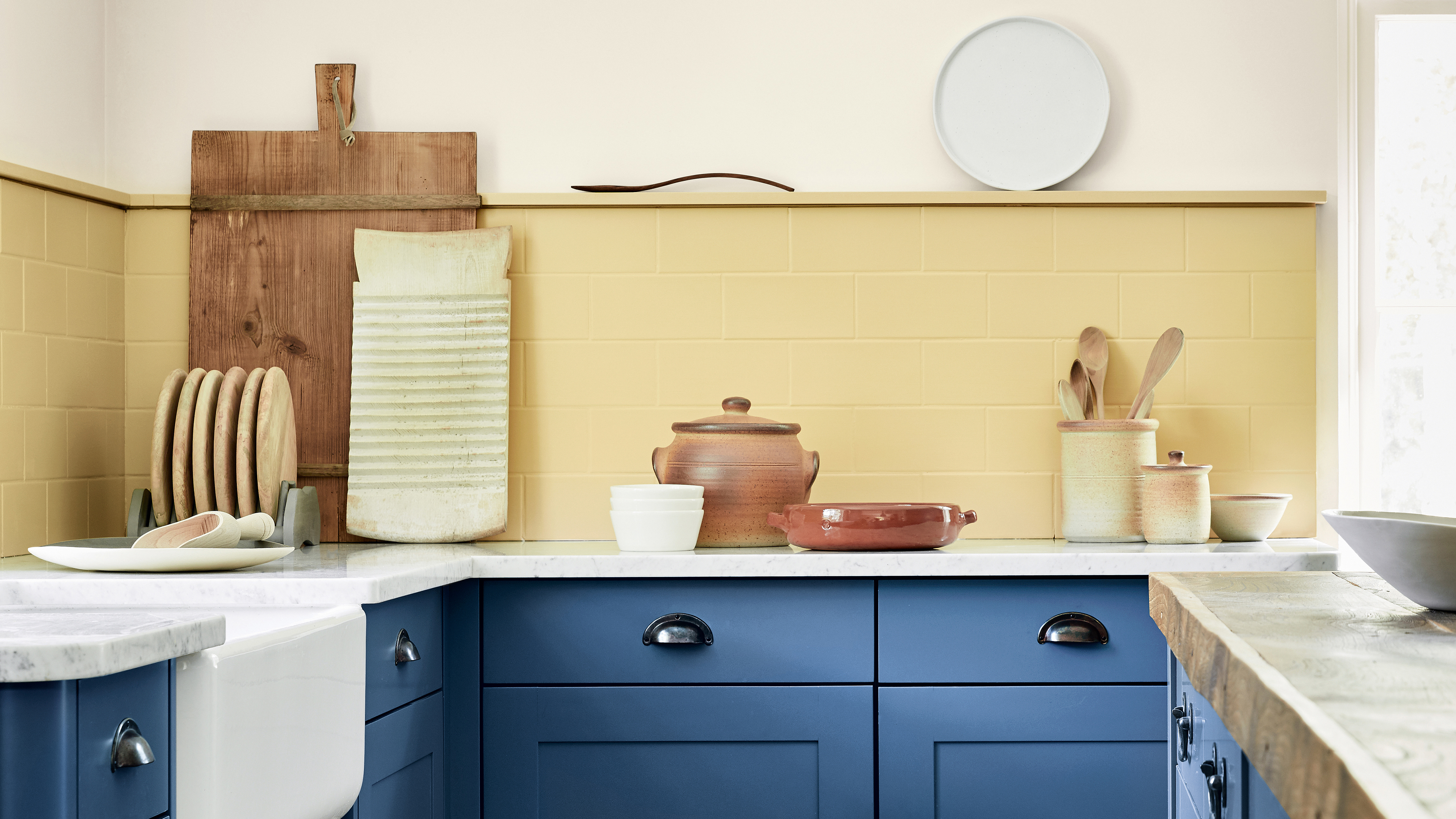
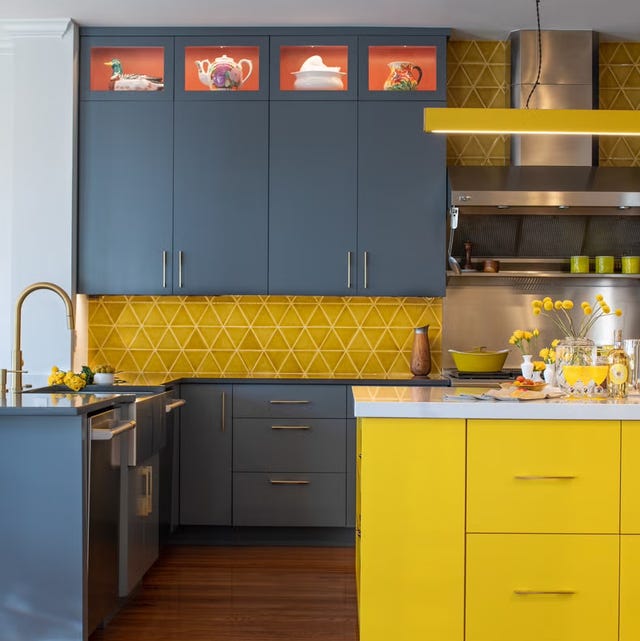
Bold color pairings can energize and uplift the kitchen atmosphere. Experimenting with vibrant combinations, such as a grounding blue on cabinetry paired with a zingy lemon yellow backsplash, can make a space feel fresh and new. This approach allows for the creation of various moods, from energetic to sophisticated, depending on the chosen color scheme. Ruth Mottershead, Creative Director of Little Greene, suggests using contrasting colors across walls, upper, and lower cabinets for an uplifting effect.
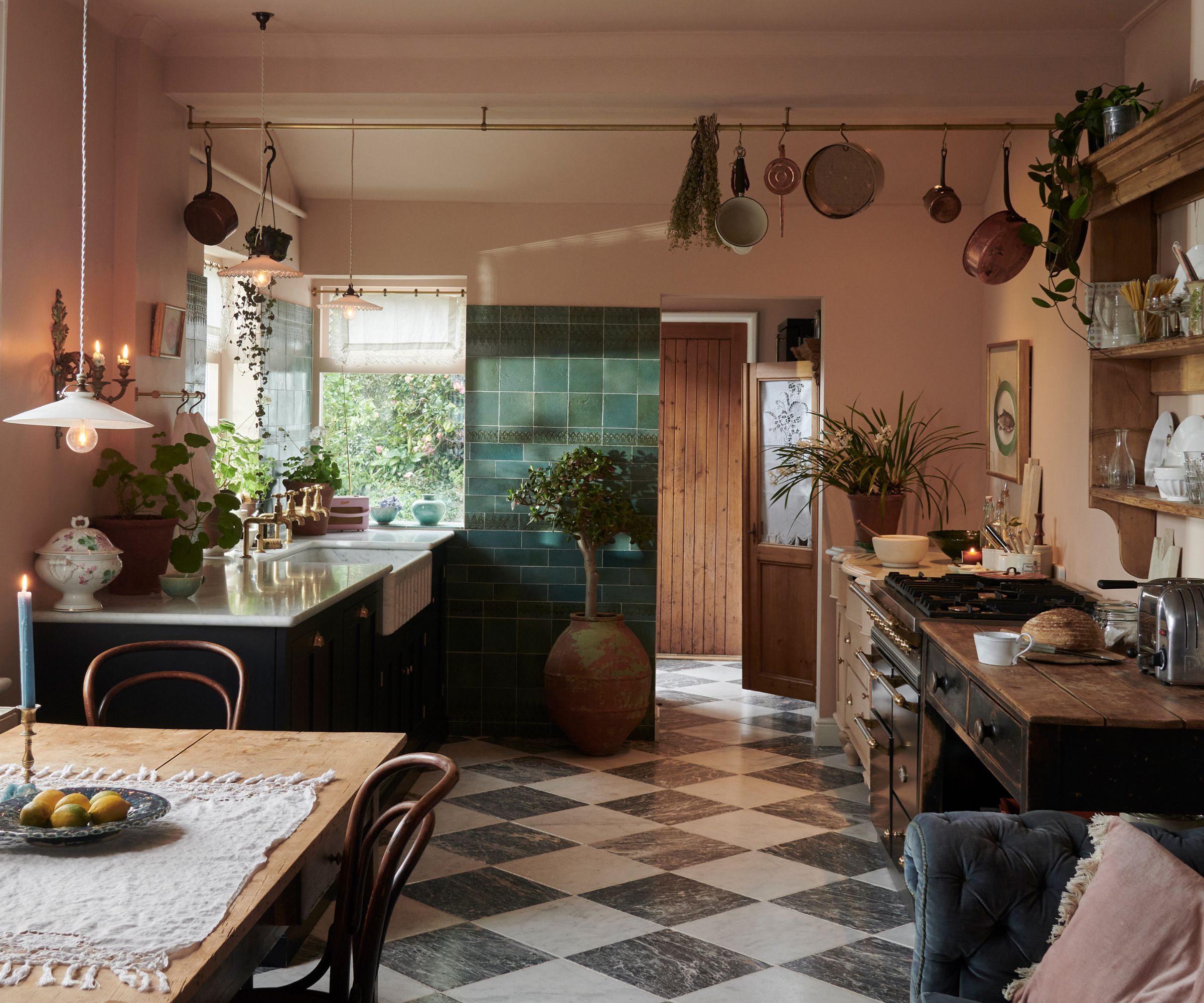
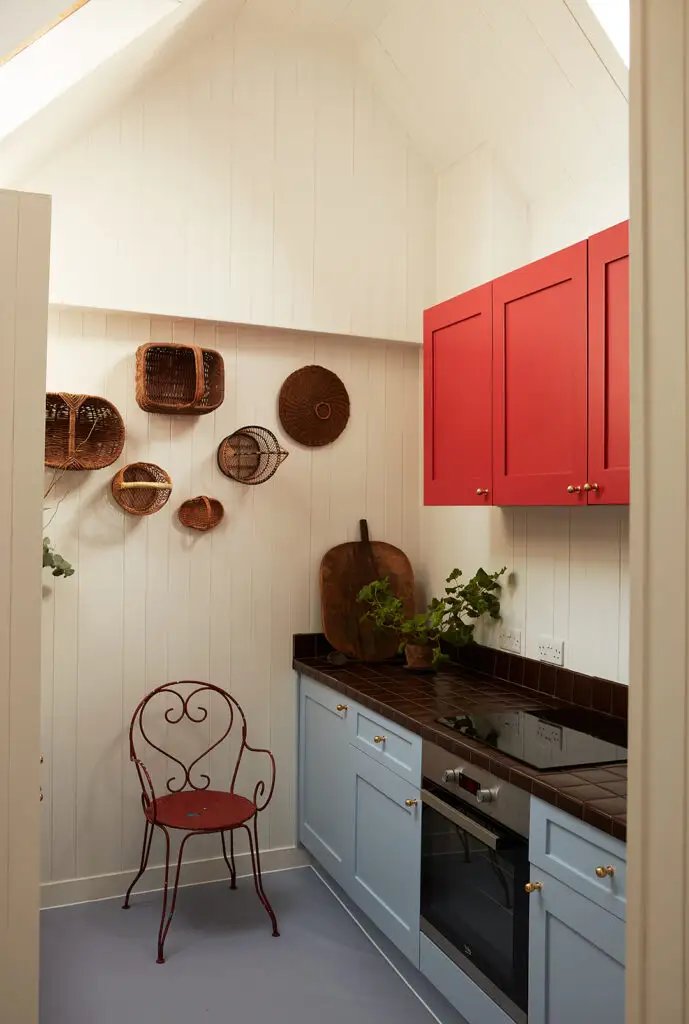
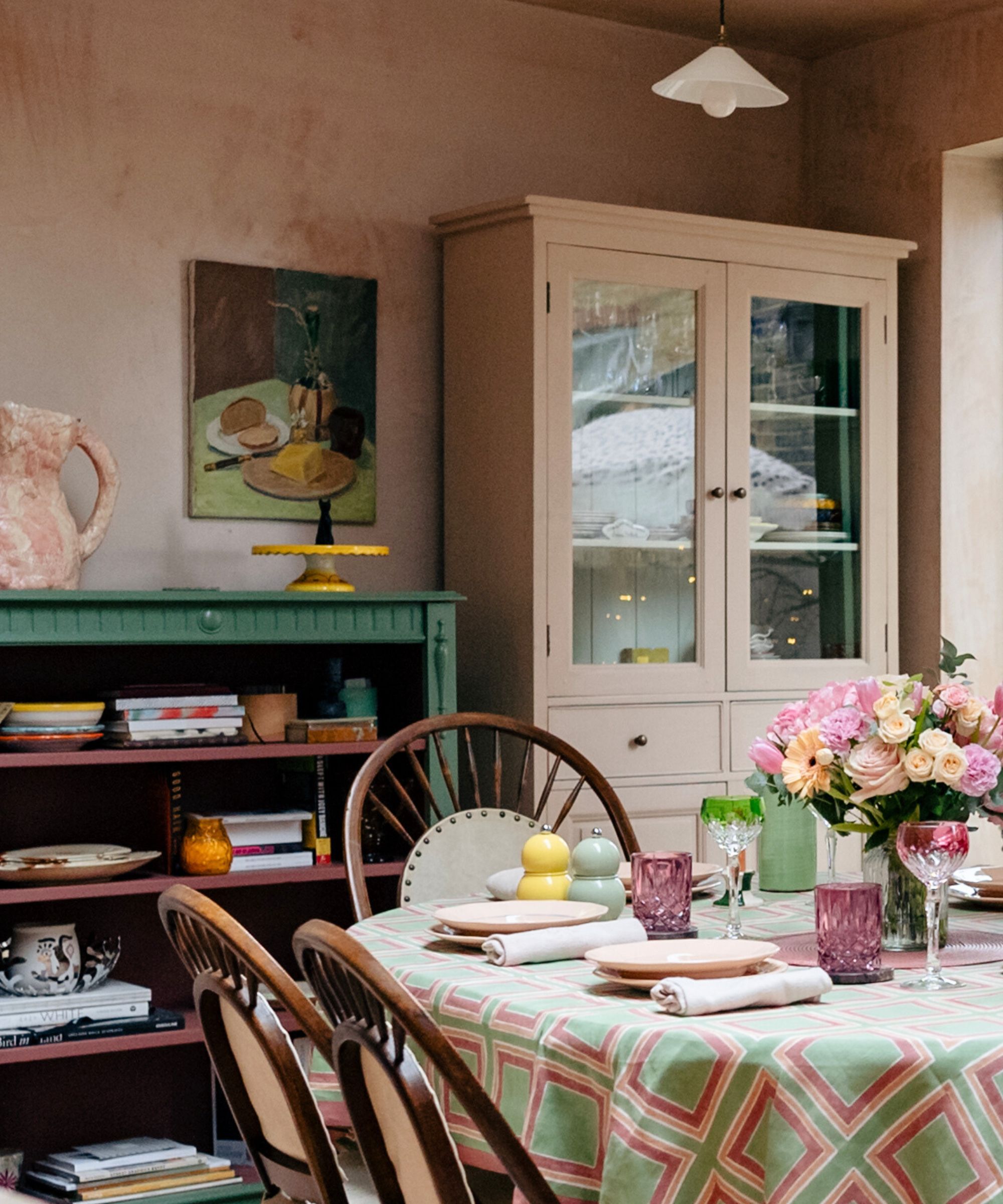
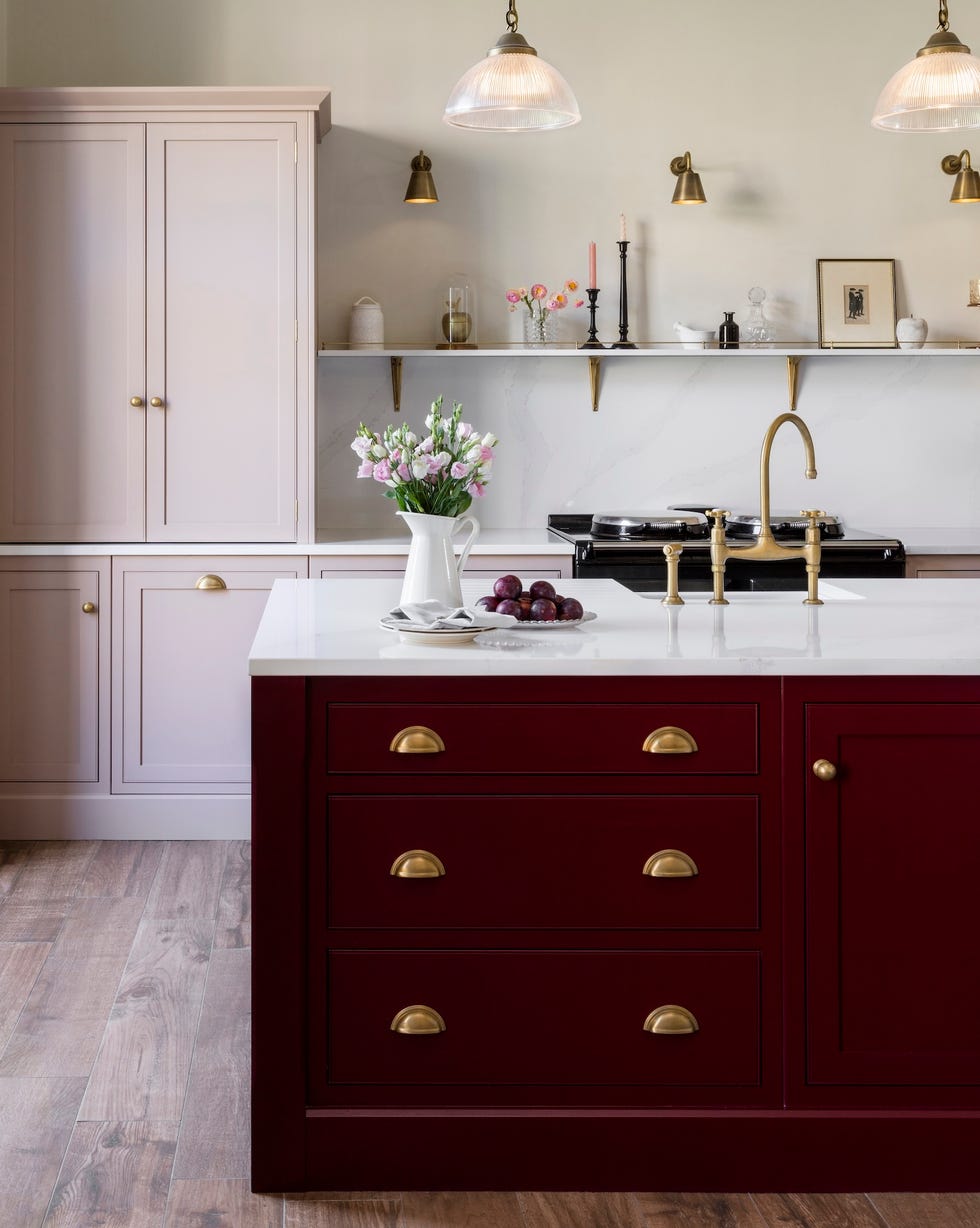
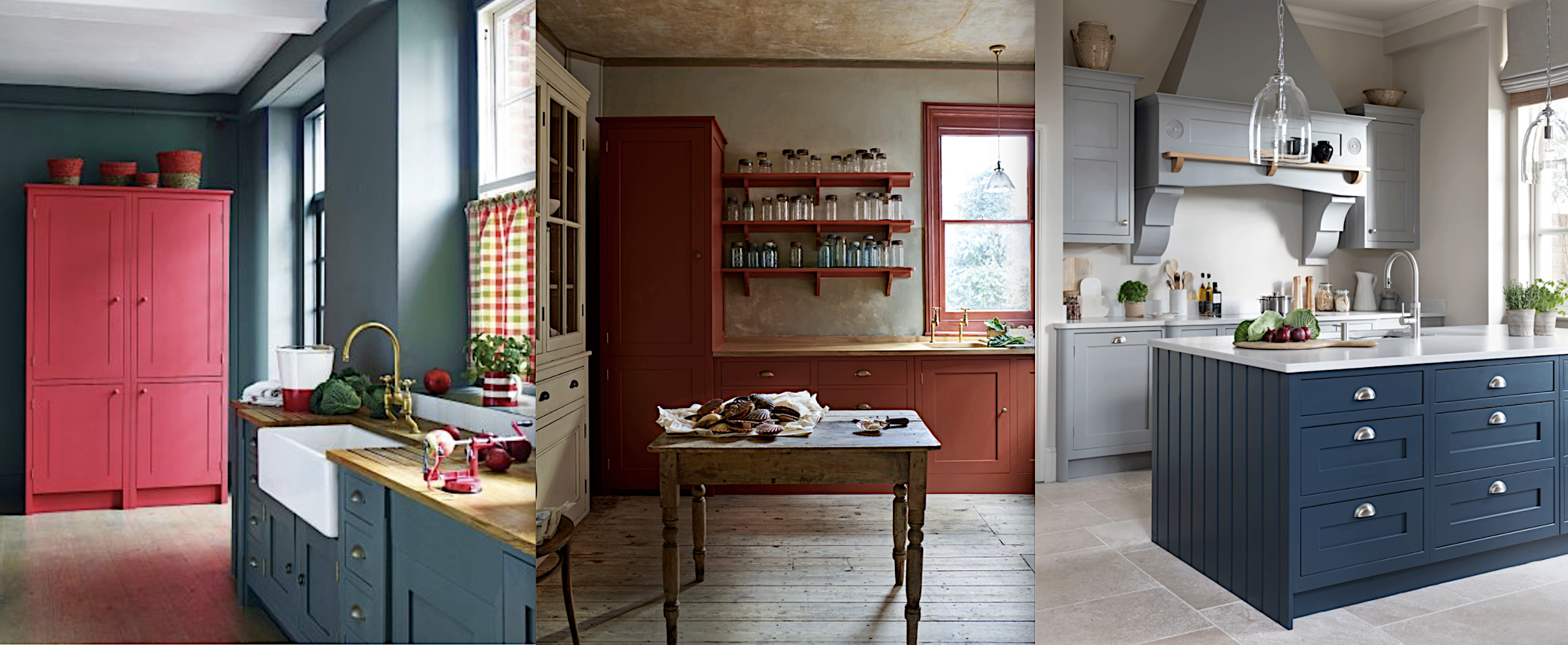
Finally, enhancing historical elements in traditional kitchens can be achieved by using bold hues. While classic colors are often favored for traditional cabinetry, a deep red kitchen against a plaster pink wall can make traditional pieces, like a plate rack, stand out. Helen Parker, Creative Director at deVOL, notes that rich, dark hues draw attention to design elements that might otherwise blend into the background.
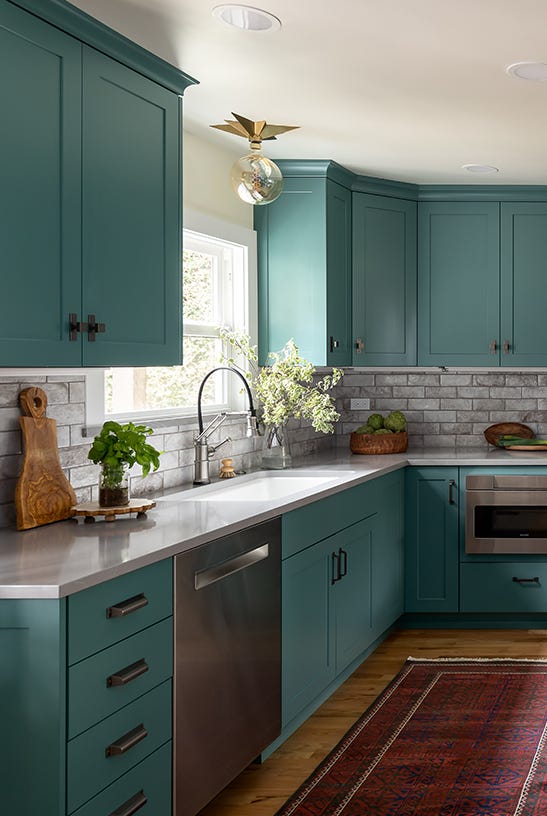
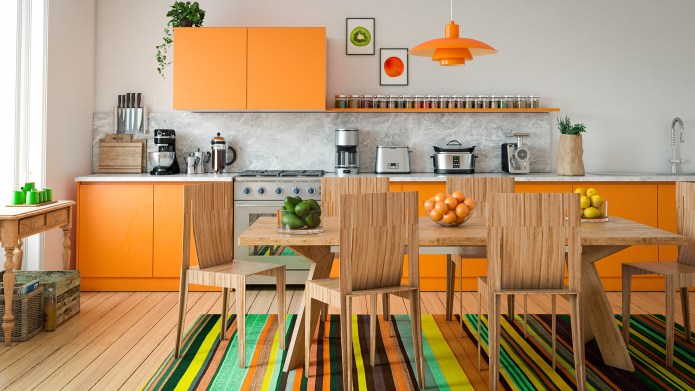
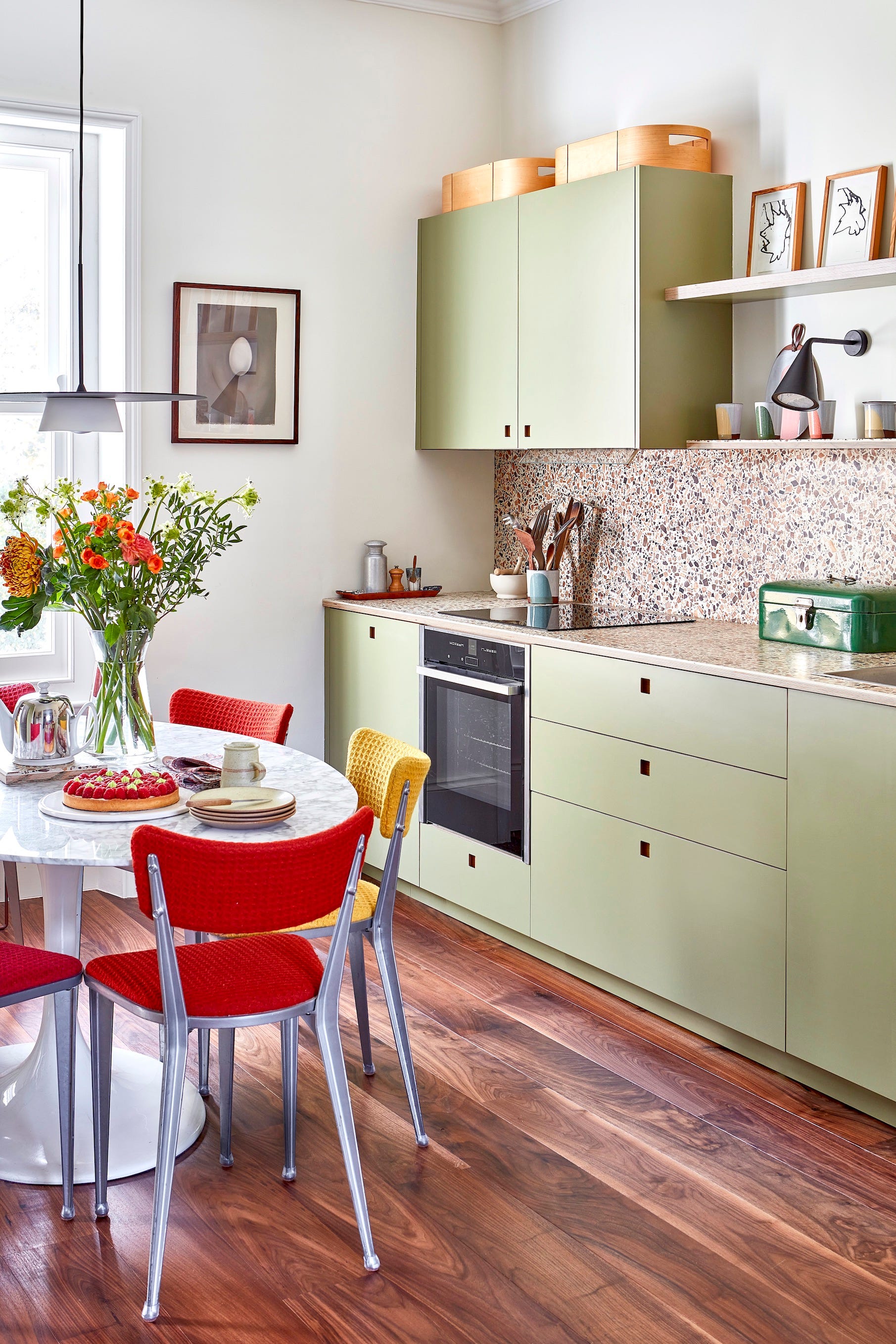
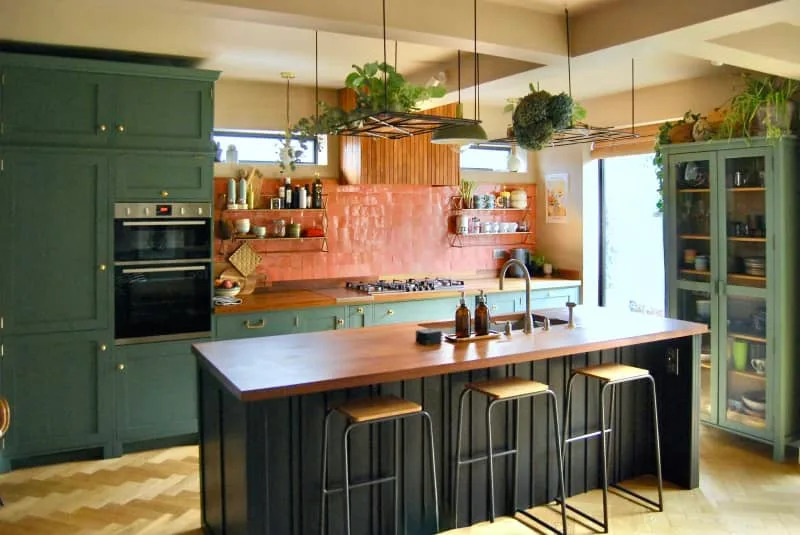
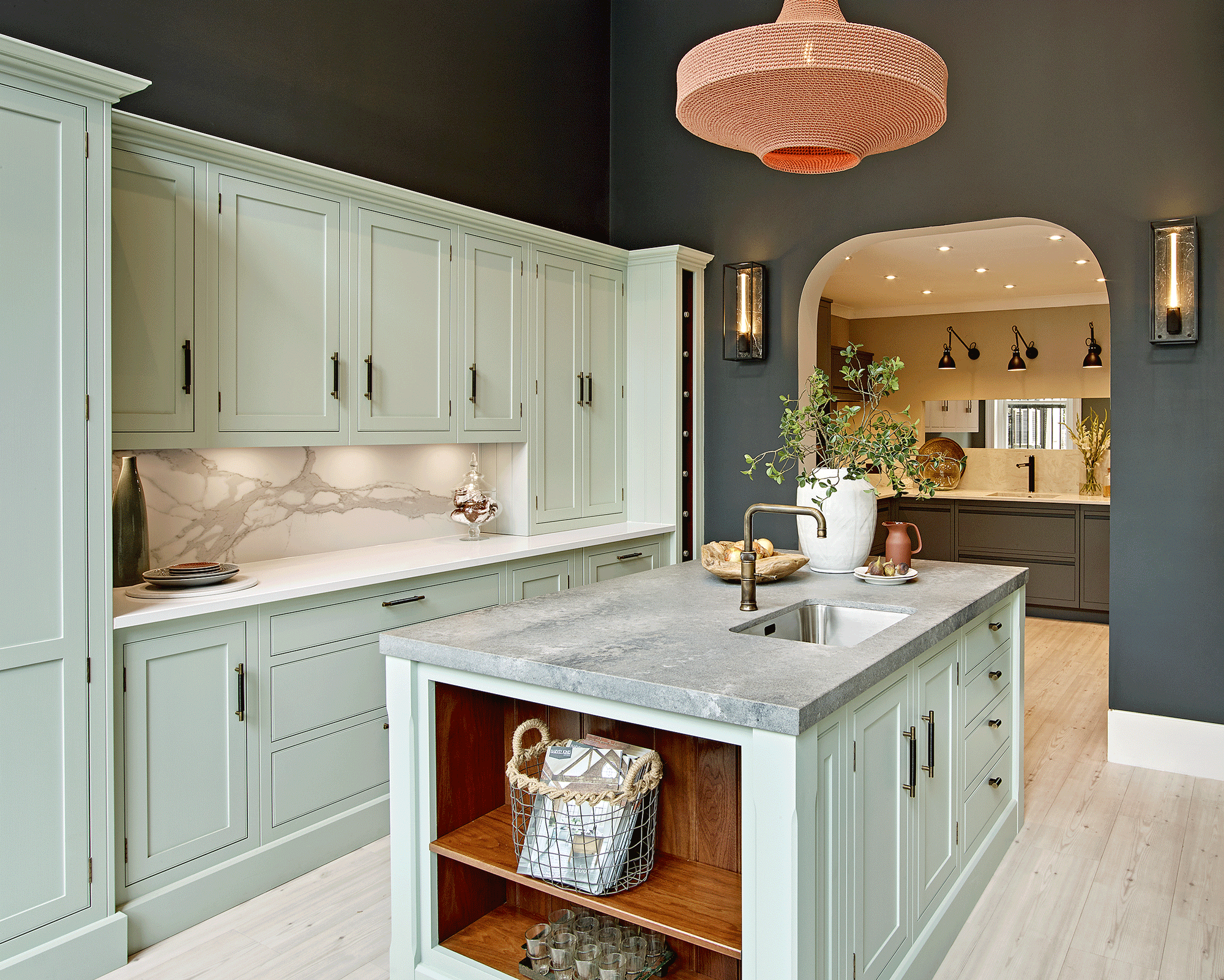
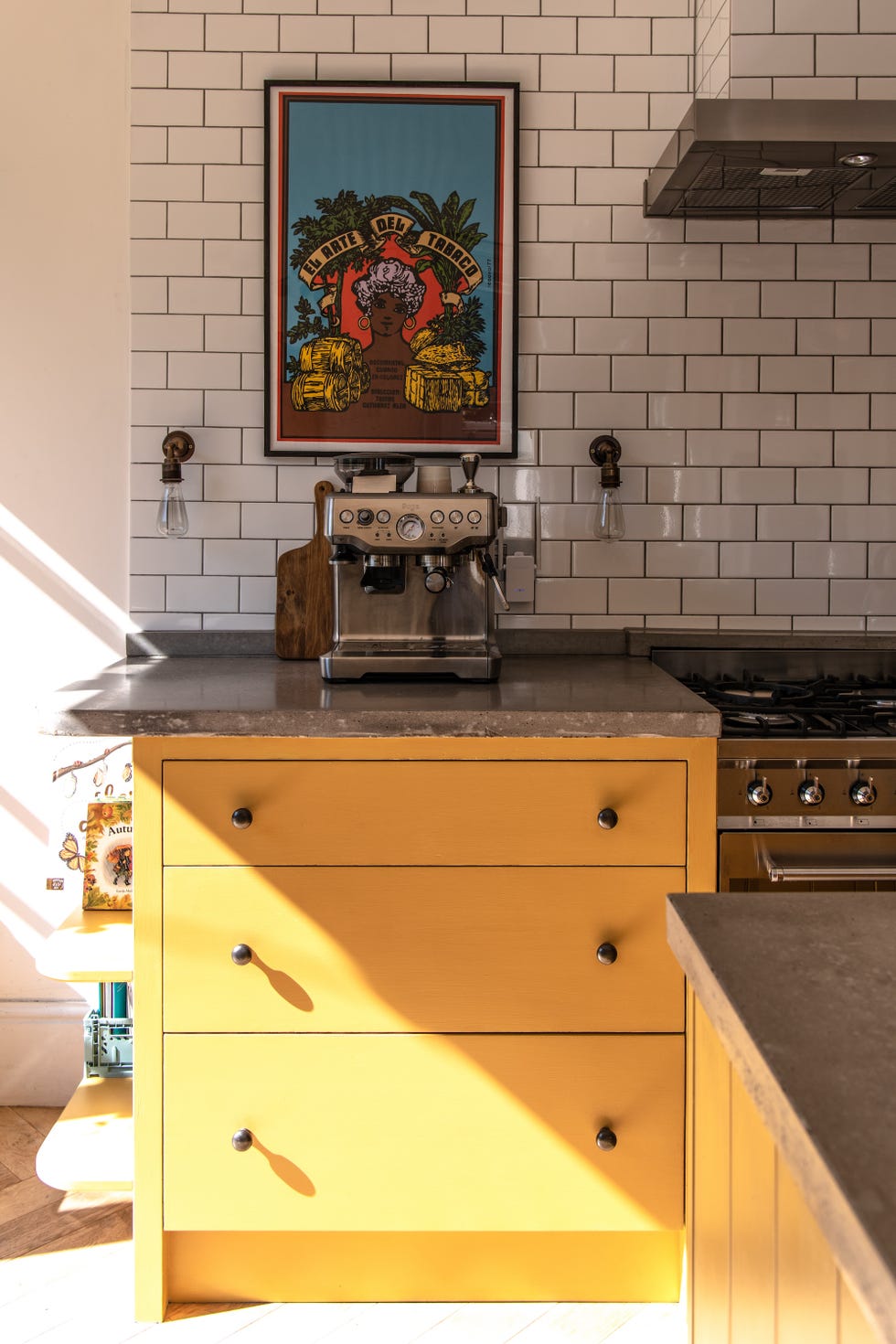
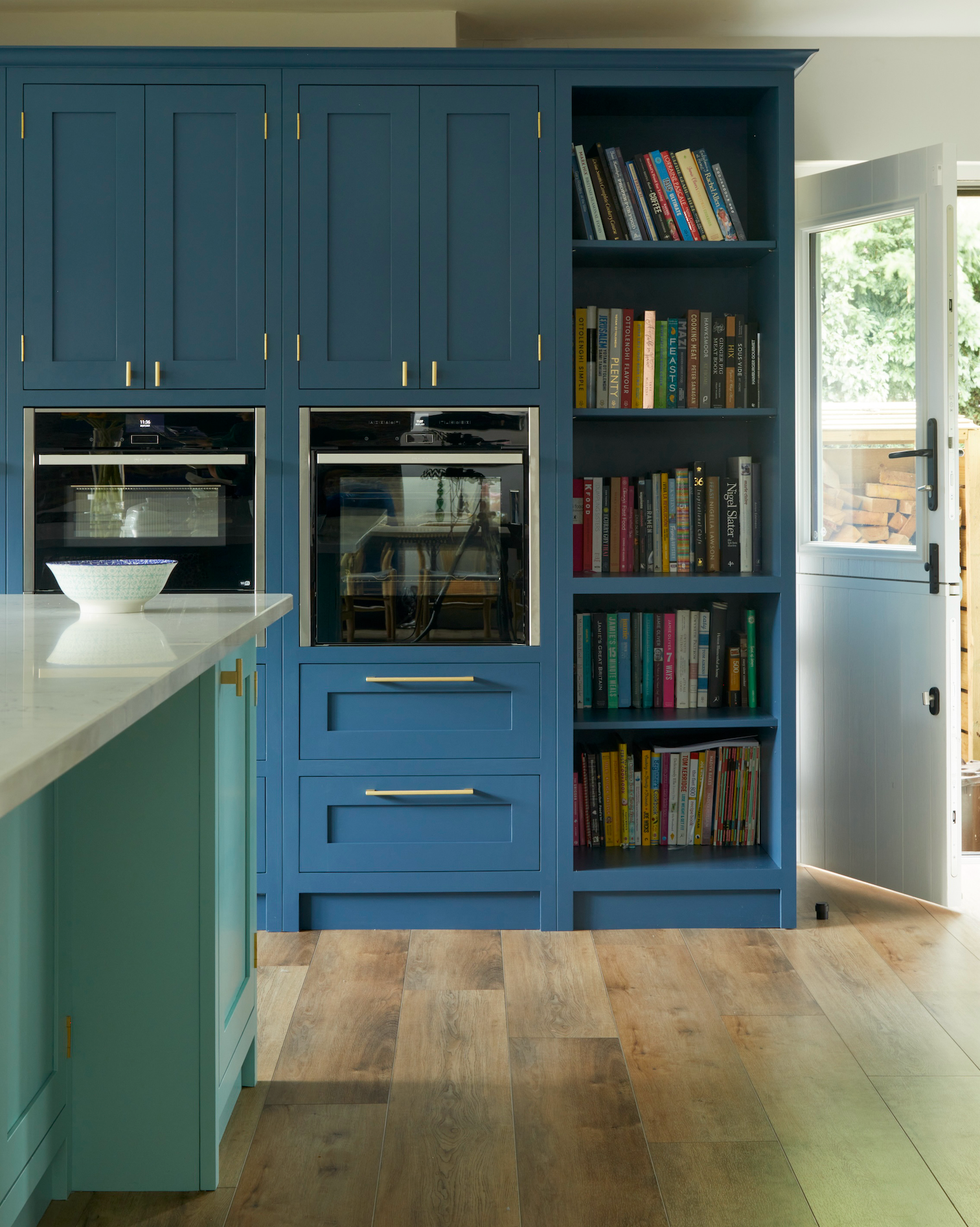
Color blocking is also employed as both a functional and aesthetic choice. This technique can conceal irregular door openings and storage for appliances, making a bold color like vibrant green more livable when paired with white walls. Choosing a forgiving dark color for hand-painted doors is recommended. Overall, two-tone kitchen designs are a prominent trend, offering visual interest, making small kitchens appear more spacious, and providing an affordable way to update an older kitchen. A general guideline is to use darker colors for lower cabinets to ground the space and lighter colors for upper cabinetry to reflect light.
#TwoToneKitchens #KitchenDesignTrends #KitchenColorIdeas #InteriorDesign #HomeRenovation #CabinetryColors #KitchenAesthetics #ModernKitchens #TwoToneKitchens #KitchenDesignTrends #KitchenColorIdeas #InteriorDesign #HomeRenovation #CabinetryColors #KitchenAesthetics #ModernKitchens
0 comment in total
 No comments yet
You may also like
10 two-tone kitchens that totally nail this 2021 trend

13 Unique Kitchen Color Combinations To Try Out In 2025
What Color is Replacing White in the Kitchen? 5 Sophisticated Shades Designers Say to Try Instead
These Will Be the Most Popular Kitchen Paint Colors In 2025, According to Interior Designers

Two tone kitchen cabinet ideas – 10 colour combinations to inspire
Ditch the White! Try One of These Designer-Approved Kitchen Colors

The Color Pattern Taking Over Kitchens in 2025 (Move Over, White Cabinets!)

Painted kitchen ideas – 17 inspiring ways and tips for painting a kitchen

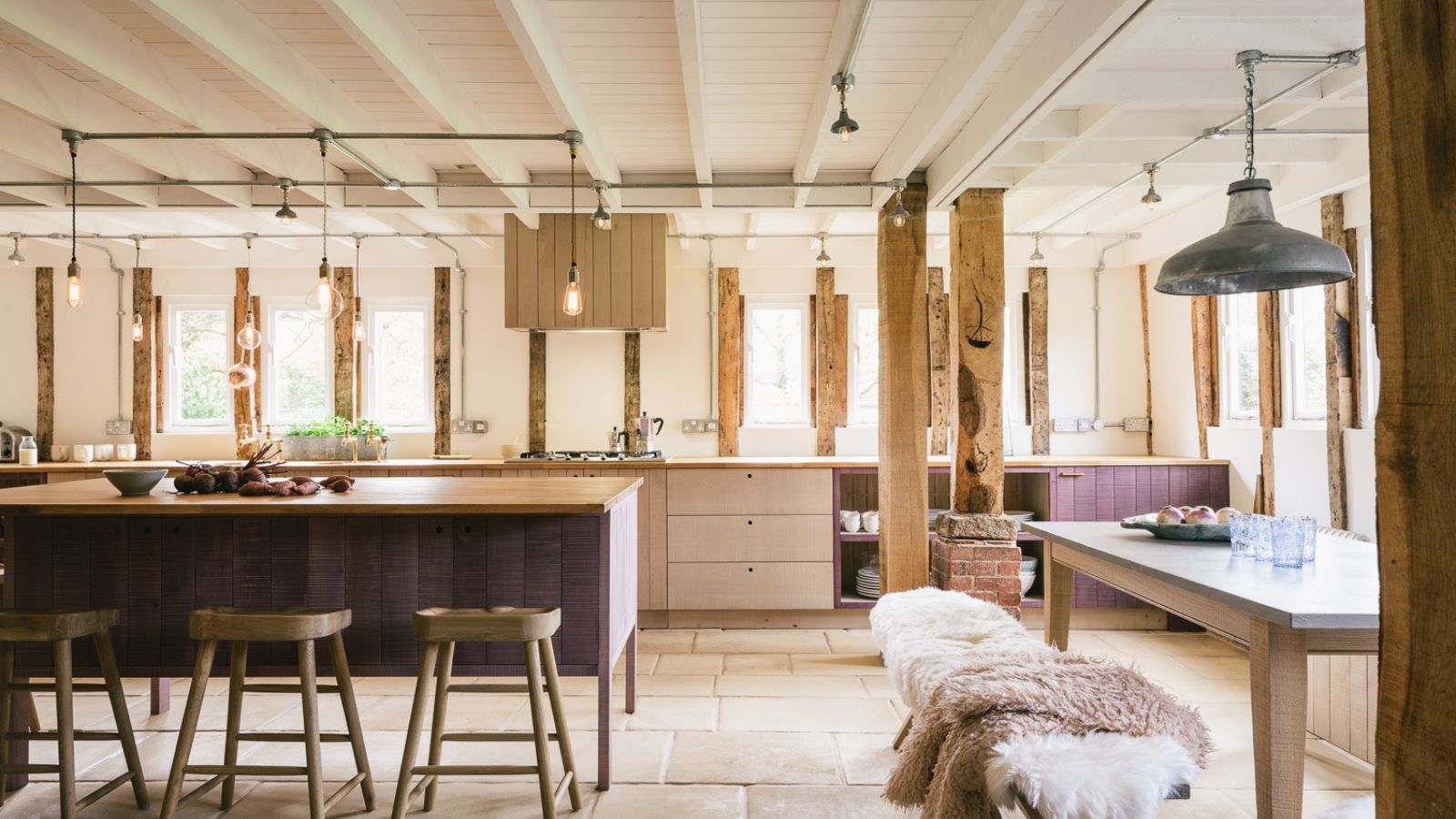
We didn't expect this color to have a revival in 2025 – but these 7 purple kitchens prove it's back for good
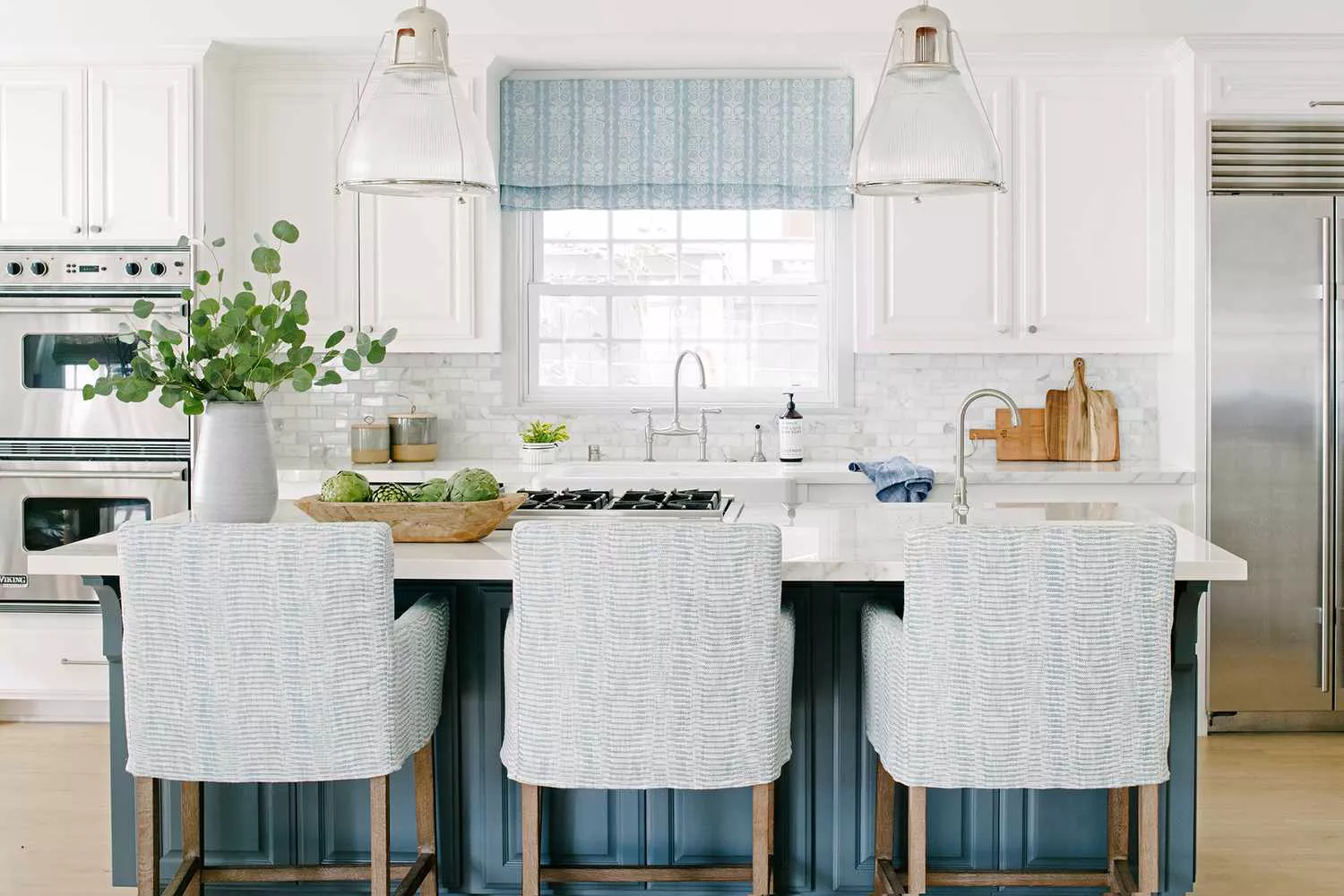
8 Ways to Bring Color Into Your All-White Kitchen Without Renovating
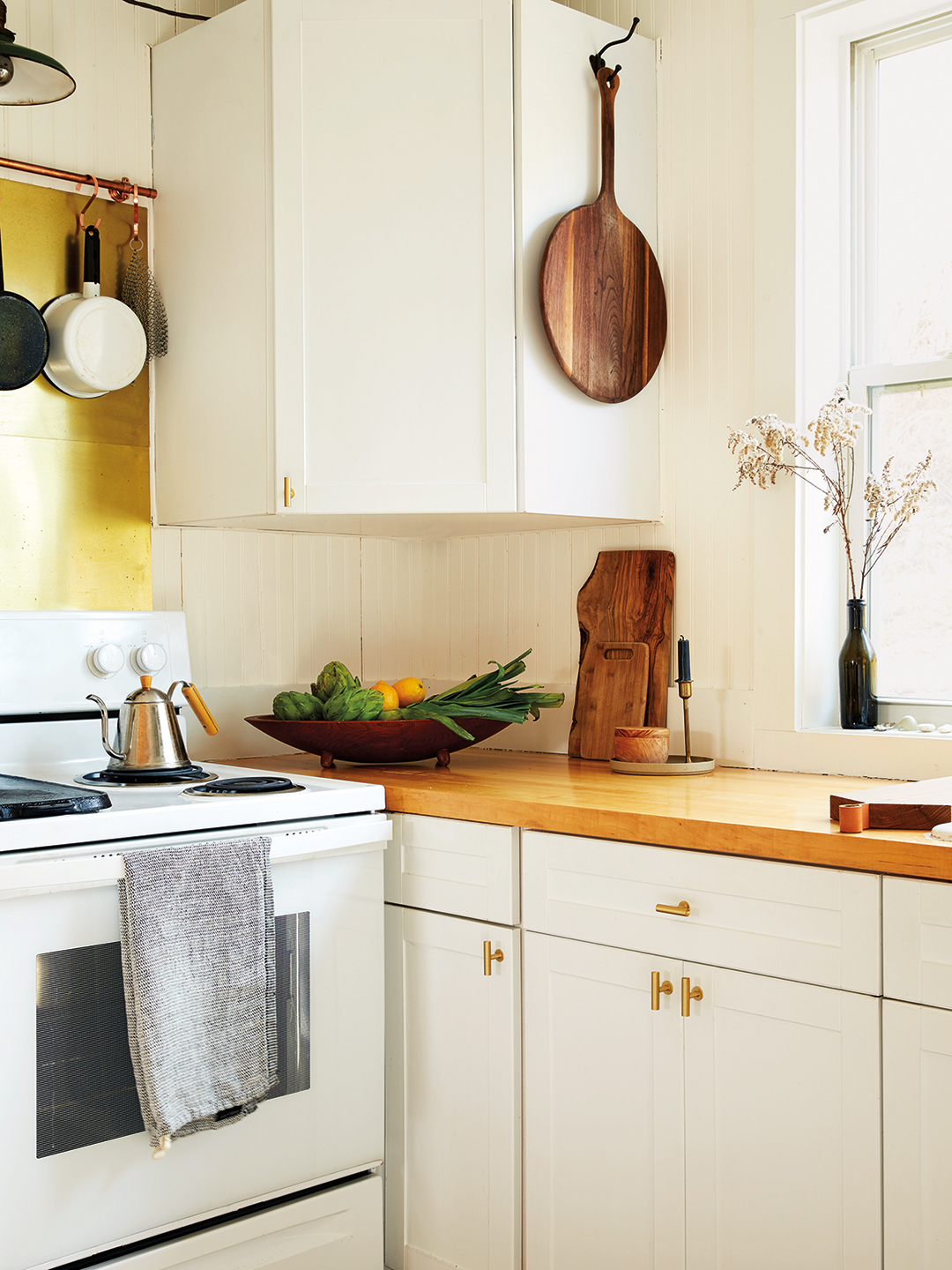
This Paint Color Is Way More Popular With Lower Cabinets Than Upper Ones

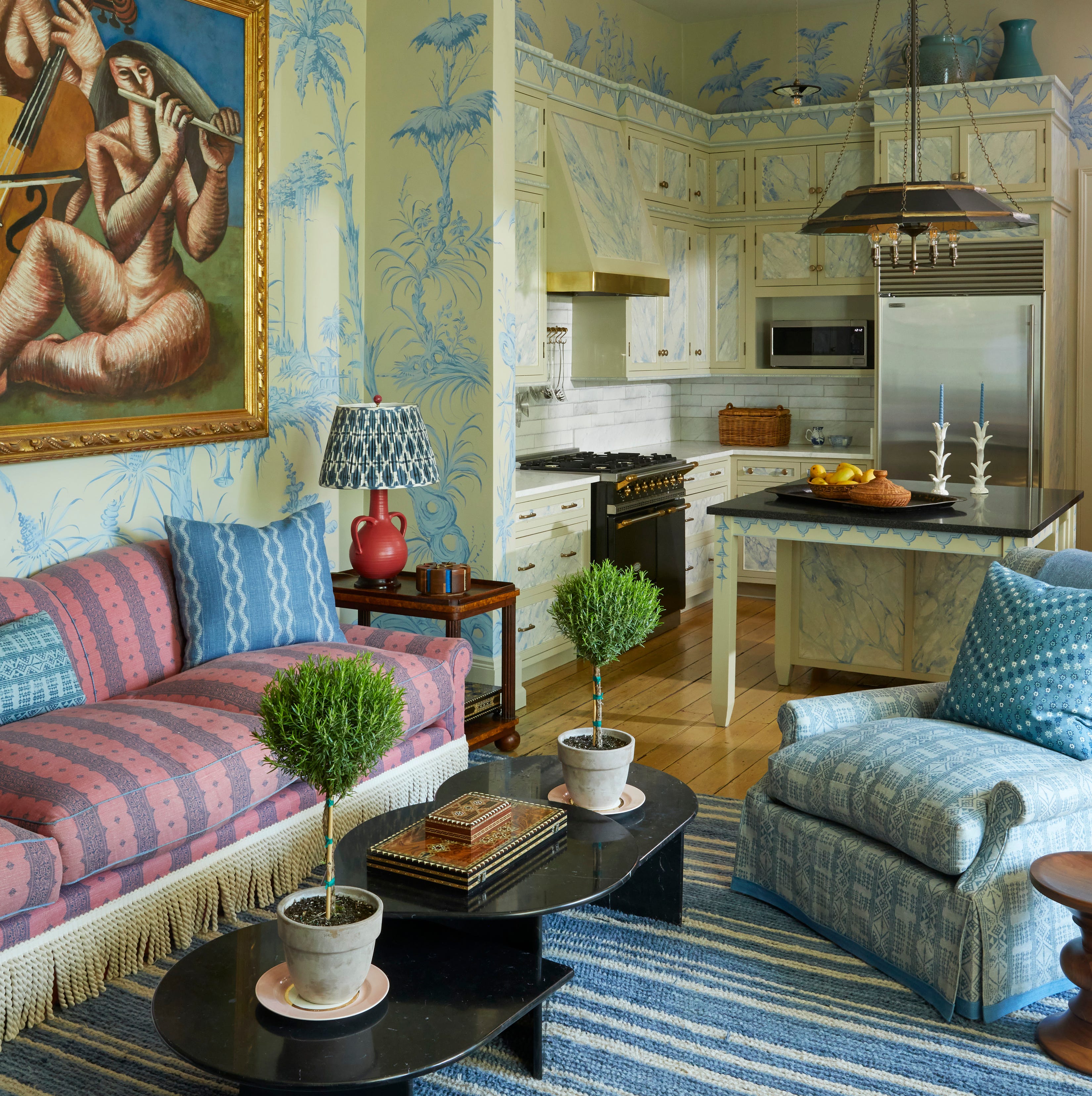
6 Kitchen Trends That Will Be Huge in 2026, According to Designers


How to create design contrast with two-tone kitchen cabinets

10 Colorful Kitchens That Buck The All-White Trend

What Kitchen Color Should I Choose? 12 Ideas That Feel Right for Schemes in 2025
These kitchen paint colours will be everywhere in 2025 – and there's even one for neutral lovers

Should you choose two-tone kitchen countertops? Interior designers on whether this trend will endure
No-fail kitchen colour ideas: 20 pairings that just work
The top kitchen color trends of 2024 that interior designers are seeing everywhere — 7 lush hues to try
7 Outdated Cabinet Colors Designers Are Leaving Behind In 2026