Transitional Style Kitchens Are Most Popular—Here's How to Ace the Look
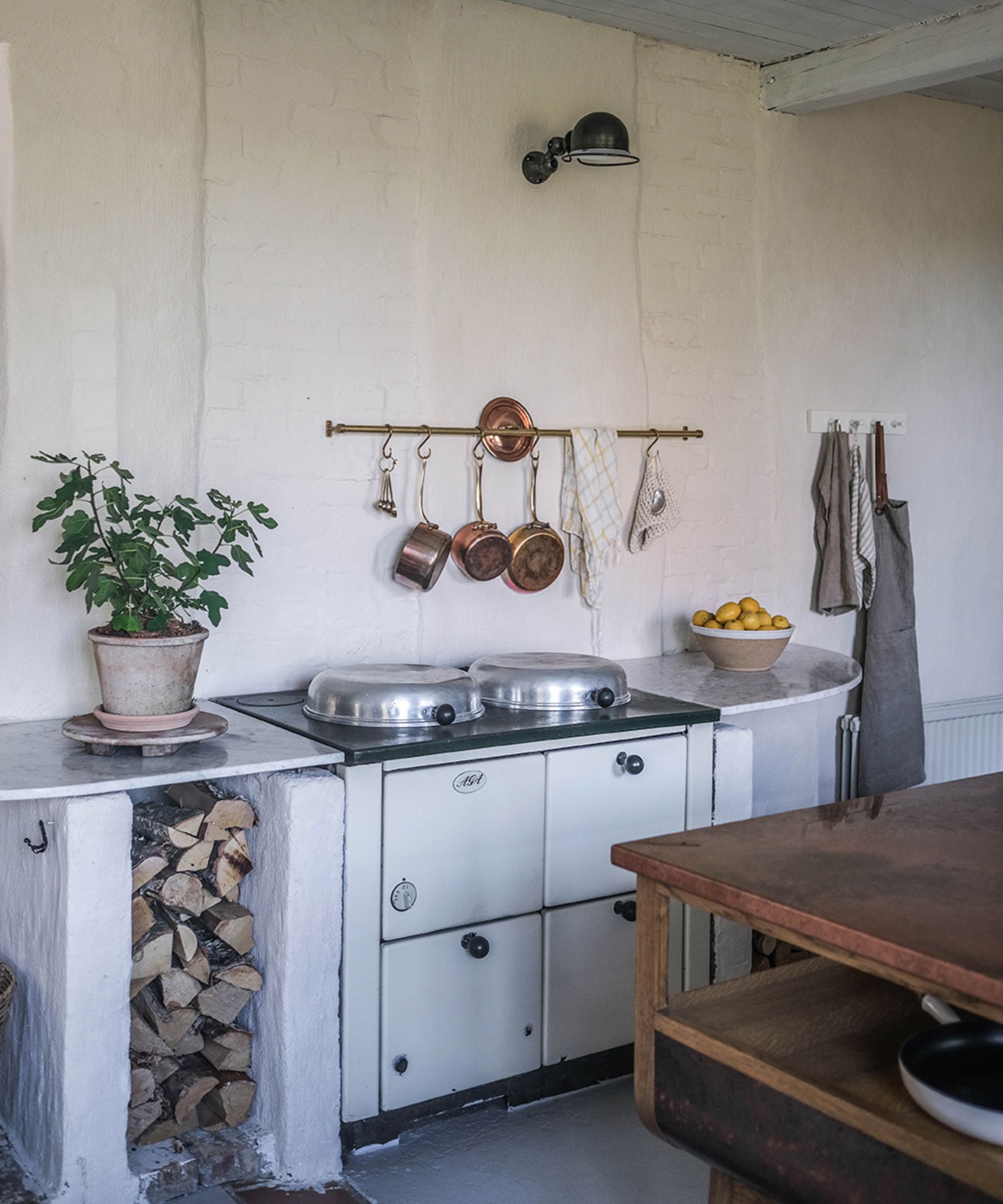
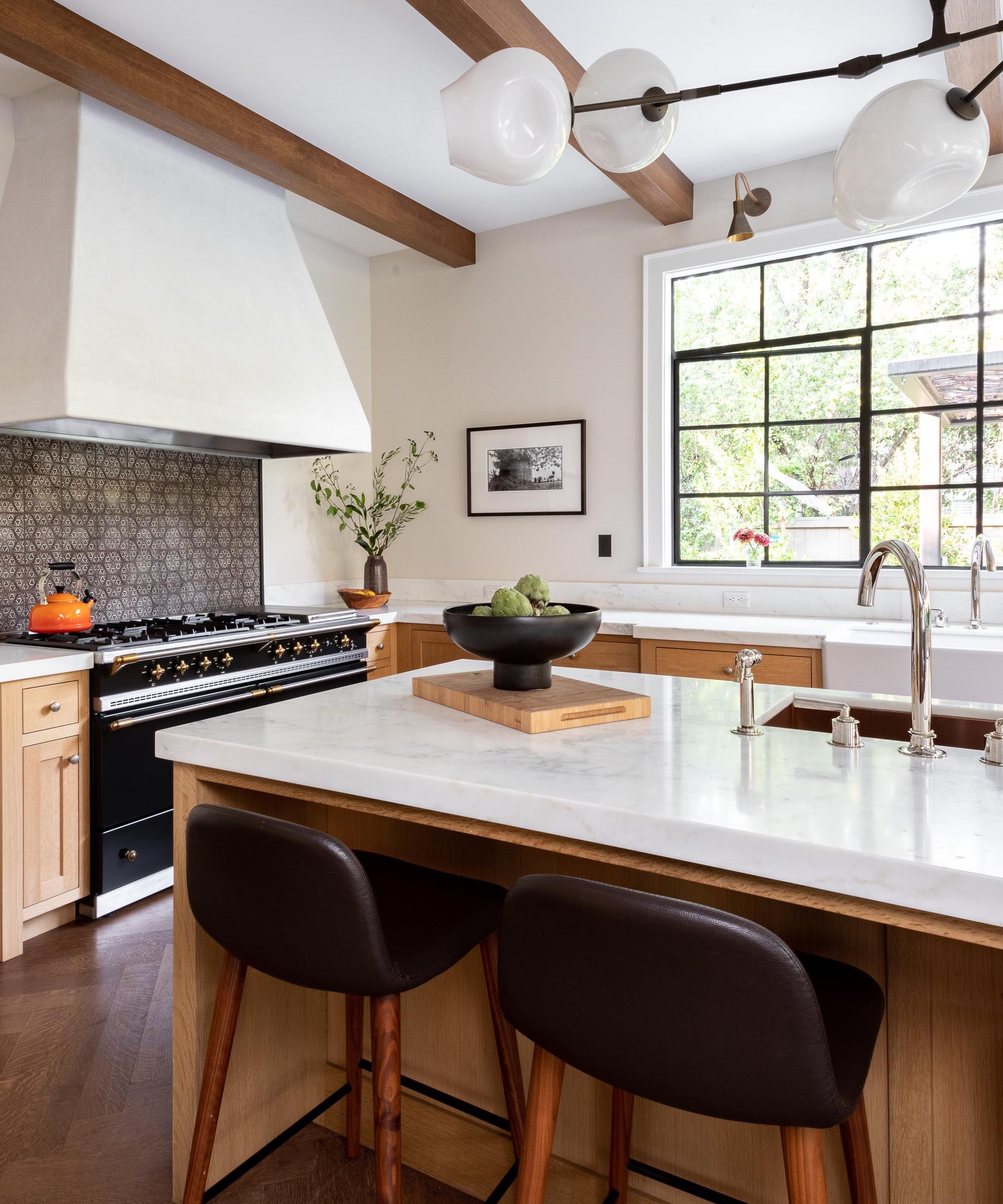
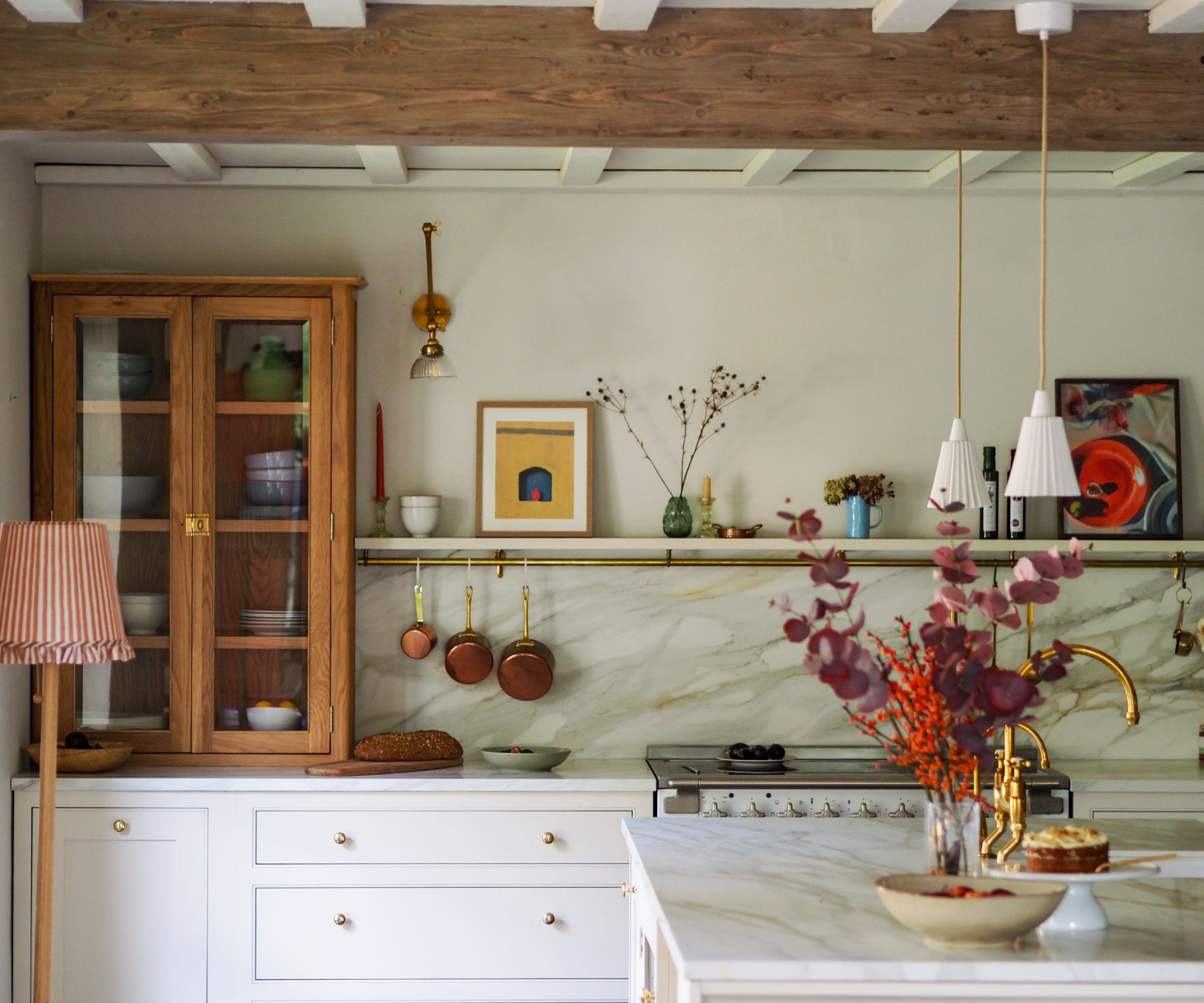
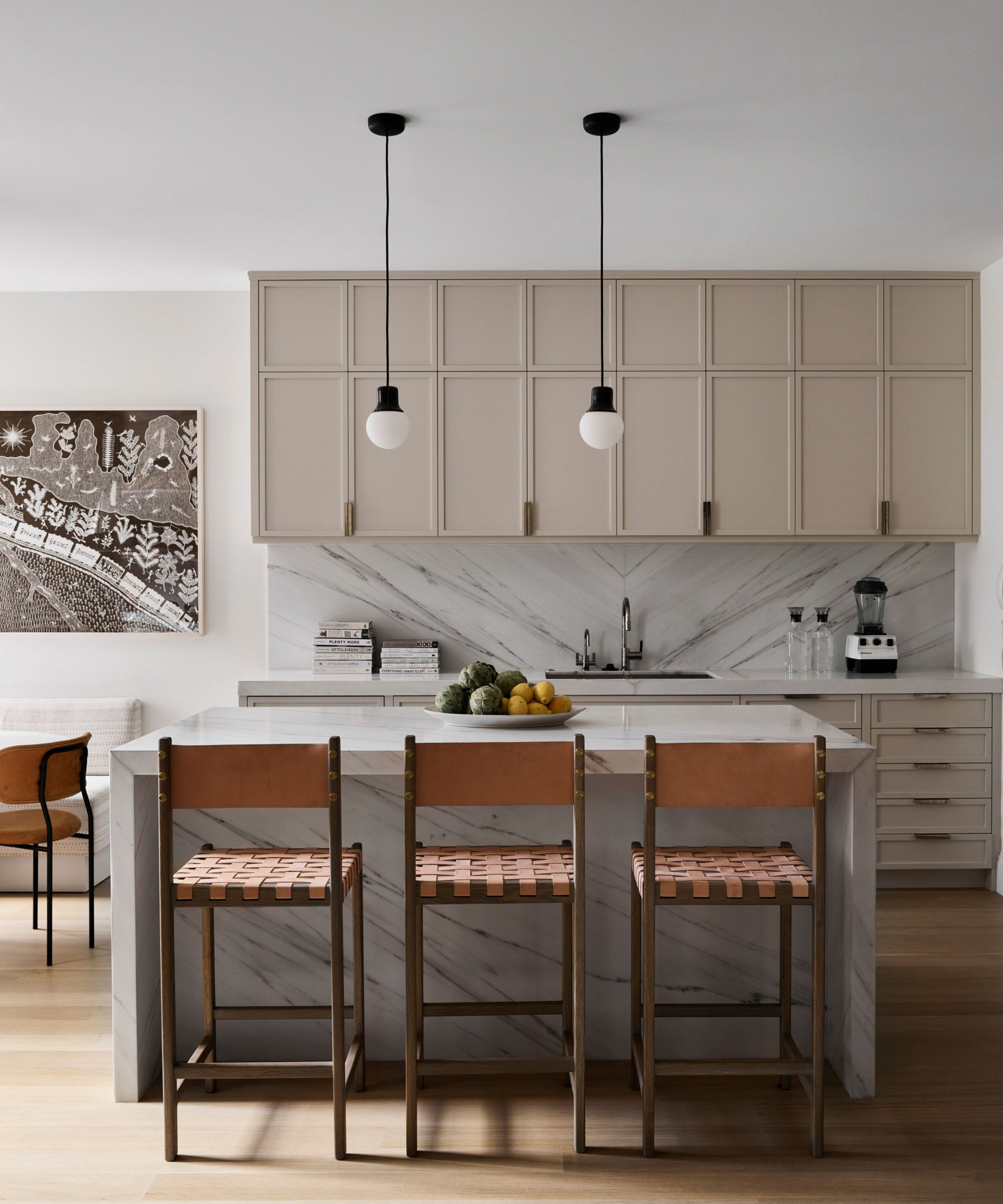
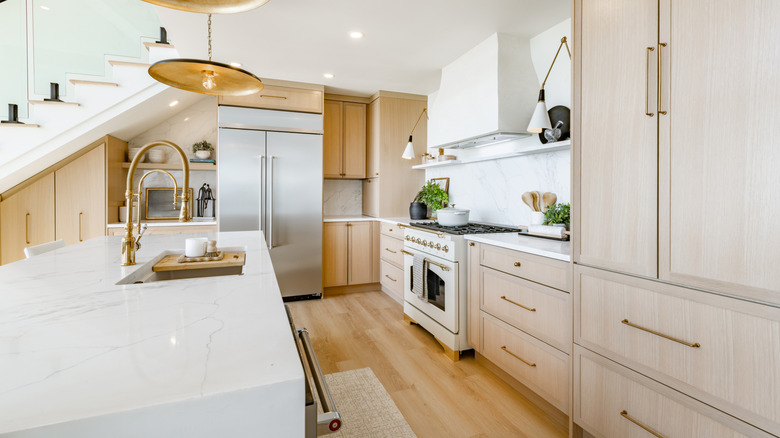
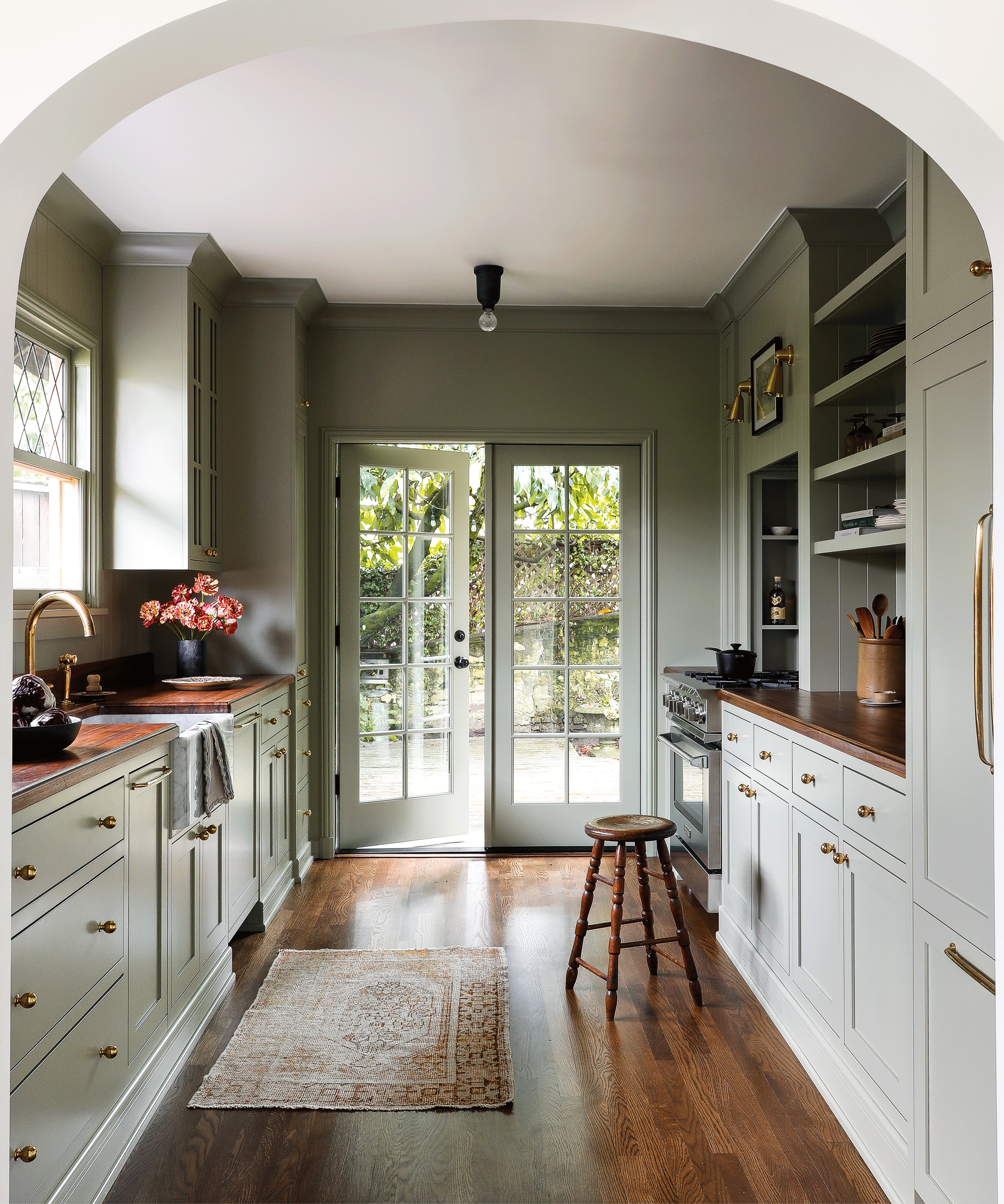
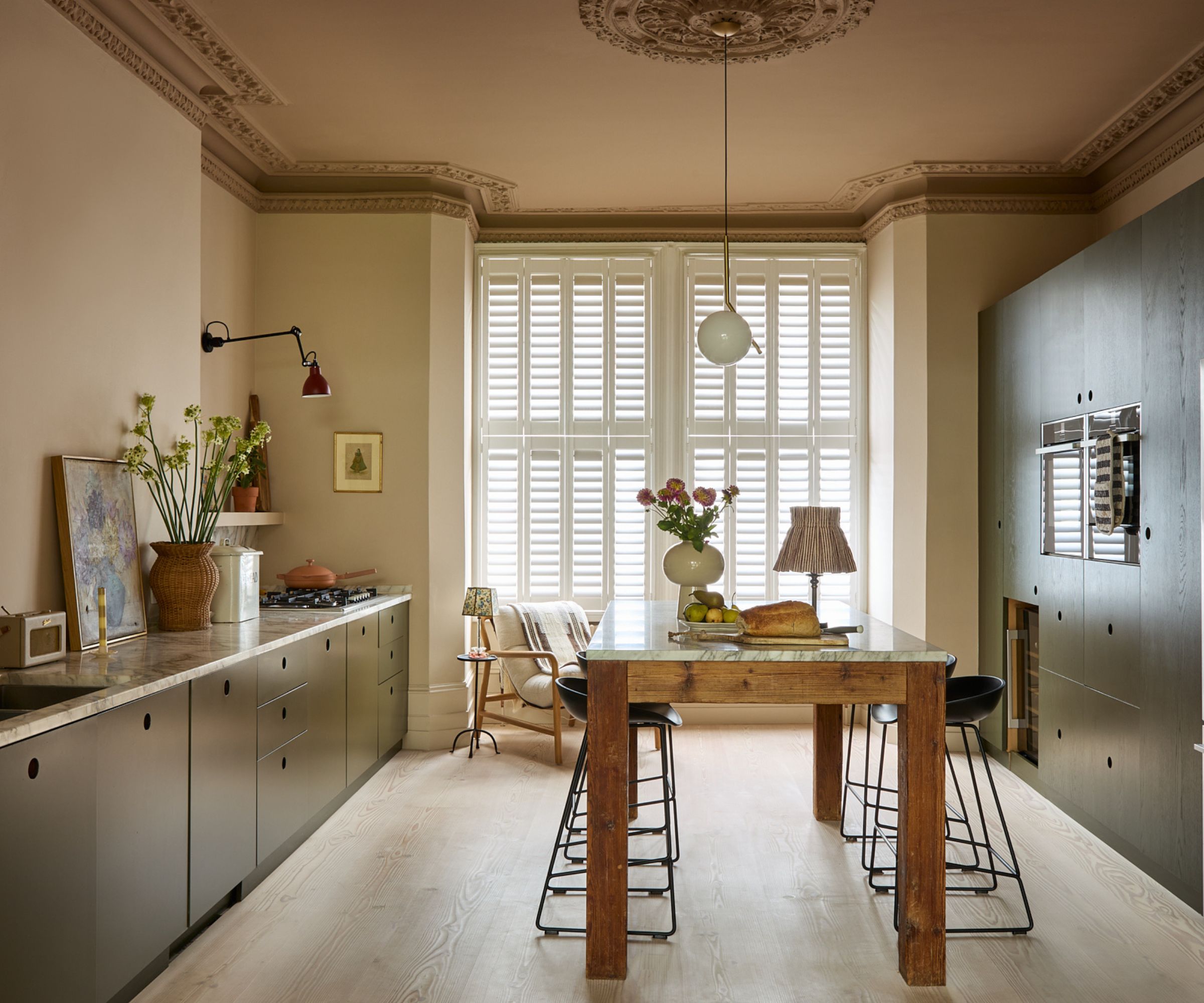
Transitional style kitchens have gained immense popularity, becoming the most sought-after design choice for homeowners. This design aesthetic successfully blends elements from both traditional and contemporary styles, creating a timeless and adaptable space. A key characteristic of transitional kitchens is their brightness and lack of excessive ornamentation. They strike a balance between the classic and the modern, offering a look that feels both familiar and fresh.
Loretta Willis, an interior designer, notes that transitional design prioritizes functionality and comfort while maintaining a chic appearance. This style avoids the extremes of overly ornate traditional designs and the starkness of ultra-modern aesthetics. Instead, it creates a harmonious environment that is appealing to a wide range of tastes. The versatility of transitional kitchens is one of their main draws, as they can be easily updated or personalized without undergoing a complete overhaul.
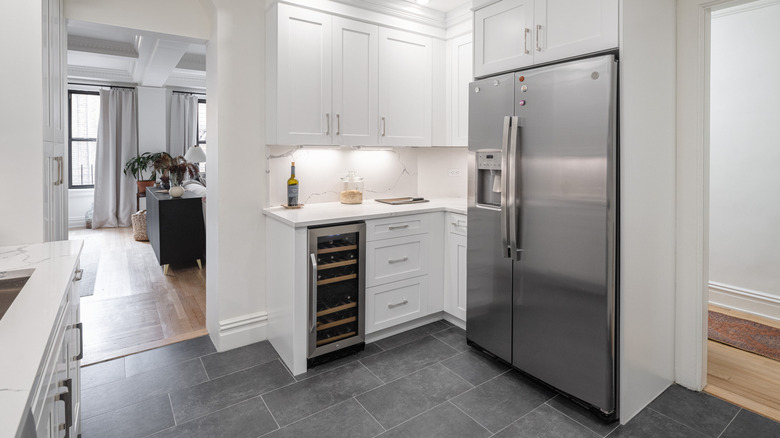
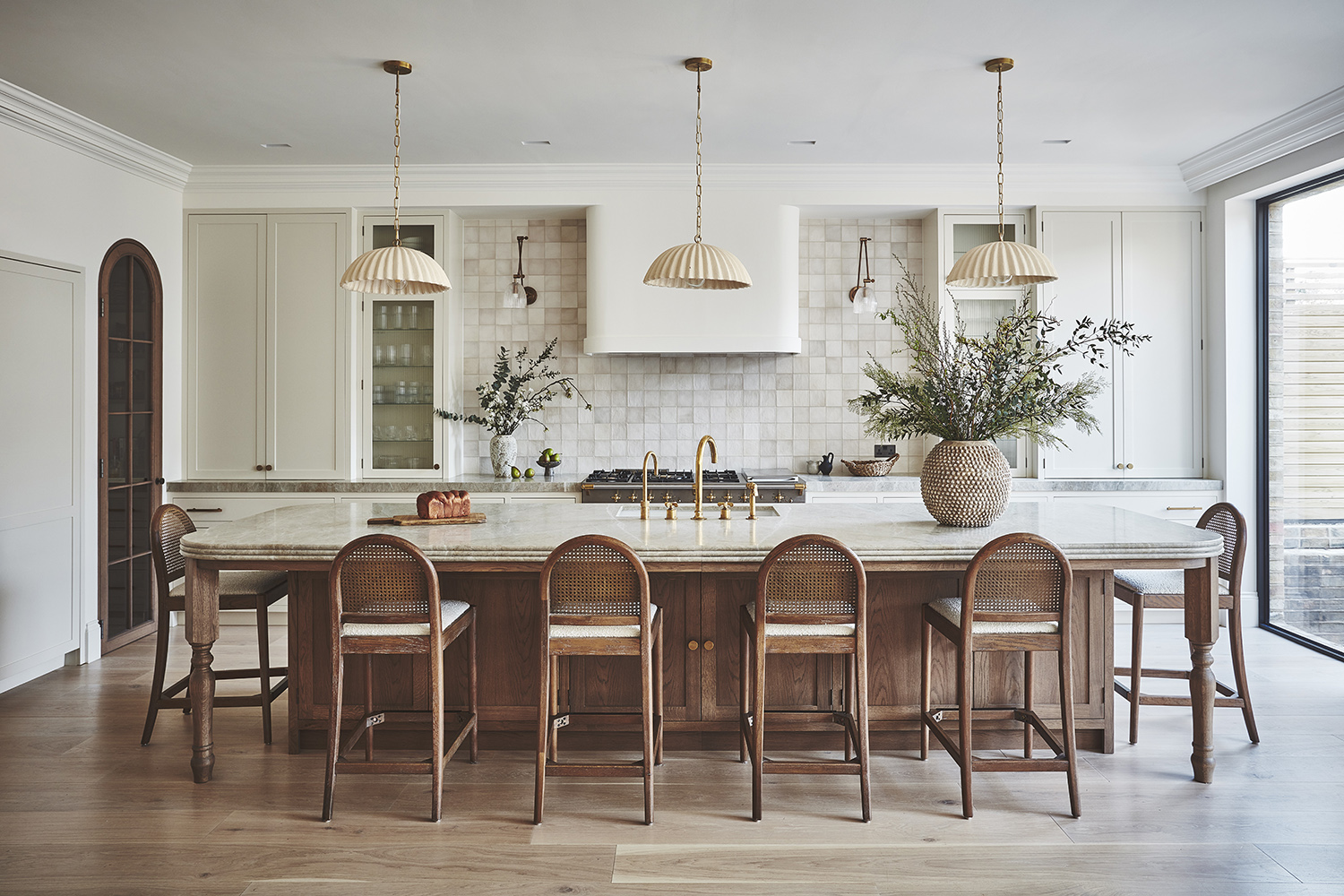
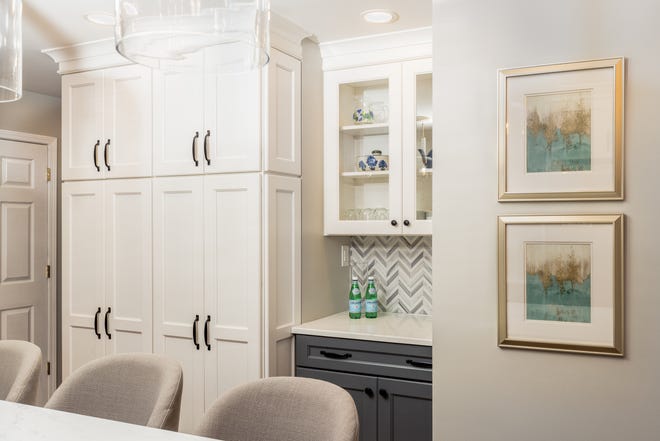
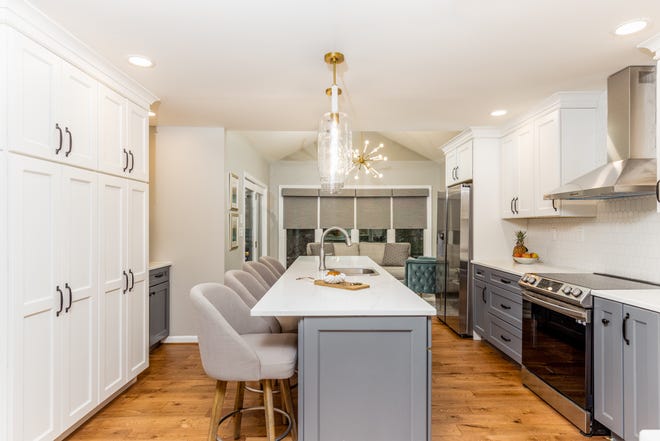
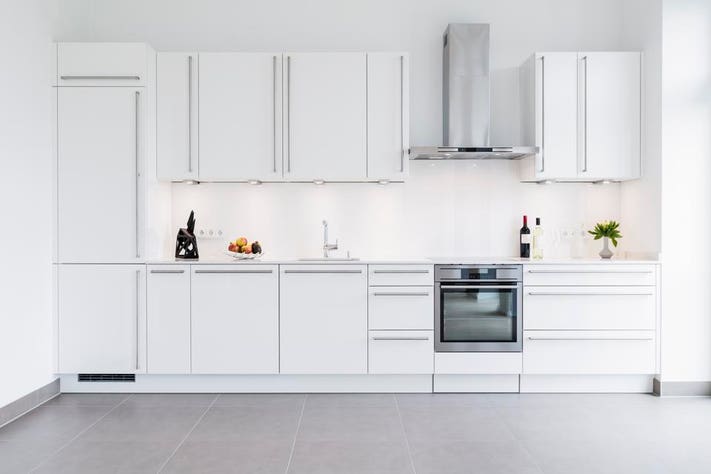
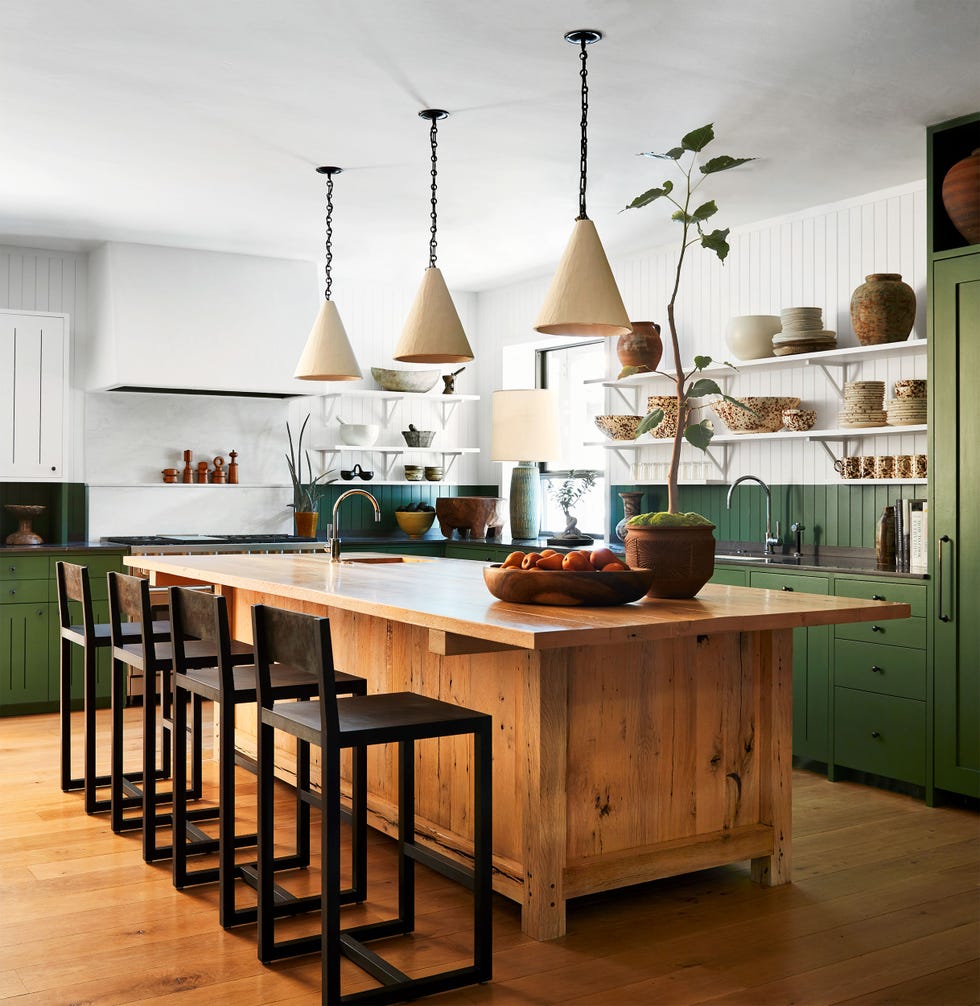
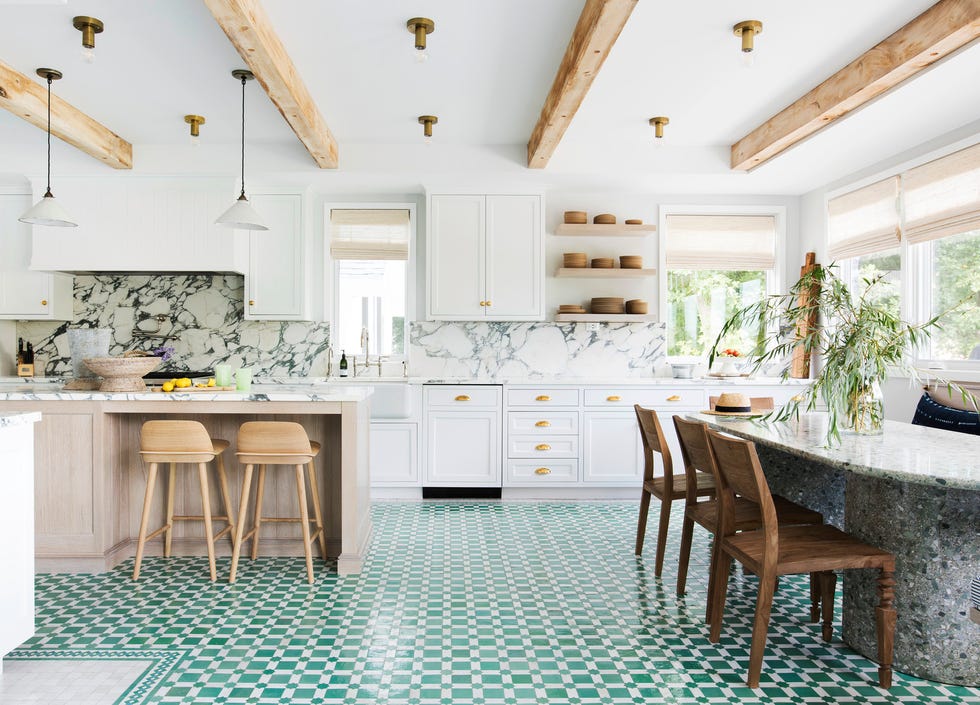
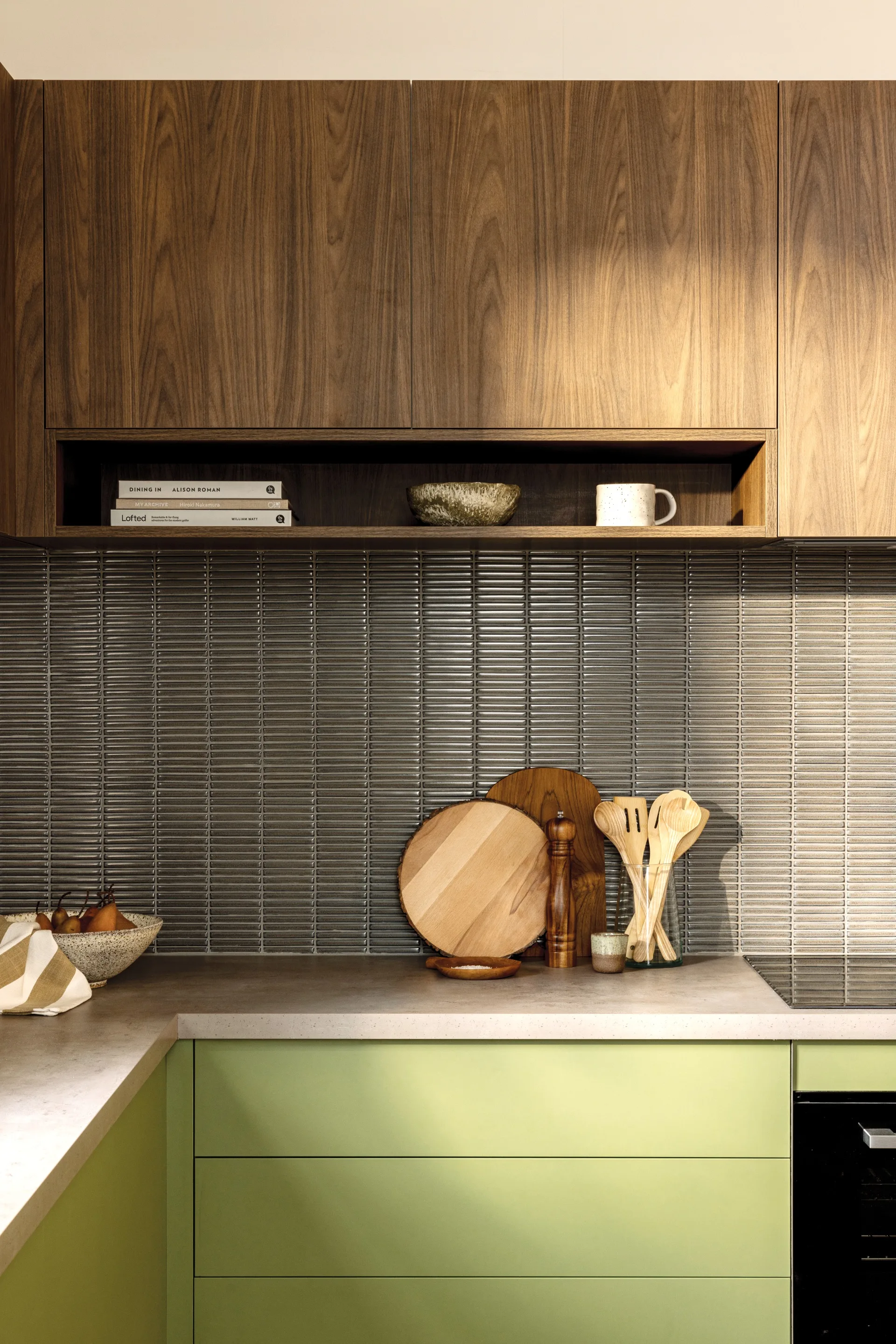
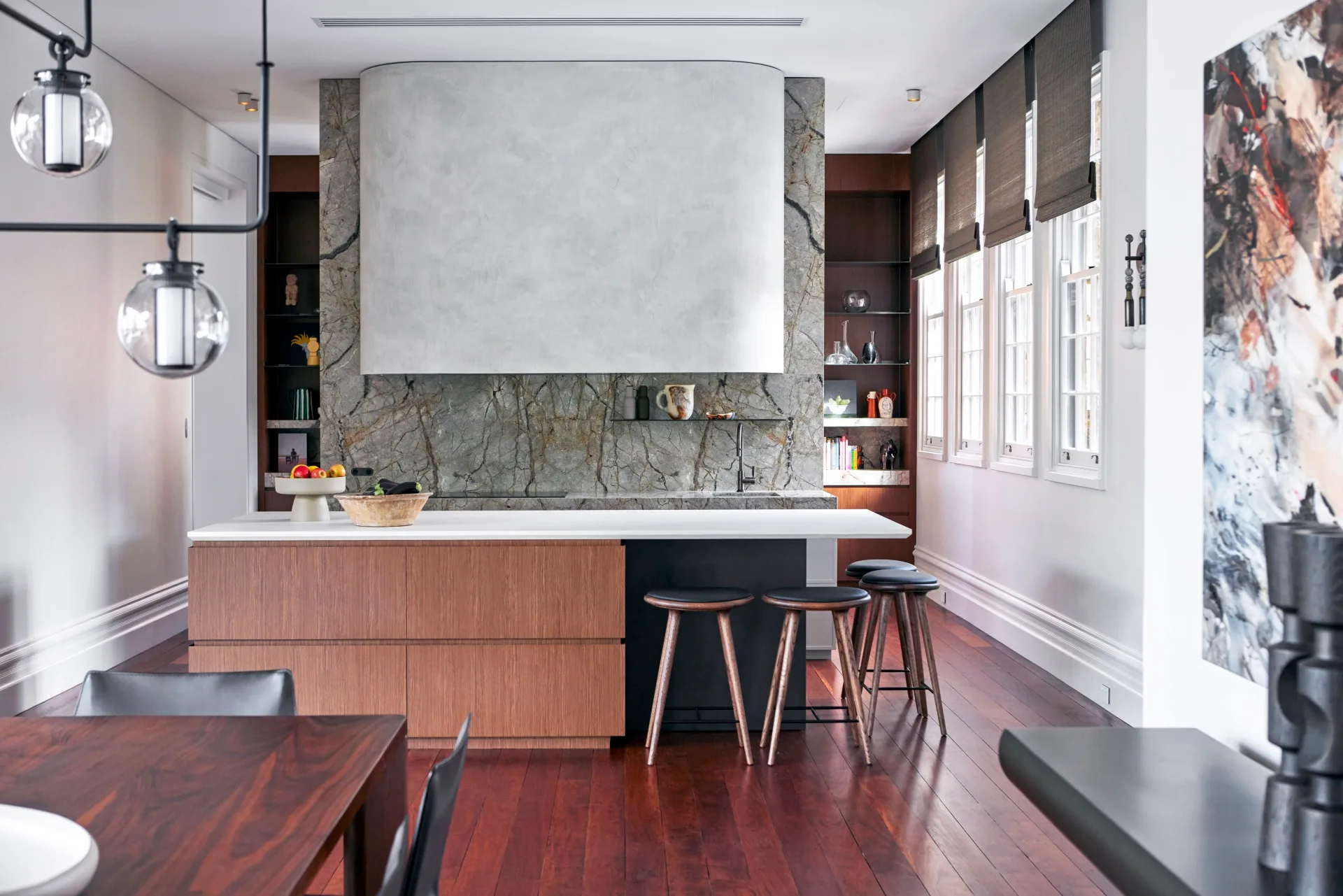
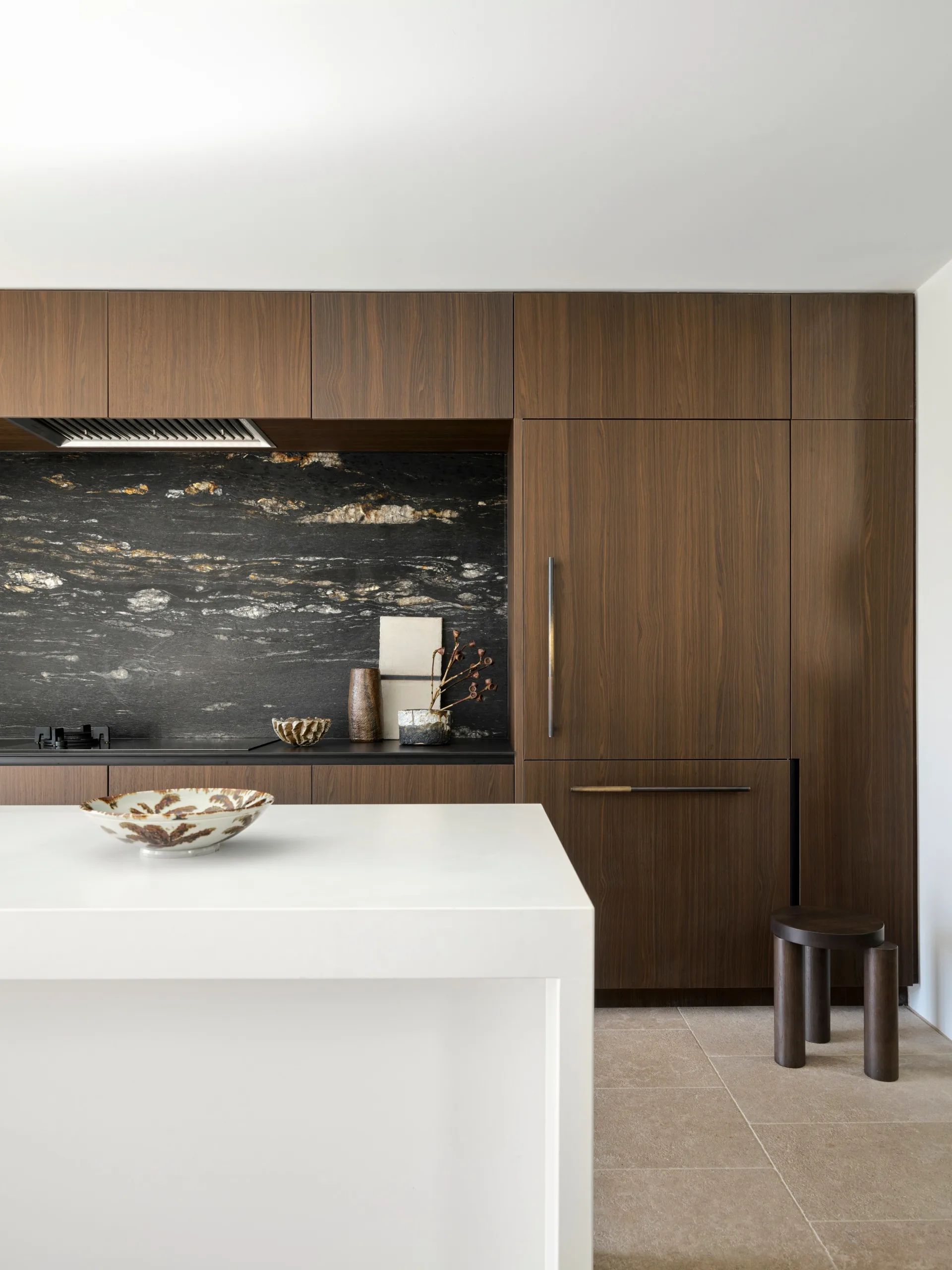
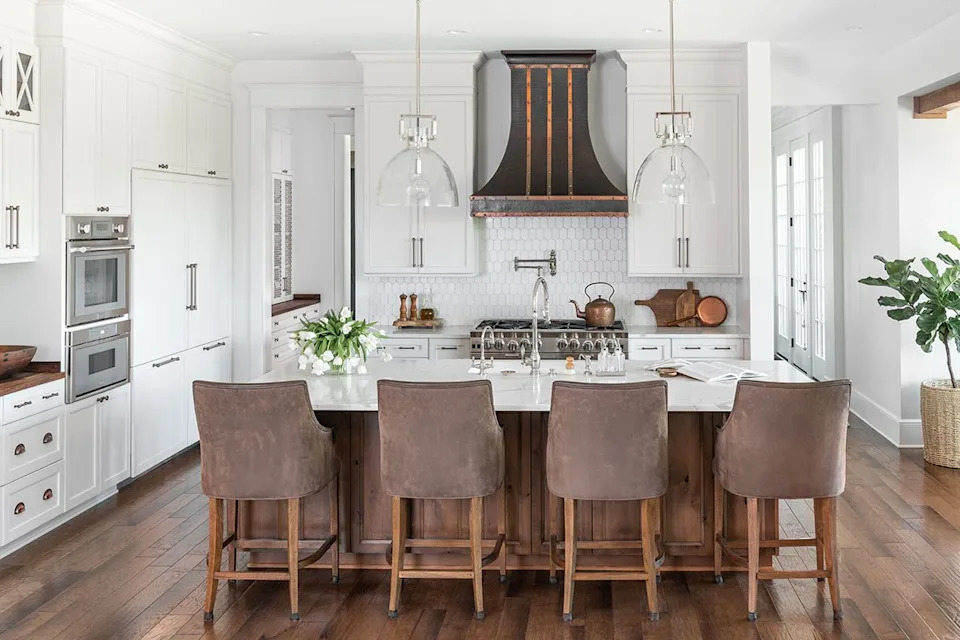
Achieving the transitional look involves careful selection of colors, materials, and finishes. Neutral color palettes, such as whites, grays, and beiges, are often employed to create a serene and spacious feel. These colors also provide a versatile backdrop for incorporating various accents and textures. Natural materials like wood, stone, and metals are frequently used to add warmth and tactile interest, contributing to the style's inviting atmosphere.
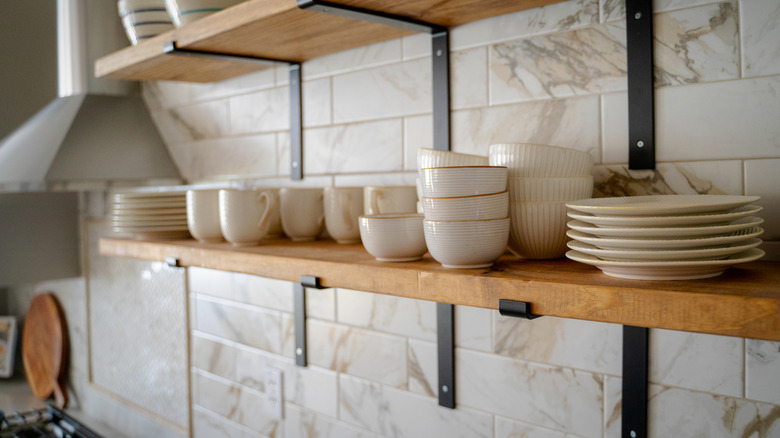
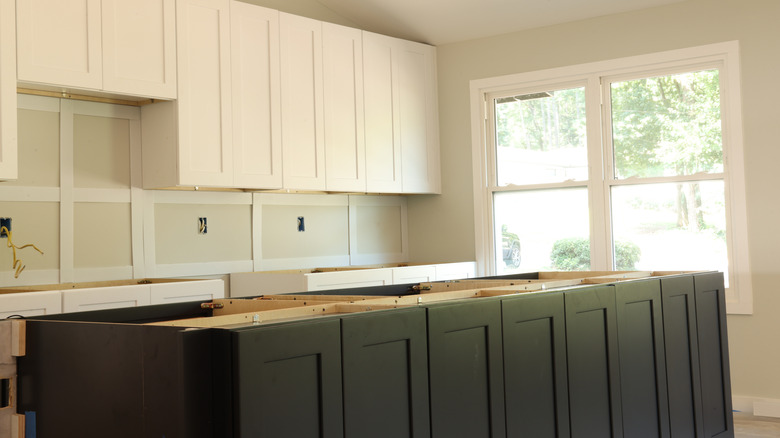
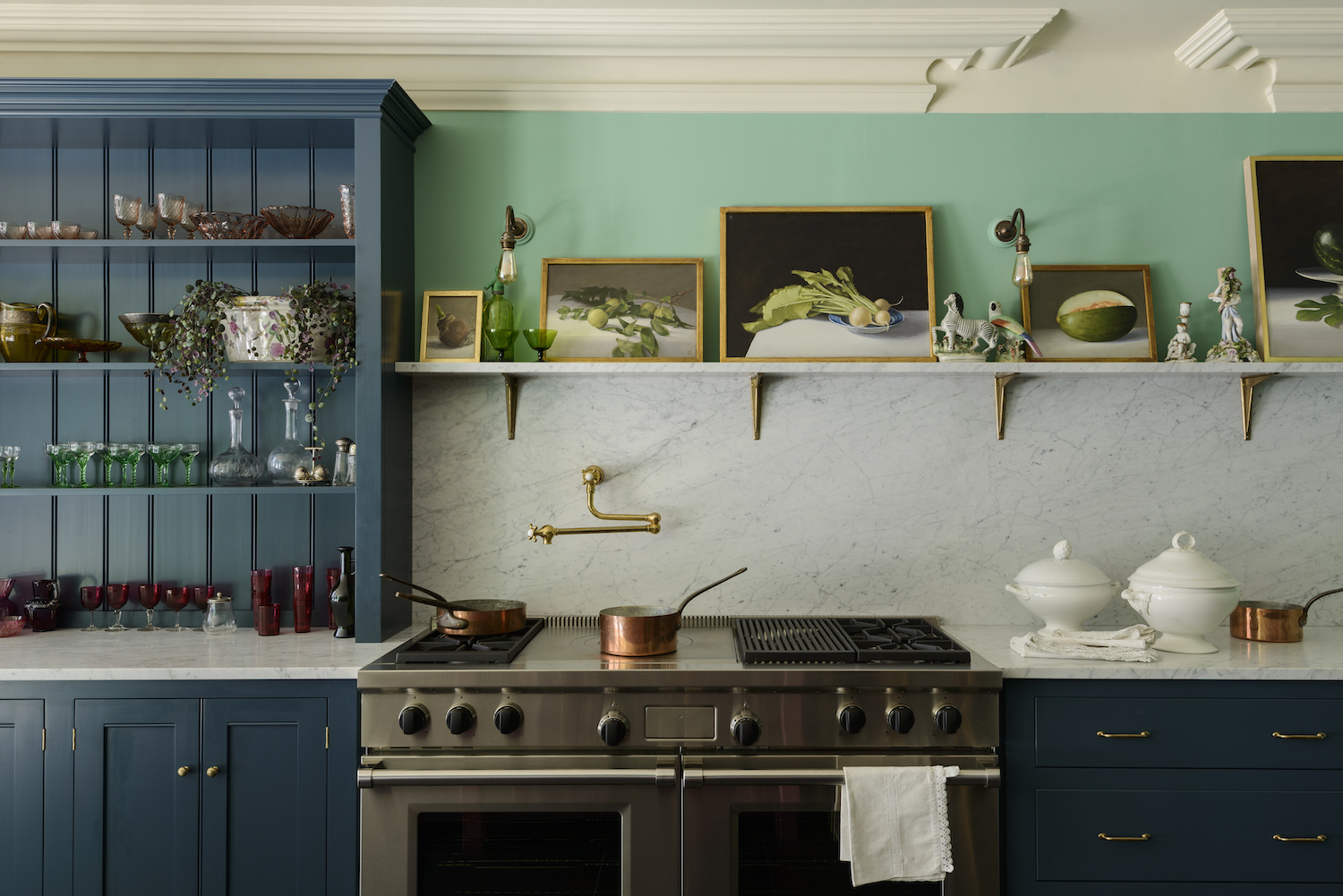
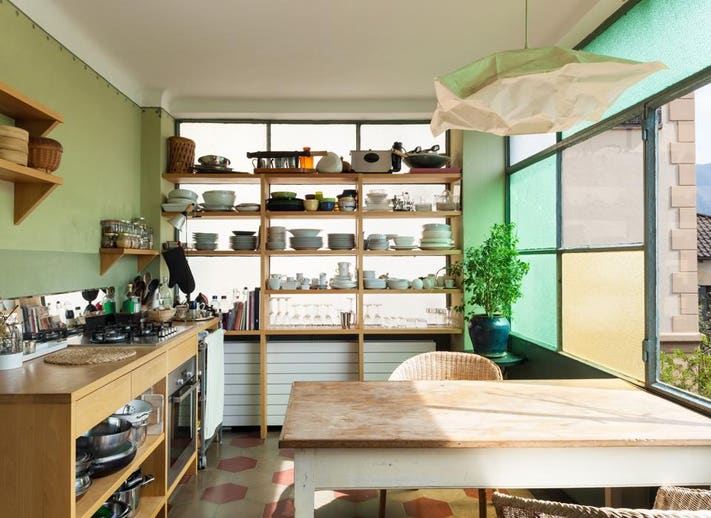
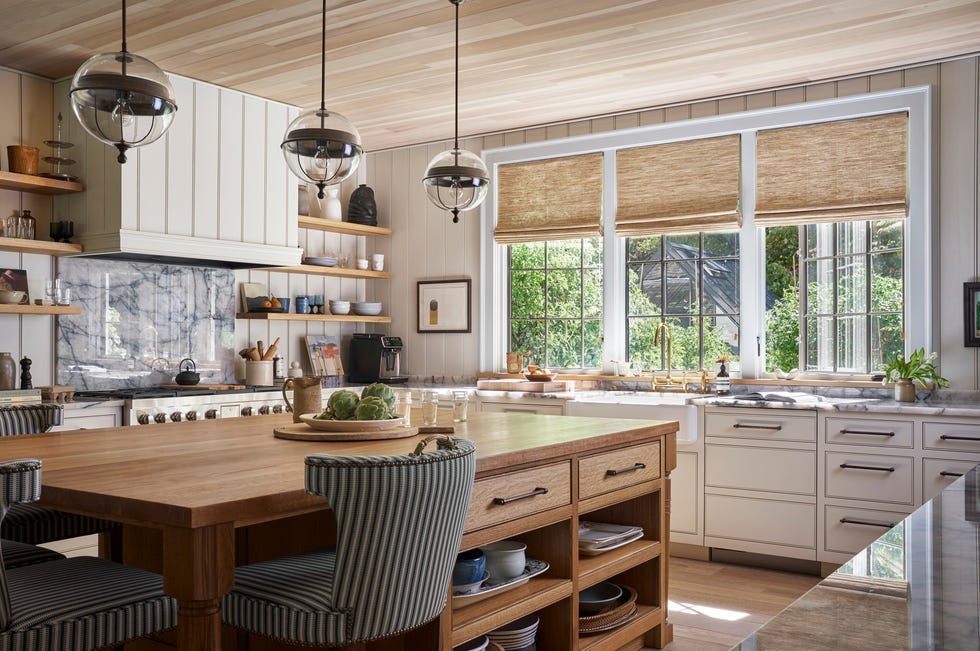
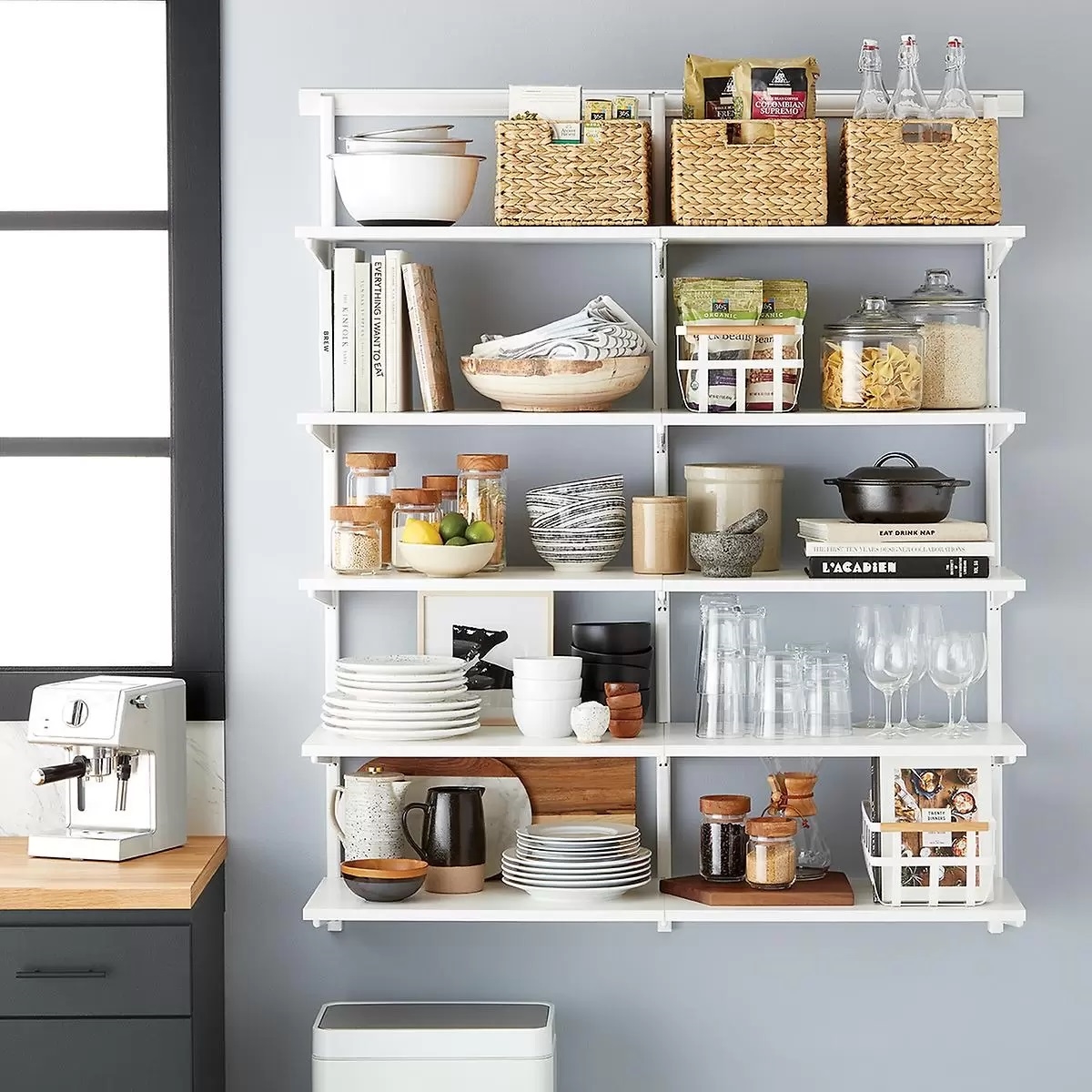
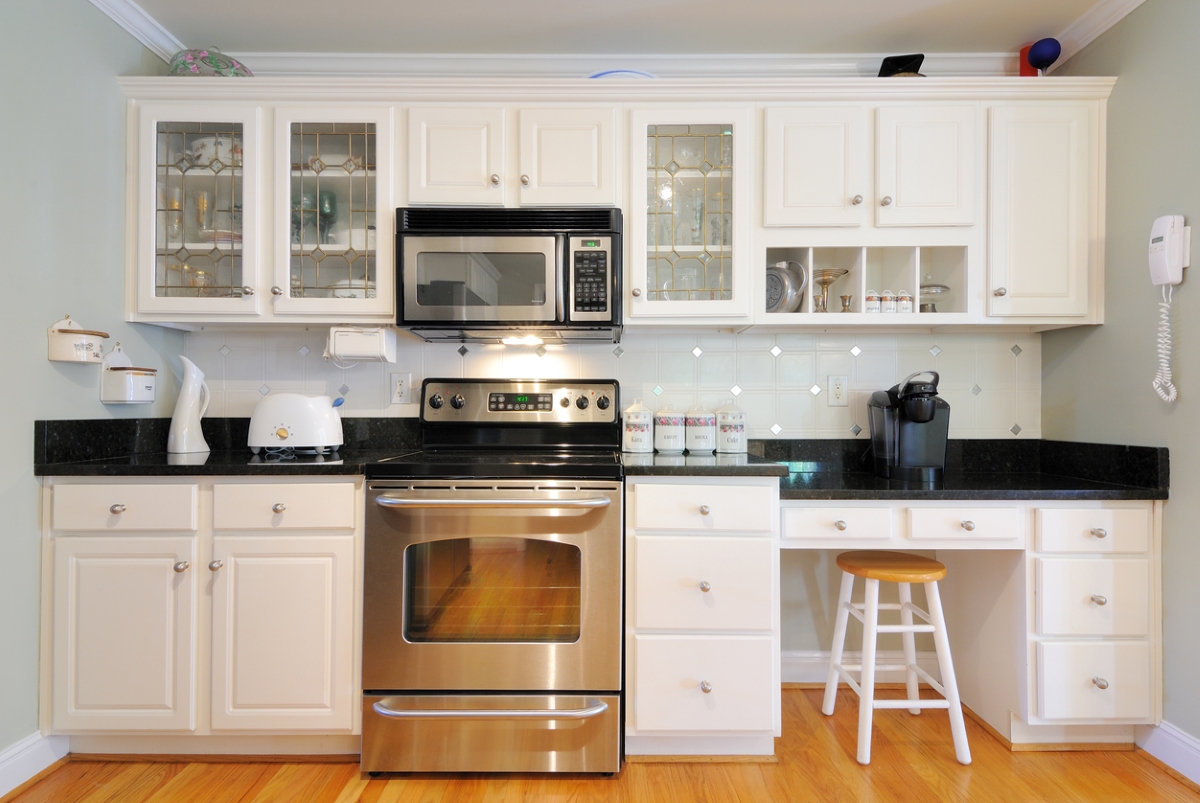
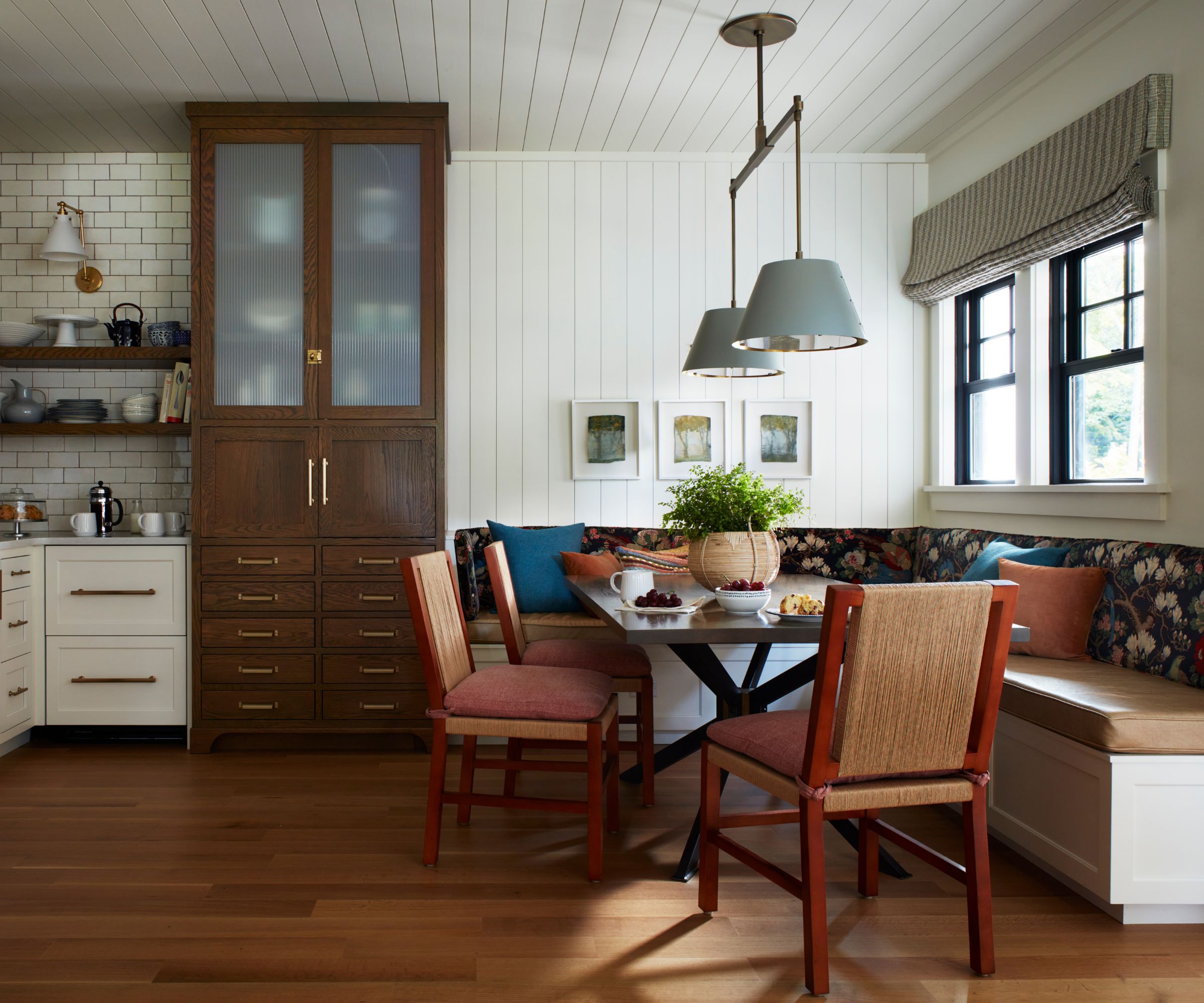
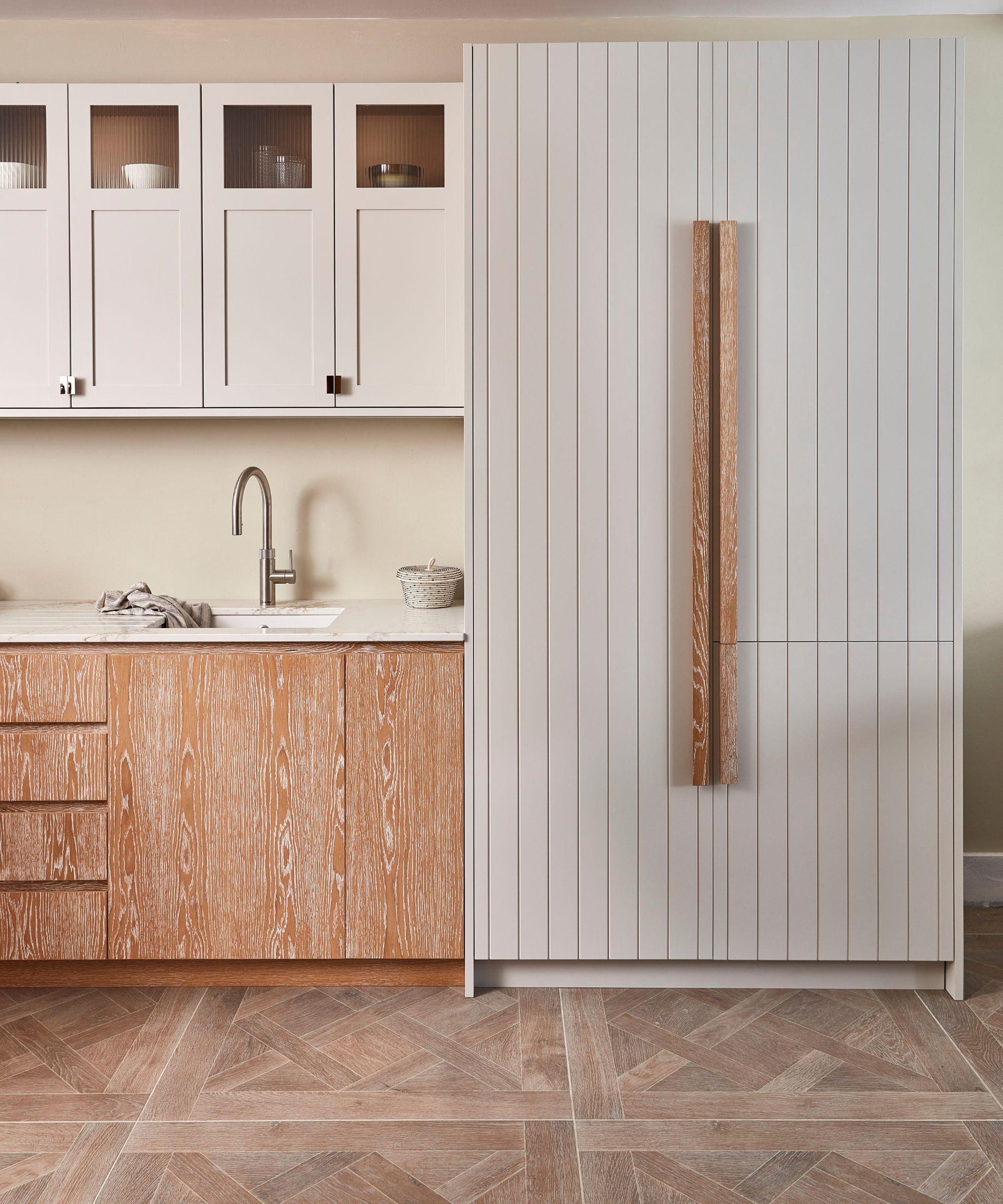
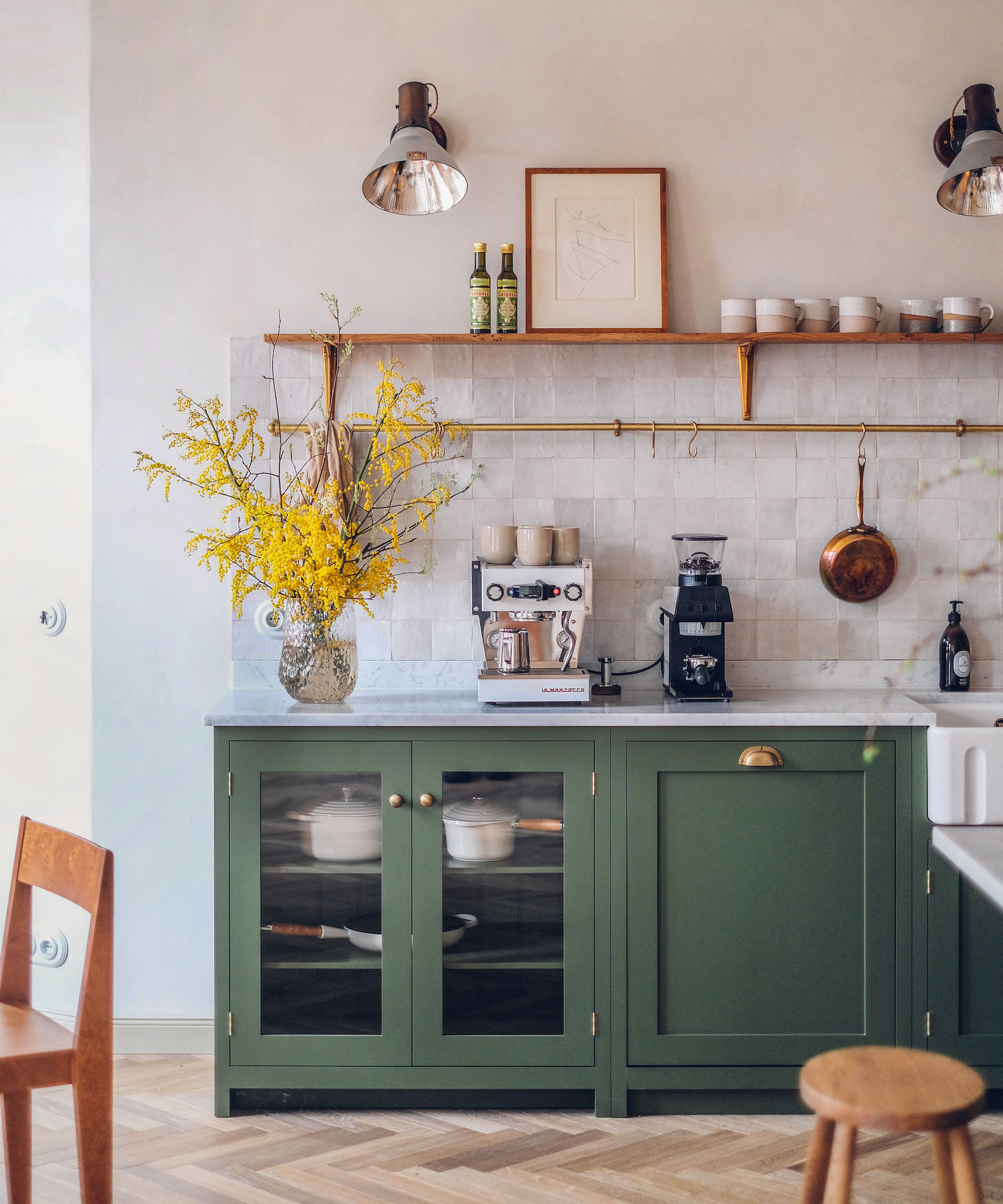
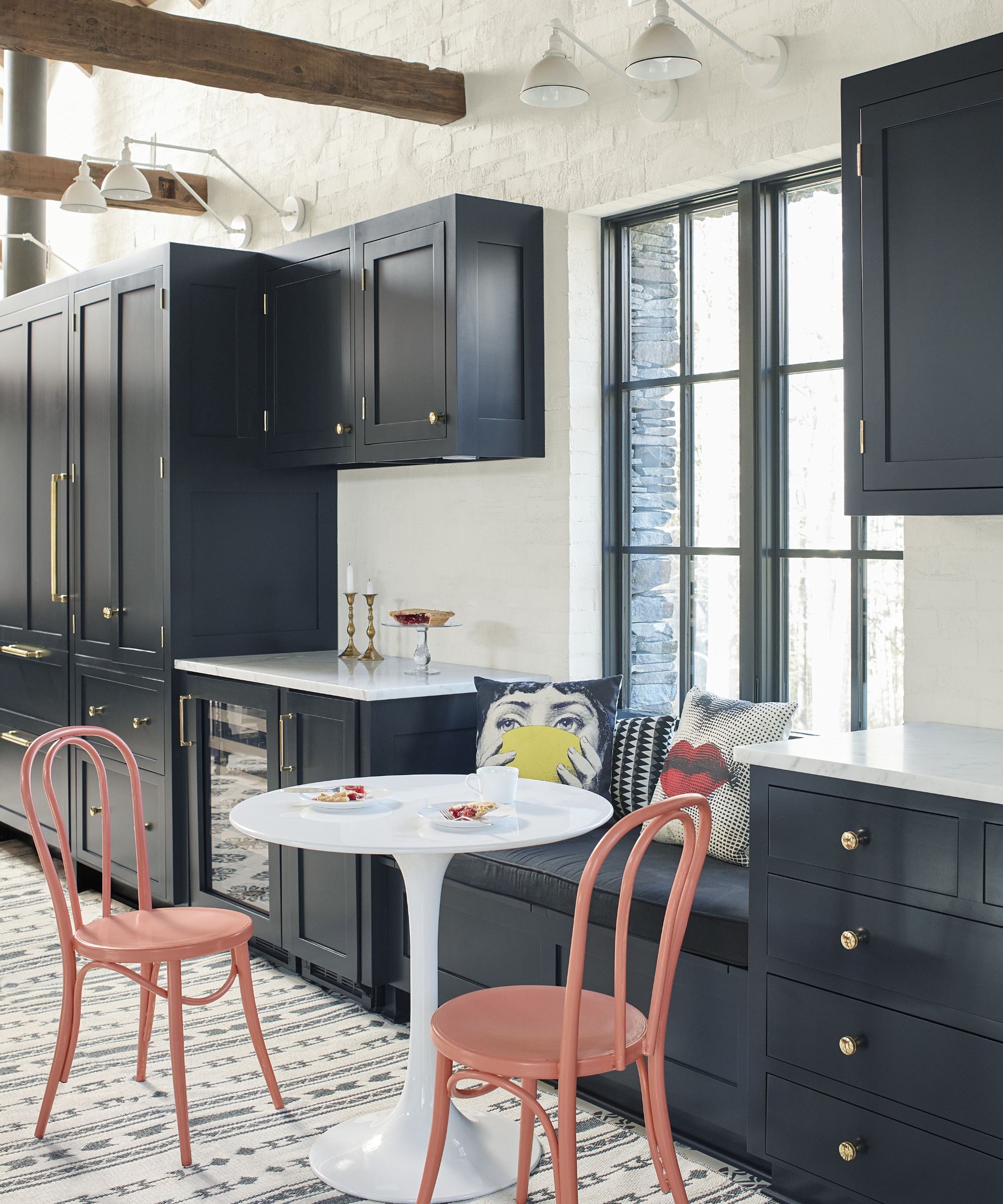
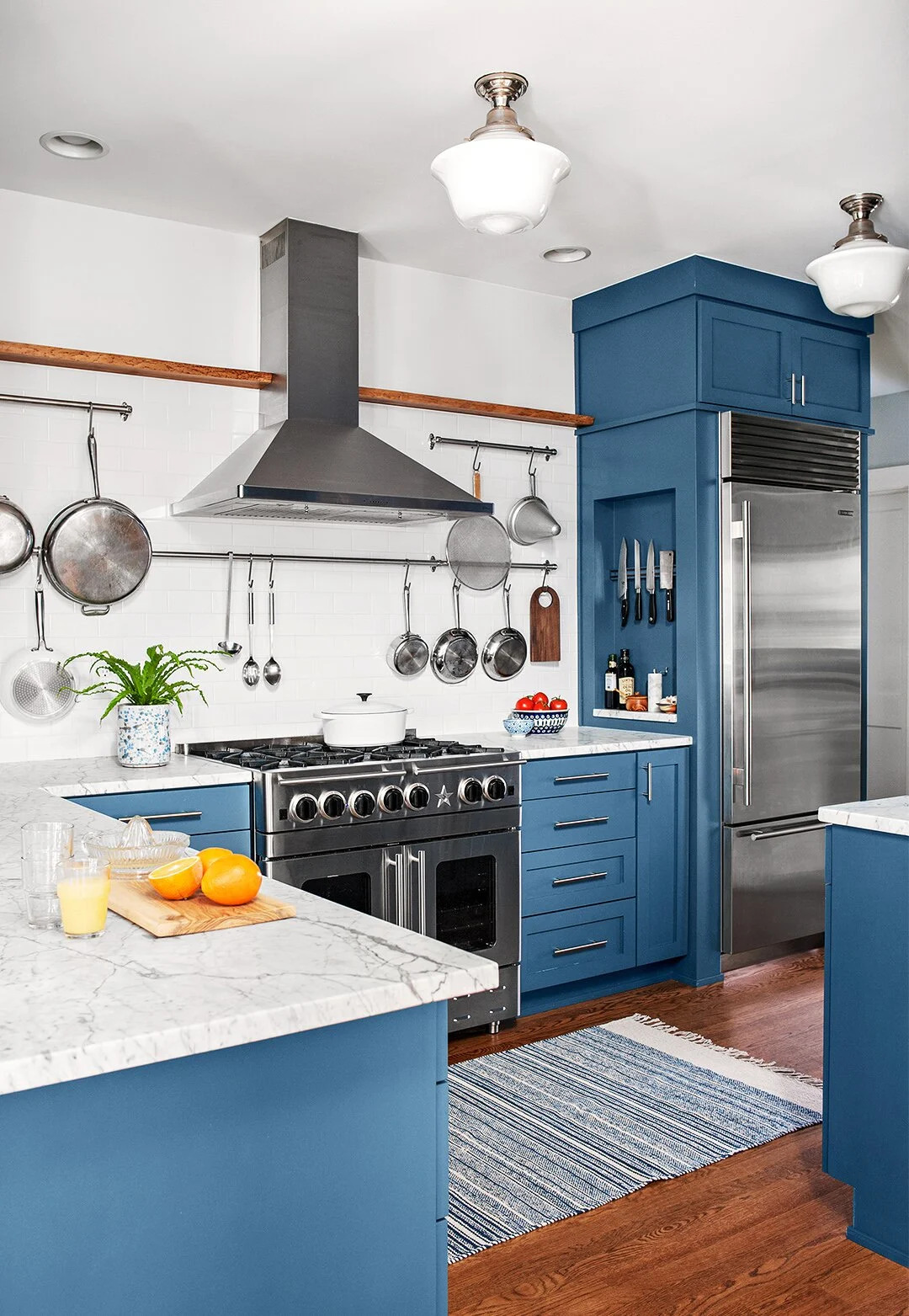
Cabinetry plays a crucial role in defining a transitional kitchen. Shaker-style cabinets are a popular choice due to their clean lines and classic appeal, which can be adapted to either a more traditional or contemporary leaning depending on the hardware and finishes selected. Open shelving or glass-front cabinets are also common, allowing for personalized displays and enhancing the open feel of the kitchen. Hardware often features simple, understated designs in finishes like brushed nickel, matte black, or polished chrome, reinforcing the blend of old and new.
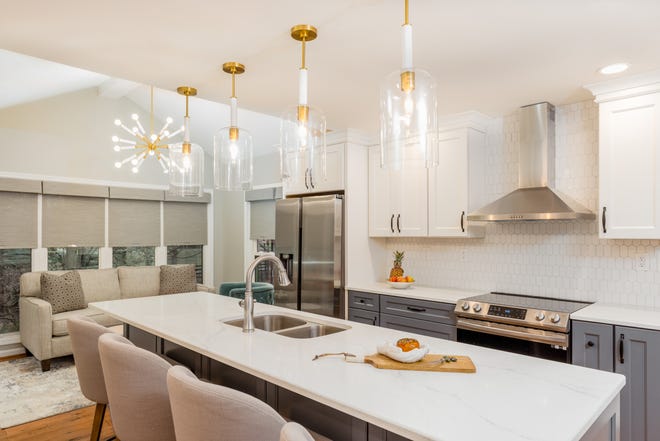
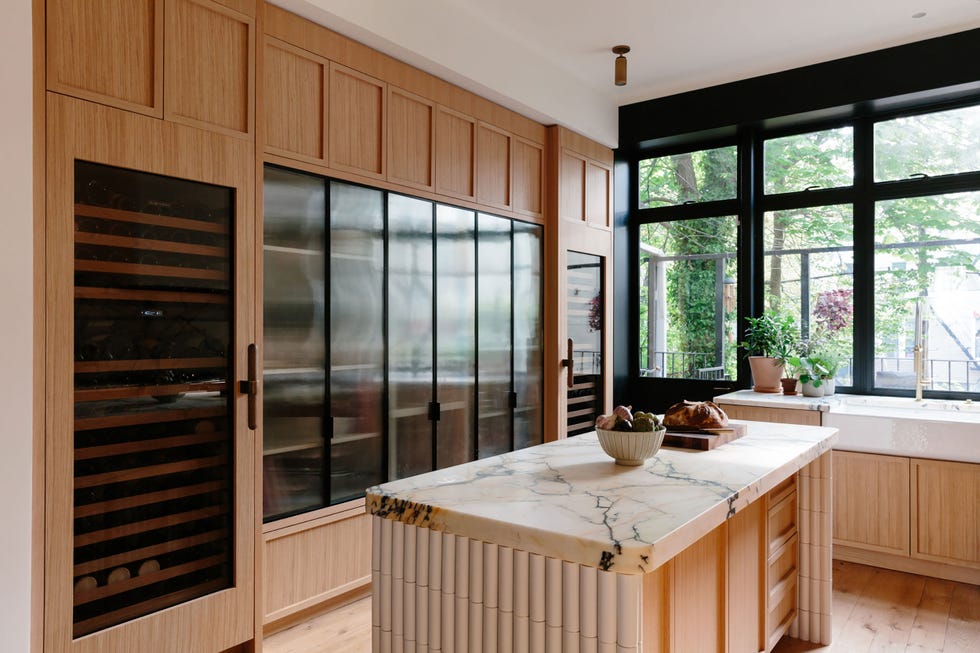
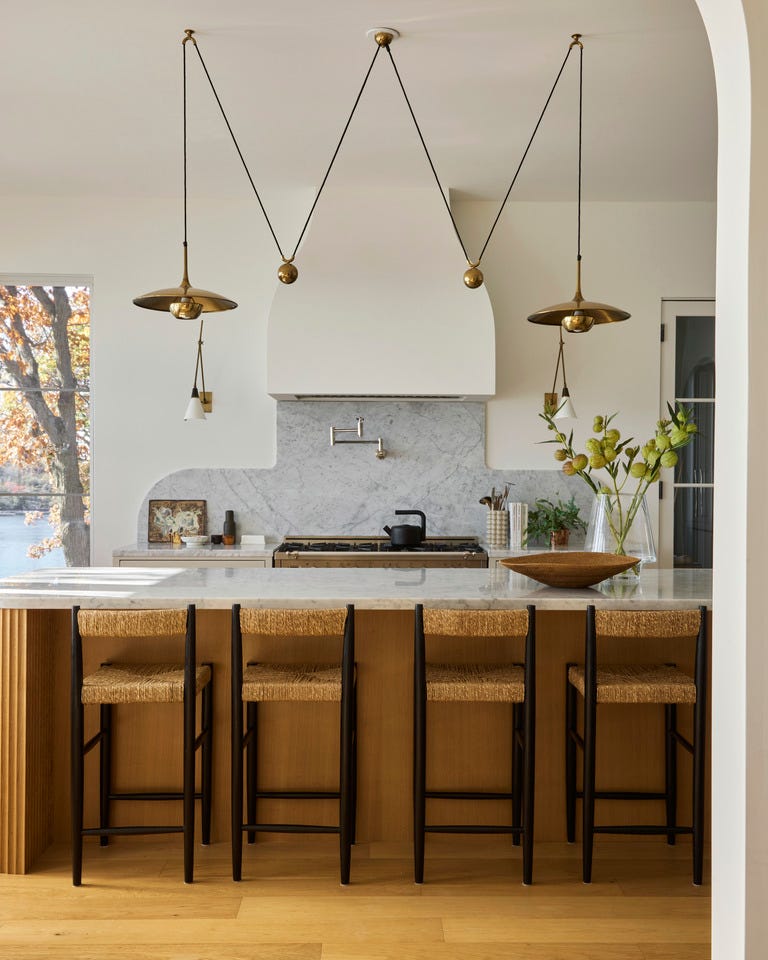
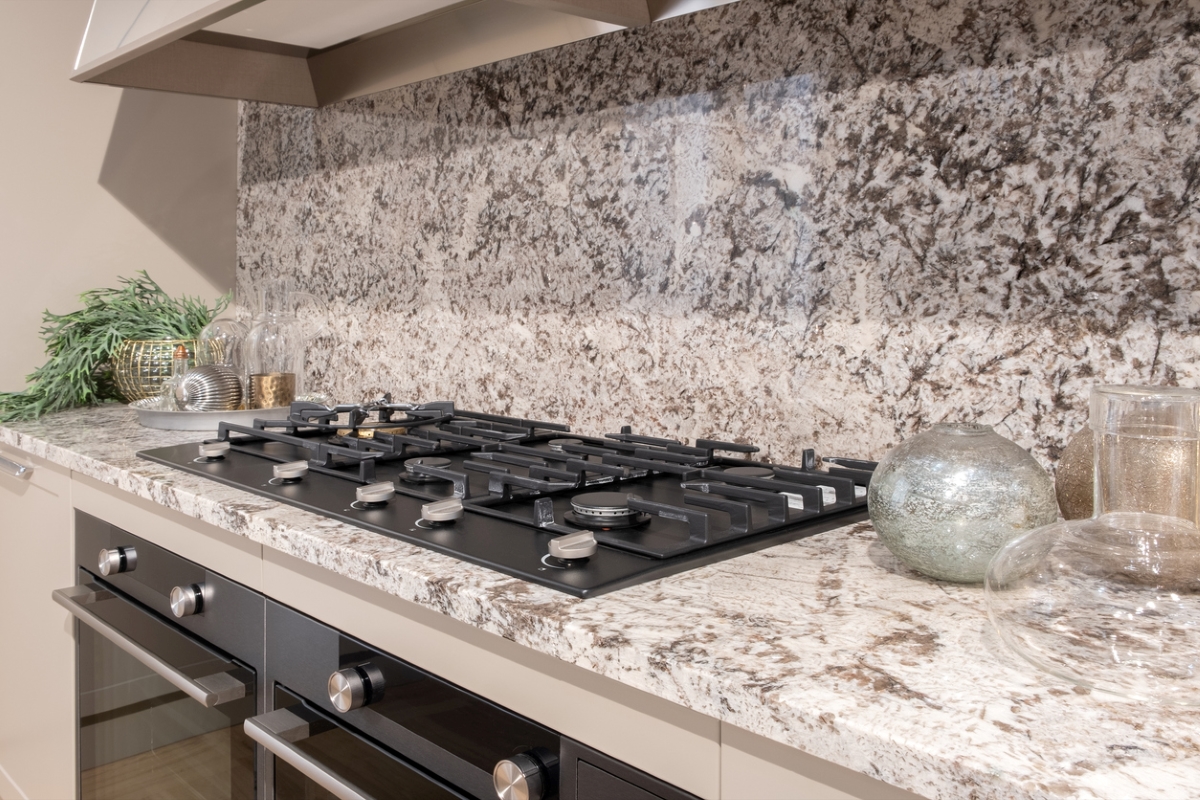
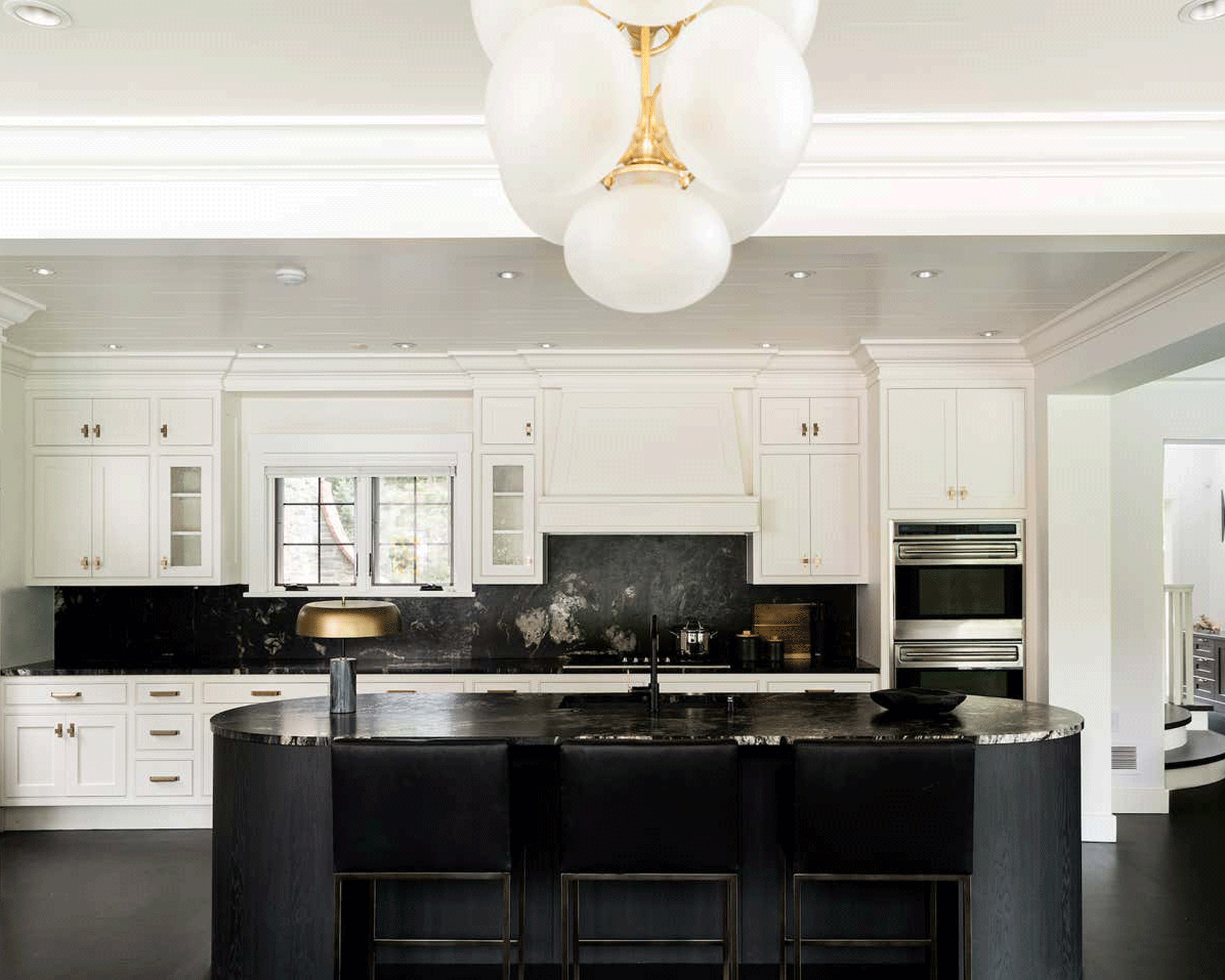
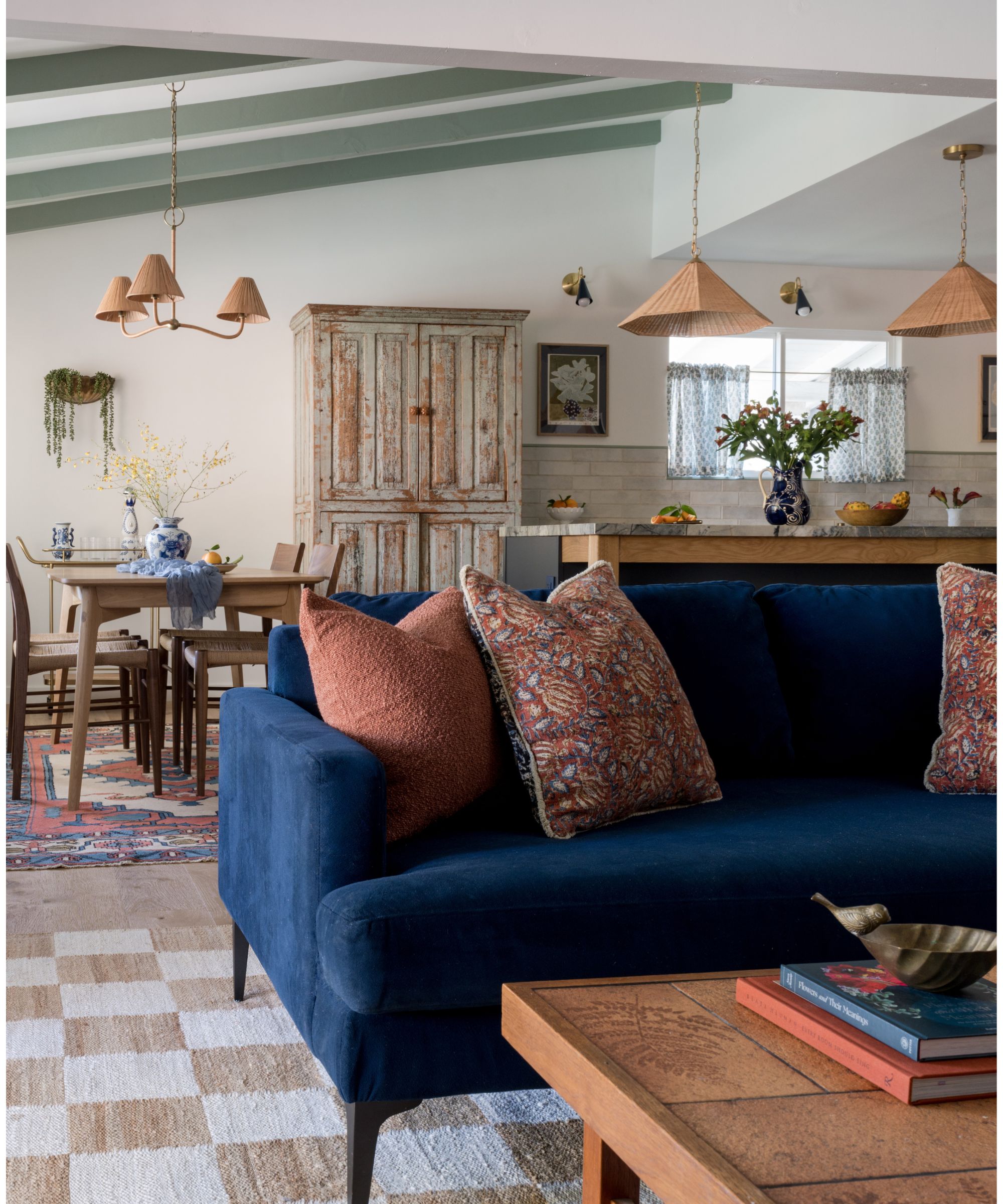
Countertops are typically made from durable and aesthetically pleasing materials such as quartz, marble, or granite. These materials offer a sophisticated look while also being practical for everyday use. Backsplashes frequently feature subway tiles or other simple, textured tiles that add subtle visual interest without overpowering the space. Lighting fixtures are another important element, with a mix of functional task lighting and decorative pendants or chandeliers that complement the overall design without being overtly thematic.
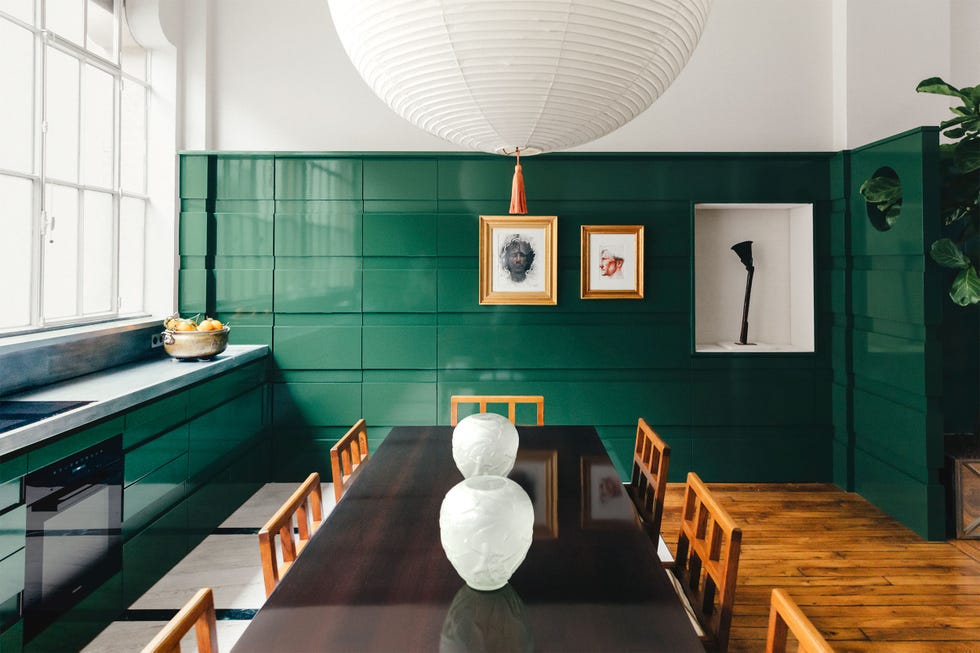
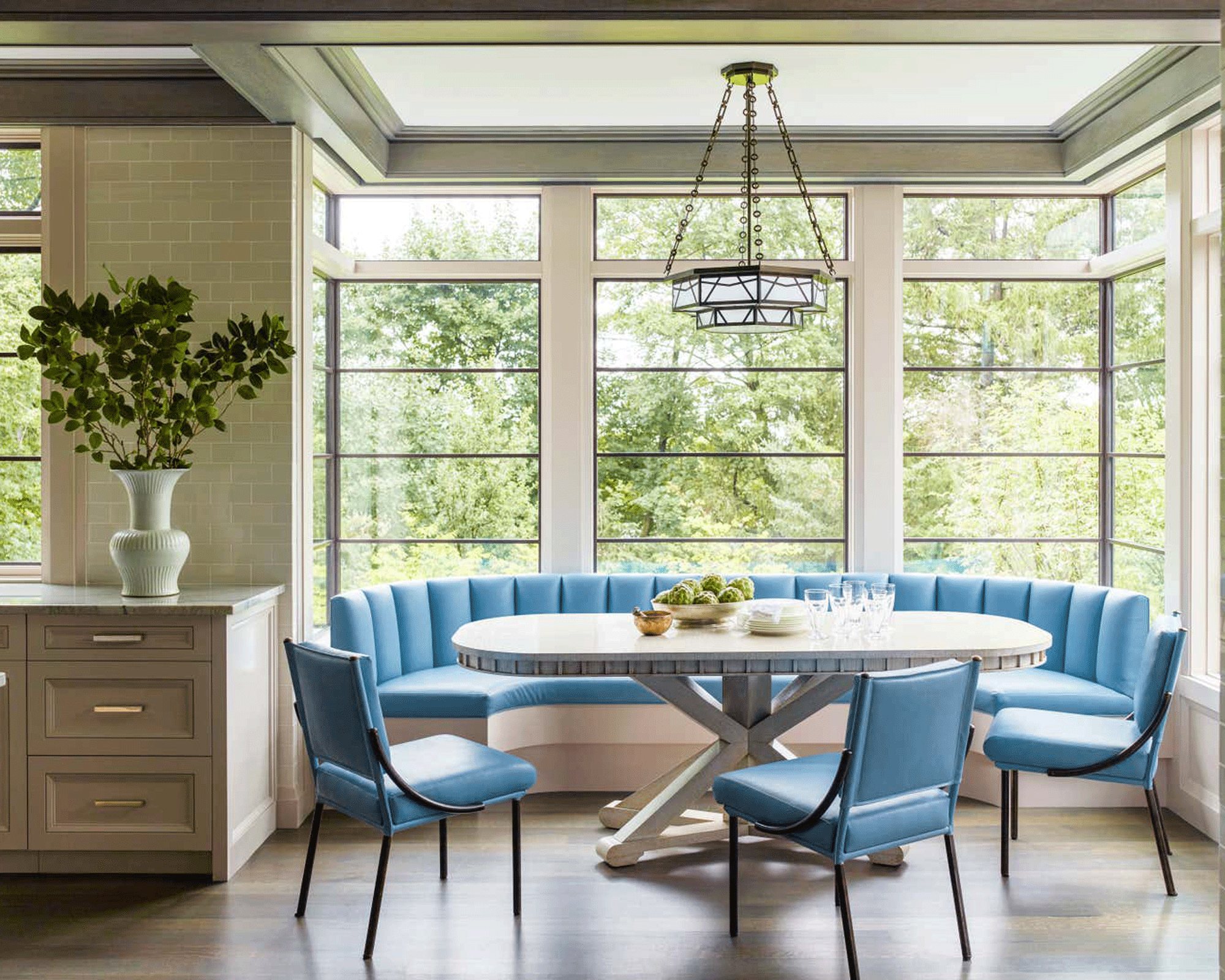
Furniture and accessories in a transitional kitchen are chosen for their comfort and clean lines. Dining tables and chairs often combine classic shapes with modern materials or finishes. Minimalist decor and curated accessories help maintain a clutter-free environment, emphasizing the clean and organized nature of the style. The overall goal is to create a kitchen that is not only beautiful but also highly functional and comfortable for daily living, making it a truly versatile and enduring design choice.
#TransitionalKitchens #KitchenDesign #HomeDecor #InteriorDesign #LorettaWillis #Cabinetry #NeutralColors #ModernClassic #HomeImprovement #TransitionalKitchens #KitchenDesign #HomeDecor #InteriorDesign #LorettaWillis #Cabinetry #NeutralColors #ModernClassic #HomeImprovement
0 comment in total
 No comments yet
You may also like
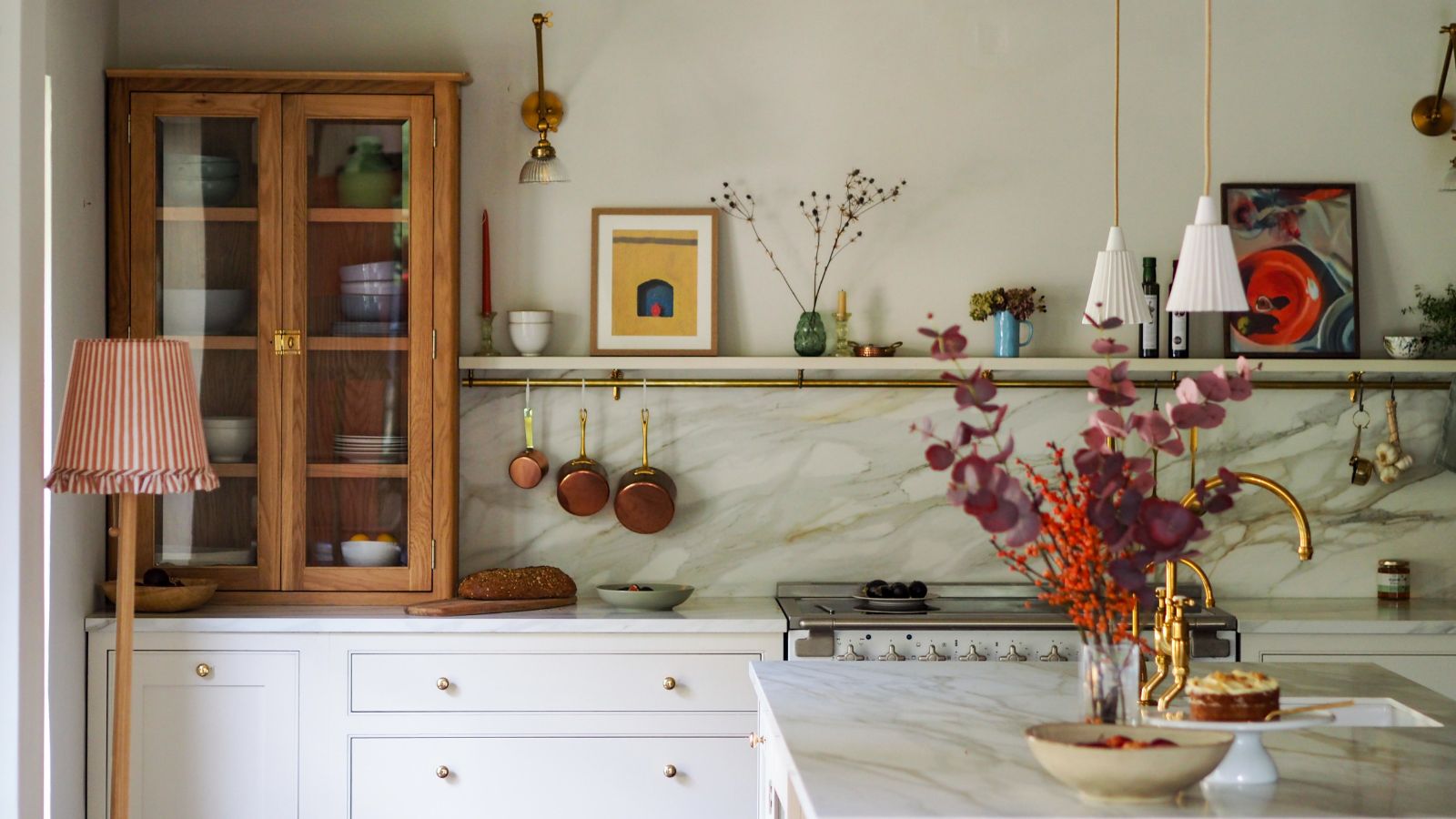
13 transitional kitchen ideas that effortlessly blend old and new

12 "Outdated" Kitchen Trends You Should Ditch In 2025 (But You Probably Have)

22 Outdated Things You Should Avoid in Your Kitchen, According to Designers

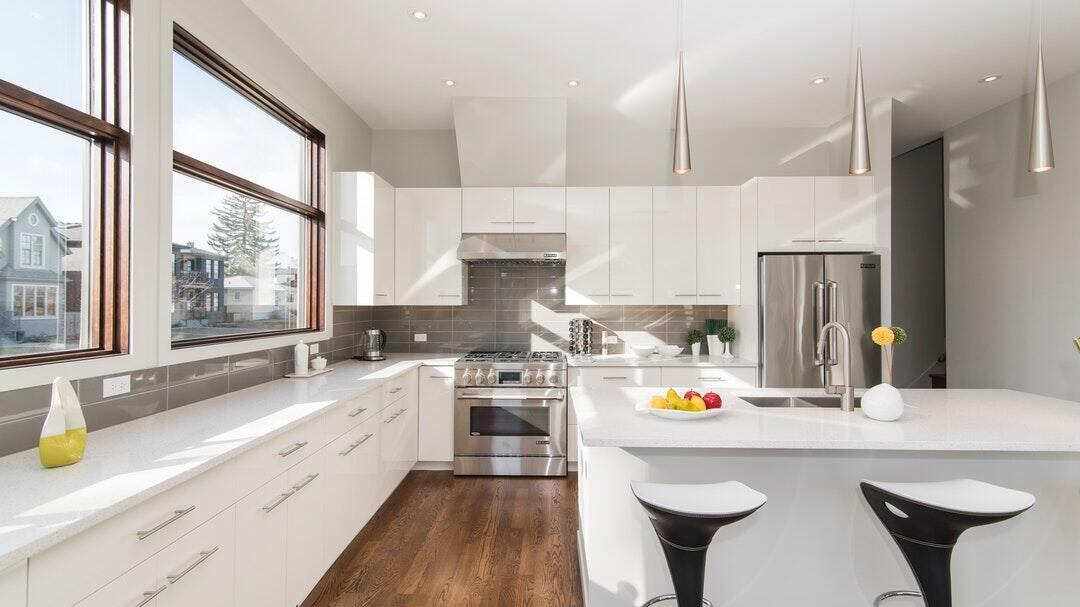
Kitchen remodeling trends taking home design by storm
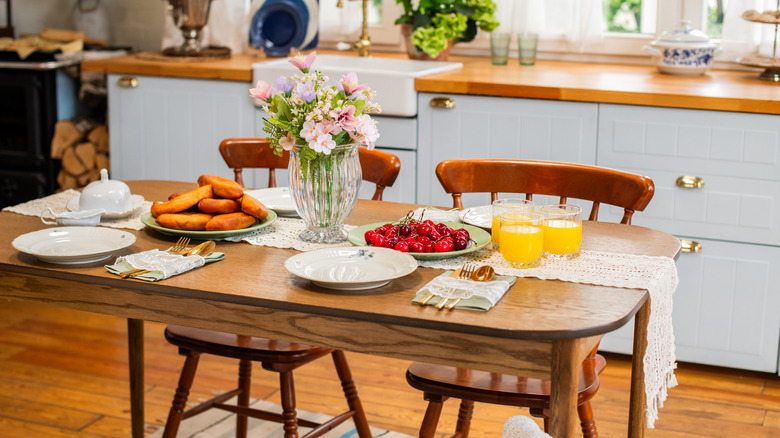
16 Outdated Kitchen Features That Are Unexpectedly Coming Back In Style
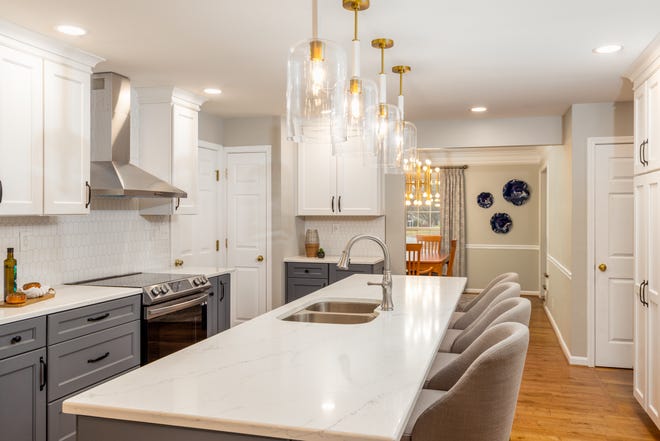
SEE IT: 3 creative interior design looks to help with your kitchen remodel
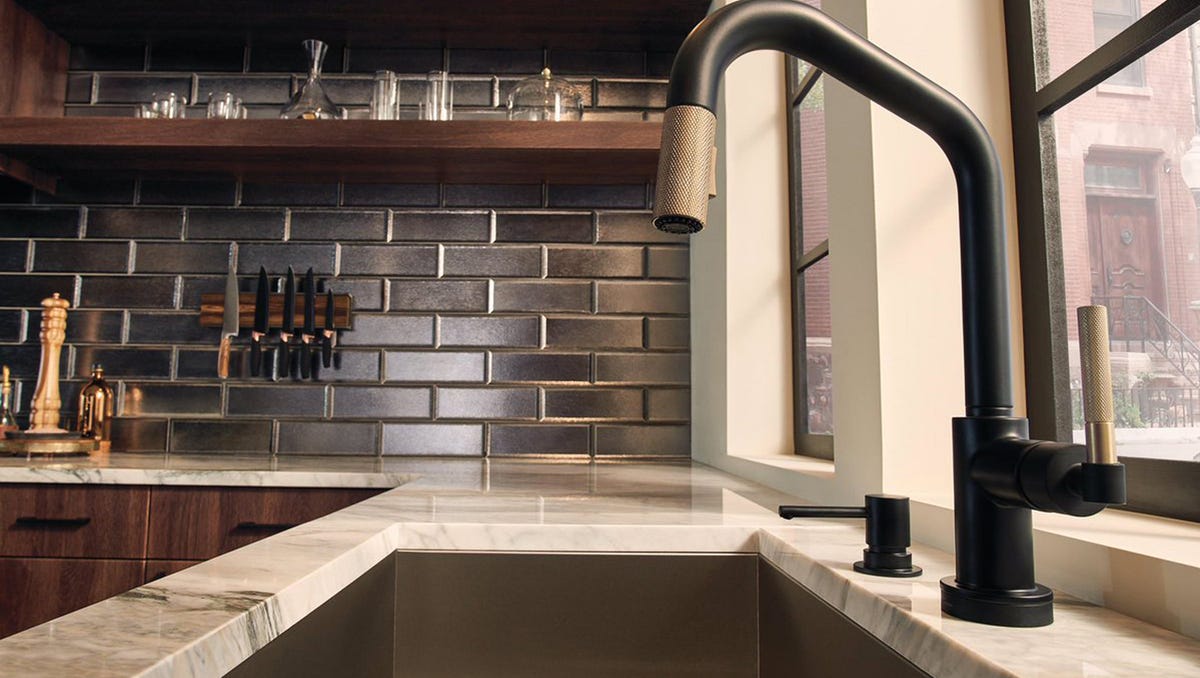
Kitchen trends
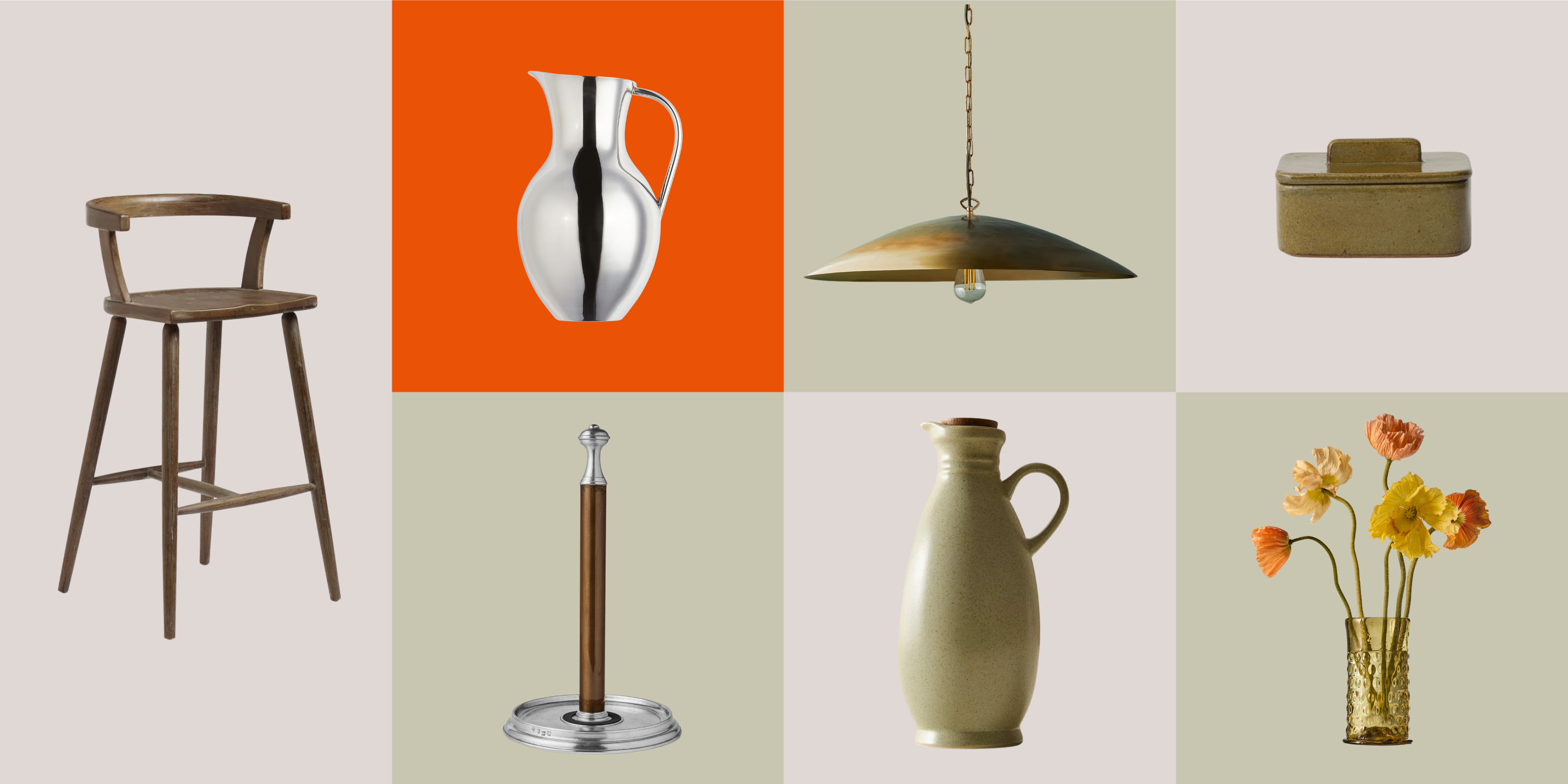
Transitional Kitchen Decor — 28 Modern Heritage Finds |

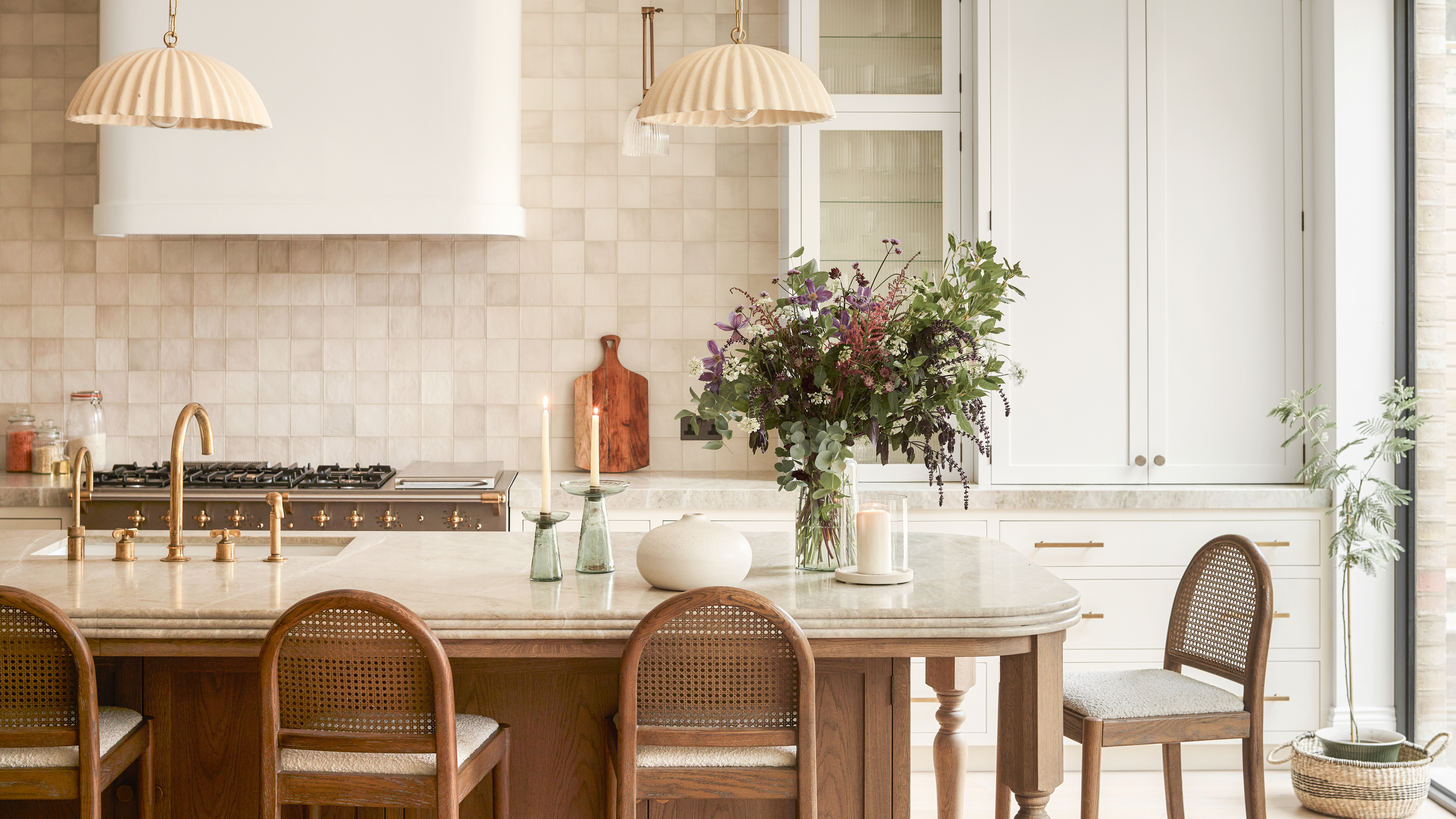
Transitional-Style Kitchens — 13 Ideas to Blend the Best of Traditional and Modern Elements in Your Design
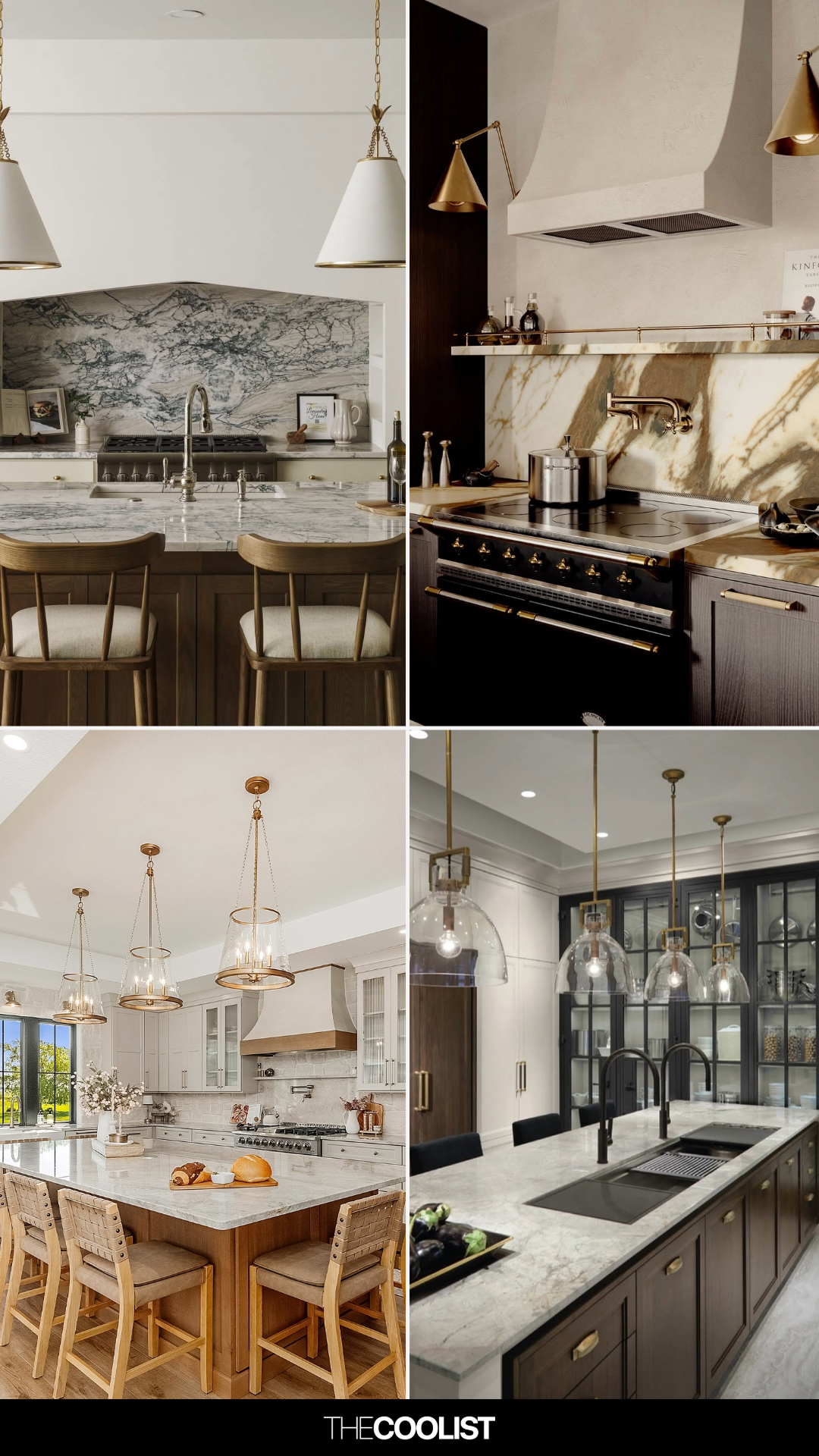
27 Transitional Kitchen Ideas You’ll Wish You’d Seen Before Signing Off on Your Remodel
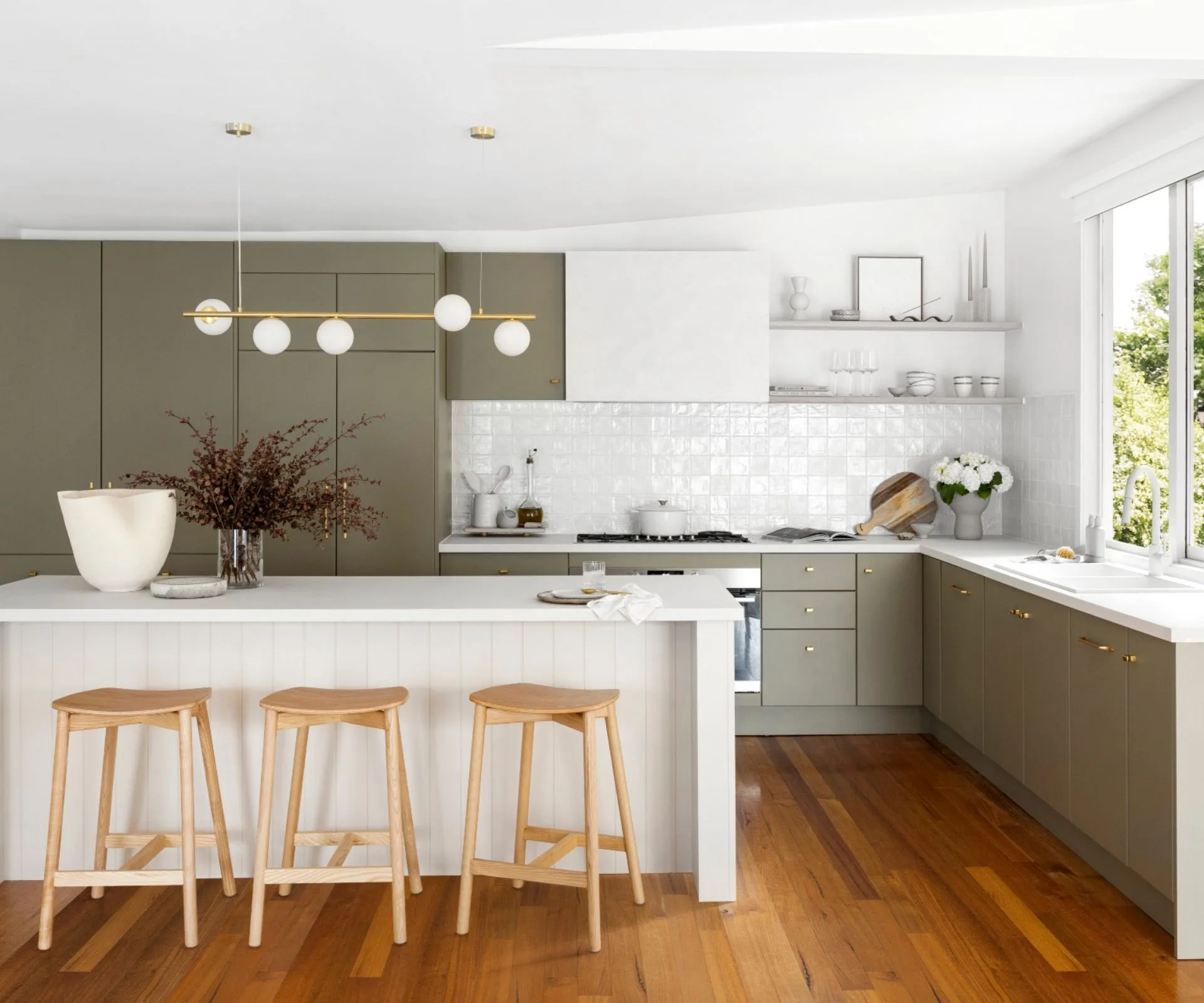
How to Embrace Kitchen Trends That Won't Go Out Of Style

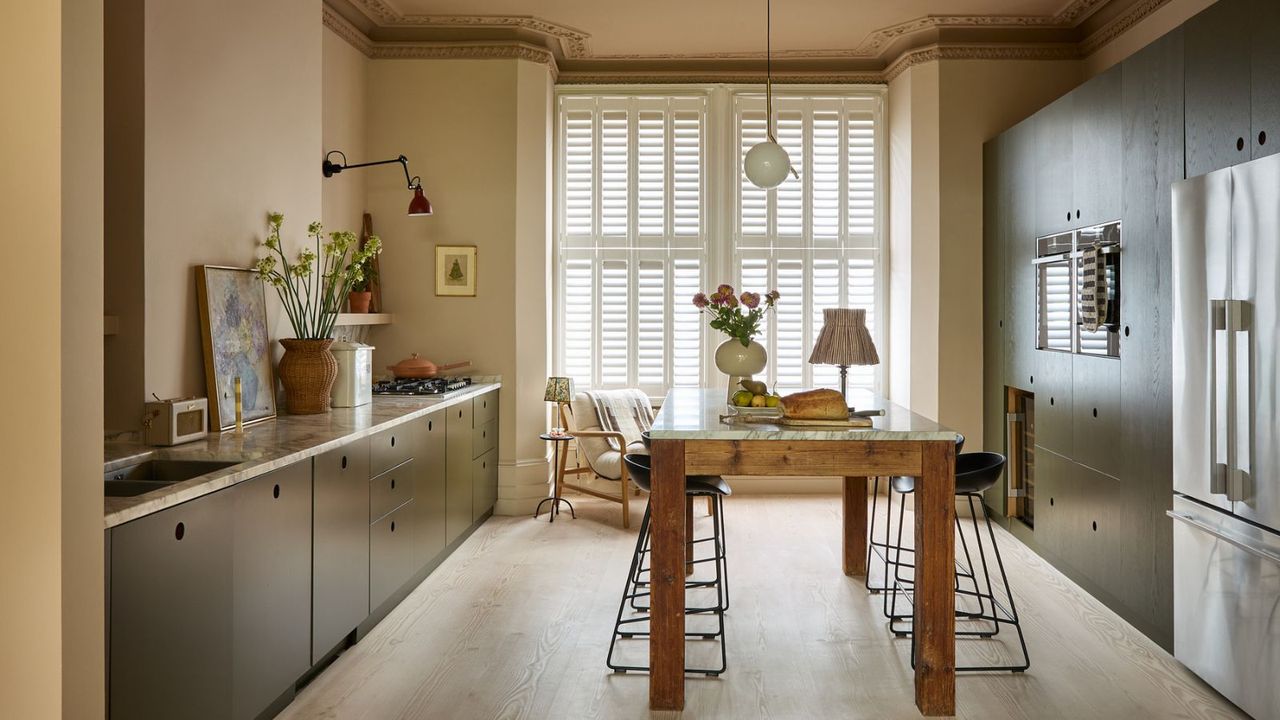
These 3 Layouts Are Making Your Kitchen Look Dated – Why Designers Say They Don’t Want to See Them in 2026
The Popular Kitchen Style You'll See Everywhere In 2026
10 Kitchen Design Trends Going Out Of Style In 2025

25 Kitchen Trends You Might Regret + Photos

These are the outdated kitchen cabinet trends designers say you should ditch in 2025
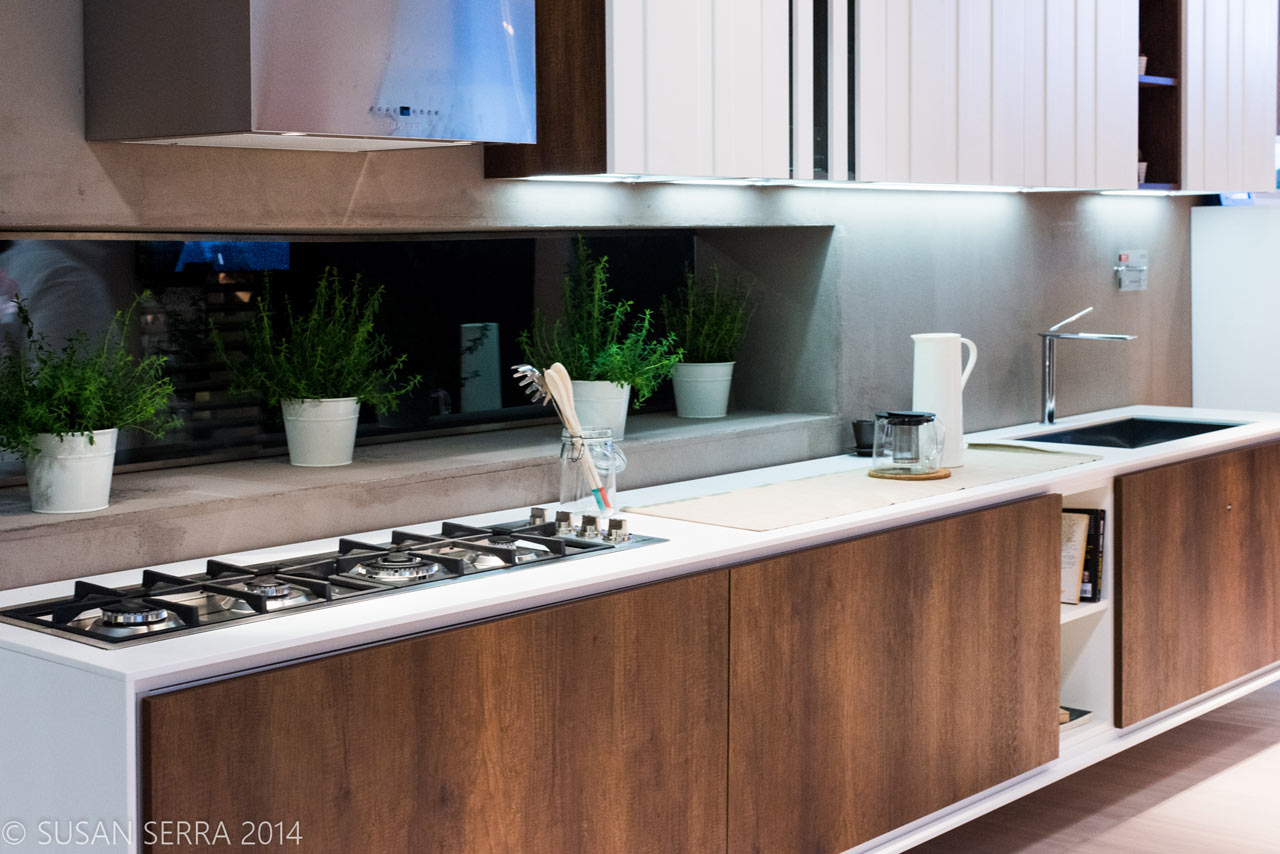
Current Kitchen Interior Design Trends

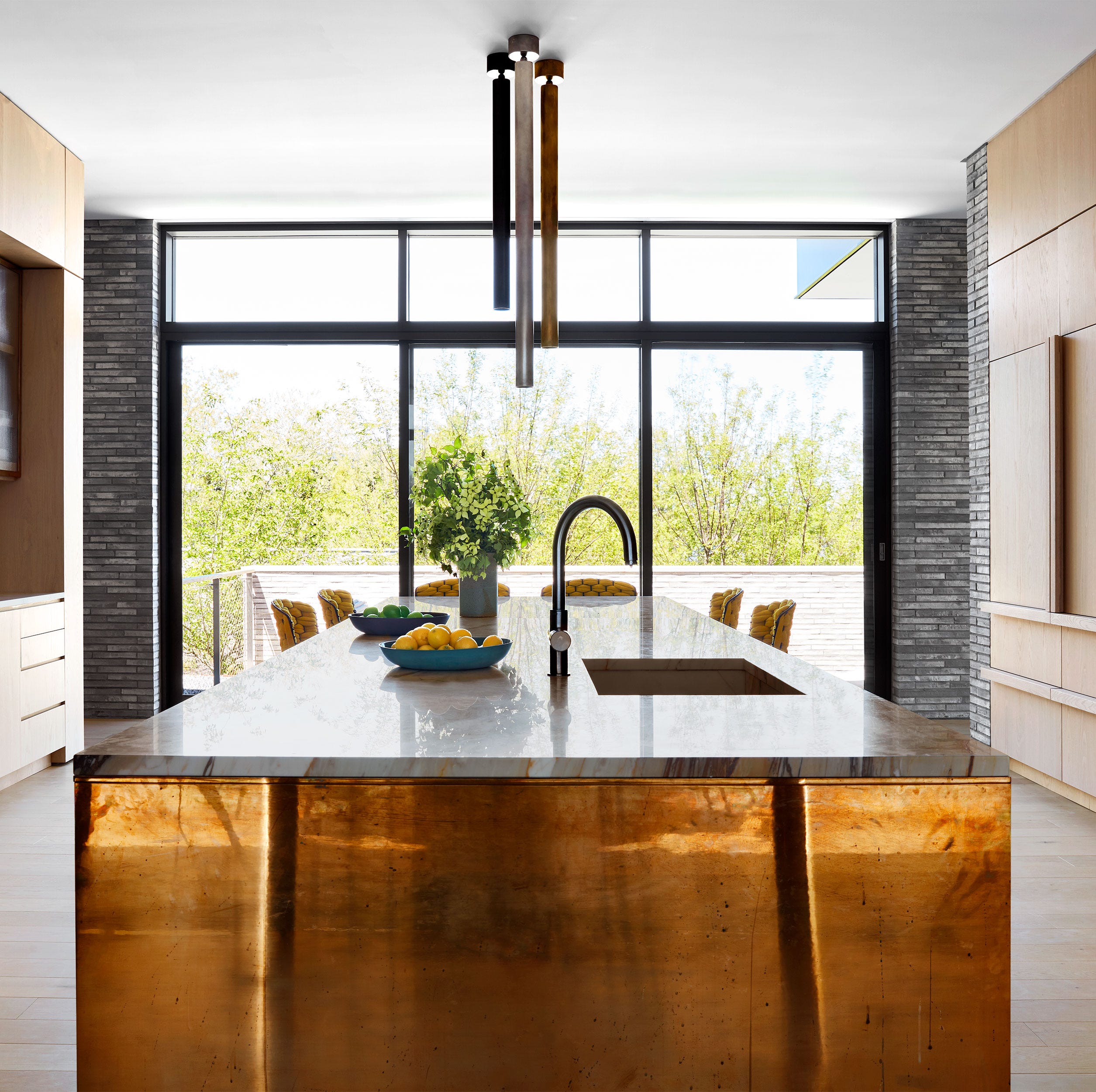
7 Kitchen Trends You’ll Be Seeing Everywhere This Year
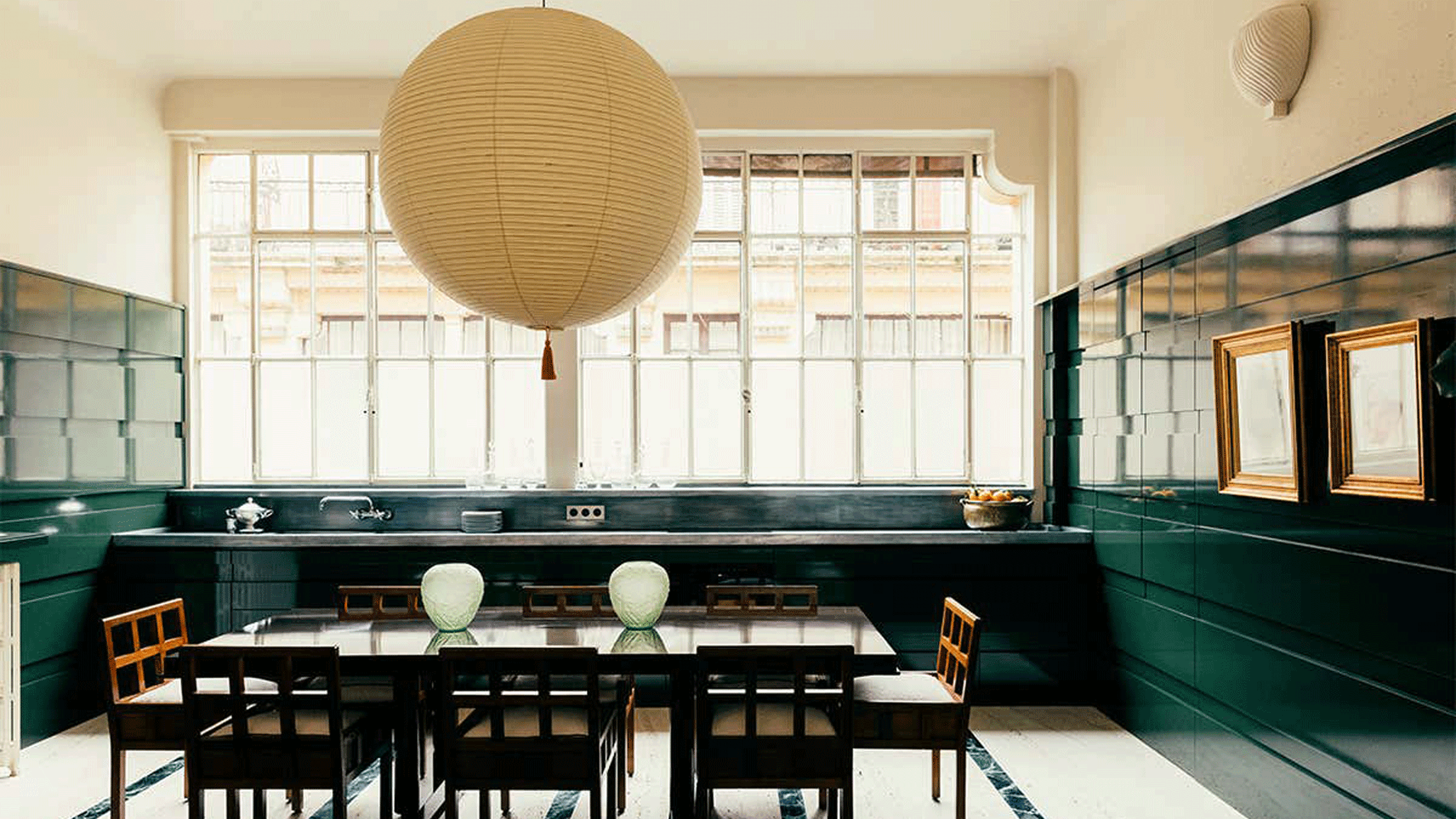
Kitchen ideas – leading designers reveal the 34 most stylish looks which will inspire your next kitchen remodel
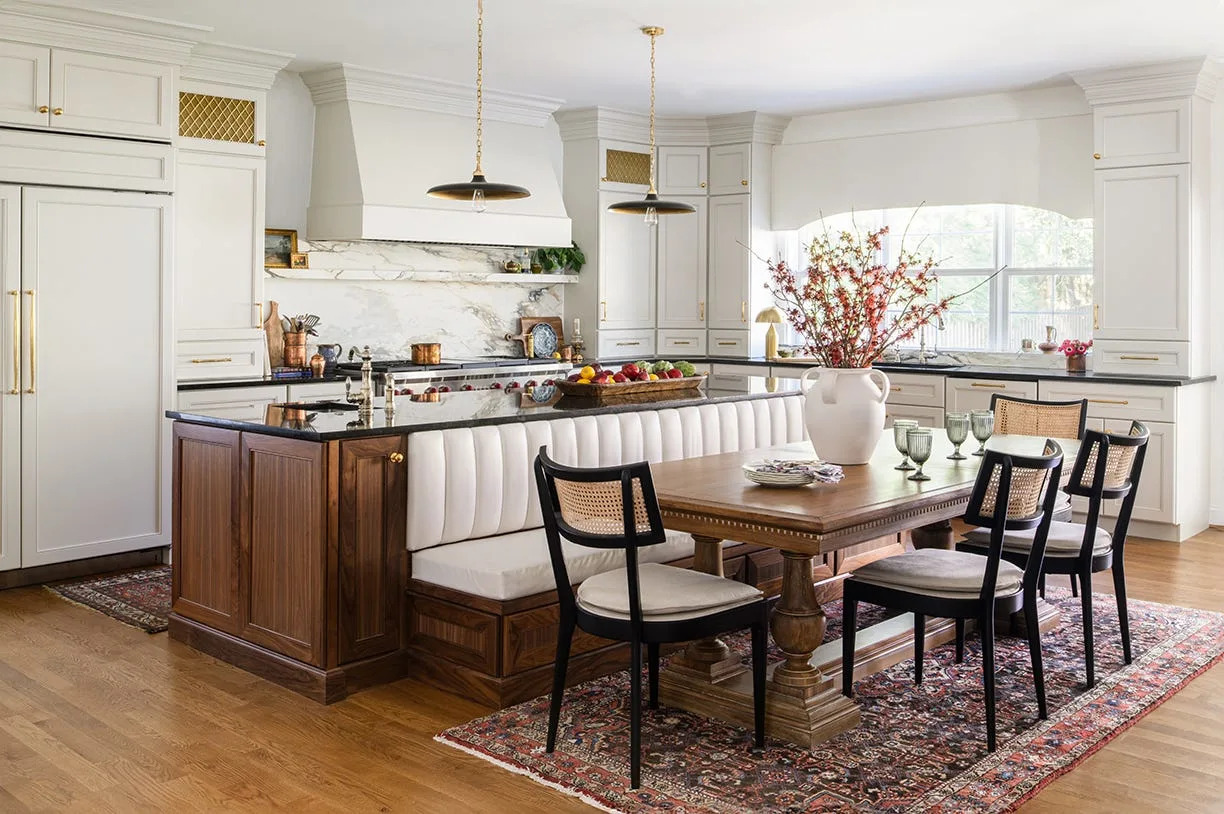
Design Experts Agree: This Kitchen Style Is Making a Major Comeback