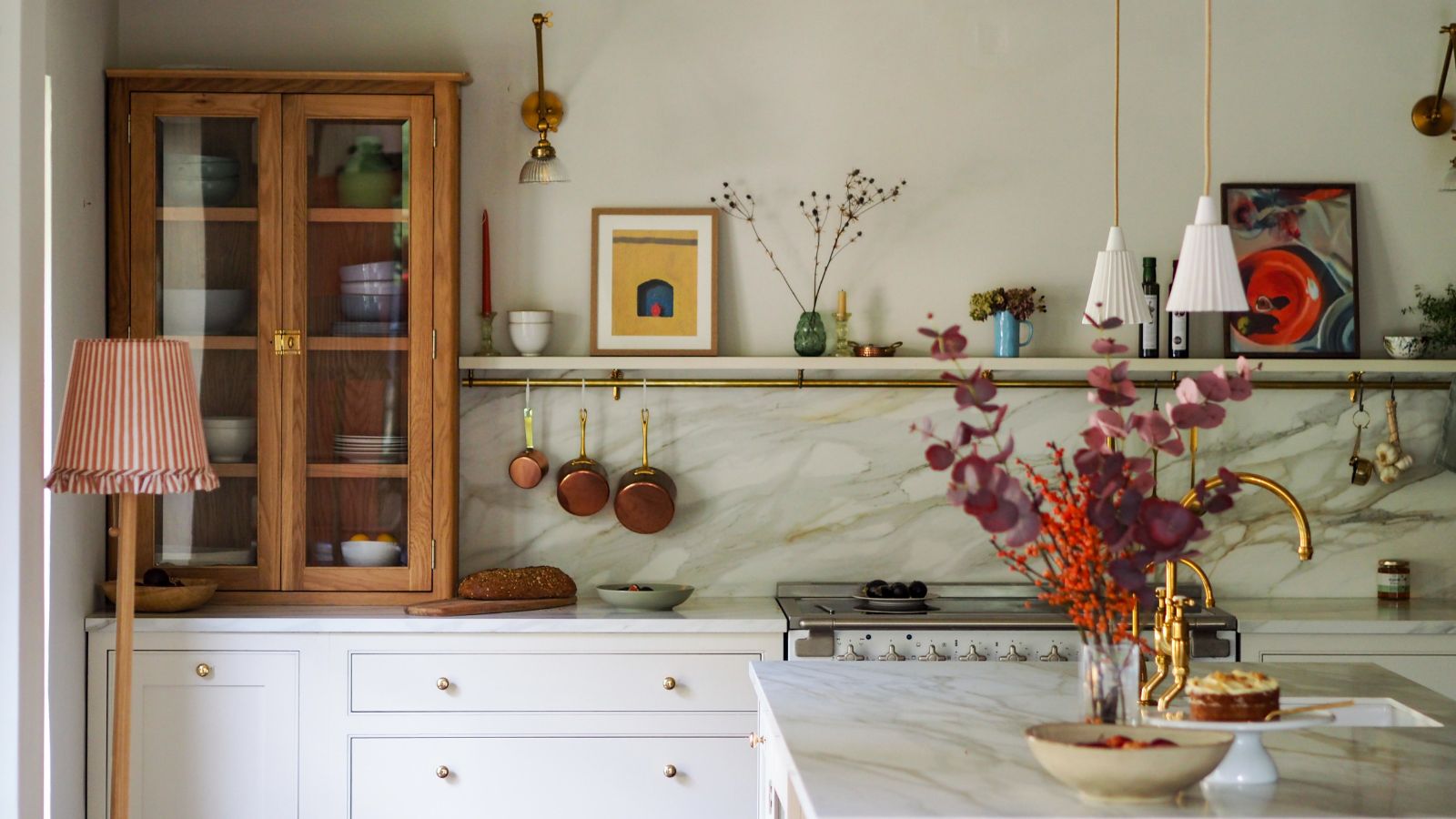
1/15
13 transitional kitchen ideas that effortlessly blend old and new
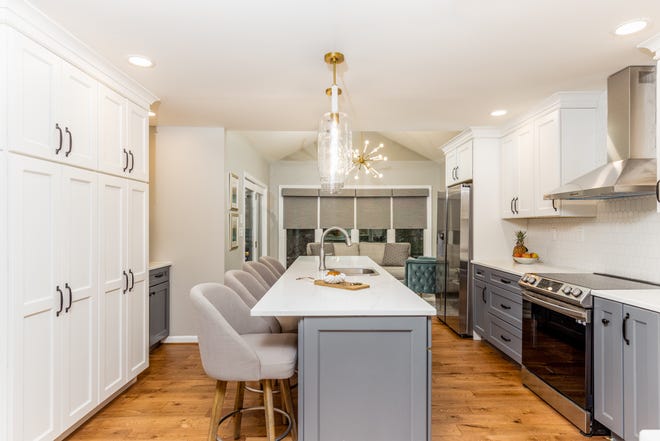
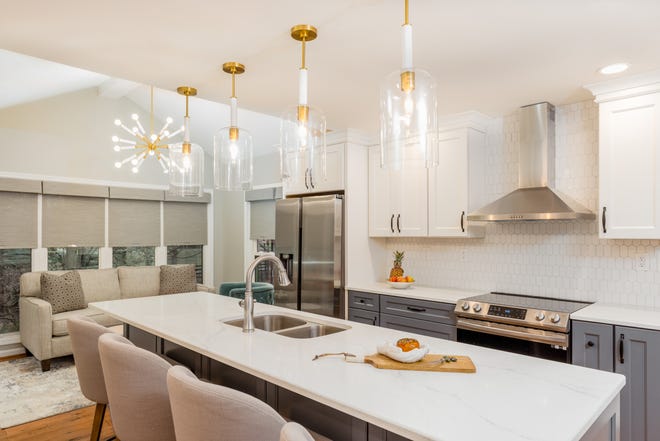
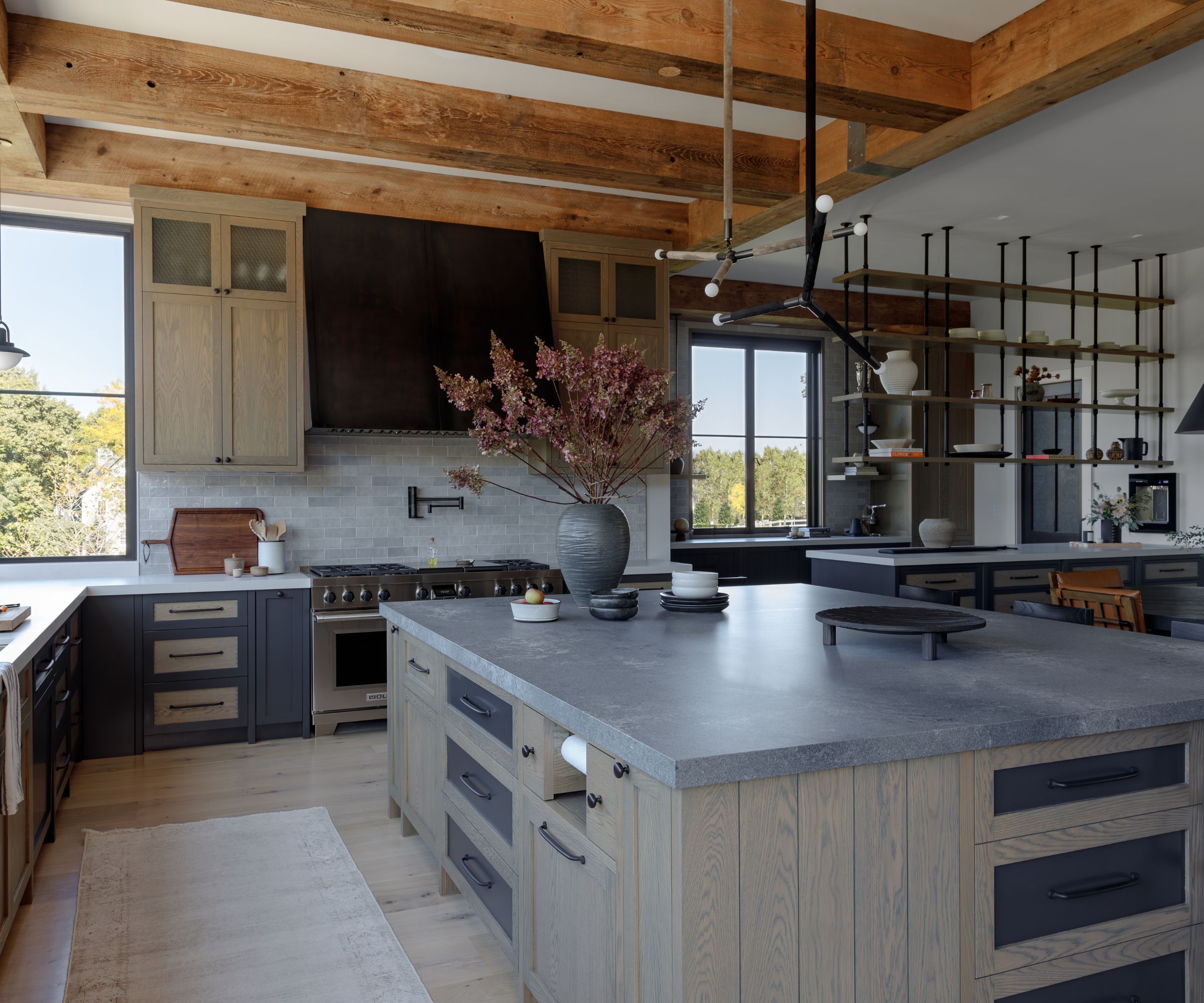
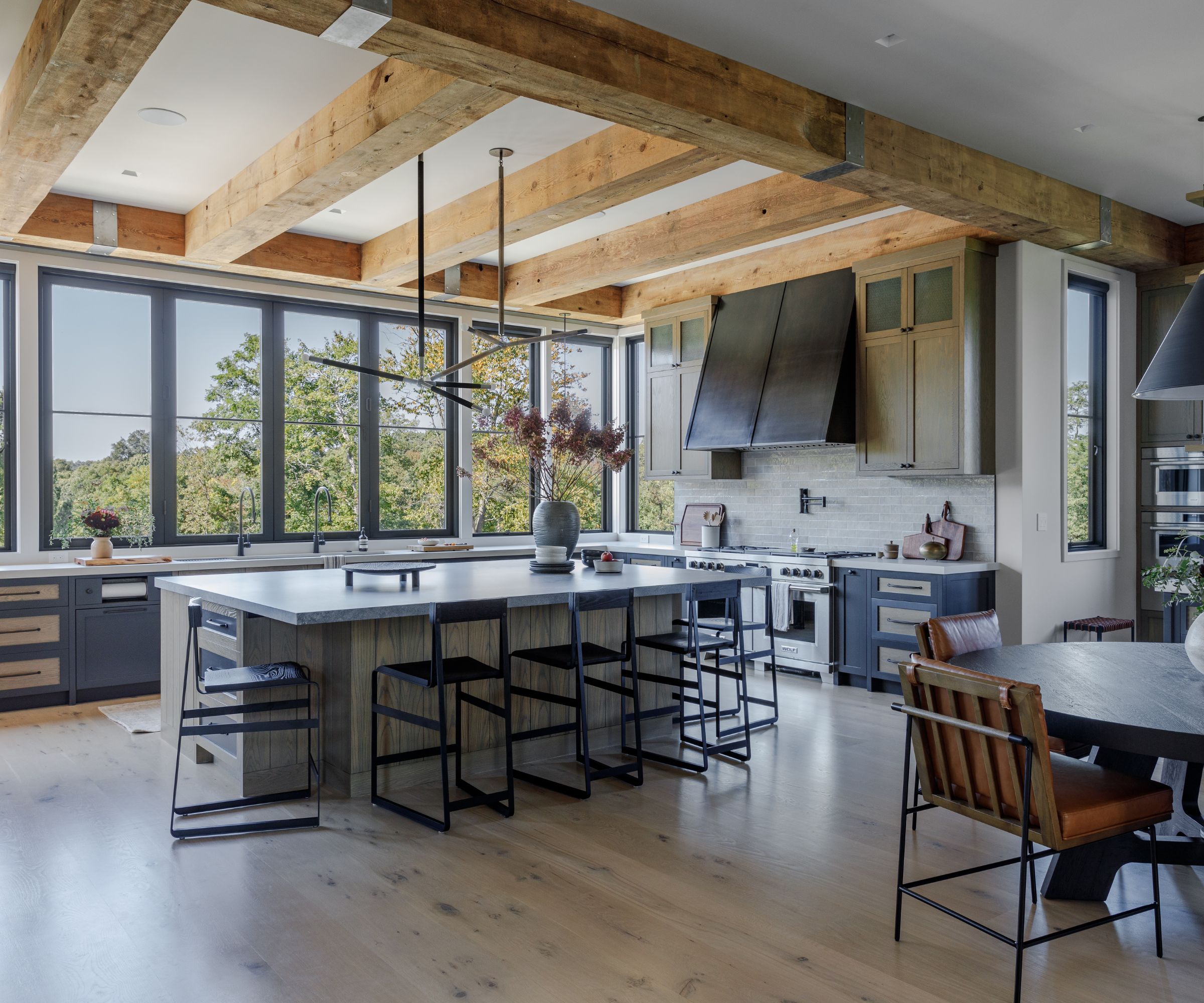
Transitional kitchens represent a design philosophy that seamlessly merges traditional and modern elements, aiming to create a timeless aesthetic that endures changes in taste and trends. This style is particularly appealing for homeowners undertaking significant kitchen renovations, offering a balance between classic charm and contemporary functionality. Designers emphasize a sense of restraint in transitional design, grounding it in tradition while stripping away anything overly ornate or fussy. This approach results in spaces that feel both fresh and warm.
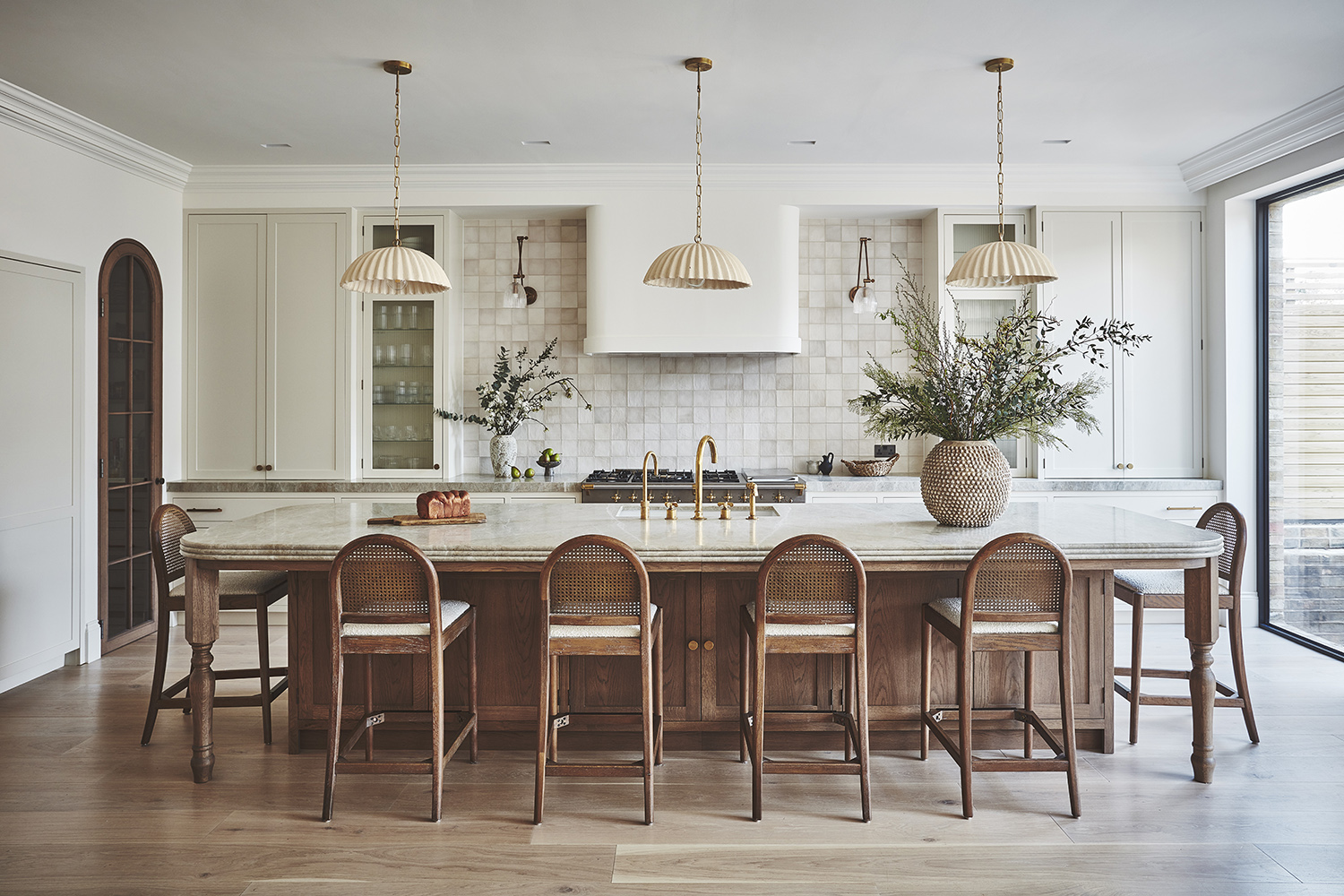
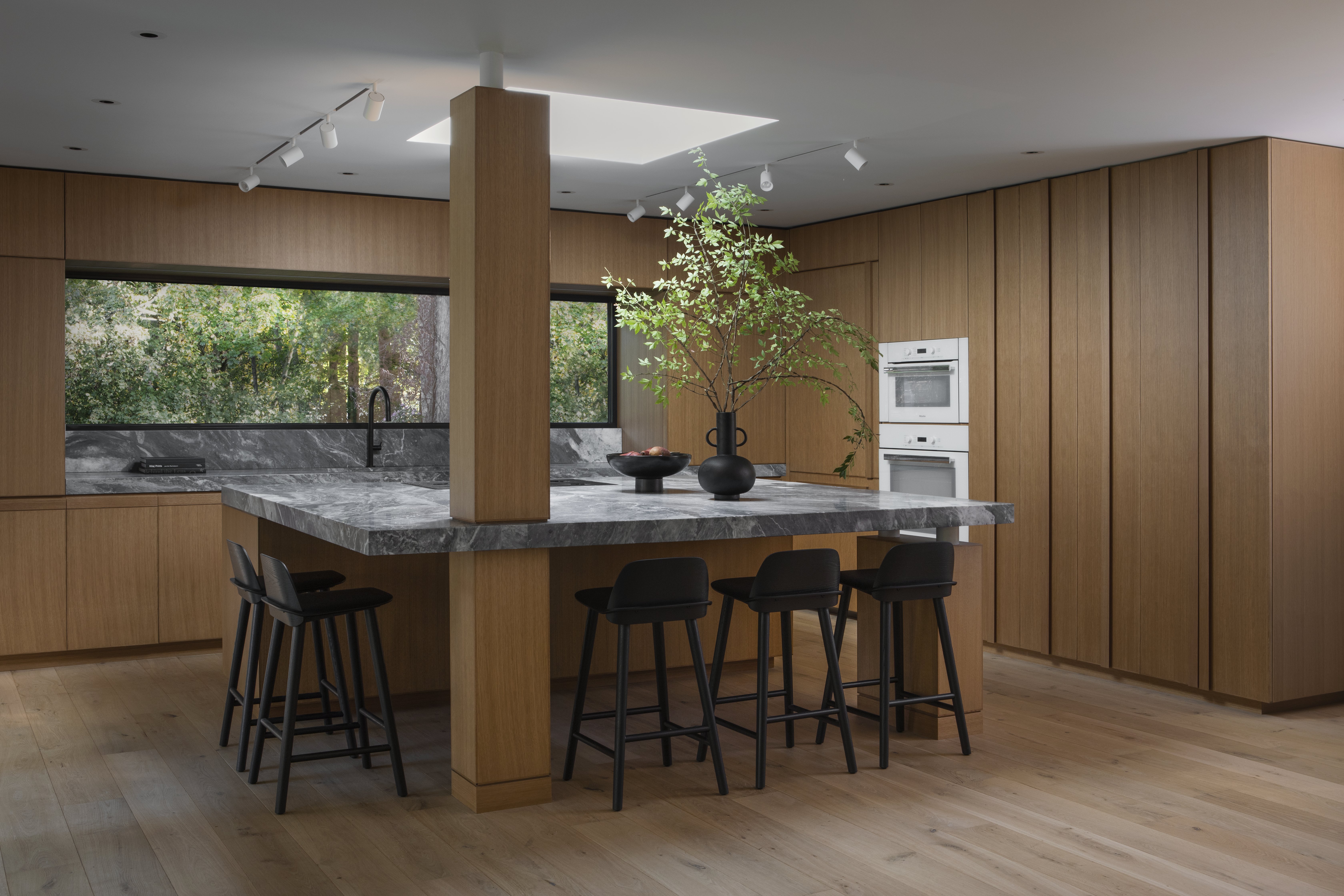
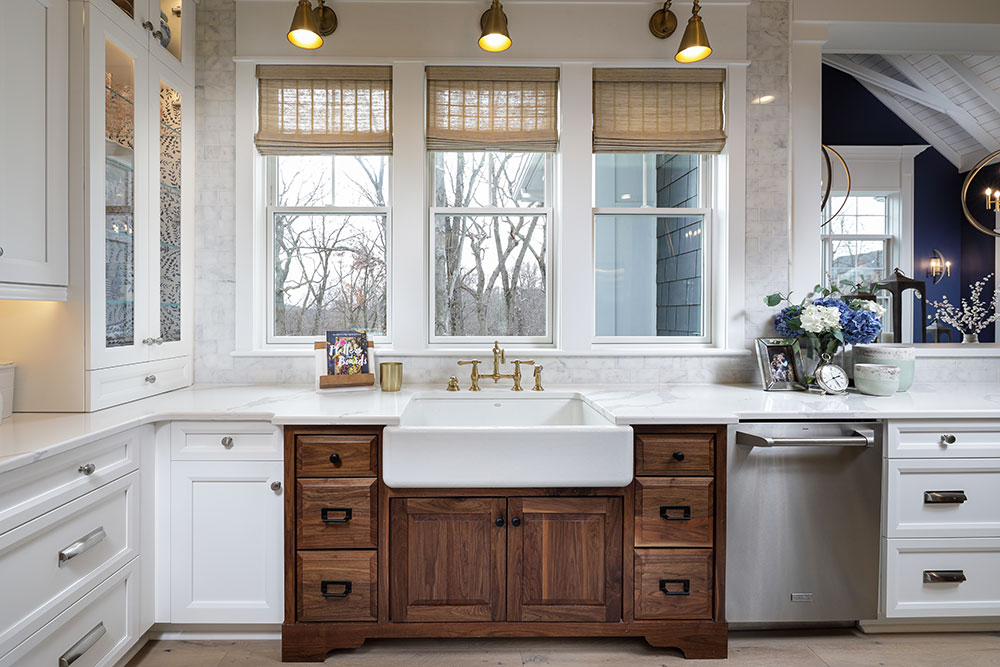
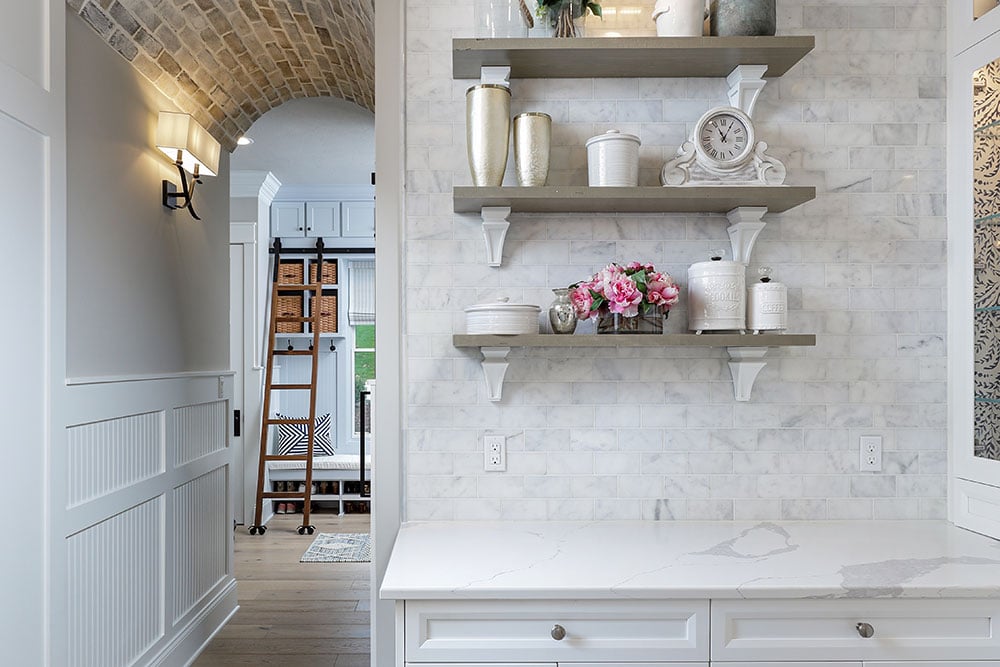
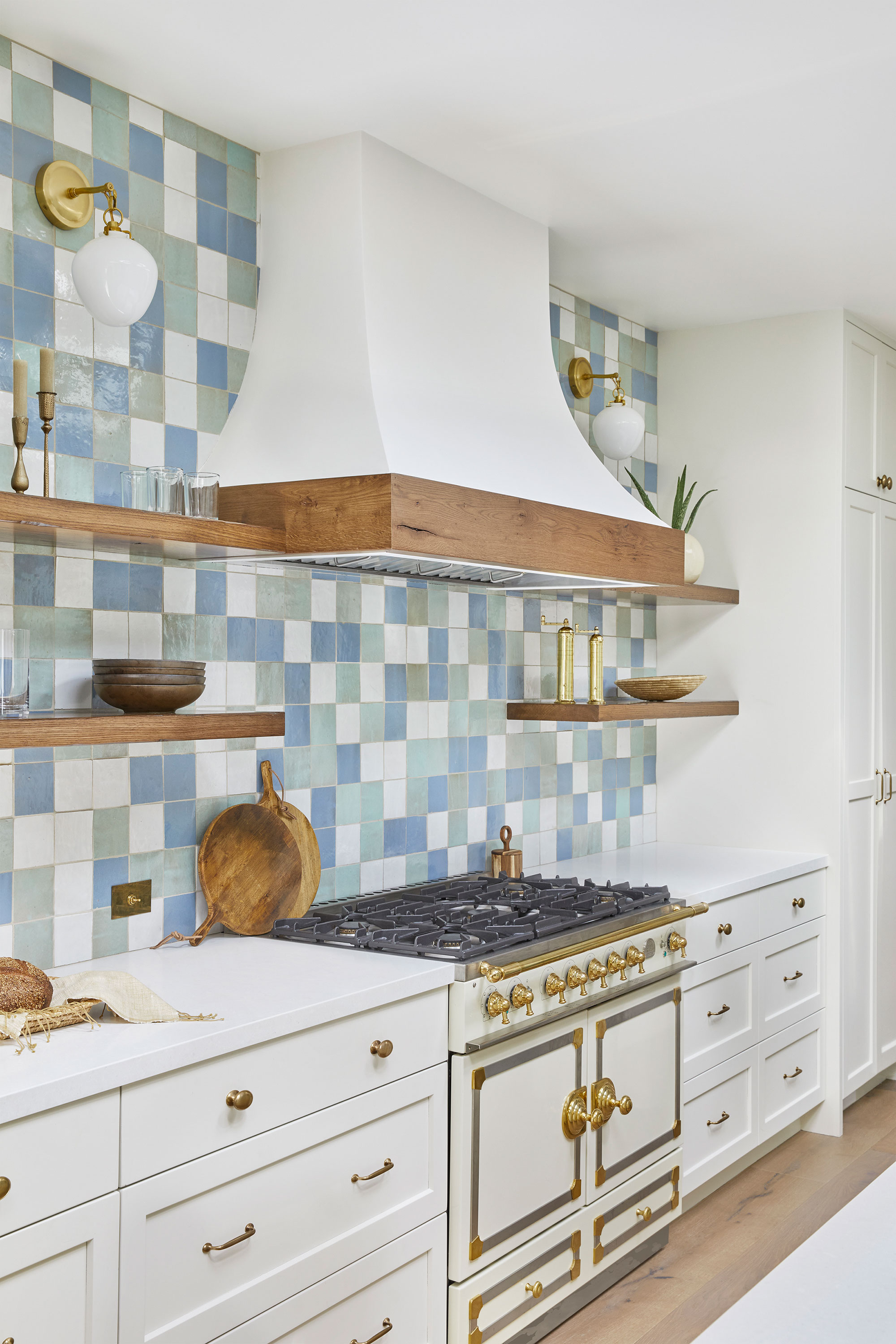
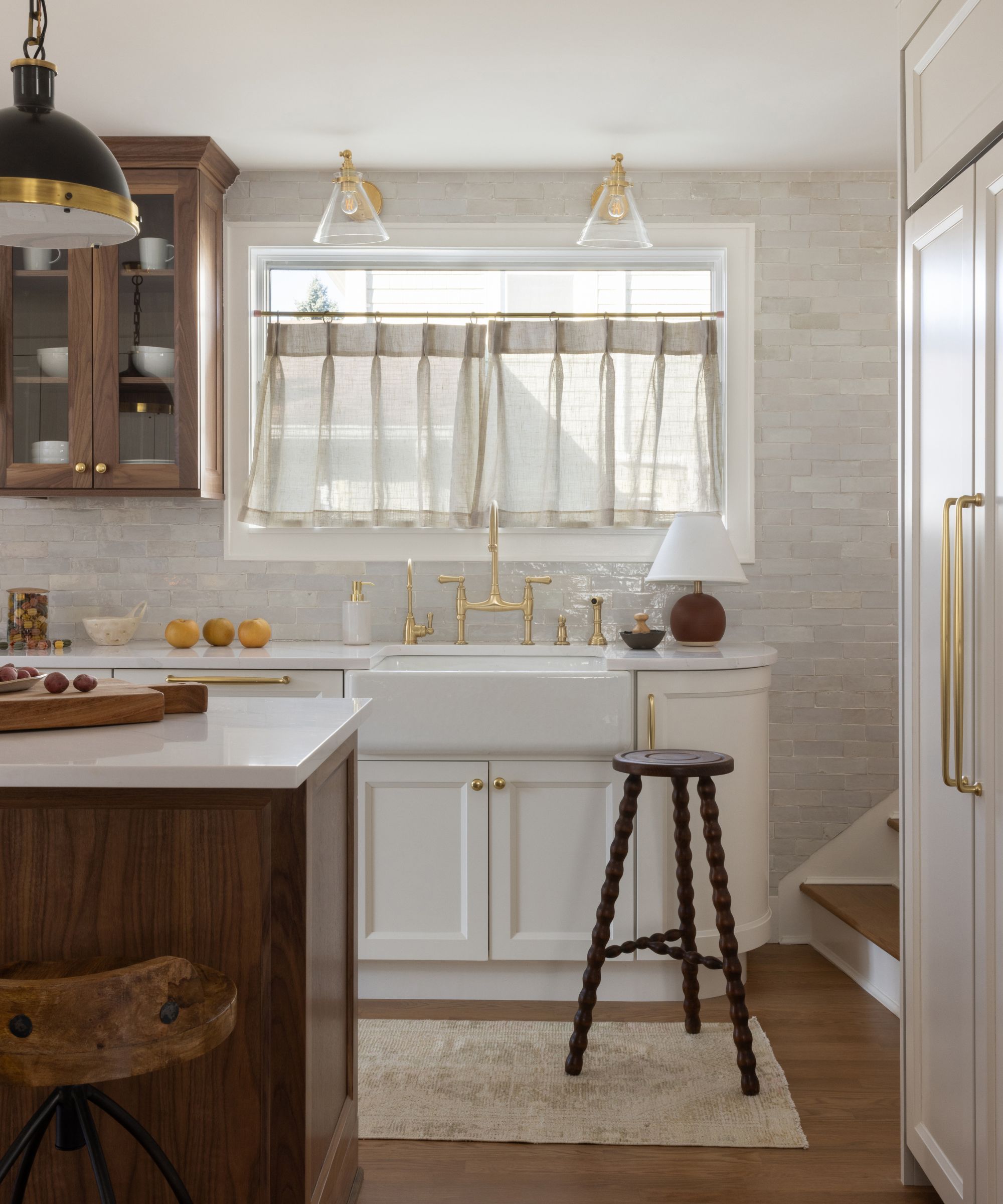
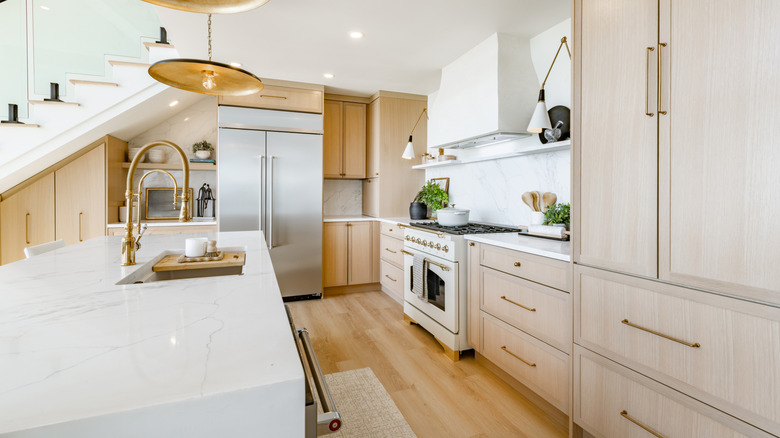
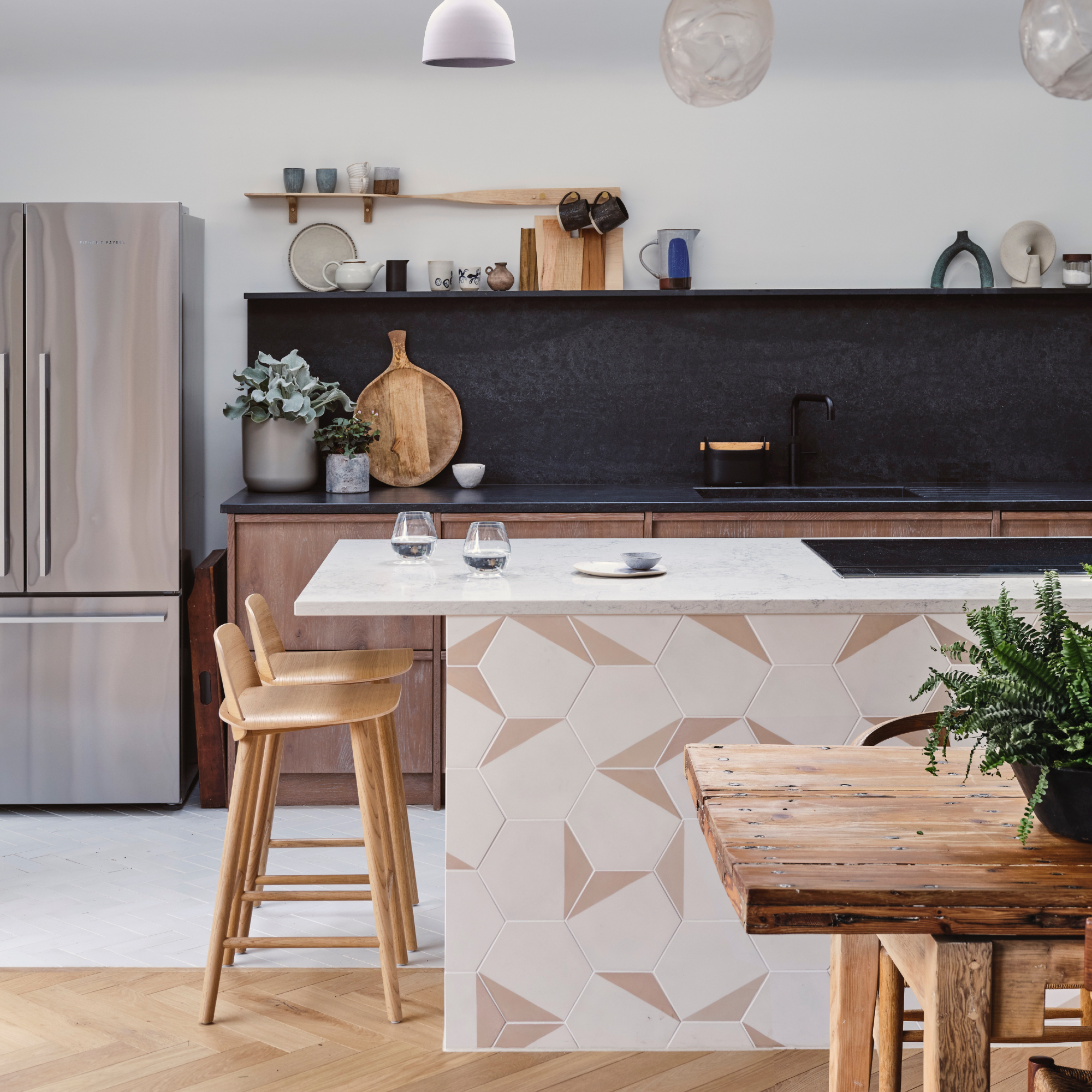
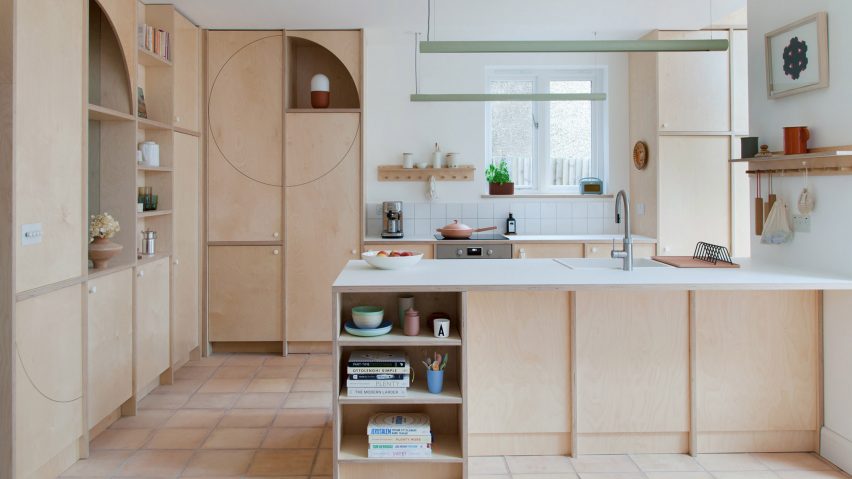
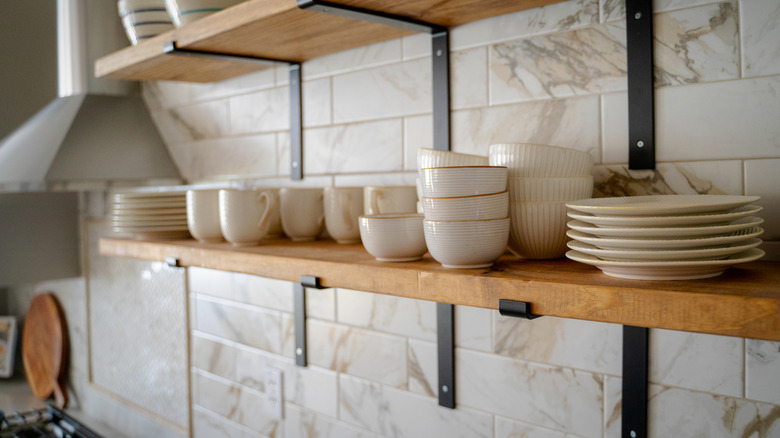
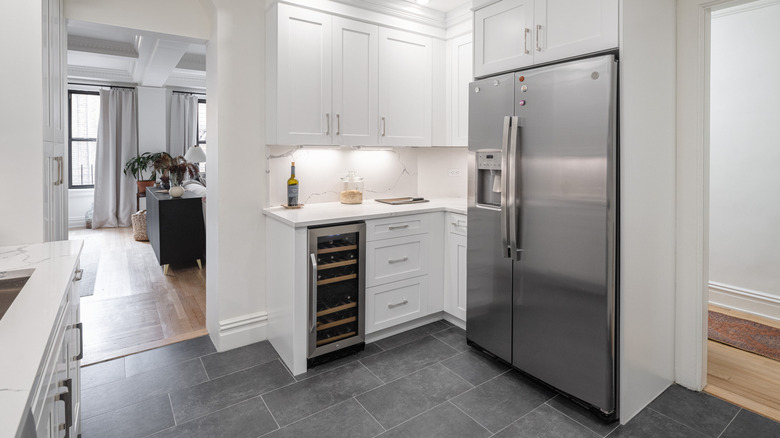
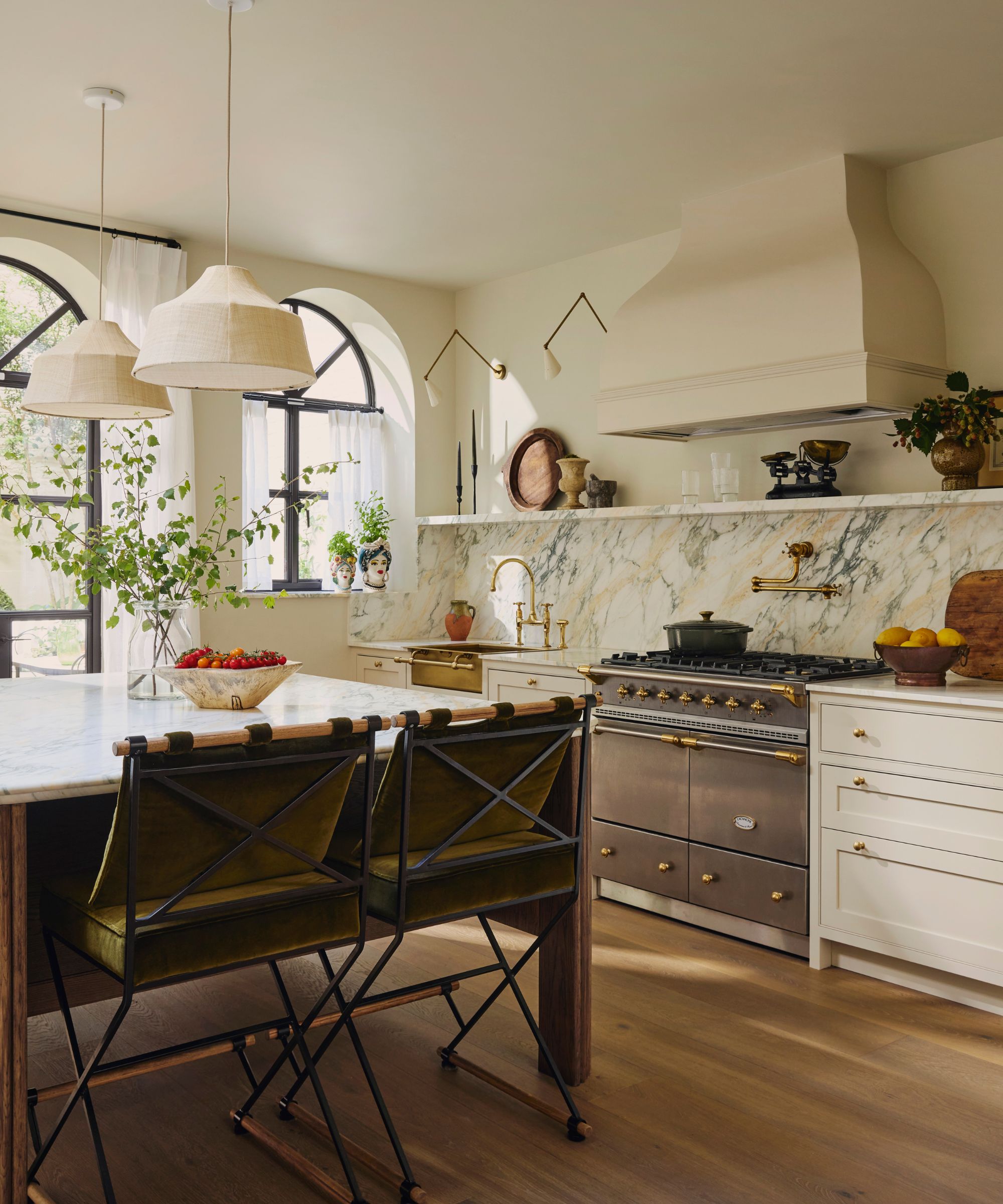
The article outlines 13 key ideas for achieving a transitional kitchen. One primary concept involves blending historic details with modern functionality, especially effective in period properties. This can mean integrating inset oak cabinets, reminiscent of craftsman details, with contemporary appliances and streamlined layouts that minimize visual clutter. Another strategy is to combine rustic wood details with sleek white cabinetry, where elements like natural wood countertop cabinets contrast with built-in white units, and open shelving displays personal decor to achieve a lived-in yet sophisticated look.
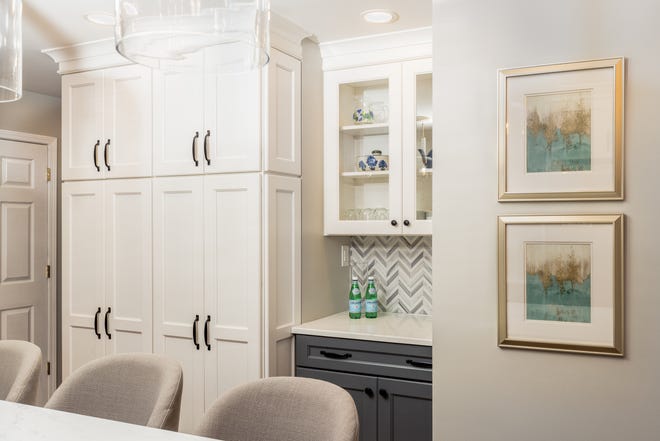
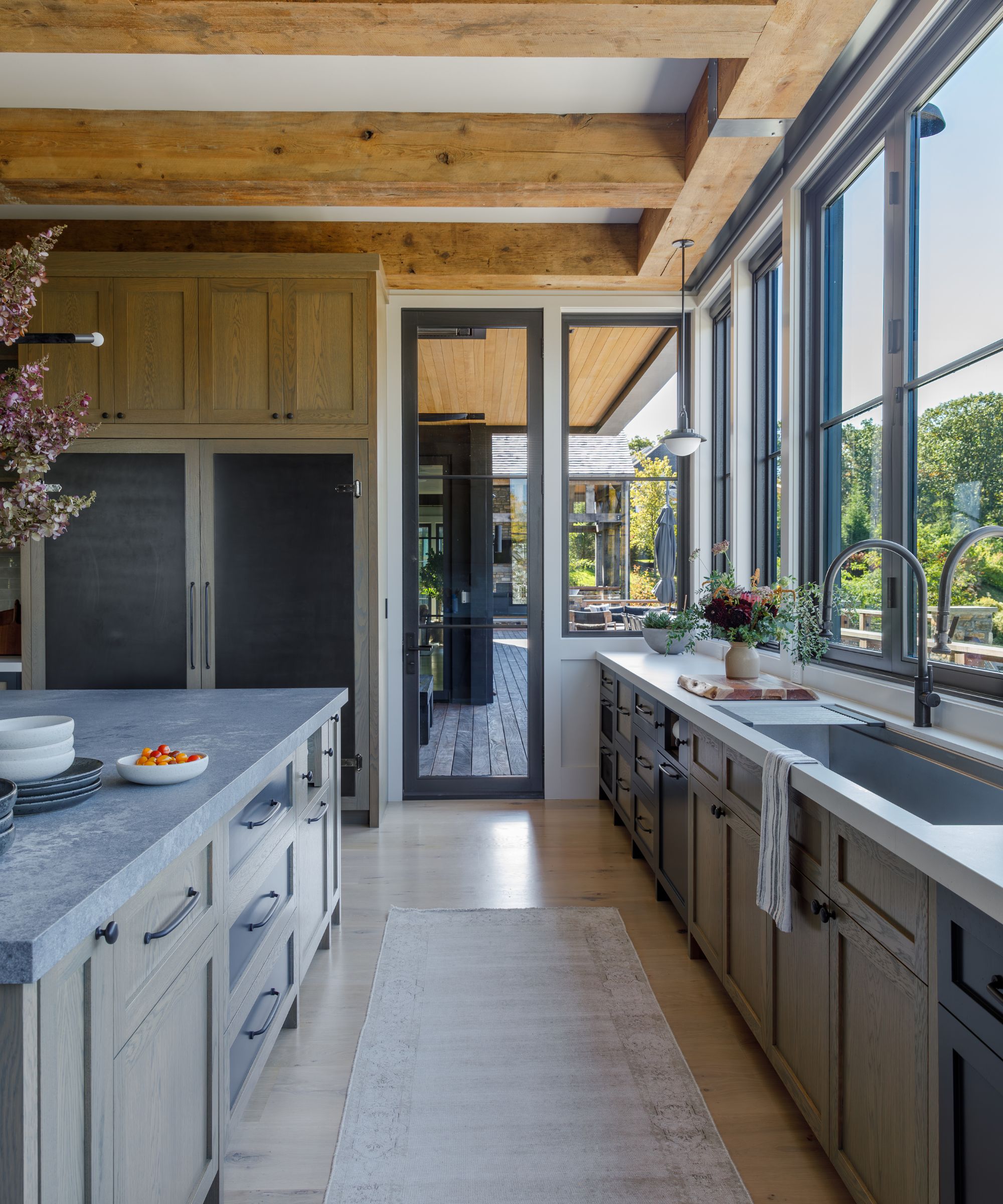
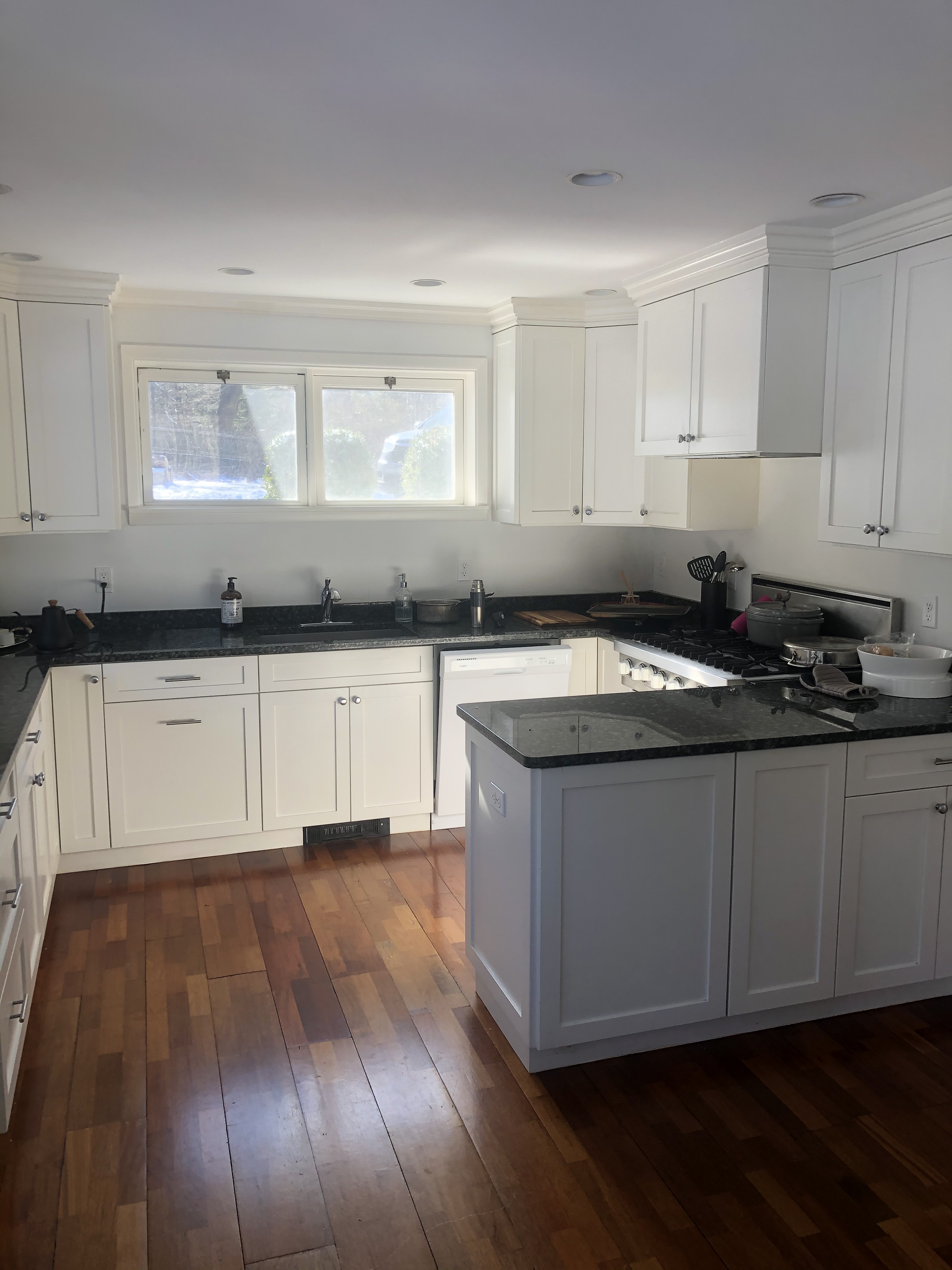
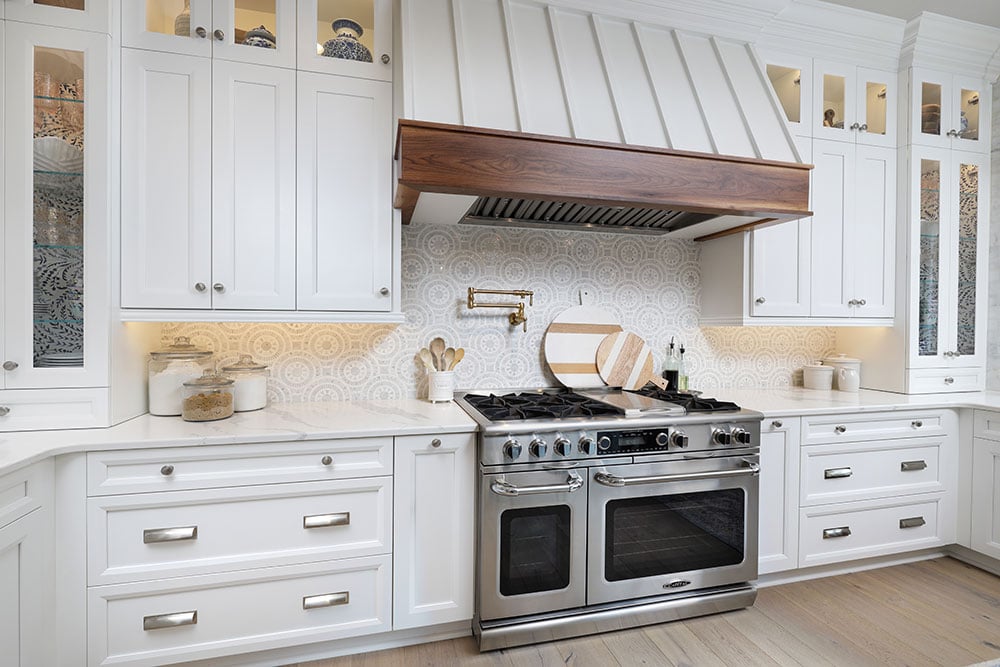
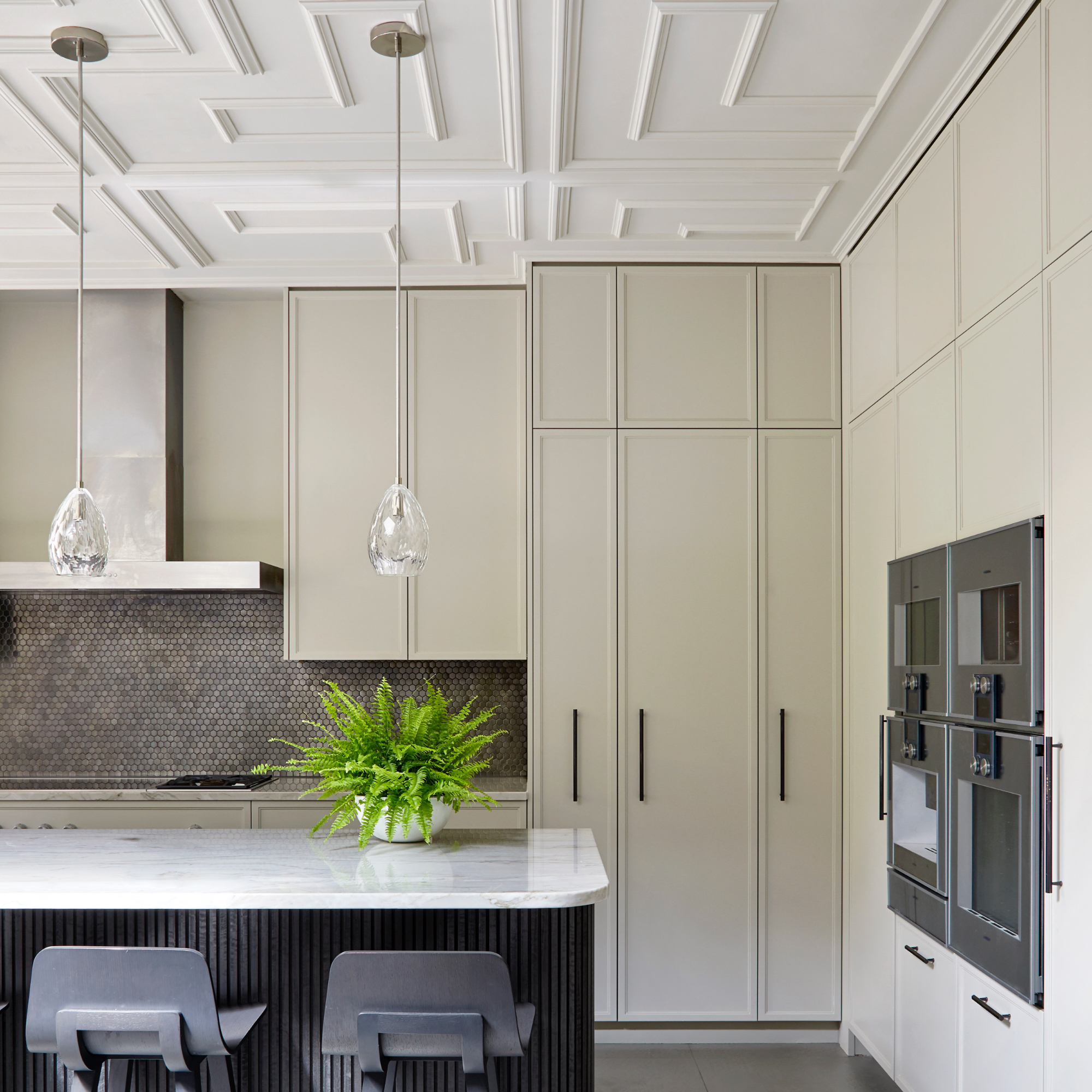
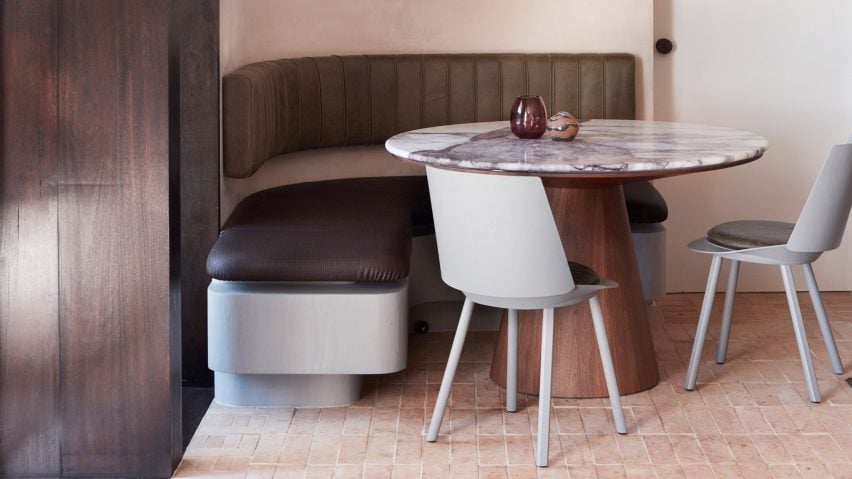
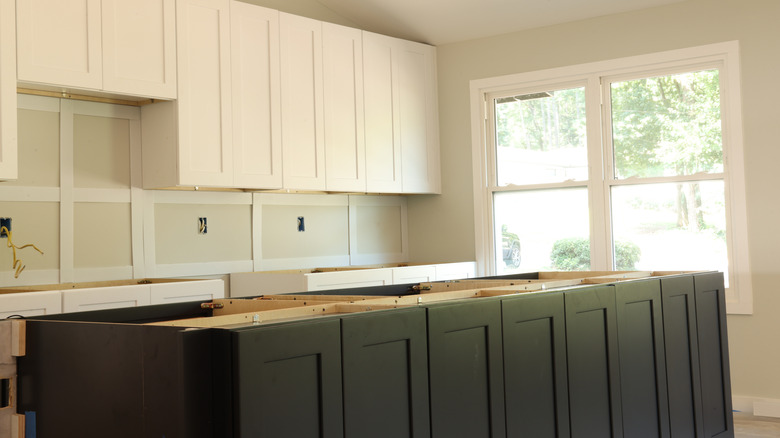
Classic Shaker-style cabinetry is highlighted as a foundational element for a timeless kitchen. These cabinets, known for their simple frame and panel design, can be updated with neutral colors and are durable enough to be repainted as preferences evolve. Emily Ruff, a principal designer, notes that in a 1920s home, such cabinets can be paired with subtle fluted details and warm undertone grays to maintain a historical feel while appearing fresh and bright. Incorporating natural materials like wood and stone is crucial for bringing warmth and an aged feel to potentially stark white kitchens, as these materials inherently possess enduring charm. Designers recommend pairing rich wood tones with authentic stone and classic fixtures to achieve an old-meets-new vibe.
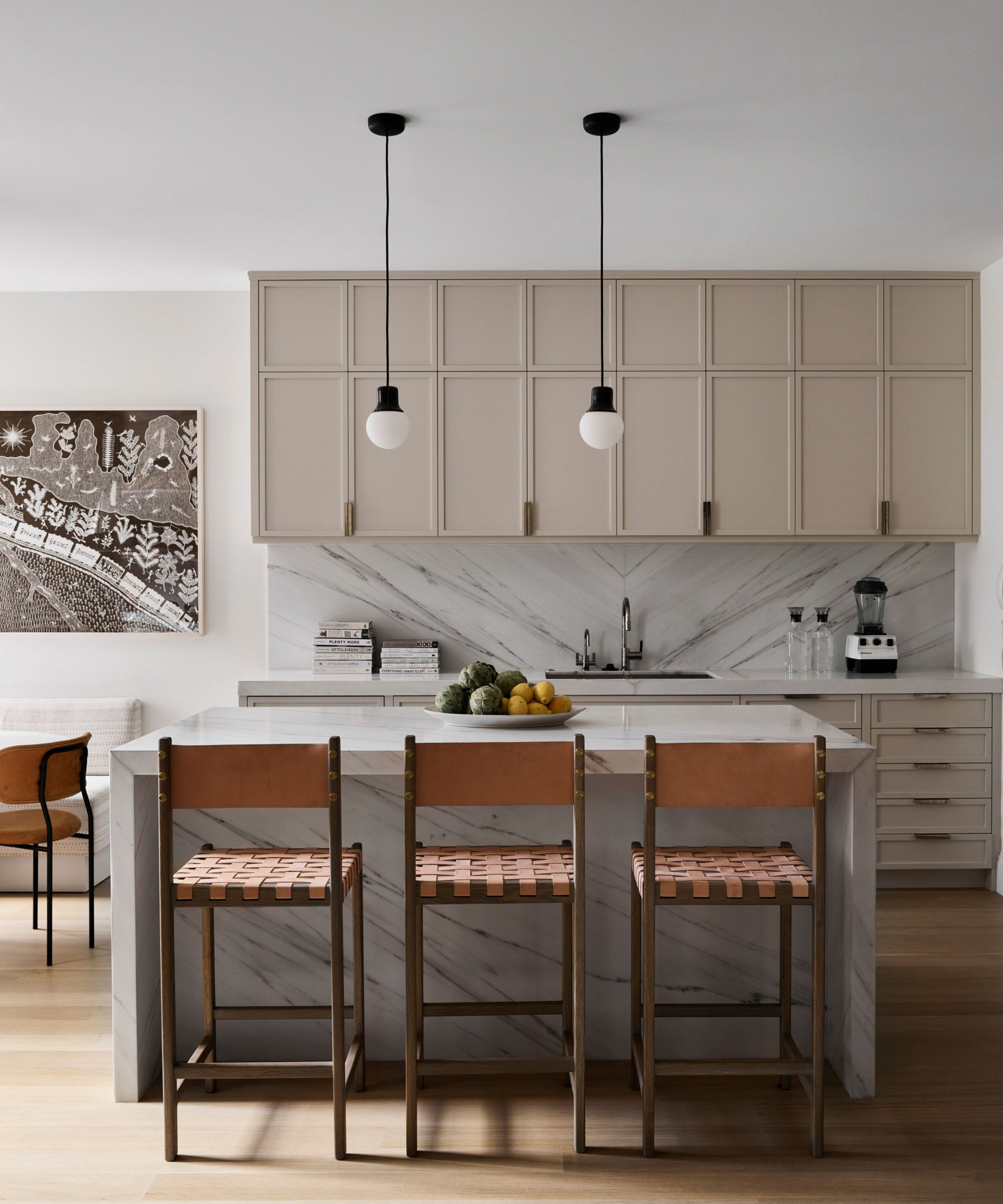
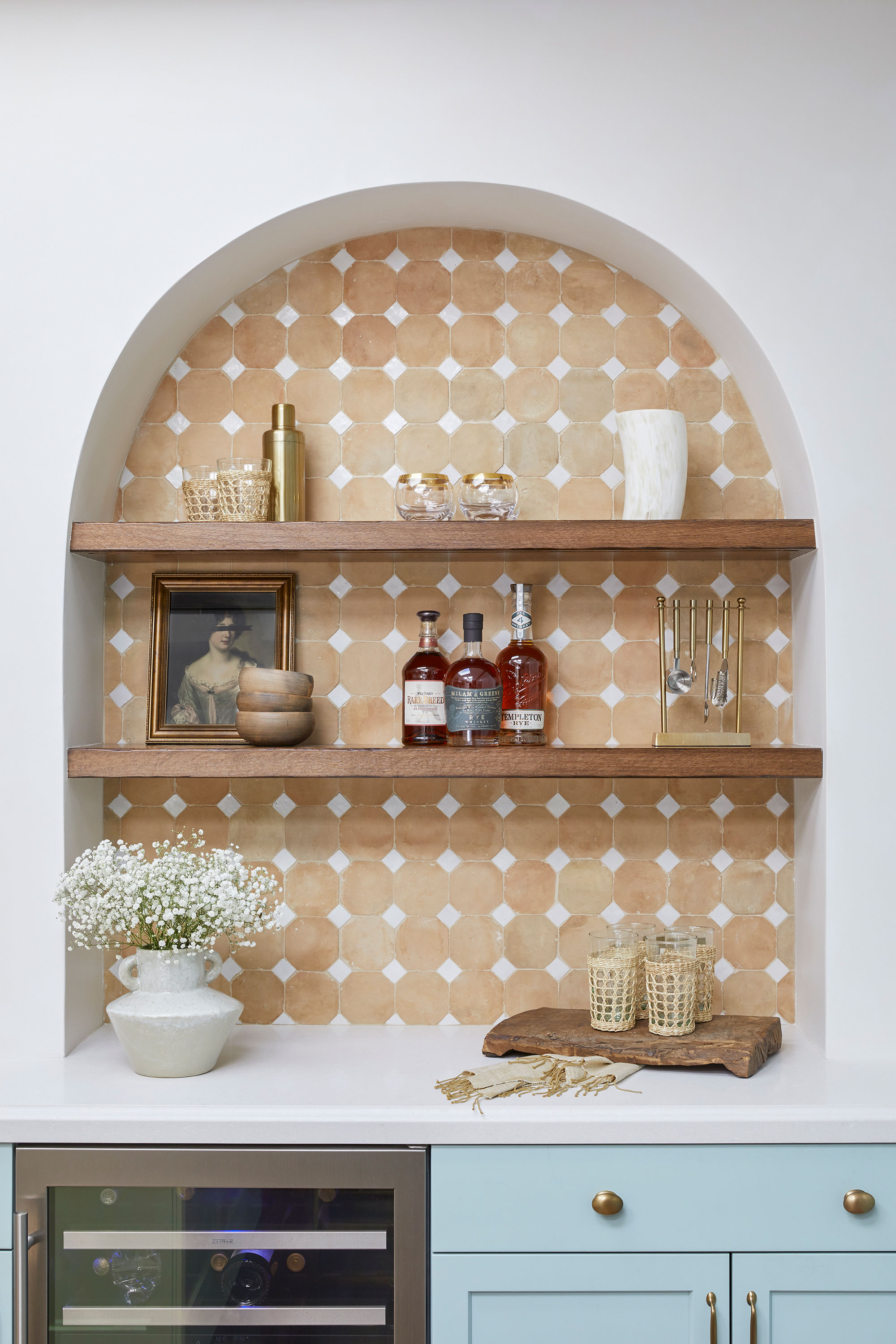
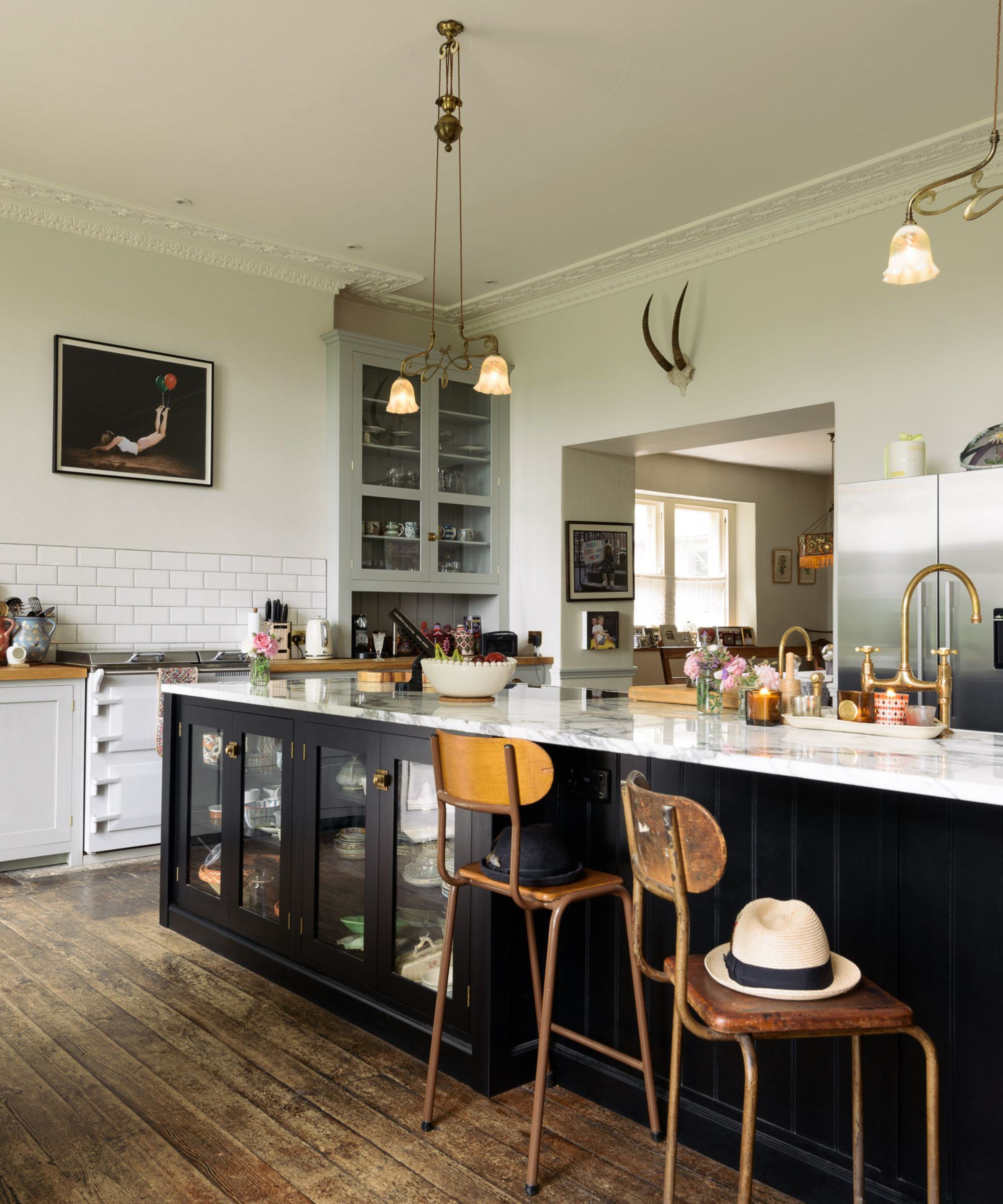
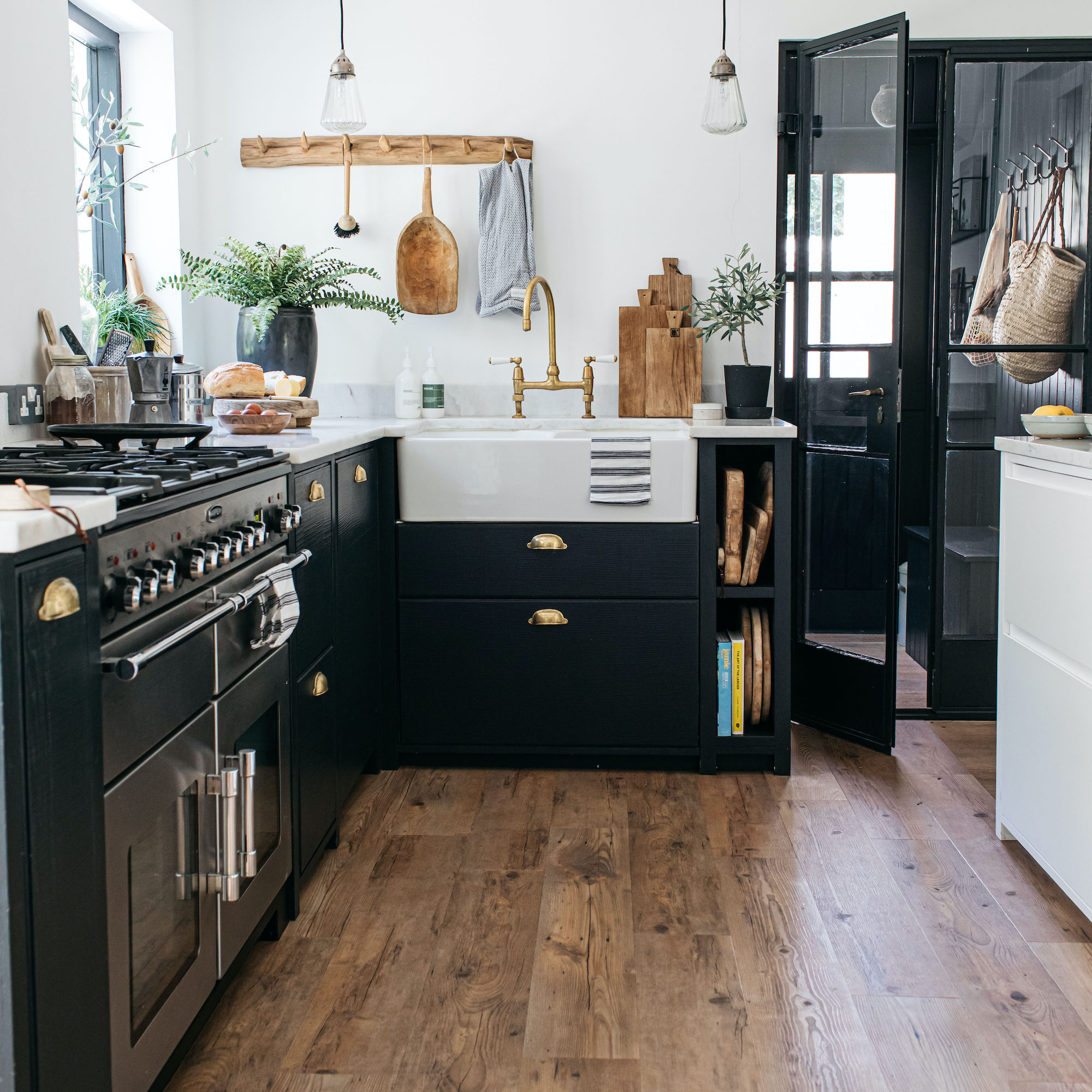
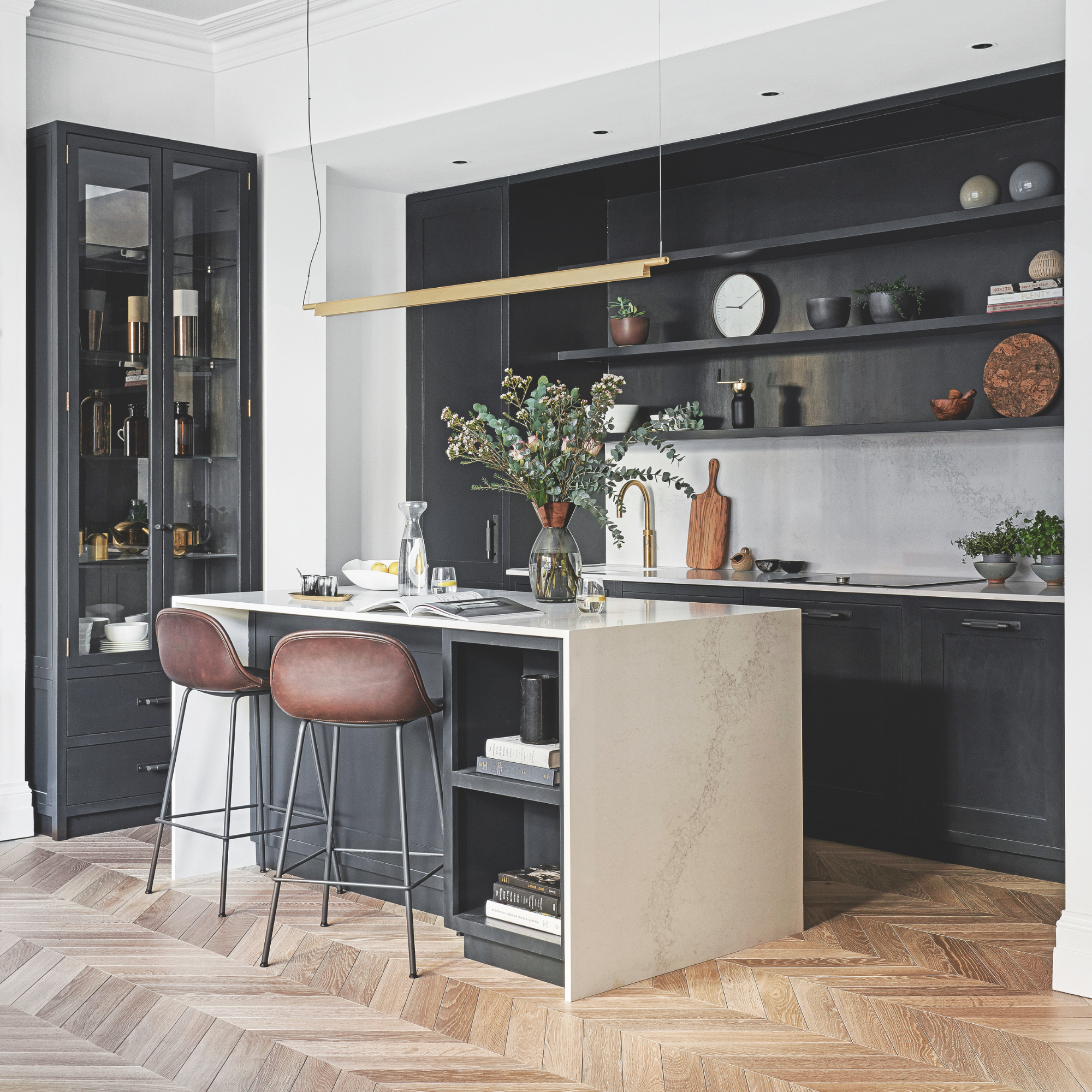
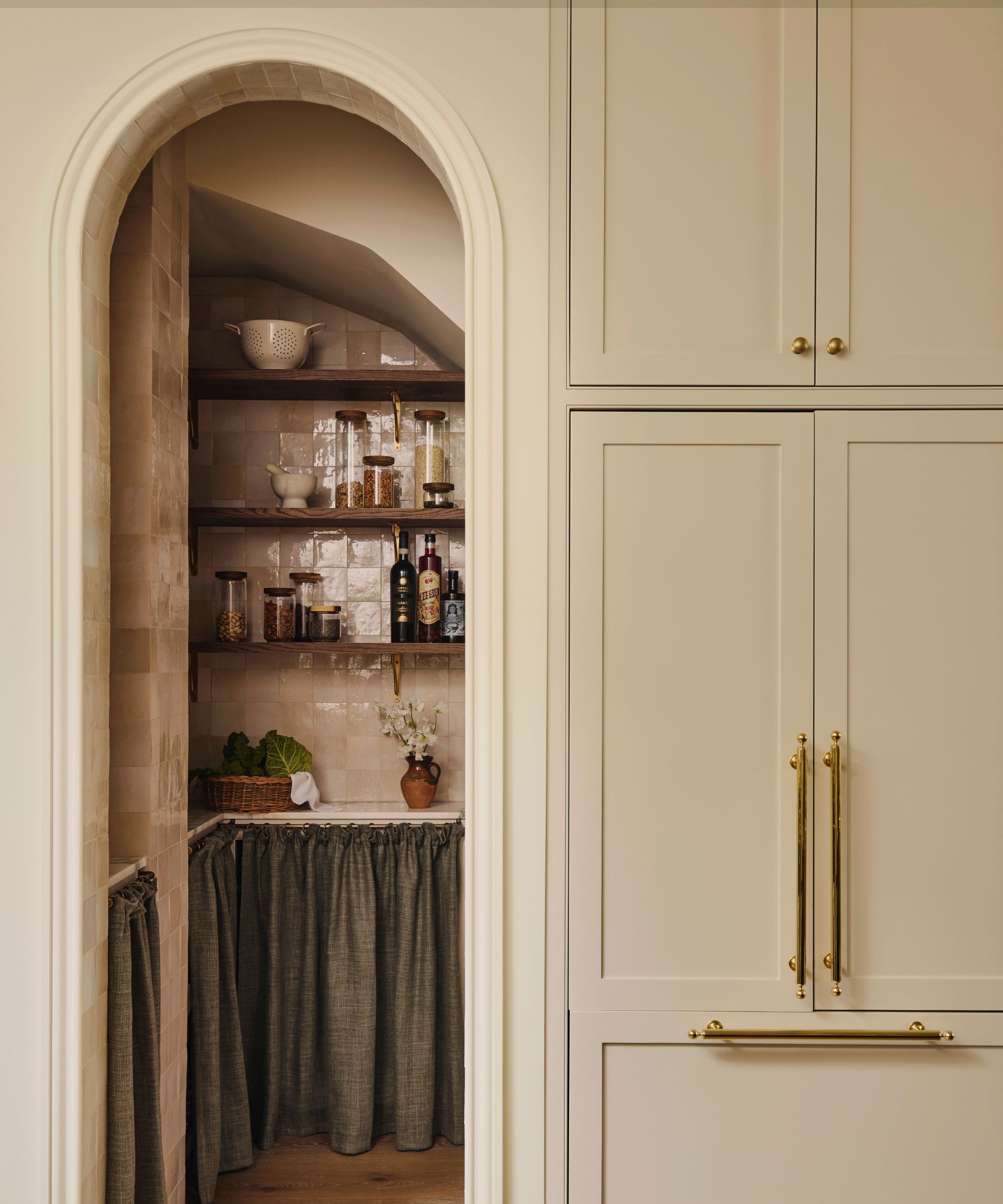
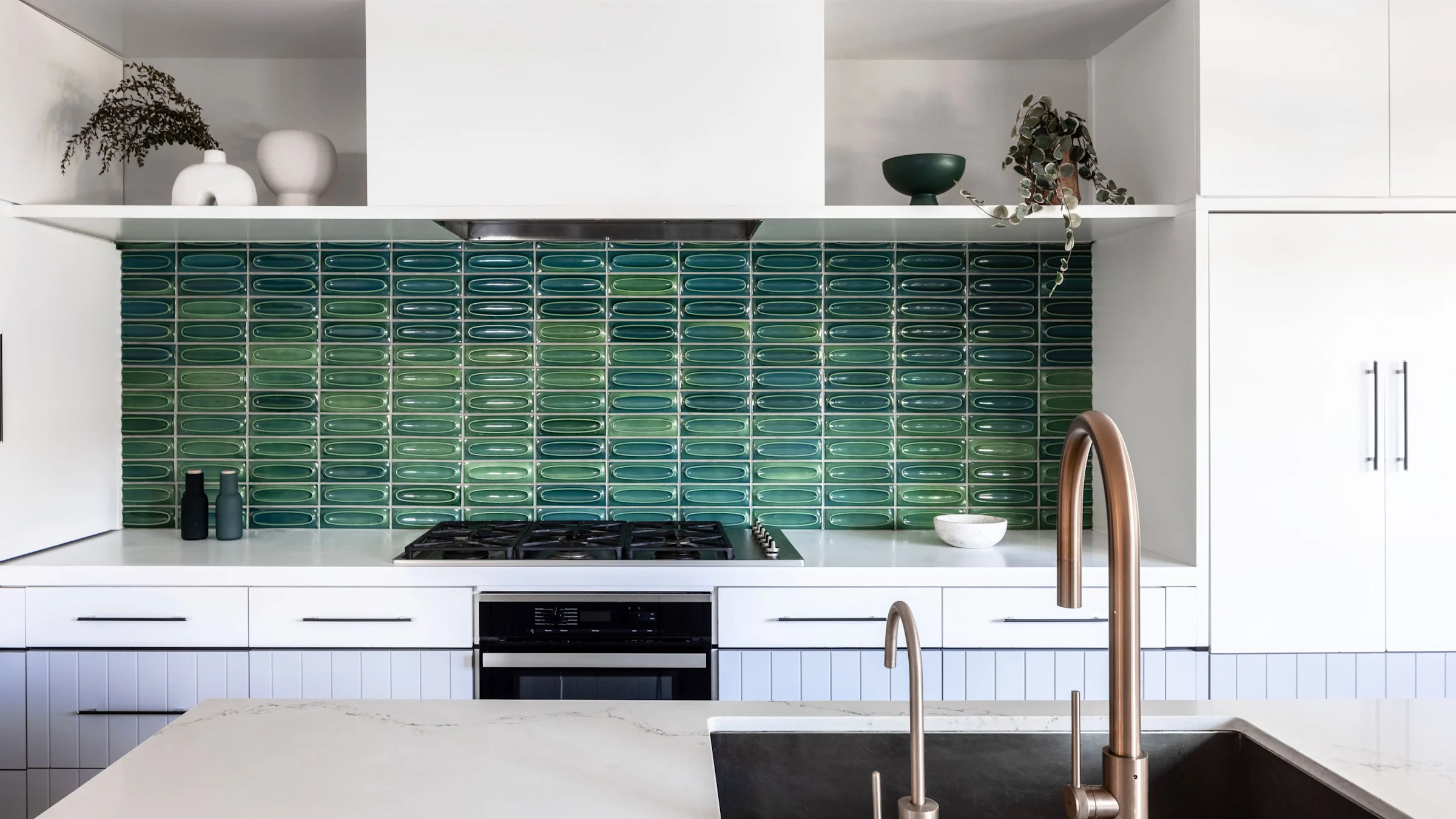
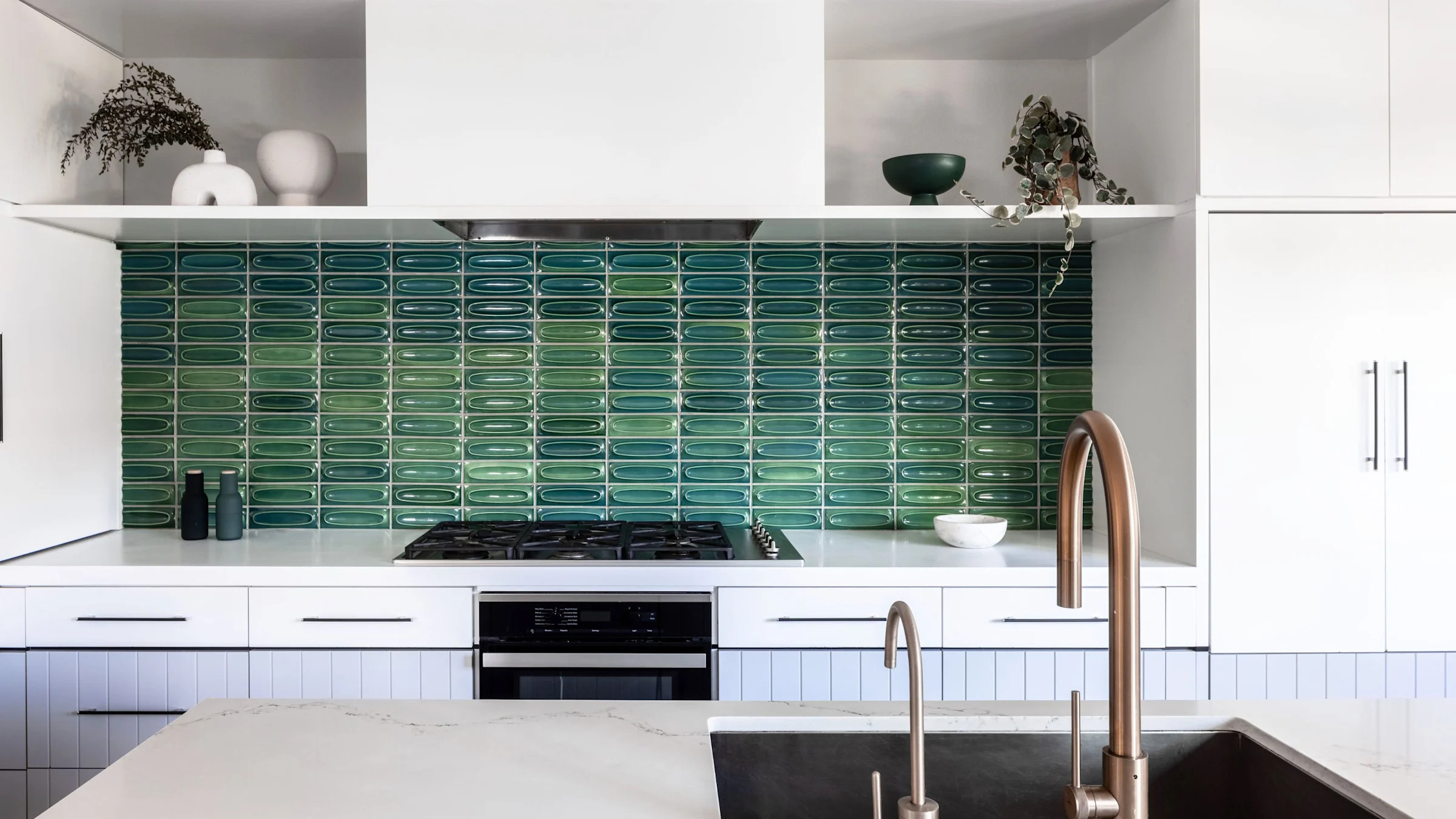
Modernizing classic cabinetry can be as simple as upgrading hardware. Sleek black hardware, for example, can introduce a contemporary edge to Shaker-inspired kitchens, creating a high-contrast look without adding new colors. Handmade tiles, with their varied textures, are suggested for adding a rustic touch to floors and backsplashes, evoking a European charm with their aged quality. Mixing in freestanding antique furniture, such as old butcher's blocks or pastry tables, provides character and flexibility, offering practical benefits while introducing a sense of history. Vintage lighting fixtures are another subtle way to infuse character and can be easily updated or replaced.
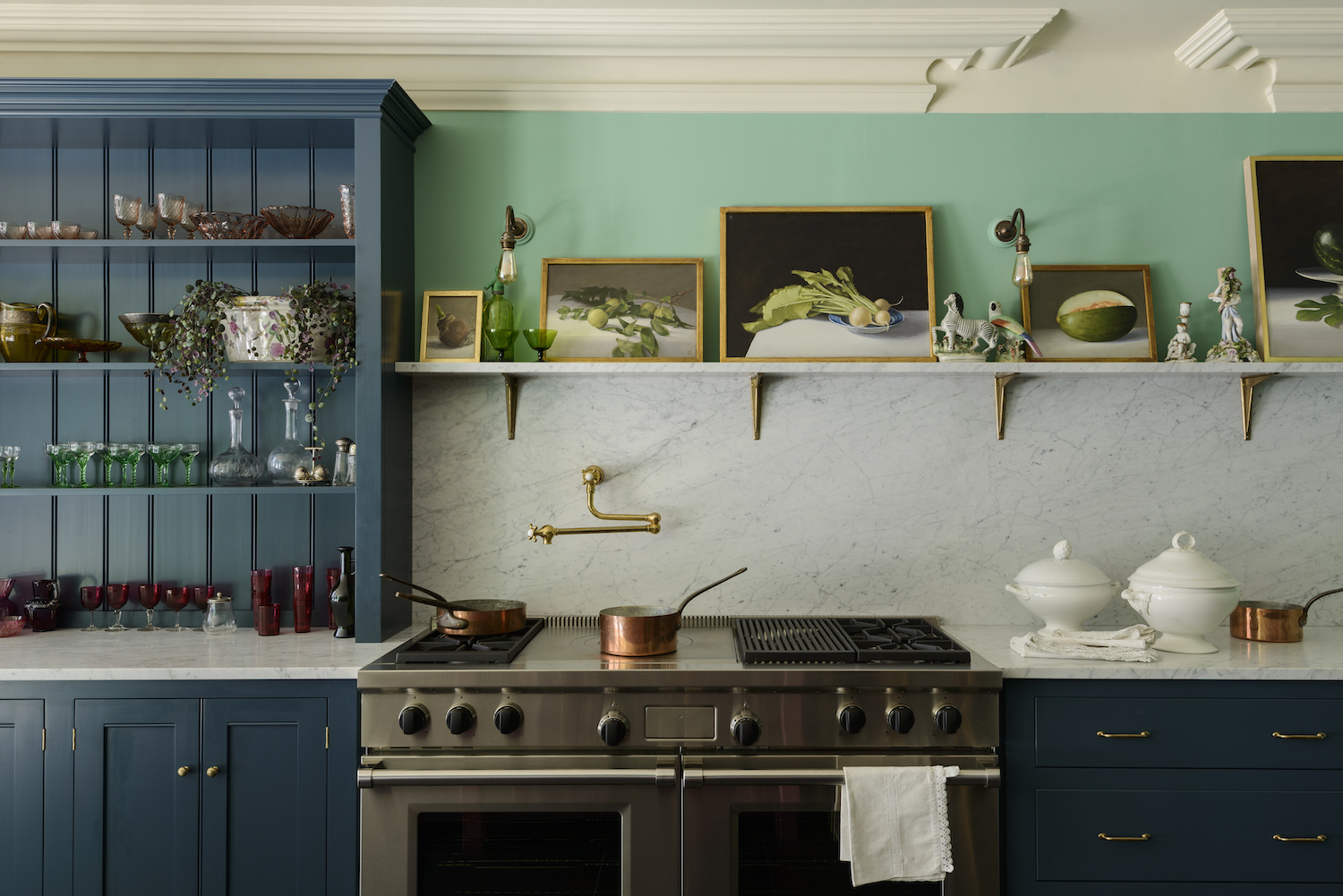
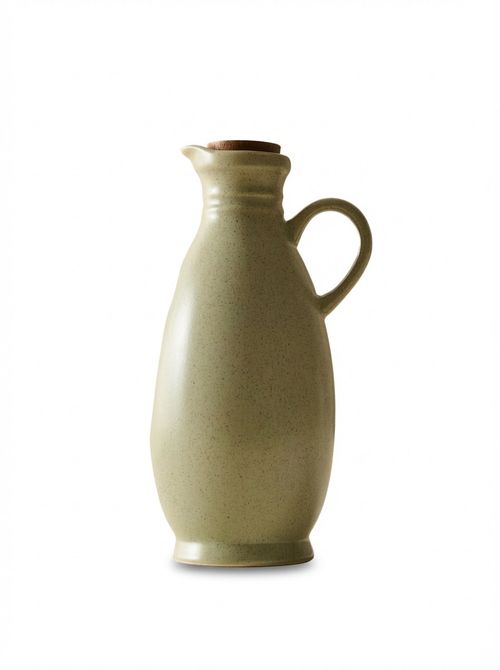
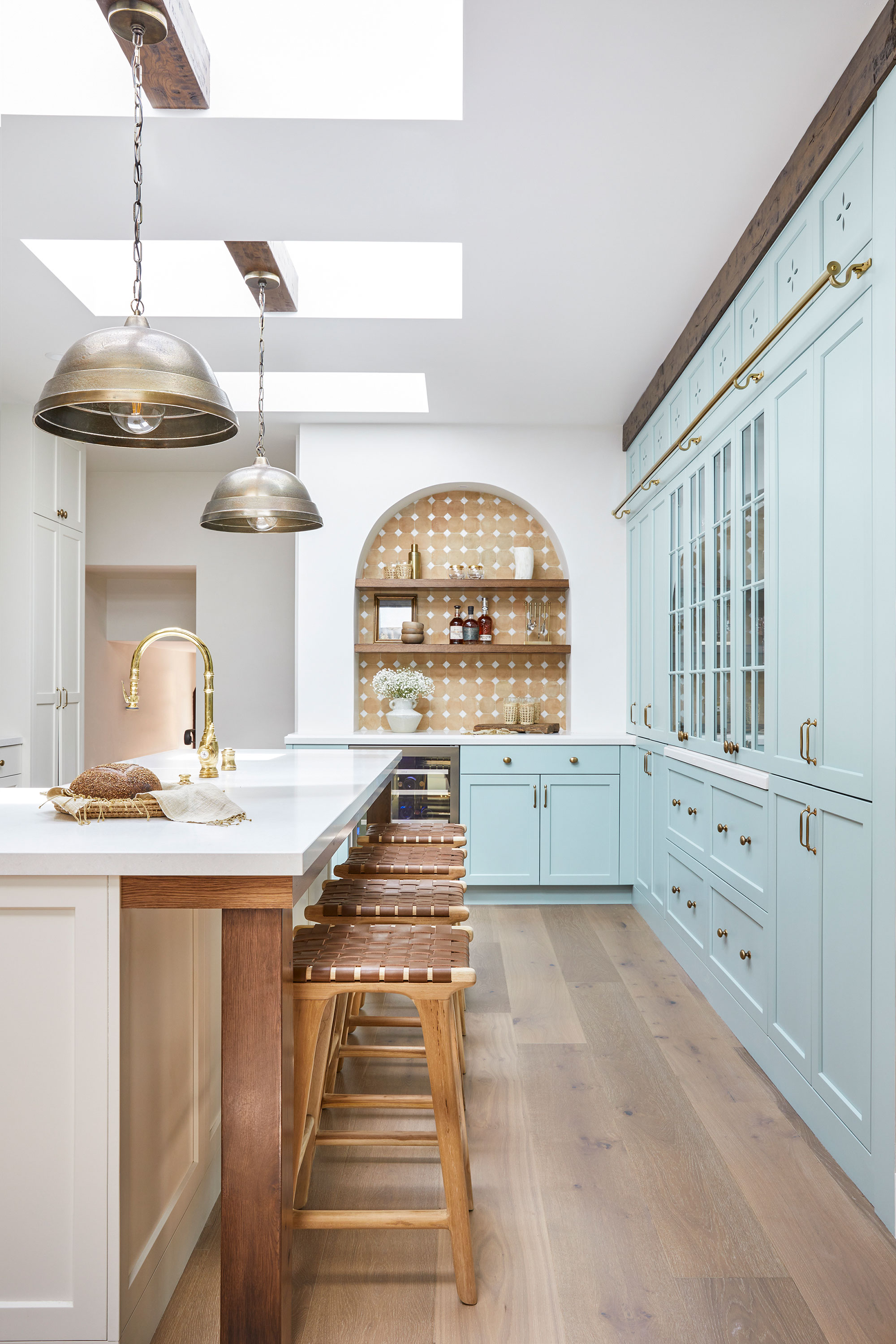
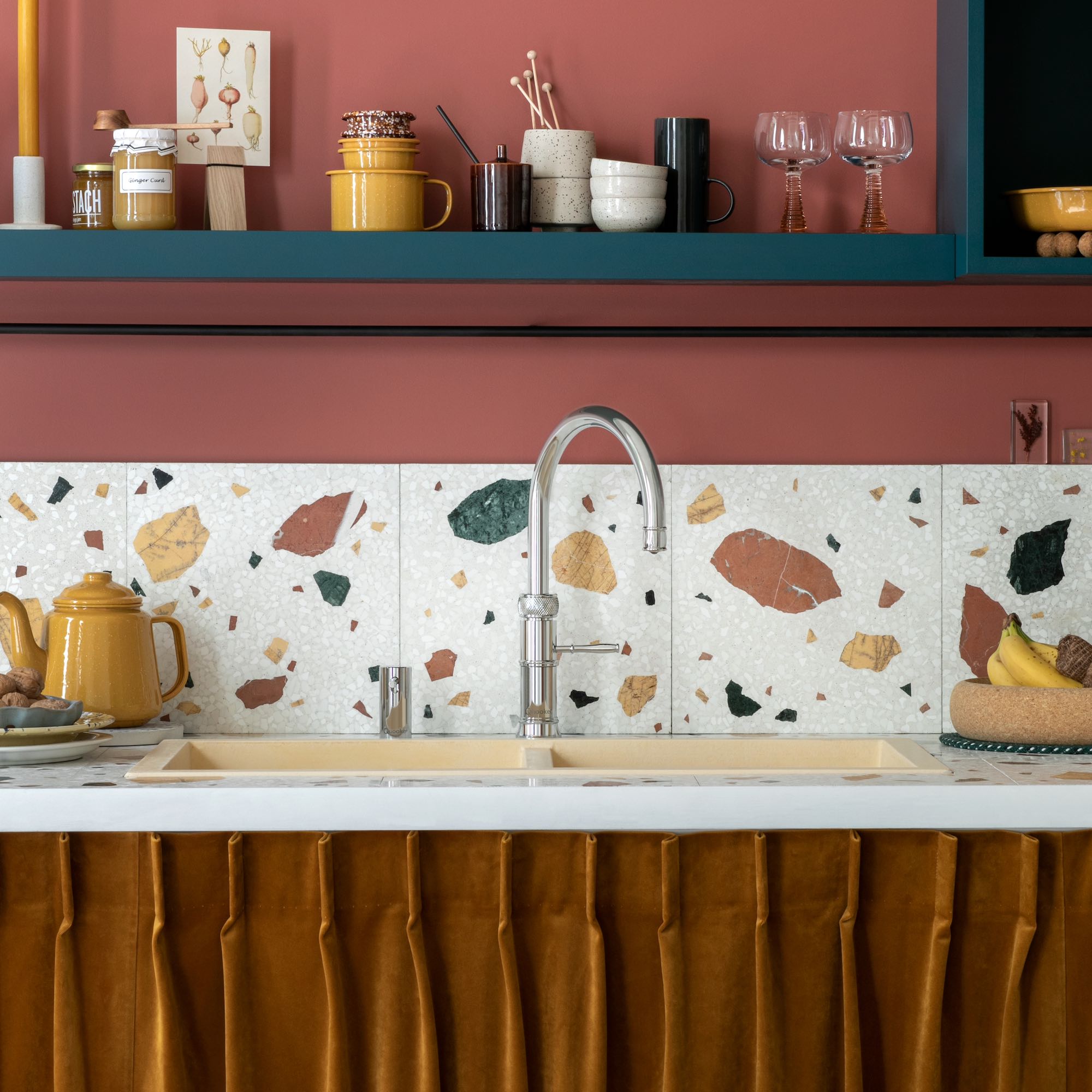
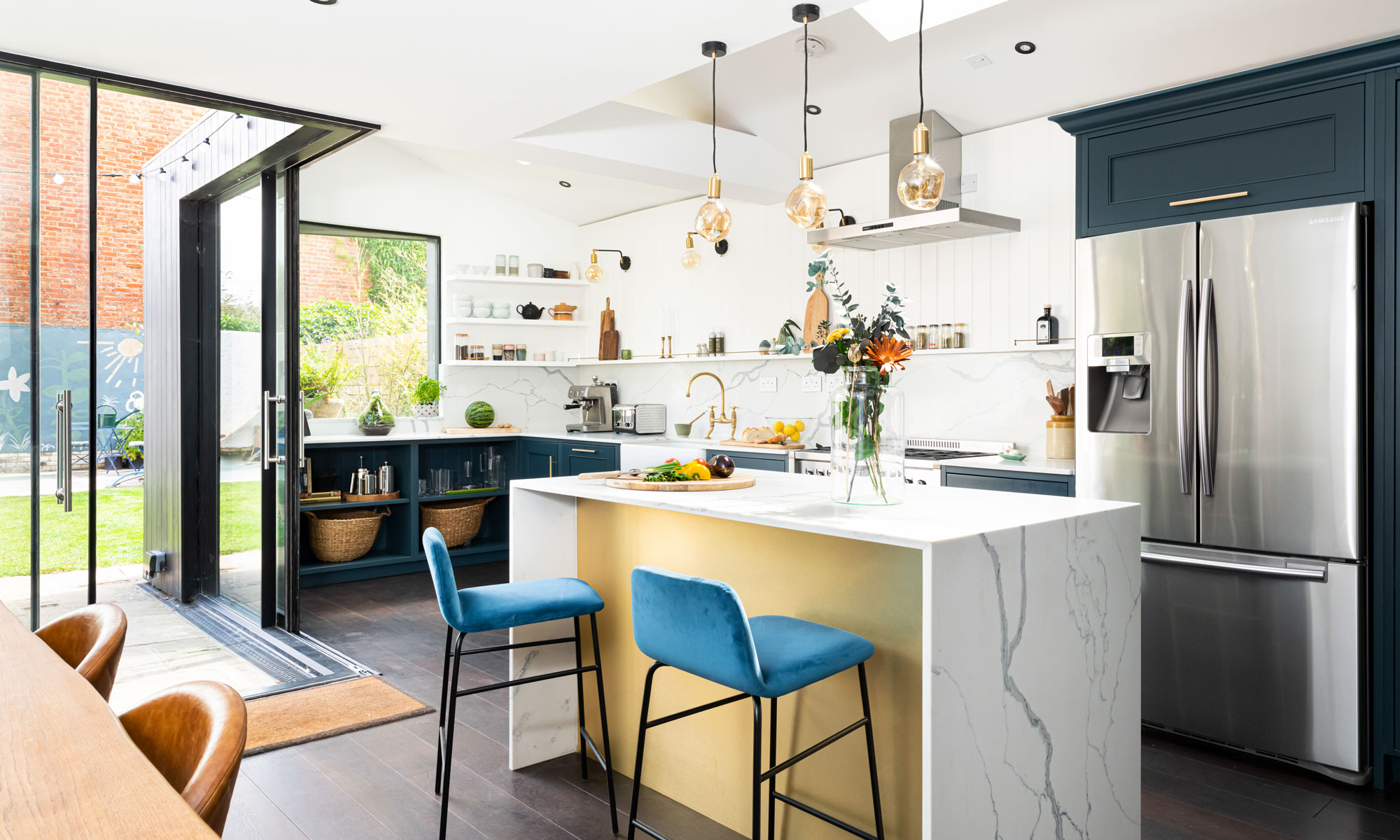
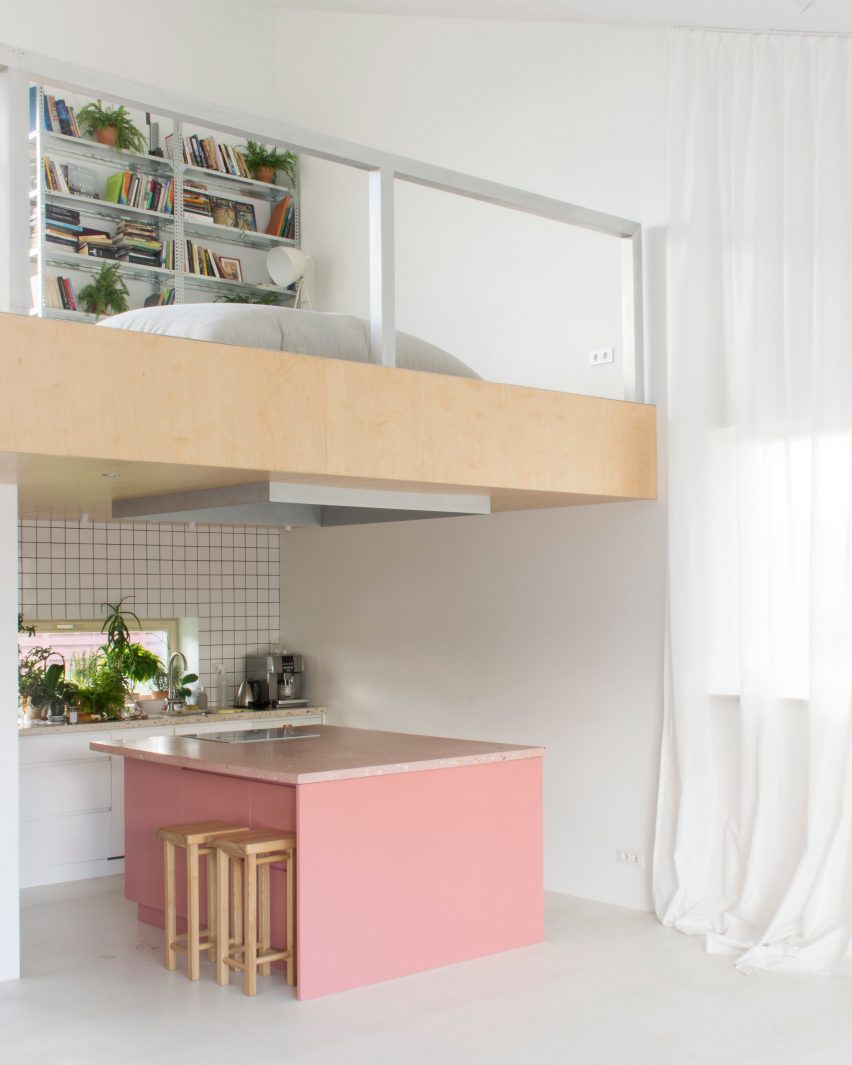
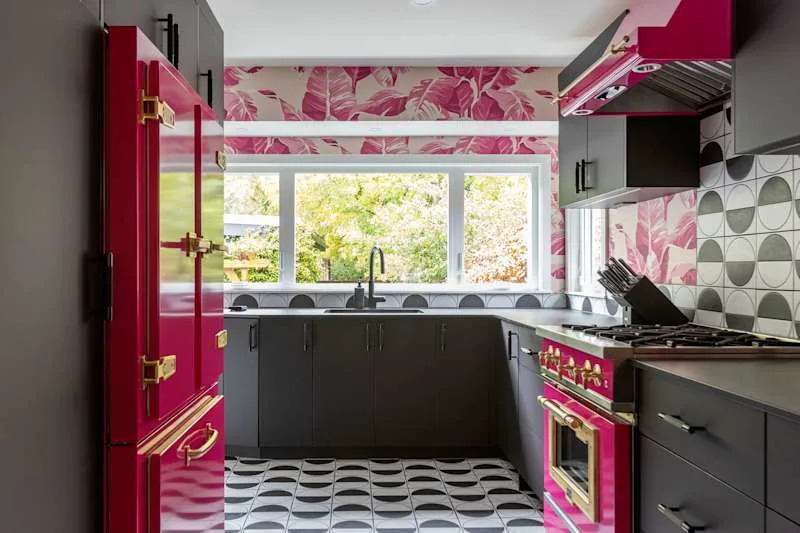
Painting traditional kitchen cabinets in vibrant, unexpected colors creates an interesting juxtaposition for a transitional style. Bold colors like Farrow & Ball's Pea Flower Tea or Benjamin Moore's Blushing Red can bring a modern punch to classic forms. Styling a sleek, modern kitchen with vintage accessories, such as antique chopping boards or French confit pots, instantly adds rustic charm, warmth, and texture. Careful consideration of flooring choice is also essential; wood, particularly rustic or reclaimed boards, can bring warmth and character, with chevron patterns adding a classic yet updated feel.
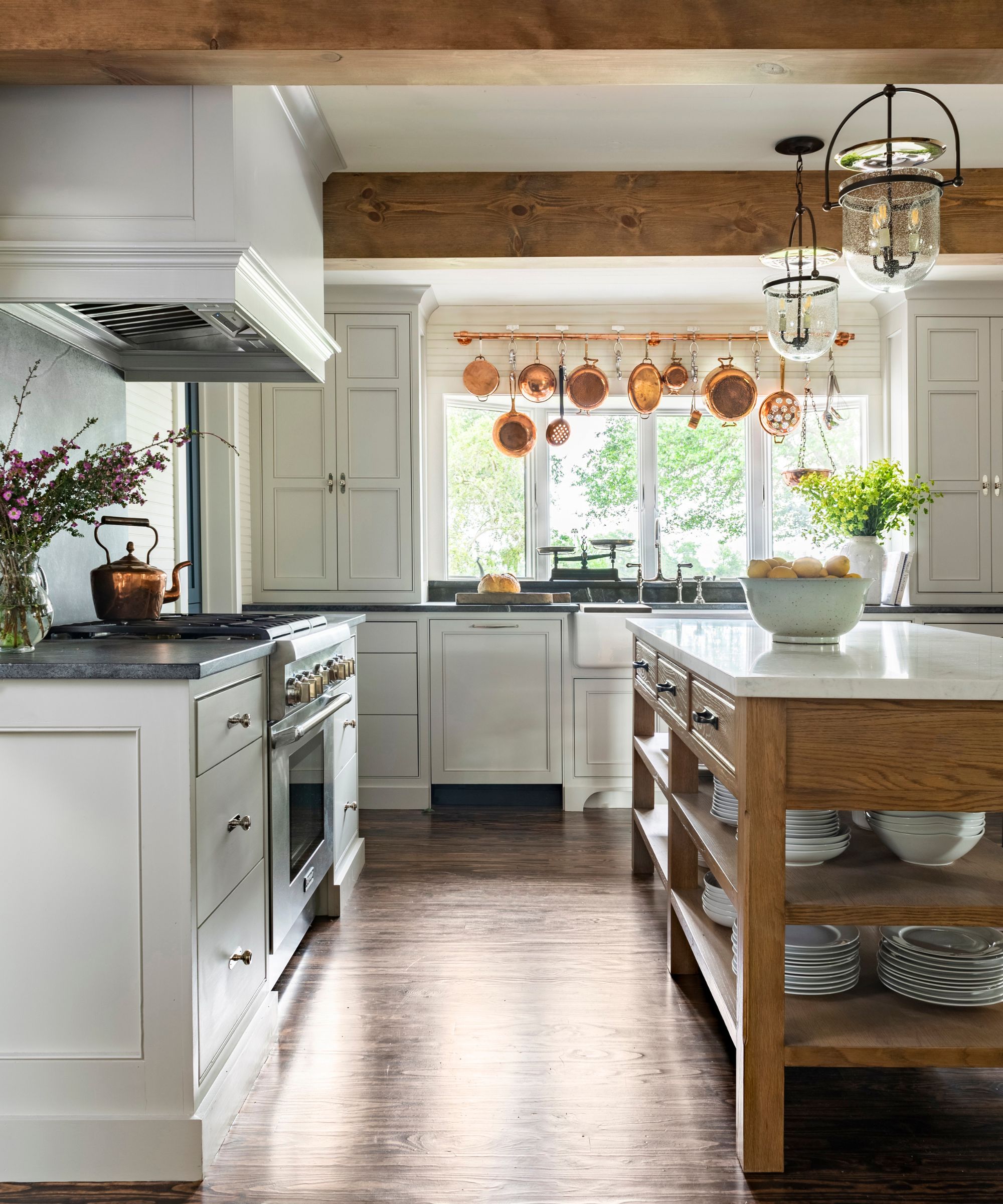
Finally, integrating old-fashioned features like pot hangers can make a modern kitchen feel more transitional by breaking up built-in cabinetry and offering functional storage. Softening a modern kitchen with warm brass tones, through hardware, faucets, and decorative items, provides a timeless finish that leans classic. Overall, transitional kitchens balance the best of old and new, emphasizing longevity and adaptability over fleeting trends, making them a wise investment for any home.
#TransitionalKitchens #KitchenDesign #InteriorDesign #TimelessStyle #HomeRenovation #KitchenCabinets #NaturalMaterials #VintageDecor #ColorTrends #TransitionalKitchens #KitchenDesign #InteriorDesign #TimelessStyle #HomeRenovation #KitchenCabinets #NaturalMaterials #VintageDecor #ColorTrends
0 comment in total
 No comments yet
You may also like
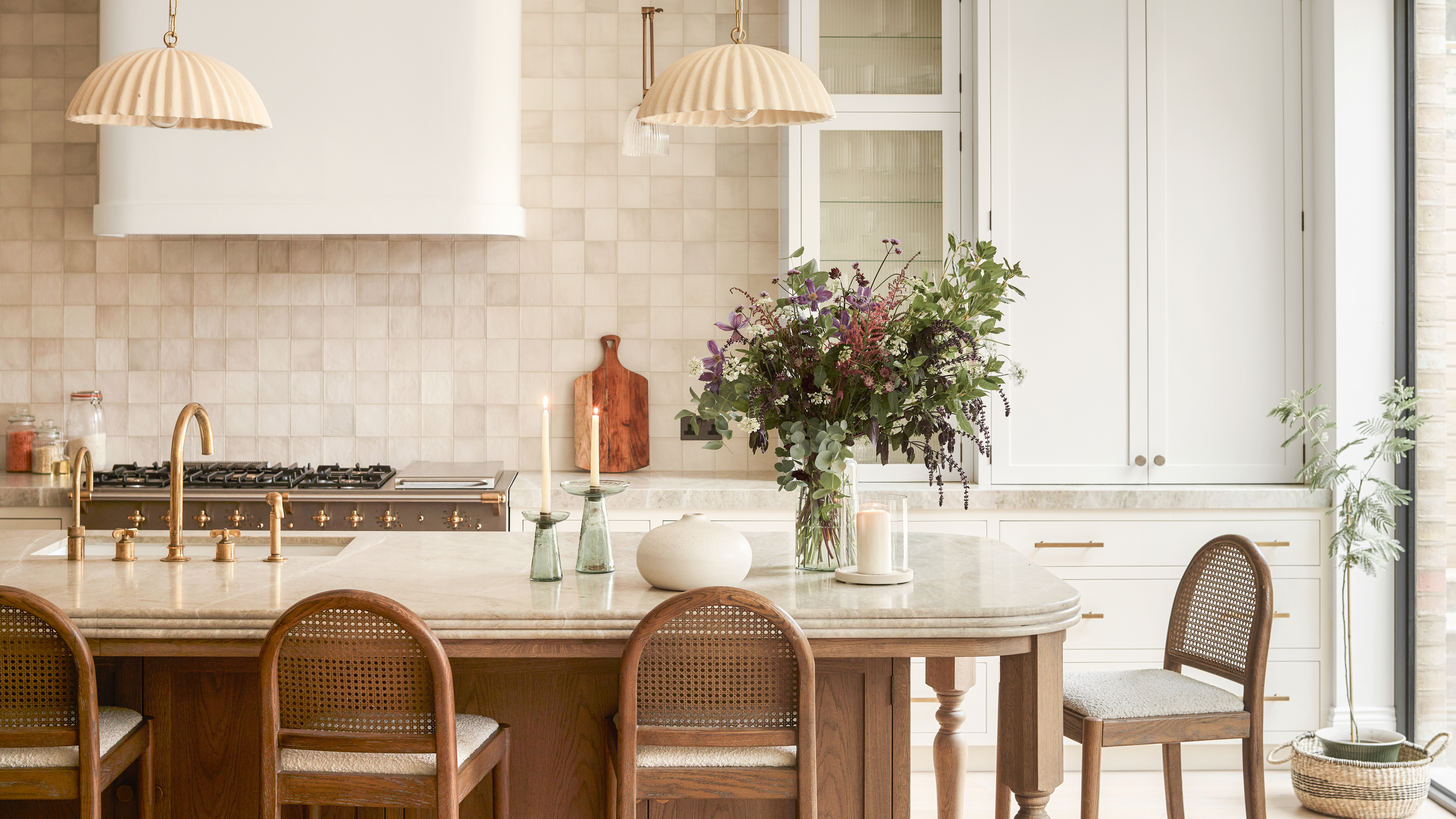
Transitional-Style Kitchens — 13 Ideas to Blend the Best of Traditional and Modern Elements in Your Design

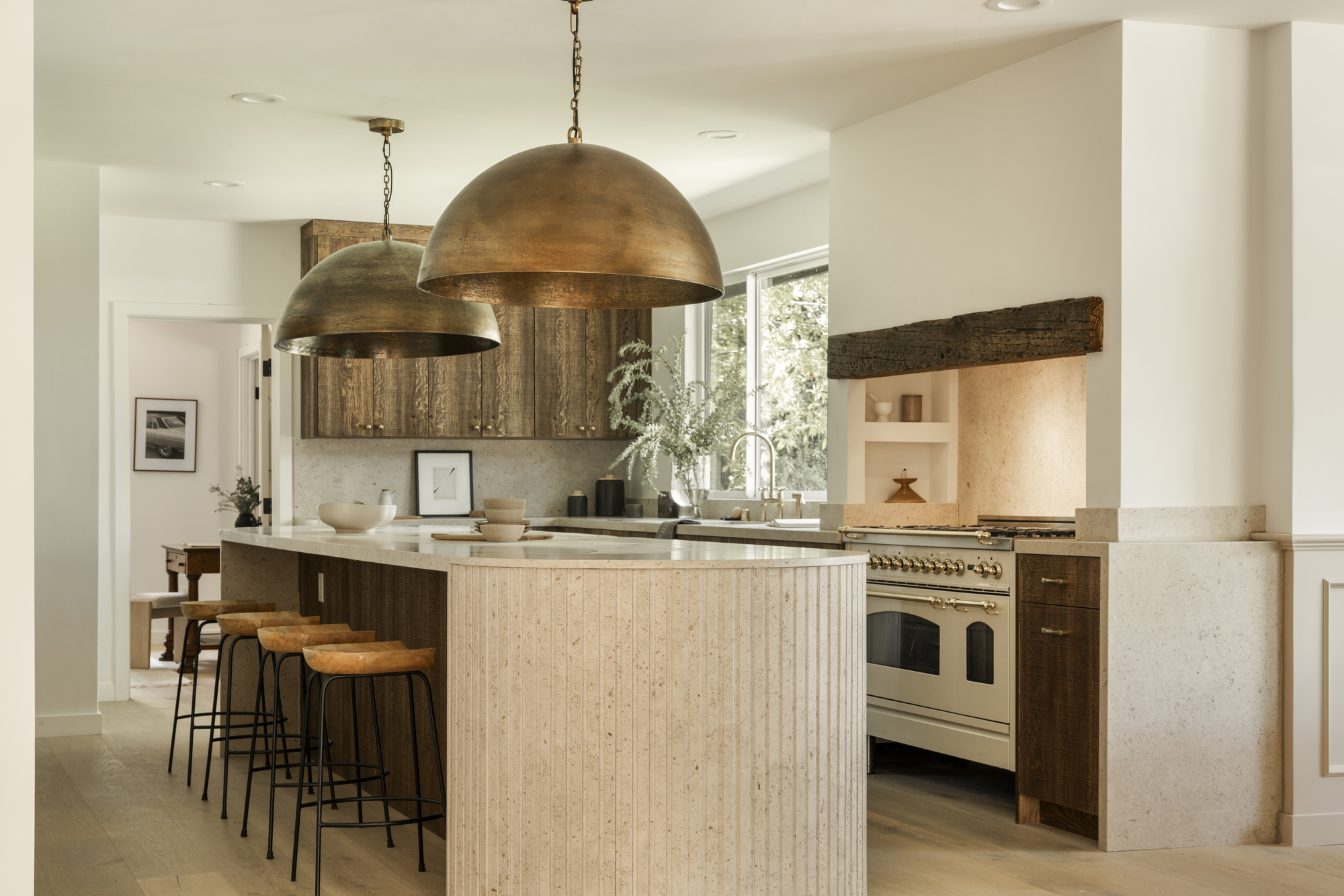
6 Before and After Kitchen Makeovers That Went From Seriously Dated to So Modern
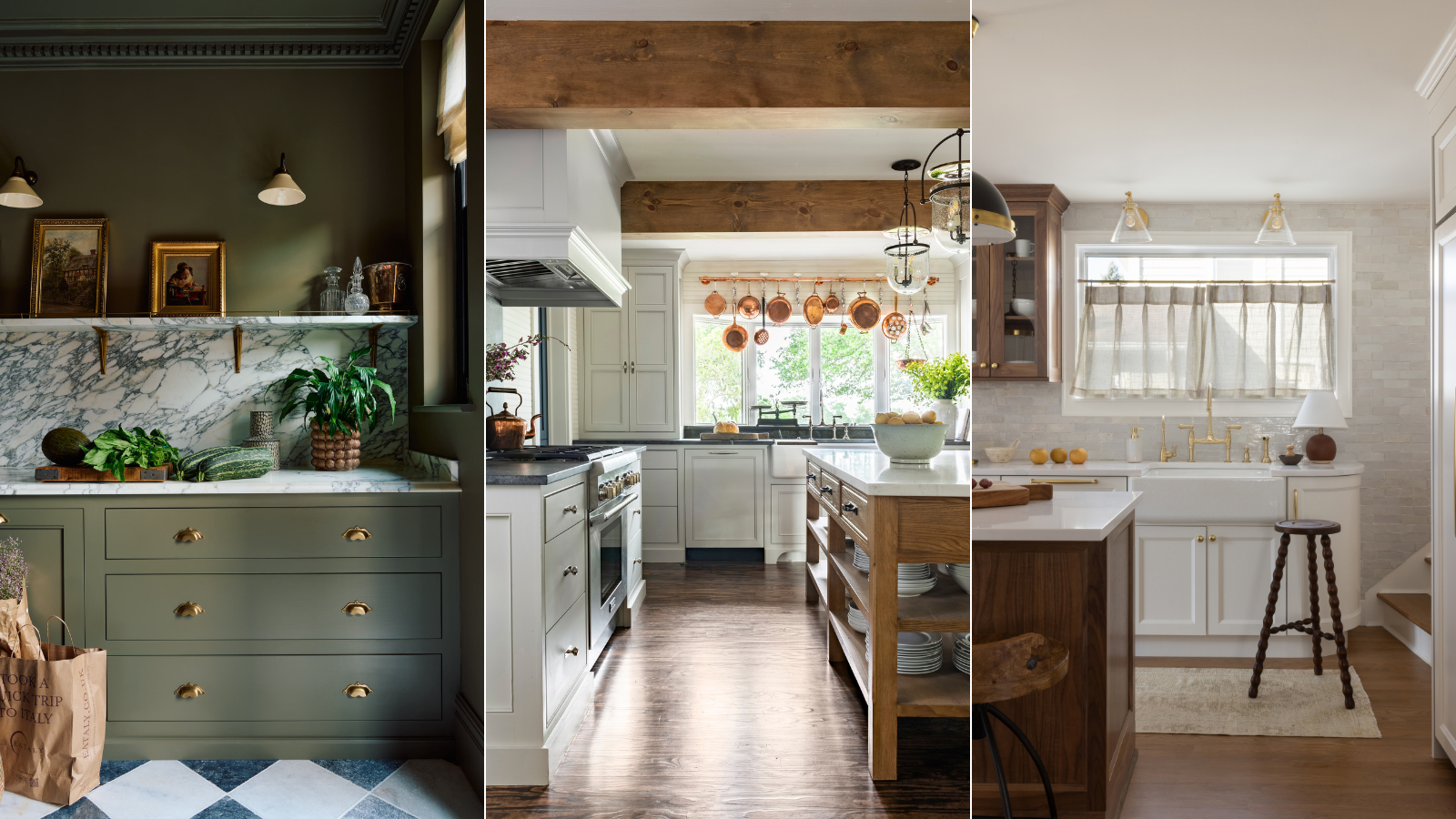
How to bring vintage pieces into a kitchen – 6 easy ways to add instant charm
10 'Mix and Match' Cabinet Ideas That Will Make Your Kitchen Look So Much More Interesting

SEE IT: 3 creative interior design looks to help with your kitchen remodel
Best of Design: New Kitchen

The Popular Kitchen Style You'll See Everywhere In 2026
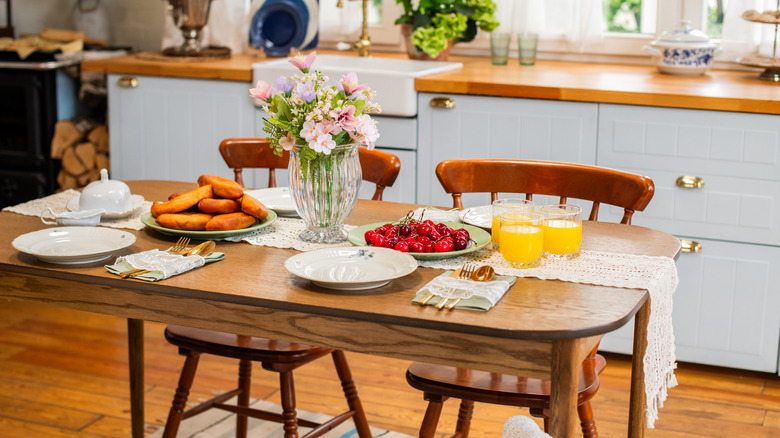
16 Outdated Kitchen Features That Are Unexpectedly Coming Back In Style
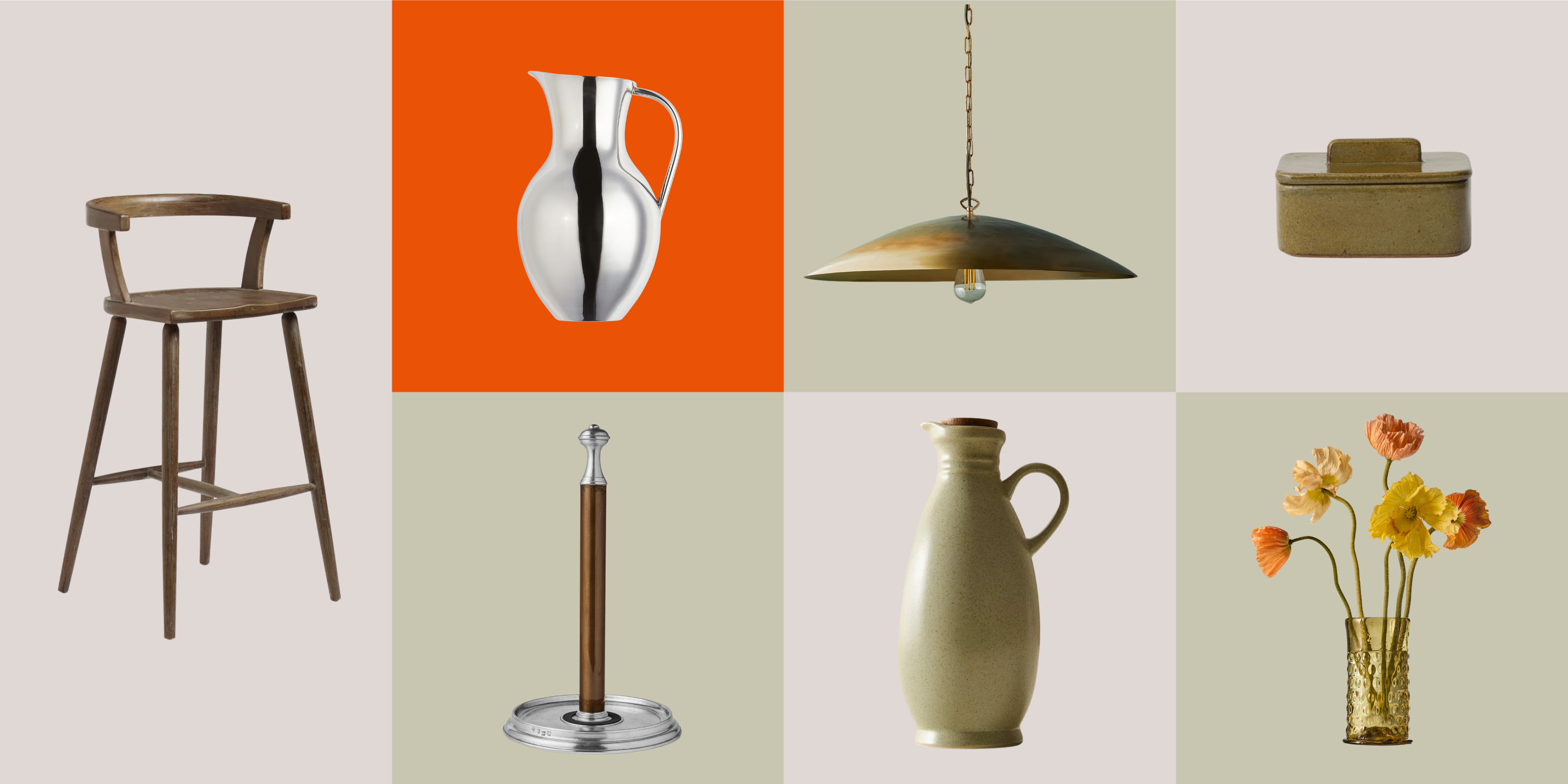
Transitional Kitchen Decor — 28 Modern Heritage Finds |
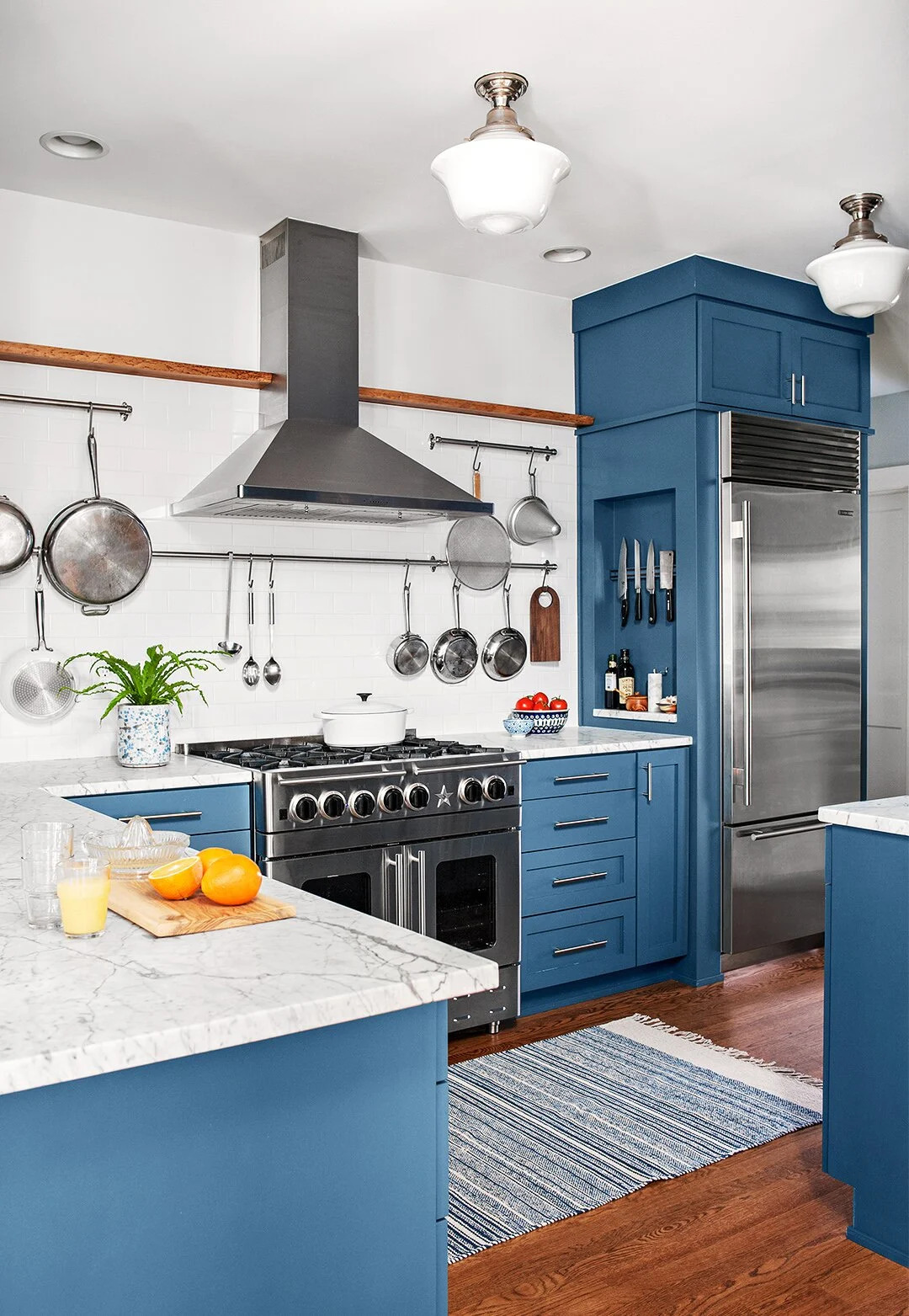
Transitional Style Kitchens Are Most Popular—Here's How to Ace the Look

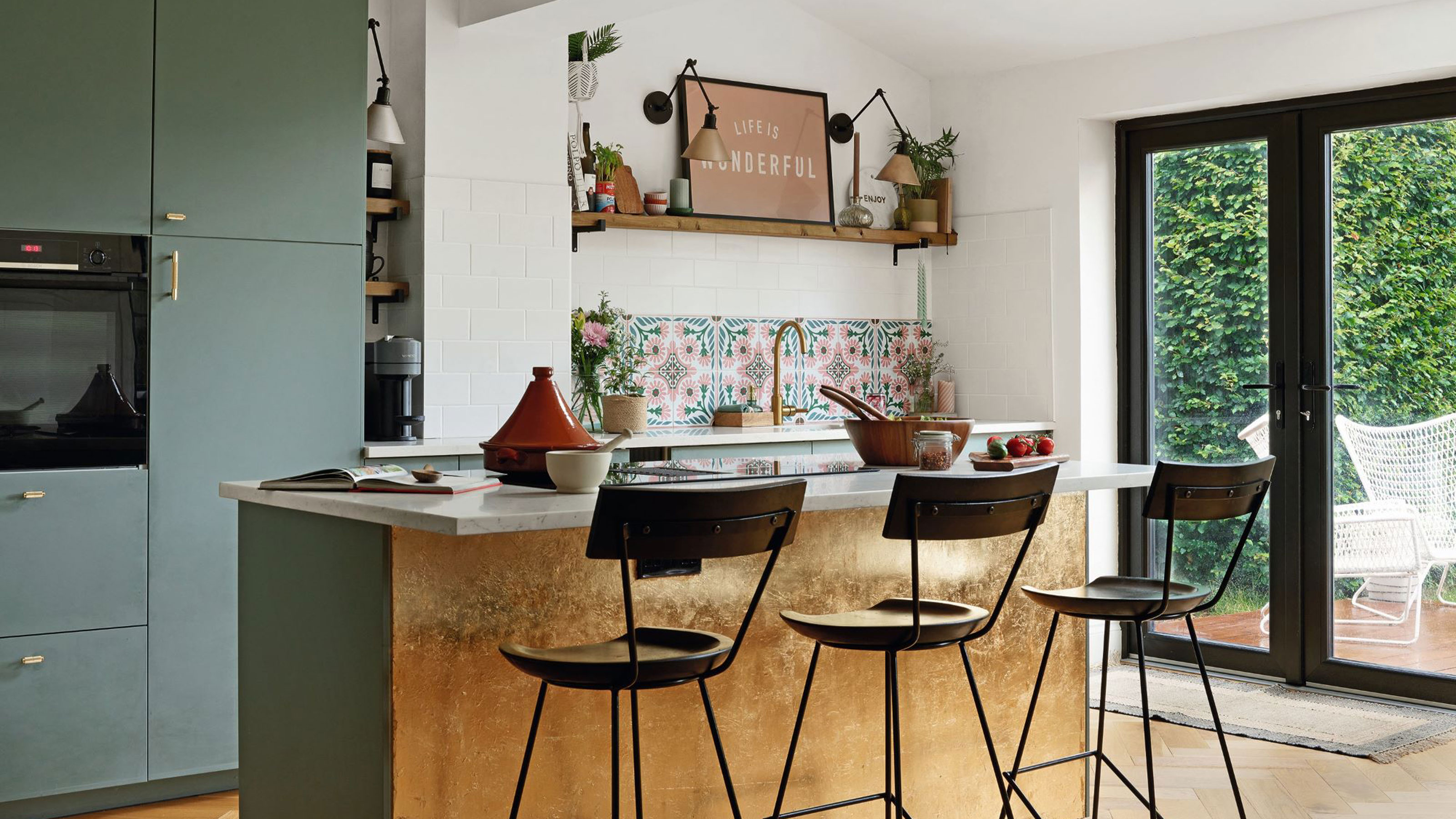
I’ve renovated four kitchens - these are the 7 trends I regret falling for, and what I'd now do instead
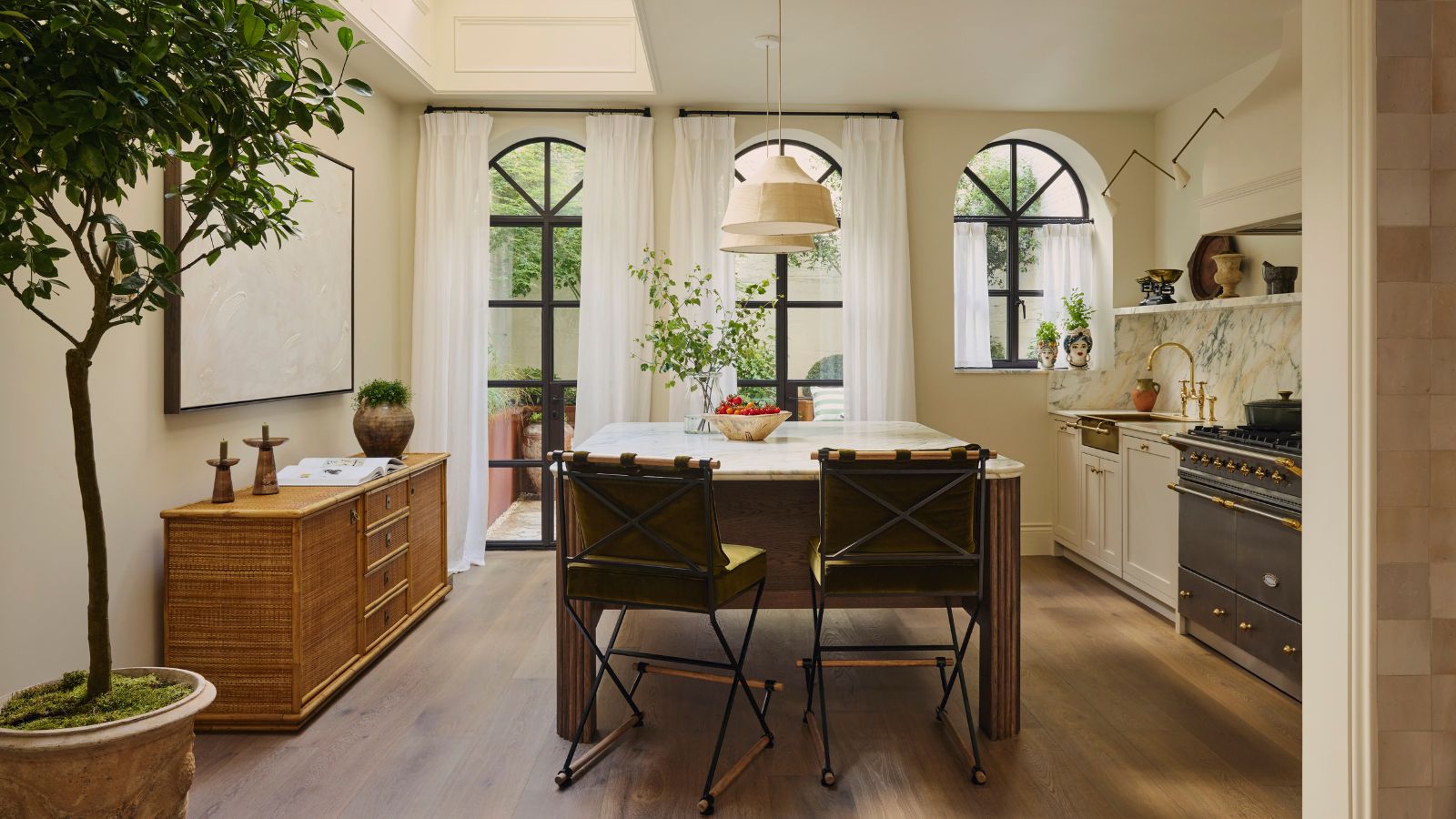
This once-dated kitchen has been completely reimagined into a timeless, elegant space, thanks to a warm neutral palette and artful layering
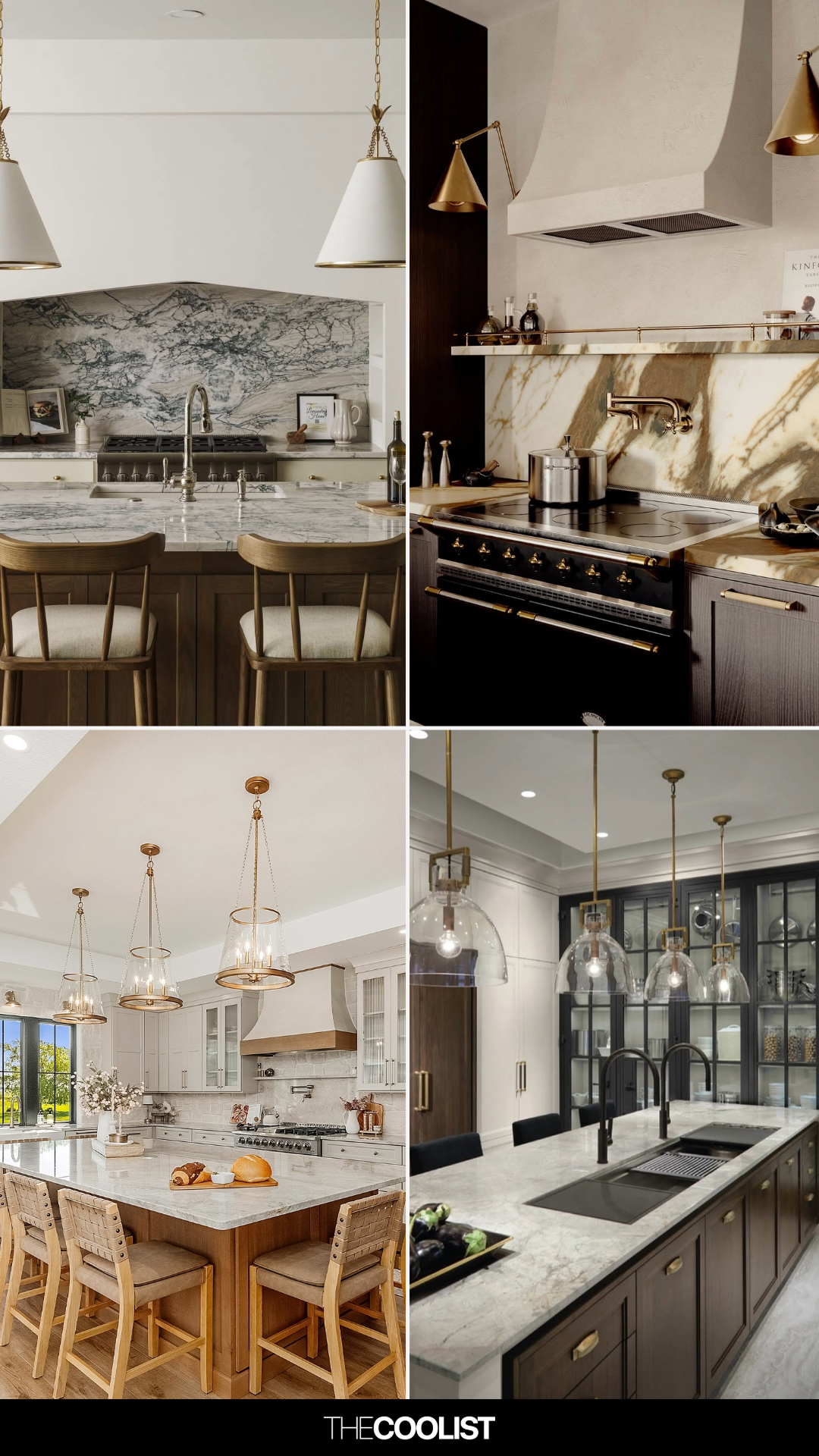
27 Transitional Kitchen Ideas You’ll Wish You’d Seen Before Signing Off on Your Remodel
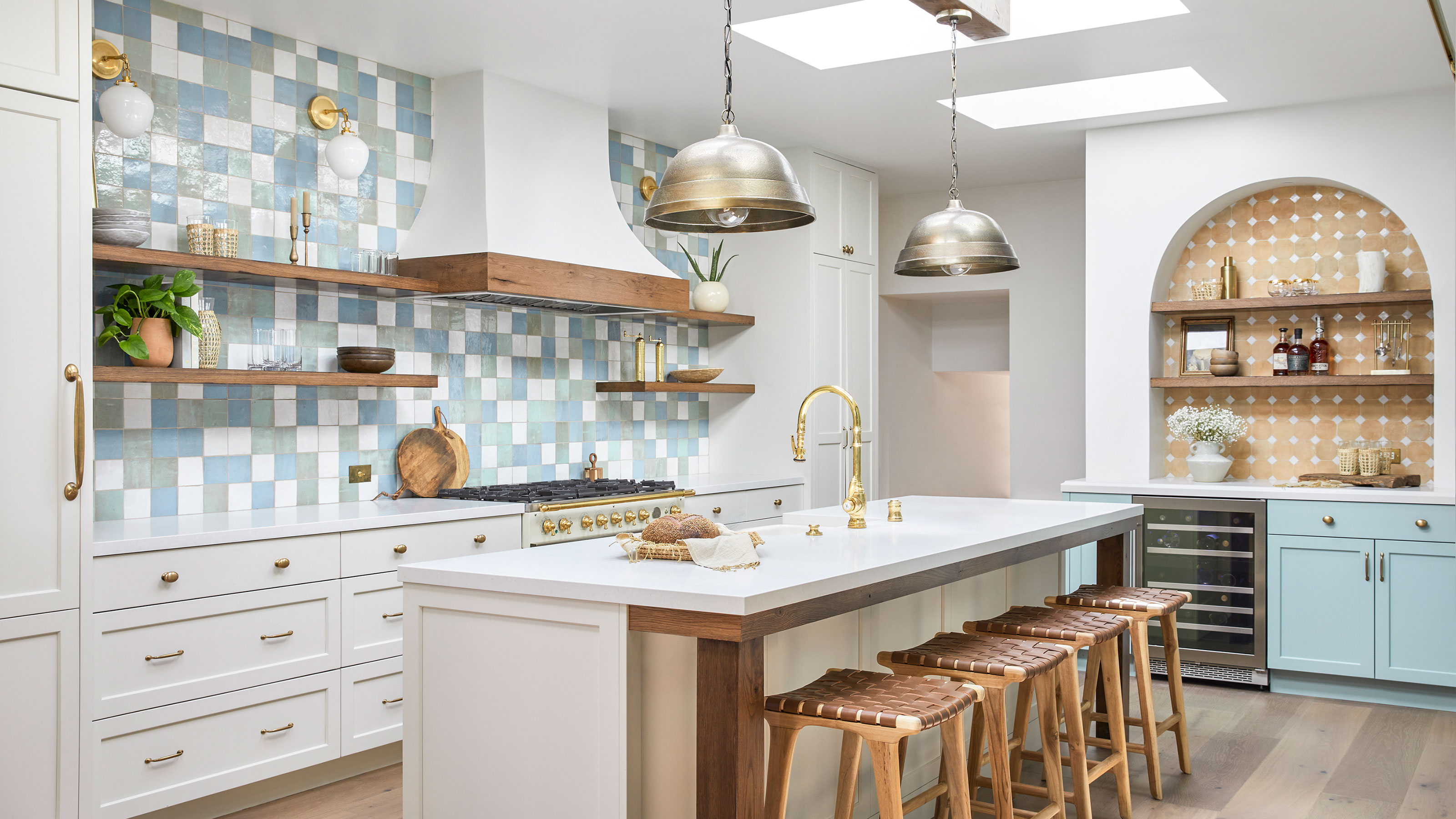
9 ways this bright kitchen remodel gives original features a new chance to shine
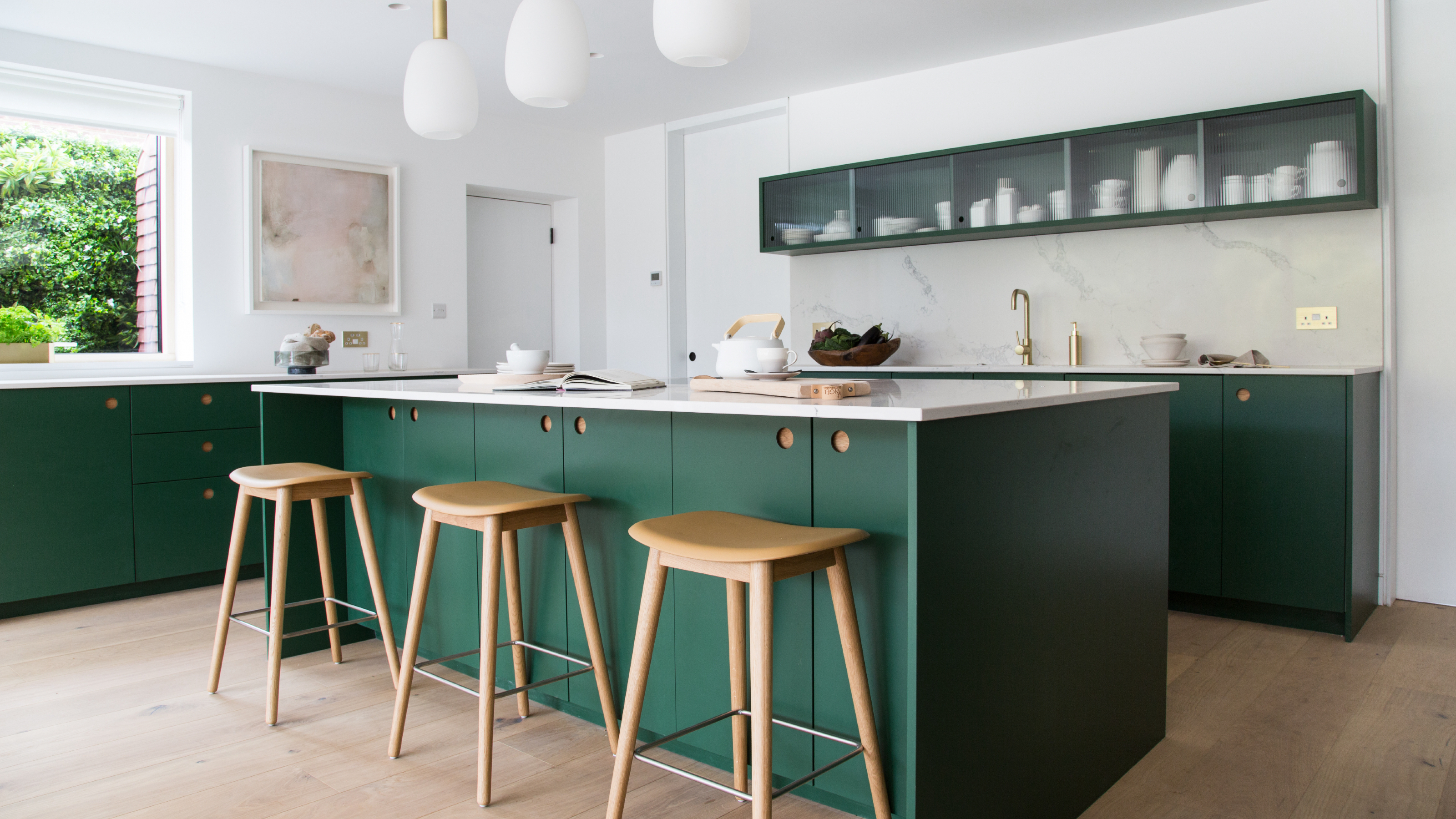
37 modern kitchen ideas – transform this key room into a contemporary space
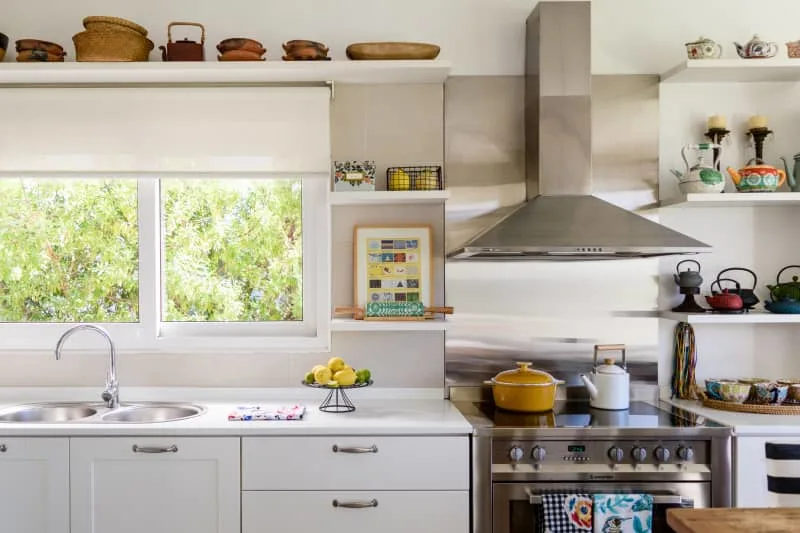
15 Gorgeous Modern Kitchen Ideas That’ll Never Go Out of Style
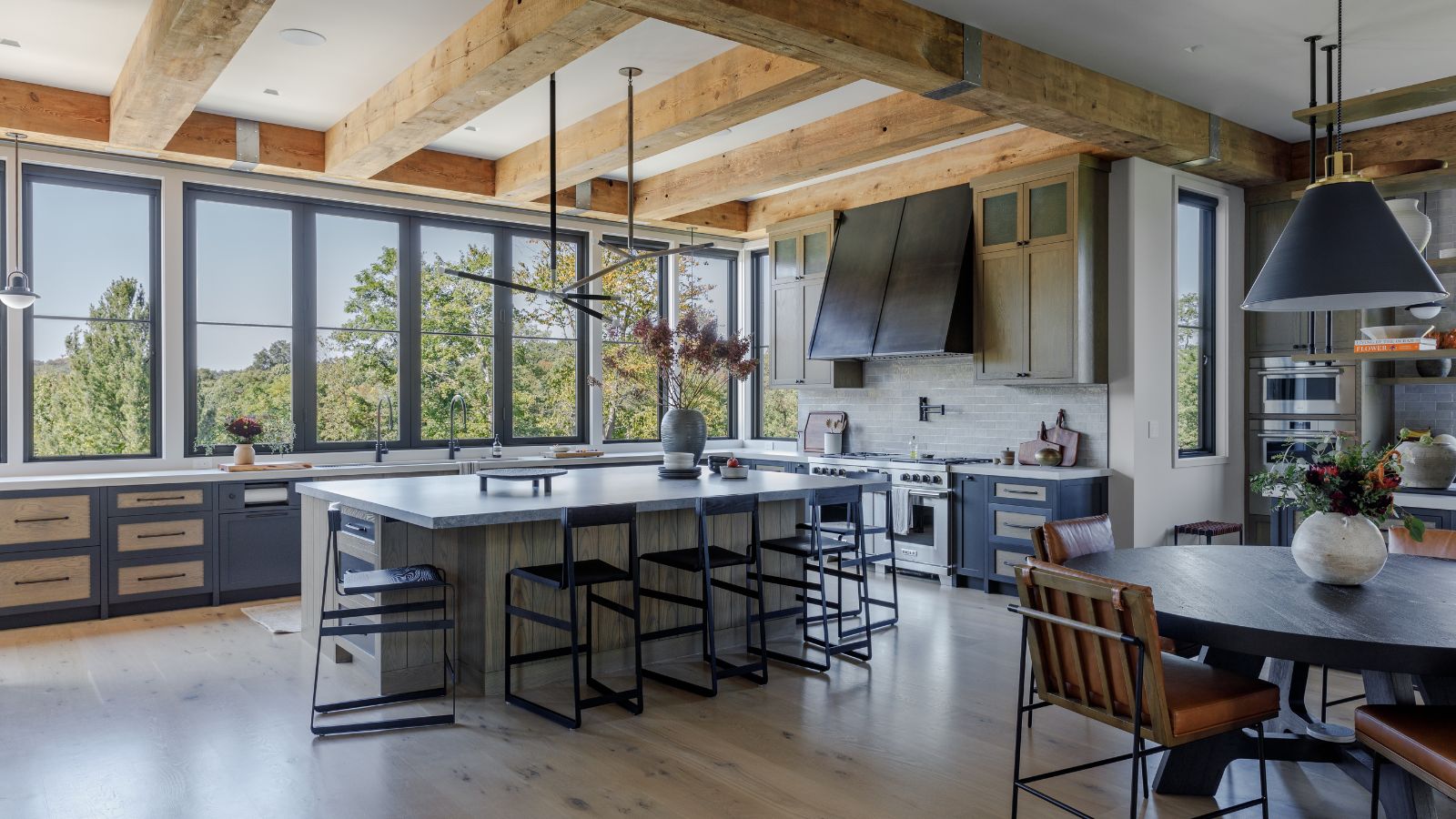
Explore a transitional kitchen that expertly blends industrial style with the softness of organic modernism
12 "Outdated" Kitchen Trends You Should Ditch In 2025 (But You Probably Have)

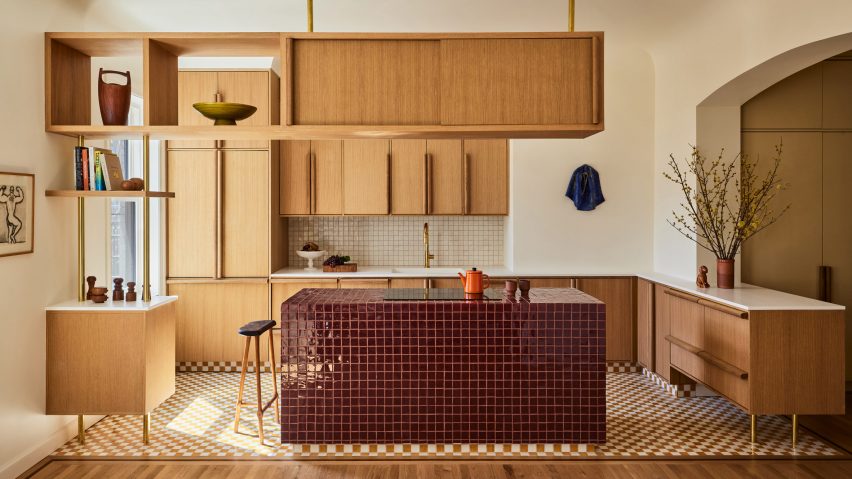
Ten kitchen design ideas from Dezeen's lookbooks

10 'Mix and Match' Cabinet Ideas That Will Make Your Kitchen Look So Much More Interesting