1/14
Transitional-Style Kitchens — 13 Ideas to Blend the Best of Traditional and Modern Elements in Your Design
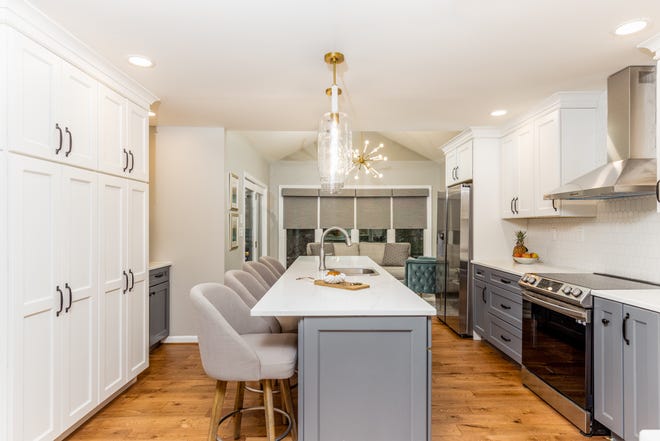
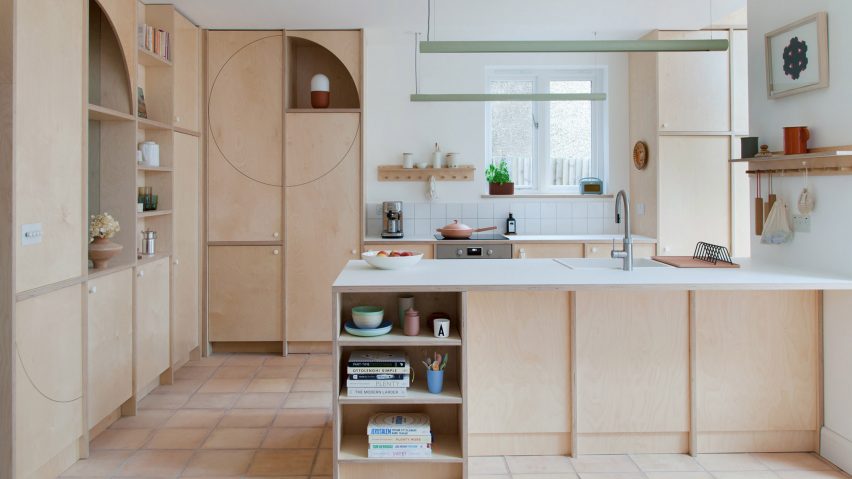
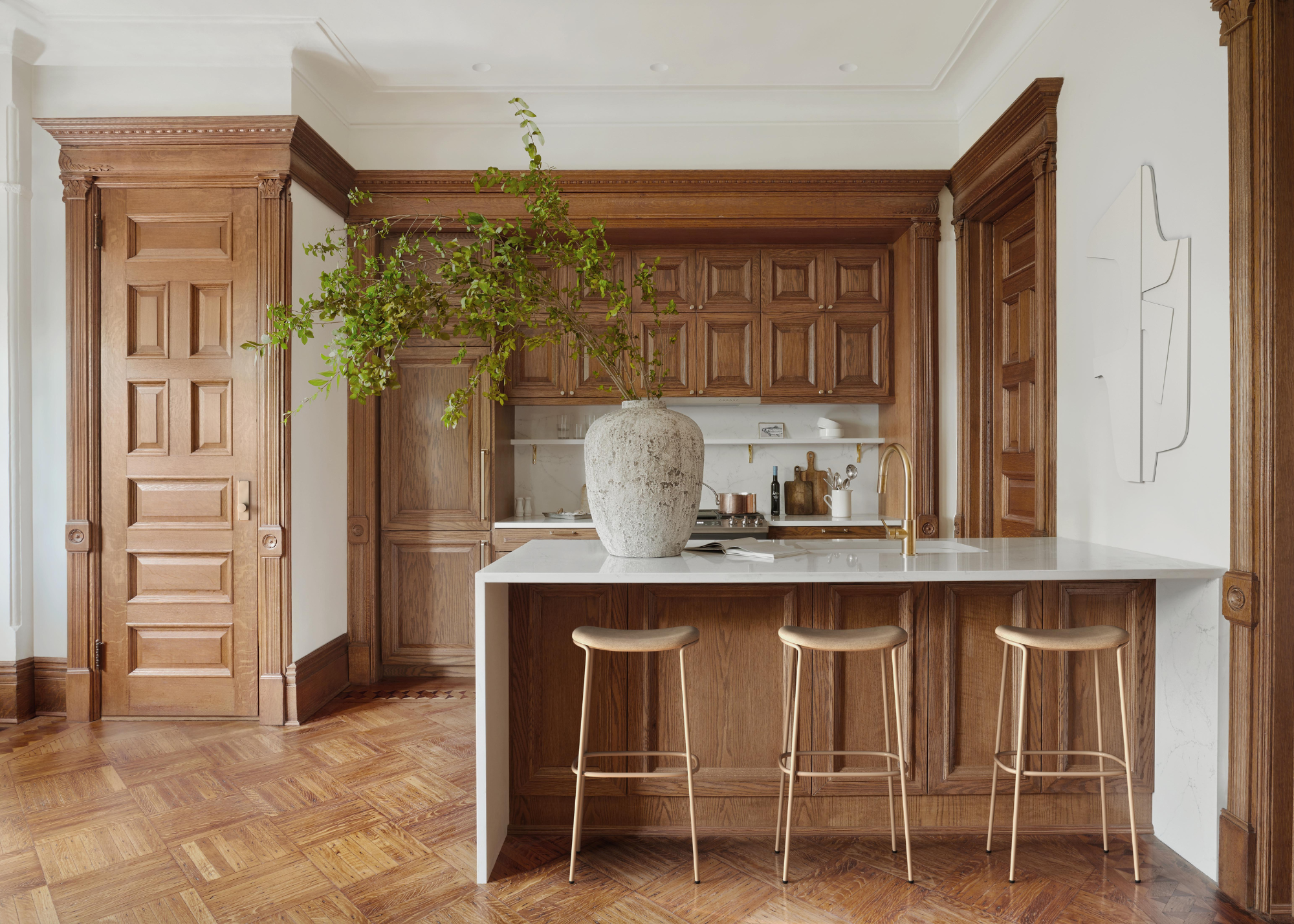
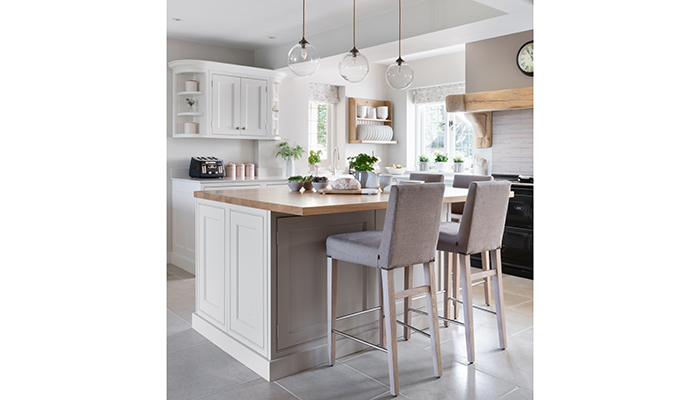
Transitional-style kitchens have emerged as a highly sought-after design trend, offering a harmonious blend of traditional charm and contemporary sophistication. This approach allows homeowners to integrate the best elements from both design philosophies, creating spaces that are both timeless and modern without being constrained by rigid rules. The flexibility of transitional design results in balanced, relaxed, fresh, and deeply personalized kitchens.
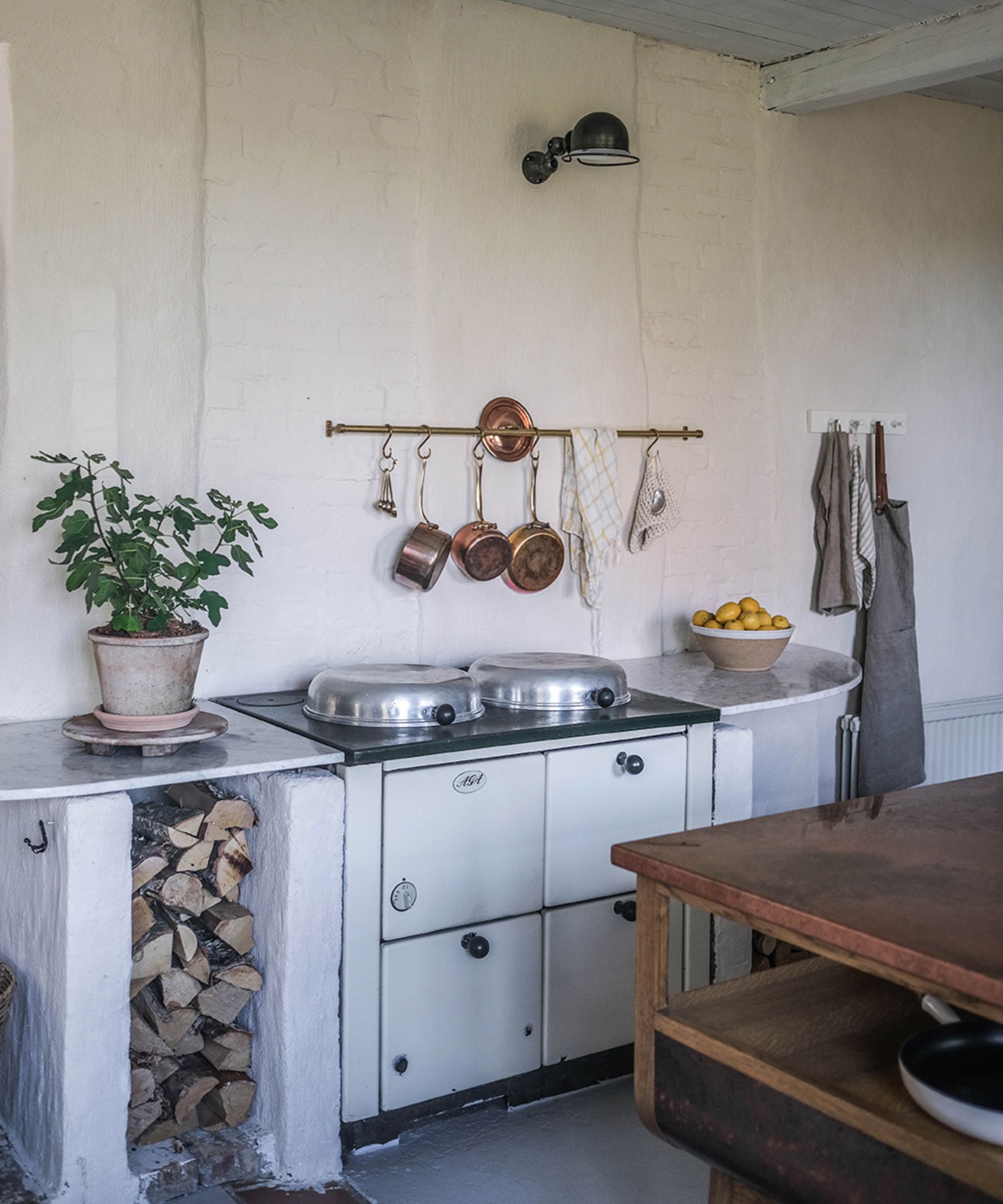
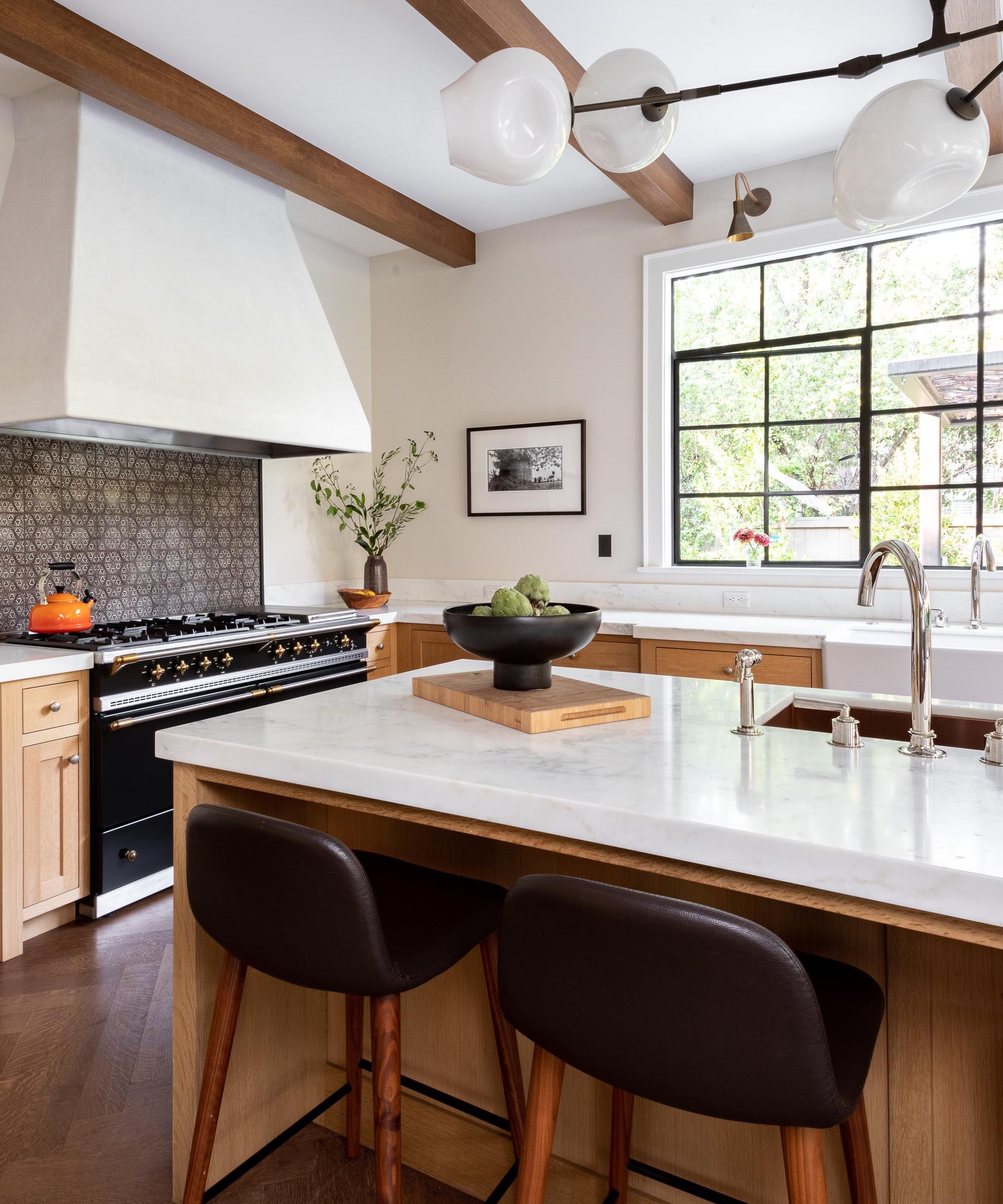
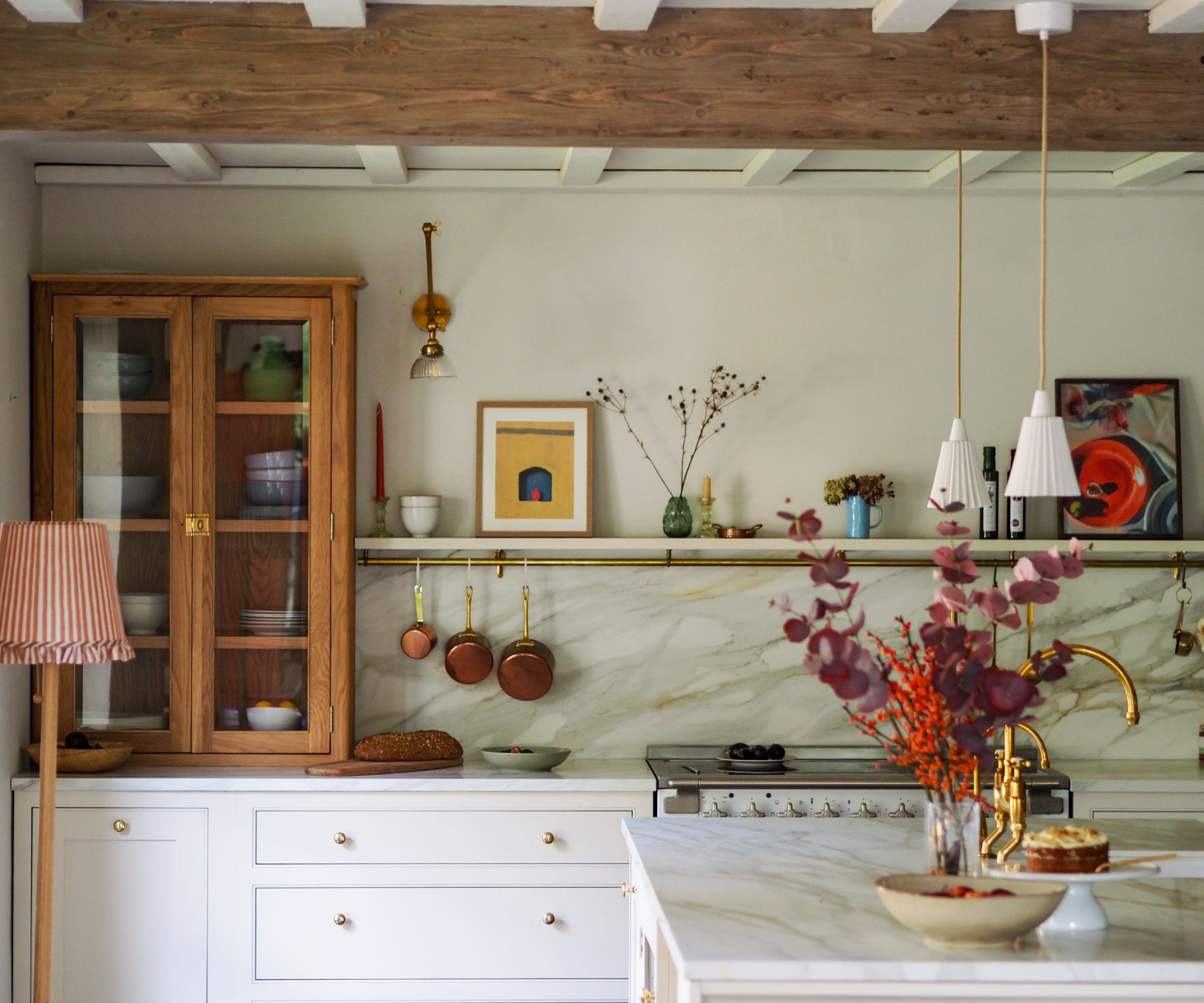
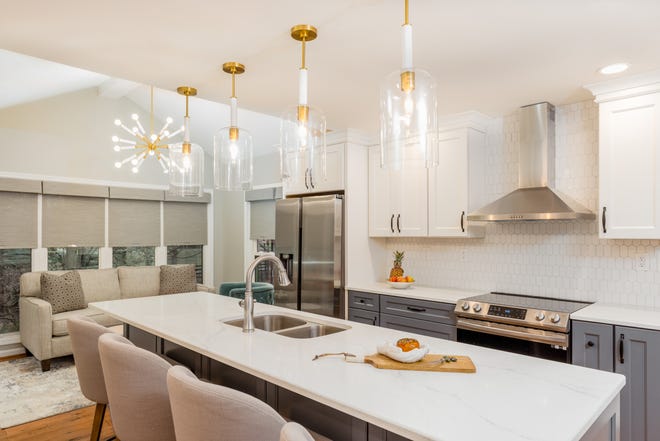
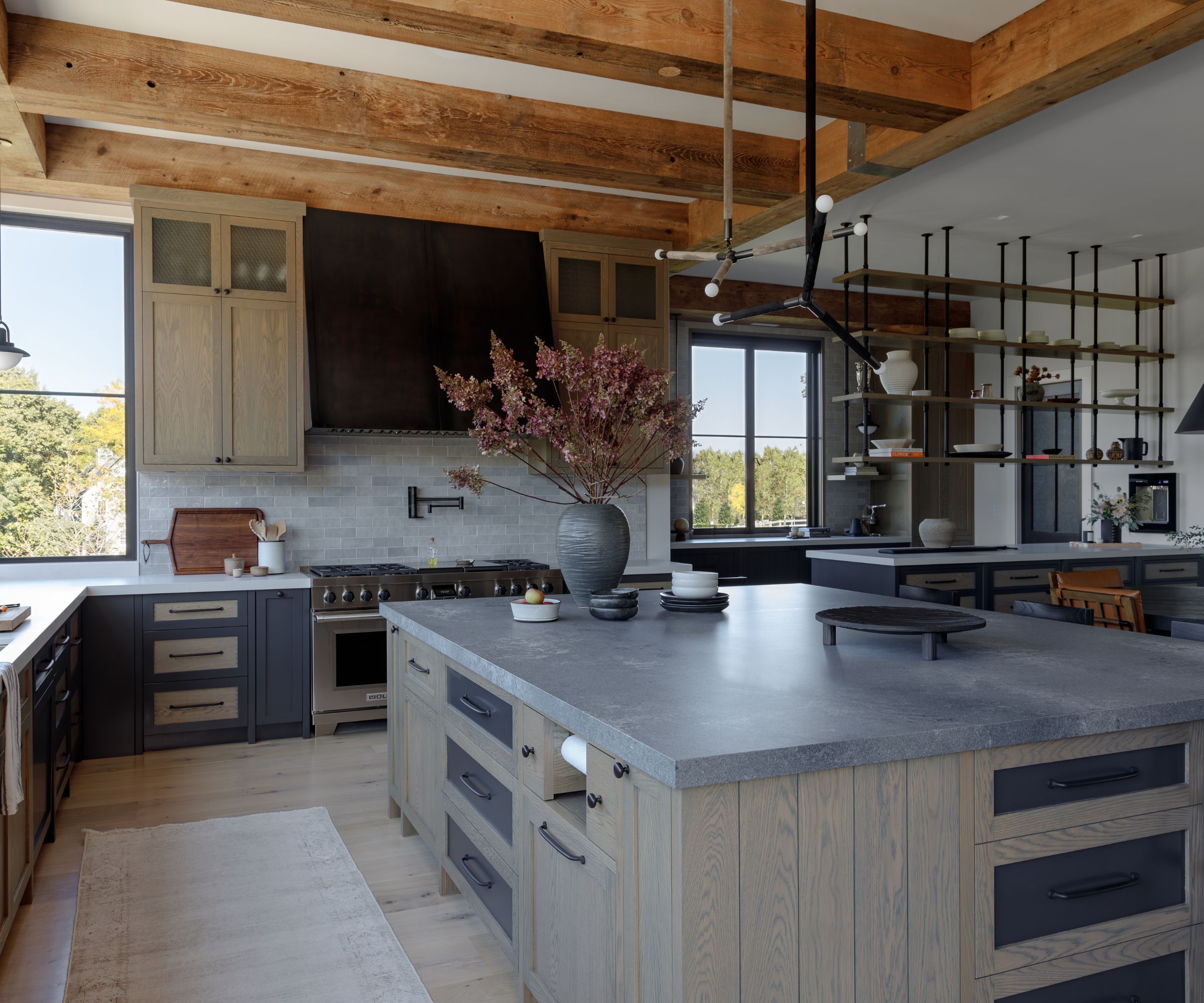
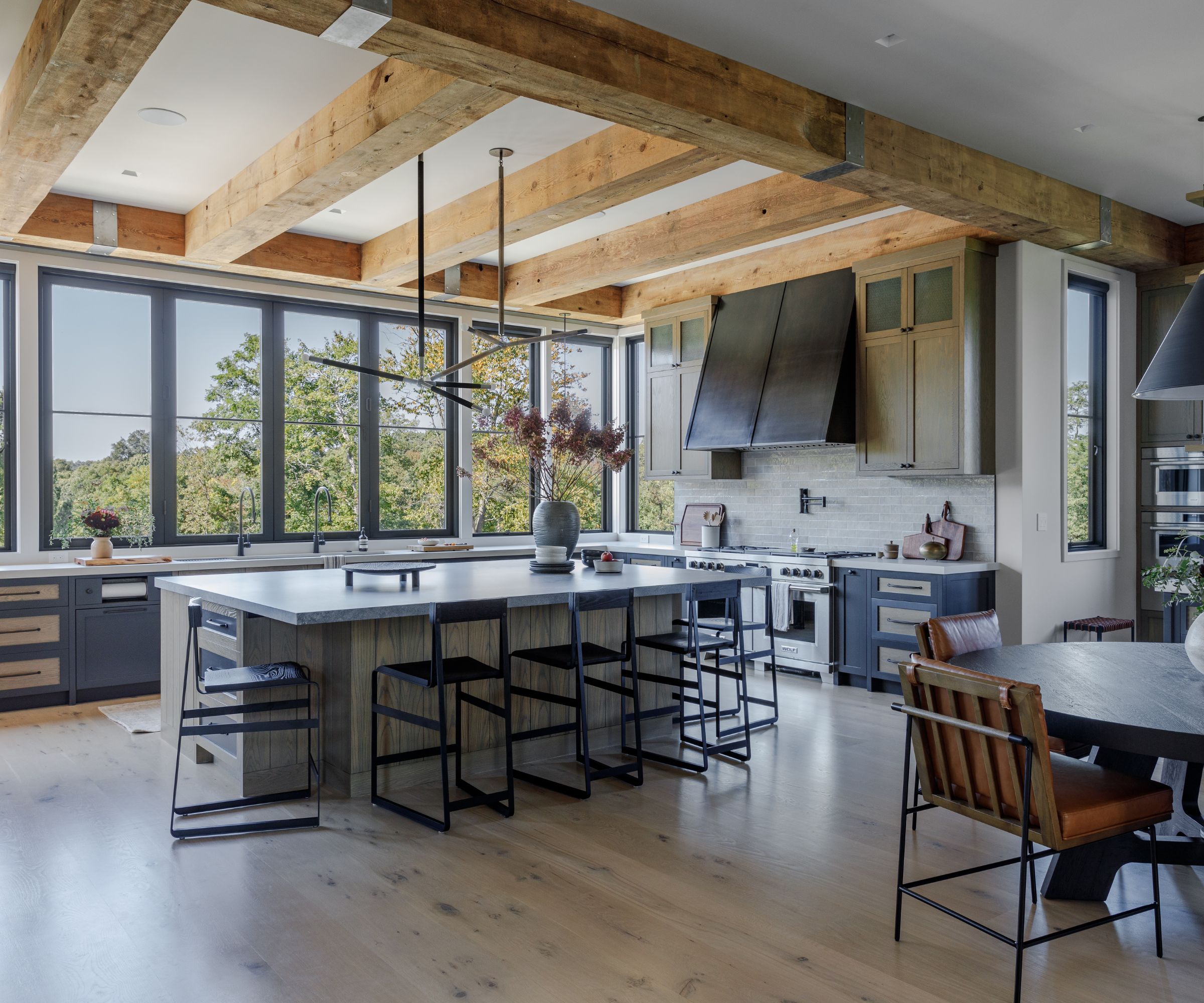
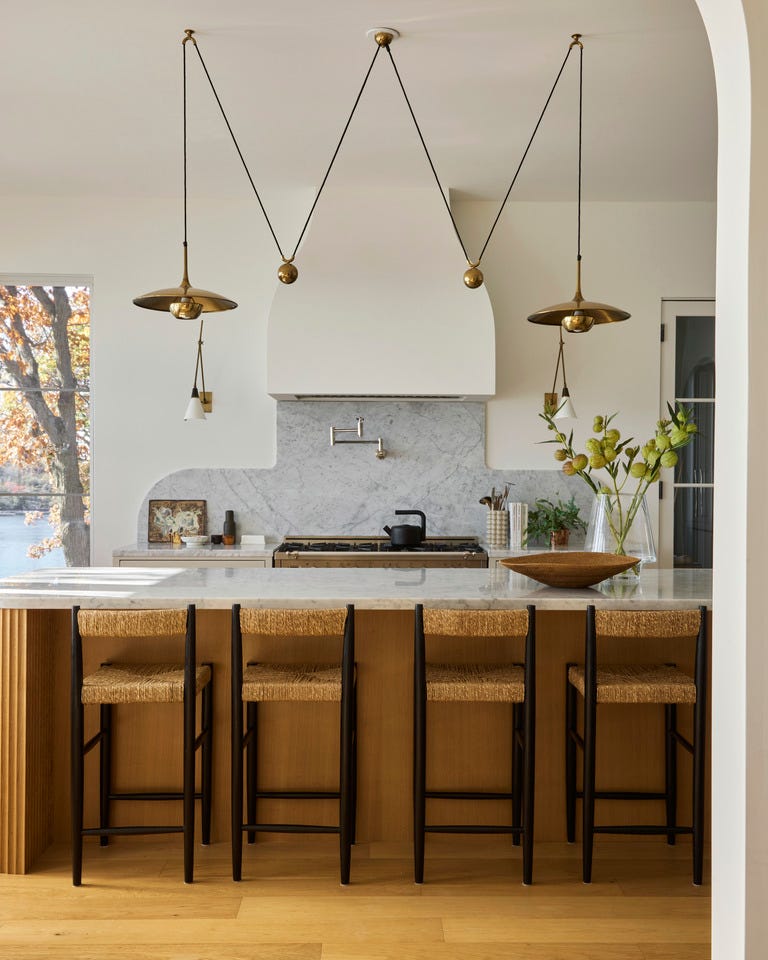
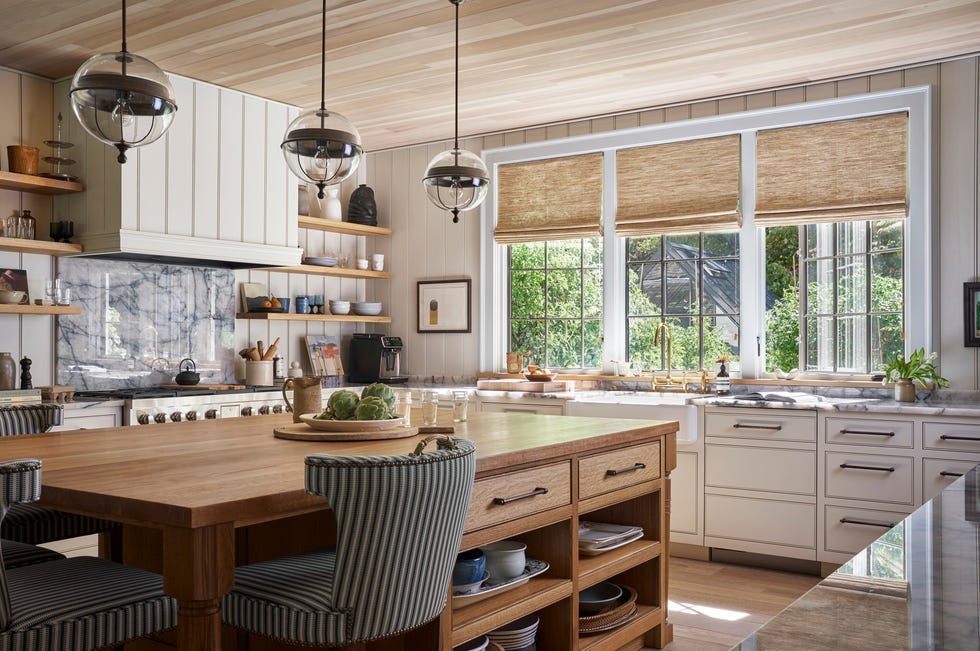
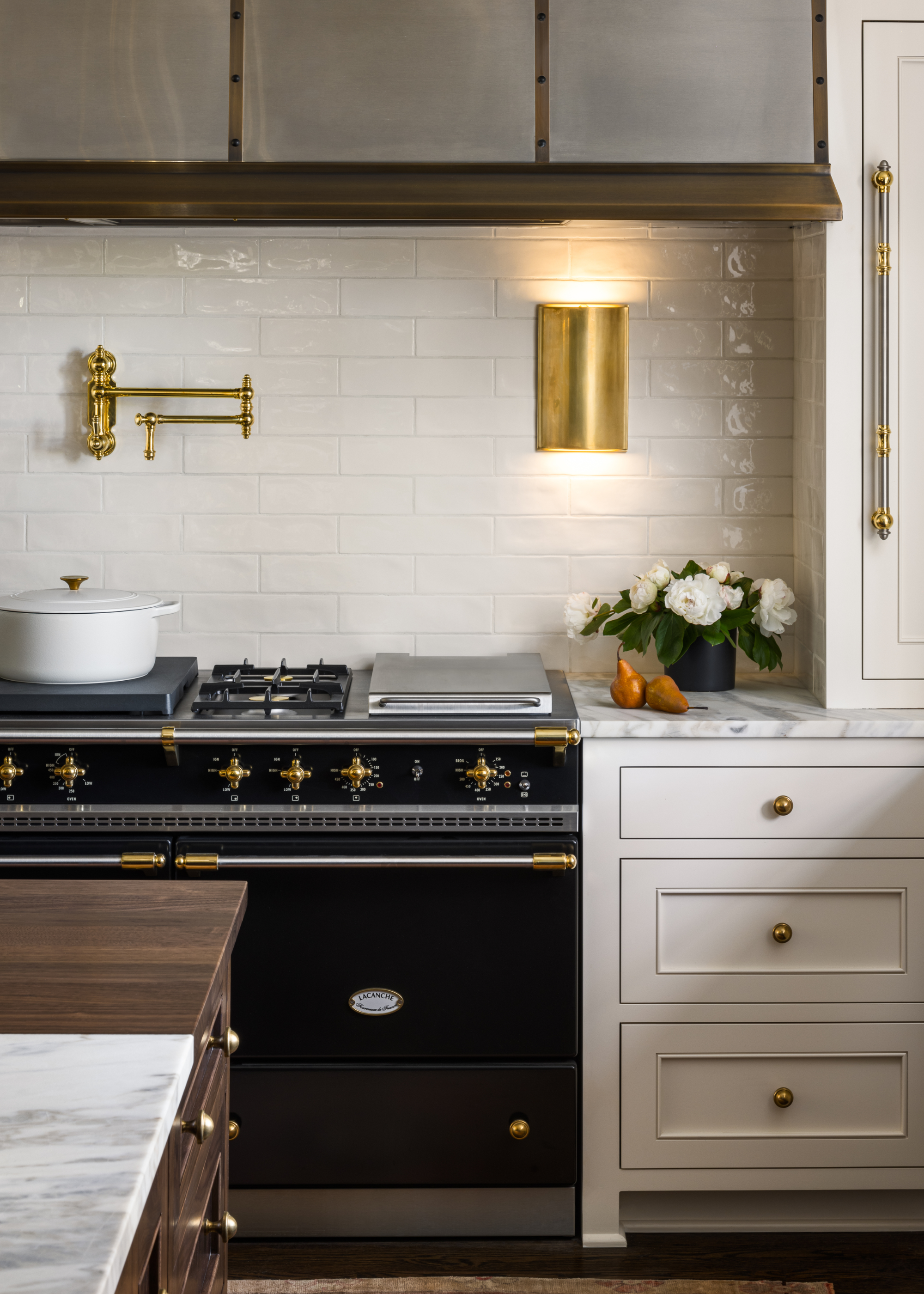
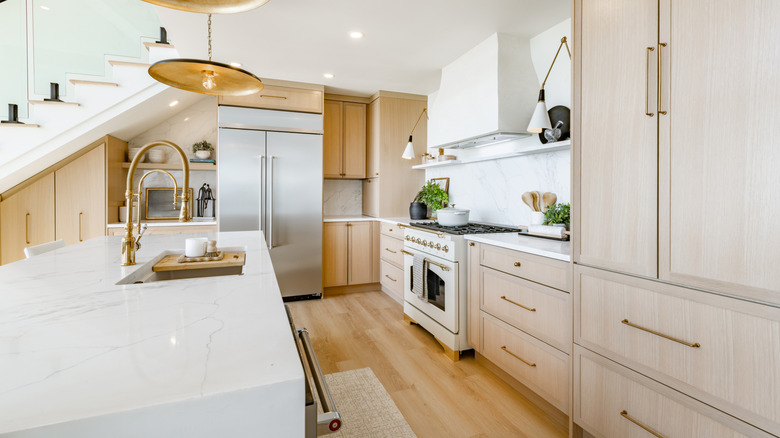
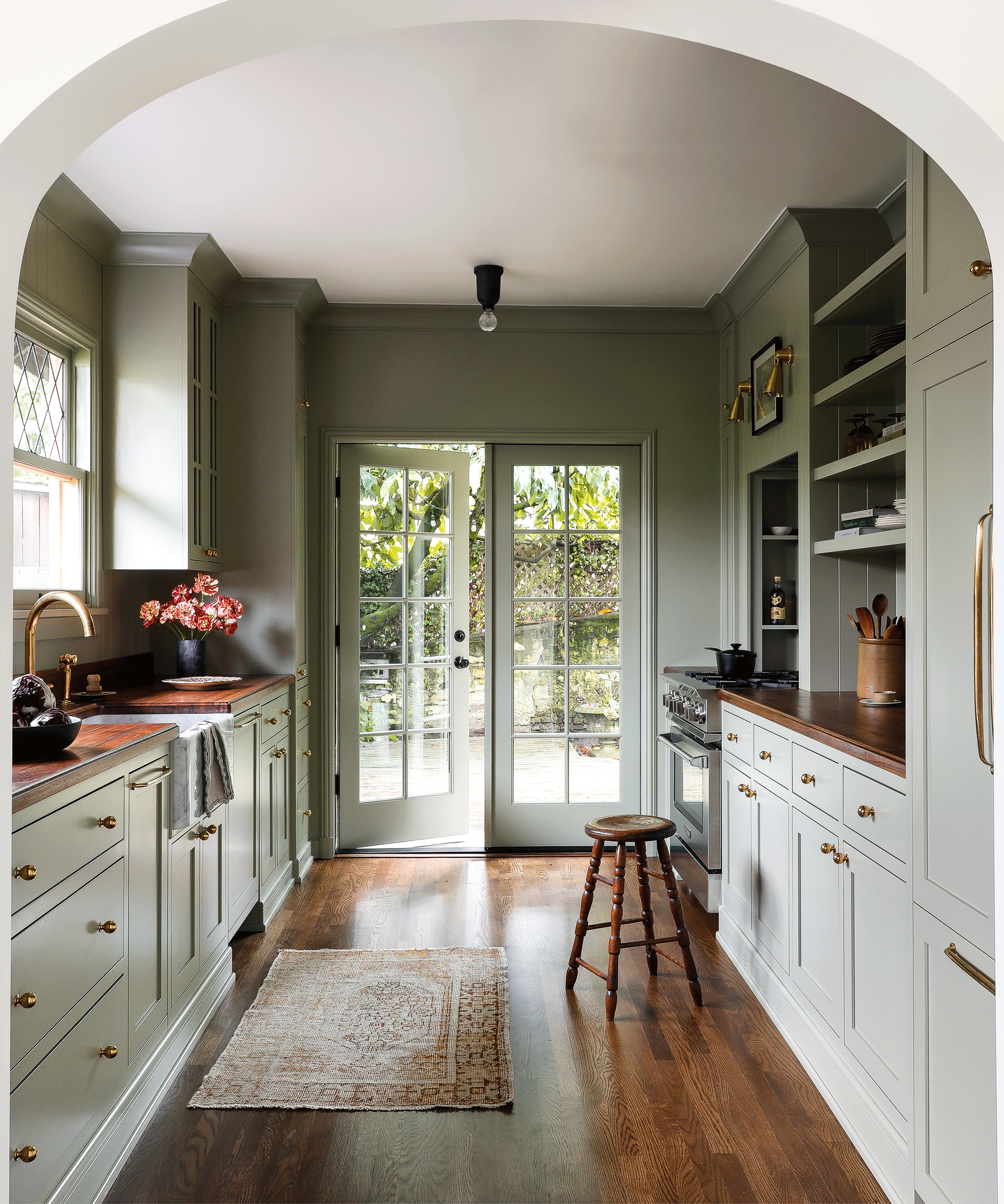
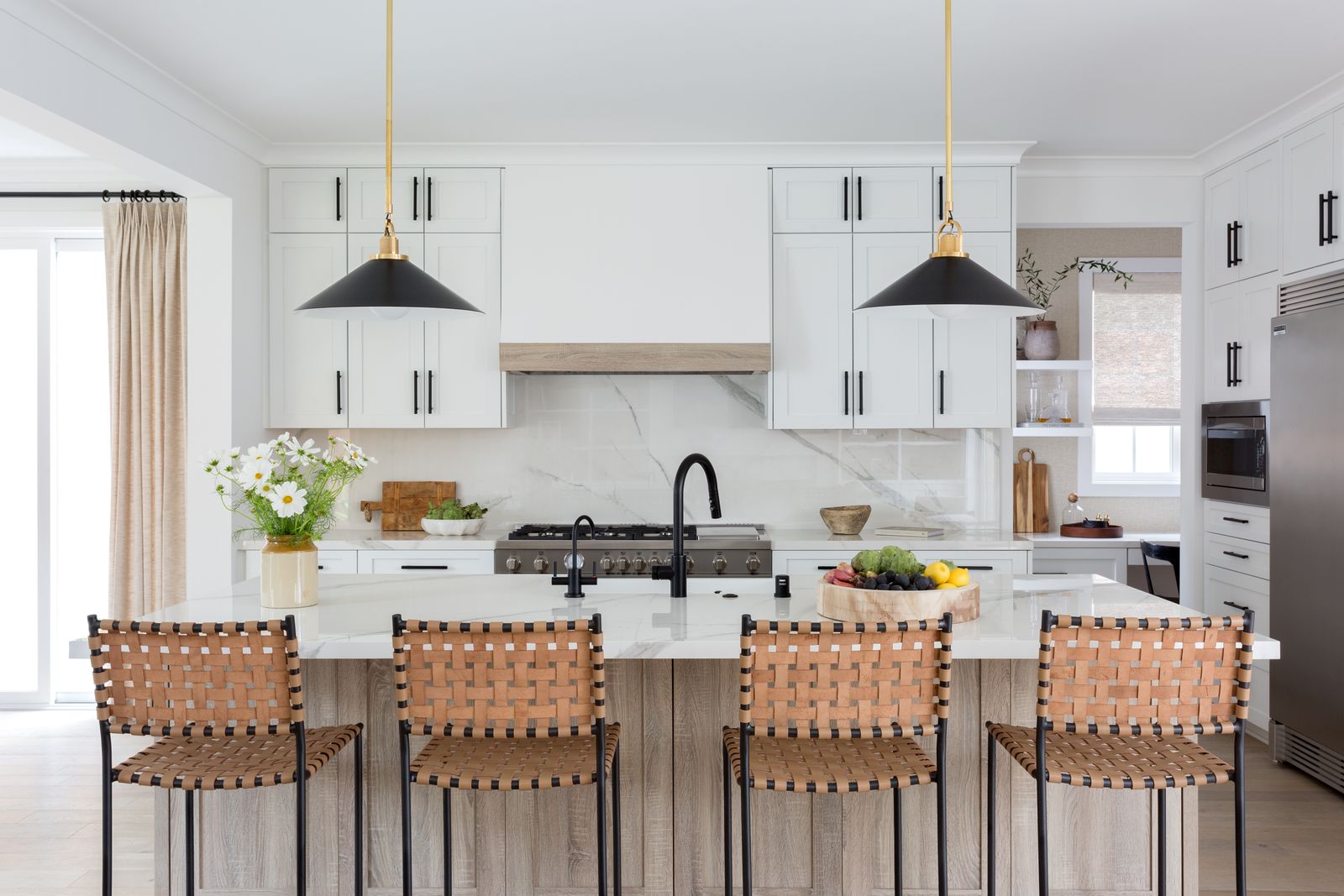
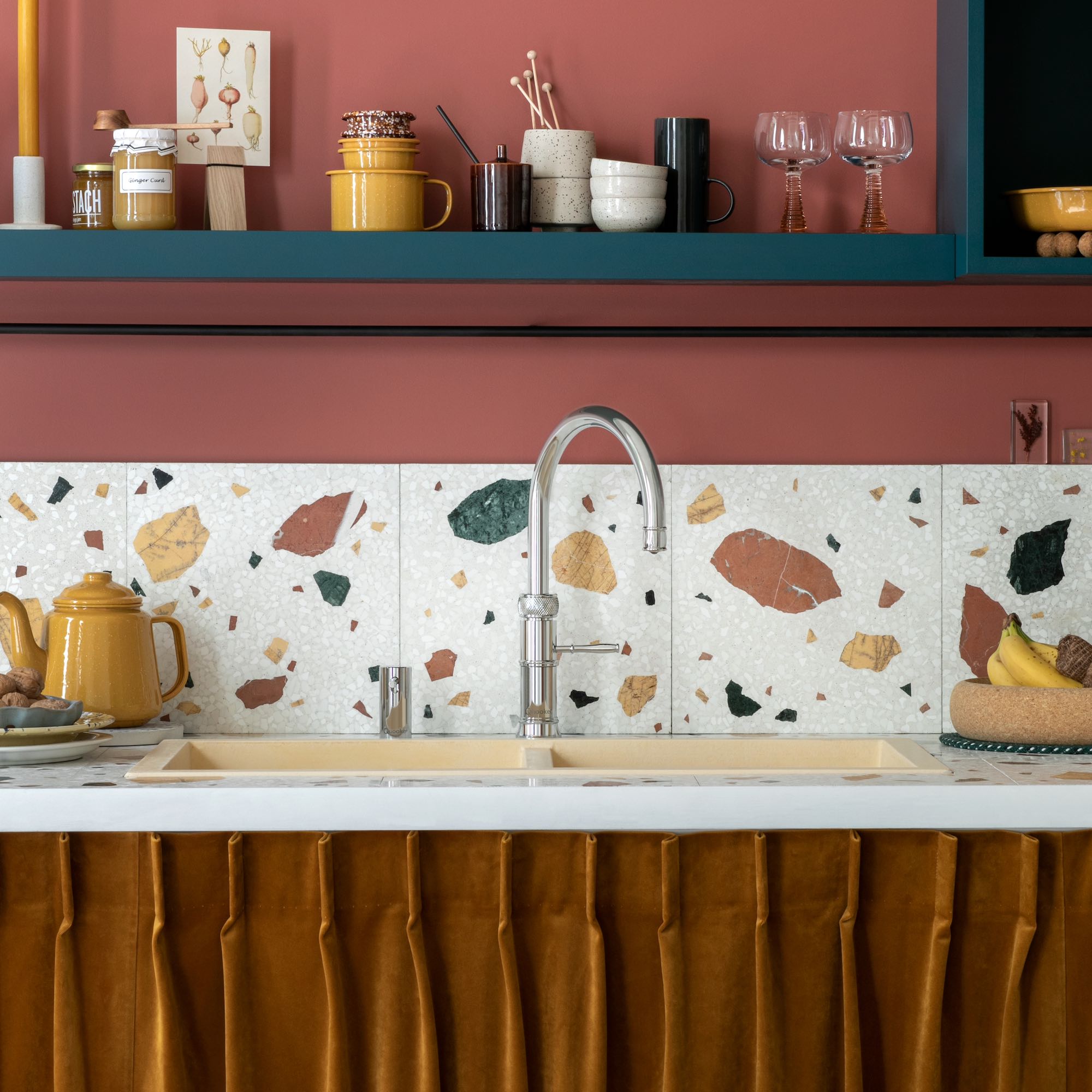
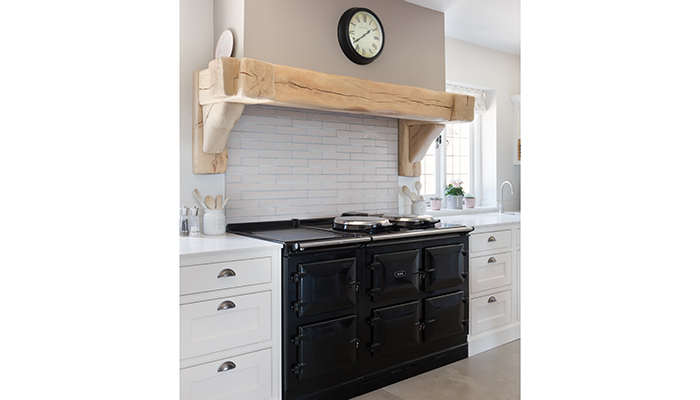
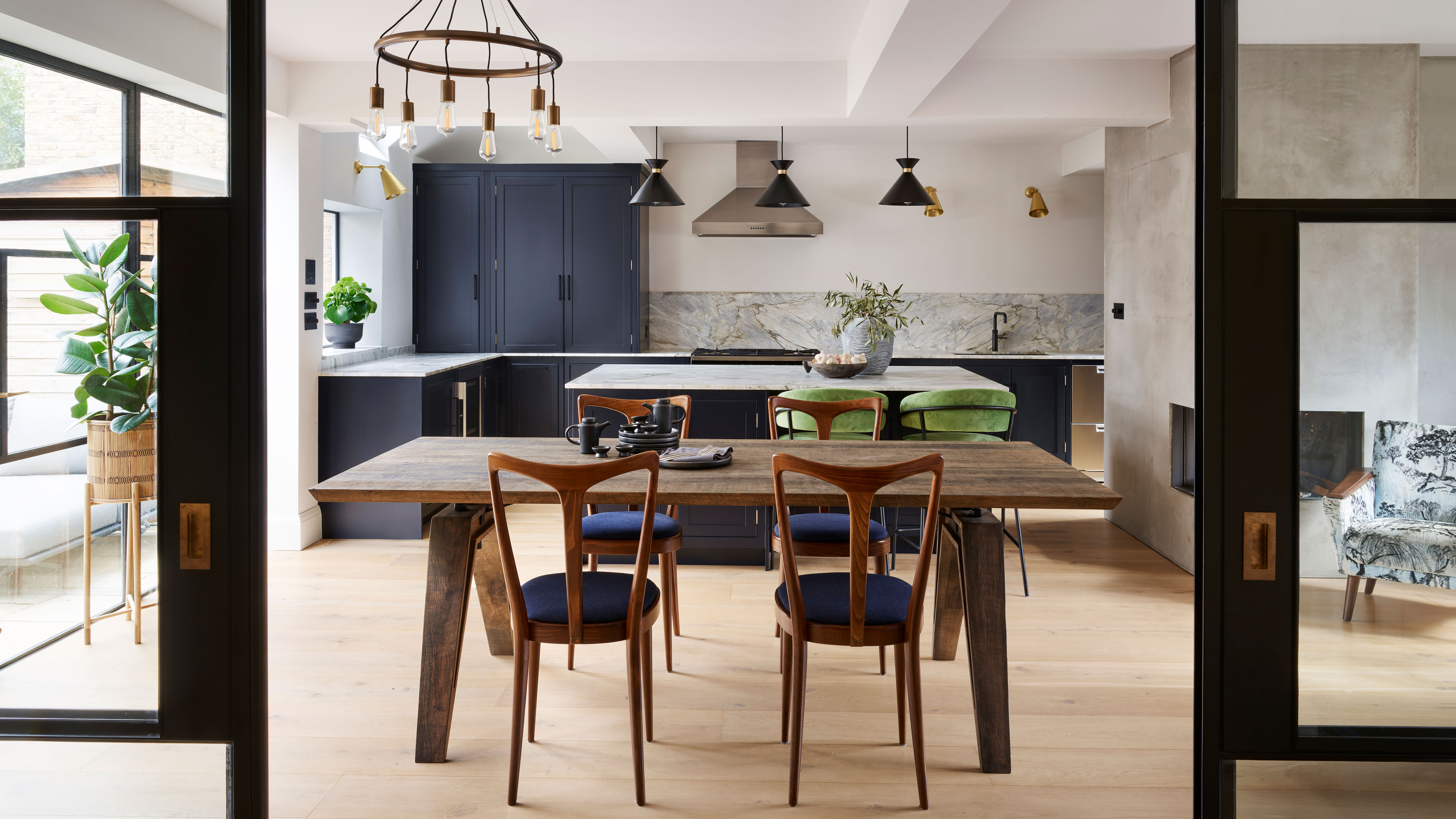
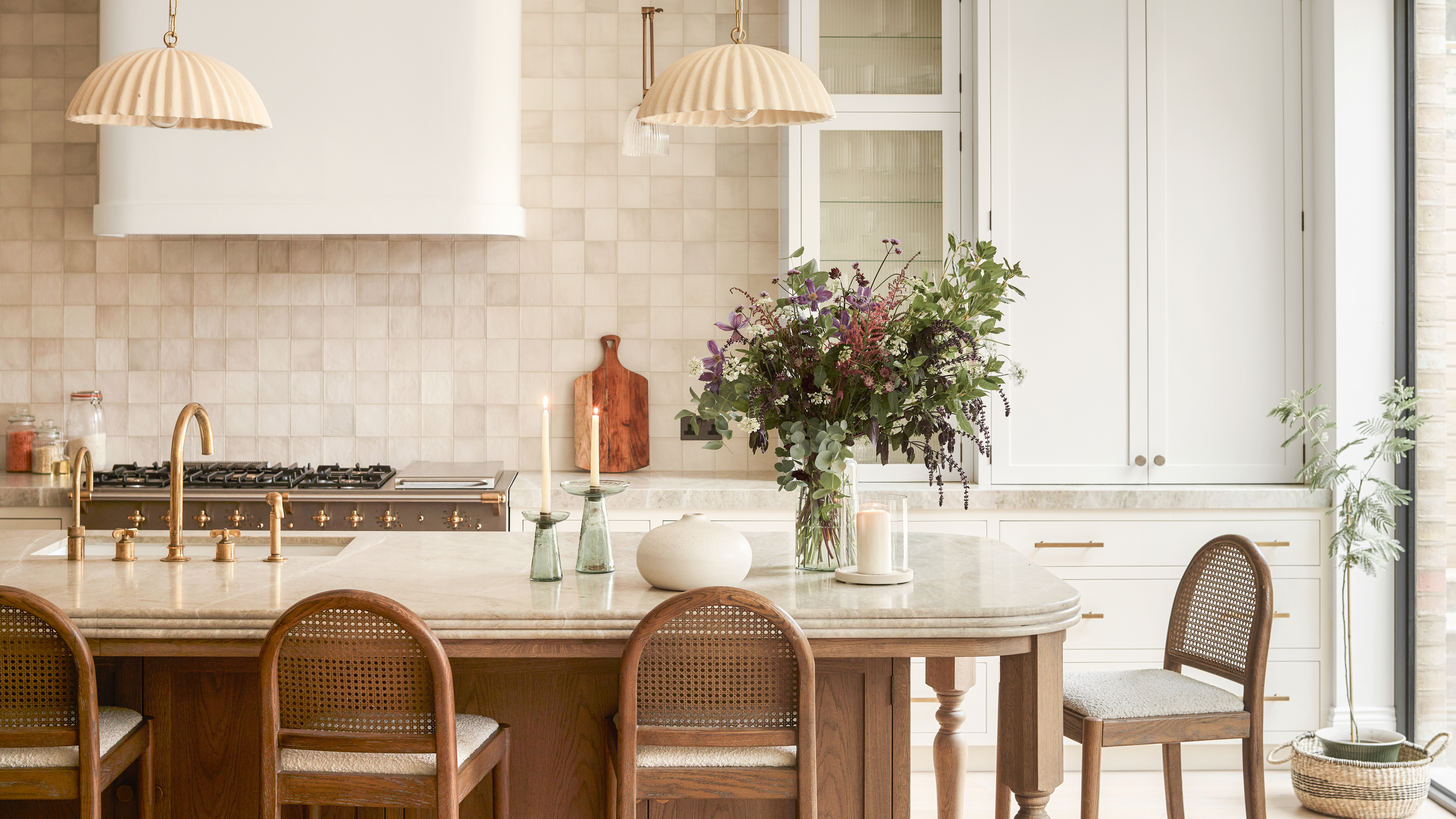
Successfully combining old and new elements gives a room enduring appeal. A core aspect of this style involves incorporating traditional features within updated contexts. For instance, clean, crisp traditional elements can be paired with modern touches to refresh the overall look. This includes merging traditional artisan joinery methods with cutting-edge modern design, such as integrating Georgian-style cockbead details with minimal aged brass or wooden frames. Shaker-style or paneled cabinetry, while traditional, can be modernized with subtle hardware and neutral color palettes. Materials like marble or butcher block countertops, which are inherently classic, can be updated with sleek edges or combined with quartz for a contemporary feel. Appliances, often a challenge in design integration, can be seamlessly incorporated; classic gas stoves can feature sleek stainless steel or bold colors, while traditional extractor hoods can adopt clean lines and minimalist shapes, enhanced by brass, copper, or decorative strapping. Pot fillers in various finishes, such as polished chrome, brushed nickel, or black, can further bridge the gap between classic design and modern functionality.
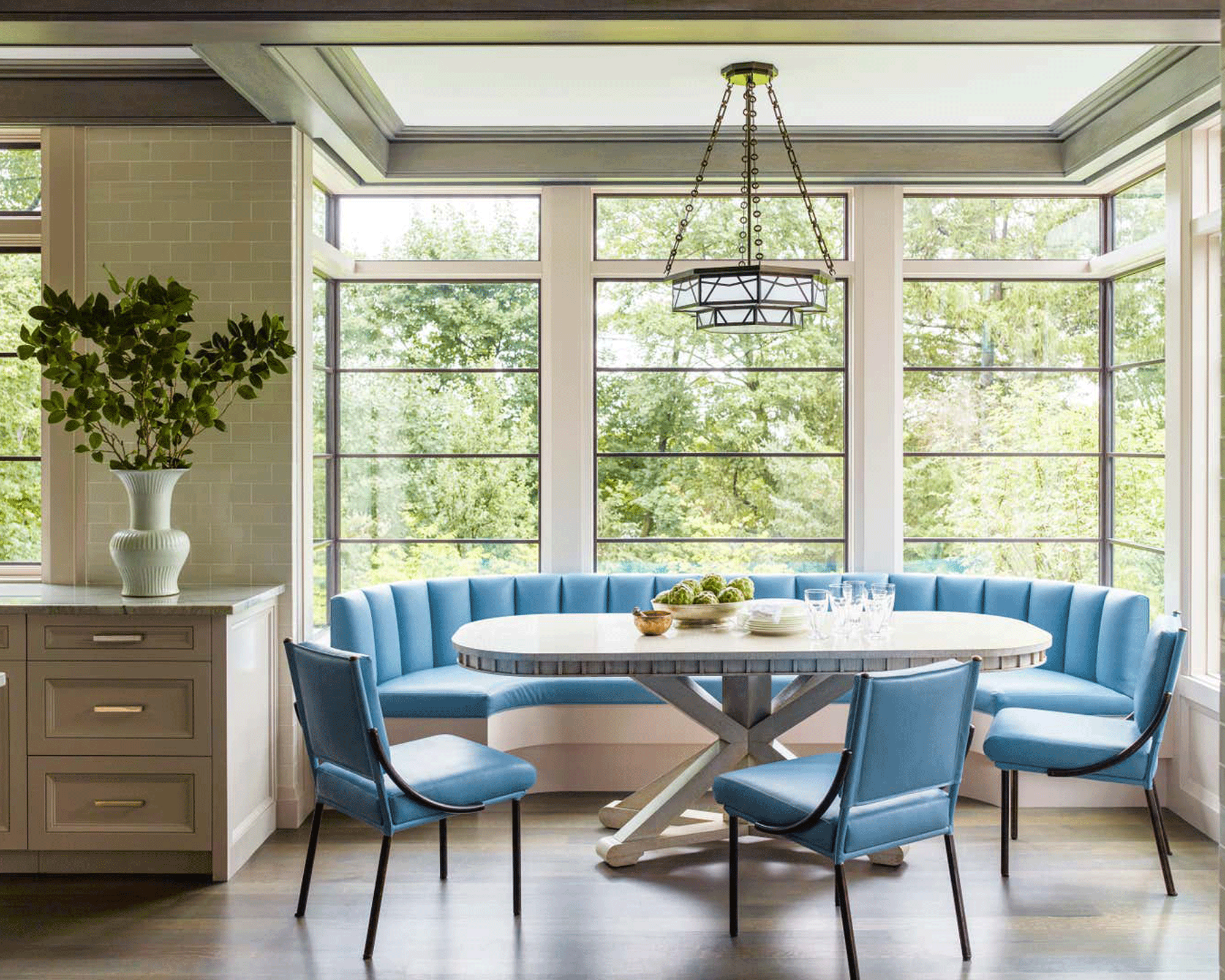
Another key strategy for transitional kitchens is to combine fitted cabinets with freestanding furniture. This ensures that modern fitted units do not overwhelm the space, allowing other elements to introduce character. Integrating vintage pieces with functional and aesthetically pleasing kitchen cupboards helps the kitchen feel like a natural extension of the wider home, rather than a separate, distinctly styled area. For those indecisive about cabinetry, Shaker-style offers a versatile middle ground between traditional and contemporary aesthetics, with thinner, more modern Shaker-style cabinets available to achieve this look.
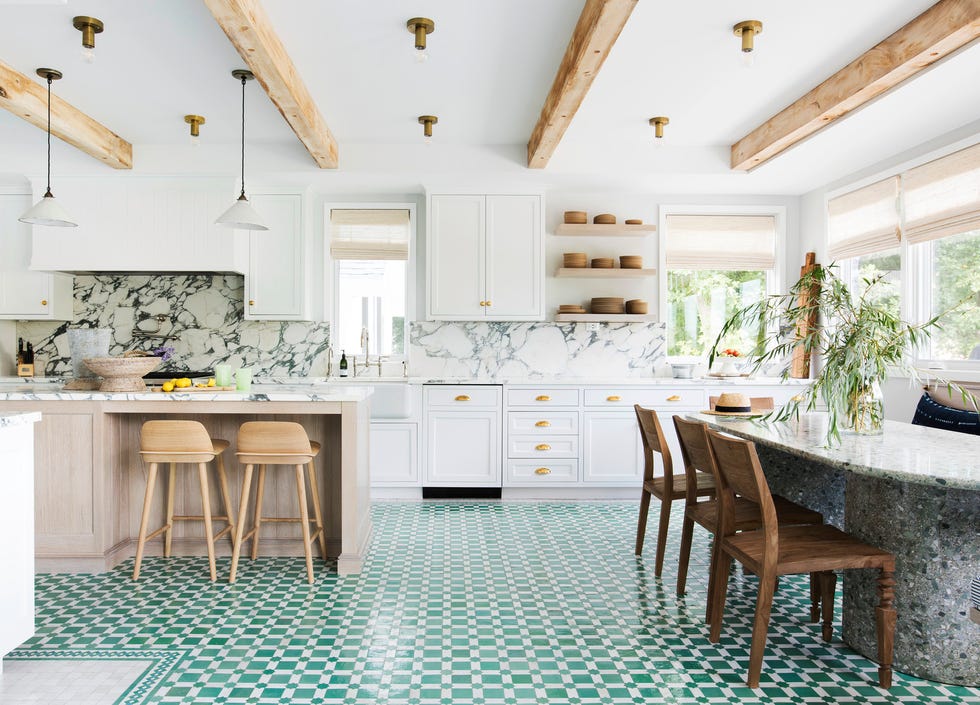
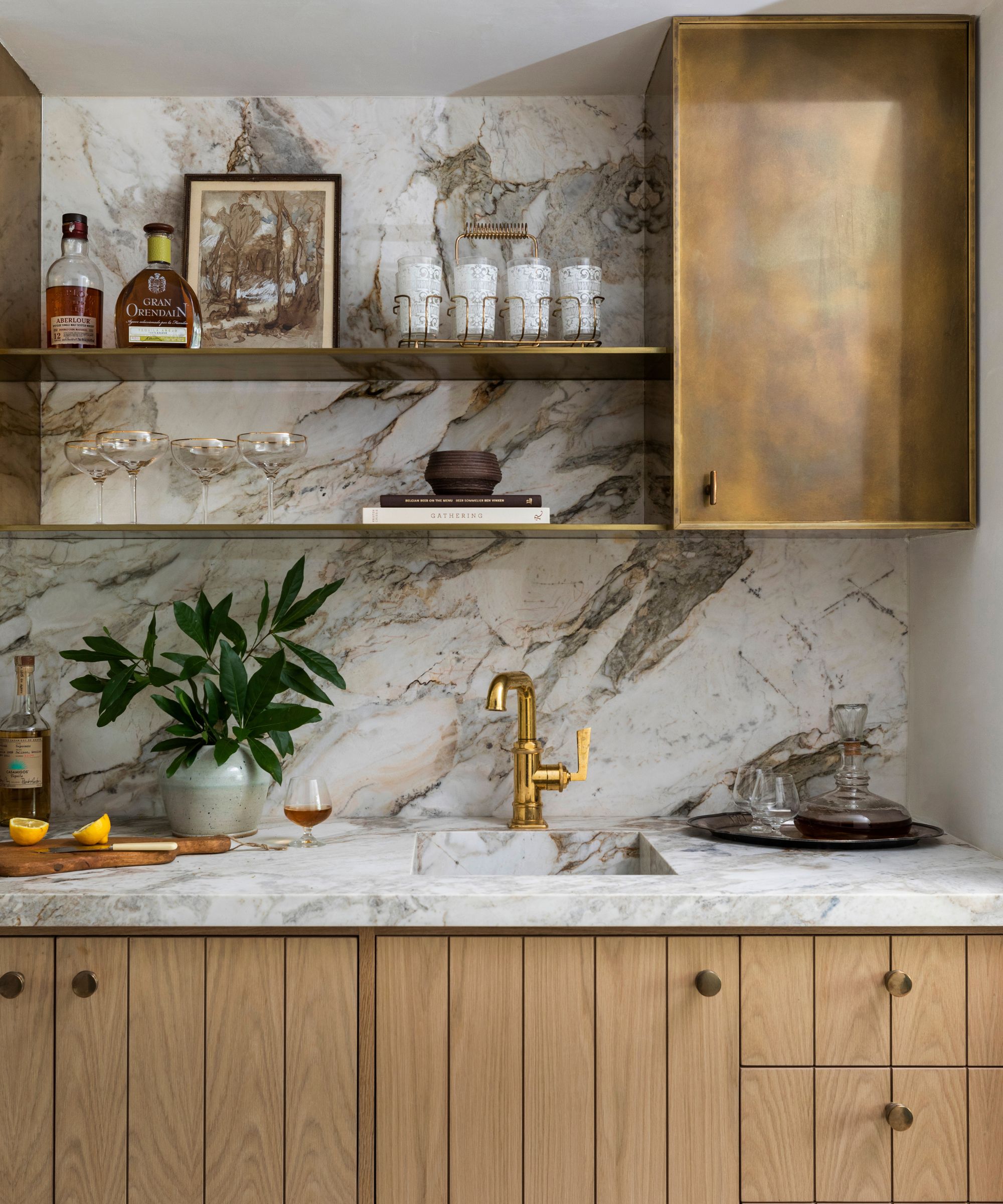
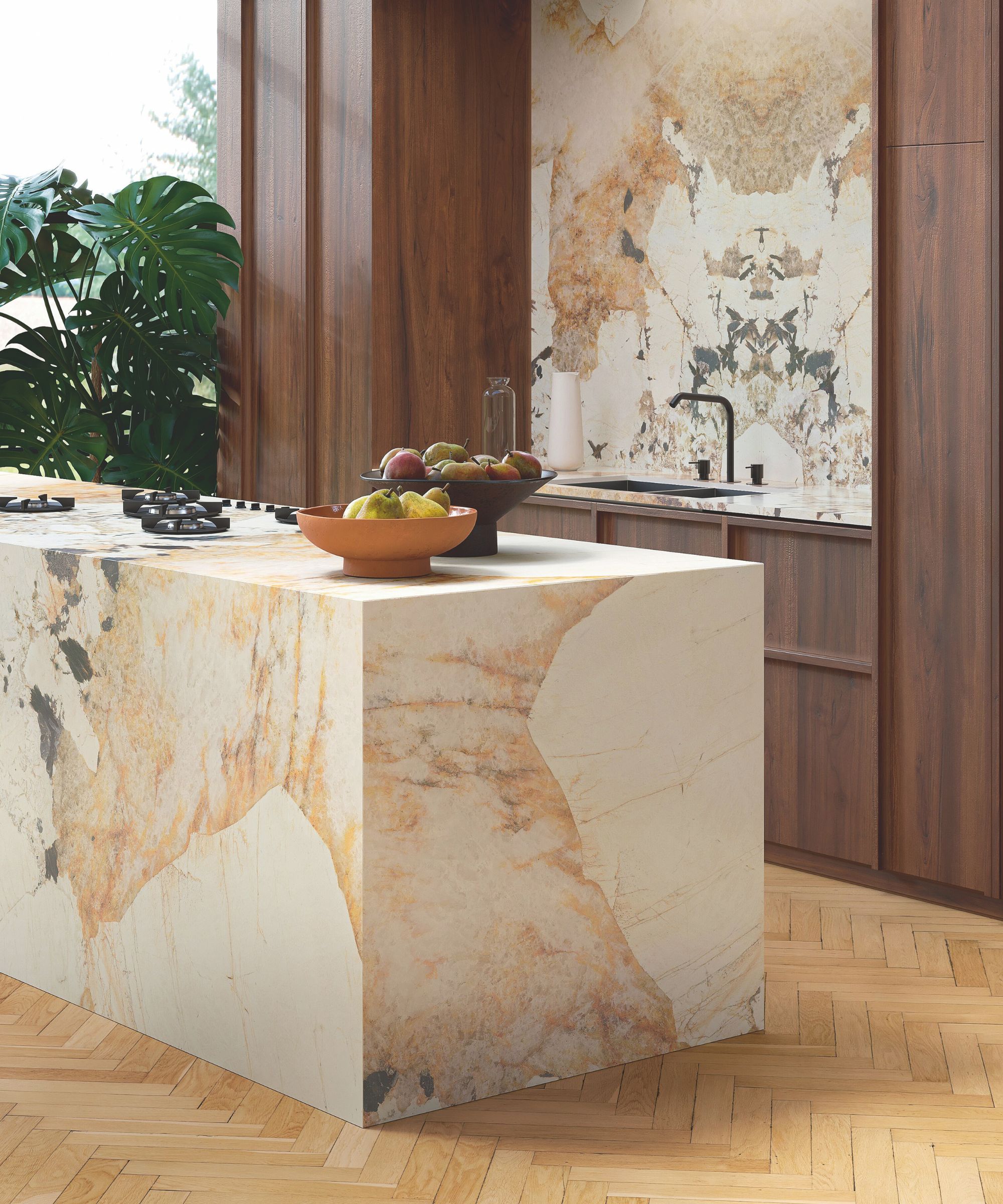
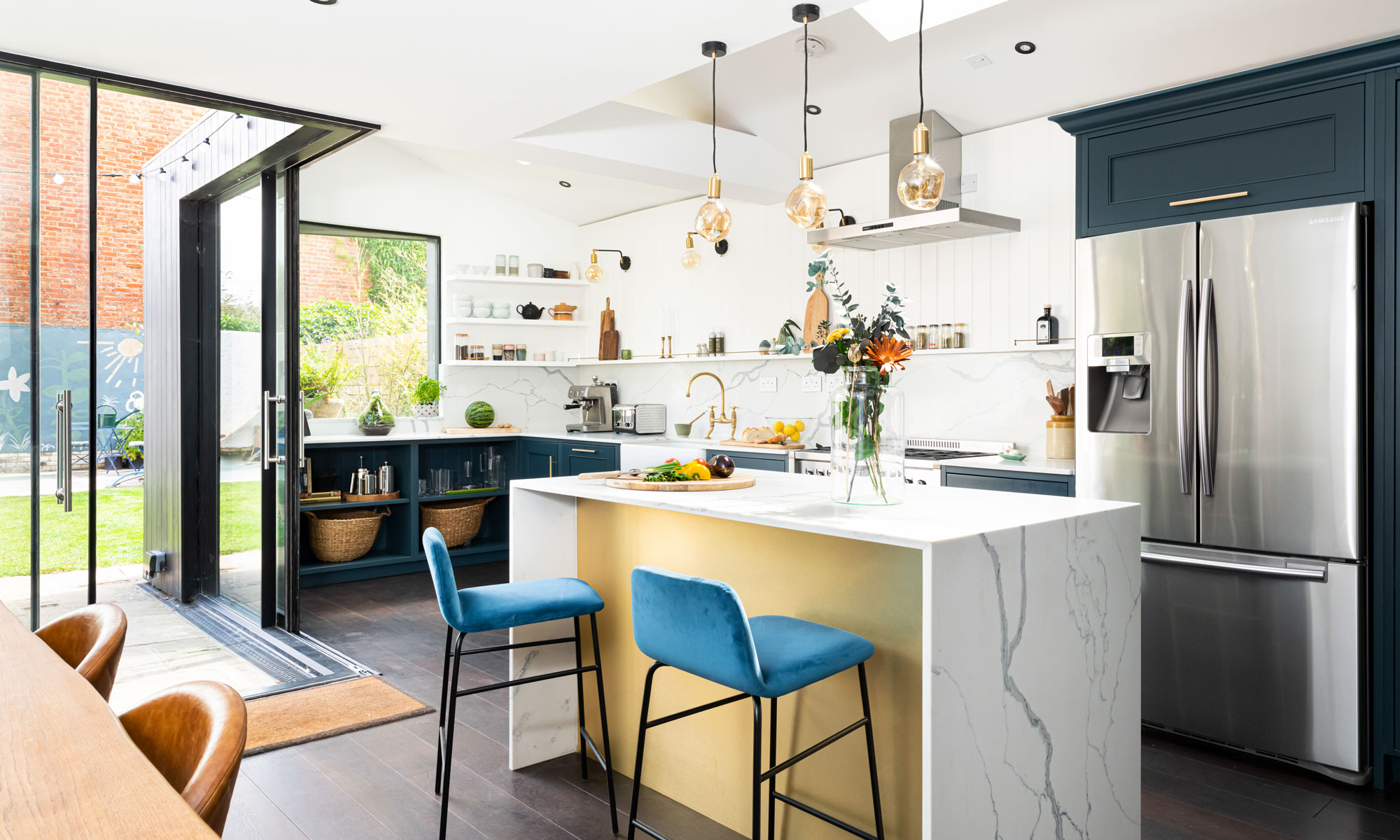
Marble countertops are a significant investment but are highly recommended for achieving a transitional aesthetic due to their timeless versatility. Marble seamlessly blends with both modern and traditional styles, and its natural patina develops over time, adding depth and personality. The wide range of styles, from subtle patterns to classic veining, and colors, from creamy whites to deep grays, allows marble to complement any kitchen design.
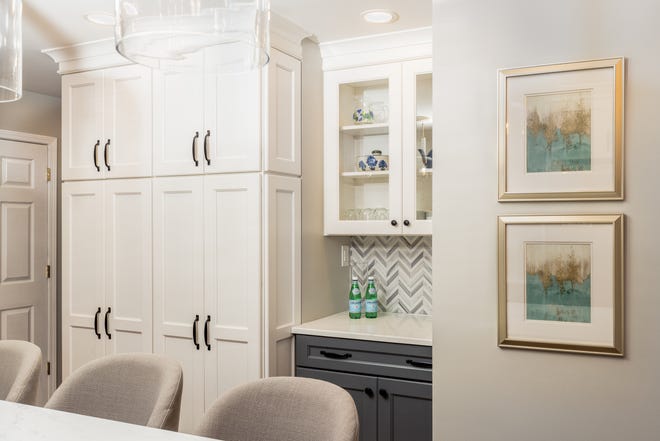
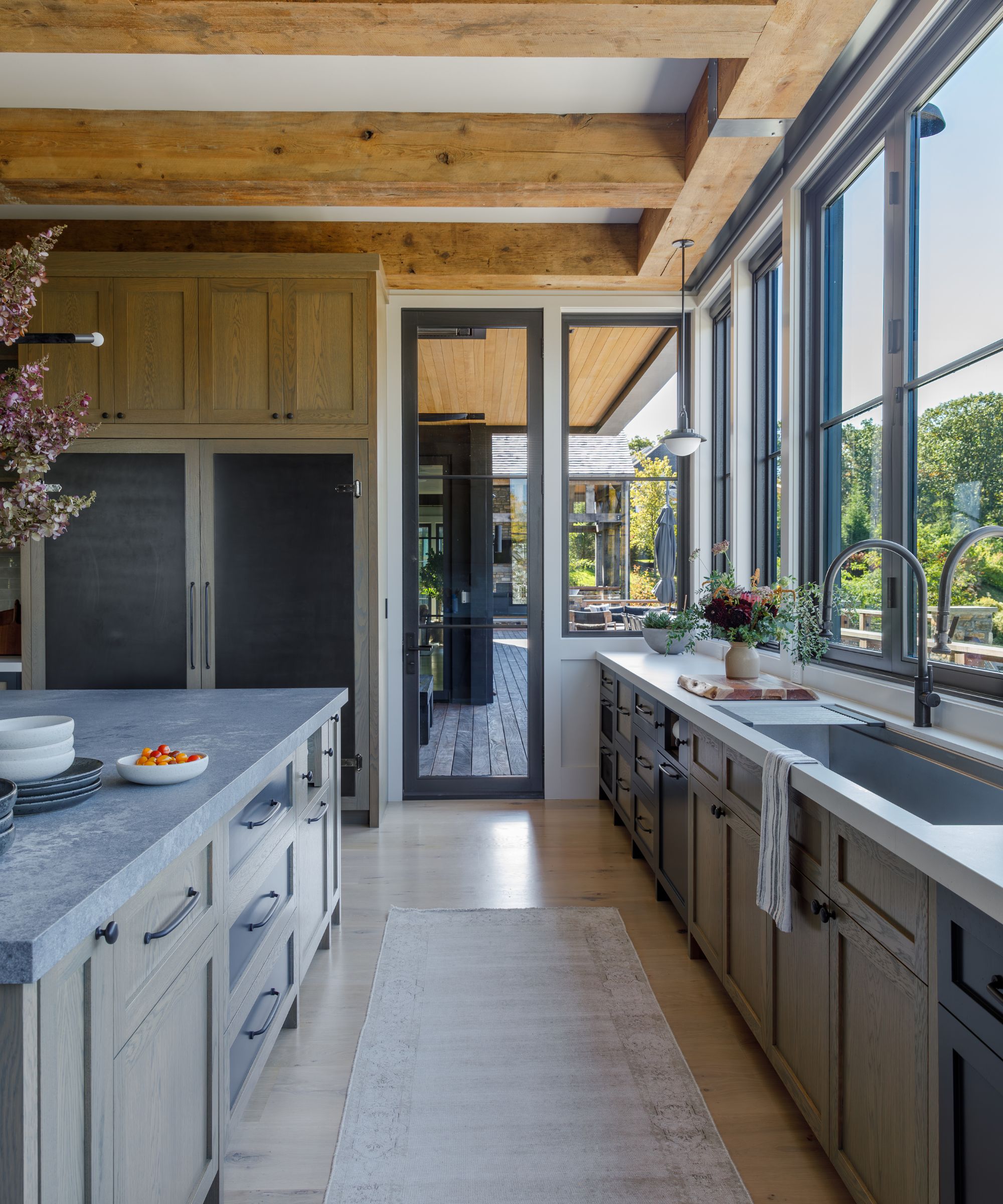
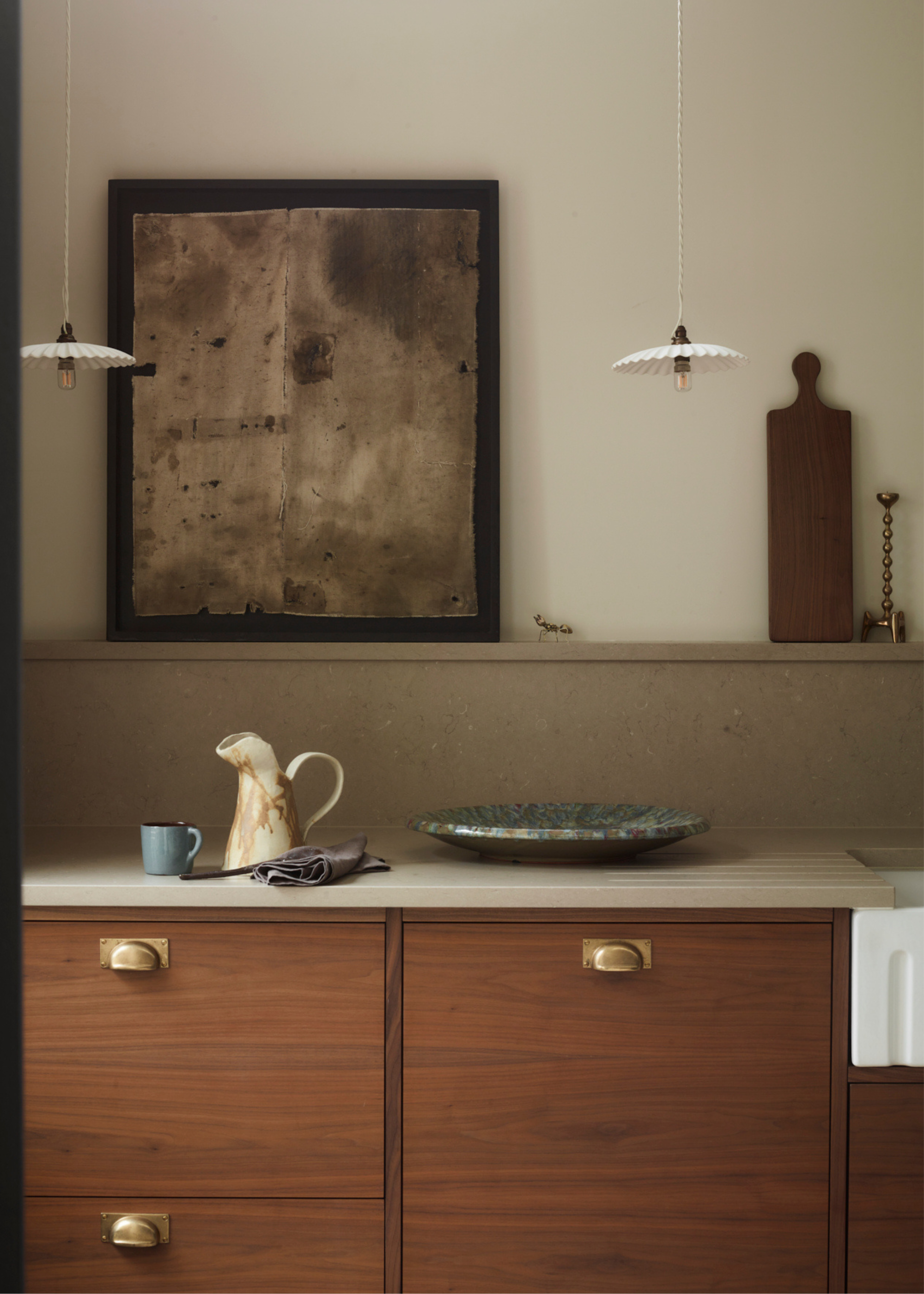
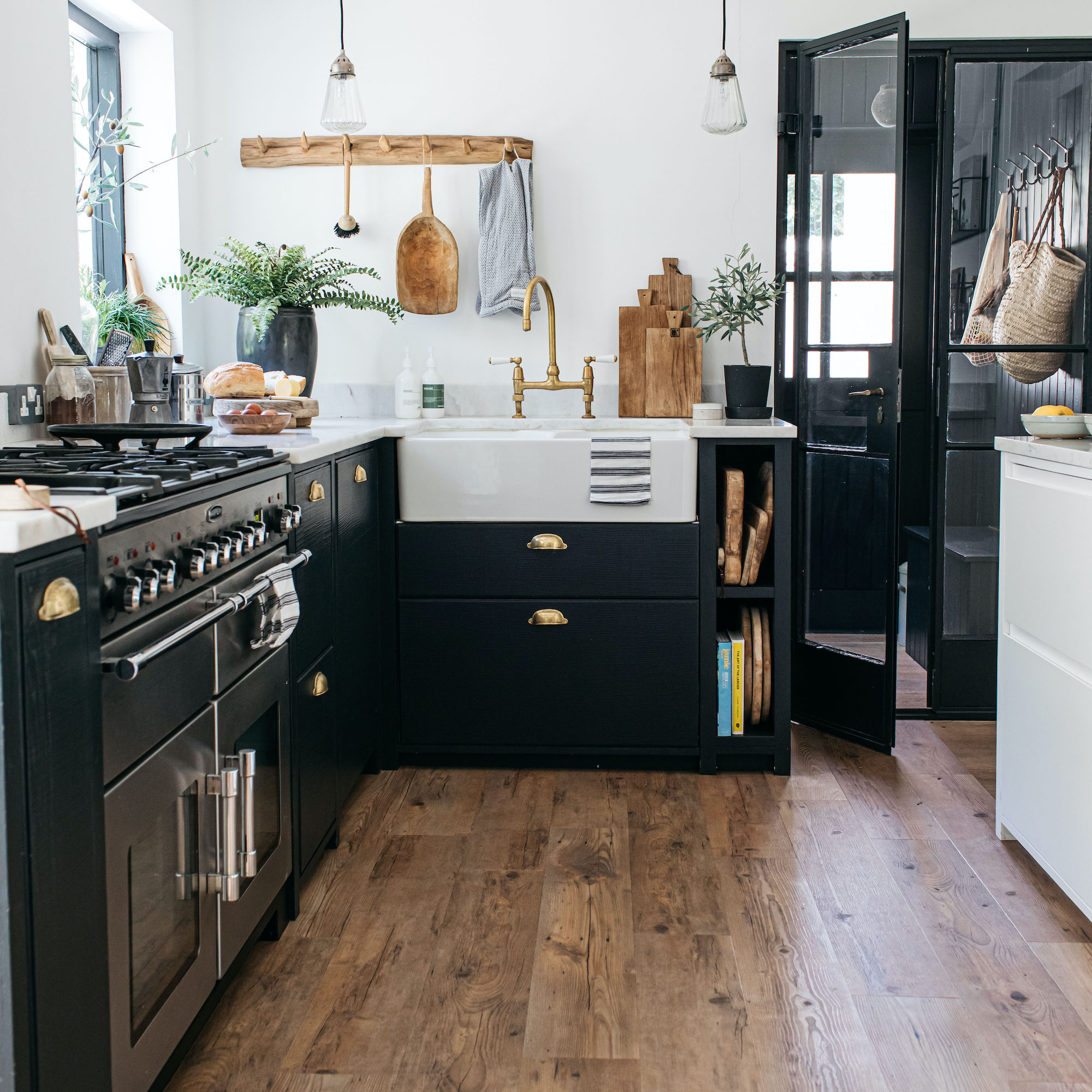
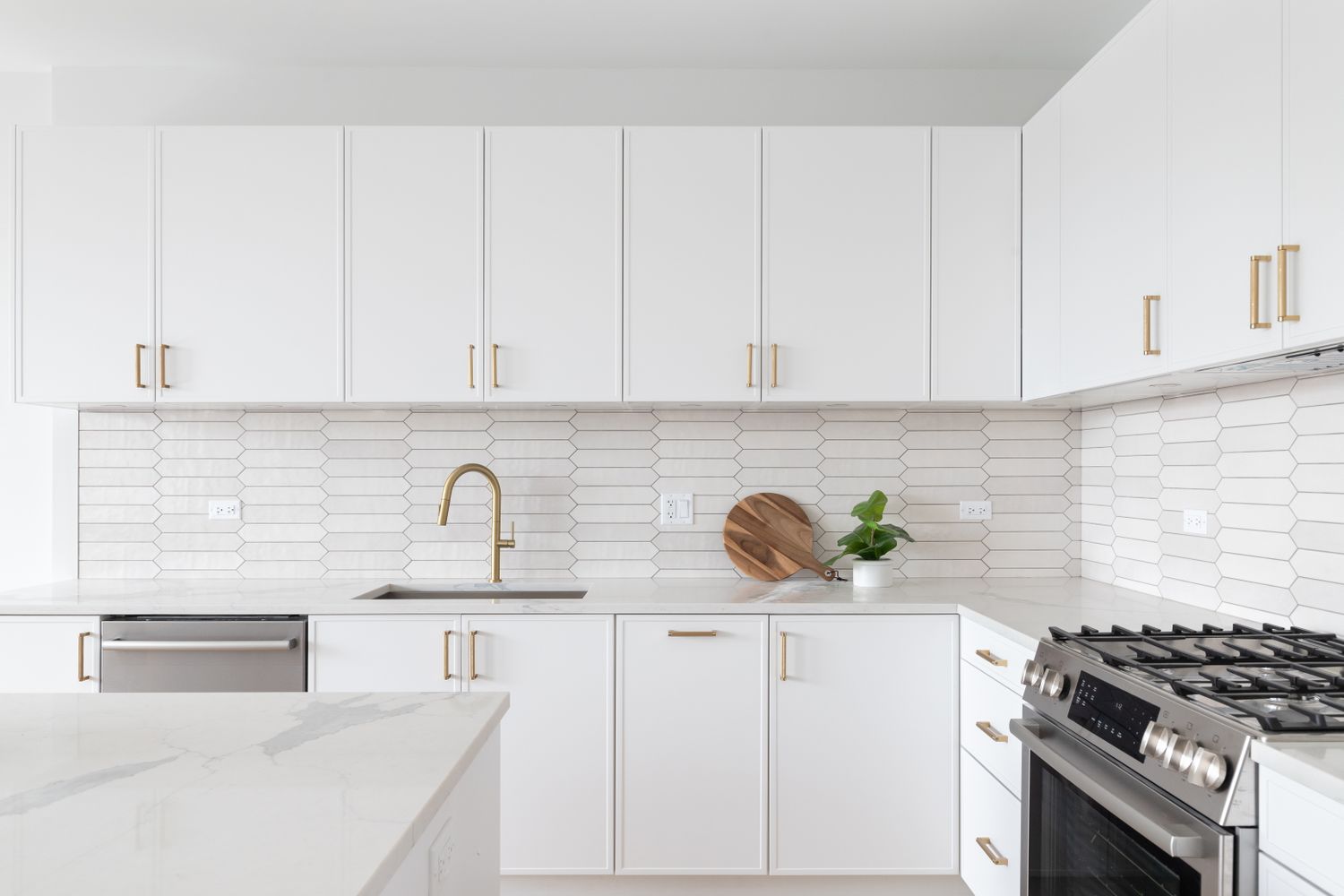
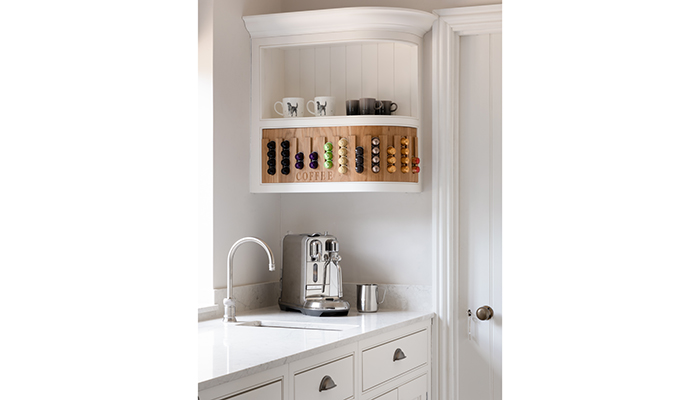
Hardware plays a crucial role in balancing modern and traditional styles. Updating kitchen hardware is an affordable and effective way to merge old and new. Sleek, linear pulls can modernize traditional cabinets, while classic cup pulls or rounded knobs can soften contemporary designs. Oversized, streamlined pulls are a current trend that adds a contemporary touch while integrating well with traditional styles. The choice of finish and color is also important; brass offers a warm, traditional look, especially when paired with wood or dark-painted cabinets, while polished chrome or matte black can enhance a modern aesthetic while maintaining timeless appeal.
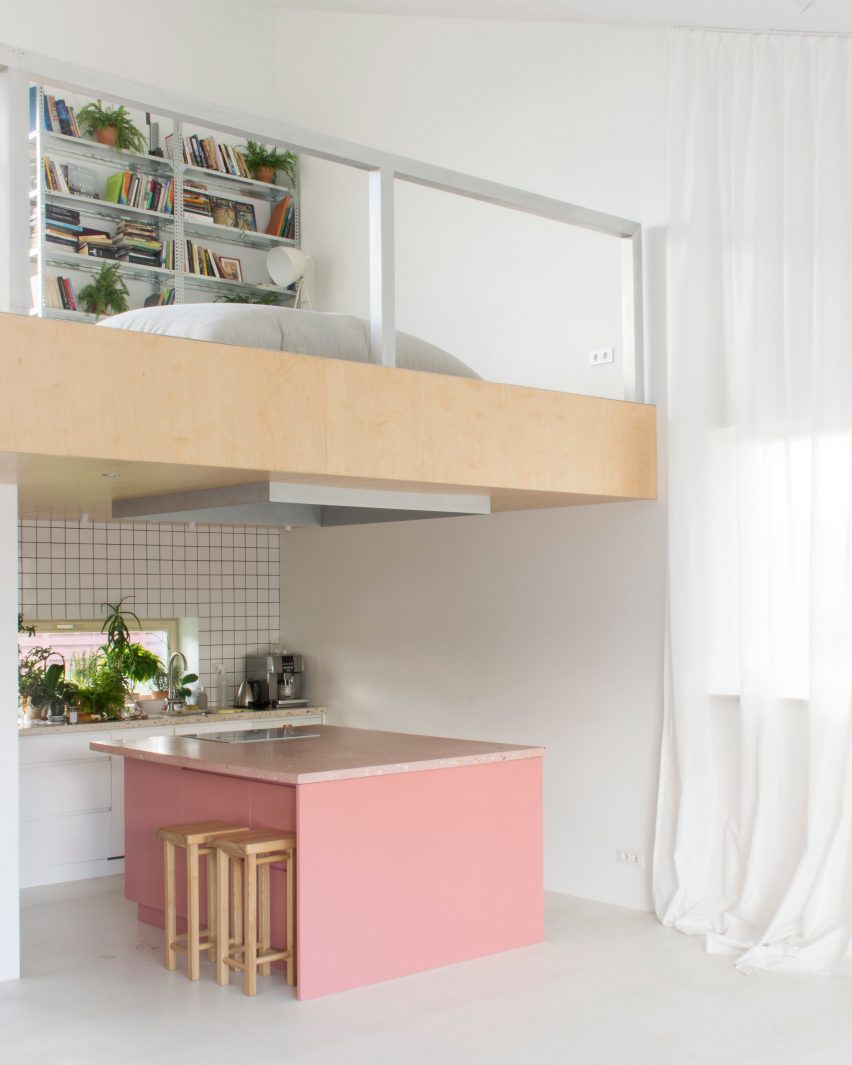
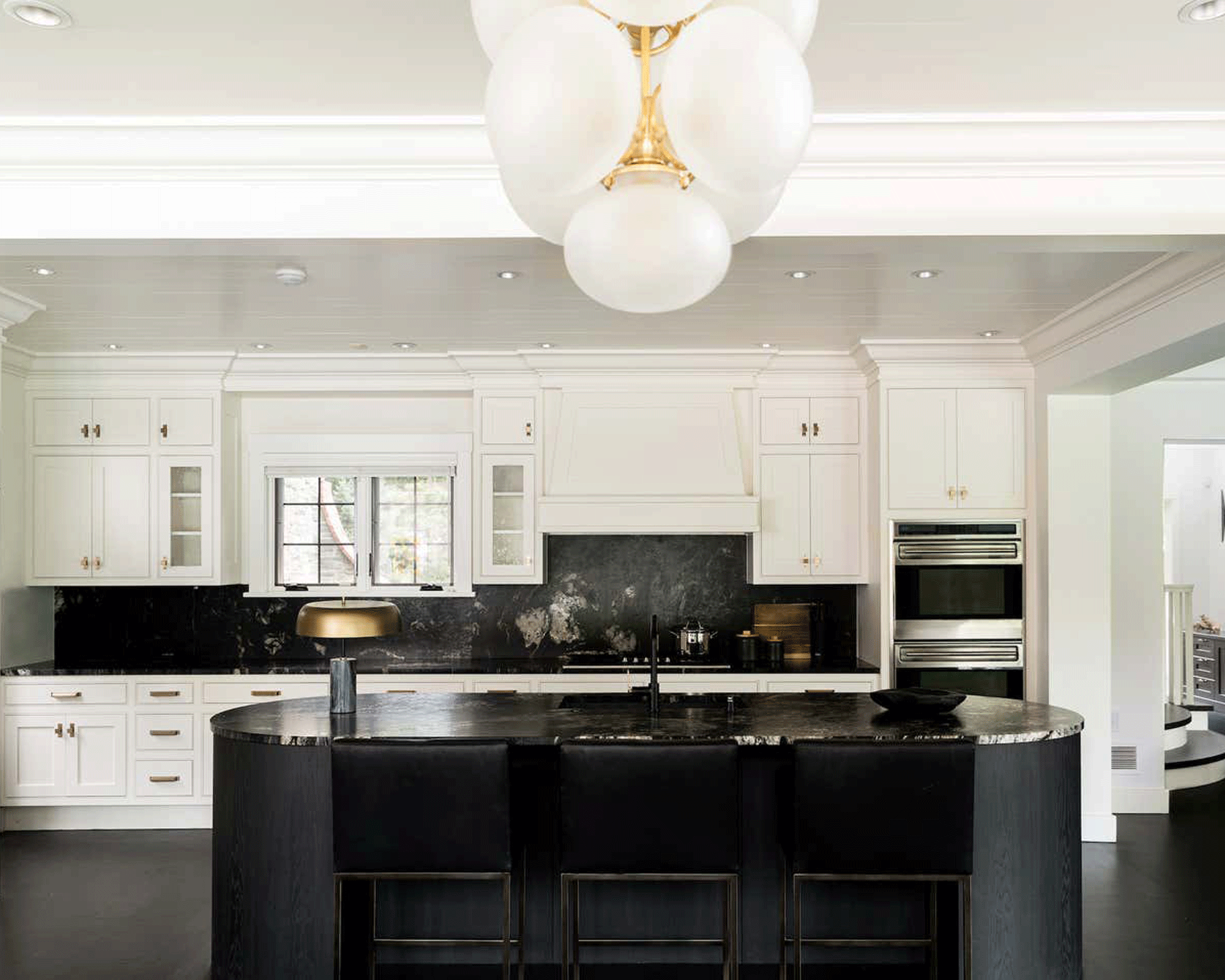
Muted and neutral tones are essential for creating balance in transitional kitchens. A cohesive and monochromatic color palette, focusing on harmonizing subtle tones, is advised. This can involve using variations of the same tone across cabinets, countertops, and flooring to create a unified and elevated look. While creams are soothing, incorporating more than one color can also achieve harmony. Deep, muted colors for cabinets combined with white marble or quartz countertops are often recommended.
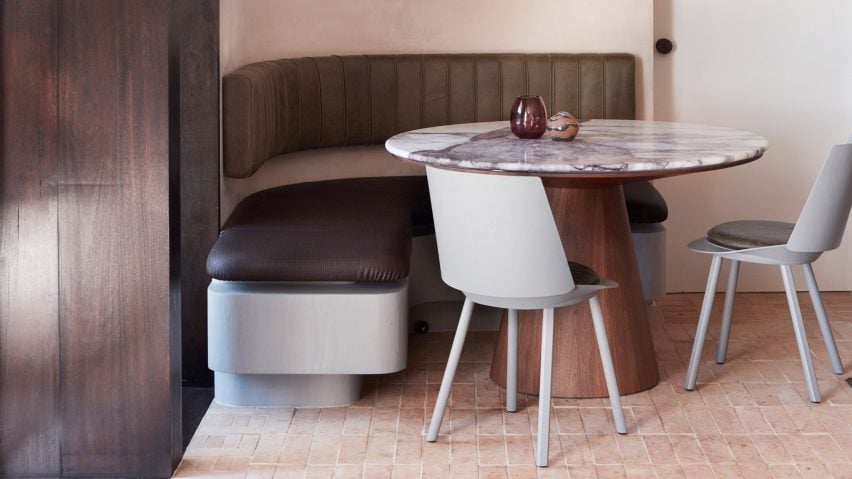
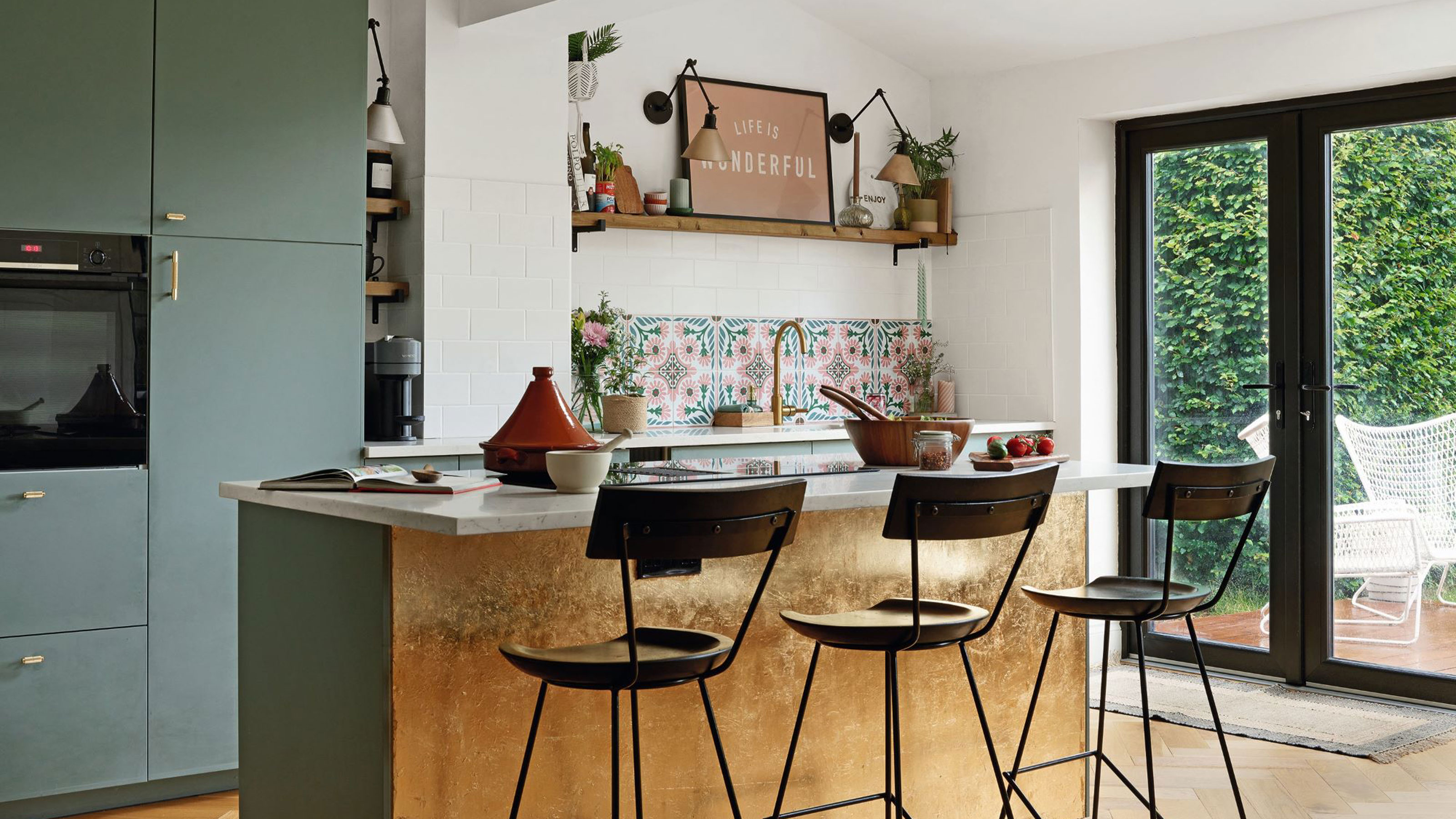
Mixing furniture styles is another technique, balancing modern flat-panel cabinets and contemporary stools with elements like crackle glaze subway tiles and sculptural metal hoods. However, it's important to avoid overly bold statement pieces, instead opting for smaller, eclectic items that add character without dominating the space. Texture is introduced through tiles, such as off-white zellige tiles for backsplashes, which prevent a sleek kitchen from feeling cold and sterile. Layered lighting also adds texture and adaptability, with ambient, task, and accent lighting creating different moods and highlighting specific features.
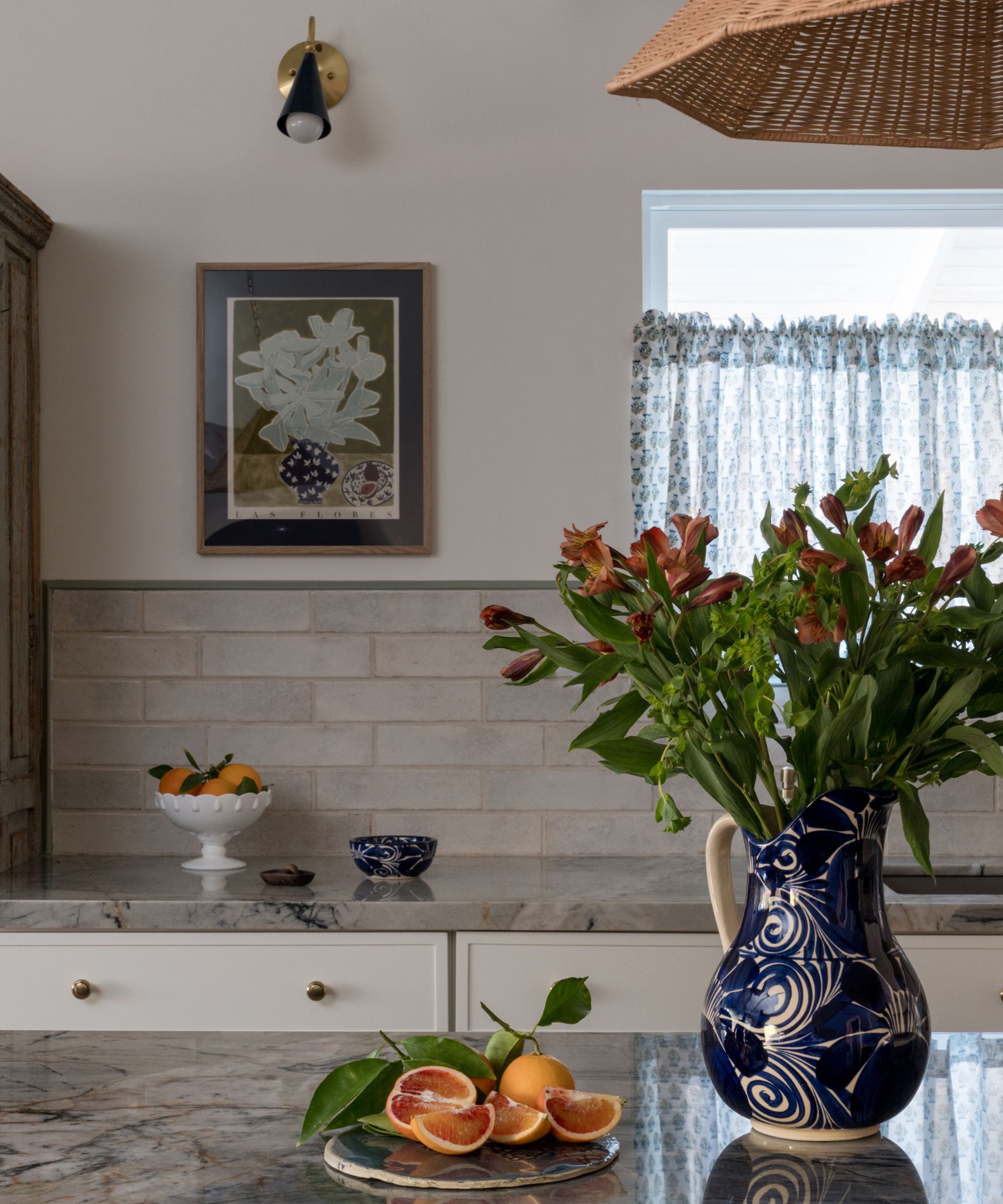
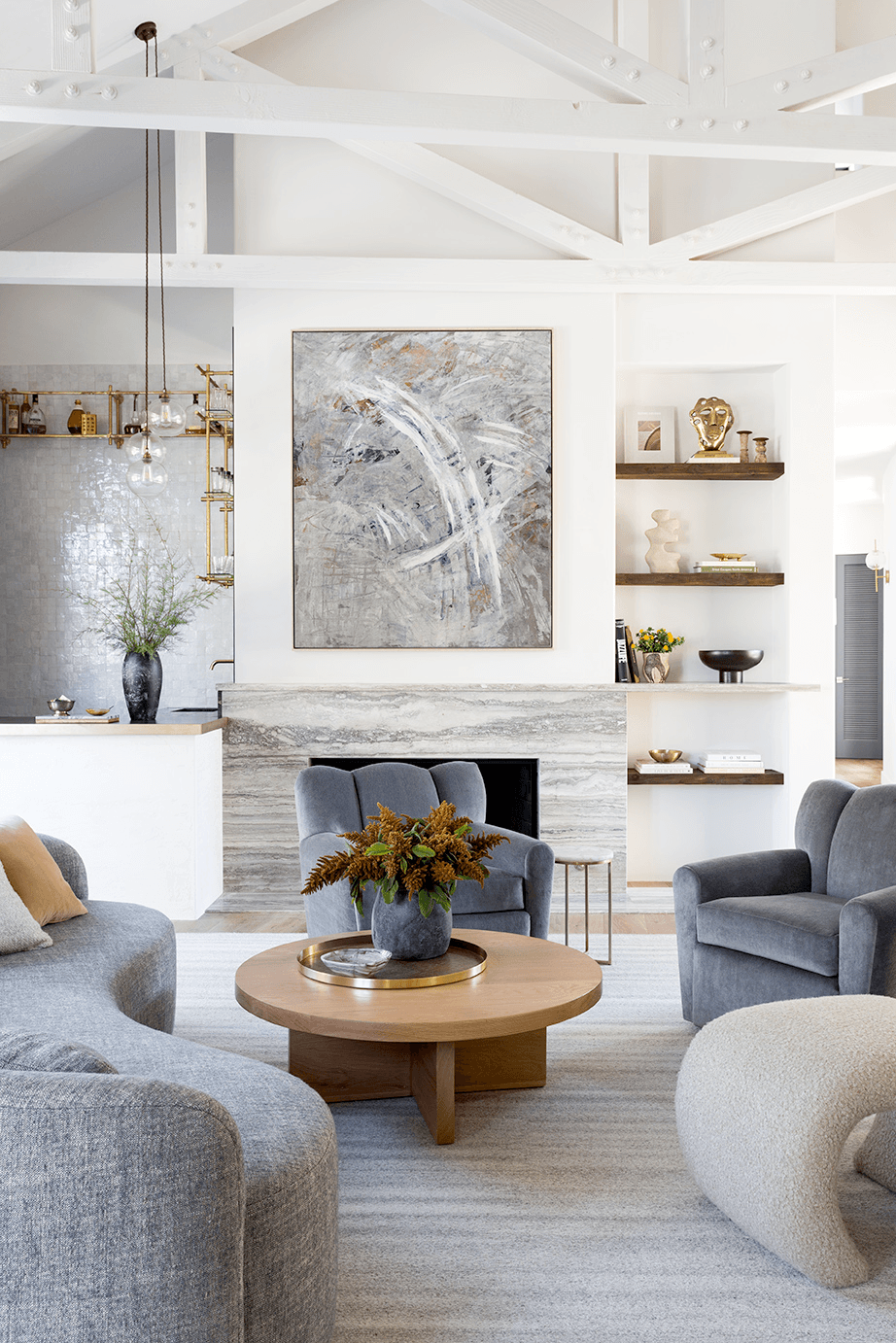
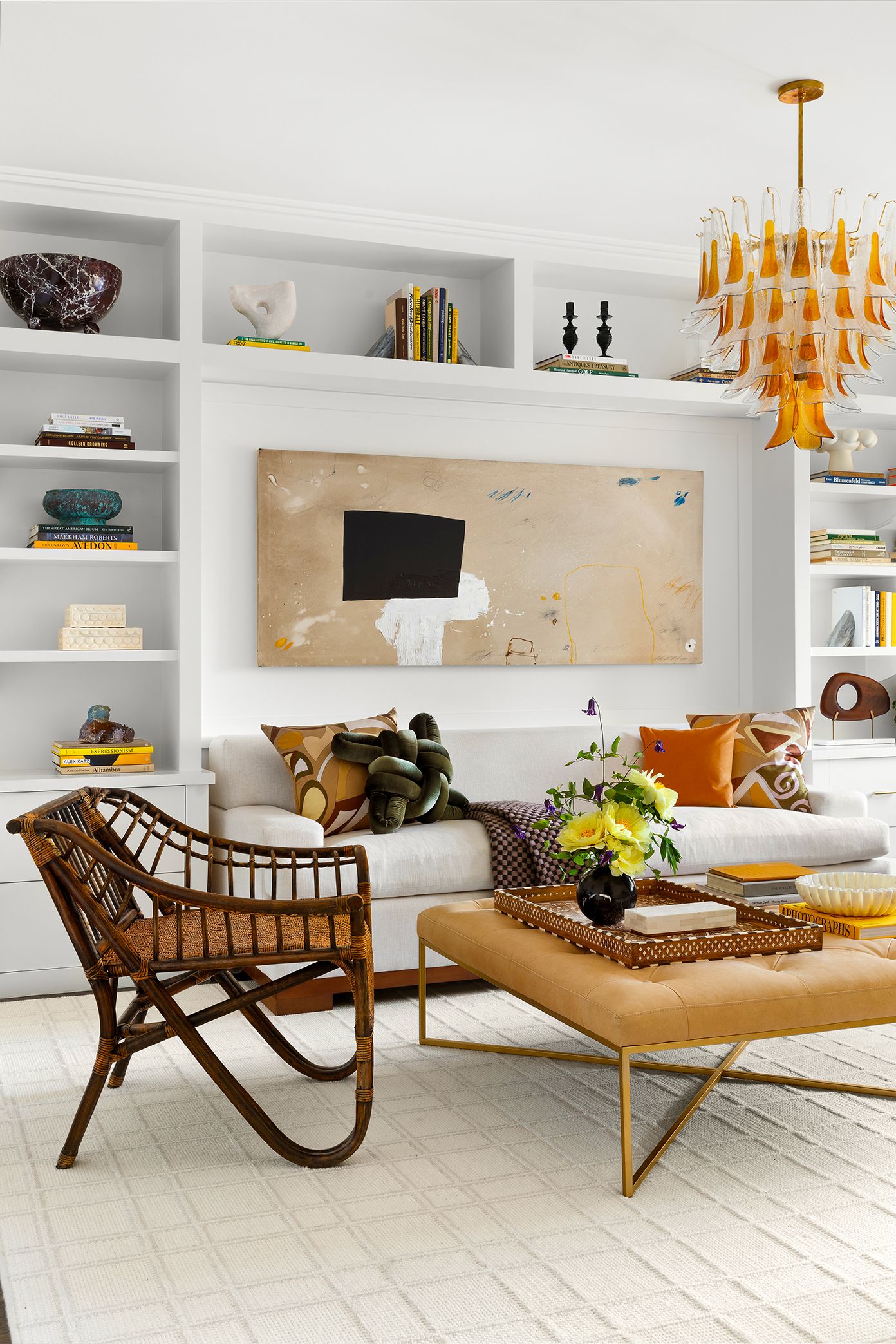
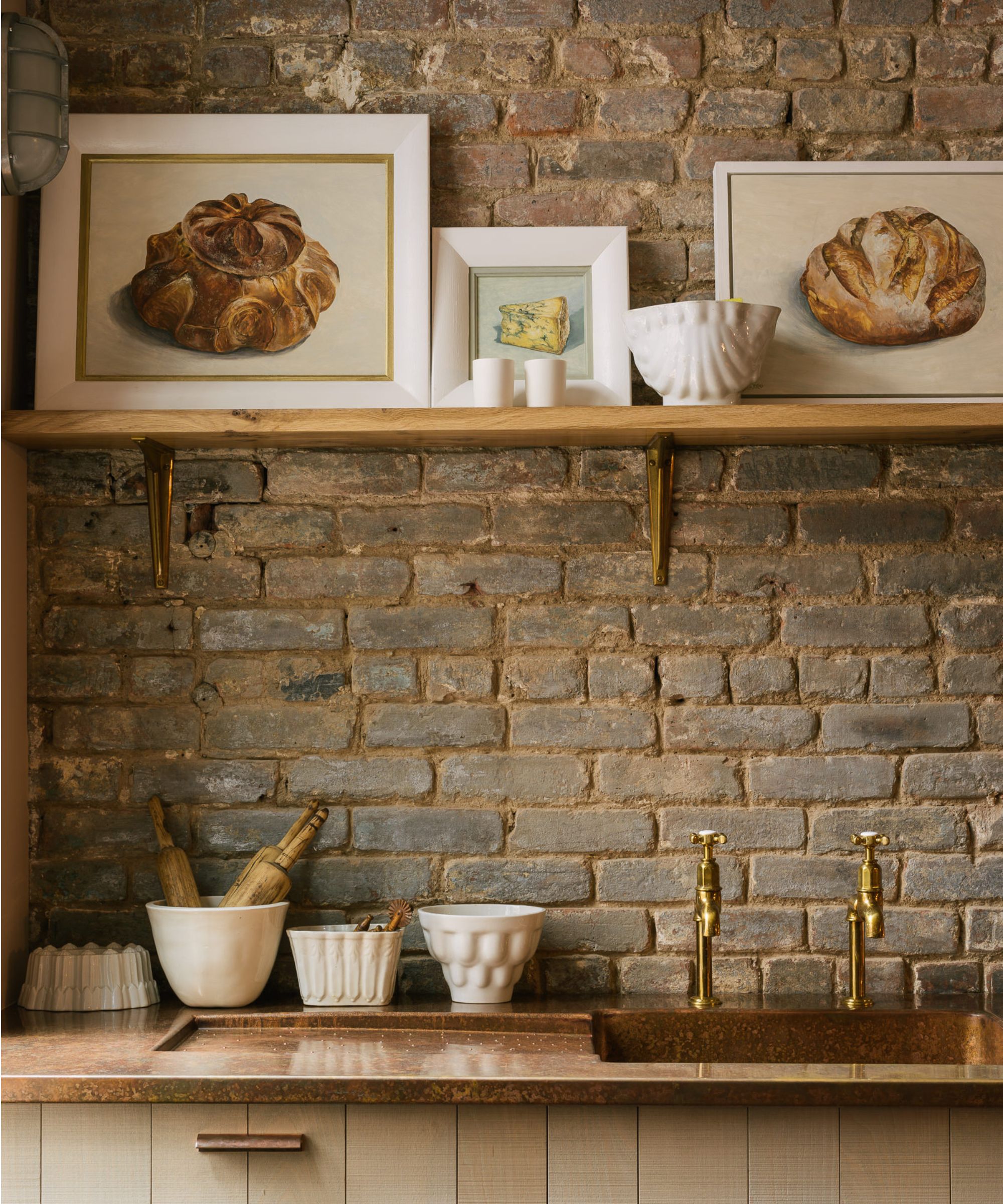
Maintaining balance and simplicity is paramount, keeping open shelves and countertops clutter-free to highlight the design's timeless appeal. This minimalist approach ensures the space feels open, inviting, and effortlessly stylish. Incorporating metal accents, like mixed metals in hardware, adds depth and character, moving away from uniform color schemes and embracing eclectic style. Natural materials such as wood, stone, and concrete contribute to a grounded, organic feel, balancing traditional and modern elements through complementary tones and textures. Finally, when incorporating statement pieces, frame them with simple decor to maintain overall balance, and always prioritize quality in all chosen elements, as older, well-made pieces will make cheaper modern items appear less refined. Neutral color schemes, often featuring white, blue, sand, and sage, are recommended for their timeless appeal, while quartzite is a popular choice for transitional kitchen countertops due to its durability and aesthetic versatility.
#TransitionalKitchens #KitchenDesign #InteriorStyle #ModernTraditionalBlend #HomeDecor #KitchenCabinetry #MarbleCountertops #KitchenHardware #NeutralColorPalette #TransitionalKitchens #KitchenDesign #InteriorStyle #ModernTraditionalBlend #HomeDecor #KitchenCabinetry #MarbleCountertops #KitchenHardware #NeutralColorPalette
0 comment in total
 No comments yet
You may also like
13 transitional kitchen ideas that effortlessly blend old and new

Ten kitchen design ideas from Dezeen's lookbooks

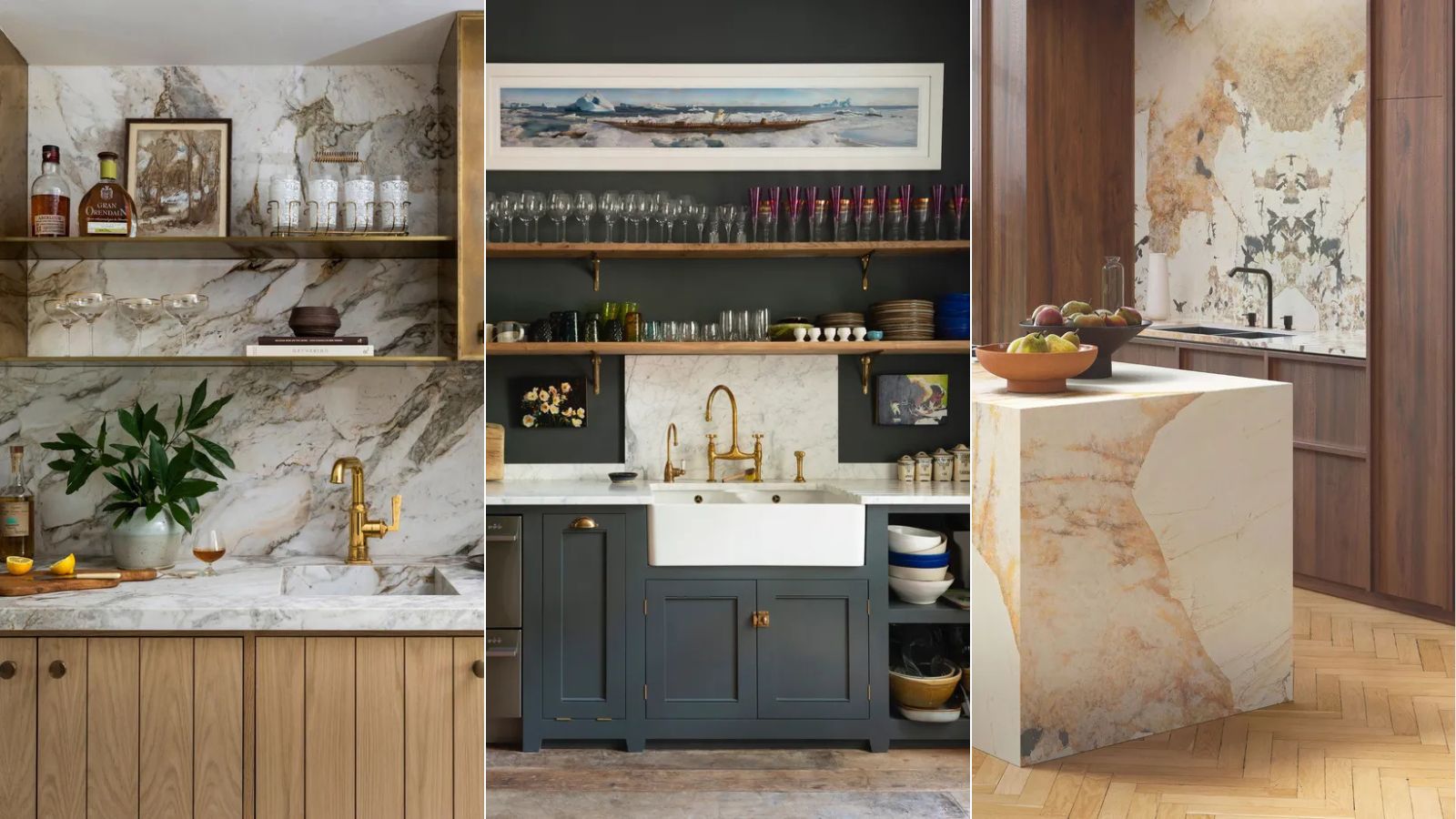
What's replacing modern farmhouse kitchens in 2025? 5 styles designers say you should consider instead
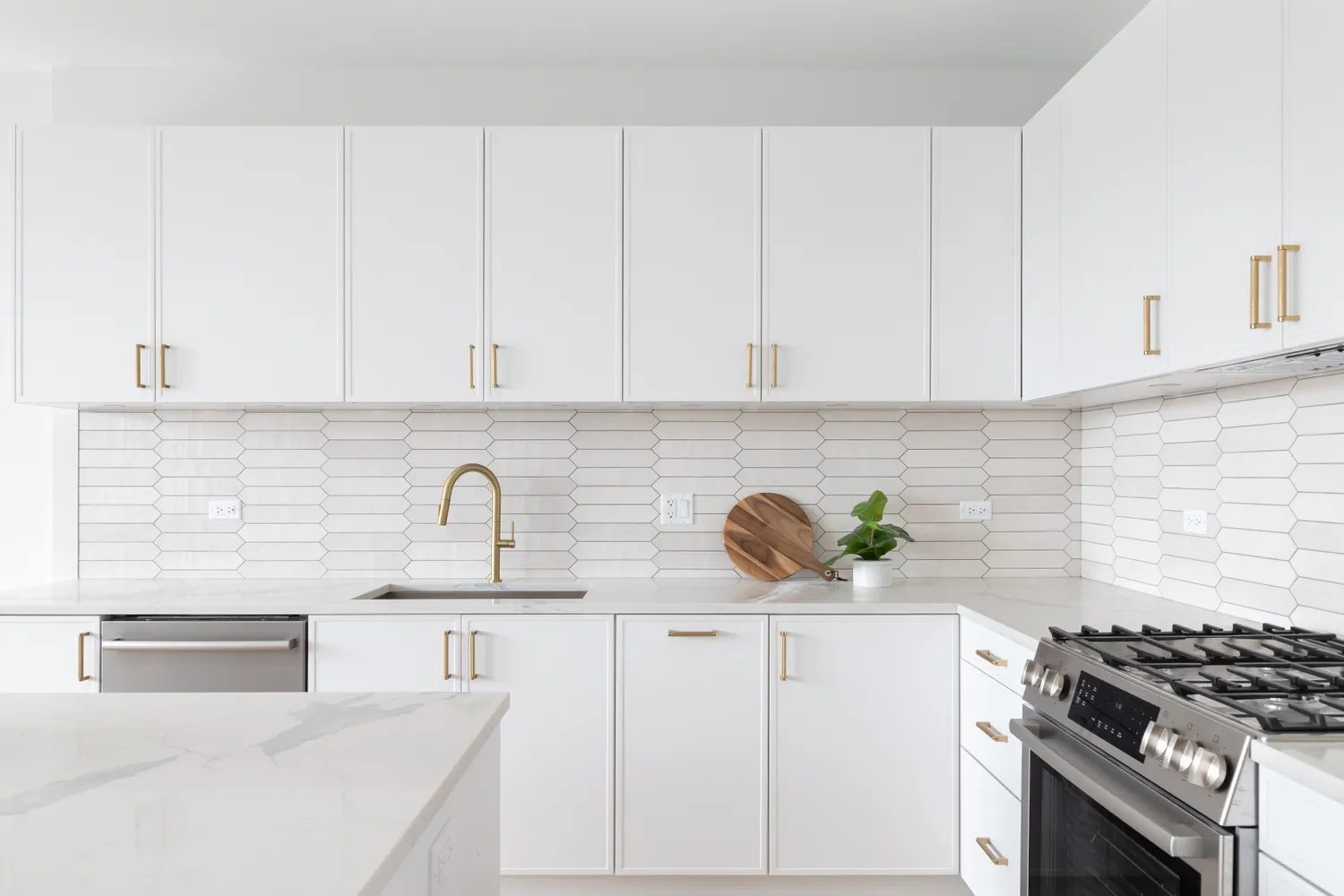
5 Kitchen Styles That Are Definitely Out of Style, Designers Say

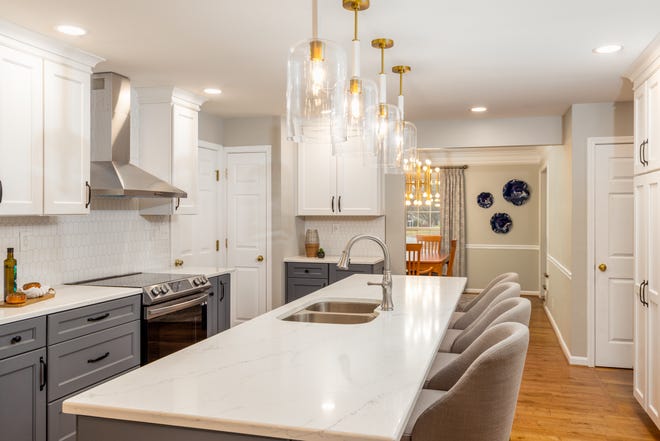
SEE IT: 3 creative interior design looks to help with your kitchen remodel
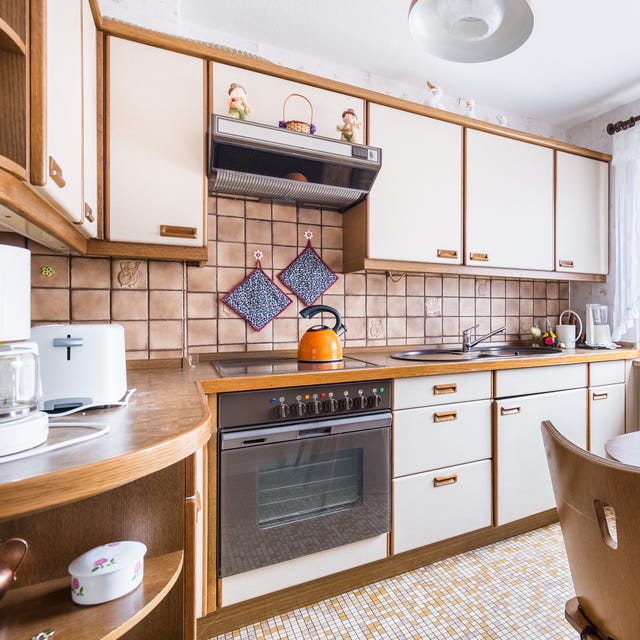
22 Outdated Things You Should Avoid in Your Kitchen, According to Designers

The Popular Kitchen Style You'll See Everywhere In 2026
How The Myers Touch created a modern kitchen with a traditional feel
Transitional Kitchen Decor — 28 Modern Heritage Finds |
Transitional Style Kitchens Are Most Popular—Here's How to Ace the Look

Kitchen ideas – leading designers reveal the 34 most stylish looks which will inspire your next kitchen remodel
7 mistakes you are making with transitional style – and expert strategies for avoiding them
27 Transitional Kitchen Ideas You’ll Wish You’d Seen Before Signing Off on Your Remodel
12 "Outdated" Kitchen Trends You Should Ditch In 2025 (But You Probably Have)

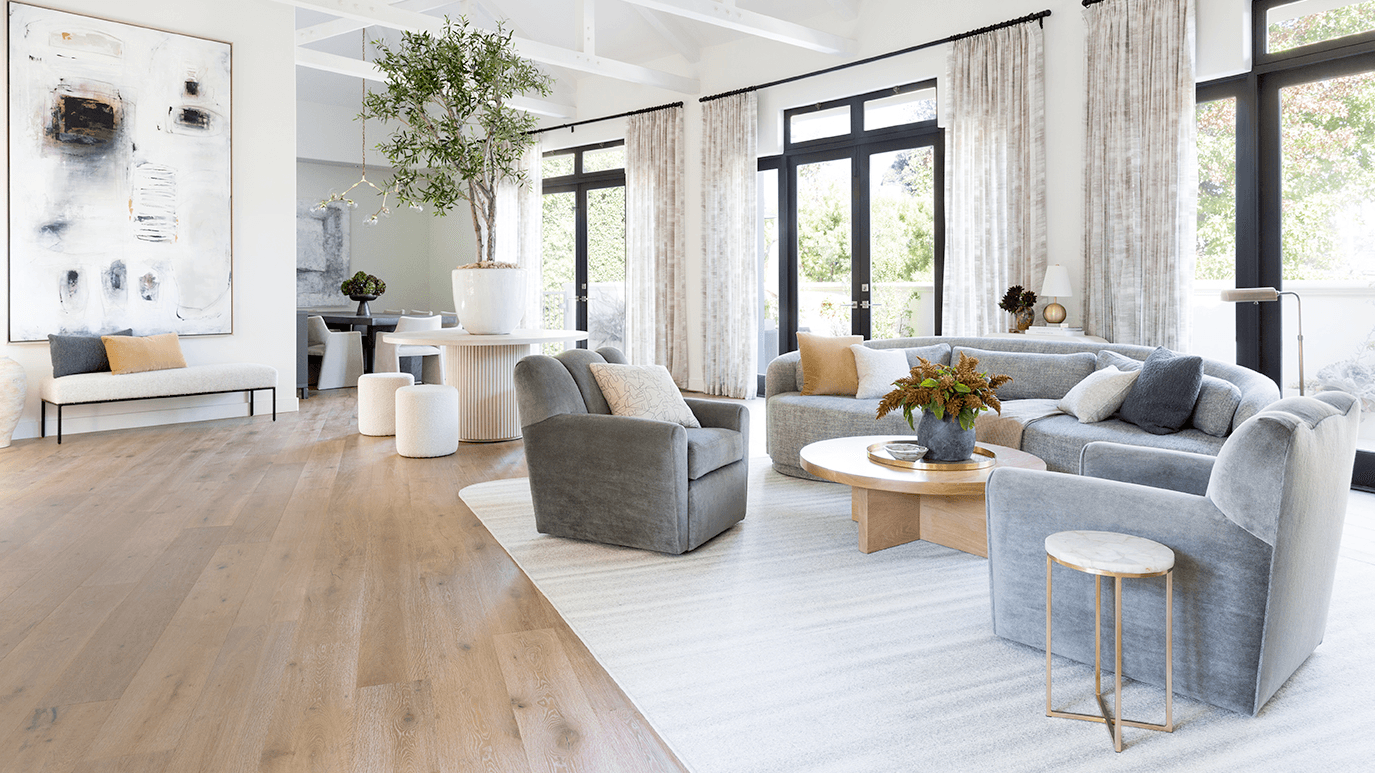
Transitional Design: Everything You Need to Know About This Traditional and Modern Style

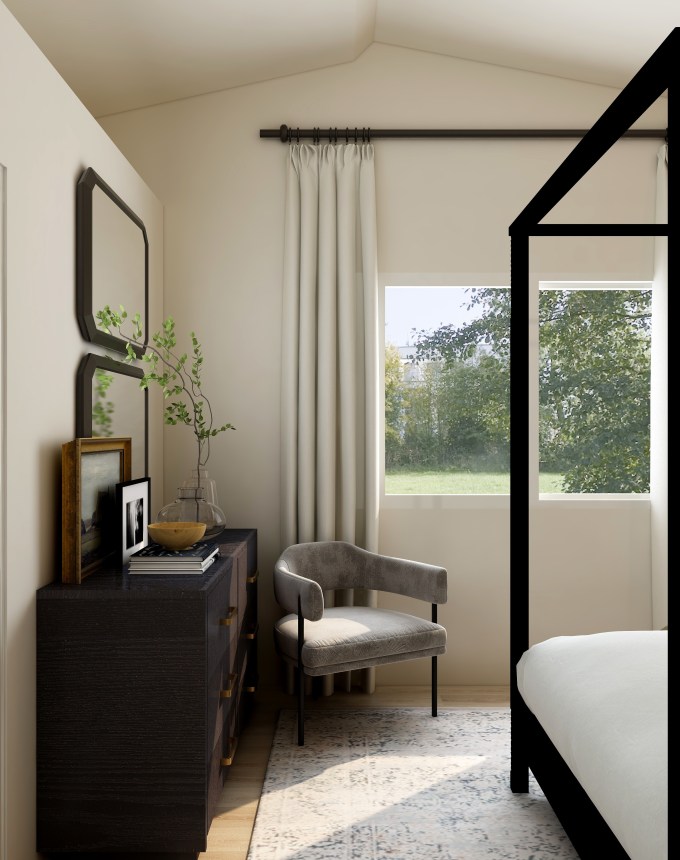
Here’s What Transitional Style *Actually* Means (and 6 Tips to Nail the Look)
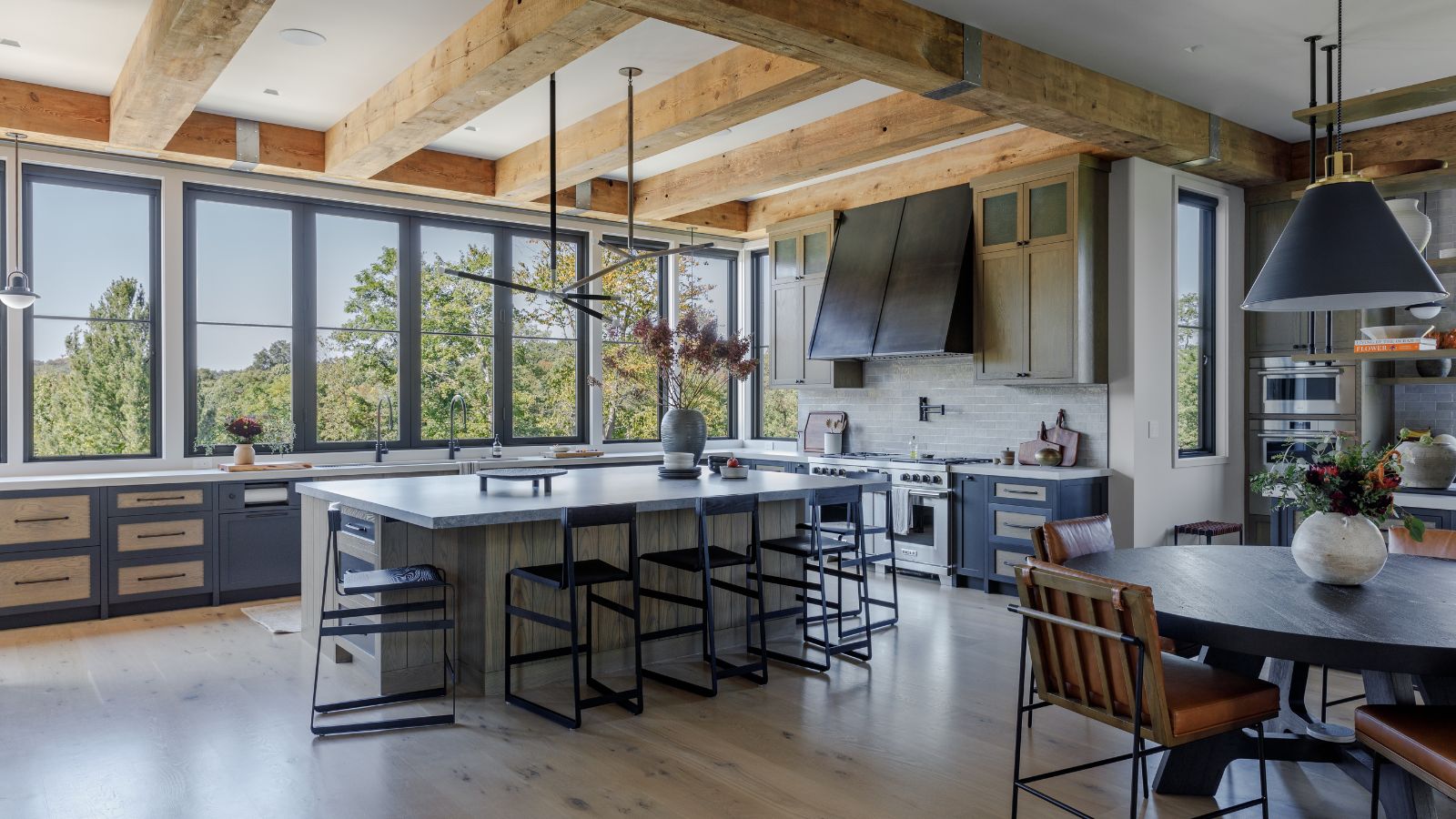
Explore a transitional kitchen that expertly blends industrial style with the softness of organic modernism
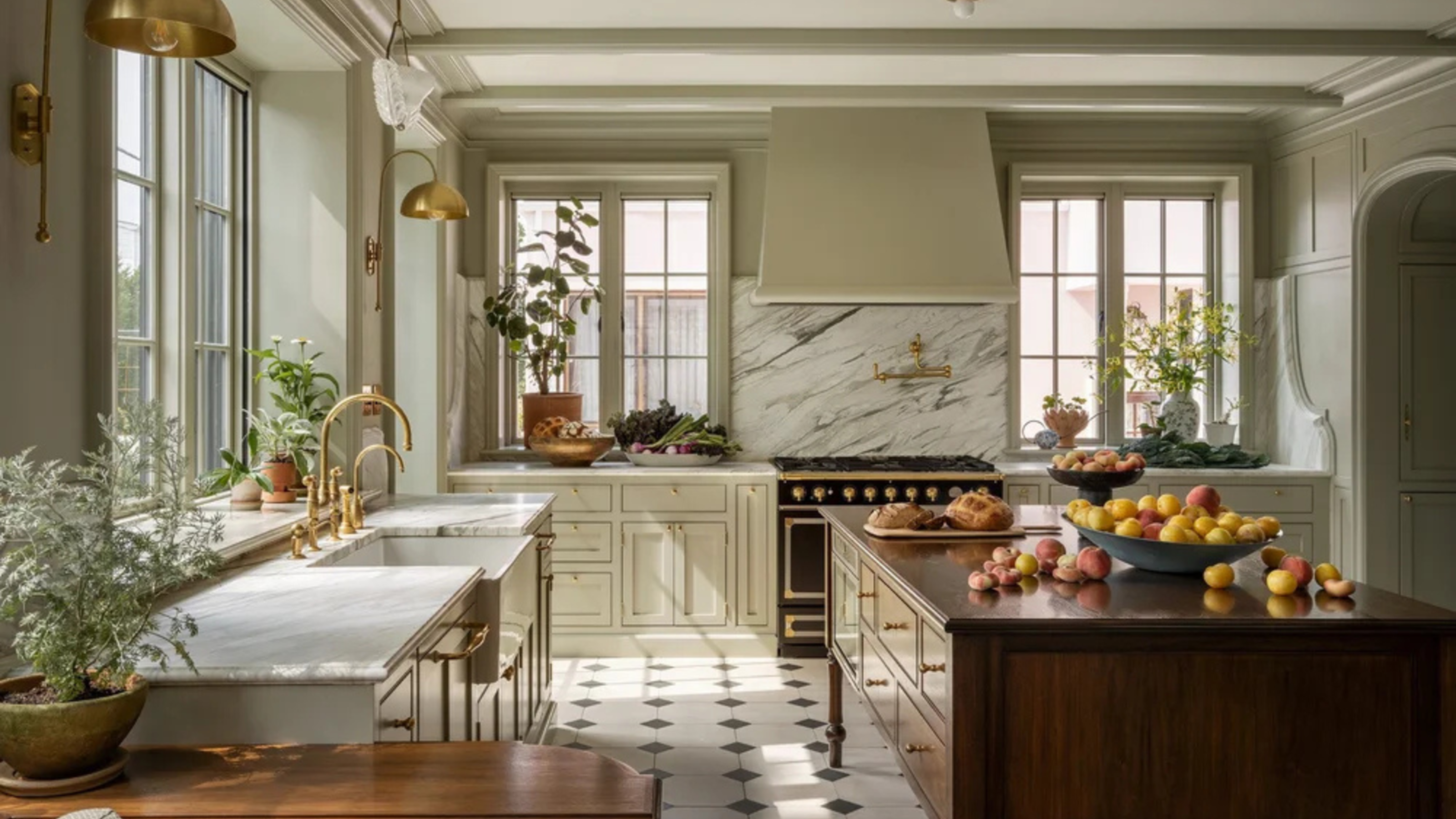
7 Traditional Kitchen Features That Are Making a Comeback in 2026 — Experts Are Saying 'the Older, the Better'
I’ve renovated four kitchens - these are the 7 trends I regret falling for, and what I'd now do instead
Top design styles for your kitchen remodel