Keeping Rooms Are Returning as a Cozy Hangout By the Kitchen
The keeping room, a centuries-old architectural feature, is experiencing a resurgence in contemporary home design. Originating in the late 18th century, these rooms were primarily built adjacent to kitchens to leverage the warmth of the kitchen's fireplace, often the sole heat source in a home. Families utilized these spaces for various activities, including cooking, sewing, and daily chores, fostering a communal and cozy environment. Initially prevalent in New England, their design spread to many historic Southern homes as well.
In modern homes, while the practical need for a keeping room as a primary heat source has diminished, its core function as a casual gathering area remains. These spaces are typically situated directly off the kitchen, providing an overflow area where guests can comfortably socialize without impeding the main cooking activities. Interior designers like Michelle Gage emphasize that the proximity to the kitchen's action, combined with soft furnishings, creates an inviting and complementary space to the kitchen's more functional and often hard-surfaced environment. Modern keeping rooms can be found in older homes undergoing renovations and are increasingly being incorporated into new constructions, demonstrating their enduring appeal.
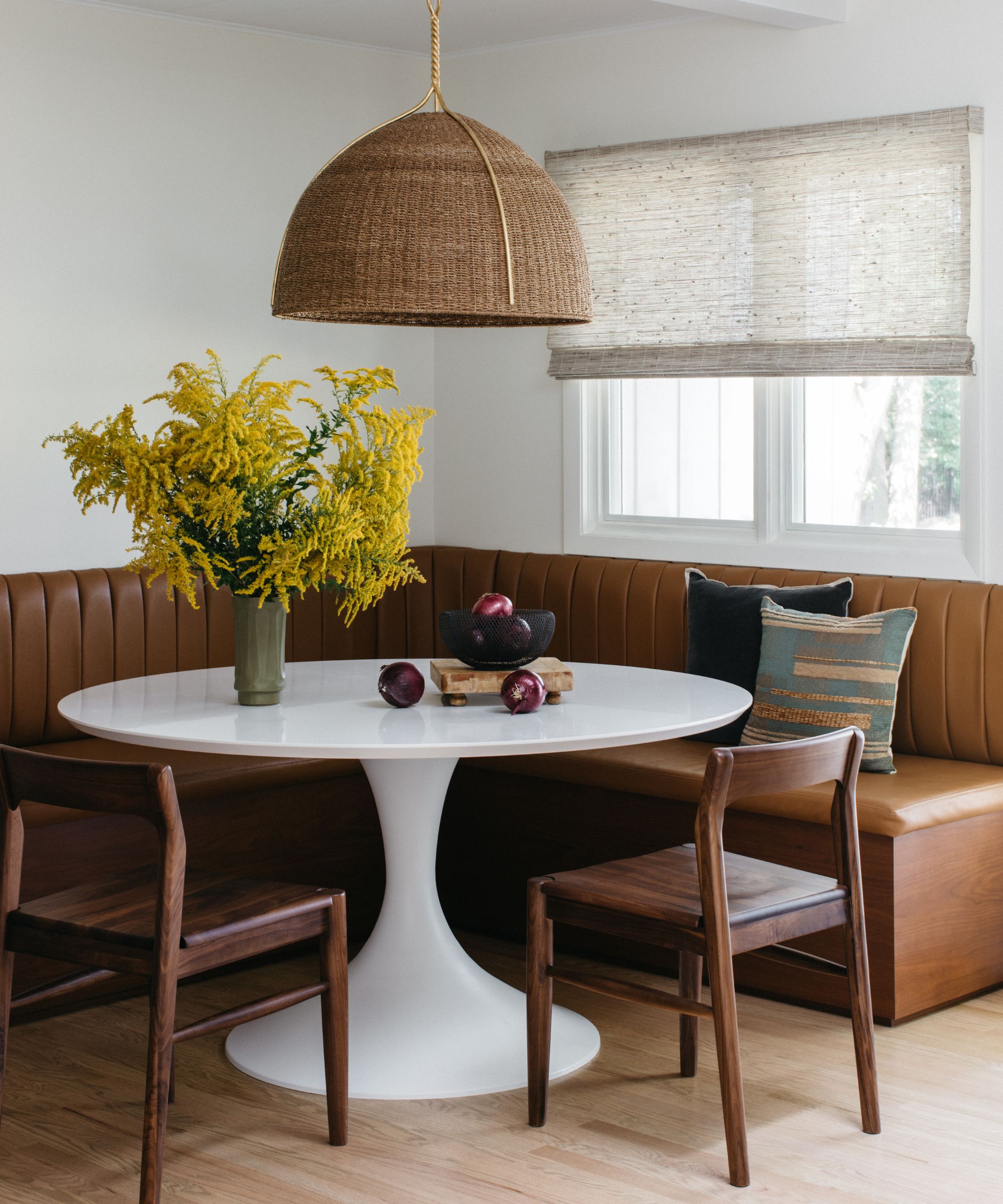
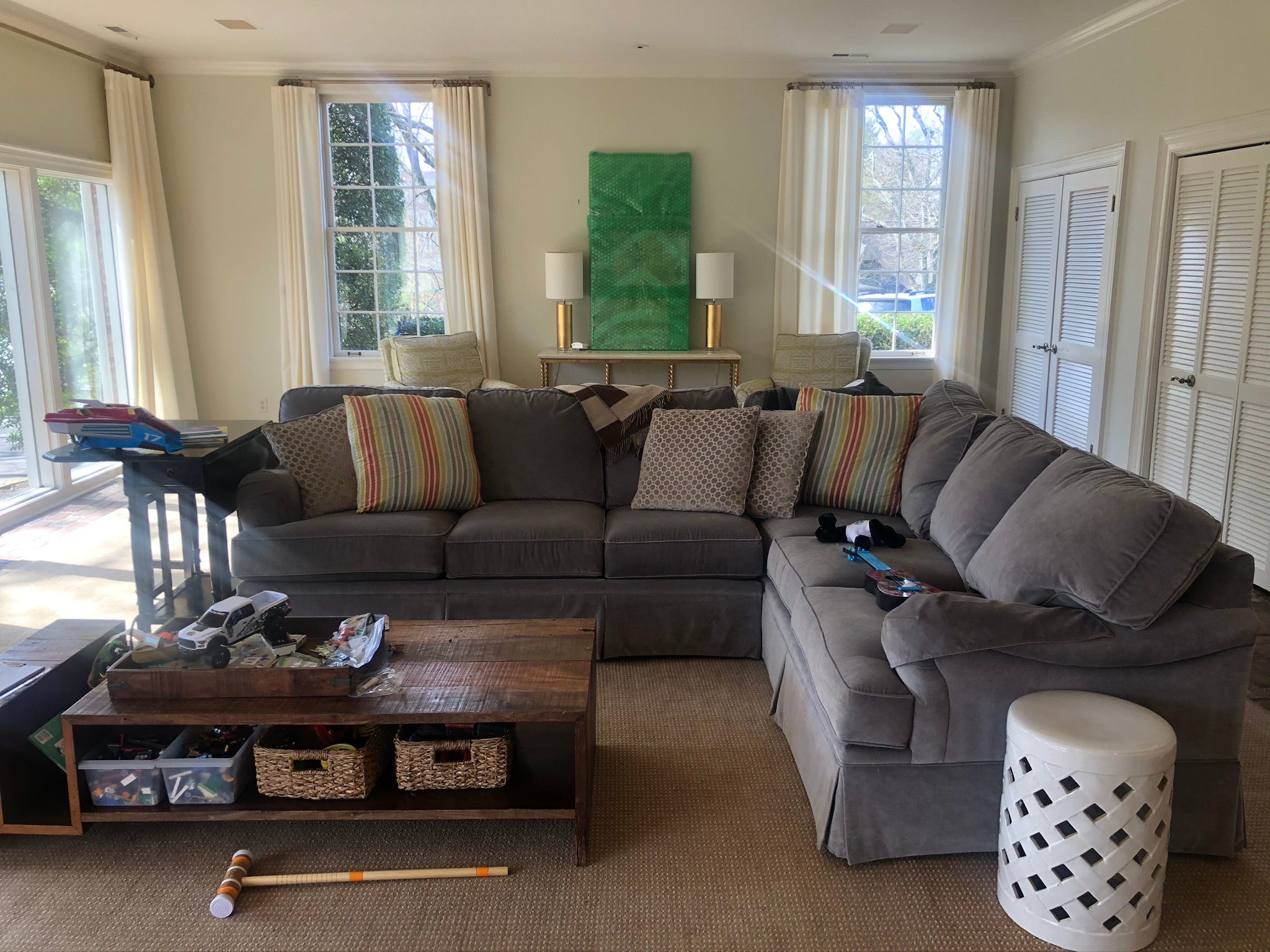
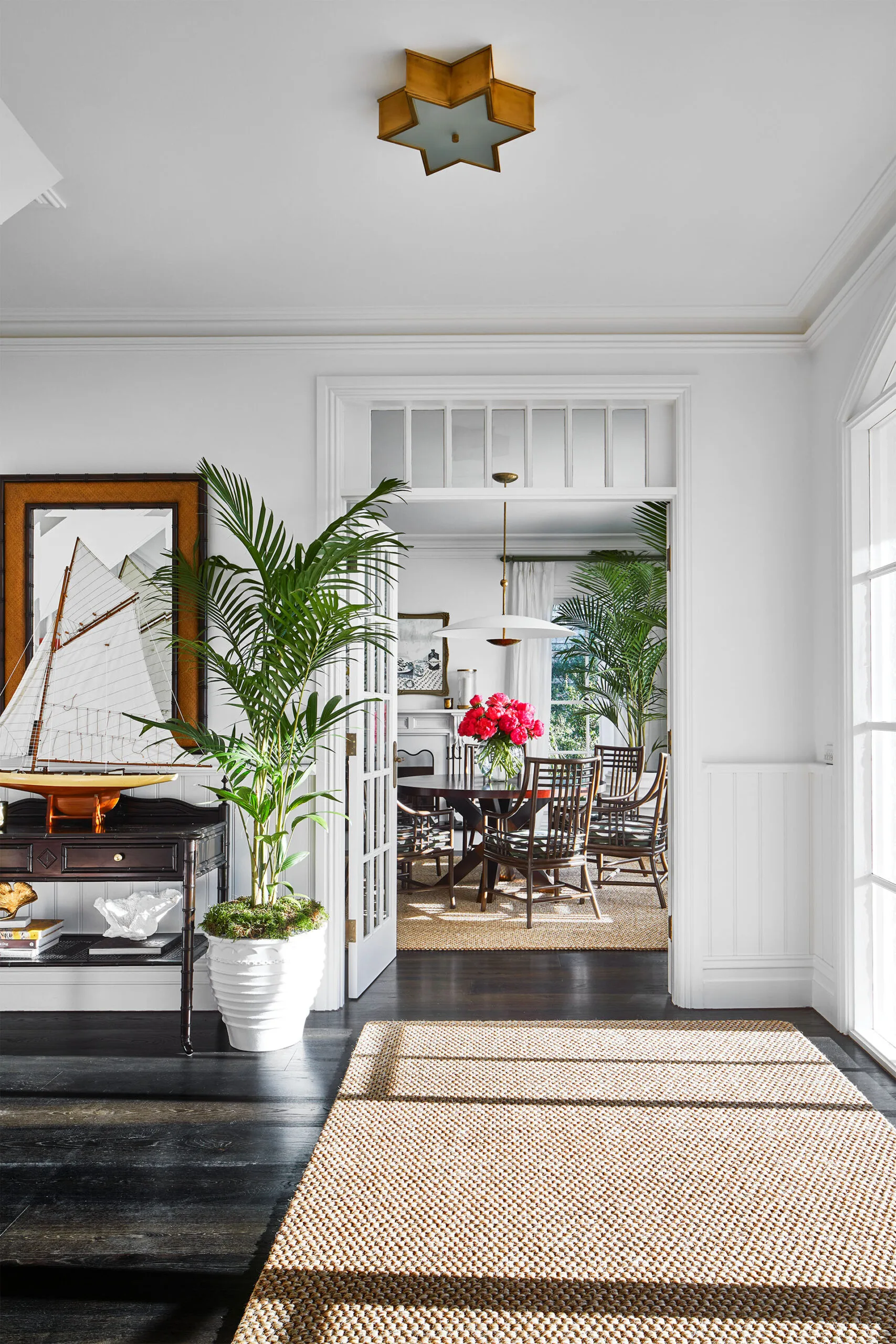
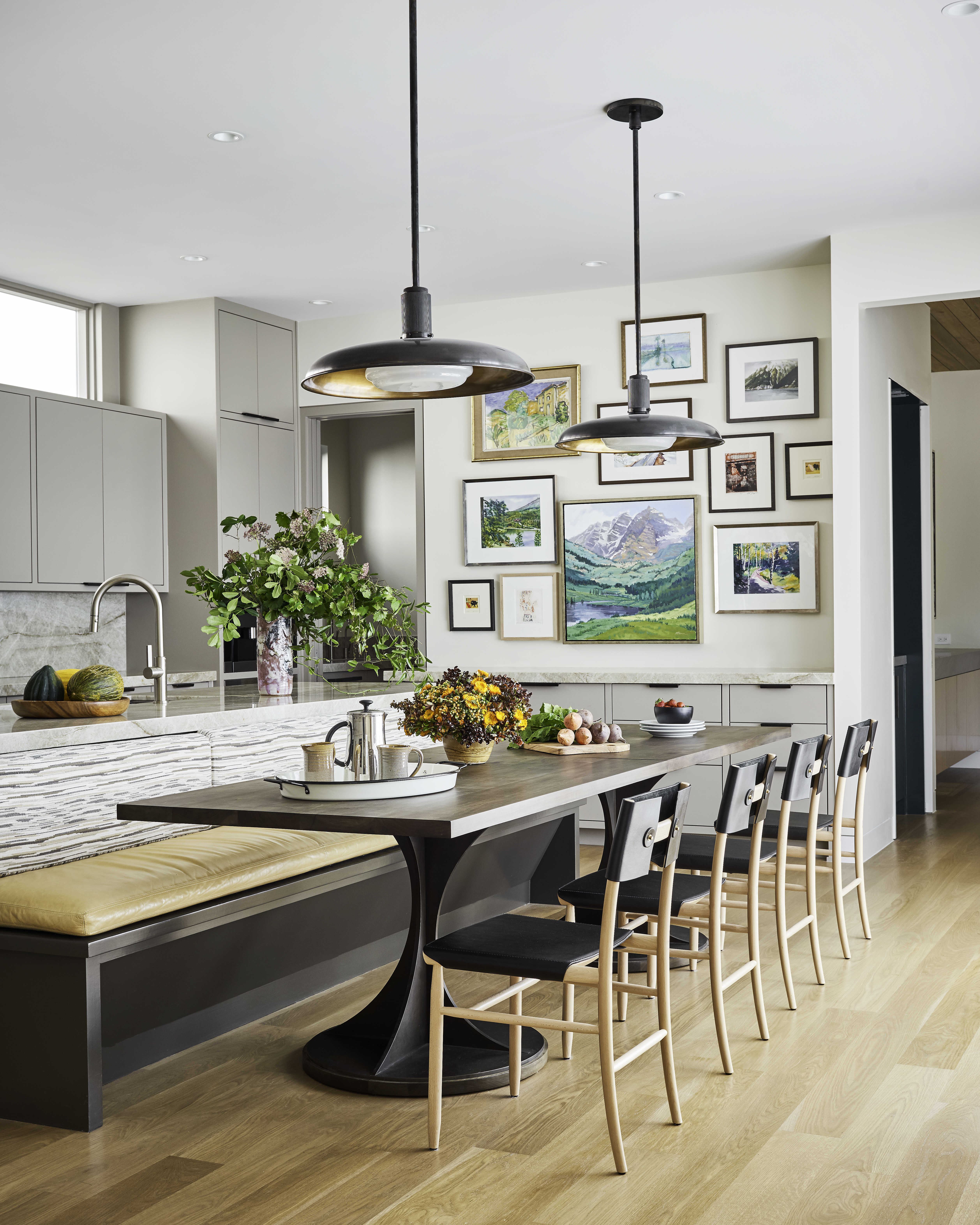
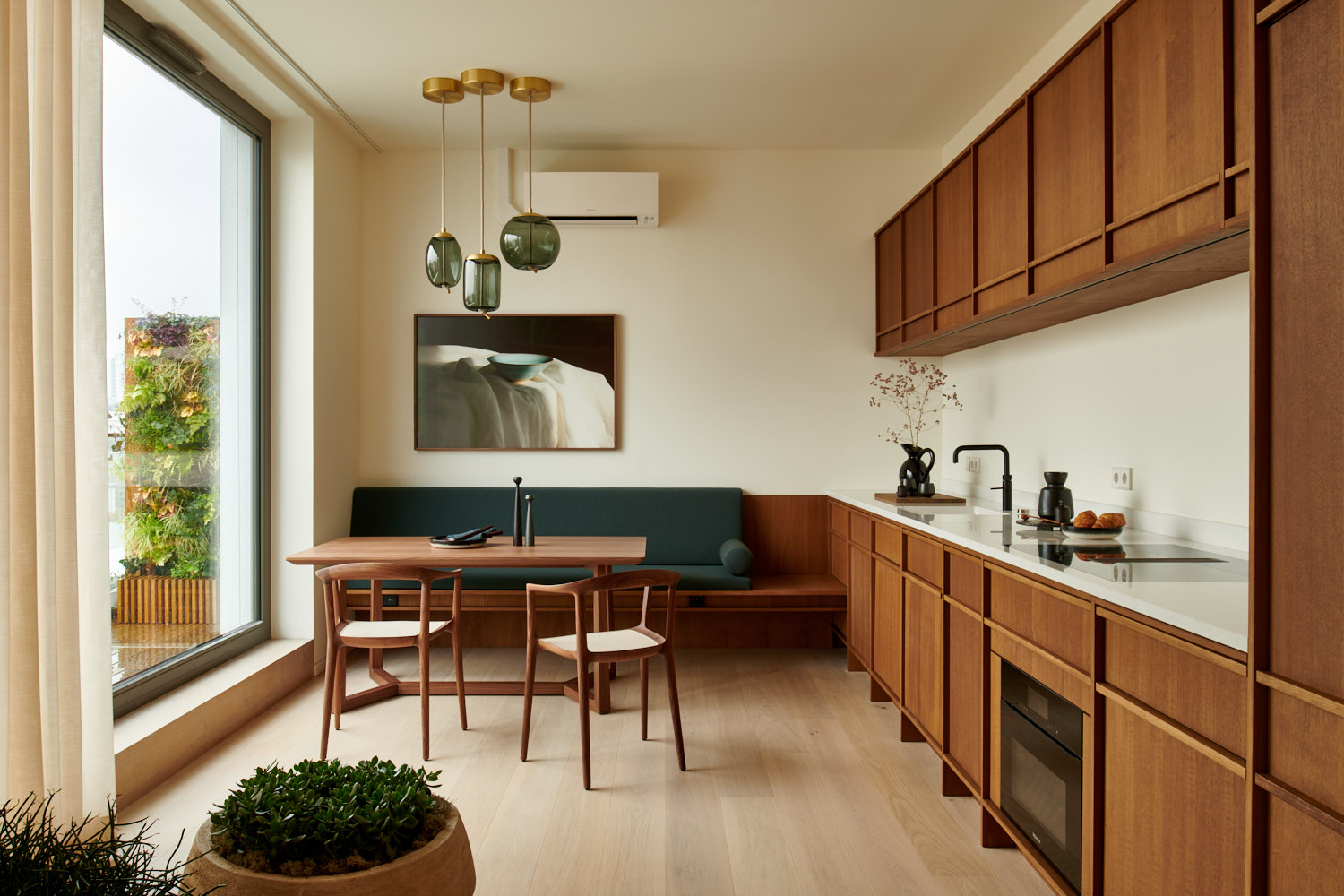
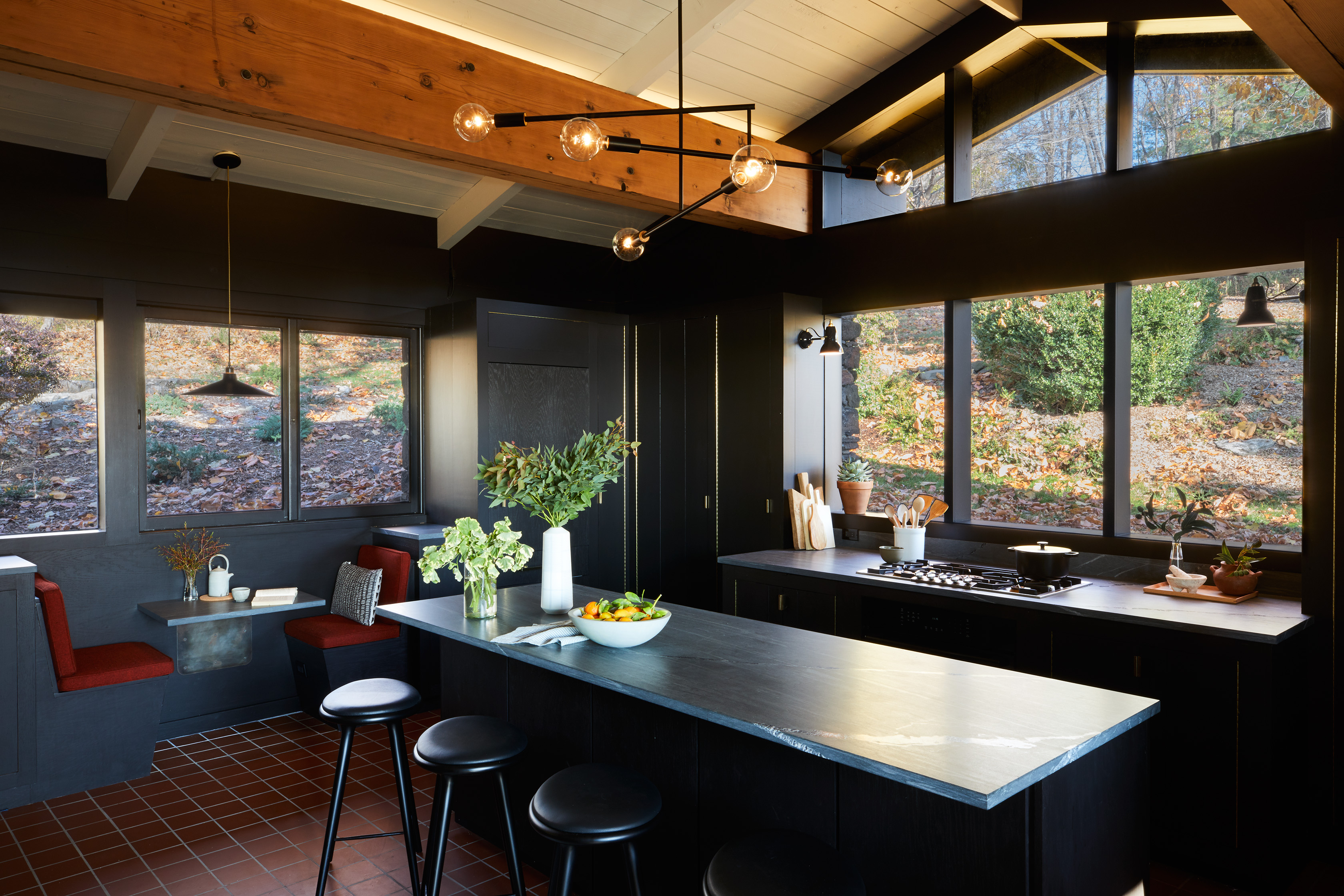
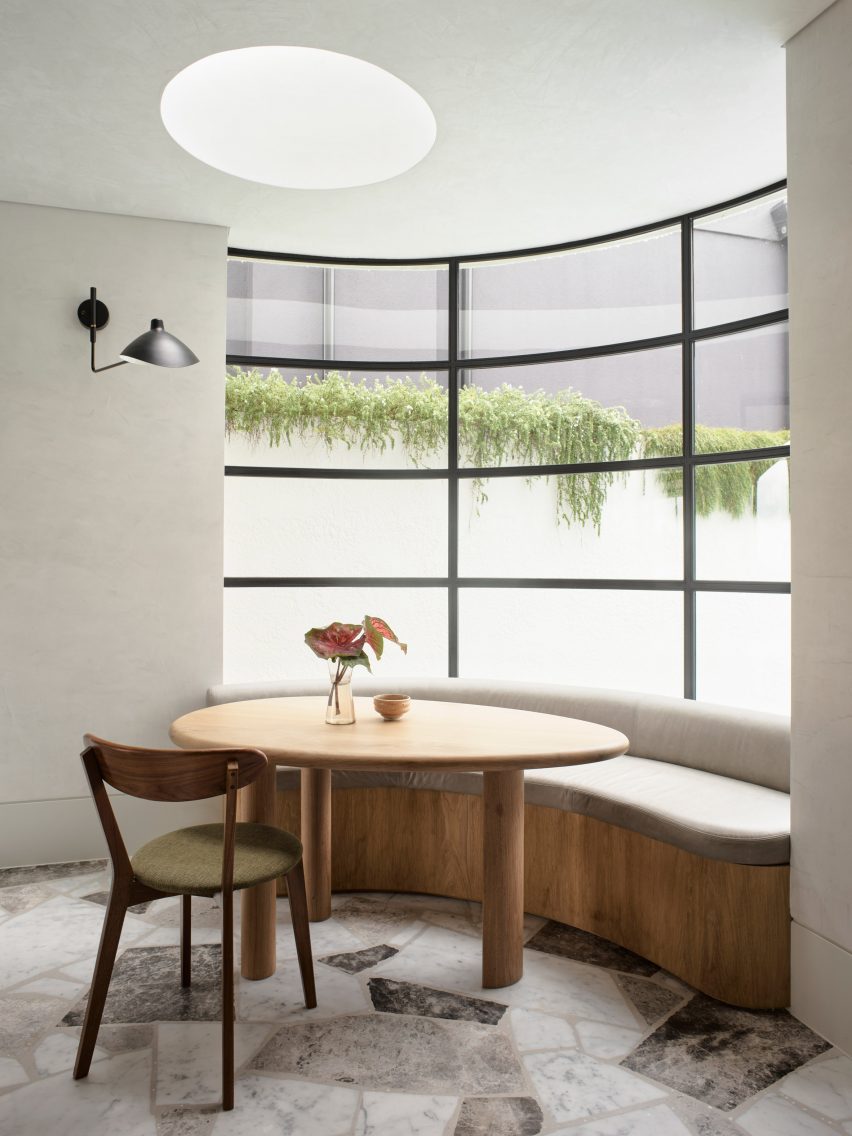
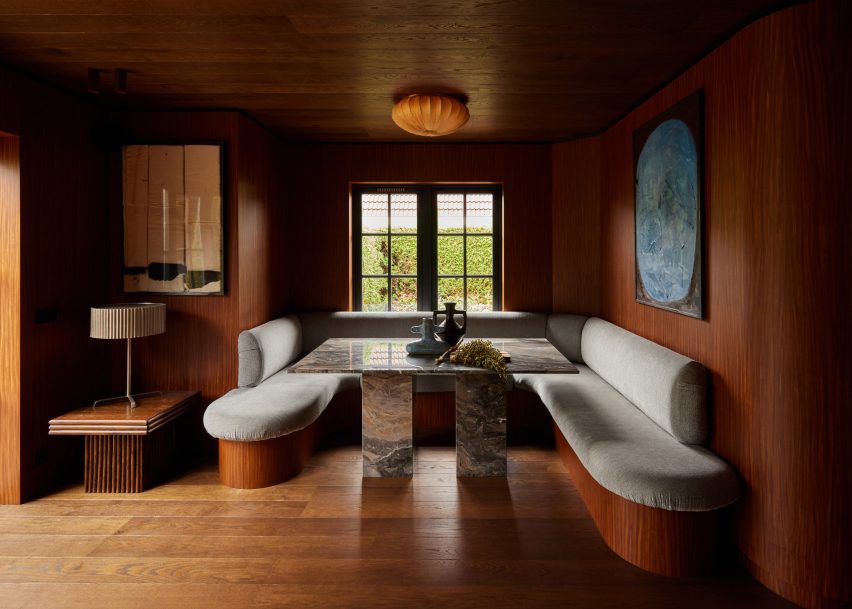
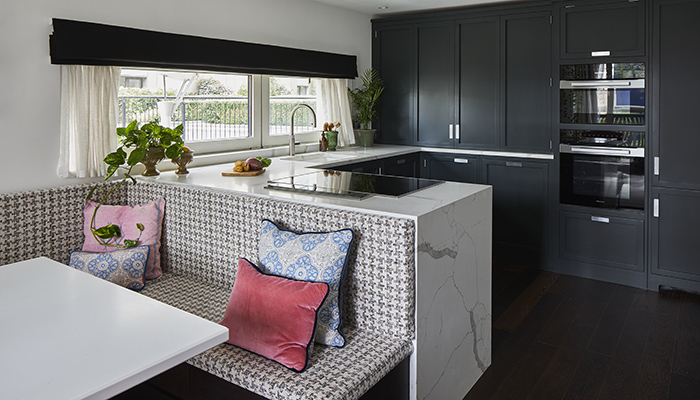
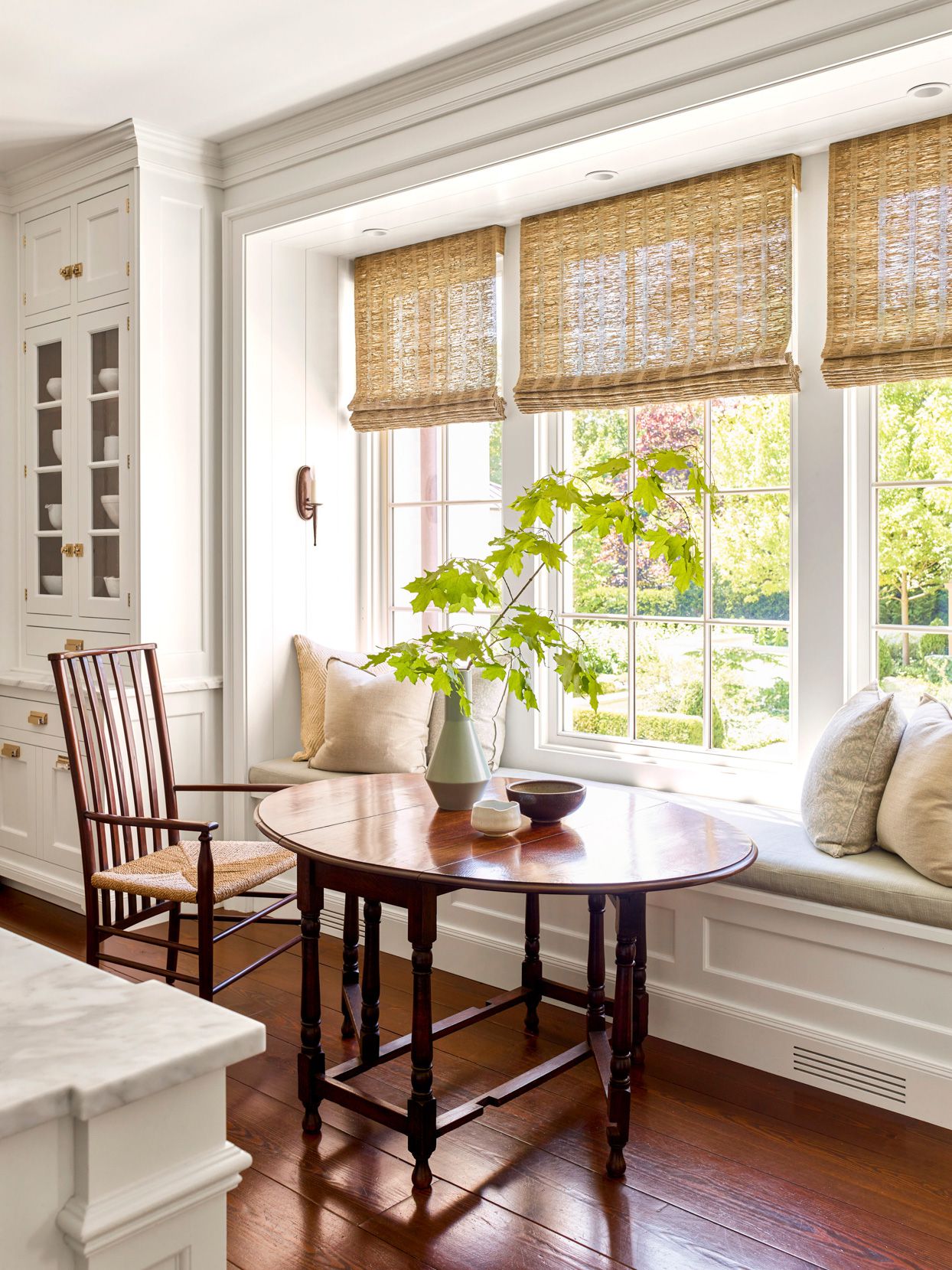
Decorating a keeping room prioritizes warmth and comfort. Unlike formal living rooms or kitchen islands, a keeping room is designed for relaxed interaction. Furniture choices typically include comfortable elements such as deep sofas adorned with plush pillows and soft throw blankets. Some designs might incorporate built-in breakfast nooks or rattan furniture, drawing inspiration from sunroom aesthetics. Larger keeping rooms often feature a fireplace, echoing their historical roots, surrounded by inviting chairs for conversation, relaxation, or board games. This focal point enhances the room's cozy ambiance and provides a natural gathering spot.
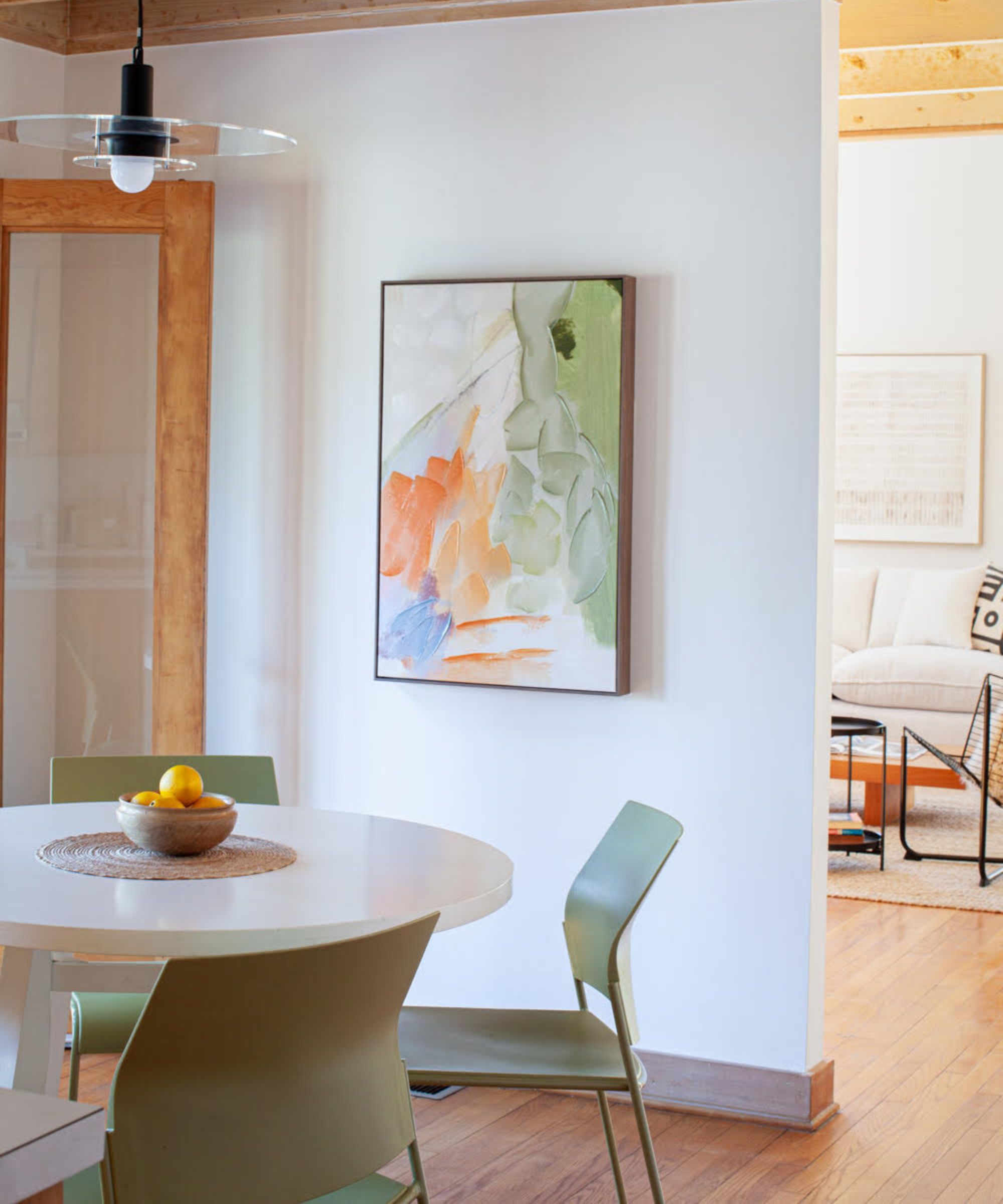
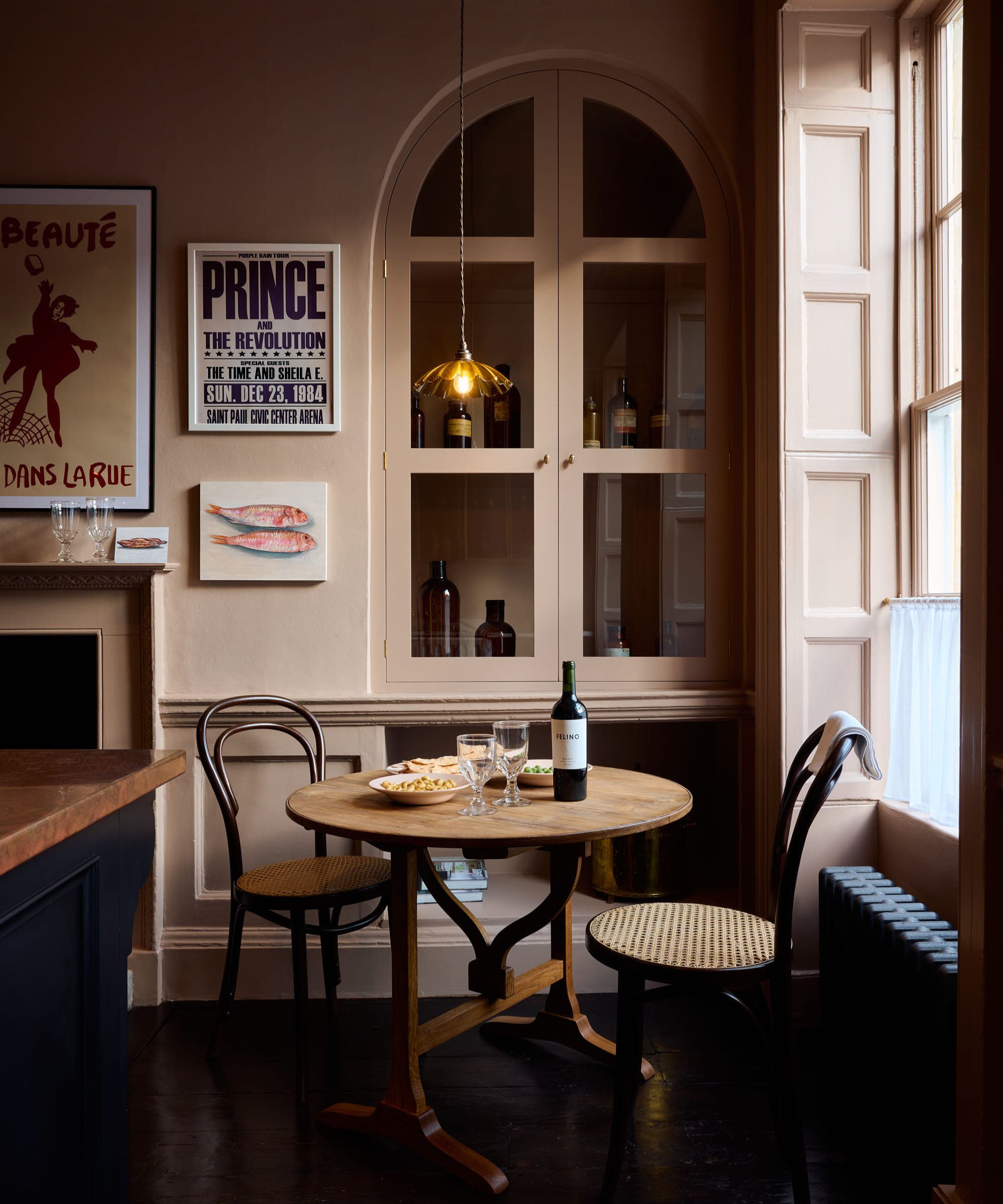
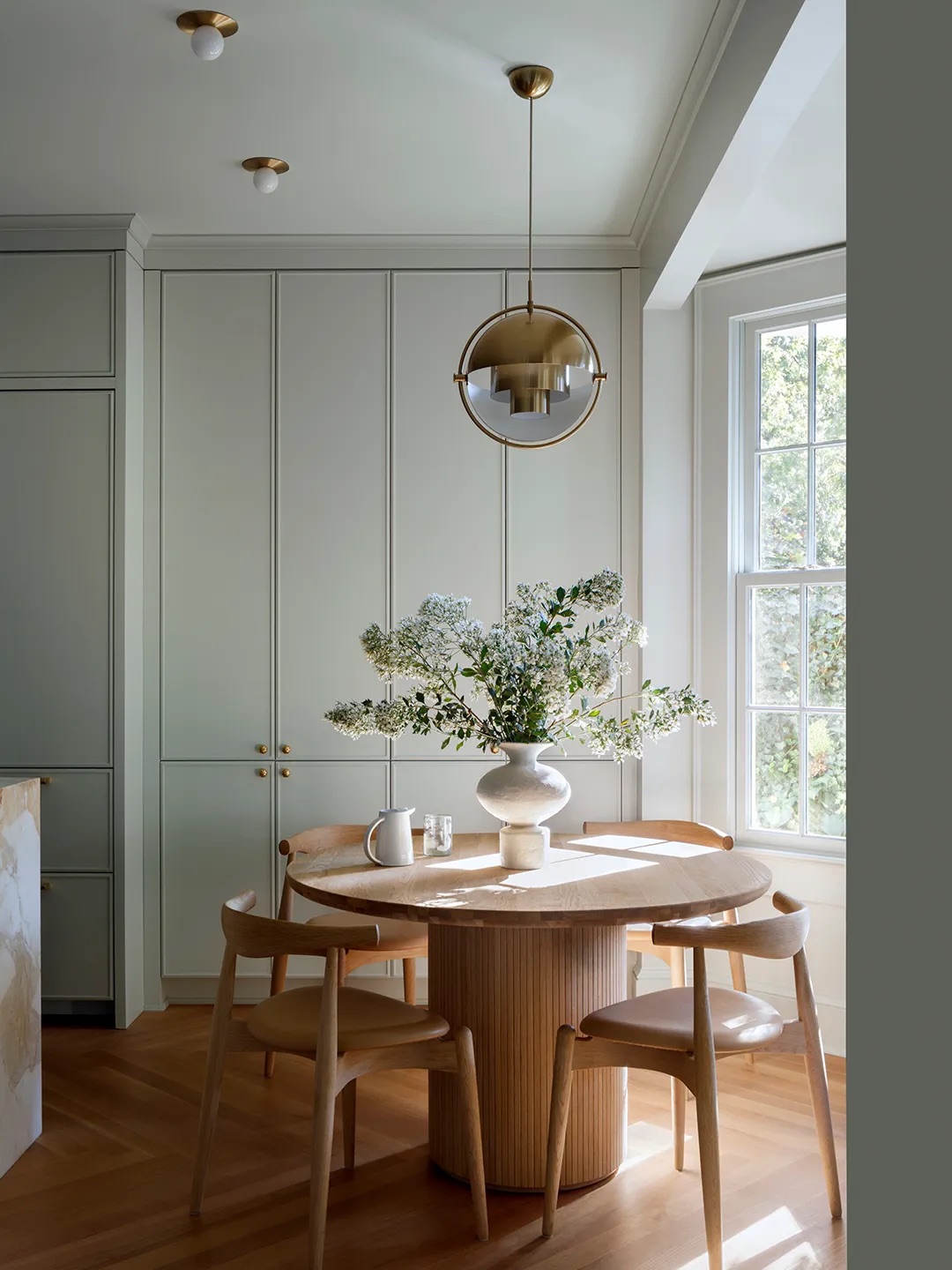
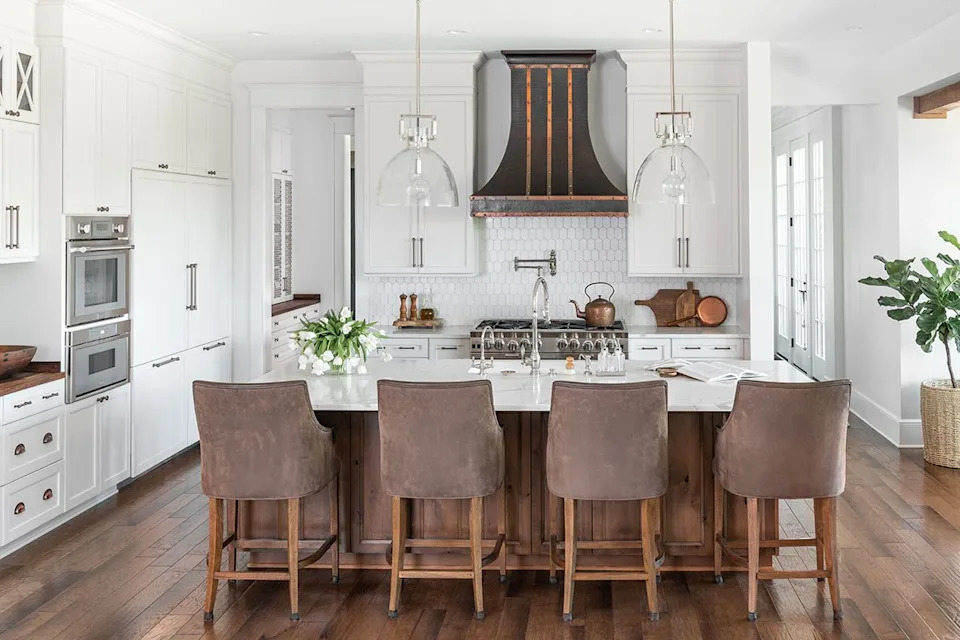
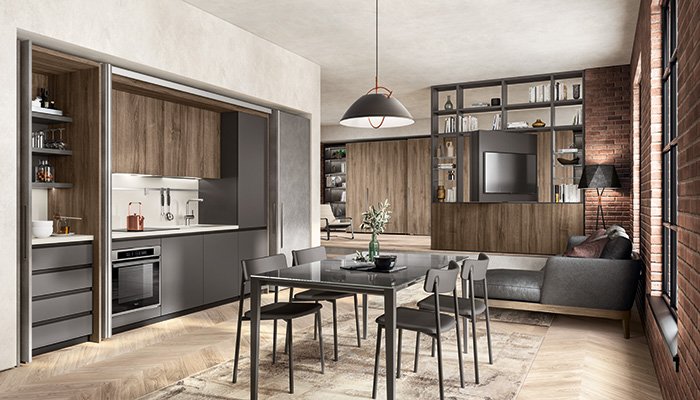
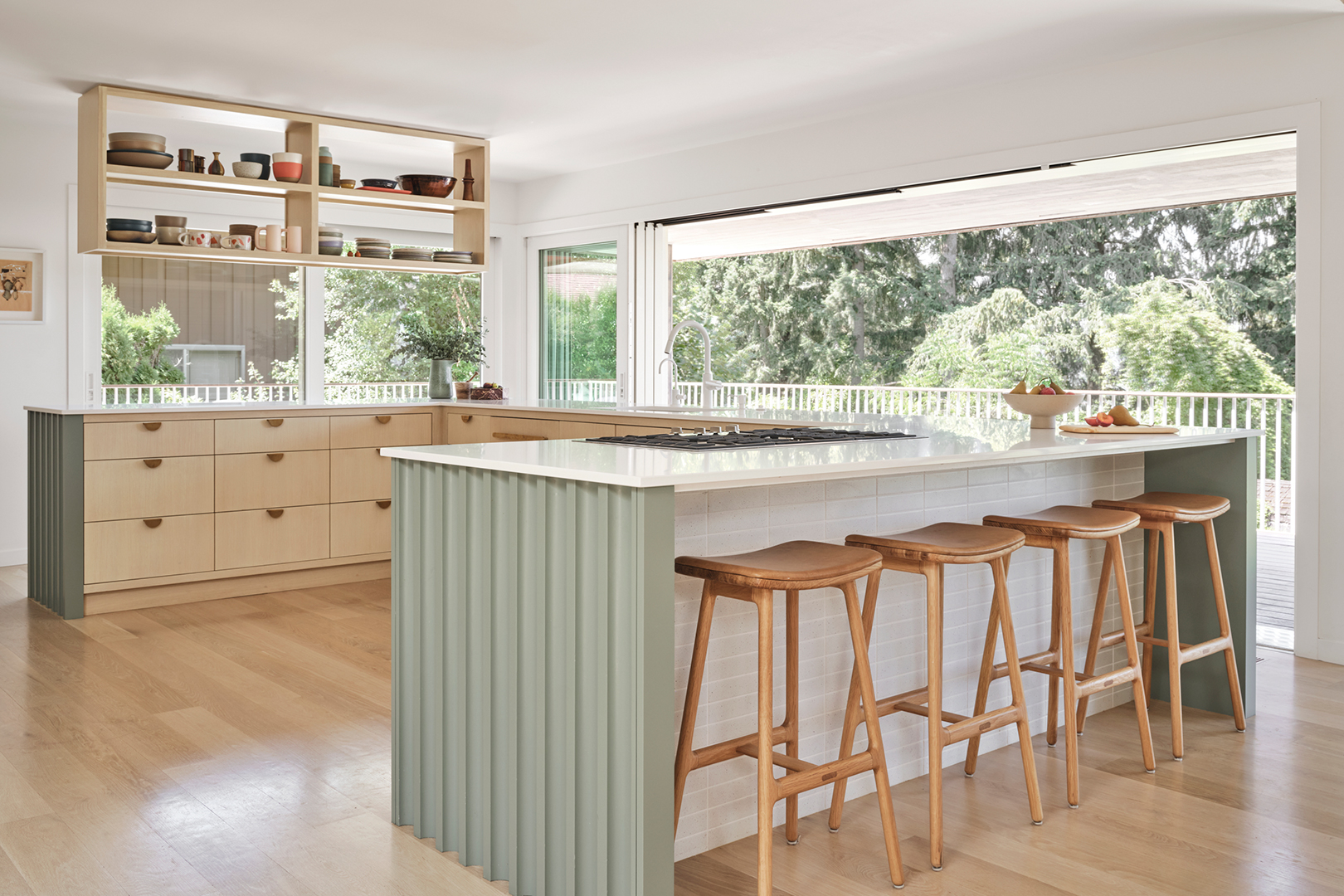
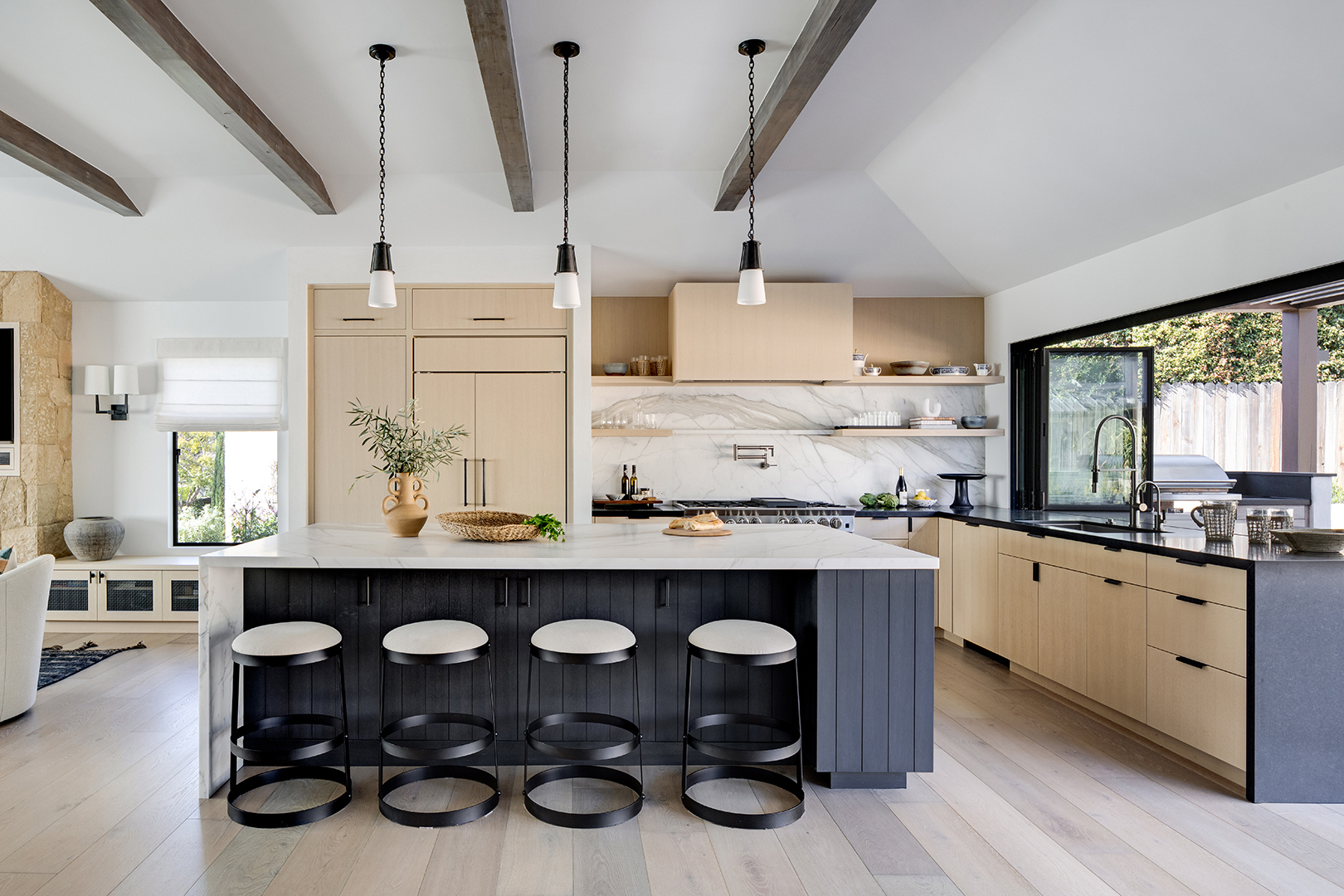
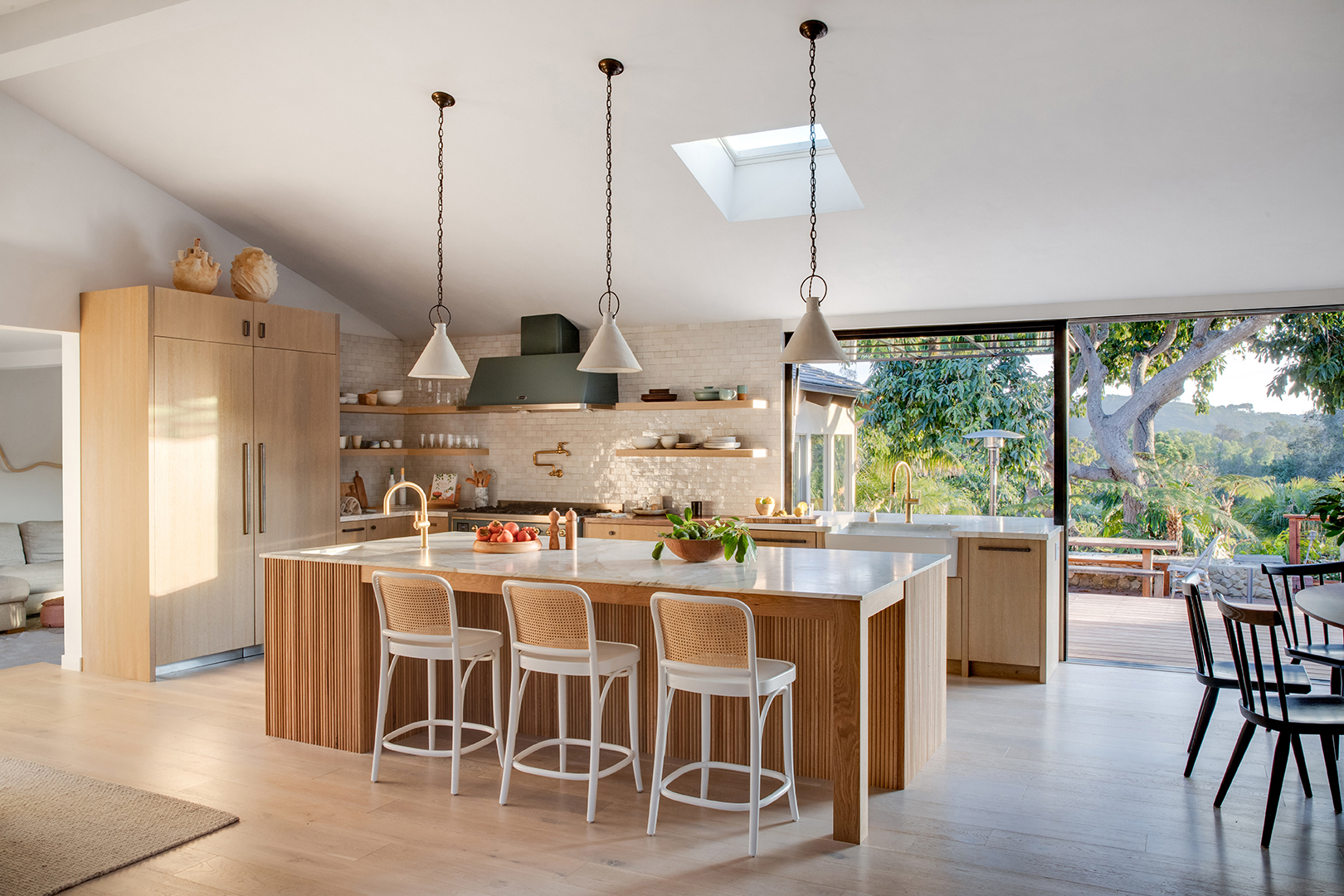
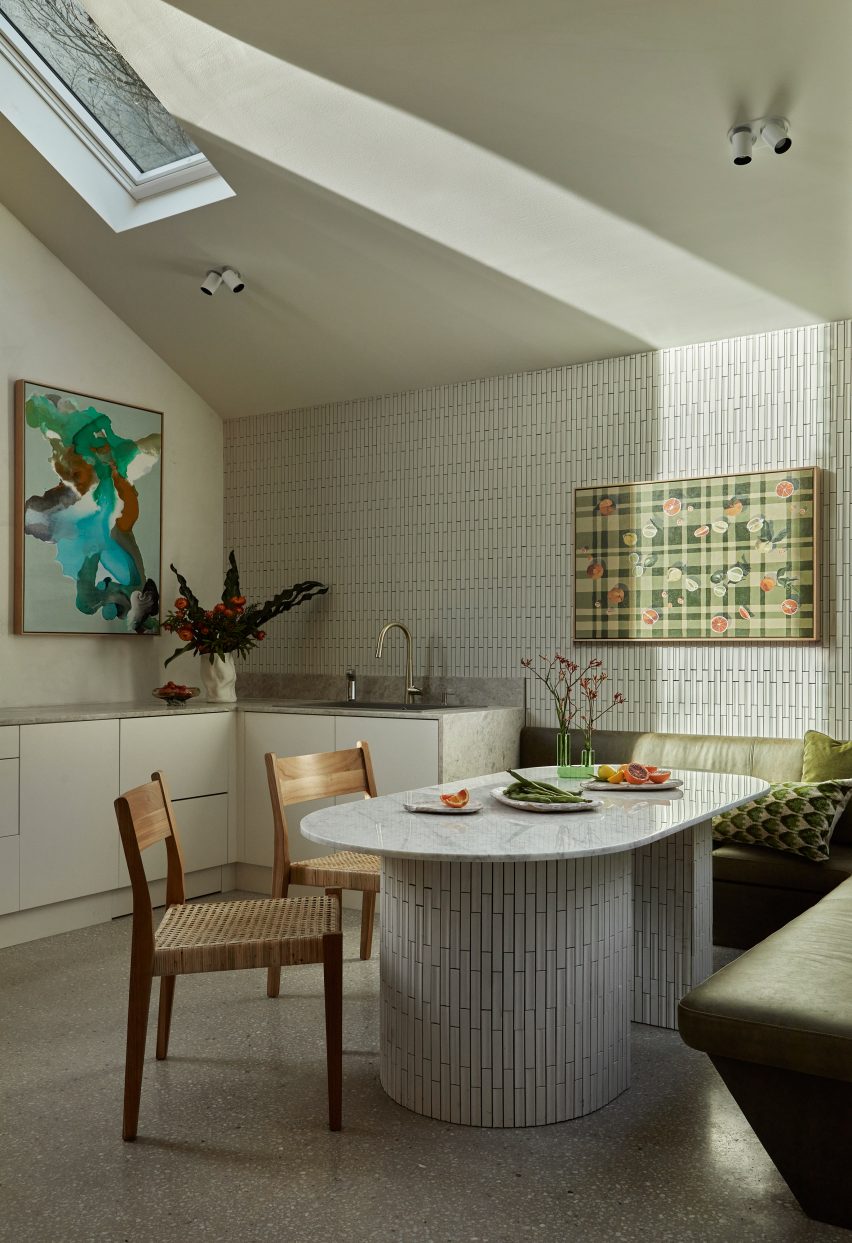
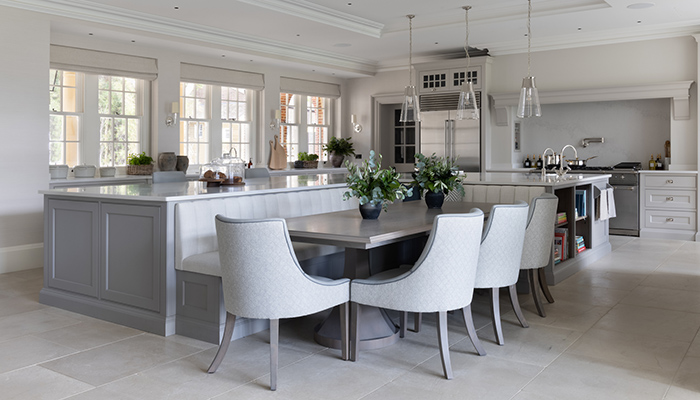
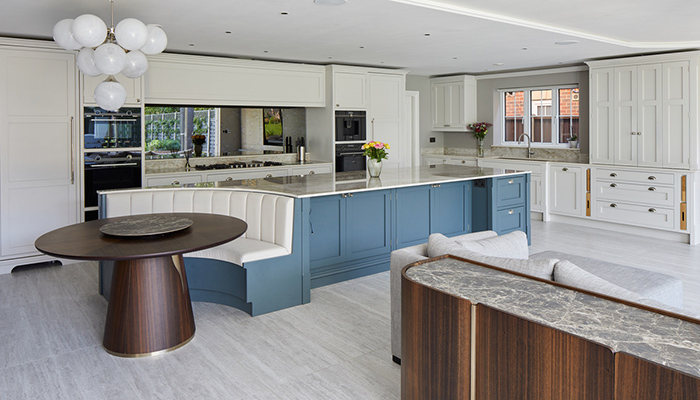
The concept of a keeping room has also adapted to evolving home layouts, particularly open-floor plans. In homes with open designs, the kitchen often flows seamlessly into dining areas or nooks that effectively serve as keeping rooms. While the trend of completely open floor plans has seen some decline, many homes still benefit from this integrated approach, where an eat-in kitchen functions as a versatile gathering spot. This informal area is distinct from a more formal living room or a dedicated family room, which might be located elsewhere in the house and often includes entertainment systems like televisions. A key differentiator is the keeping room's consistent adjacency to the kitchen, making it a natural extension of the home's culinary and social hub.
Ultimately, keeping rooms, regardless of their historical context or modern adaptation, continue to fulfill a vital role in home design: providing a warm, comfortable, and convenient space for family and friends to connect. They add significant value to a home by offering an intimate alternative to more formal living areas, reinforcing their status as desirable bonus rooms that enhance both functionality and comfort.
#KeepingRoom #HomeDesign #InteriorDecor #CozySpaces #KitchenExtension #HomeImprovement #ArchitecturalHistory #ComfortableLiving #FamilyGathering #KeepingRoom #HomeDesign #InteriorDecor #CozySpaces #KitchenExtension #HomeImprovement #ArchitecturalHistory #ComfortableLiving #FamilyGathering
0 comment in total
 No comments yet
You may also like
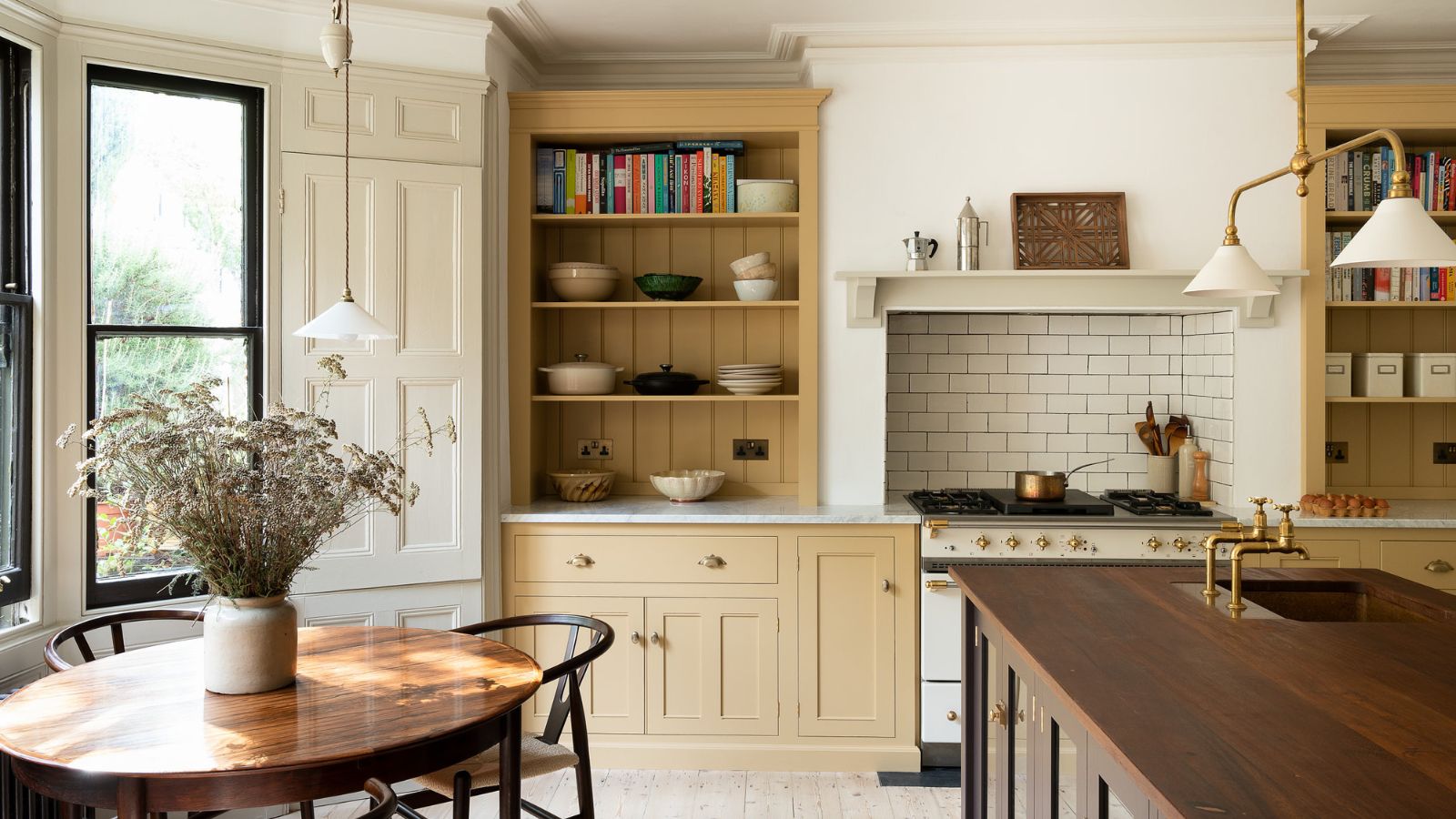
'Eat-in areas' are making a much-welcomed comeback – and designers say these compact dining spaces are perfect for even the smallest kitchens

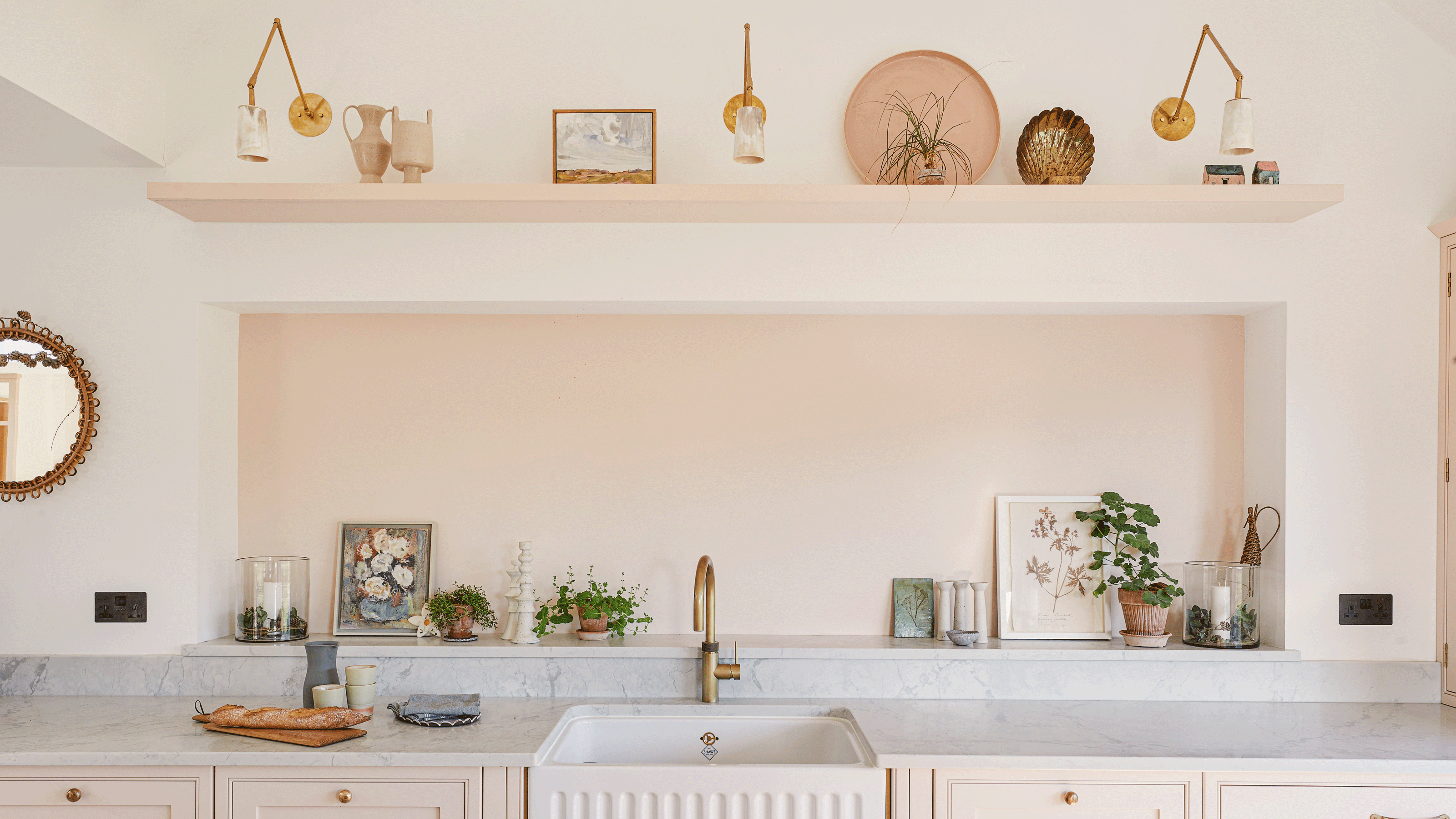
An outdated galley kitchen was jettisoned for a design in on-trend plaster pink to create a light-filled family hub
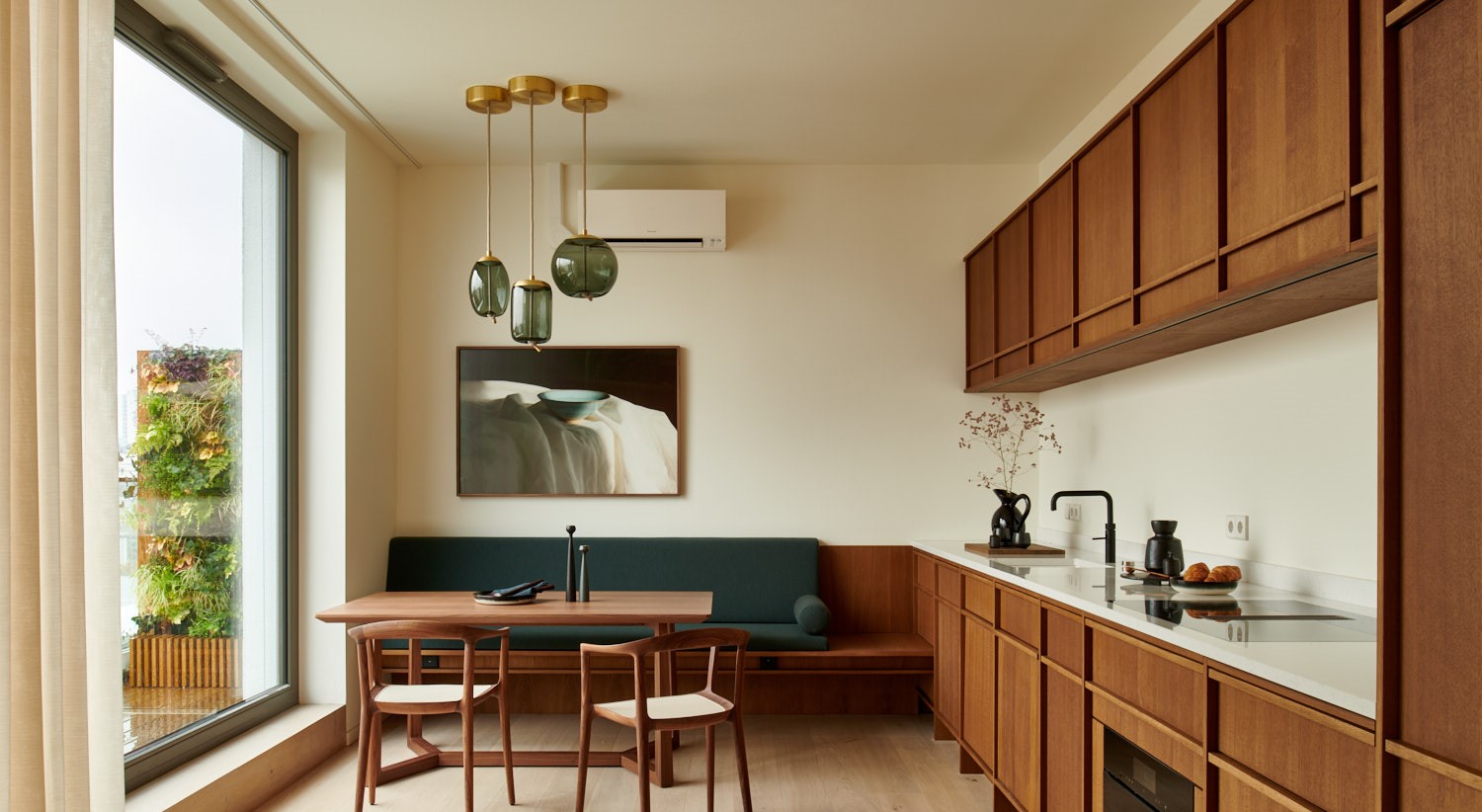
Designers are in Love With the Trend of "Communal" Kitchen Seating — 'It Brings Families Together'

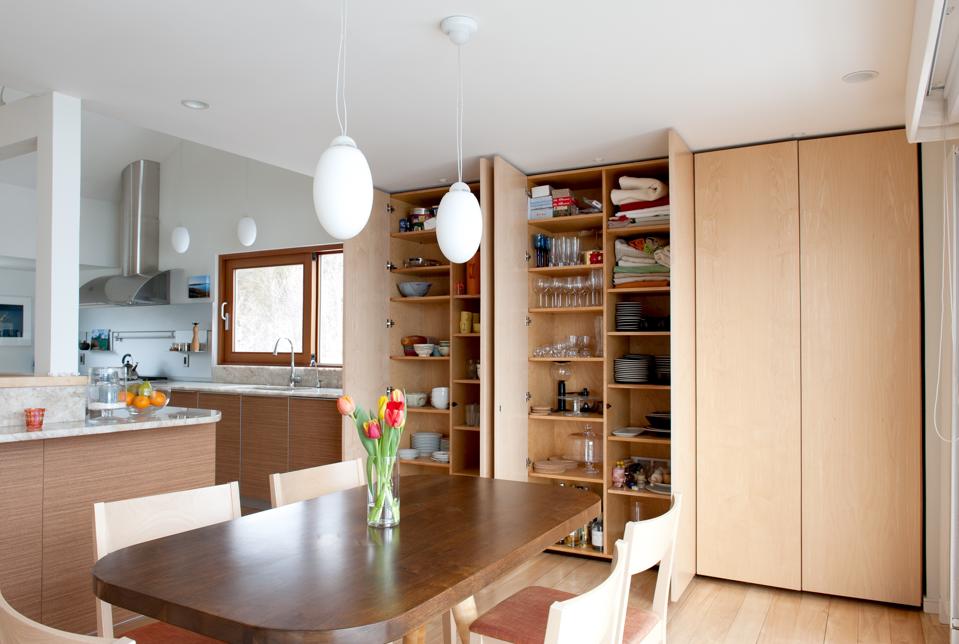
Bigger, Better Kitchen Pantries Are A Covid-Inspired Wellness Design Trend

This Former Sunroom Is Now One Family's Bright, Storage-Friendly Kitchen

This Traditional Kitchen Detail is Making an Unexpected Comeback This Year
The Once Dated Kitchen Island Alternative That's Making A Hot Comeback In Homes
Kitchen focus – Why integrated seating is a growing design trend
Kitchens Are Becoming the Ultimate Chill Zone This Fall

Design Experts Agree: This Kitchen Style Is Making a Major Comeback
This Forgotten Kitchen Feature Is Popping Up More and More
This Is the Old-World Interior Design Trend Taking Over Kitchens Again
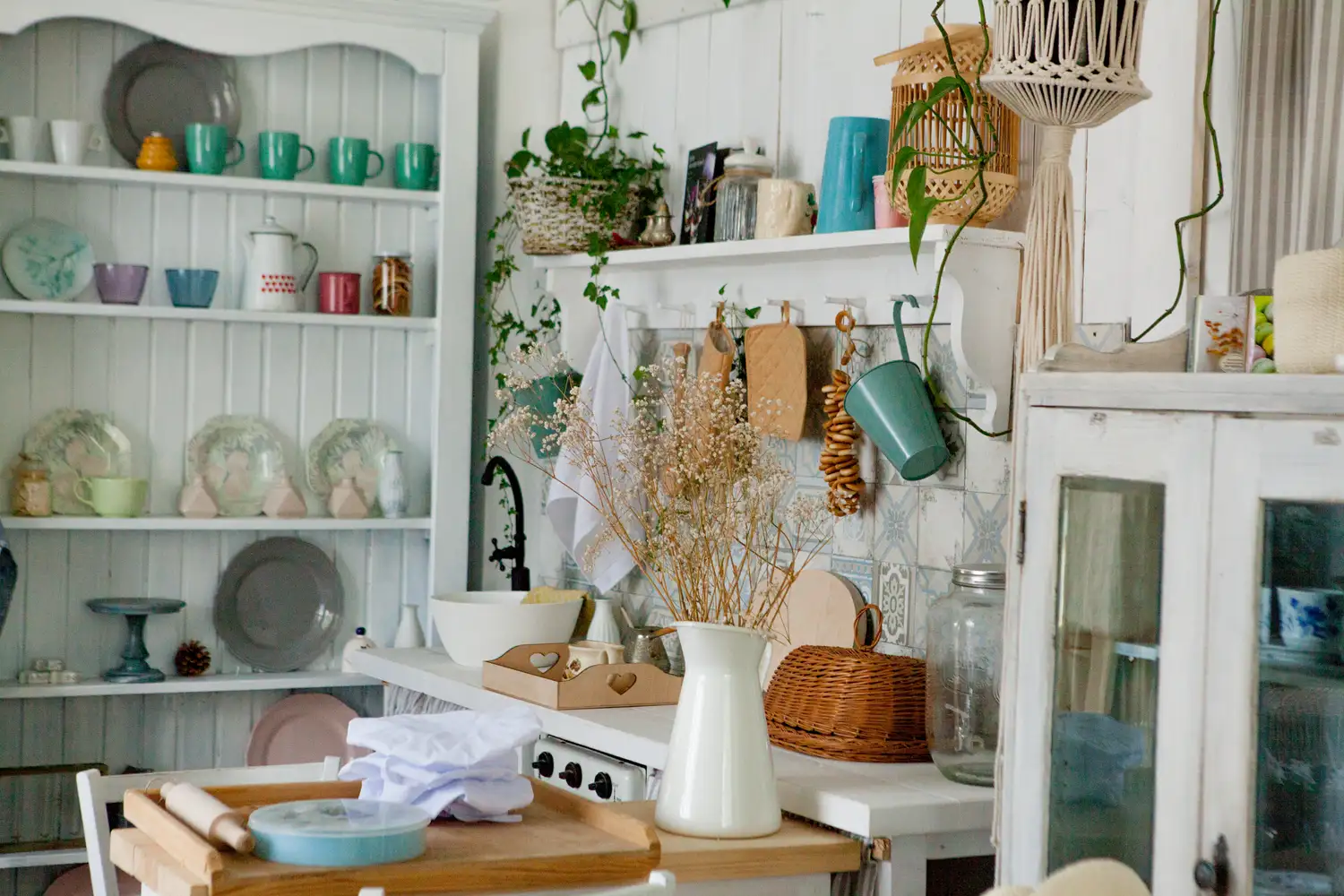
Cottage Kitchens Are Trending—Here’s How to Bring the Cozy Look Home
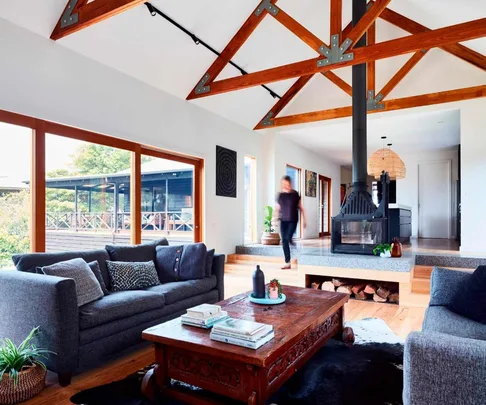
Is open-plan living dead? Here's what the design experts say

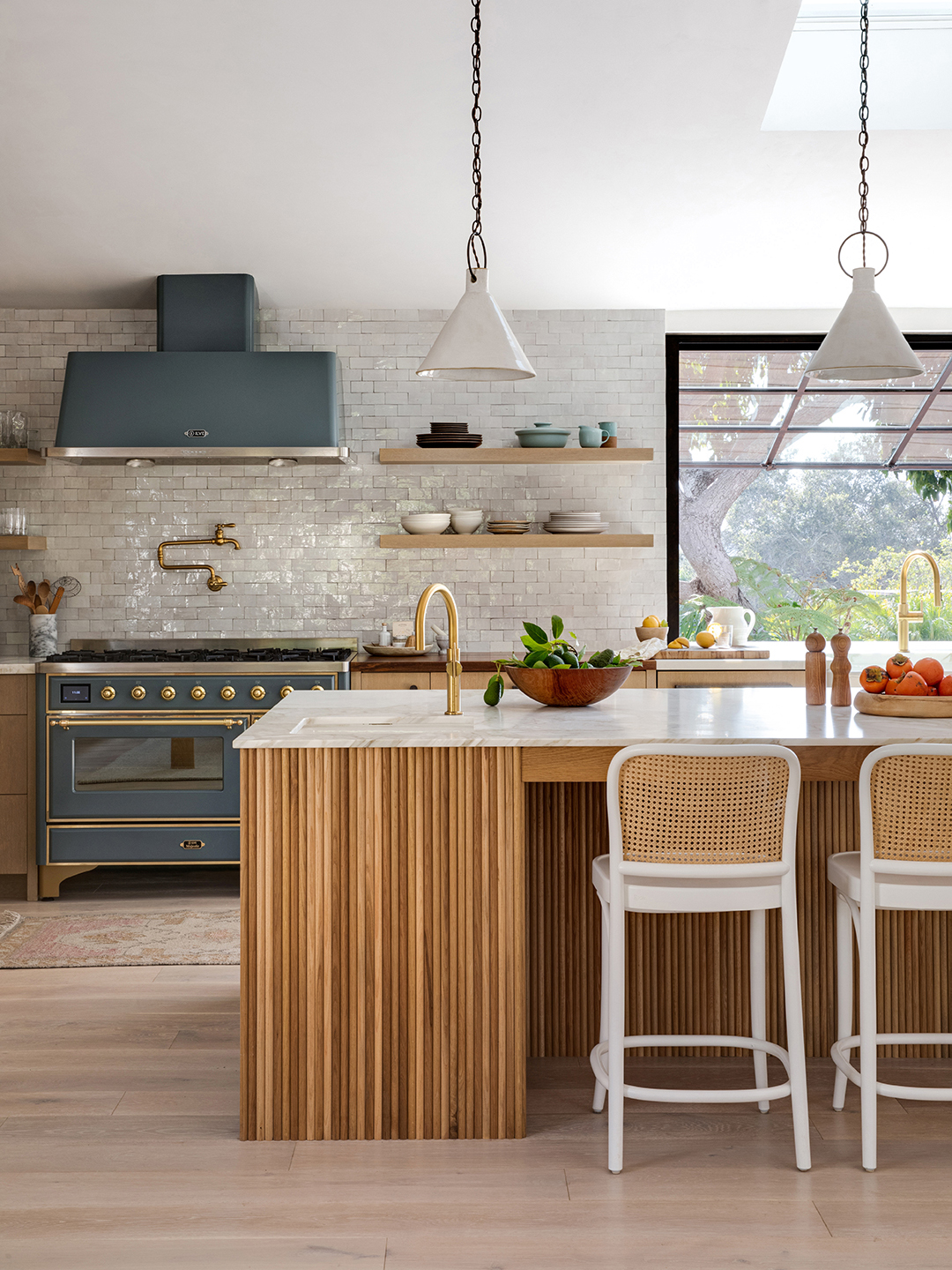
This Ever-Popular Kitchen Layout Is Back (Again)

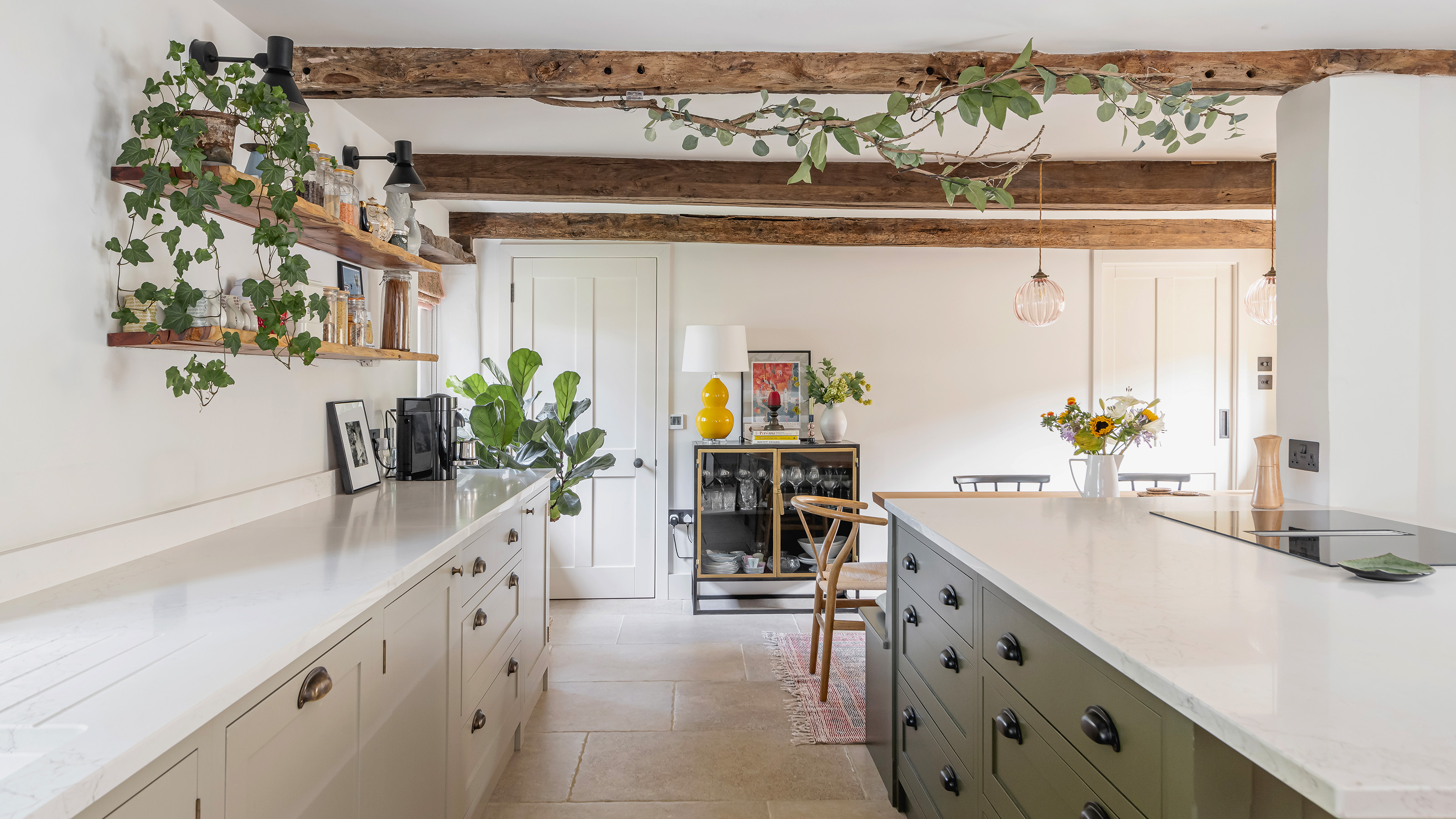
This once cold and compact kitchen has been transformed into a bright open-plan space that works for the whole family

Move Over Dining Rooms, the Kitchen Island Just Became the Coziest Eating Spot — All You Need is the Right Seating
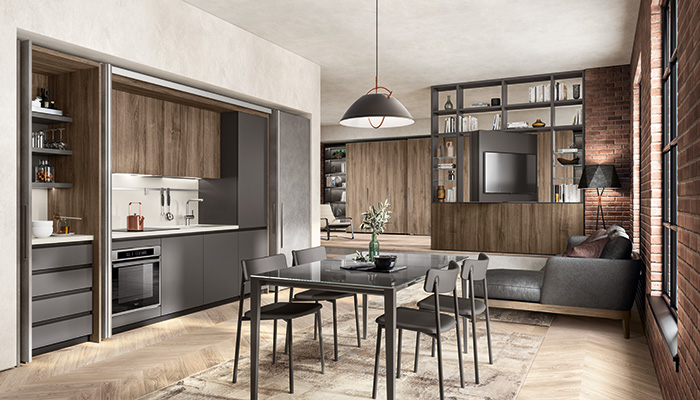
Hide and sleek: The rising popularity of a kitchen behind closed doors
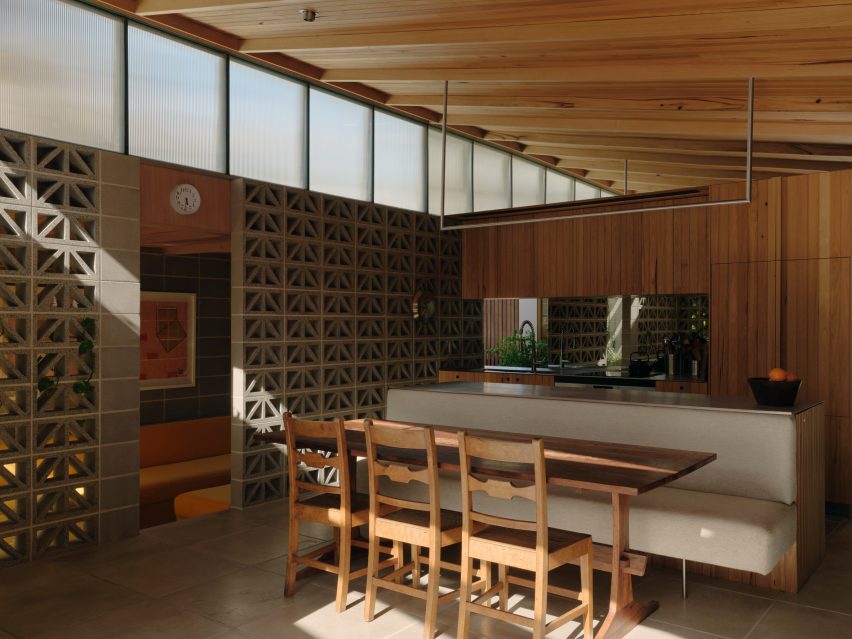
Eight residential kitchens enhanced by banquette seating
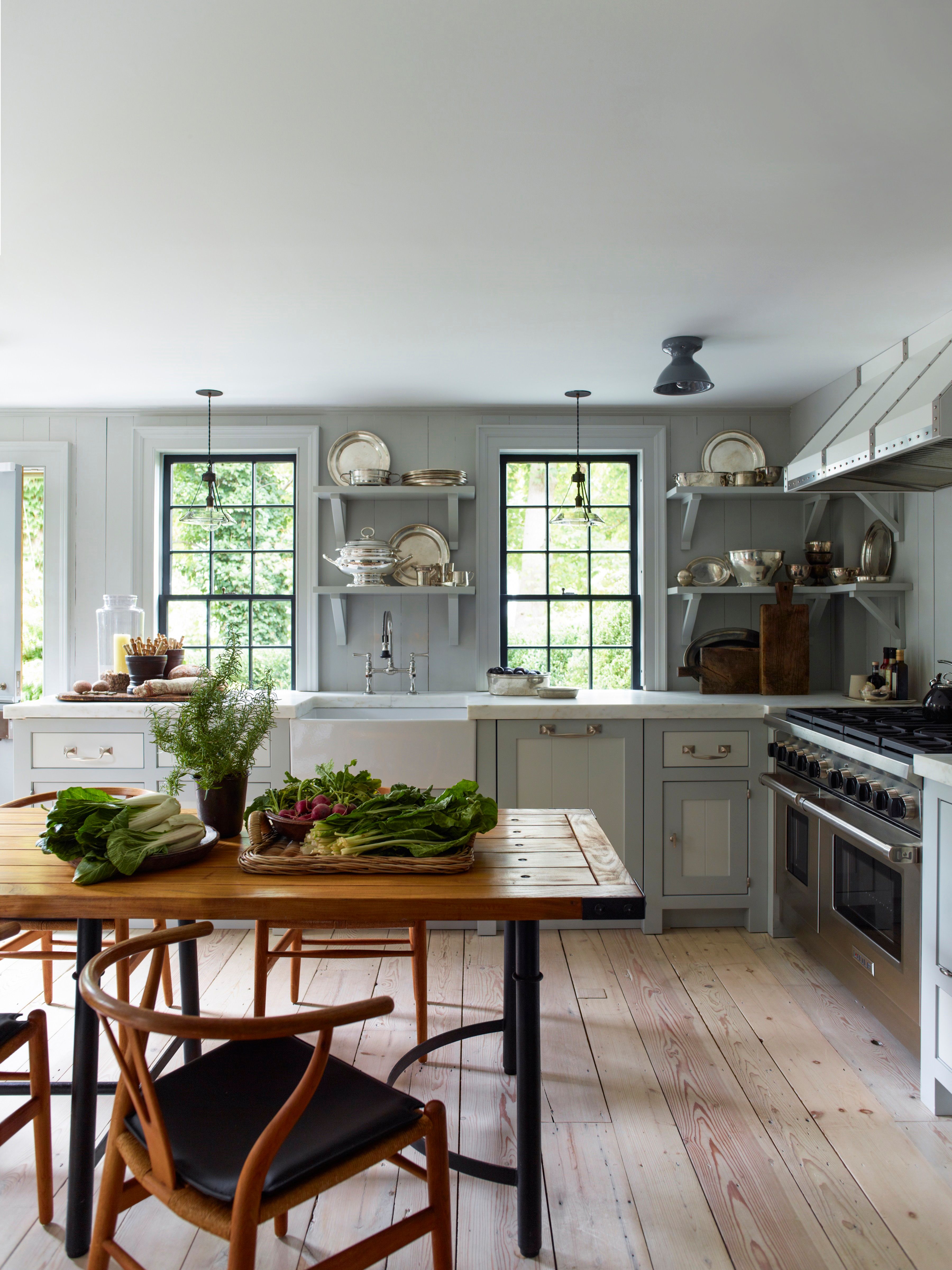
Move over, islands: Kitchen tables are making a comeback