Cottage Kitchens Are Trending—Here’s How to Bring the Cozy Look Home
Cottage kitchen design is experiencing a resurgence in popularity, offering a blend of comfort, nostalgia, and timeless charm. This aesthetic deviates from fleeting trends by focusing on a lived-in feel, personal touches, and enduring elements. The article, featuring insights from interior designers Sharon L. Sherman, Nicole Rice, and Kerrie Kelly, provides a comprehensive guide on how to incorporate this cozy style into any home. The core of a cottage kitchen lies in its inviting atmosphere, achieved through specific design choices that emphasize warmth and character.
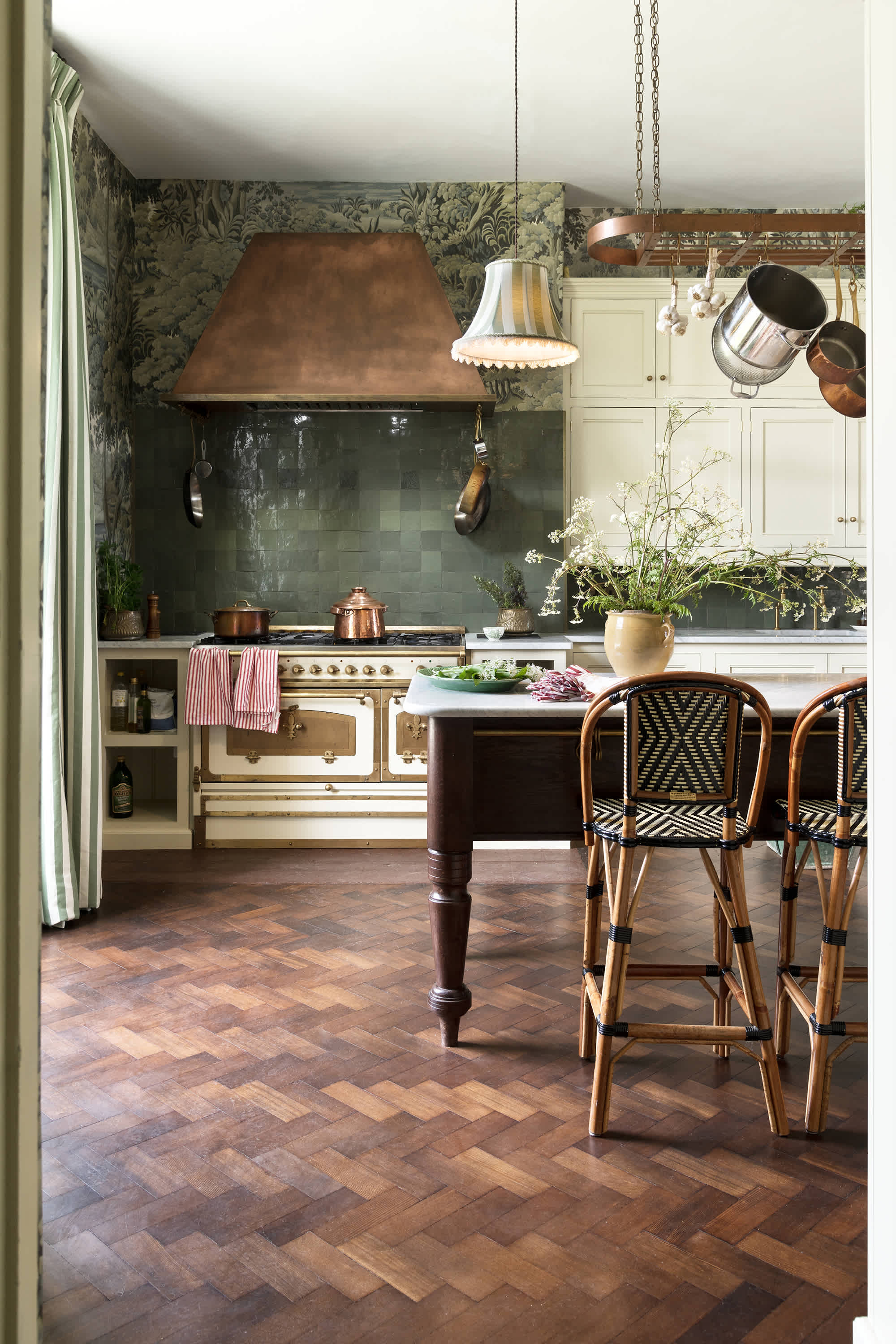
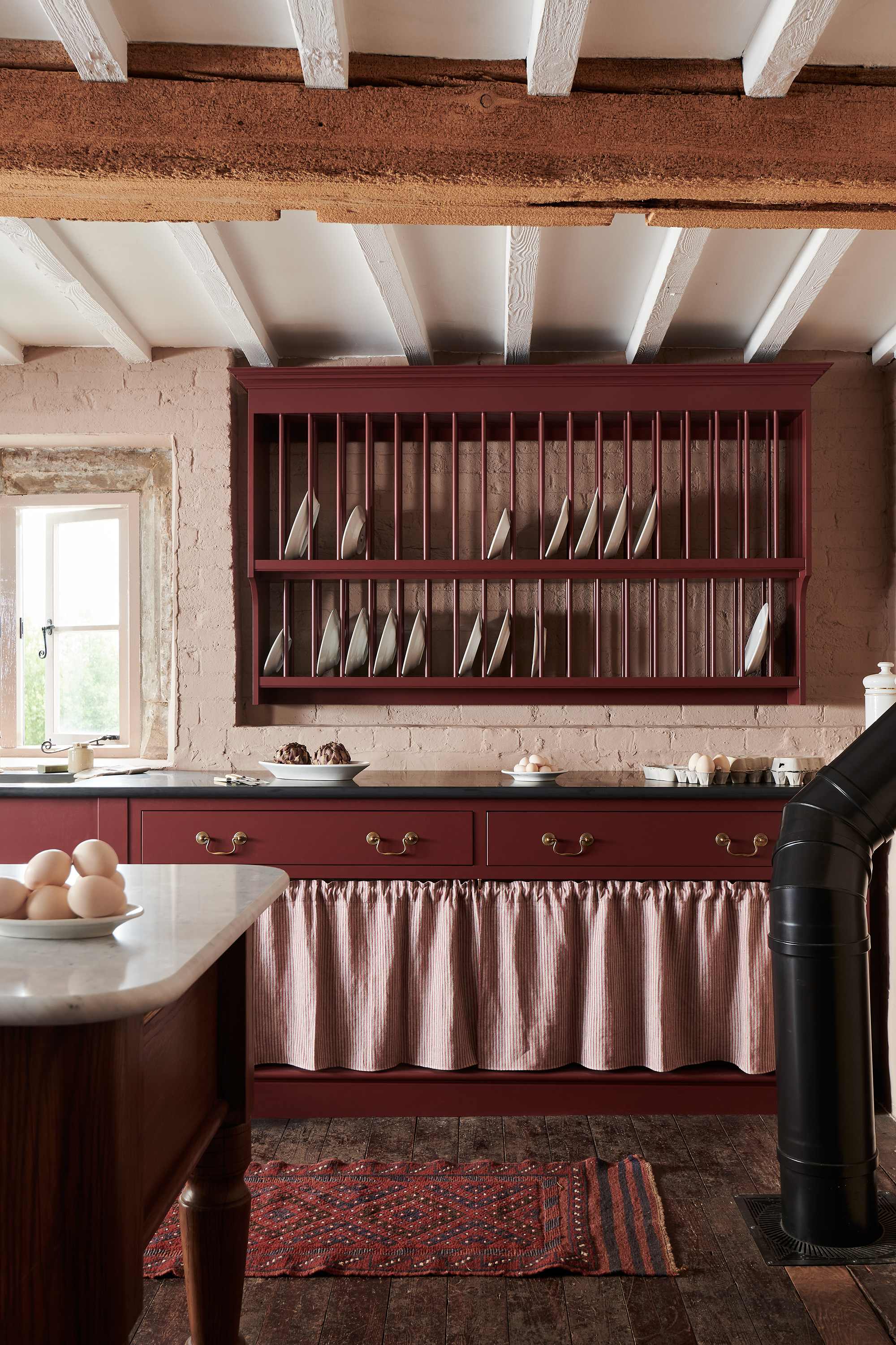
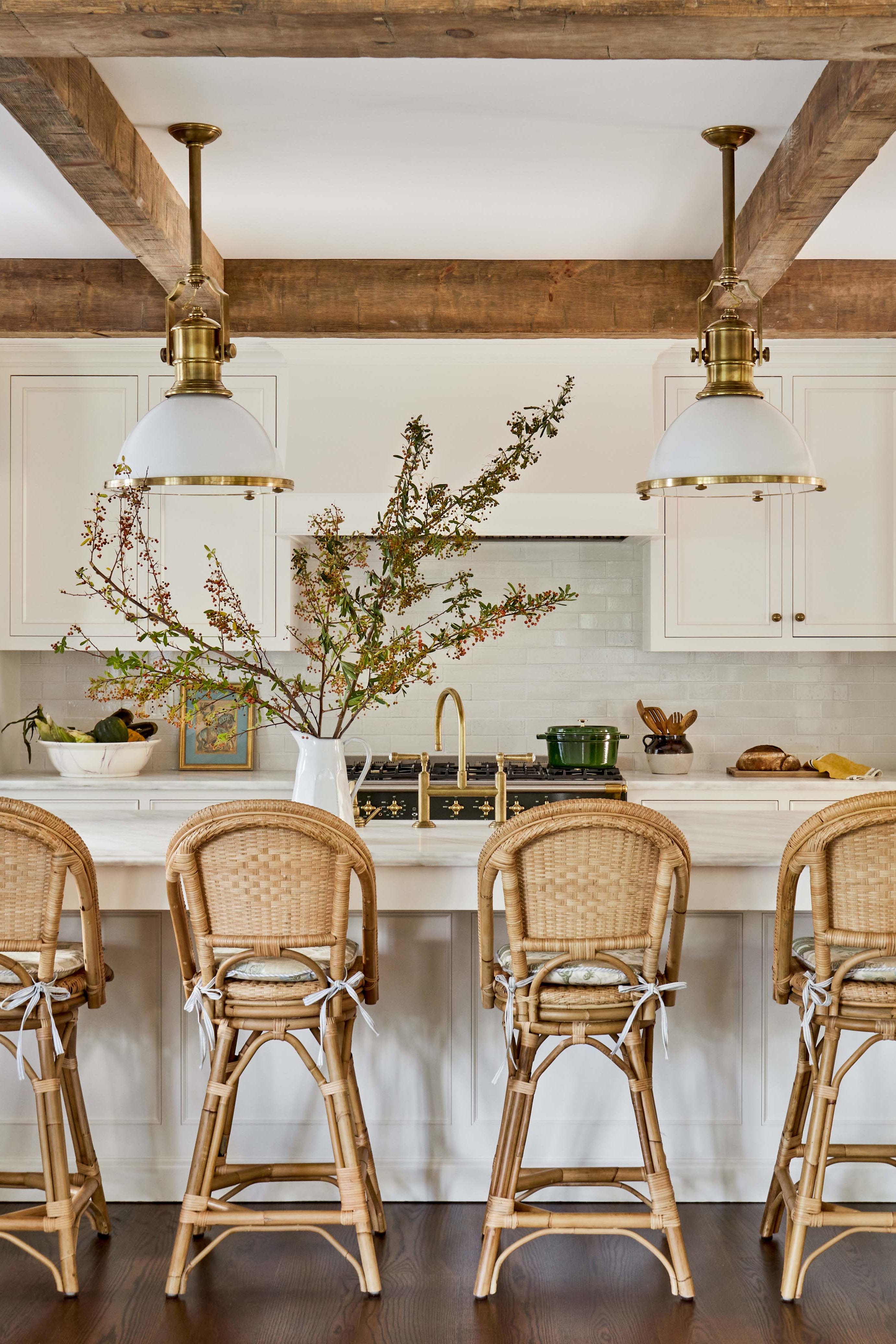
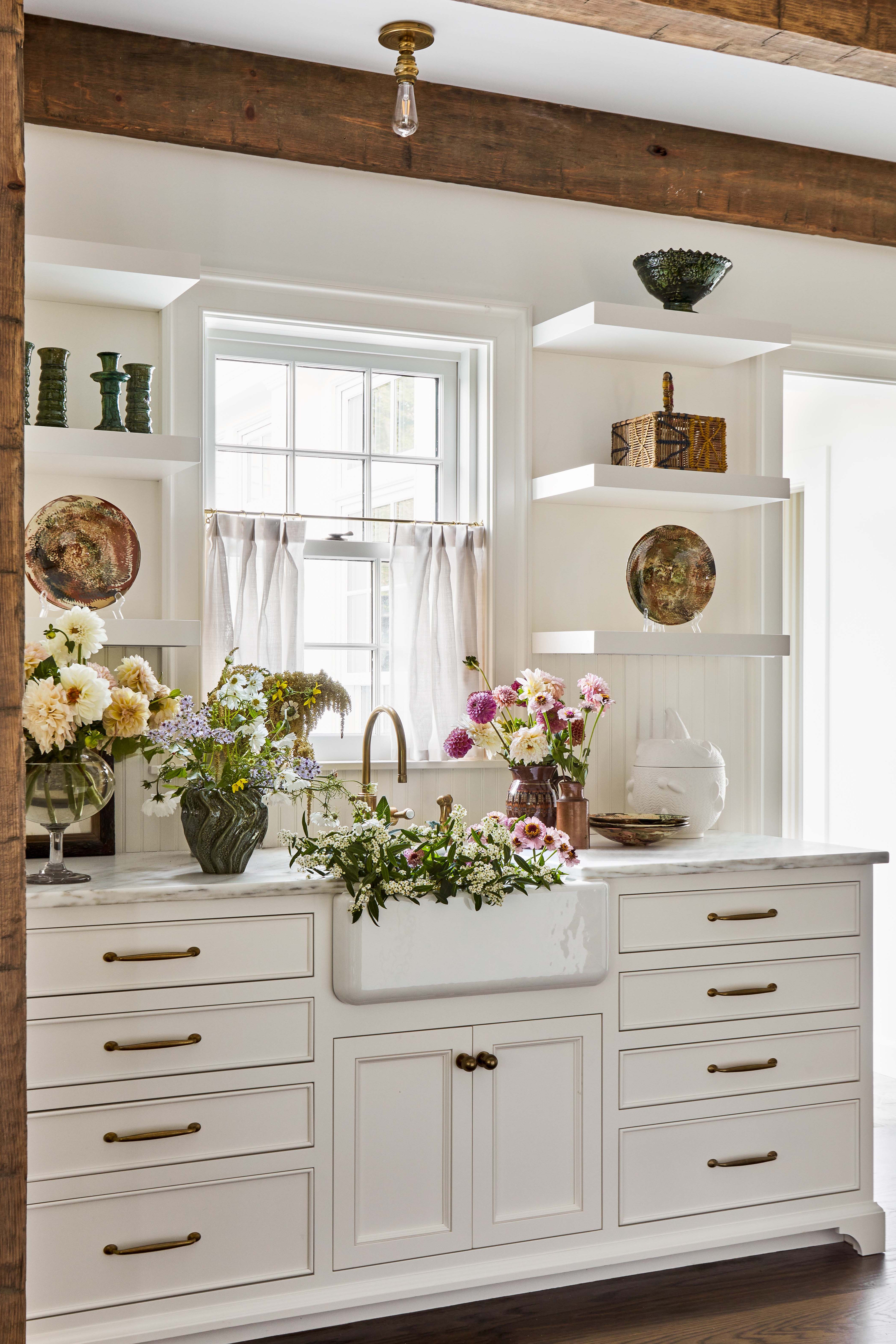
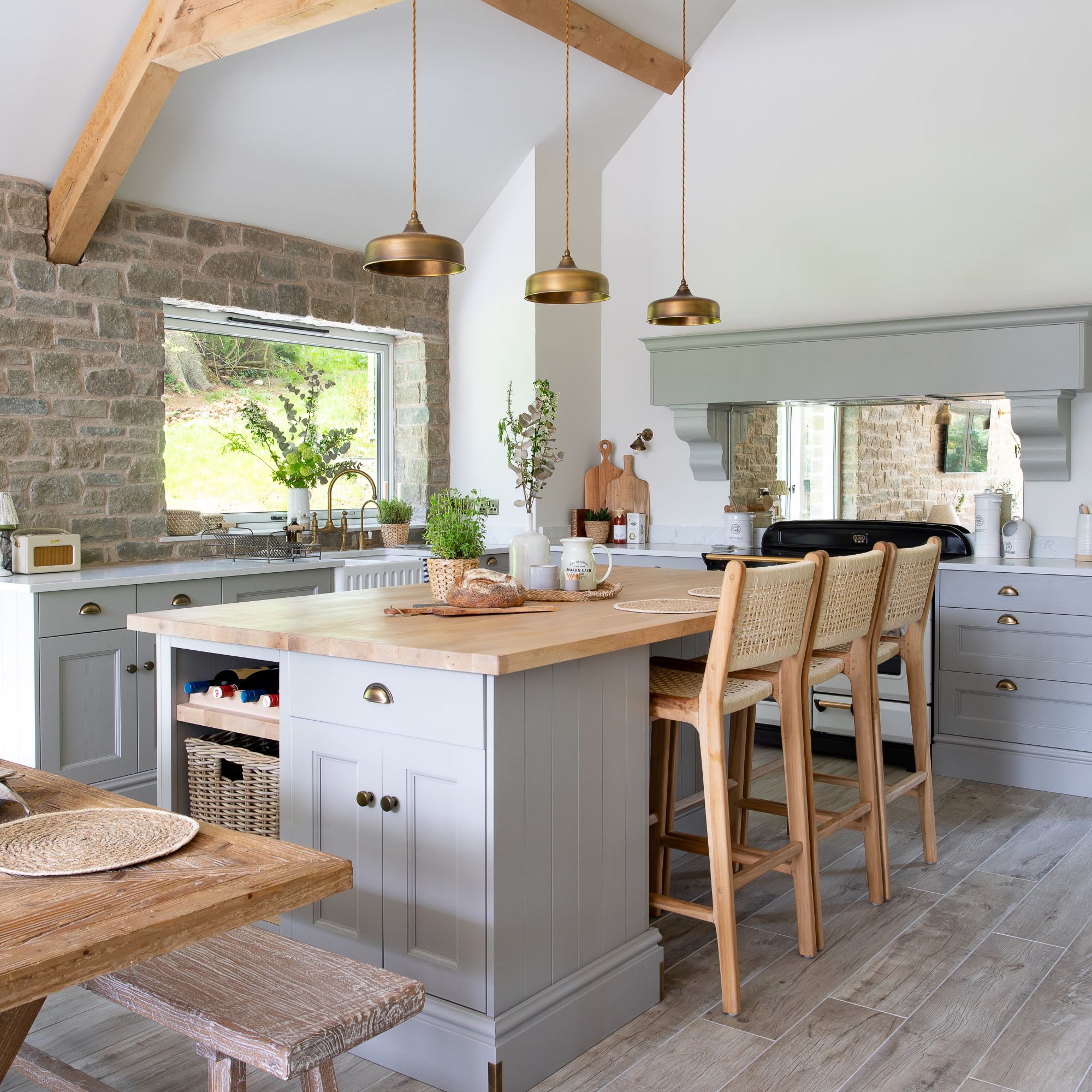
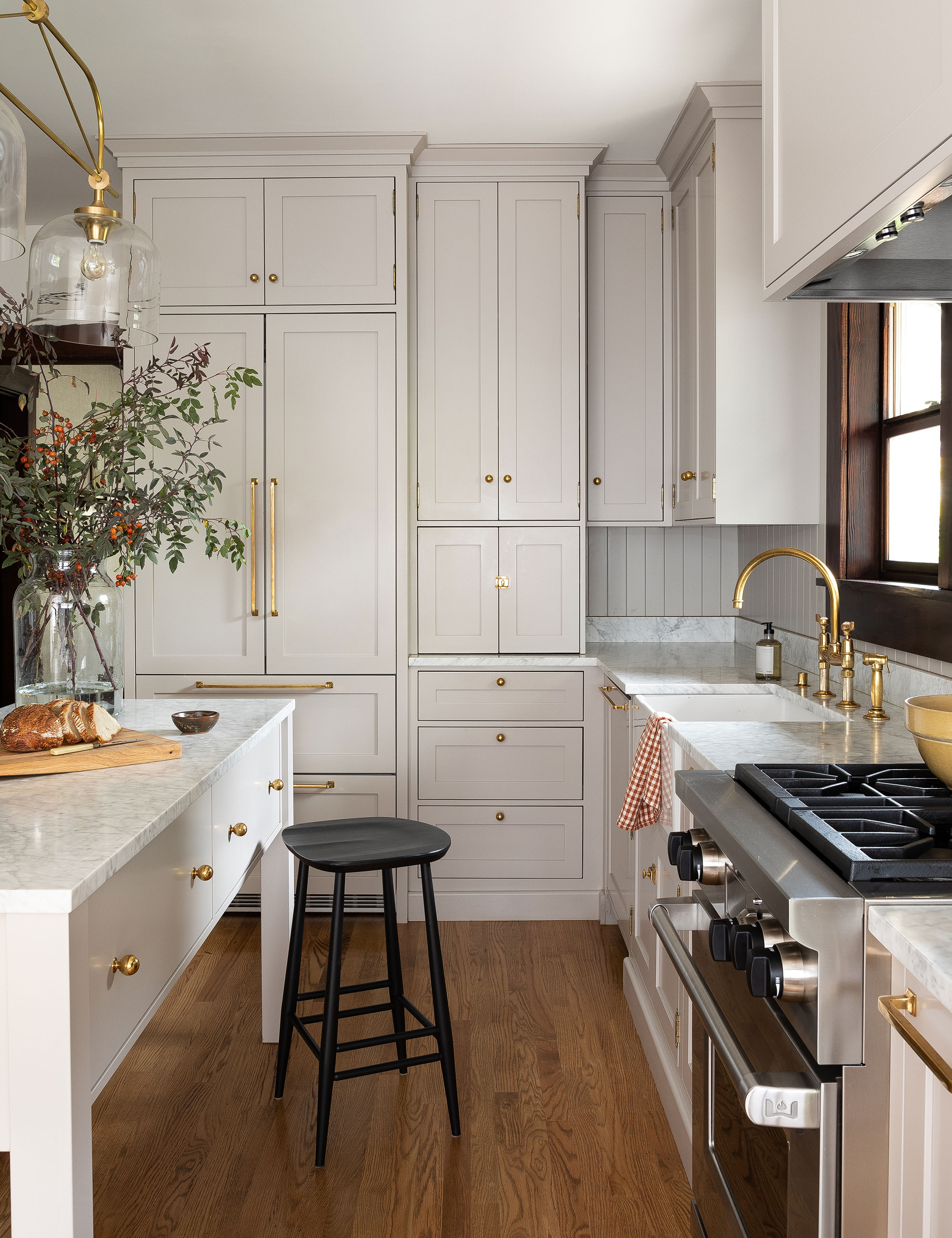
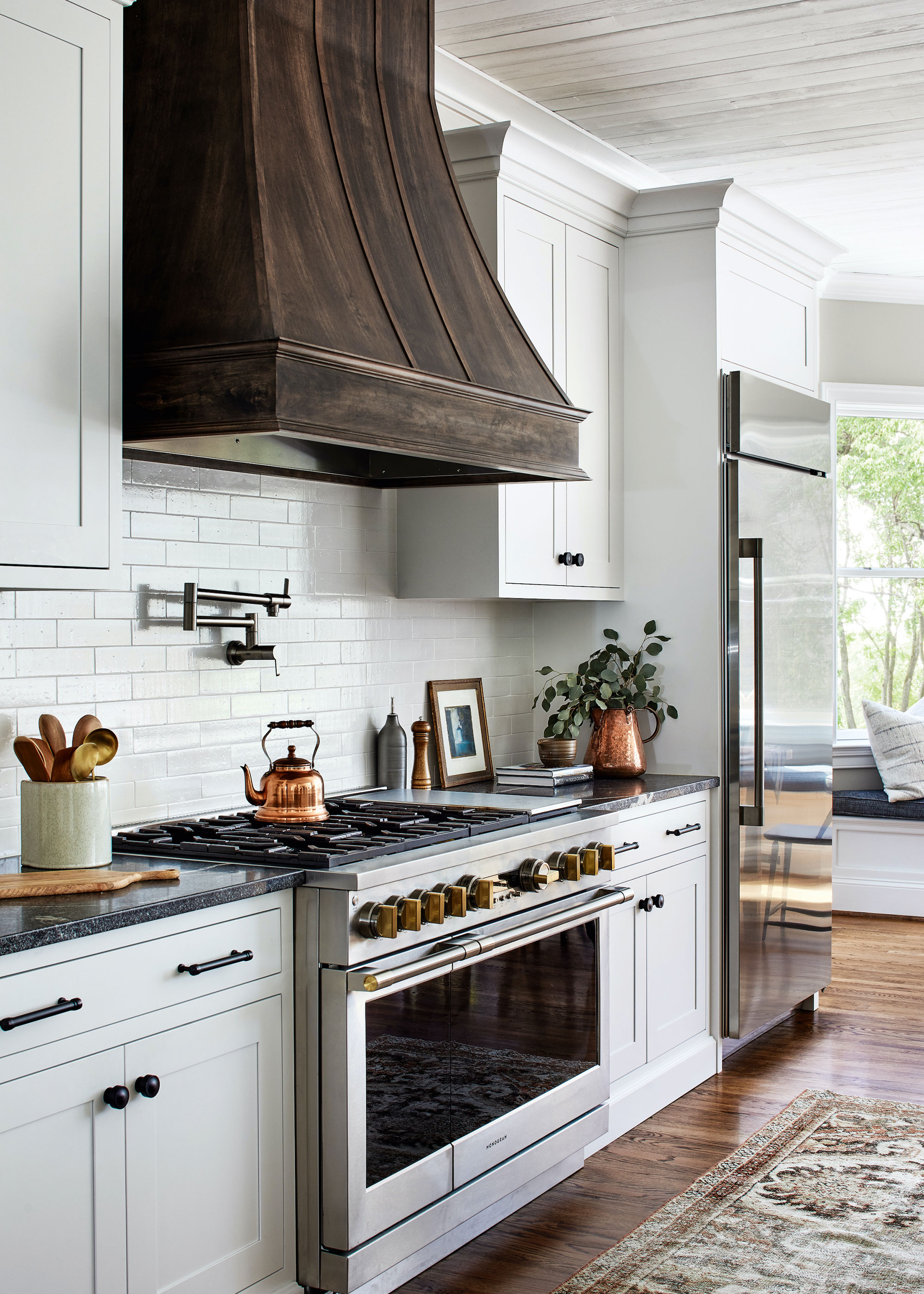
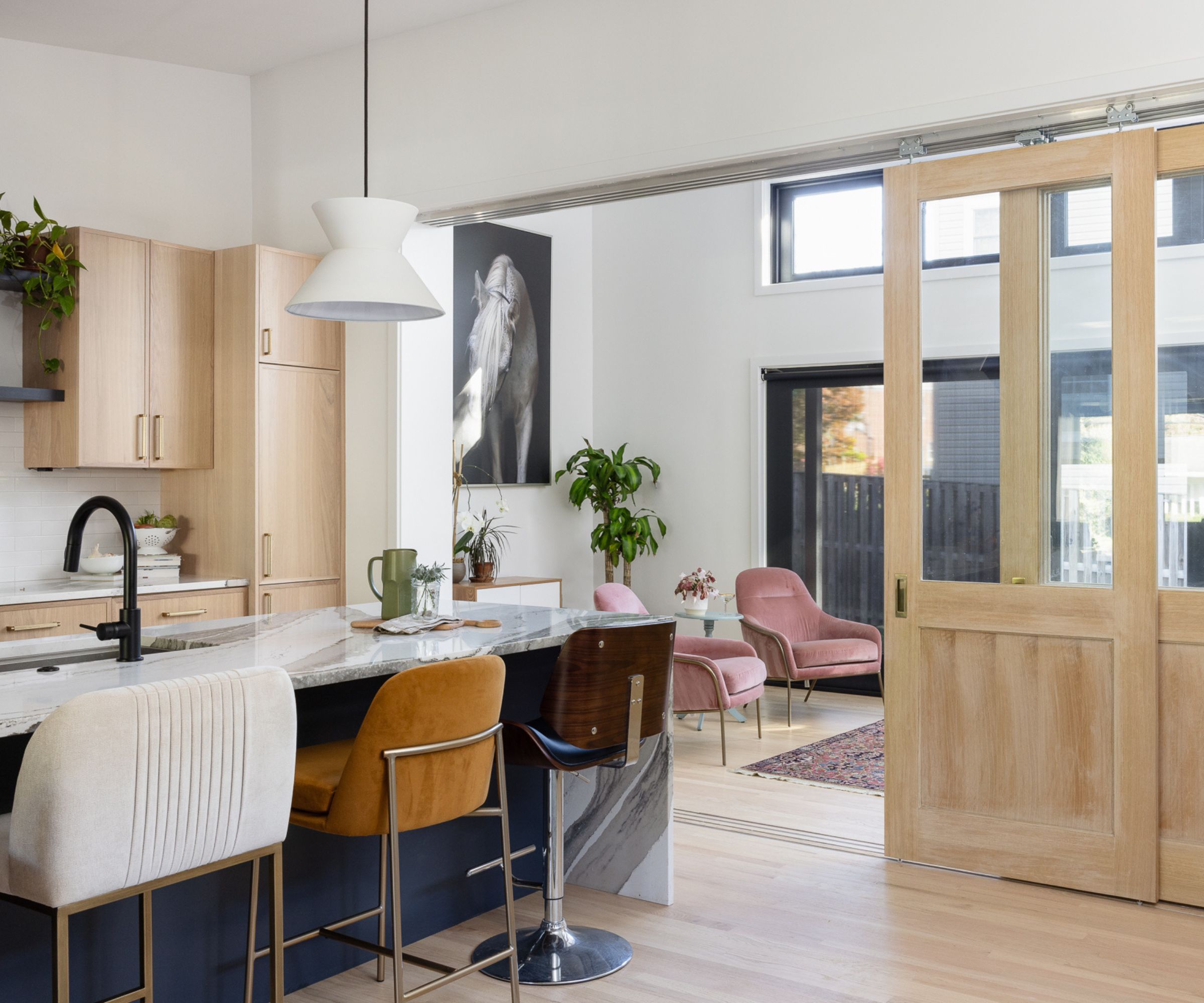
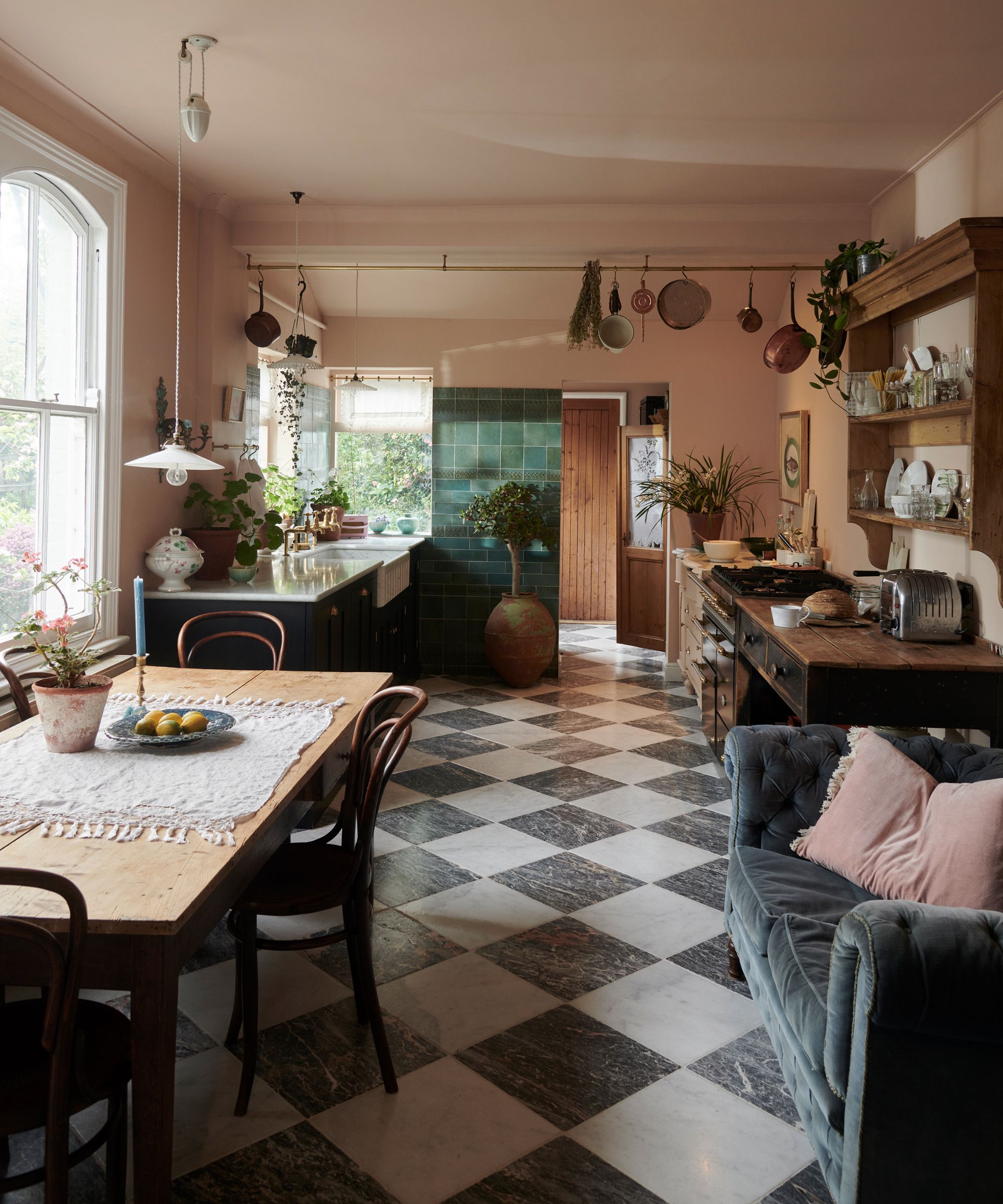
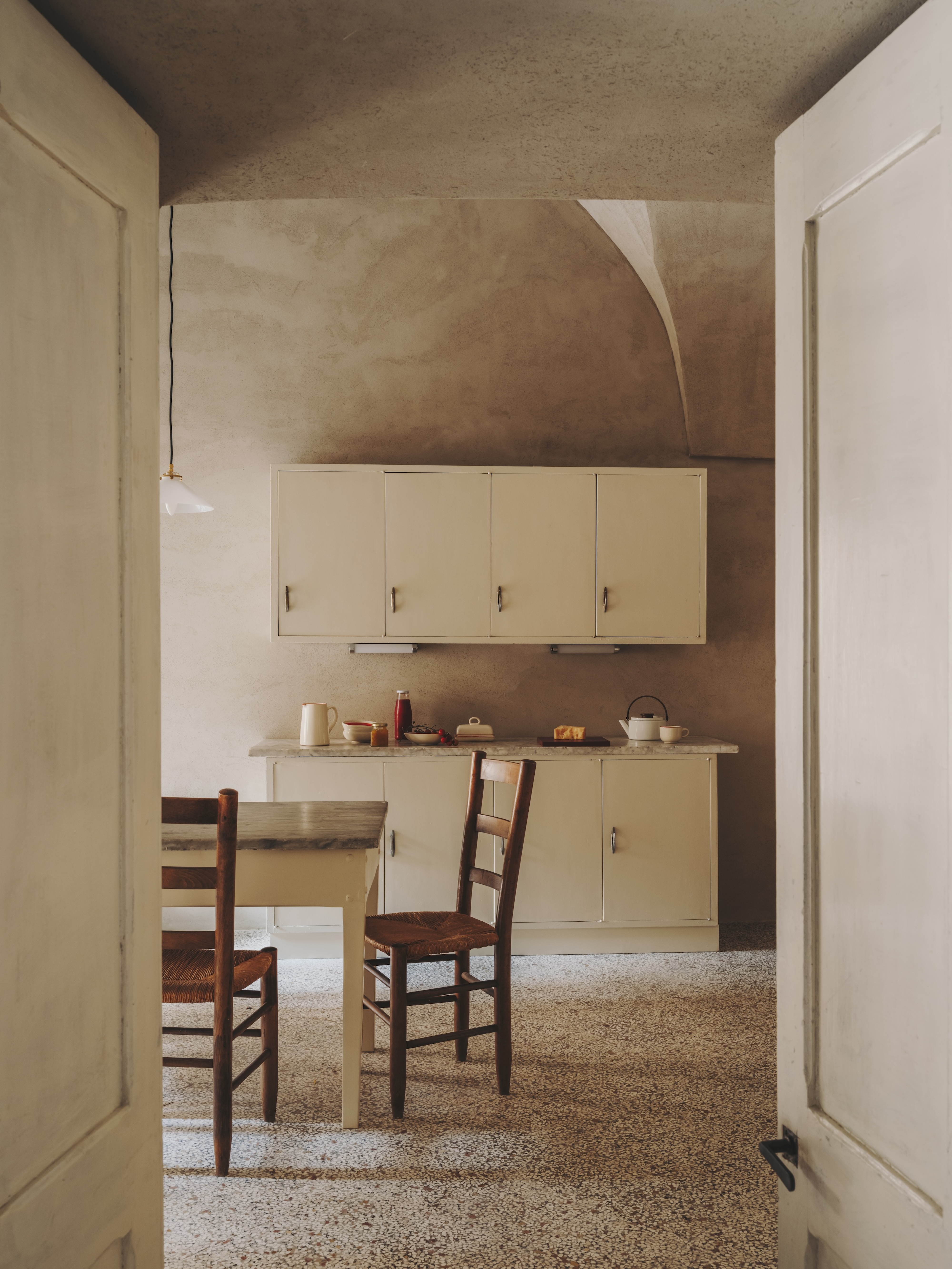
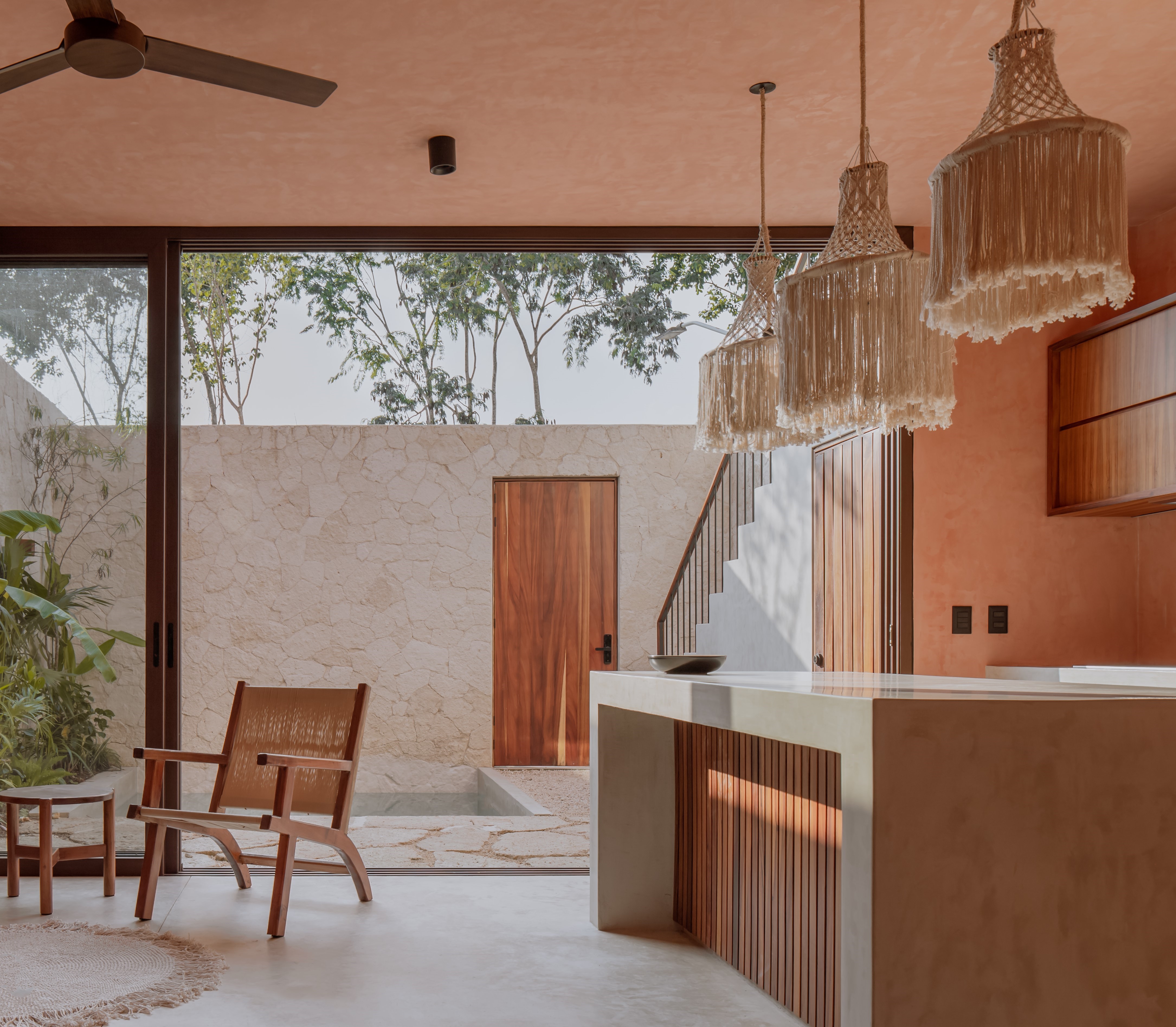
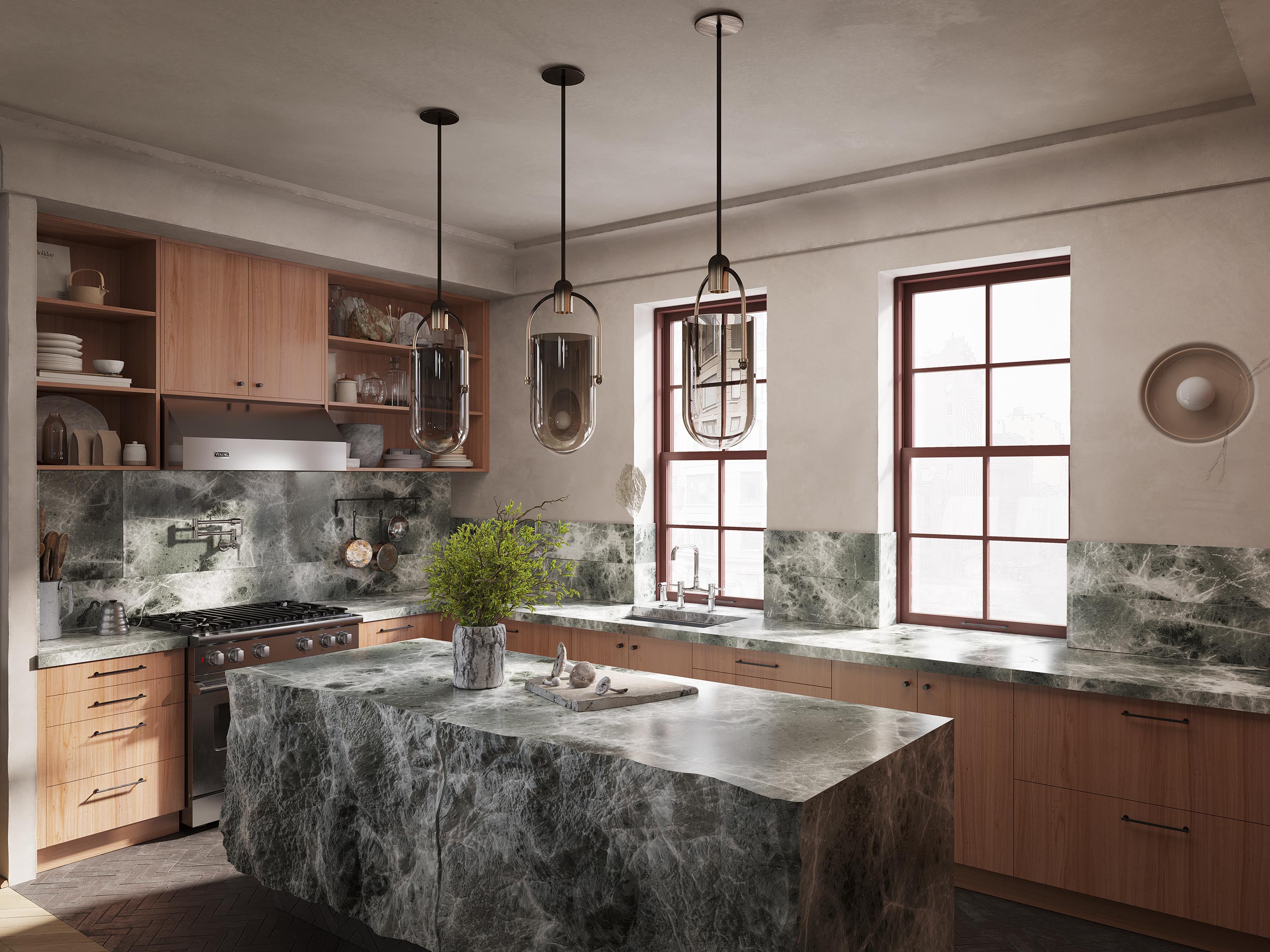
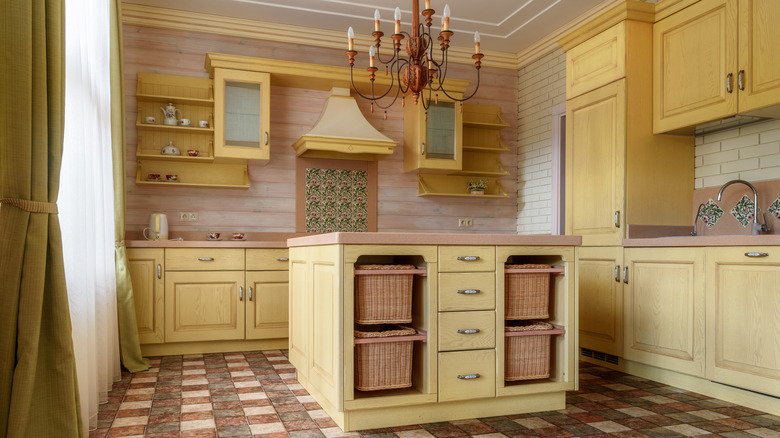
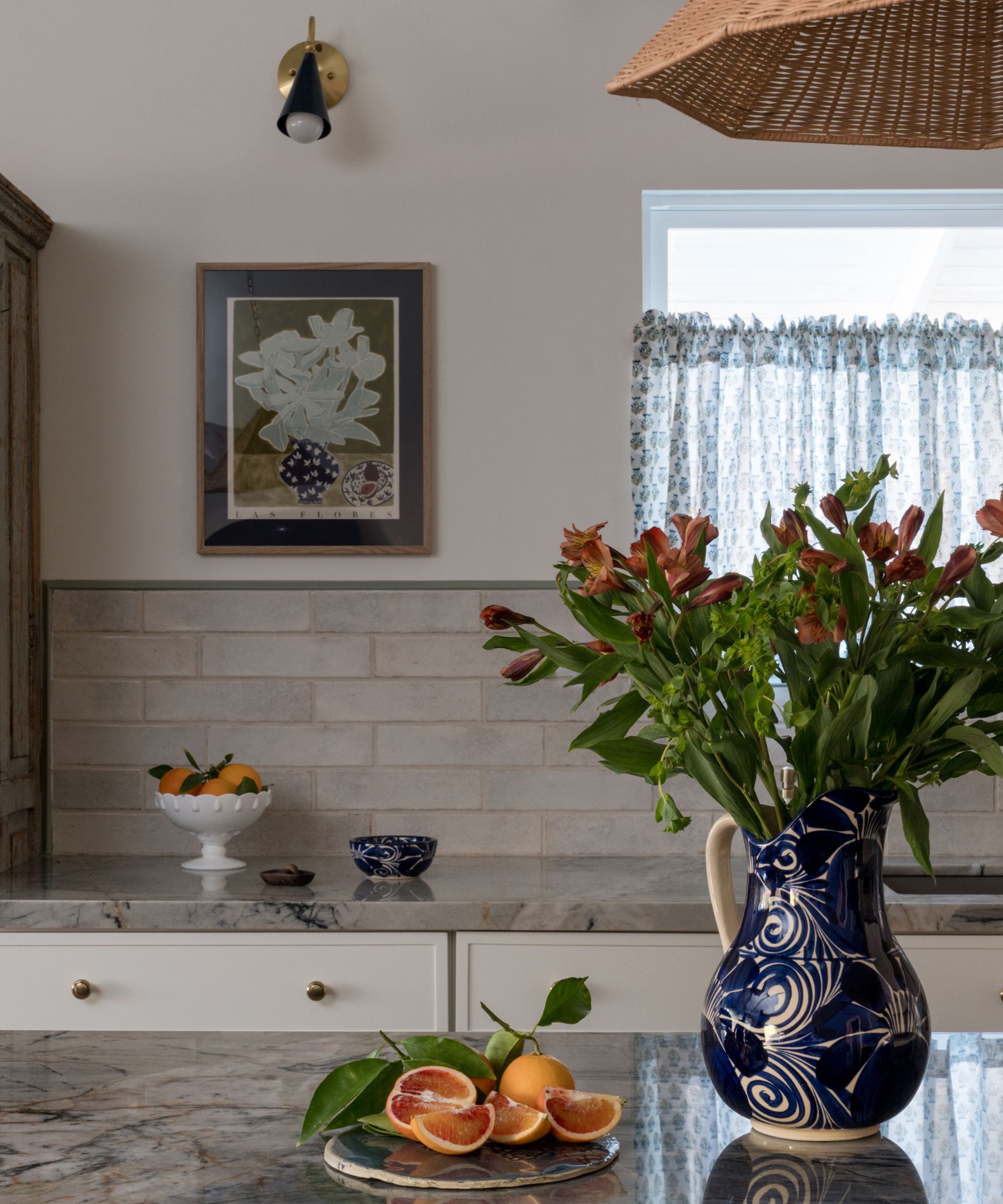
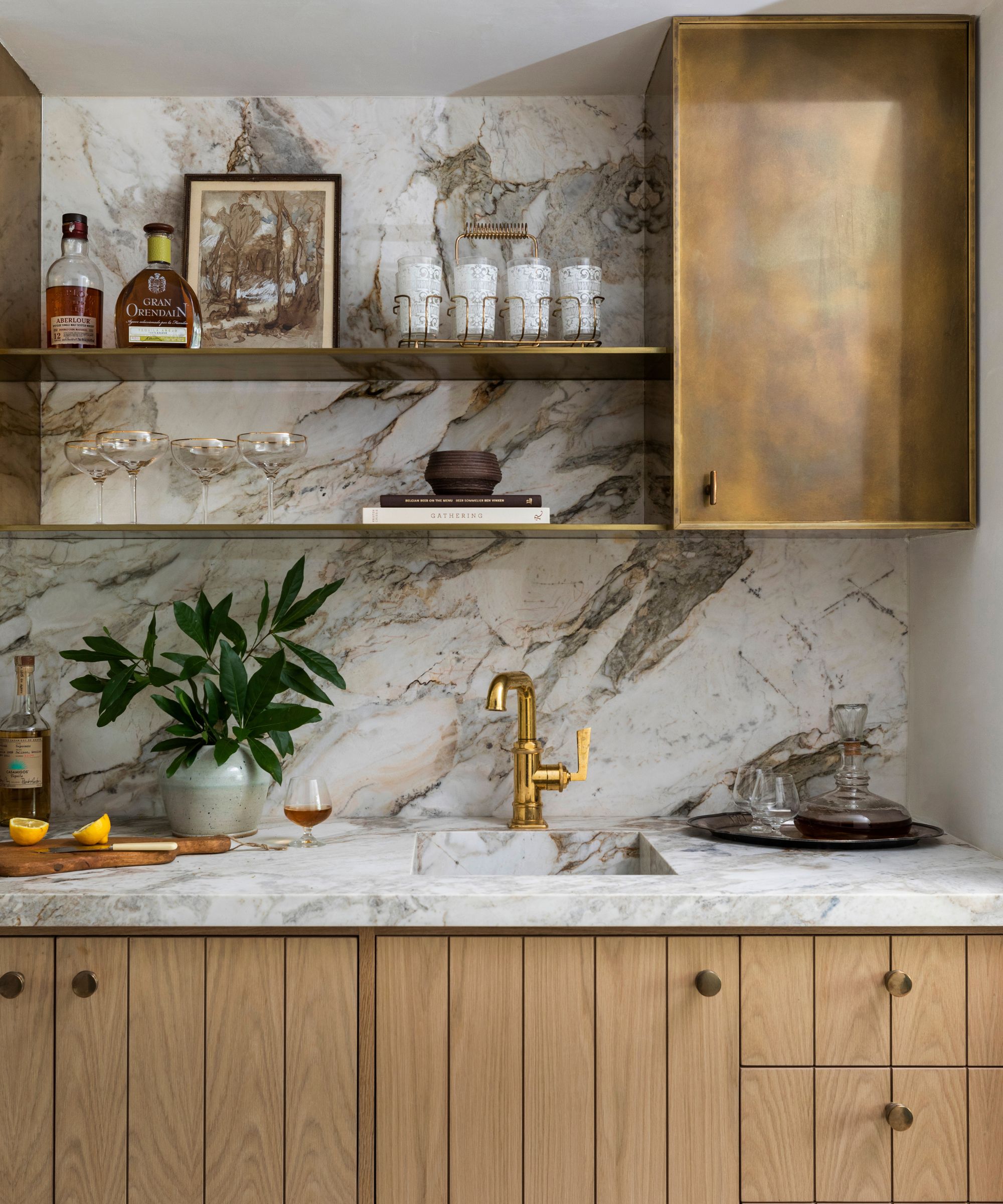
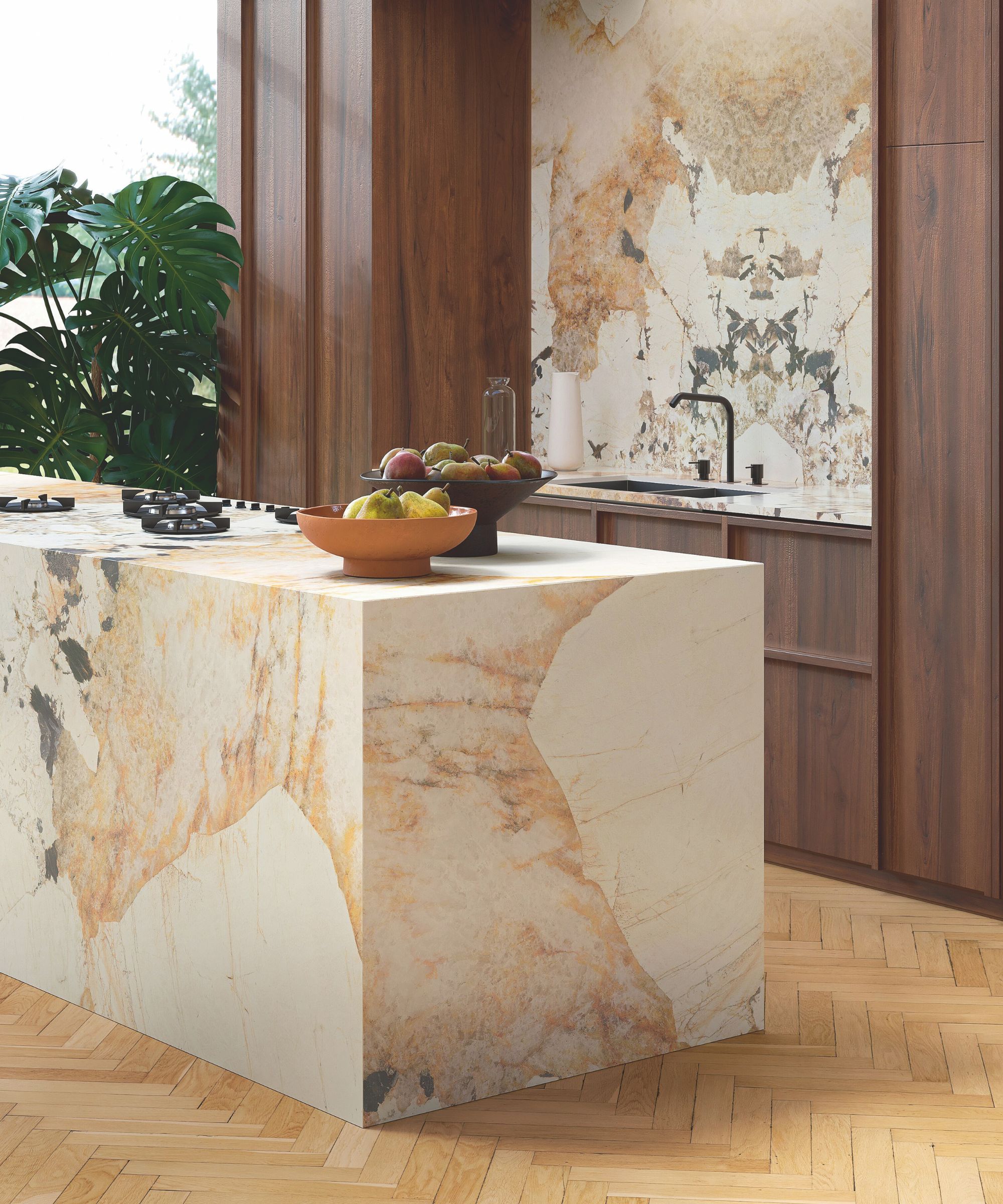
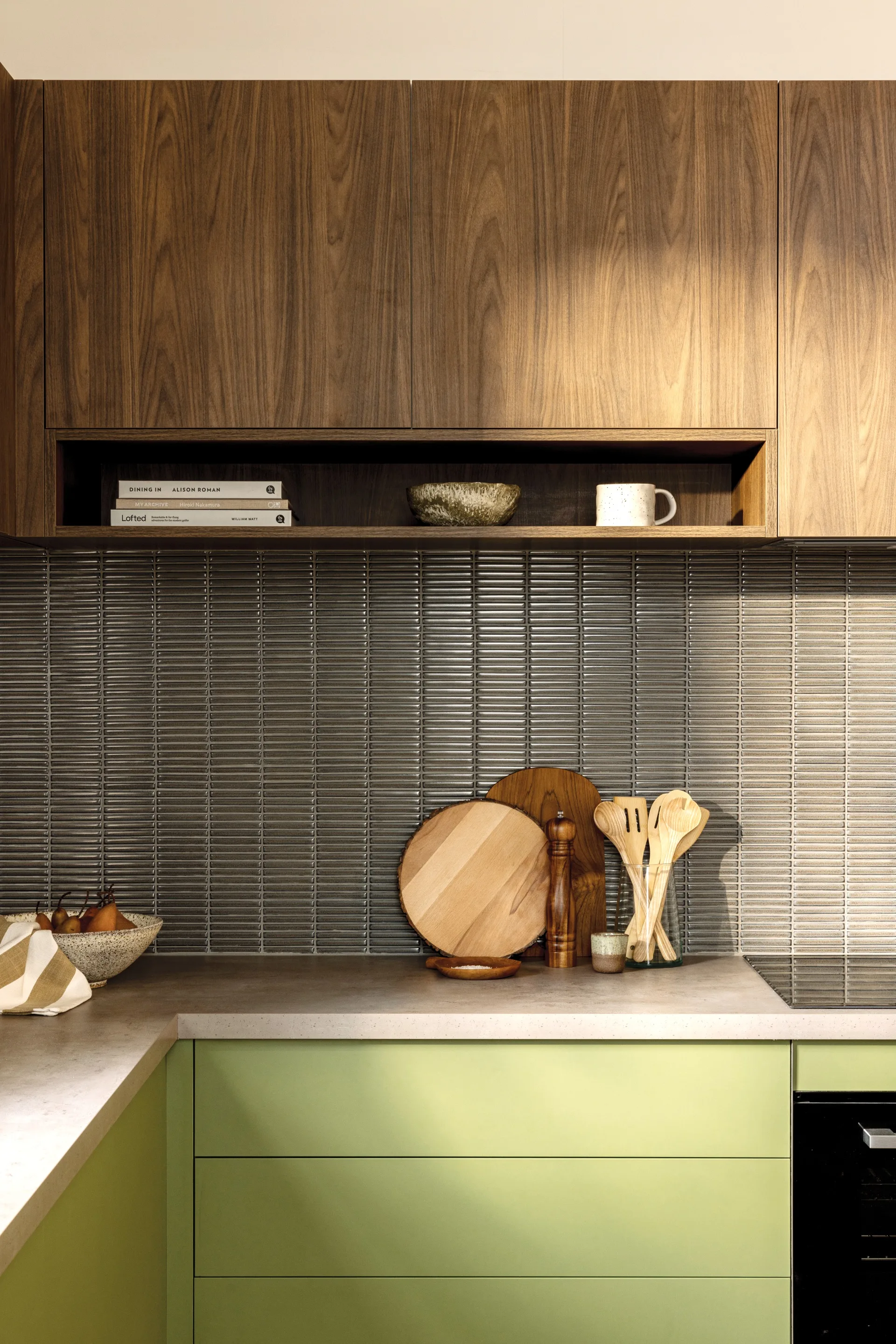
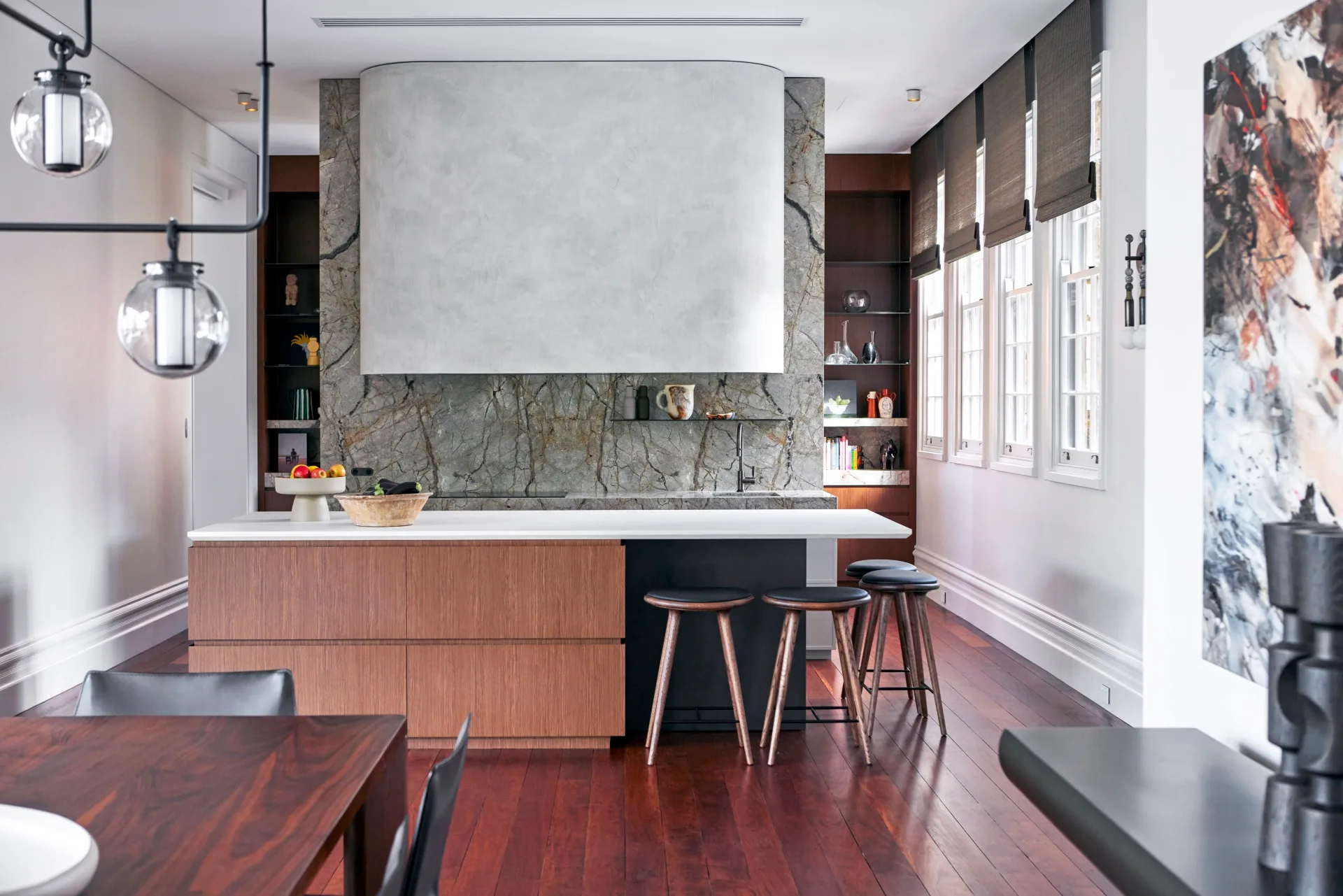
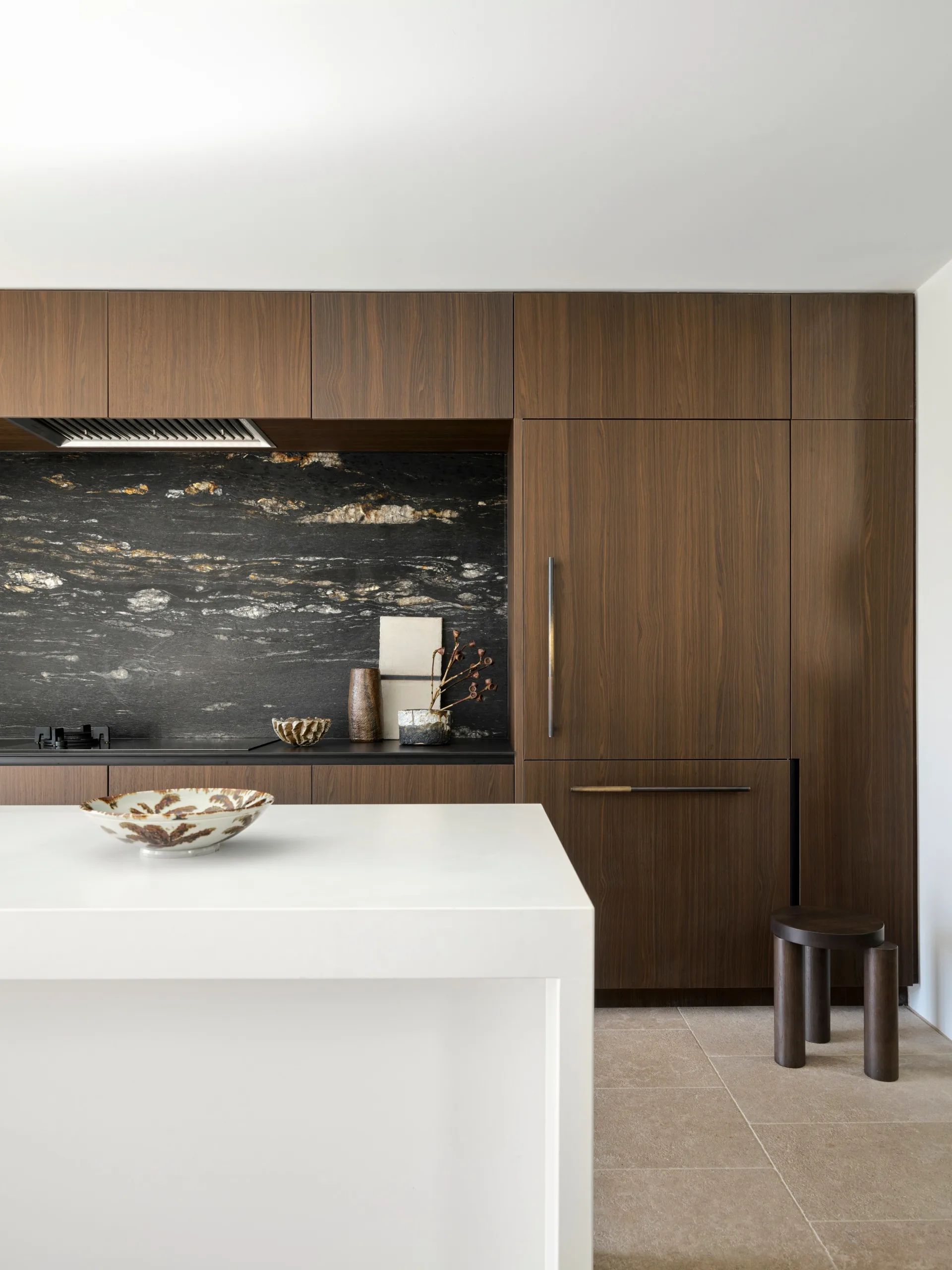
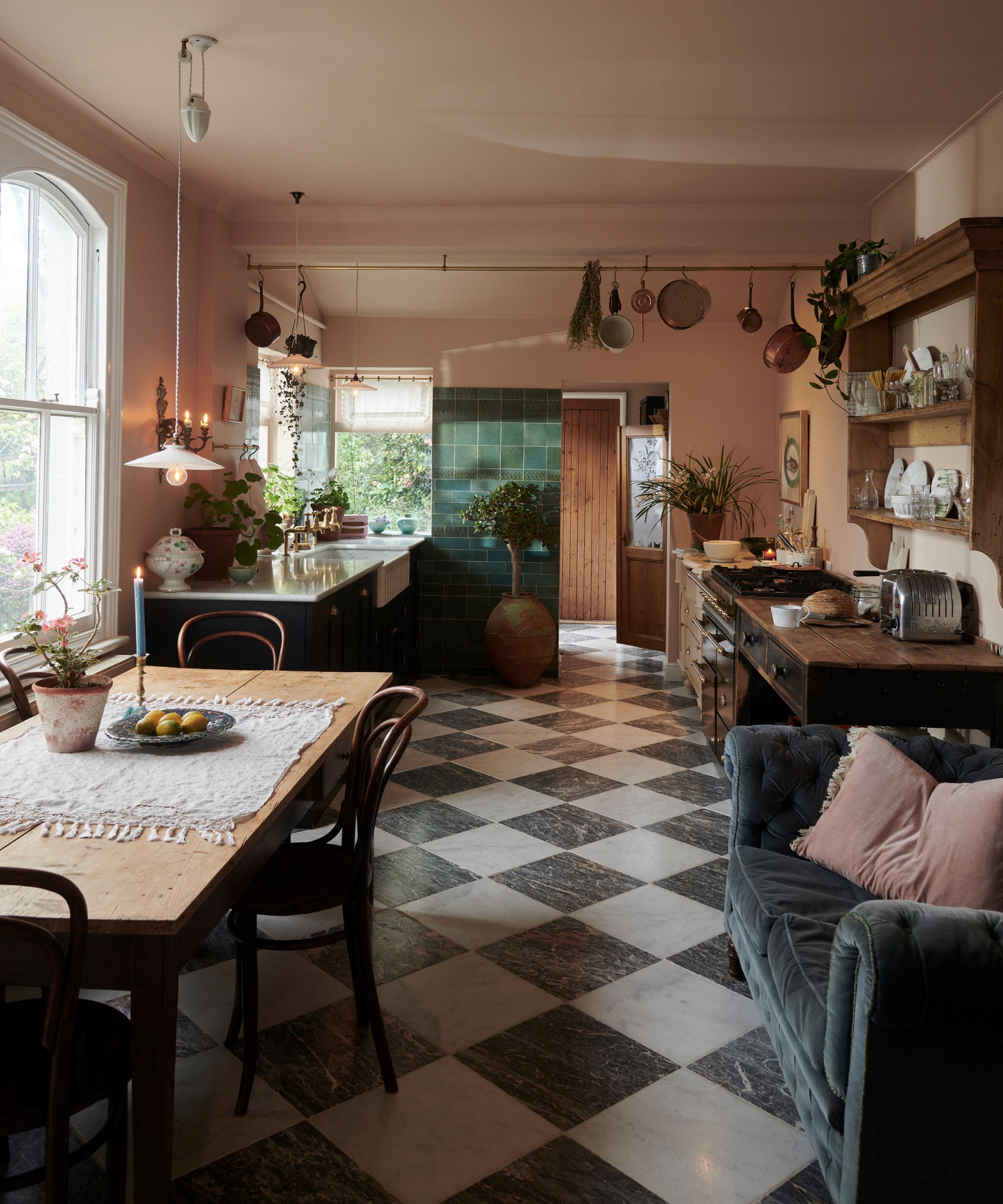
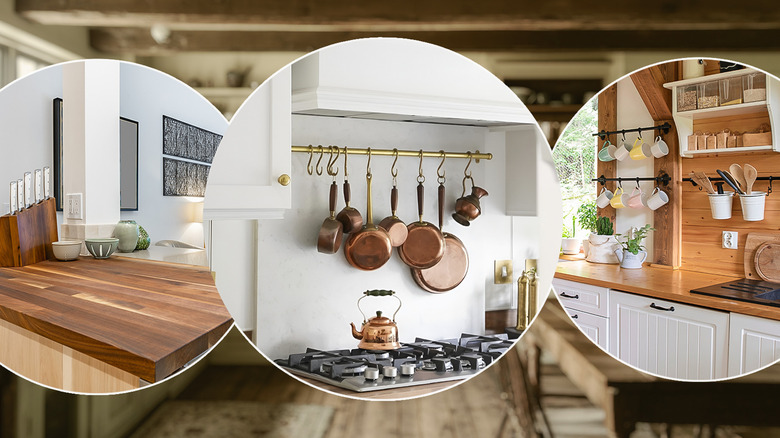
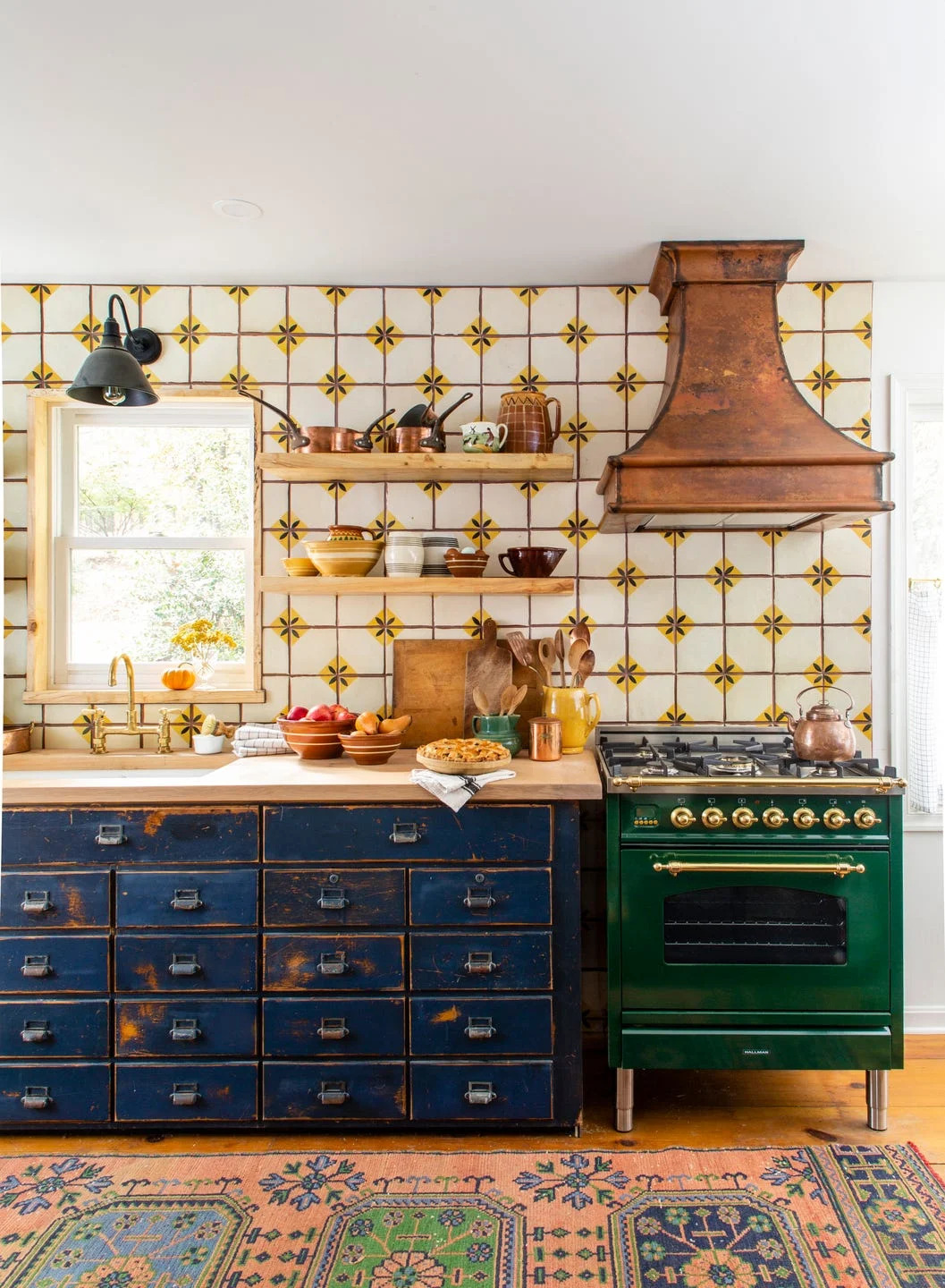
Key design characteristics of a cottage kitchen include the extensive use of natural materials. Designers suggest incorporating natural woods and honed stone countertops to create an authentic, grounded appeal. Matte finishes further enhance this lived-in aesthetic, moving away from overly polished or artificial surfaces. Aged metals, such as brushed brass or copper, contribute a sense of heritage and craftsmanship, adding depth and history to the space. The emphasis on materials with texture, like brick or real stone, allows homeowners to tell a unique story about their home, making the kitchen a personal reflection rather than a generic design.
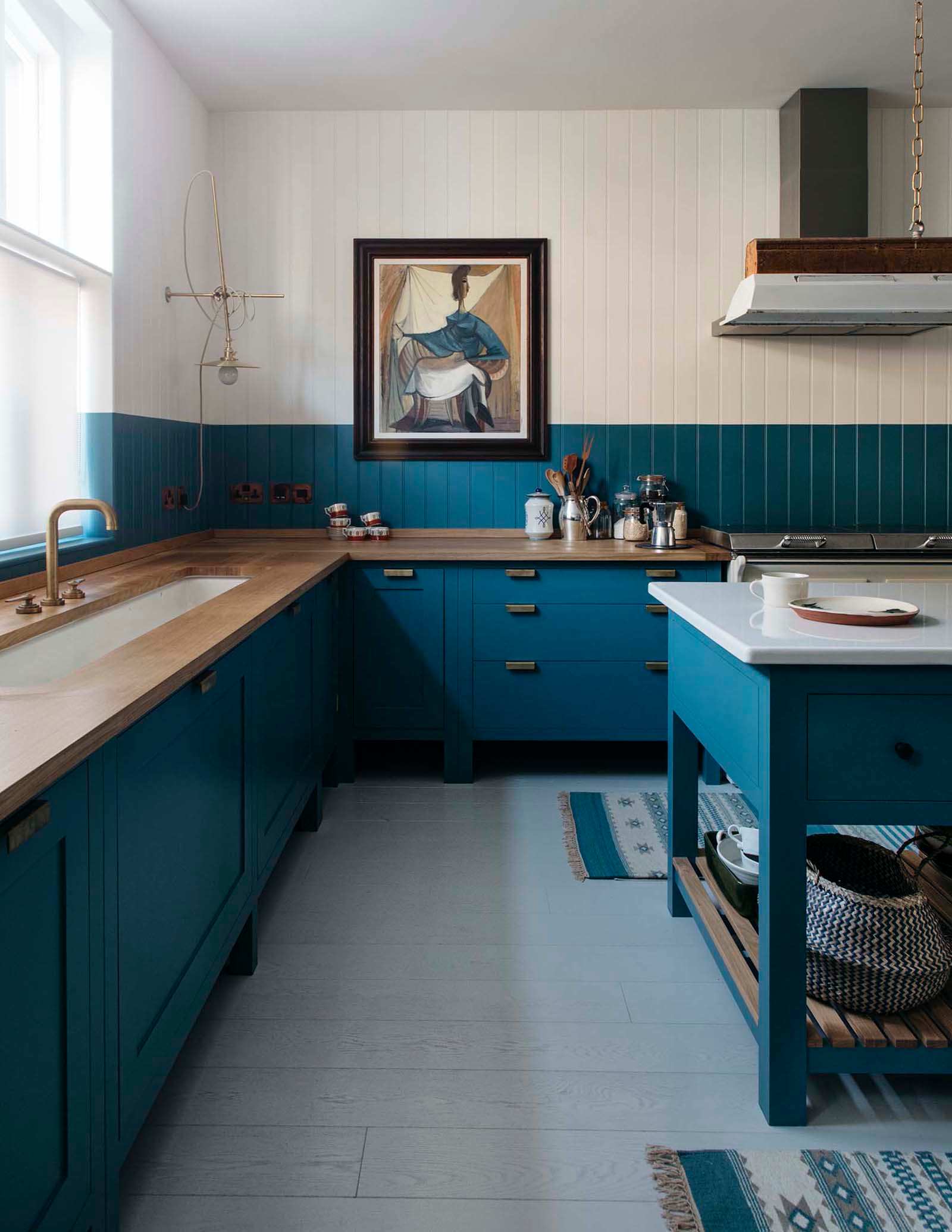
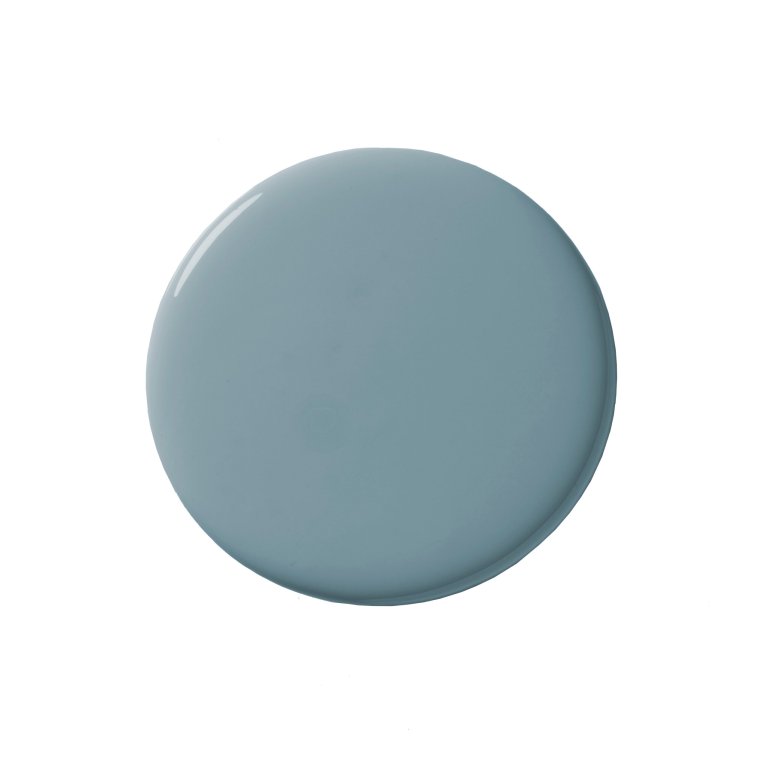
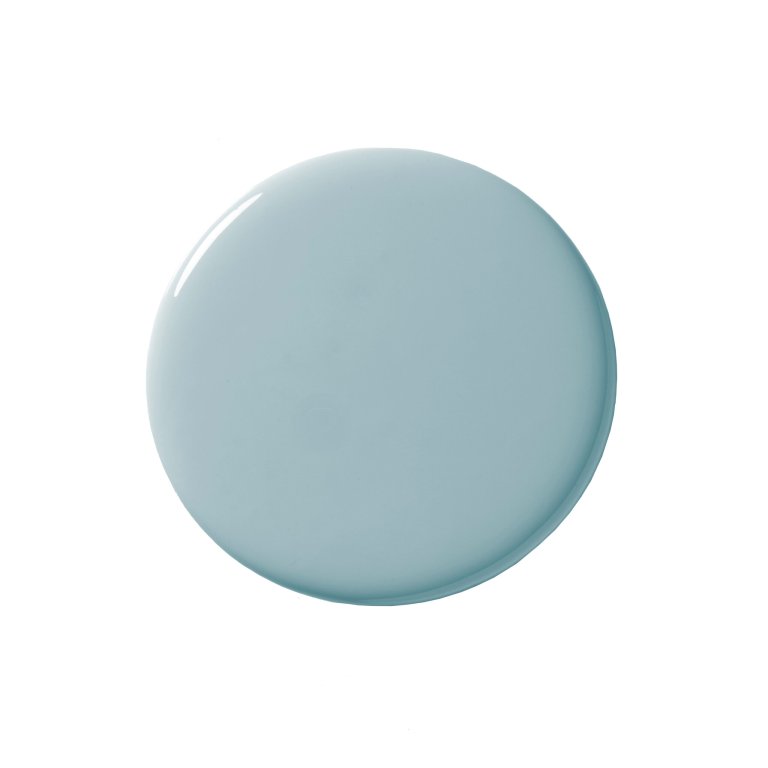
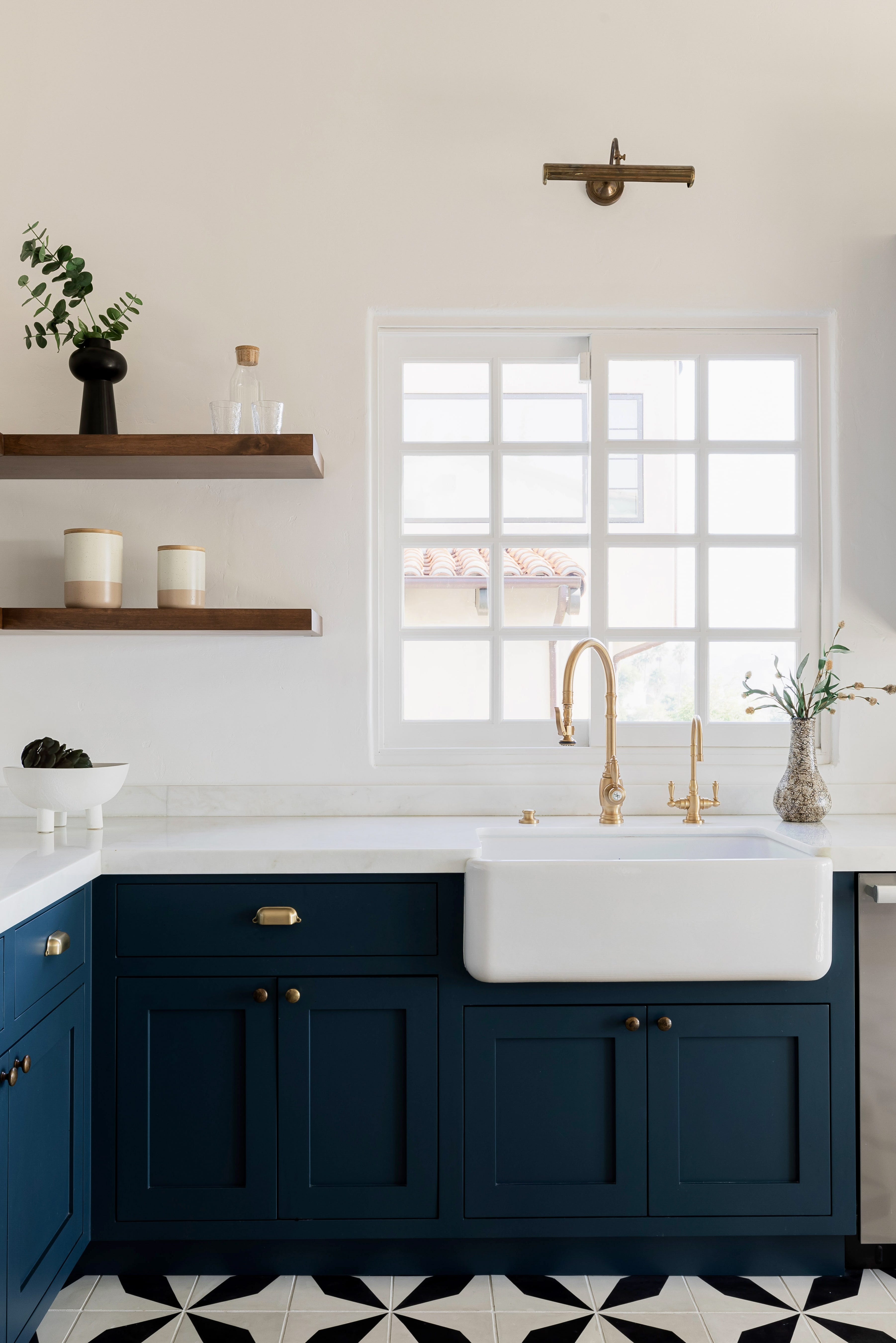
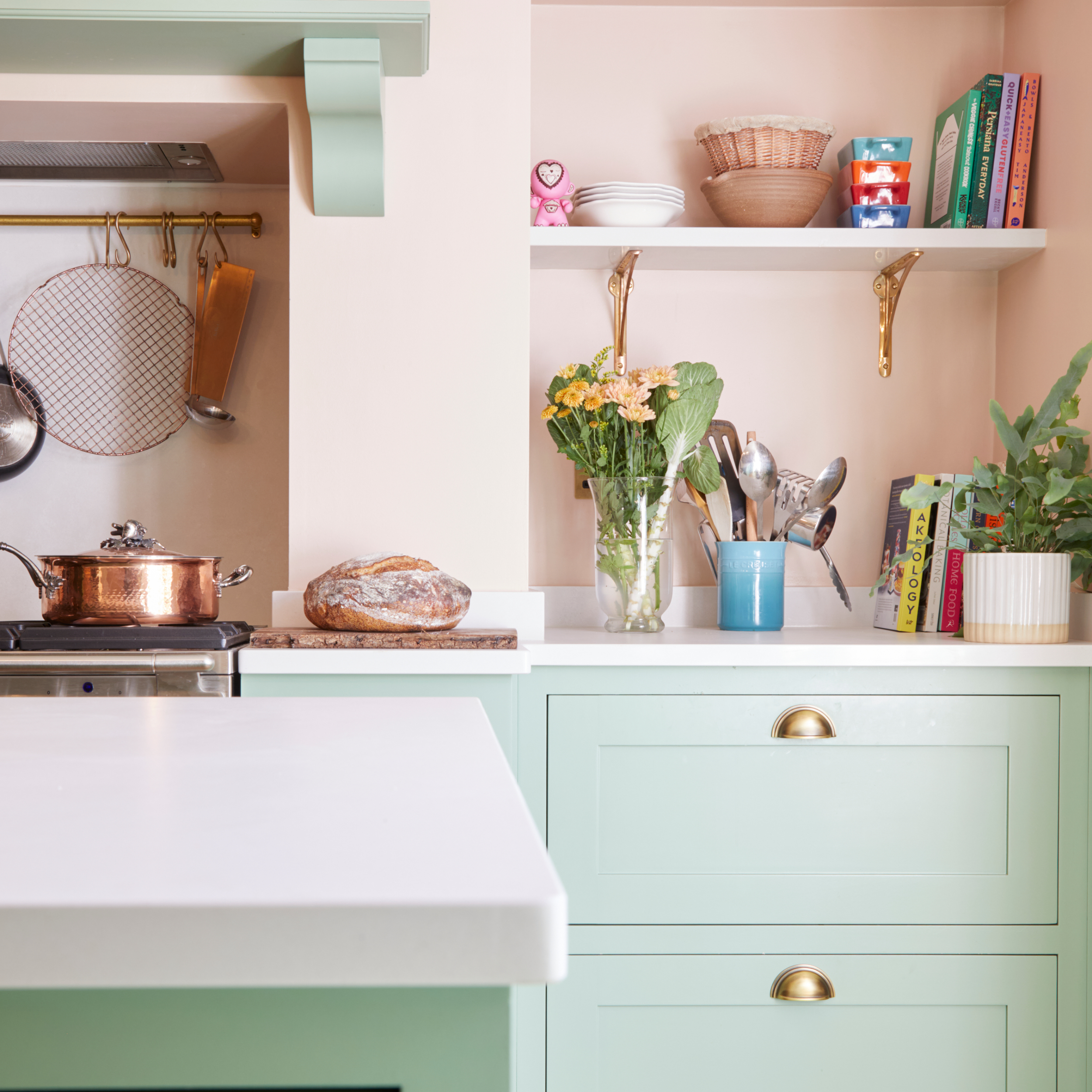
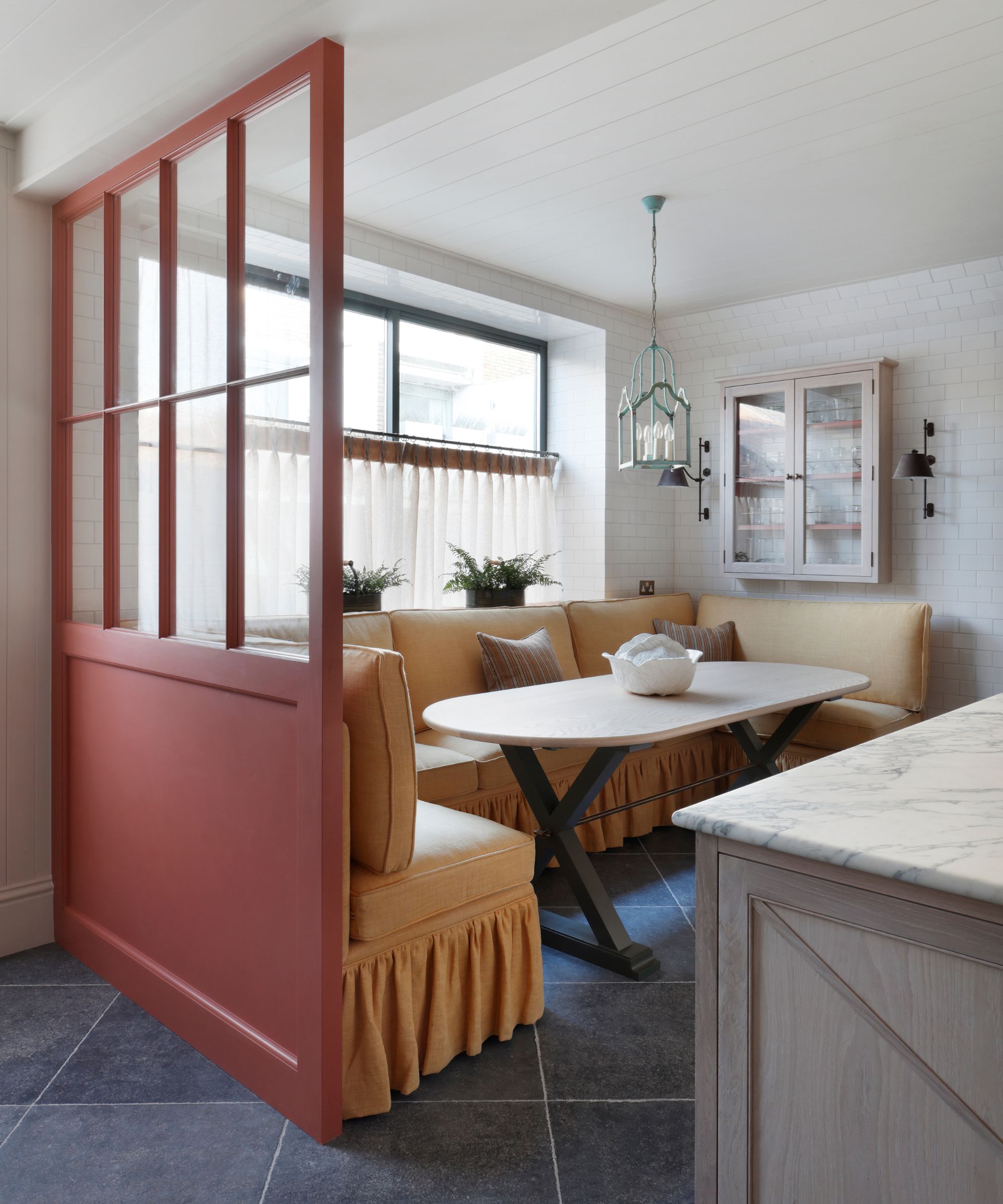
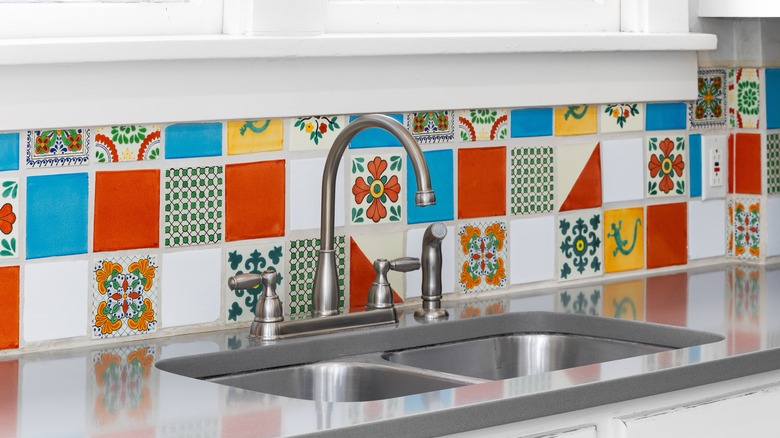
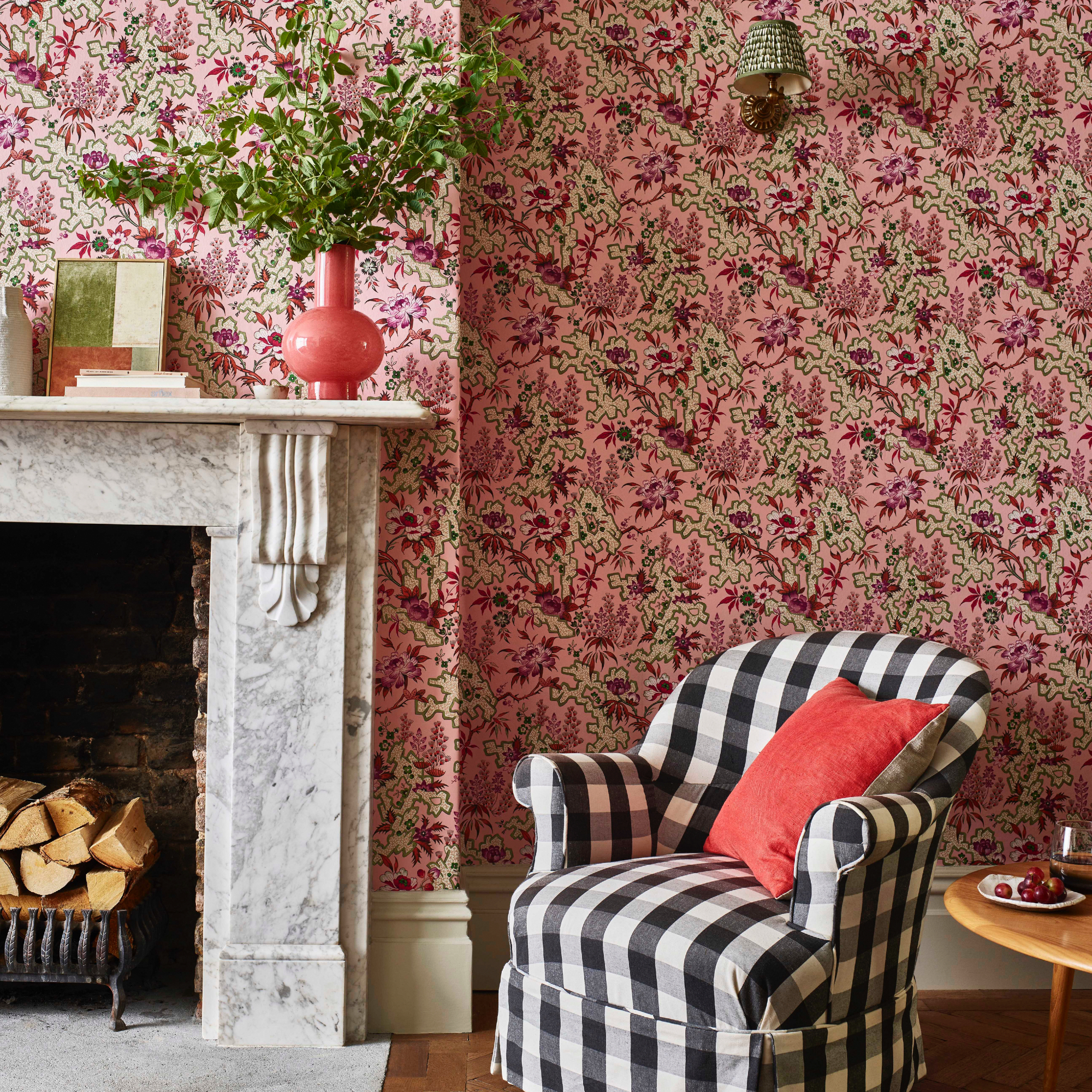
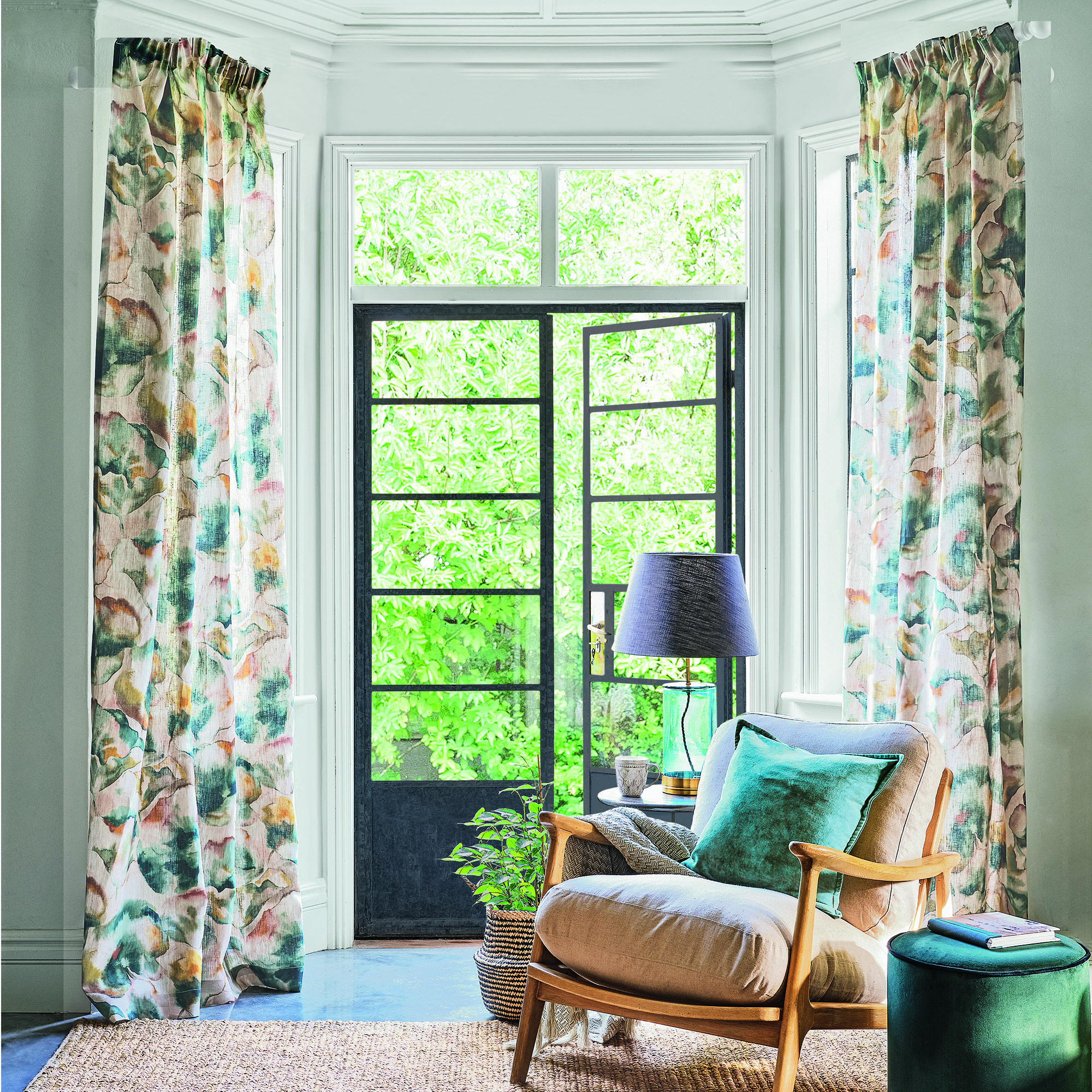
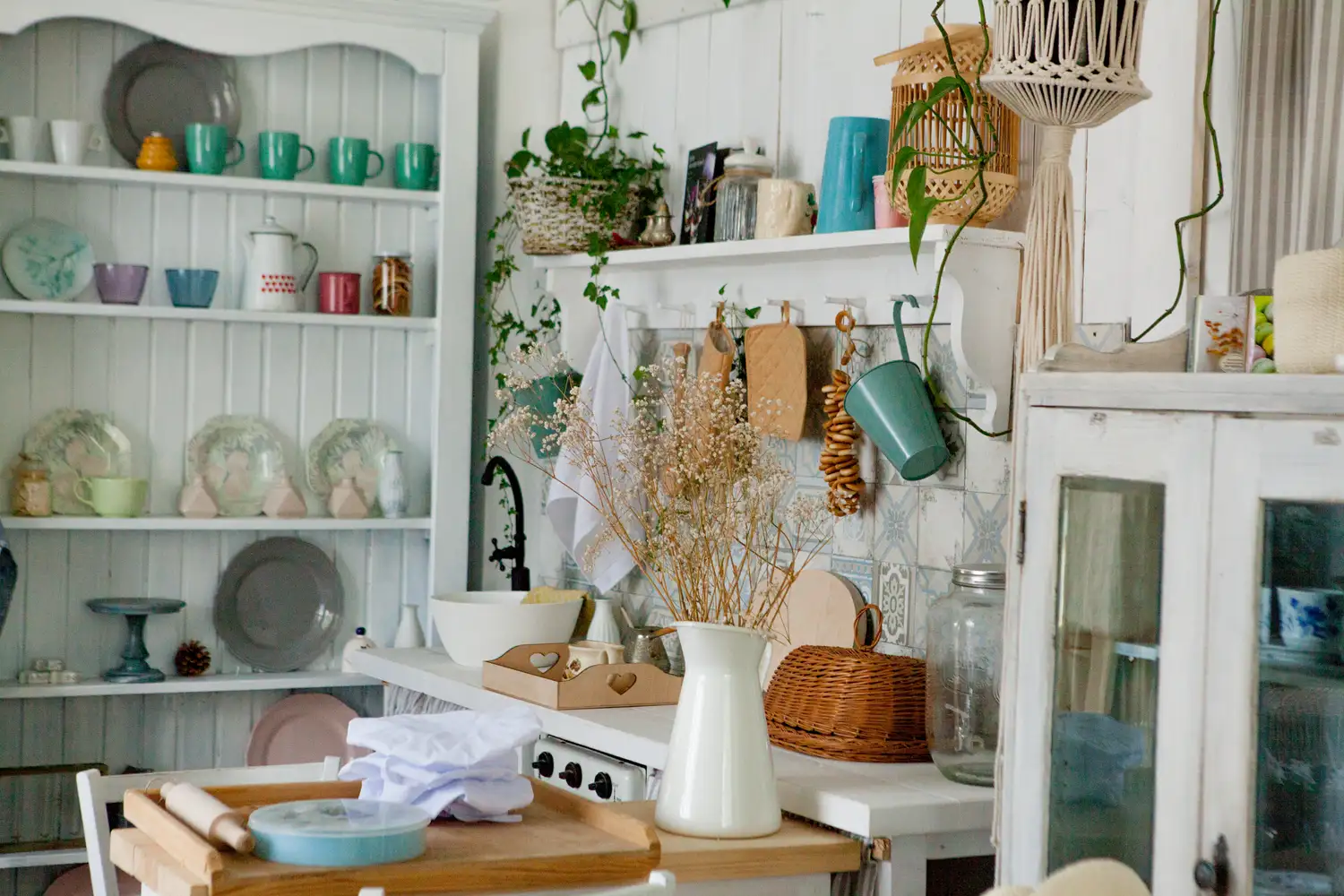
Another defining feature is the strategic use of bold textiles and soft colors. Textiles play a crucial role in softening the architectural lines of a kitchen and introducing layers of comfort and visual interest. Examples include gingham or floral window treatments, hand-embroidered tea towels, and quilted chair pads for counter stools. These elements add tactile richness and a homely feel. The color palette typically involves classic, muted hues such as creamy whites, soft blues, and warm greens, which brightens the space while maintaining a calm and serene ambiance. Darker colors are used sparingly, often as accents, with historic shades like Pale Oak, Hale Navy, or Swiss Coffee suggested for a timeless touch.
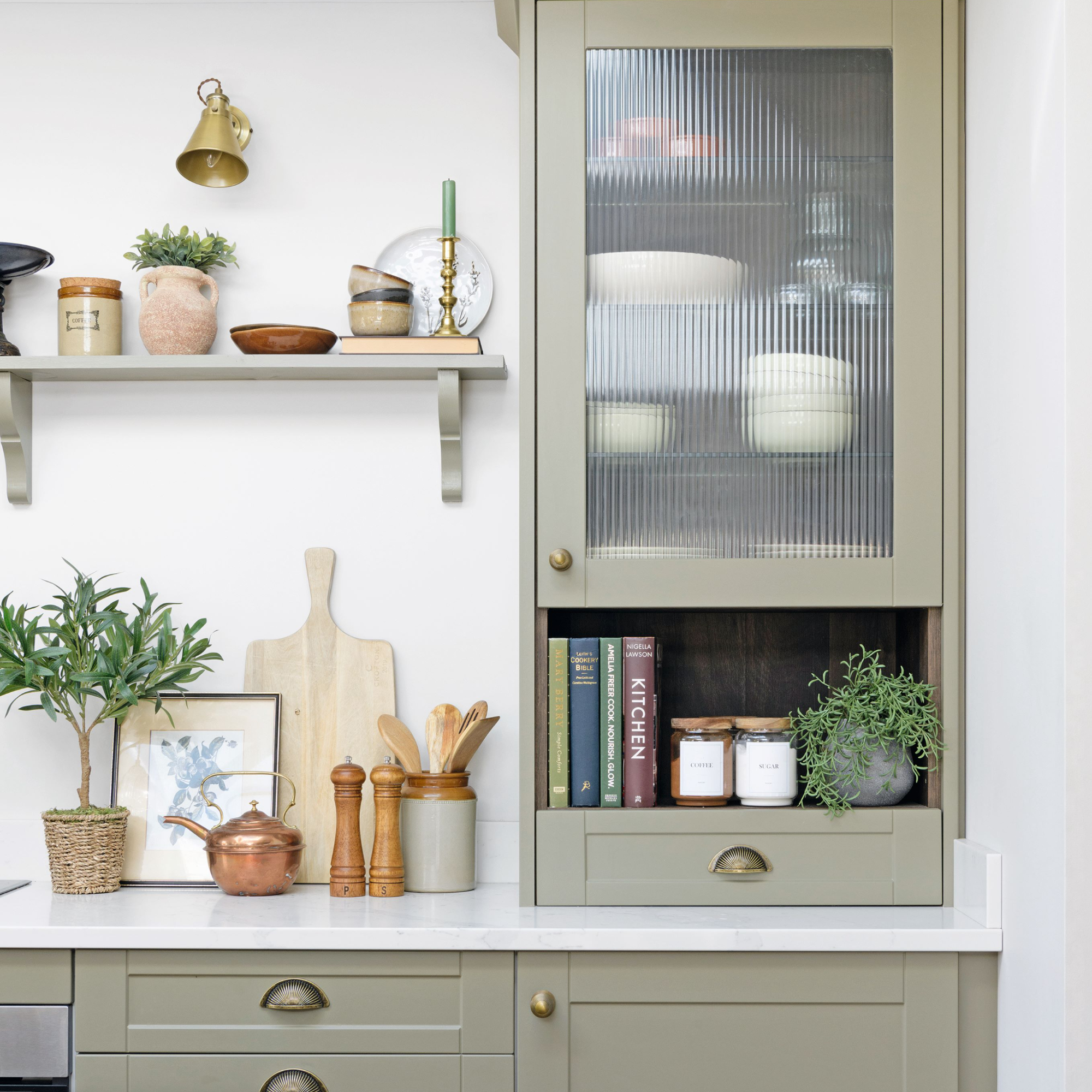
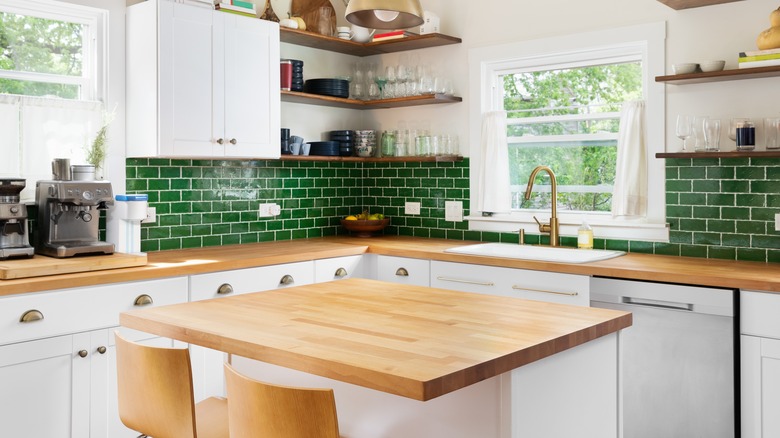
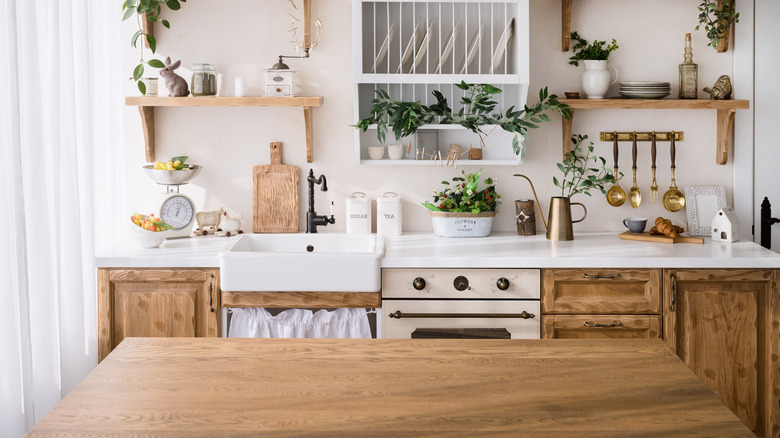
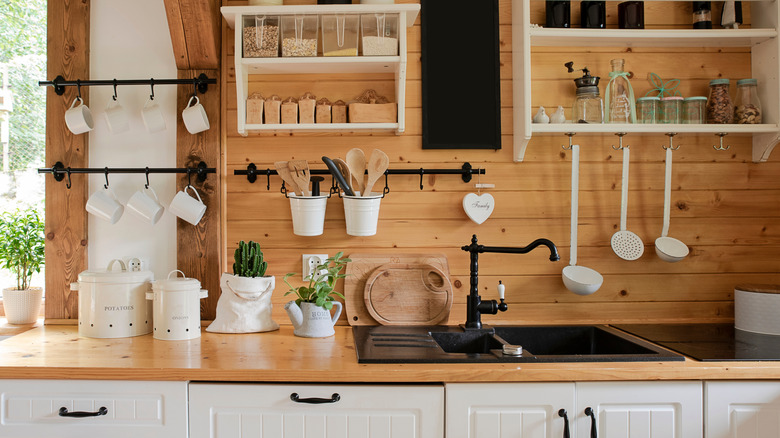
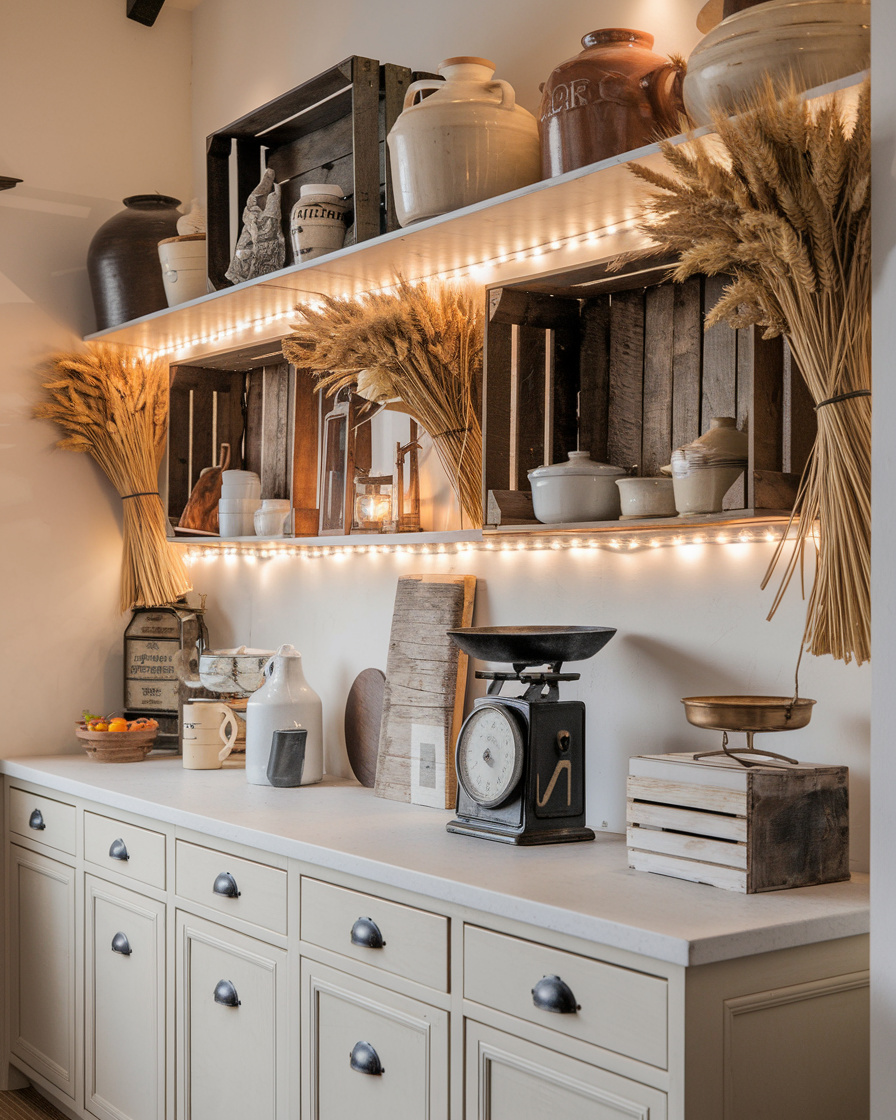
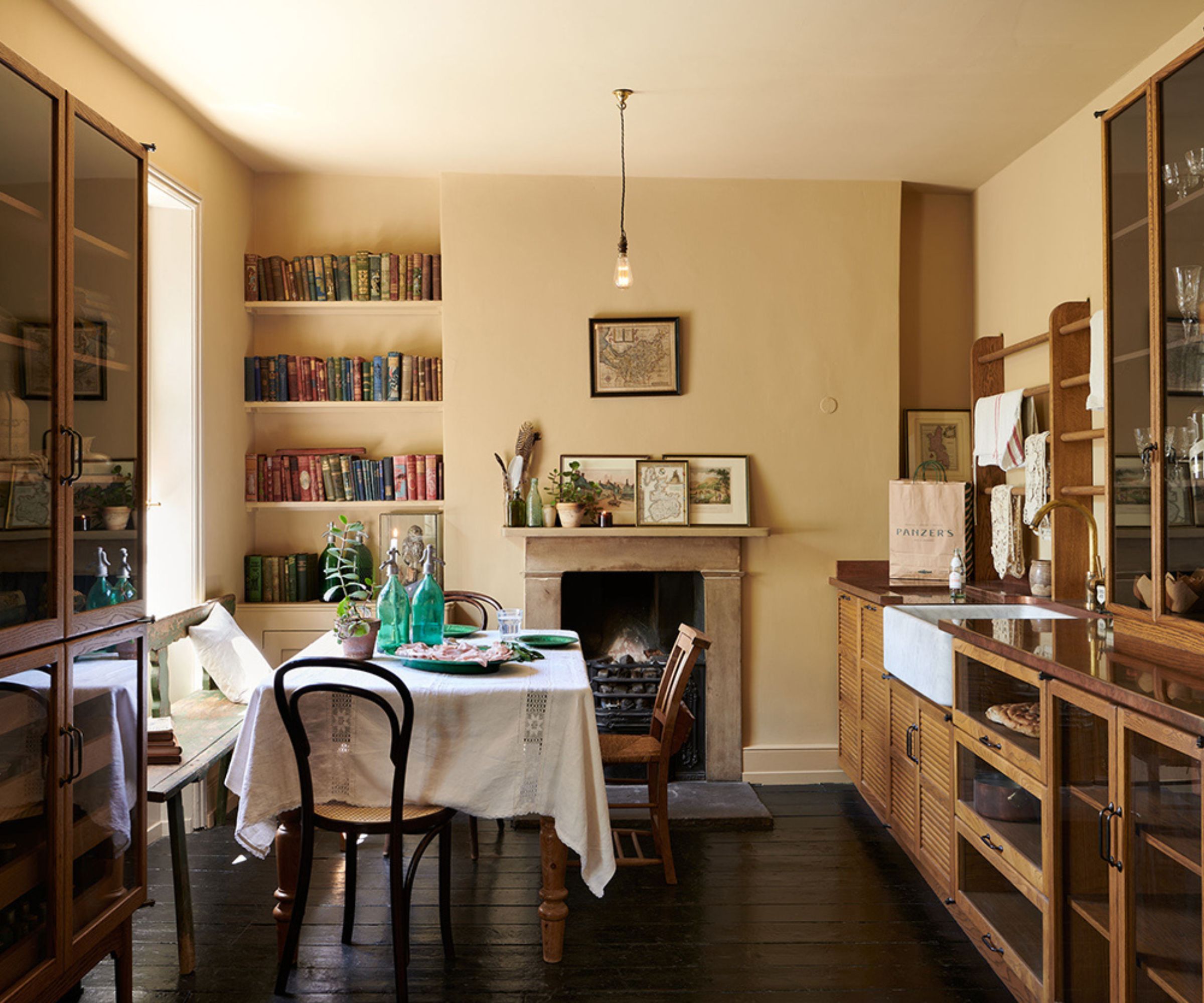
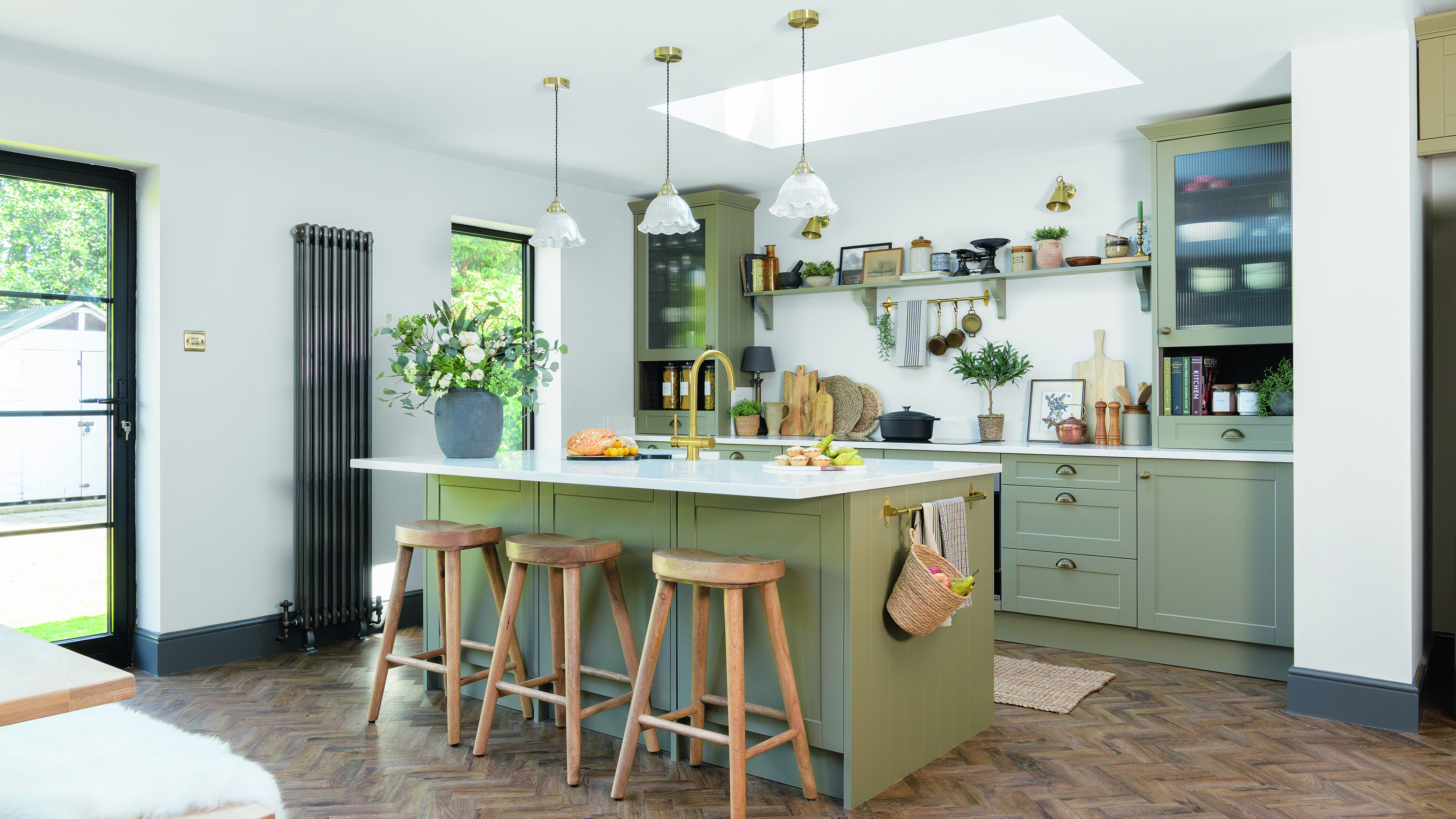
Open shelving is highlighted as a practical and aesthetic element for cottage kitchens. This design choice allows for the display of cherished items, such as favorite glassware, mugs, heirloom bowls, or cookbooks, adding to the kitchen's personal and curated feel. The same effect can be achieved with glass-front cabinets, offering a similar visual lightness and display opportunity. This approach contributes to the overall sense of a well-loved and lived-in space, distinguishing it from more sterile, modern kitchen designs.
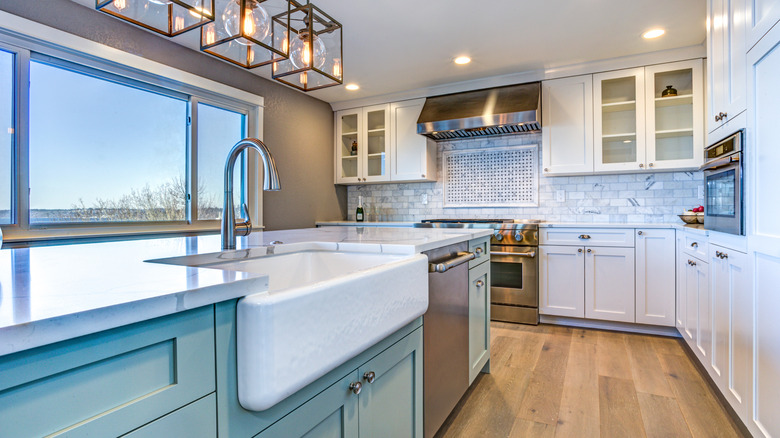
A farmhouse-style sink is considered an essential component of the cottage kitchen. Its distinctive apron-front and deep, sculptural form provide a grounded elegance. When paired with classic bridge faucets or high-arched gooseneck taps in aged brass or matte black finishes, the farmhouse sink becomes a functional focal point that reinforces the vintage charm of the aesthetic. Its robust presence harks back to traditional kitchen designs, aligning perfectly with the nostalgic theme.
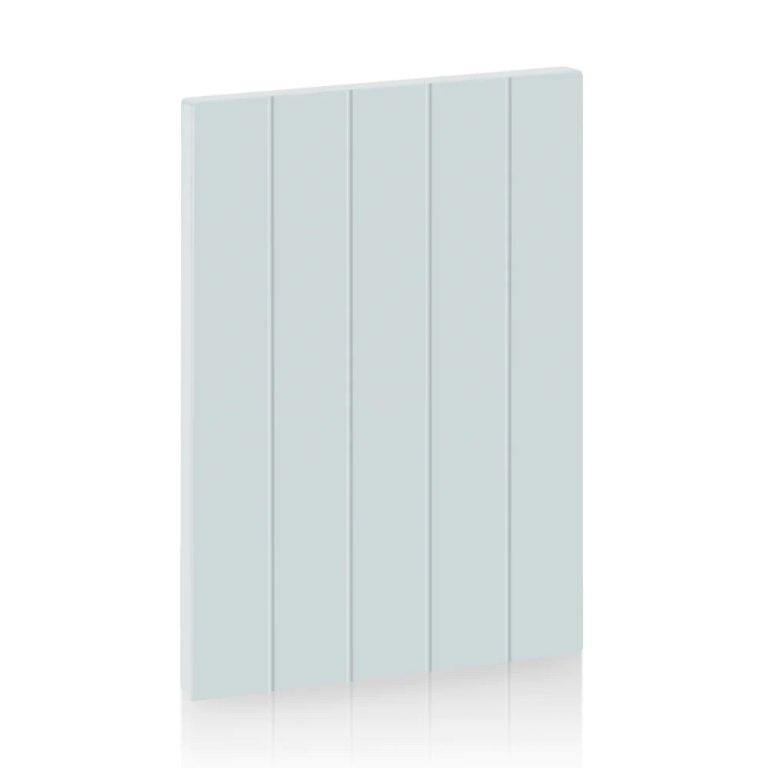
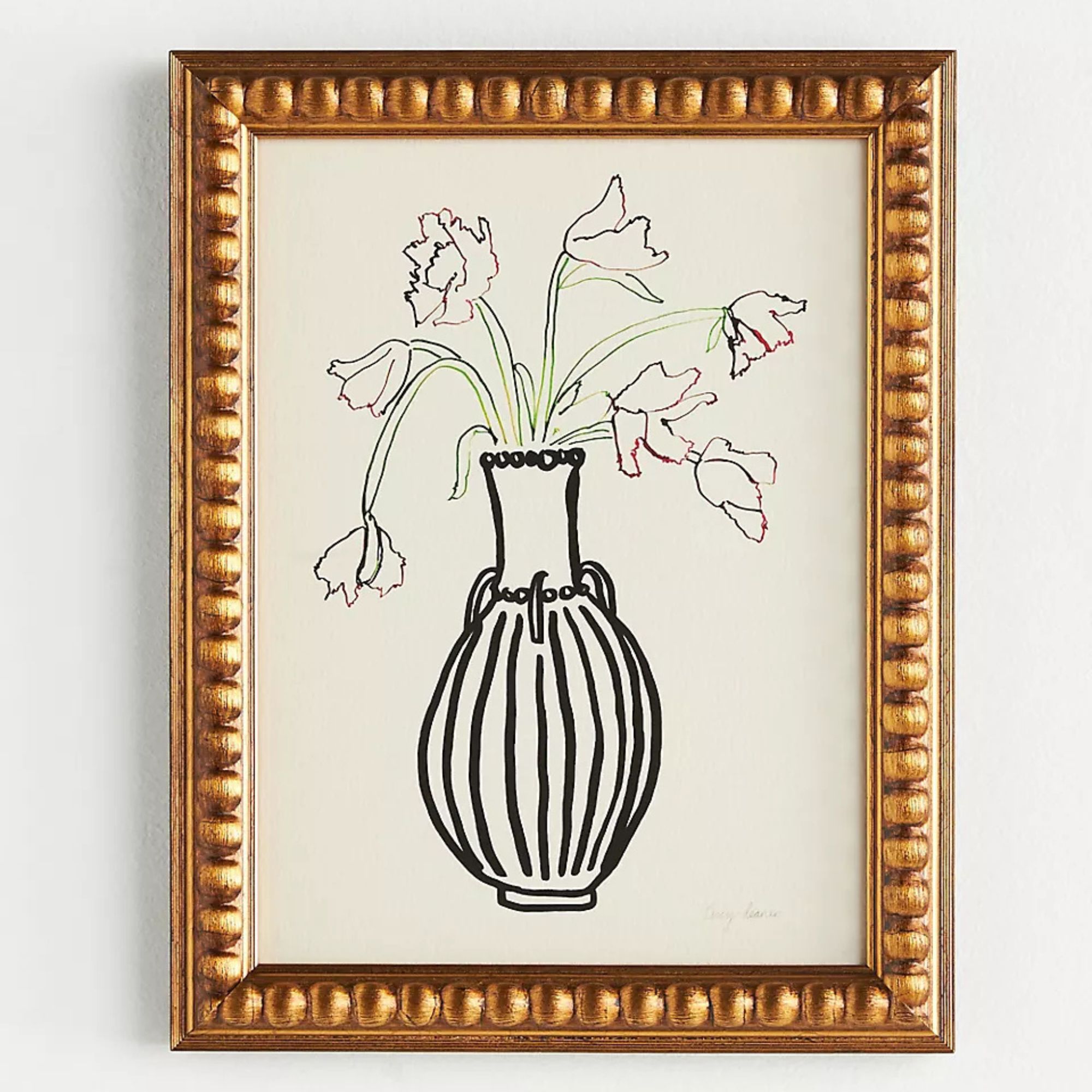
Finally, decorative details and reclaimed furniture are crucial for completing the cottage kitchen look. Small, thoughtful details add whimsy and soul, such as ceramic knobs, vintage oil paintings, bundles of dried herbs, or botanical prints. These elements should feel purposeful, contributing either function, form, or a memory, rather than appearing as mere clutter. Beadboard paneling is a key architectural detail that adds interest and structure to simple surfaces. Reclaimed furniture, whether an island, cupboard, or farmhouse table, brings character with its natural imperfections like chips, cracks, and soft patinas. Family heirlooms further imbue the kitchen with personality and meaning. For those without existing reclaimed pieces, thrift stores are recommended sources for unique finds that enhance the cottage aesthetic.
#CottageKitchen #HomeDesign #InteriorDesign #KitchenTrends #CozyHome #NaturalMaterials #VintageDecor #DesignAesthetics #CottageKitchen #HomeDesign #InteriorDesign #KitchenTrends #CozyHome #NaturalMaterials #VintageDecor #DesignAesthetics
0 comment in total
 No comments yet
You may also like
A British Design Is Now America's Most Stylish Kitchen
Outdated kitchen trends – 5 overdone looks that designers like to avoid, and here's why you should too

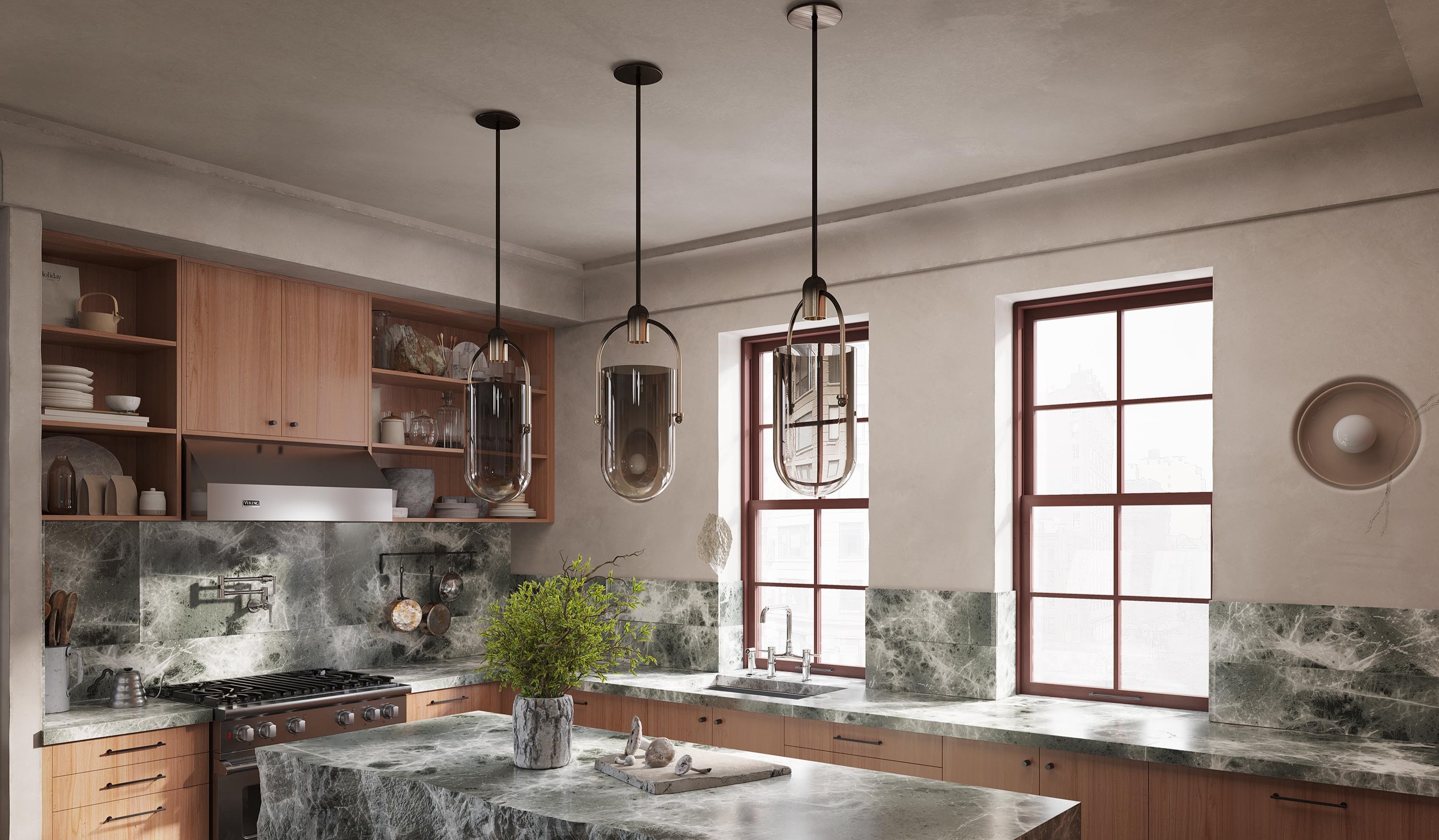
This Kitchen Trend Can Make Your Space Look Like a Charming, Tuscan Retreat — "It's Instantly Warming"

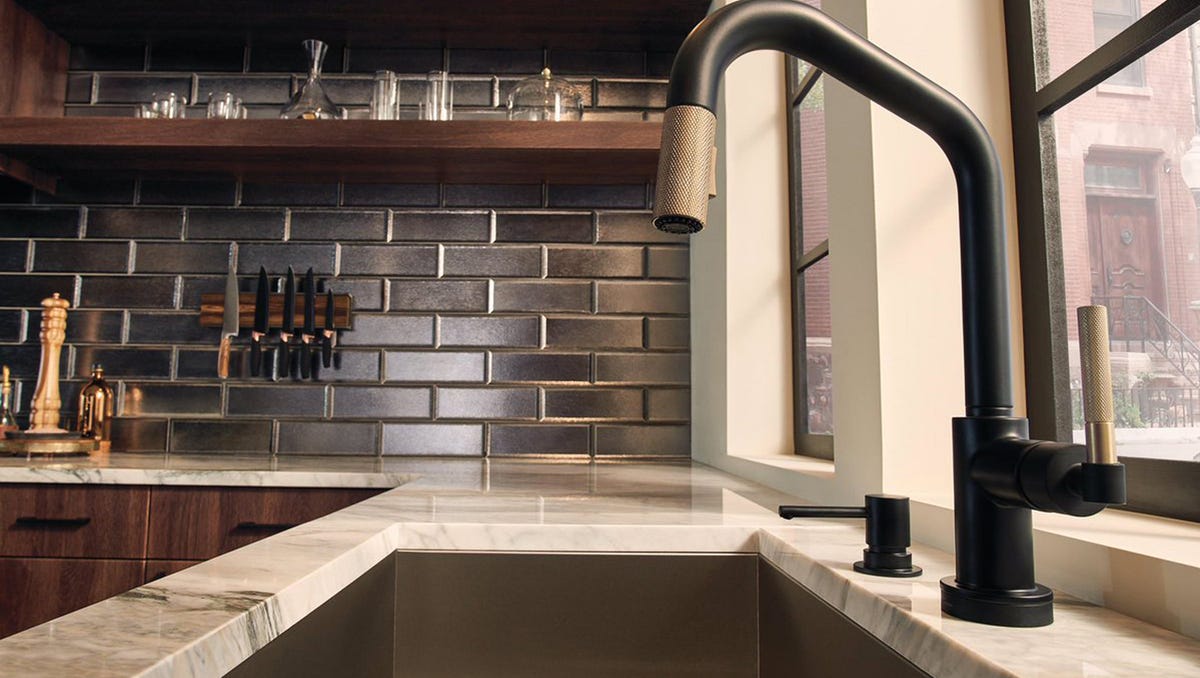
Kitchen trends

Spotted: This Trending Kitchen Cabinet Style in Alexandra Daddario’s L.A. Home

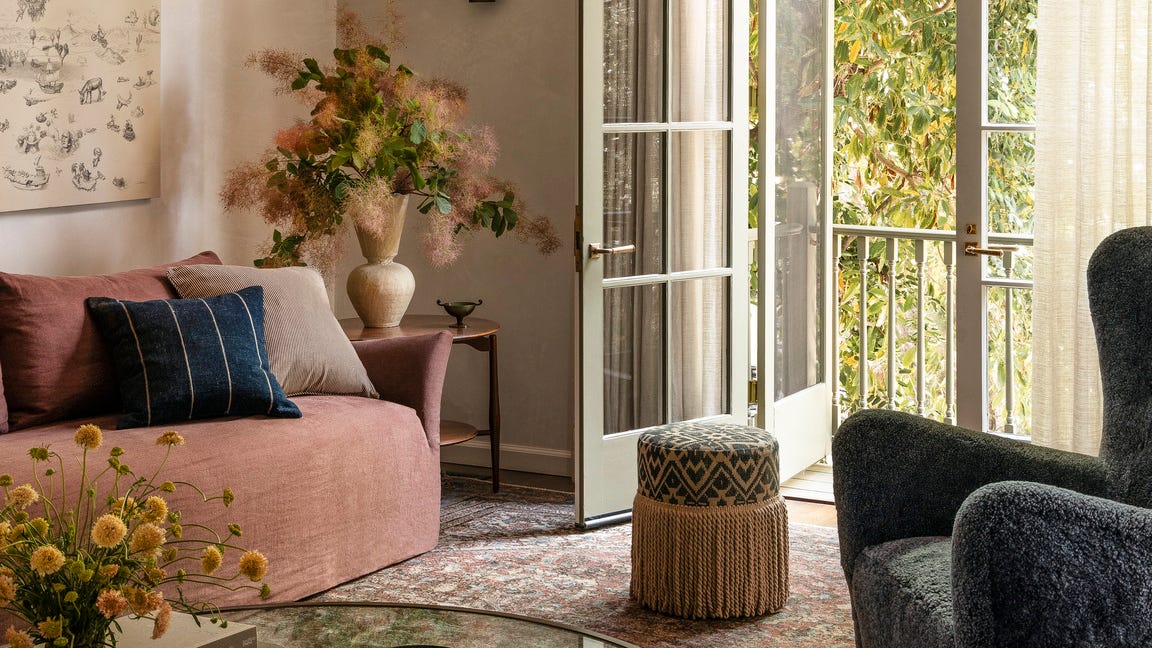
These Homes Are a Cottagecore Dream

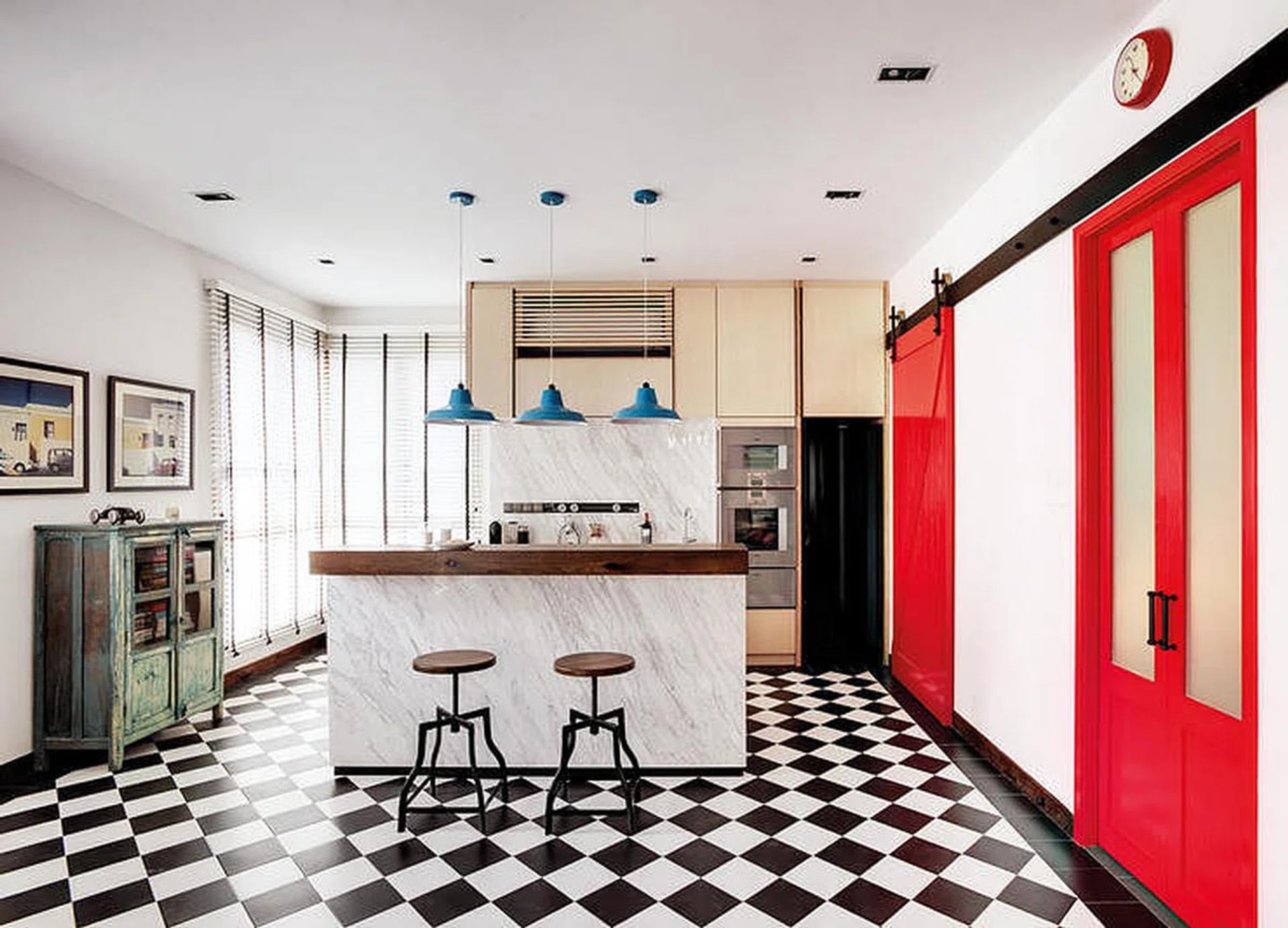
7 country yet contemporary style kitchens that look really good!
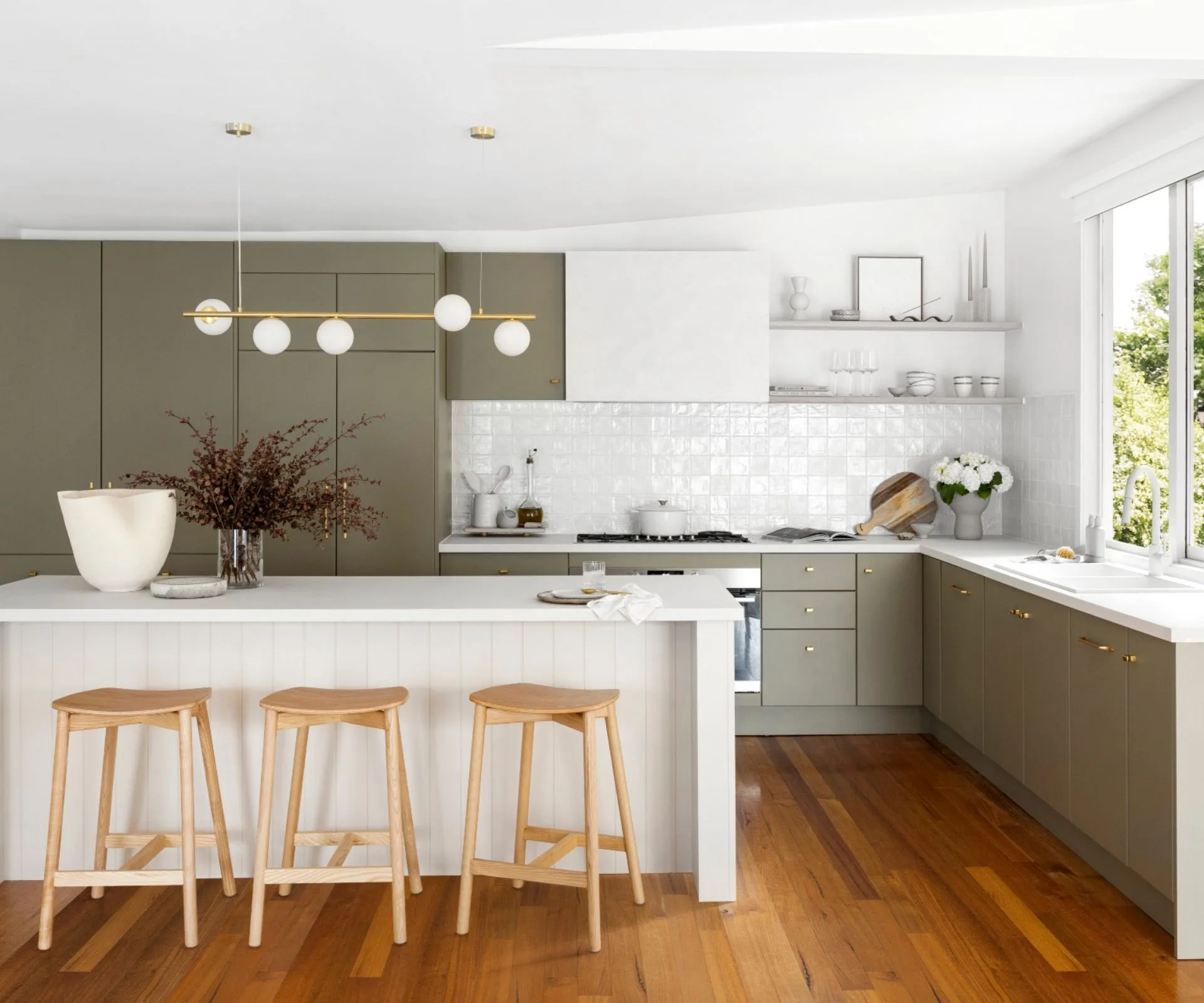
How to Embrace Kitchen Trends That Won't Go Out Of Style

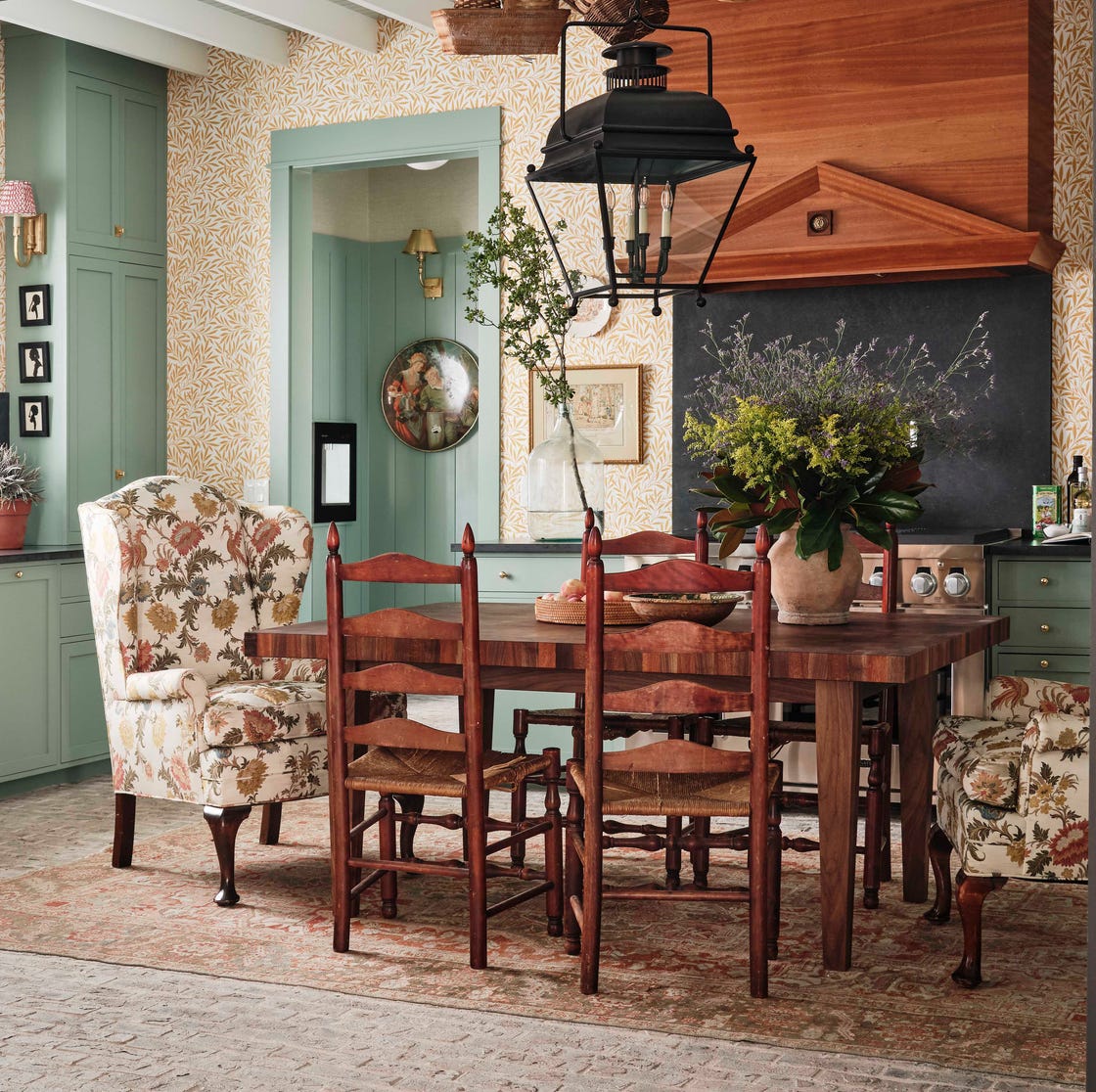
For a Homey and Charming Kitchen Vibe, Designers Say to Choose This Aesthetic


Spotted: This Trending Kitchen Cabinet Style in Alexandra Daddario’s L.A. Home

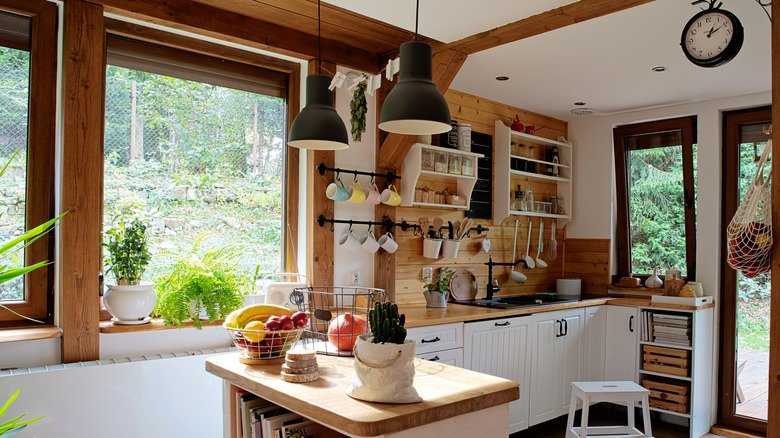
10 Cottagecore Kitchens With The Cozy Charm Of Grandma's House

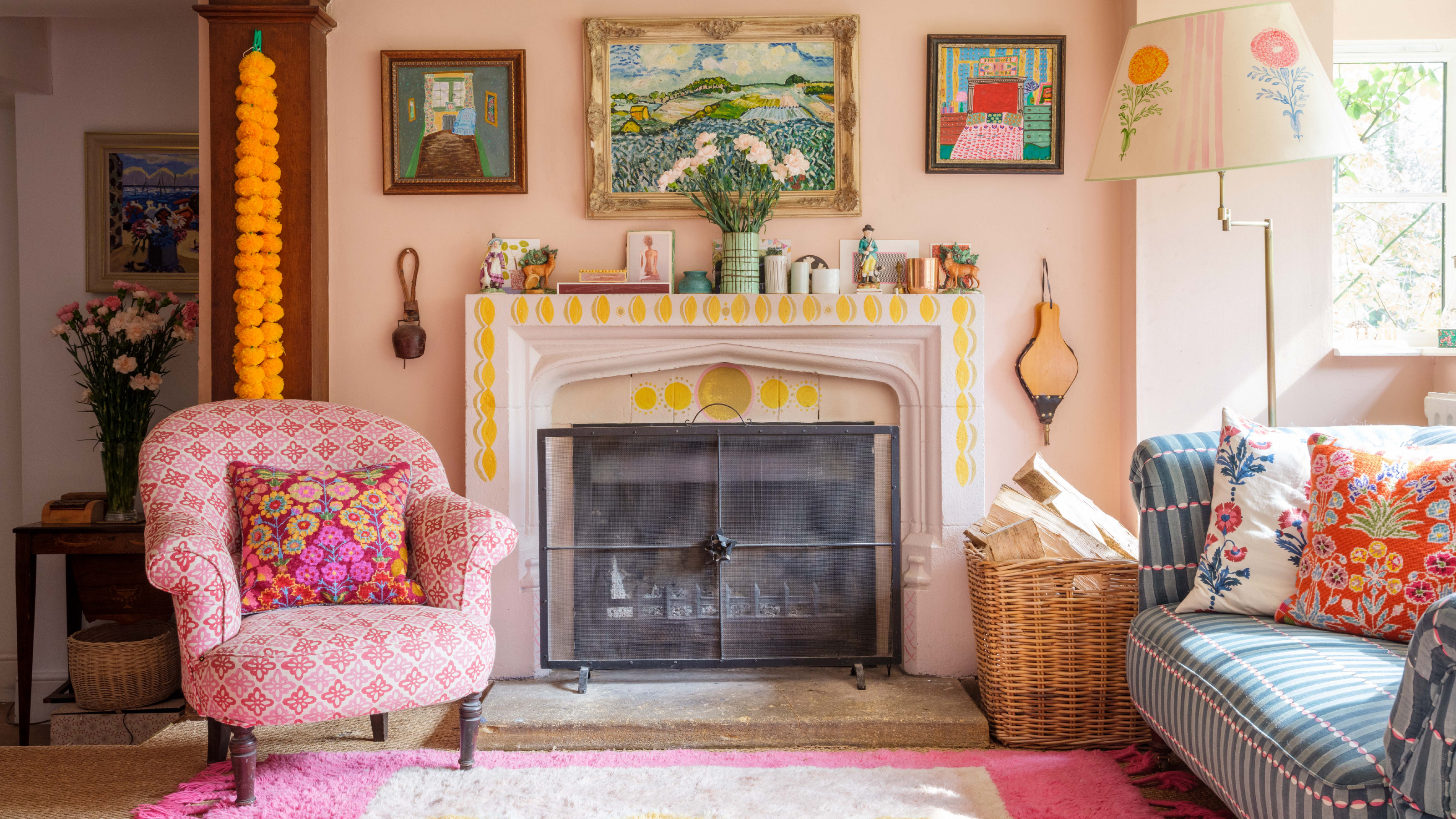
Cottagecore decor ideas for living rooms – 10 ways to embrace this charming trend
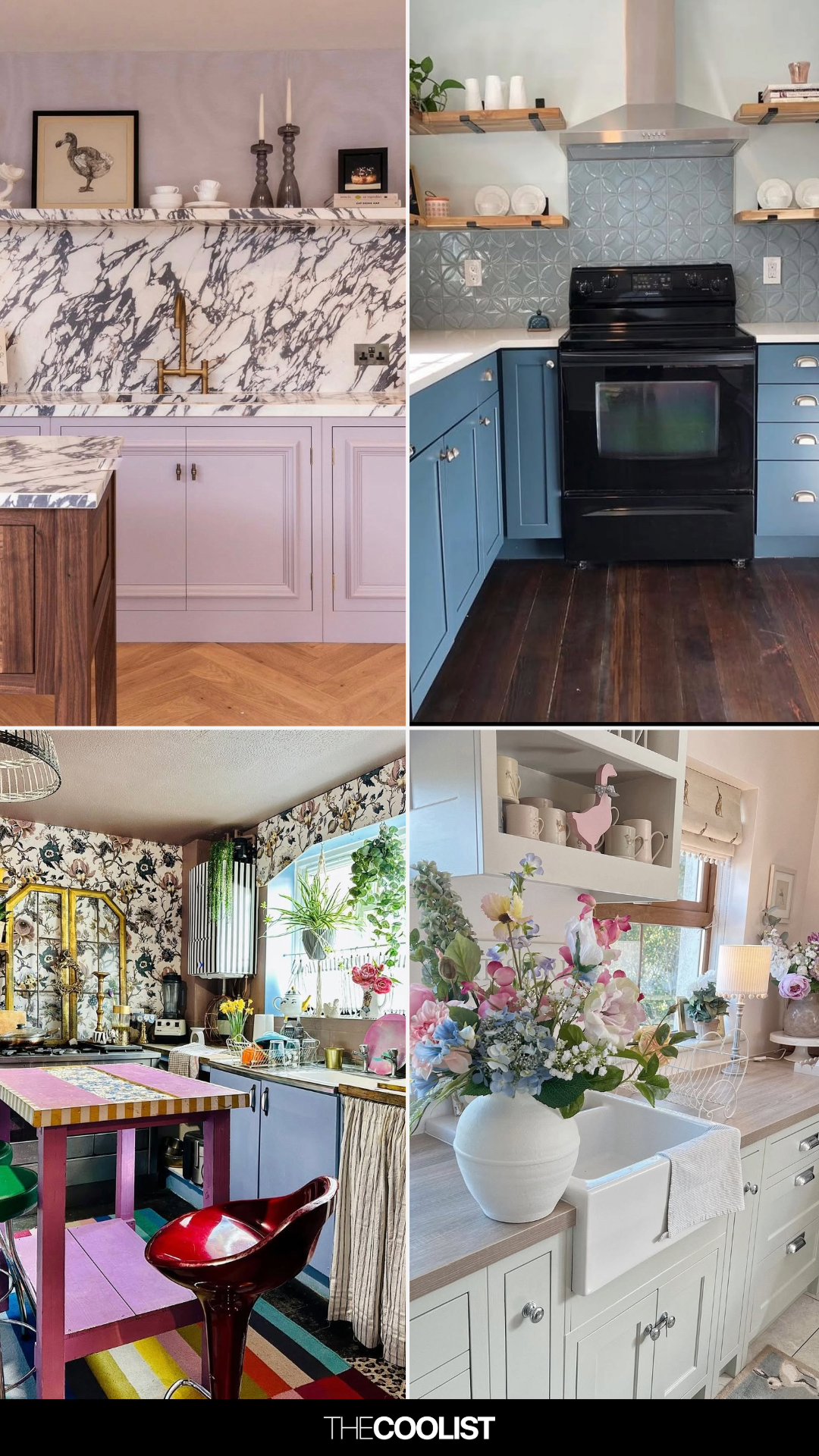
28 Cottagecore Kitchen Ideas That’ll Make You Want to Bake Bread and Stay Home

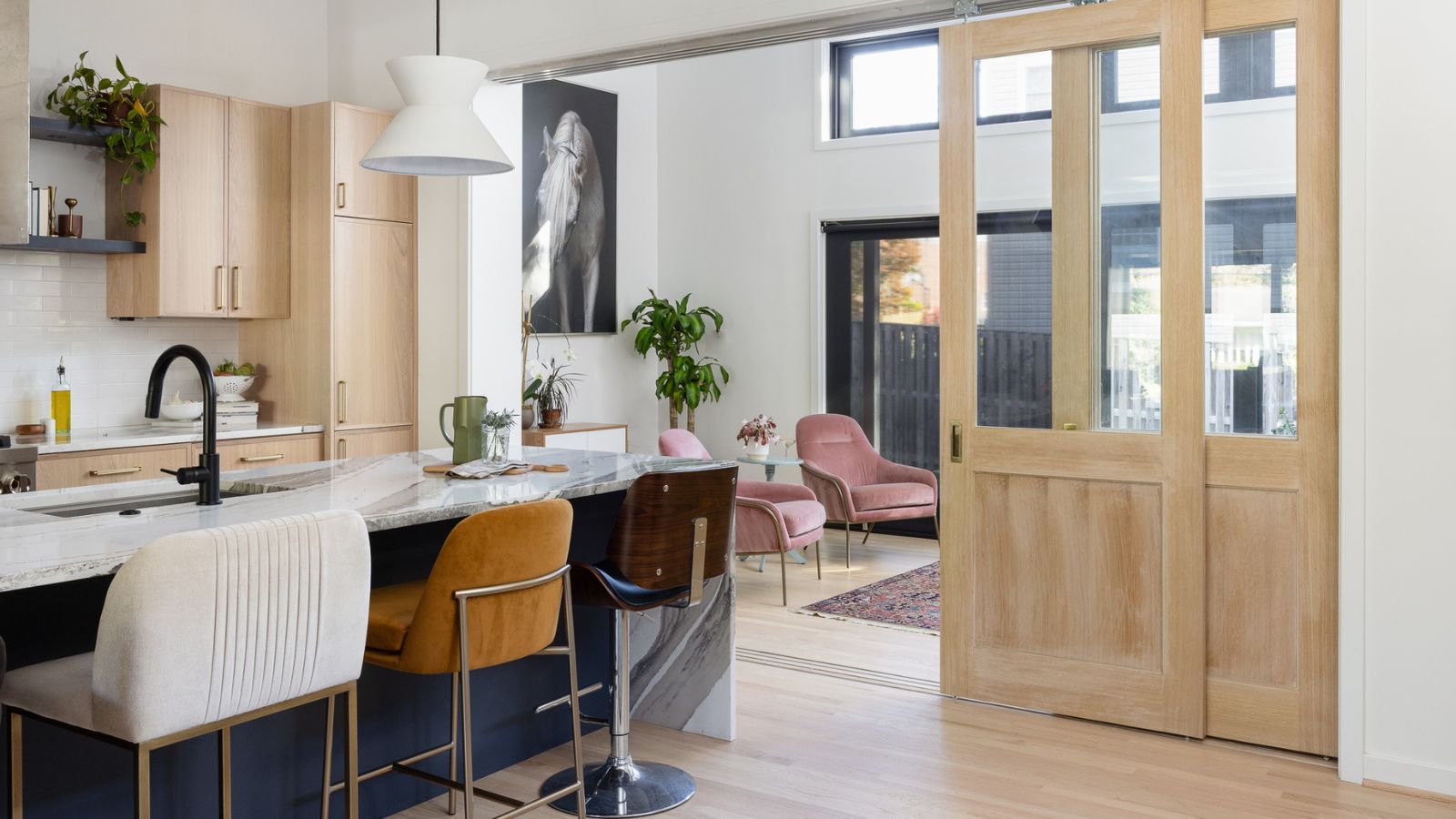
What does the future of kitchens look like? I asked 6 designers what they think will be big in kitchen design in the next 10 years
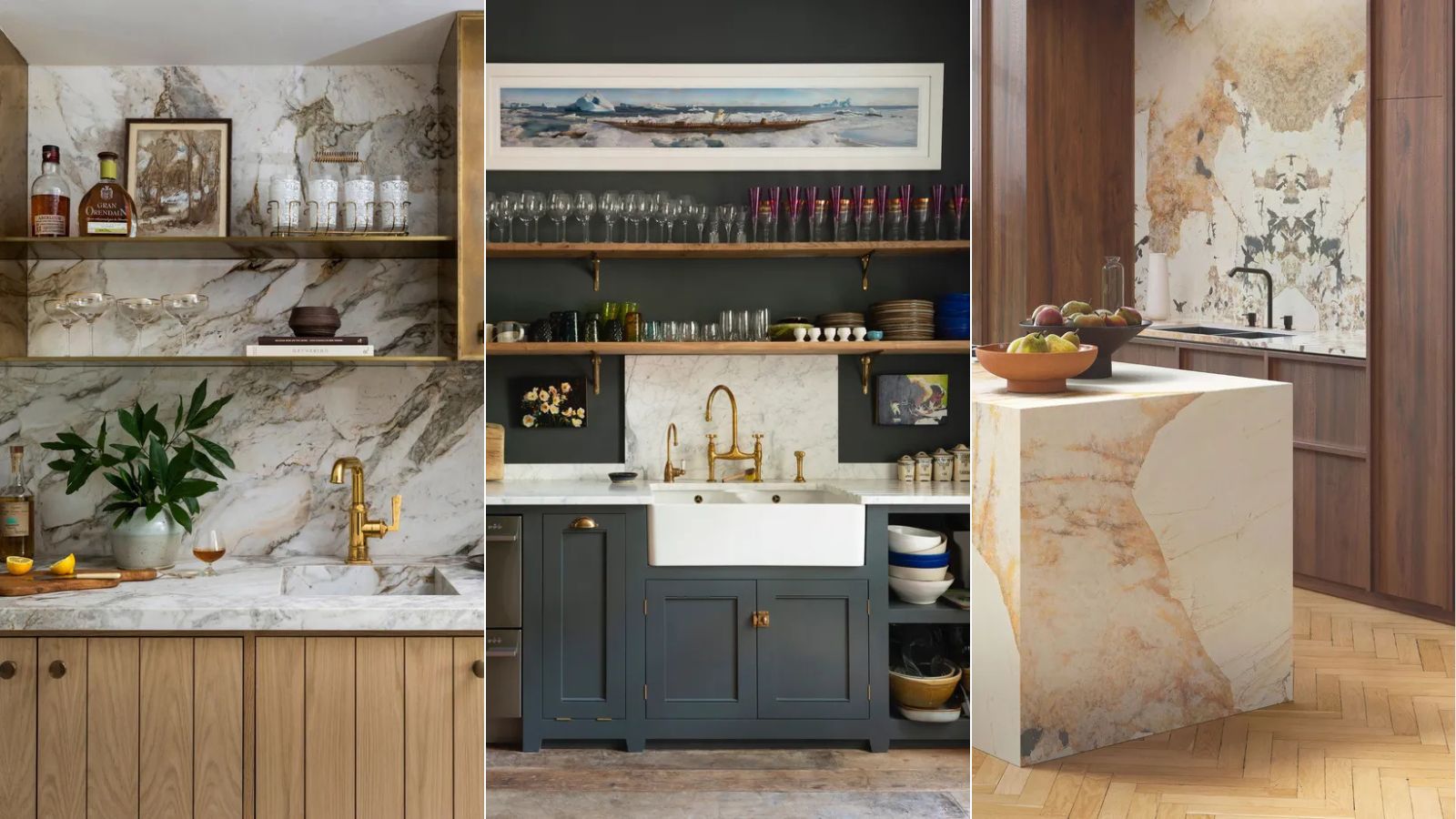
What's replacing modern farmhouse kitchens in 2025? 5 styles designers say you should consider instead
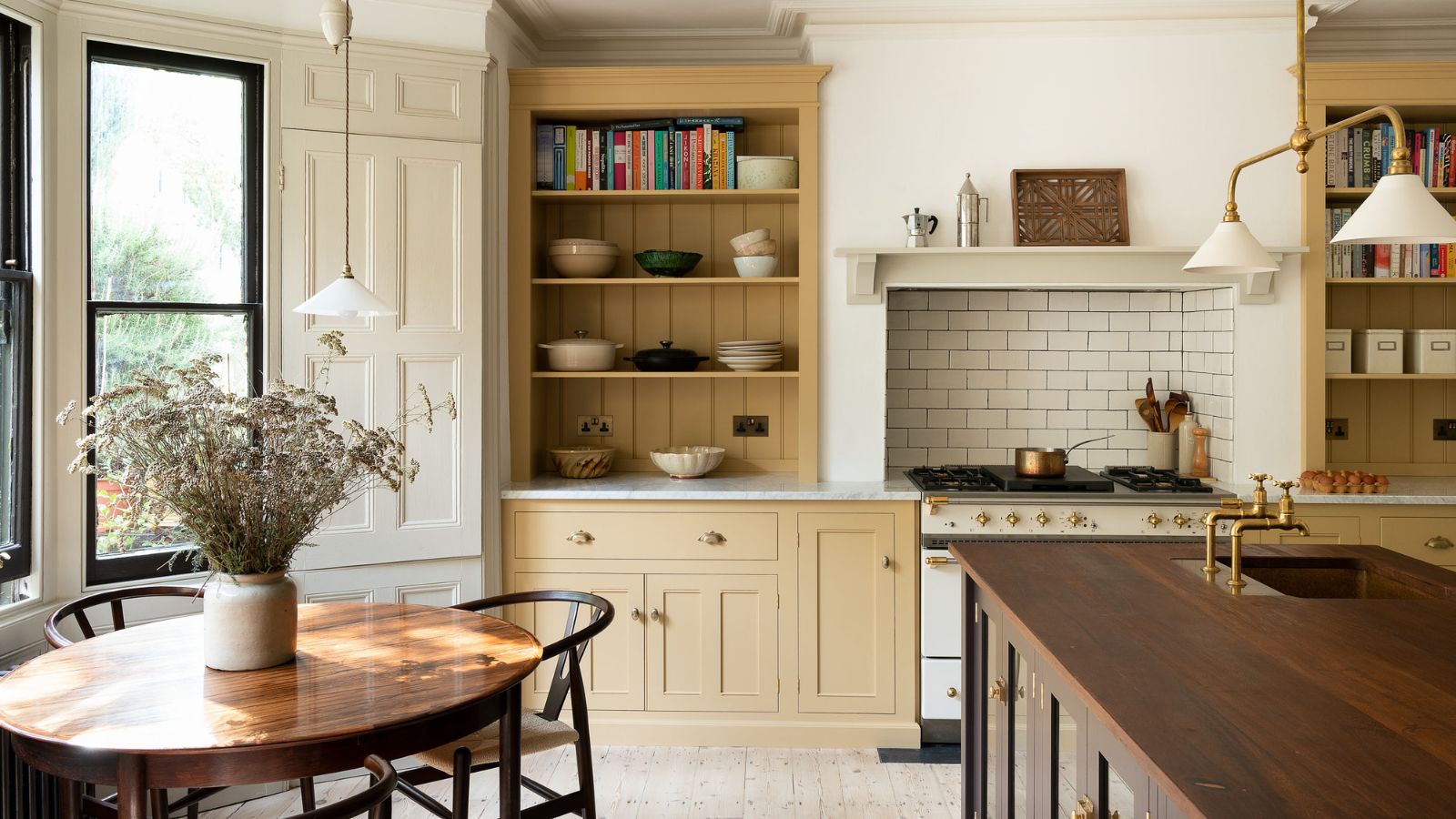
How to Get the Look of 2026’s Top 3 Kitchen Trends – According to the Designers Who Shaped Them
8 cottagecore kitchen ideas to instantly add a pretty rustic charm to your space
17 Country Kitchen Design Trends We Can't Get Enough Of

17 Above Kitchen Cabinet Decor Ideas That Add Style and Charm to Your Space
These Cottage-Style Kitchen Ideas are Straight Out of a Beatrix Potter Book