1/2
Mosaic Backsplashes: How To Make This Evolving Trend Work In Your Kitchen
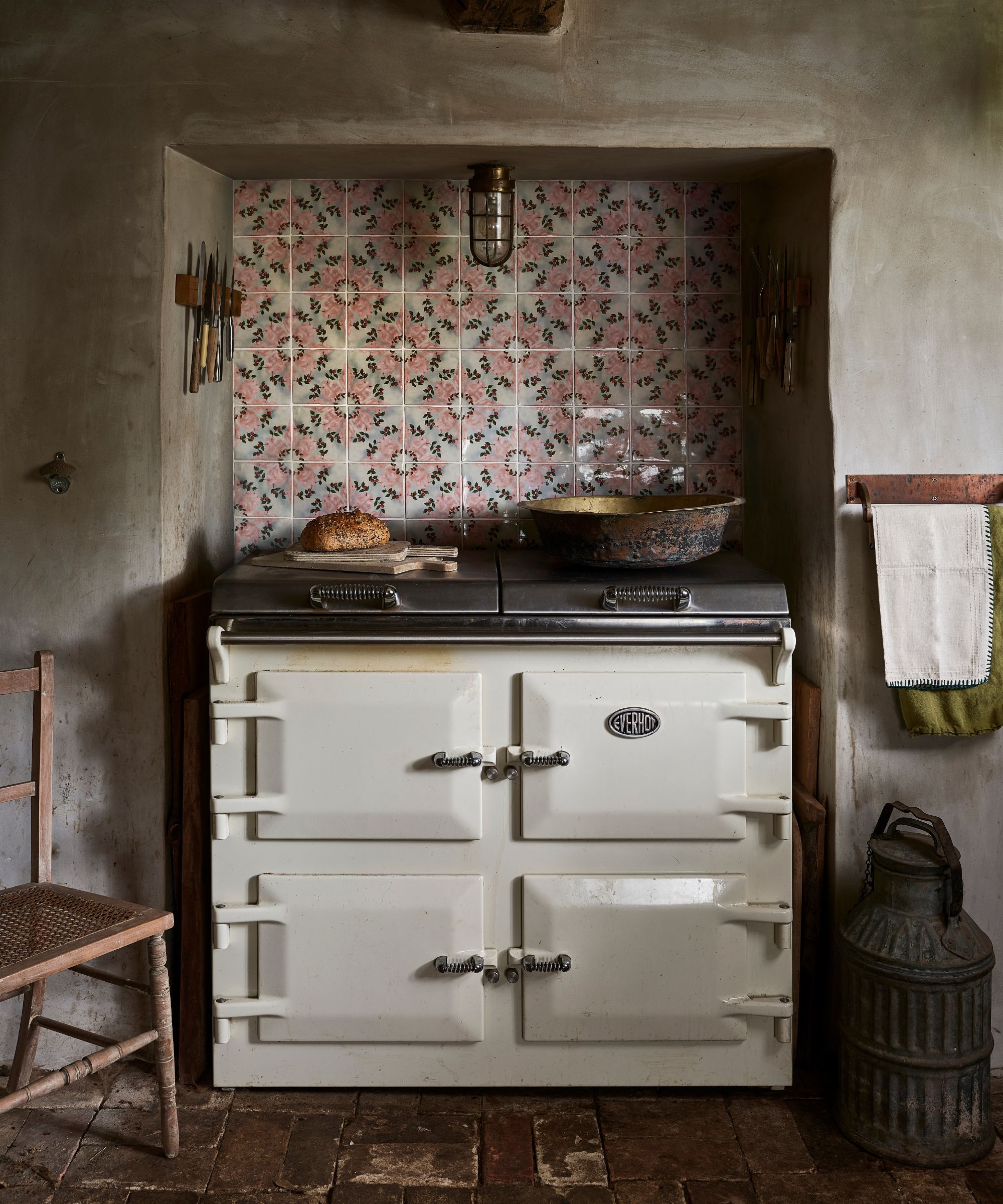
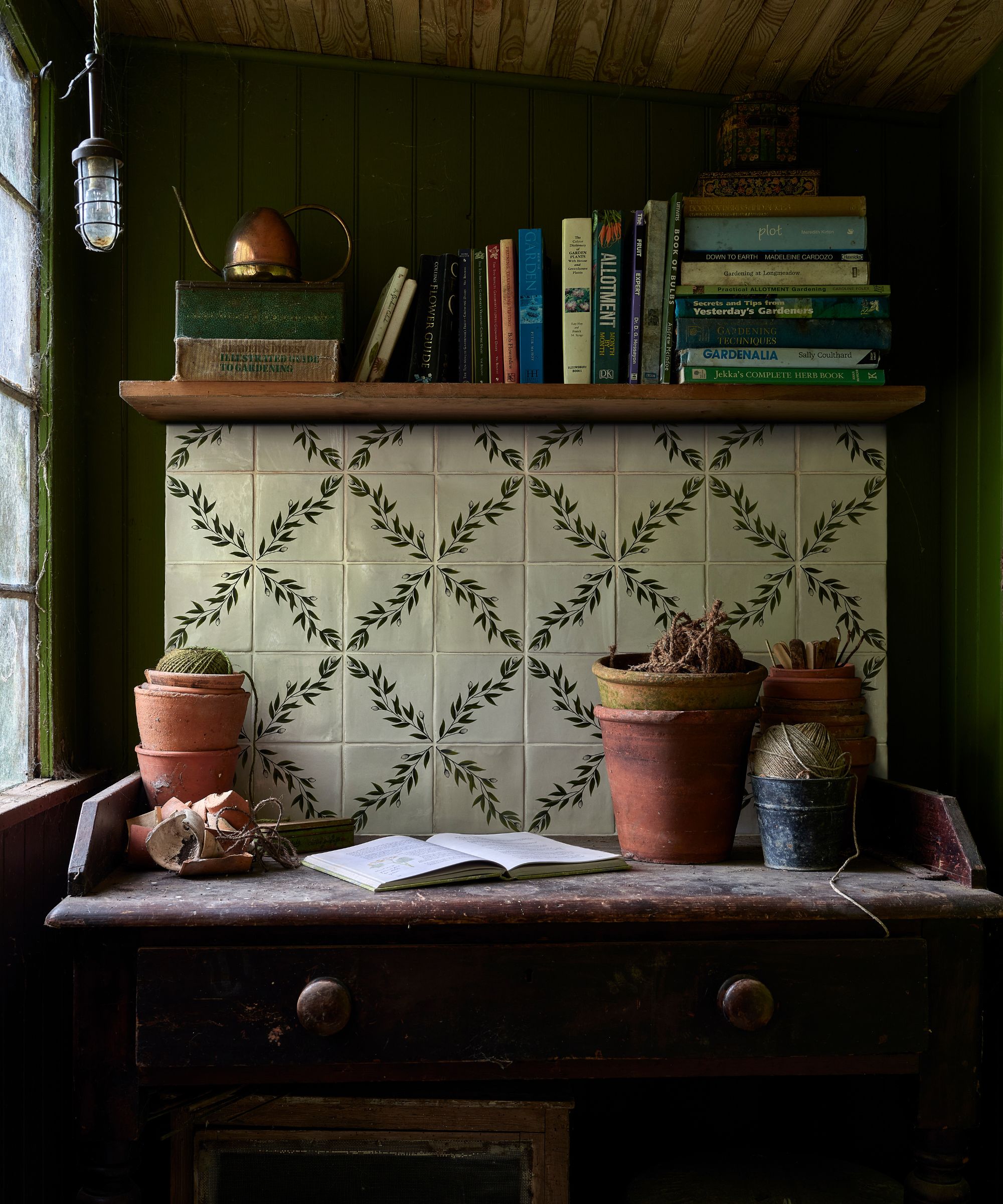
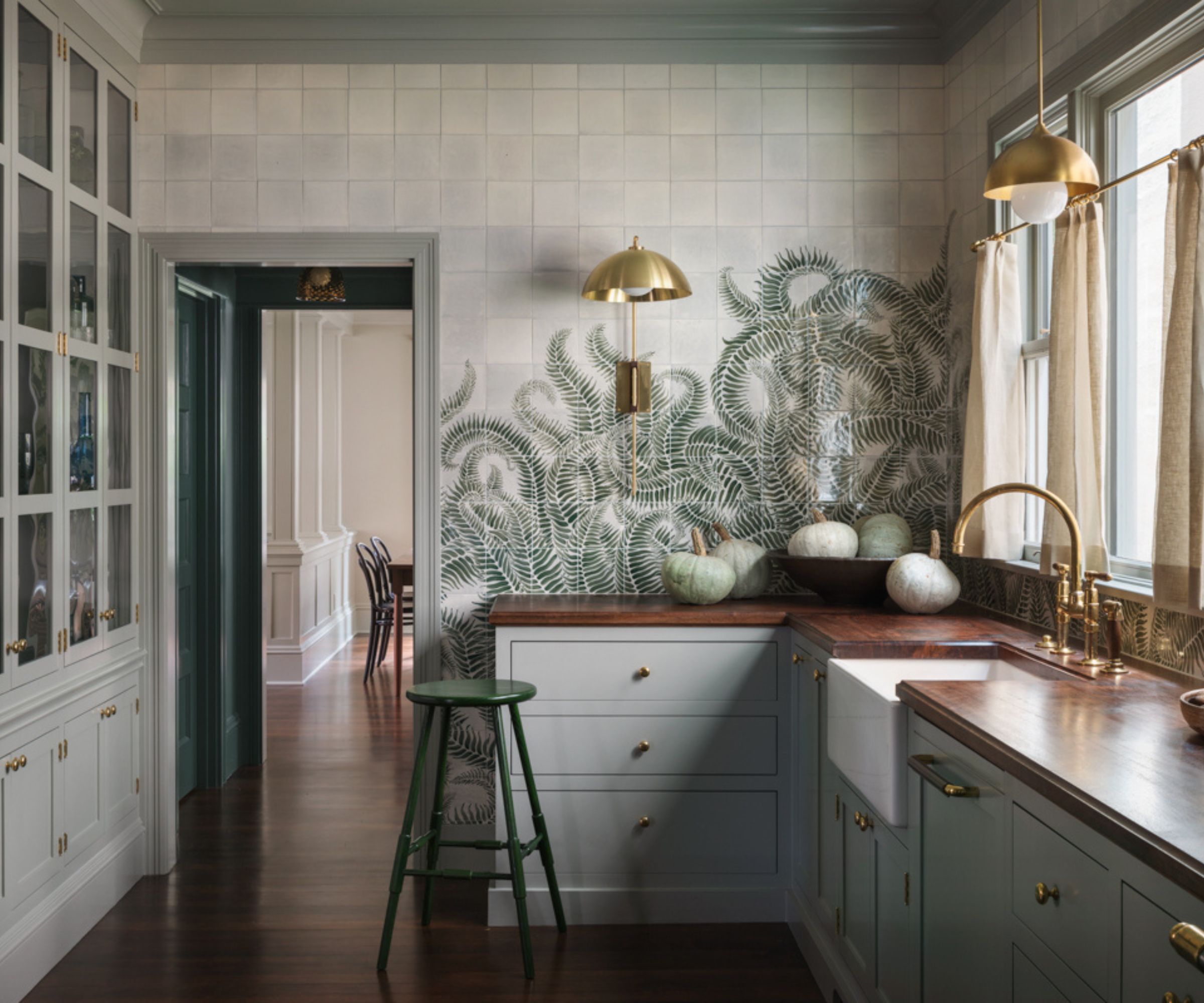
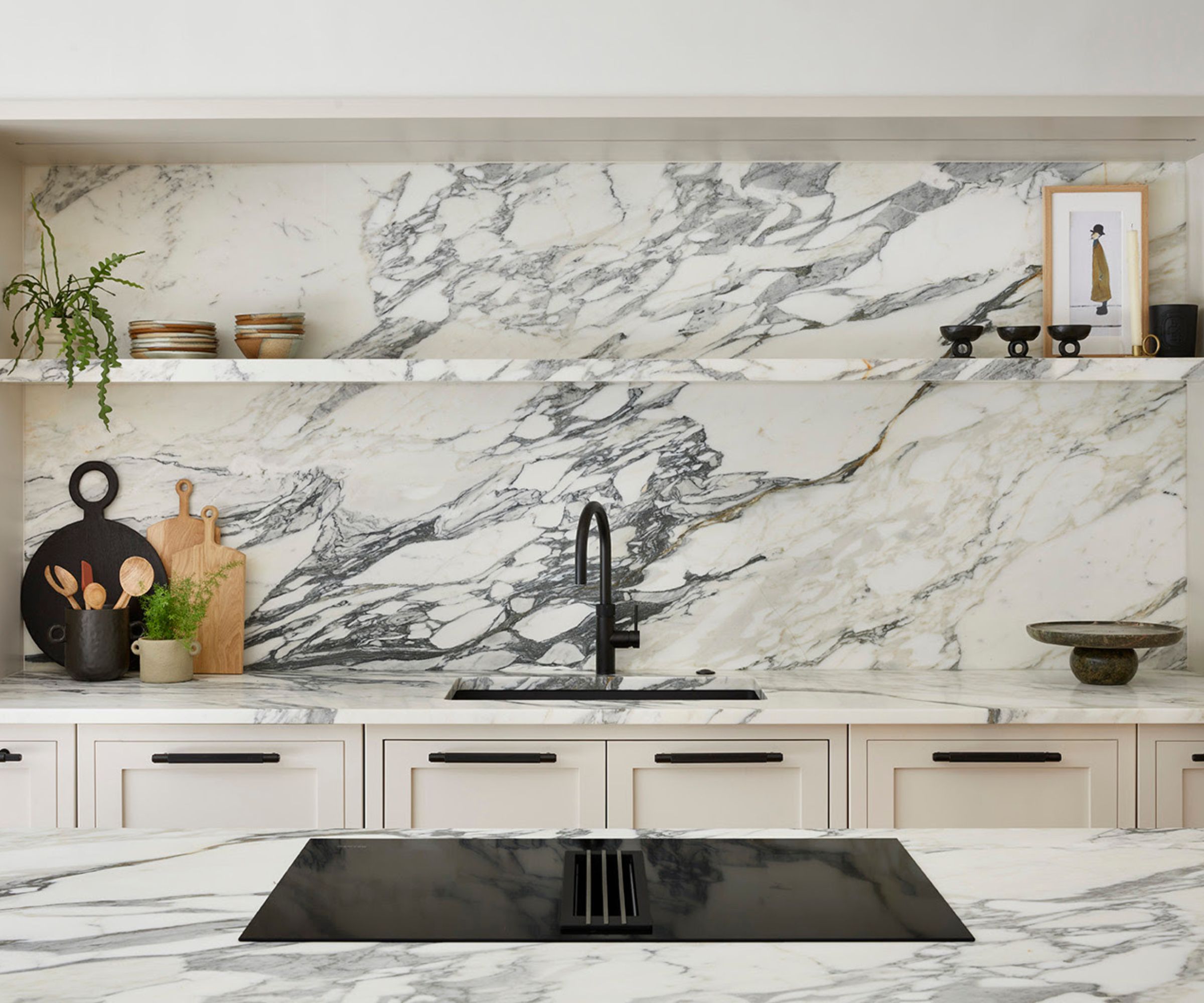
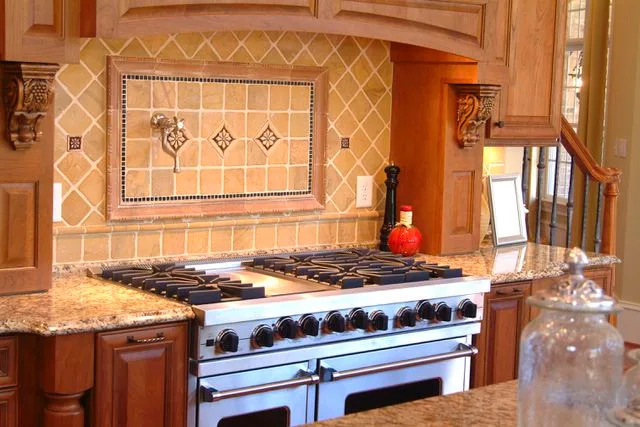
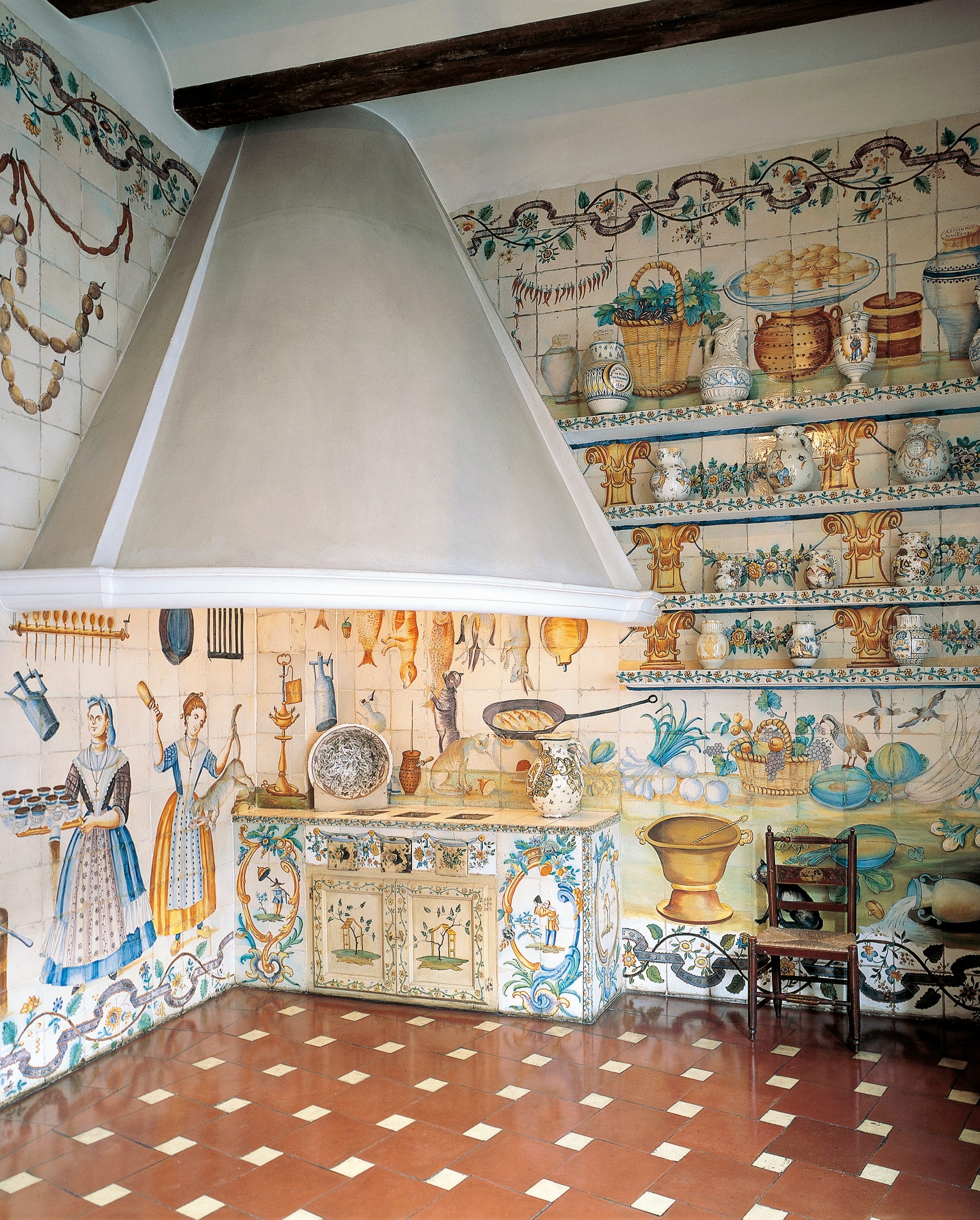
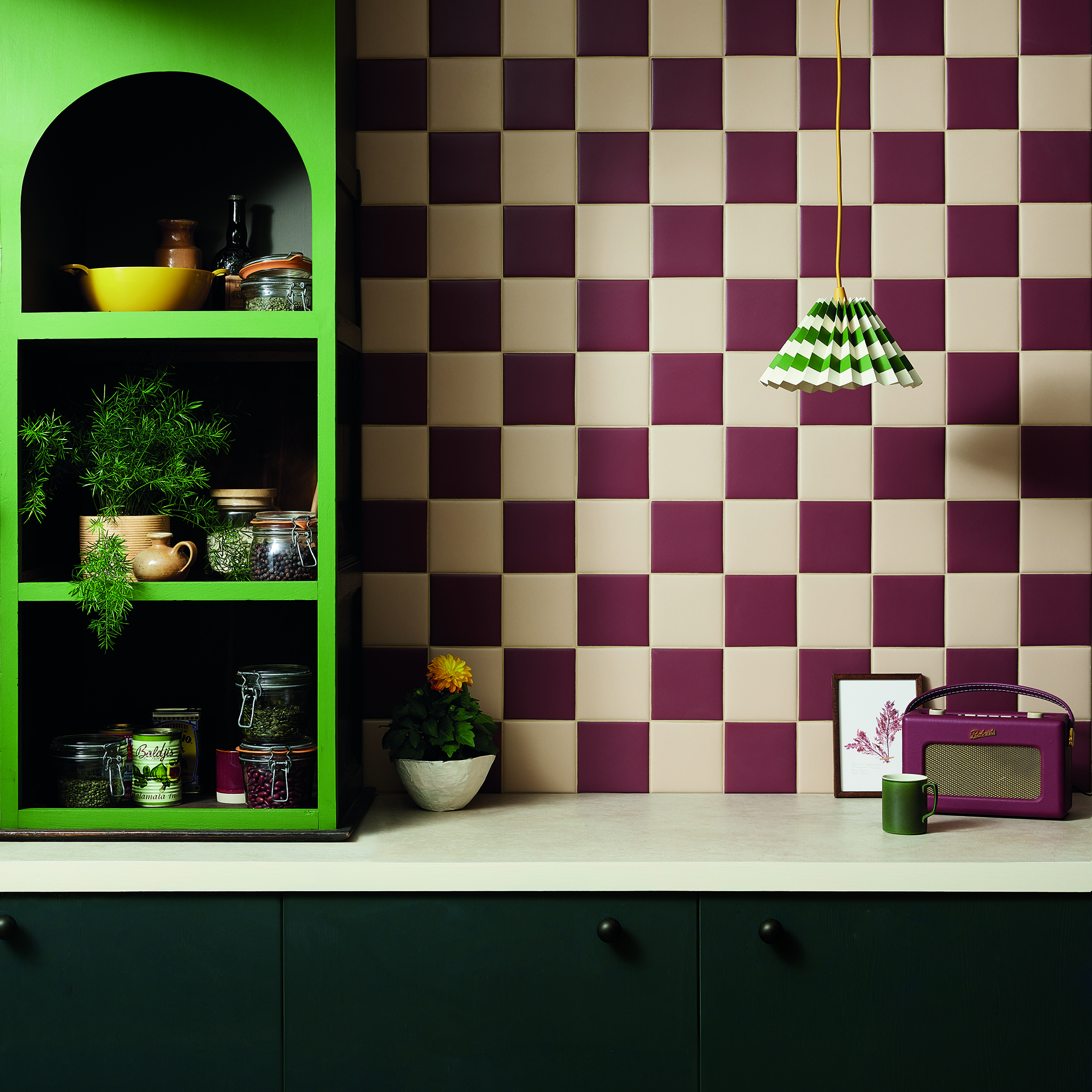
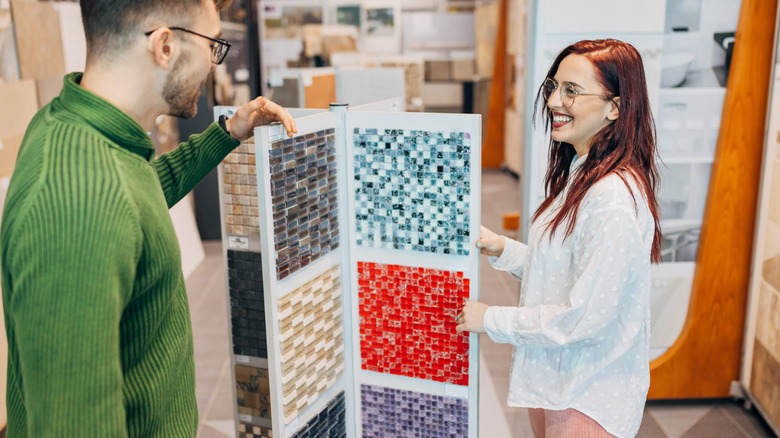
Kitchen design necessitates a delicate balance between aesthetics and utility, as every element must endure varying temperatures, moisture levels, and cooking methods while maintaining a stylish appearance. Given the substantial cost of kitchen renovations, design choices need to be both durable and aesthetically enduring to minimize frequent changes. While mosaic backsplashes have been considered an outdated kitchen design trend, not all mosaic applications are problematic. For those who appreciate the mosaic look, contemporary approaches can ensure both visual appeal and practical functionality, featuring materials that protect walls and require minimal maintenance.
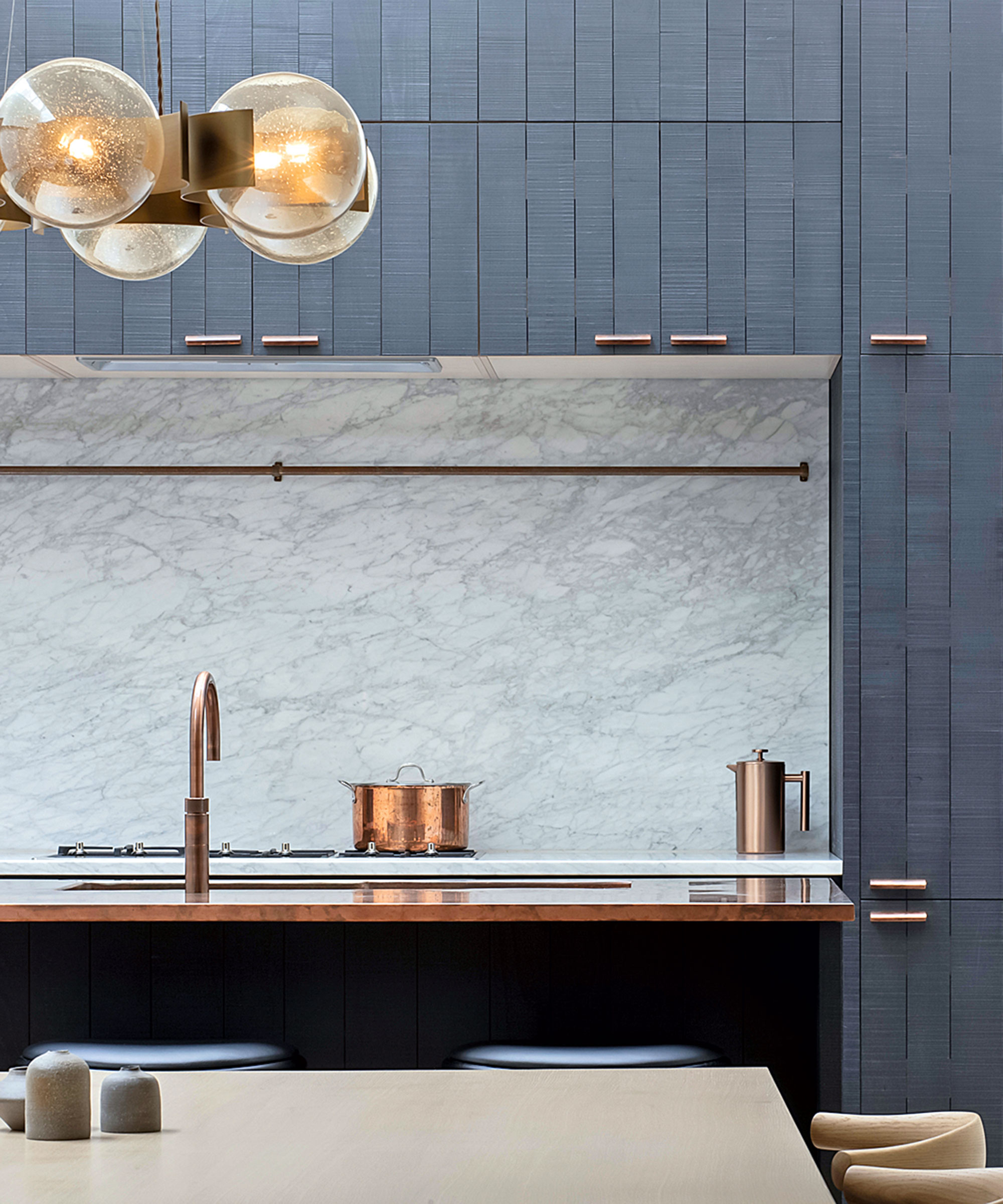
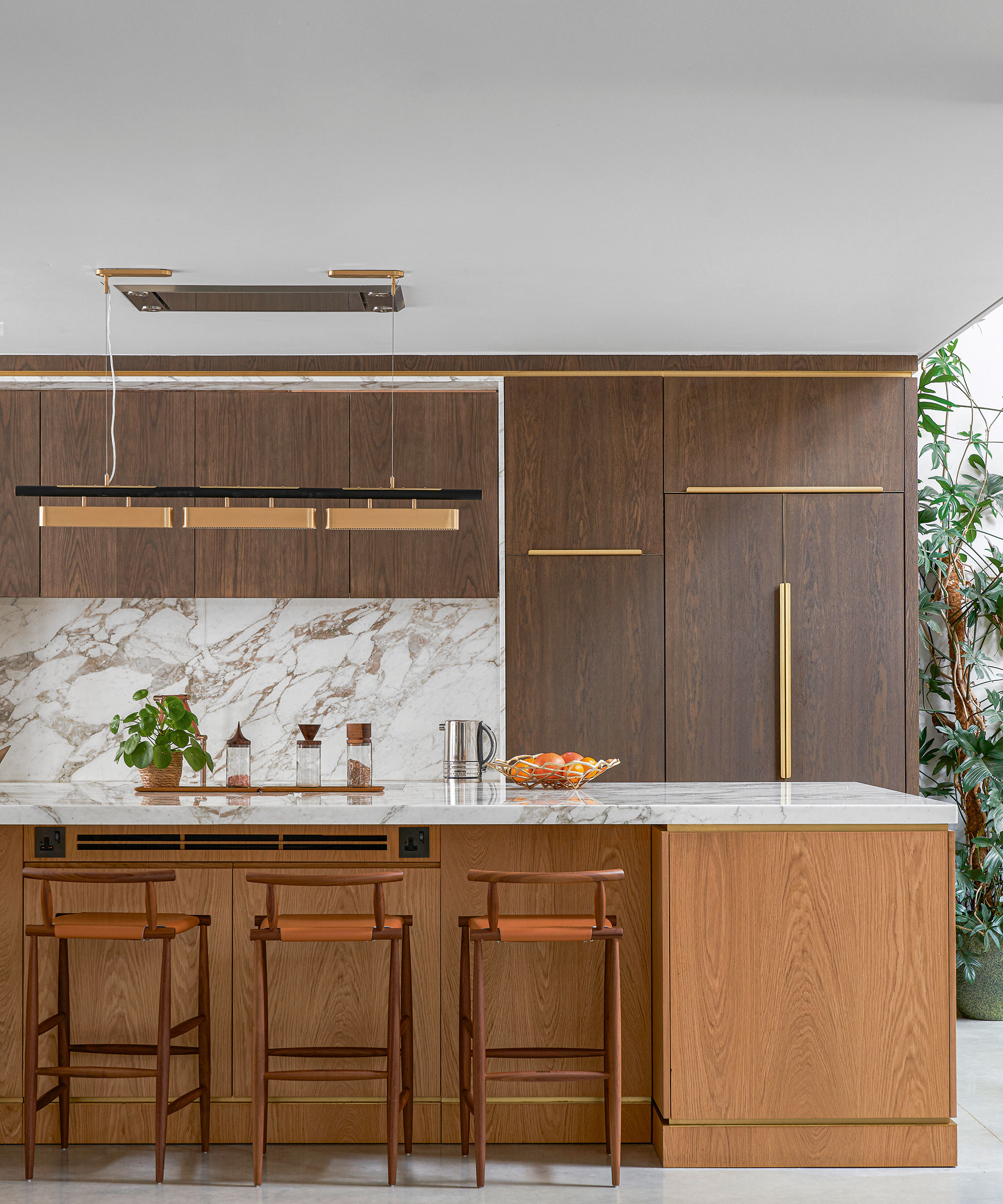
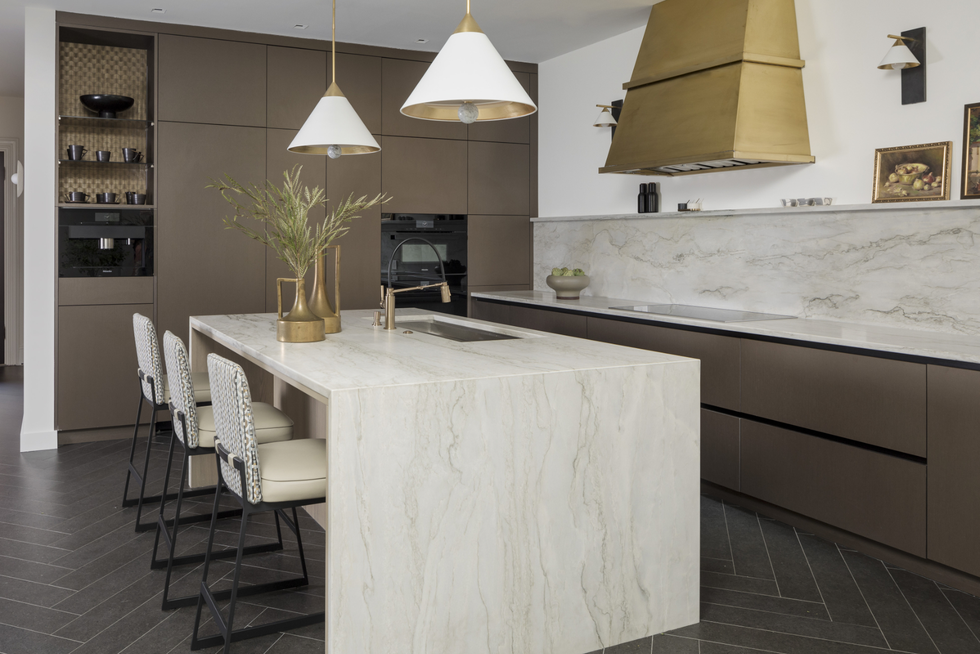
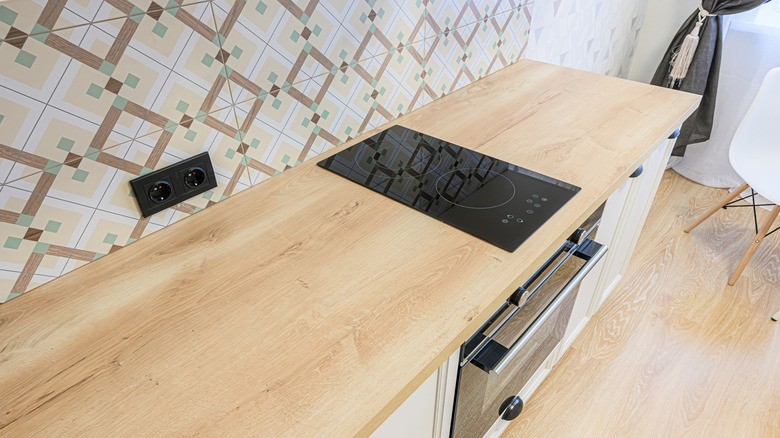
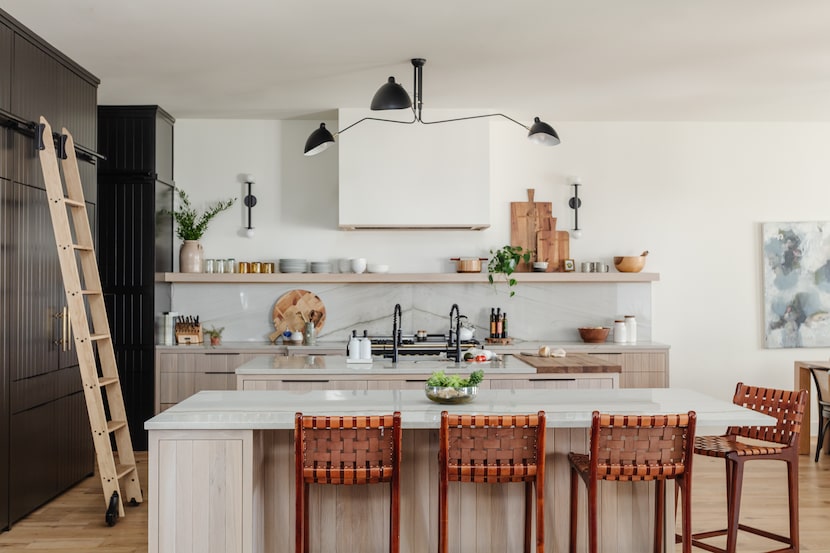
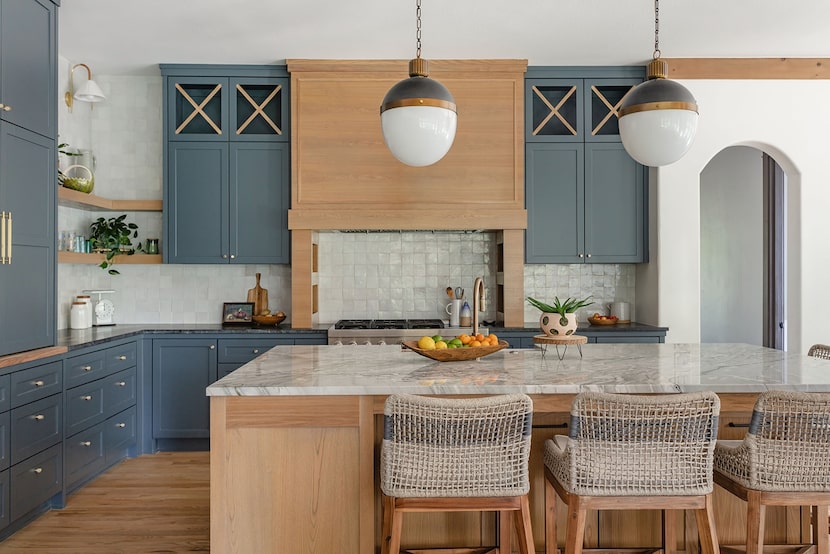
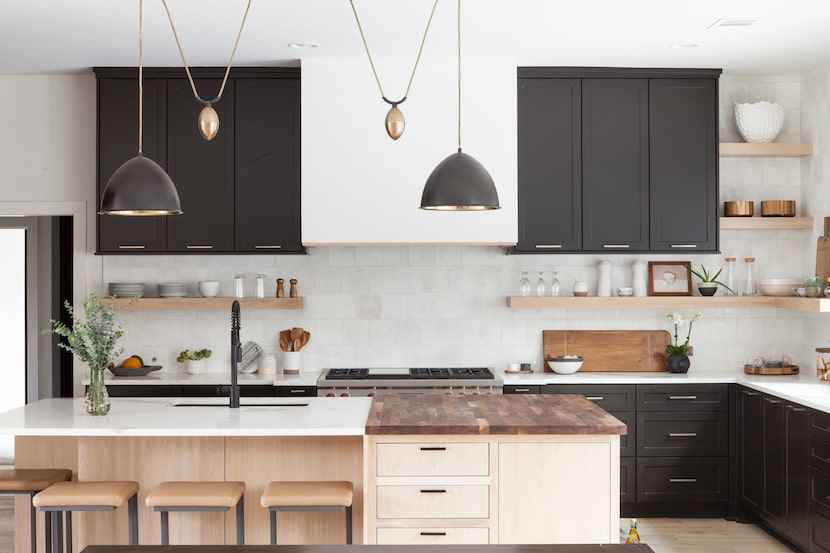
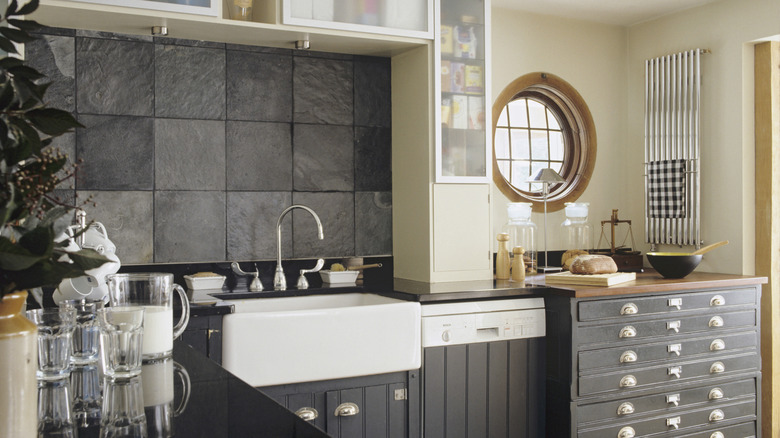
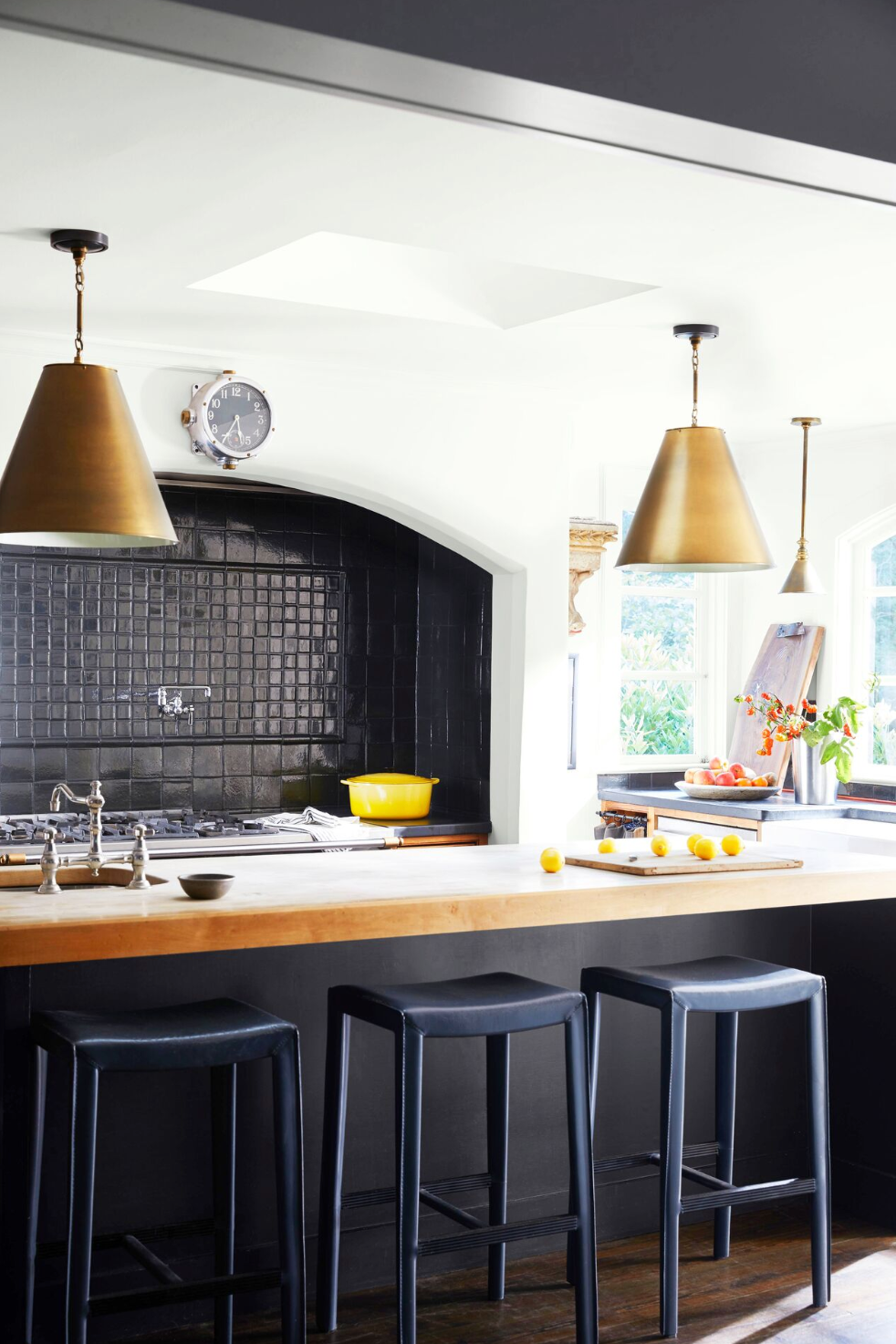
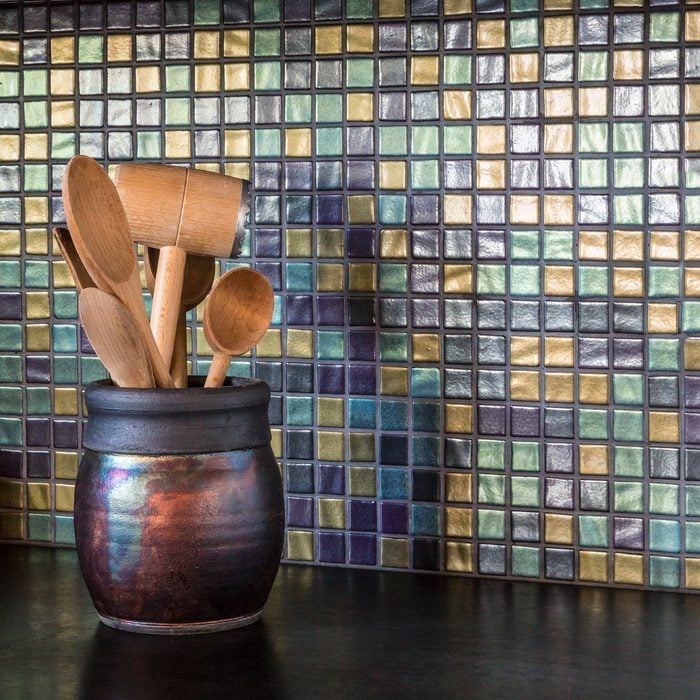
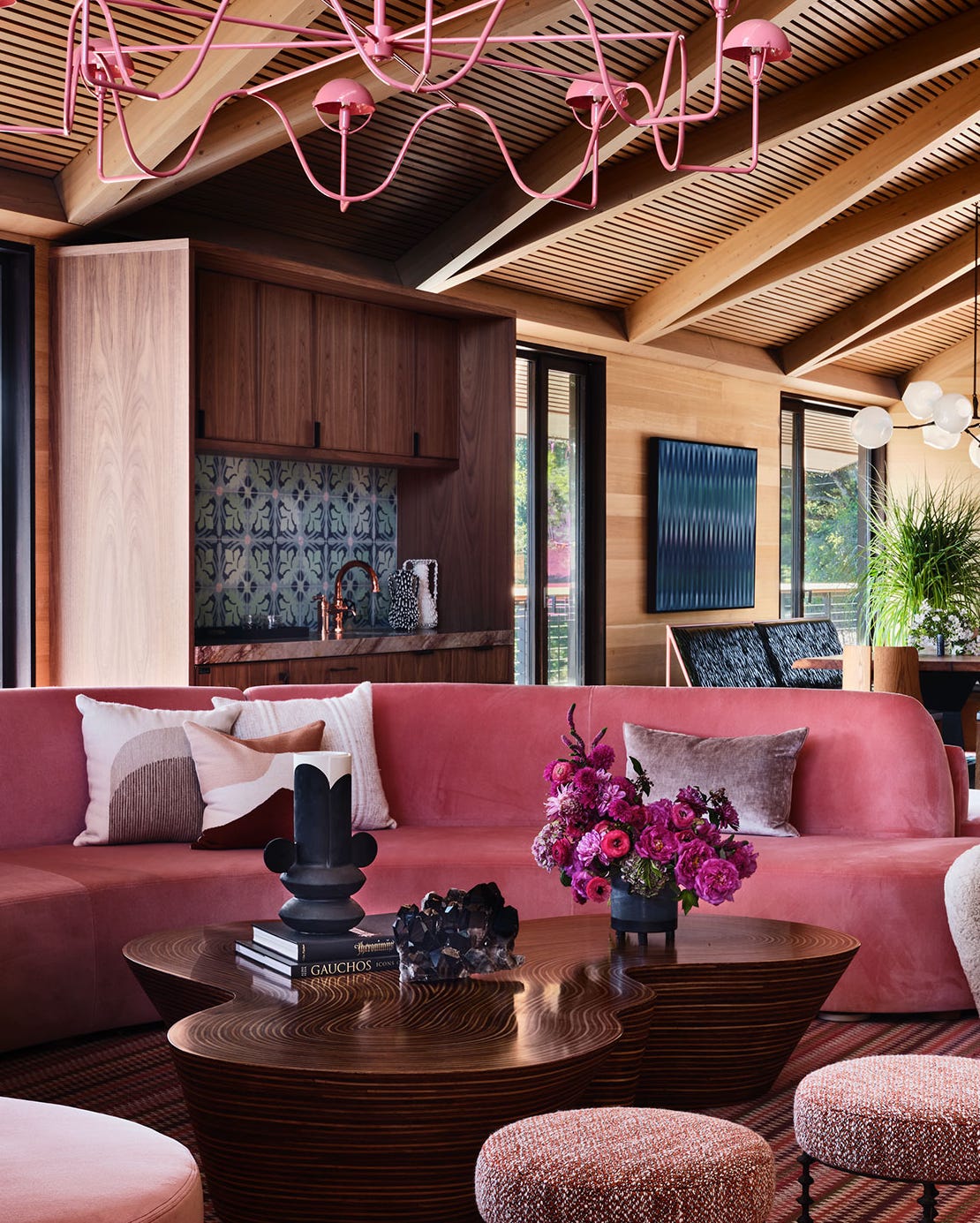
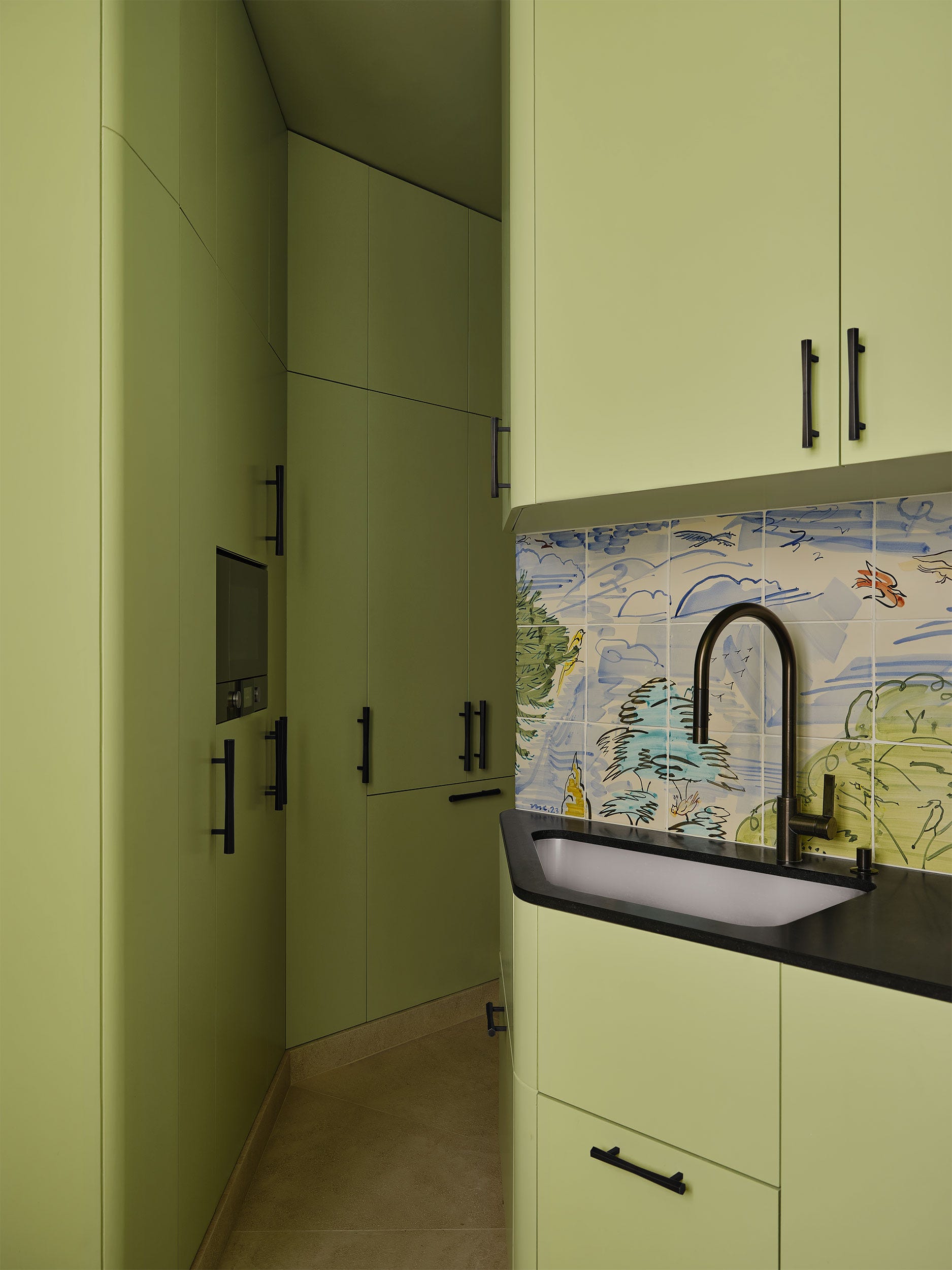
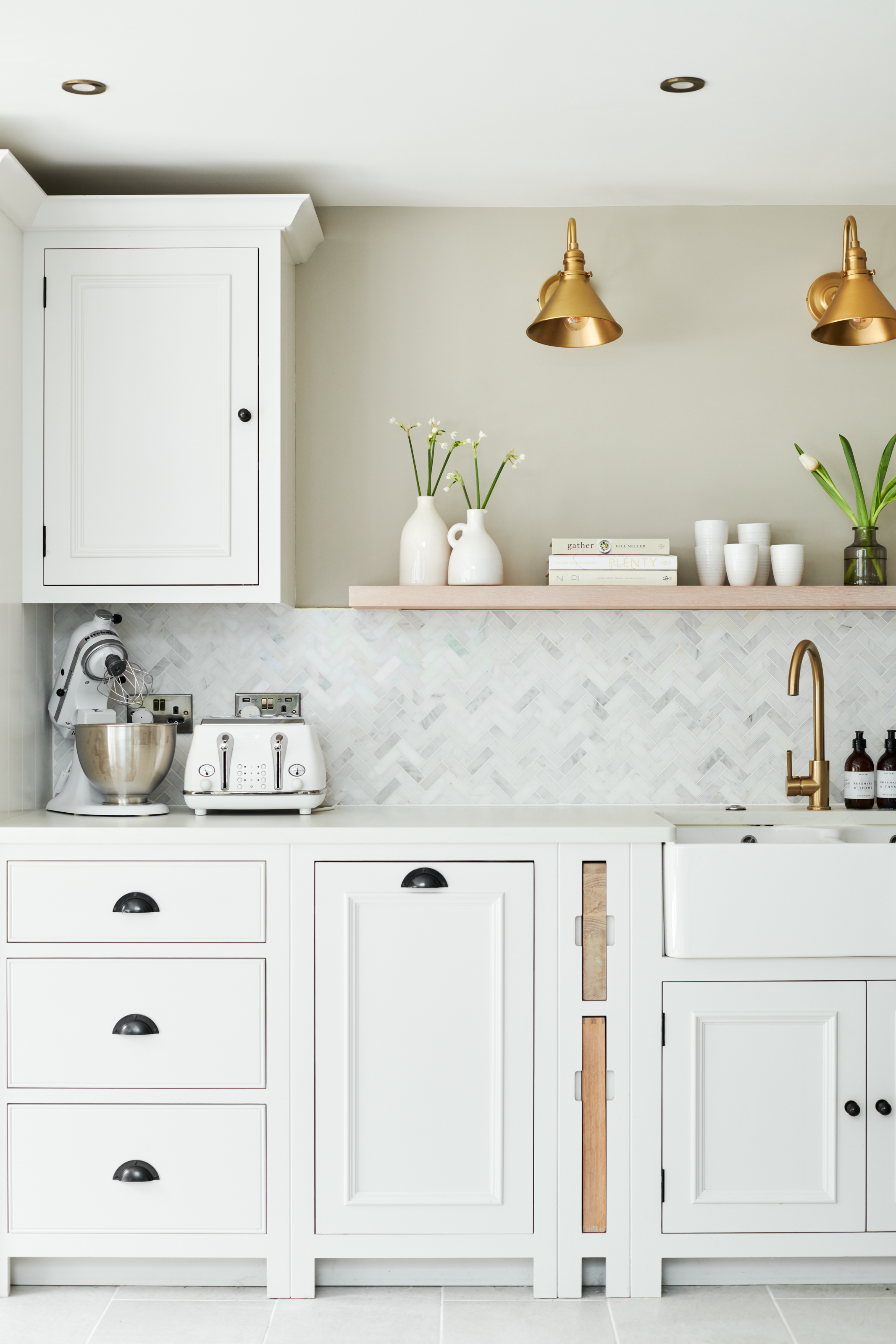
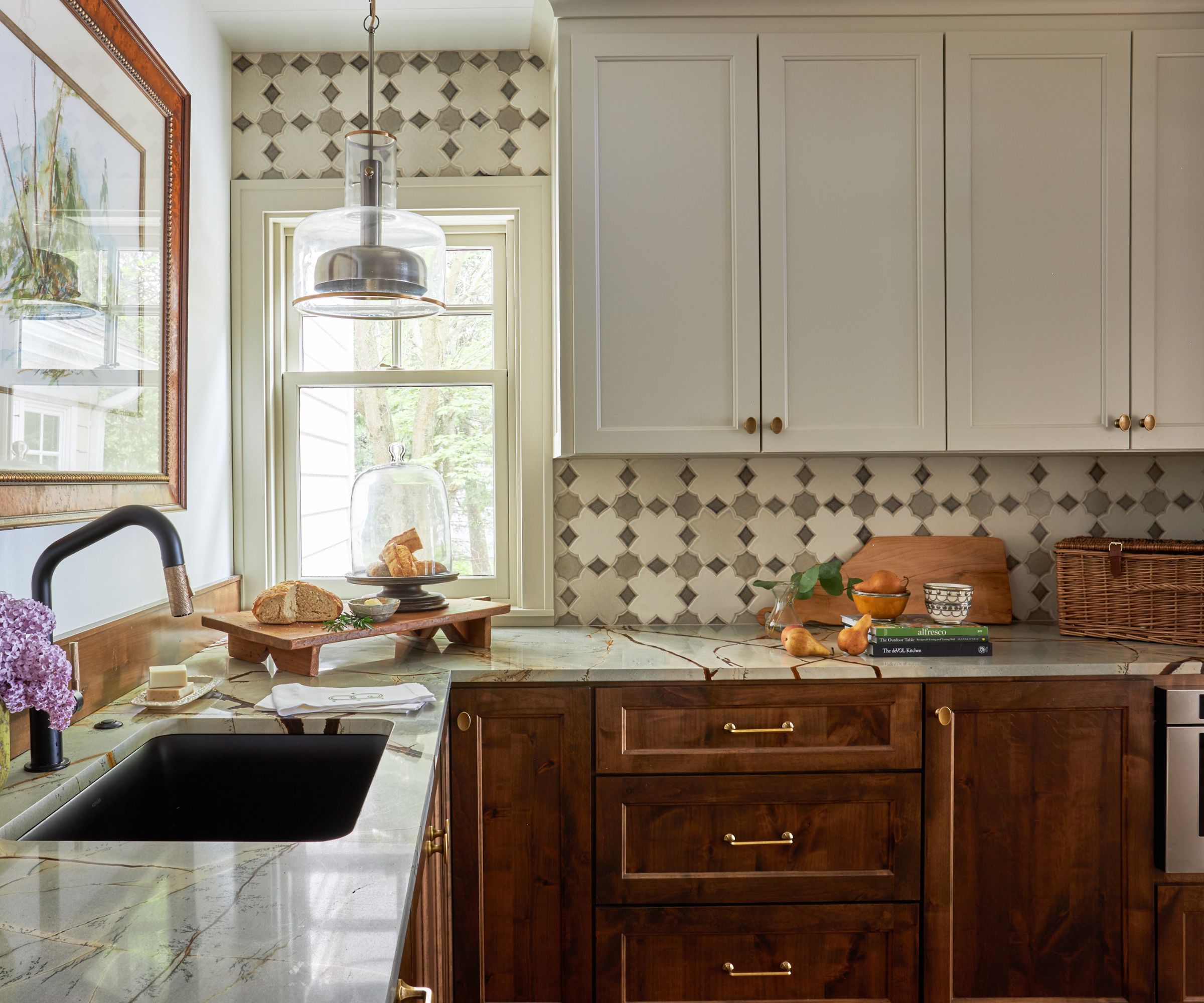
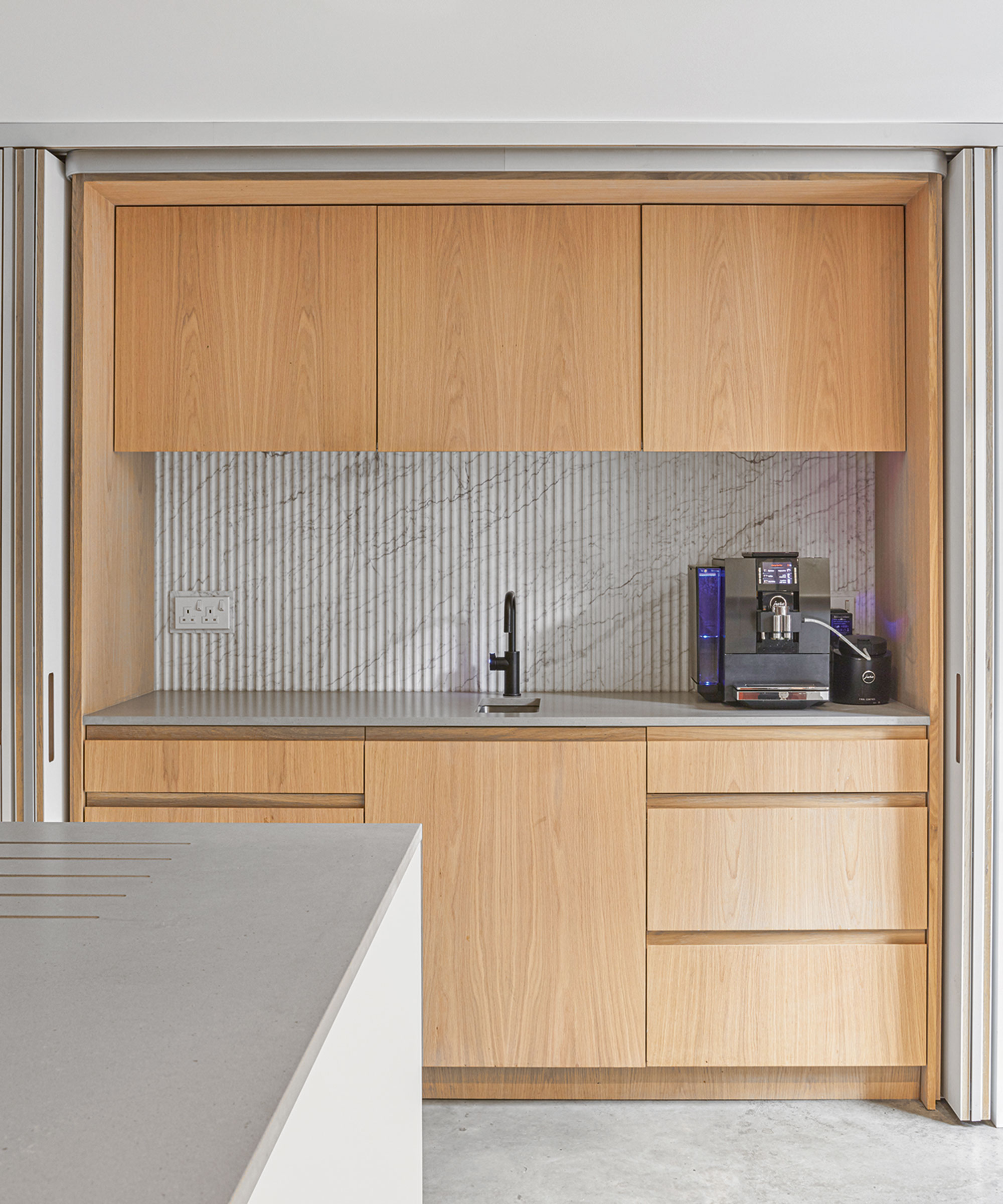
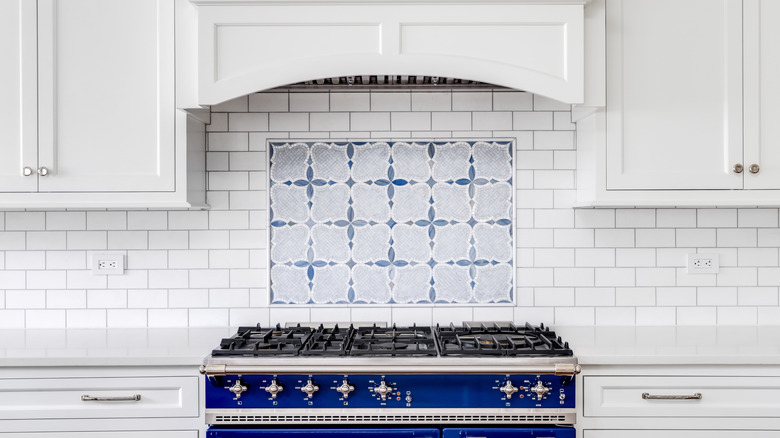
Interior designer Artem Kropovinsky, founder of Arsight Studio, notes that mosaic tile backsplashes are not obsolete but rather undergoing an evolution. He explains that while smaller mosaics might appear dated, larger-format or natural-stone mosaics can still achieve a fresh look when used judiciously. Kropovinsky advises a minimalist color palette and subtle grout lines, suggesting that mosaics be utilized as accents rather than covering entire walls. He also recommends pairing mosaics with sleek cabinetry to prevent visual clutter, thereby promoting a more contemporary aesthetic. The key is to opt for larger, bolder tiles, ideally in muted tones that can complement various spaces, creating an artistic yet understated effect. Subtle grout lines are also beneficial for reducing cleaning efforts and maintaining hygiene.
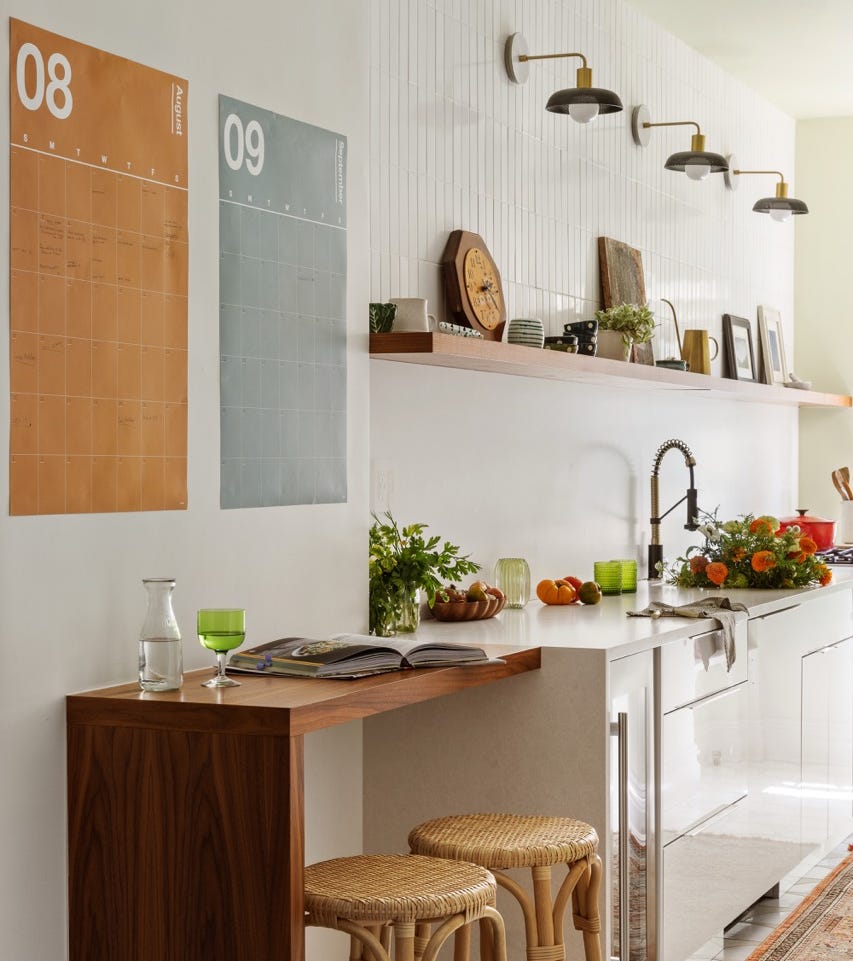
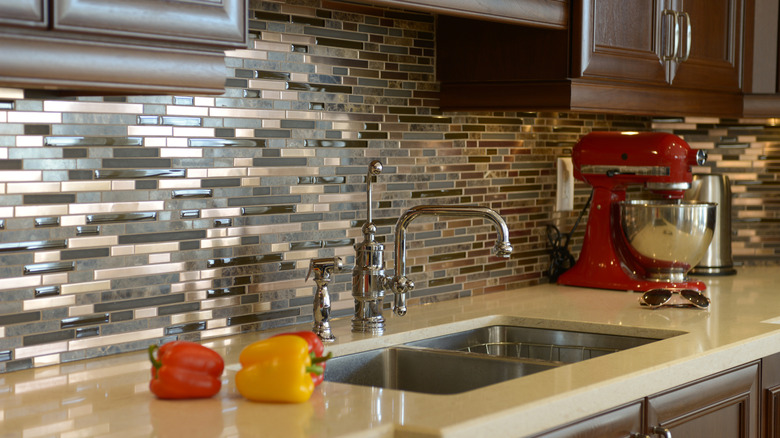
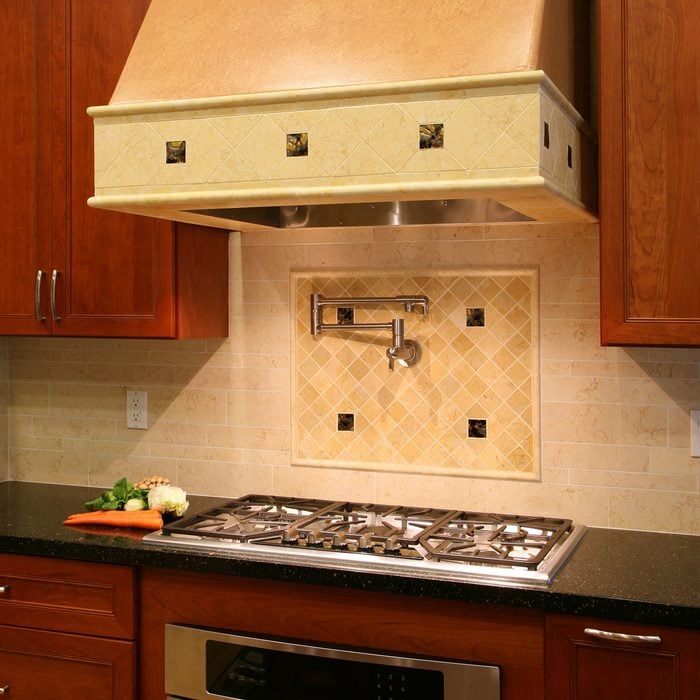
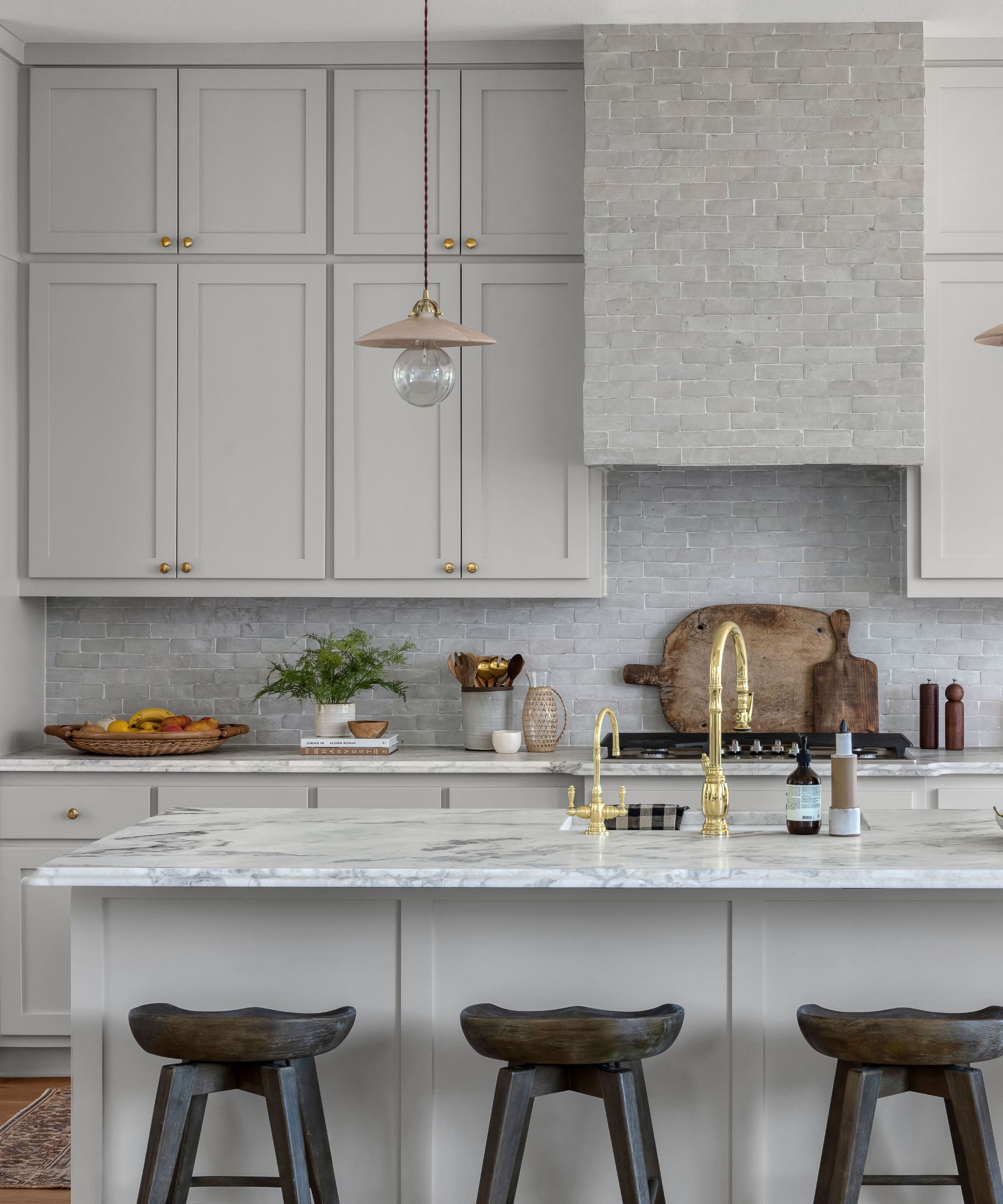
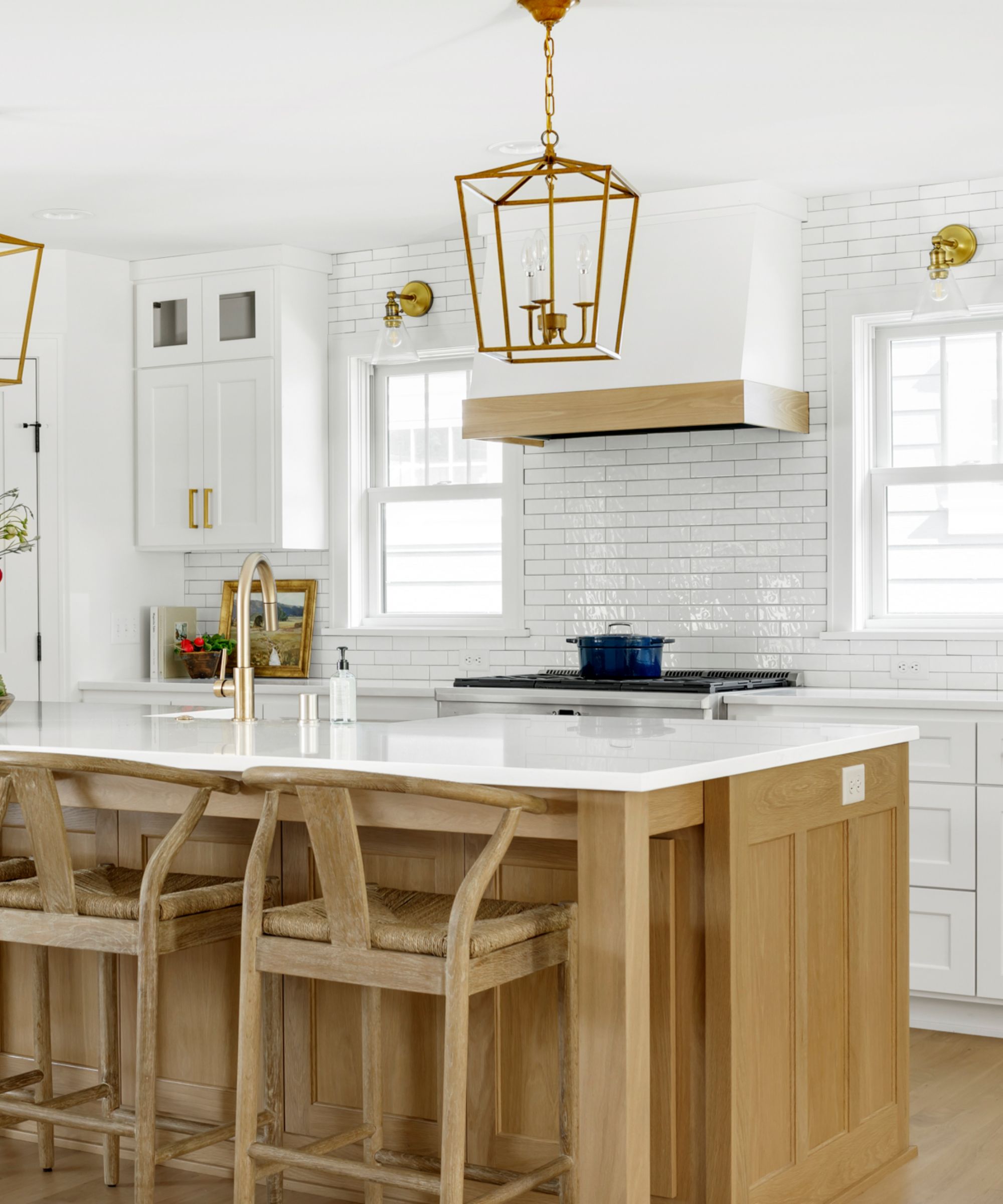
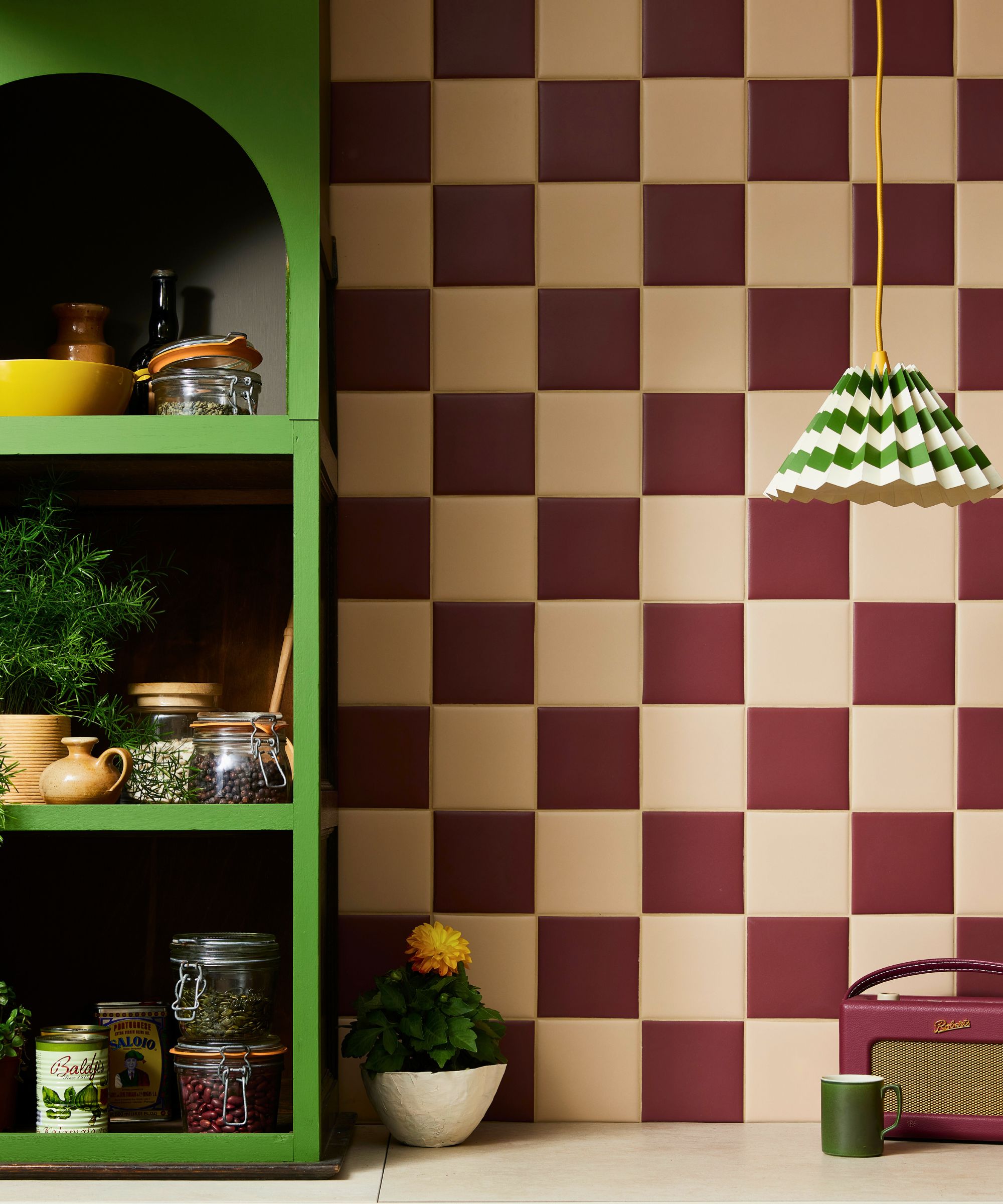
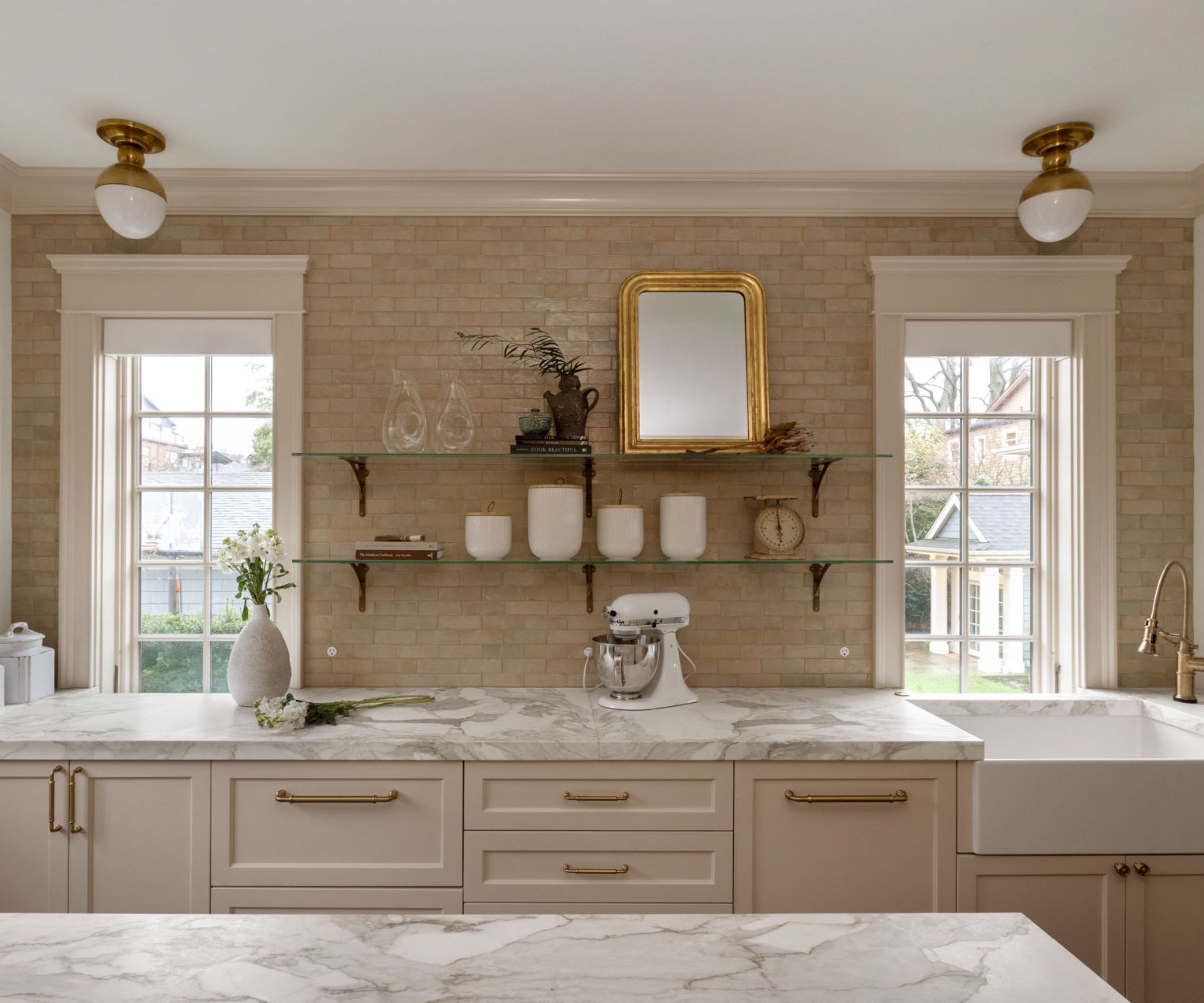
When considering fresh mosaic backsplash designs and materials, it's important to recognize that small, linear-patterned tiles can instantly date a kitchen. Such outdated designs are often among the first flaws to address when preparing a home for sale. In contrast, larger tiles convey a fresher, more minimalist, and modern impression, appearing less busy and avoiding undesirable visual prominence. Utilizing large tiles in neutral colors and textures, particularly as an accent rather than a full-wall application, provides a tasteful embellishment that enhances the space without overwhelming it.
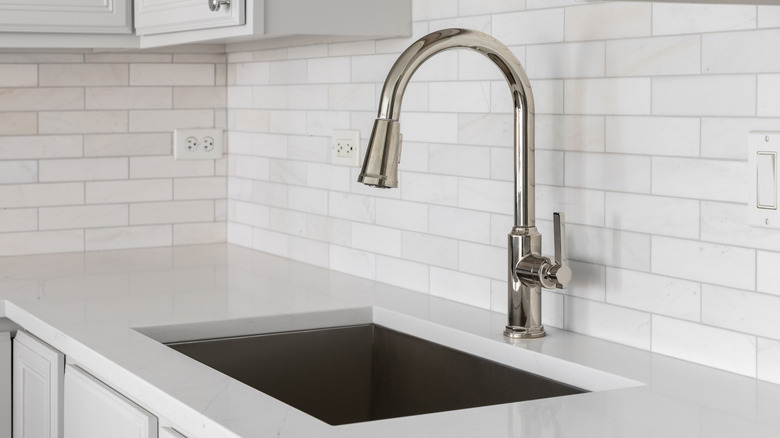
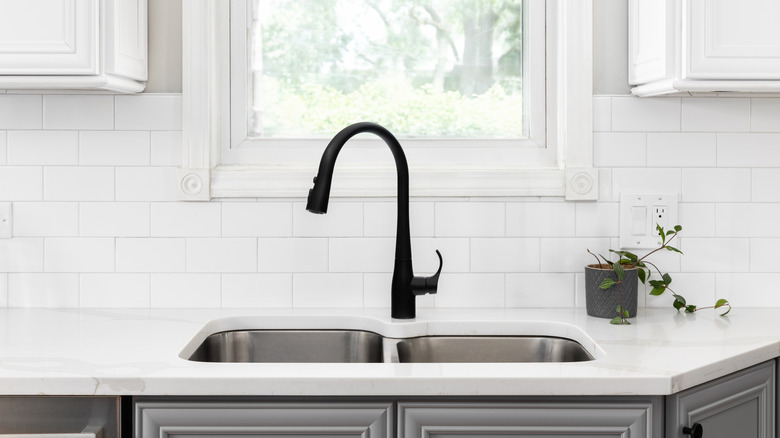
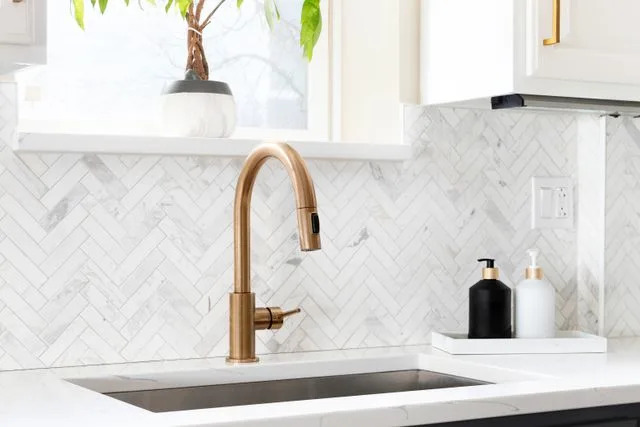
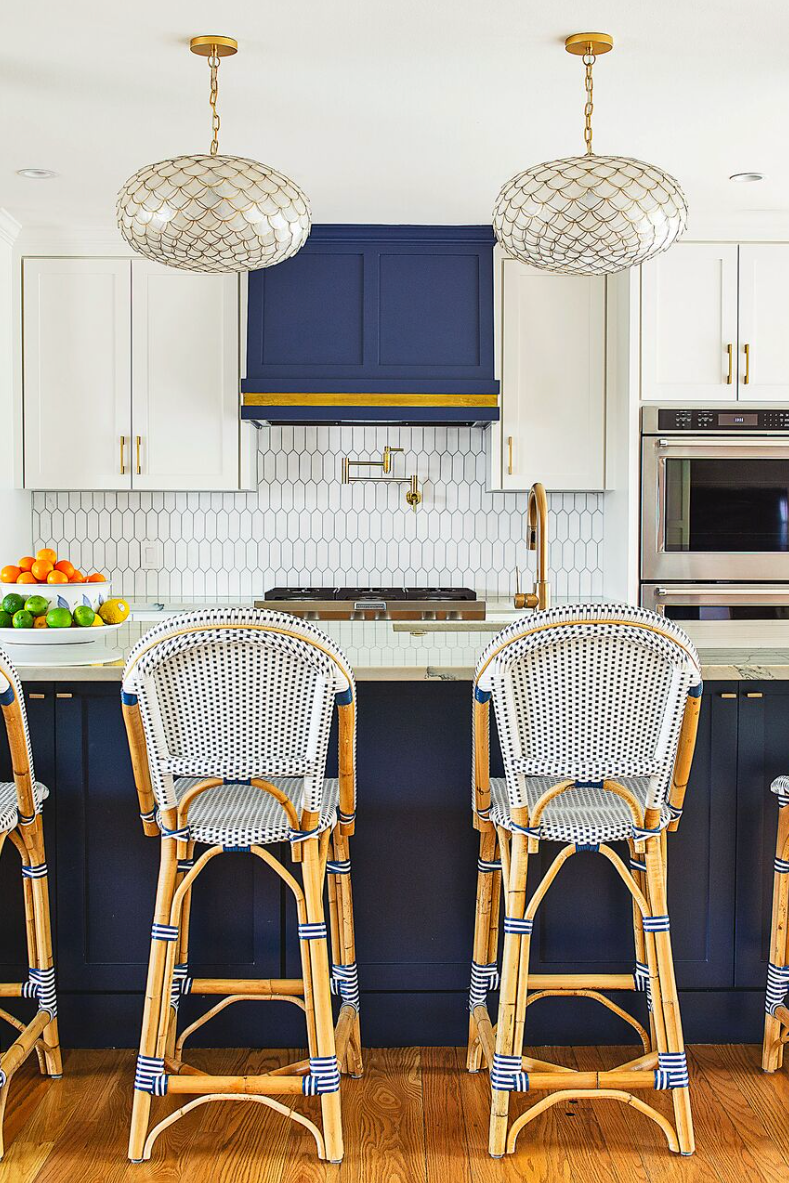
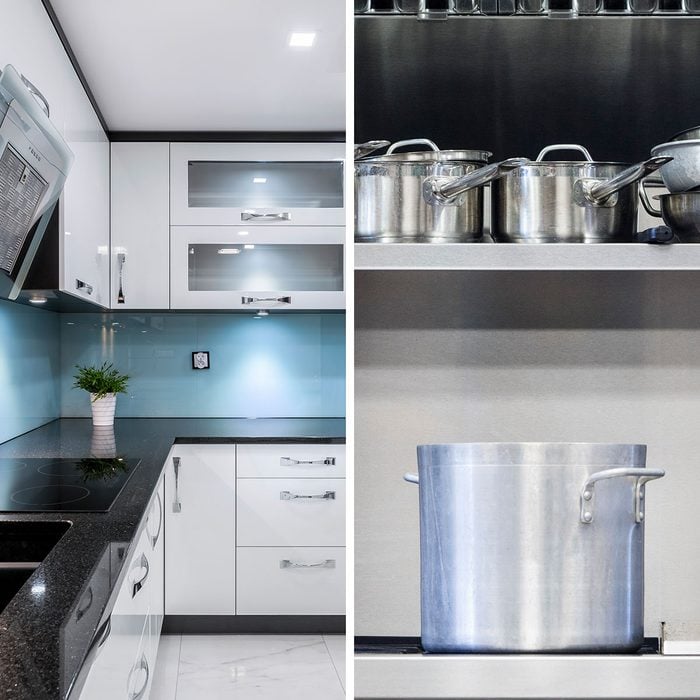
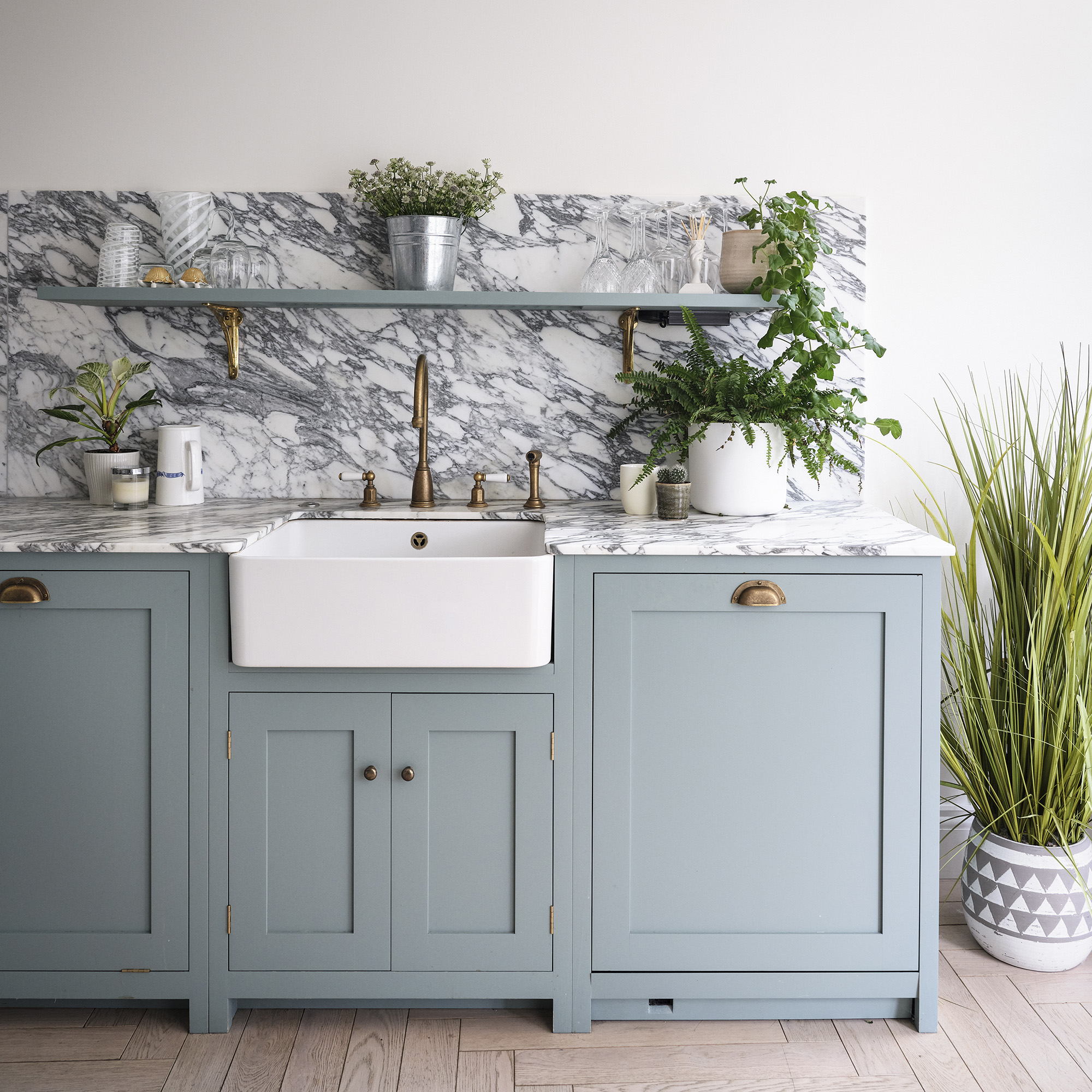
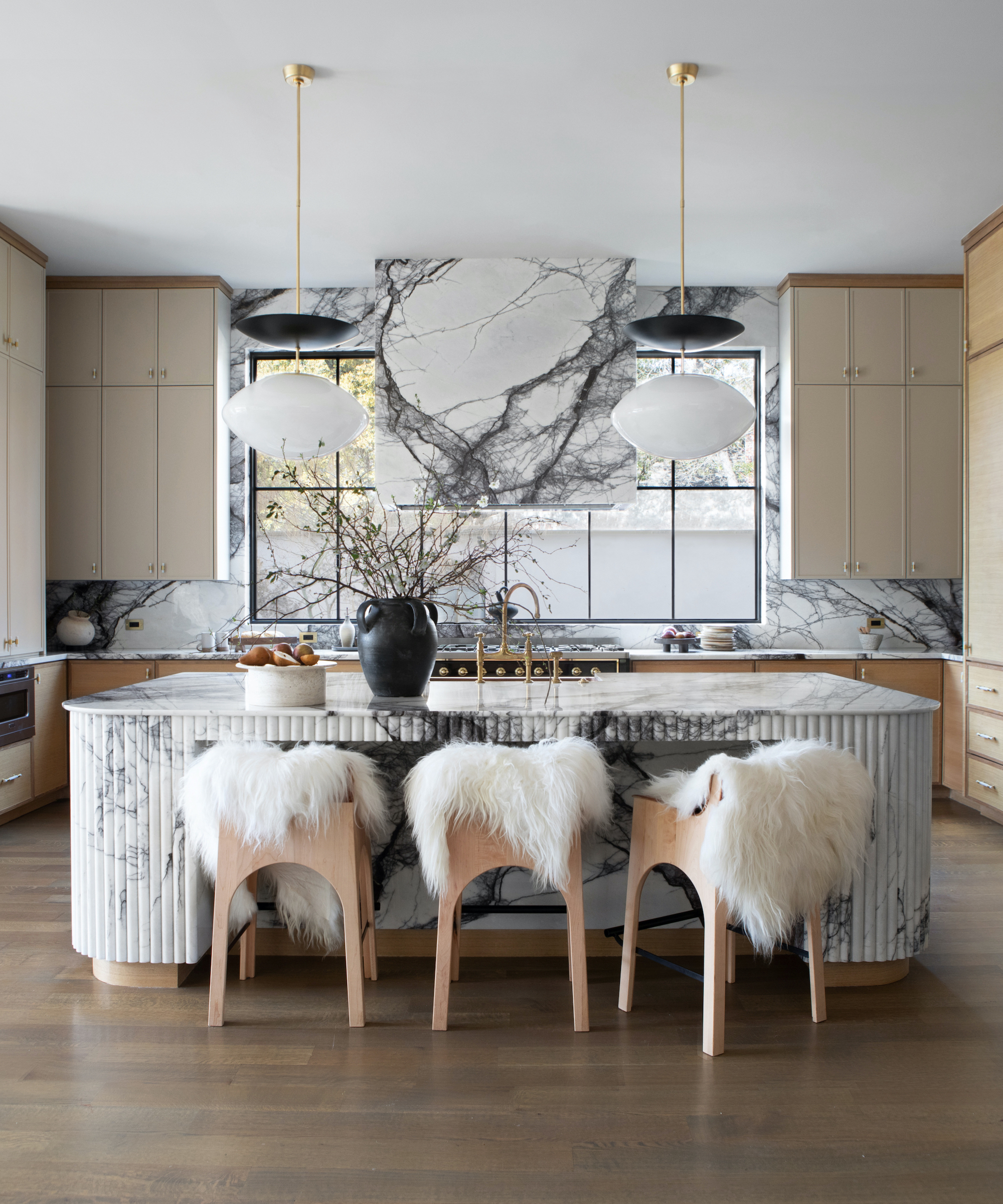
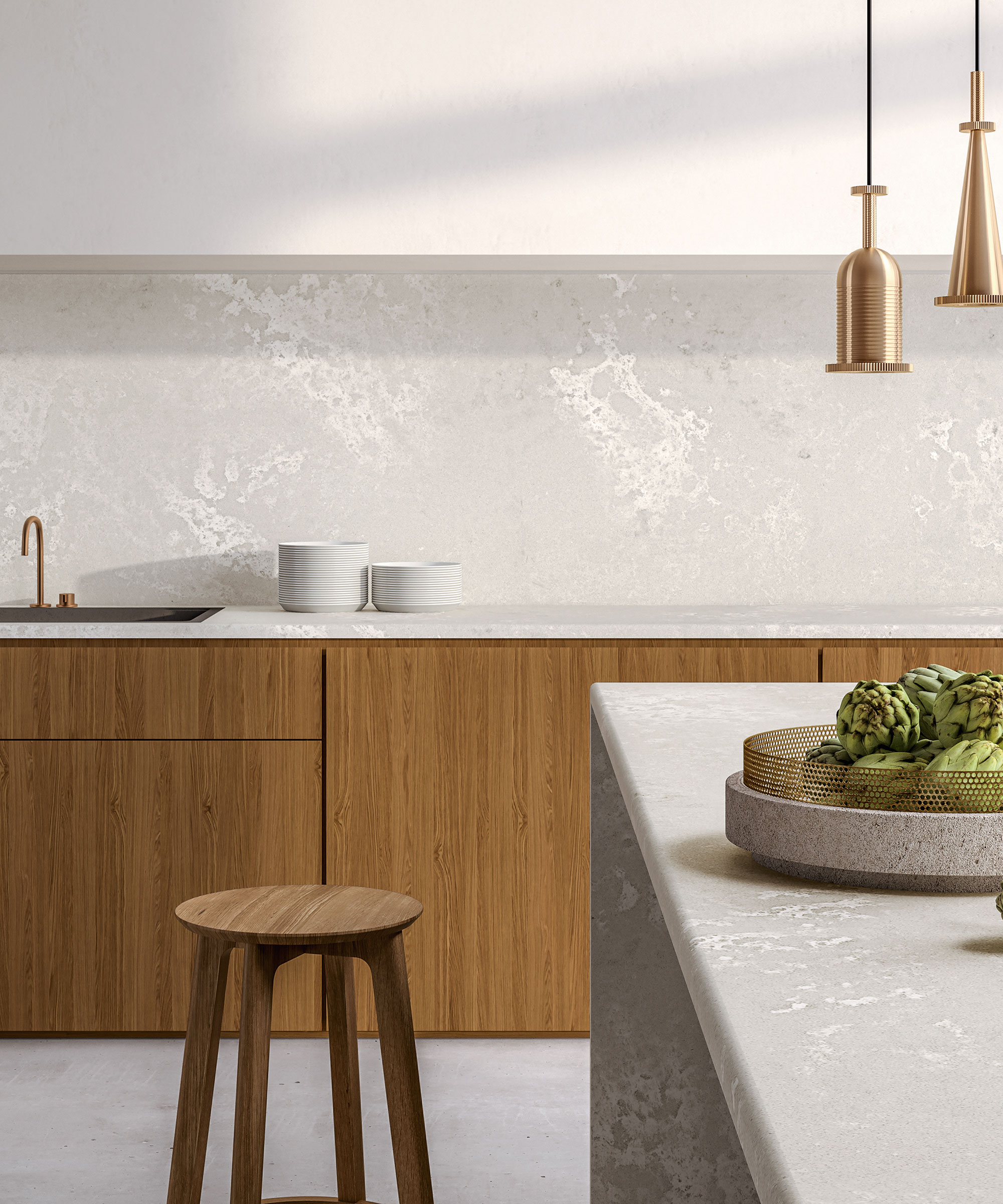
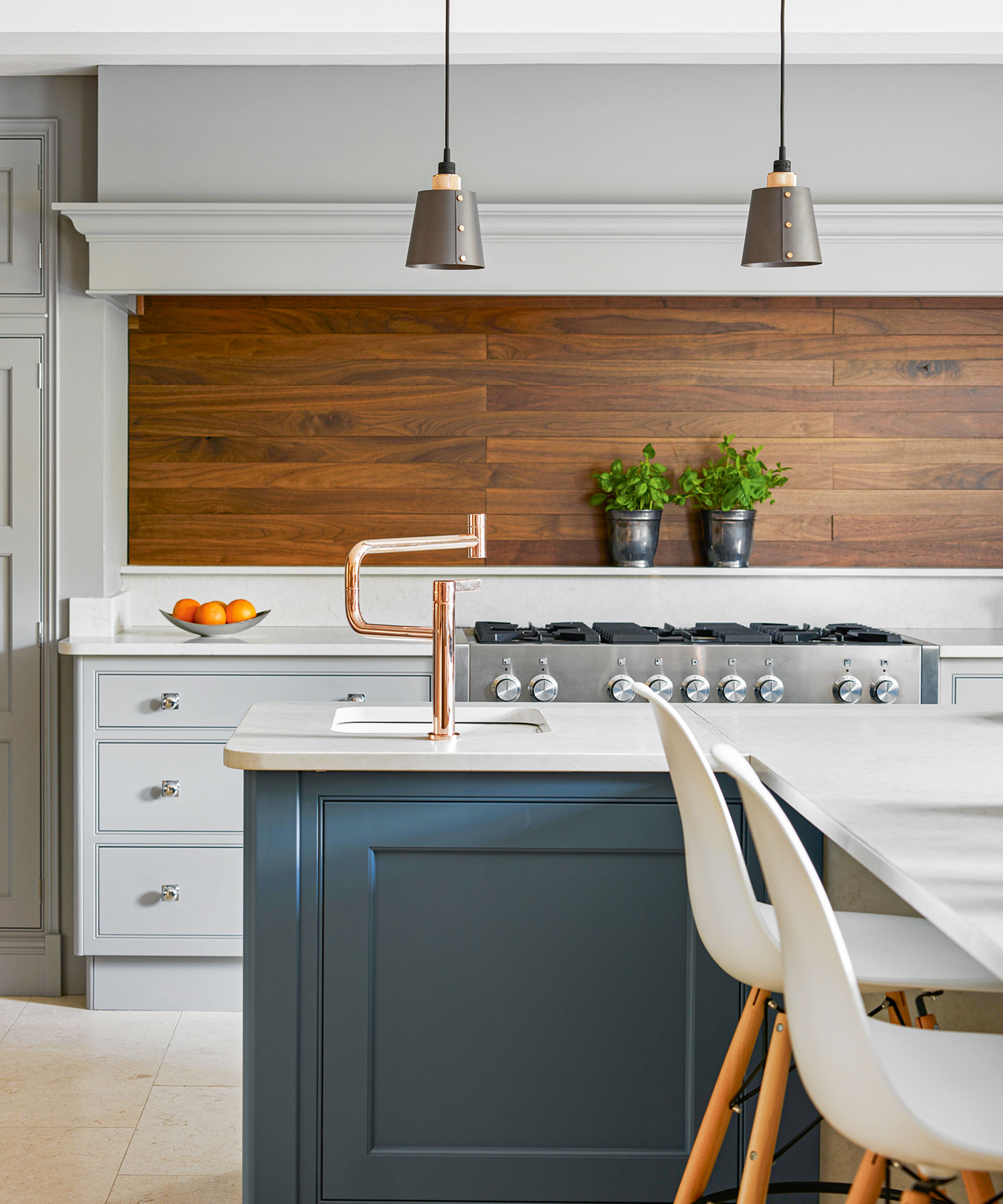
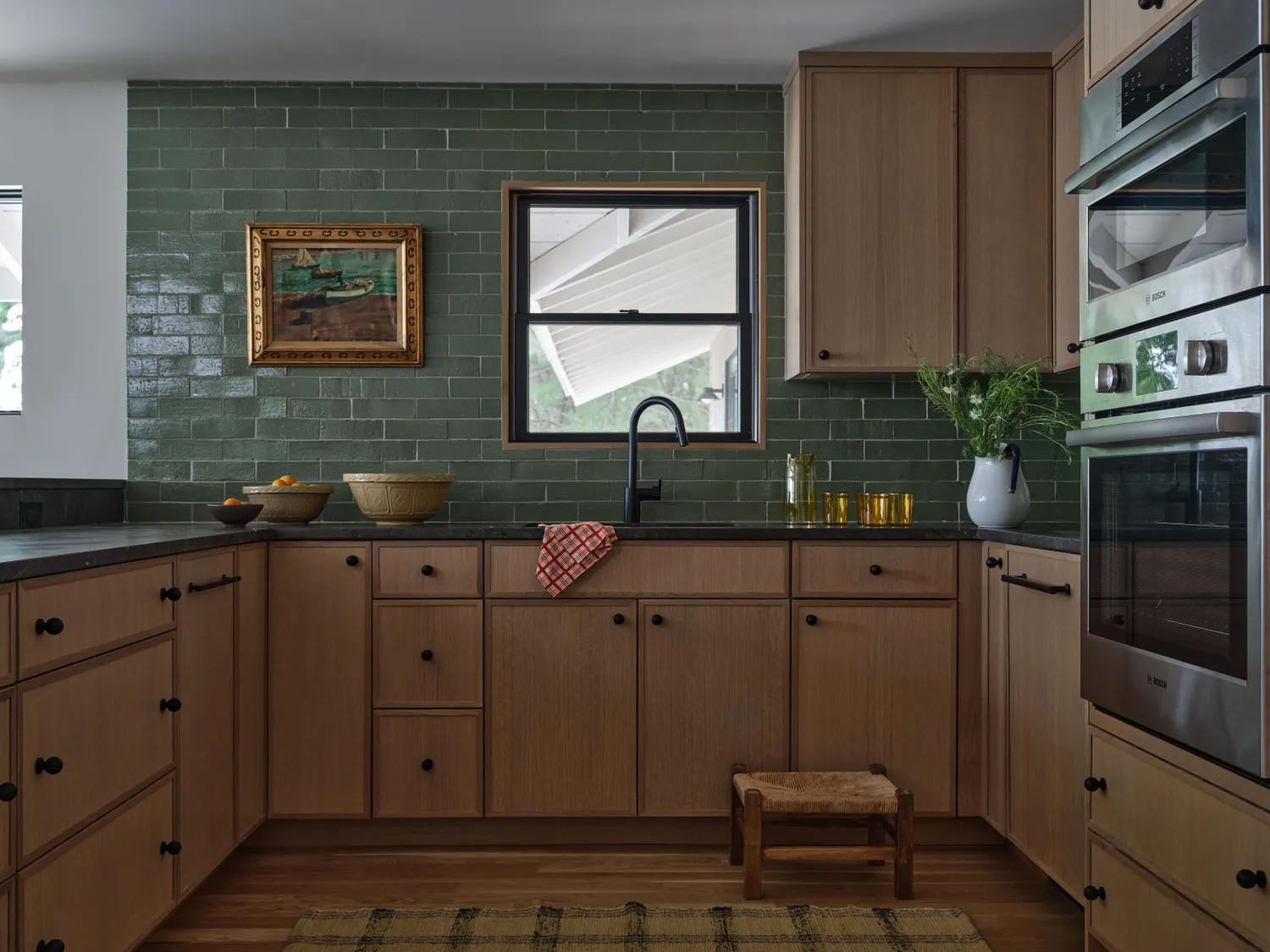
During a full kitchen renovation, it is possible to coordinate the backsplash and cabinets with complementary, understated designs. However, if only the backsplash is being updated, it is crucial to ensure that existing cabinets are not so bold that they visually compete with the mosaic. A monochrome palette can help achieve a cohesive look. Regarding material selection, glossier finishes are generally easier to clean, whereas more porous surfaces can trap food particles, germs, and bacteria. Glass is an excellent option, as is composite stone like quartz, which is less porous than natural stone. Porcelain is another durable choice that can offer a glossy, elegant finish. The use of subtle grout lines further reduces areas where bacteria can grow, simplifying cleaning and helping to maintain food-safe kitchen surfaces, all while contributing to a neutral, modern-chic aesthetic.
#KitchenDesign #MosaicBacksplashes #InteriorDesign #HomeRenovation #KitchenTrends #TileSelection #ModernKitchen #DesignTips #KitchenDesign #MosaicBacksplashes #InteriorDesign #HomeRenovation #KitchenTrends #TileSelection #ModernKitchen #DesignTips
0 comment in total
 No comments yet
You may also like
3 on-trend ways to create a tile mural kitchen backsplash

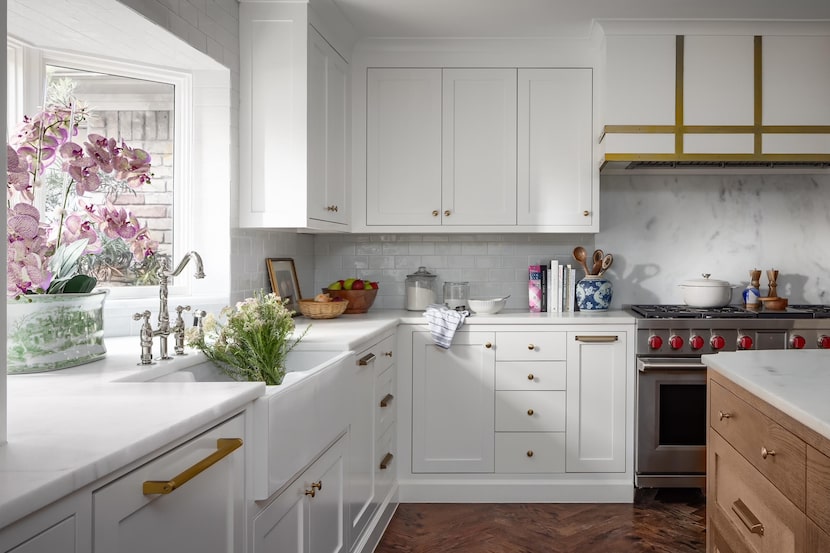
Freshen up the look of your kitchen with a unique backsplash

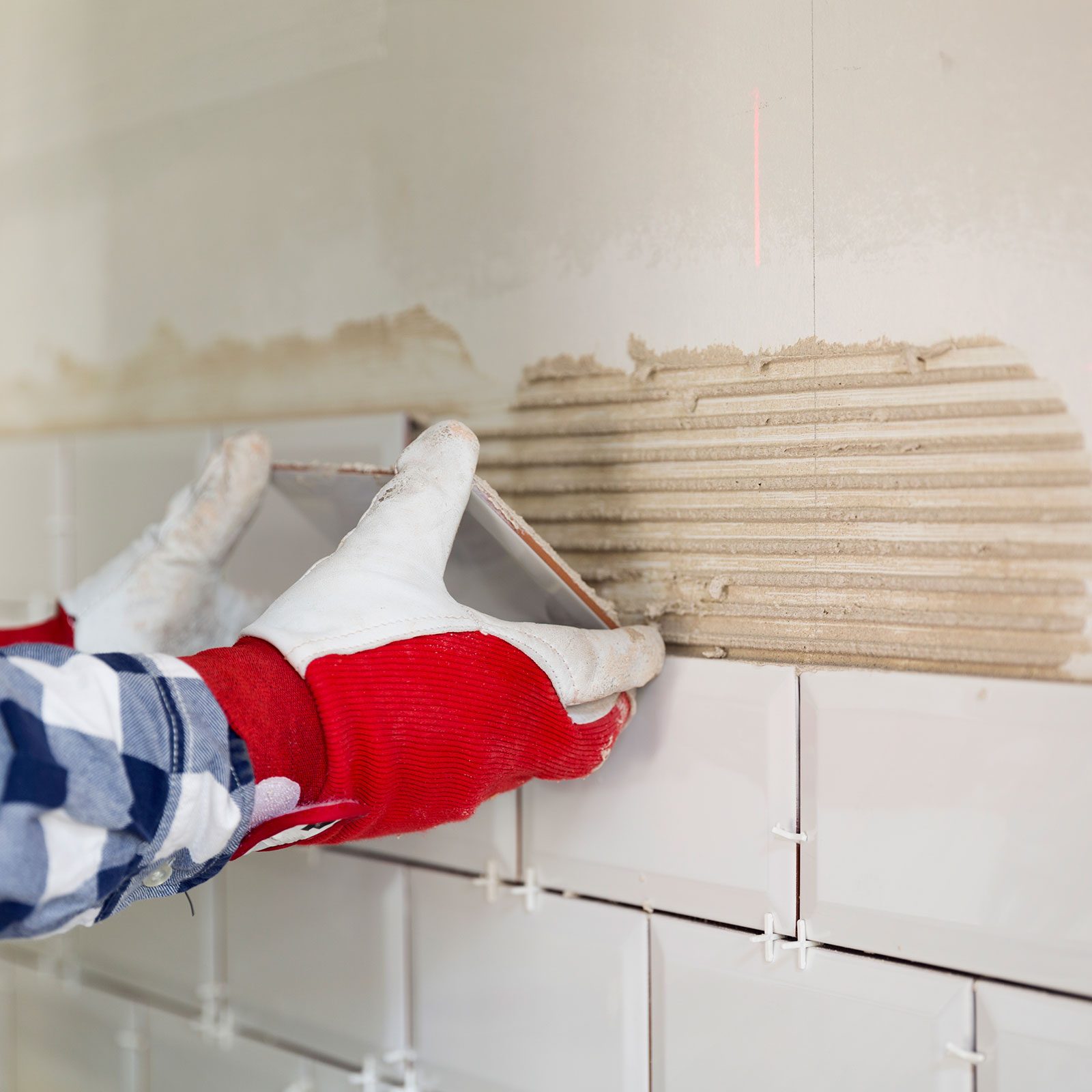
8 Backsplashes to Avoid, According to Interior Designers

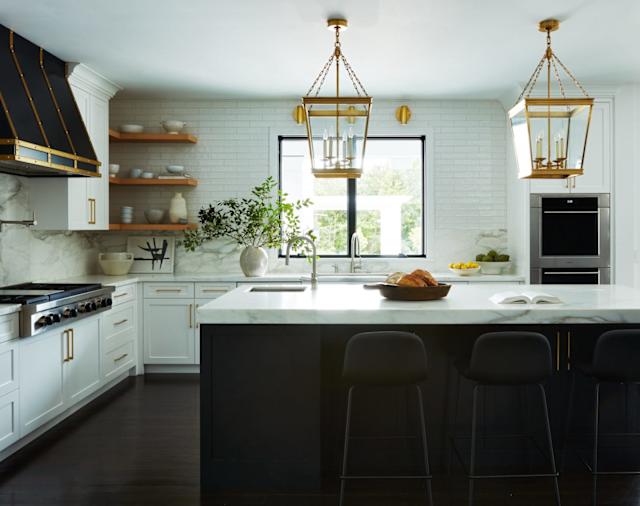
Designers Are Calling It: Here Are the Biggest Kitchen Backsplash Trends for 2026
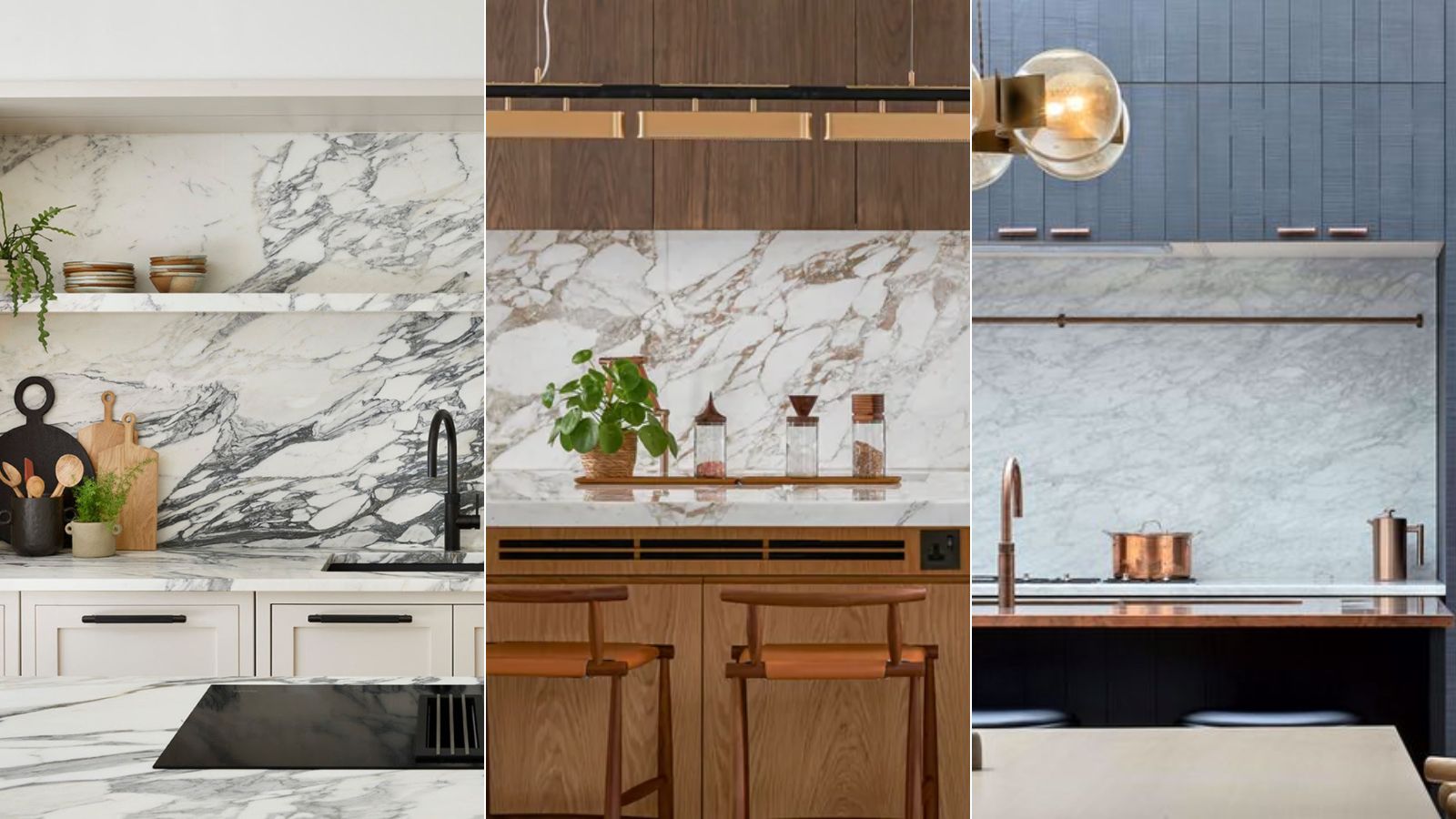
Blended backsplashes are trending in kitchen design – this is what you should know
Ditch These Dated Backsplash Trends For Timeless Alternatives
The Pros And Cons Of Glass Mosaic And Natural Stone Backsplashes

Kitchen splashback ideas for beautiful wall protection that is packed with style
Why Half Backsplashes Are Taking Over Kitchen Design, According to Experts

7 Backsplash Mistakes That Will Date Your Kitchen
6 outdated kitchen backsplash designs that can bring down a whole room
The Most Stylish Kitchens Right Now Feature This Striking Backsplash Trend – And Designers Swear By It For a Bold-Meets-Timeless Scheme
Mosaic Backsplash Words Are the Next Quote Signs, You Heard it Here First

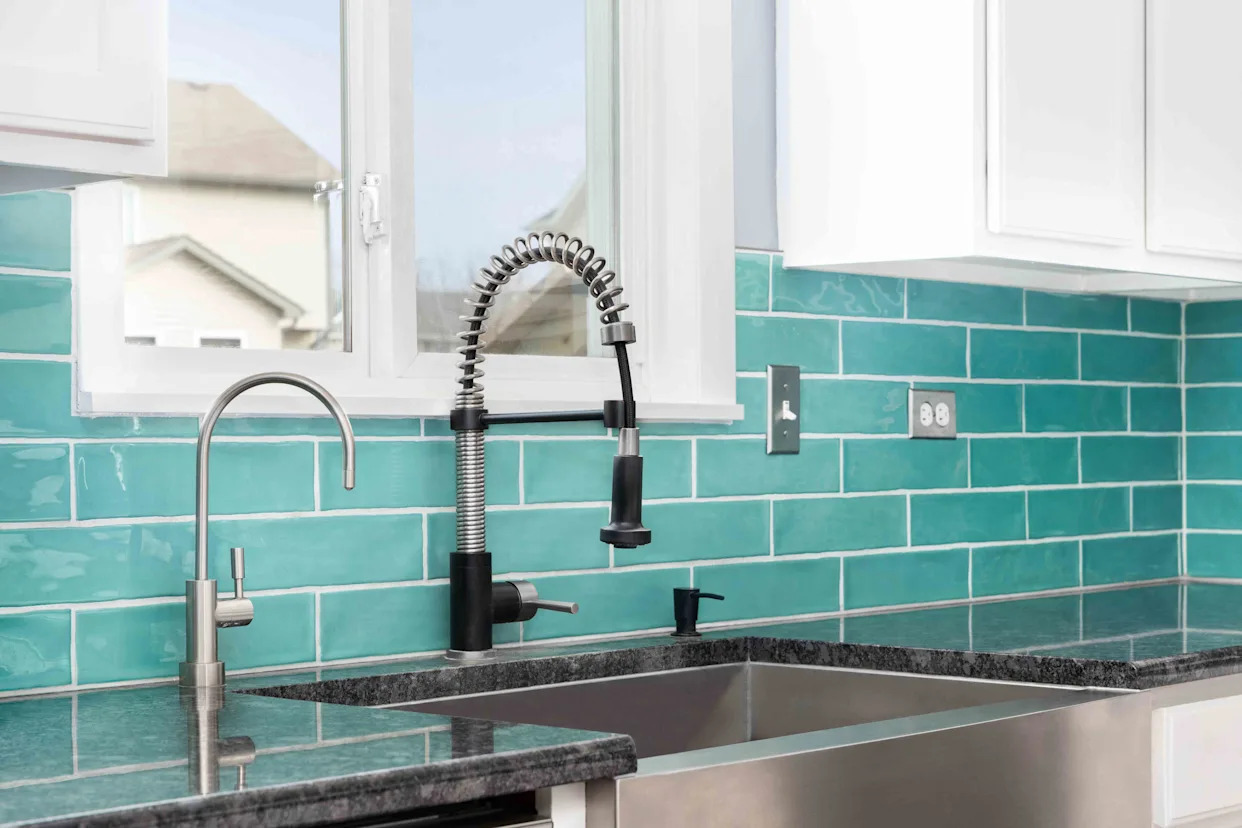
5 Outdated Kitchen Tile Trends to Retire, According to Interior Designers
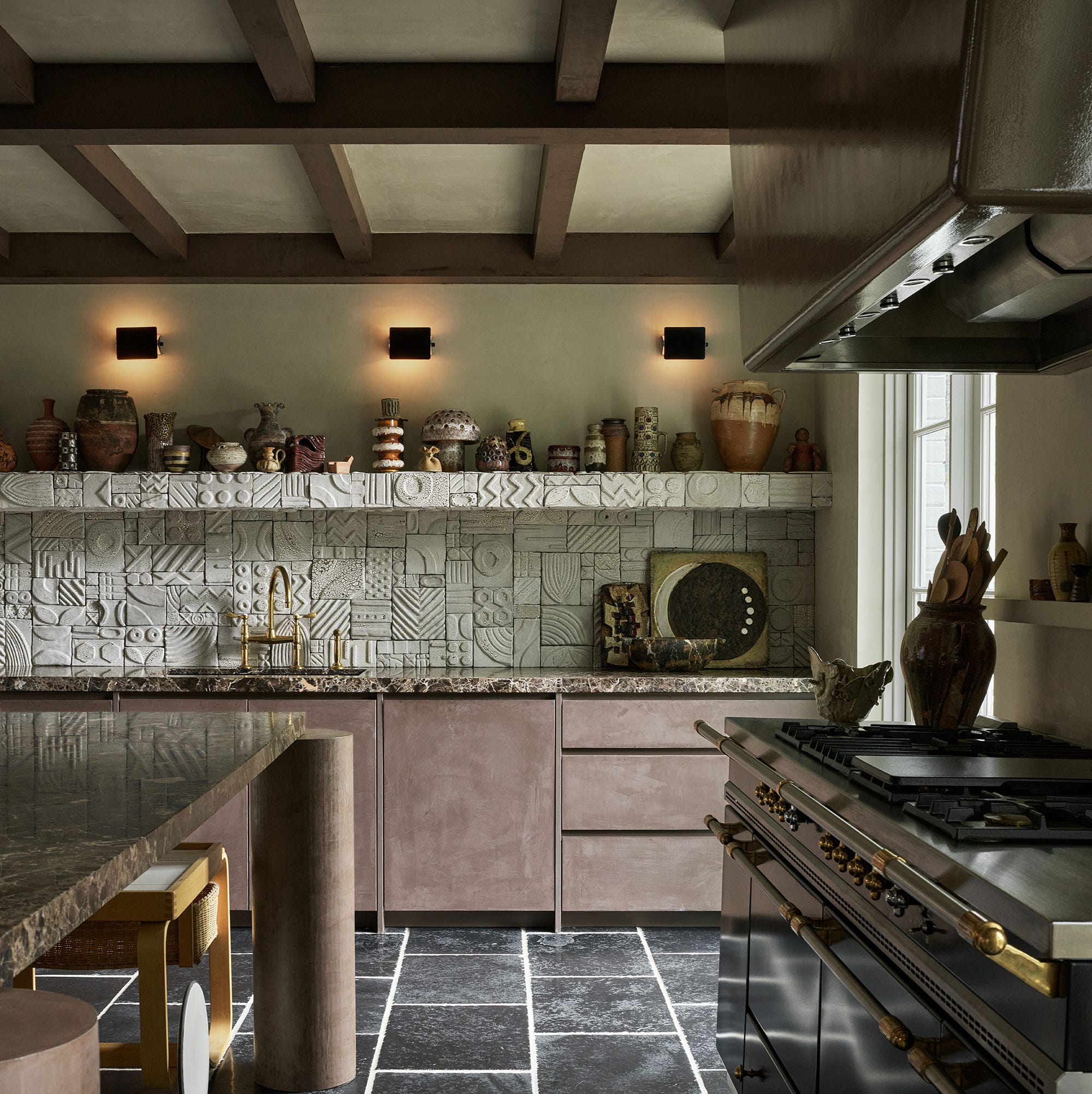
75 Kitchen Tile Backsplash Ideas for the Ultimate Culinary Refresh
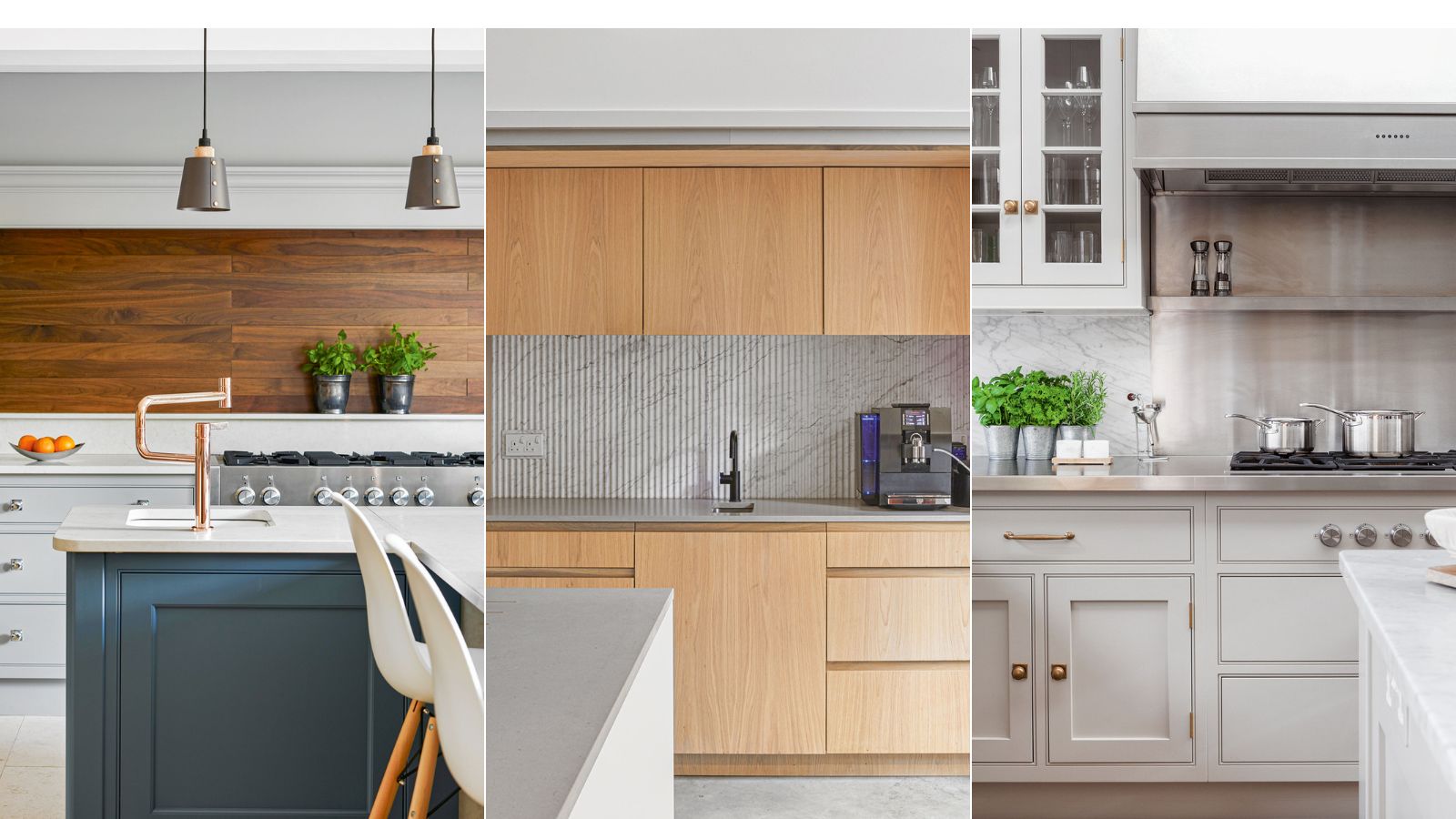
The 'wallpaper' of the kitchen – why choosing the right kitchen backsplash can make or break a space
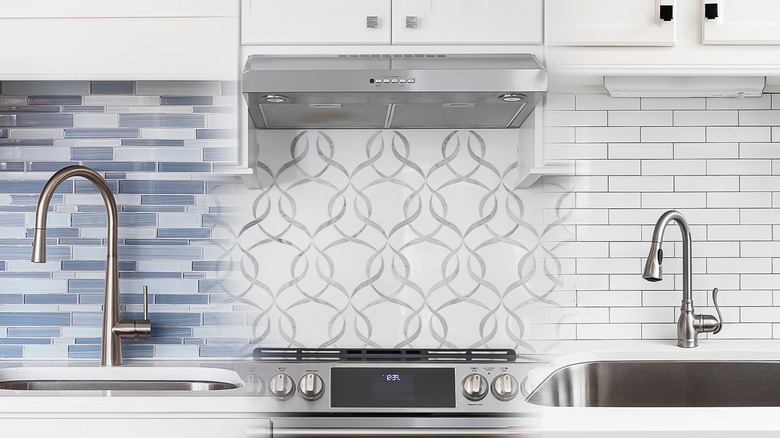
10 Kitchen Backsplash Trends That Are Out In 2025
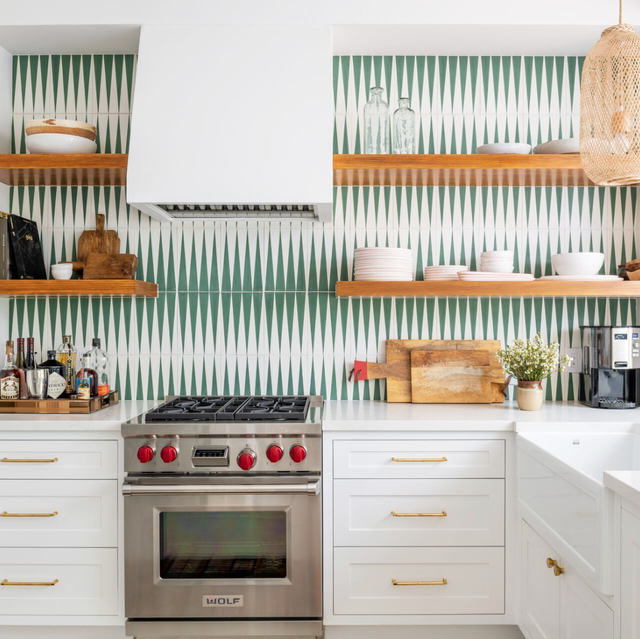
This Striking Geometric Backsplash Is Just the Thing to Upgrade Your Kitchen

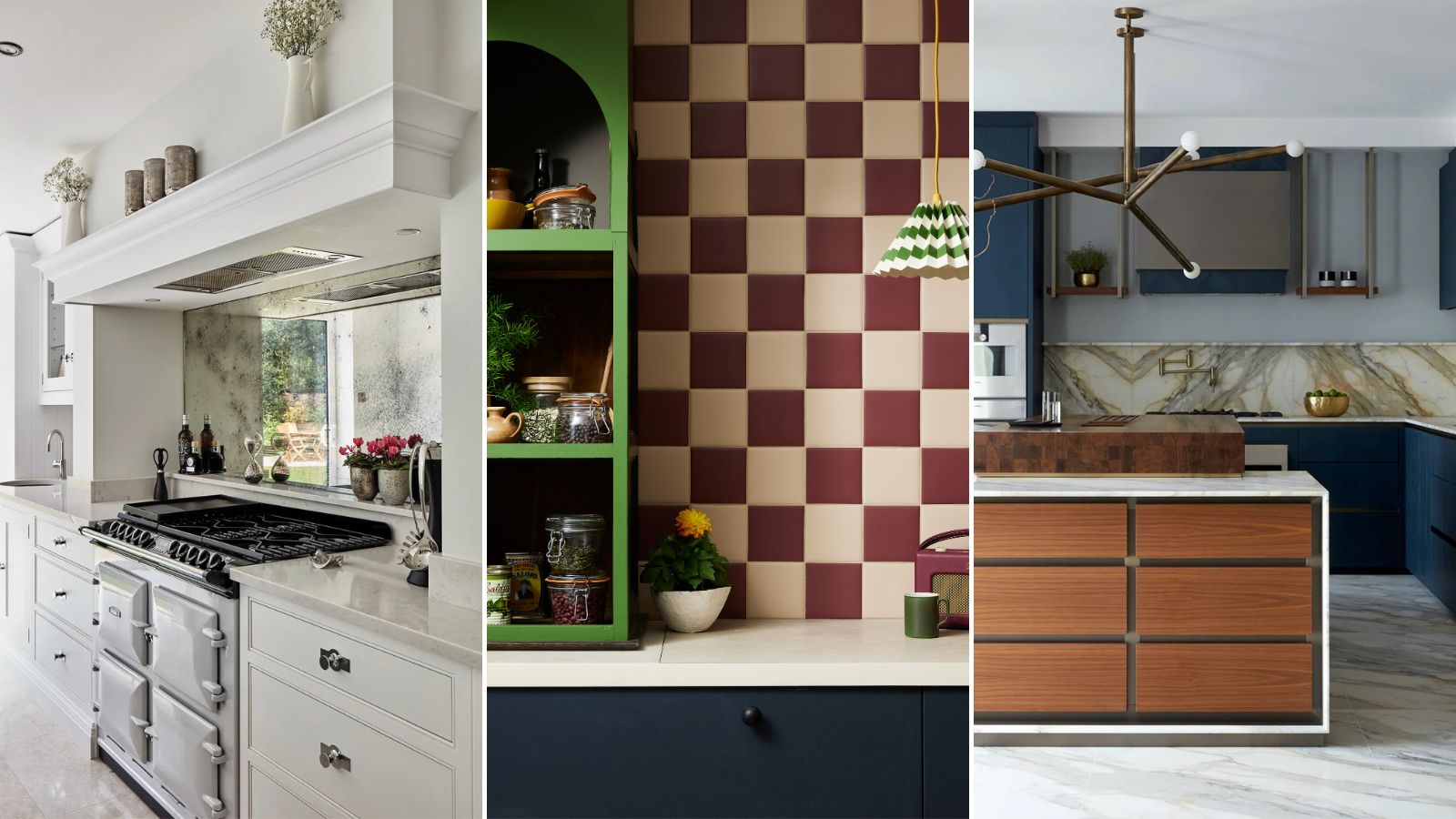
12 beautiful kitchen backsplash ideas that will instantly elevate your space
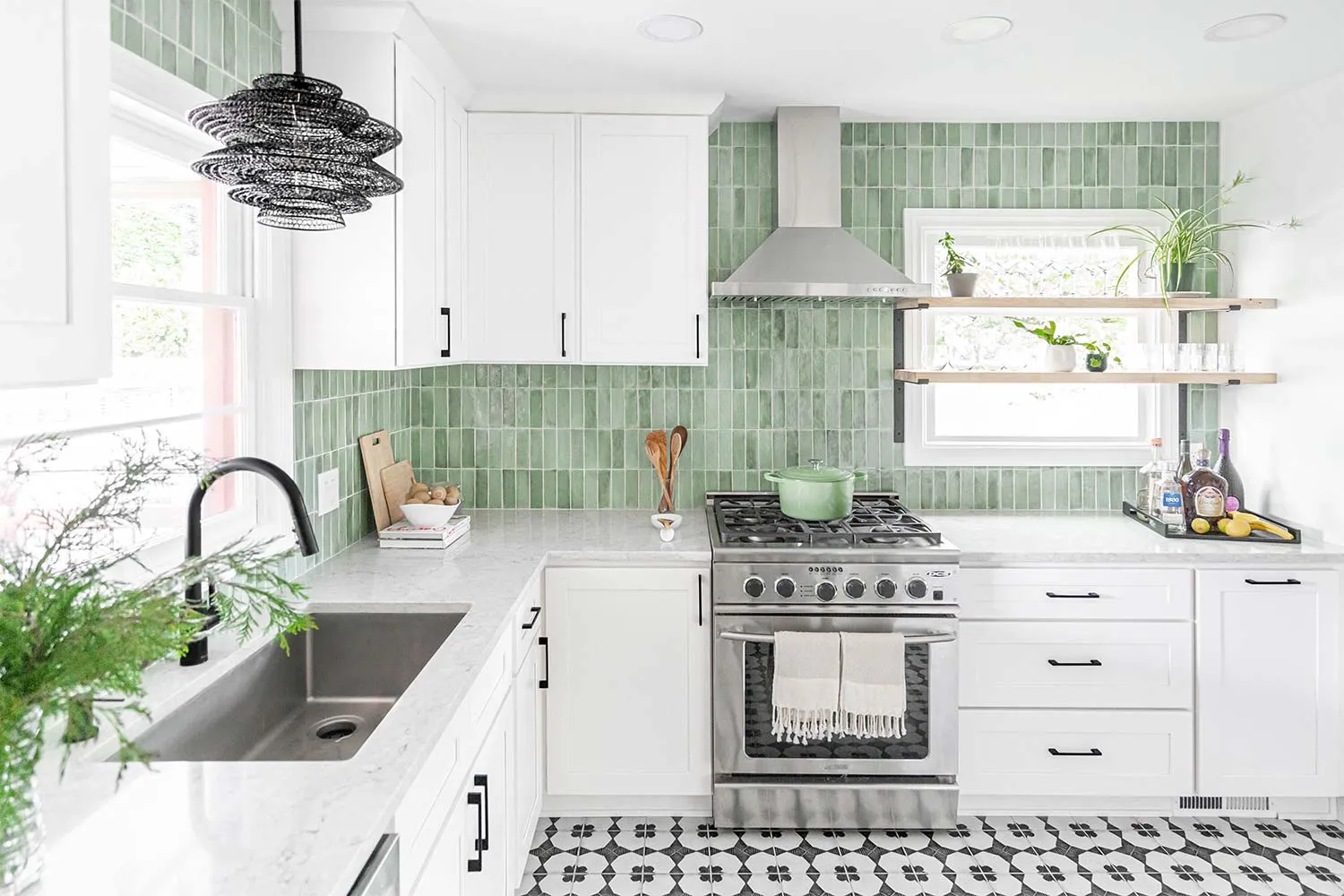
9 Kitchen Backsplashes That Will Never Go Out of Style, According to Designers