1/5
3 on-trend ways to create a tile mural kitchen backsplash
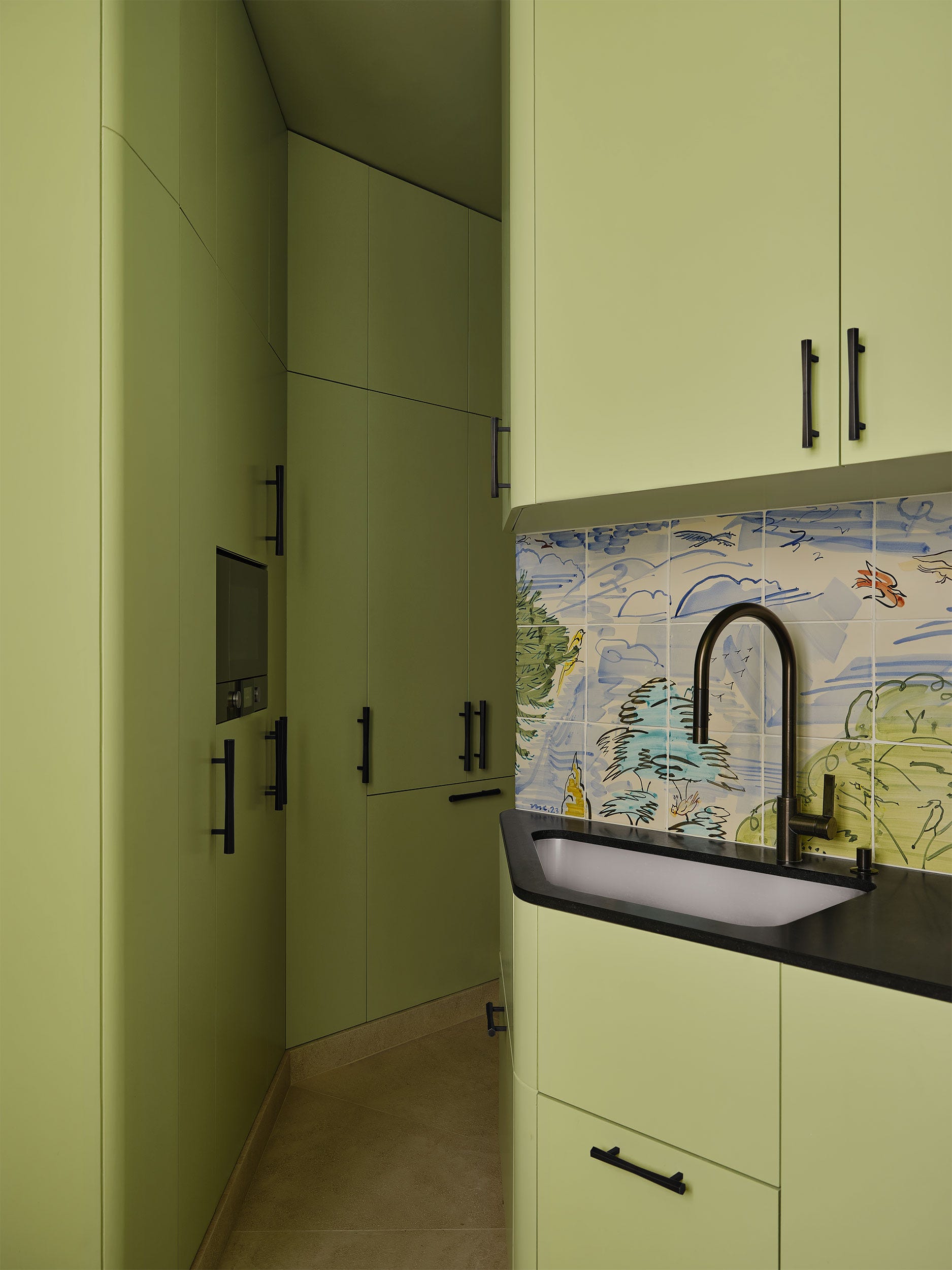
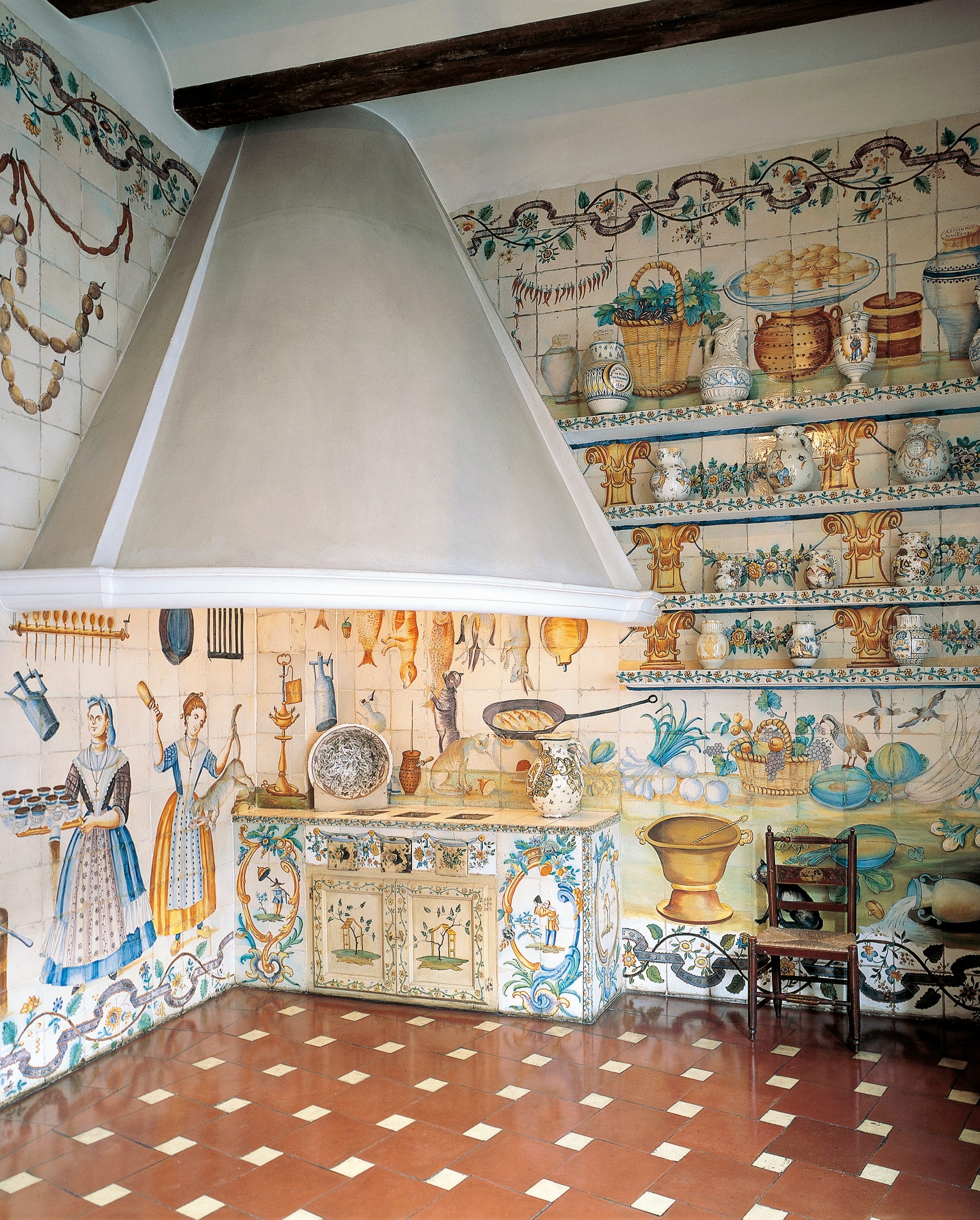
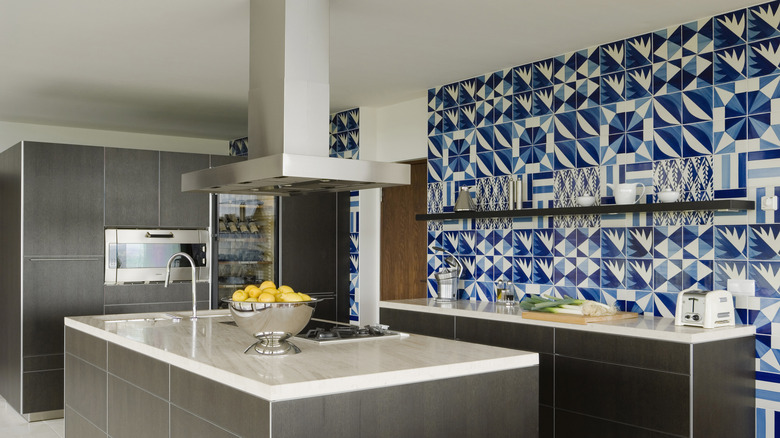
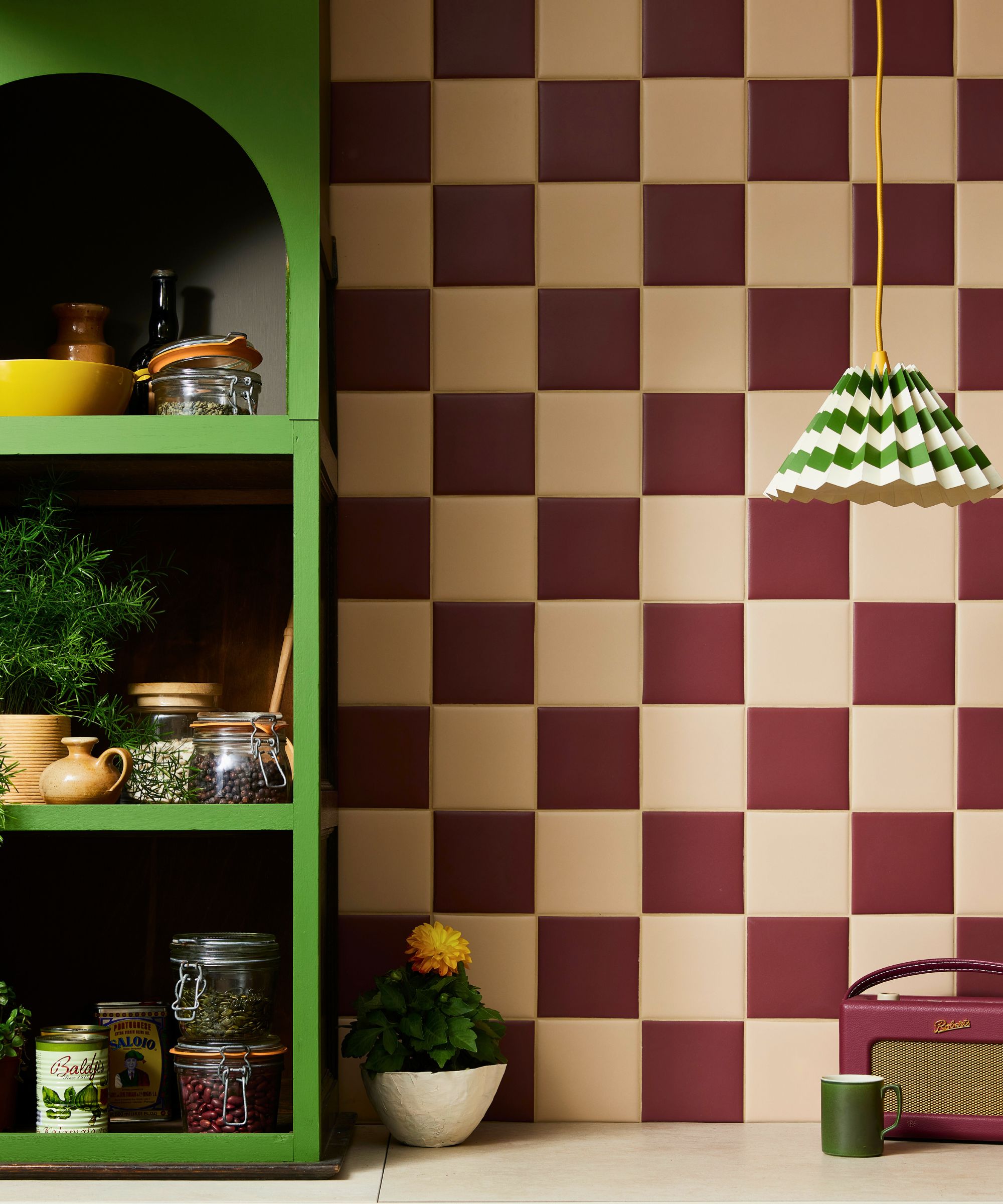
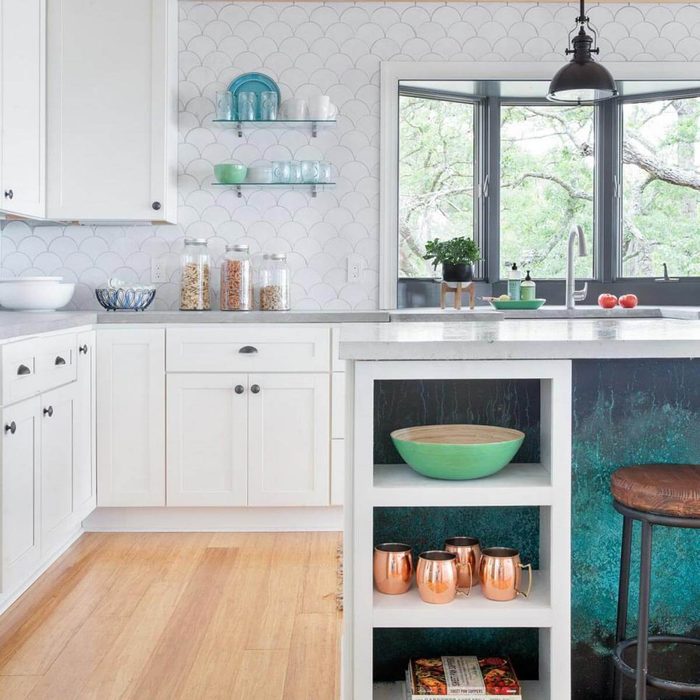
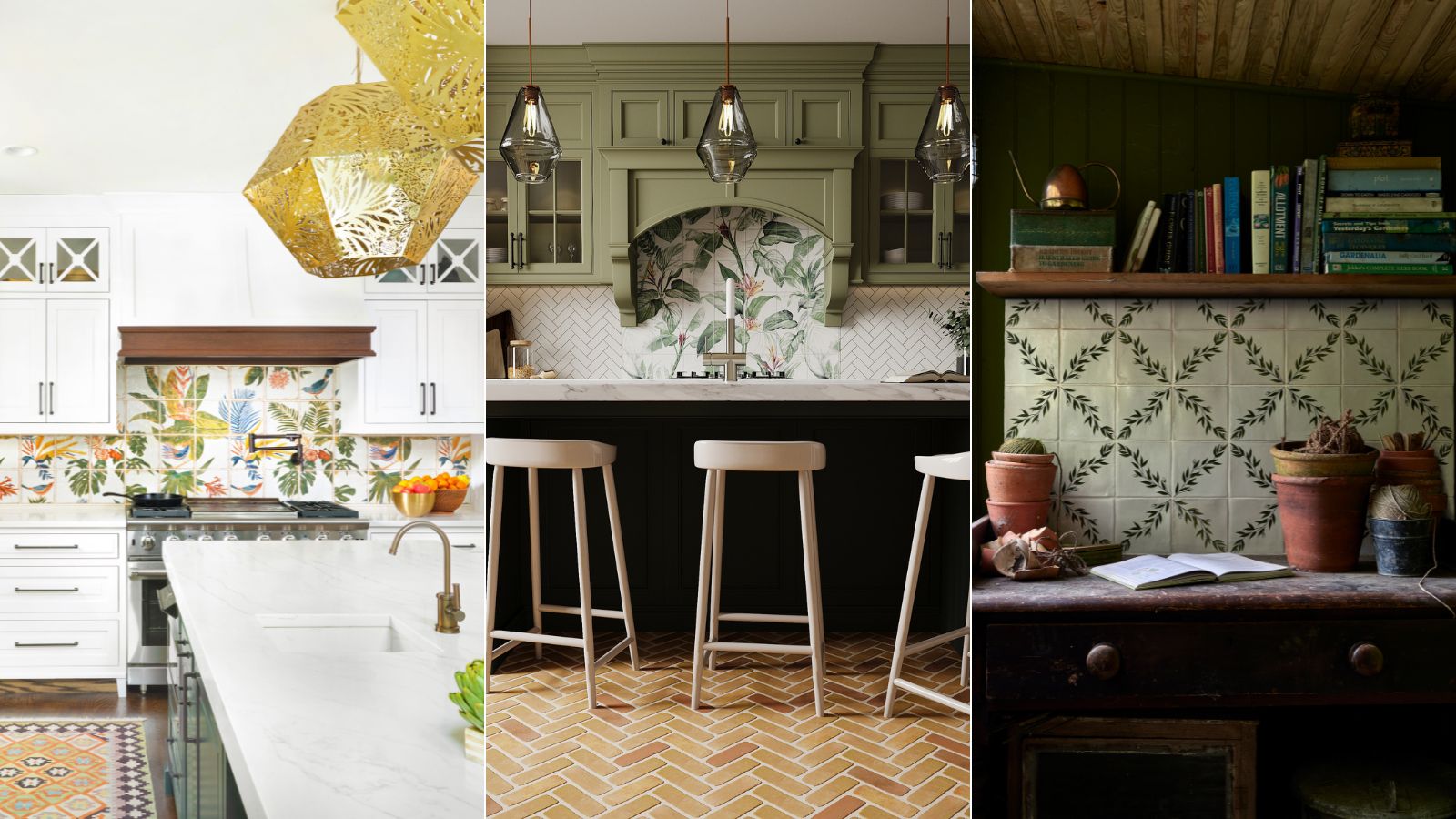
Tile murals are emerging as a significant trend in kitchen backsplash design for 2025, offering a unique opportunity to inject character and personalized artistry into kitchen spaces. This trend moves beyond conventional tiling, transforming backsplashes into striking focal points. Grazzie Wilson, head of creative at Ca’ Pietra, notes that while tile murals historically carried an old-fashioned connotation, contemporary interpretations are redefining their appeal, allowing for personalized storytelling within the kitchen environment. The versatility of tile murals enables them to create a sense of place or narrative, making the kitchen more than just a functional area. Lesley Taylor, interior designer and founder of The Baked Tile Co., emphasizes that tile mural backsplashes effectively blend functionality with artistic expression. They serve as a visual centerpiece while providing practical benefits like durability and ease of cleaning, protecting walls from splashes and spills. The designs can vary from classic floral motifs to vibrant tropical scenes, enabling homeowners to customize their kitchens to reflect individual tastes. This integration of art and utility elevates the kitchen's aesthetic, making it a distinctive and engaging space.
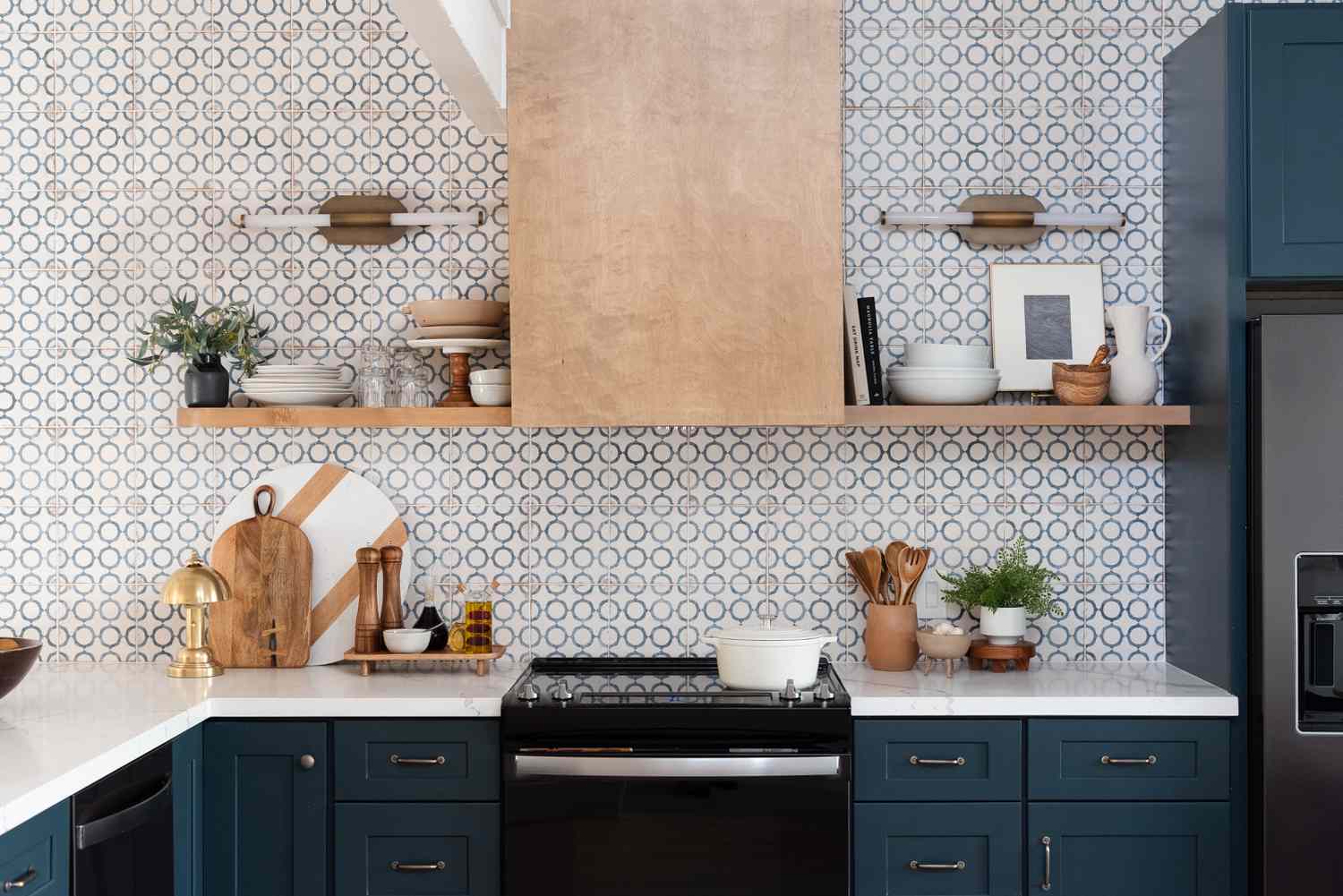
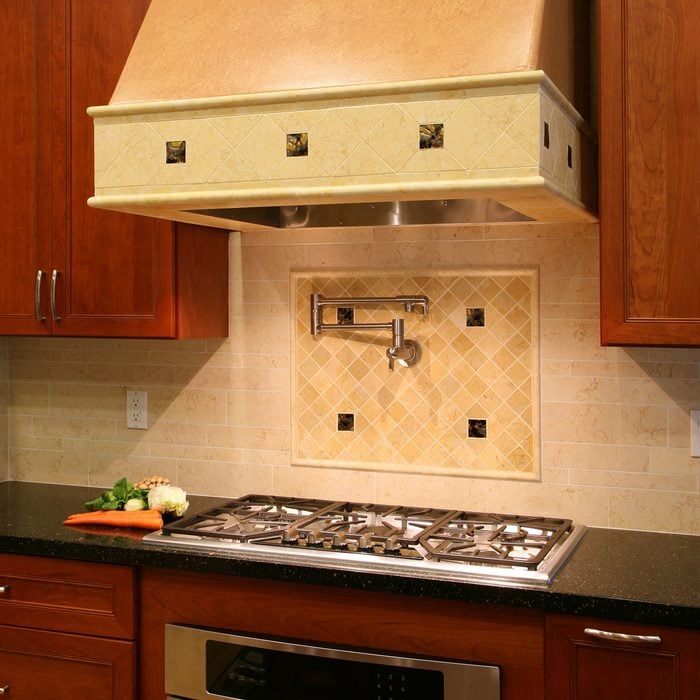
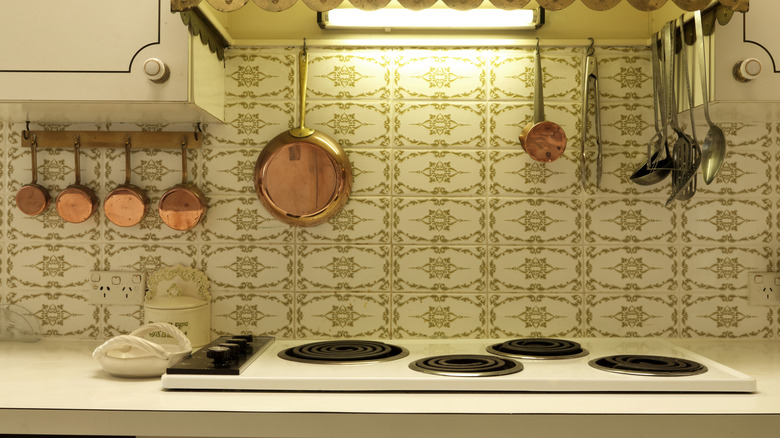
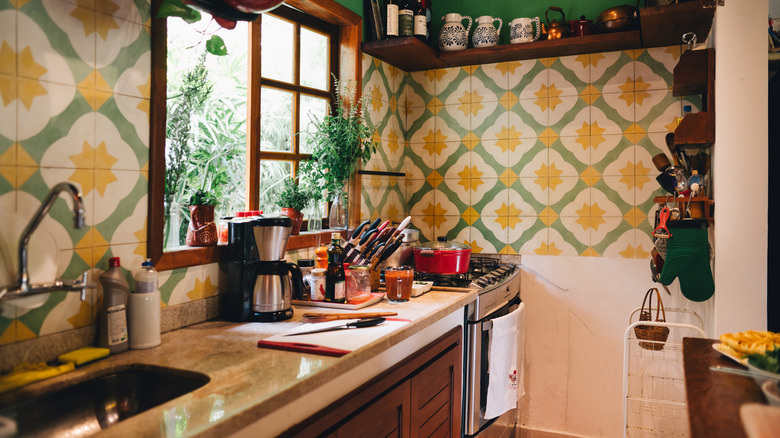
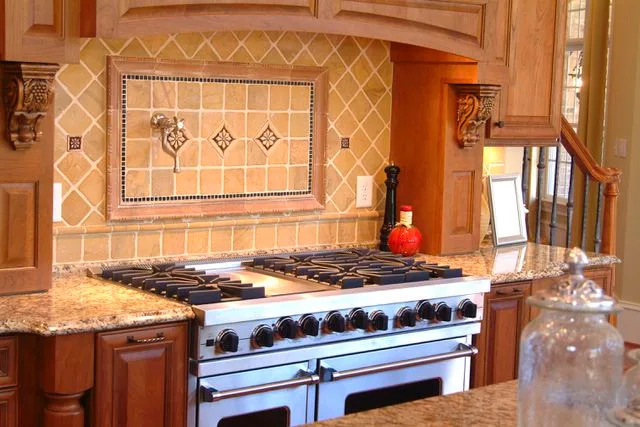
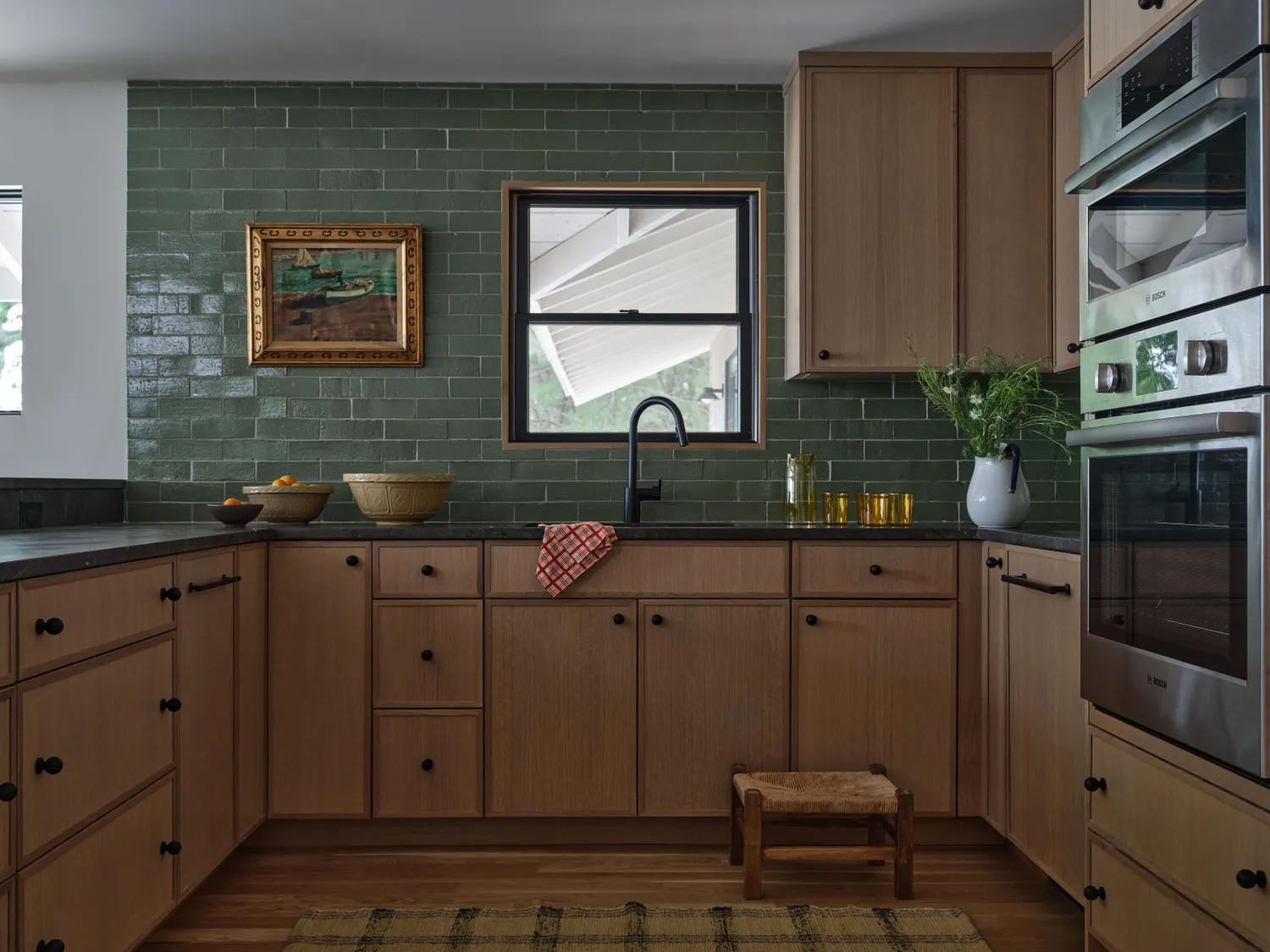
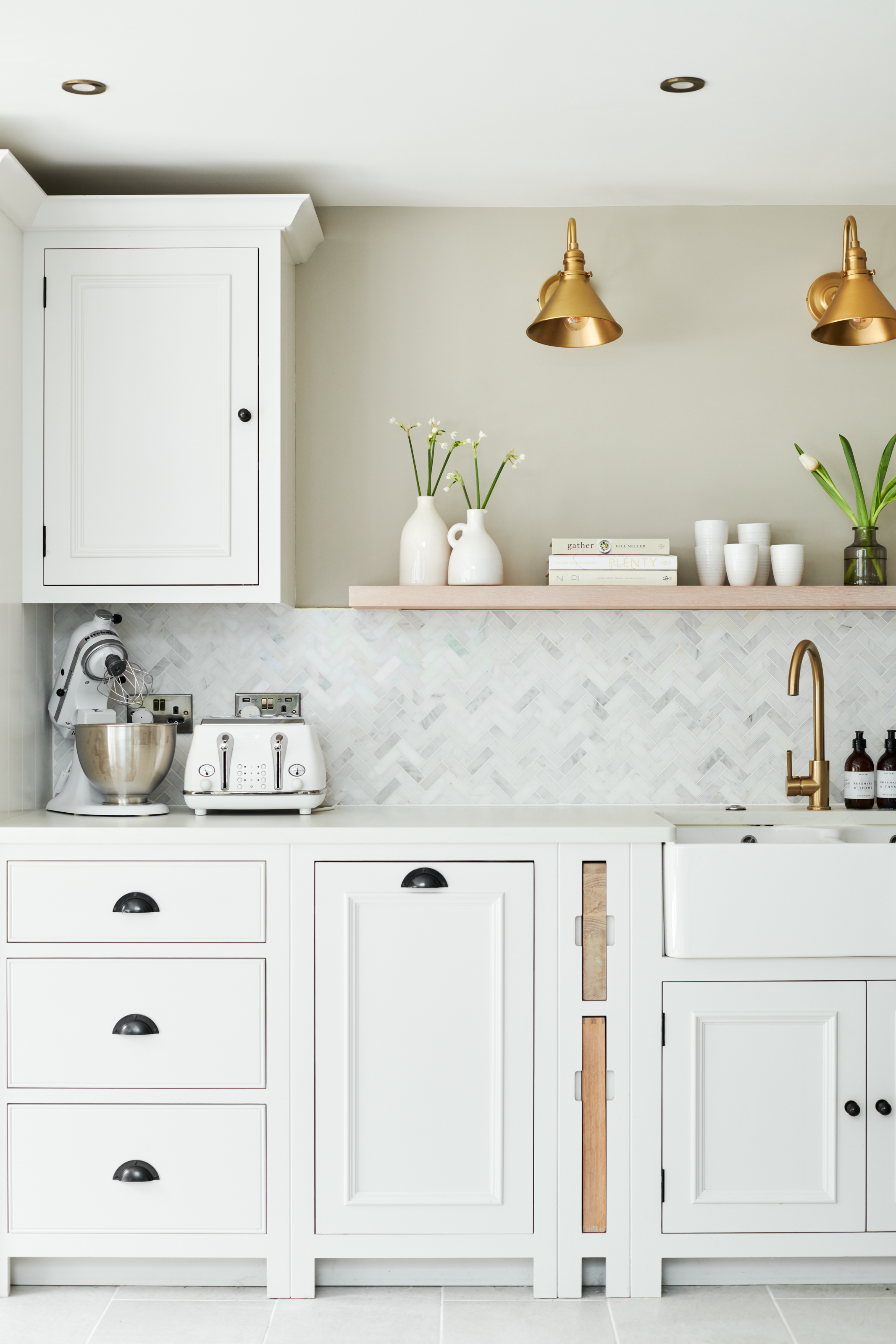
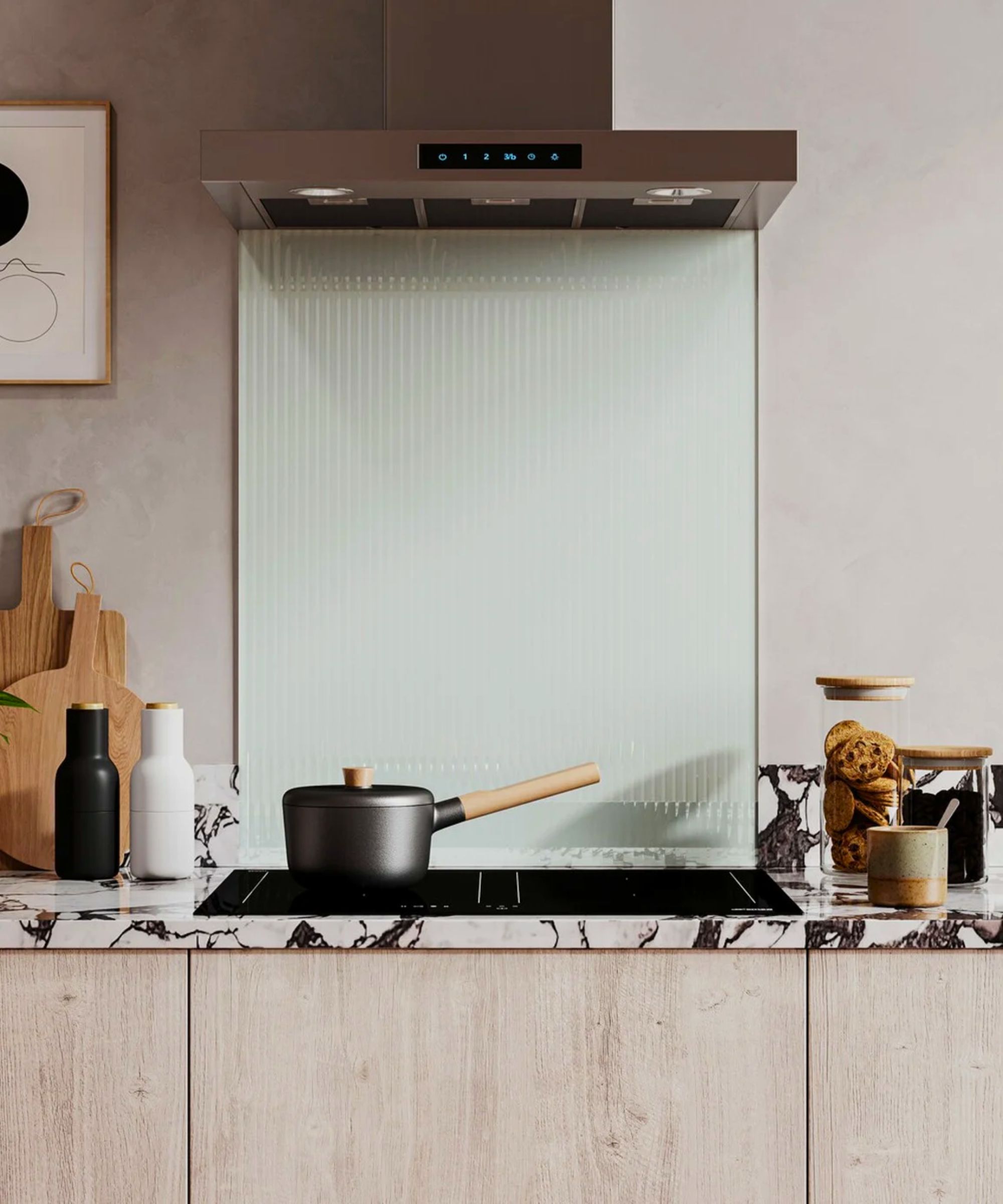
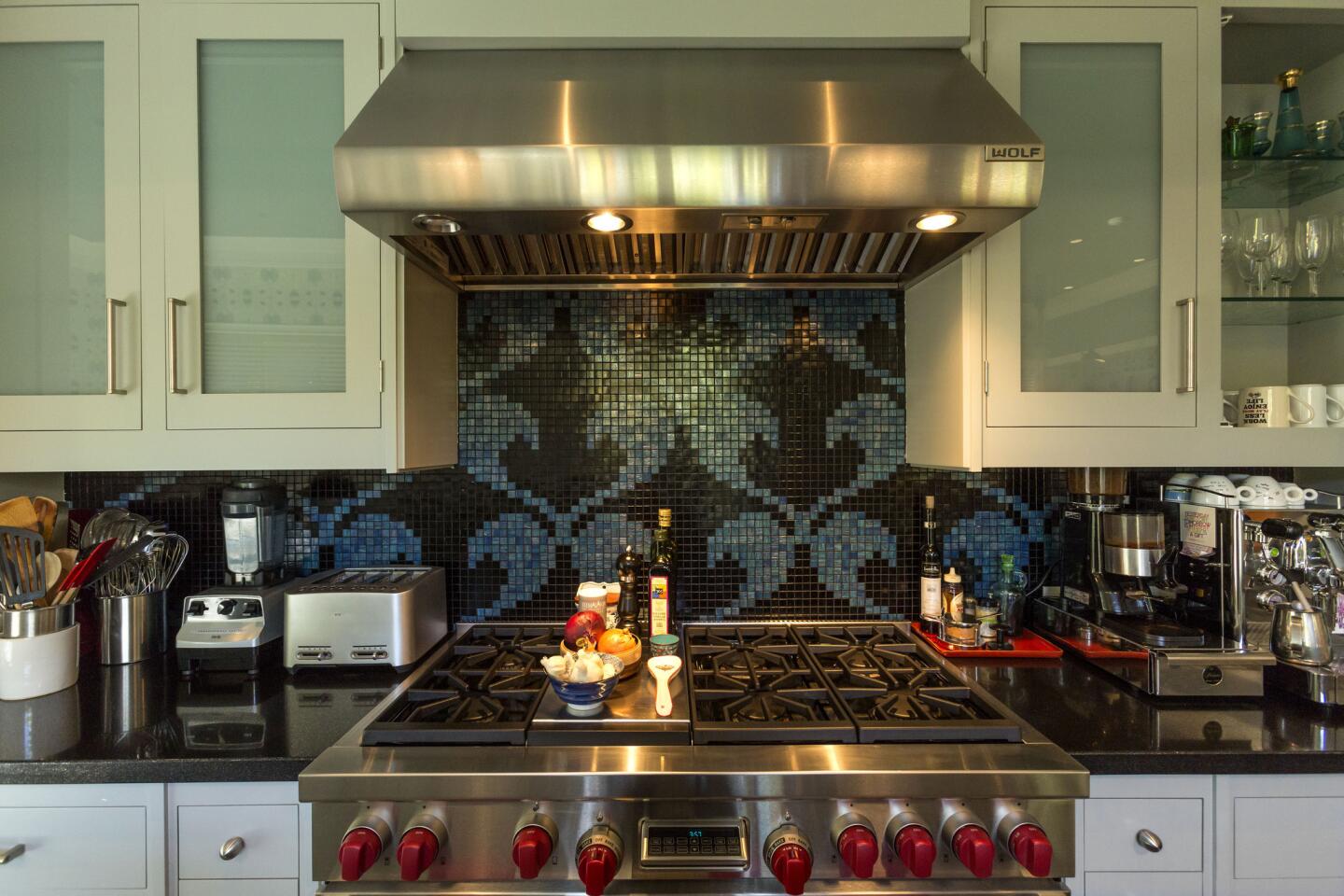
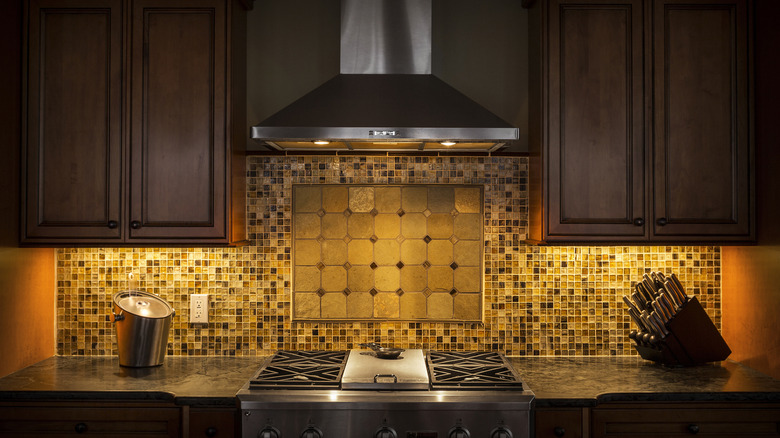
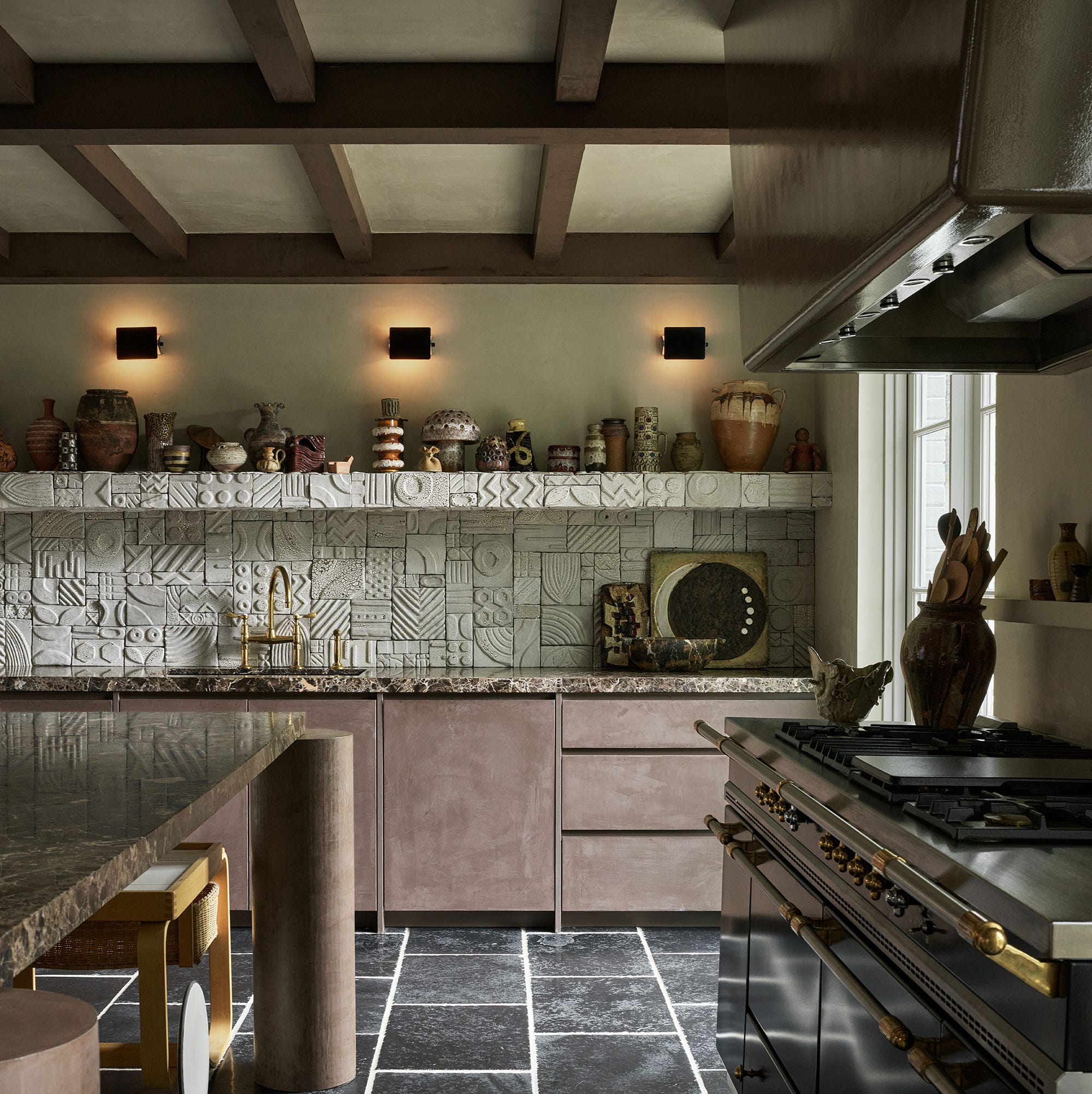
There are three primary approaches to incorporating tile murals into kitchen design, each offering a different level of visual impact. The first method involves extending the tile mural up to the ceiling. This bold strategy, though an emerging trend, creates a truly immersive and grand aesthetic. It doesn't necessarily dictate a maximalist style; even subtle, pared-back designs can benefit from this expansive application. For instance, Jessica Helgerson Interior Design collaborated with Tempest Tileworks to create an off-white and green tile mural that reaches the ceiling, making it the kitchen's dominant feature. This design, paired with Benjamin Moore's Storm Cloud Gray cabinets, brass accents, and walnut countertops, achieves a timeless and visually rich space. The second approach focuses on designing a personalized mural backsplash that wraps around the entire kitchen. This creates an all-encompassing, immersive experience, setting a cohesive tone for the whole space. Isabel Ladd Interiors exemplified this by designing a kitchen for a client with Mexican heritage, incorporating a hand-painted mural called “Mexican Sonata” featuring birds and tropical foliage. This mural not only served as a backsplash but also woven into the broader kitchen scheme, celebrating the client's cultural background through artistic expression and emphasizing the storytelling potential of murals. The third method offers a more focused application by creating a tile mural specifically behind a cooktop. This approach is ideal for those who prefer a subtler artistic accent or have smaller kitchens, allowing the mural to stand out without overwhelming the space. Lesley Taylor suggests that in a galley kitchen, a mural above the hob can visually break the monotony of long units, improving the visual proportion. In open-plan kitchens, strategically placing a mural behind the range cooker naturally draws the eye. To ensure the mural shines, it should be complemented by neutral or subdued tiles in other areas. Effective lighting, such as under-cabinet or pendant lights, can further enhance the mural’s details, adding depth and drama. Regardless of the chosen method, tile murals provide a creative solution for unique kitchen backsplashes, combining aesthetic appeal with practical function.
#TileMurals #KitchenDesign #BacksplashTrends #InteriorDesign #KitchenRenovation #HomeDecor #ArtisticKitchens #TileIdeas #DesignTrends2025 #TileMurals #KitchenDesign #BacksplashTrends #InteriorDesign #KitchenRenovation #HomeDecor #ArtisticKitchens #TileIdeas #DesignTrends2025
0 comment in total
 No comments yet
You may also like
Kitchen wall tile ideas – bring color, pattern and style to vertical surfaces
8 Backsplashes to Avoid, According to Interior Designers

5 Outdated Kitchen Tile Trends to Retire, According to Interior Designers

5 Outdated Kitchen Tile Trends to Retire, According to Interior Designers
This Striking Geometric Backsplash Is Just the Thing to Upgrade Your Kitchen

10 Kitchen Backsplash Trends That Are Out In 2025

9 Kitchen Backsplashes That Will Never Go Out of Style, According to Designers

20 Amazing Kitchen Backsplash Ideas
75 Kitchen Tile Backsplash Ideas for the Ultimate Culinary Refresh
7 Backsplash Mistakes That Will Date Your Kitchen
6 outdated kitchen backsplash designs that can bring down a whole room
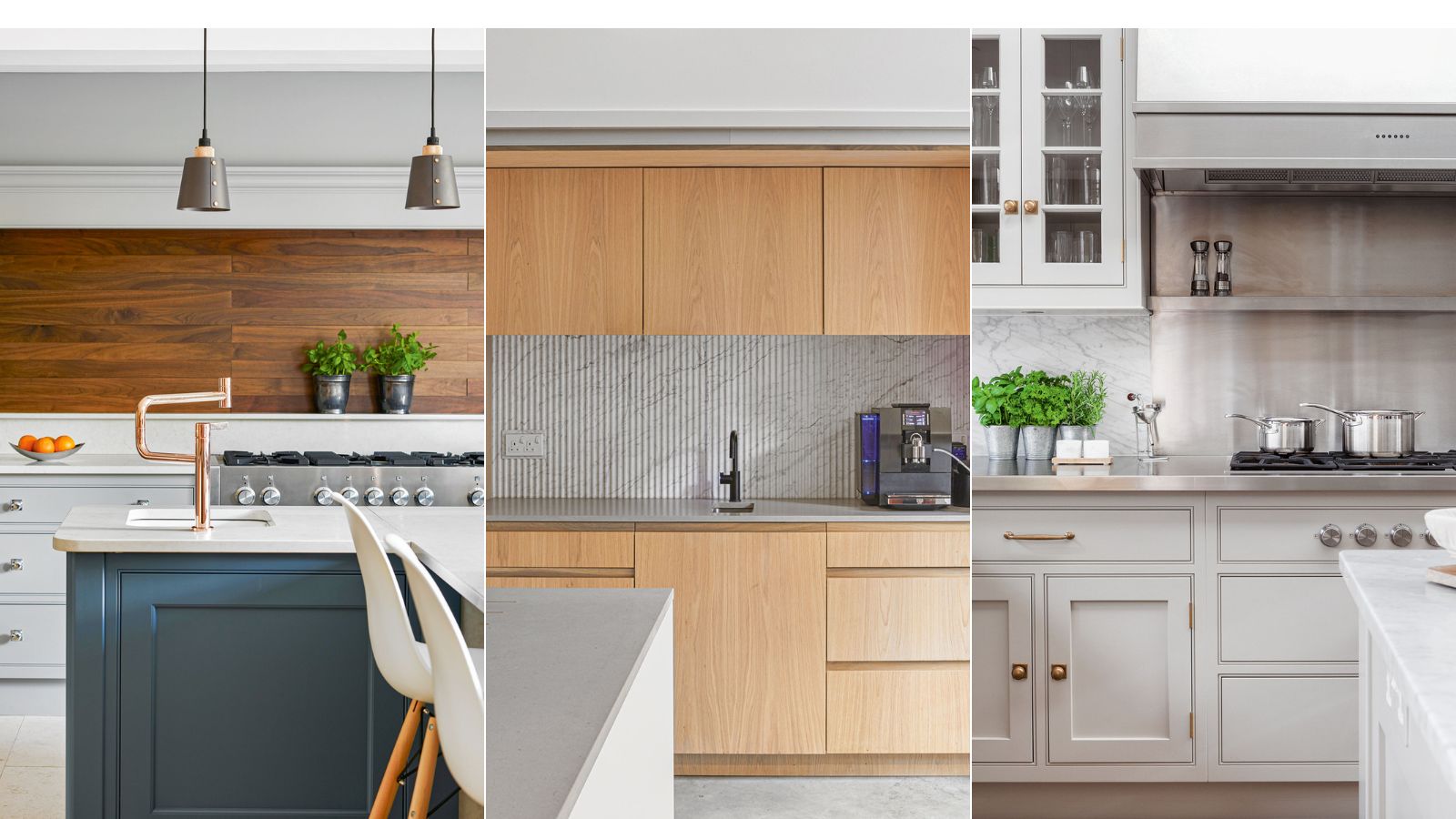
The 'wallpaper' of the kitchen – why choosing the right kitchen backsplash can make or break a space
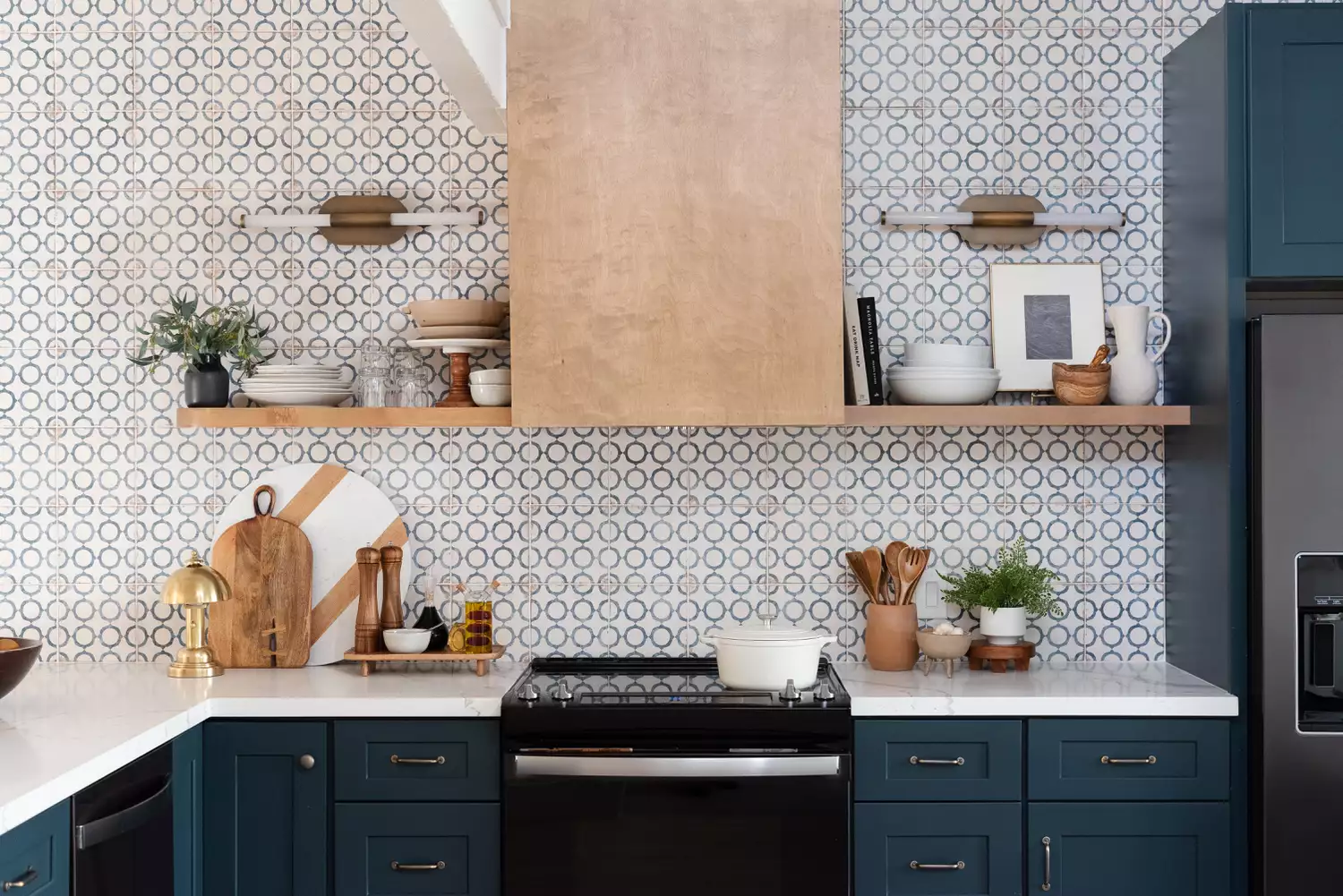
55 Kitchen Backsplash Tile Ideas You Should Bookmark for Your Next Renovation

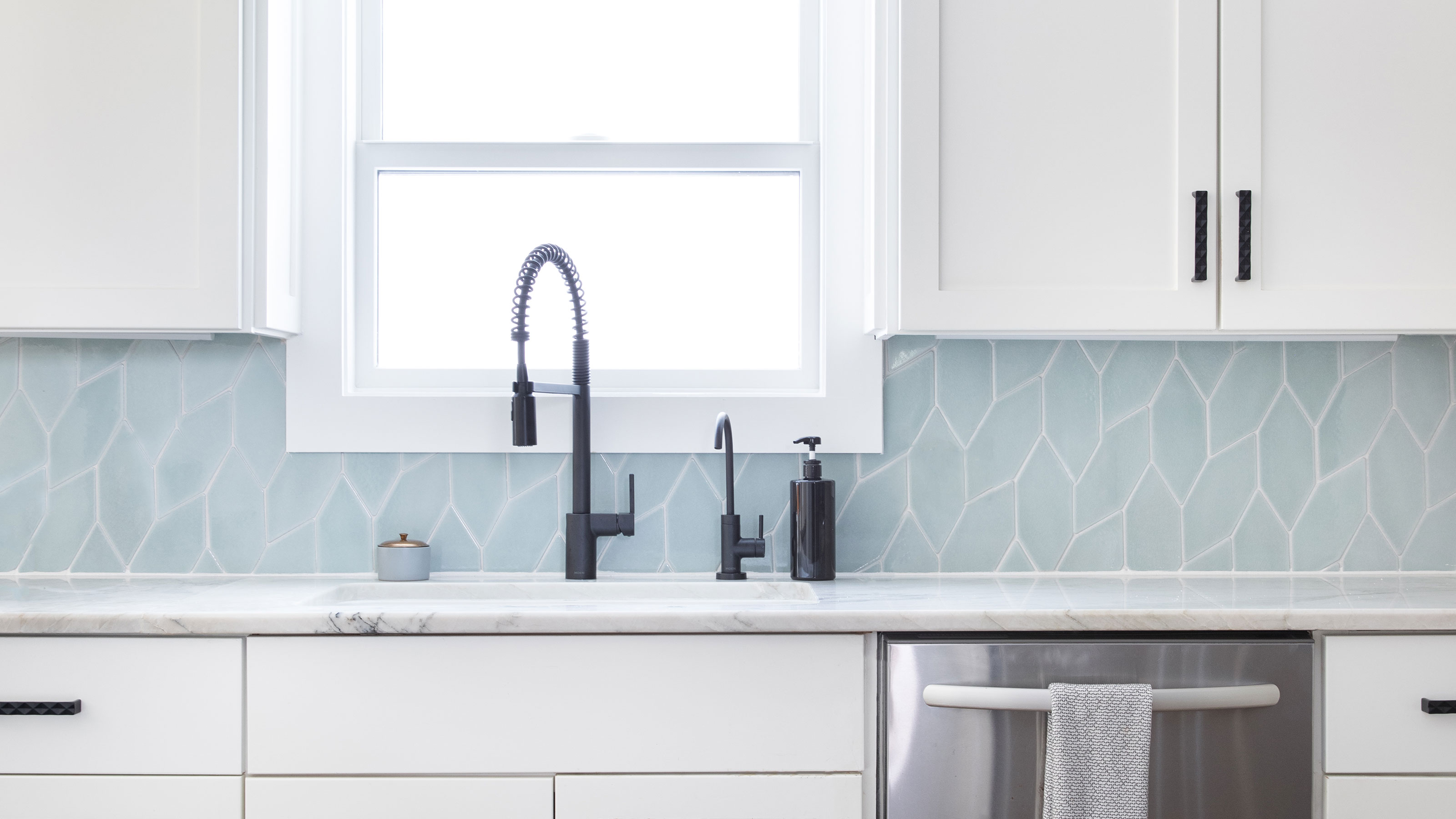
12 subway tile alternatives for a fresh backsplash

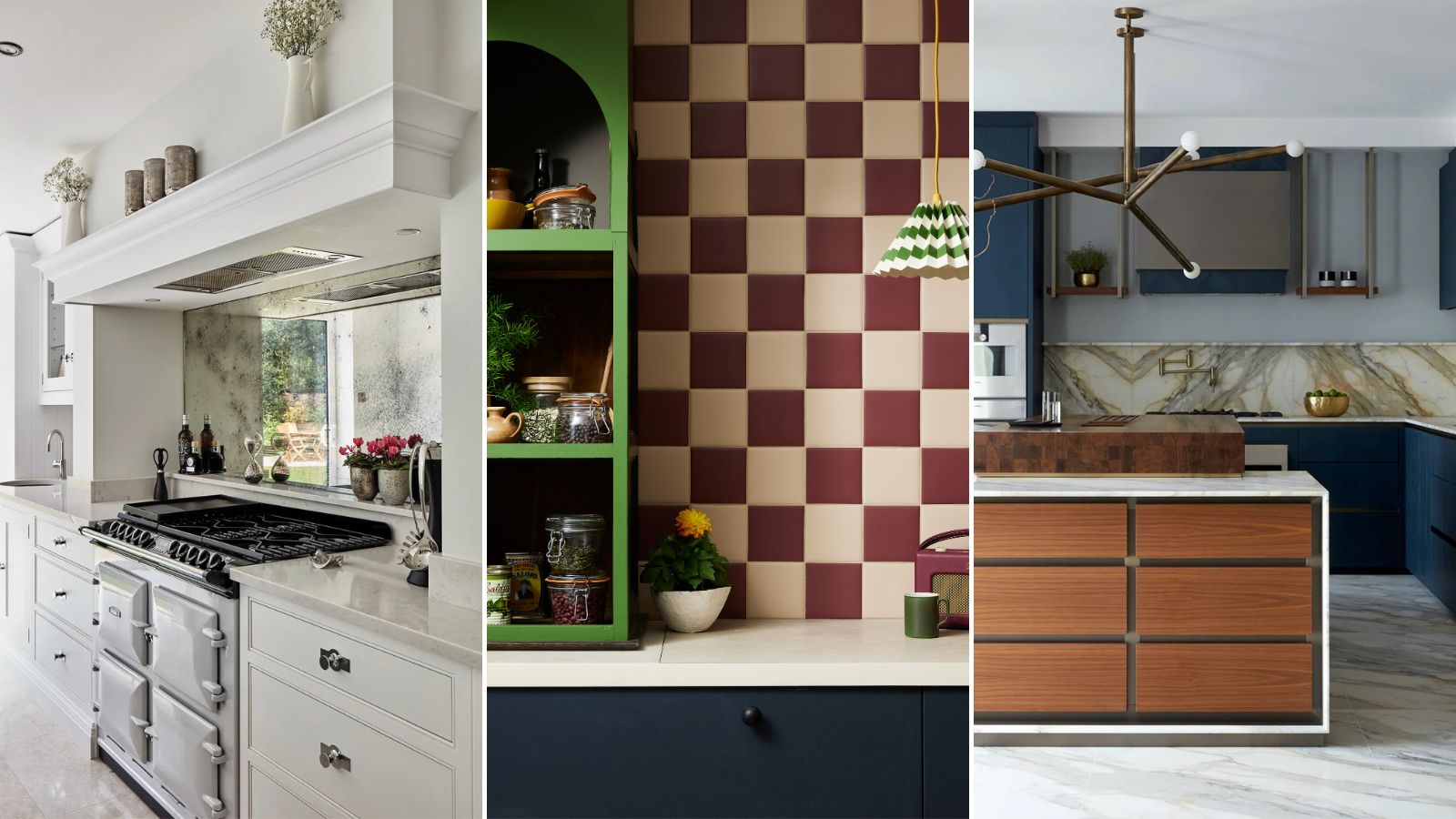
12 beautiful kitchen backsplash ideas that will instantly elevate your space
Why Half Backsplashes Are Taking Over Kitchen Design, According to Experts

Ditch These Dated Backsplash Trends For Timeless Alternatives

Quirky Kitchen Backsplash Designs Are Making A Comeback. Here Are Our 12 Favorite Options
12 colorful kitchen backsplash ideas

Mosaic Backsplashes: How To Make This Evolving Trend Work In Your Kitchen