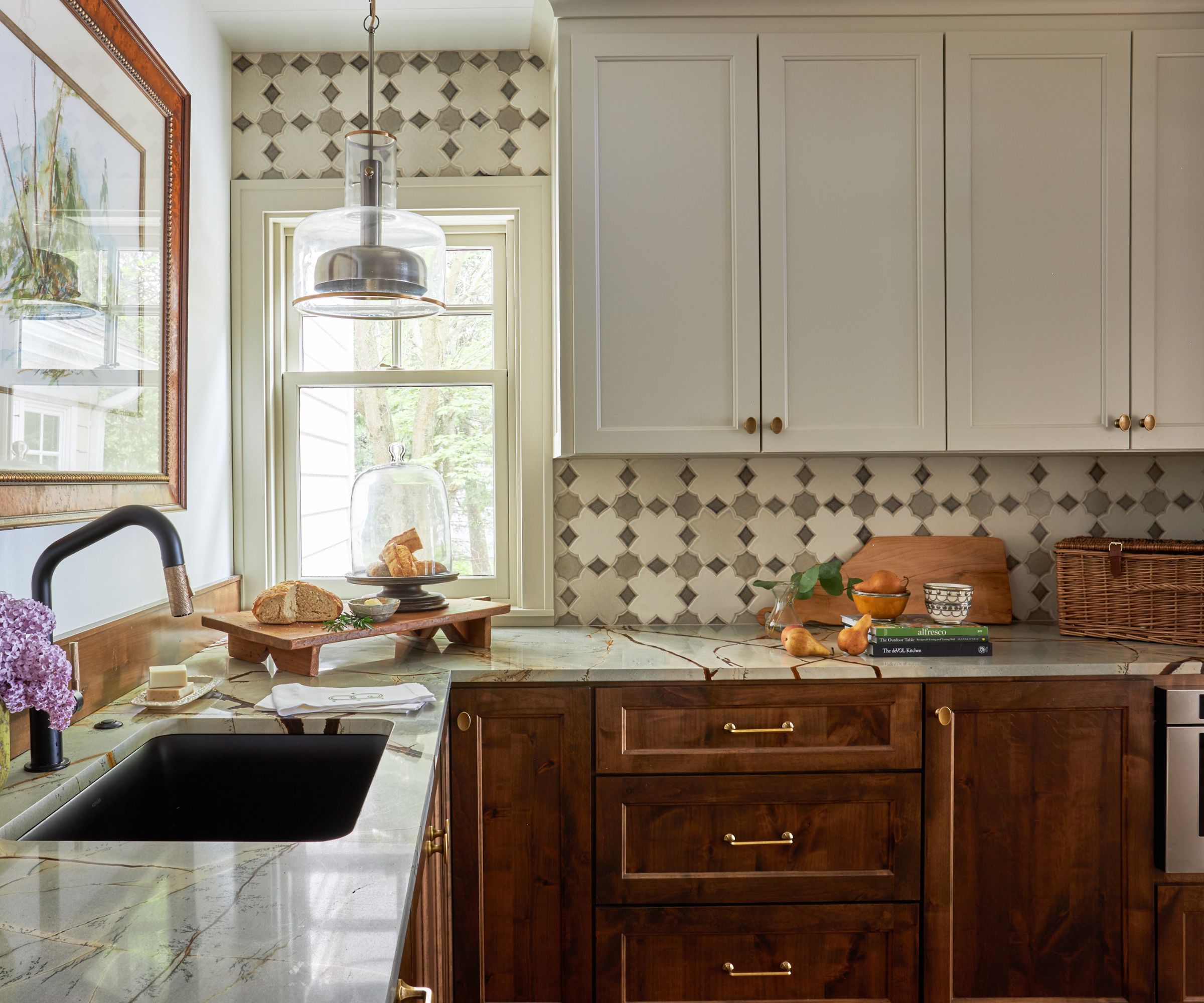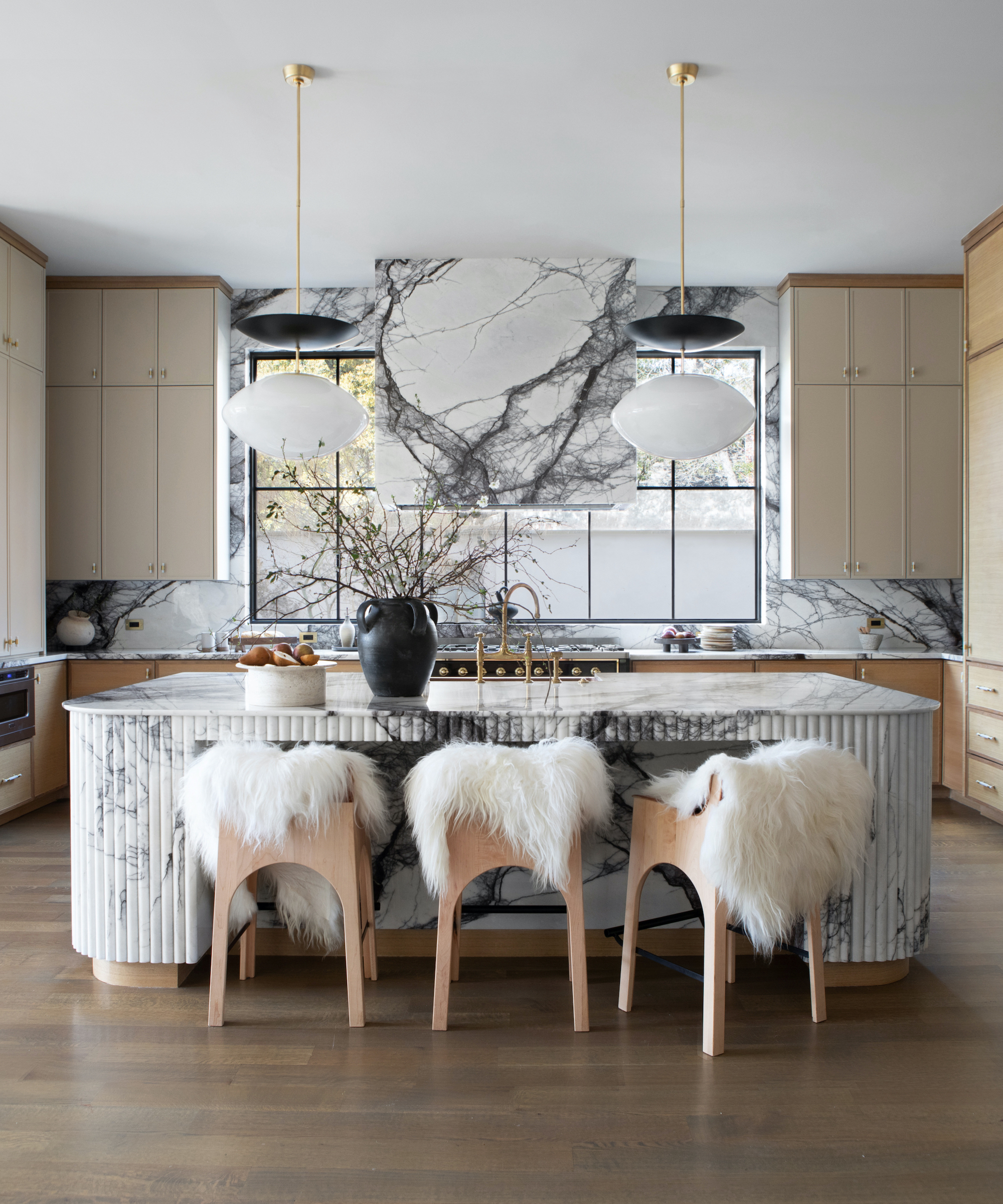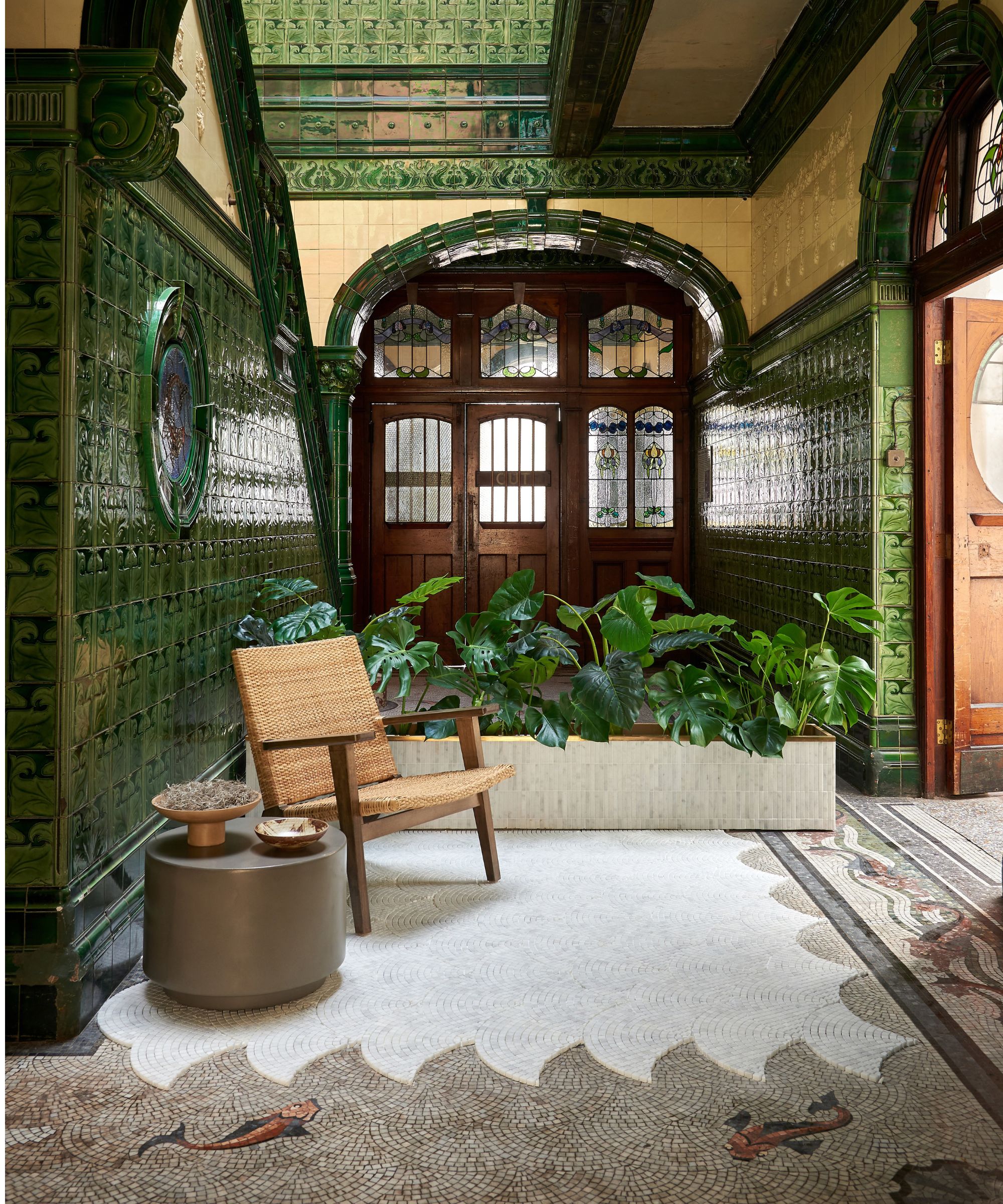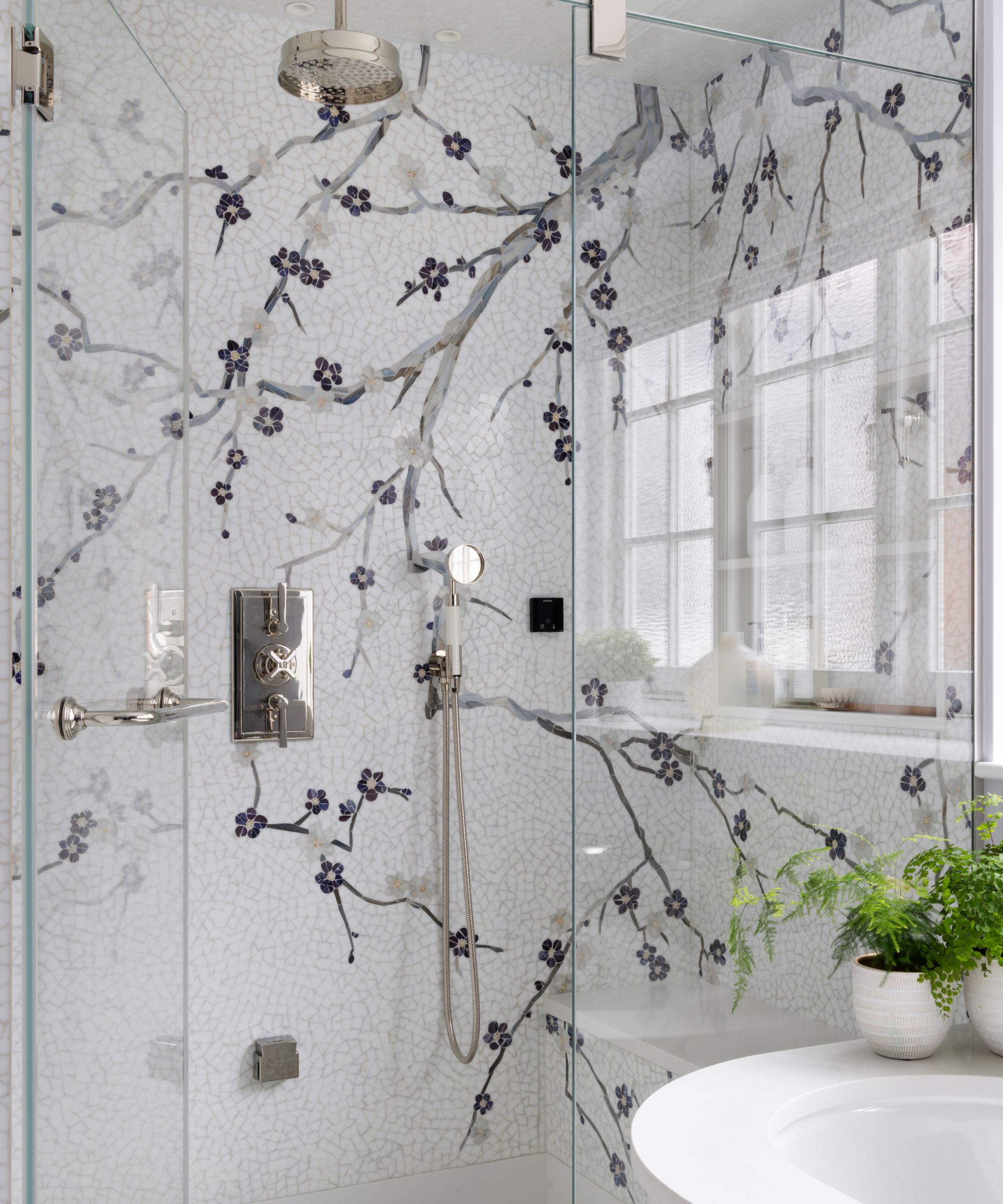
The Pros And Cons Of Glass Mosaic And Natural Stone Backsplashes
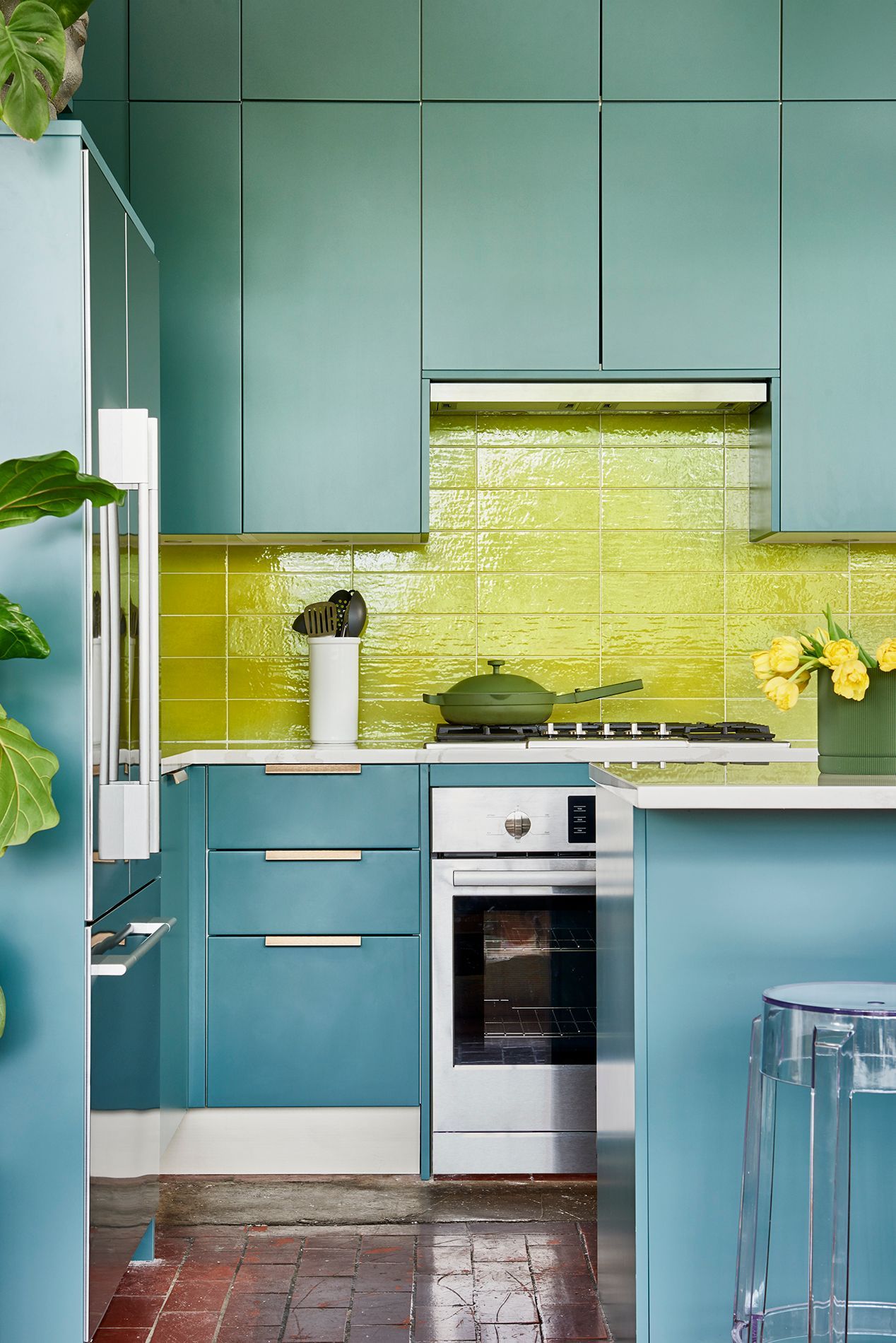
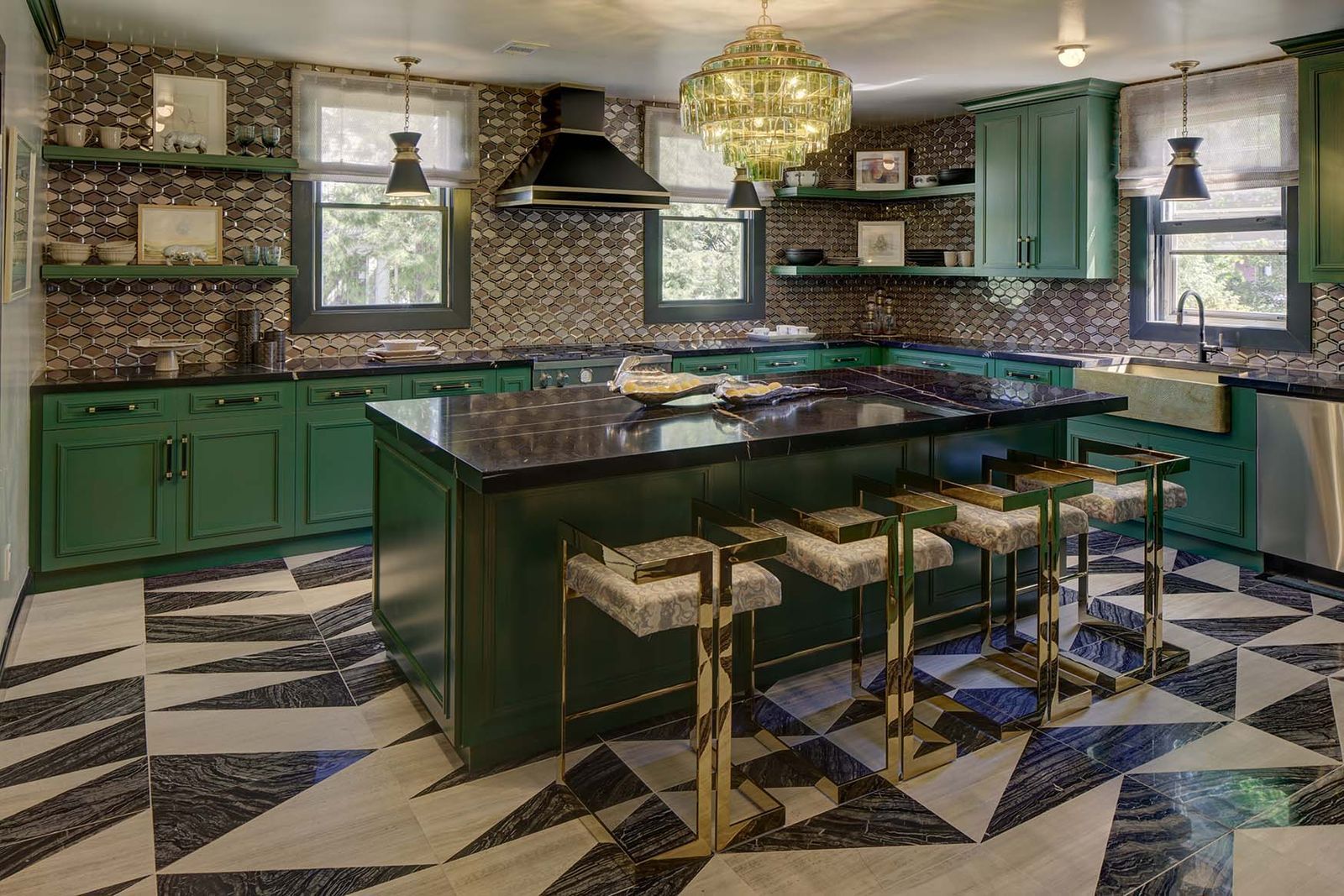
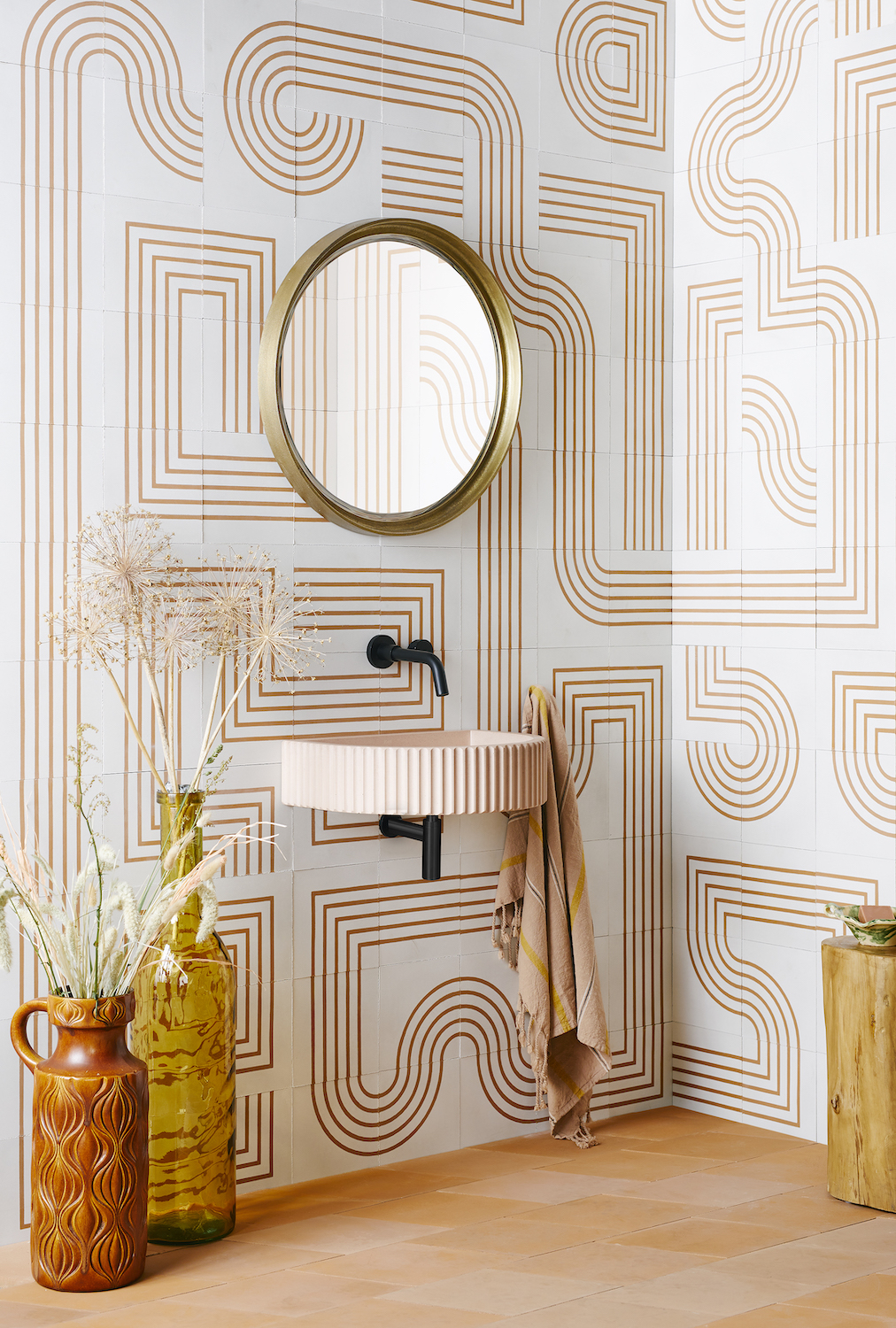
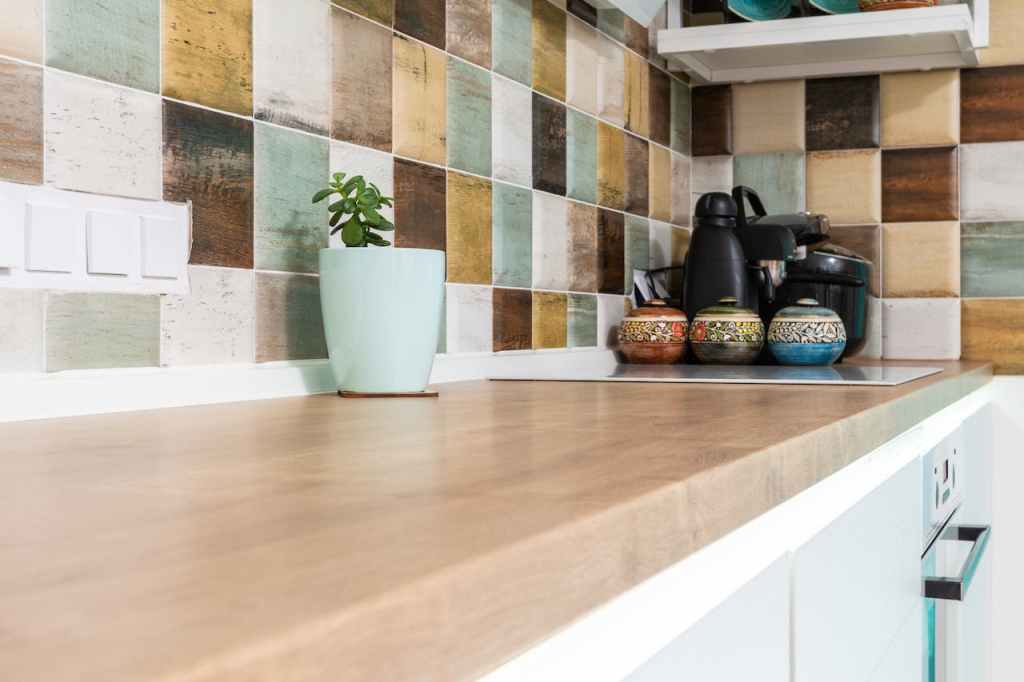
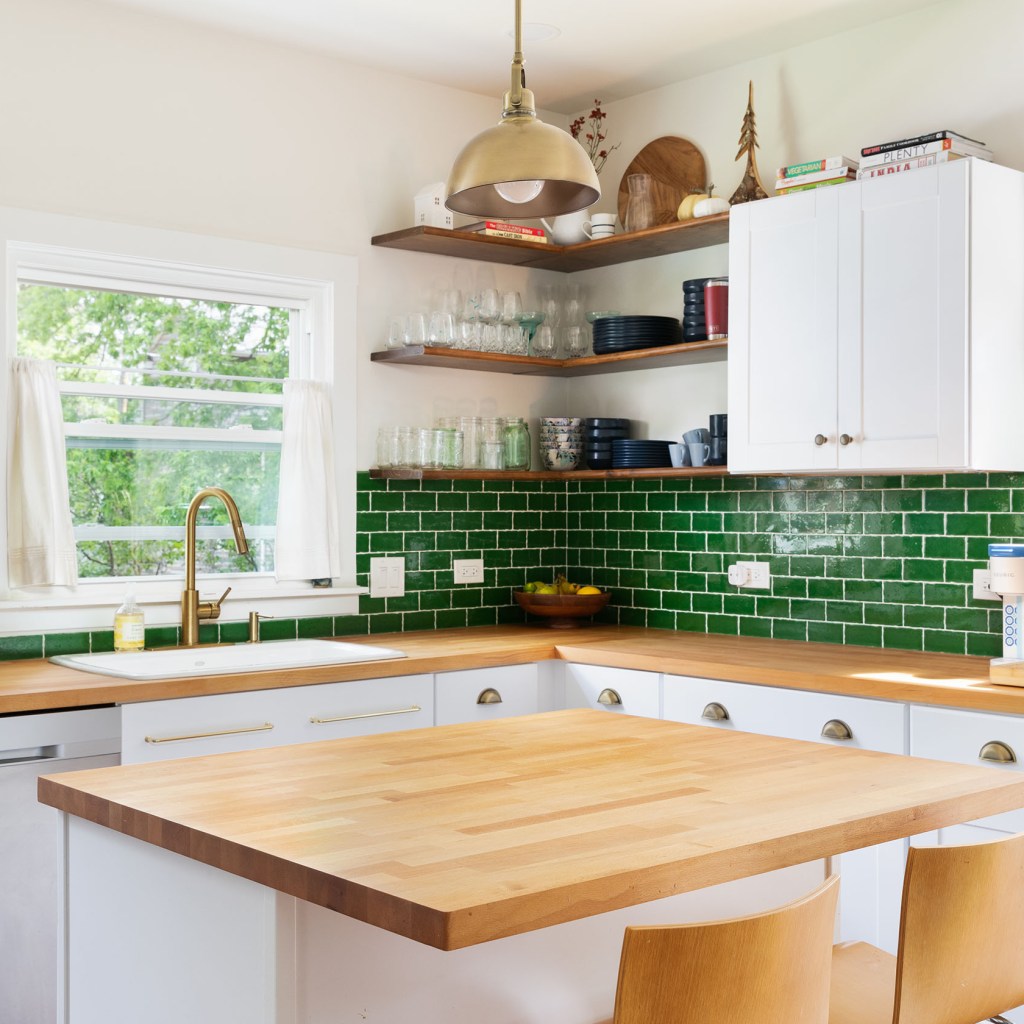
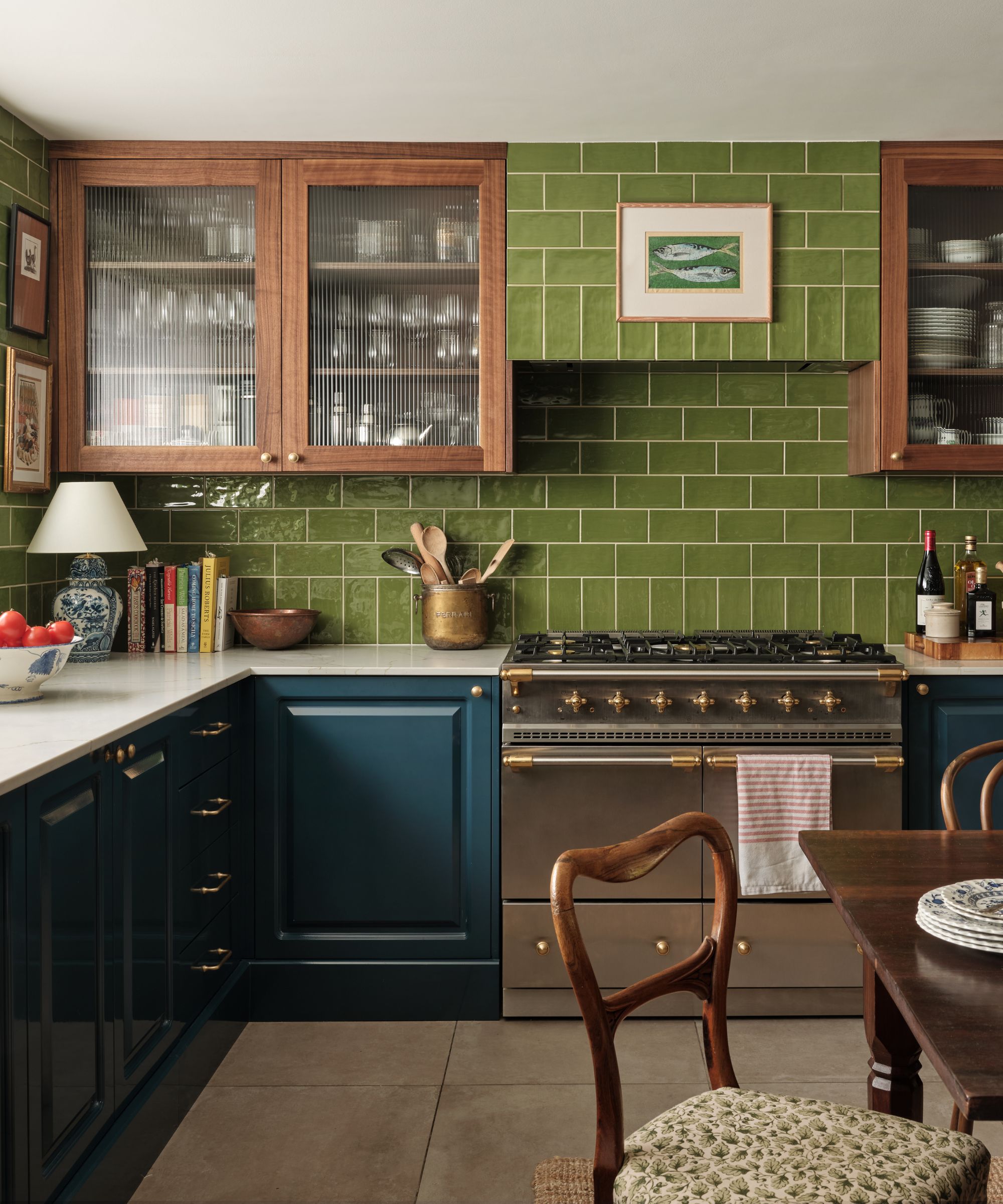
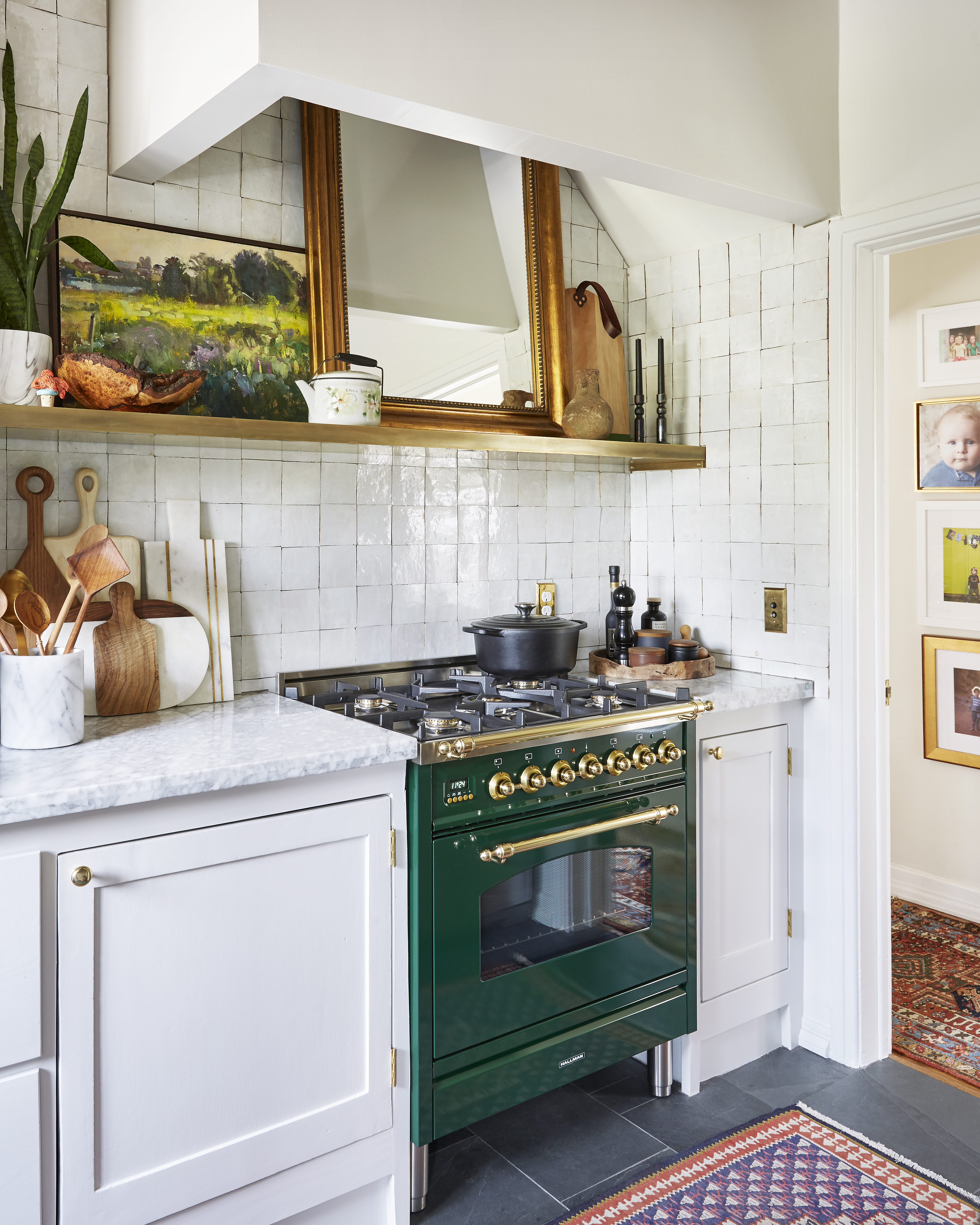
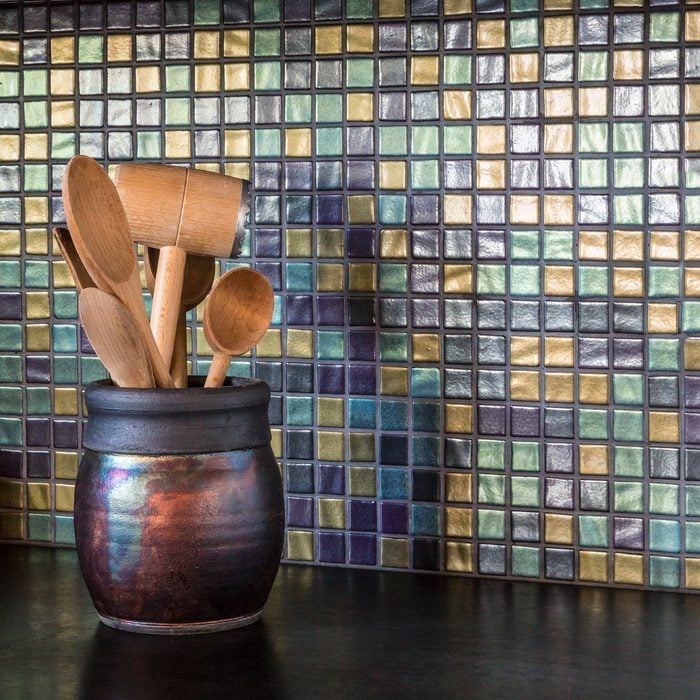
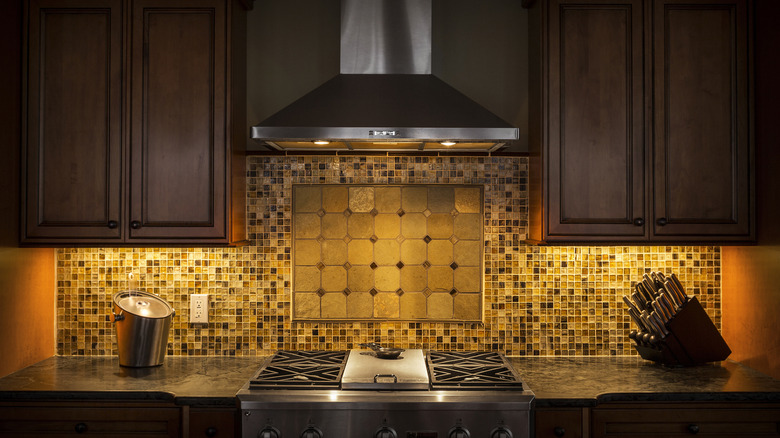
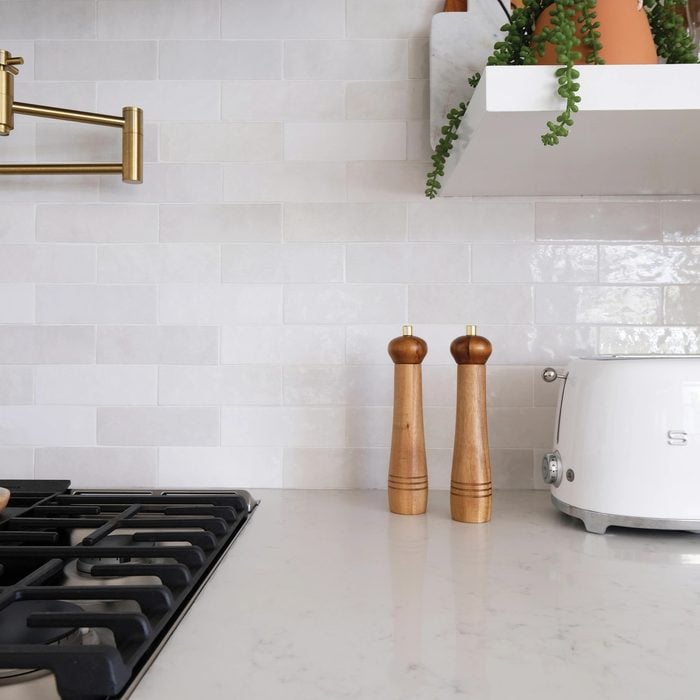
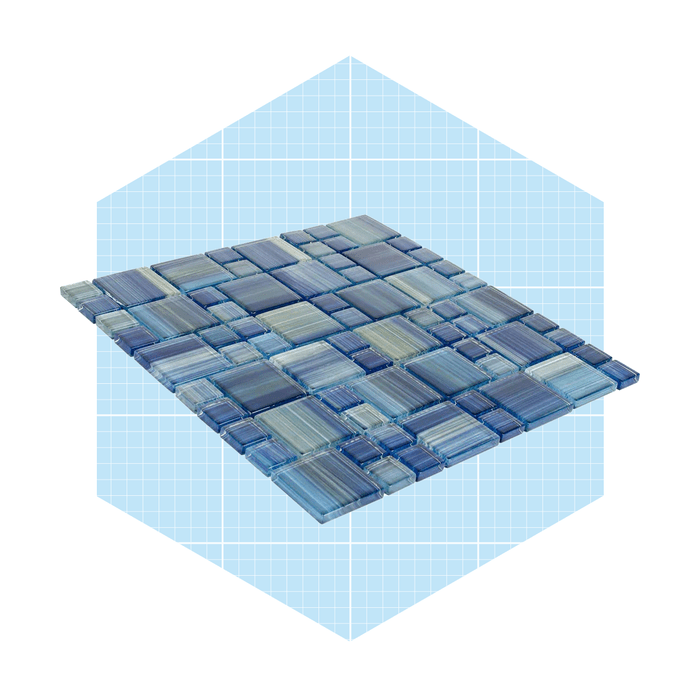
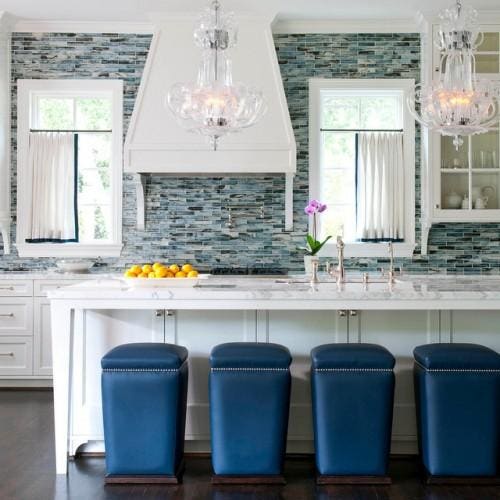
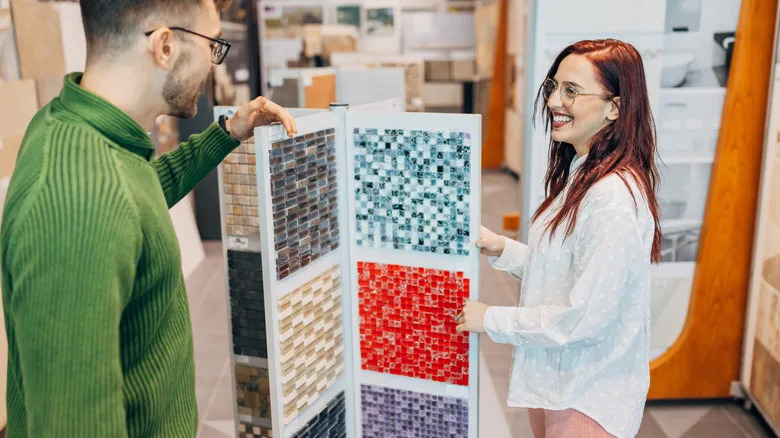
Selecting the right backsplash material for a kitchen or bathroom involves considering both aesthetic appeal and practical functionality. Glass mosaic tiles offer a unique set of advantages, primarily their versatility in color and finish. Available in an extensive palette, glass mosaics can be found in transparent, frosted, iridescent, and metallic varieties, allowing for highly customized designs. Their reflective quality is another significant benefit, as they bounce light around the room, making smaller spaces appear larger and brighter. This luminosity can transform an ordinary kitchen into a vibrant and inviting area. Furthermore, glass mosaic tiles are non-porous, making them exceptionally resistant to stains, mold, and mildew, which is a crucial attribute for kitchen and bathroom environments prone to spills and moisture. Cleaning these tiles is straightforward, typically requiring only a wipe-down with a damp cloth.
However, glass mosaic backsplashes also present certain drawbacks. The primary concern for many homeowners is their cost, as they tend to be more expensive per square foot compared to other common backsplash materials. The installation process is also more complex and time-consuming. Glass tiles are delicate and can chip or scratch easily during cutting and handling, demanding a meticulous approach from installers. The grout lines, while necessary for installation, can accumulate dirt and grime over time, potentially detracting from the tiles' pristine appearance. Moreover, some designers caution against using highly reflective glass tiles in kitchens with busy patterns or numerous appliances, as the reflections can create visual clutter and an overwhelming effect.
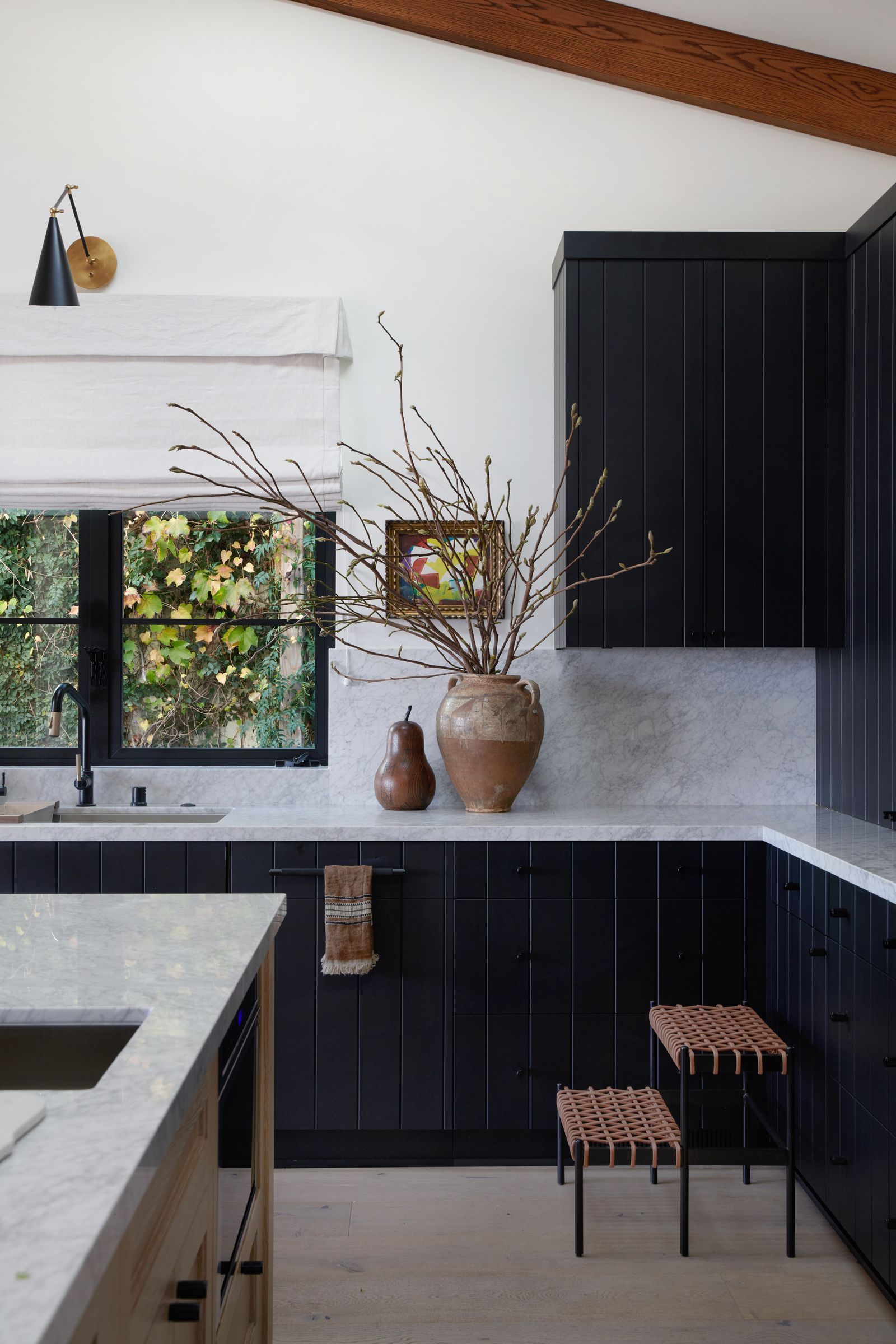
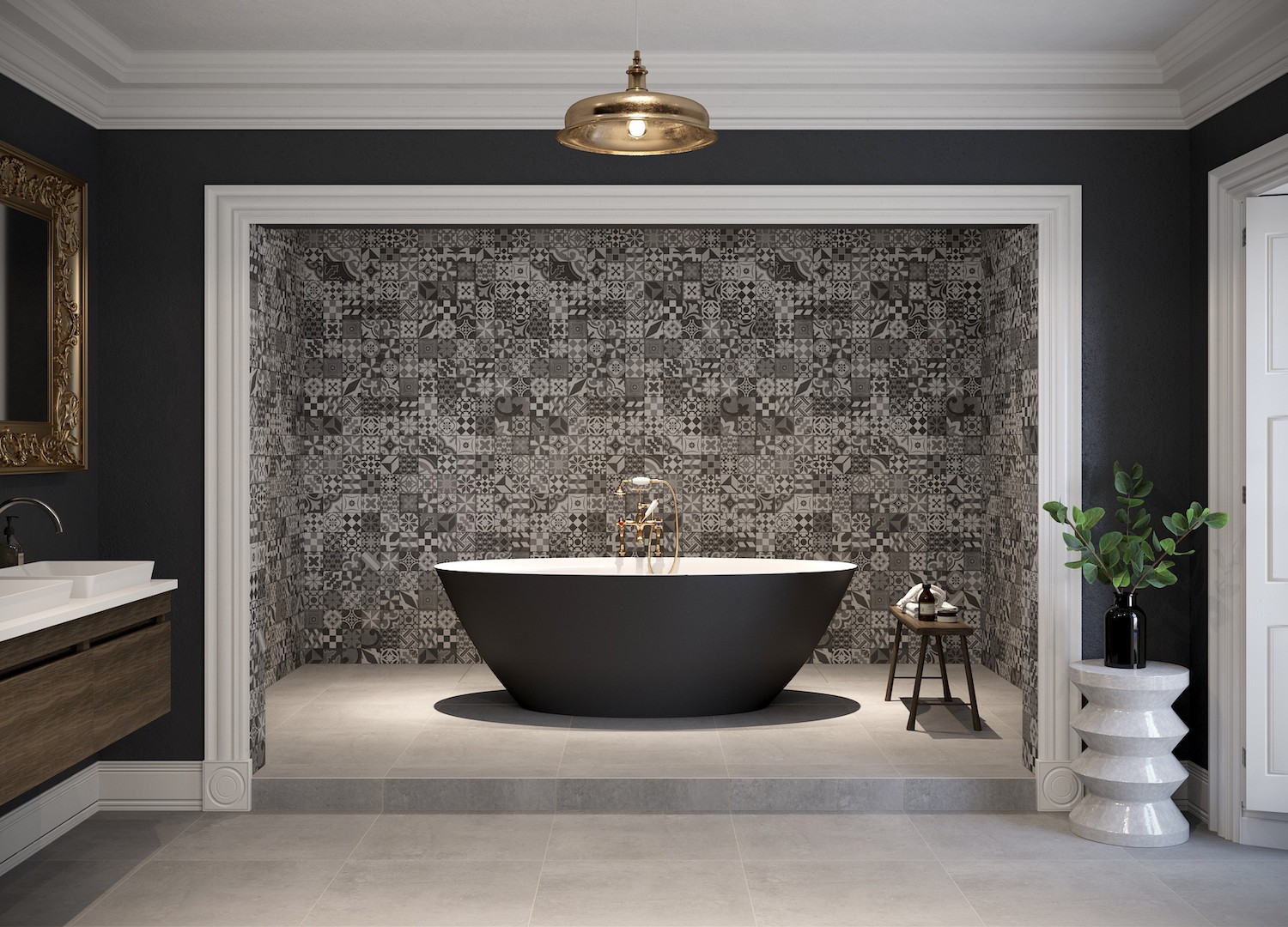
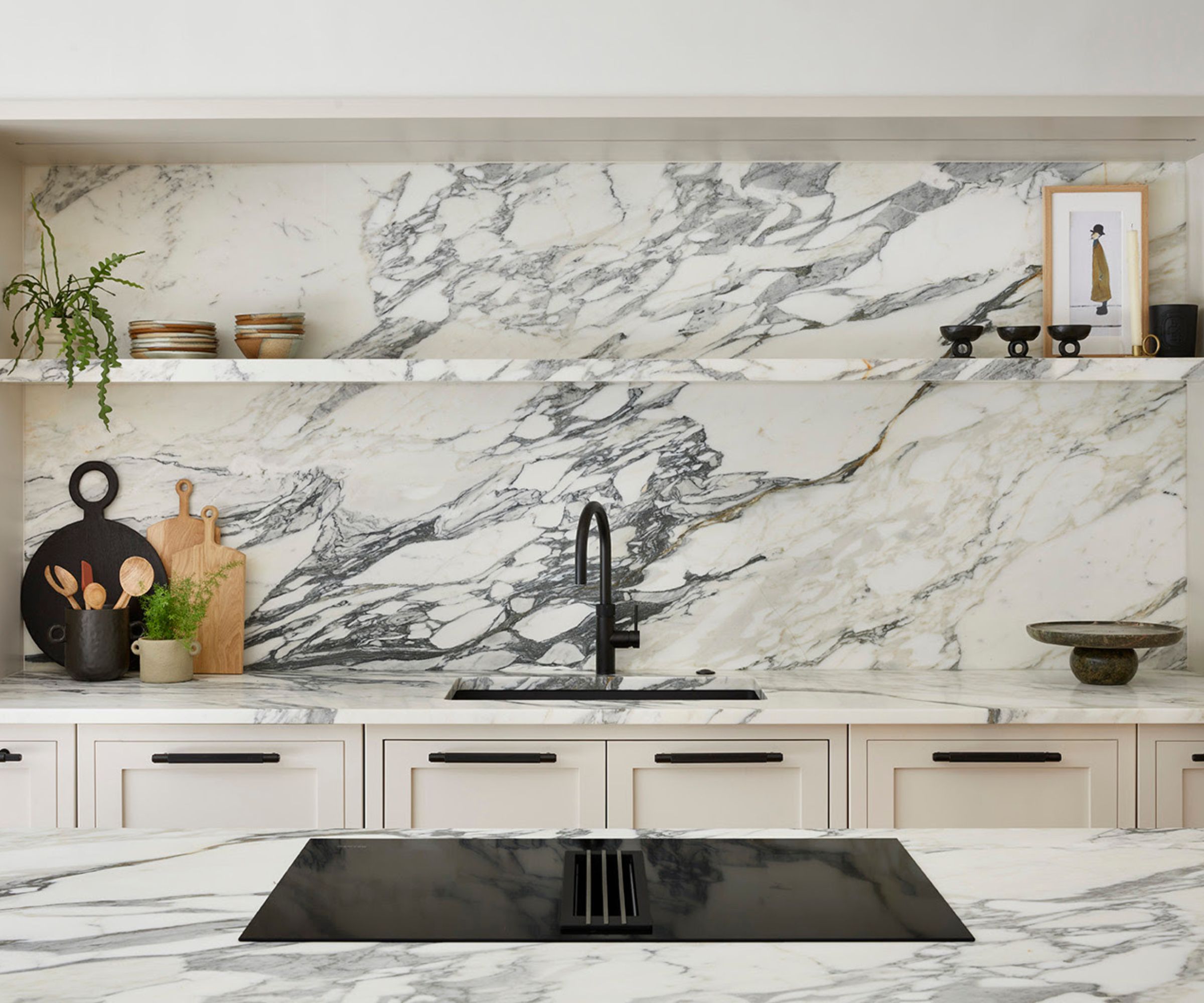
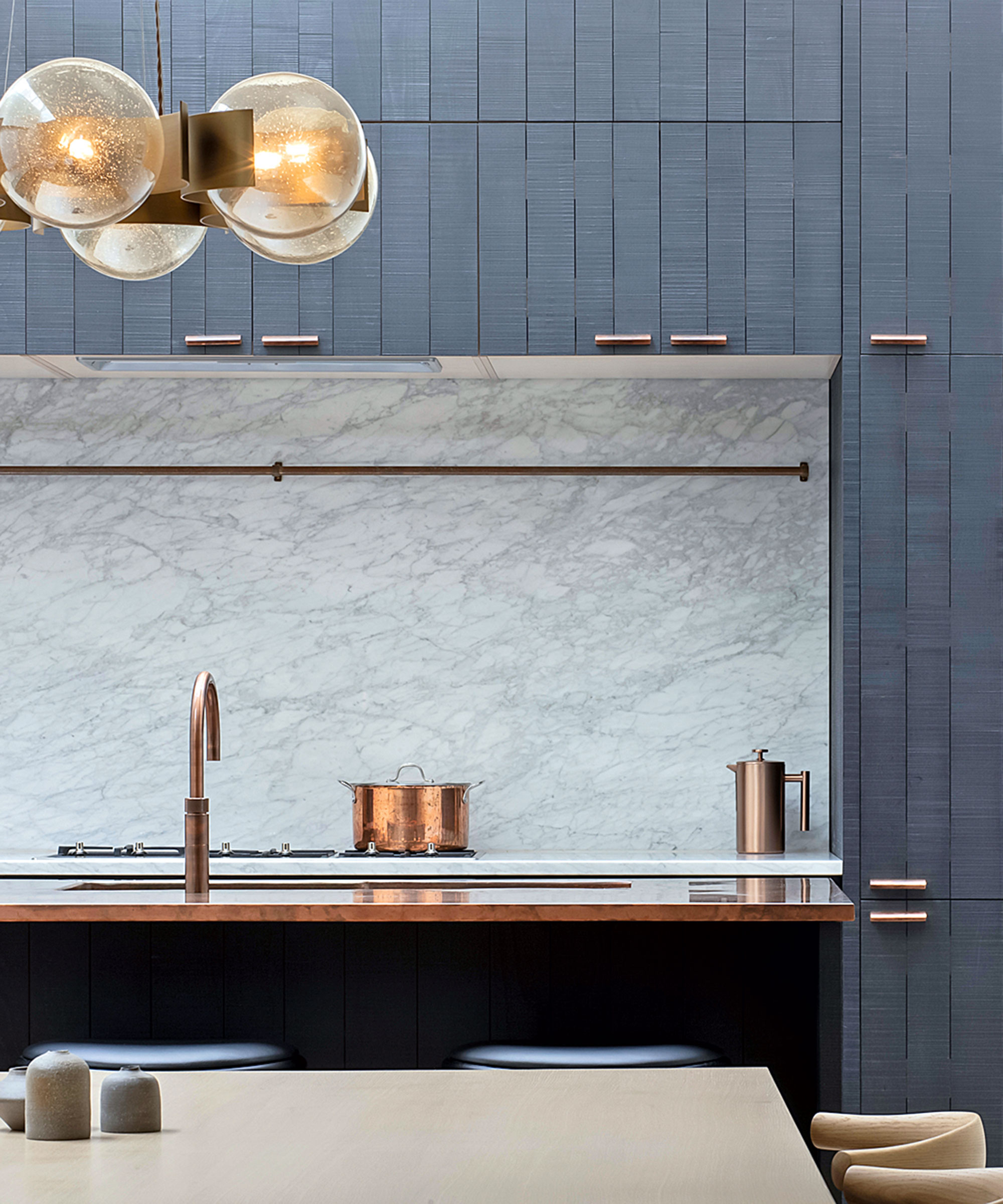
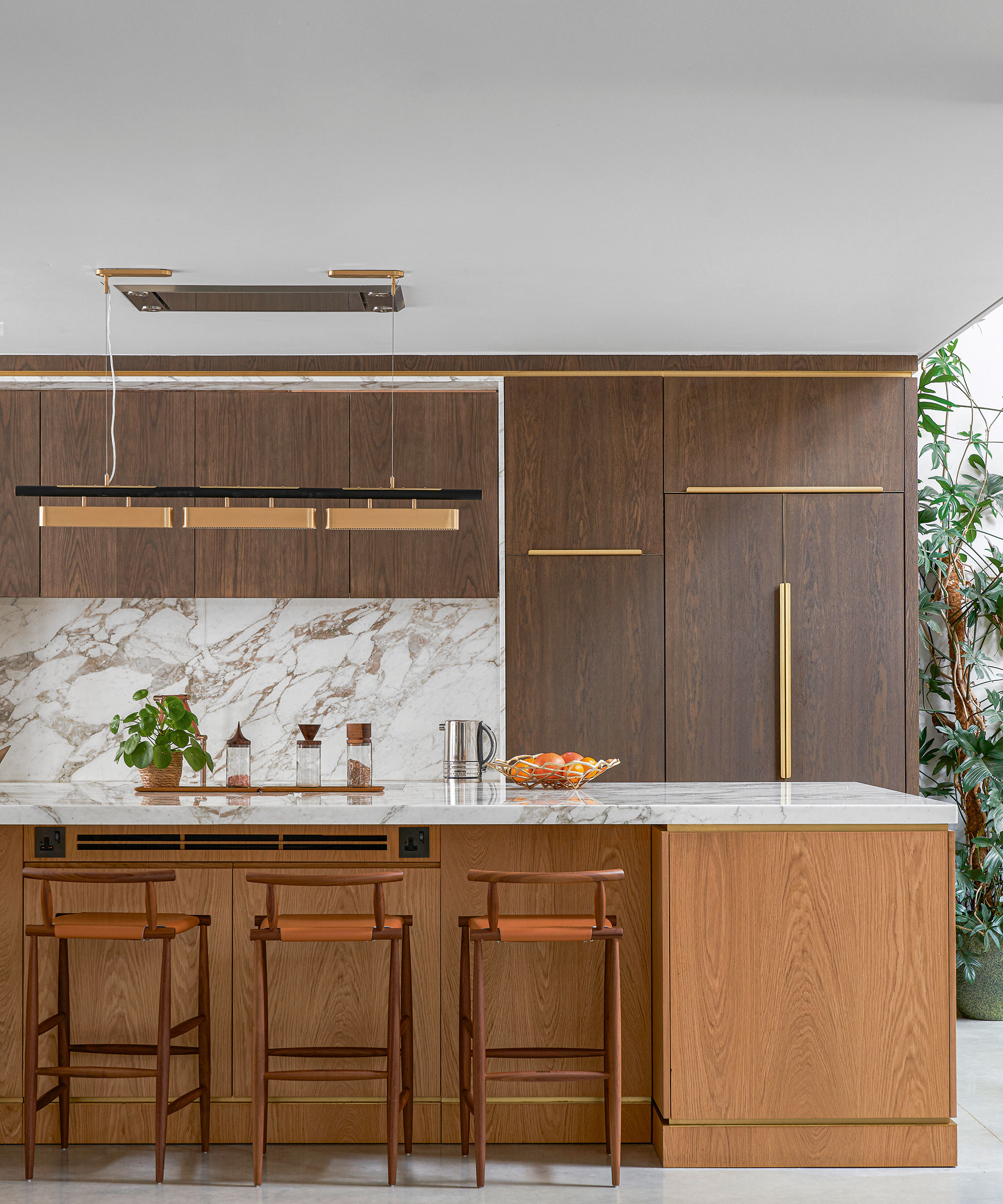
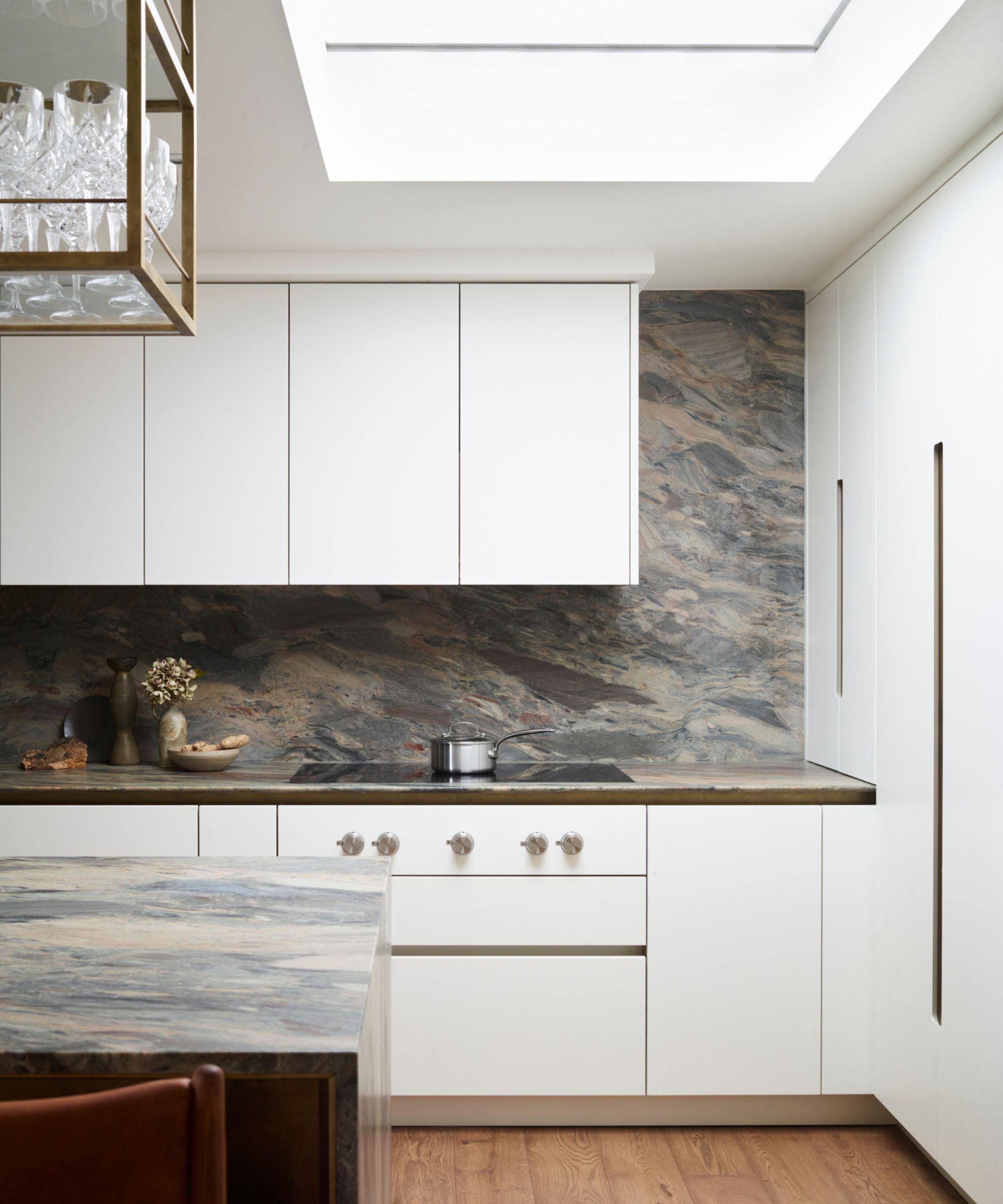
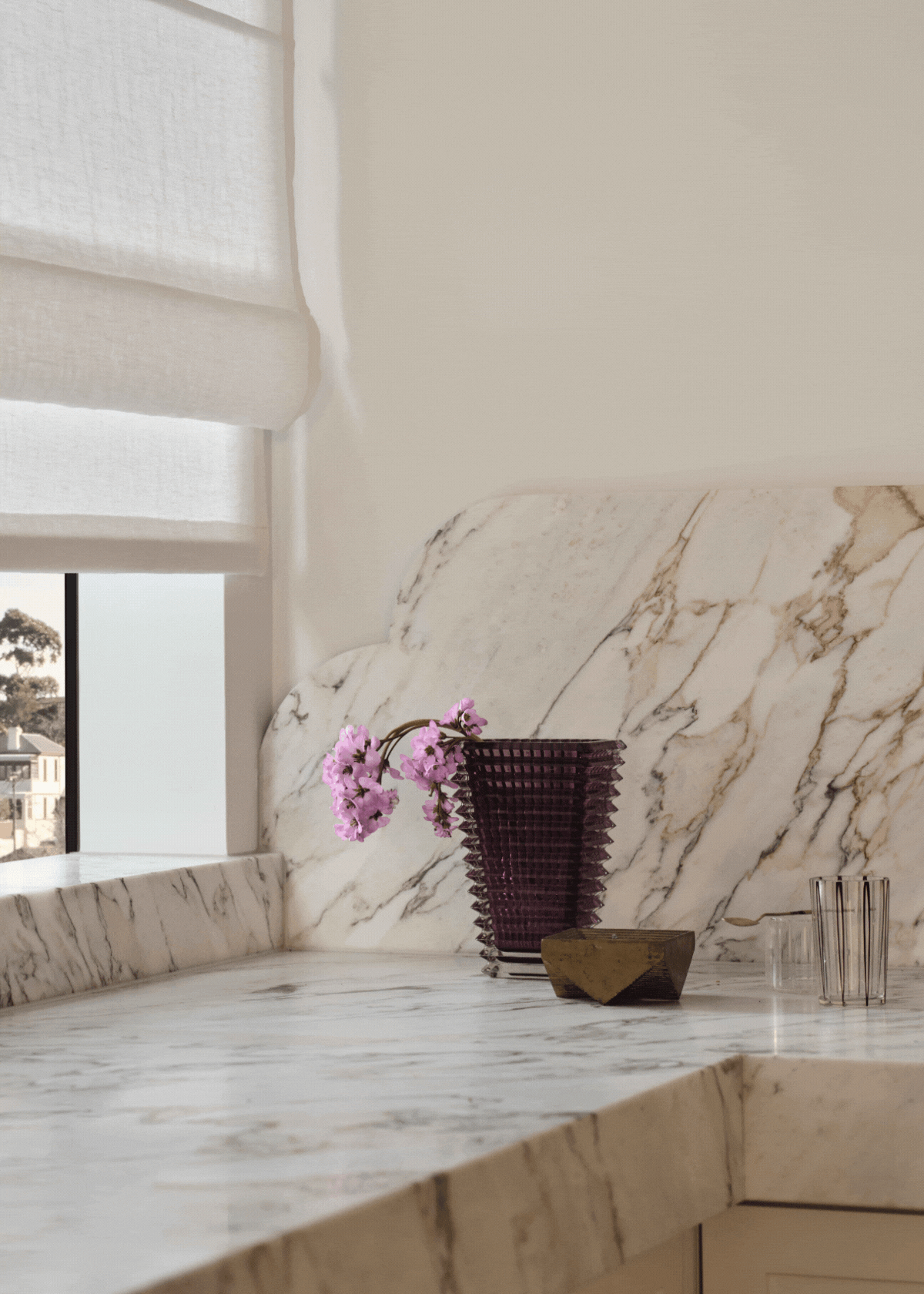
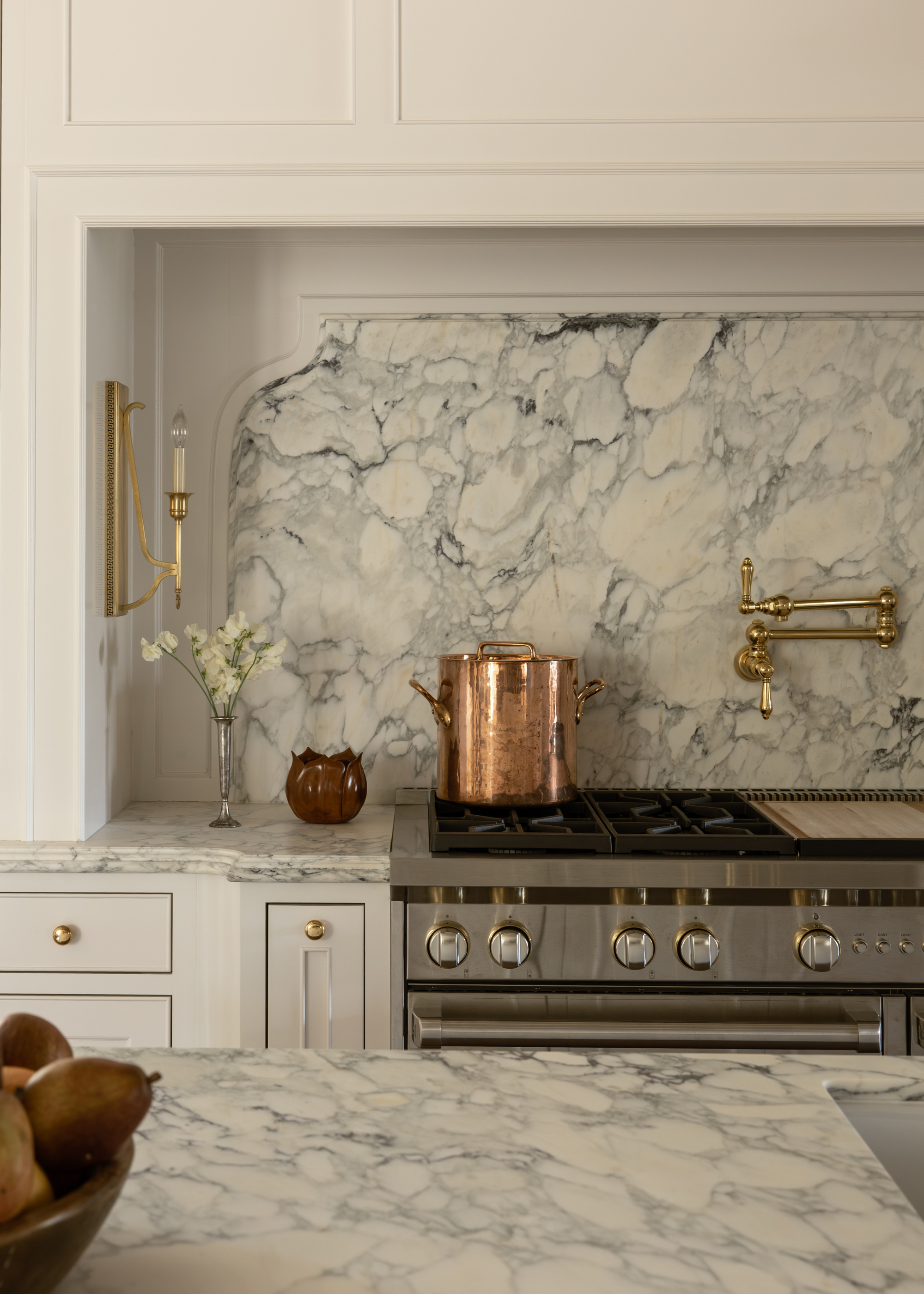
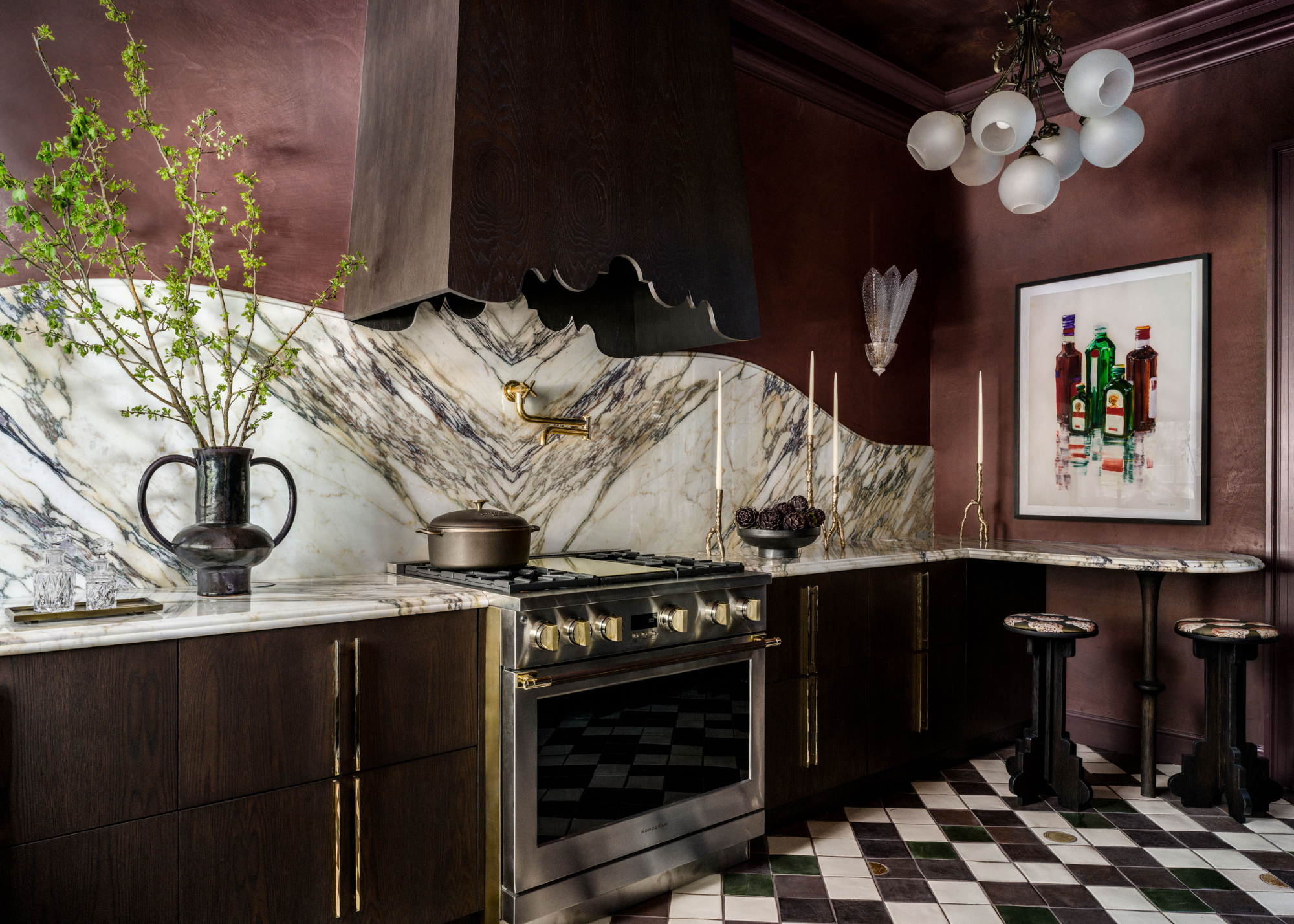
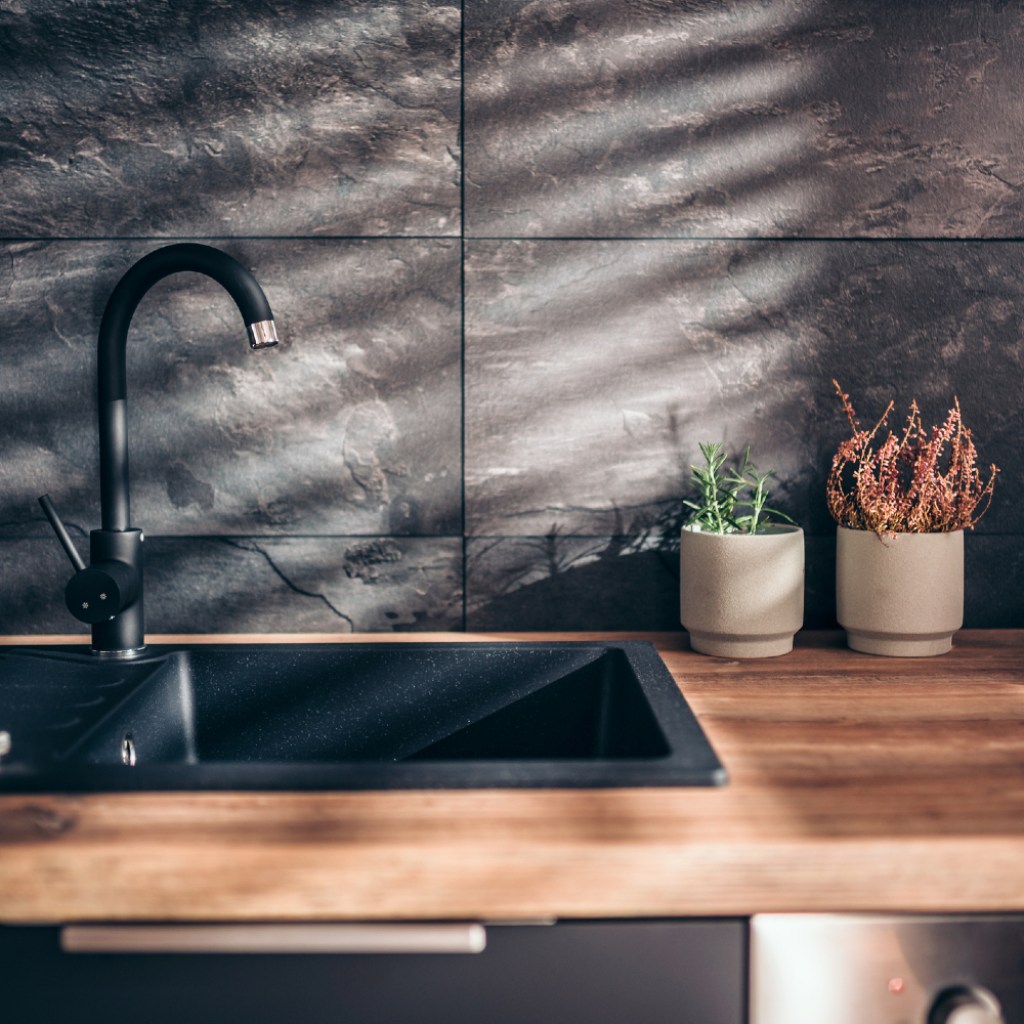
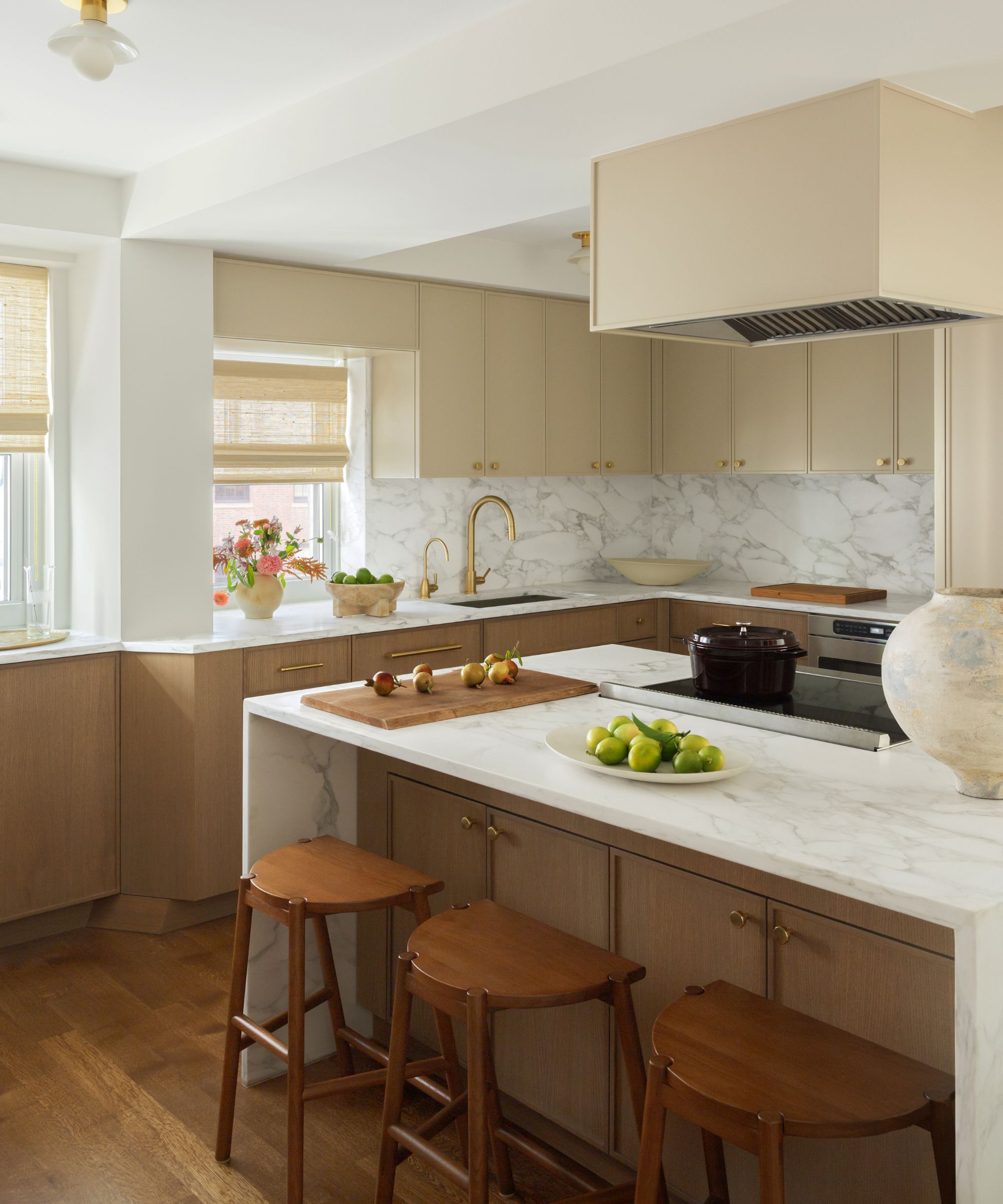
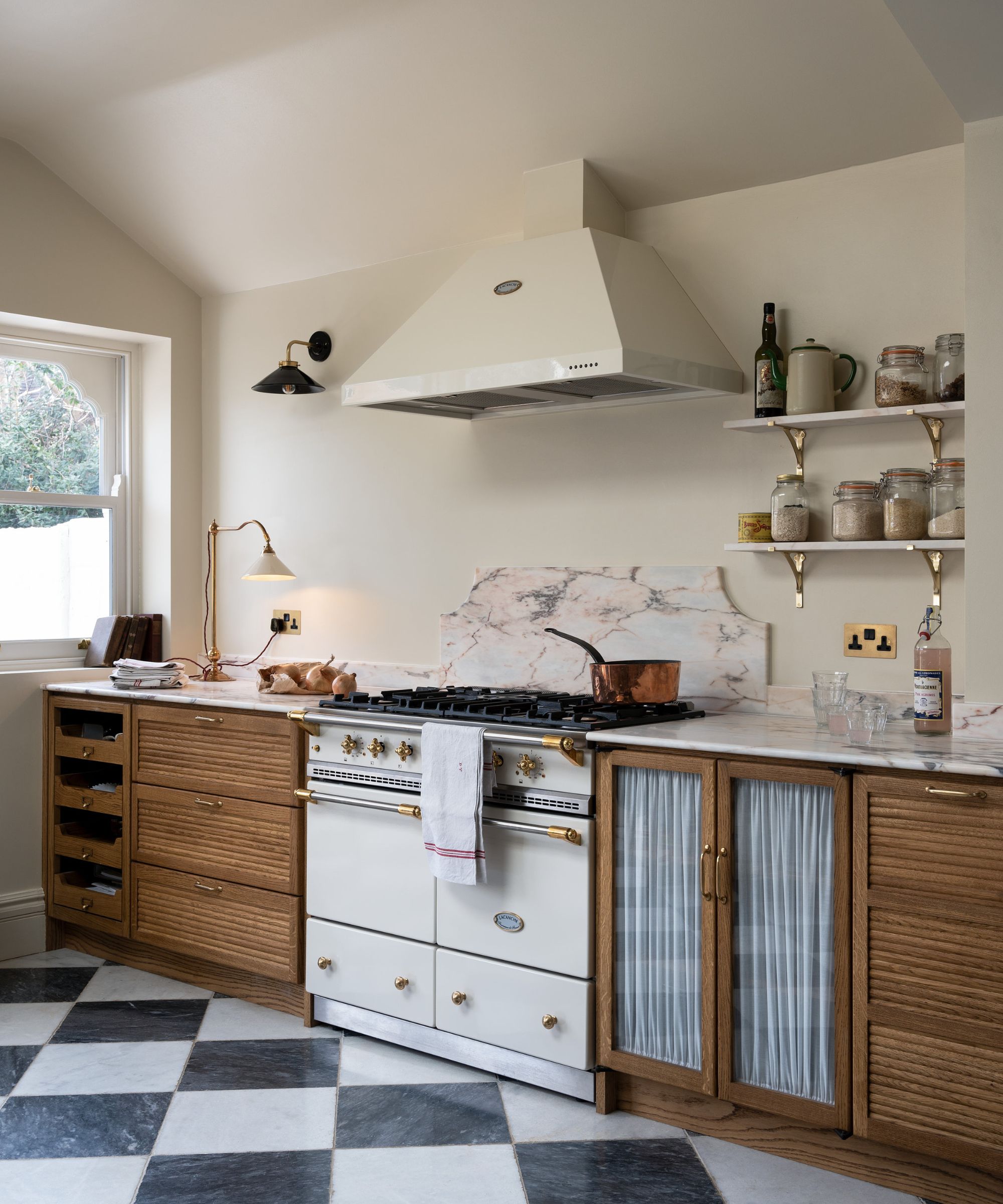
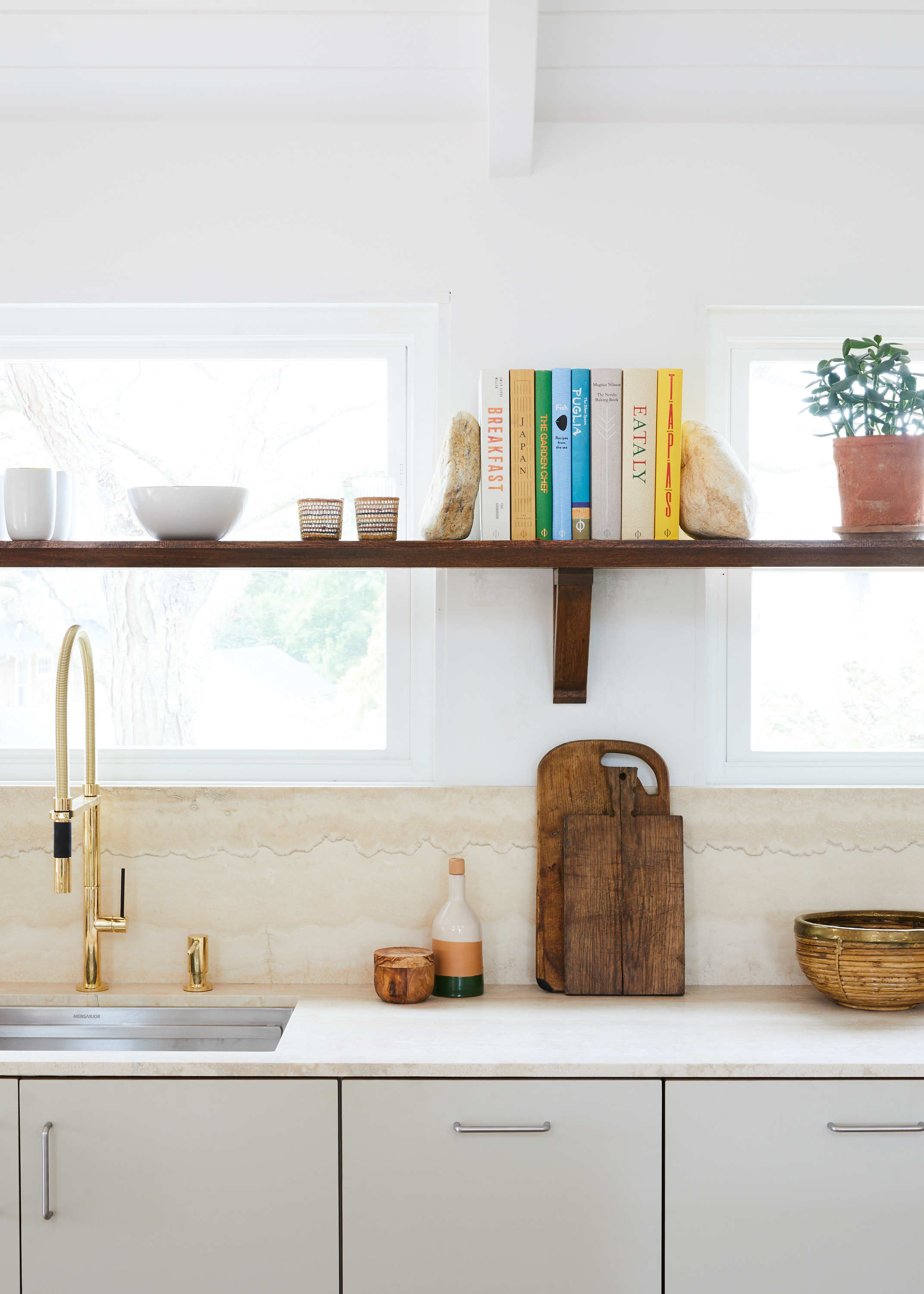
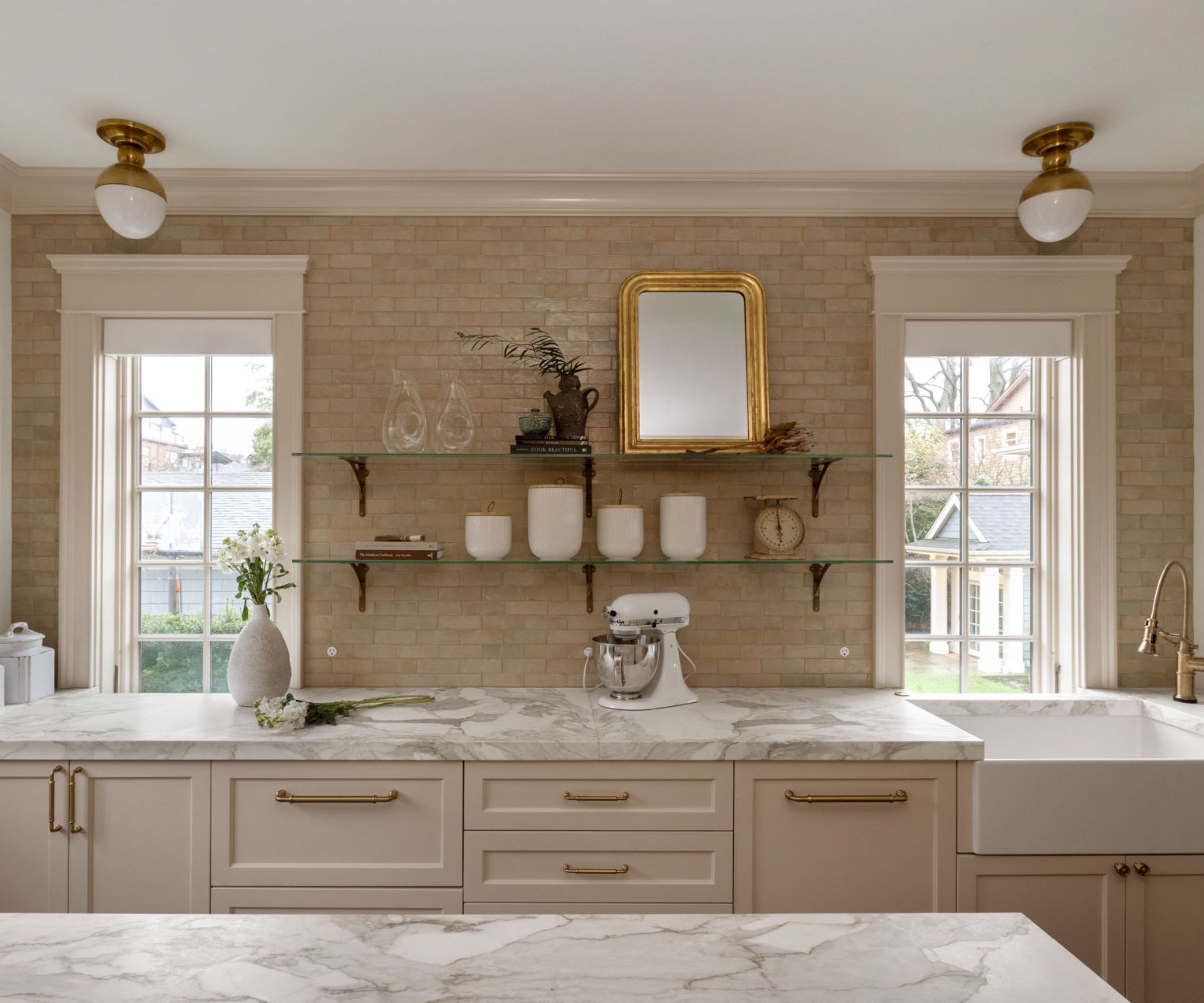
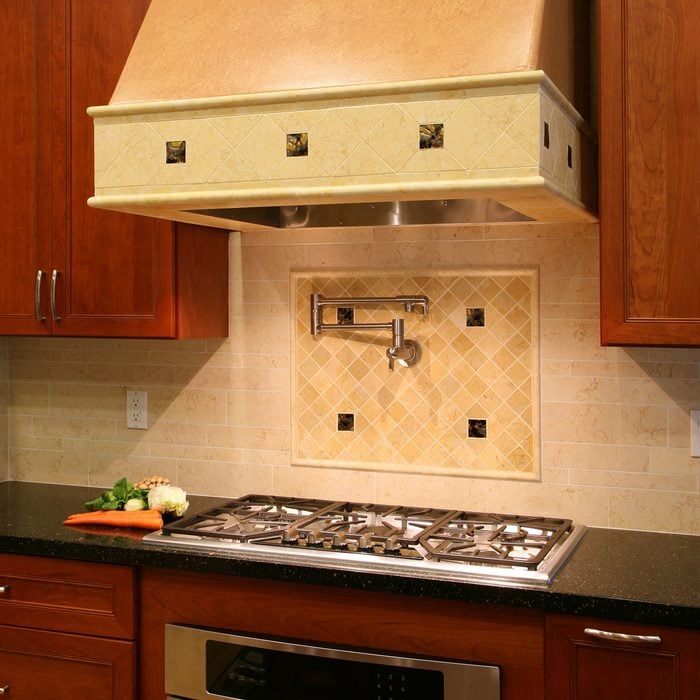
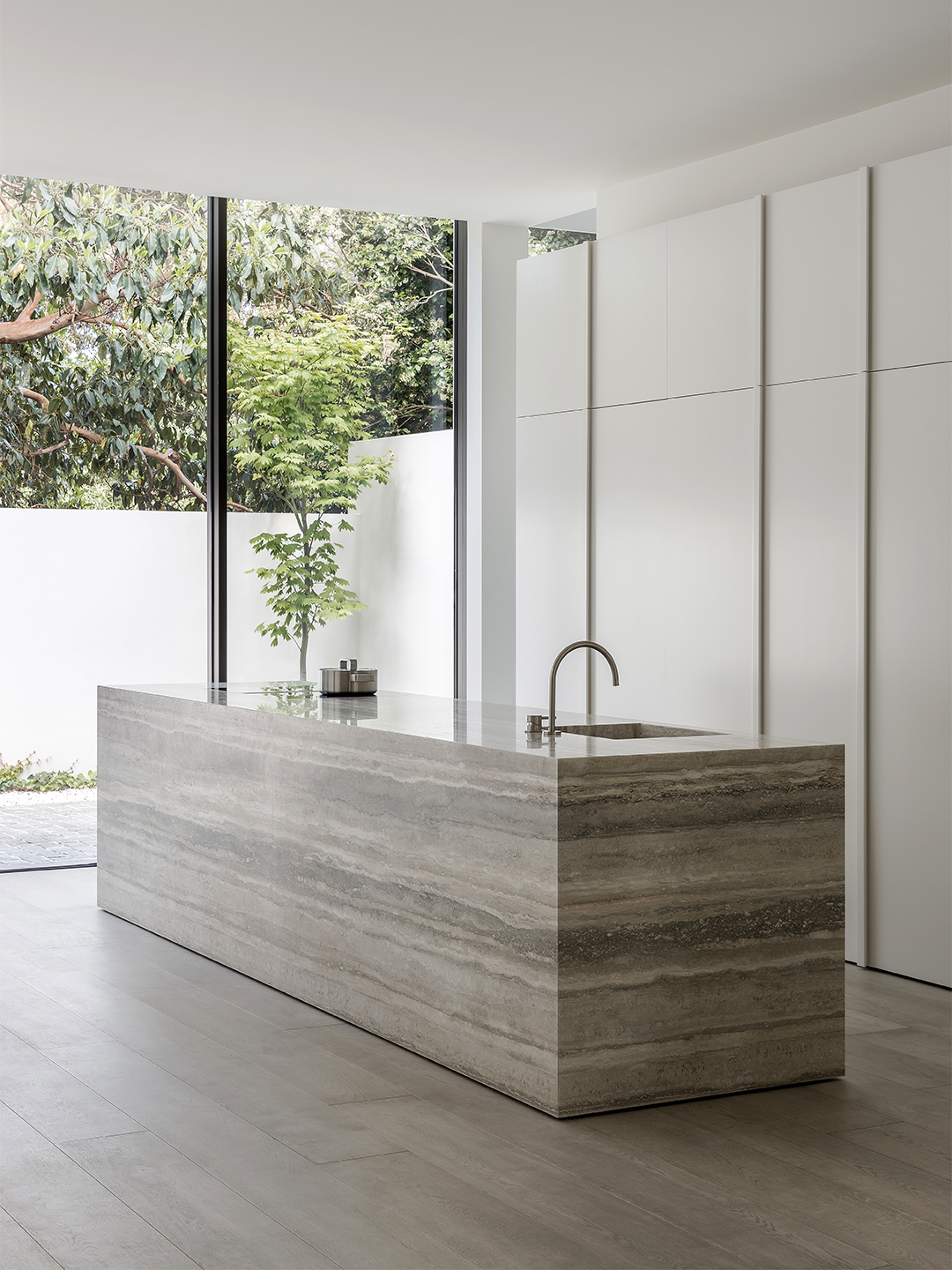
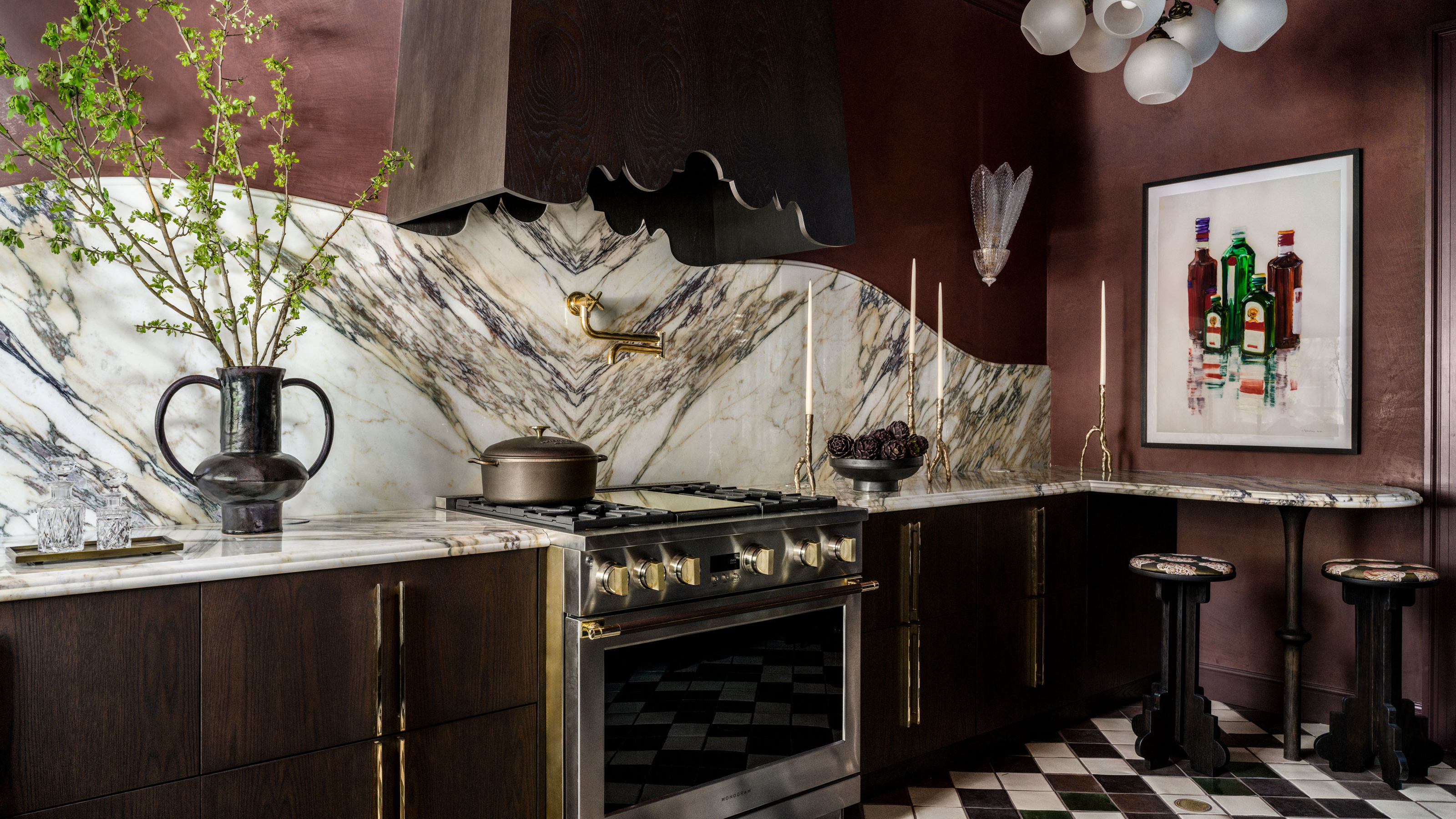
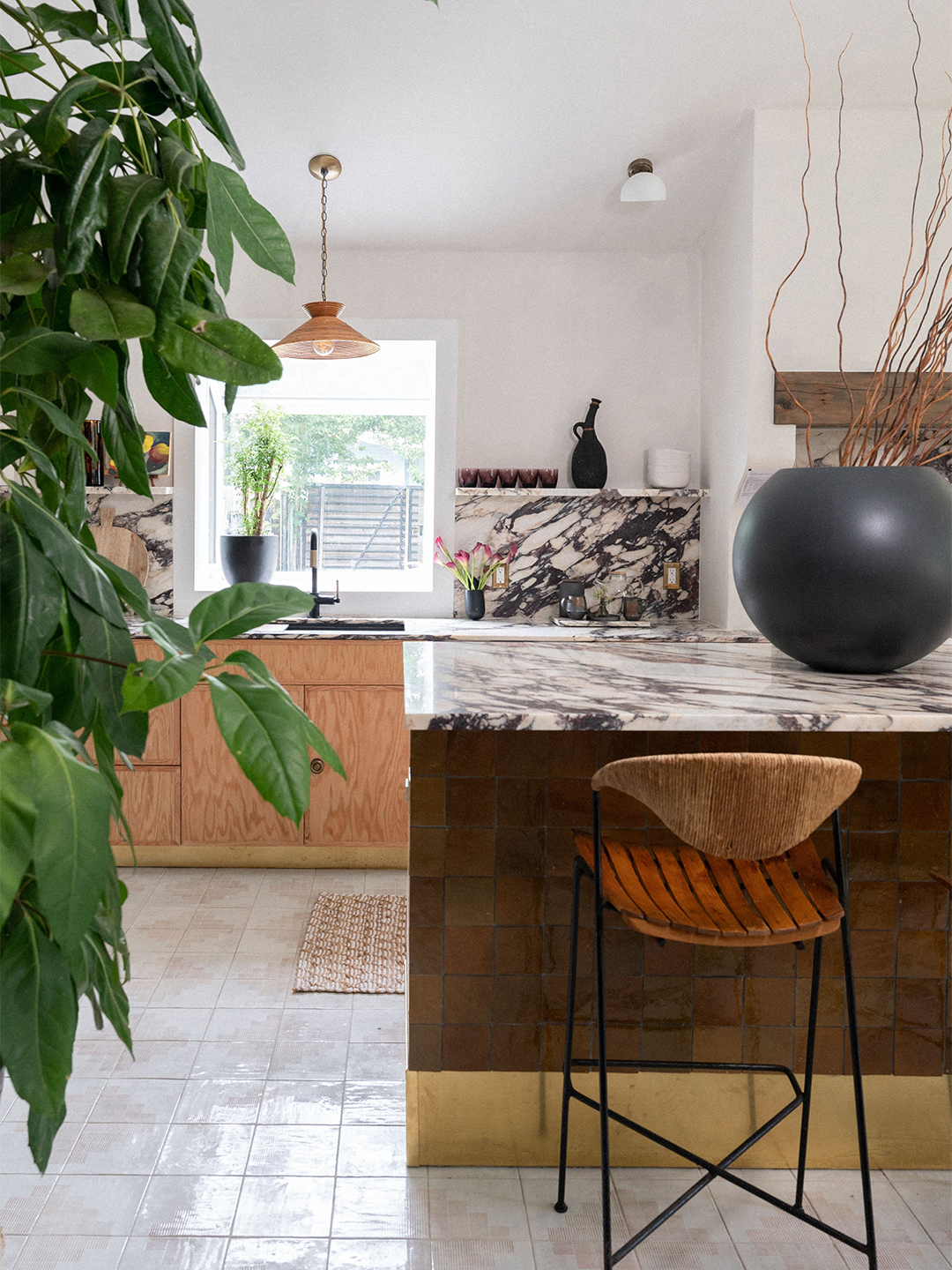
Natural stone backsplashes, such as marble, granite, travertine, and slate, offer a distinct set of characteristics. Their main advantage lies in their timeless beauty and unique natural patterns. Each piece of natural stone is one-of-a-kind, bringing an organic and luxurious feel to any space. The earthy tones and textures inherent in natural stone create a warm and inviting ambiance that can complement various design styles, from rustic to contemporary. Natural stone is also incredibly durable and can withstand significant wear and tear, making it a long-lasting investment. The perceived value of natural stone can also increase a home's resale value, appealing to potential buyers with its sophisticated aesthetic.
On the downside, natural stone backsplashes are generally more expensive than many other options, similar to glass mosaics, both in material cost and installation. They are inherently porous, meaning they are susceptible to staining from oils, acids, and other common kitchen substances. To prevent this, natural stone requires regular sealing, typically once or twice a year, which adds to the maintenance burden. Without proper sealing, stains can penetrate the stone and become very difficult, if not impossible, to remove. The weight of natural stone can also be a factor during installation, often requiring a reinforced wall structure and specialized adhesives. Additionally, some natural stones, like marble, can be softer and more prone to scratching or etching from acidic substances, necessitating careful use and immediate cleanup of spills. Ultimately, the choice between glass mosaic and natural stone depends on a homeowner's priorities regarding budget, maintenance, aesthetic preferences, and the specific demands of their kitchen or bathroom environment.
#KitchenDesign #BacksplashIdeas #GlassMosaic #NaturalStone #HomeDecor #InteriorDesign #KitchenRenovation #MaterialComparison #KitchenDesign #BacksplashIdeas #GlassMosaic #NaturalStone #HomeDecor #InteriorDesign #KitchenRenovation #MaterialComparison
0 comment in total
 No comments yet
You may also like
5 Bathroom Backsplash Materials Designers Tend to Avoid for Practical Reasons — And What They're Choosing Instead When Renovating

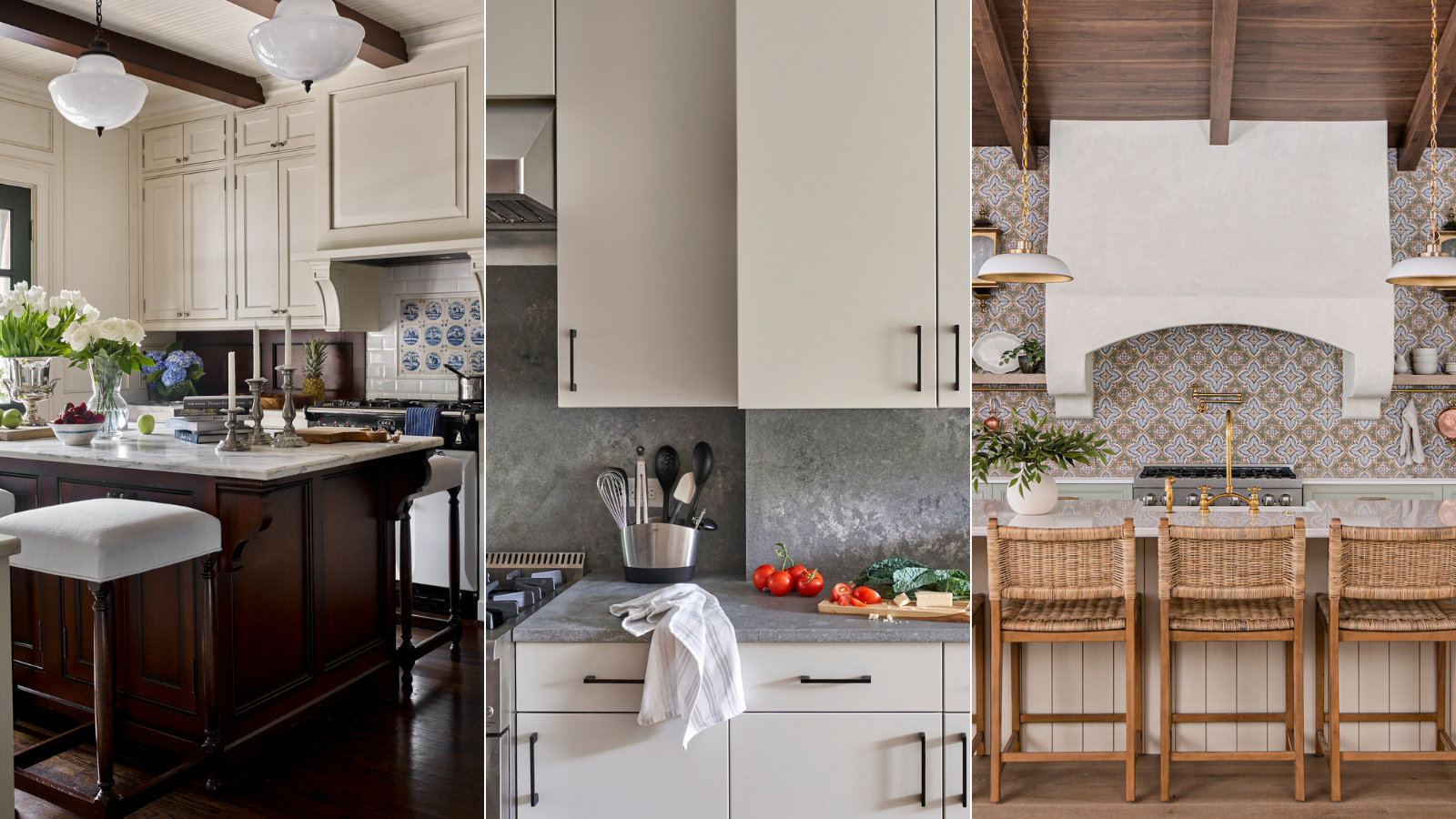
8 kitchen backsplash mistakes to always avoid, according to interior designers

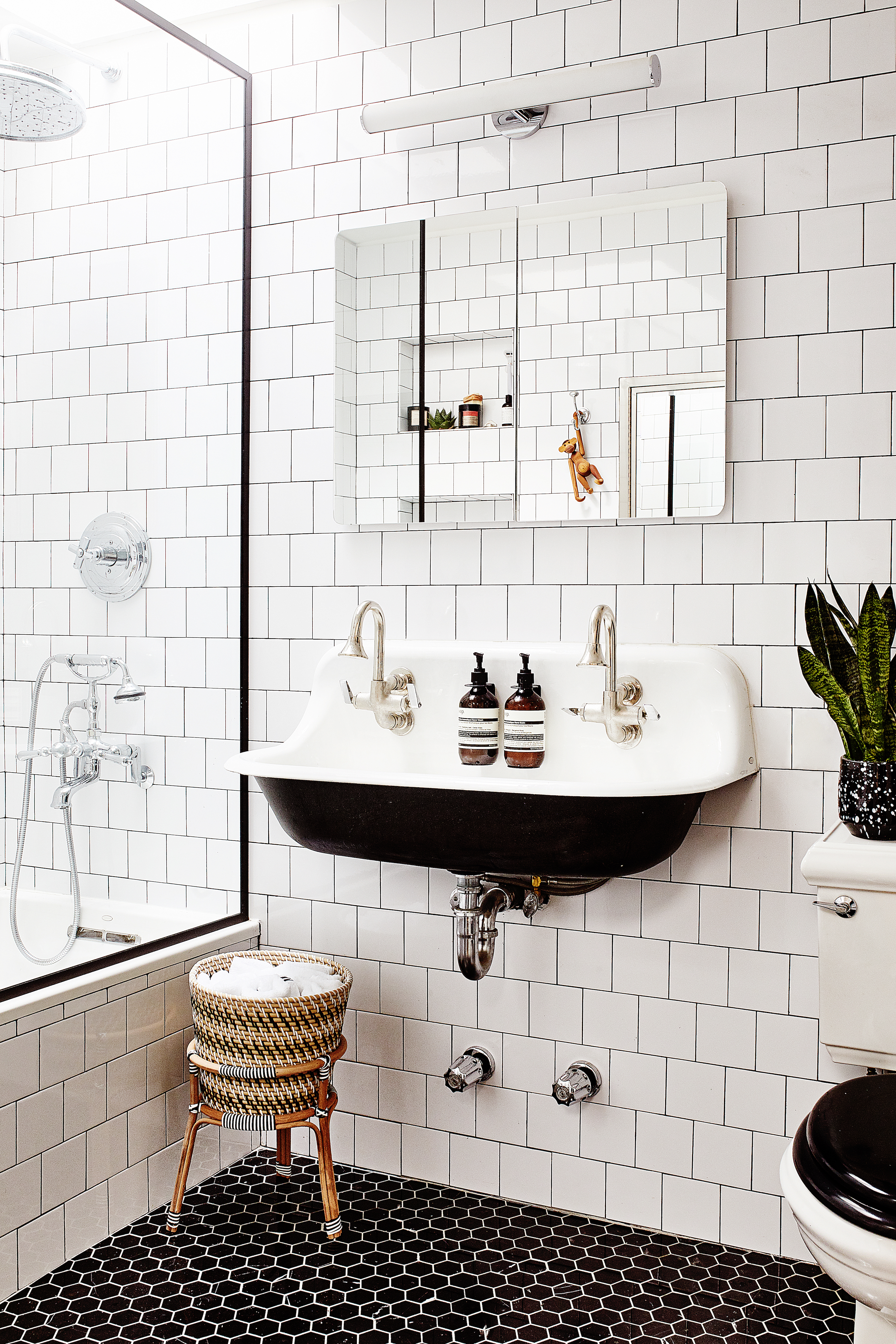
What Comes After Subway Tile? We Asked 5 Designers

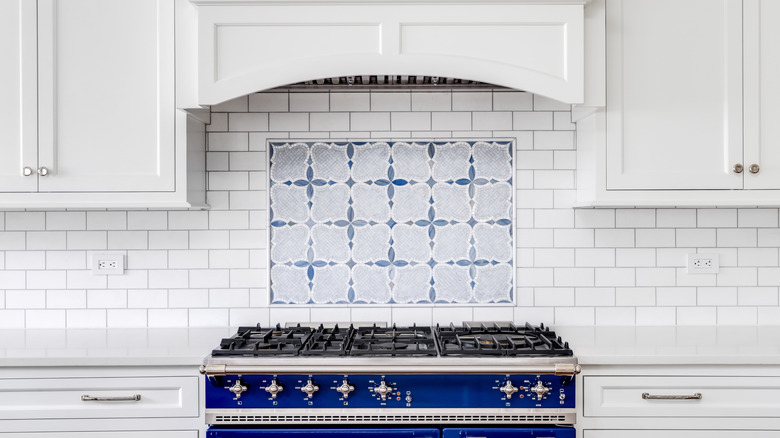
Mosaic Backsplashes: How To Make This Evolving Trend Work In Your Kitchen

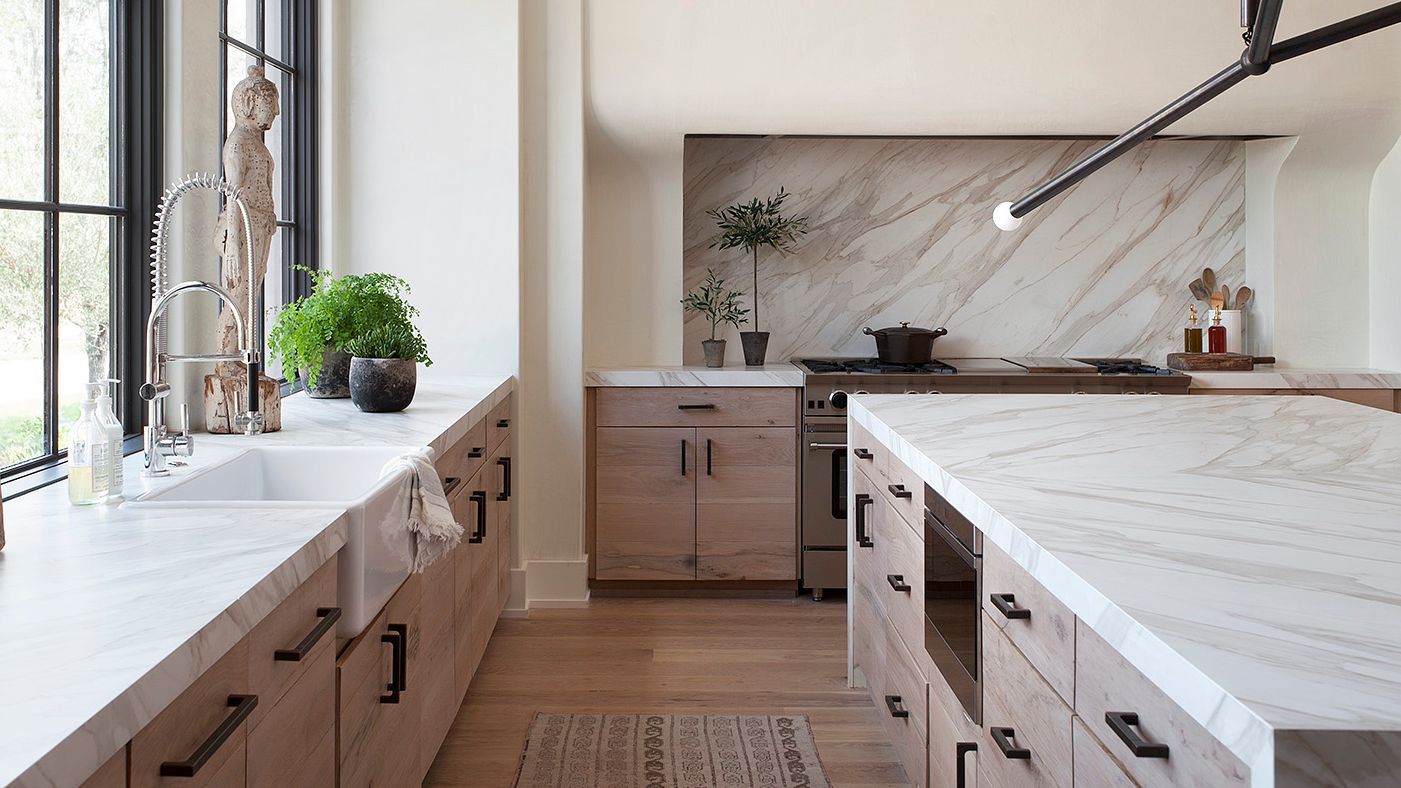
35 kitchen backsplash ideas for every kind of aesthetic

'Ogee' Backsplashes Are the Trending Trad-Meets-Modern Style That Stops Your Kitchen Feeling Too Boxy
Ditch These Dated Backsplash Trends For Timeless Alternatives

Burgundy Marble Counters Are In, But Designers Also Love These 4 Stones

Bathroom backsplash ideas - designers explain the best styles for behind baths and basins
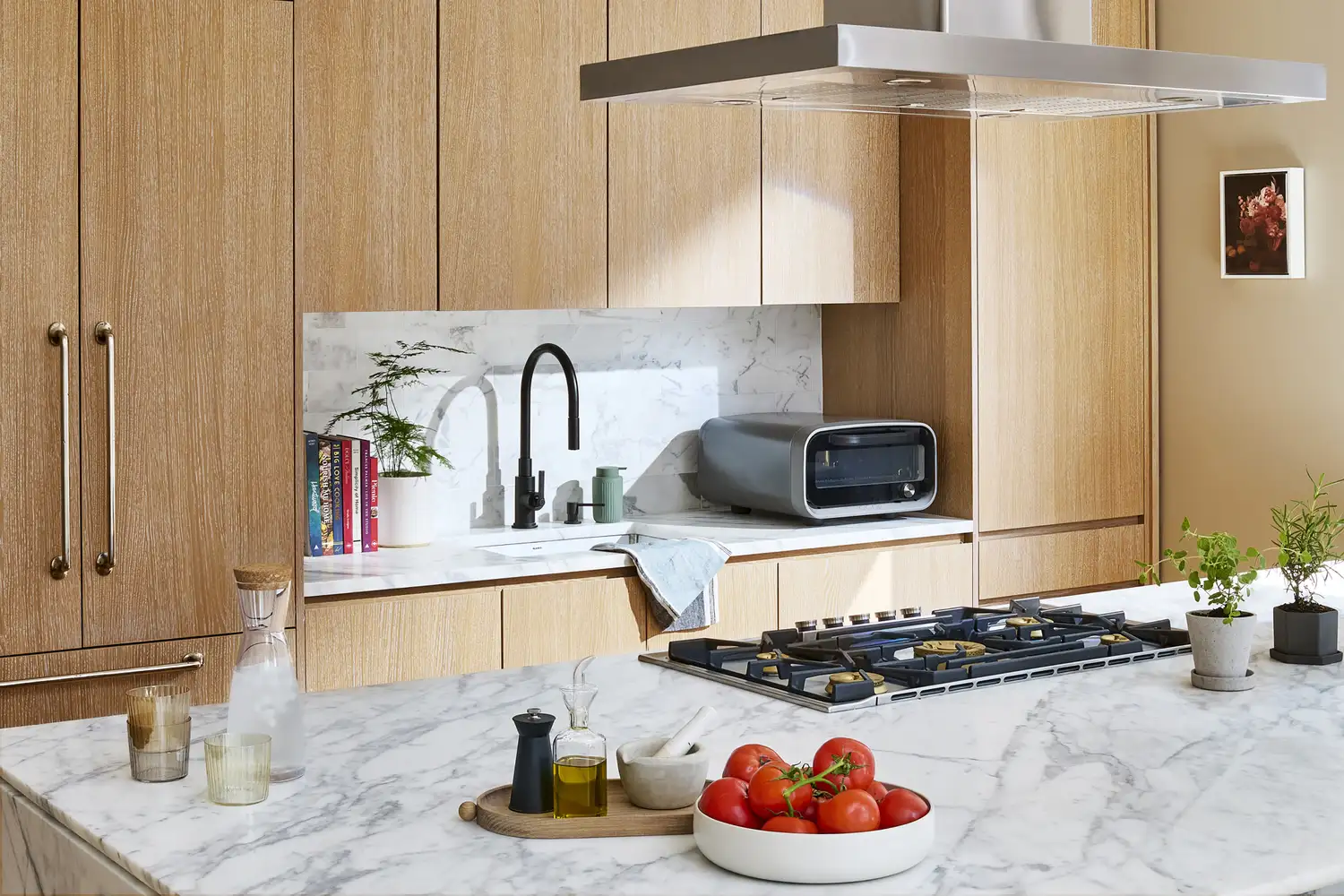
Move Over Subway Tile—This Backsplash Trend Will Dominate Kitchens in 2026

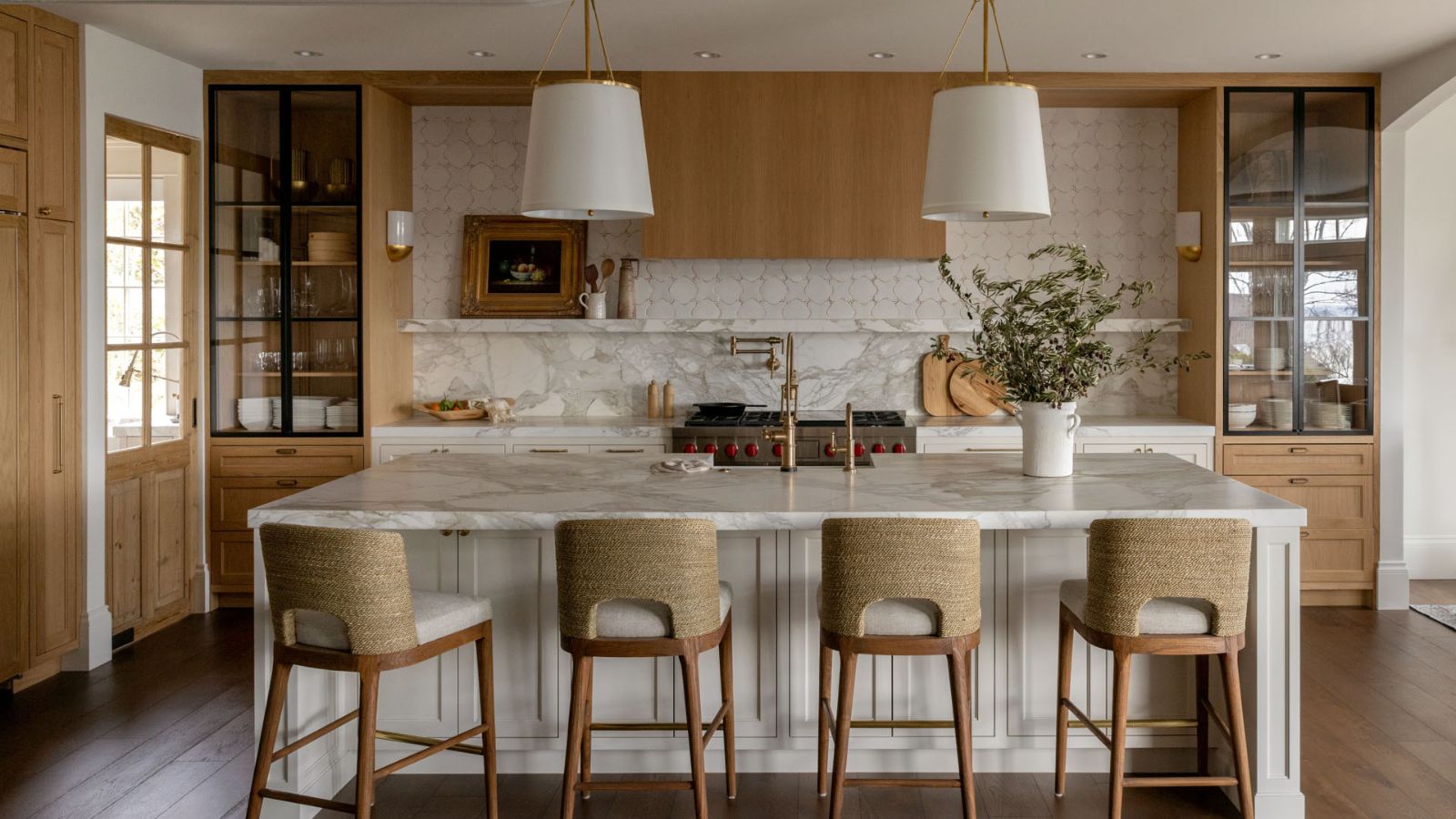
The Most Stylish Kitchens Right Now Feature This Striking Backsplash Trend – And Designers Swear By It For a Bold-Meets-Timeless Scheme
Eight buildings bejewelled with glass bricks and blocks
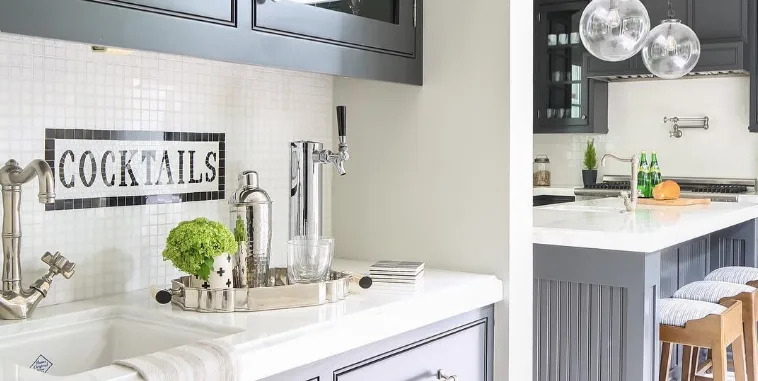
Mosaic Backsplash Words Are the Next Quote Signs, You Heard it Here First
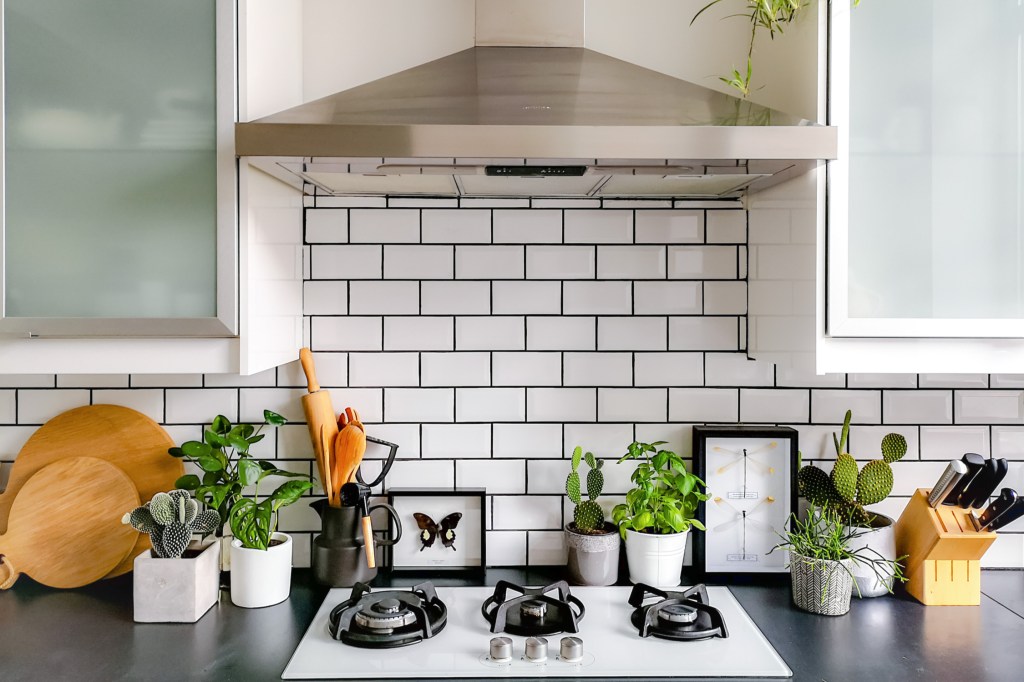
Designer-approved: 3 gorgeous kitchen backsplash ideas for 2024

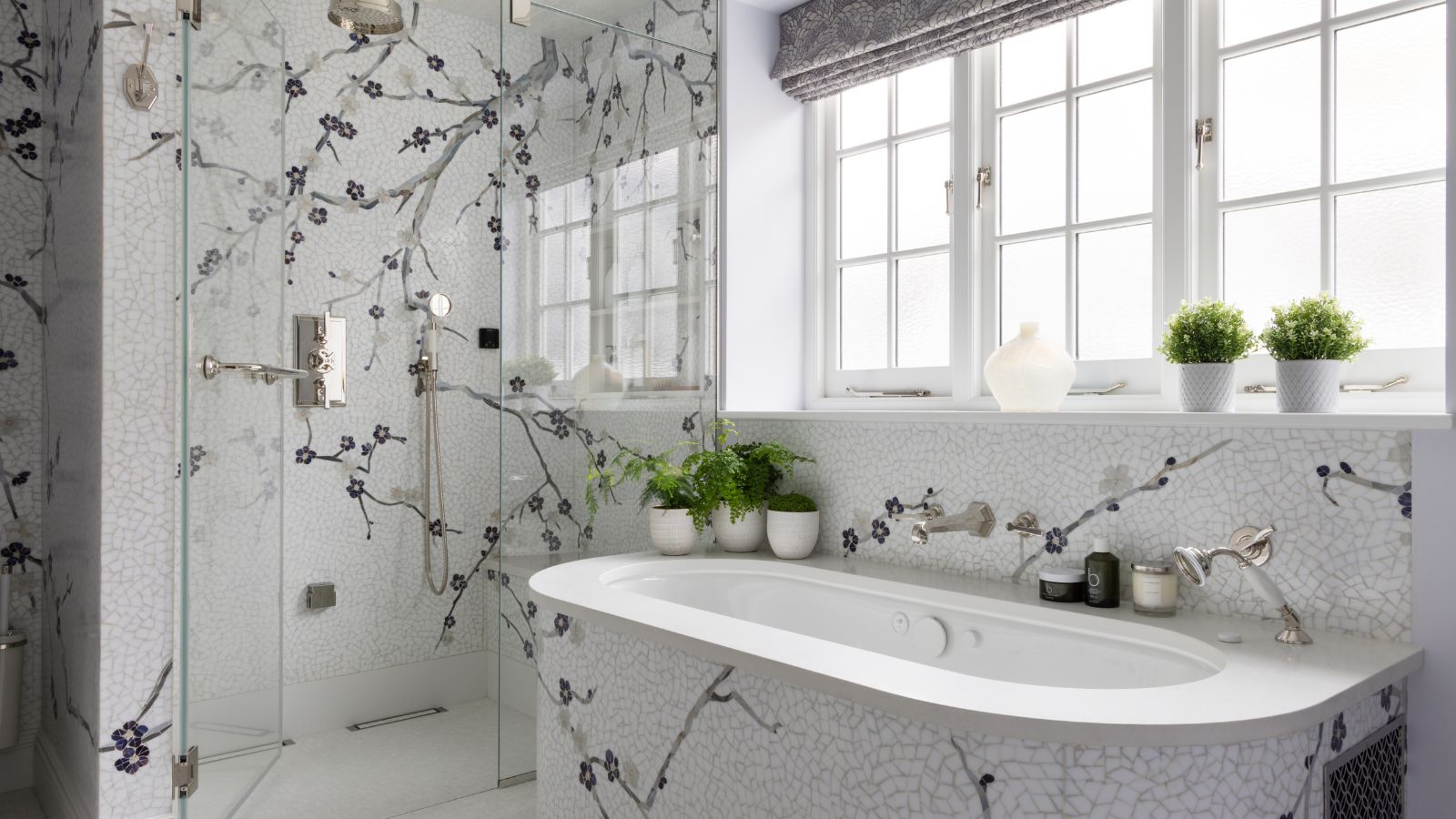
Are mosaic tiles making a comeback? Here's how designers are making this once-dated look work in 2025
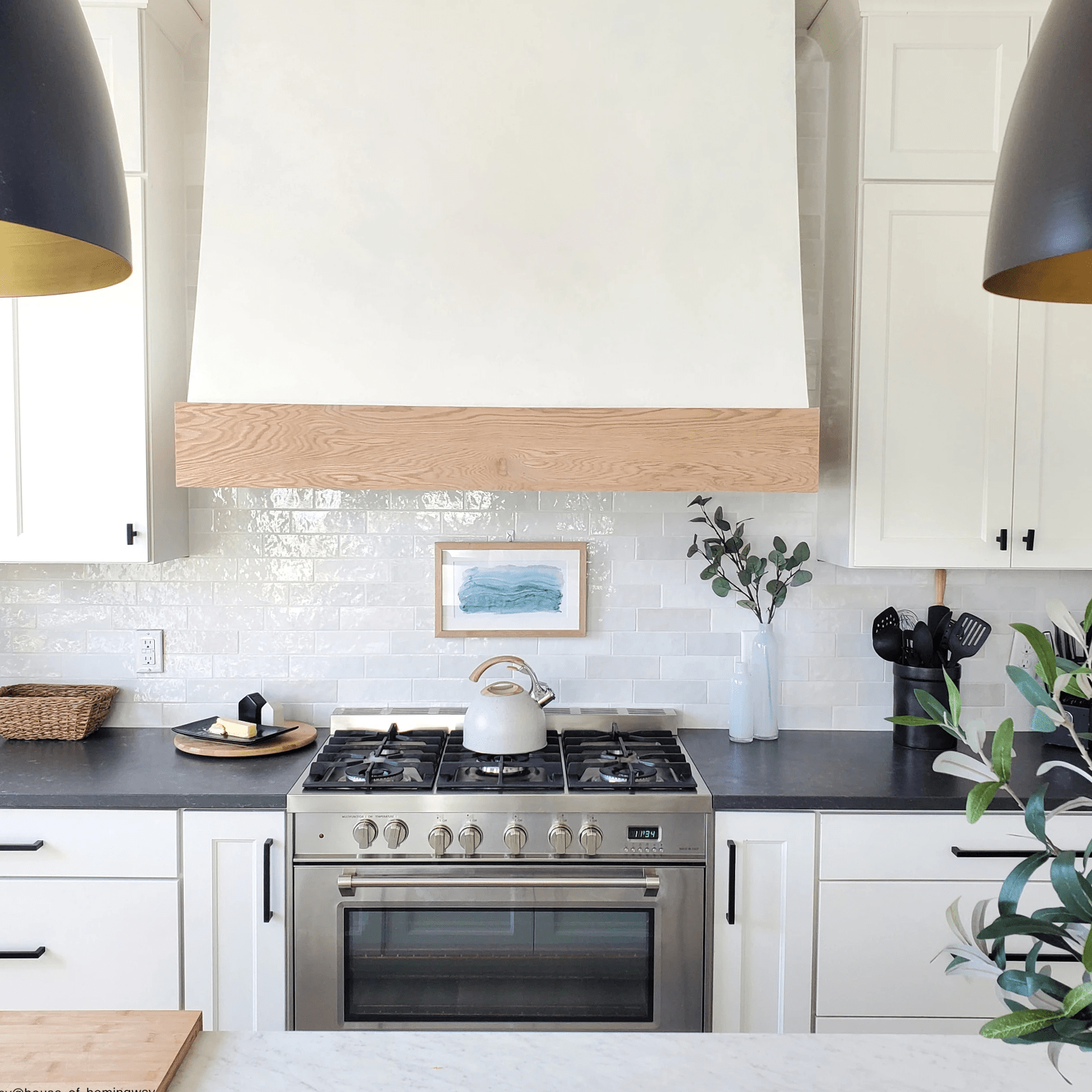
These Are the Best Tile Options for Your Kitchen Backsplash

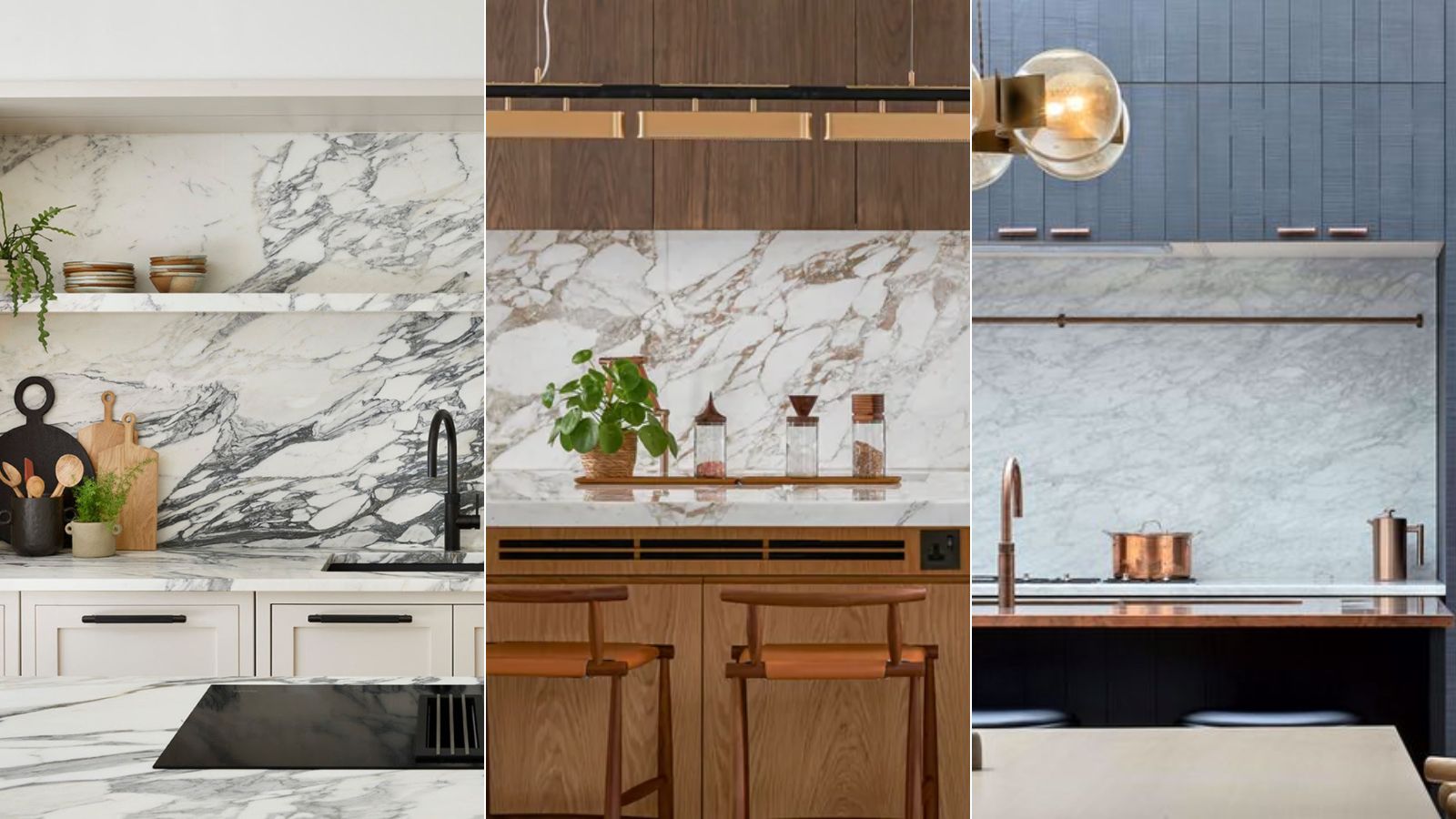
Blended backsplashes are trending in kitchen design – this is what you should know
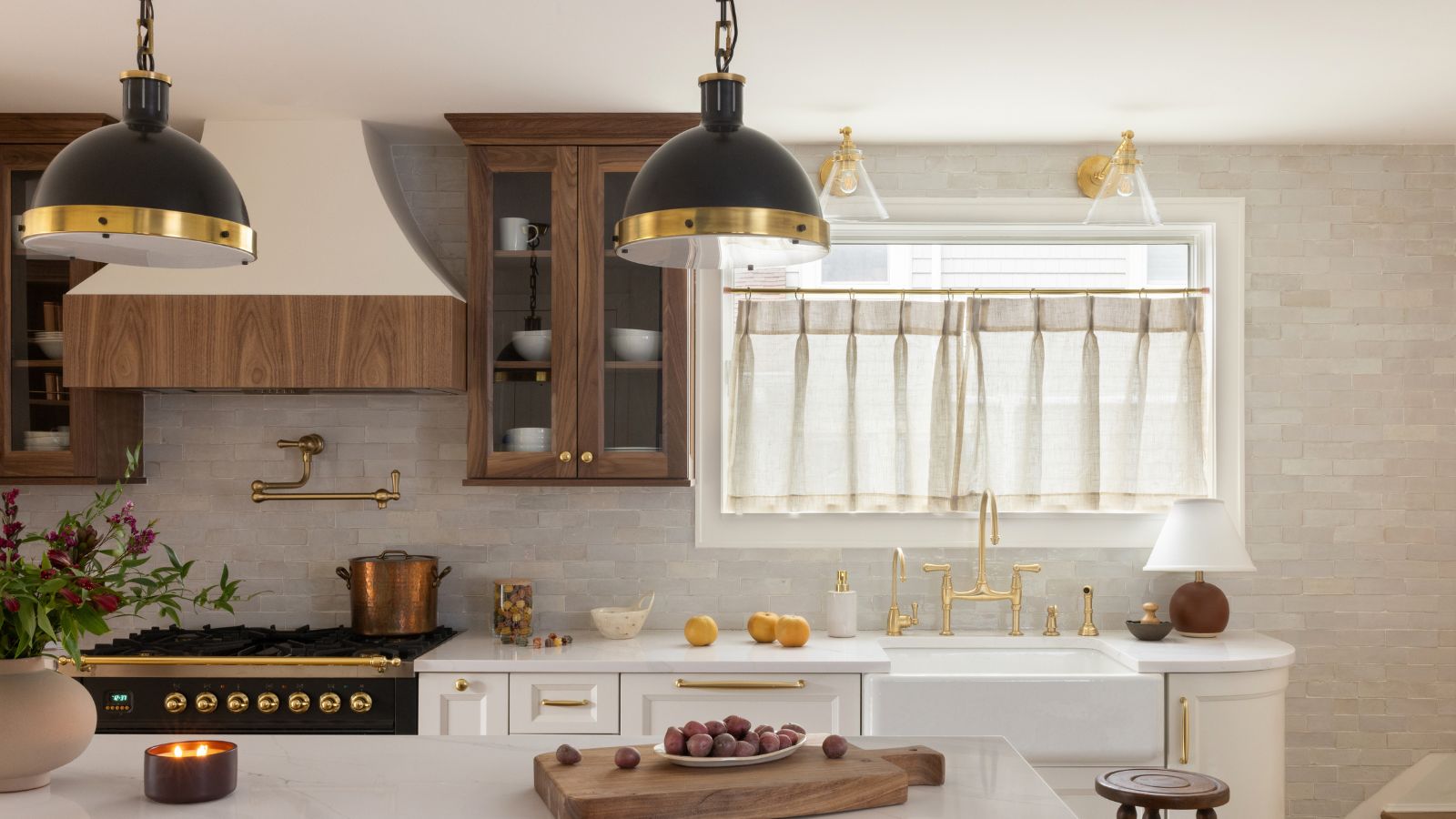
10 Kitchen Backsplash Trends Designers Say Will Be the Most Talked About in 2026
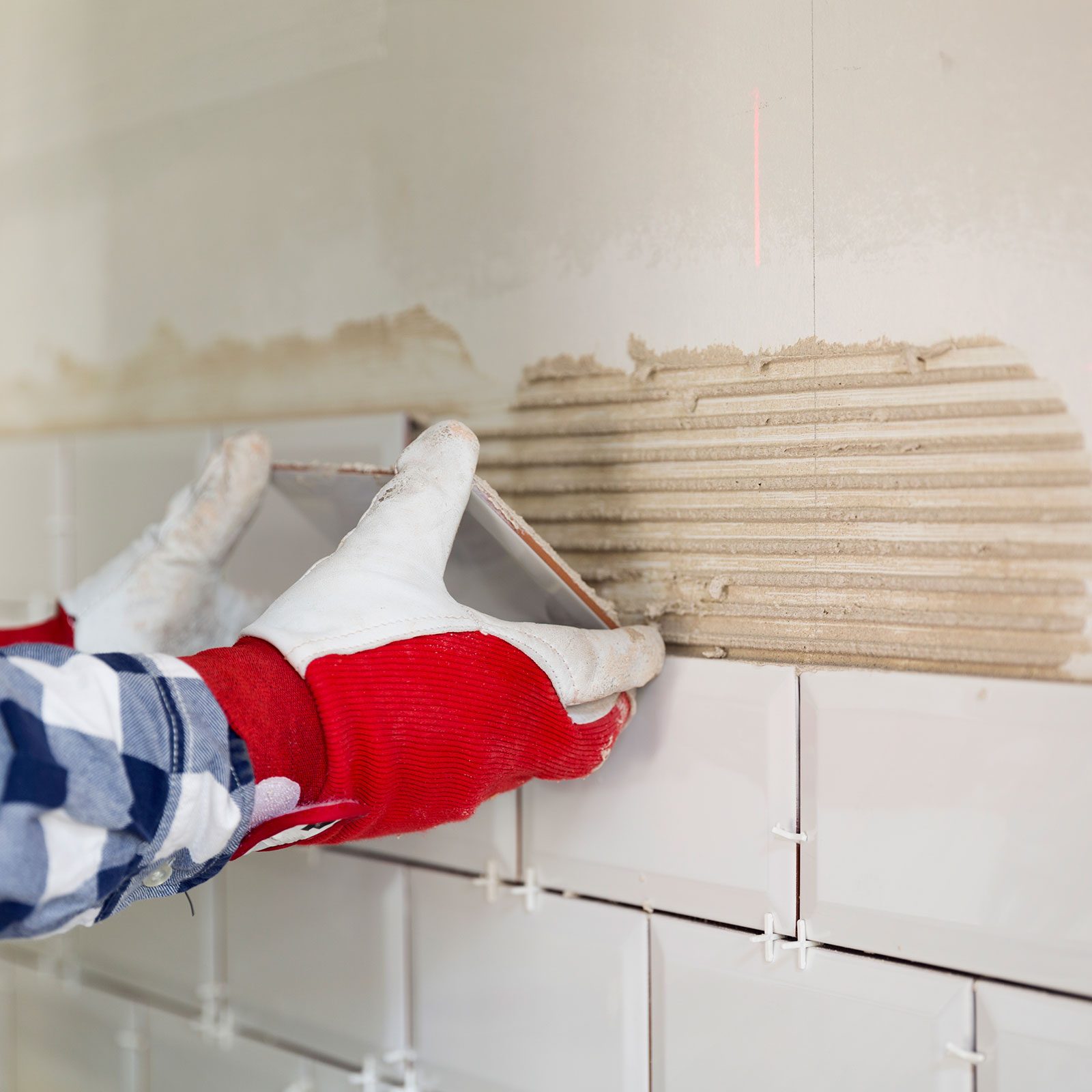
8 Backsplashes to Avoid, According to Interior Designers
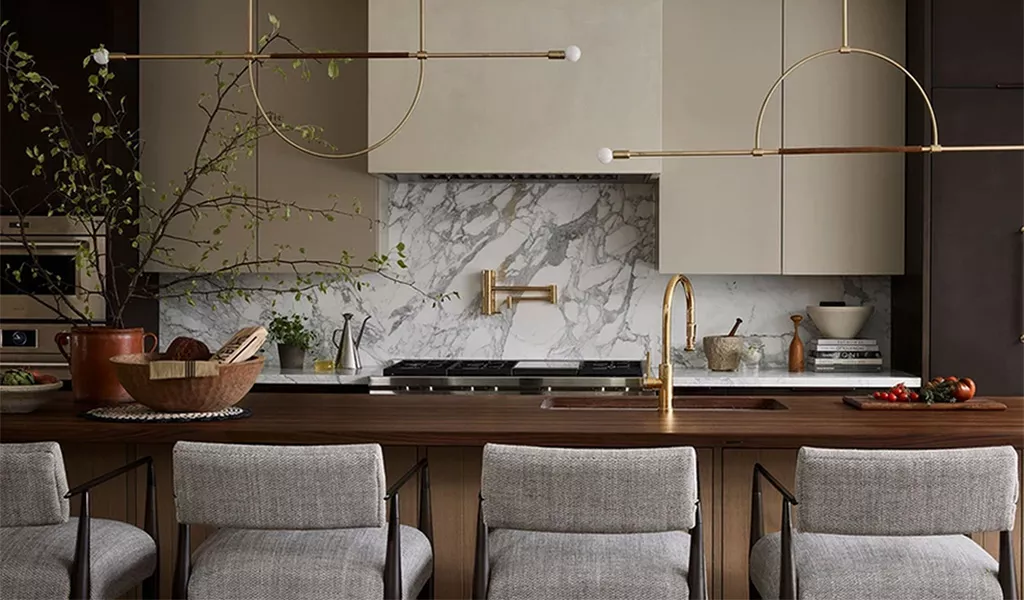
We're Calling It: 5 Backsplash Trends That Will Be Huge in 2026