Homeowner shares crucial tip to avoid costly repairs this winter: 'I need these reminders'
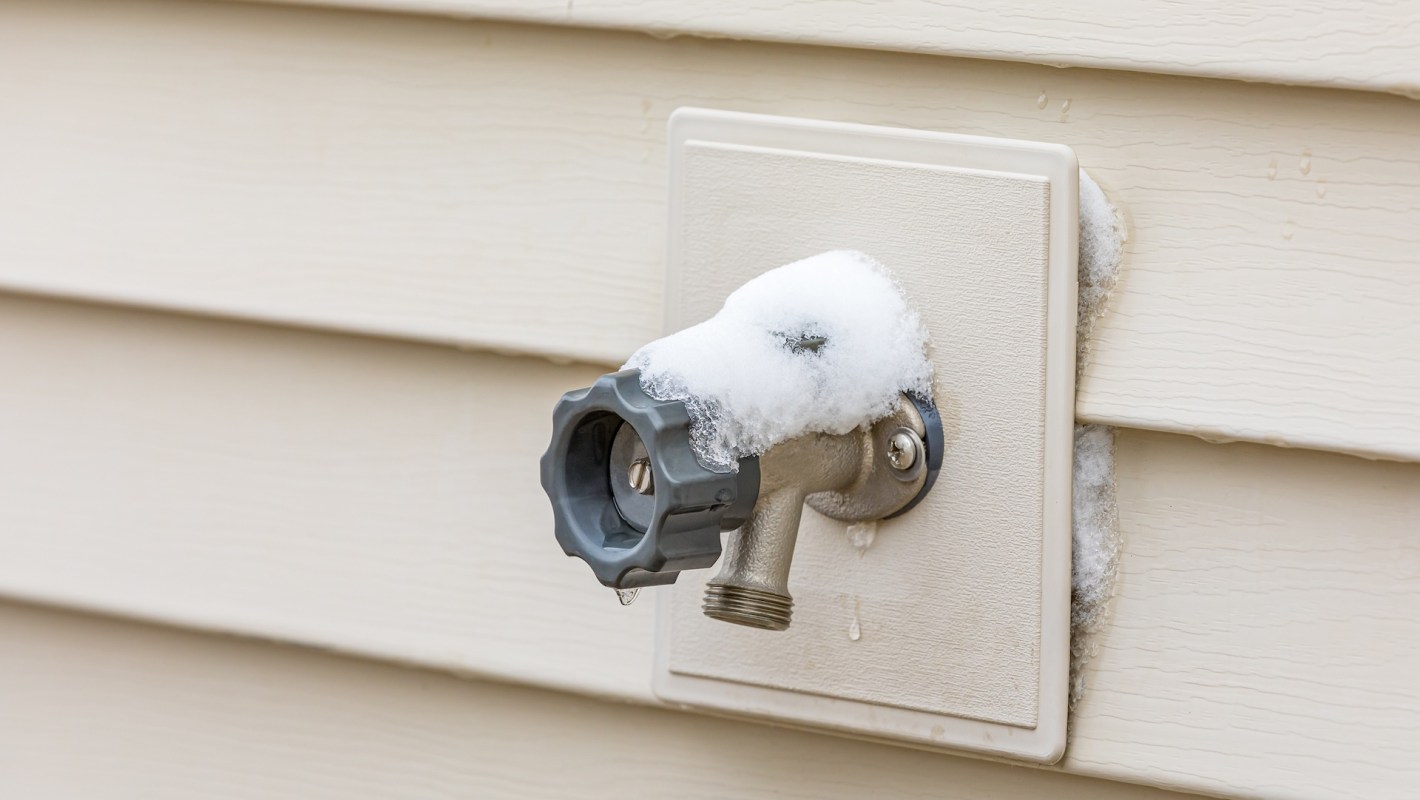
As winter approaches, homeowners face the risk of costly burst pipes, often caused by outdoor faucets left exposed to freezing temperatures. This blog post highlights a simple, yet crucial, home maintenance task to prevent such damage: winterizing outdoor spigots. Drawing insights from a TikTok video by 'Weekly Home Check' (@weeklyhomecheck), the article outlines a four-step process that is easy for any homeowner to follow, including new homeowners or those in regions experiencing unexpected cold snaps.
The first step in winterizing an outdoor spigot involves disconnecting the garden hose. The hose should then be drained of any residual water and stored indoors, preferably in a basement or garage, to prevent it from freezing and cracking. This small action protects the hose itself and prevents water from being trapped in the spigot.
The second step requires locating the indoor shut-off valve corresponding to the outdoor spigot. This valve could be situated in various locations such as the basement, a crawl space, or beneath a sink. Once identified, the homeowner must turn this valve completely off to stop the water flow to the outdoor faucet.
Following the internal shut-off, the third step involves returning outside and opening the spigot handle. This action allows any water remaining in the pipe between the shut-off valve and the spigot to drain out. The American Red Cross advises leaving the outdoor spigot handle slightly open throughout the winter. This practice provides space for any residual water to expand if it freezes, thereby preventing the pipe from bursting.
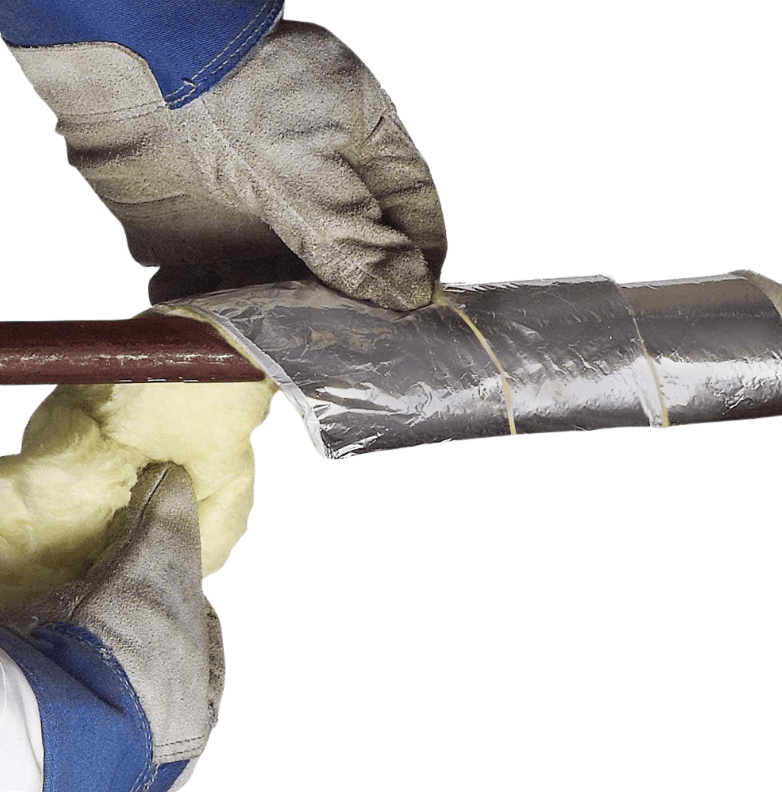
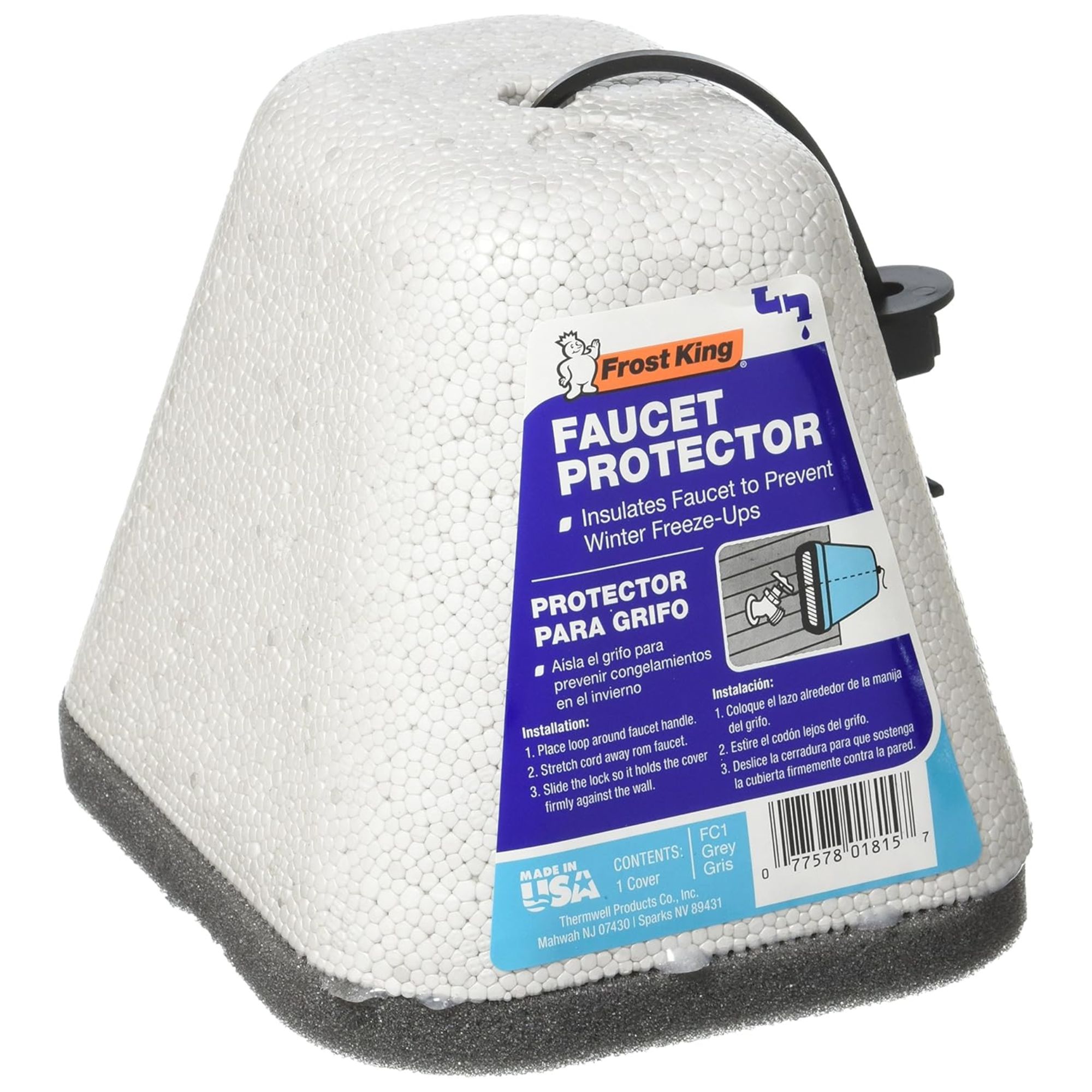
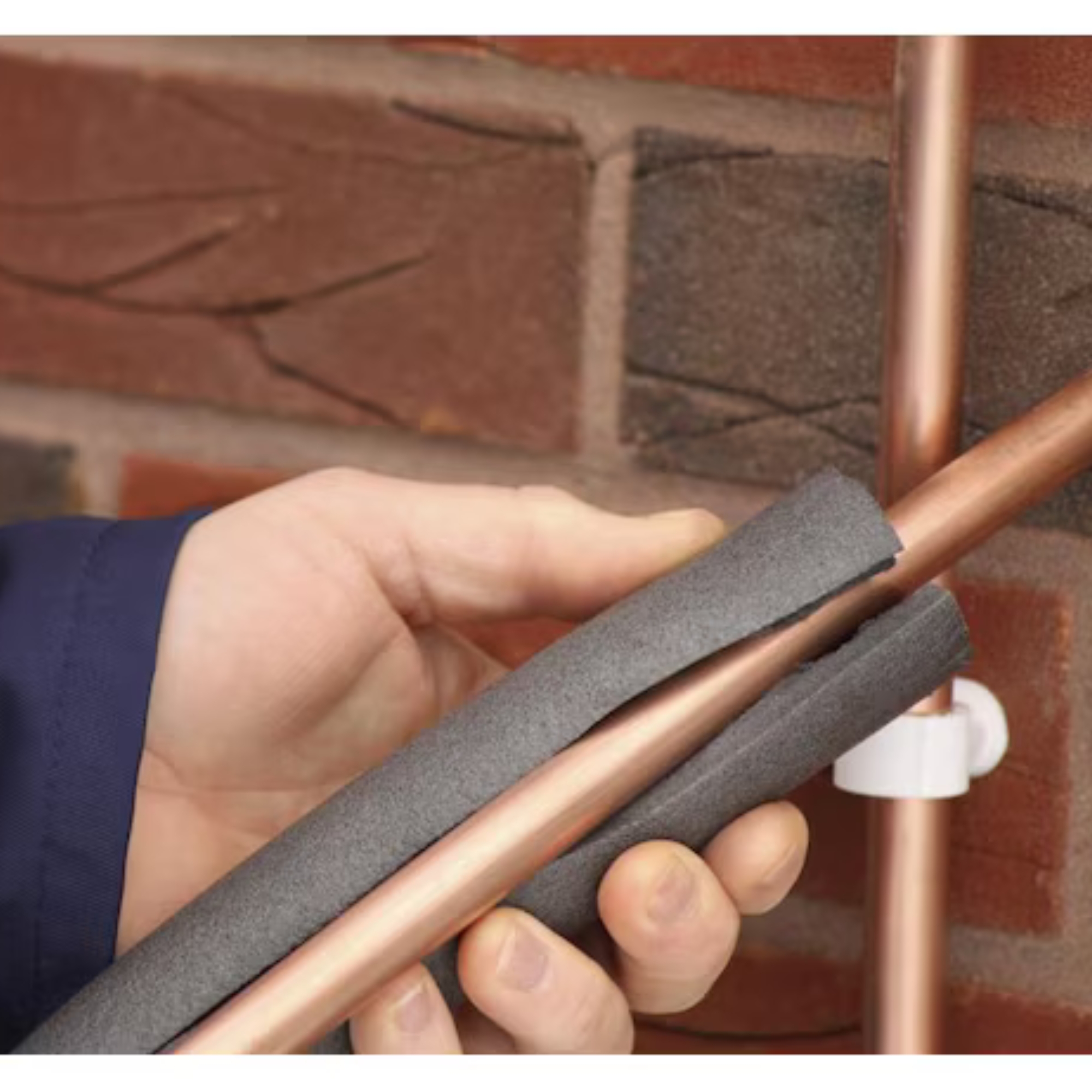
The final step recommended is to install a cheap foam faucet cover over the outdoor spigot. This provides an additional layer of insulation, offering further protection against freezing temperatures and potential damage. The article emphasizes that water expands when it freezes, creating pressure that can easily crack pipes, particularly those exposed to the elements or located in unheated areas like garages.
The benefits of performing this quick winterization process are substantial. It can save homeowners thousands of dollars in potential repairs from burst pipes and prevent significant water waste, contributing to lower utility bills and environmental conservation. The article also touches upon broader winter preparedness, mentioning other tips such as allowing indoor faucets near cold walls to drip and having a winter car emergency kit, reinforcing the importance of being ready for cold weather. The overall message is that simple, proactive measures can significantly mitigate risks and costs associated with winter weather.
#HomeMaintenance #WinterPreparation #FrozenPipes #HomeownerTips #DIYHome #HomeMaintenance #WinterPreparation #FrozenPipes #HomeownerTips #DIYHome
0 comment in total
 No comments yet
You may also like
How to Winterize Your House And Save Yourself Thousands in Repairs Later


‘It’s a tough lesson to learn’ – brick homeowners must complete this outdoor maintenance task to avoid costly repairs and structural failure
How to draft proof your kitchen, cook in comfort and reduce your energy bills
Handyman: Make sure water heater is ready for cold days
The 8 Must-Have Products to Winterize Your Home

Don't wait until spring! Ignoring this 'critical' driveway maintenance task in the fall can land you with a big repair bill – an easy, DIY fix now is all you need
Ask Angi: What should I do when the AC goes out?
17 Tips and Hacks to Help Keep Your House Warm This Winter

When to drip faucets – avoid frozen and burst pipes with these expert-approved precautions
6 Expert-Backed Ways to Keep Cold Air—and High Energy Bills—Out of Your House This Winter

Should you leave an attic open during a freeze? HVAC technicians weigh in
Eight top tips to banish condensation this winter - starting with sleeping with your curtains open

Ask The Contractor: 6 Things You Didn’t Know About Remodeling Your Home During Winter

Is Your Home Ready for Another Cleveland Winter? How to Winterize in Northeast Ohio

How to stop radiators knocking and banging when they turn on - KEY tips

This home heating habit could be ruining your sofa
It's Time to Prepare Your Home for Winter With These 10 Quick, Easy Ways
The perfect temperature to avoid frozen pipes
9 cheap ways to heat your home this winter for under £10 each


Stuck Inside? 10 Easy DIYs Contractors Say You Should Learn This Winter