1/3
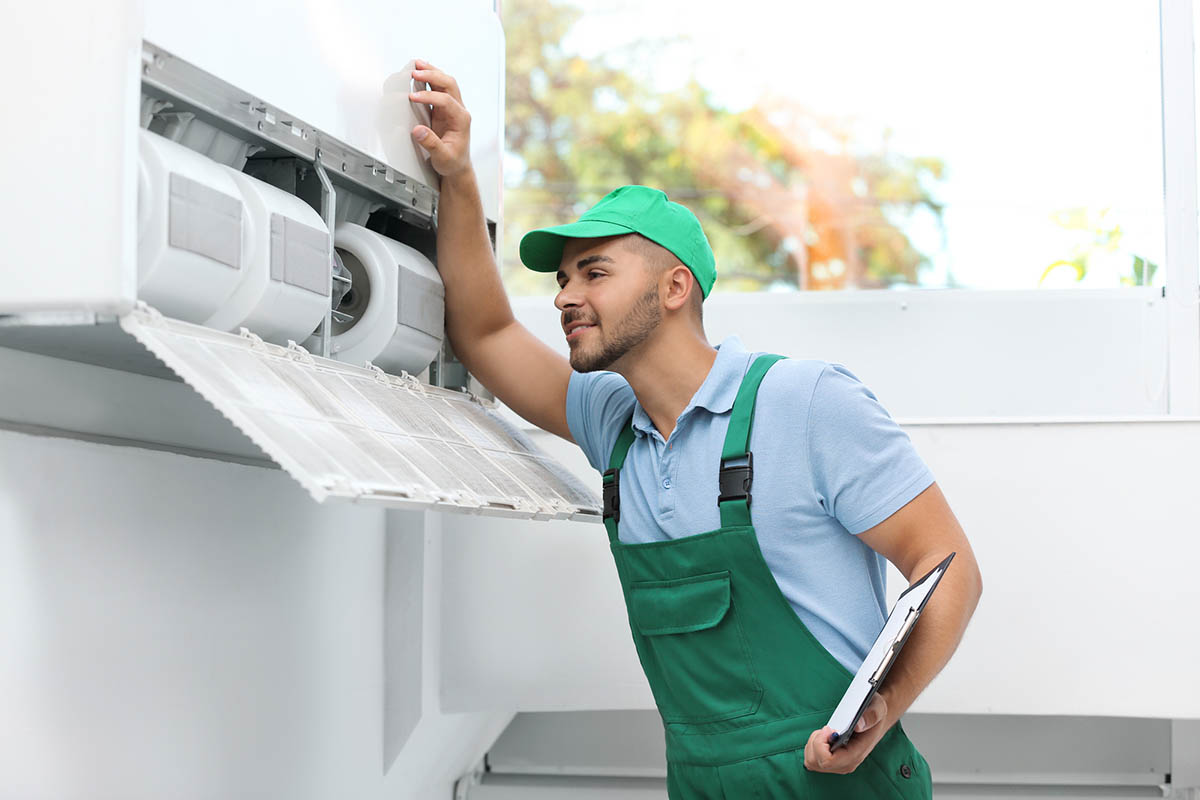
Spare a thought for air-conditioning repair people. As the planet warms, they’re really up against it
The increasing frequency and intensity of extreme weather events, driven by climate change, are introducing significant challenges across various sectors, particularly for workers involved in the repair and maintenance of essential infrastructure. This article highlights the often-overlooked role of air-conditioning and refrigeration technicians, who are critical in enabling societal adaptation to a warming world. Air-conditioning is vital for maintaining comfortable indoor environments, while refrigeration supports global food supply chains, healthcare systems, and agriculture. Despite their crucial contributions, this workforce faces numerous difficulties, including health risks from heat stress, and pervasive skills shortages.
Research conducted by a team of engineers and social scientists at the University of Wollongong, commissioned by the Australian Department of Industry, Science, Energy and Resources, investigated maintenance practices in commercial office buildings. The findings revealed that many issues identified in commercial settings are also prevalent in other building types, such as hotels, aged-care facilities, and shopping centers. The study involved an extensive industry survey, 70 in-depth interviews, and four focus groups with building contractors and facilities managers. Researchers also directly observed workers responding to service calls and performing routine maintenance, gaining firsthand insight into their daily challenges.
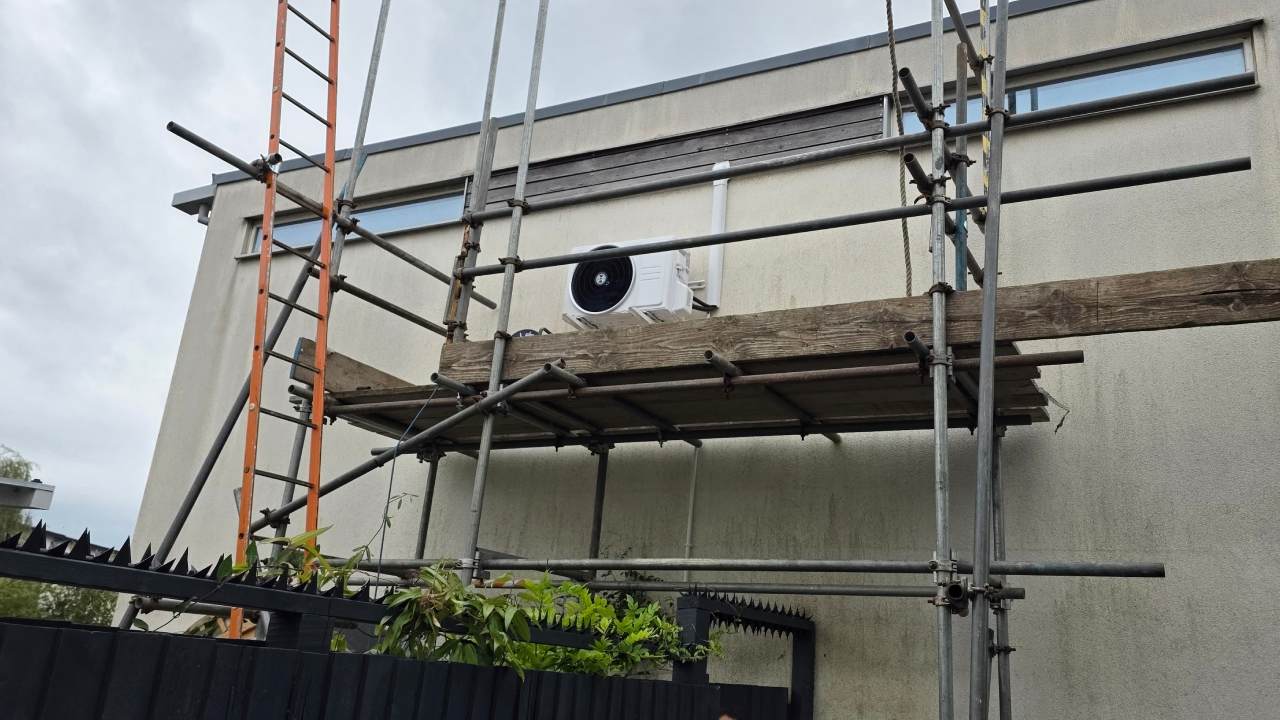
A significant problem identified is the health and safety risk posed by extreme heat. As global temperatures rise, air-conditioning workers are increasingly exposed to hazardous conditions, such as working on roofs that can reach temperatures of 60°C. These conditions not only threaten their well-being but also impair productivity, making their essential work more difficult and dangerous. The article emphasizes that Australia's building stock is generally ill-prepared for climate change, with many structures poorly insulated and heavily reliant on electrical appliances for temperature regulation. This reliance places air-conditioning workers at the forefront of climate adaptation efforts, a role that comes with substantial personal risk.
Beyond adaptation, these technicians also play a critical role in climate change mitigation. Air-conditioning and refrigeration systems collectively account for approximately 17% of global energy consumption. By installing more energy-efficient appliances and performing timely maintenance, these workers can significantly reduce energy usage. However, building owners often undervalue preventative maintenance and equipment upgrades. Many commercial buildings, estimated to be around 80,000 in Australia, require energy efficiency improvements, largely due to outdated air-conditioning systems. Contractors reported that cooling and ventilation systems are frequently operated until failure, leading to excessive energy consumption and increased strain on the electricity grid.
The sector also struggles with workforce recruitment and retention. Industry statistics indicate that while about 1,600 individuals annually commence apprenticeships or traineeships in refrigeration and air-conditioning trades in Australia, fewer than half complete their training. This high attrition rate creates a significant shortage of skilled workers, which could severely hinder Australia's ability to adapt to and mitigate climate change. The article concludes by stressing the urgent need for a national priority to address these challenges, ensuring that the air-conditioning and refrigeration workforce is adequately supported to meet the demands of a warmer planet, thereby benefiting both people and the environment.
#ClimateChange #EnergyEfficiency #WorkforceShortages #AirConditioning #Refrigeration #HeatStress #SkilledTrades #ClimateAdaptation #Maintenance #ClimateChange #EnergyEfficiency #WorkforceShortages #AirConditioning #Refrigeration #HeatStress #SkilledTrades #ClimateAdaptation #Maintenance
0 comment in total
 No comments yet
You may also like
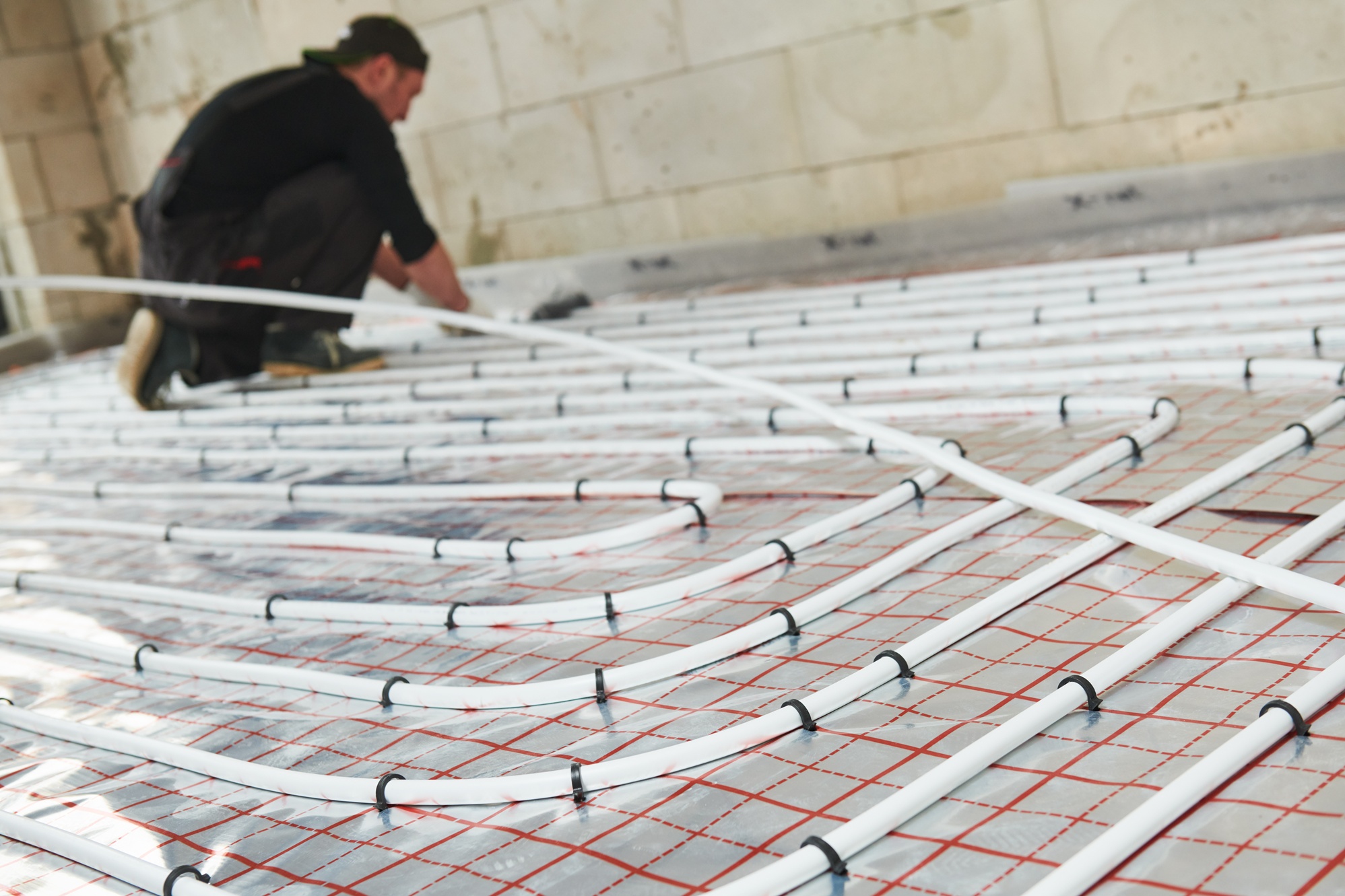
How Radiant Heat Can Transform Your Home for the Better With Barron Heating, AC, Electrical & Plumbing


Reimagining Air Conditioning: Traditional Cooling Methods for the Future

Bad Thermostat Placement Could Cost You Hundreds This Winter


An HVAC Repairman Talked About The Marked Up Prices He Puts On Parts

I had air con installed in my bedroom and was shocked how quick and easy it was

Your Apartment + These Top-Rated Window A/C Units = True Summer Love
Ask Angi: What should I do when the AC goes out?
3 Eco-Friendly Heating Systems for Your Home in 2024

How to get the most life out of your AC and Heating system
Updating And Maintaining Your Workplace’s HVAC System


Heating experts want you to put this one item above your radiators this winter to heat up a room quickly and efficiently
Spring Maintenance Tips to Extend the Efficiency of Your HVAC System

We Asked HVAC Pros When We Should Turn On Our ACs, and It’s Sooner Than We Thought


This is How People Dealt with Summer Heat Before Air Conditioning
5 Best AC Repair Miami Locals Trust
Ask the Builder: Radiant heating systems deserve to be hyped

The Best HVAC Service Companies in America

HVAC Buying Guide: What to Know When You're Shopping
The One Thing Every HVAC Pro Does Before a Heatwave Hits (and You Should Too)

Three experts on the best ways to retrofit housing