1/3
Heating experts want you to put this one item above your radiators this winter to heat up a room quickly and efficiently
The rising cost of energy bills has prompted many homeowners to seek efficient heating solutions for their homes. While various methods exist to optimize heating, including regular boiler servicing and radiator bleeding, an often-overlooked solution involves installing a radiator shelf. Contrary to popular belief, radiator shelves can significantly enhance a home's heating efficiency, rather than hinder it.
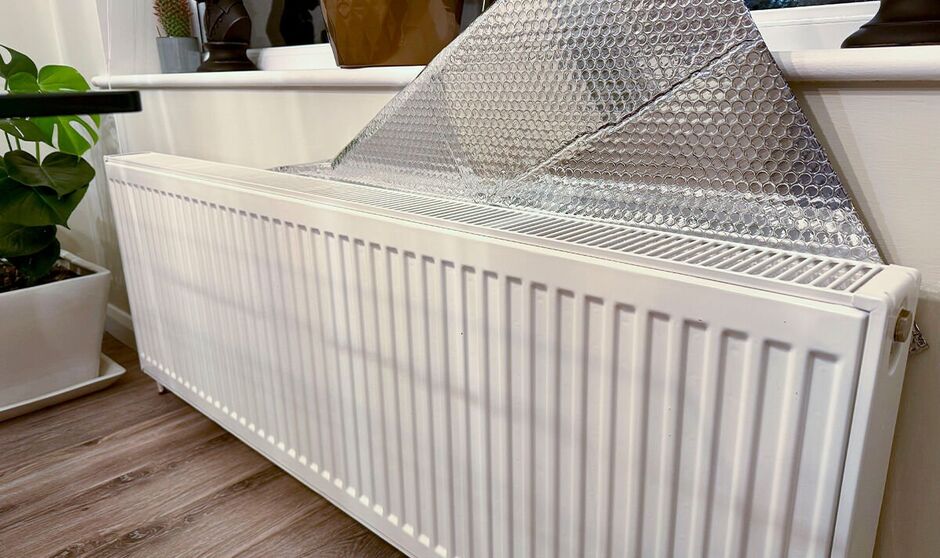
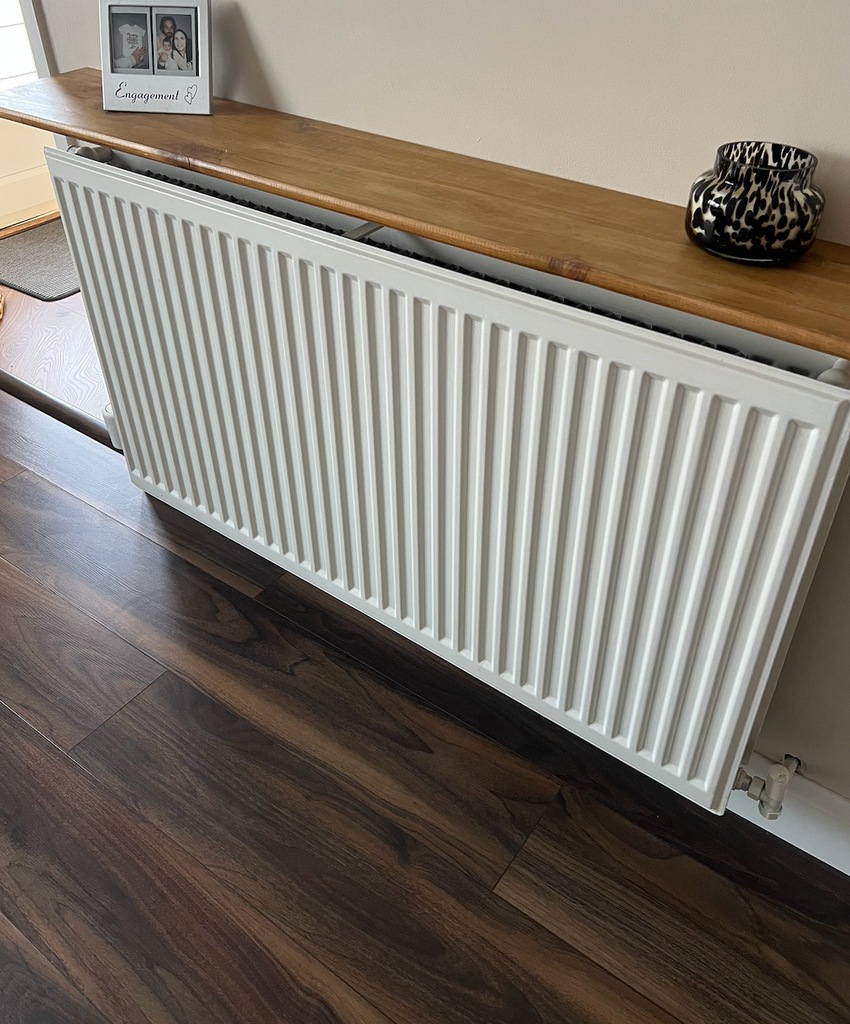
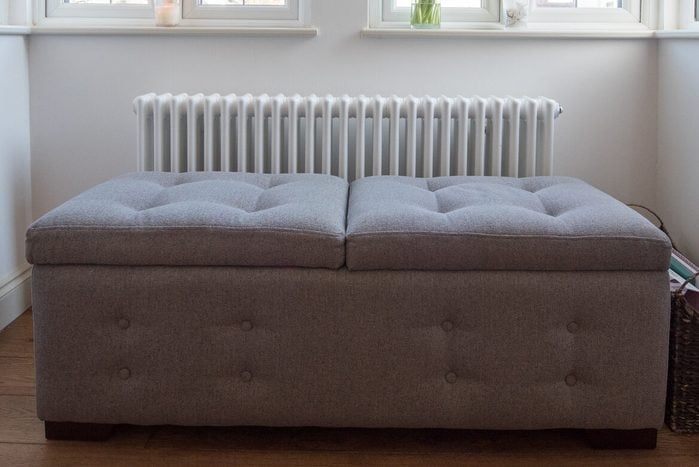
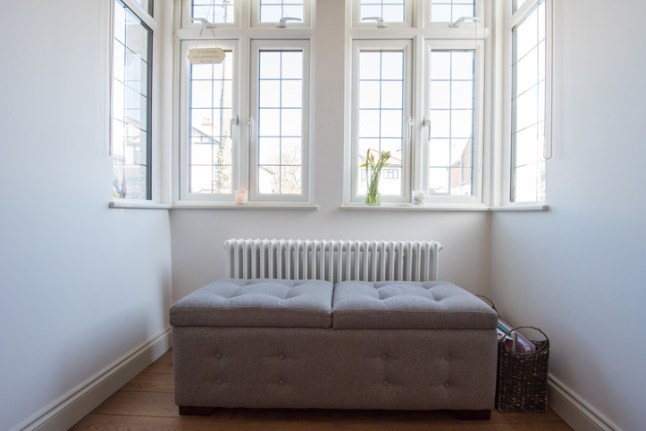
Radiator shelves primarily work by redirecting the warm air produced by radiators. Without a shelf, warm air tends to rise directly to the ceiling and disperse, leading to uneven heating and requiring the heating system to work harder and longer to achieve a comfortable temperature. By placing a shelf above the radiator, the warm air is instead pushed forward and circulated into the room, ensuring a more uniform distribution of heat. This redirection is particularly beneficial for radiators located beneath windows, where heat can otherwise be lost more quickly.
Heating expert Stephen Hankinson from Electric Radiators Direct explains that this improved air circulation leads to quicker and more even heating, subsequently reducing the demand on the boiler or heating system. As rooms reach comfortable temperatures faster, the heating system operates less frequently and for shorter durations, contributing to lower energy consumption and reduced heating bills.
Beyond energy efficiency, radiator shelves also offer practical benefits, especially in protecting walls and furniture from heat damage. Expensive electronics, such as flat-screen TVs, mounted above radiators are particularly susceptible to damage from rising heat. A properly installed radiator shelf acts as a barrier, deflecting the warmth away from these items and potentially extending their lifespan.
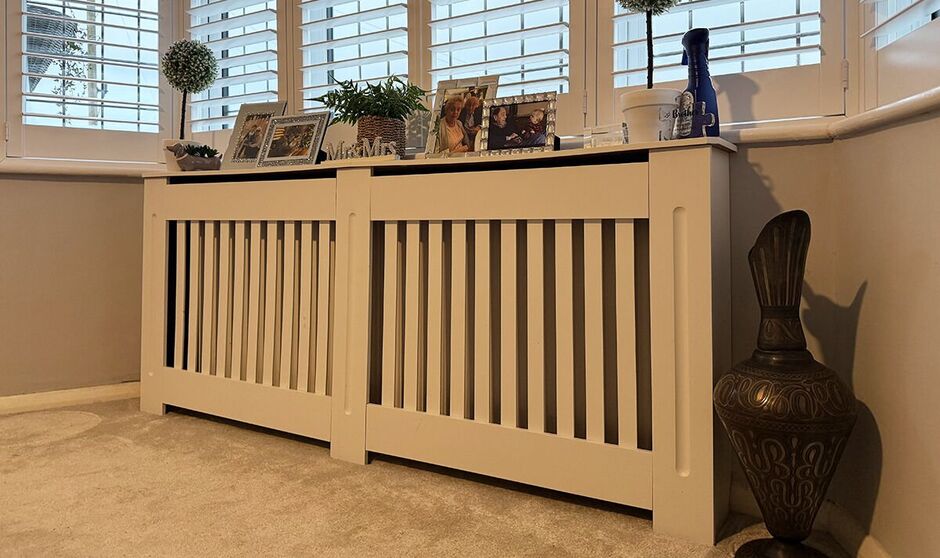
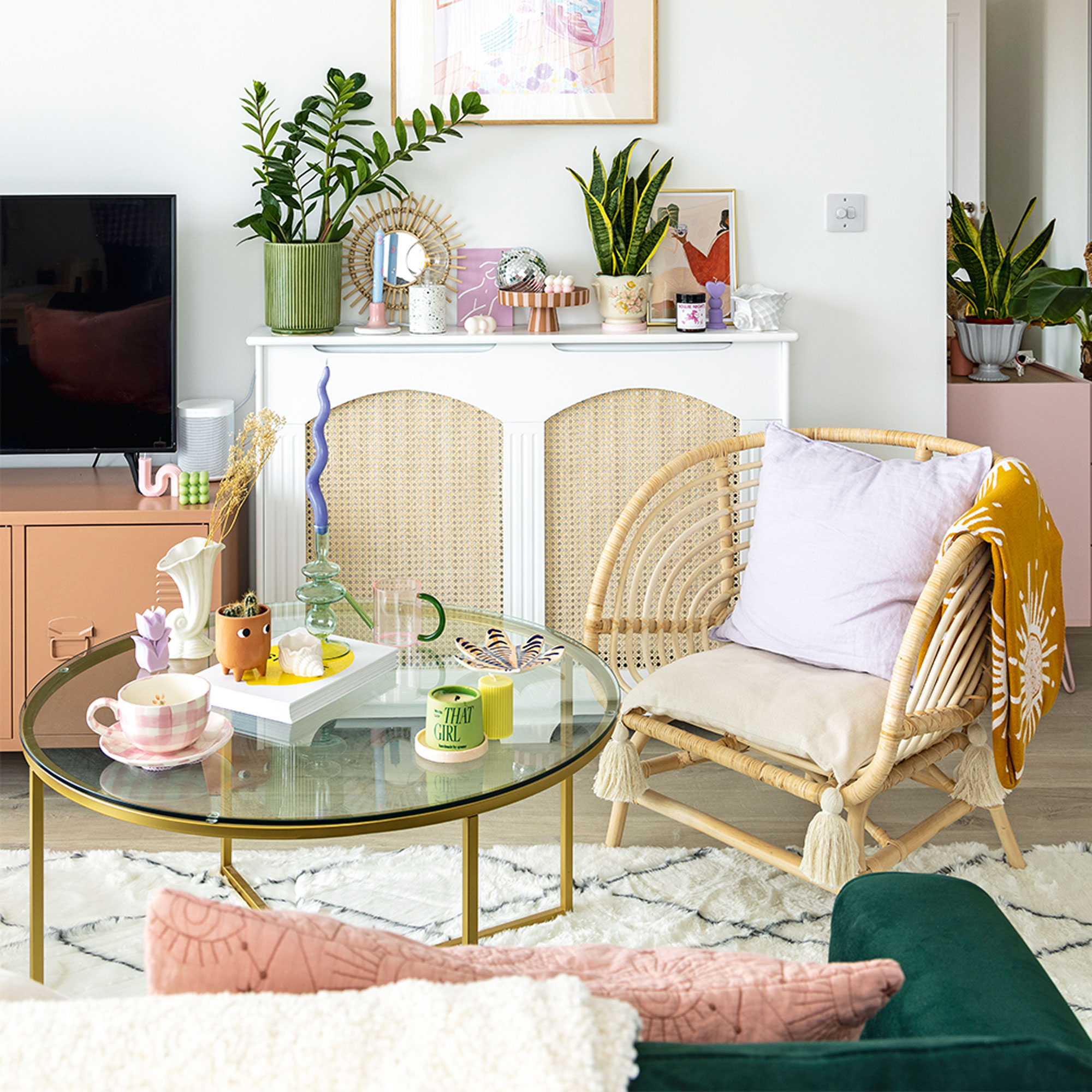
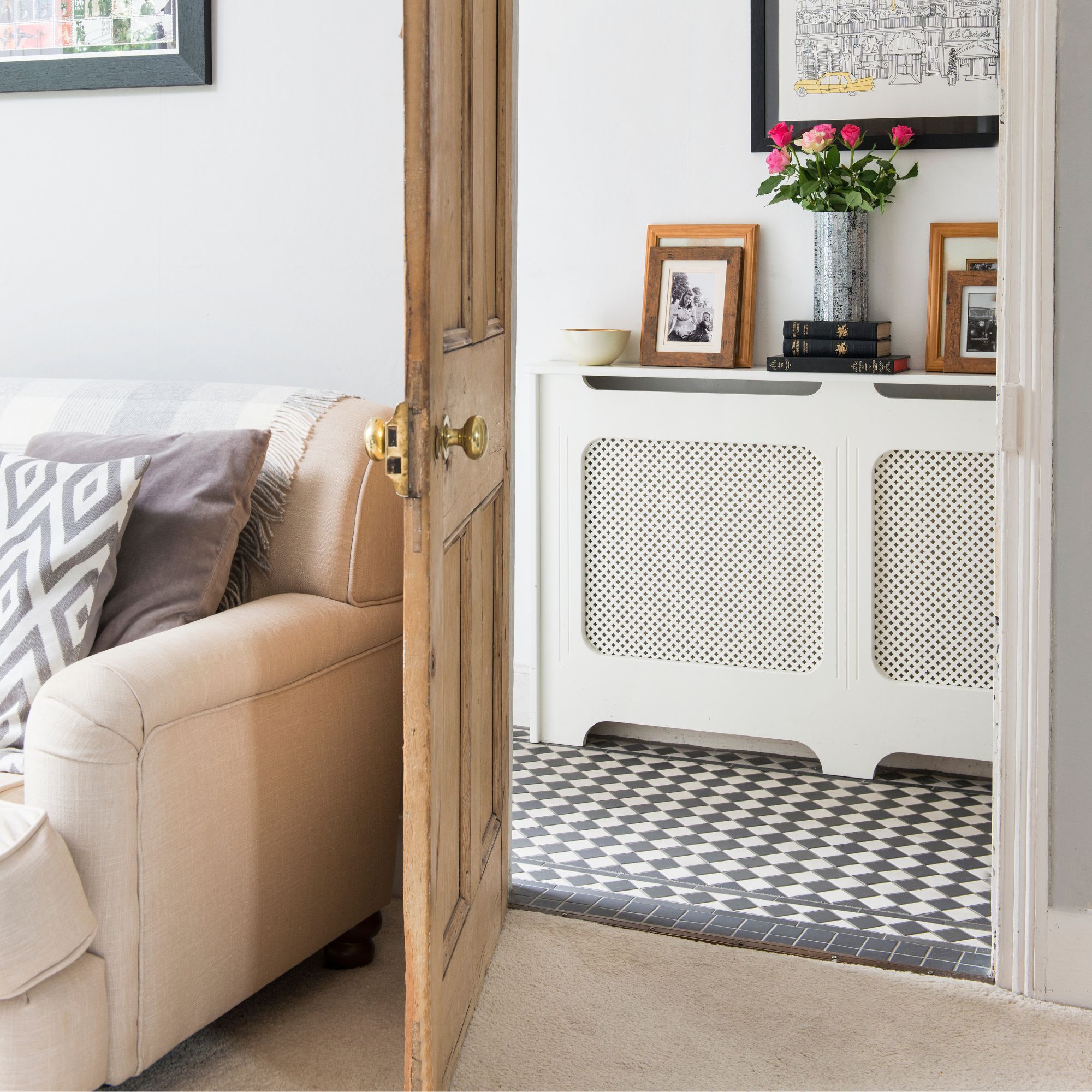
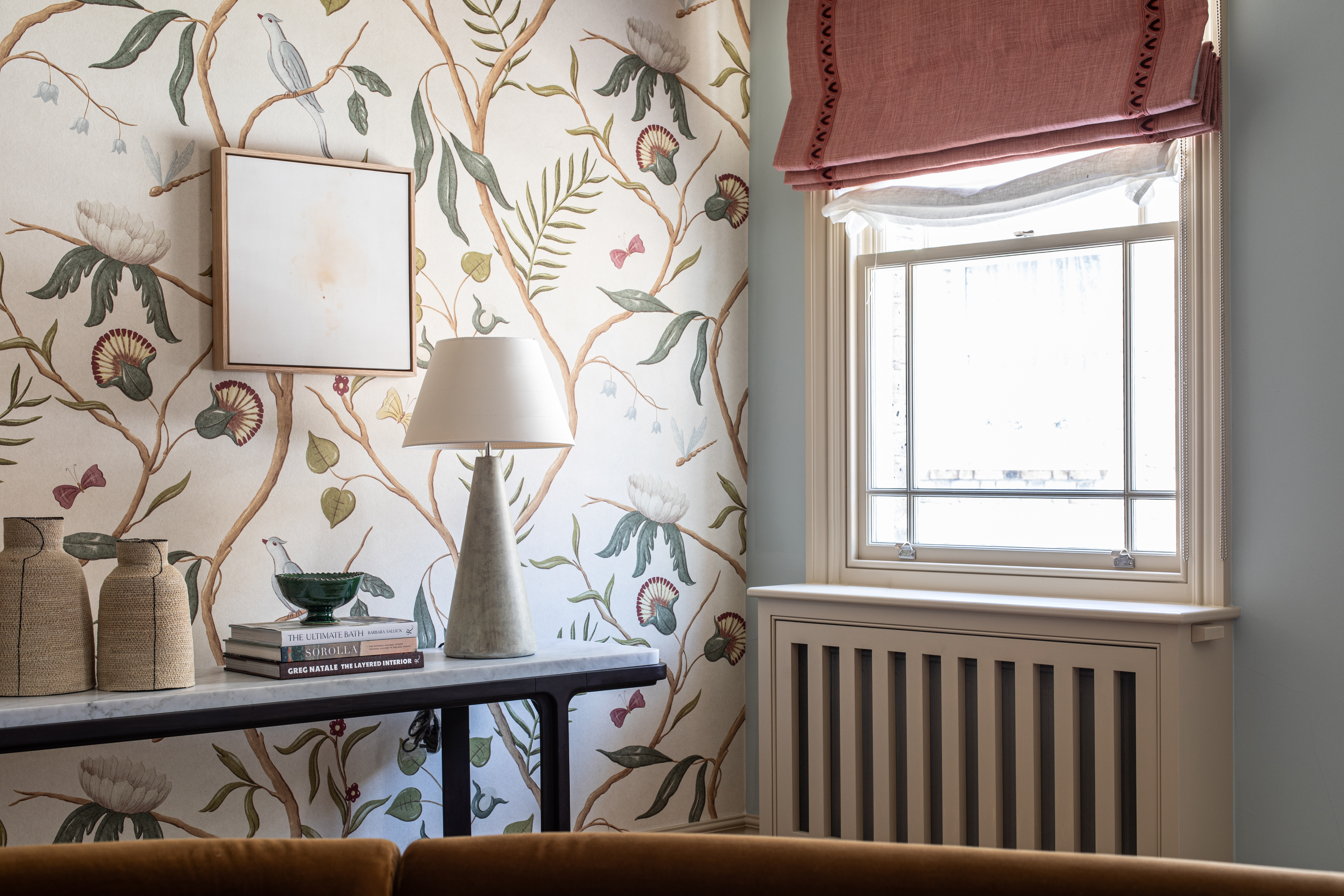
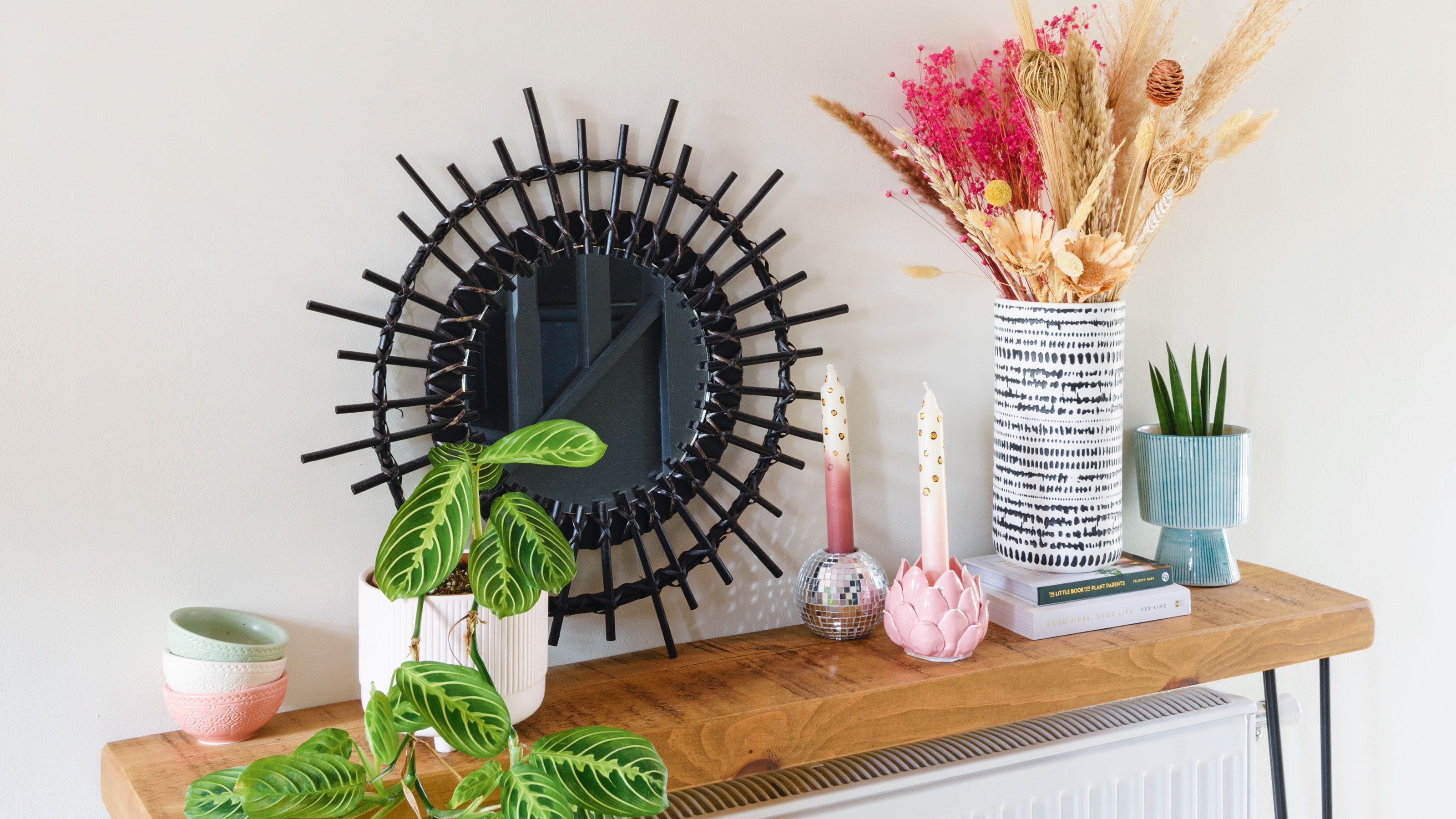
From a design perspective, radiator shelves transform a functional heating fixture into an integral part of the room's aesthetic. Nick Duggan, managing director of The Radiator Centre, notes that they create a clean visual line, break up blank wall space, and provide a convenient surface for decorative items and home accessories, enhancing the overall room decor.
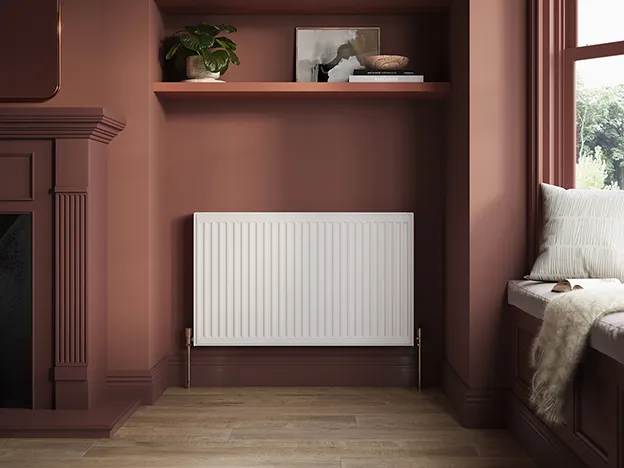
However, the effectiveness of a radiator shelf hinges on correct installation. A common misconception is that shelves always impede heat flow. While a shelf positioned too close to the radiator can indeed restrict heat circulation and reduce efficiency, a well-placed shelf will improve it. Experts recommend maintaining a distance of at least 10 to 15 cm between the radiator and the bottom of the shelf. This gap allows for adequate convection heat distribution throughout the room. Additionally, it is crucial to use heat-resistant materials, such as solid wood, for the shelf to prevent heat damage or warping over time. When these guidelines are followed, radiator shelves can be both a functional and stylish addition to any home, improving heating efficiency and contributing to energy savings.
#RadiatorShelf #HomeHeating #EnergyEfficiency #HomeDecor #WinterTips #DIYHomeImprovements #HeatingBills #InteriorDesign #HeatDistribution #RadiatorShelf #HomeHeating #EnergyEfficiency #HomeDecor #WinterTips #DIYHomeImprovements #HeatingBills #InteriorDesign #HeatDistribution
0 comment in total
 No comments yet
You may also like
£14 heating trick has kept my house warm and thermostat lower as energy bills set to rise
3 home design choices that were increasing my heating bills

The must-have items to get you through winter
Radiant heating can add a blanket of comfort, as well as long-term savings for the home
Experts Urge Homeowners to Avoid This Radiator Mistake That 'Exaggerates' How Well It Will Heat Your Home

Radiators

The Ultimate Guide To Warmth: How To Choose The Best Room Heater For Your Home?
Fed Up with Chilly Nights? HVAC Pros Reveal One Quick and Free Bedroom Tweak to Keep You Warmer Without Raising Bills

Discover the lesser-known hack to power up your struggling radiators

HVAC Pros Say This One Fall Task Can Make Your Home Feel So Much Warmer (and It's So Easy!)

Do Radiator Covers Block Heat? Heating Experts Break It Down
9 cheap ways to heat your home this winter for under £10 each


Heat your home efficiently this winter
The best space heaters in 2025

How to stop radiators knocking and banging when they turn on - KEY tips
How to make a conservatory warmer - ways to heat and insulate for all-year round use
Is your radiator not heating up? Why it happens and how to fix the problem asap
17 Tips and Hacks to Help Keep Your House Warm This Winter

Warm Up Your Space & Lower Your Bills With This Energy-Efficient Home Swap

Keep warm for less this winter