1/3
Bad Thermostat Placement Could Cost You Hundreds This Winter
As winter approaches and heating systems are activated, homeowners face the potential for increased energy bills. While maintaining an optimal thermostat temperature is crucial, the physical placement of the thermostat within a home significantly impacts its efficiency and, consequently, energy costs. An improperly located thermostat can misread the actual ambient temperature, leading the HVAC system to overwork and consume more energy than necessary.
Several common placements are detrimental to thermostat accuracy and overall energy efficiency. These include areas near windows or doors, which are susceptible to drafts and direct sunlight. Sunlight can cause the thermostat to register a higher temperature than the room's actual average, prompting it to reduce heating prematurely. Conversely, drafts can lead it to sense a lower temperature, causing excessive heating. Similarly, placing a thermostat near heat-emitting appliances such as lamps, televisions, or even in a kitchen or bathroom where steam and heat from cooking or showers can interfere, will result in inaccurate readings and inefficient operation.
Exterior walls, which tend to be cooler than interior walls, are also unsuitable locations. Positioning the thermostat on an exterior wall can lead it to believe the house is colder than it is, triggering the heating system unnecessarily. Additionally, hallways or low-traffic rooms should be avoided. These areas do not accurately represent the temperature of the living spaces where comfort is most desired. A thermostat in such a location may cause frequently used rooms to be either too hot or too cold, necessitating manual adjustments and still resulting in wasted energy.
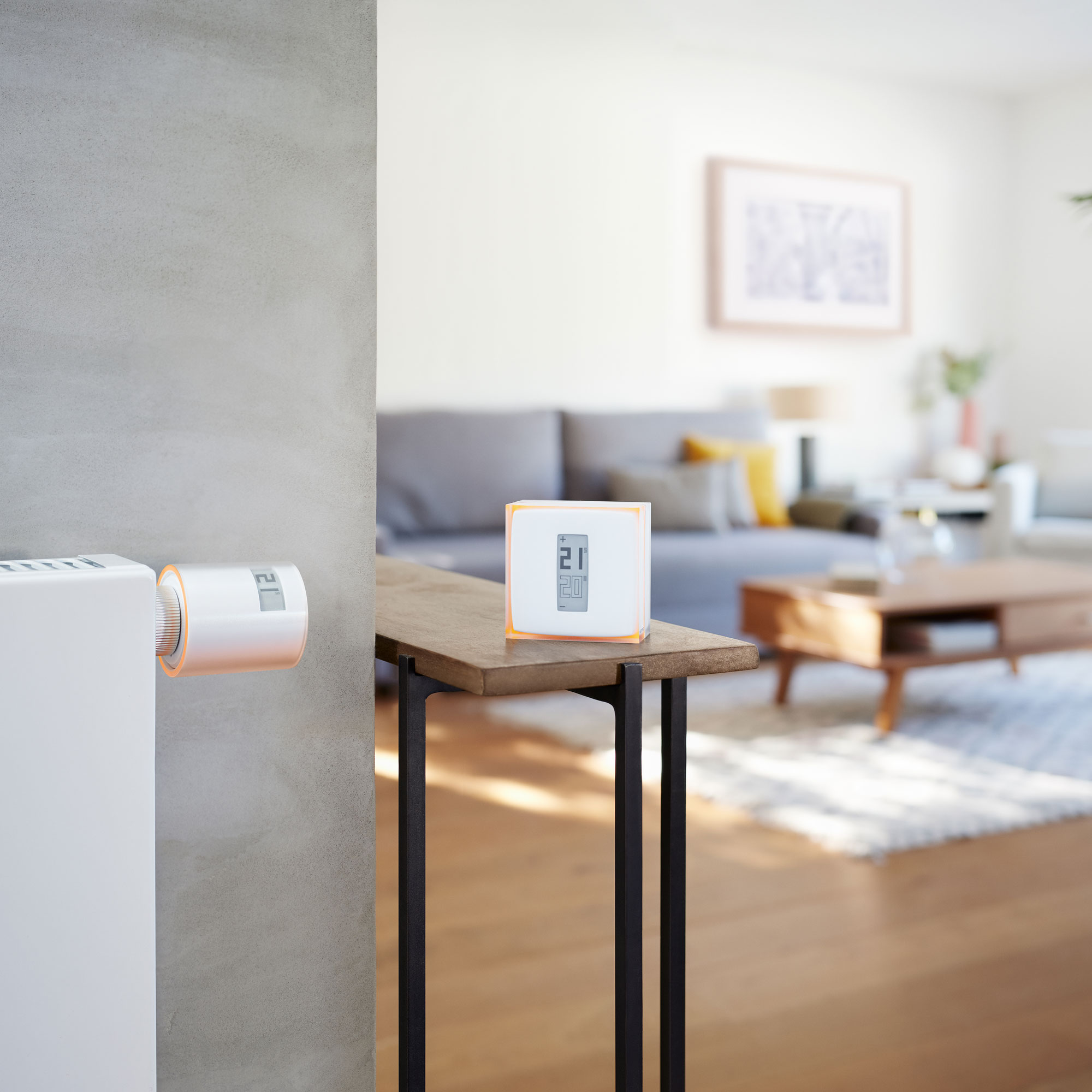
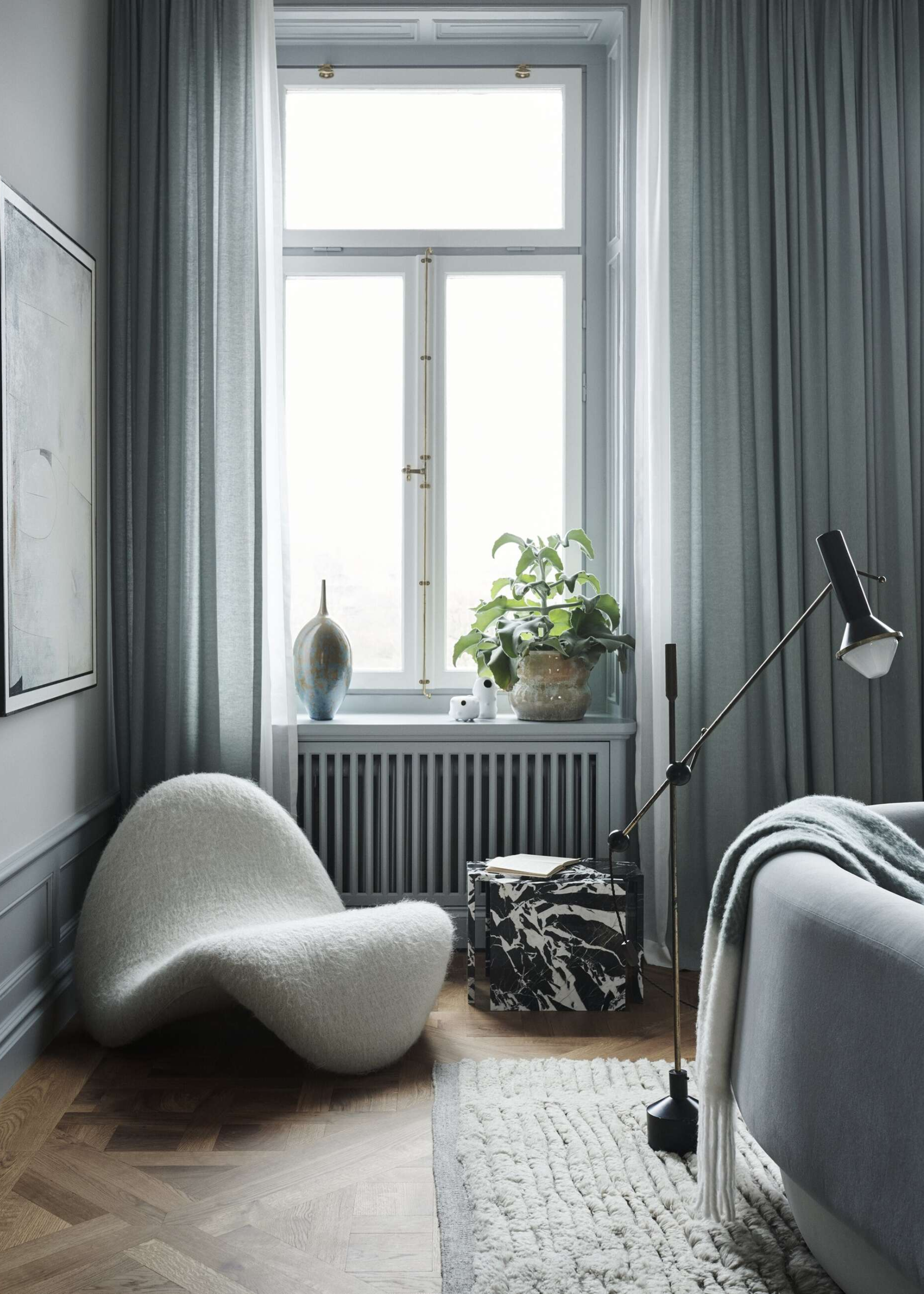
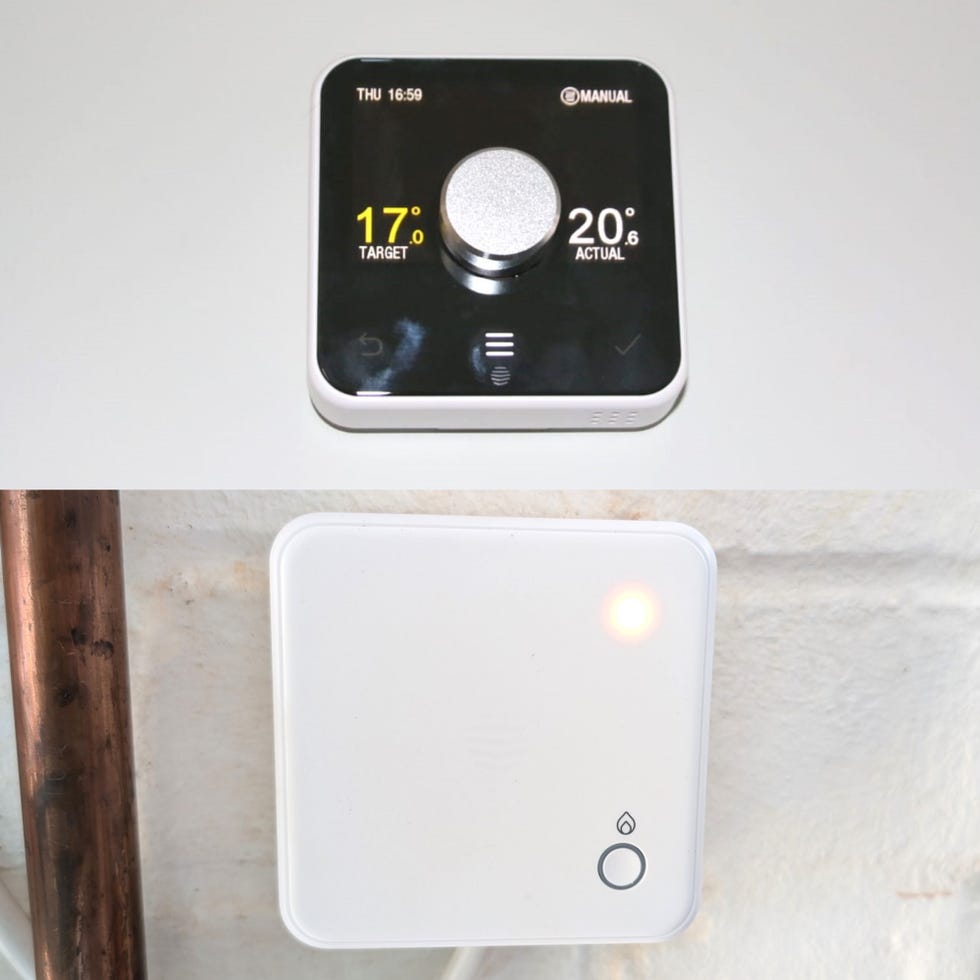
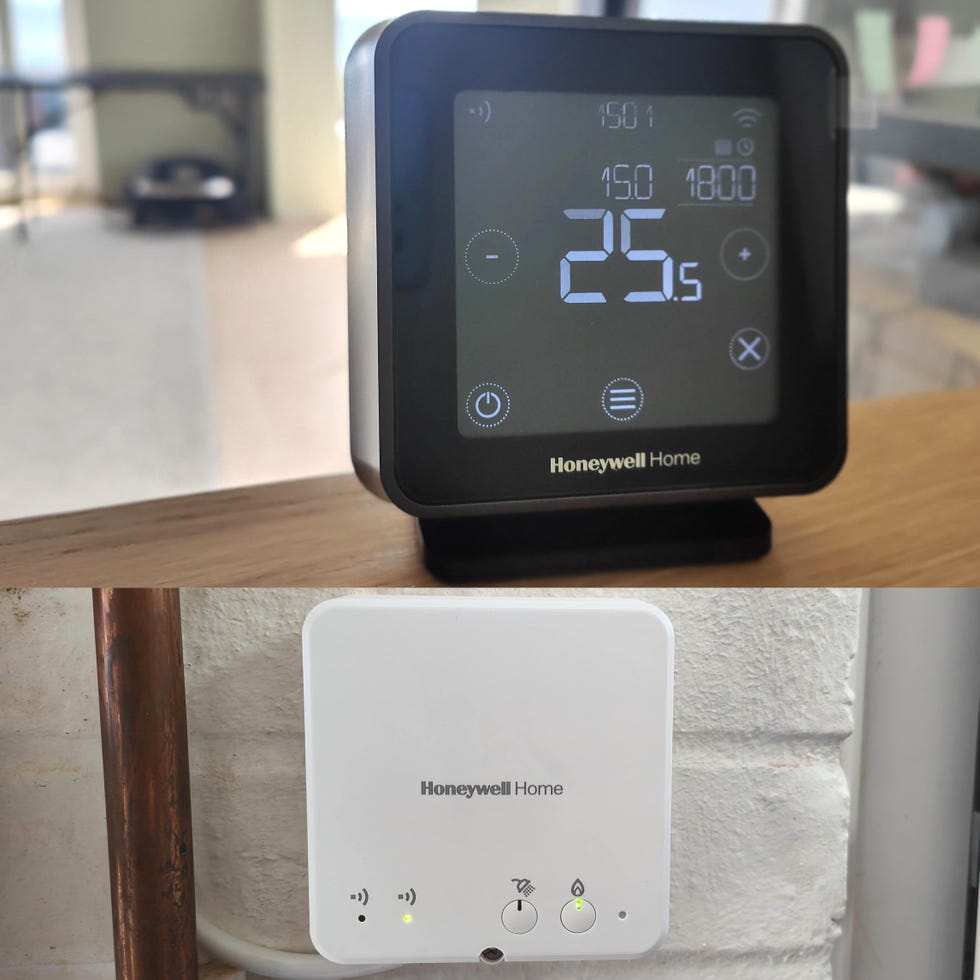
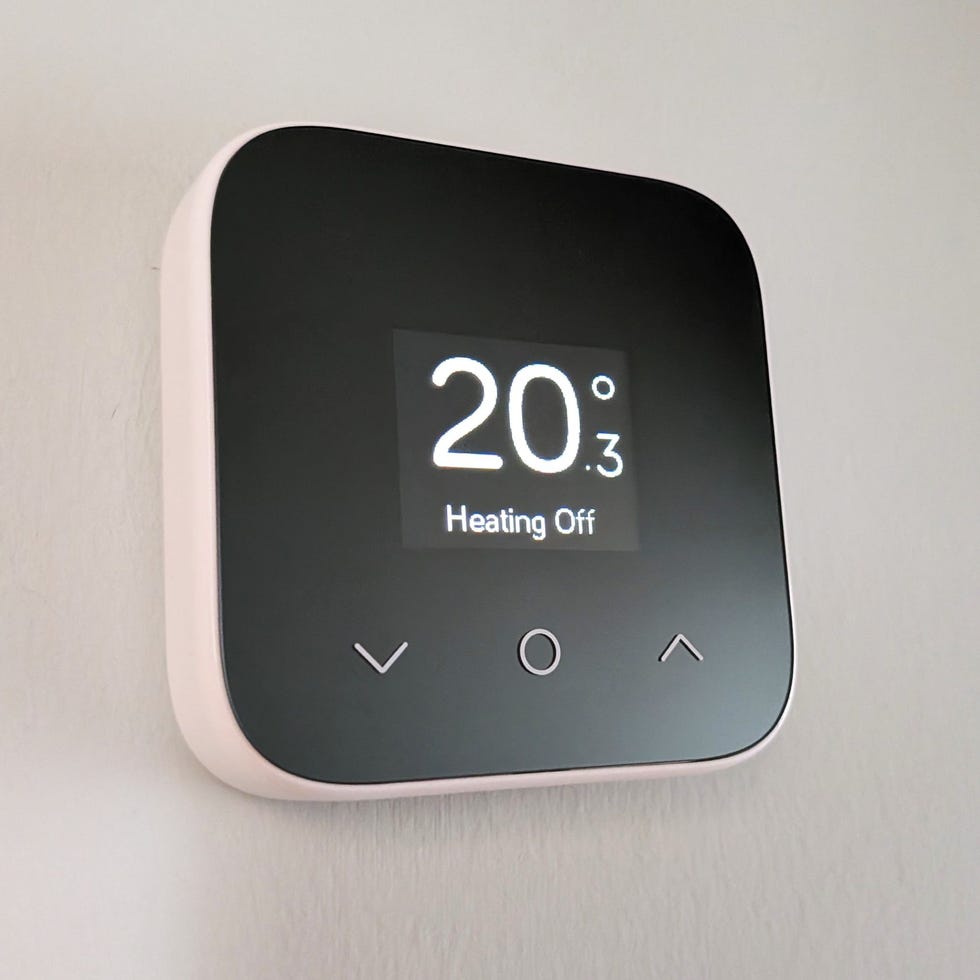
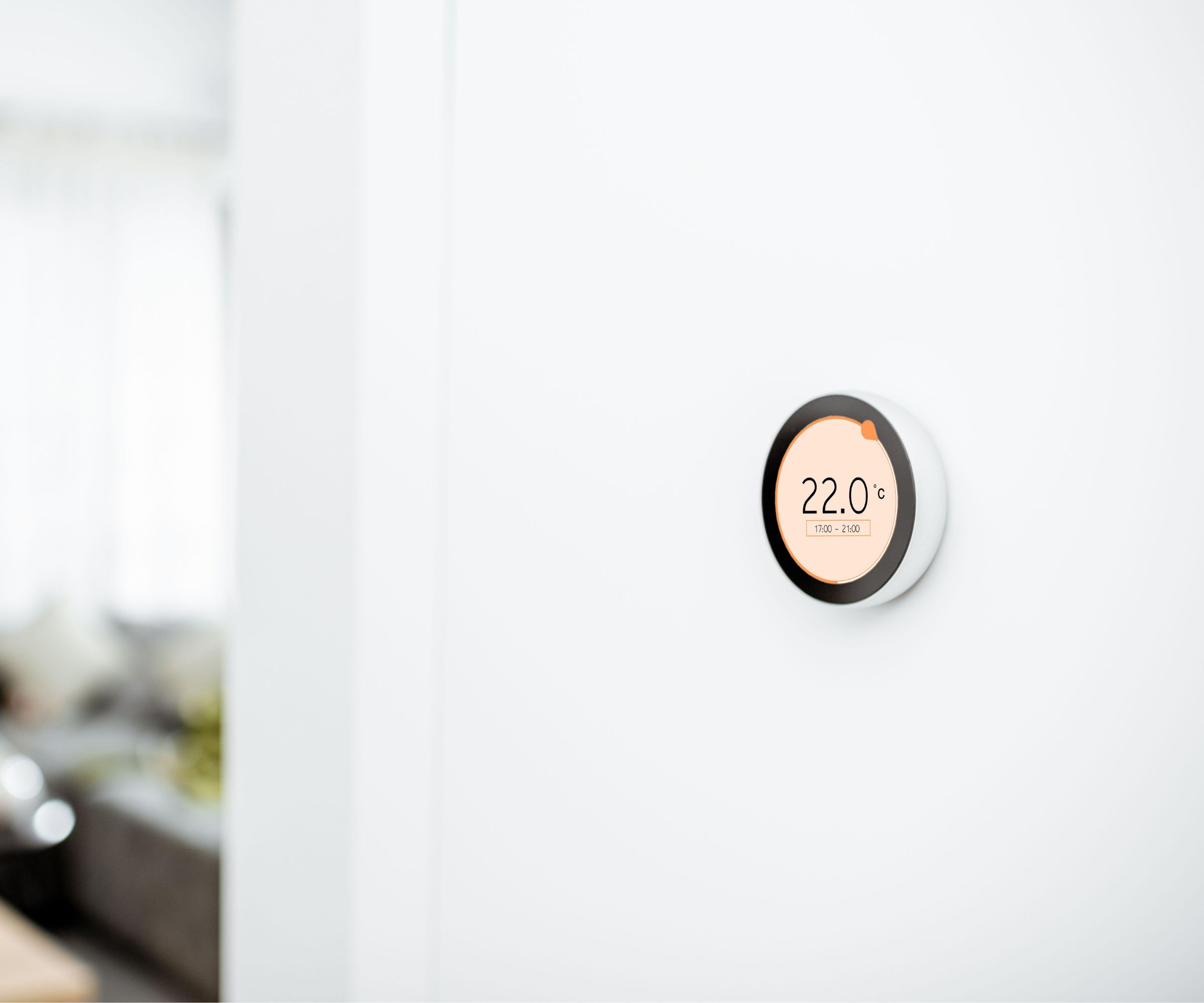
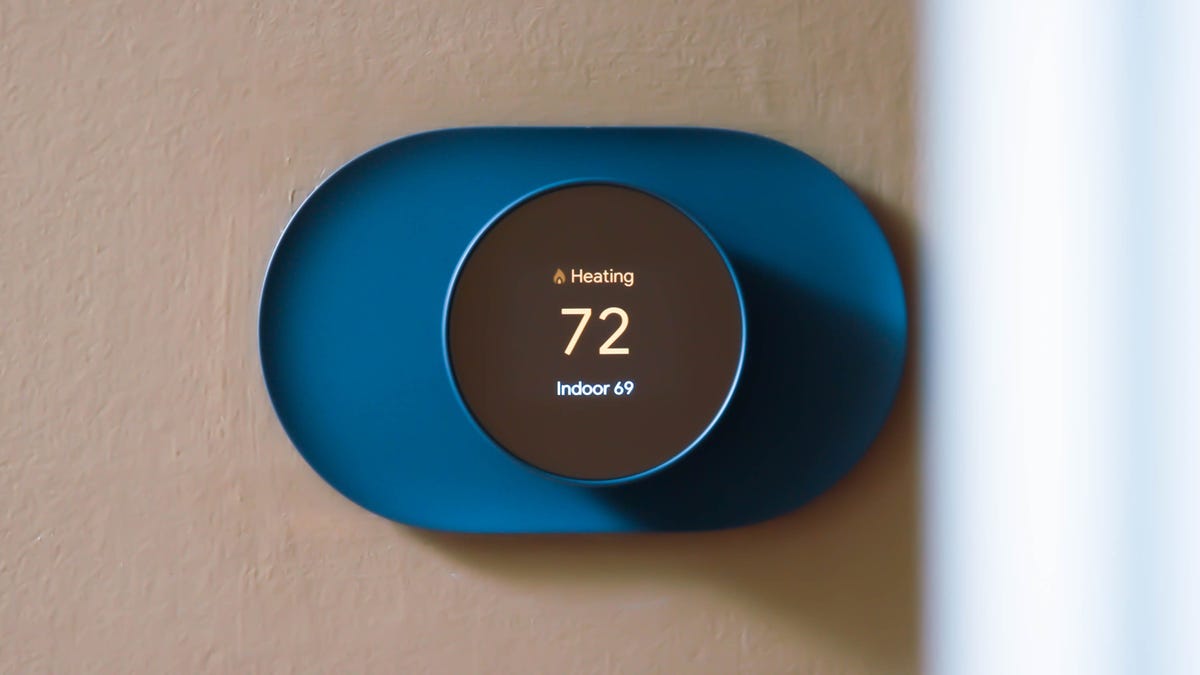
The ideal location for a thermostat is on an interior wall in a frequently used central room, such as a living room. This placement ensures that the thermostat can accurately measure the temperature of the most occupied parts of the house, thereby maintaining consistent comfort and optimizing energy usage. For smart thermostats, it is also important to ensure they are not obstructed by furniture or decorations that could block their sensors. Furthermore, smart thermostats need to be within range of the home's Wi-Fi network to function correctly and utilize their advanced features for energy management.
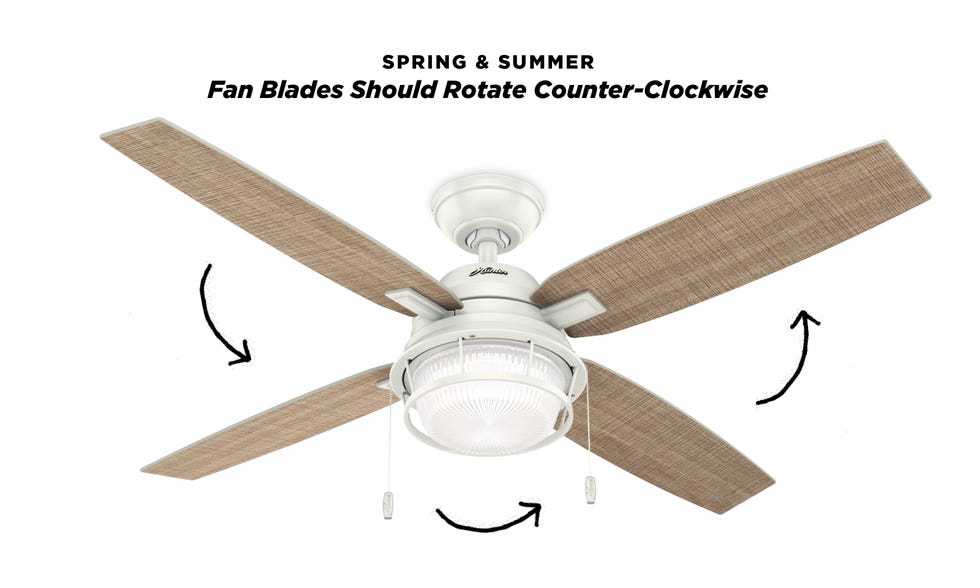
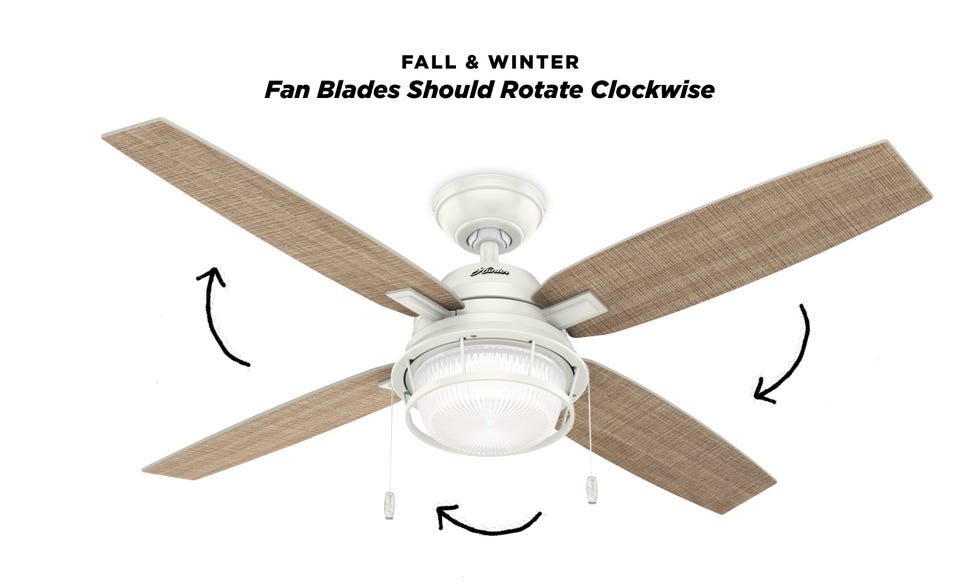
Relocating a thermostat can be a straightforward DIY task in some instances, but more complex installations might require the expertise of an HVAC specialist. While there might be an initial cost for professional relocation, the long-term savings on energy bills can easily offset this expense. Adopting other energy-saving practices, such as unplugging appliances when not in use, utilizing Energy Star certified appliances, and incorporating smart home devices, can further reduce energy consumption and costs. Even simple adjustments like using ceiling fans efficiently can contribute to significant savings in both heating and cooling expenses.
#ThermostatPlacement #EnergyEfficiency #SmartHome #HVACSystem #HomeEnergySaving #UtilityBills #HomeTips #ThermostatPlacement #EnergyEfficiency #SmartHome #HVACSystem #HomeEnergySaving #UtilityBills #HomeTips
0 comment in total
 No comments yet
You may also like

They Might Block the Cold, but This Thermal Blind Mistake Could Make You Sick

The perfect temperature to avoid frozen pipes

The Fan Mistake You’re Making That’s Making Your House Hotter

Should You Turn Your Heat Down When You're Not Home?
Experts Urge Homeowners to Avoid This Radiator Mistake That 'Exaggerates' How Well It Will Heat Your Home

9 cheap ways to heat your home this winter for under £10 each

The Ceiling Fan Mistake That's Costing You Money Every Month
How to Winterize Your House And Save Yourself Thousands in Repairs Later
£14 heating trick has kept my house warm and thermostat lower as energy bills set to rise
Homeowner shares crucial tip to avoid costly repairs this winter: 'I need these reminders'


5 Design Mistakes Making Your Heating Less Effective in Your Home — And the Easy Ways to Fix Them
Why having your thermostat in the hallway could be costing you – and other heating mistakes

When a Smart Thermostat Isn’t the Smart Choice | Wirecutter

How to keep your house warm in winter — 29 budget-friendly and easy ways to stay cosy
The 6 best smart thermostats to control your heating from anywhere

Expert warns this popular DIY radiator cover hack could be increasing your heating bills
Are smart heating systems worth it? The pros and cons of upgrading your thermostat this winter
3 home design choices that were increasing my heating bills
The Best Home Thermostats for Efficient Heating and Cooling, Tested

6 Expert-Backed Ways to Keep Cold Air—and High Energy Bills—Out of Your House This Winter