We Asked HVAC Pros When We Should Turn On Our ACs, and It’s Sooner Than We Thought
Deciding when to activate your air conditioner for the season is a common dilemma, as turning it on too early can lead to reliance on unpredictable spring temperatures, while delaying it can overwork the HVAC system. HVAC professionals recommend powering on the AC when outdoor temperatures consistently reach the low to mid-70s. This proactive approach allows homeowners to address potential issues before the peak summer heat arrives, promoting better energy efficiency and preventing undue strain on the system.
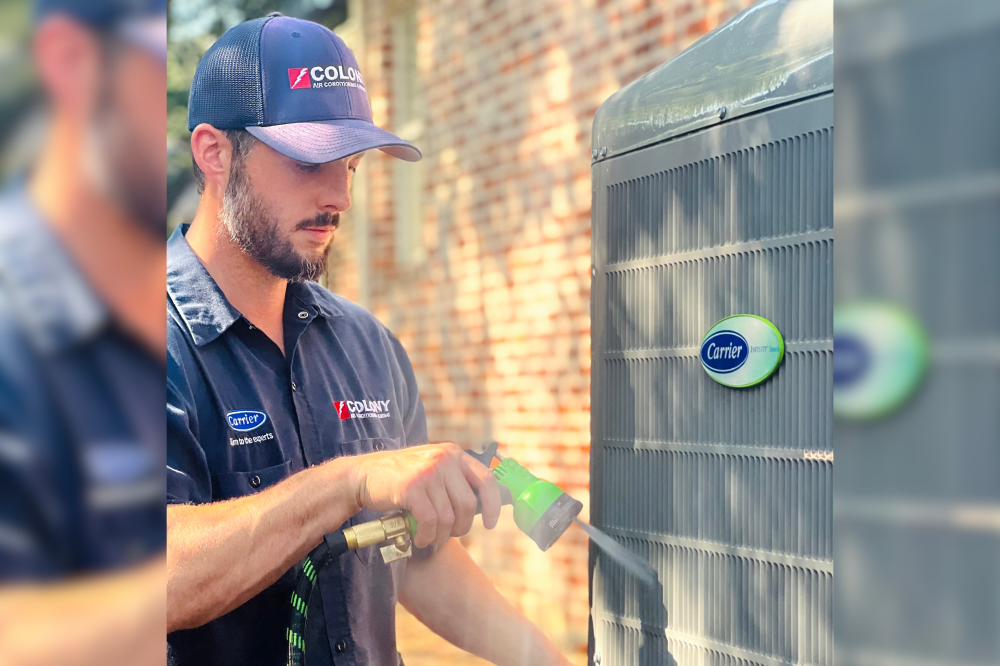
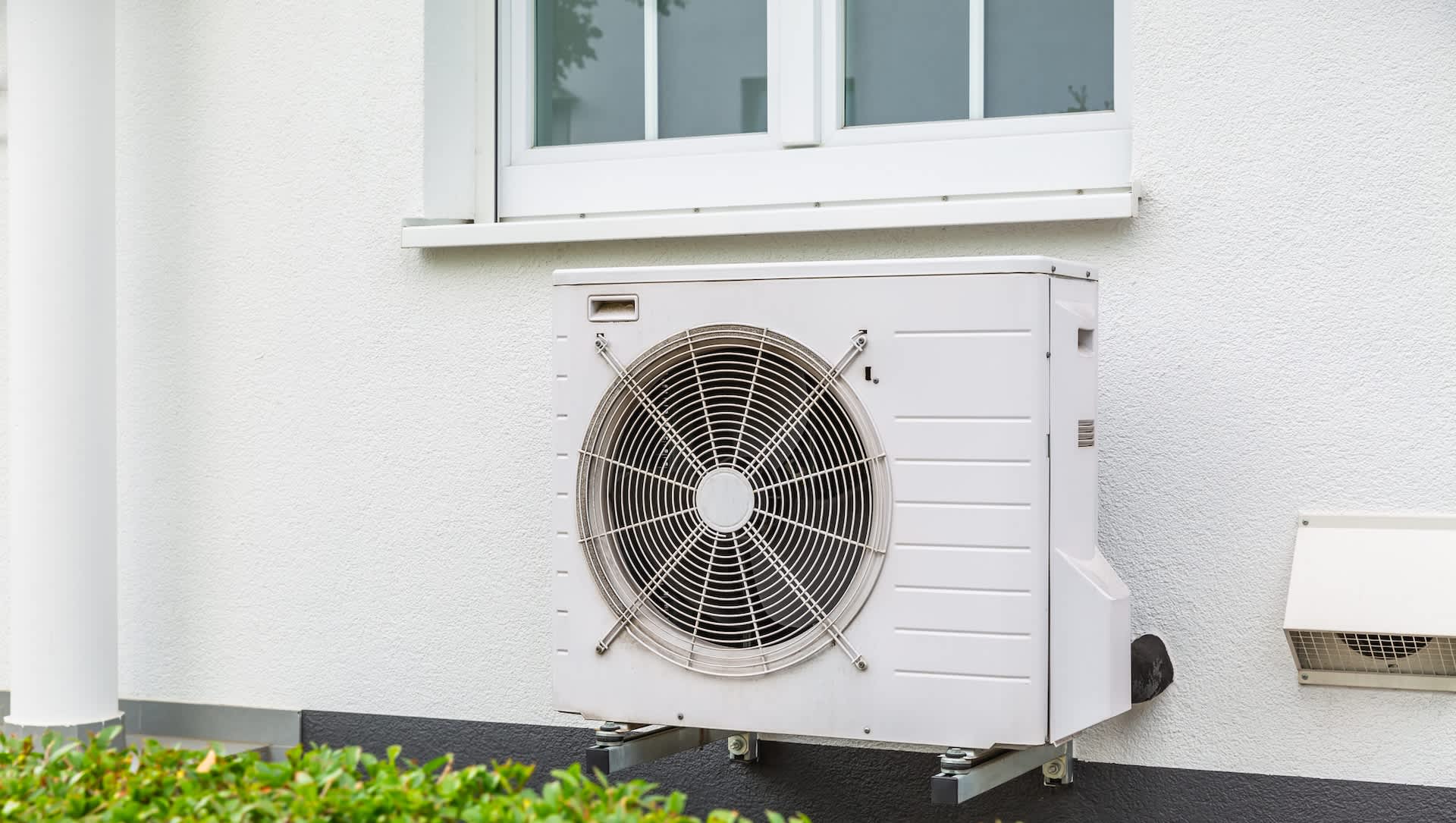
Before initiating the AC for the season, several preparatory steps are crucial to ensure optimal performance. Homeowners should inspect the outdoor unit for any accumulated debris like leaves or branches, ensuring at least two feet of clear space around it for proper airflow. Cleaning the unit gently with a soft brush or hose, rather than a pressure washer, is advised. Additionally, interior vents and registers should be cleaned, and the air filter must be replaced. A simple check of the thermostat, including battery replacement if necessary, is also recommended. For systems that haven't received professional attention recently, scheduling a spring tune-up is a wise decision.
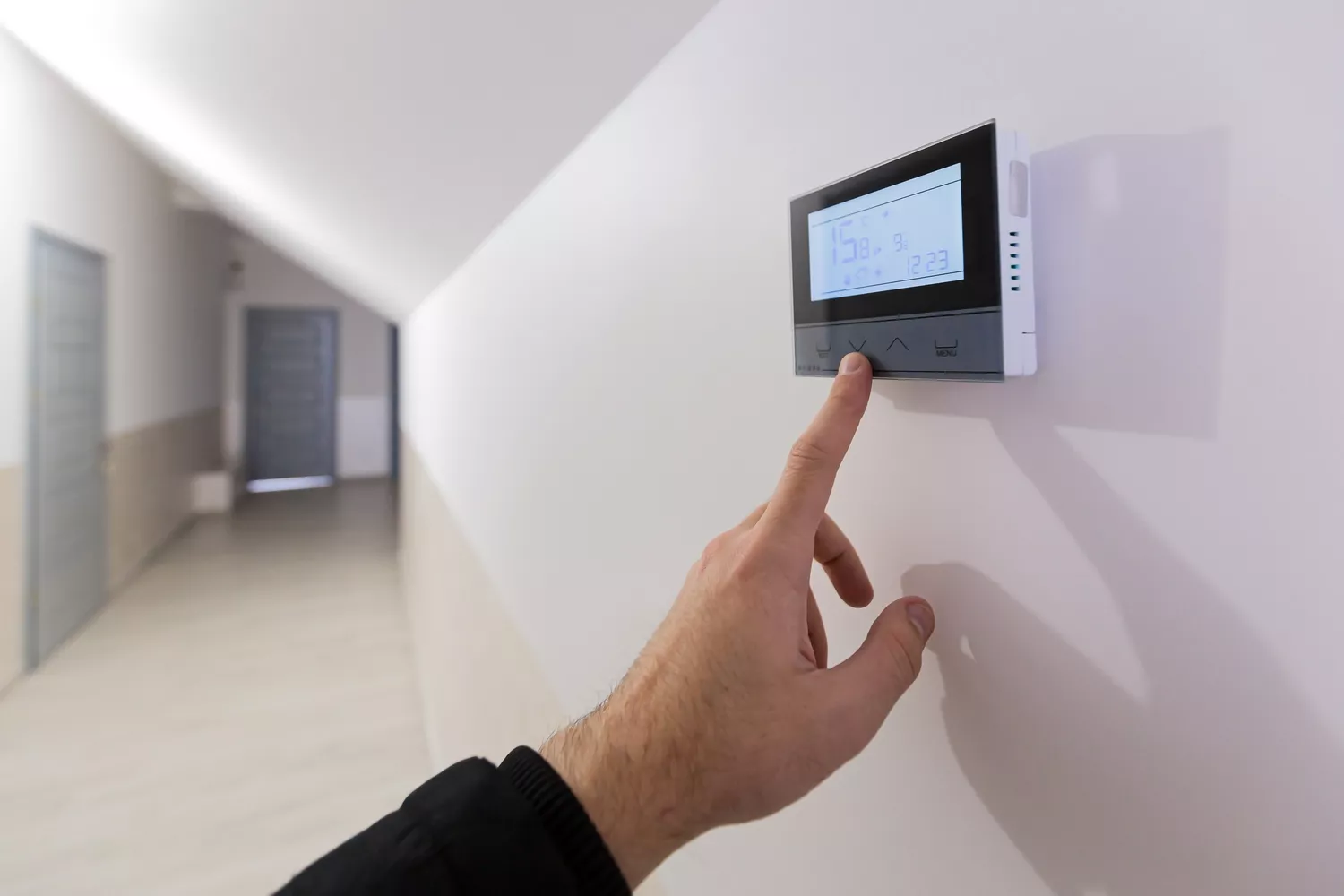
The process of turning on the AC is straightforward, yet it requires careful execution. First, confirm that all vents and registers are open. Then, switch the thermostat to cooling mode and set it a few degrees below the current room temperature to prompt activation. Allow the unit to operate for 15 to 20 minutes, verifying that cool air is emanating from all vents. If unusual sounds are detected or the air does not feel cool, it indicates a need for troubleshooting or professional assistance.
Various signs can point to problems with an AC system, necessitating a call to an HVAC professional. These include strange noises from either the indoor or outdoor unit, which often signal mechanical issues. Weak airflow from the vents can indicate problems with ductwork, the fan, or the motor. Furthermore, peculiar odors upon activation might suggest the presence of mold or debris, while the emission of warm air instead of cool air could be due to low refrigerant levels or a dirty coil. Ignoring these warning signs can lead to more severe damage and costlier repairs. Prompt professional intervention is key to maintaining the system's health and preventing escalation of issues.
#HVACMaintenance #AirConditioning #HomeImprovement #EnergyEfficiency #SeasonalPrep #ThermostatSettings #HomeCare #ApplianceMaintenance #HVACMaintenance #AirConditioning #HomeImprovement #EnergyEfficiency #SeasonalPrep #ThermostatSettings #HomeCare #ApplianceMaintenance
0 comment in total
 No comments yet
You may also like

How to get the most life out of your AC and Heating system
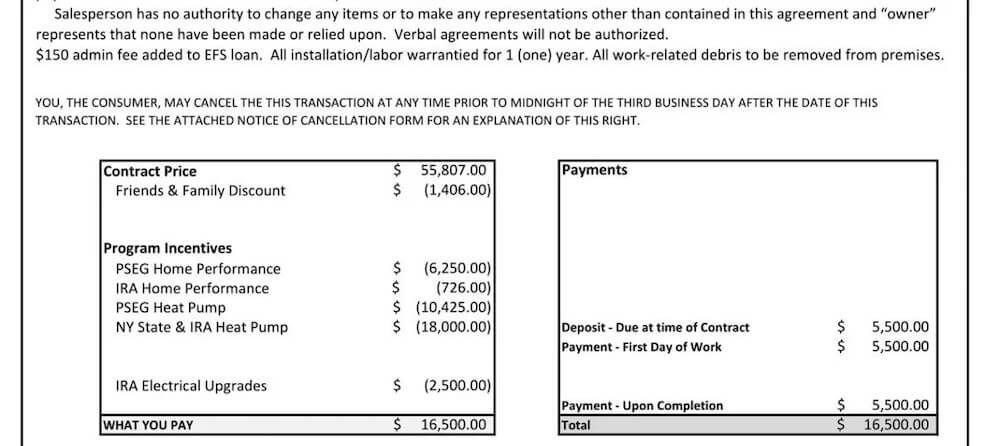
Homeowner requests unbiased advice after receiving stunning HVAC quote: 'I'd hop all over that'

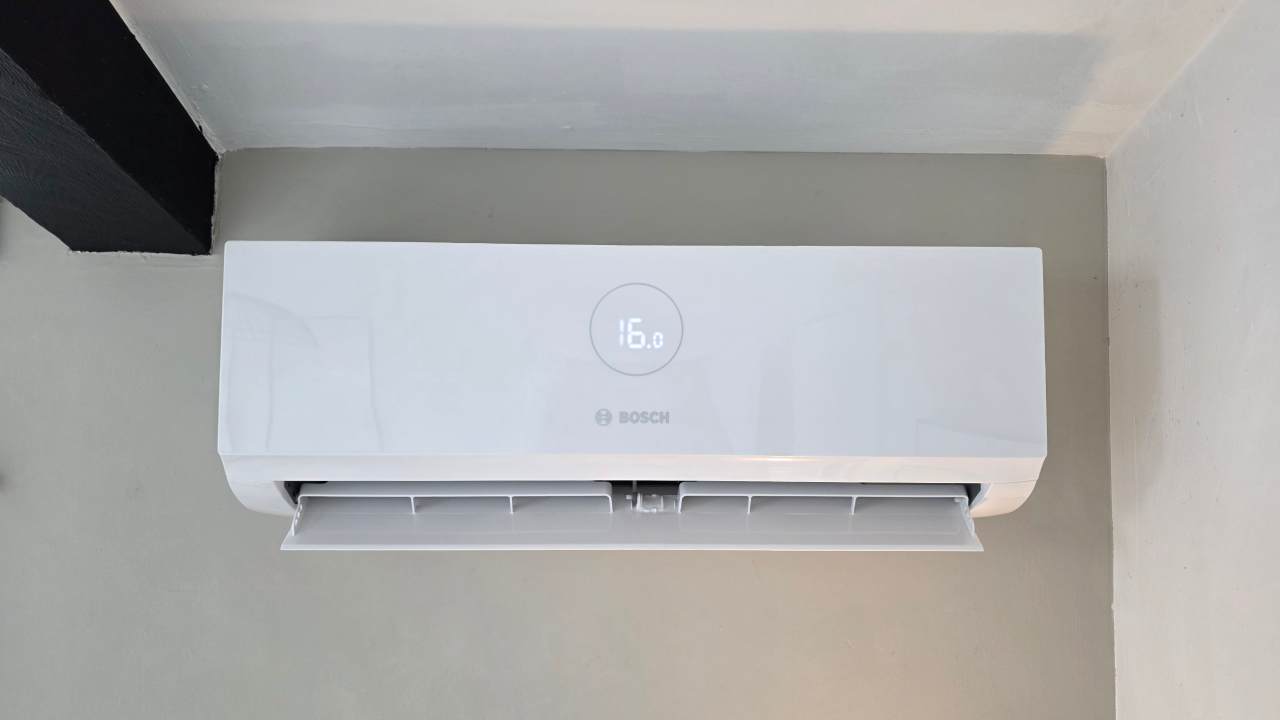
I had air con installed in my bedroom and was shocked how quick and easy it was

Should you open windows this winter? Experts weigh in

The Best HVAC Service Companies in America


HVAC unit: Is yours properly sized? If not, do this in 2025
The One Thing Every HVAC Pro Does Before a Heatwave Hits (and You Should Too)
Ask Angi: What should I do when the AC goes out?
Spare a thought for air-conditioning repair people. As the planet warms, they’re really up against it