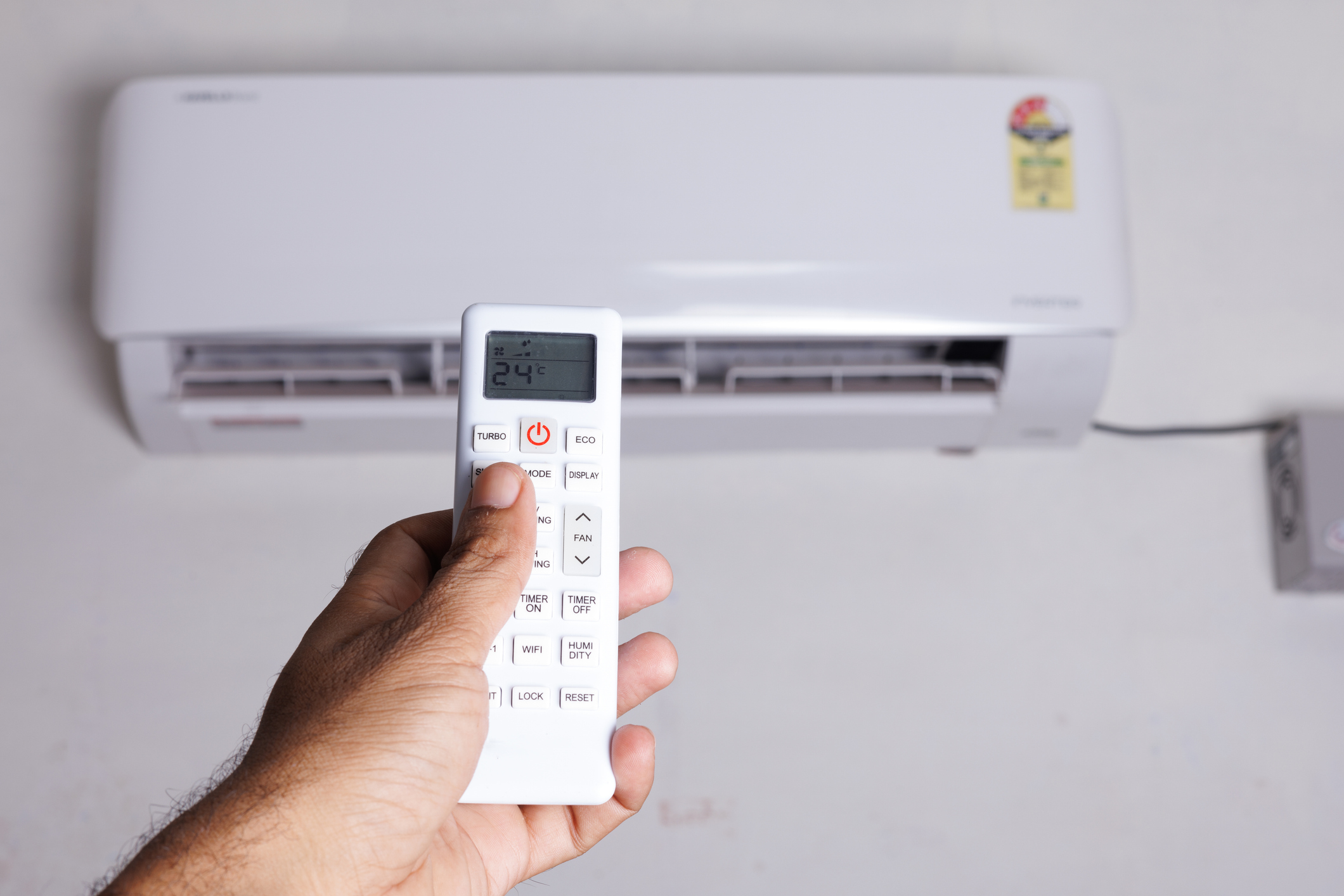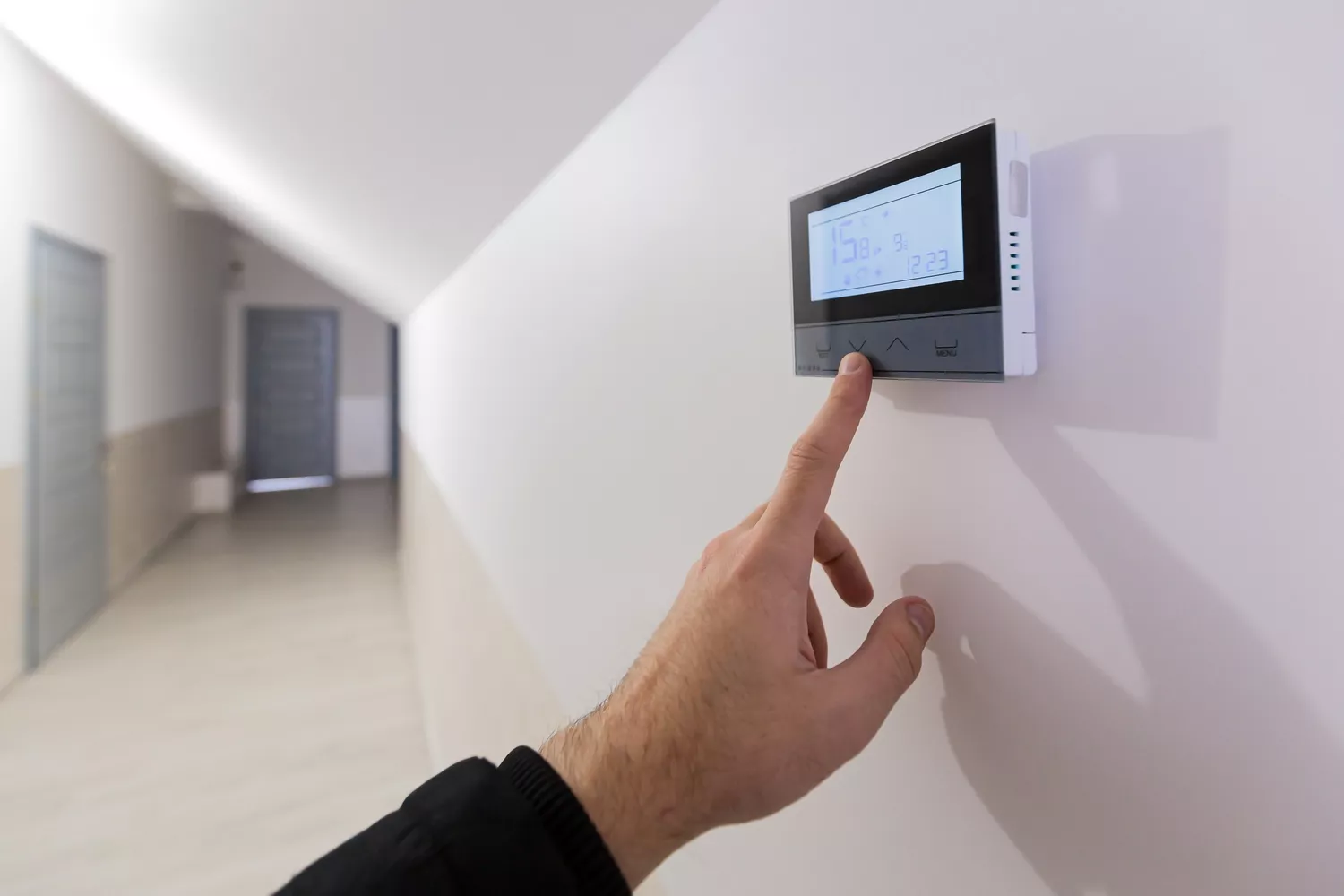
The One Thing Every HVAC Pro Does Before a Heatwave Hits (and You Should Too)
Maintaining optimal air conditioning performance during hot weather often leads homeowners to consider complex solutions. However, a straightforward and free adjustment can significantly enhance cooling efficiency: regularly cleaning or replacing the AC unit's air filter. Michael Brief, Head of Retail Sales at Friedrich Air Conditioning and an HVAC expert with over three decades of experience, emphasizes that a clean air filter is the most effective method for achieving cooler air from an AC unit.
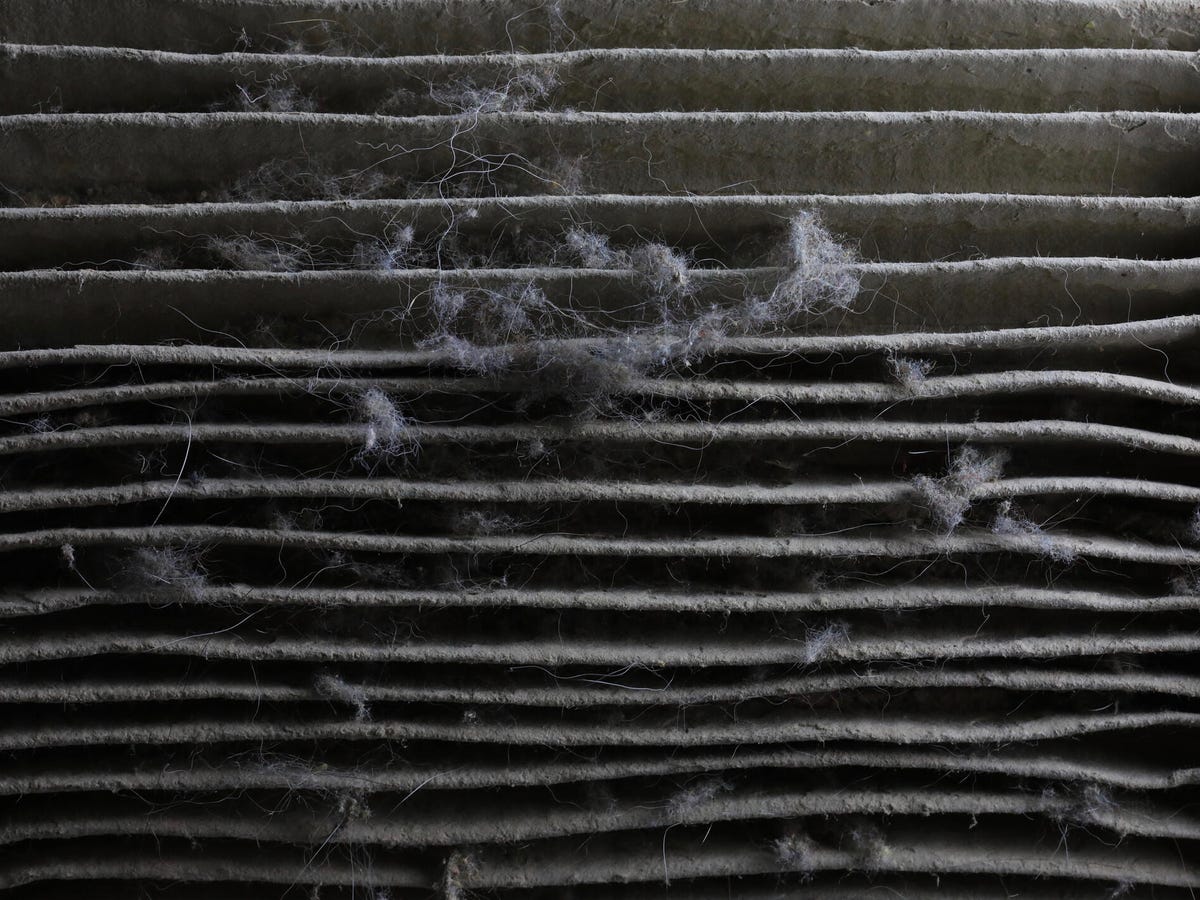
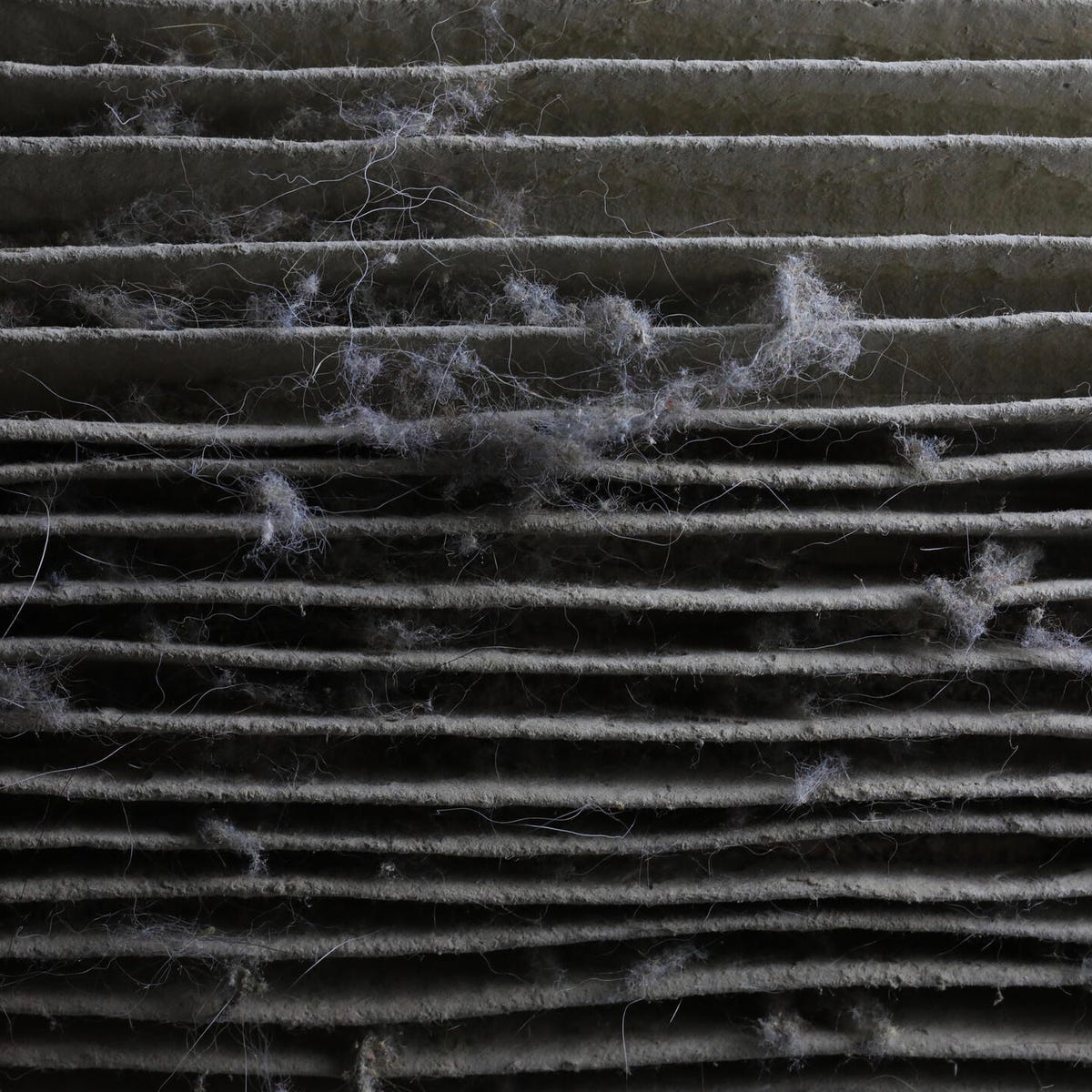
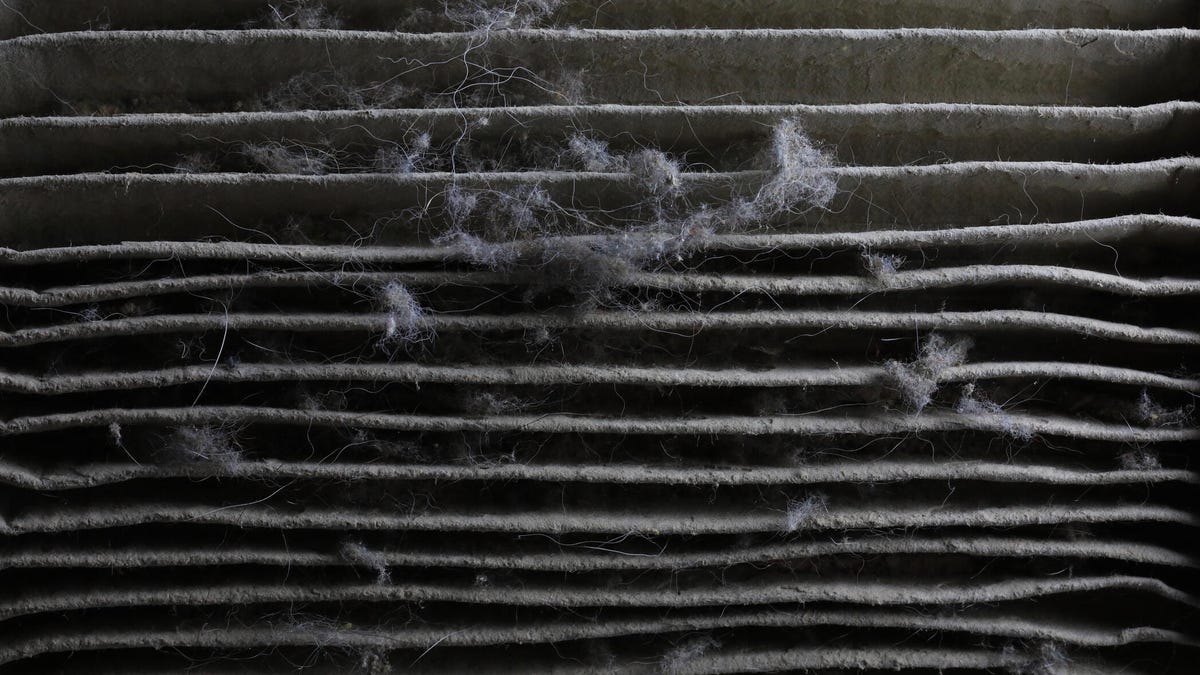
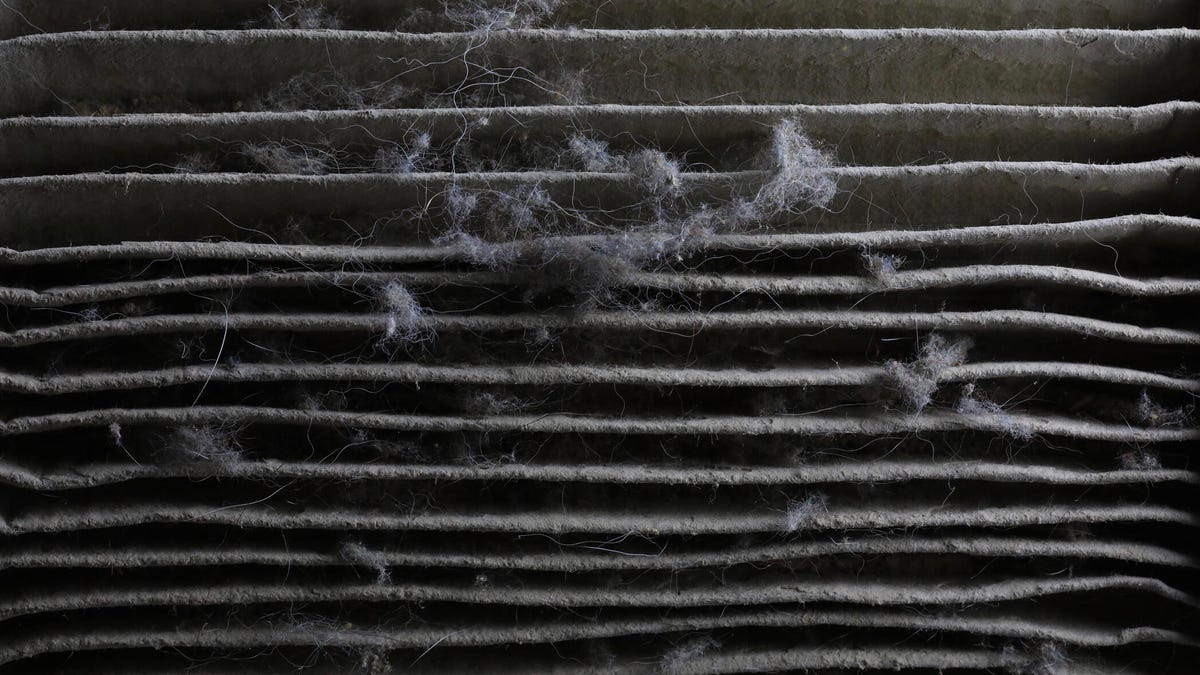
The primary function of an HVAC filter is to prevent dust, allergens, and other contaminants from entering the air stream, thereby contributing to a healthier indoor environment and improved air quality. A dirty filter restricts airflow, which directly impacts the AC unit's cooling performance. When airflow is impeded, the unit has to work harder to cool the space, leading to reduced efficiency and potentially higher energy consumption. Conversely, a clean filter allows air to pass through freely, optimizing the cooling process.
Air conditioning units typically use either permanent, washable nylon mesh filters or disposable fabric, carbon, or MERV 13 paper filters. For units with nylon mesh filters, monthly cleaning is recommended, especially when the unit is in heavy use. Disposable filters also require monthly replacement under similar conditions. If an AC unit is used less frequently, cleaning or replacement can be extended to once every three months. However, in households with dirty air conditions or daily use, more frequent cleaning or replacement may be necessary.
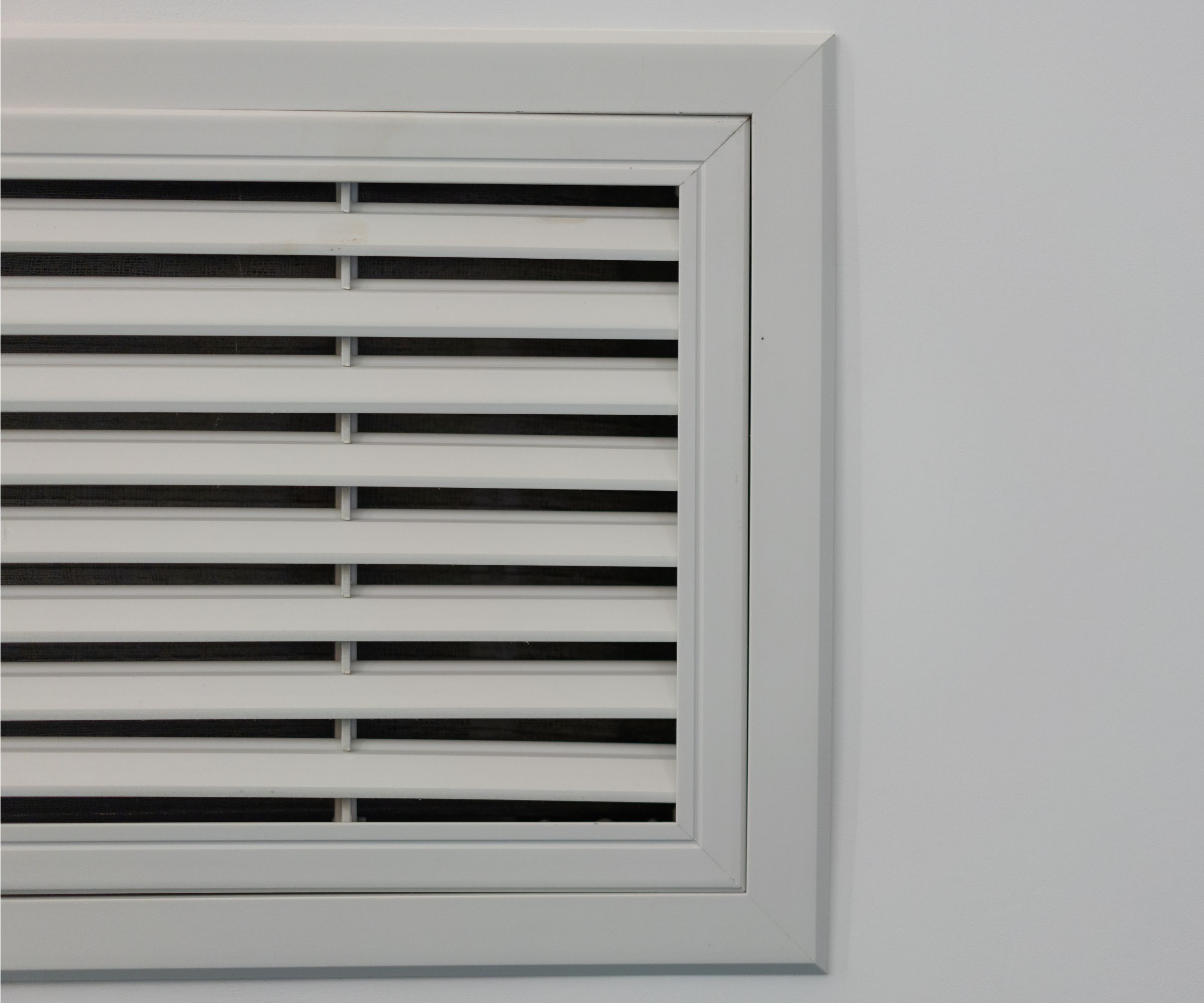
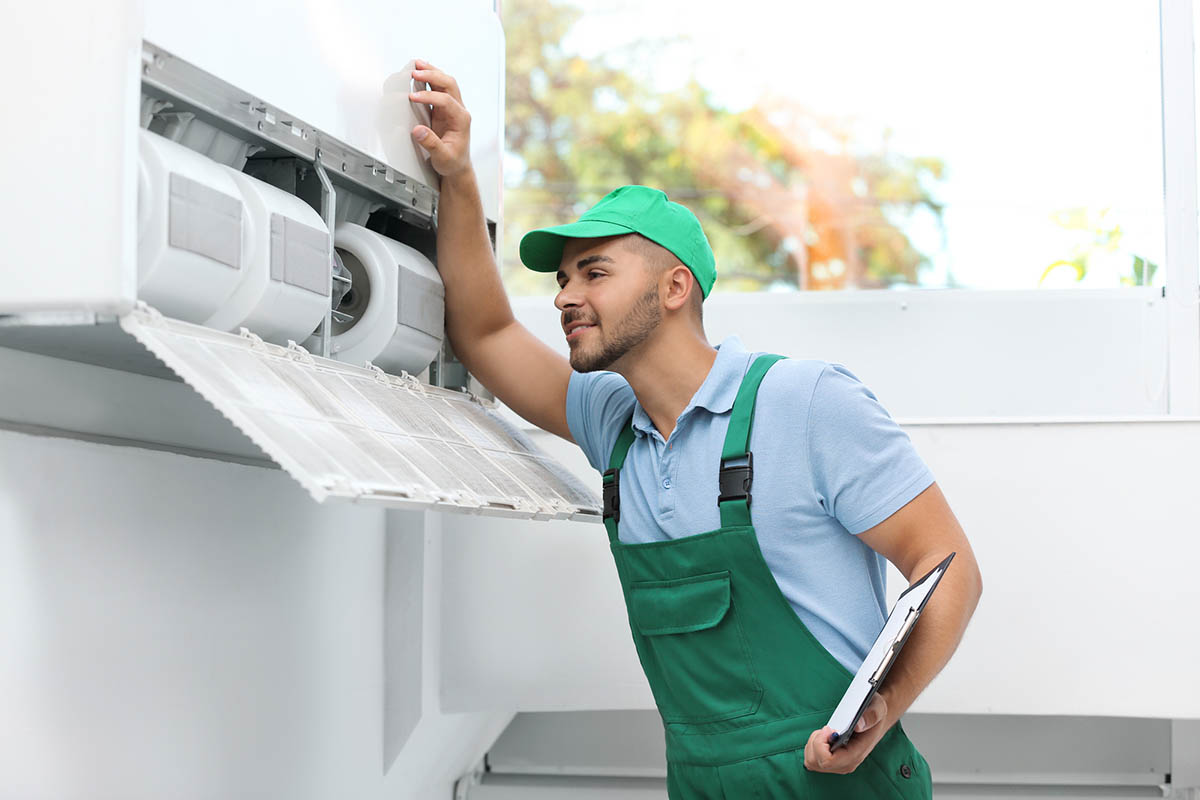
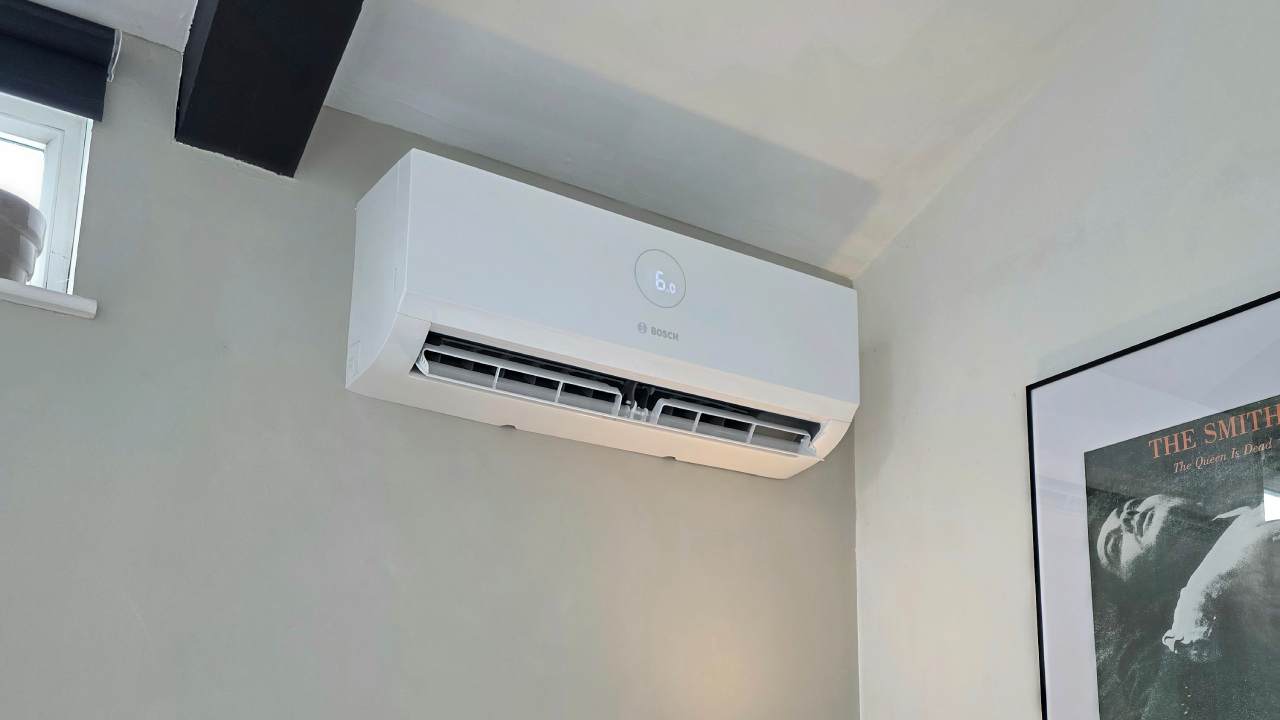
The process for cleaning or replacing a filter is simple but requires a few safety precautions. Before starting, it is crucial to turn off the AC unit at the thermostat or switch off the circuit breaker at the electric service panel to prevent any accidents. For window AC units, the filter is usually located behind the front face, while for split AC units, it's behind the front panel. Central AC unit filters are typically found in the return duct or behind the air return grille.
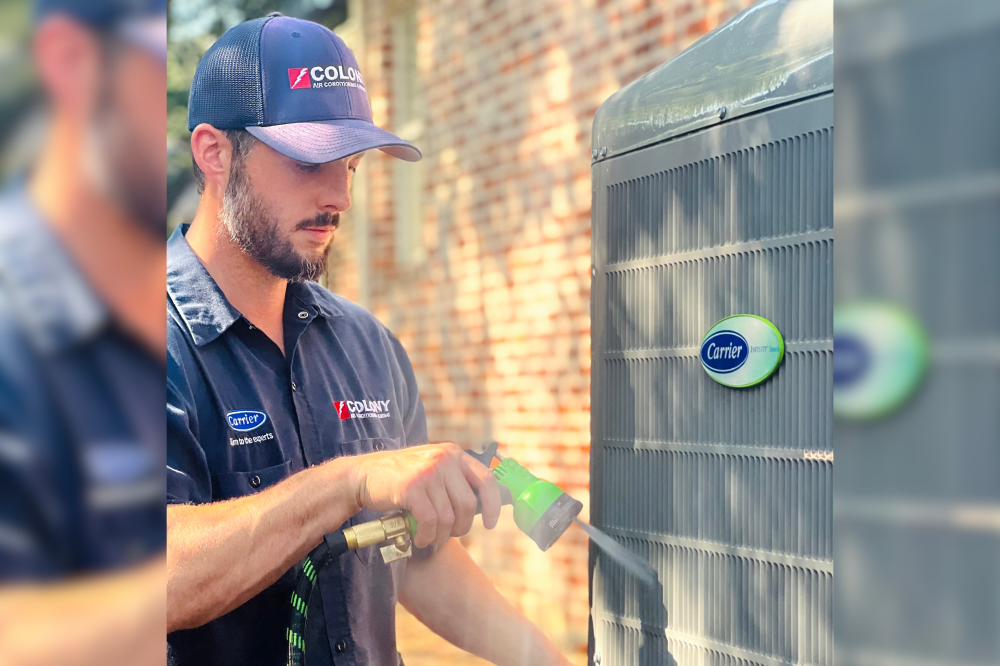
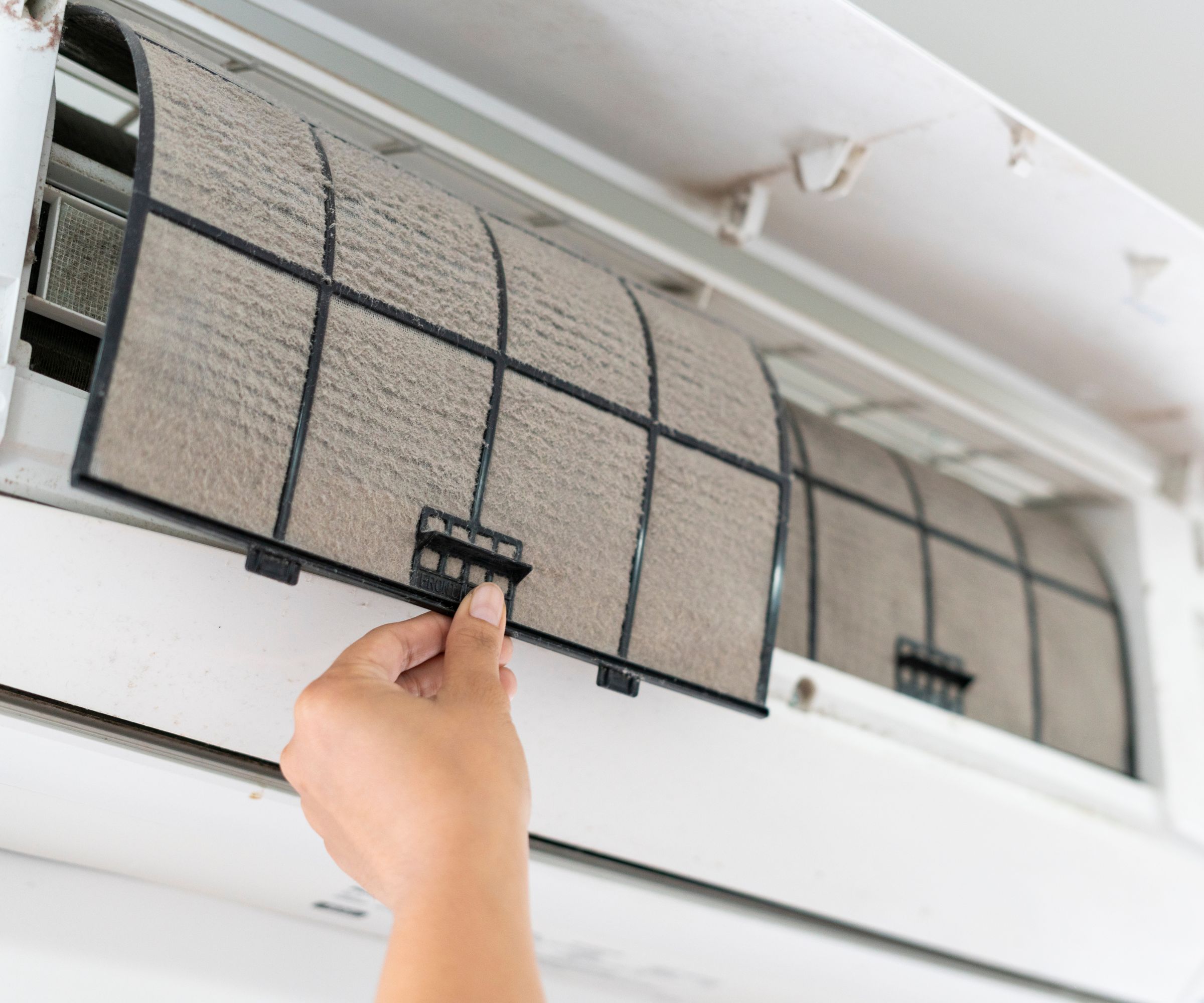
To clean a washable filter, first, remove it by sliding or unclipping it. A vacuum with a brush attachment can be used to gently remove loose dust. If the filter remains dirty, it can be sprinkled with baking soda and then gently rinsed with a hose, avoiding high pressure. For very dirty washable filters, soaking them in a mixture of equal parts warm water and white vinegar for one to two hours can be effective. After washing, the filter must be air-dried completely before reinstallation to prevent mold growth and maintain efficiency.
For disposable filters, the process involves unhooking the latches of the filter drawer, removing and discarding the old filter, and then inserting a new one. It is important to note that disposable filters should never be washed and reused. The new filter should be installed with the arrow on its side pointing in the direction of the airflow, and the drawer should be securely latched afterward.
Both permanent washable filters and disposable paper filters serve the same purpose of protecting the HVAC system and improving indoor air quality. The choice between them often comes down to personal preference. While washable filters are considered more environmentally friendly, their effectiveness hinges on regular cleaning. If regular cleaning is not consistently performed, a disposable paper filter, such as a MERV 13 rated filter, might be a more practical choice, as it is effective at capturing 50 to 90 percent of airborne particles.
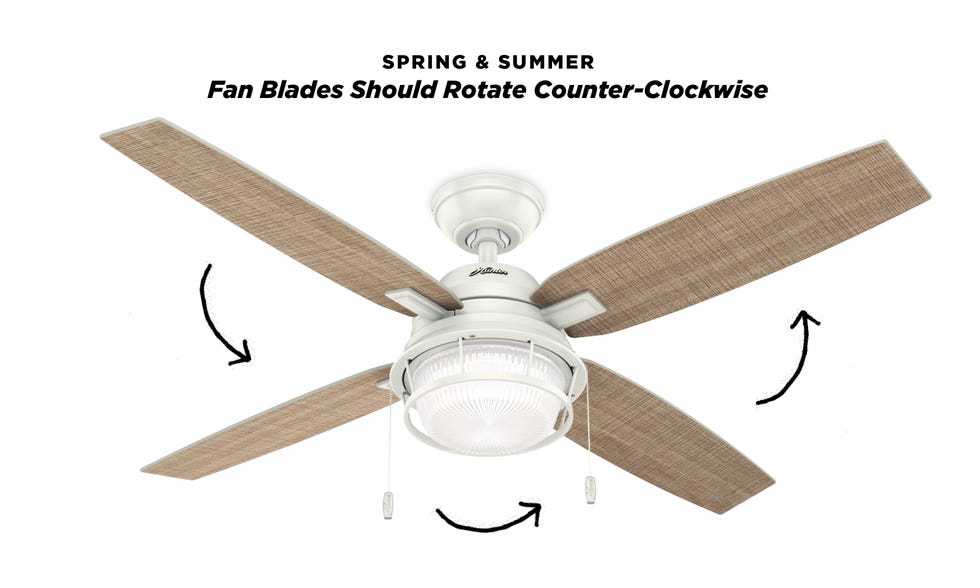
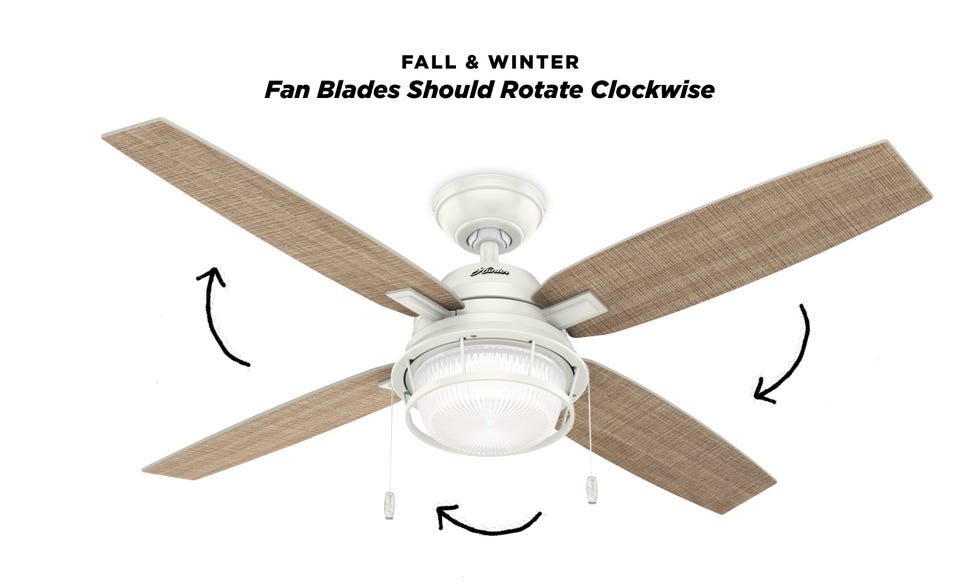
Beyond filter maintenance, several other tips can boost an AC's efficiency and help keep a house cooler. These include closing blinds and curtains, especially on sun-facing windows, to reduce heat gain; limiting heat-producing activities like using ovens or dryers; changing ceiling fan direction to counterclockwise to create a downdraft; sealing gaps and cracks in windows and walls with caulk to prevent air leaks; and keeping all air duct vents open, even in unused rooms, to ensure proper air circulation throughout the home.
#HVACMaintenance #ACFilter #HomeCooling #EnergyEfficiency #AirQuality #DIYHomeImprovement #SummerPrep #HVACTips #HVACMaintenance #ACFilter #HomeCooling #EnergyEfficiency #AirQuality #DIYHomeImprovement #SummerPrep #HVACTips
0 comment in total
 No comments yet
You may also like

Sick of the heat? Here's how to keep your home cool, heatwave or not, if you don't have AC

Don't ruin your patio! 7 steps experts say you must take before the first frost

5 telltale signs your home needs a vapor barrier this winter and beyond


Updating And Maintaining Your Workplace’s HVAC System


This is How People Dealt with Summer Heat Before Air Conditioning

The Fan Mistake You’re Making That’s Making Your House Hotter
Handyman: Make sure water heater is ready for cold days

How to draft proof your kitchen, cook in comfort and reduce your energy bills
HVAC Maintenance Guide: What to DIY and When to Call a Pro

Ask Angi: What should I do when the AC goes out?
Central heating - everything you need to know about heating your home
I had air con installed in my bedroom and was shocked how quick and easy it was
We Asked HVAC Pros When We Should Turn On Our ACs, and It’s Sooner Than We Thought
How to clean your HVAC system – 6 expert tips to make this essential task DIY-friendly
What’s the most efficient way to heat a house? How to heat your home for less, according to experts


Don't Do This—There Are Better Solutions for Cooling Your Garage in the Summer


How to get the most life out of your AC and Heating system
How to stop radiators knocking and banging when they turn on - KEY tips
The Best HVAC Service Companies in America


HVAC Pros Say This One Fall Task Can Make Your Home Feel So Much Warmer (and It's So Easy!)