1/3
Should you open windows this winter? Experts weigh in
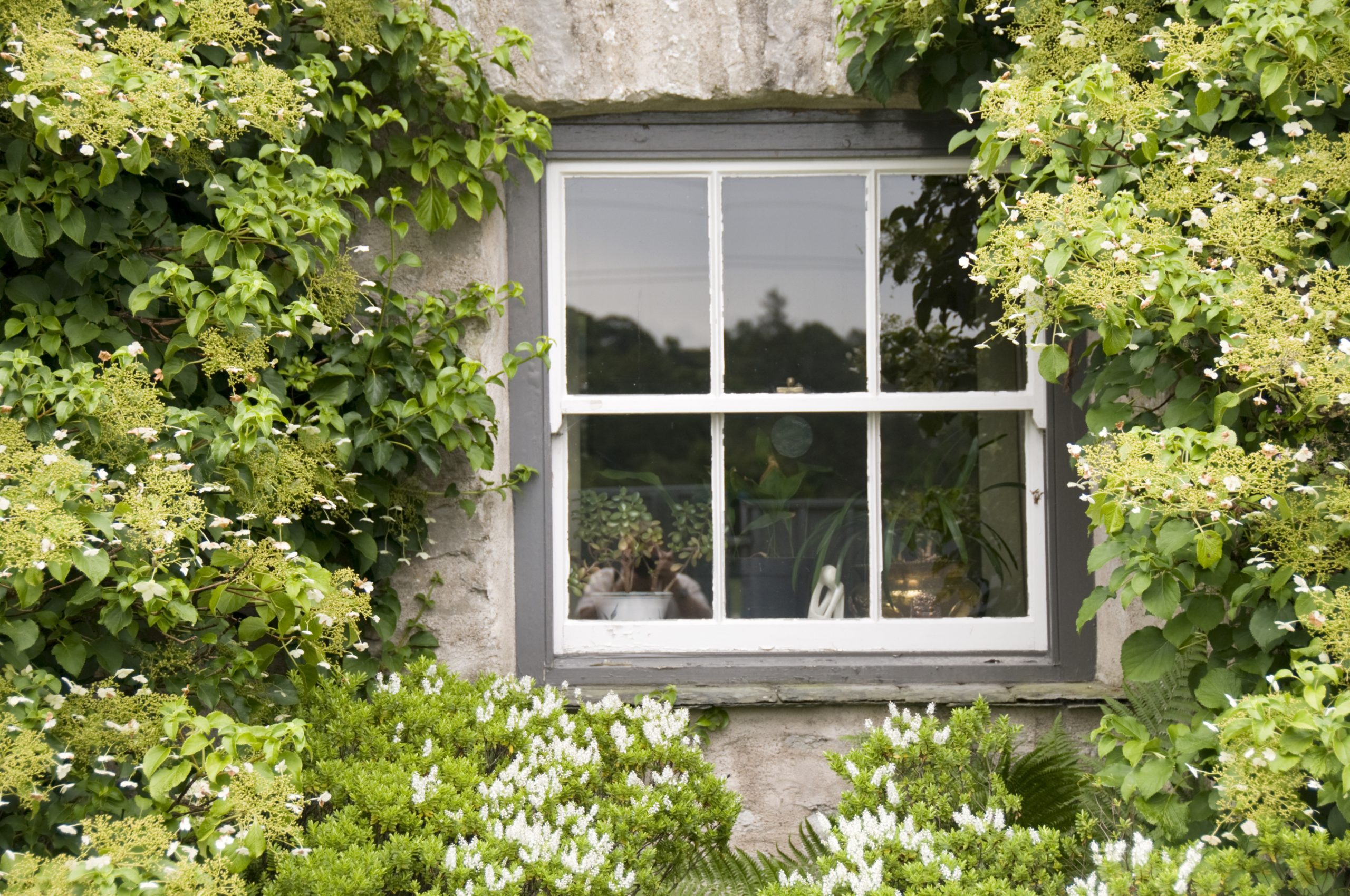
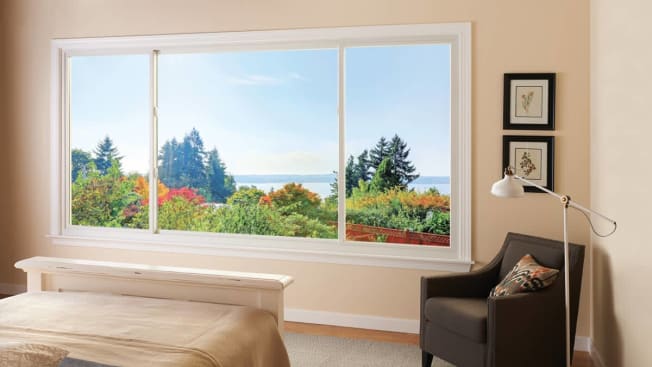
While it might seem counterintuitive to open windows during the colder months, air quality experts emphasize that proper ventilation in winter is a crucial maintenance task that homeowners should not overlook. Regularly airing out a home helps combat common seasonal issues such as mold, musty odors, and condensation buildup. This practice not only maintains the structural integrity and cleanliness of the home but also significantly improves indoor air quality, contributing to better health, mood, and sleep quality for occupants.
The act of opening windows in winter directly addresses several problems. Condensation, which is prevalent in colder weather due to the temperature difference between inside and outside and increased indoor humidity from activities like cooking and showering, can lead to mold growth and musty smells. By introducing fresh, colder air, humidity levels indoors can be regulated, preventing these issues. Experts like Jon Gilbertson from Chris Heating & Cooling suggest that selective and short periods of window opening can release odors and contaminants, giving the heating system a break by regulating humidity without excessive heat loss. This method, often referred to as 'shock ventilation' in Europe, involves brief, daily bursts of cold air to refresh indoor air quality without significantly impacting heating costs or indoor temperature.
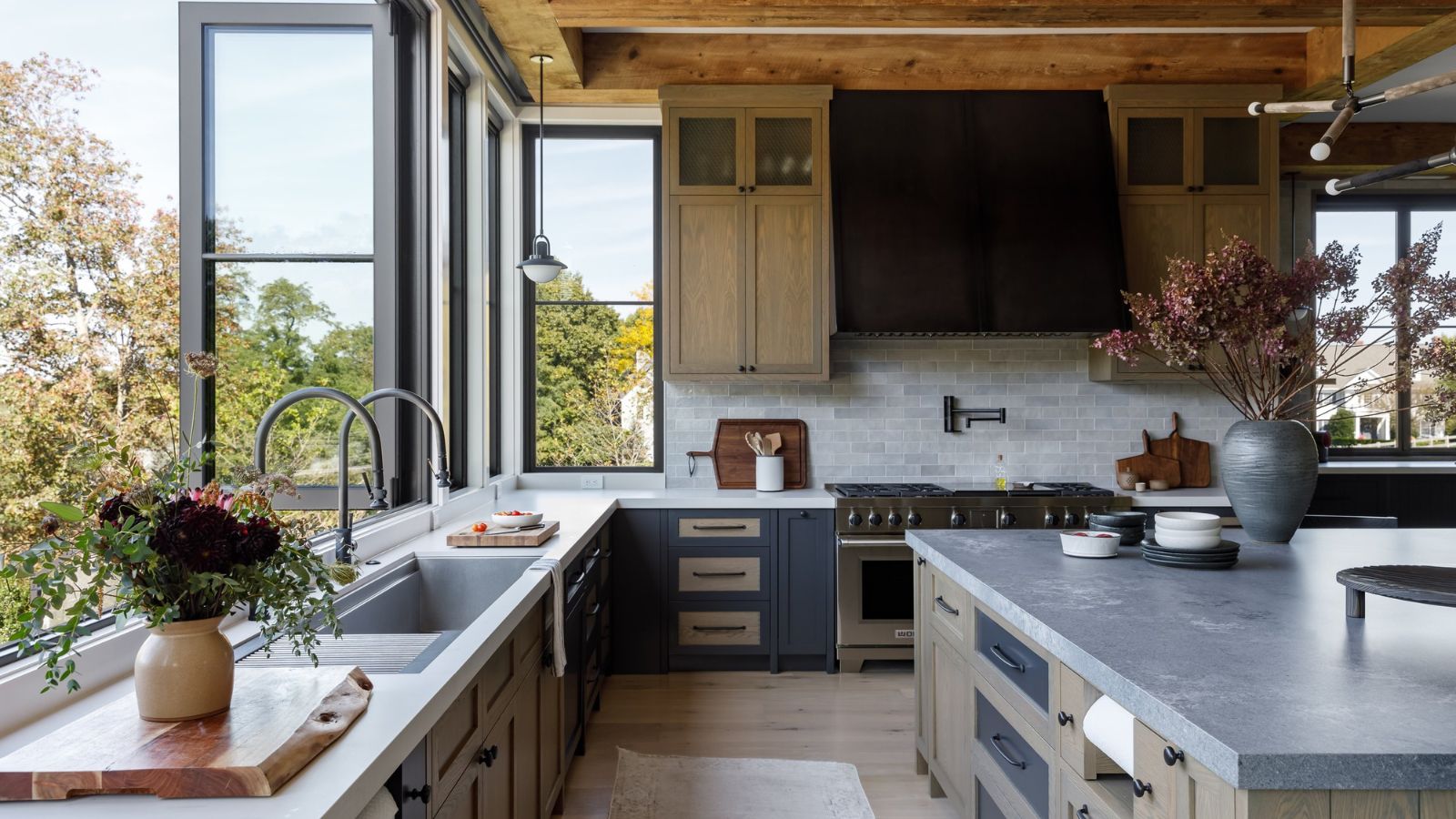
To effectively ventilate without freezing or incurring high energy bills, a strategic approach is recommended. Short bursts of ventilation, ideally five minutes at a time, are sufficient. It is most effective to do this during the sunniest part of the day to minimize heat loss. High-humidity areas like bedrooms, bathrooms, and kitchens should be prioritized due to their higher moisture levels. Creating a cross-draft by opening windows on opposite sides of the house, or even an upstairs and downstairs window, can accelerate the air exchange process, quickly clearing stale, humid air. Dan Fauzi, Home & Gardens' home tech editor, highlights that activities such as cooking, vacuuming, and burning candles release pollutants, volatile organic compounds (VOCs), and dust into the air, making ventilation during or after these activities particularly beneficial.
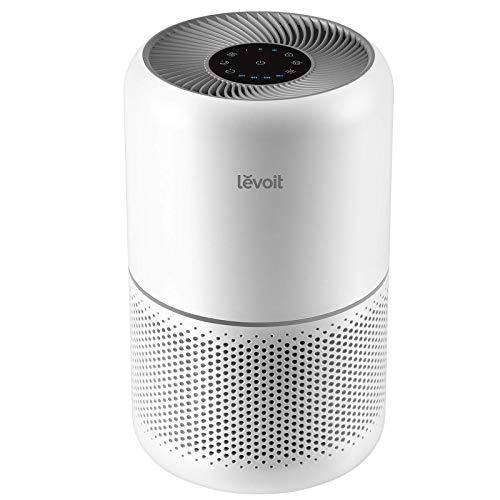
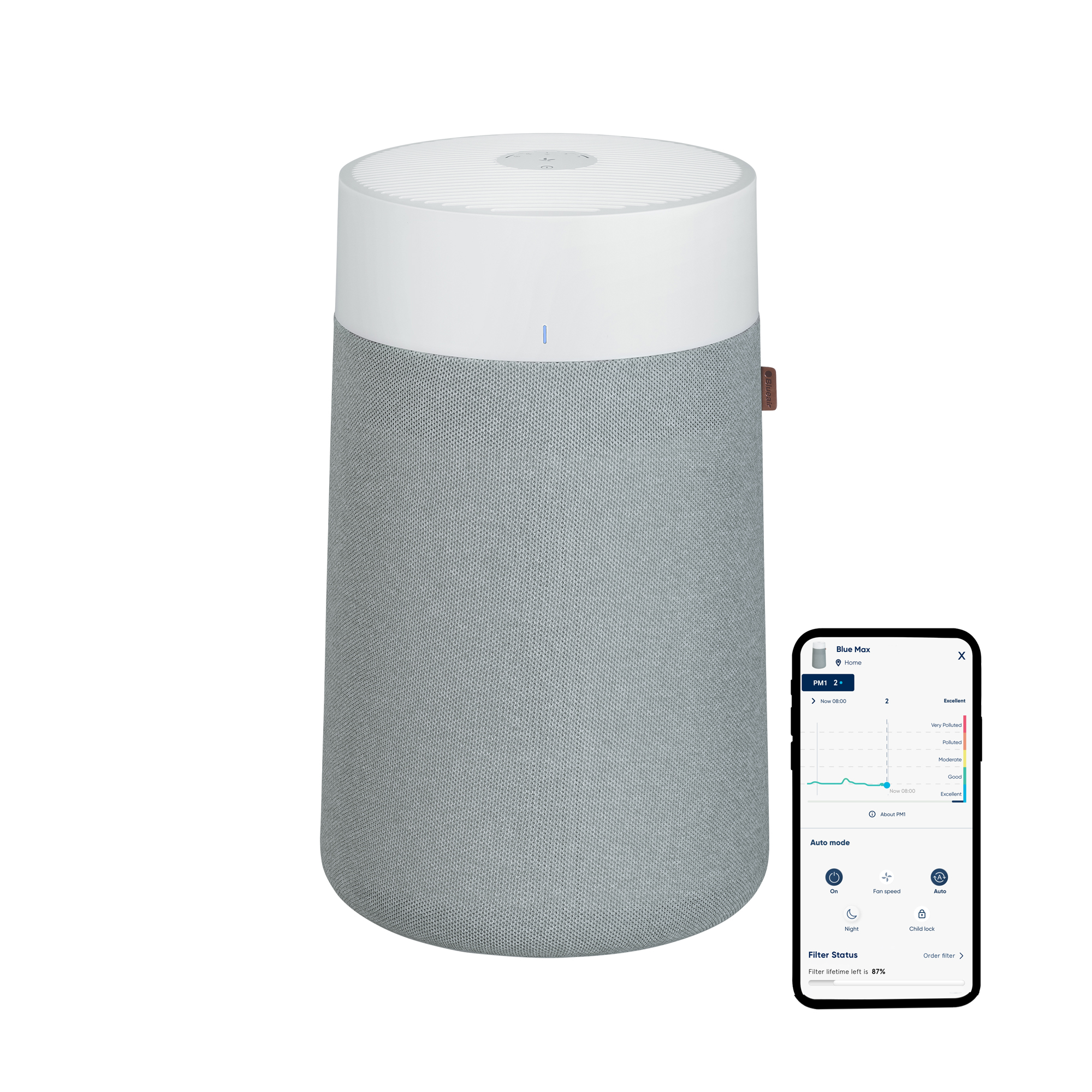
While opening windows is a primary method, other solutions exist, especially for those in very cold climates or homes with vulnerable residents. Air exchange units designed for cold climates can introduce fresh air while retaining heat. Smart sensors can monitor indoor air quality and automatically adjust ventilation systems or air purifiers. Natural odor absorbers like activated charcoal or baking soda can also help neutralize smells. For comprehensive air purification, investing in a high-quality air purifier, such as the Shark NeverChange MAX, which is designed to remove contaminants, allergens, and odors, is highly recommended. Integrating smart thermostats like the Google Nest allows for better management of heating systems, ensuring they do not operate inefficiently while windows are open.
Homeowners should be mindful of certain precautions: avoid leaving windows open for extended periods, especially in severe cold, to prevent pipes from freezing, particularly in rooms without a heat source. In humid climates, ventilation periods should be short, avoiding misty or rainy conditions when outside humidity is high. Counterintuitively, opening windows can also alleviate dry air by reducing indoor humidity caused by heating, which often leads to dry skin and lips. Ultimately, incorporating brief, strategic window openings into winter routines is a small effort with significant benefits for home health, comfort, and air quality, complementing other solutions like air purifiers and smart home technology for an optimized indoor environment.
#winterHomeMaintenance #indoorAirQuality #homeVentilation #condensationControl #moldPrevention #energyEfficiency #smartHomeDevices #airPurifiers #heatingSystems #winterHomeMaintenance #indoorAirQuality #homeVentilation #condensationControl #moldPrevention #energyEfficiency #smartHomeDevices #airPurifiers #heatingSystems
0 comment in total
 No comments yet
You may also like

Should you leave an attic open during a freeze? HVAC technicians weigh in
HVAC pros reveal if you should close vents in unused rooms – the answer feels counter-intuitive but it's true

The $54 Frost Fix That Stops Drafty Windows – and Looks Great
What You Need To Know About Window Insulation


7 winter window dressing ideas that experts promise will help keep your home warm and cosy

Cleaning experts are urging people to wipe down their windowsills every day this summer
We Asked Window Pros How Long Windows Last—and When It's Definitely Time to Replace


Single vs Double Hung Windows: Cost, Safety, Energy Efficiency

Surprisingly, Our Favorite Window Insulation Isn’t the Thickest


Why Are People Leaving Their Windows Exposed—And Is It a Bright Idea?


Glass Menagerie: Your Guide to Selecting The Best Windows For Your Midwestern Abode

Is Your Home Ready for Another Cleveland Winter? How to Winterize in Northeast Ohio

Winterize Those Drafty Windows Now (Save Money on Heating Bills Later)

Why You Should Upgrade Your Window Blinds Right Now


5 of the best window treatments for winter – 'they'll make your home cozy and warm!'

Compare the 5 Best Window Replacement Companies of 2026


The great sash-window debate: Repair, replace or drag them into the 21st century
Are window shutters out of style? Interior designers weigh in

Window Pros Break Down Six Styles
What I Learned Shopping for Replacement Windows