Setting the Record Straight on Concrete Pumping Stability
This letter to the editor addresses a previous article titled “Sudden Concrete Pump Truck Shifts Hurt Workers,” which detailed an OSHA penalty against Roy Rock LLC following an accident. The authors, Robert Edwards and Christi Collins from the American Concrete Pumping Association (ACPA), highlight what they perceive as misinterpretations of safety standards in the judge's decision regarding the incident.
The core of the discussion revolves around the responsibilities of various parties in ensuring jobsite safety, particularly concerning concrete pump operations. The authors point out that the original article and the OSHA Review Commission judge's decision primarily focused on ACPA bulletins but seemingly overlooked or misinterpreted the ASME B30.27 Safety Standard for Material Placing Systems. They argue that the ASME standard places a critical emphasis on all parties involved having site-specific information and control to prevent accidents.
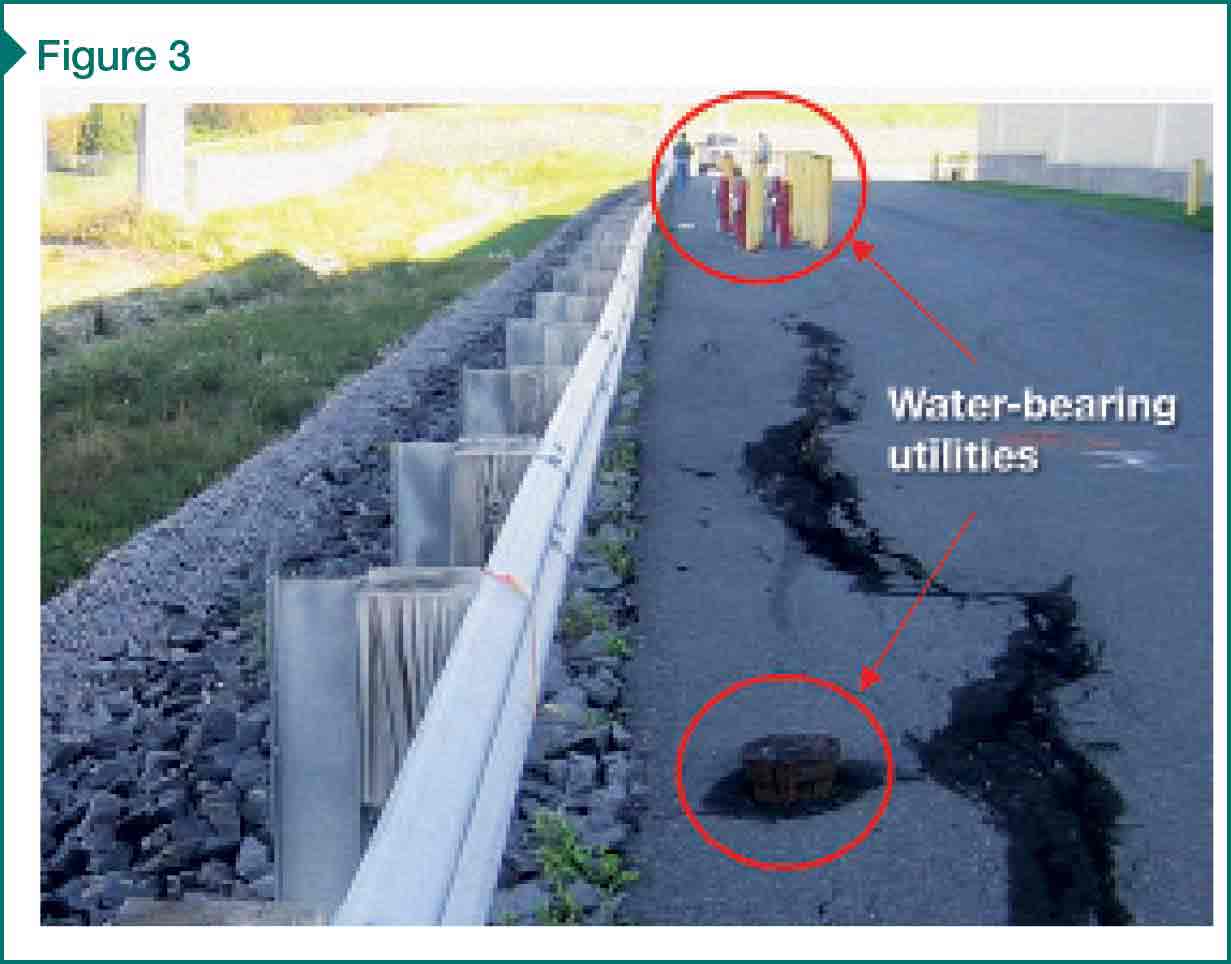
The incident in question involved a concrete pump positioned over a hidden water pipe, which, along with the surrounding backfilled dense-grade aggregate, could not withstand the force exerted by the pump's outrigger. This led to the outrigger sinking suddenly, causing the boom to become out-of-level and swivel downhill, subsequently striking and injuring a worker. While Roy Rock, as the pump owner, user, and pour supervisor, was penalized, the authors argue that the general contractor, as the site supervisor, also bore significant responsibility for site conditions under the ASME standard.
They cite ACPA bulletins which instruct operators to always check in with the contractor or superintendent to ascertain a safe setup area, ensuring the ground can support the outriggers and is free from hidden dangers like voids or pipes. The letter emphasizes that operators are not expected to perform on-site soil bearing capacity calculations, as ground conditions vary widely and different boom trucks exert different forces. The fundamental principle is that larger areas of loose material are needed to support equipment that imposes greater force on the soil.
The authors contend that the general contractor failed in its duty by selecting a setup spot without adequately preparing the area or informing Roy Rock of the buried pipe. They argue that the general contractor is uniquely positioned to know about other site traffic, activities, and buried infrastructure. While Roy Rock did not verify the adequacy of the chosen spot with the general contractor, the letter highlights that Roy Rock followed ACPA safety bulletin instructions, with the contractor leading them to the setup spot, jacking the outriggers, and observing for sinking, with no apparent issues initially. The central issue, according to the authors, is that none of the entities possessing knowledge of the buried pipe conveyed this crucial information to Roy Rock.
The letter expresses concern that OSHA did not accept the ASME B30 safety standard as the definitive 'rule' in determining fault. It reiterates the operator's dilemma, as summarized by the ACPA bulletin: operators lack "X-ray vision" to detect hidden voids, and thus, site management is solely responsible for providing information about such buried hazards. This underscores the shared responsibility in construction safety, particularly the general contractor's role in providing a safe and informed work environment.
#ConcretePumping #ConstructionSafety #OSHASafetyStandards #ASMEB3027 #JobsiteSafety #GeneralContractorResponsibility #AccidentPrevention #ConstructionEquipment #WorkerSafety #ConcretePumping #ConstructionSafety #OSHASafetyStandards #ASMEB3027 #JobsiteSafety #GeneralContractorResponsibility #AccidentPrevention #ConstructionEquipment #WorkerSafety
0 comment in total
 No comments yet
You may also like
Seismic Retrofitting Concrete - Q and A with Kyle Tourje of Alpha Structural Inc.

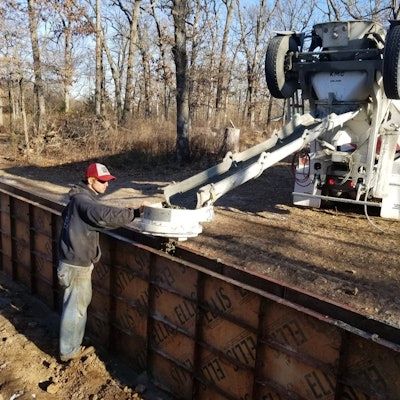
The Tailgater controls the flow of concrete

Concrete Screed Maintenance Checklist
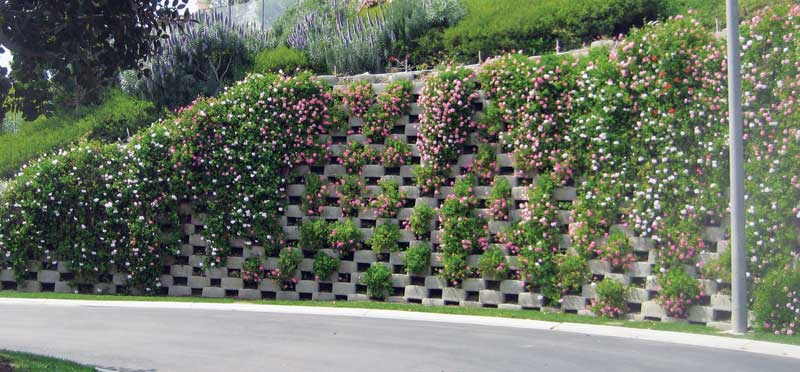
Mechanically stabilized earth walls
How Formwork Works
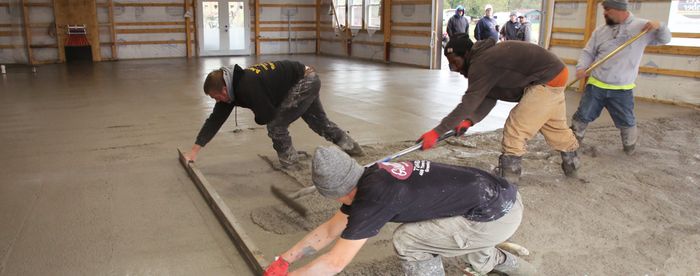
Bucket-Mixed Concrete


Cement

Coupling URM walls with RC walls ‒ EESD

The Statement Shower: A New Approach to Cement Tile
The Regs: Staying compliant with construction in stone

Tilt-Up Concrete: A Unique Opportunity for the Resurgence of Craftsmanship in Construction

Why Use Predictive Maintenance of Dewatering and Concrete Pumps
Engineering Safety Into Concrete Construction Tools