Trash to treasure: Upcycling and repurposing in sustainable interior design | Hindustan Times
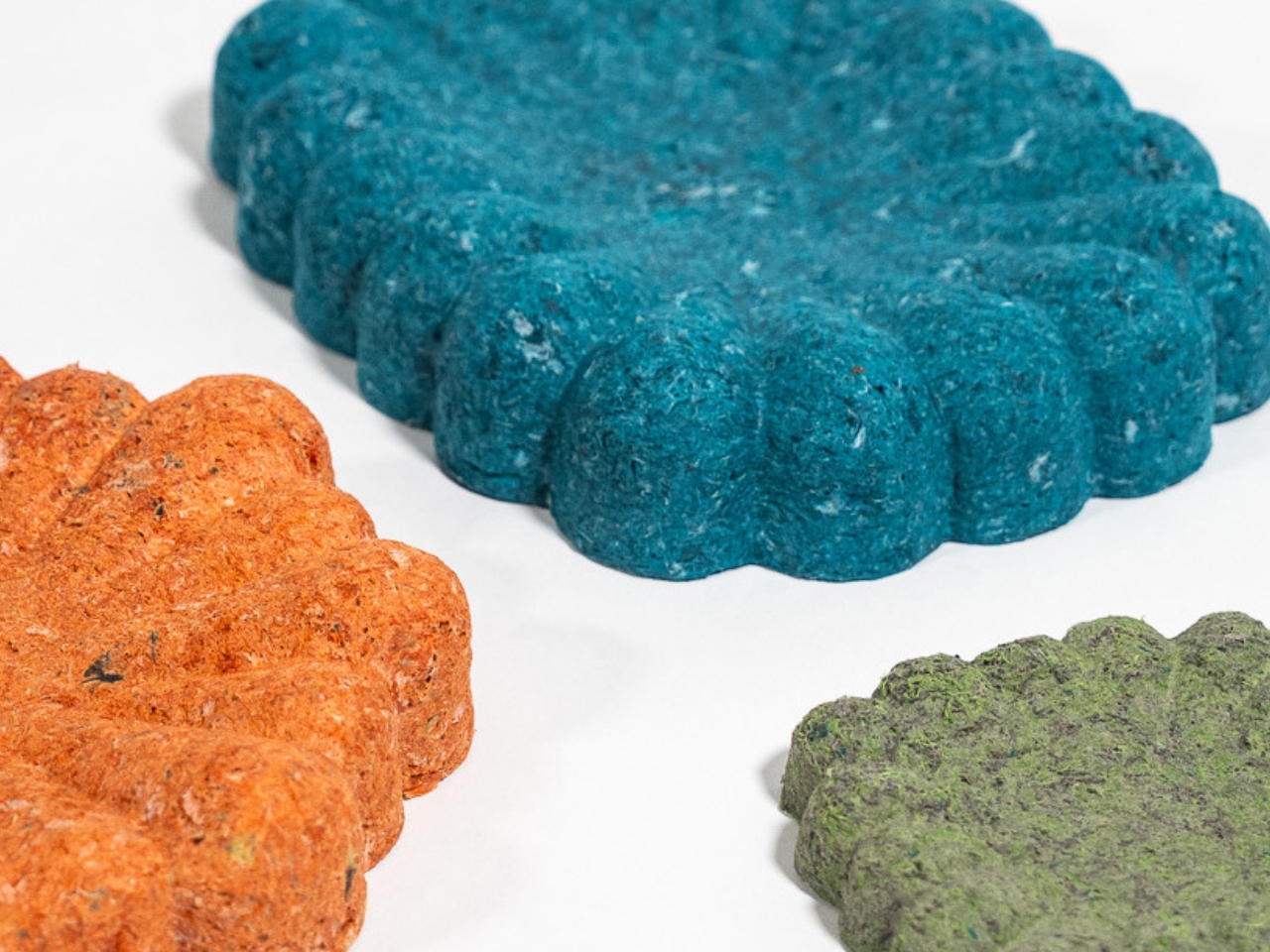
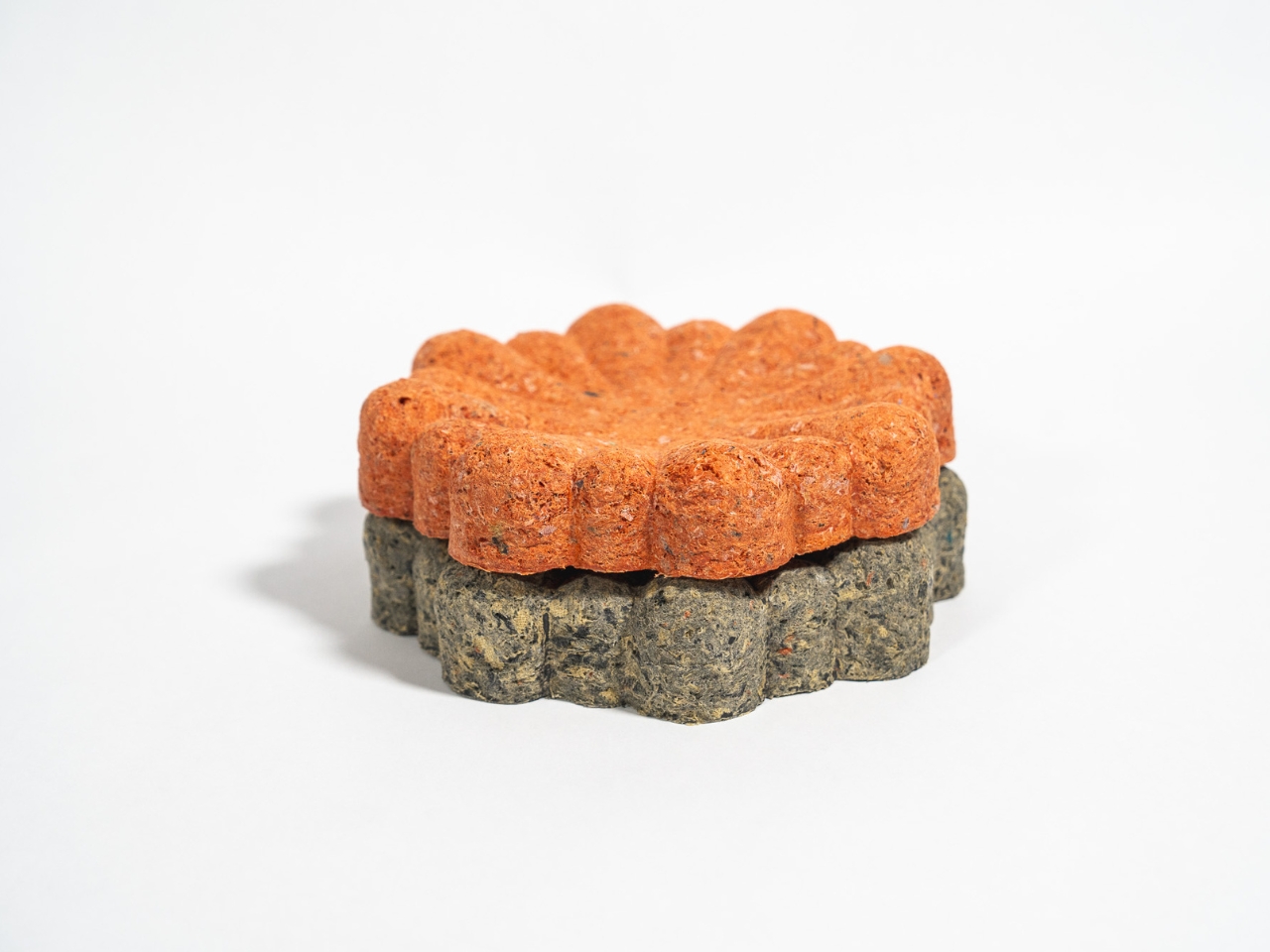
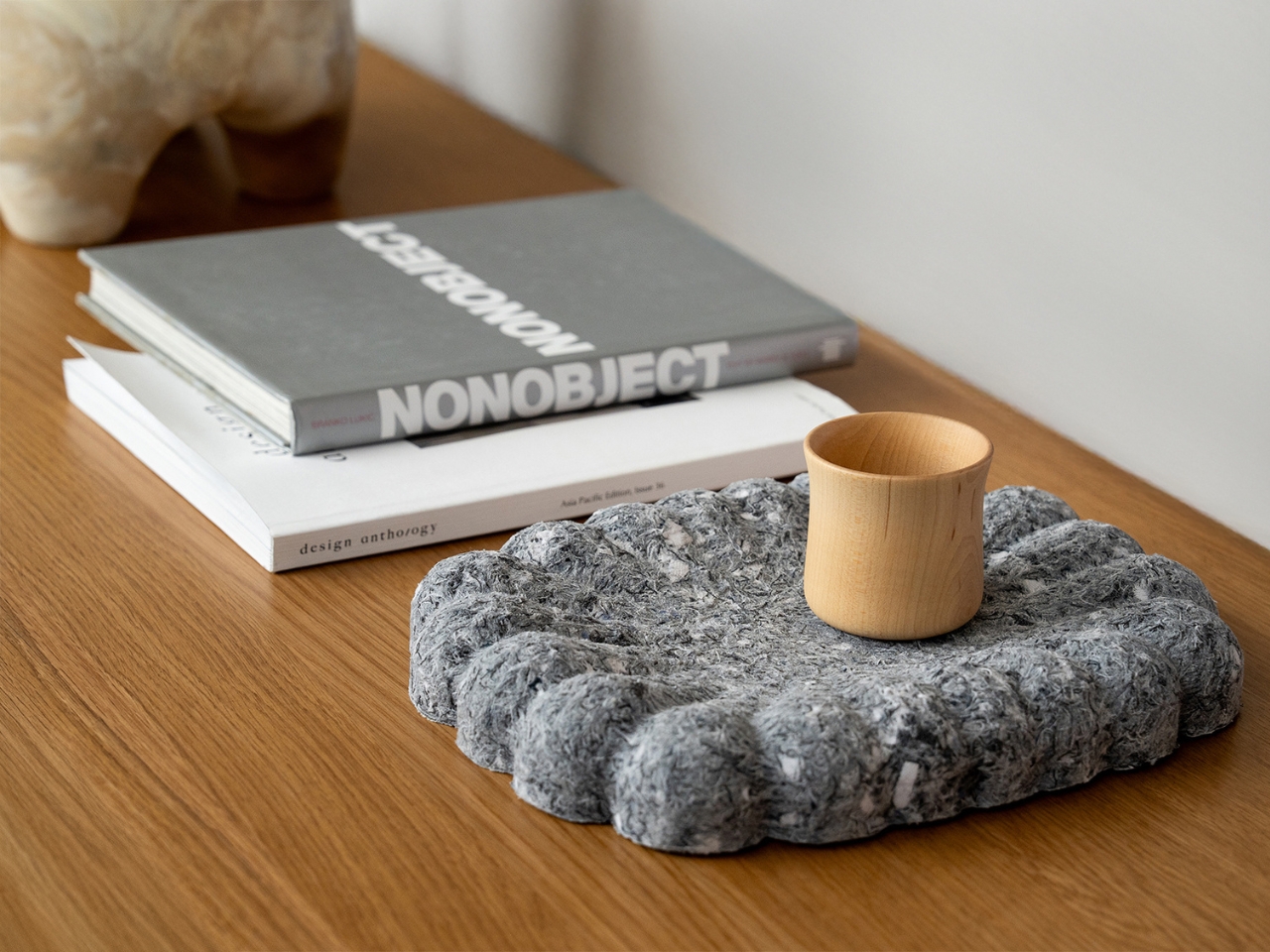
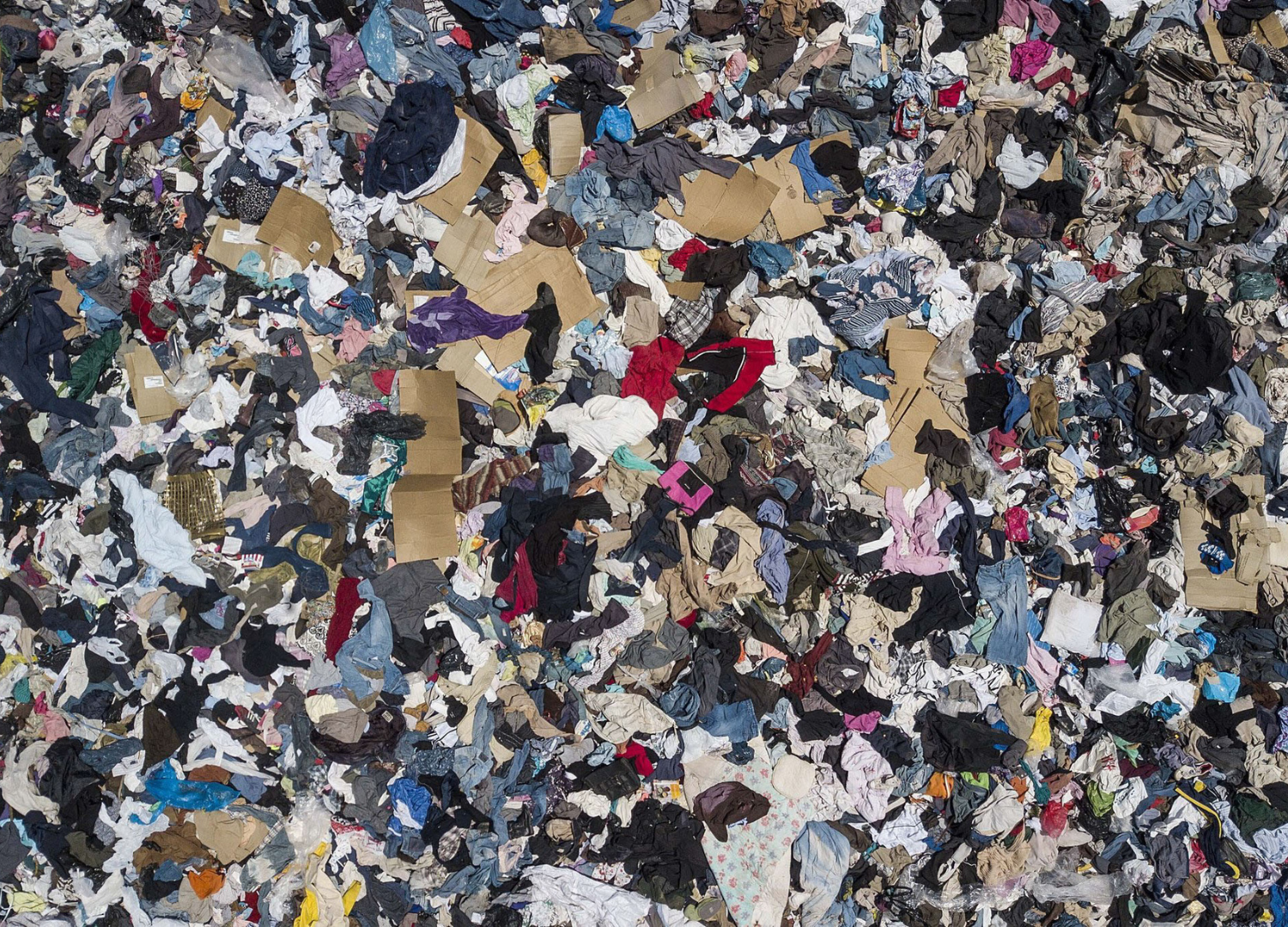
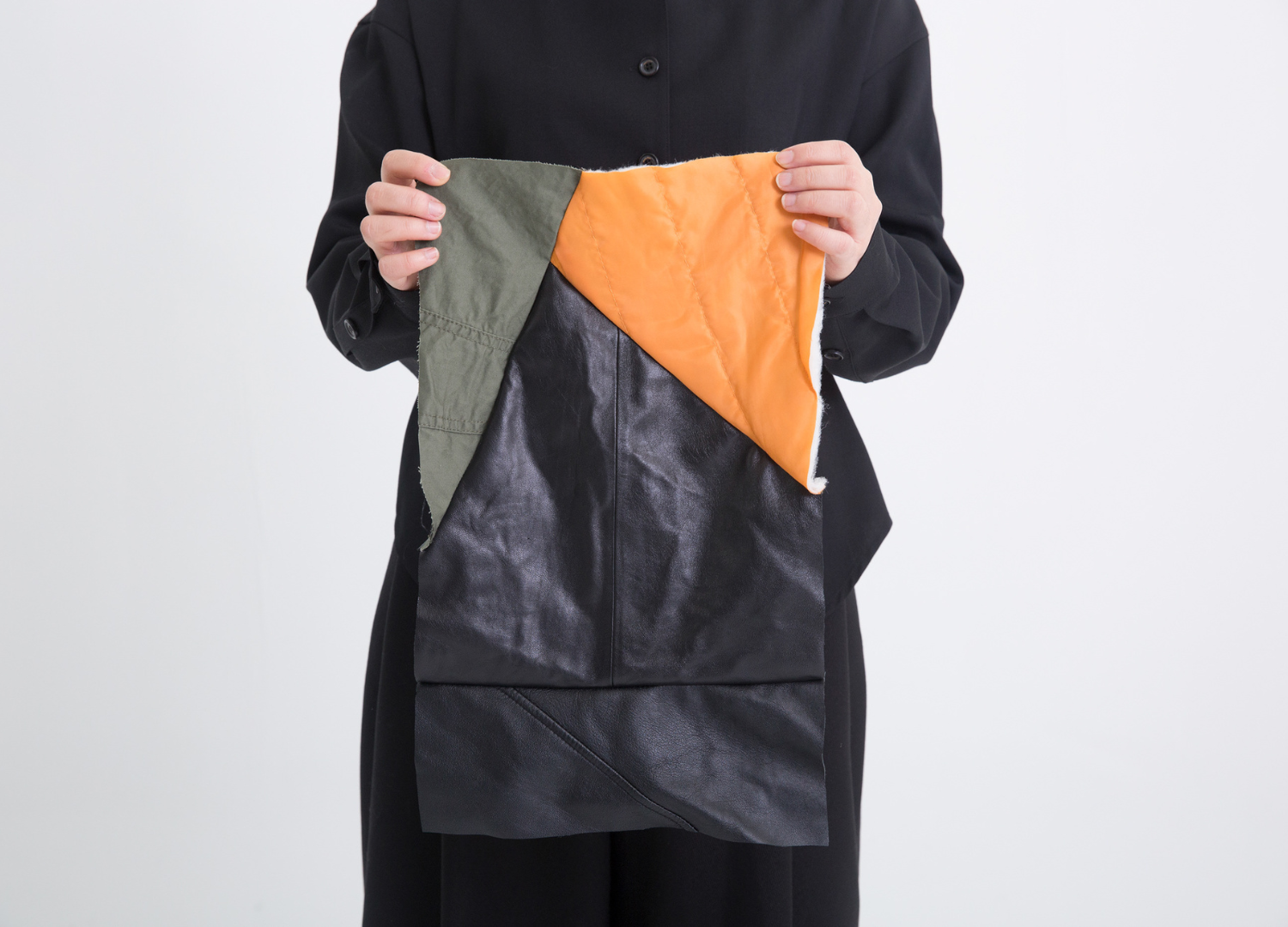
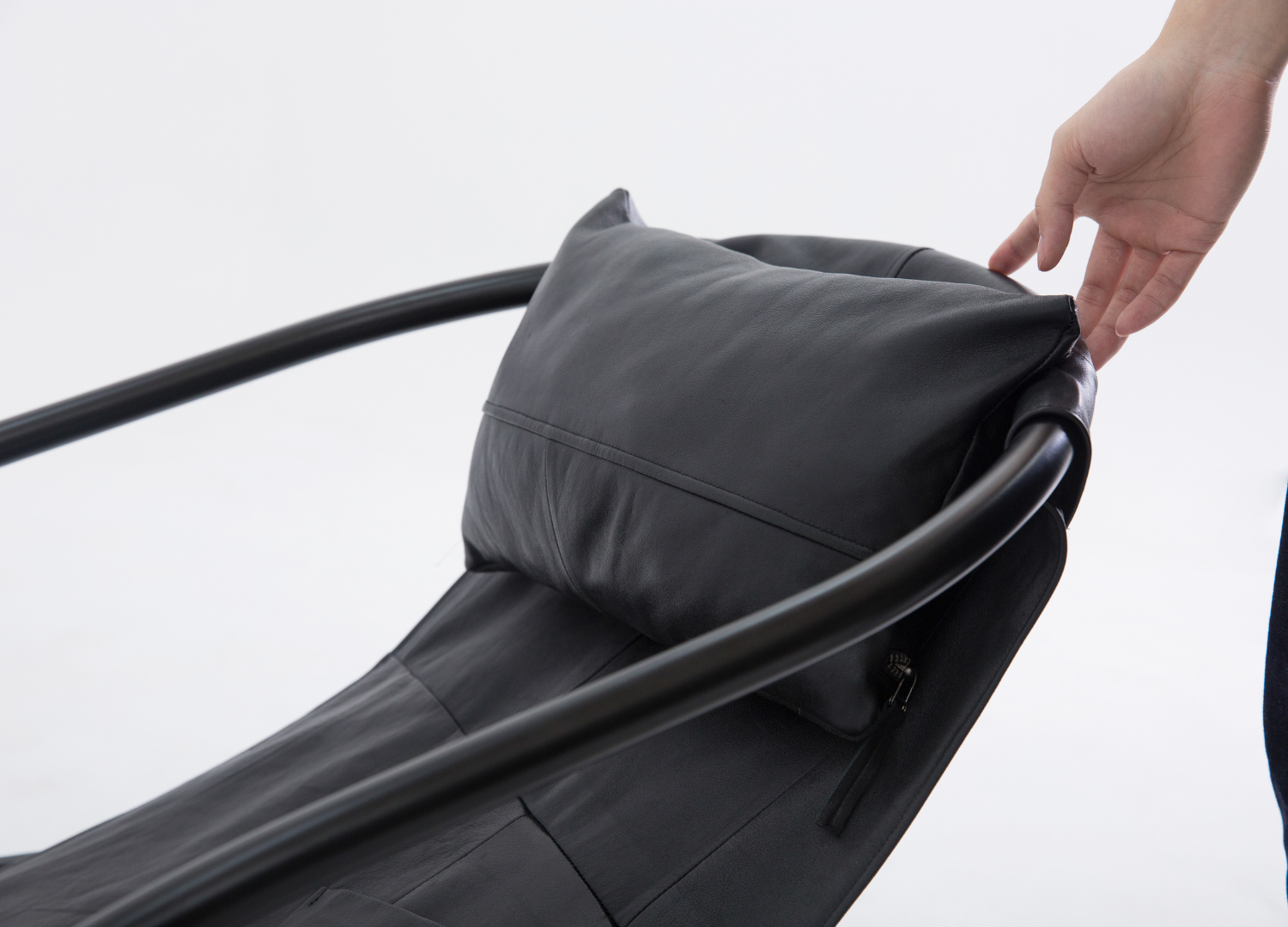
The field of interior design is increasingly embracing sustainability and eco-consciousness, with upcycling and repurposing emerging as key strategies. This approach involves transforming discarded or unused materials into valuable and functional elements for interior spaces, thereby reducing waste and minimizing environmental impact. Experts in decor and design highlight that this practice not only contributes to ecological preservation but also fosters creativity and resourcefulness in design.
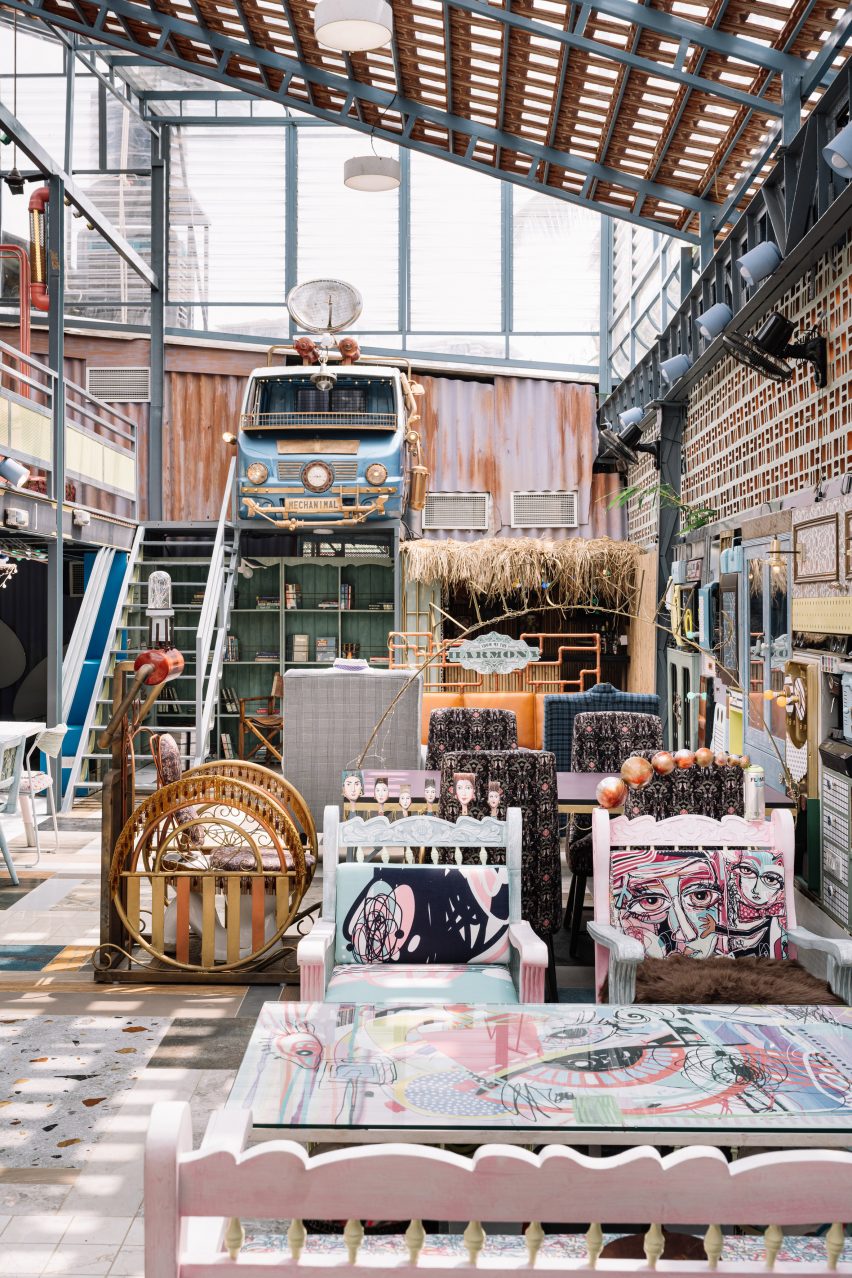
Aashita Chadha, Co-Founder of The KariGhars, emphasizes the importance of repurposing materials to reduce waste. She notes that upcycling allows for discarded items to be given new life, creating unique and personalized interiors. Upcycled furniture, for example, can serve as focal points that narrate a story, infusing a space with character and charm. Chadha advocates for collaboration with local artisans and craftsmen to integrate repurposed materials into designs, promoting both sustainability and social responsibility within the industry.
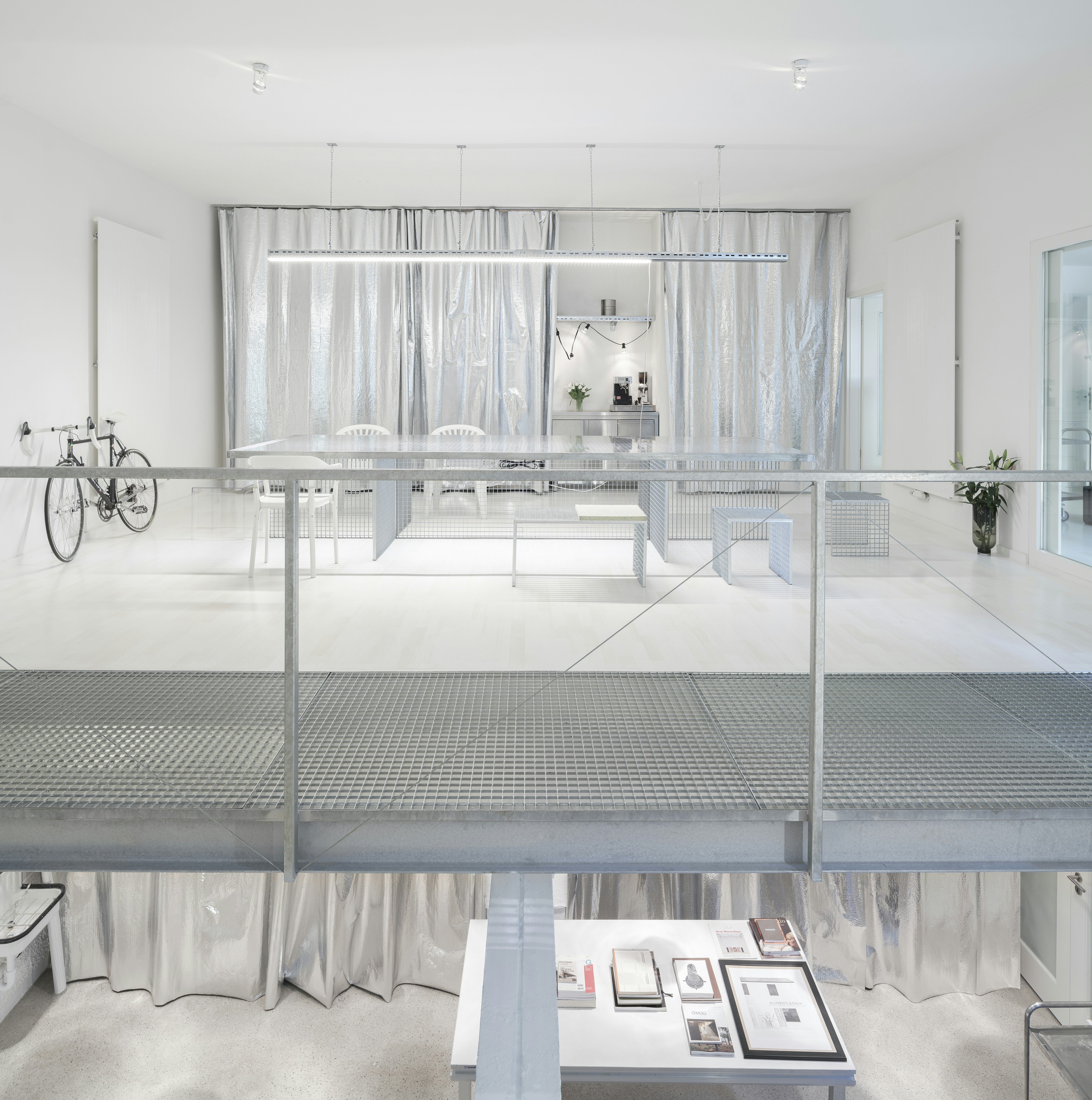
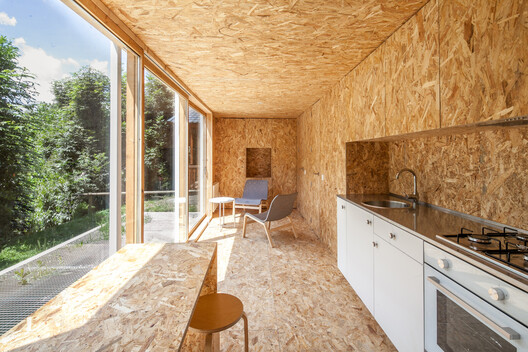
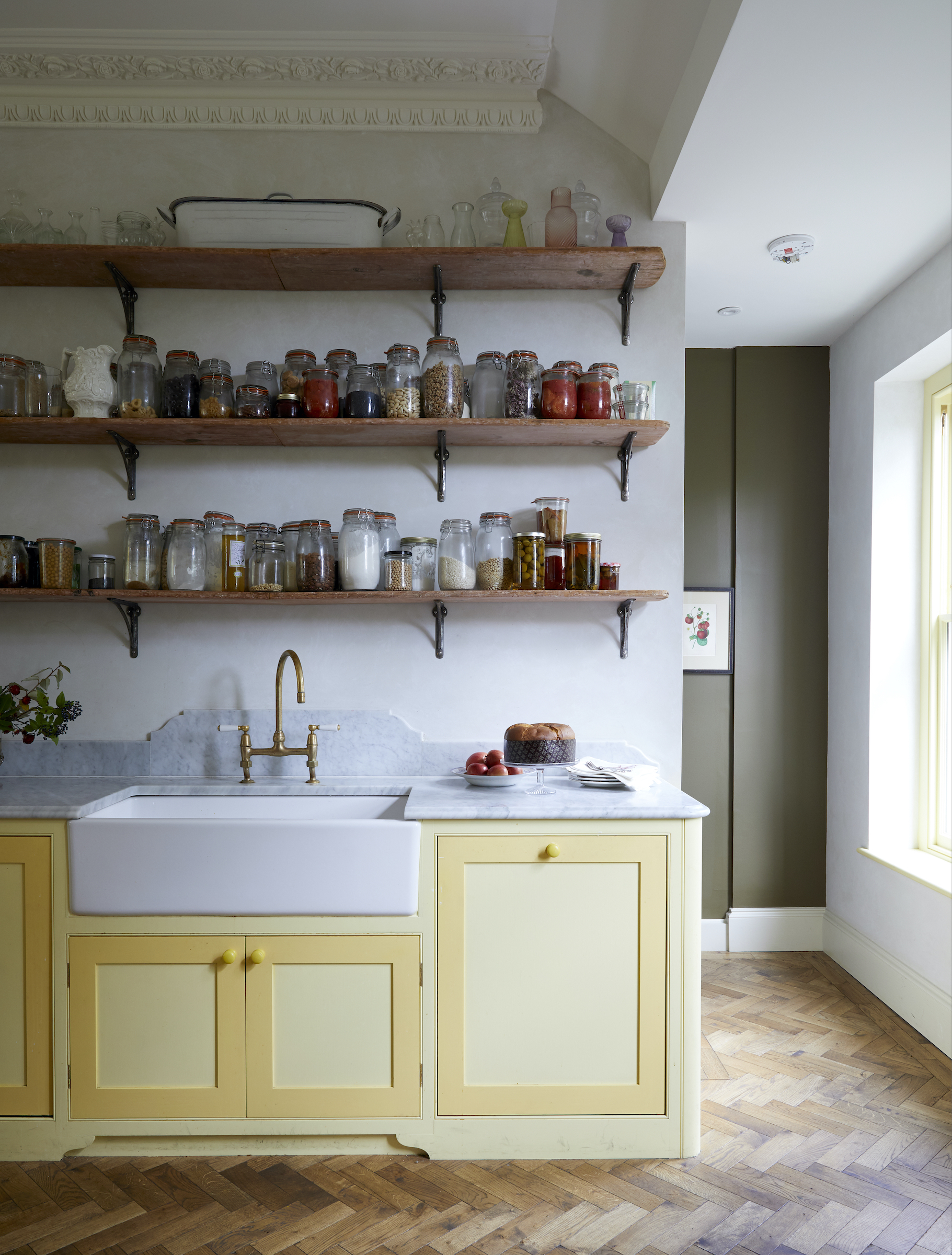
Ar Robin Sisodiya, Founder of ASRO Arcade, views upcycling as more than just a trend; it is a responsible design philosophy. He encourages designers to think beyond traditional innovative boundaries and explore the potential of discarded materials. Sisodiya suggests transforming items like salvaged wood, reclaimed metal, and vintage fixtures into stunning design features. By merging aesthetics with sustainability, upcycling can lead to visually striking interiors that are both environmentally friendly and innovative.
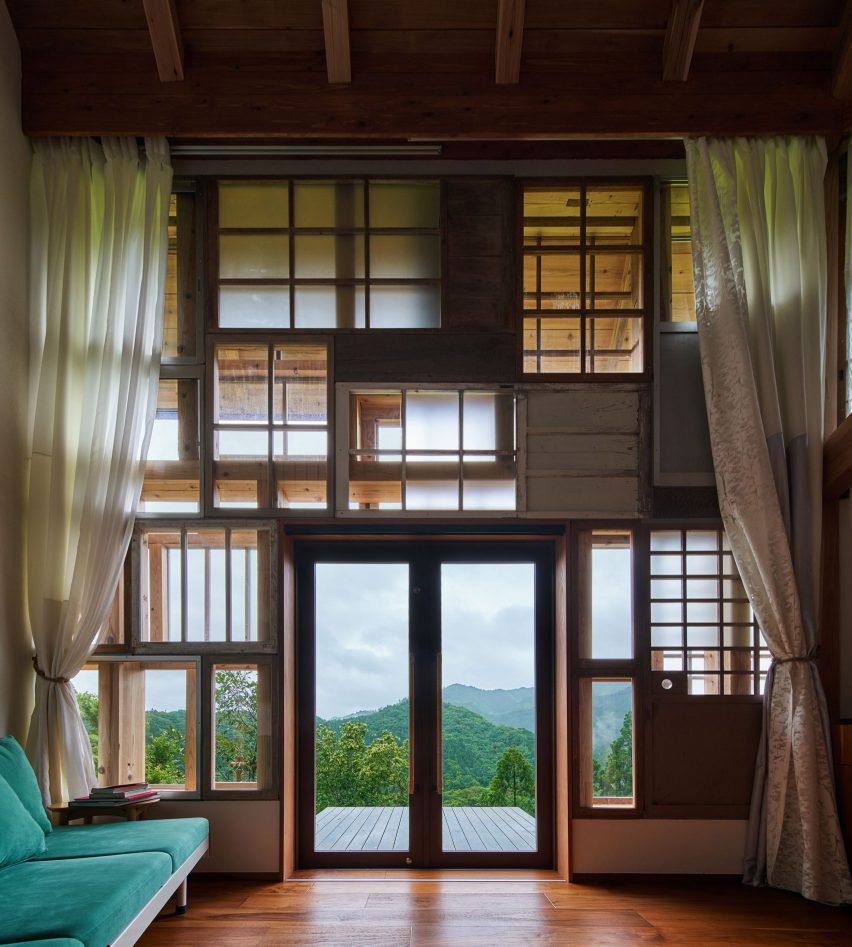
Ar Amit Gulati, Founder of Design 21, also underlines that upcycling and repurposing significantly contribute to sustainable design while simultaneously nurturing creativity and resourcefulness. He stresses the need to view objects from a fresh perspective, discovering alternative uses for them. Gulati promotes the incorporation of repurposed materials such as salvaged doors, reclaimed timber, and discarded industrial components in interior projects. He believes that upcycling fosters a more personal and meaningful connection to the design, as each repurposed item carries its own unique history and narrative.
The essence of upcycling in sustainable interior design transcends the conventional understanding of waste. It unlocks a realm of creative possibilities by giving discarded materials a renewed purpose. This practice not only aids in reducing environmental impact but also highlights the inherent beauty found in imperfections. This design philosophy challenges established norms, thereby redefining the boundaries of what is considered design. Ultimately, upcycling and repurposing enable the creation of inspiring spaces that also reflect a strong commitment to a sustainable future.
#Upcycling #Repurposing #SustainableDesign #InteriorDesign #EcoConsciousness #WasteReduction #CreativeDesign #EnvironmentalImpact #ArtisanCollaboration #Upcycling #Repurposing #SustainableDesign #InteriorDesign #EcoConsciousness #WasteReduction #CreativeDesign #EnvironmentalImpact #ArtisanCollaboration
0 comment in total
 No comments yet
You may also like
Eight interiors that feature reclaimed and recycled materials
Money for Nothing: meet the team of presenters and designers
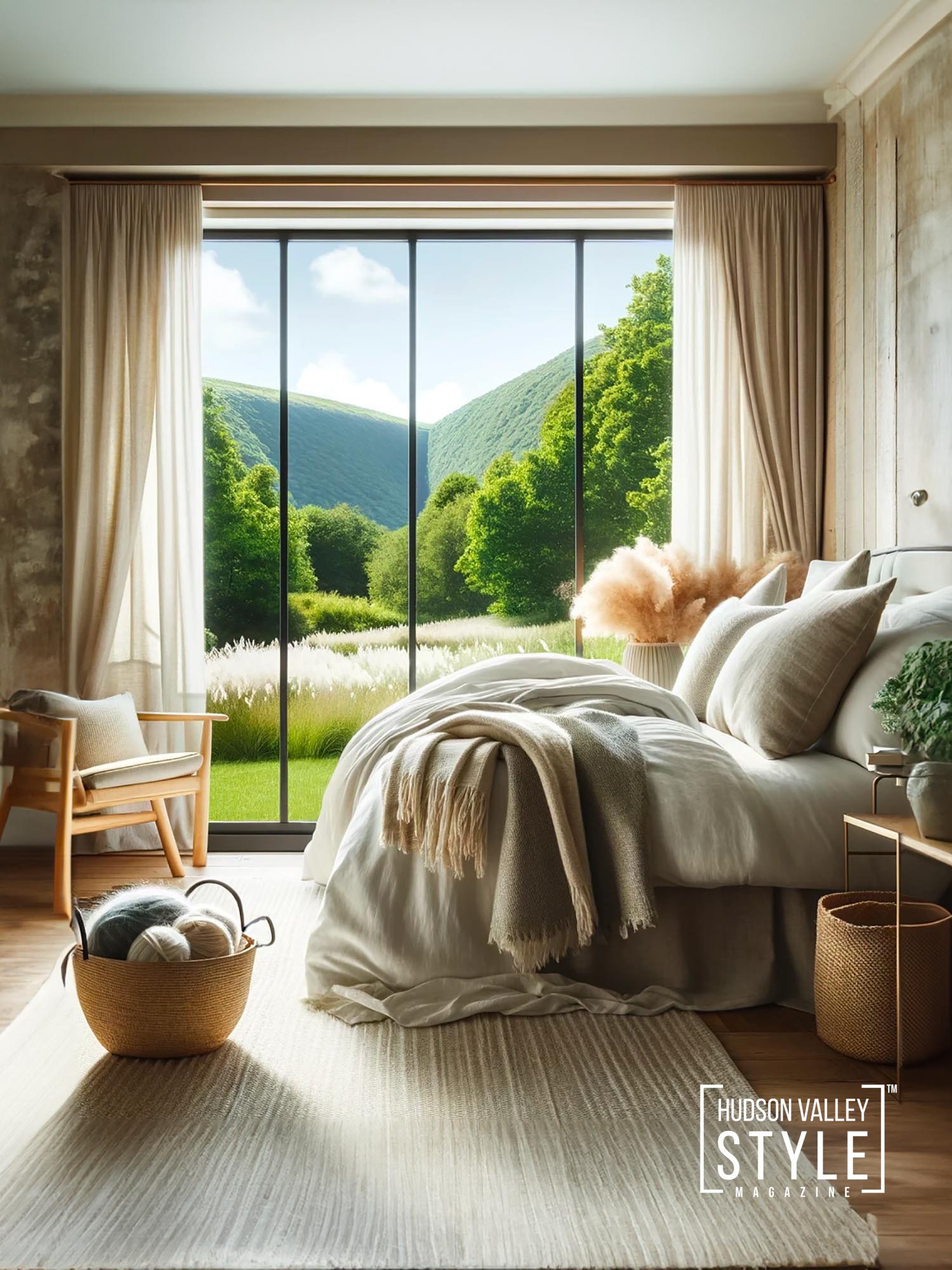
Sustainable Interior Design Trends for 2024: Embracing Eco-Friendly Living

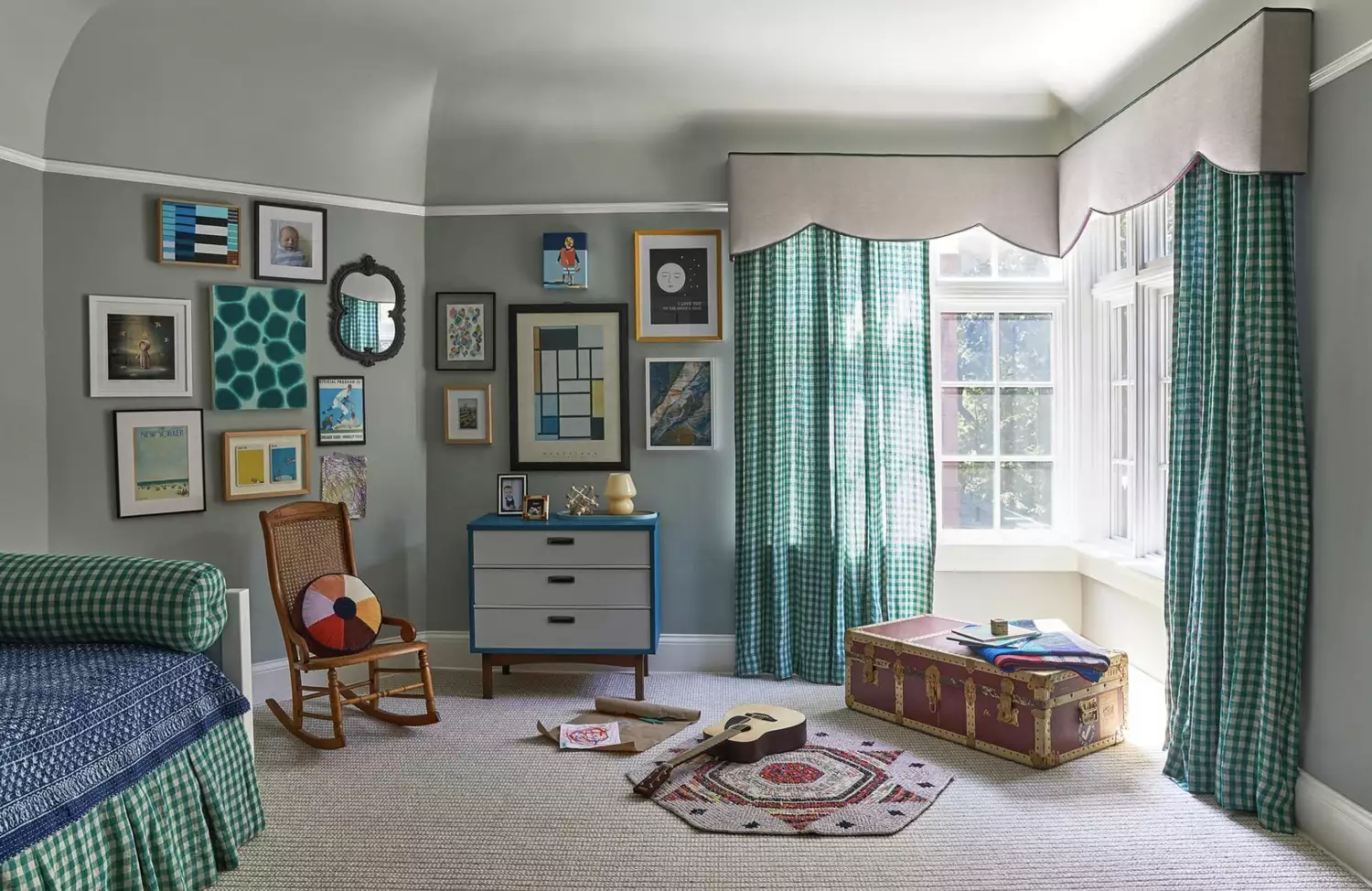
Interior Designers Are Scouring Thrift Stores for These 8 Decor Must-Haves in 2025

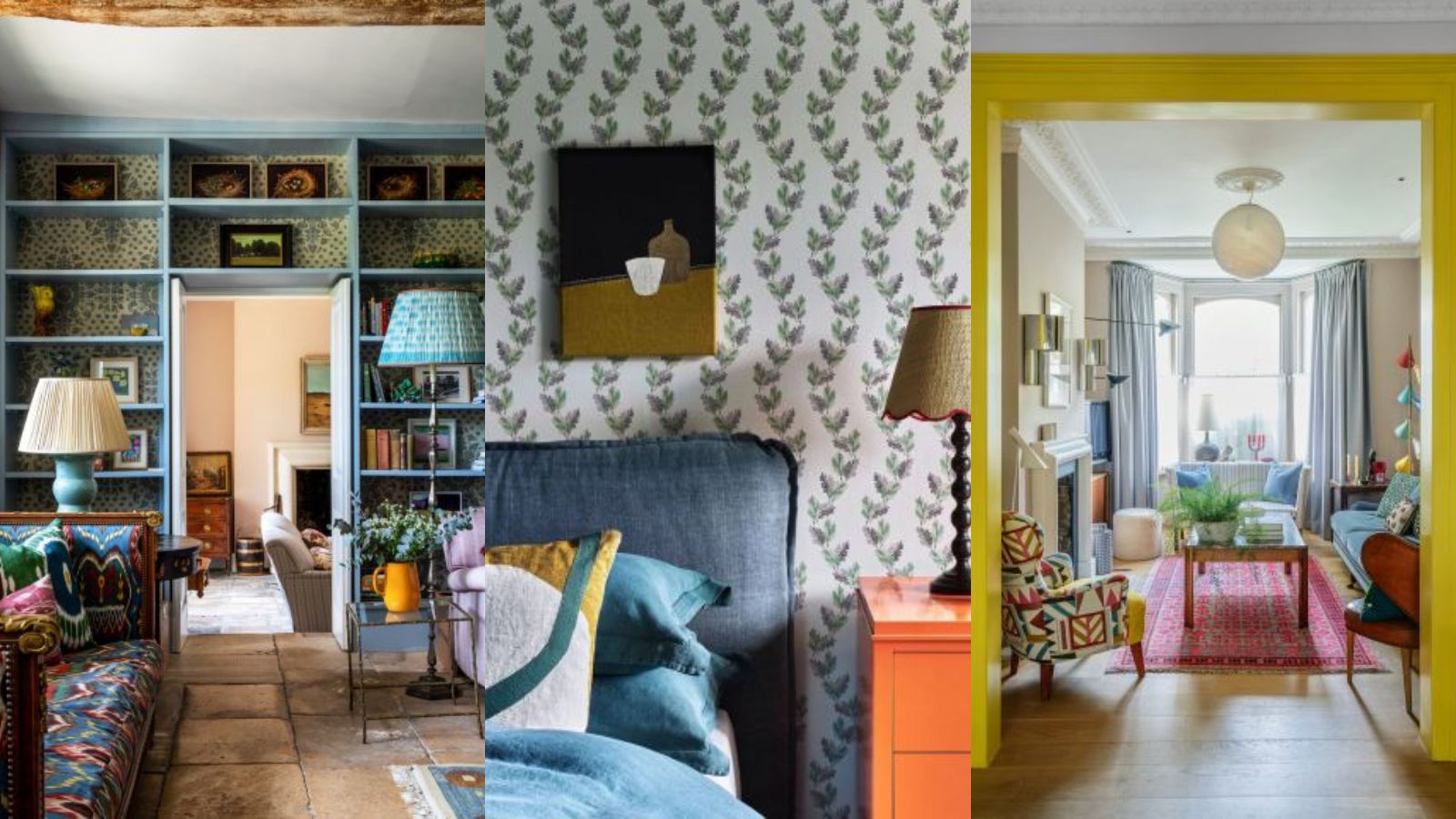
6 clever ways to upcycle leftover decorating materials: to save money and be more eco-friendly

Home Rescue's Dee Coleman on the six R's of sustainable interior design
How to upcycle furniture like a pro

Eco decor – 10 beautiful, sustainably-designed room ideas
For These Designers and Homebuilders, the Best Materials Are Ones That Have Already Been Used


How a Plastic Water Bottle Becomes a Sofa (Hint: It’s Complicated)

Transforming Textile Waste: How Sustainable Design is Shaping Eco-Friendly Home Decor


The Reborn project creates furniture using old clothes

5 things that can be used in home upcycling projects
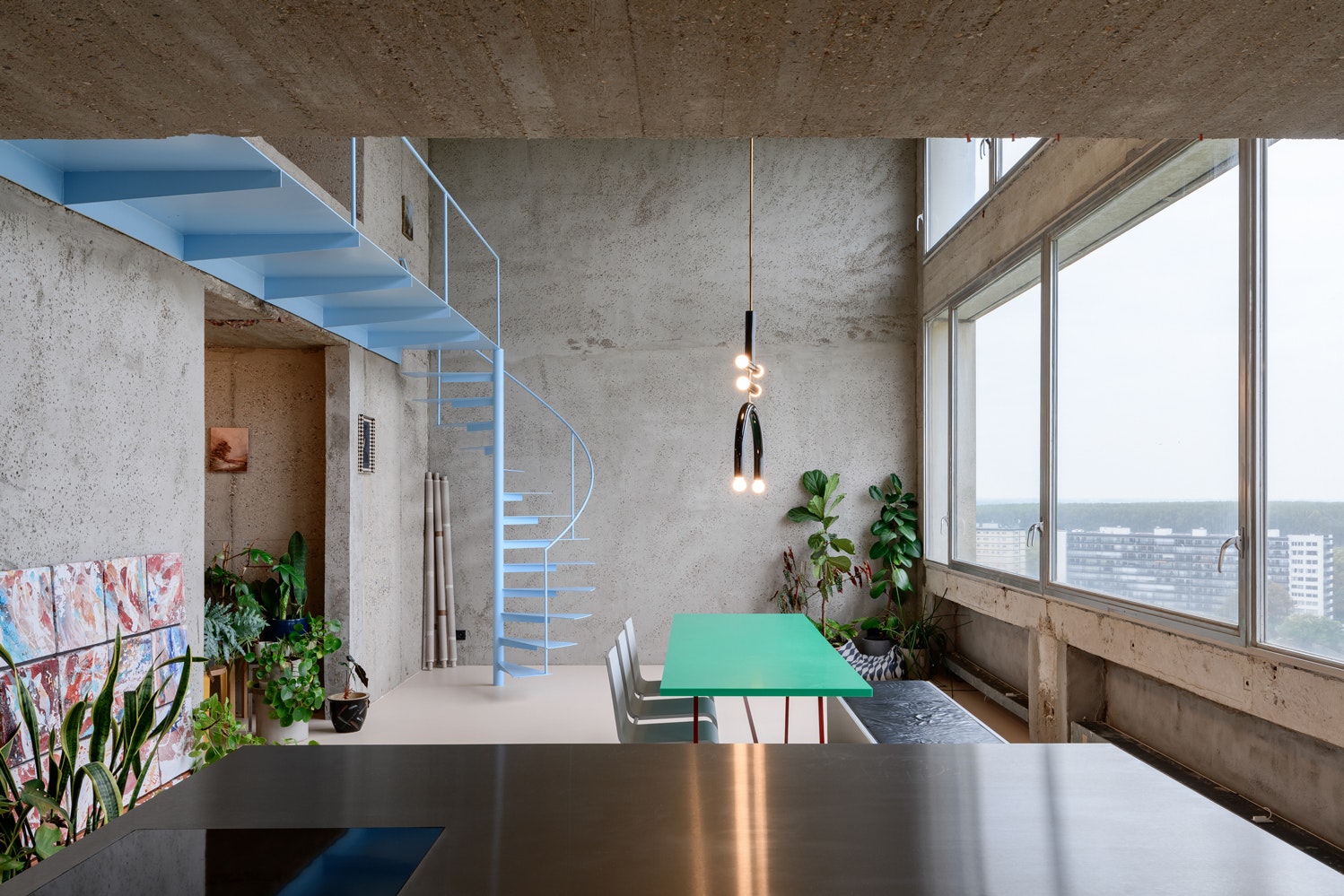
17 Projects That Use “Ugly” Materials in Beautiful Ways
7 DIY projects that will elevate your home
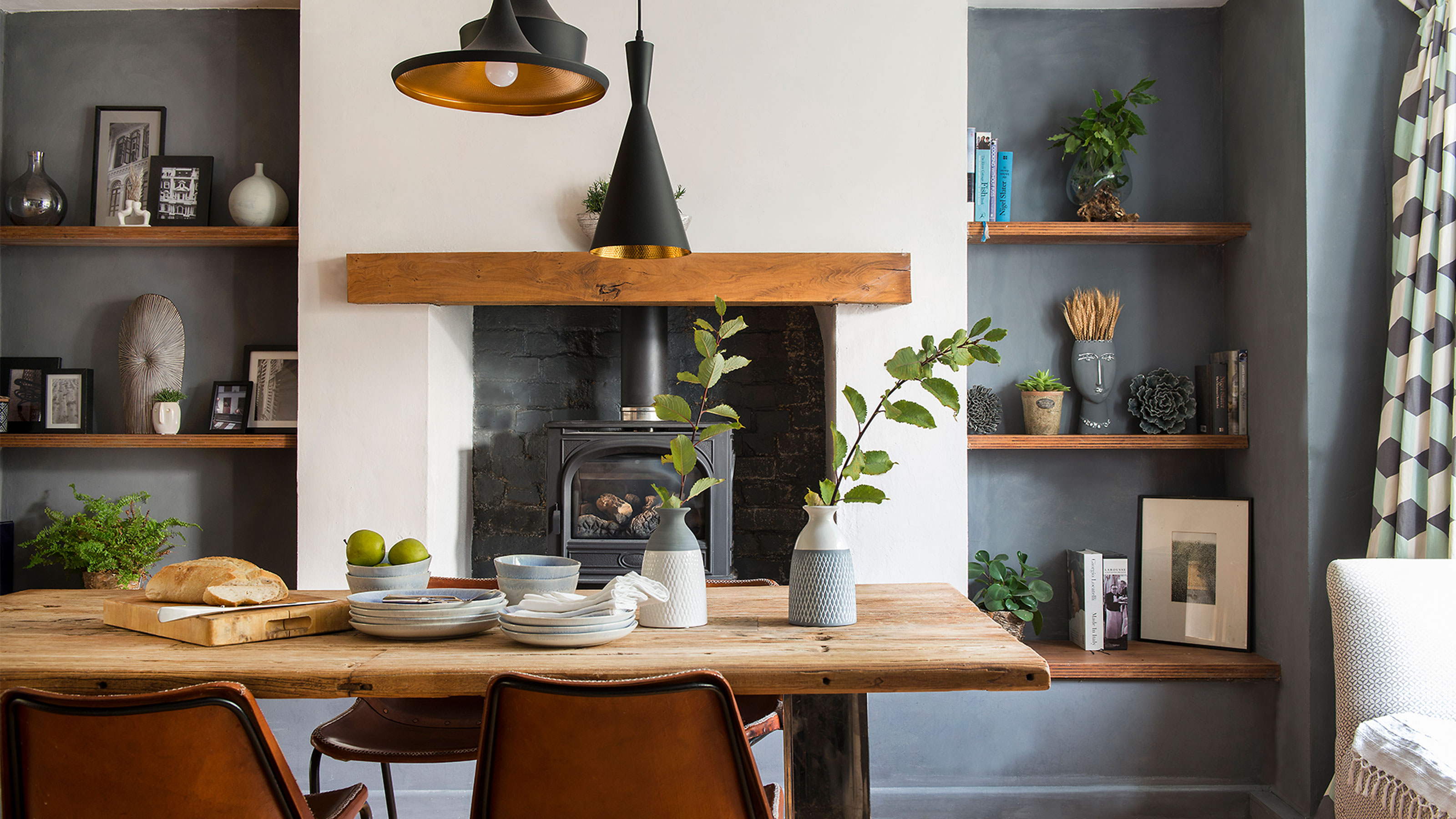
‘It actually pains me to buy things new’ - this home was completely transformed with secondhand buys
How can you be more sustainable in your interior design? 10 things to always consider
What Can Be Done to Make Interiors More Sustainable?


15 Repurposed Furniture Ideas That Will Give Your Pieces a Fresh Look

W Tiles: Behind the Great Walls