1/4
Firms Like Zaha Hadid Architects Are Revolutionizing Office Design Using Big Data
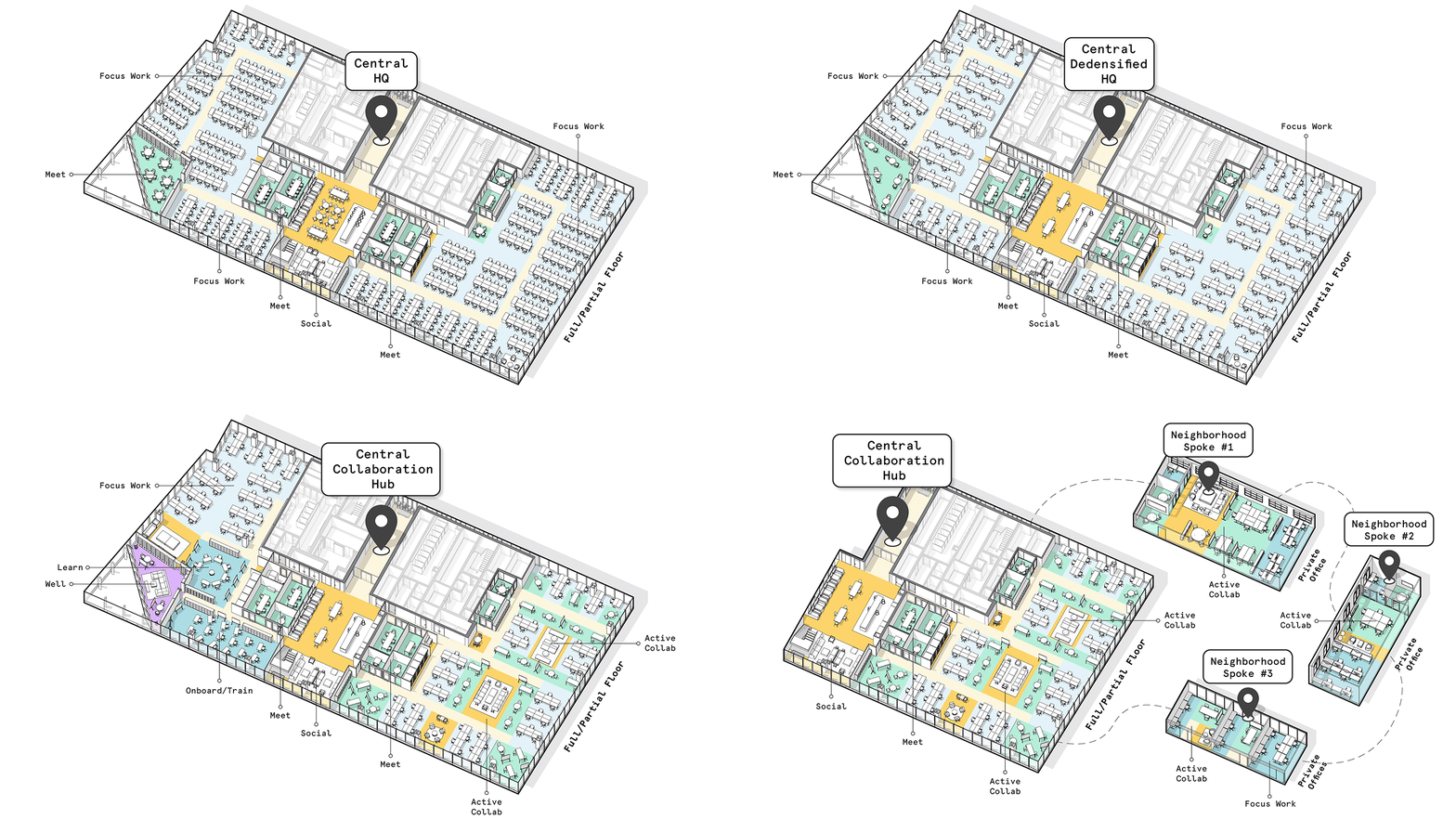
This article explores how architectural firms, particularly Zaha Hadid Architects (ZHA), are leveraging big data and advanced technology to revolutionize office design and enhance employee productivity and well-being. Historically, efforts to optimize workplace performance, such as Frederick Winslow Taylor's scientific management principles applied to factory floors and the Gilbreths' time-motion studies, relied primarily on observation and intuition. These early approaches aimed to streamline processes and minimize wasted effort, eventually leading to innovations like Robert Propst's Action Office furniture, which influenced the modern cubicle.
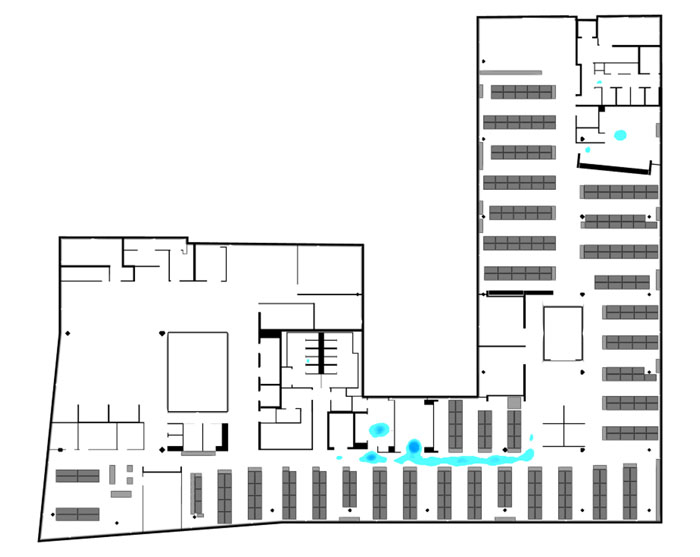
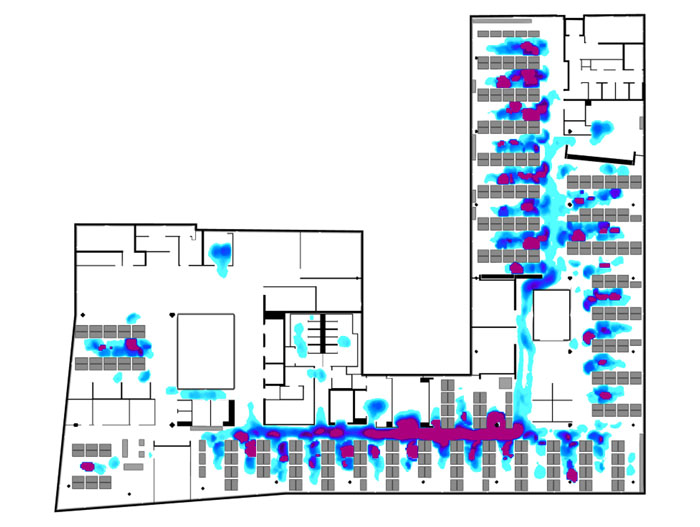
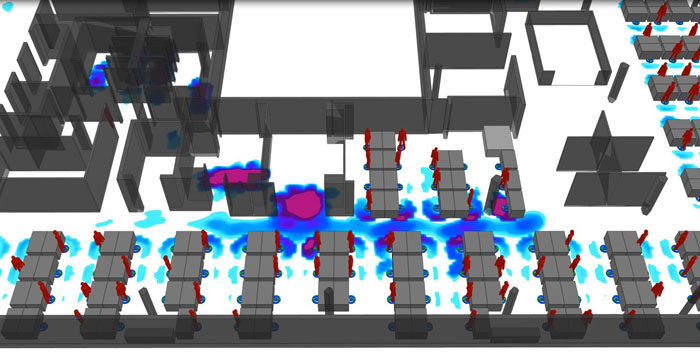
The current paradigm shift is driven by technological advancements that allow for real-time, data-driven analysis of office environments. Uli Blum, a leading architect at ZHA's Analytics and Insight unit, emphasizes the importance of personalized environments to cater to diverse employee needs. His team conducts experiments within ZHA's own offices, using sensors to monitor environmental factors such as visibility, noise, humidity, light, temperature, and air quality. Smart surveillance cameras track employee movement patterns, providing spatial data without identifying individuals, allowing ZHA to validate and refine their signature aesthetic by demonstrating the functional advantages of their designs.
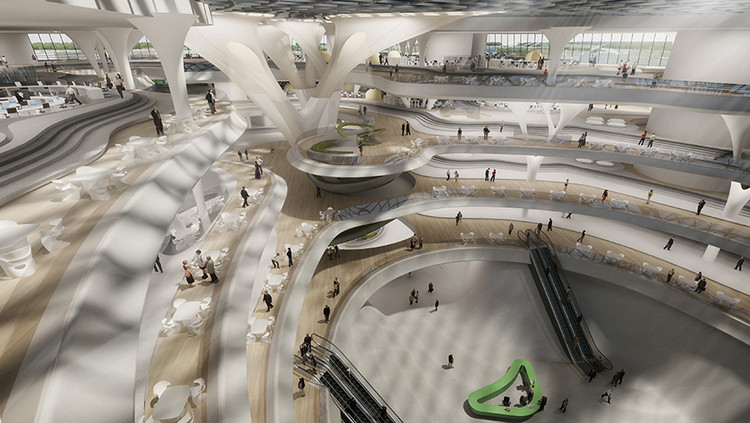
Blum's research applied to projects like the Galaxy SOHO Beijing, analyzes daylight, visibility, and connectivity to optimize space allocation throughout the day and offer personalized workplace solutions. This approach moves beyond a uniform standard, aiming to accommodate a wide range of preferences and work styles. The article draws parallels between historical attempts to improve productivity, such as the introduction of air conditioning to factories for increased machine efficiency and worker comfort, and contemporary efforts to enhance employee well-being through data-informed design.
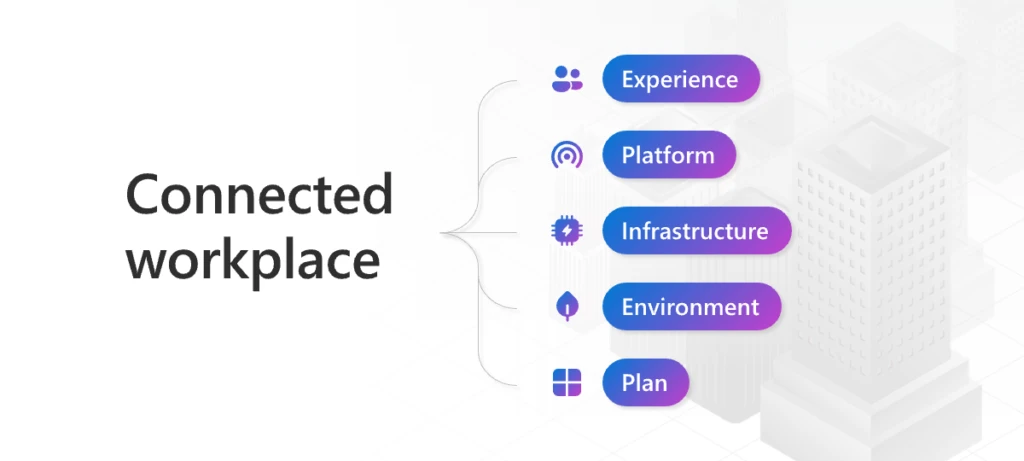
Furniture manufacturers, such as Steelcase, are also embracing this trend with concepts like the "Smart + Connected Workplace." This initiative integrates digital and physical infrastructure, using sensors, signage, and internet-connected furniture to provide real-time data on workspace availability. This system enables employees to efficiently locate and reserve meeting rooms and individual workspaces through a proprietary app, enhancing flexibility and reducing unused space. According to Scott Sadler from Steelcase, this data empowers employees to take control of their work environment.
Arjun Kaicker, another collaborator at ZHA, highlights the scalability of these new methods. What was once computationally impossible for even a few dozen employees can now be done instantly for thousands, allowing for mass customization of workspaces. While some architects, like Jeffrey Inaba of Inaba Williams, prioritize flexible designs that anticipate future business changes over solely data-driven optimization, the consensus is that architecture must be adaptable to evolving demands. The article concludes that as work becomes more virtual, the physical workspace gains significance as a tangible representation of a company's identity, requiring designers to continually question and redefine what constitutes an effective workplace.
#BigData #DataDrivenDesign #OfficeDesign #WorkplaceDesign #ZahaHadidArchitects #ArchitecturalInnovation #SmartWorkplace #EmployeeProductivity #BigData #DataDrivenDesign #OfficeDesign #WorkplaceDesign #ZahaHadidArchitects #ArchitecturalInnovation #SmartWorkplace #EmployeeProductivity
0 comment in total
 No comments yet
You may also like
Step Inside KREWE’s Luxe New Global Headquarters in New Orleans

3DVIA

Black Kite’s London office is a riot of colour and geometry


Gray Davis of Meyer Davis Studio Talks Hospitality on Hello Cindy!

The Influence of AI in the Interior Design Industry
Top 7 IoT Applications in Architecture and Design
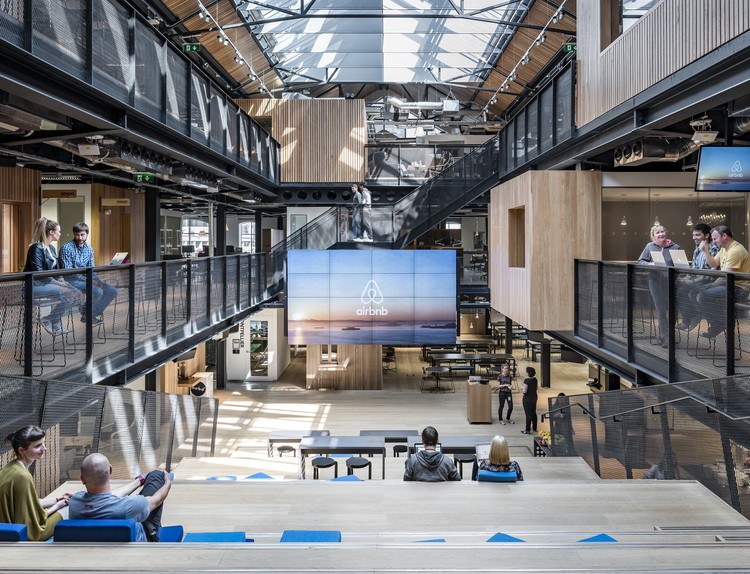
Airbnb Environments Principal Designer Rachael Harvey Talks Interior Design and the Future of Workplace

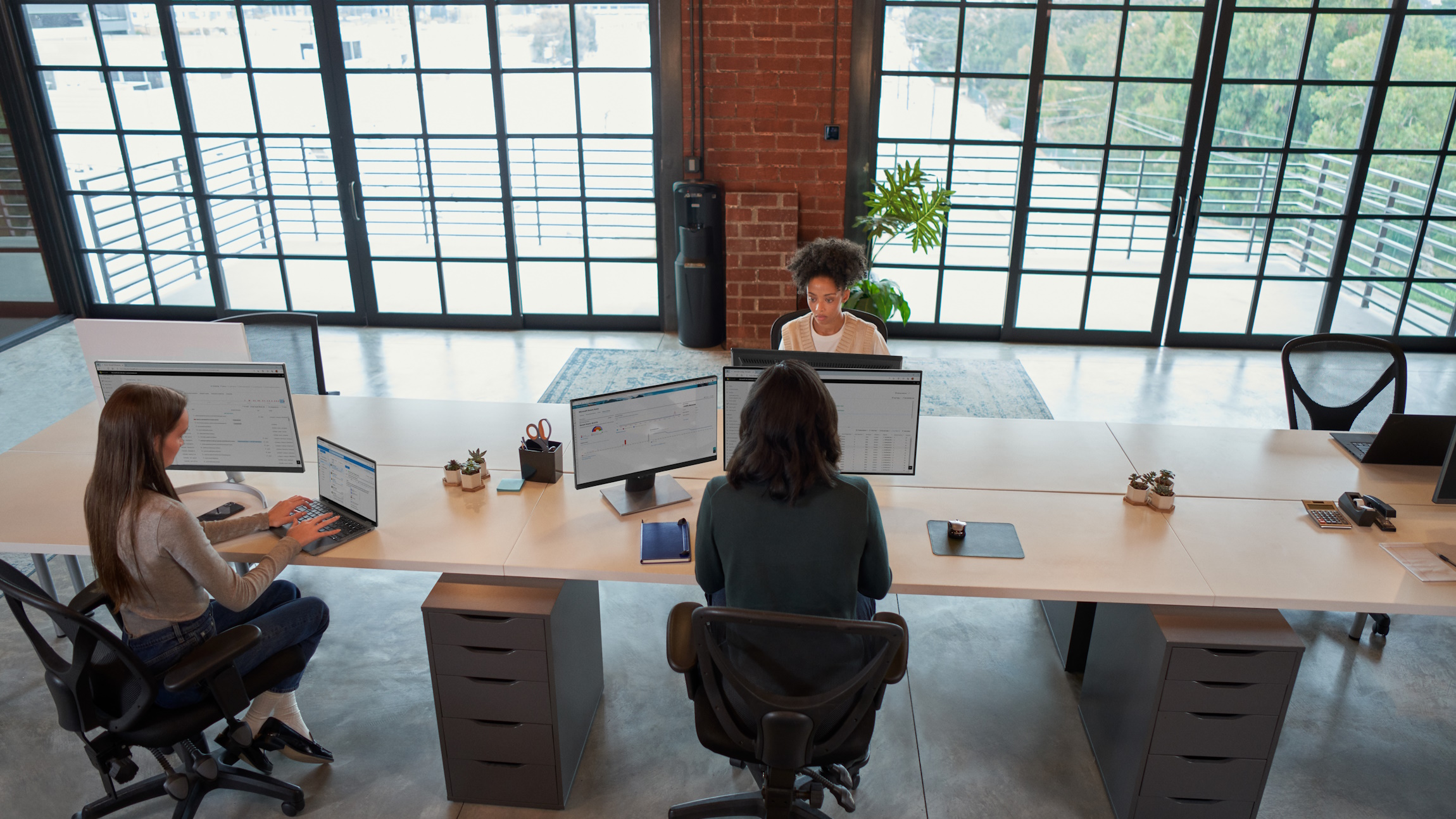
Enhancing space management internally at Microsoft with Wi-Fi data
15 Best Architecture and Design Firms in the USA

The End of Open-Plan Everything


Meet Philip Oloo | Architectural Designer, Virtual Reality for Architecture and Licensed General Contractor
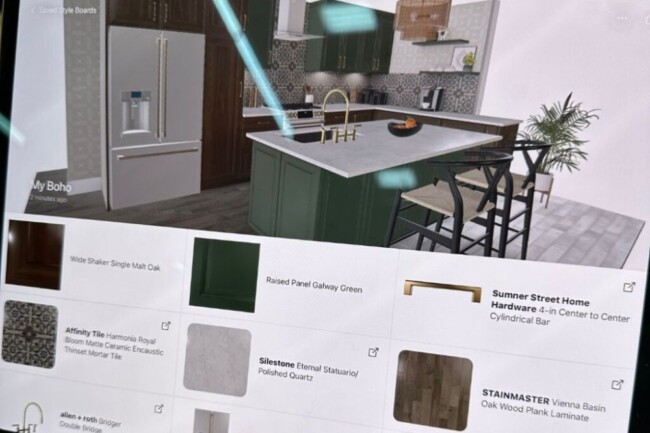
Lowe’s North Bergen Chosen to Pioneer In-Store Kitchen Design Tool For 4 Days Only

Can AI revolutionize office space design?

Beyond Aesthetics: How Tech is Redefining Interior Design
How AI-Powered Rendering Crushes Bottlenecks in Architecture and Interior Design
Best AI Floor Plan Generators For Various Uses #2025
Planning the office space of the future
This Mumbai office's unconventional layout design boosts productivity


Introducing Microsoft Places: Turn your spaces into places

News Release: NOCO-NOCO announces strategic alliance with TESNOLOGY to advance smart city initiatives