1/16
Top 7 IoT Applications in Architecture and Design
The Internet of Things (IoT) involves connecting physical objects equipped with sensors to a shared infrastructure, such as the internet, to enable smart functionalities and data exchange without human-computer interaction. This technology is rapidly expanding, with the global IoT market projected to reach $1.1 trillion by 2024. In architecture and design, IoT plays a crucial role in enhancing daily life and offering innovative solutions across various fields.
One significant application is data-aided installations. These systems utilize data to generate real-time responses, facilitating interactions between users and their environment. Examples include public art installations that interpret social media sentiment through colorful displays or structures that react to visitor presence and environmental factors using luminous fibers. This capability opens new avenues for dynamic and interactive architectural experiences.
Big data, characterized by massive datasets unmanageable by traditional methods, is another key area. Architects leverage big data in both the design process and the final product. An illustrative case involves Synthesis Design + Architecture collaborating with IBM Watson Analytics to create an interior wall whose patterns respond to mobile phone data related to consumer spending, showcasing how vast information can inform and shape architectural elements.
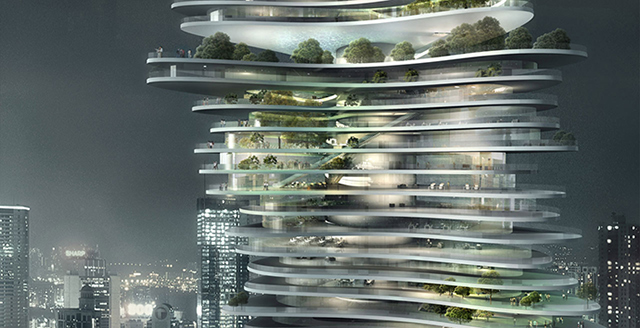
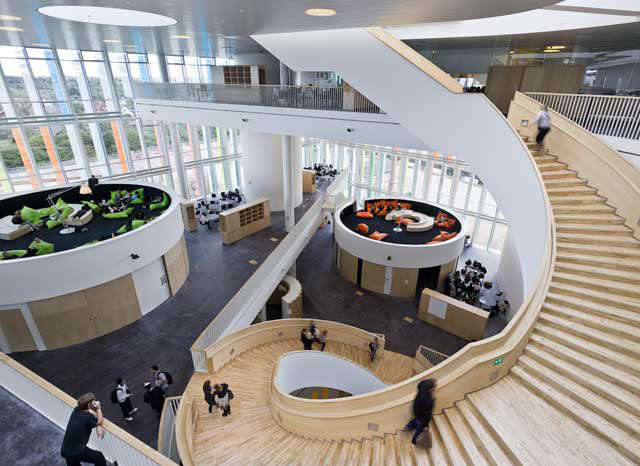
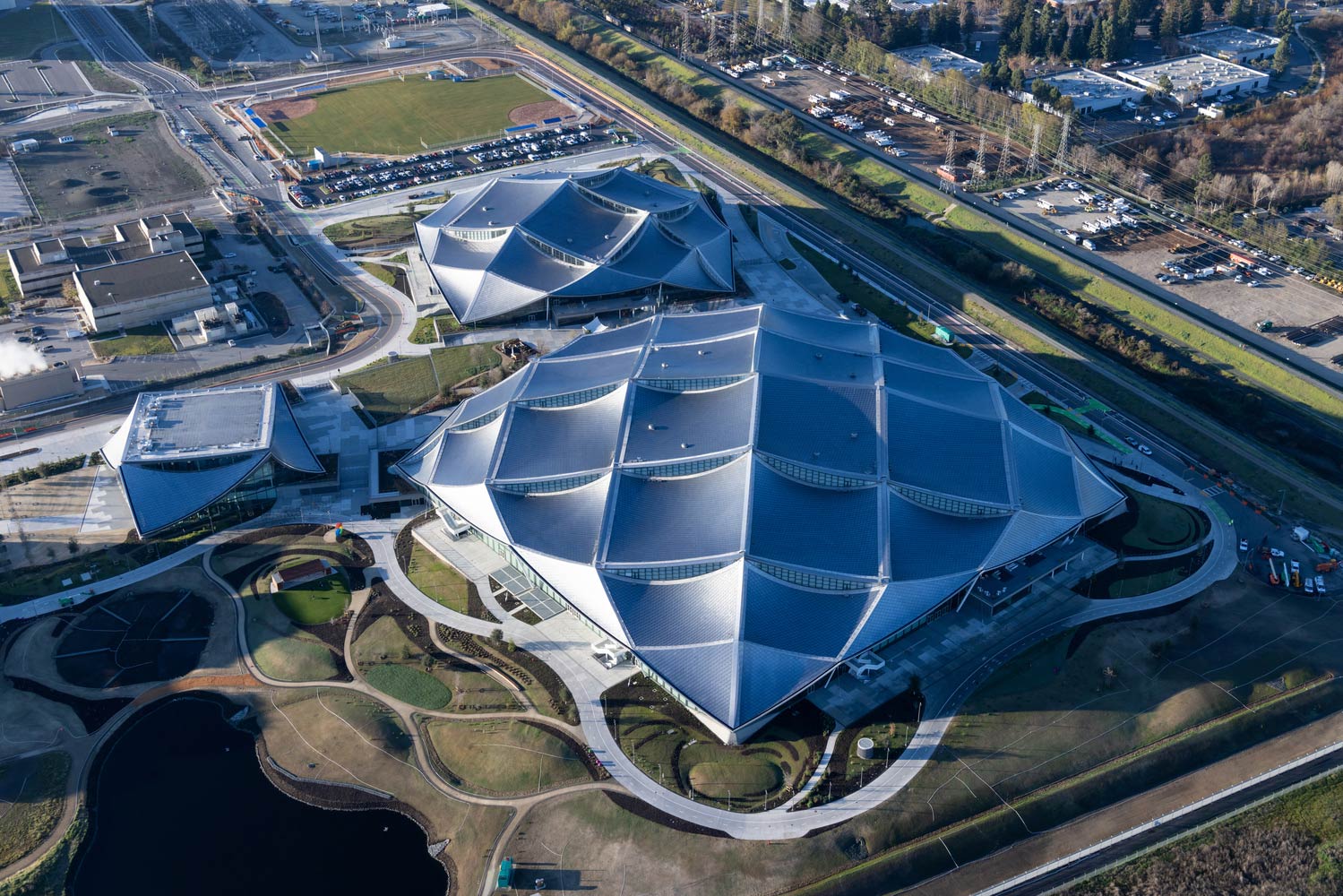
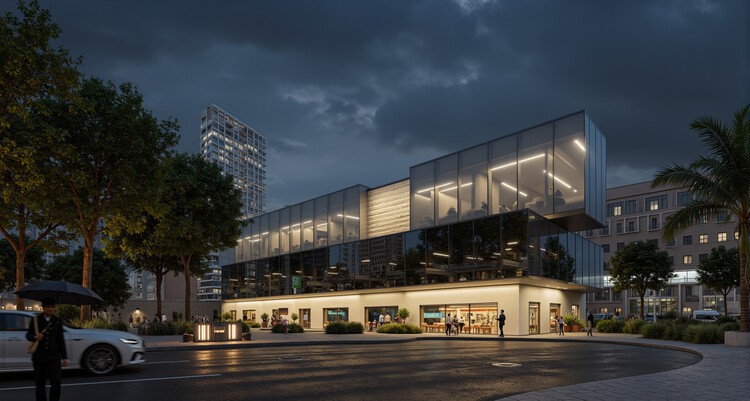
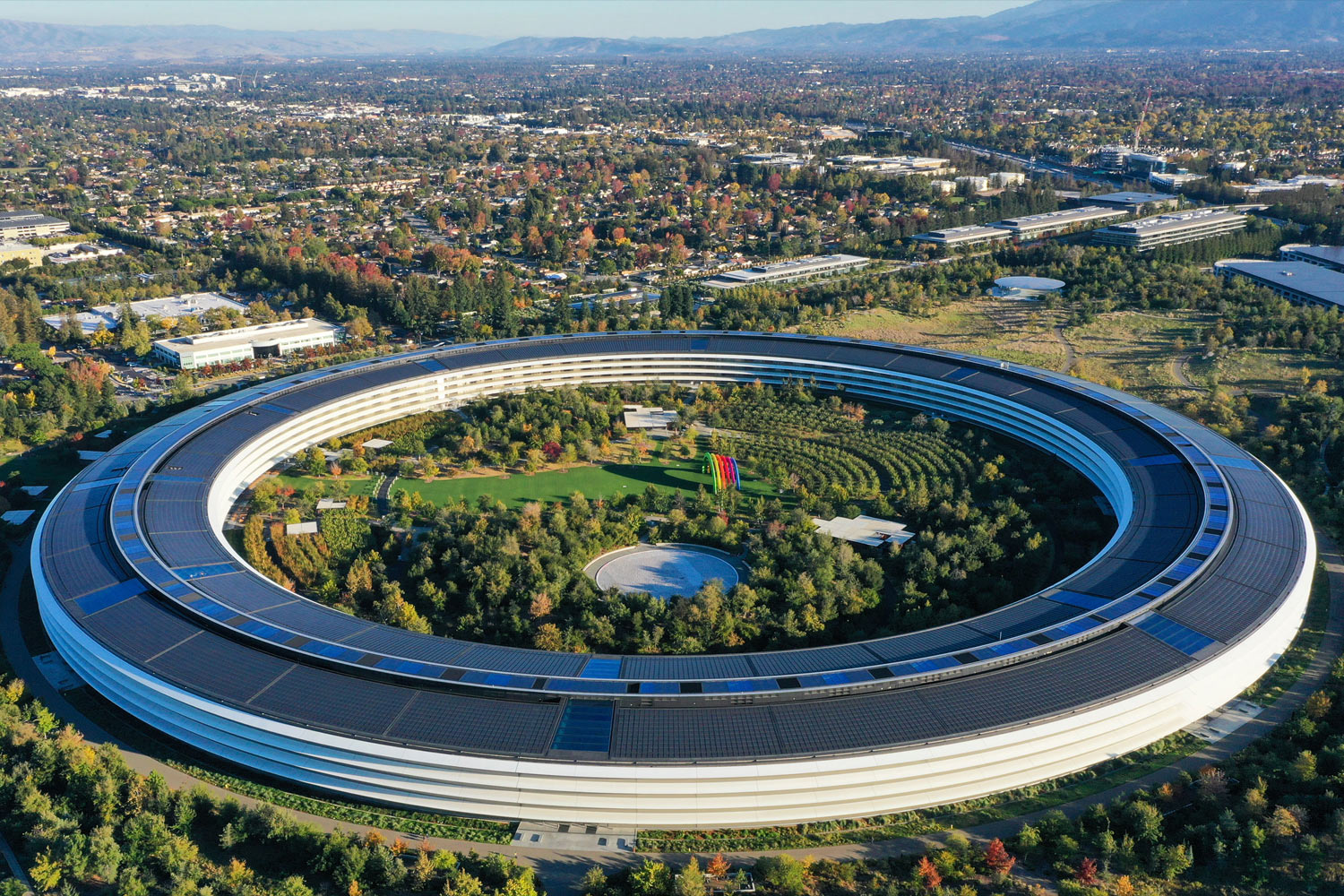
Smart buildings represent a highly promising IoT application. These structures integrate environmental sensors to monitor and regulate factors like temperature, airflow, humidity, CO2 levels, and occupancy. They offer advanced control over indoor environments, fostering efficient and collaborative workspaces where data from various devices is centralized. Smart buildings can interact, learn, and adapt, extending their functionality beyond their physical confines to provide actionable data. Notably, they contribute to energy conservation and environmental goals by optimizing energy usage and facilitating the integration of renewable sources. The Salesforce Tower in San Francisco, designed by Pelli Clarke & Partners, exemplifies this by providing a converged building management system that collects data for informed decision-making and ensures sustainability. Similarly, Apple Park in Cupertino, California, designed by Foster + Partners, stands as an energy-efficient structure that controls its internal climate using high-tech ventilation and tubes in ceilings and floors, demonstrating the synergy between information technology and human creativity.
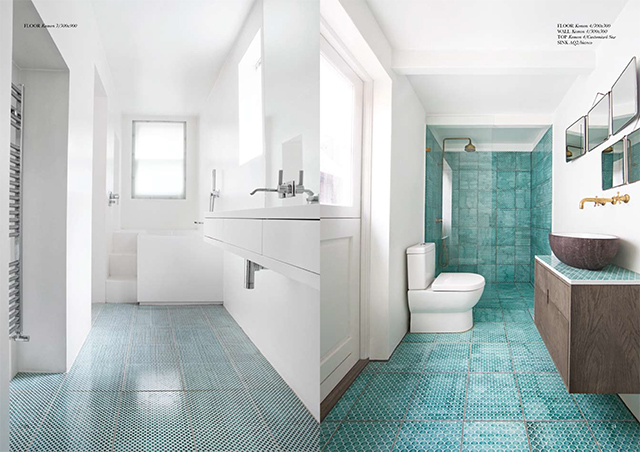
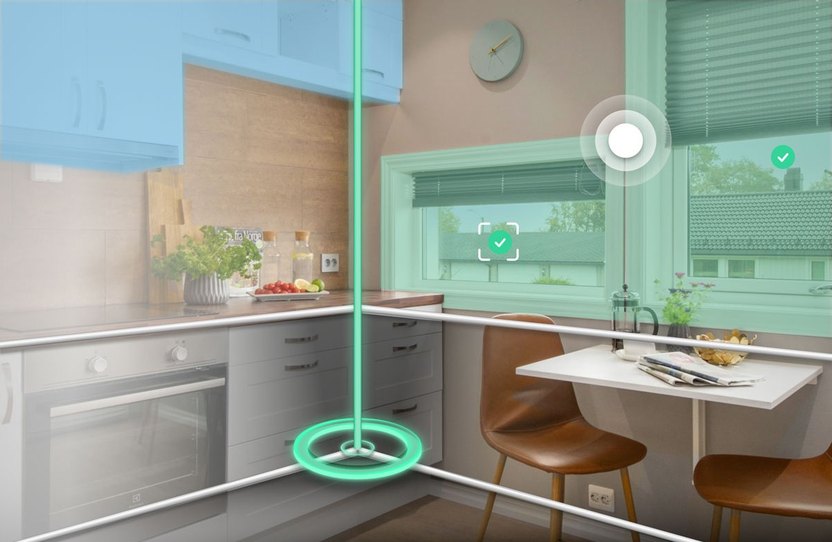
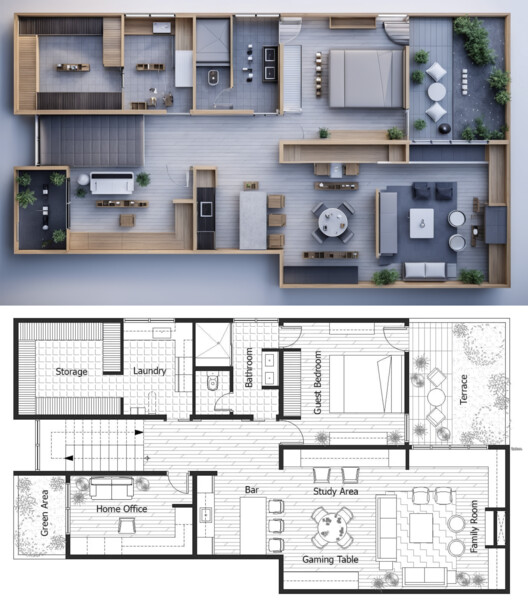
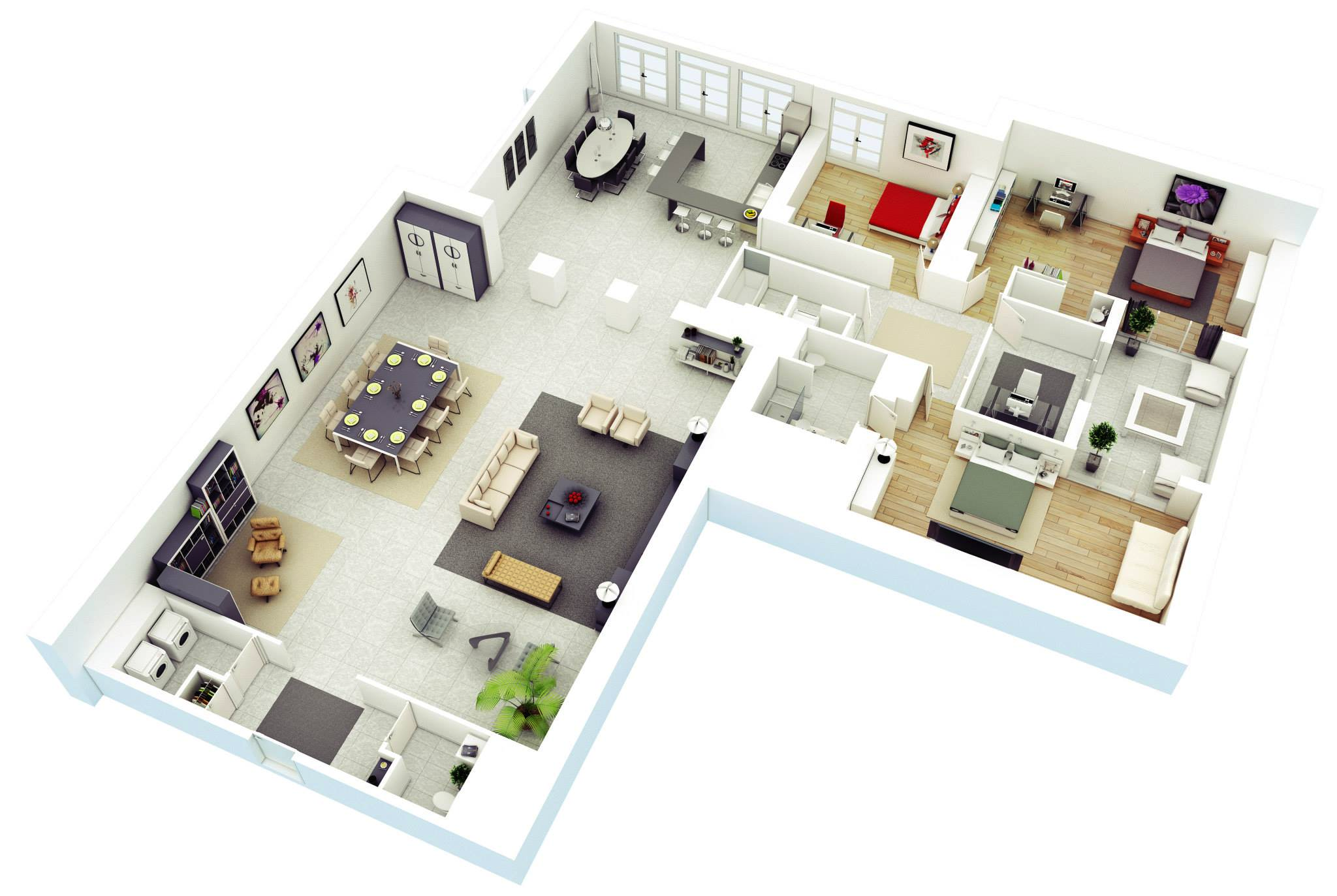
Smart homes extend IoT benefits to residential spaces, integrating all technical components into a unified, intelligent system for enhanced comfort, safety, and convenience. This includes linking devices such as smartphones, tablets, door locks, cameras, lights, thermostats, and appliances. Smart homes are particularly beneficial for independent living, offering reminders for medication, tracking habits, and alerting emergency services in case of incidents. They also provide robust security features, allowing remote monitoring and control of security measures like motion detectors and automated door locks.
Smart cars, another emerging application, incorporate IoT to programmatically control speed and steering, with human intervention required only in abnormal conditions. The US Department of Transportation highlights their potential to reduce road traffic mortality through collision-avoidance capabilities. IoT enables smart cars to become integrated platforms for digital transformation, pushing automakers towards a service-oriented model. Contemporary designs, like the smart Forease+, prioritize environmentally friendly solutions and low running costs, emphasizing unique driving experiences through meticulous design elements.
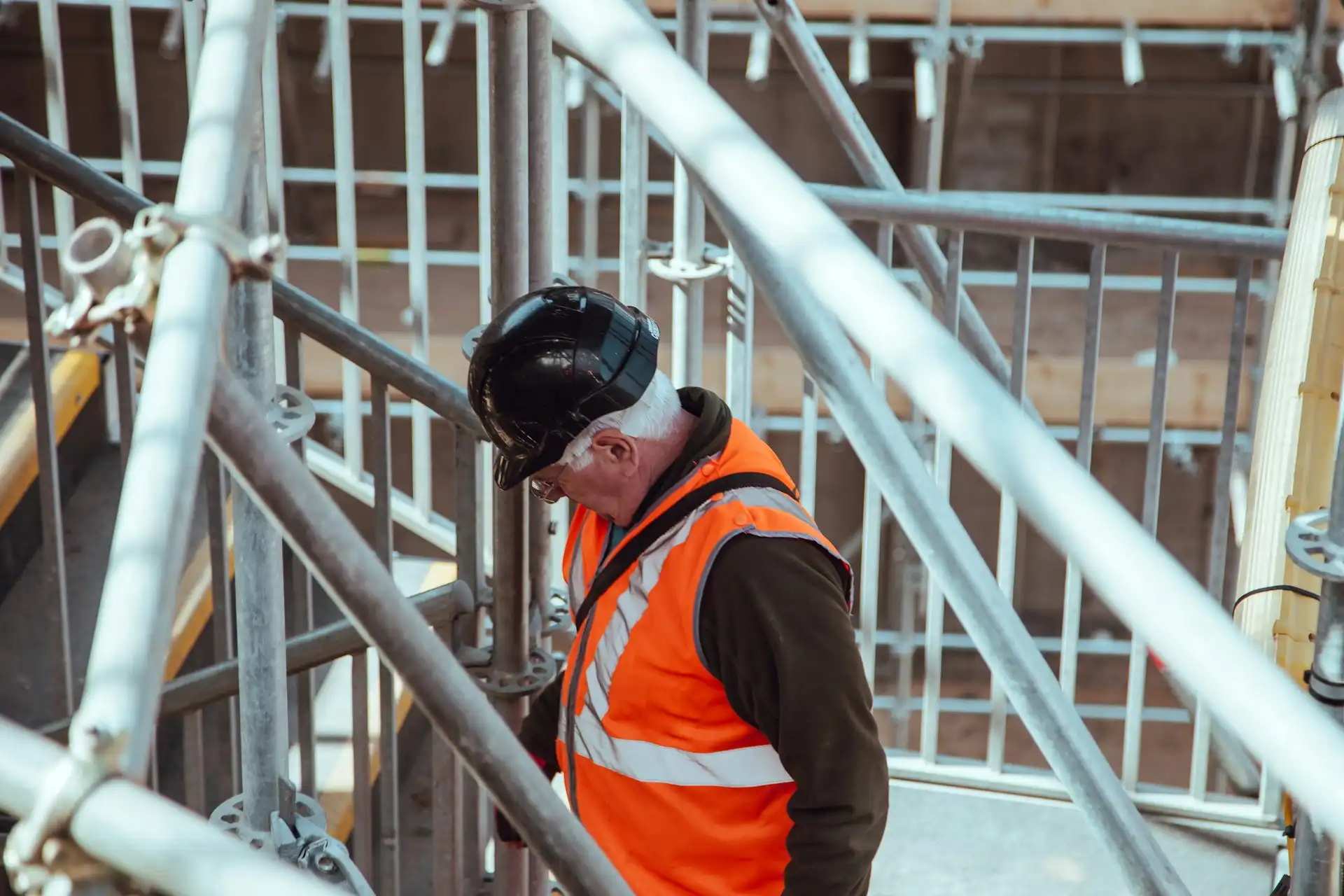
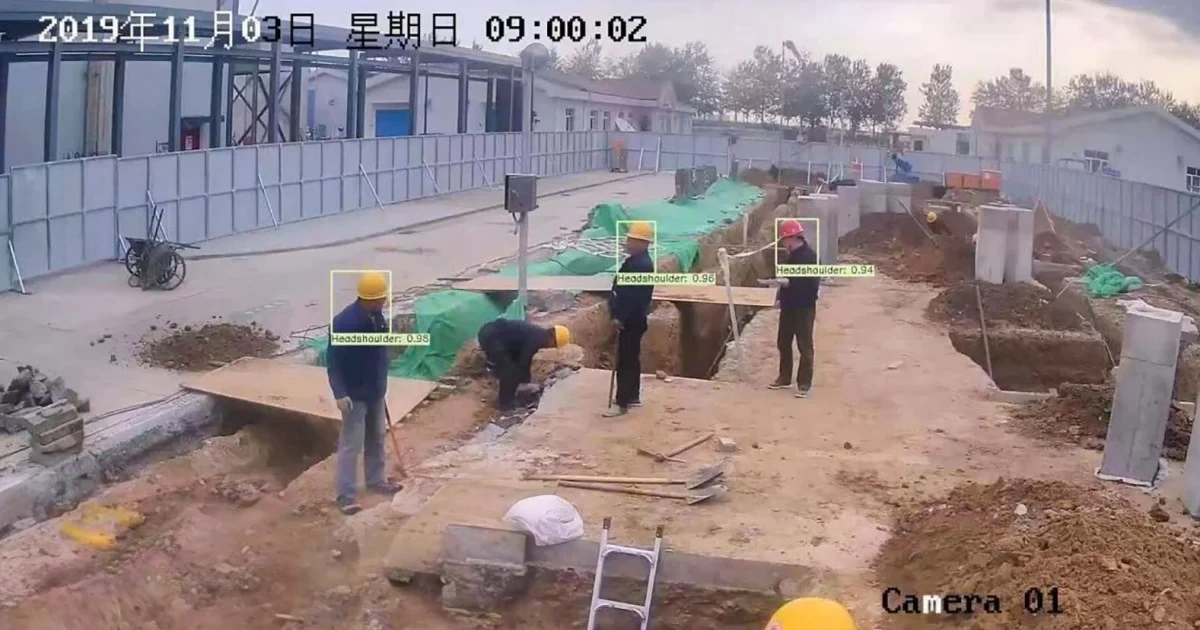
In the construction industry, IoT offers significant advantages by automating tasks, improving efficiency, and reducing costs. It facilitates project progress tracking, material delivery monitoring, and employee movement analysis to optimize productivity. Digital twins can be utilized to test design efficiency before physical construction, enhancing precision in project delivery estimation. IoT addresses challenges such as skill shortages, project delays, safety concerns, and waste management. Finally, IoT is instrumental in natural disaster detection and early warning systems. Sensors can monitor environmental data to identify abnormal situations, providing timely alerts for events like building collisions, and signaling residents to potential dangers. Overall, IoT is central to systems that connect, monitor, and control data, offering solutions across diverse fields and promising further advancements in our daily lives as digitization continues to expand.
#IoTAplications #ArchitectureDesign #SmartBuildings #SmartHomes #SmartCars #ConstructionTechnology #NaturalDisasterDetection #BigData #DataAidedDesign #IoTAplications #ArchitectureDesign #SmartBuildings #SmartHomes #SmartCars #ConstructionTechnology #NaturalDisasterDetection #BigData #DataAidedDesign
0 comment in total
 No comments yet
You may also like
7 innovative ideas in architectural design

The 6 Best Home Design Apps for Projects Large and Small
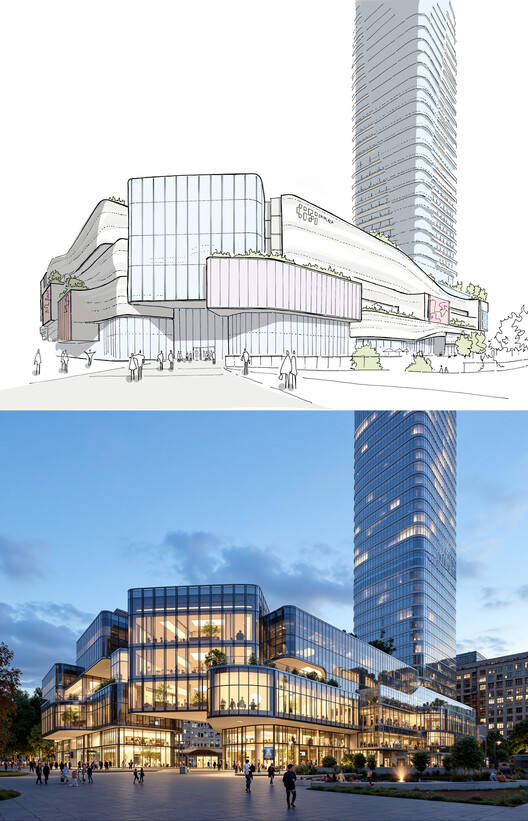
How AI-Powered Rendering Crushes Bottlenecks in Architecture and Interior Design

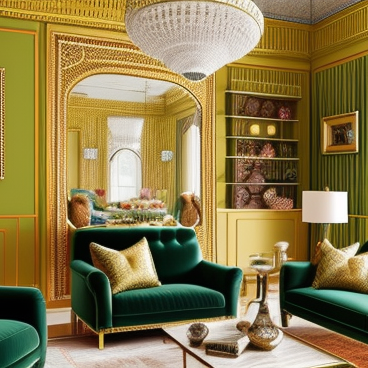
I Let AI Design My Home. Here’s What Happened

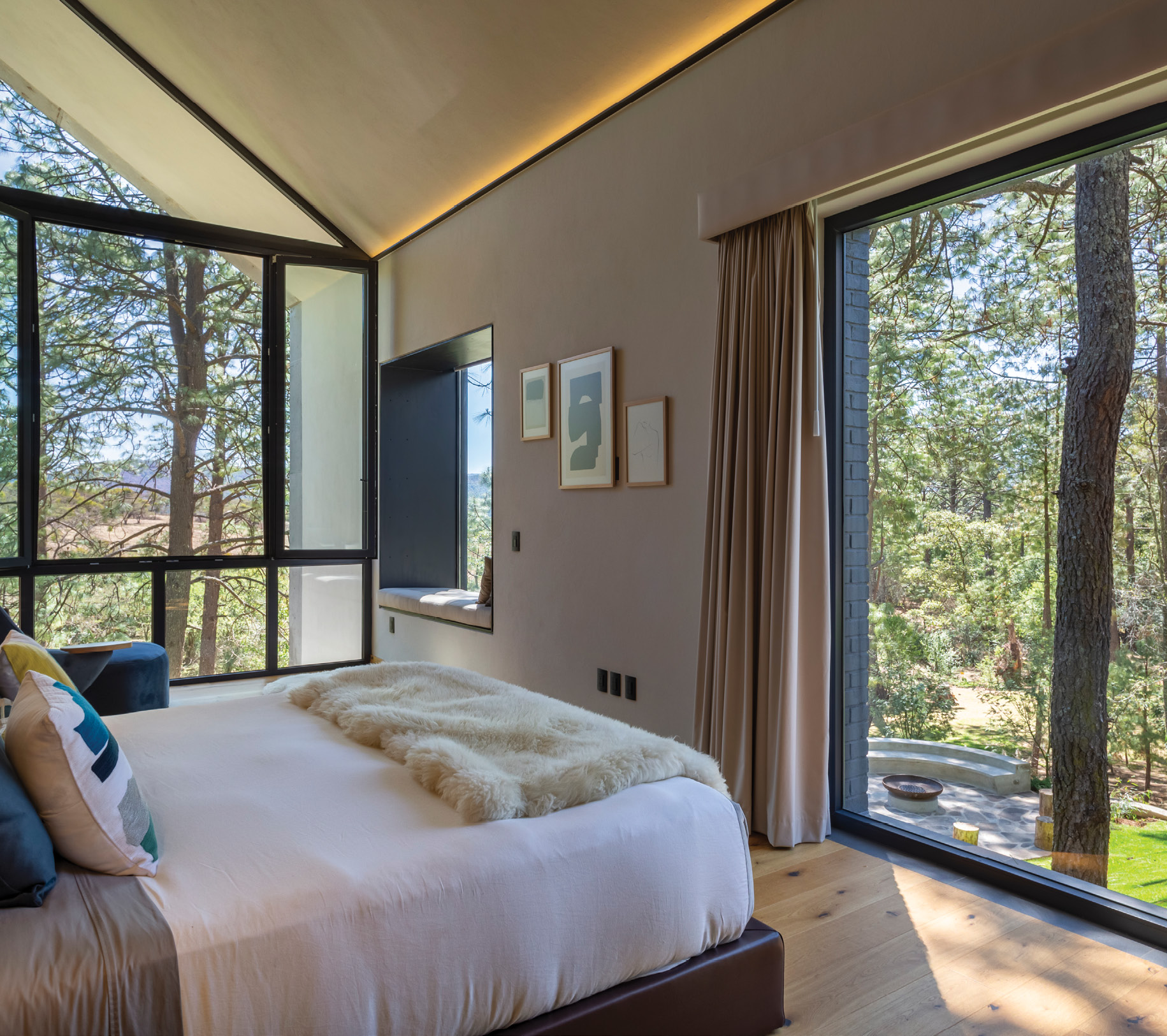
Back to Basics

Top 16 AI Tools for Interior Design
5 best AI interior design apps in 2024

10 free AI interior design generators
10 AI tools to generate interior and architectural images
5 best AI interior design apps in 2024

Bitable: AI in the design and build world

8 AI-powered architectural rendering programs you should try
8 Most Useful Android Apps for Architects
Exploring the Impact of AI on Sustainable Building Design and Construction

The Influence of AI in the Interior Design Industry
The Best Interior Design Apps, Tools, and Software

10 Revolutionary AI Tools Reshaping Architectural Design
8 Useful Apps for DIY Home Design


Best architecture software of 2025

Can AI Save Me the Cost of an Interior Designer?