1/21
Gardeners, These Low-Maintenance Perennial Flowers Bloom Every Season
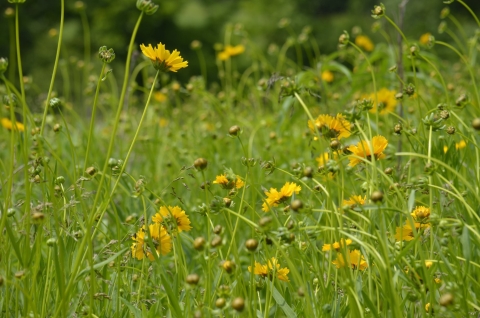
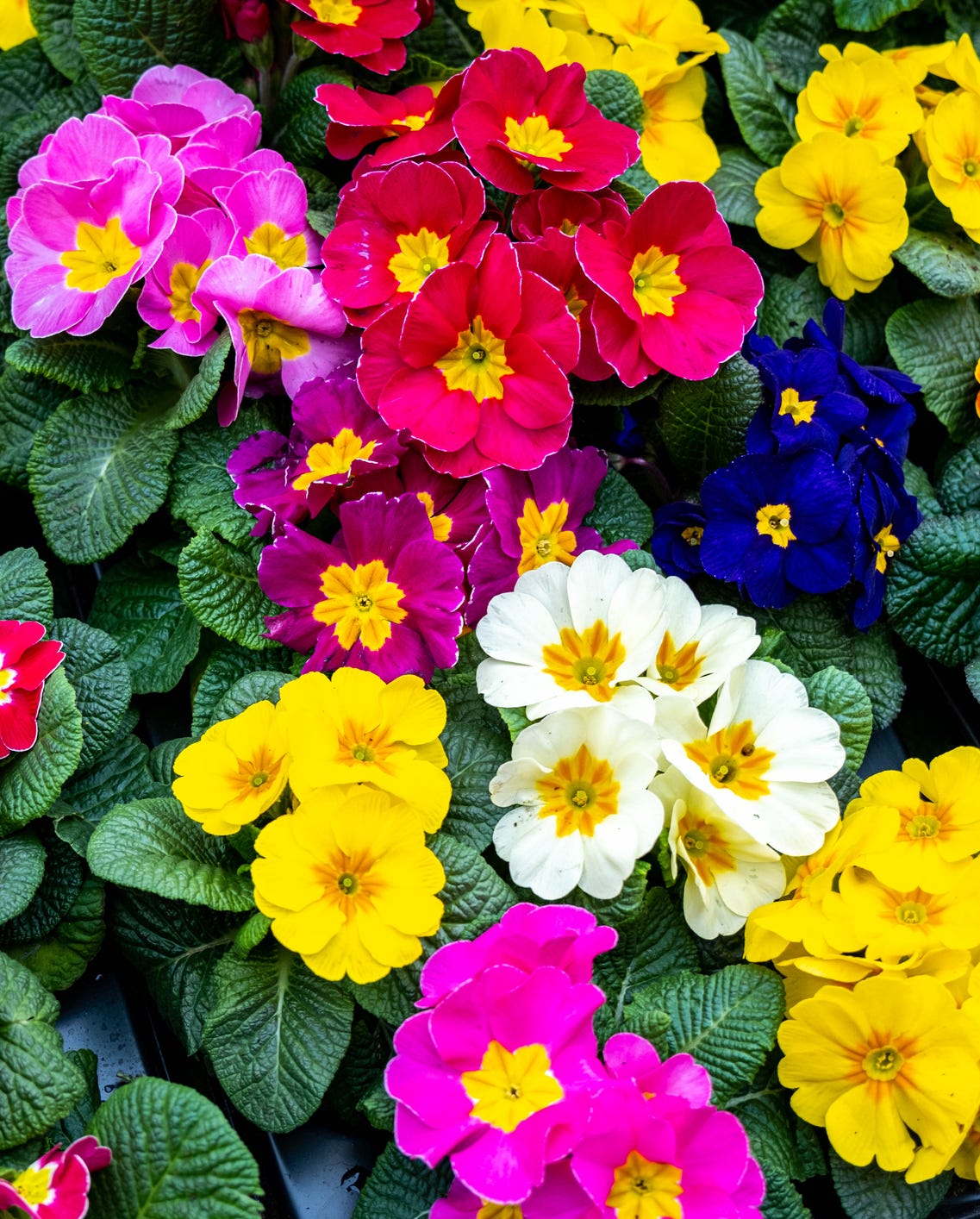
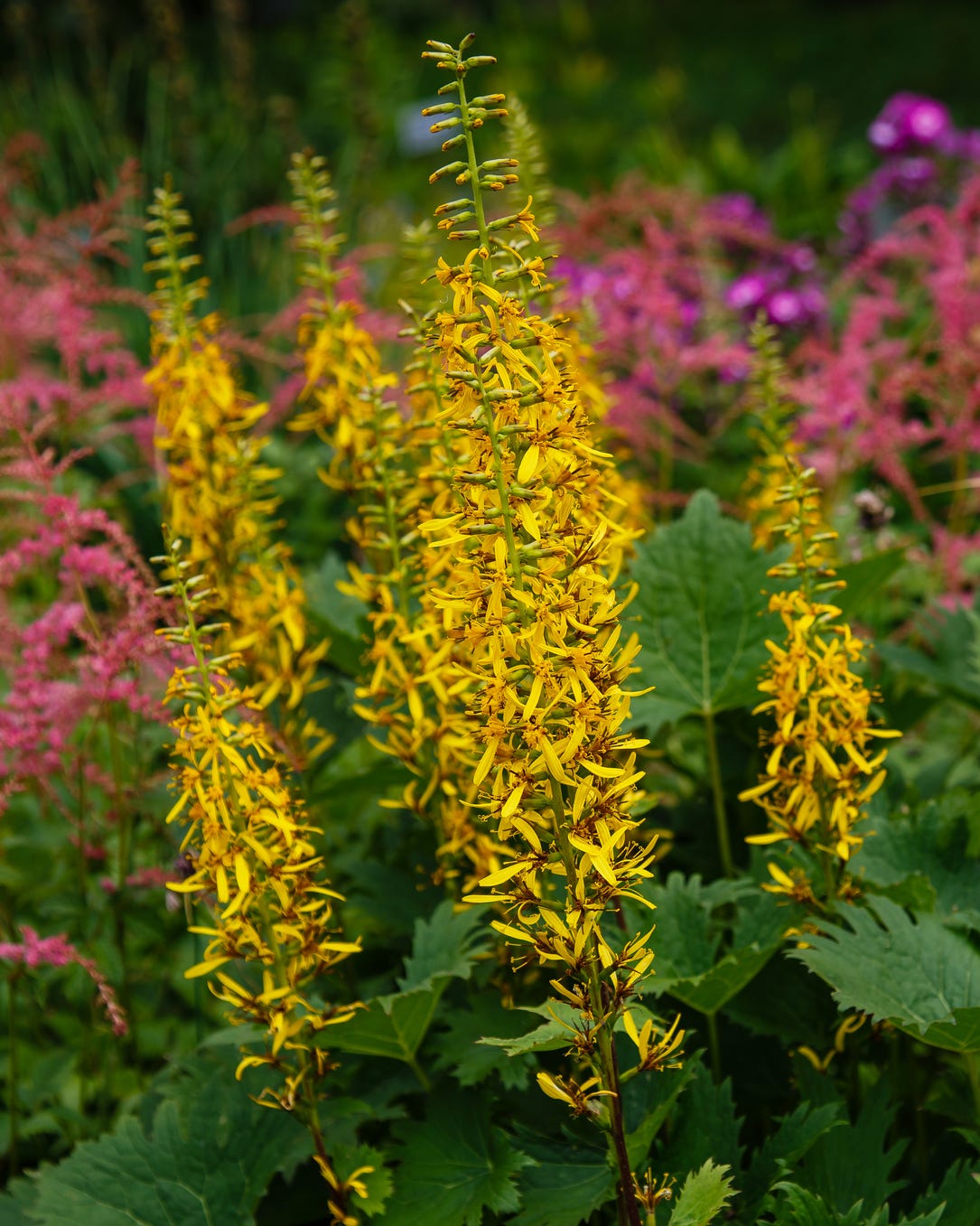
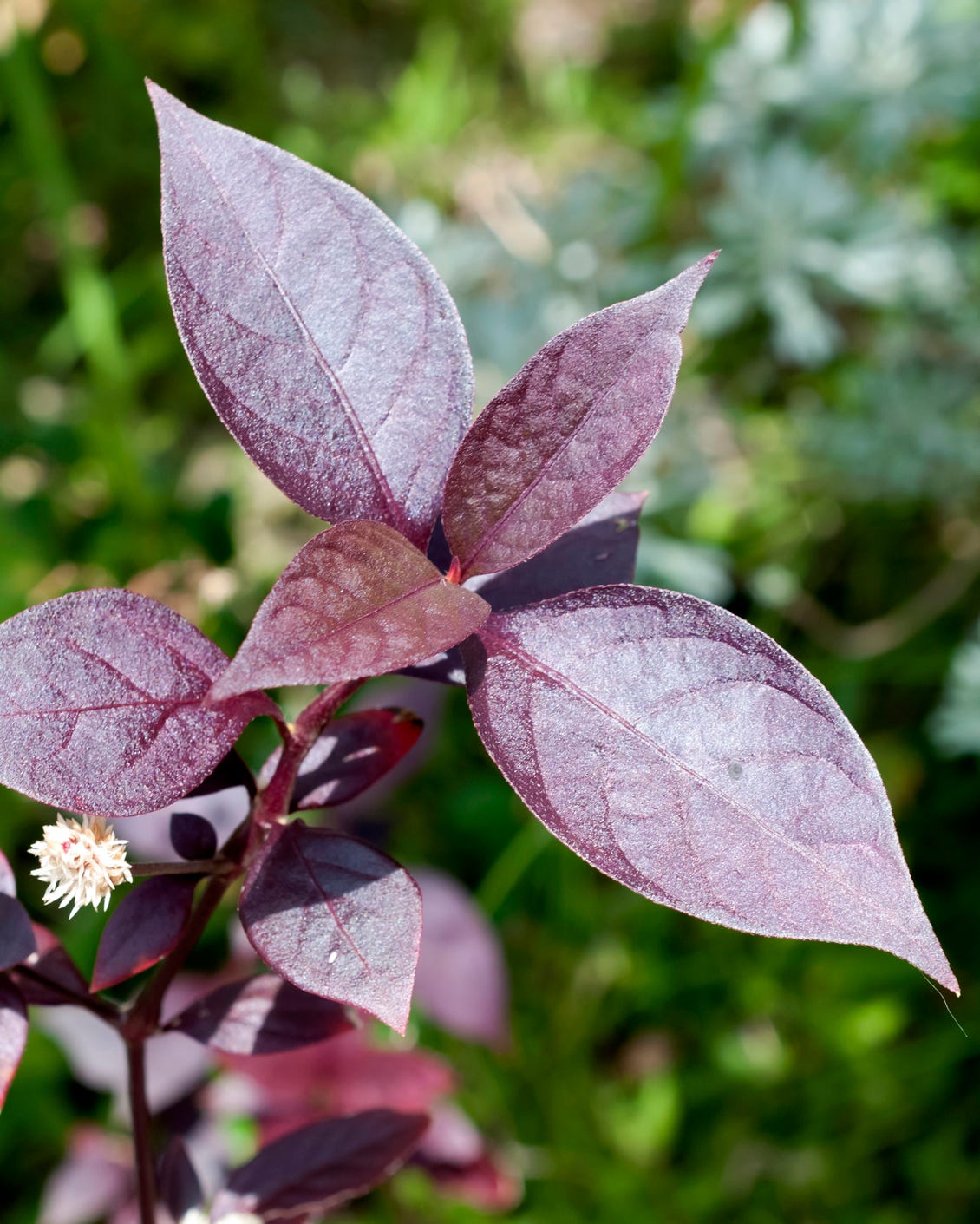
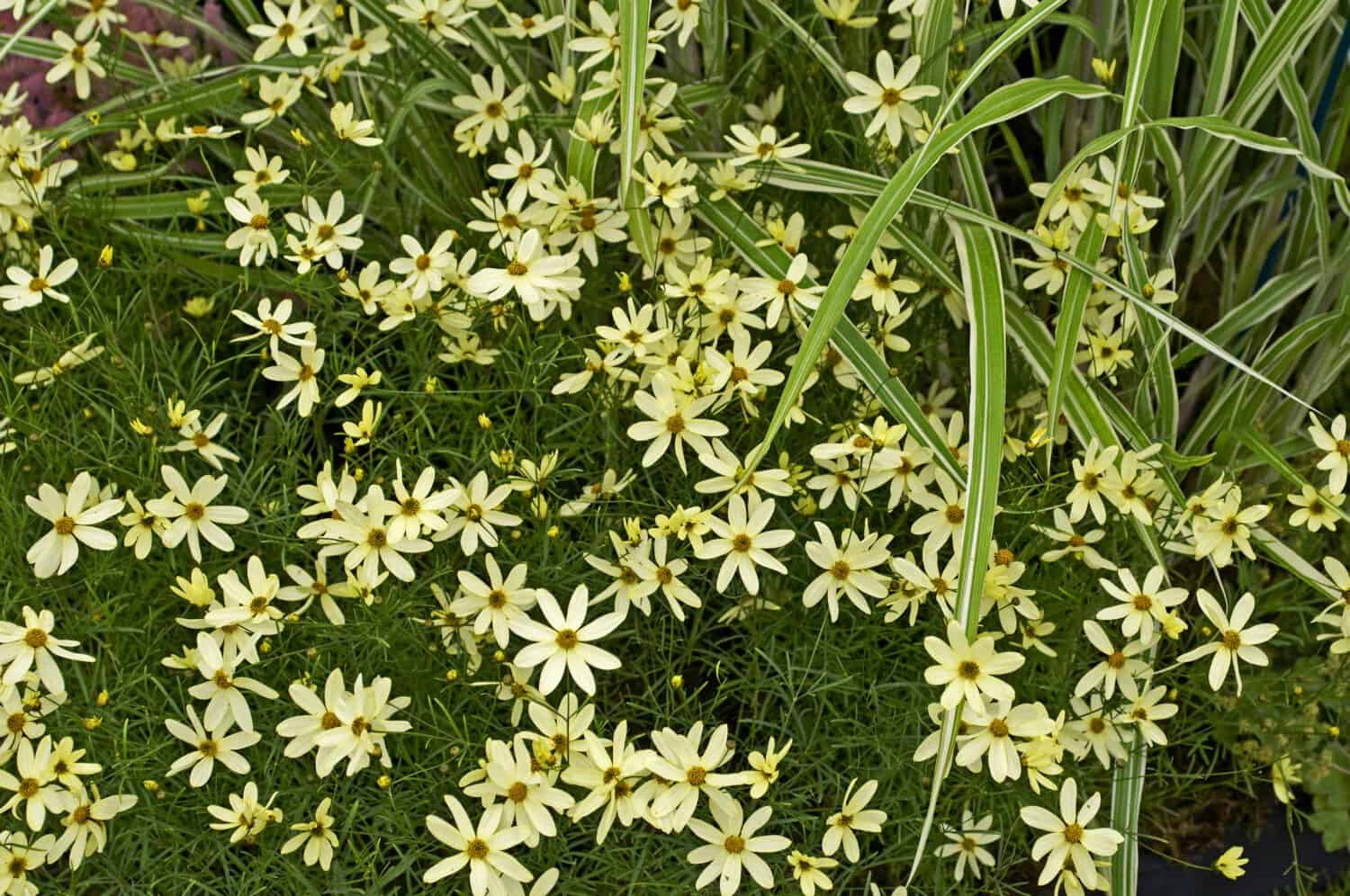
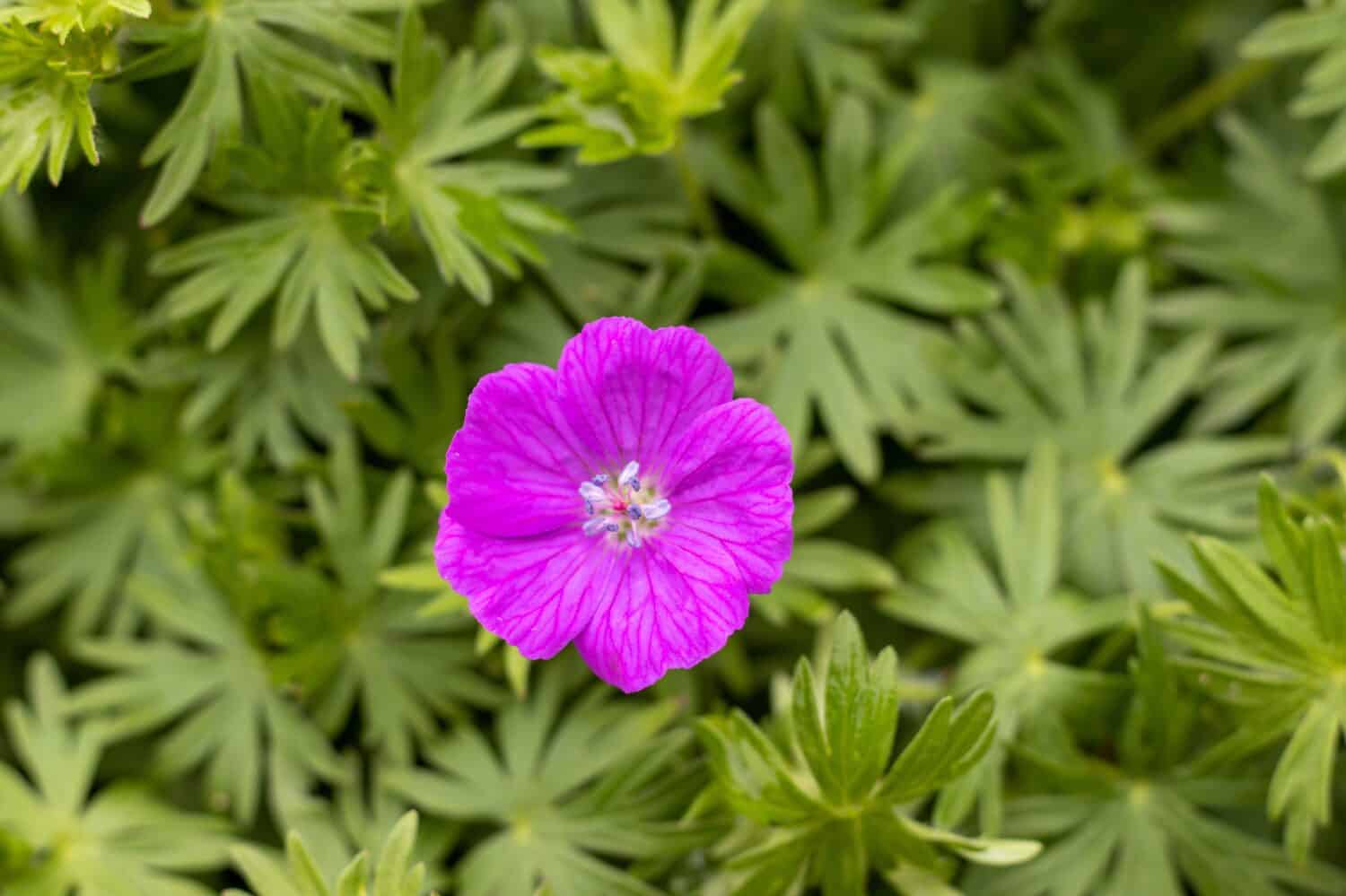
This blog post compiles a comprehensive list of 32 low-maintenance perennial flowers, offering detailed information for each to help gardeners cultivate vibrant and enduring outdoor spaces. The article highlights the key difference between annuals and perennials, emphasizing that perennials, unlike annuals, establish deep root systems allowing them to return year after year, sometimes for decades or even a century. To assist readers in selecting the best plants for their specific needs, each perennial entry includes crucial details such as hardiness zones, sunlight requirements (categorized as full sun, partial sun, or full shade), ideal soil conditions, and average bloom times. This structured approach aims to simplify the gardening process, making it accessible even for those with limited experience.
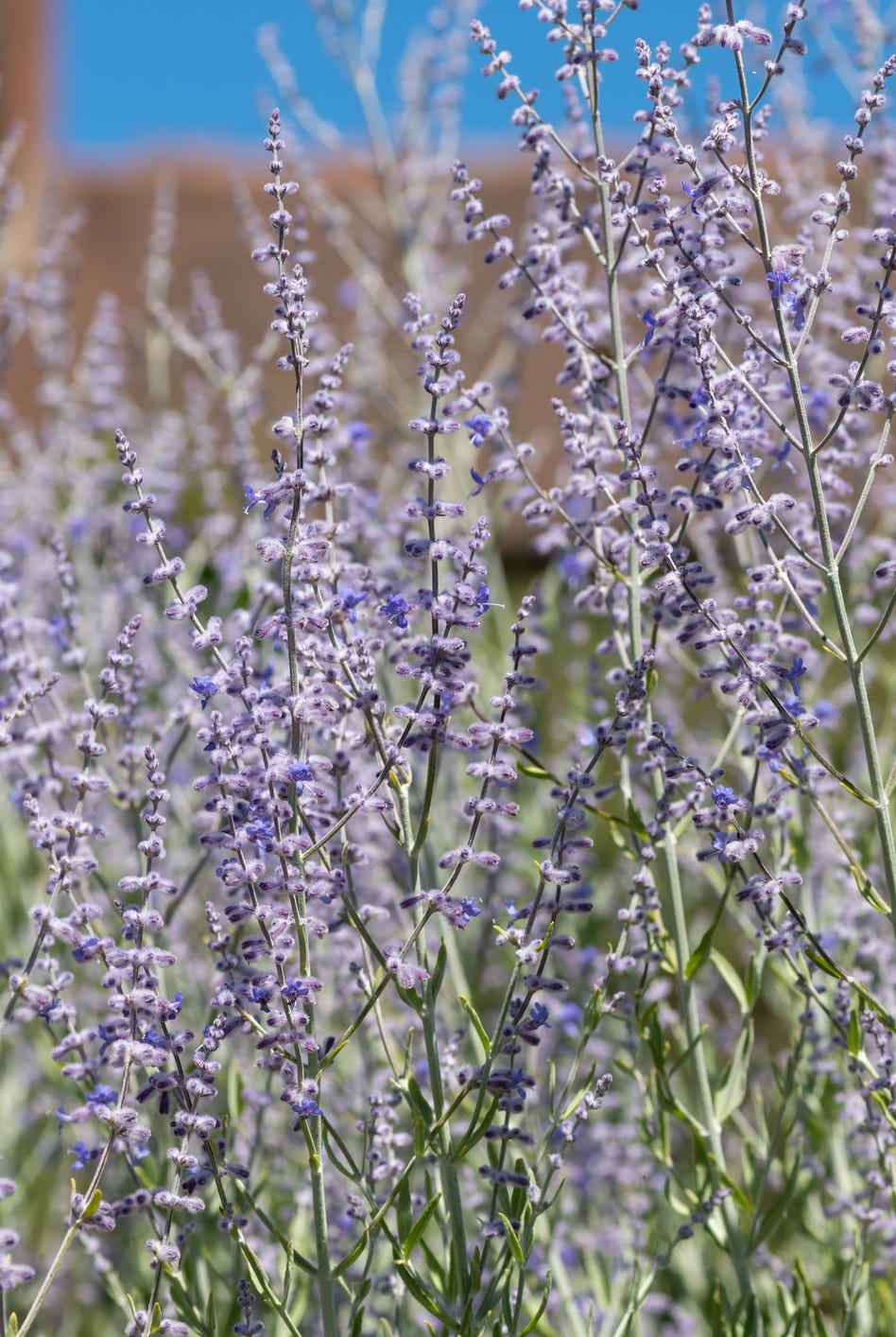
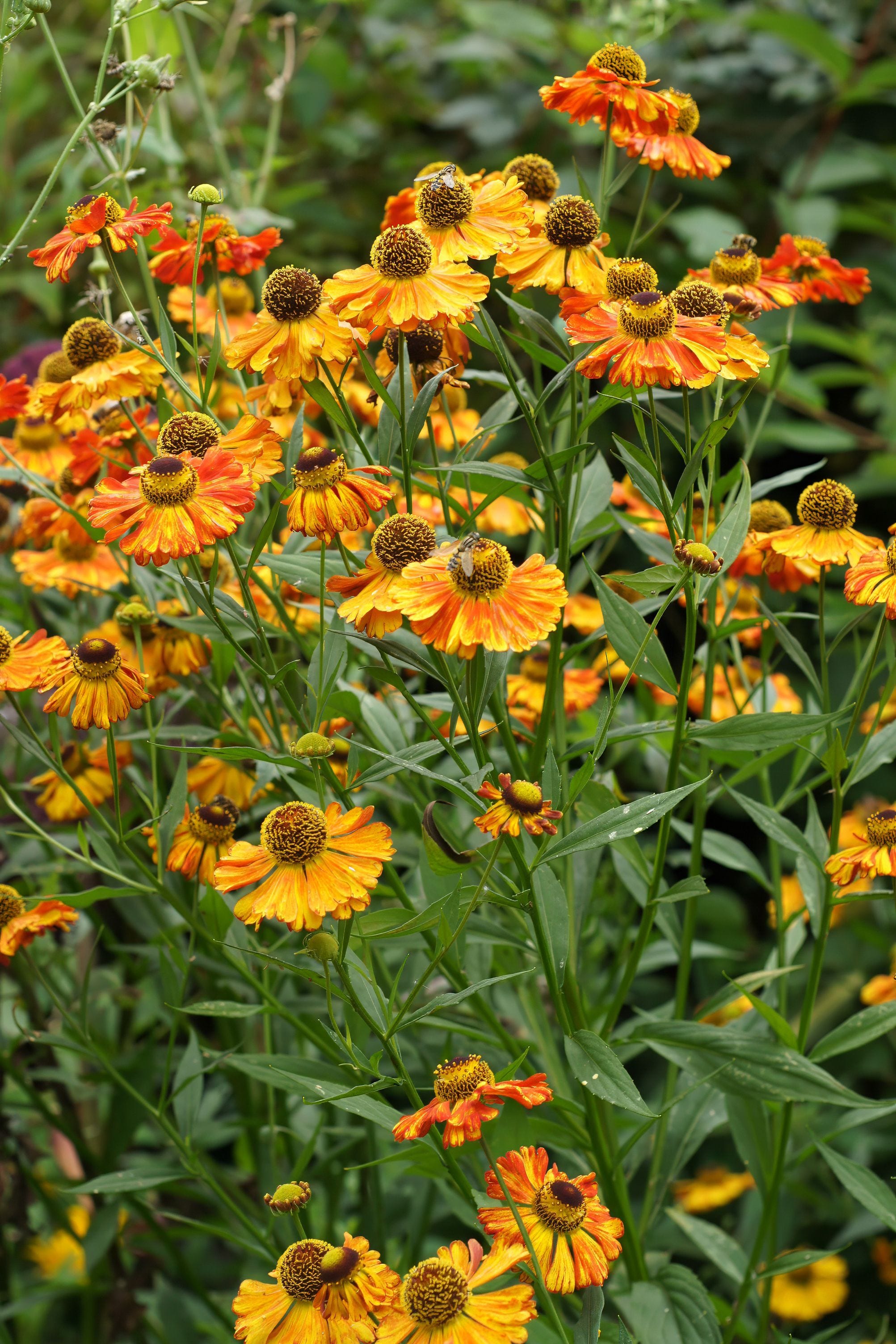
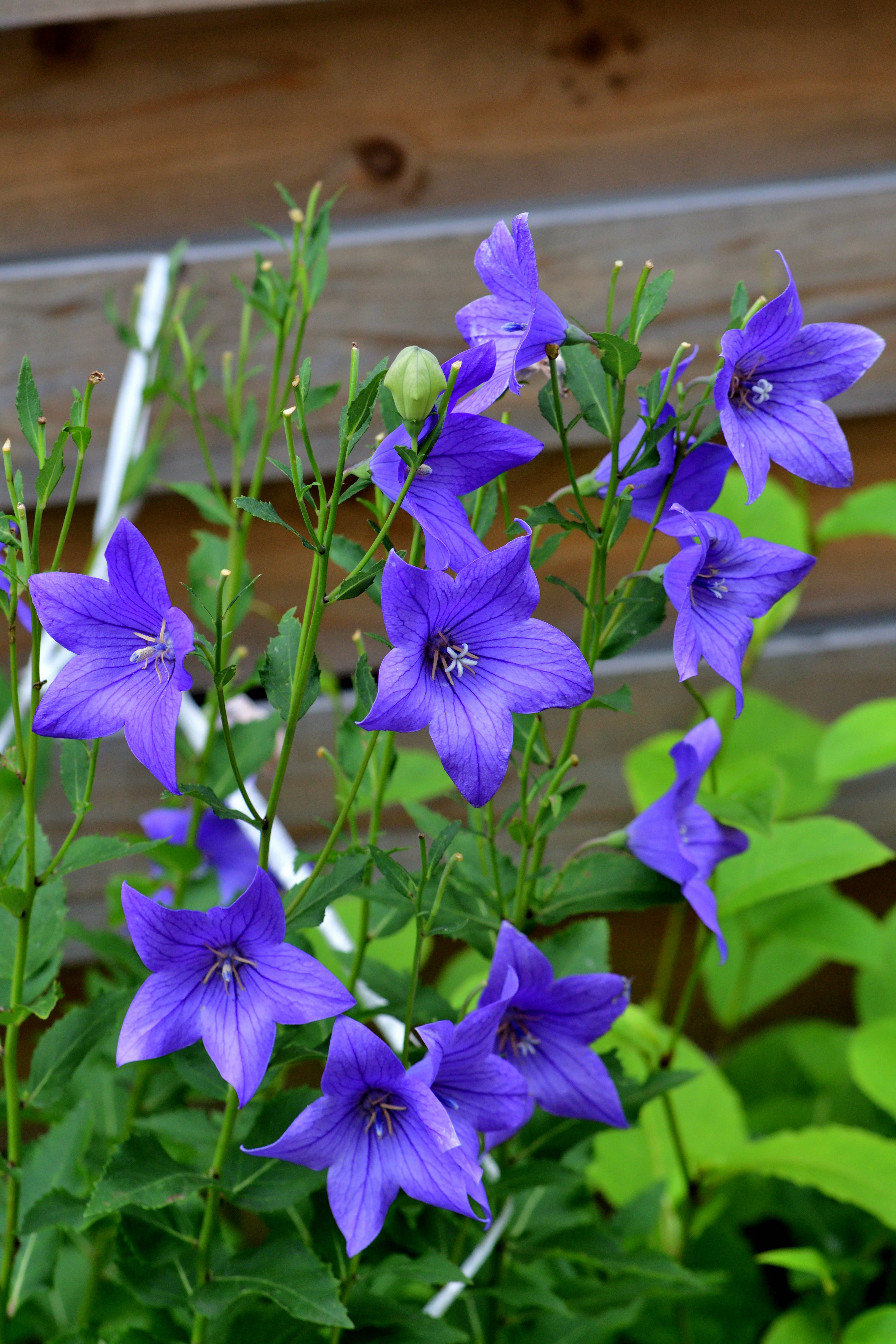
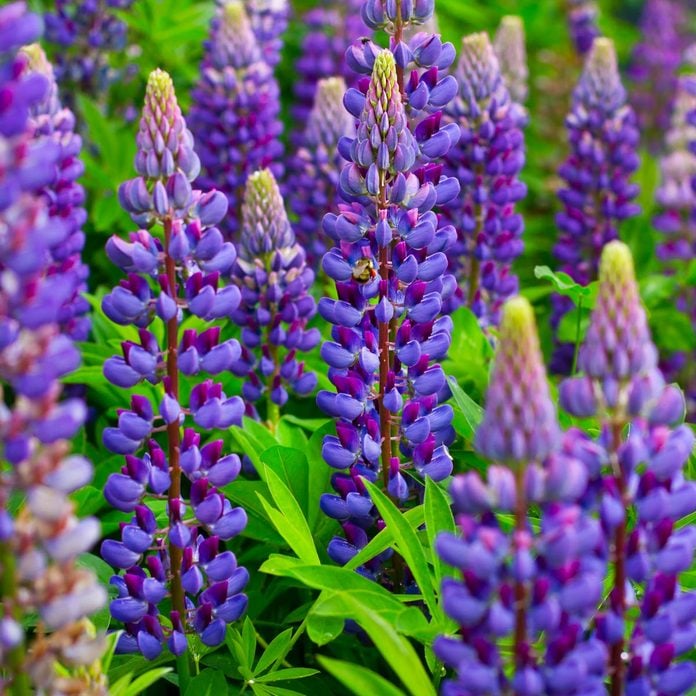
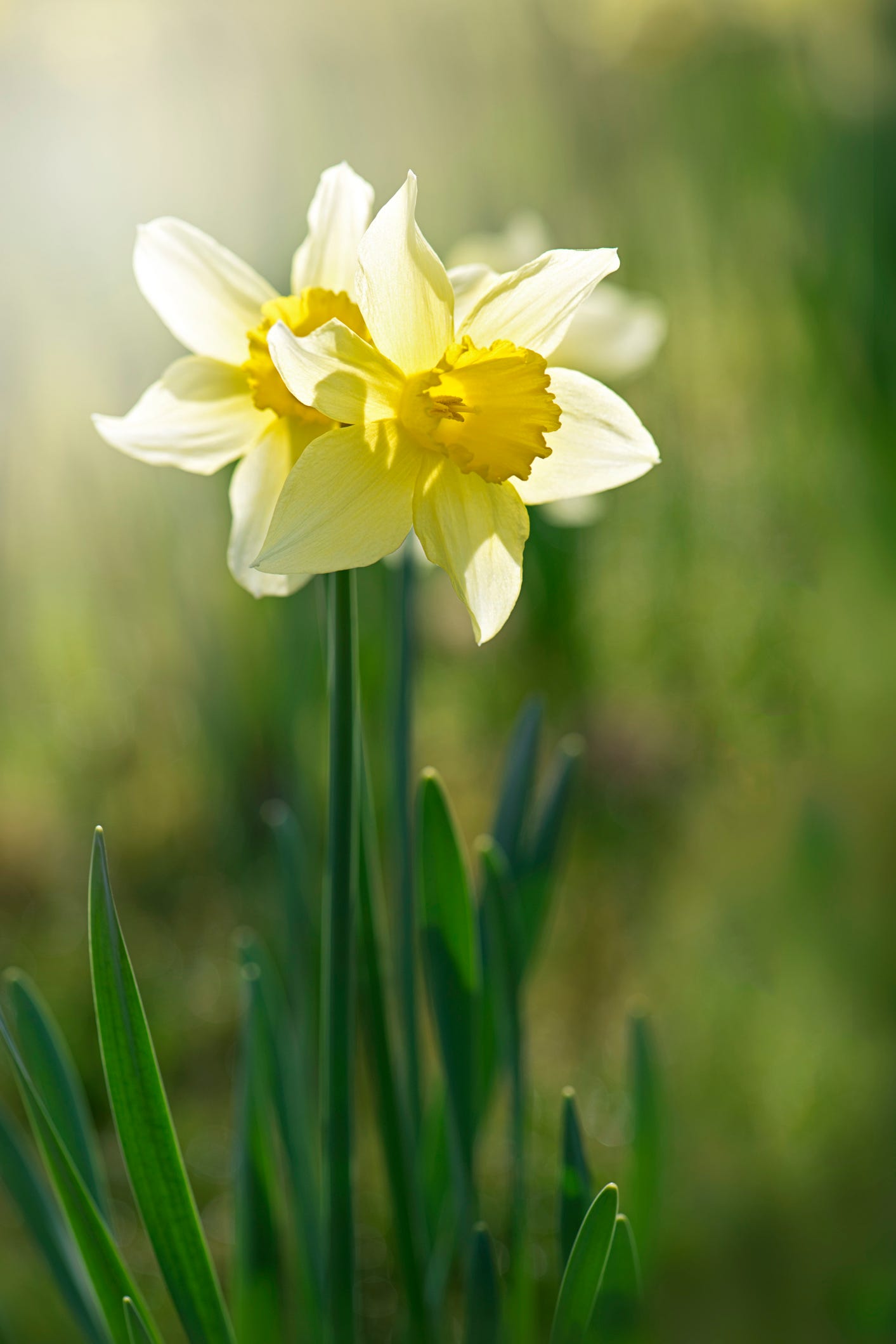
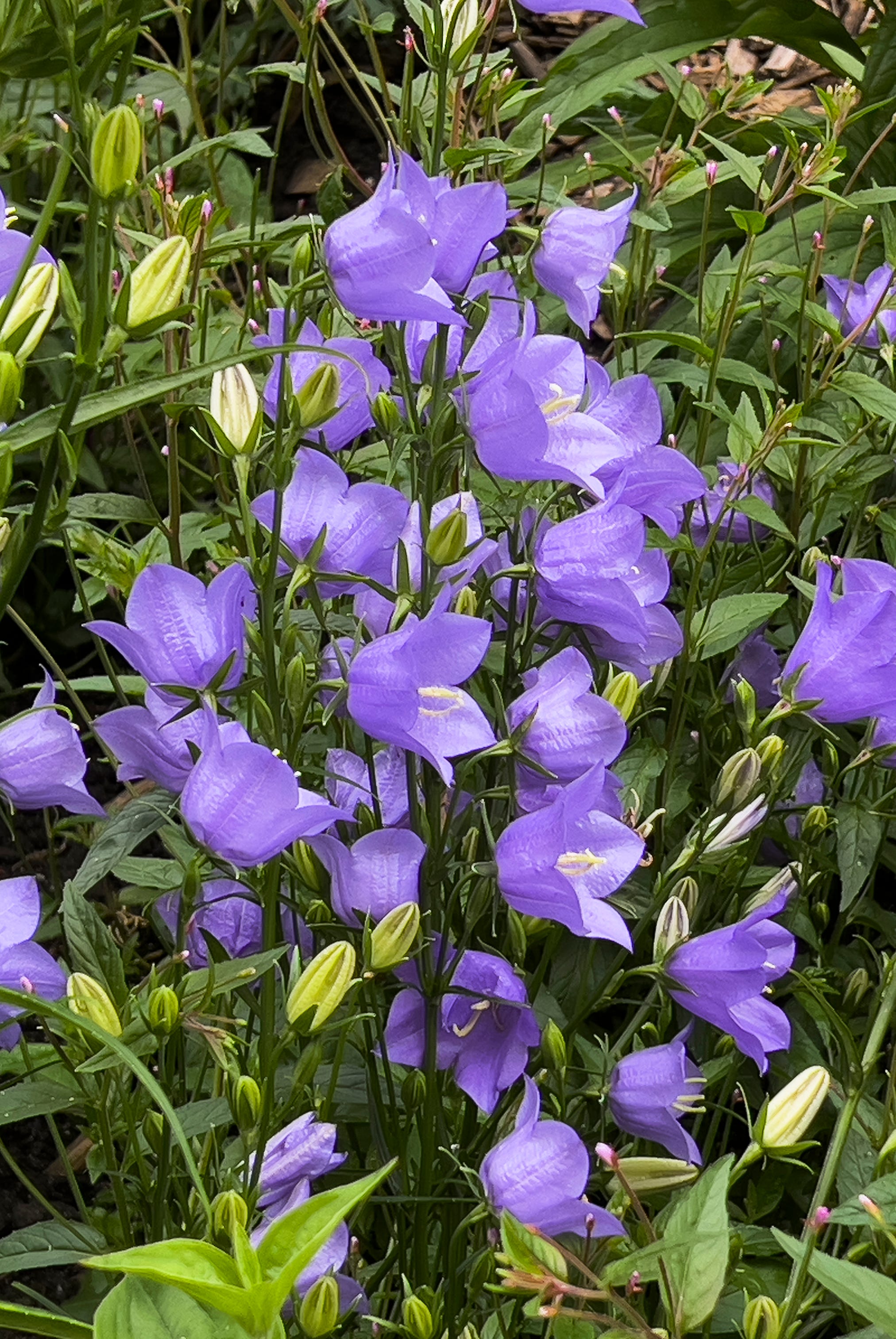
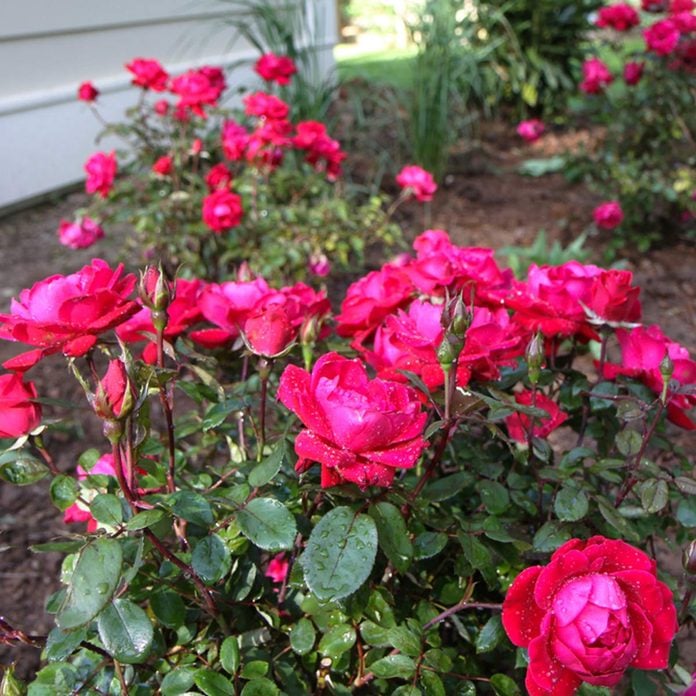
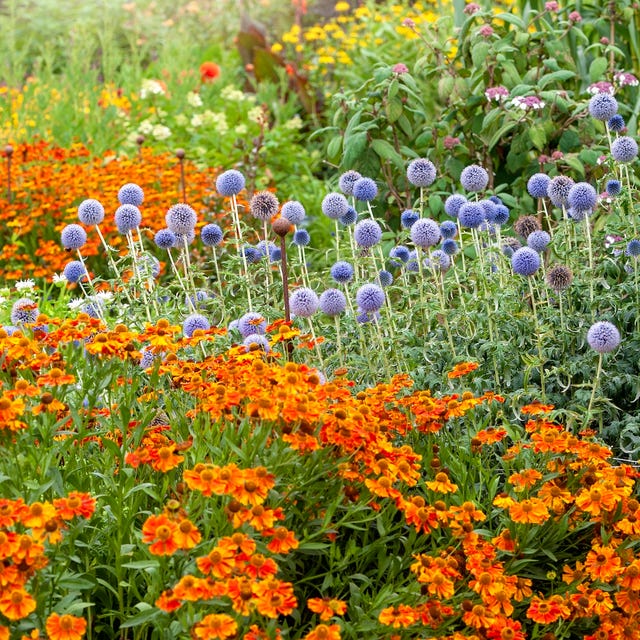
The selection features a diverse array of plants, including: Russian Sage, known for its weeping effect and cyan-blue flowers that bloom from mid-summer to fall in zones 4-9; Helenium Autumnale (Sneezeweed), offering sunny yellow, orange, and red flowers in zones 3-8 that attract pollinators; Platycodon (Balloon Flower), characterized by its puffy buds and star-shaped summer blooms in zones 3-8; Heuchera (Coral Bells), a hardy ground cover with colorful foliage and bell-shaped flowers in zones 4-8; and Daffodils, cheerful yellow blooms that multiply quickly and return each spring in zones 3-8. Other notable mentions include the symbolic Roses, versatile Lupines with their striking spires, and Allium, a pest-resistant member of the onion family with purple pom-pom flowers.
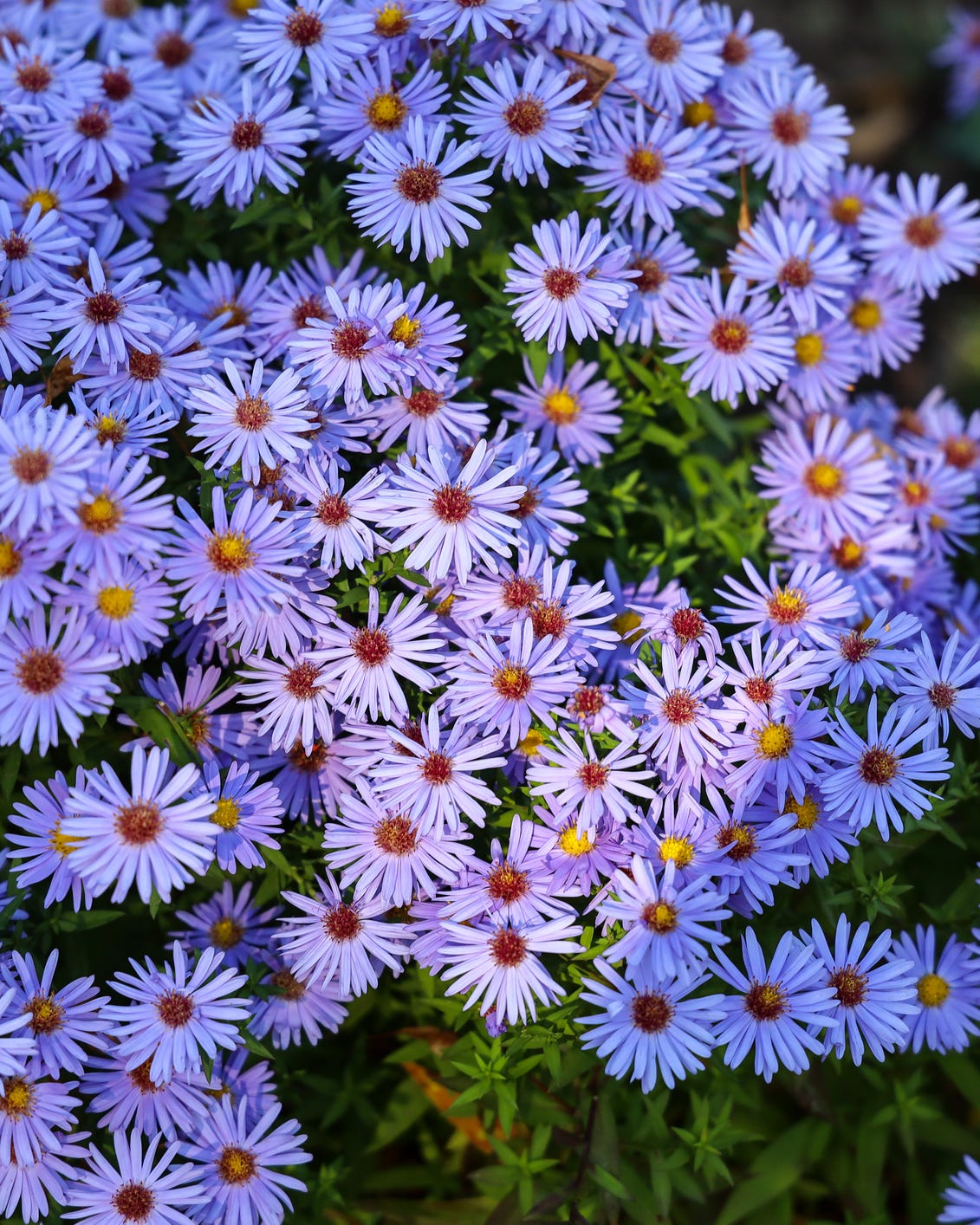
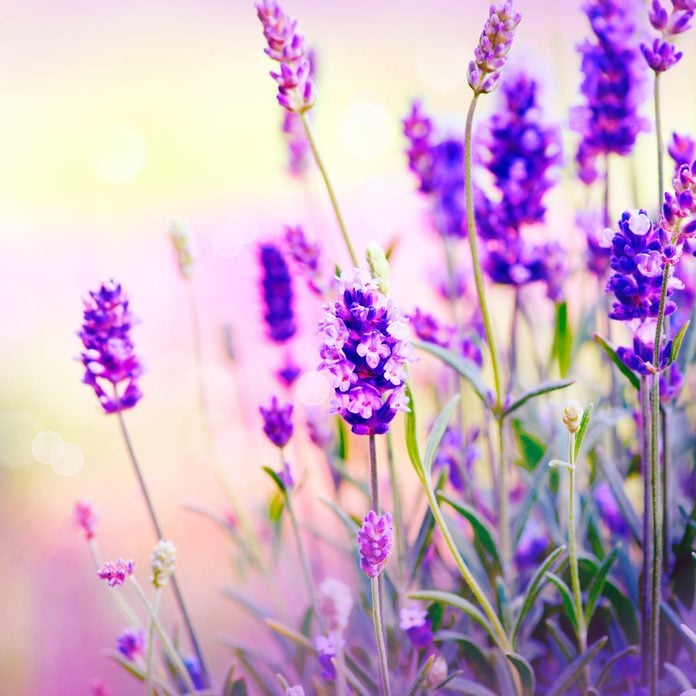
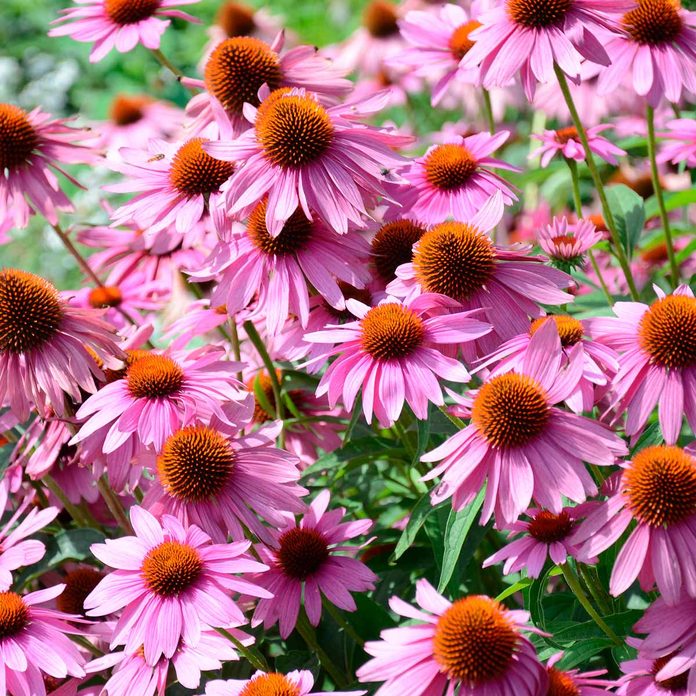
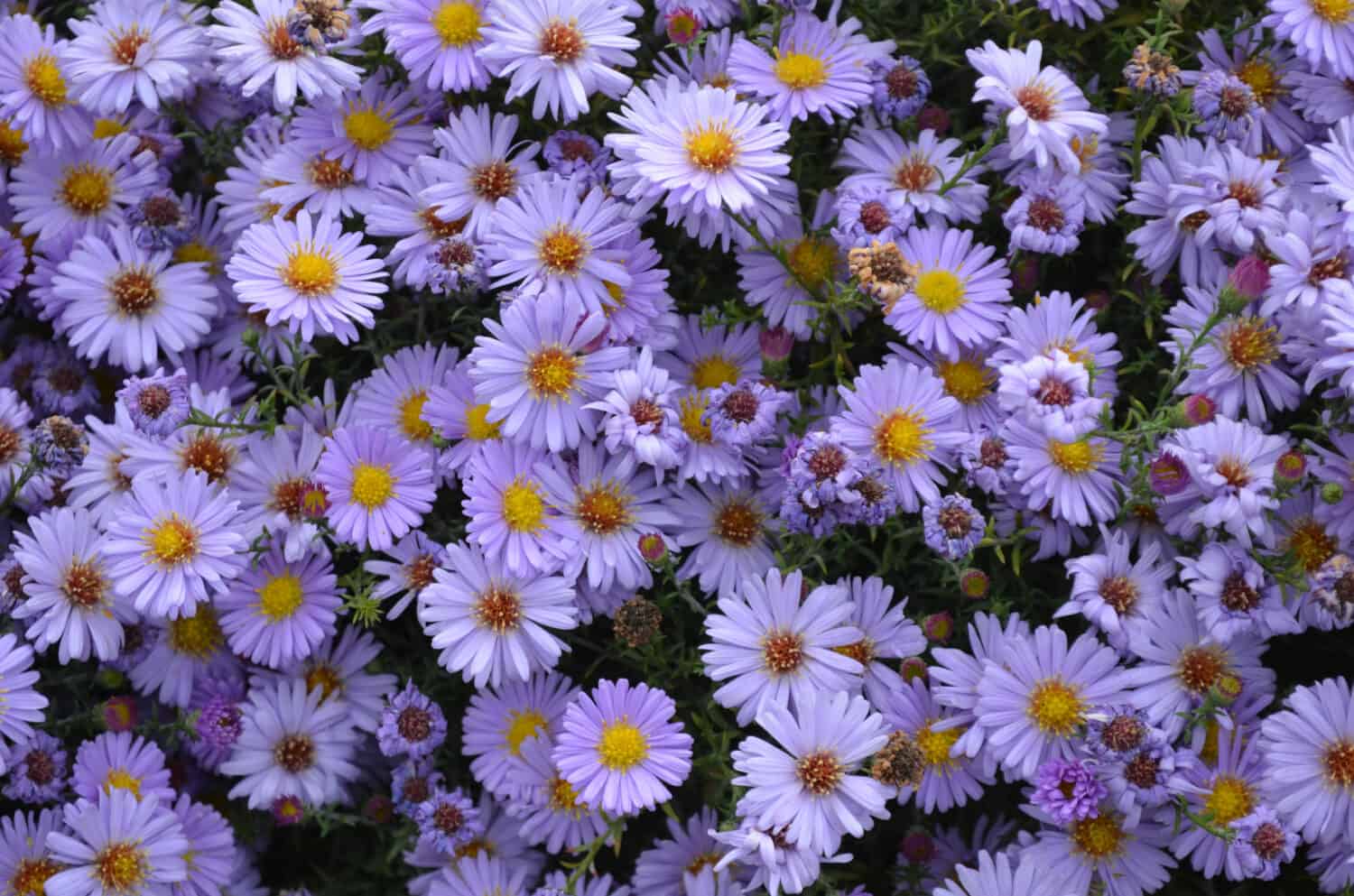
The article further delves into popular choices like Hydrangeas, beloved by gardeners for their color-changing flowers based on soil pH and their long lifespan across zones 3-9; Bearded Iris, celebrated for its vibrant petals and minimal watering needs in zones 3-10; and Achillea (Yarrow), a pest-resistant, fast-spreading pollinator magnet in zones 3-9. Fragrant options like Lavender, which also acts as a natural insect repellent and thrives in hot climates across zones 5-9, are also highlighted. Asters (Astereae) and Bee Balms (Monarda Didyma) are featured for their late-season blooms and attractiveness to pollinators, particularly bees and butterflies.
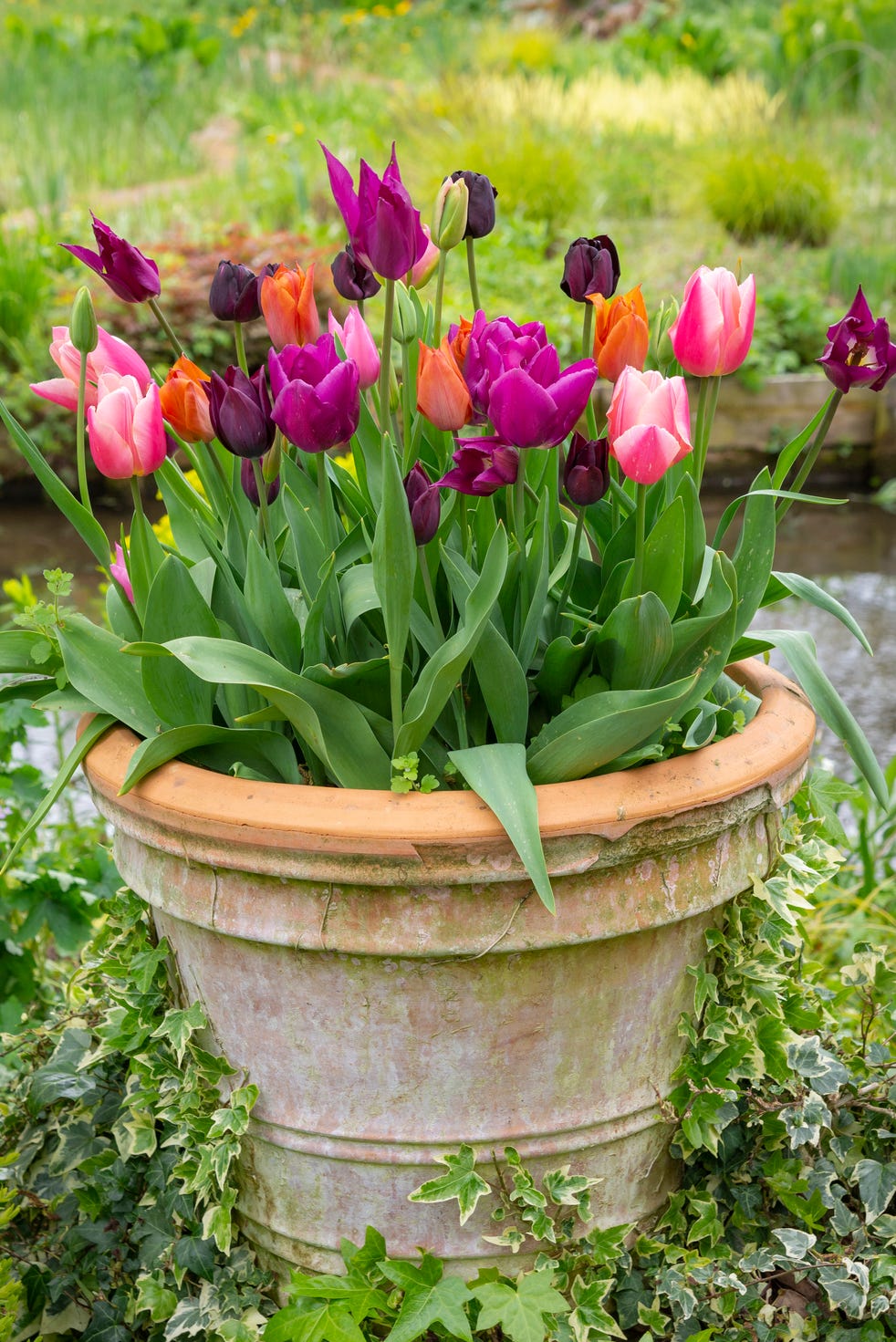
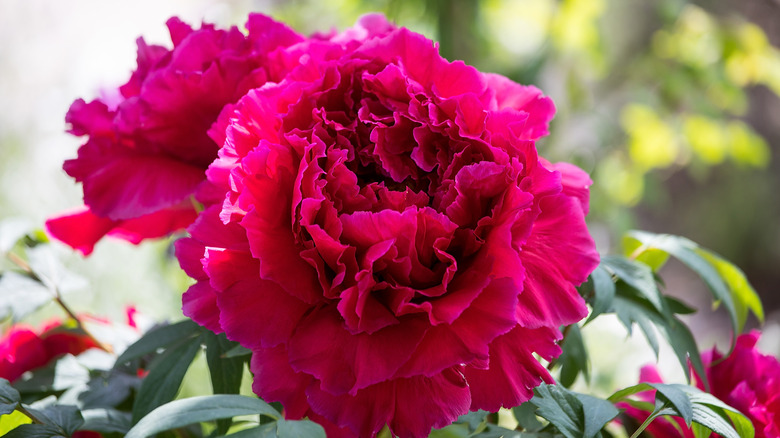
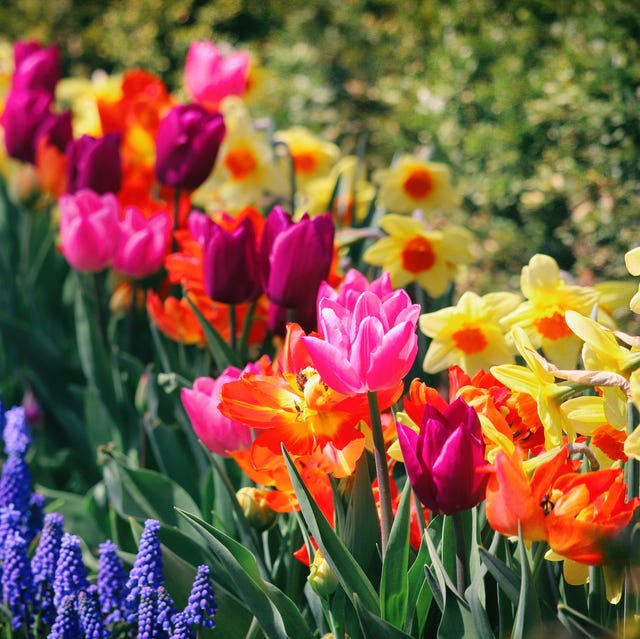
The discussion also includes detailed profiles of Tulips, noting their ease of growth and colorful varieties despite a shorter perennial lifespan in zones 3-8; Goldenrod (Solidago), offering golden-yellow spikes in zones 2-8, though with a warning about its quick spreading nature; Peonies, known for their elegant, long-lived blooms and sweet scent in zones 2-8; Foxglove (Digitalis Dalmatian), tall bell-shaped flowers that attract hummingbirds while deterring rabbits and deer in zones 4-9; and Shasta Daisies (Leucanthemum), deer-resistant clumps of white and yellow blooms in zones 5-8. The article recommends a strategic combination of perennials and annuals to ensure a continuously flowering garden, with perennials forming the garden's structural foundation and annuals filling in seasonal gaps. Overall, the post provides practical guidance for creating a beautiful and sustainable garden with minimal ongoing effort.
#PerennialFlowers #LowMaintenanceGardening #GardenDesign #PlantCare #HardinessZones #PollinatorPlants #FloweringPlants #HomeGardening #FlowerVarieties #PerennialFlowers #LowMaintenanceGardening #GardenDesign #PlantCare #HardinessZones #PollinatorPlants #FloweringPlants #HomeGardening #FlowerVarieties
0 comment in total
 No comments yet
You may also like
These Low-Maintenance Perennial Flowers Bloom Every Season
10 Pretty Purple Flowers That’ll Make Your Garden Pop

Brighten Up Your Flower Garden Palette With 2023's Color Of The Year

18 Low-Maintenance Flowers To Use Around Your Mailbox
Hey, Gardeners! Plant These Summer Flowers for a Bright and Beautiful Yard

It's Gardening Time! We Found the Best Summer Flowers for Your Yard
The Drought-Tolerant And Low-Maintenance Perennial That Showcases Lovely Purple Blooms

We Found The Best Perennials For Your Garden’s Shadiest Spots

10 indoor plants that flower all year round – choose from our expert recommendations for non-stop blooms

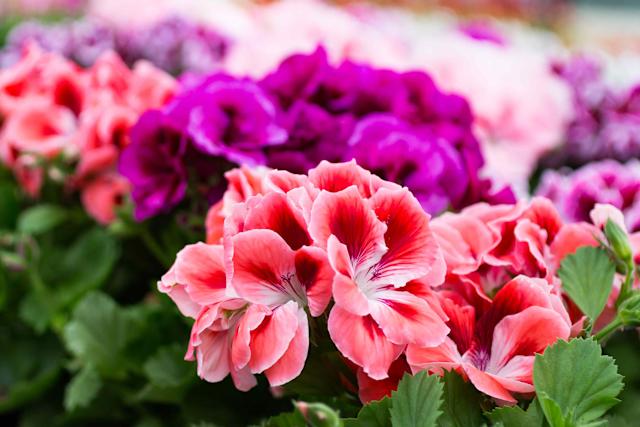
8 Perennials That Bloom Multiple Times a Year for Beautiful Flowers in Every Season
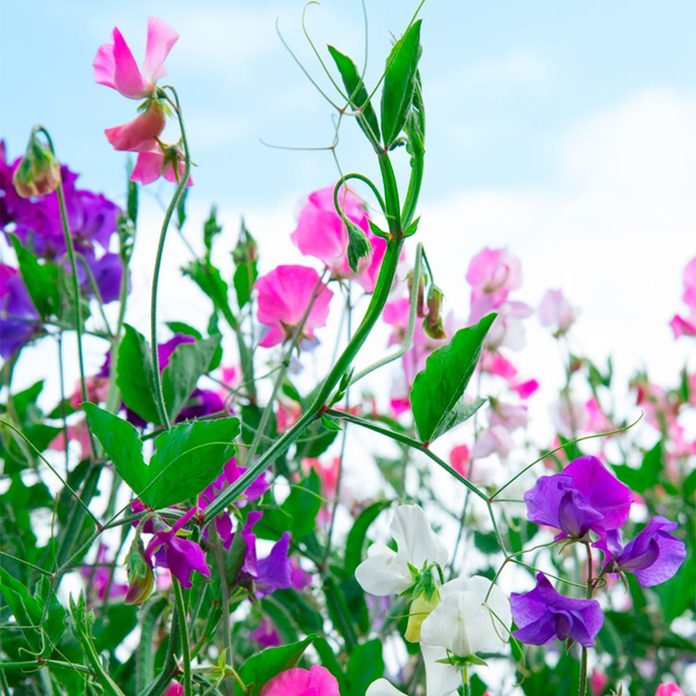
15 Colorful Plants to Brighten Up Your Landscape
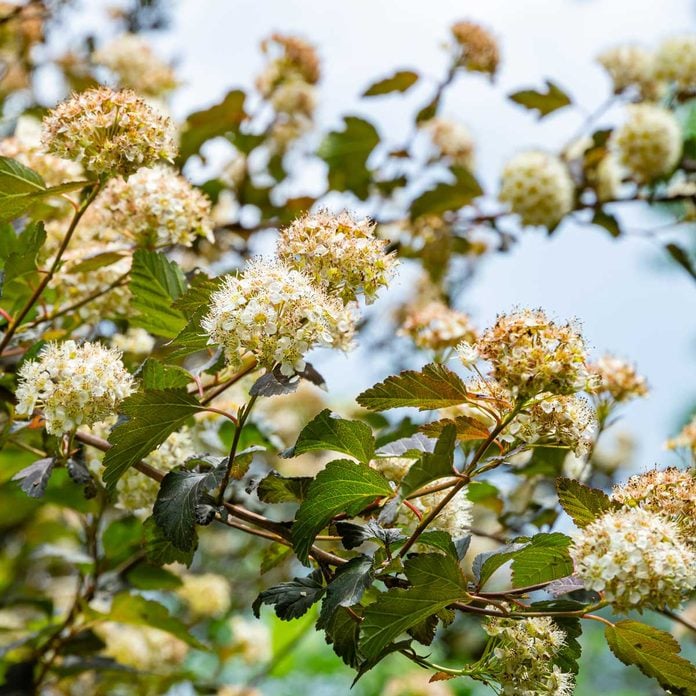
15 Hardy Shrubs to Spruce Up Your Yard
15 Perennial Flowers That Produce Long-Lasting Blooms Year After Year
The best new annual flowers of 2025

Flowers they both will love: Pollinator-friendly perennials for Mom and Mother Nature
The Best Perennial Flowers for Kansas: 14 Flowers That Love the Heat
The Best Flowers to Plant in Montana: 15 Flowers for a Gorgeous Bloom
Grow These Stunning Spring Flowers to Welcome in the Season
These Are the Best Shade-Loving Flowers and Plants for Your Yard
Blue to Purple Perennial Flowers