The Drought-Tolerant And Low-Maintenance Perennial That Showcases Lovely Purple Blooms
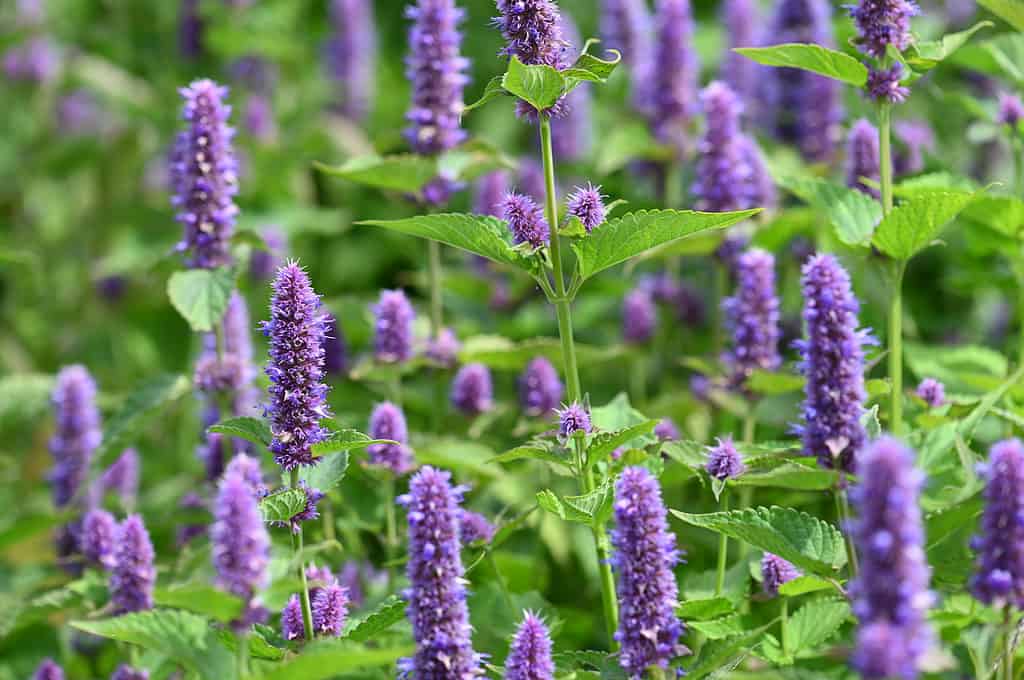
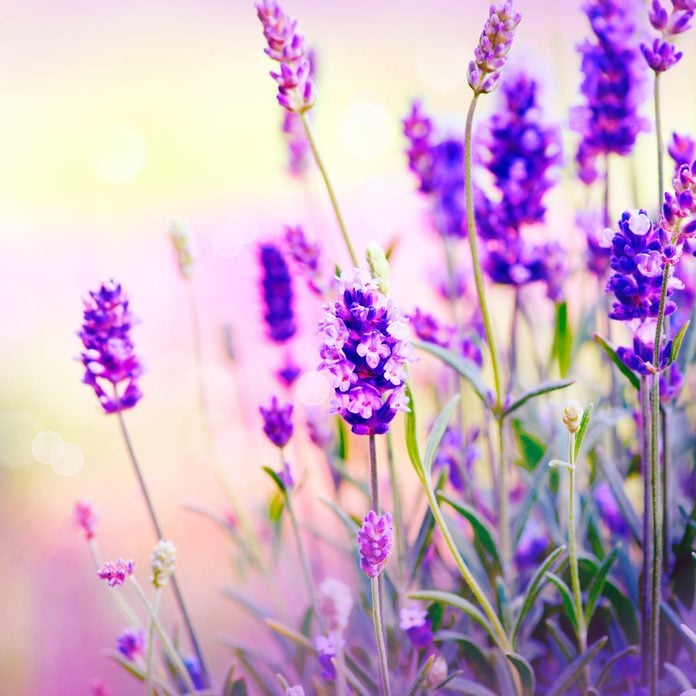
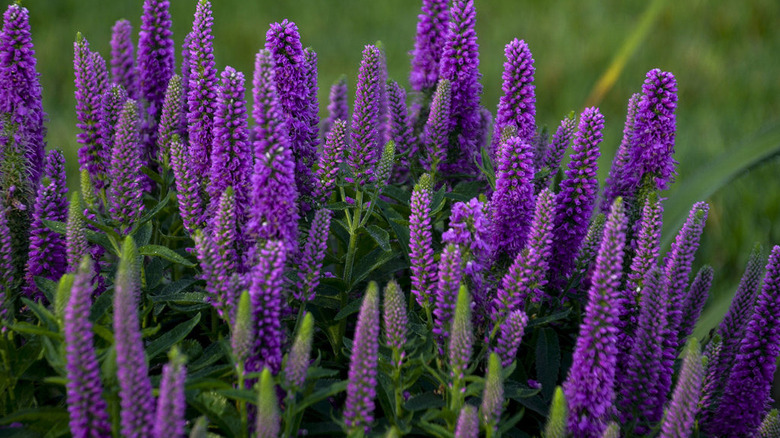
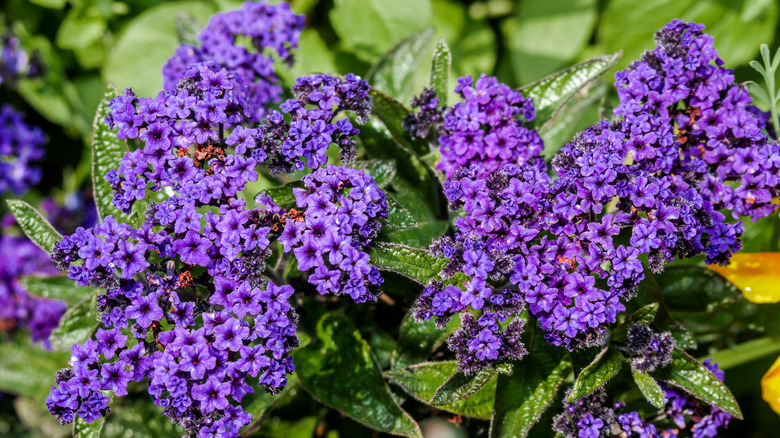
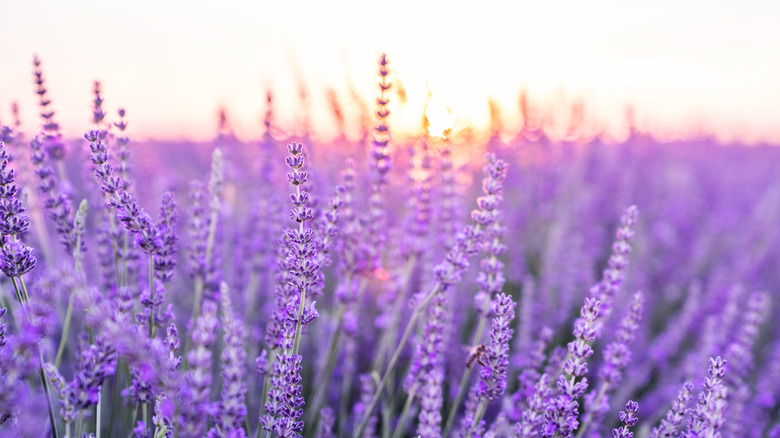
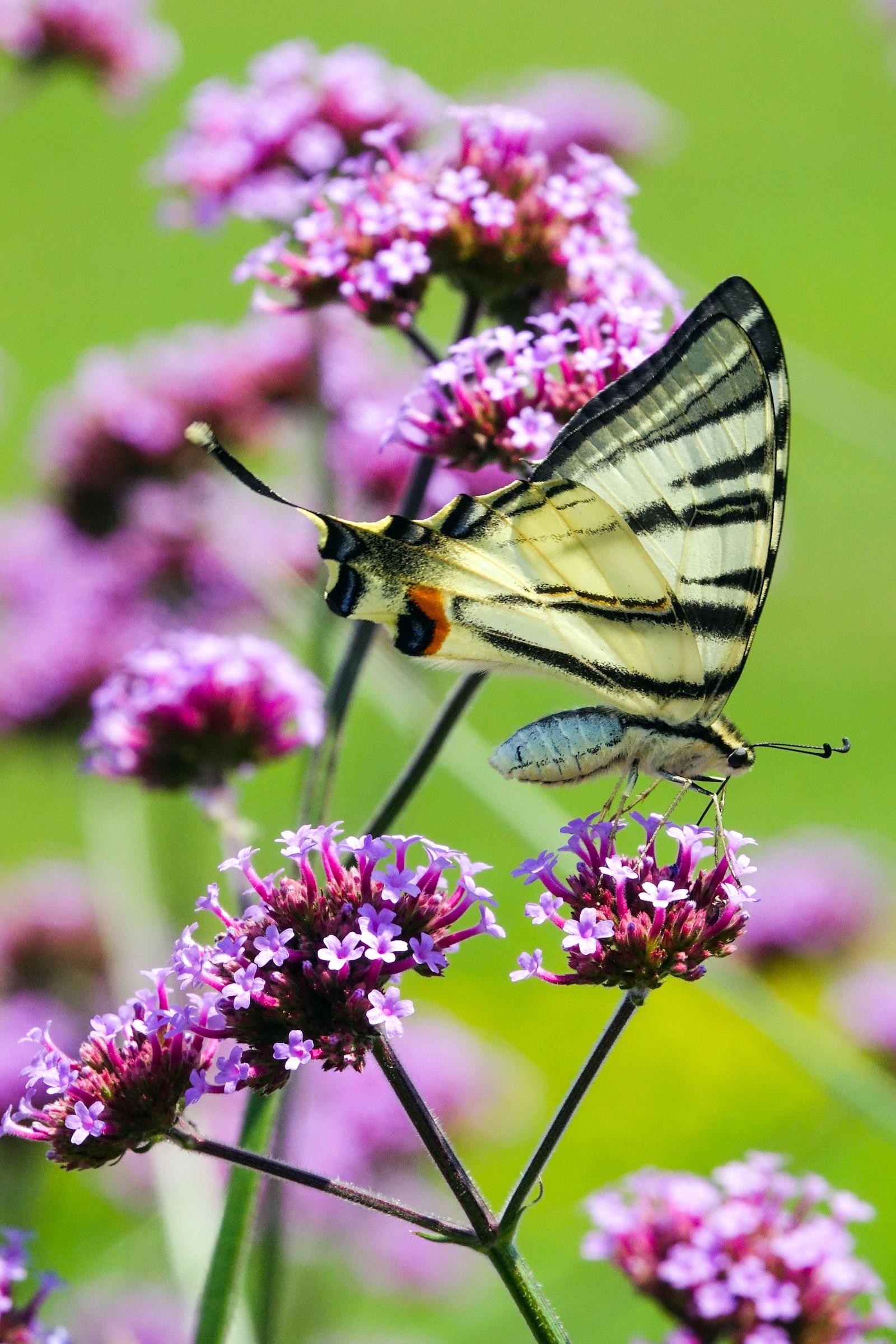
The article highlights the benefits and care of Argentinian verbena (Verbena bonariensis), a drought-tolerant and low-maintenance perennial flower known for its delicate purple blooms. This plant is celebrated for its ability to thrive in hot, dry conditions, making it an ideal choice for water-conscious gardening and for homeowners seeking vibrant colors without extensive upkeep. Argentinian verbena produces airy clusters of purple flowers atop slender stems, attracting pollinators like butterflies and bees from early summer until the first frost. Its transparent structure allows it to complement other plants in a garden without overshadowing them, fitting well into both formal garden designs and more natural, wild-flower styles.
Originally from South America, Argentinian verbena is well-adapted to environments where many other plants might struggle, making it a robust and resilient option. A key advantage of this perennial is its self-seeding capability, which means it can spread naturally throughout a garden, creating a continuous display of color and vertical interest. While this self-seeding can be beneficial for filling out a garden, the article also cautions that it can become invasive if not managed, particularly in public spaces. It has naturalized in some parts of the United States, such as the Southeast and California, necessitating careful consideration when planting to prevent uncontrolled spread.
Cultivating Argentinian verbena is straightforward, whether starting from seeds or purchasing young plants. For seed propagation, planting indoors 6 to 8 weeks before the last frost or directly outdoors after the soil warms is recommended. Seeds should be lightly pressed into the soil surface, about ⅛ inch deep, and kept consistently moist until germination. Once seedlings emerge, they should be spaced approximately 15 inches apart to allow for proper growth. For a quicker start, nursery-bought plants can be transplanted into a sunny location with well-draining soil. Regardless of the starting method, ensuring the plants receive full sun from the beginning helps them establish a strong foundation.
Once established, Argentinian verbena requires minimal care. It is highly drought-tolerant, needing little additional watering except during extended dry spells. Unlike many other flowering plants, deadheading is not strictly necessary for continuous blooming, although removing spent flowers can improve the plant's appearance and encourage a late-season flush of new blooms. The plant's behavior varies with climate; in USDA Zones 7 to 11, it typically acts as a short-lived perennial, returning for several seasons, while in colder regions, it is generally treated as an annual. Its ability to provide continuous color and architectural interest with very little effort makes it a valuable addition to diverse garden settings, especially for those prioritizing ease of maintenance and drought resistance.
#DroughtTolerant #LowMaintenance #PerennialFlowers #PurpleBlooms #VerbenaBonariensis #GardeningTips #PollinatorFriendly #SelfSeeding #DroughtTolerant #LowMaintenance #PerennialFlowers #PurpleBlooms #VerbenaBonariensis #GardeningTips #PollinatorFriendly #SelfSeeding
0 comment in total
 No comments yet
You may also like
These Low-Maintenance Perennial Flowers Bloom Every Season

The Best Flowers to Plant in Montana: 15 Flowers for a Gorgeous Bloom
The Best Perennial Flowers for Kansas: 14 Flowers That Love the Heat
15 Perennial Flowers That Produce Long-Lasting Blooms Year After Year
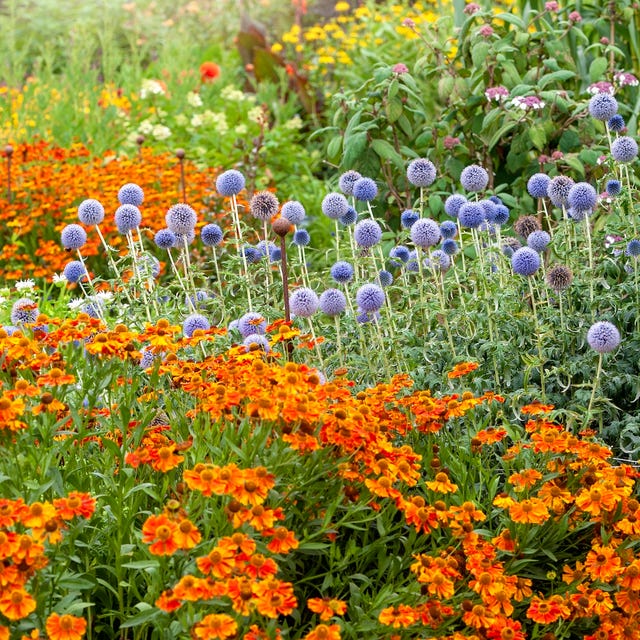
Gardeners, These Low-Maintenance Perennial Flowers Bloom Every Season
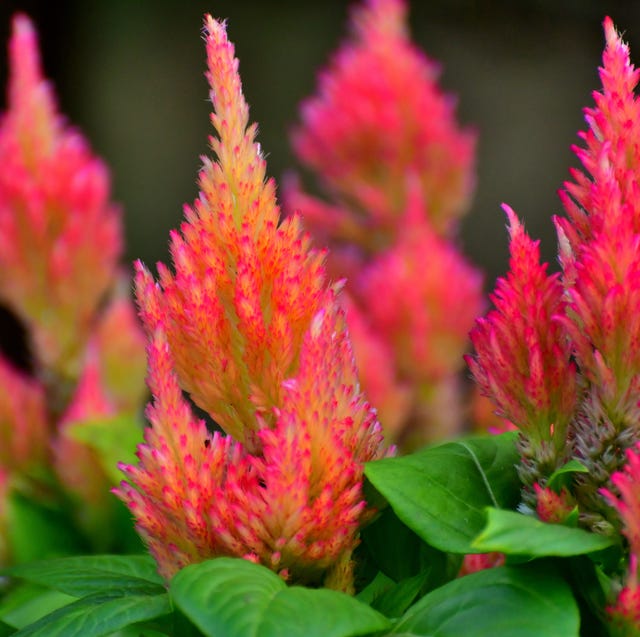
It's Gardening Time! We Found the Best Summer Flowers for Your Yard
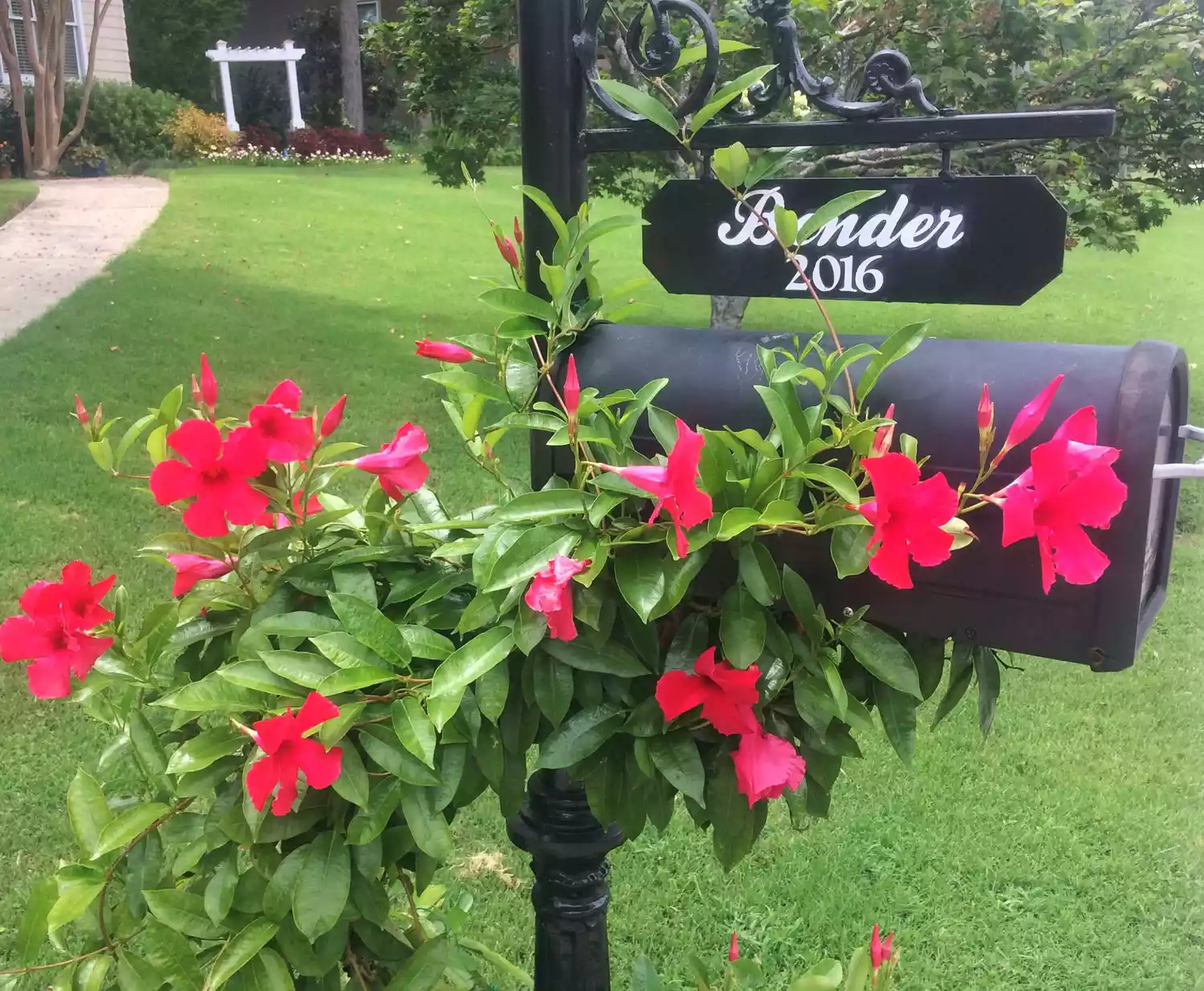
18 Low-Maintenance Flowers To Use Around Your Mailbox
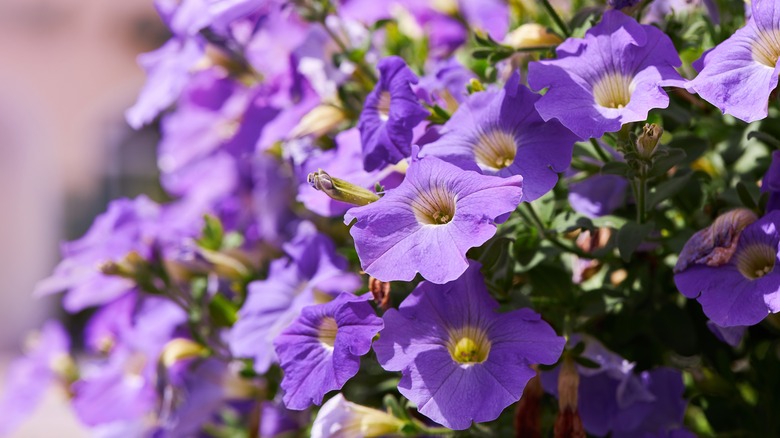
15 Annuals That Bloom With Bold Purple Flowers
15 Hardy Shrubs to Spruce Up Your Yard

Blue to Purple Perennial Flowers
Fix Your Yard's Problems with These Ground Cover Flowers + Plants
15 Best Purple Plants For Your Flower Garden
Plant primer: New England aster Purple Dome

10 Pretty Purple Flowers That’ll Make Your Garden Pop
Hey, Gardeners! Plant These Summer Flowers for a Bright and Beautiful Yard

Purple plants – 5 best to choose for the perfect purple border
15 Colorful Plants to Brighten Up Your Landscape
22 Perennials to Plant in the Fall for Your Spring Garden

15 Purple Perennials To Plant In Fall To Enjoy Year After Year
25 Breathtaking Blue Flowers For Your Garden