1/21
We Found The Best Perennials For Your Garden’s Shadiest Spots
Perennials offer lasting color and beauty to gardens, but selecting the right plants for shady areas can be challenging. Many perennials are well-suited to low-light conditions, providing vibrant flowers and lush foliage even without all-day sun. This guide highlights various shade-loving perennials, from flowering plants to ornamental grasses, that can thrive in challenging garden spots like under trees or on the north side of a house. These plants generally require only a few hours of sunlight daily, making them a low-maintenance solution for gardeners.
Key considerations for planting shade perennials include understanding your USDA Hardiness Zone, as different regions support different plant varieties. For instance, perennials that flourish in the Northeast may differ from those in warmer climates like the Southwest. Despite limited sunlight, many shade perennials offer vivid colors, interesting textures, and fragrant blooms, similar to their sun-loving counterparts, helping to enhance curb appeal in otherwise dull areas.
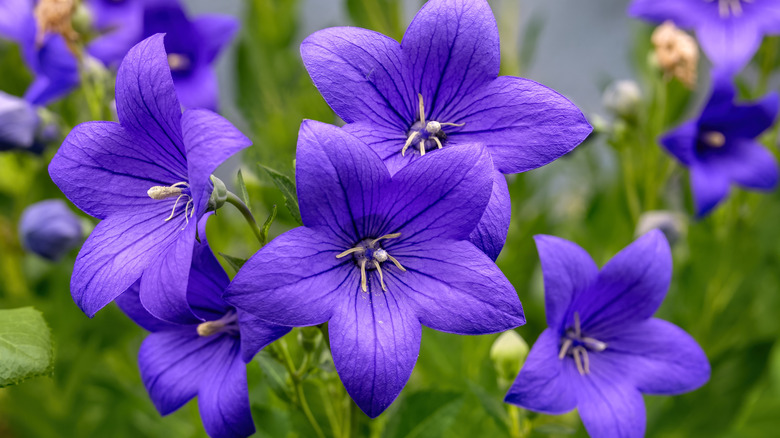
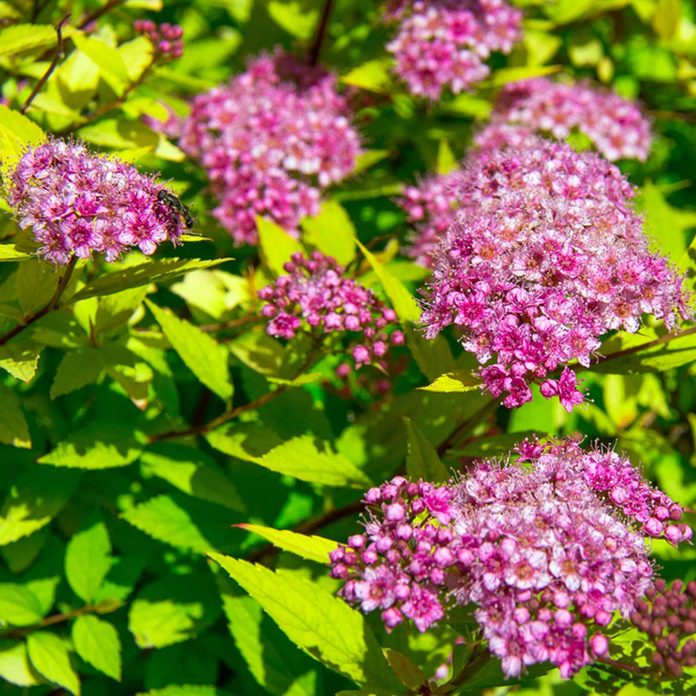
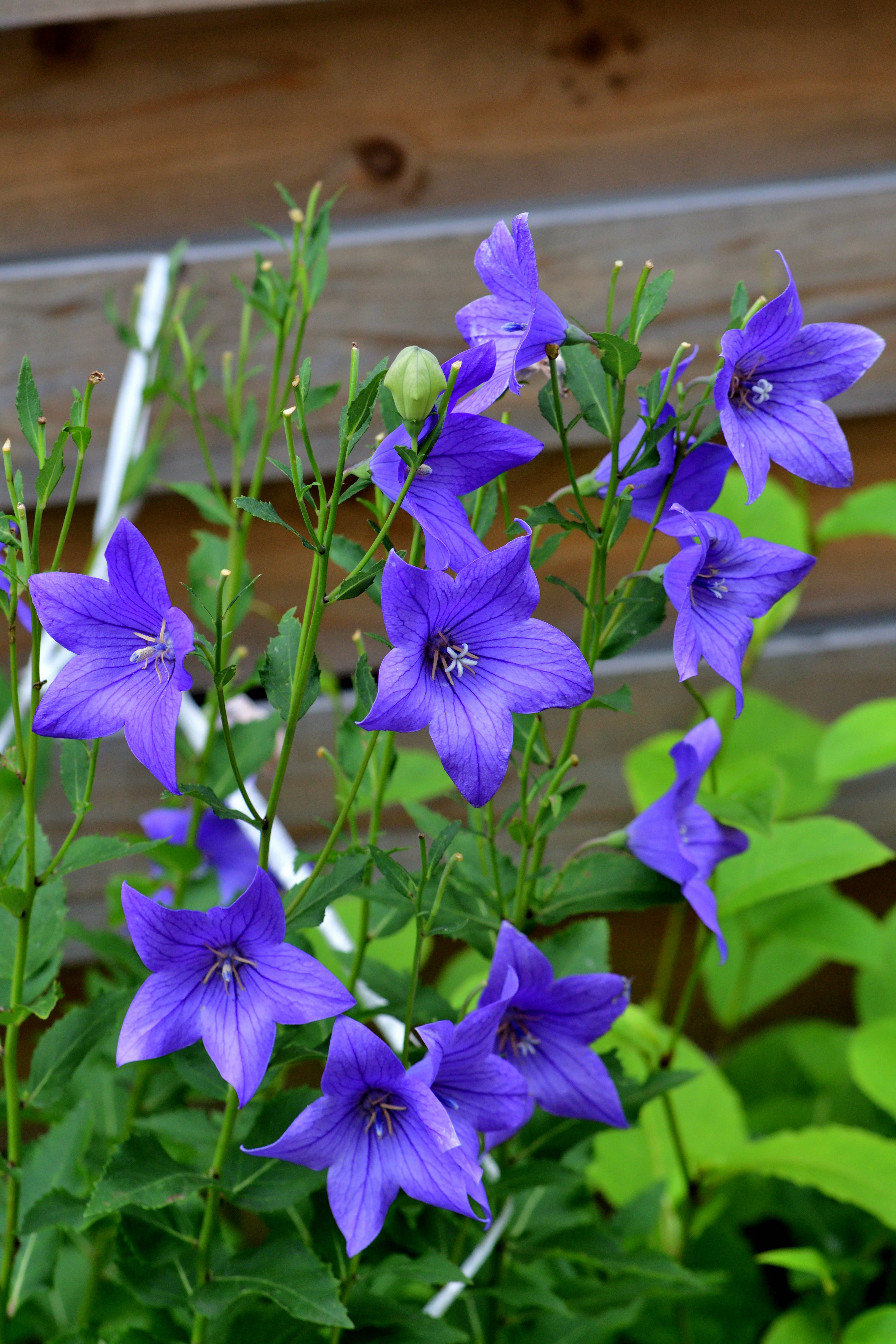
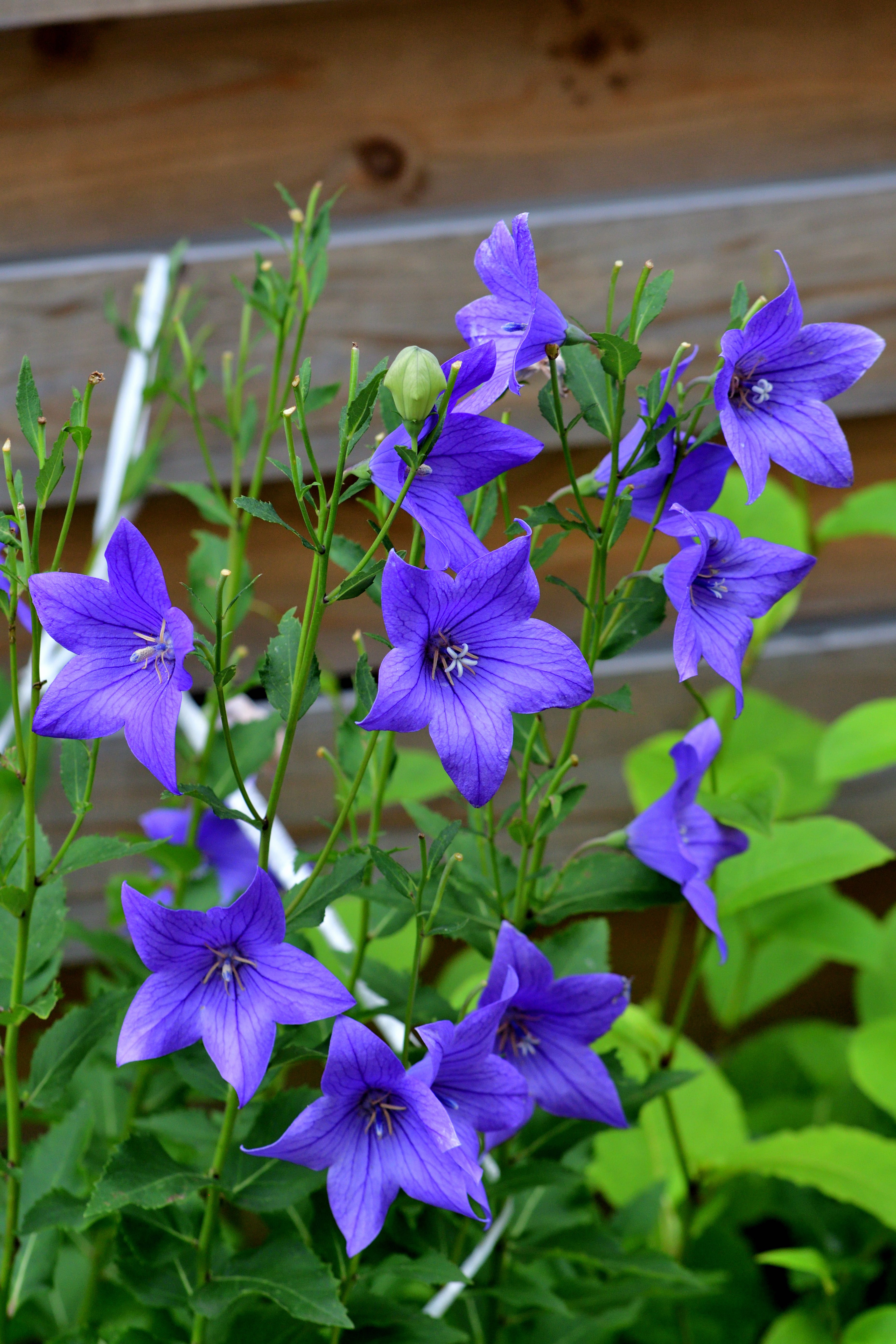
The article provides recommendations for various shade perennials, detailing their characteristics, preferred soil types, and hardiness zones. Campanula Birch Hybrid, blooming from late spring to early summer, is a compact floral filler that thrives in normal to clay and sandy soils in zones 4 to 8. Tri-Color Dappled Willow, known for its pink and orange foliage, is a fast-growing shrub reaching up to 10 feet, suitable for partial shade and well-draining soil in zones 5 to 9. Pink Astilbe offers wild pink blooms from summer into fall, preferring nutrient-rich, well-draining soil in zones 4 to 8. Variegated Liriope provides striped greenery and violet flowers that attract pollinators, flourishing in moist soil (zones 5-10).
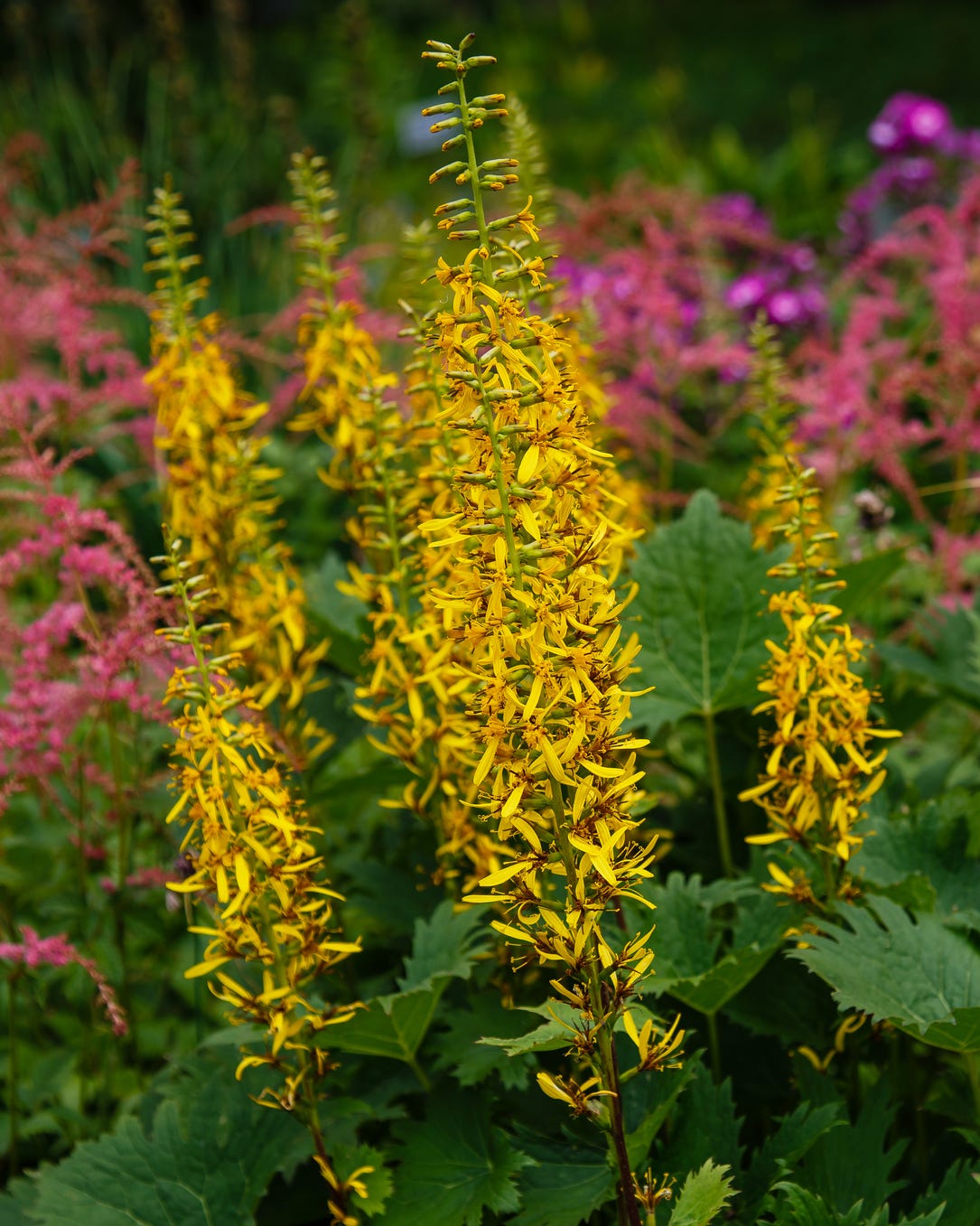
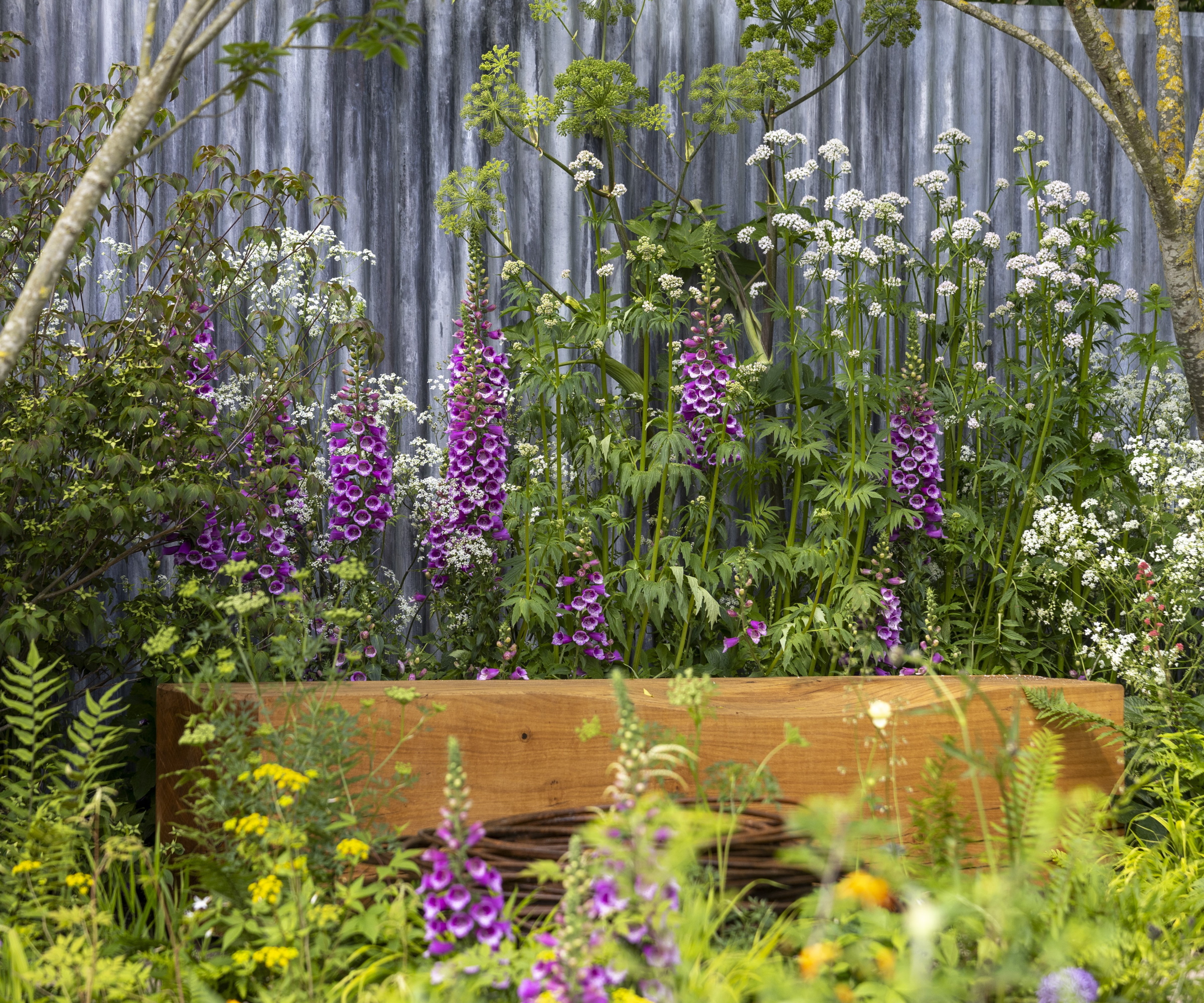
Other notable shade perennials include Geranium Macrorrhizum, a fragrant, drought-tolerant ground cover with purple flowers (zones 4-8); Foxglove, which produces colorful, bell-shaped flowers in late spring to mid-summer but is toxic if ingested (zones 4-9); and Woodland Phlox, a delicate ground cover with pale purple flowers that is deer-resistant and attracts butterflies and hummingbirds (zones 4-8). Trillium plants, characterized by their three leaves, petals, and sepals, thrive in shade to partial sun but are deer favorites (zones 3-9). Green-and-Gold plants offer vibrant, star-shaped yellow flowers from late spring to fall, serving as an easy-to-grow ground cover in partial shade (zones 5-9).
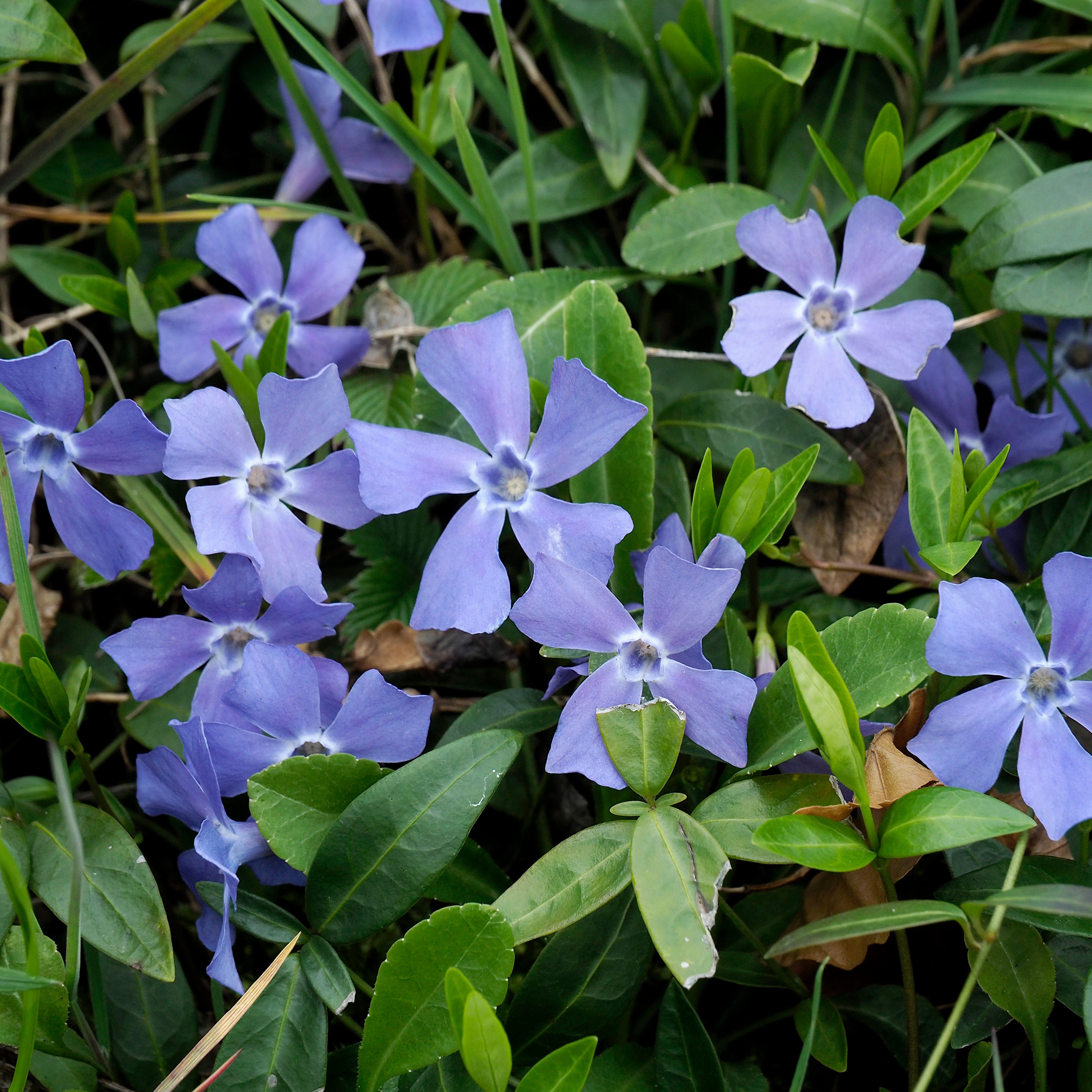
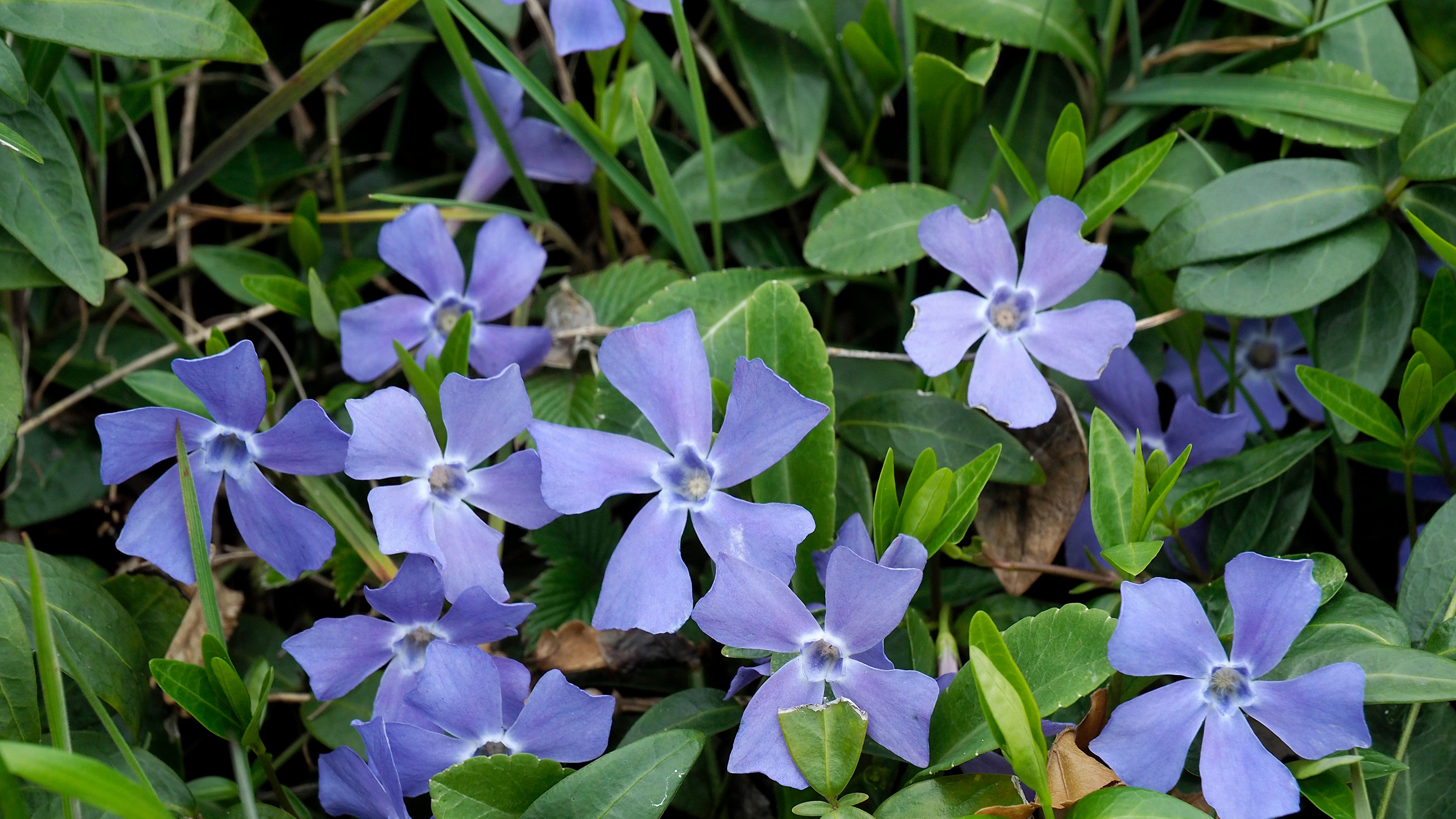
Canadian Wild Ginger, a tough and deer-resistant plant, provides green foliage and purplish-brown flowers, forming large colonies over time in moist soil (zones 4-6). Cranesbill, also known as hardy geranium, is a low-growing, deer-repelling plant with delicate flowers and a minty scent (zones 4-9). Irish Moss creates dense mats of tiny white flowers, ideal for ground cover between stepping stones (zones 4-8). Toad Lily, resembling a shade-loving orchid, blooms in late summer to fall with unique, spotted flowers in full shade (zones 4-9). Creeping Jenny is a chartreuse plant with yellow flowers that spreads quickly (zones 3-9), while Vinca Minor, or periwinkle, is a charming flowering ground cover with purple petals (zones 4-9). Lily of the Valley, an iconic flower with a strong scent, spreads rapidly and is best contained (zones 2-7). Bletilla, a hardy orchid, thrives in moist conditions and temperate climates, producing purple blooms from late spring to early summer (zones 5-9).
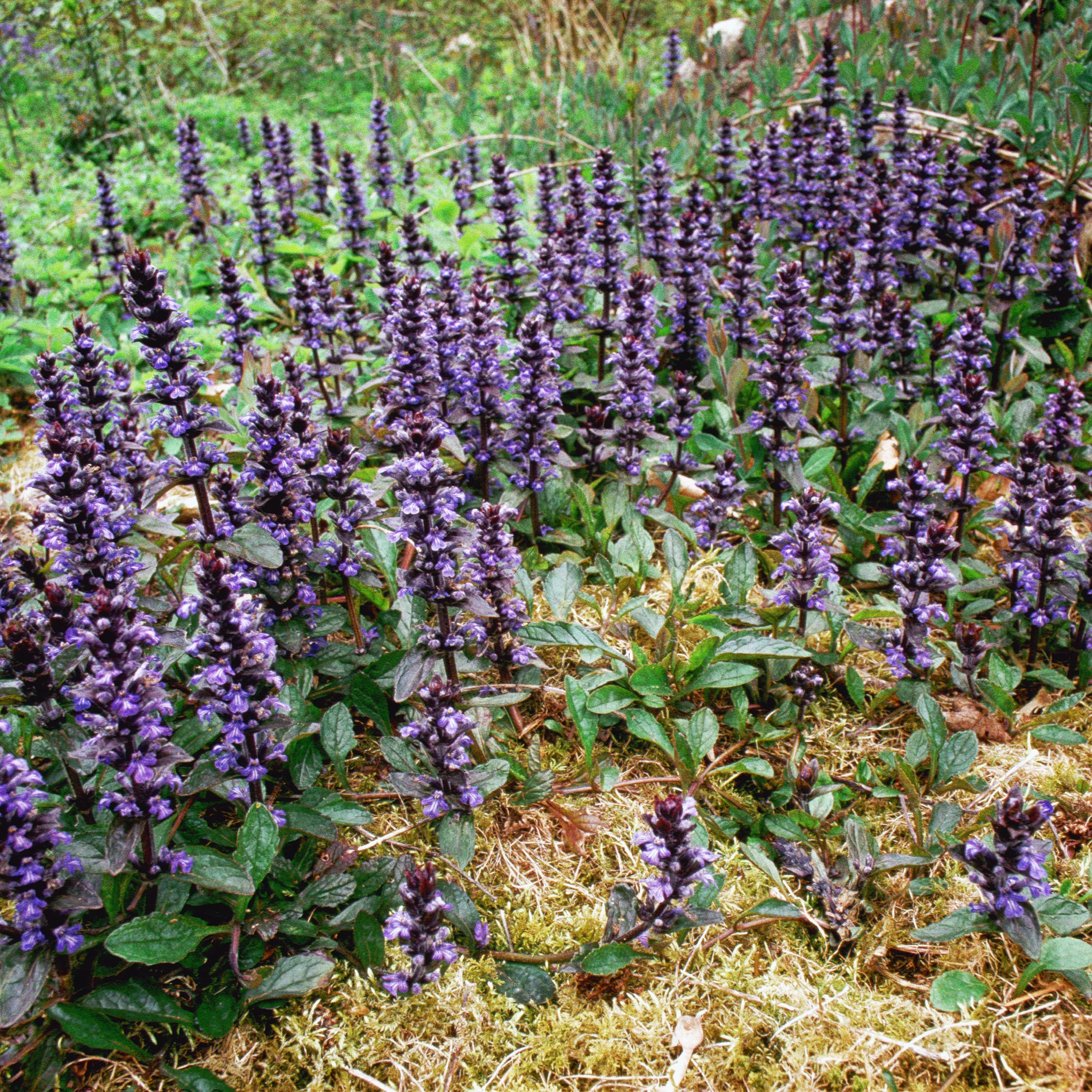
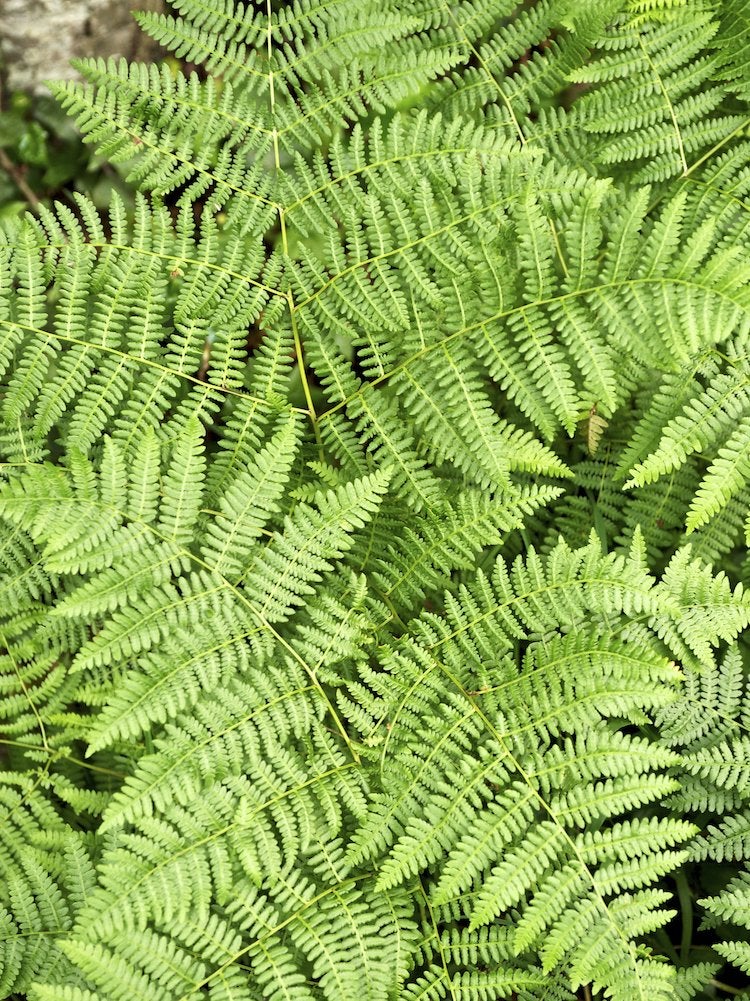
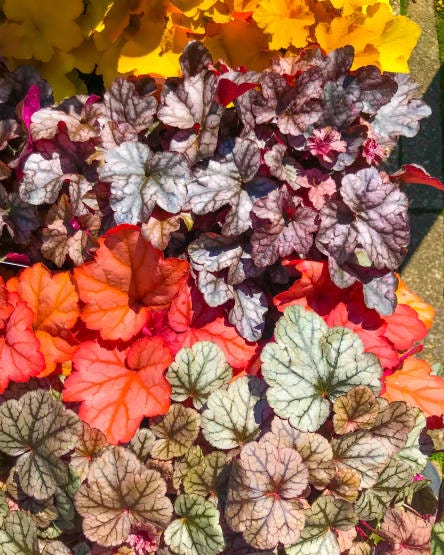
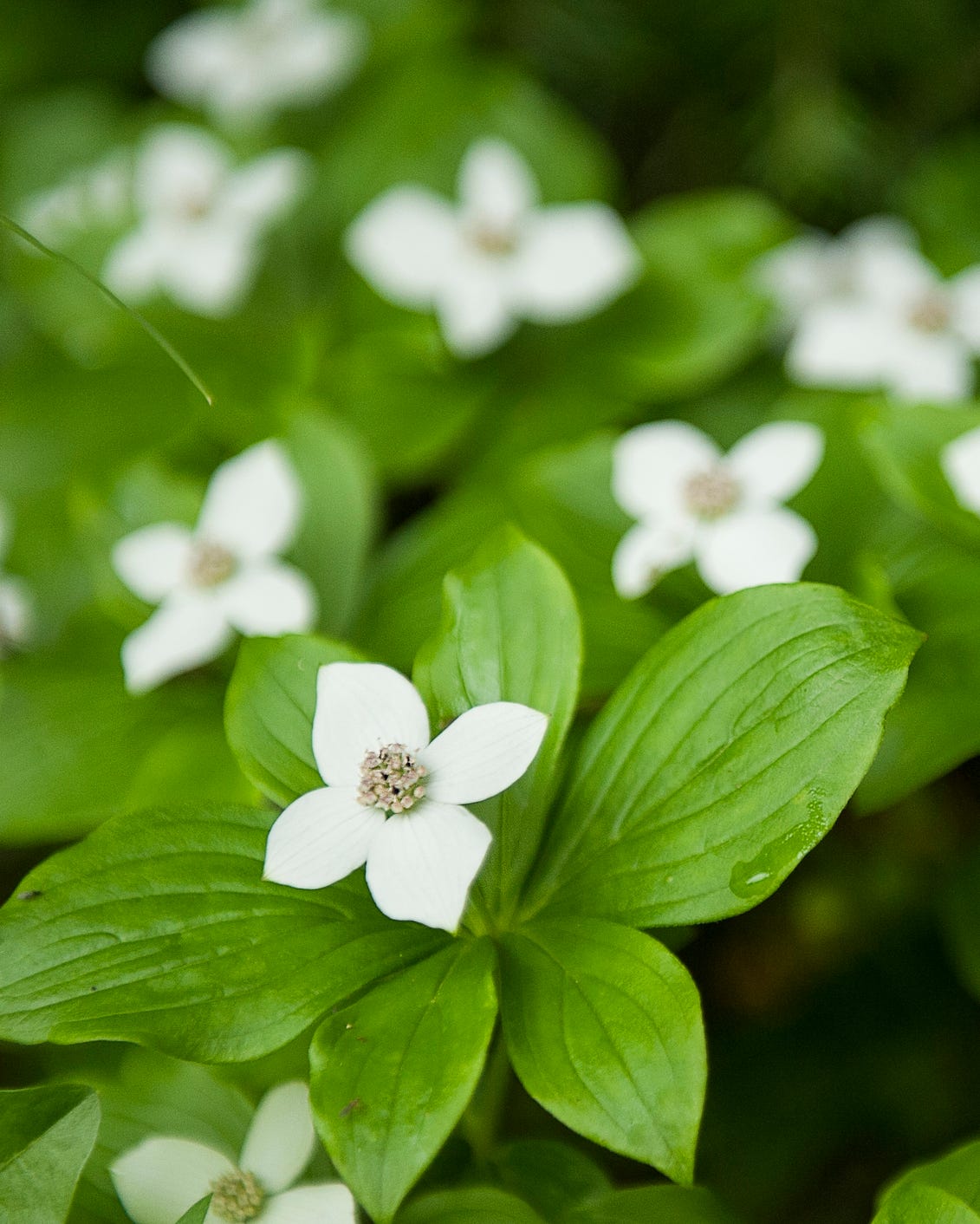
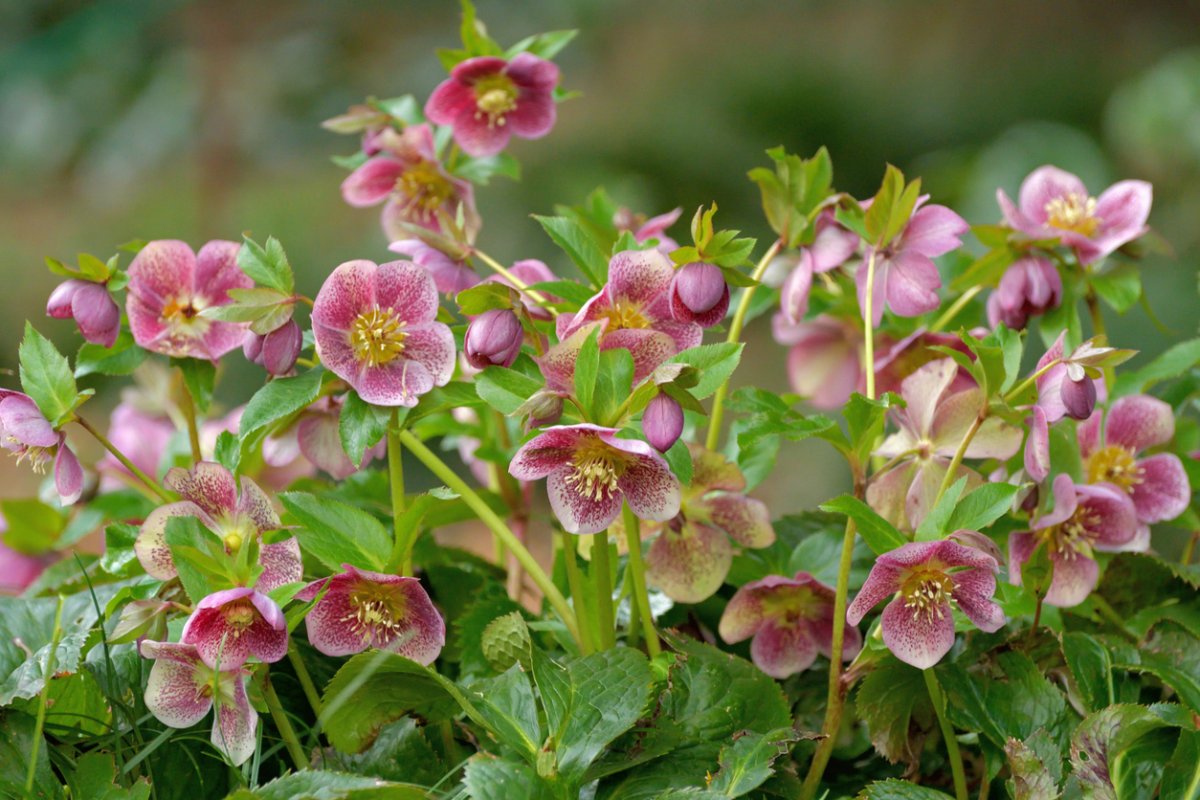
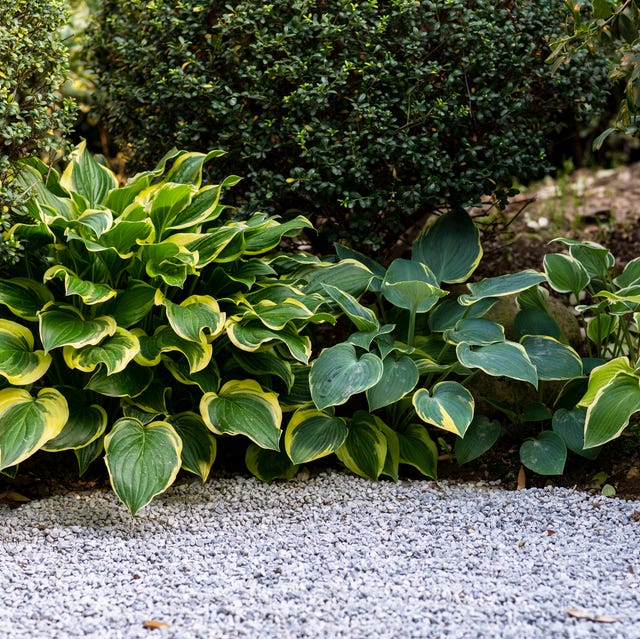
Hosta, a popular shade plant with large green leaves, attracts hummingbirds but is often targeted by deer (zones 3-9). Bleeding Heart, a striking plant with red, pink, or white flowers, requires patience to establish but offers rewarding blooms in late spring (zones 3-9). Japanese Forest Grass, with its white and golden stripes, illuminates shady corners and is deer-resistant (zones 5-9). Other mentioned plants include Foamflower, Lamium, Autumn Fern, Jacob's Ladder, Bunchberry, Japanese Painted Fern, Bugleweed, Coral Bells, Columbine, Hellebore, Marsh Marigold, Lungwort, Epimedium, and Virginia Bluebells, each with specific preferences for light, soil, and hardiness zones, contributing to a diverse and thriving shade garden.
#ShadePerennials #GardeningTips #LowMaintenancePlants #FlowerGardening #OutdoorLiving #PlantCare #DeerResistantPlants #ShadePerennials #GardeningTips #LowMaintenancePlants #FlowerGardening #OutdoorLiving #PlantCare #DeerResistantPlants
0 comment in total
 No comments yet
You may also like
These 25 Plants Don’t Need Sun to Serve Looks
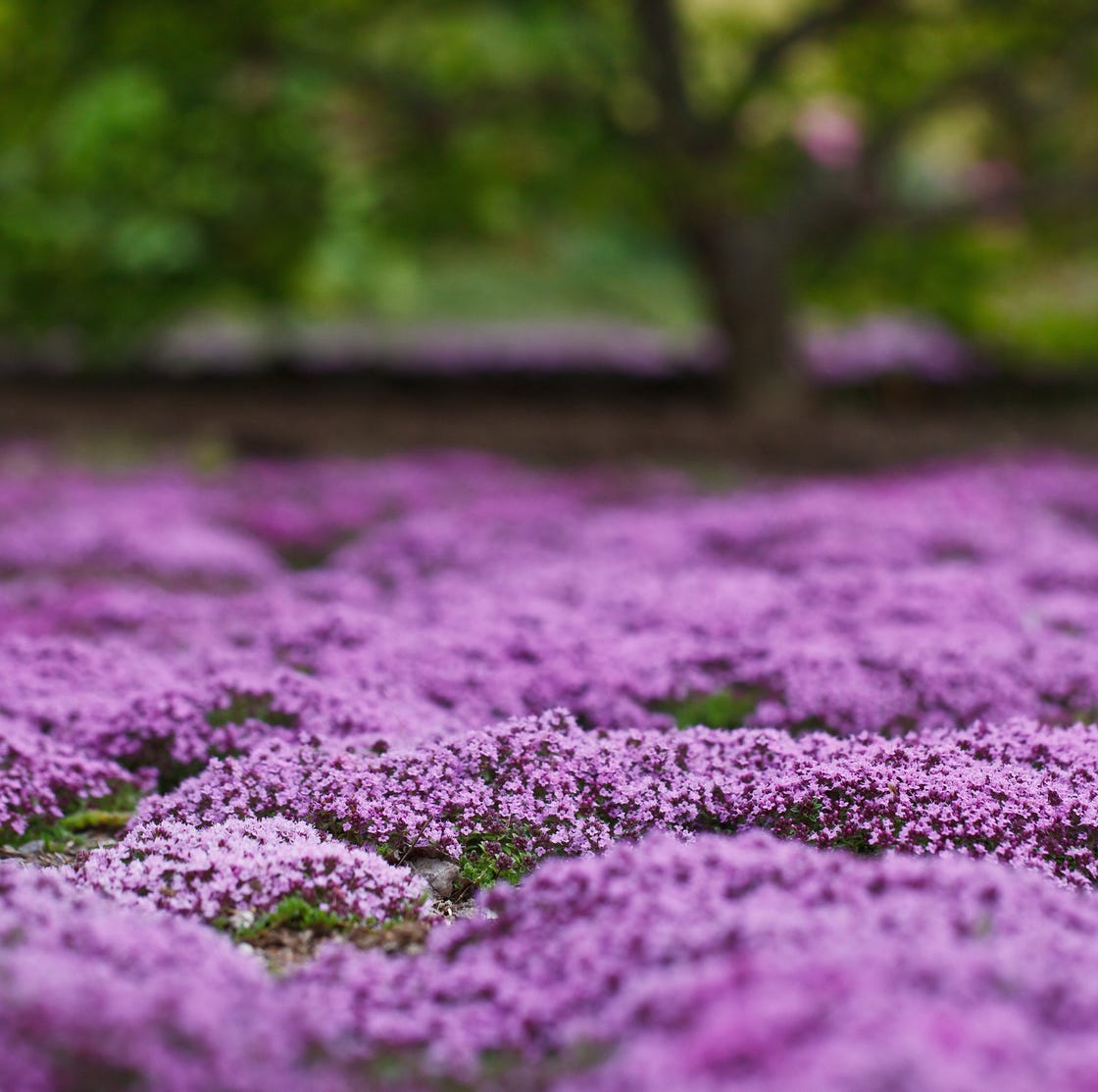
Fix Your Yard's Problems with These Ground Cover Flowers + Plants
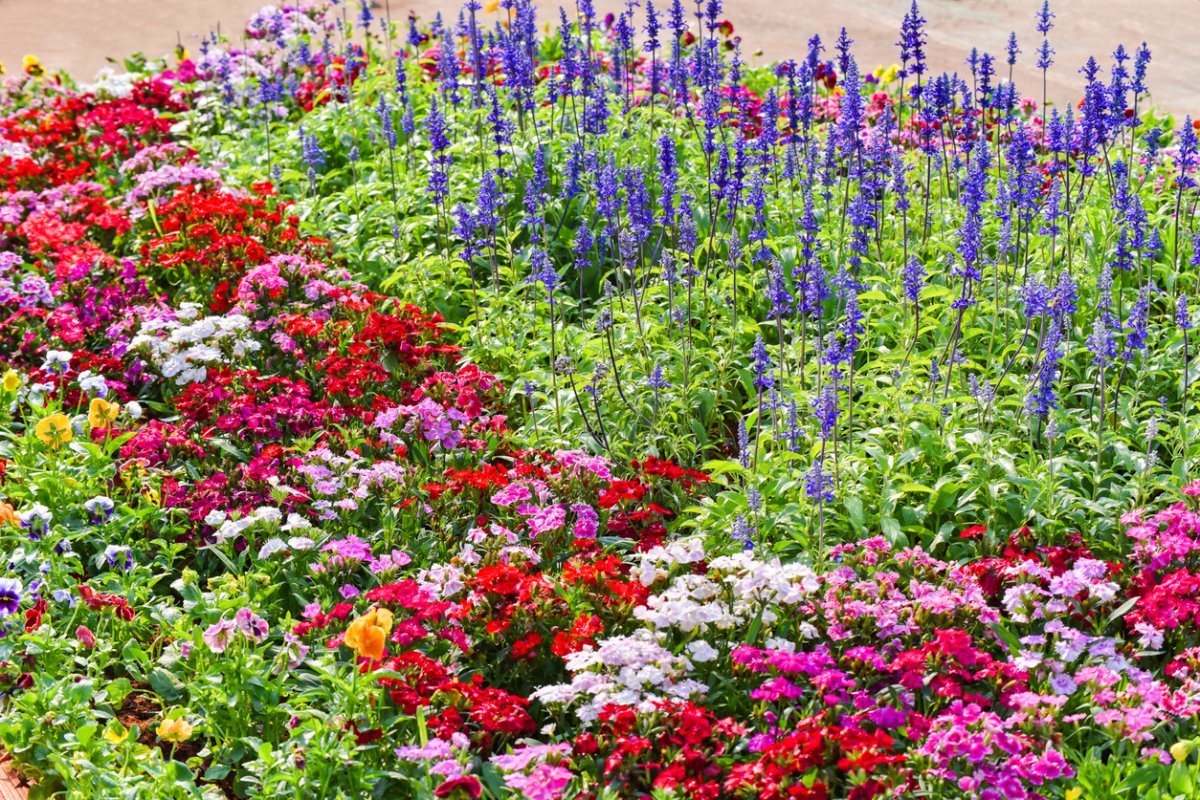
22 Perennials to Plant in the Fall for Your Spring Garden

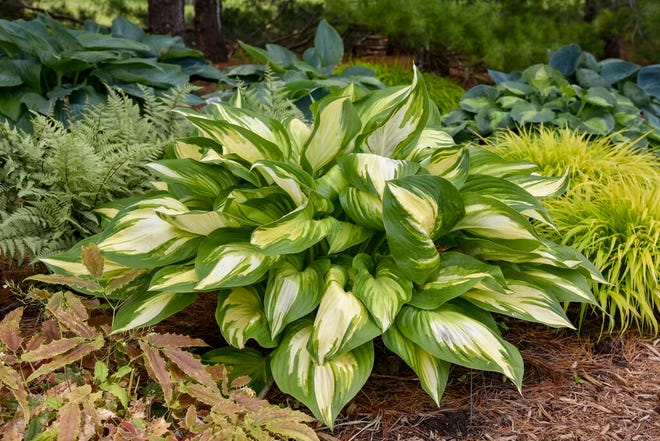
Miss America: A real beauty for the garden

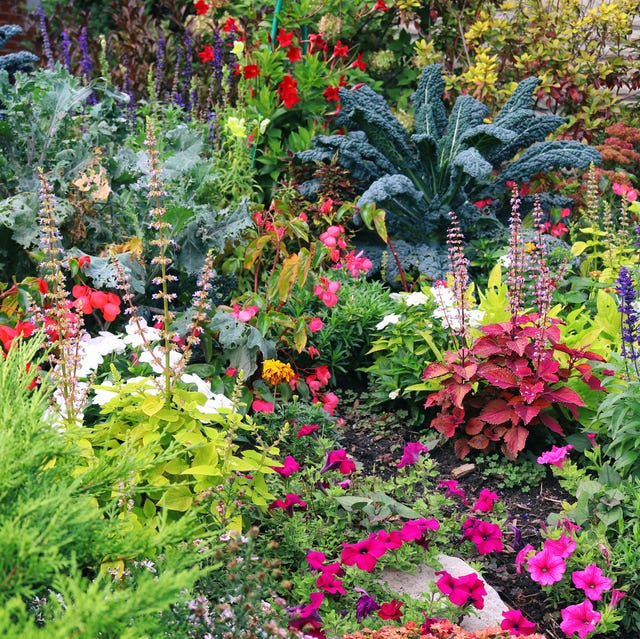
These Are the Best Shade-Loving Flowers and Plants for Your Yard

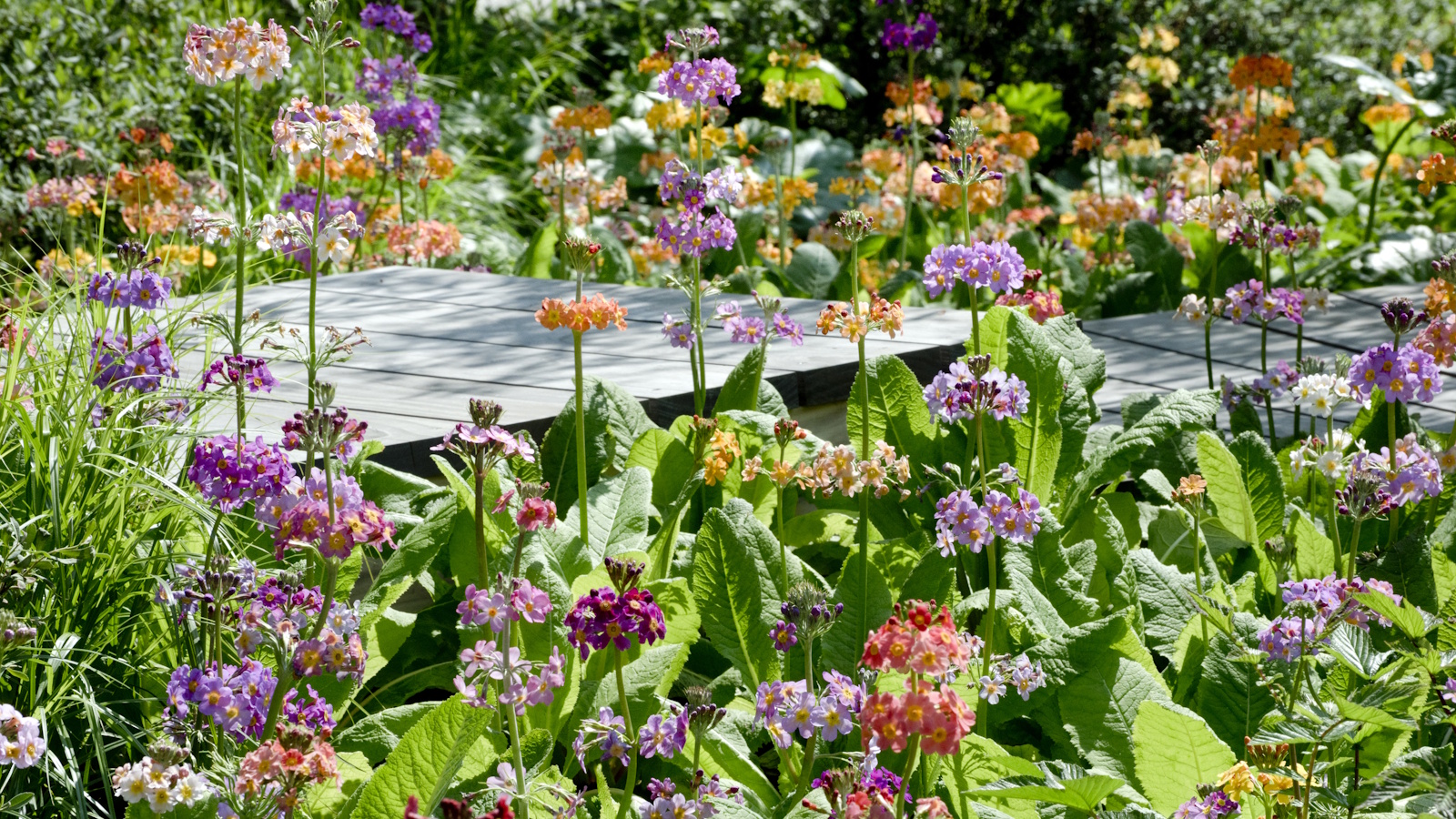
Best flowering ground cover plants – 5 expert-approved species to fill your borders with vibrant color
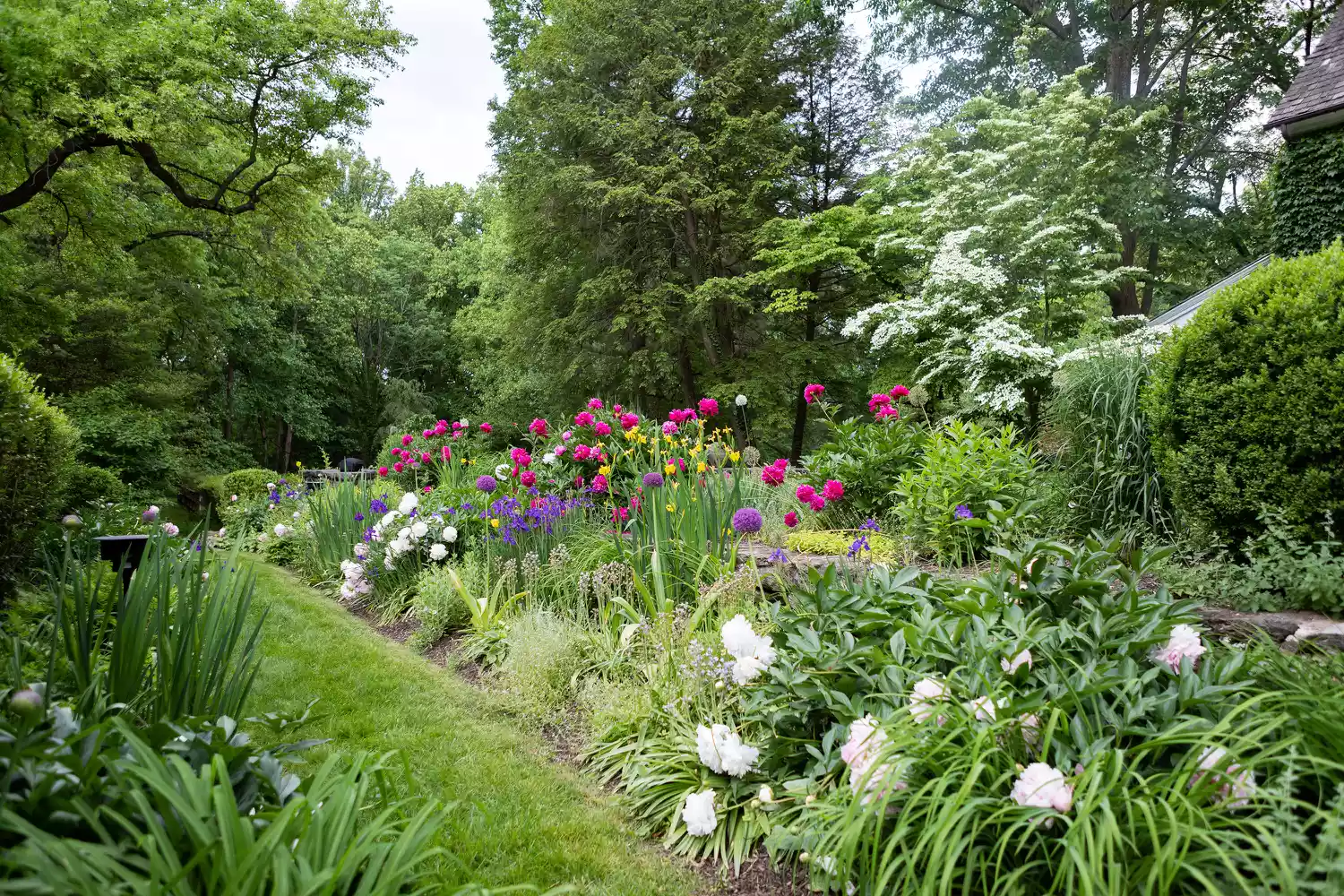
22 Layouts and Design Plans for a Perennial Flower Garden

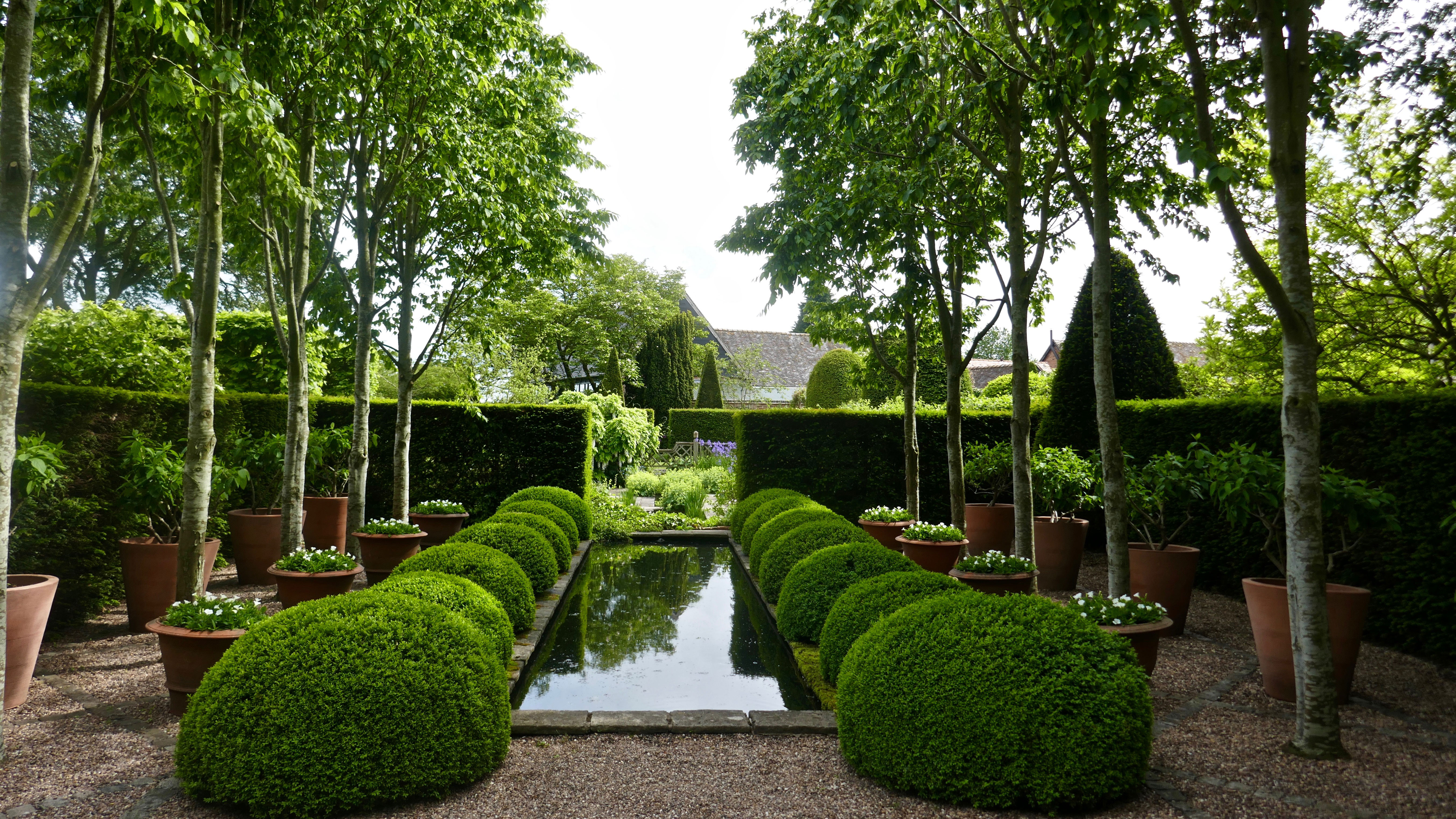
Landscaping with evergreens – 9 ways to add structure and interest to your garden year round

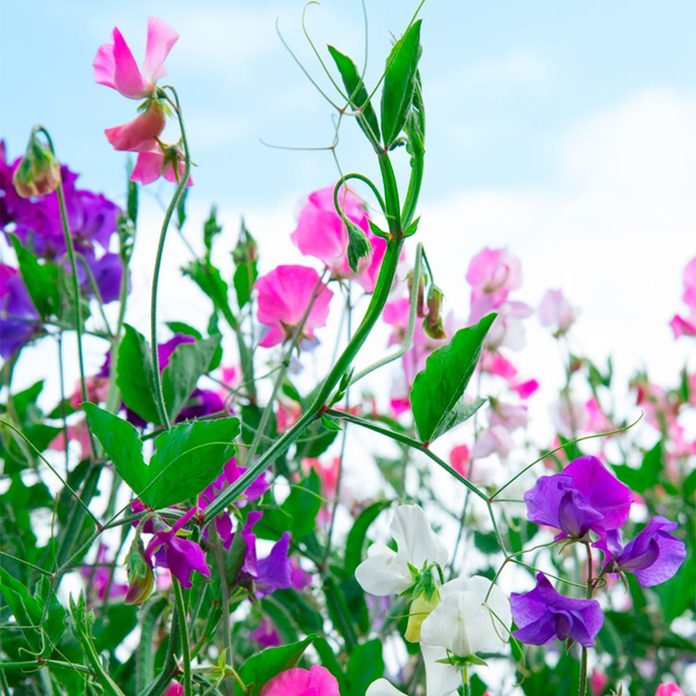
15 Colorful Plants to Brighten Up Your Landscape

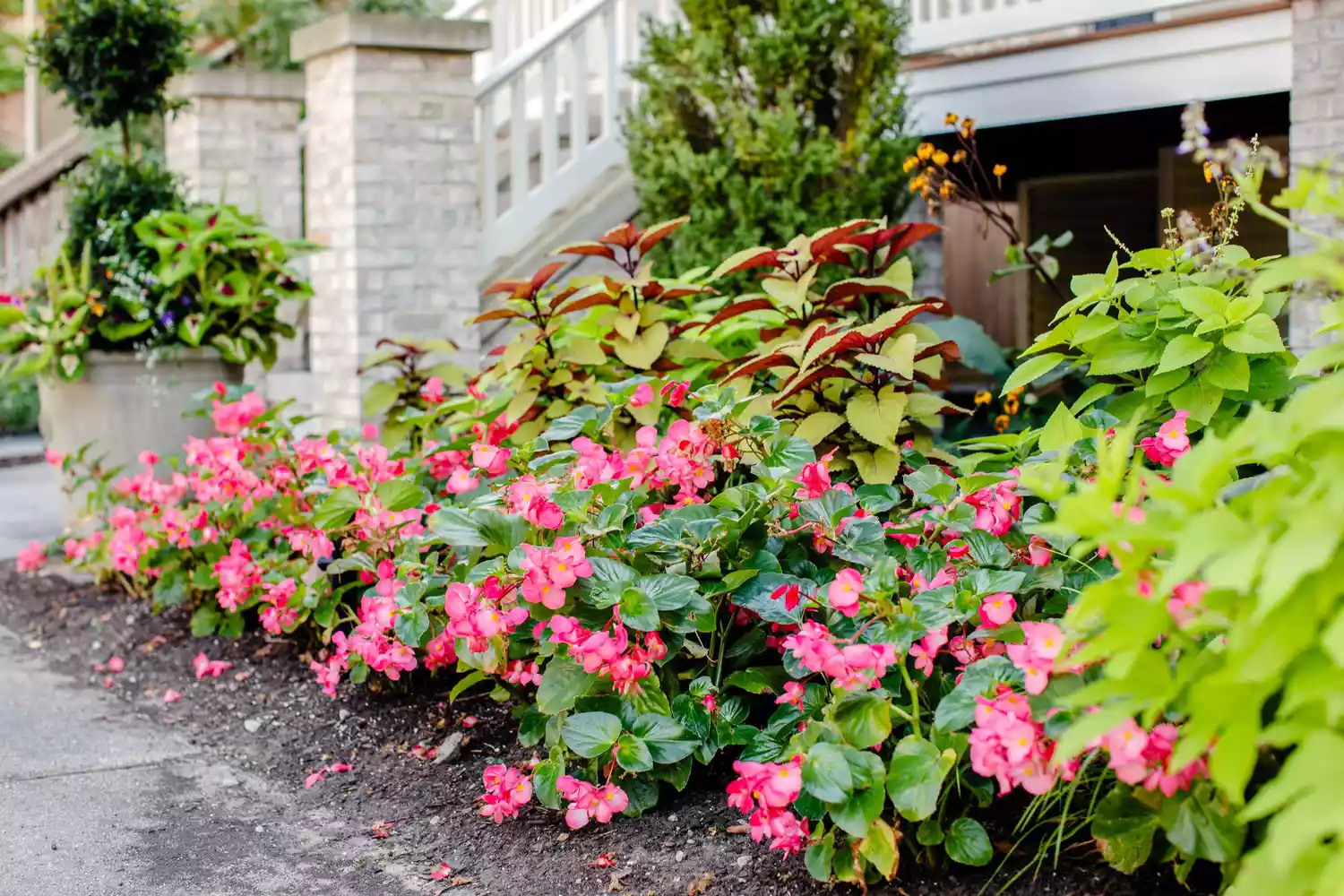
12 Best Shade Plants to Grow Along a North-Facing Wall
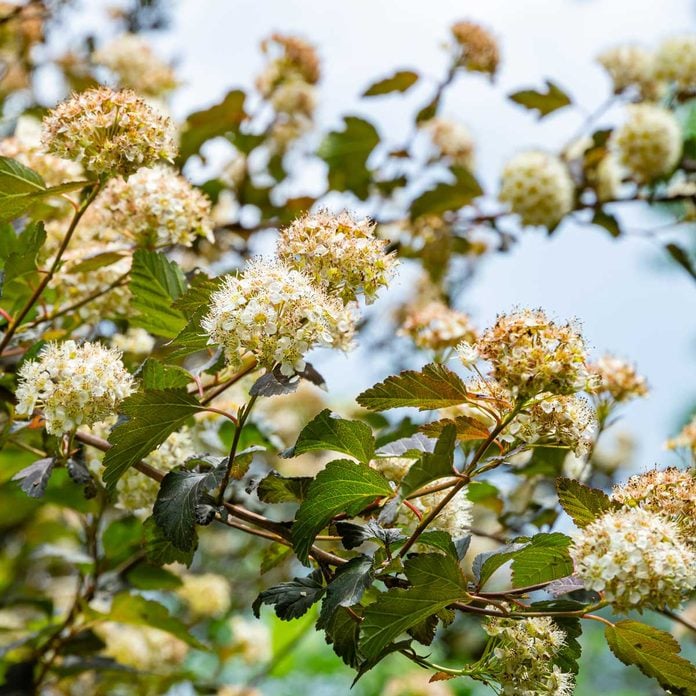
15 Hardy Shrubs to Spruce Up Your Yard
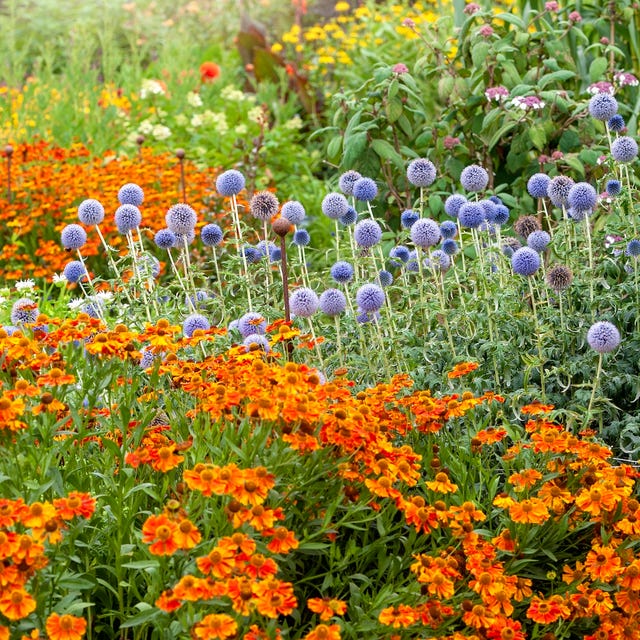
Gardeners, These Low-Maintenance Perennial Flowers Bloom Every Season


Opinion: Shade perennials add color, texture to wooded yard
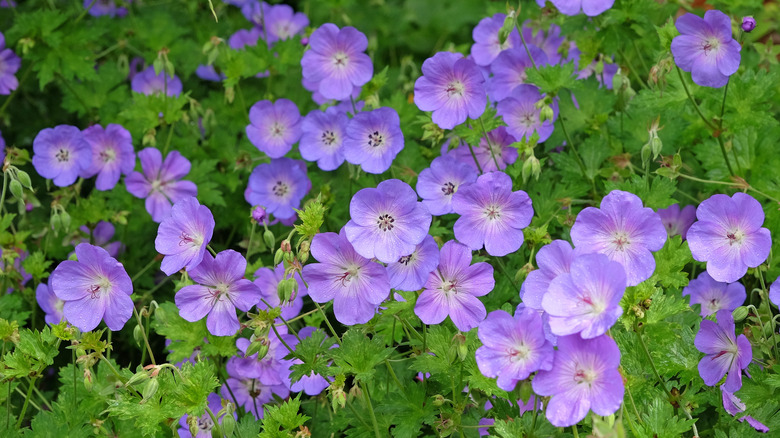
15 Purple Perennials To Plant In Fall To Enjoy Year After Year
Vertical plants: Plant design of Living walls – evaluation of 34 perennials in a textile based Living wall over a three years experiment
Drought tolerant plants - Sarah Raven's top tips for sunny spots
25 Shade-Loving Plants for Where the Sun Don’t Shine
Plants to hide a garden wall – expert-approved options for a beautiful, botanical screen
These Low-Maintenance Perennial Flowers Bloom Every Season
15 Shade Garden Ideas to Brighten Up the Darkest Spots in Your Yard