12 Best Shade Plants to Grow Along a North-Facing Wall
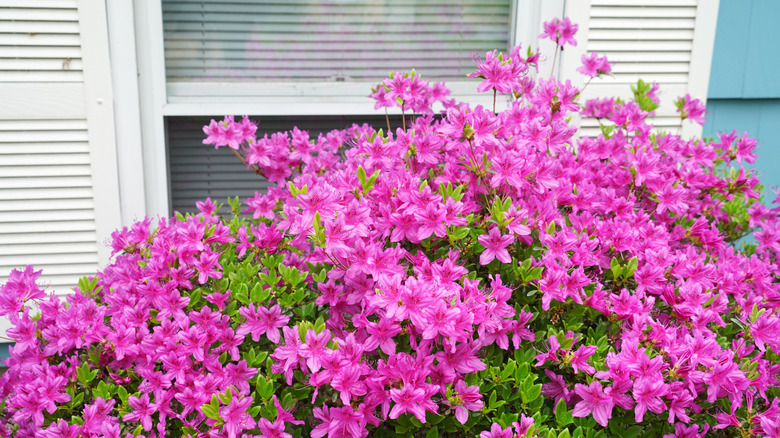
Growing plants along a north-facing wall presents a unique challenge due to limited sunlight, requiring the selection of species that thrive in shady conditions. Despite the low-light environment, a variety of vibrant ornamental plants, including colorful bedding annuals, flowering perennials, climbers, ground covers, and shrubs, can flourish in these areas. This guide identifies 12 excellent plant options suitable for shady spots along north-facing walls, providing details on their characteristics, growing conditions, and potential toxicities.
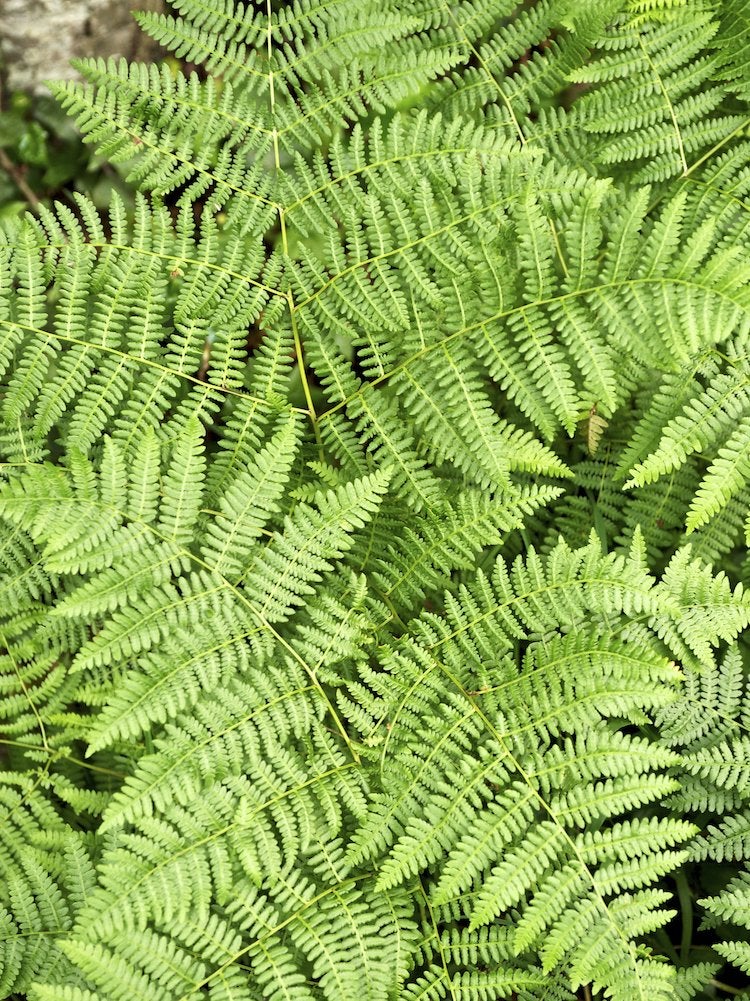
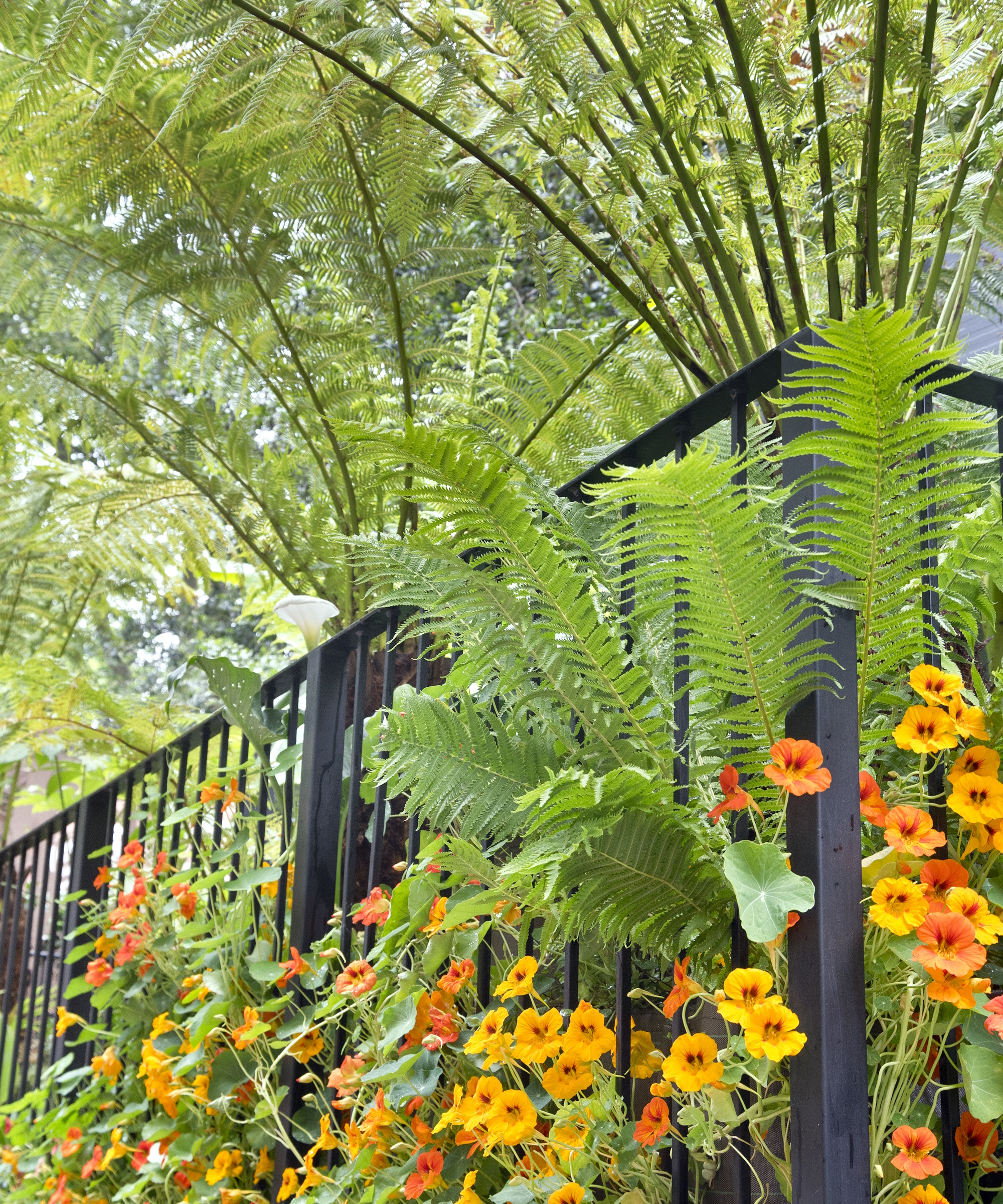
Impatiens (Impatiens walleriana) are popular bedding plants known for their profusion of color and long bloom season. While once affected by downy mildew, disease-resistant strains are now available. These plants thrive in nearly complete shade but can tolerate sunnier conditions if kept well-watered. New Guinea impatiens (Impatiens hawkeri), a related species, are taller with larger flowers and are even more tolerant of sun. Ferns, such as the Japanese painted fern (Athyrium niponicum var. pictum) and the fiddlehead or ostrich fern (Matteuccia struthiopteris), are well-suited for damp, shady locations, offering diverse textures and colors. Their growth habits vary, with some being aggressive and others slow-growing.
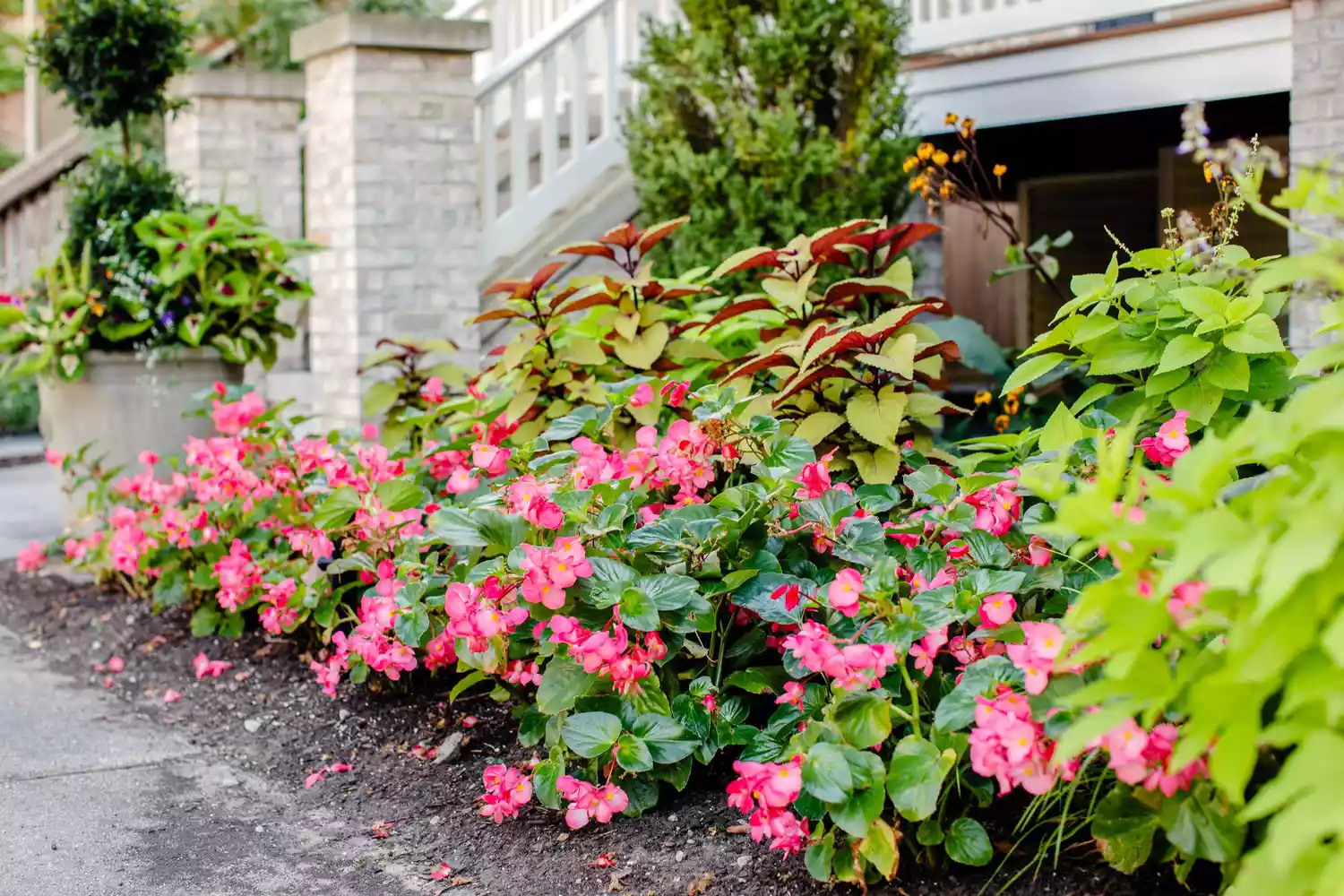
Wax begonias (Begonia semperflorens Cultorum Group) are fibrous-rooted plants that form mounds of fleshy, waxy leaves and small, season-long flowers. They are versatile, performing well in full sun to part shade, and can be used as bedding plants or edging. Tuberous begonias (Begonia Tuberosa Group), in contrast, prefer dappled shade or reflected light, showcasing huge leaves and large, brightly colored flowers. Both types of begonias are toxic to animals, and proper spacing is crucial for wax begonias to prevent fungal issues.
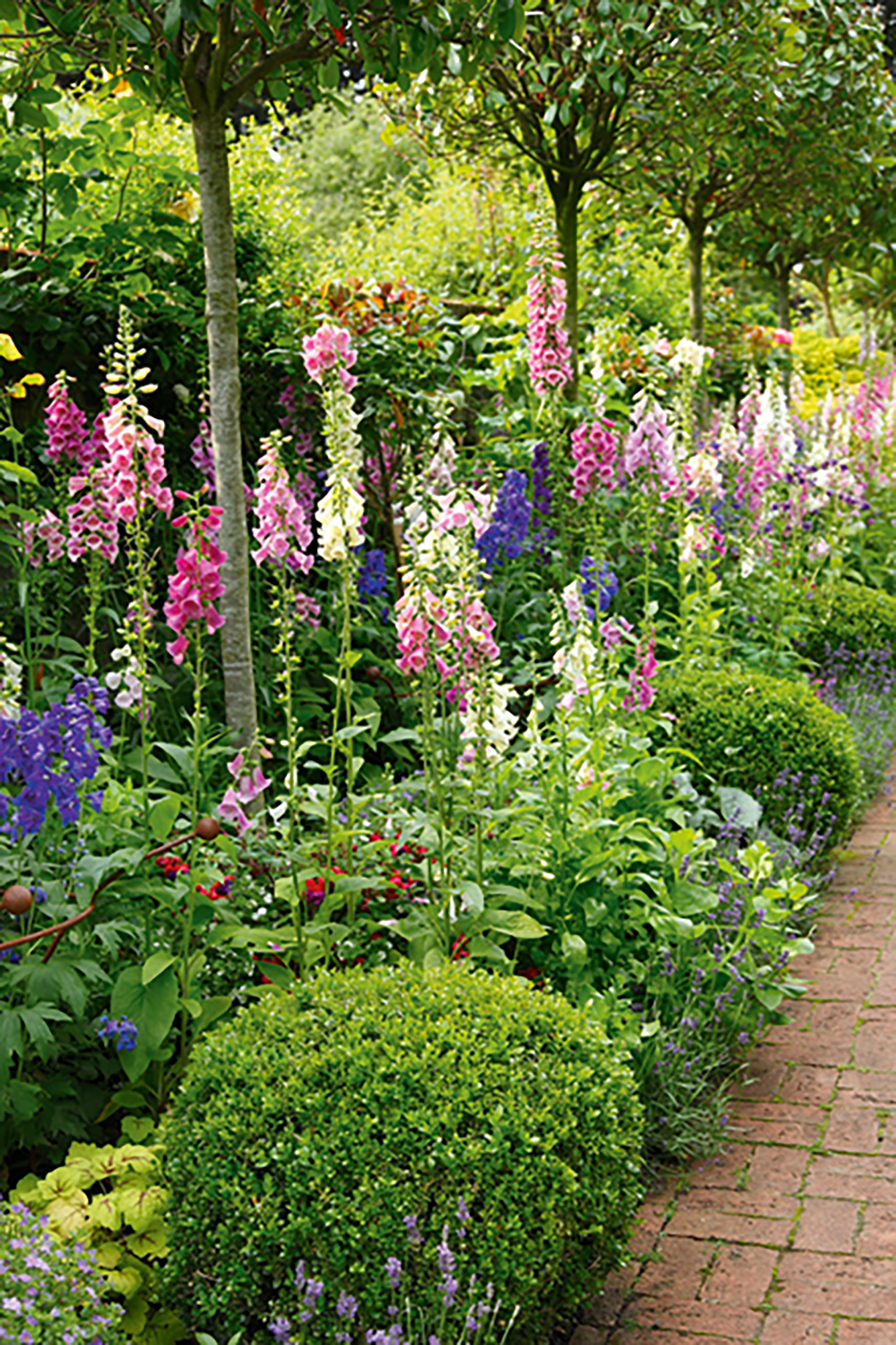
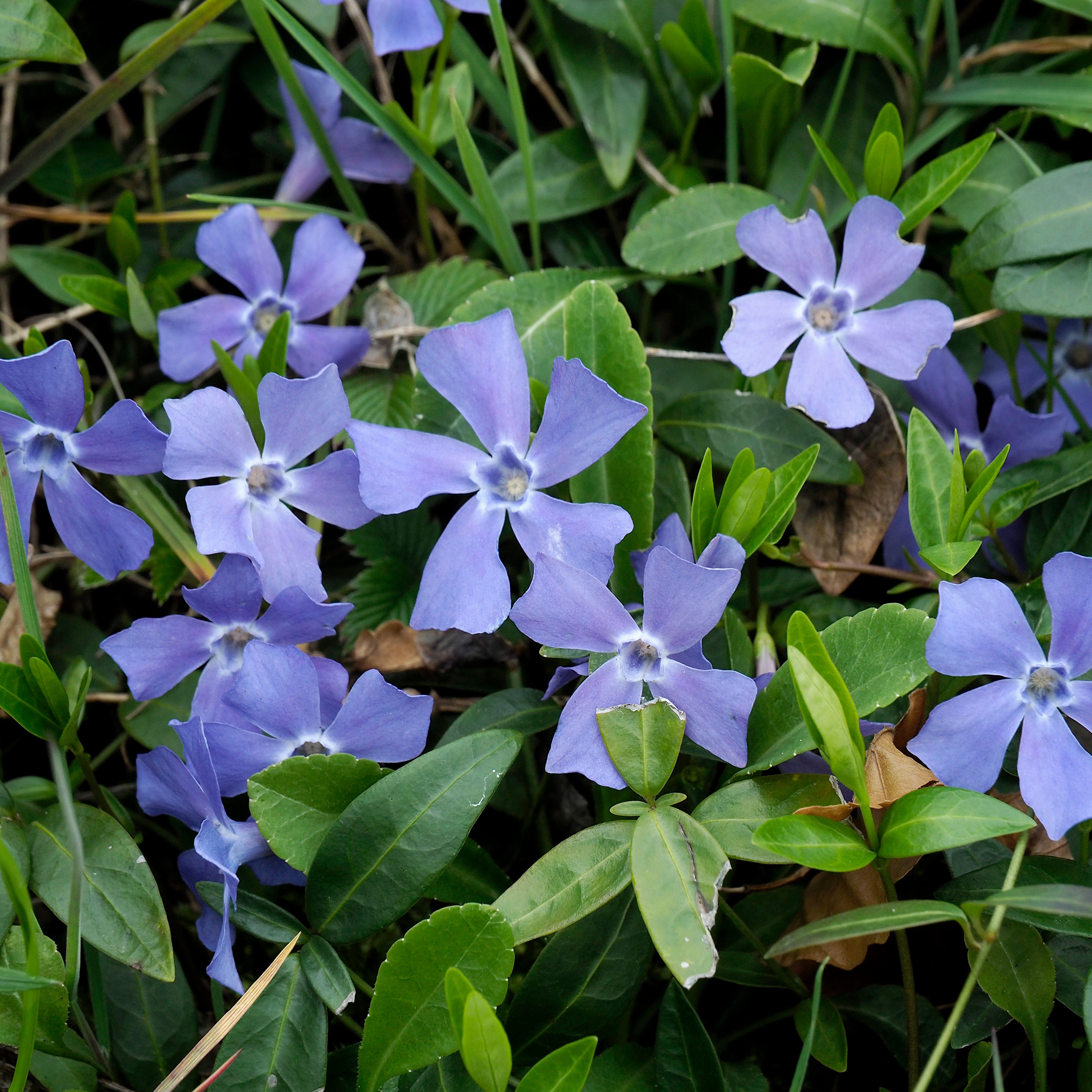
Common bleeding heart (Lamprocapnos spectabilis) is an excellent perennial for north-facing walls, producing pink and white flowers on arching stems in spring. Its foliage typically fades in summer, making it ideal for planting alongside species that can fill in later. Bleeding hearts are toxic to humans and pets. For ground cover, periwinkle or creeping myrtle (Vinca minor) forms a mat with blue, lavender, or white flowers. It is an excellent choice for under perennials or shrubs, though its invasive nature in some regions warrants caution. This plant can also be toxic to humans and pets.
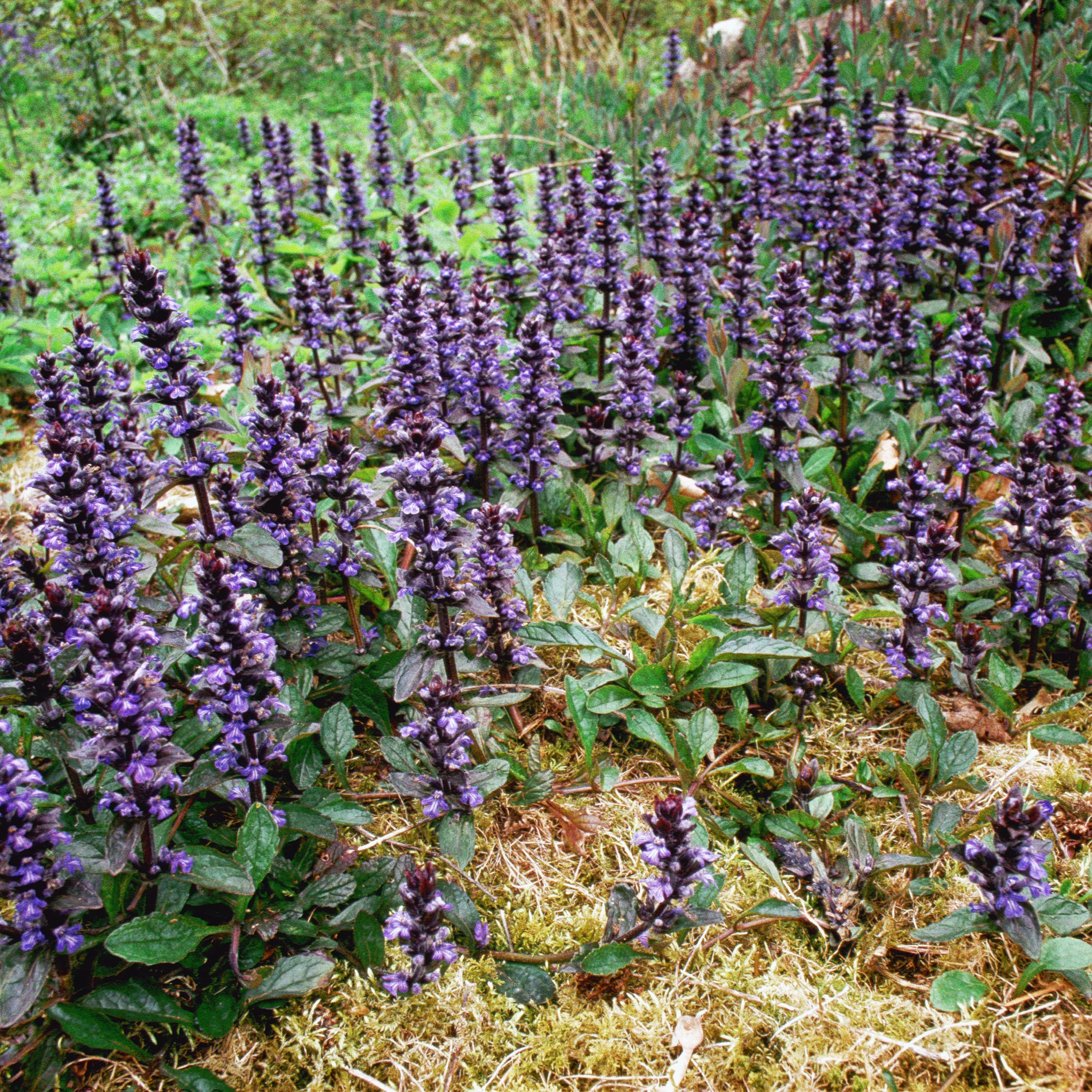
Lilyturf (Liriope spicata) is a grass-like perennial ideal for dry, shady areas often found along north-facing walls due to eave interception of rainfall. It is prized for its foliage and small flowers. Hostas (Hosta spp.), also known as plantain lilies, are quintessential foliage plants for shade, with numerous cultivars offering diverse green hues. They are easy to grow but susceptible to slugs and snails and are toxic to animals. Bugleweed (Ajuga reptans) is another adaptable ground cover, forming a thick mat with shiny dark green or bronze leaves and occasional blue flowers, though it blooms best in sunnier conditions.
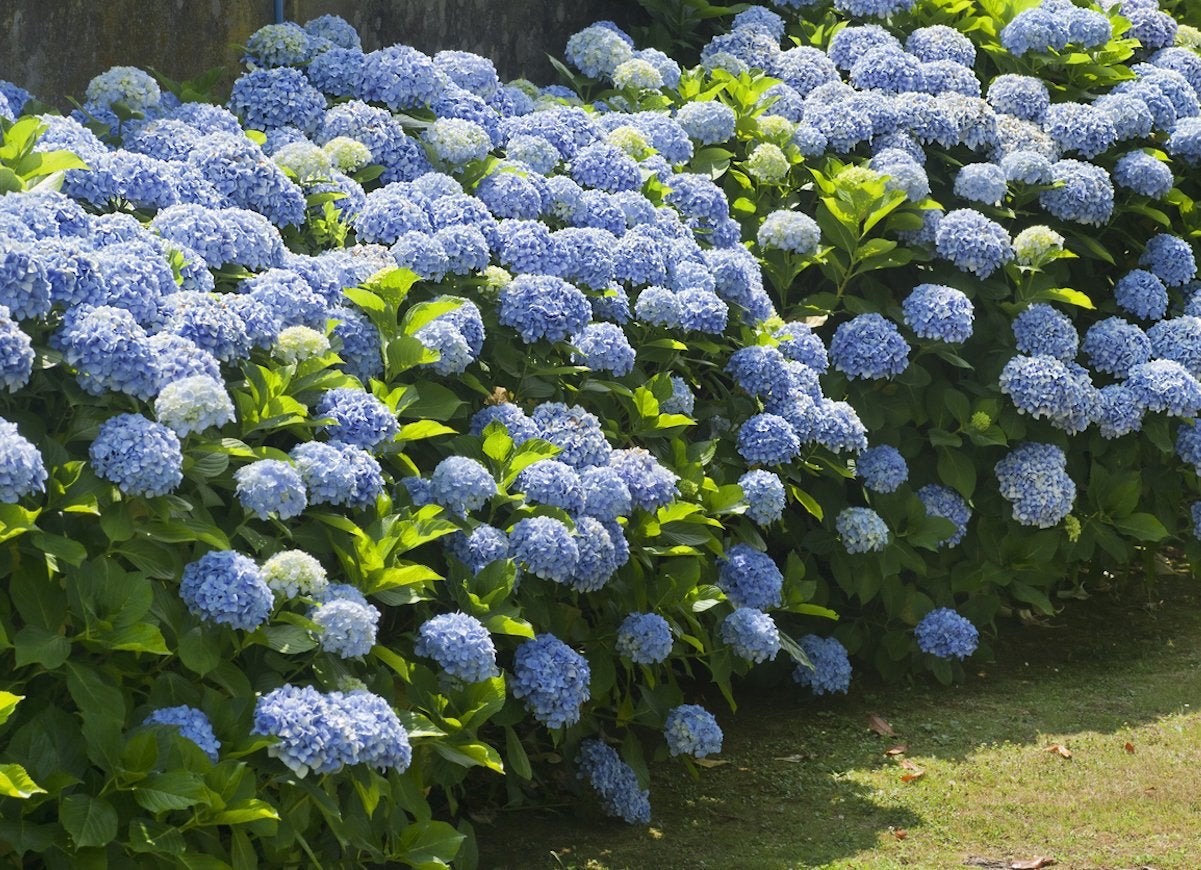
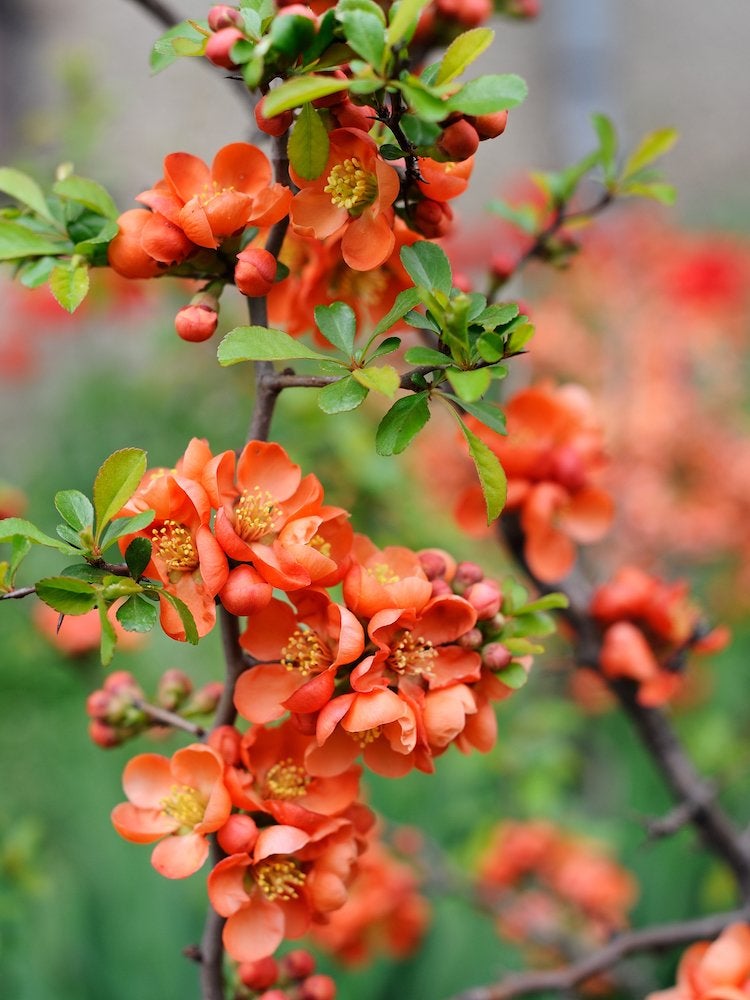
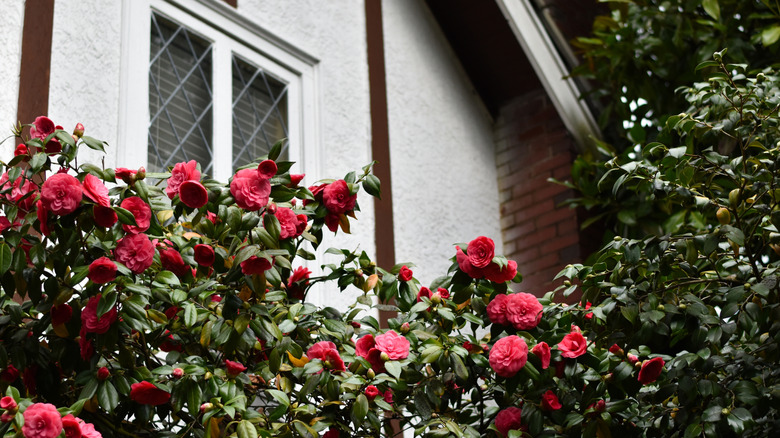
For climbing options, climbing hydrangea (Hydrangea anomala ssp. petiolaris) is a woody vine that blooms nicely in shady areas, producing white flowers. It can grow quite large and requires a sturdy structure for support. Hydrangeas are toxic to animals. Shrubs provide additional options, with yew bushes (Taxus spp.) being a classic choice for shade. These needle-bearing evergreens offer aesthetic foliage and berries but lack floral displays. They are tolerant of urban conditions but require well-drained soil and are toxic to humans and animals. Lastly, flowering quince (Chaenomeles speciosa) is a resilient flowering shrub that thrives in almost any soil, producing white to scarlet flowers in early spring before its leaves emerge. It grows 6 to 10 feet high and attracts birds with its fruits.
#ShadePlants #NorthFacingWall #GardeningTips #LandscapeDesign #PlantSelection #LowLightPlants #Perennials #GroundCovers #Shrubs #Annuals #ShadePlants #NorthFacingWall #GardeningTips #LandscapeDesign #PlantSelection #LowLightPlants #Perennials #GroundCovers #Shrubs #Annuals
0 comment in total
 No comments yet
You may also like
15 Plants Perfect For A North-Facing Window

7 of the best low-light houseplants that will thrive in shady nooks and corners in the home
South facing garden ideas – how to embrace a sun-filled backyard

23 Indoor Plant Wall Ideas to Bring Life to Any Room

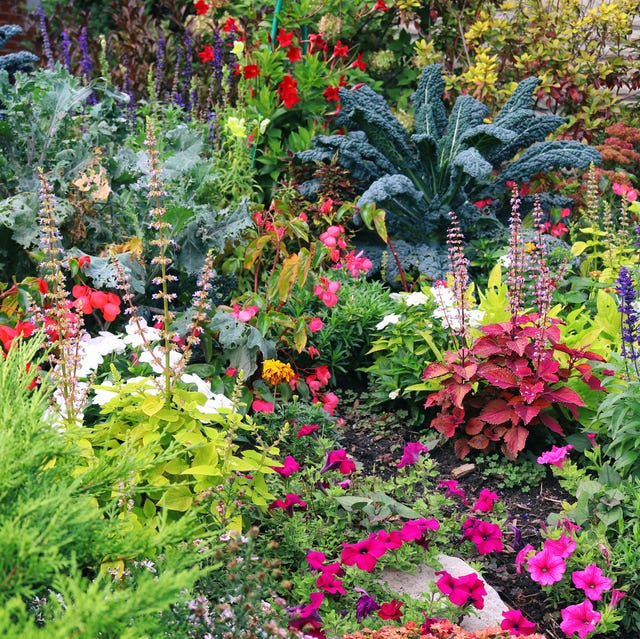
These Are the Best Shade-Loving Flowers and Plants for Your Yard

Plants to hide a garden wall – expert-approved options for a beautiful, botanical screen

Opinion: Shade perennials add color, texture to wooded yard
21 Best Wall-Mounted Planters to Infuse Your Space With Greenery

25 Shade-Loving Plants for Where the Sun Don’t Shine

Add These Shade-Loving Plants To Your Containers For Covered Porches
How to garden on a north-facing balcony – 3 ways to create a shady green oasis
These 25 Plants Don’t Need Sun to Serve Looks

Only Have North-Facing Windows? 8 Plants That Would Love to Sit on Your Sill
12 vertical garden ideas to inspire your own plant wall

10 Beautiful Privacy Shrubs You'll Want To Grow Right Next To Your Windows
Outdoor wall lighting ideas to illuminate your garden to perfection
15 Plants Perfect For A South-Facing Window
8 indoor plants that thrive in indirect or low sunlight

Give Your Blank Walls New Life With These Stunning Planters
Only Have East-Facing Windows? These 8 Plants Will Thrive on Your Sill