1/21
These Low-Maintenance Perennial Flowers Bloom Every Season
This article highlights the benefits and characteristics of perennial flowers for gardeners looking to create a low-maintenance yet beautiful outdoor space. Unlike annuals, which complete their life cycle in a single year, perennials establish deep root systems, allowing them to return year after year and endure challenging weather conditions. While some perennials, such as tulips, may only last a few years, others, like peonies and hydrangeas, can thrive for decades or even a century.
The article emphasizes the importance of considering factors like zone requirements, sunlight needs, ideal soil conditions, and average bloom times when selecting perennials. Full sun requires six or more hours of direct sunlight, partial sun needs three to four hours, and full shade receives minimal direct sun. It is noted that most perennials have a relatively short blooming season, ranging from a few days to a few weeks. For those growing perennials from seeds, full establishment may take a few years, which is why a combination of perennials and annuals is recommended to ensure continuous blooms throughout the gardening season. Perennials serve as the foundational structure of a garden, while annuals fill in gaps with vibrant colors.
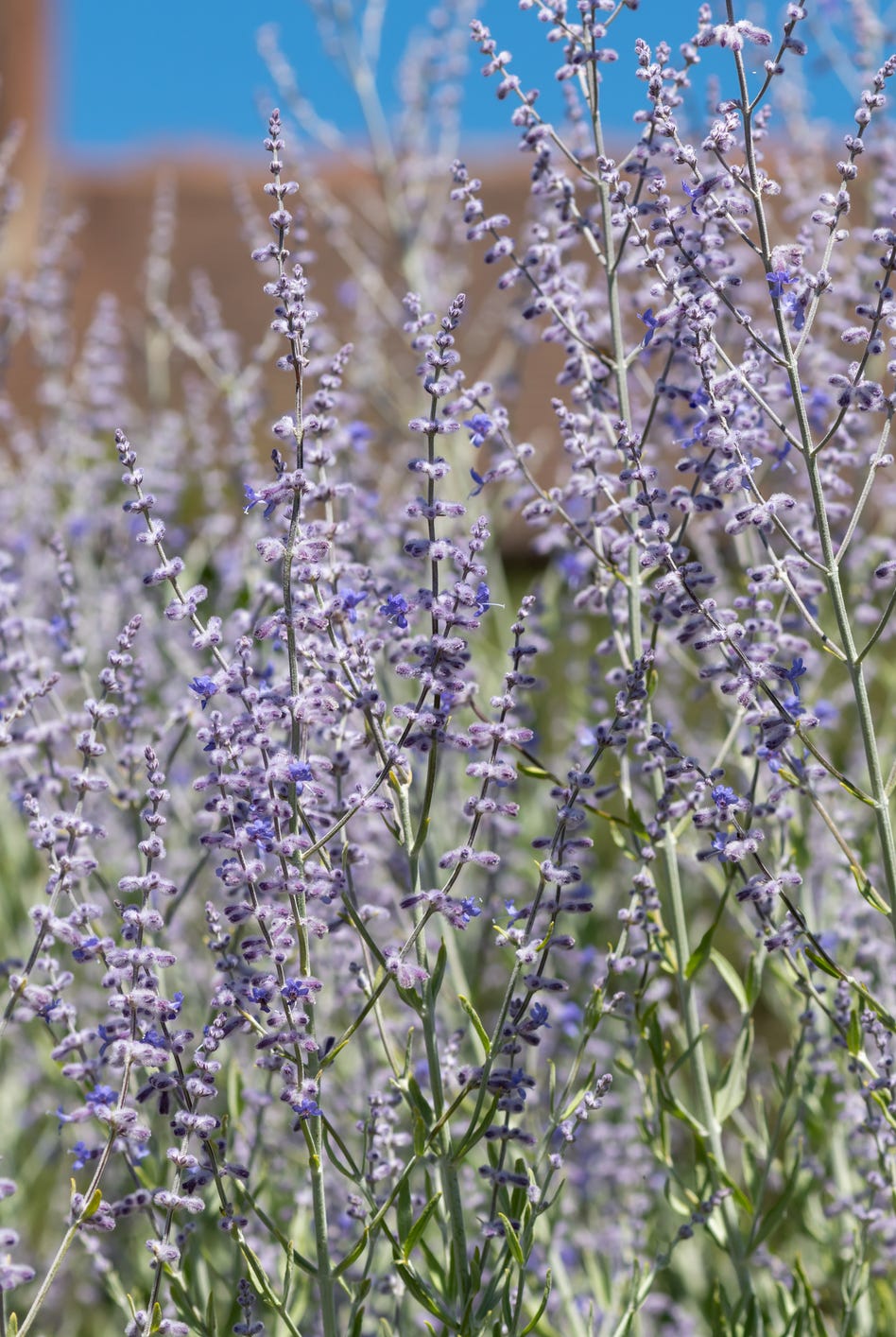
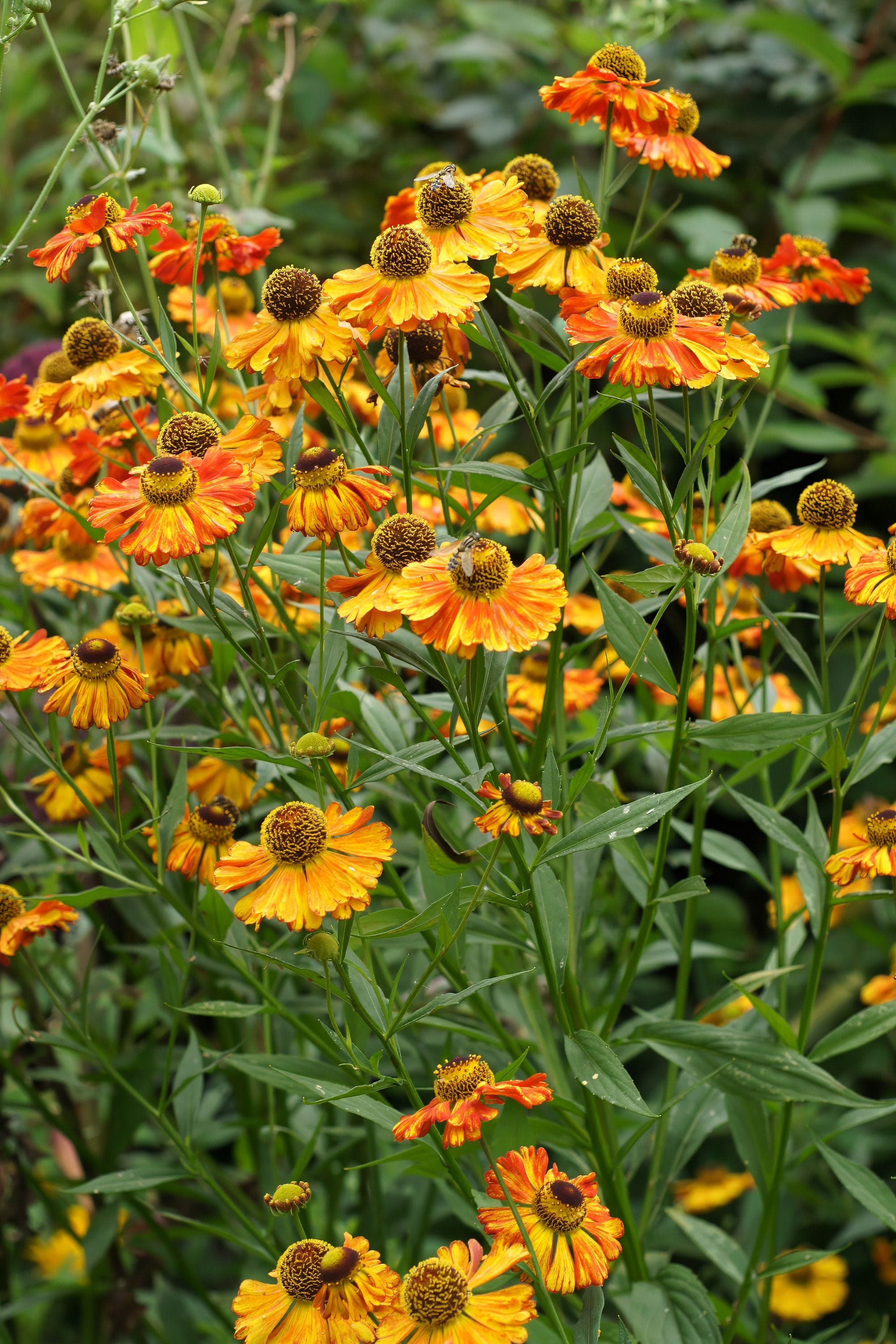
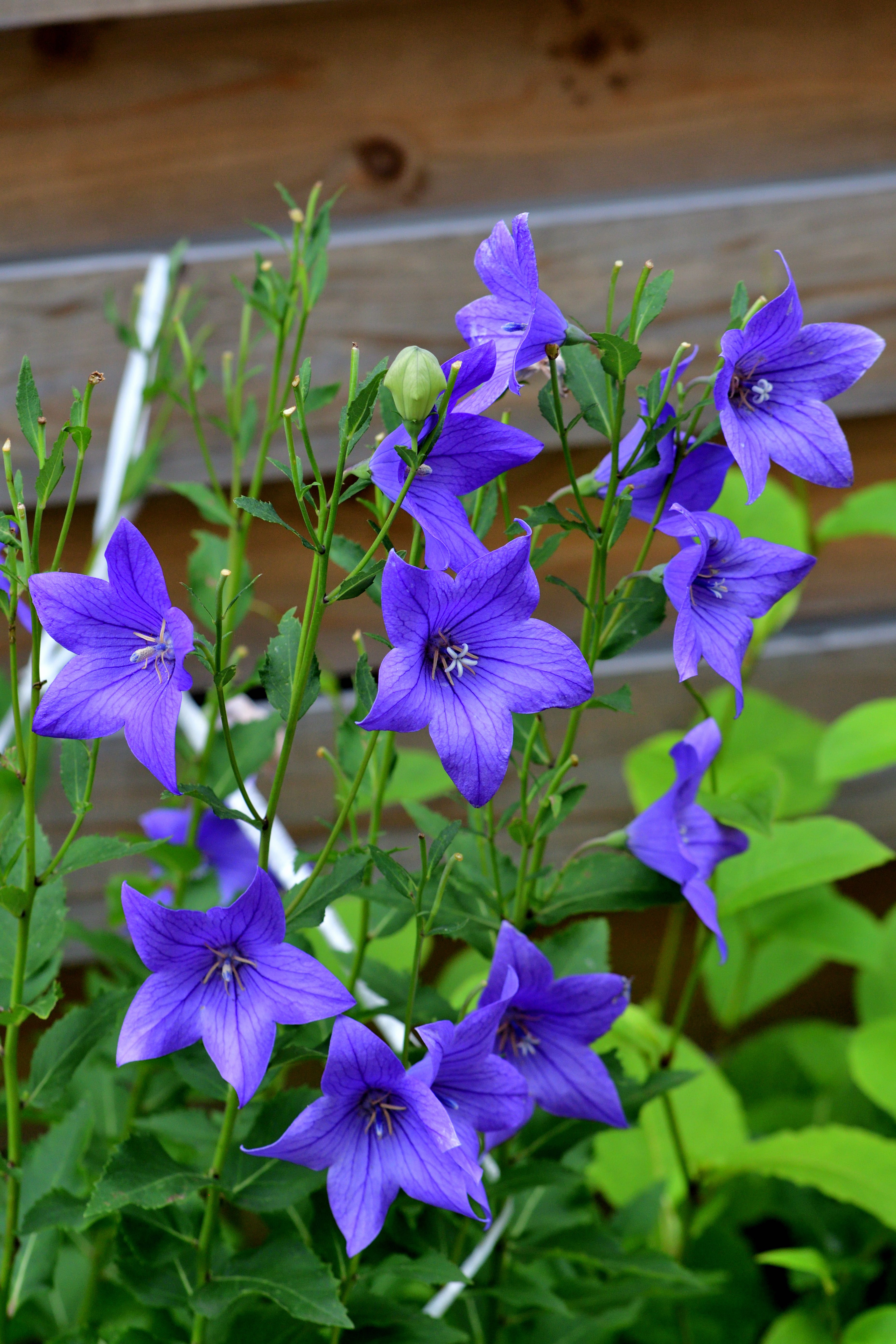
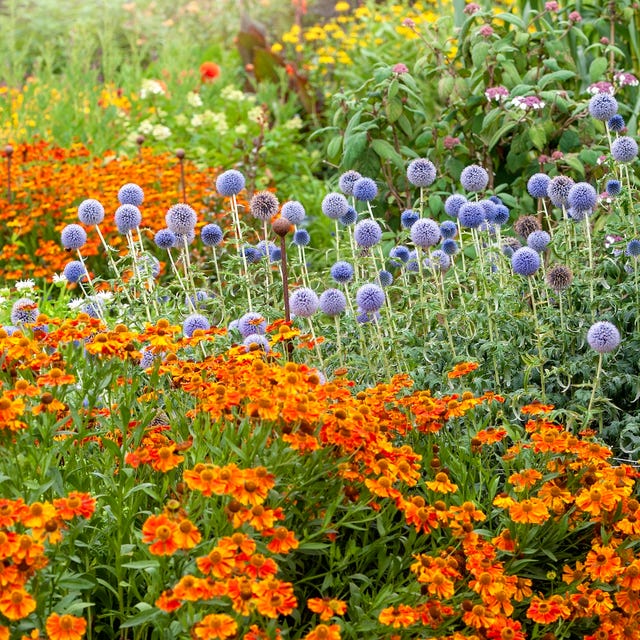
Several specific perennial flowers are detailed, providing information on their unique features, hardiness zones, sunlight and soil requirements, and bloom times. For instance, Russian Sage (Salvia Yangii) is a sun-loving woody shrub with pale blue flowers that change to cyan-blue and a sage-like aroma, thriving in zones 4-9. Helenium Autumnale (Sneezeweed) features sunny yellow, orange, and red flowers, attracts pollinators, and grows well in moist, acidic soil in zones 3-8. Platycodon (Balloon Flower) is known for its puffy buds that transform into star-shaped flowers and can last for decades in full sun, suitable for zones 3-8. Heuchera (Coral Bells) is a versatile ground cover available in various shades, attracting pollinators in spring and summer, ideal for zones 4-8.
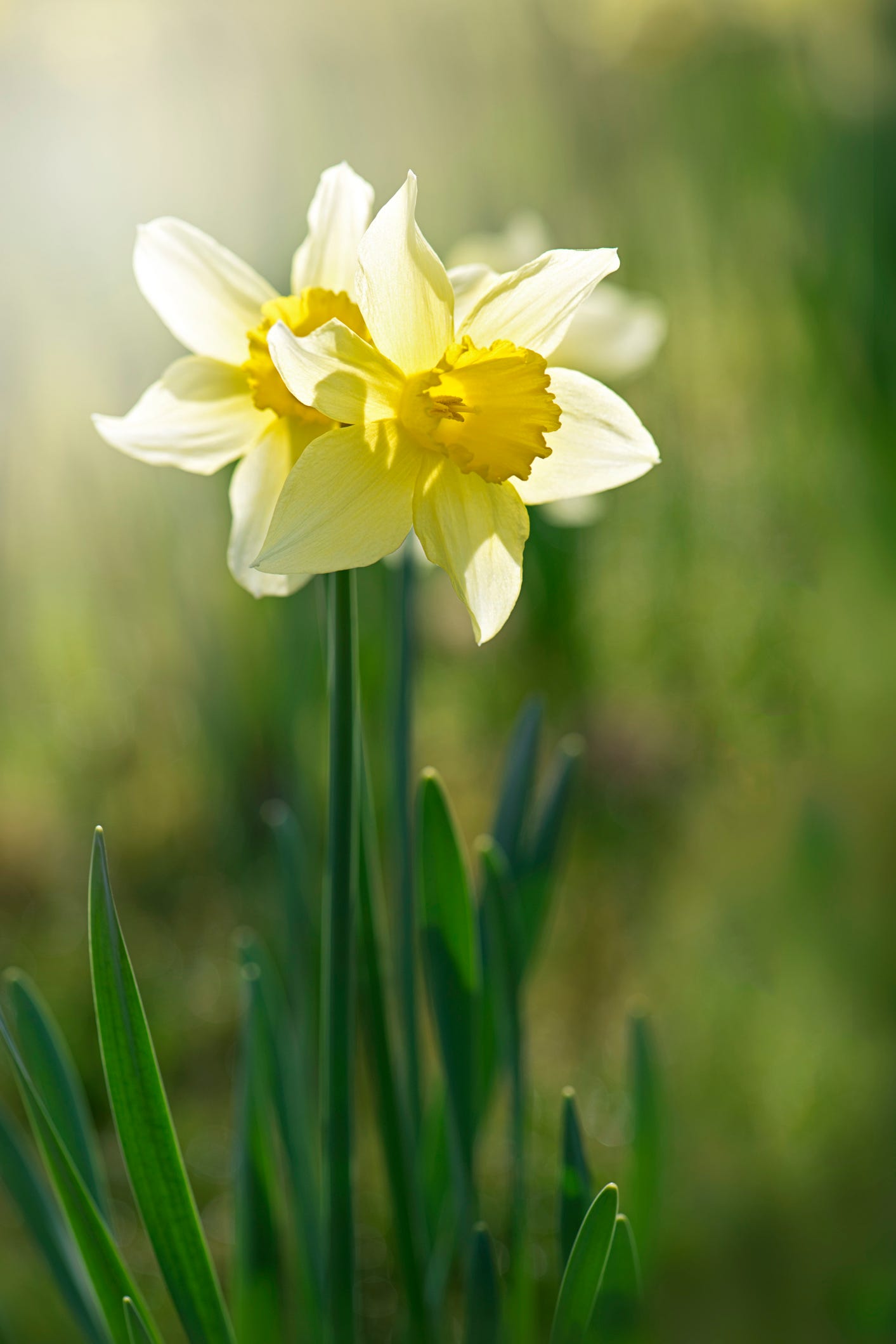
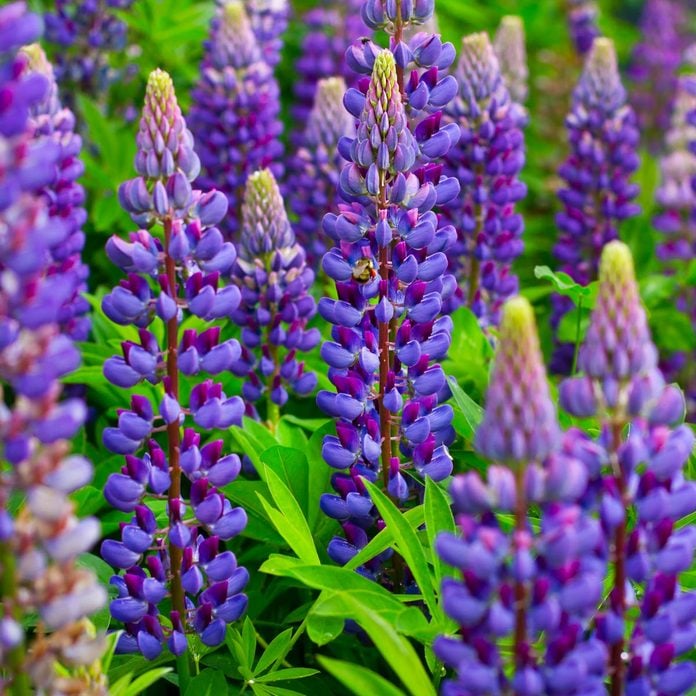
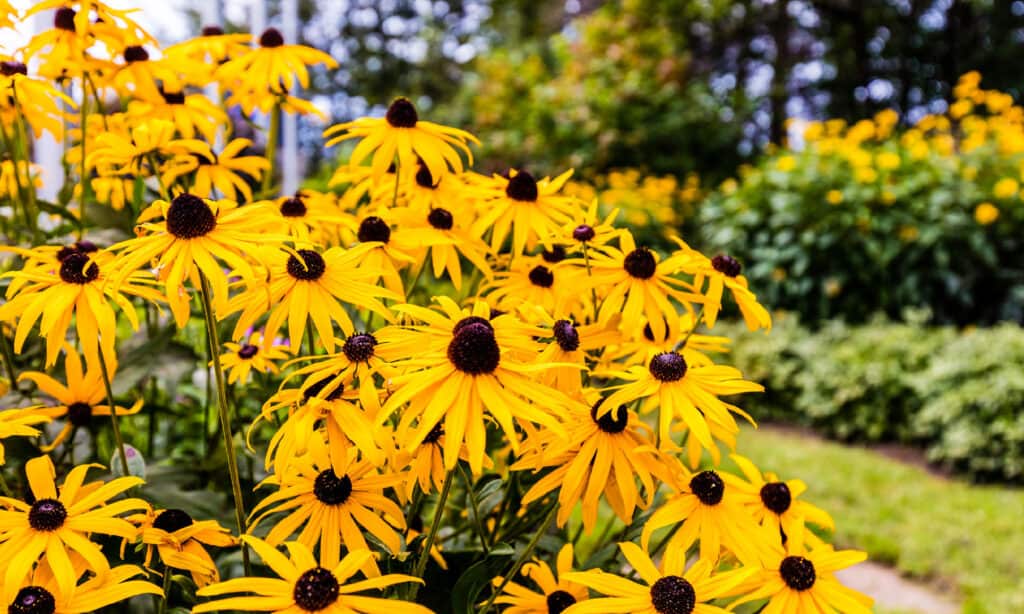
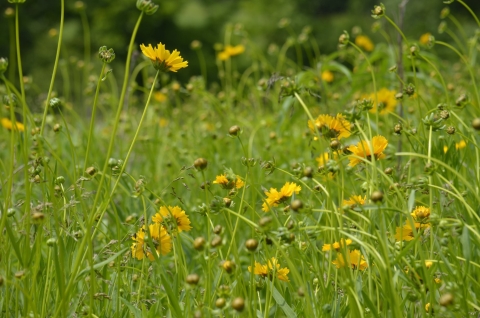
Daffodils are presented as cheerful yellow flowers that bloom in late winter to early spring, requiring little effort and multiplying quickly in zones 3-8. Roses, symbols of love and beauty, come in many varieties and return annually, preferring full sun and loam soil in zones 5-8. Lupines are spiky flowers that grow up to five feet tall with red, white, yellow, pink, or purple blooms, lasting three to four seasons in zones 4-7. Allium, part of the onion family, produces purple pom-pom flowers that repel rodents and deer, suitable for zones 3-9. Rudbeckia Hirta (Black-Eyed Susan) boasts deep yellow petals and a dark brown center, blooming from early summer to winter, deer-resistant, and attracting pollinators in zones 3-9.
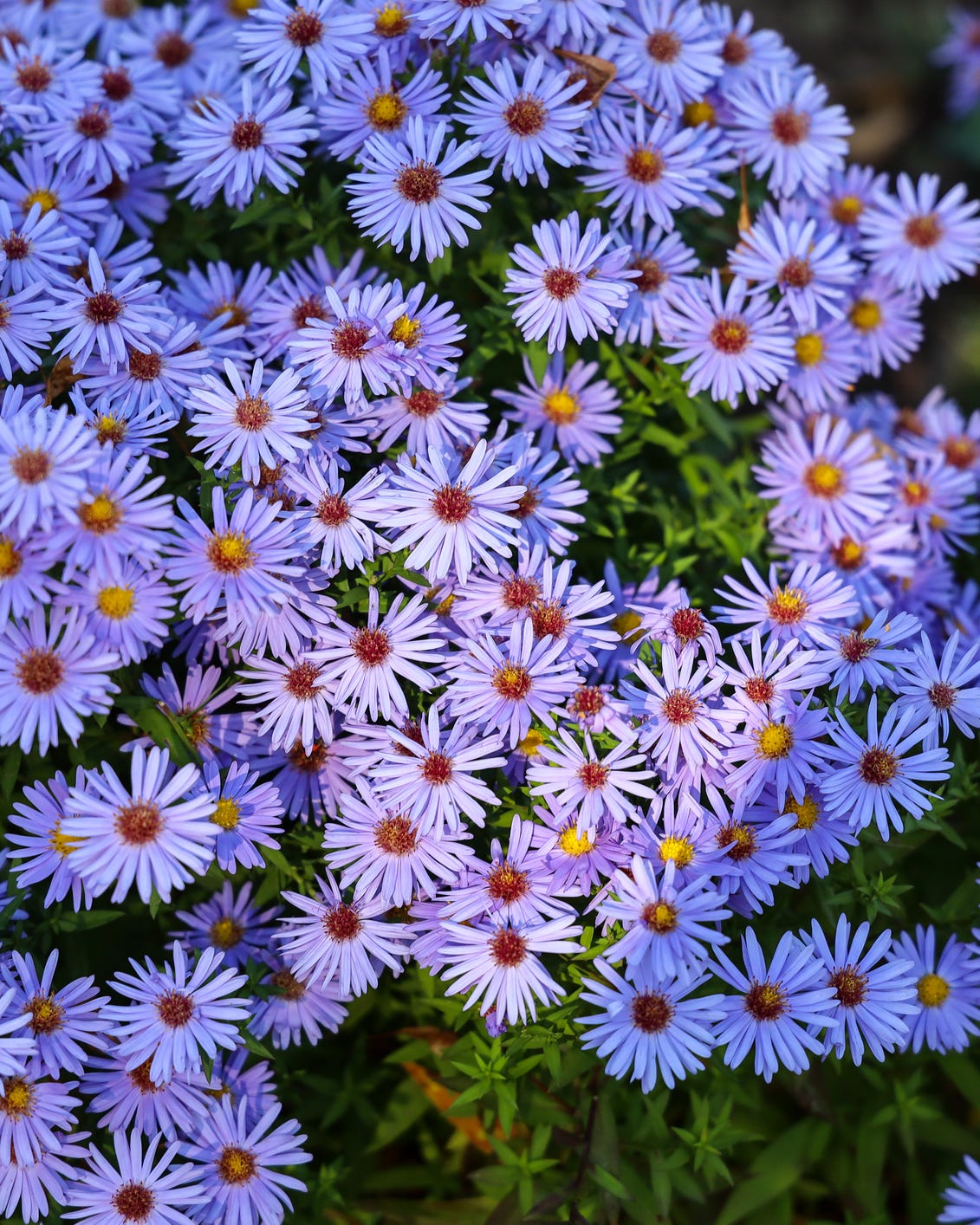
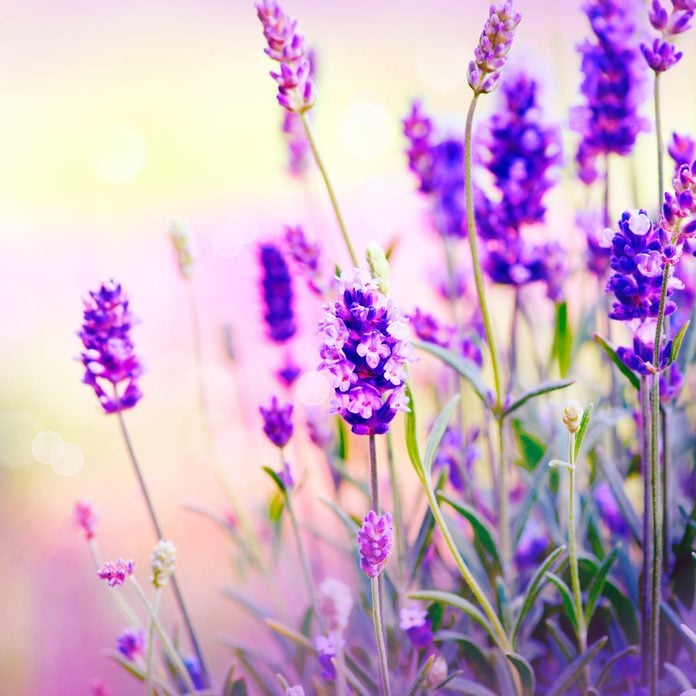
Hydrangeas are popular for their color-changing flowers (pink, lavender, blue) depending on soil pH, blooming from late spring to early fall and living up to 50 years in zones 3-9. Bearded Iris, with its striking purple, blue, yellow, and white blooms, thrives in full sun and well-drained soil in zones 3-10. Achillea (Yarrow) is a low-maintenance, pest-resistant pollinator magnet that spreads quickly, blooming in red, yellow, pink, or white in zones 3-9. Lavender offers fragrant purple blooms that deter pests and thrives in hot, dry climates in zones 5-9. Astereae (Asters) are star-shaped flowers that provide late-season pollen for bees and butterflies in zones 3-8. Monarda Didyma (Bee Balms) attracts hummingbirds and butterflies with its berry red, pink, and purple flowers, growing in zones 4-9.
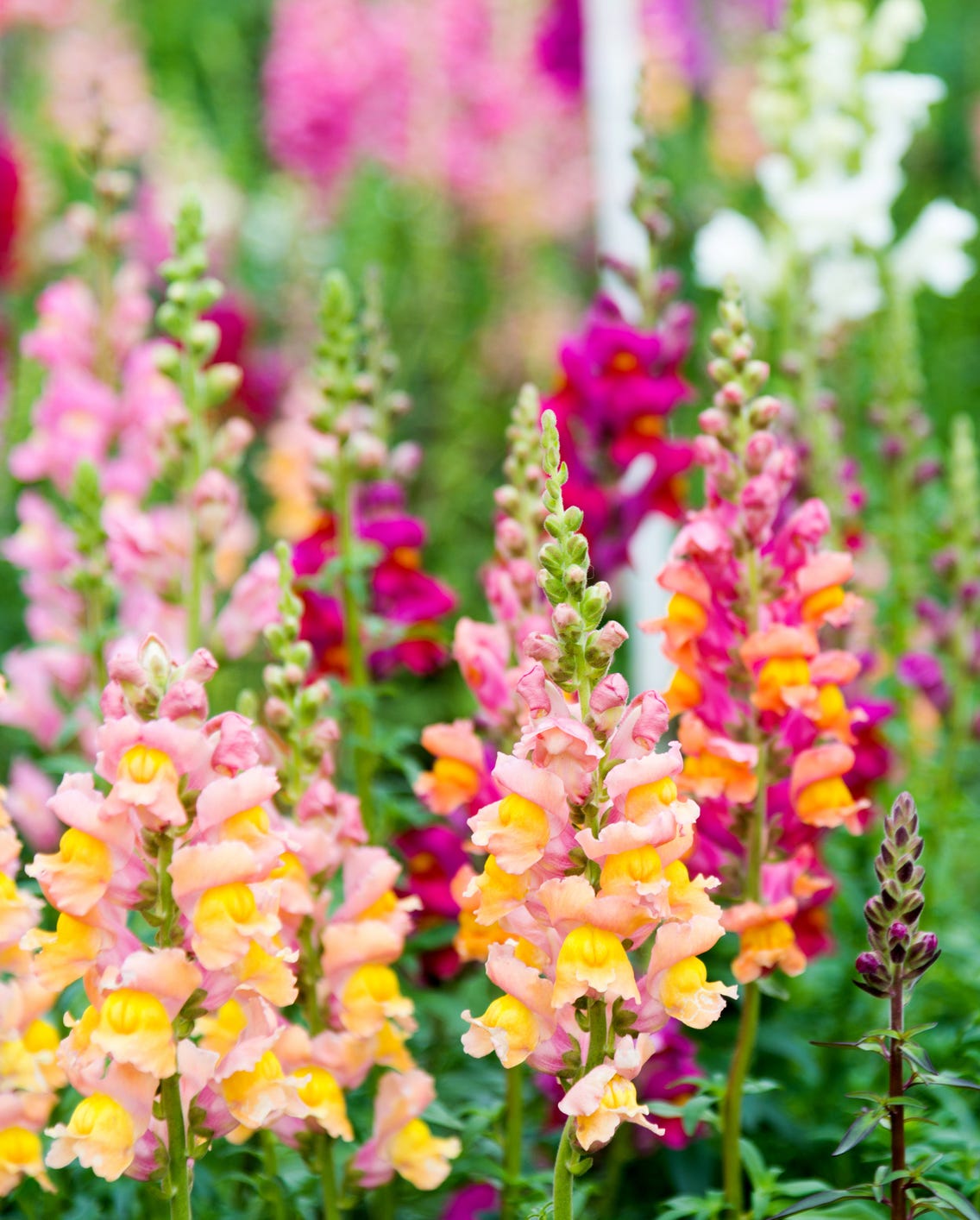
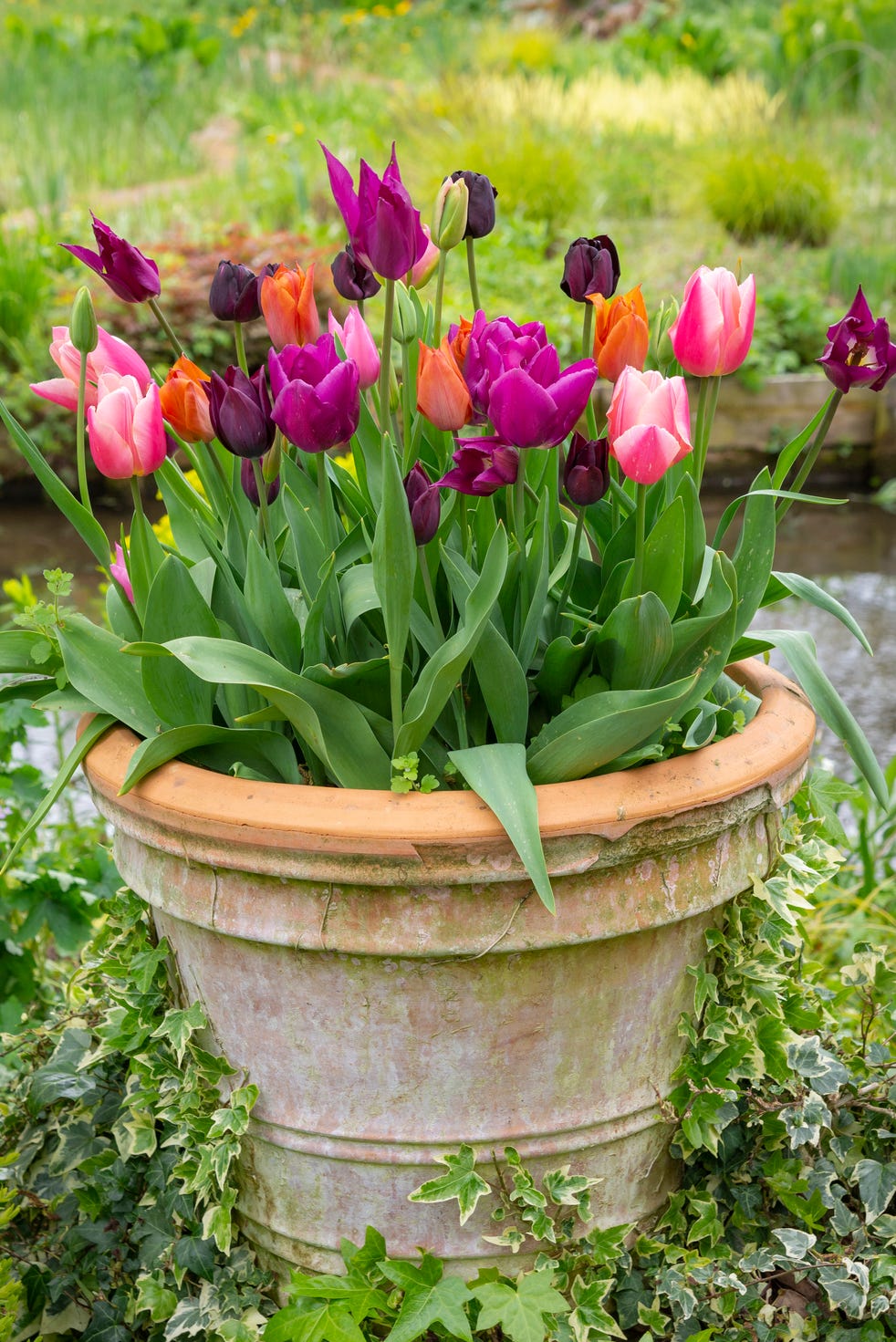
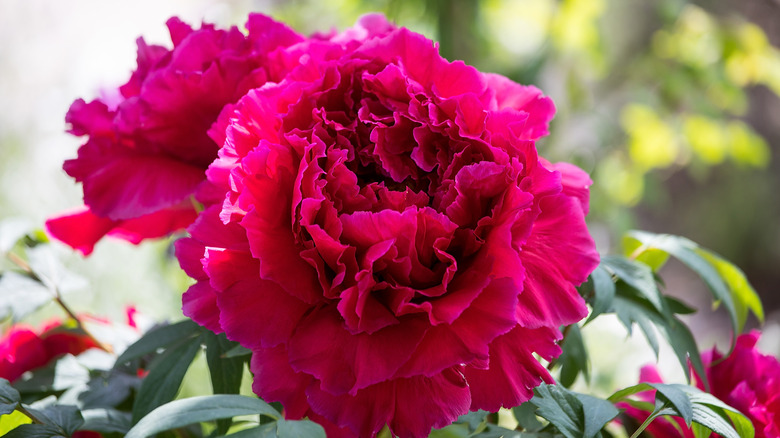
Tulips are described as easy-to-grow and colorful, blooming in early spring after fall planting in zones 3-8, though they may only return for a few years. Solidago (Goldenrod) adds golden-yellow spikes to gardens, growing quickly in zones 2-8. Peonies, known for their elegant and long-lasting blooms (up to 100 years), have a sweet scent and come in various colors, suitable for zones 2-8. Digitalis Dalmatian (Foxglove) features tall stems and bell-shaped blooms, attracting pollinators and resisting deer in zones 4-9. Leucanthemum (Shasta Daisy) is deer- and rabbit-resistant, with white and yellow blooms that fill empty spaces, thriving in zones 5-8. The comprehensive overview aims to assist gardeners in selecting appropriate perennials for a vibrant and enduring garden.
#PerennialFlowers #LowMaintenanceGarden #GardeningTips #FlowerCare #PlantHardinessZones #PollinatorPlants #GardenDesign #PerennialFlowers #LowMaintenanceGarden #GardeningTips #FlowerCare #PlantHardinessZones #PollinatorPlants #GardenDesign
0 comment in total
 No comments yet
You may also like
Gardeners, These Low-Maintenance Perennial Flowers Bloom Every Season
The best new annual flowers of 2025

10 Pretty Purple Flowers That’ll Make Your Garden Pop

18 Low-Maintenance Flowers To Use Around Your Mailbox
Hey, Gardeners! Plant These Summer Flowers for a Bright and Beautiful Yard

The Most Gorgeous Plants That Require ZERO Effort to Keep Alive All Winter Long

The Drought-Tolerant And Low-Maintenance Perennial That Showcases Lovely Purple Blooms

Flowers they both will love: Pollinator-friendly perennials for Mom and Mother Nature
10 indoor plants that flower all year round – choose from our expert recommendations for non-stop blooms

8 Perennials That Bloom Multiple Times a Year for Beautiful Flowers in Every Season

15 Colorful Plants to Brighten Up Your Landscape
These Are the Best Shade-Loving Flowers and Plants for Your Yard
15 Perennial Flowers That Produce Long-Lasting Blooms Year After Year
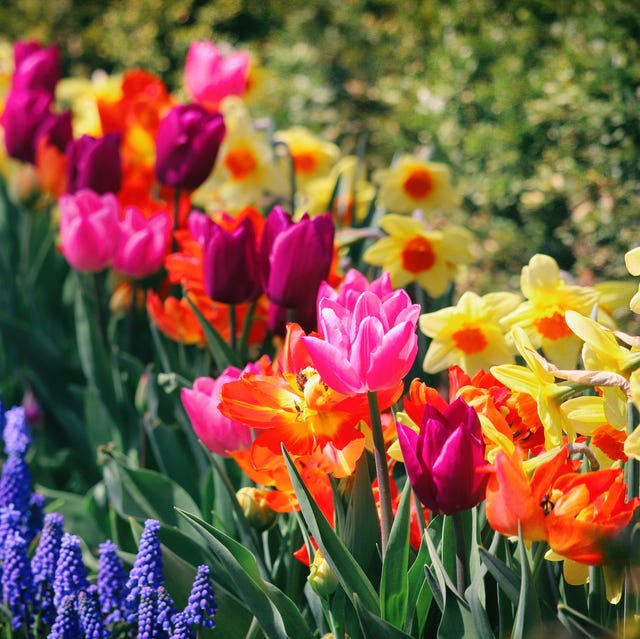
Grow These Stunning Spring Flowers to Welcome in the Season
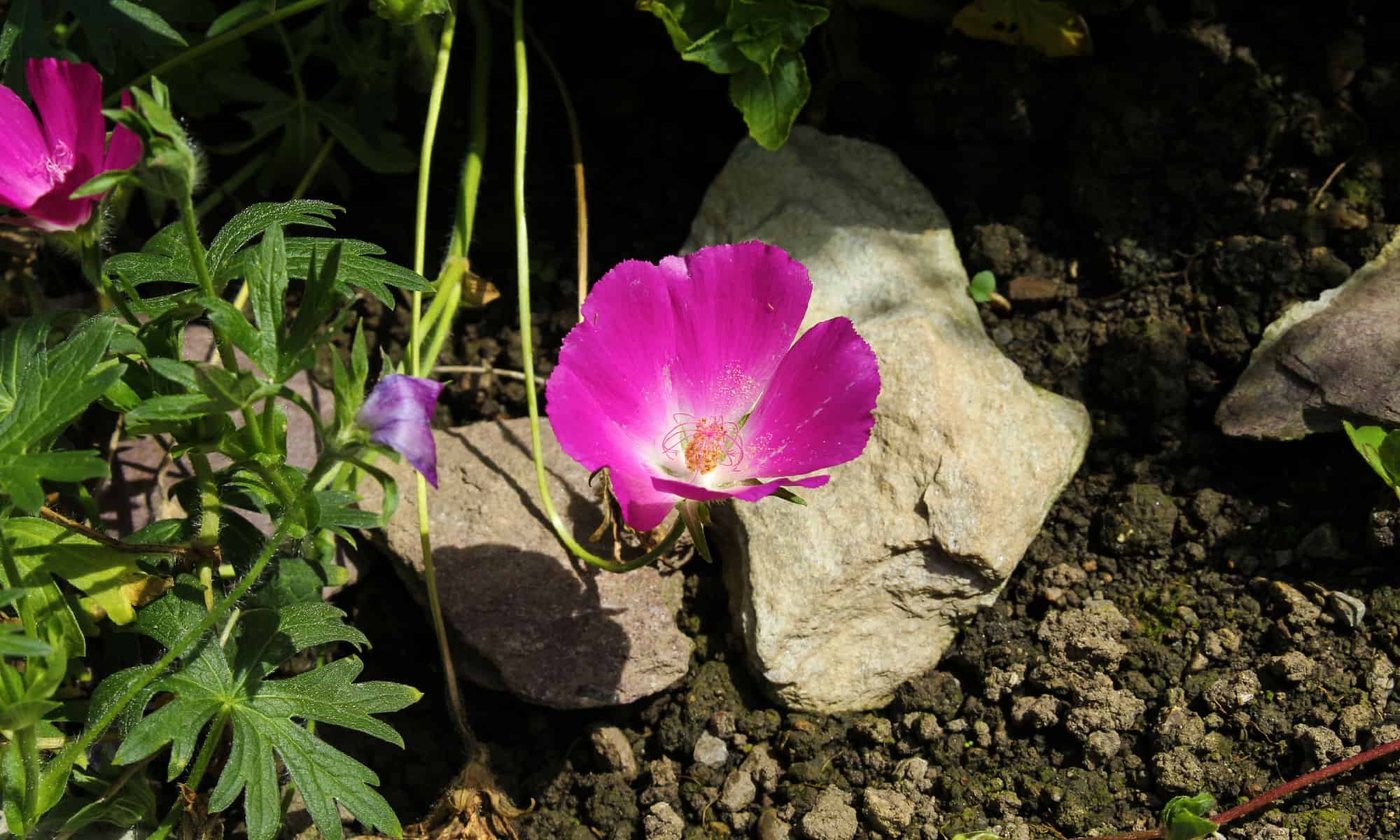
The Best Perennial Flowers for Kansas: 14 Flowers That Love the Heat
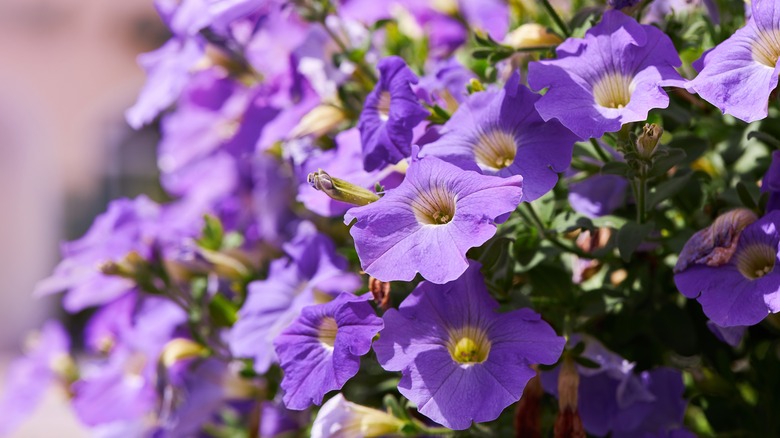
15 Annuals That Bloom With Bold Purple Flowers
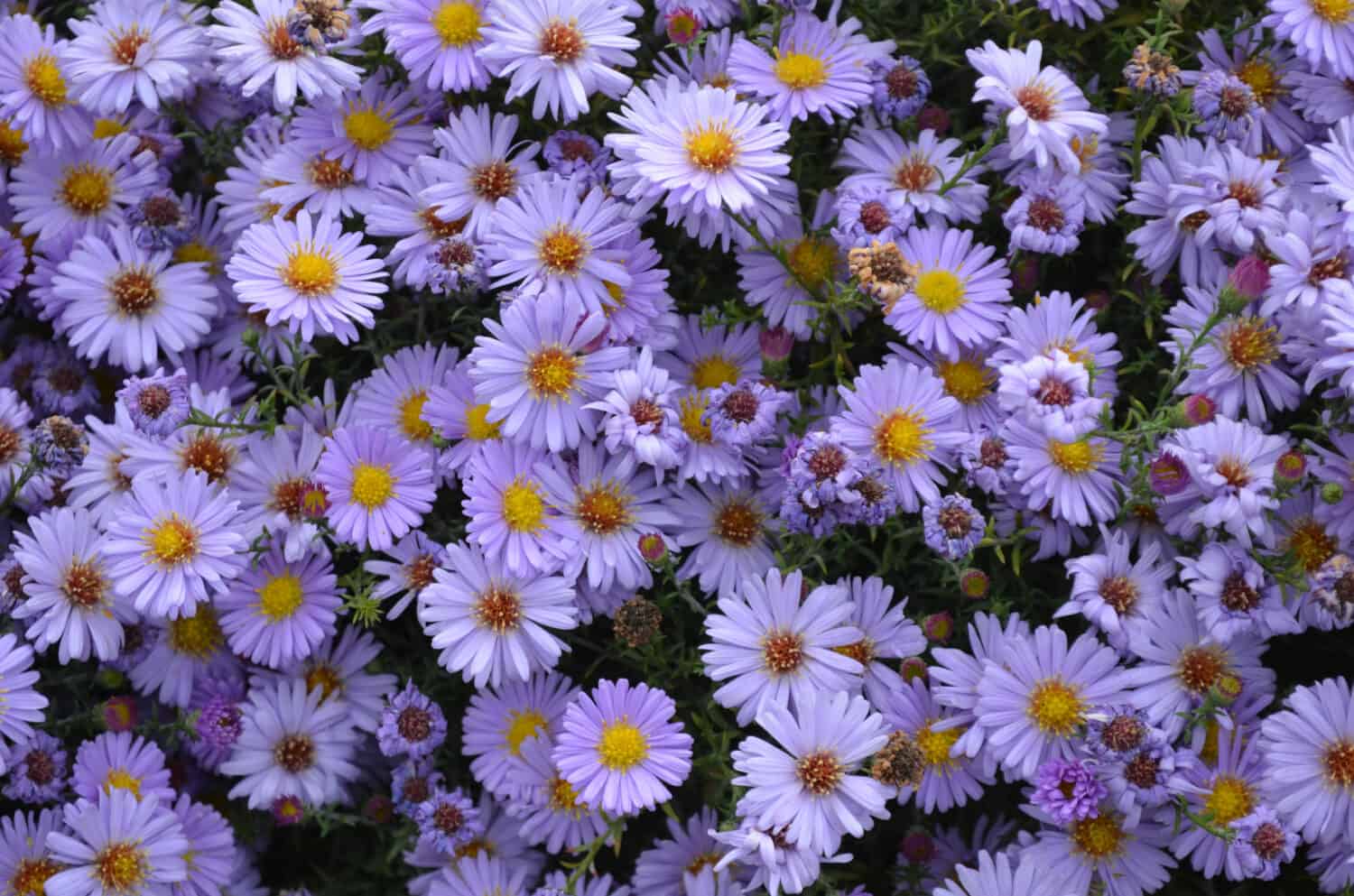
The Best Flowers to Plant in Montana: 15 Flowers for a Gorgeous Bloom
It's Gardening Time! We Found the Best Summer Flowers for Your Yard
Brighten Up Your Flower Garden Palette With 2023's Color Of The Year

Blue to Purple Perennial Flowers