1/10
Flowers they both will love: Pollinator-friendly perennials for Mom and Mother Nature
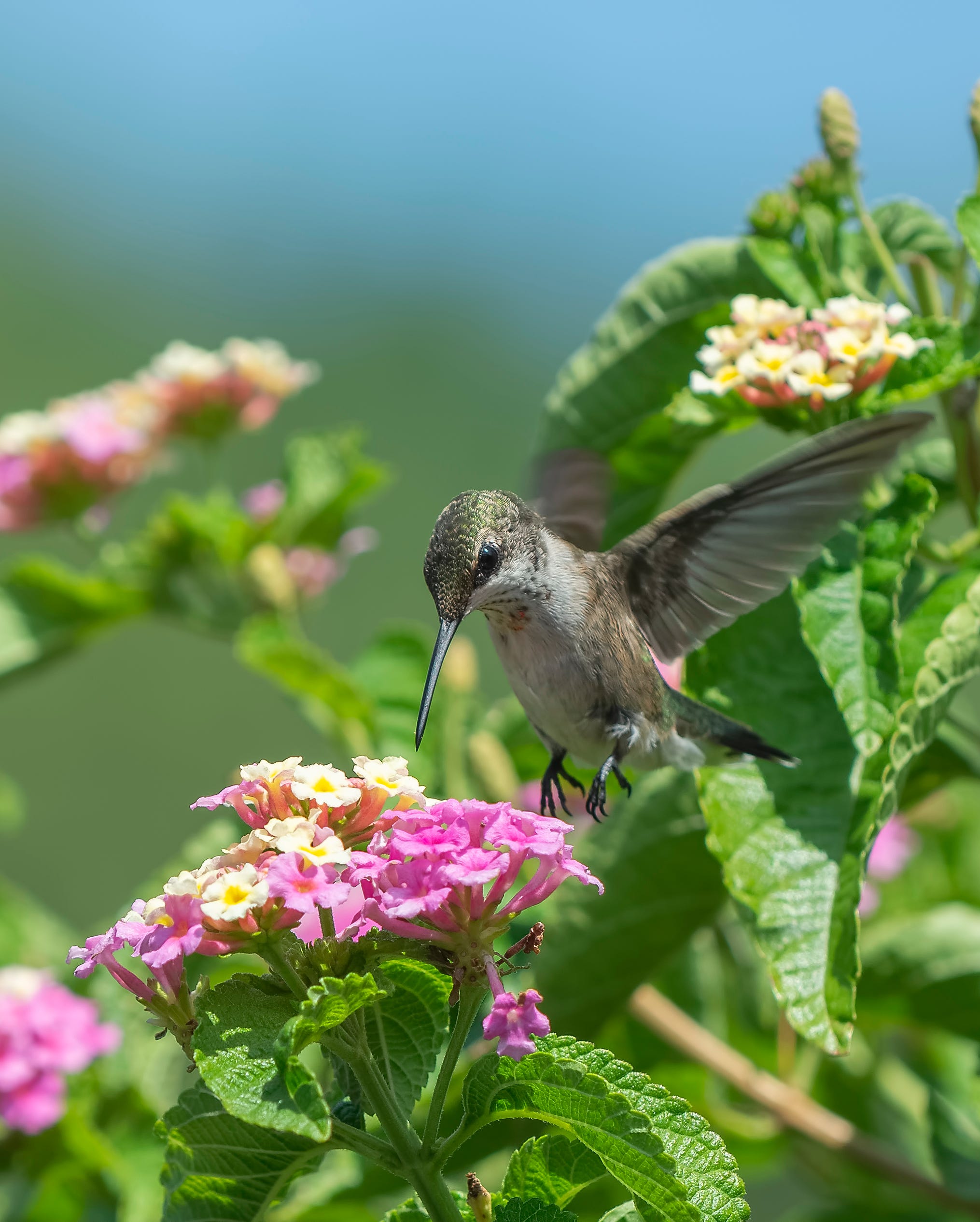
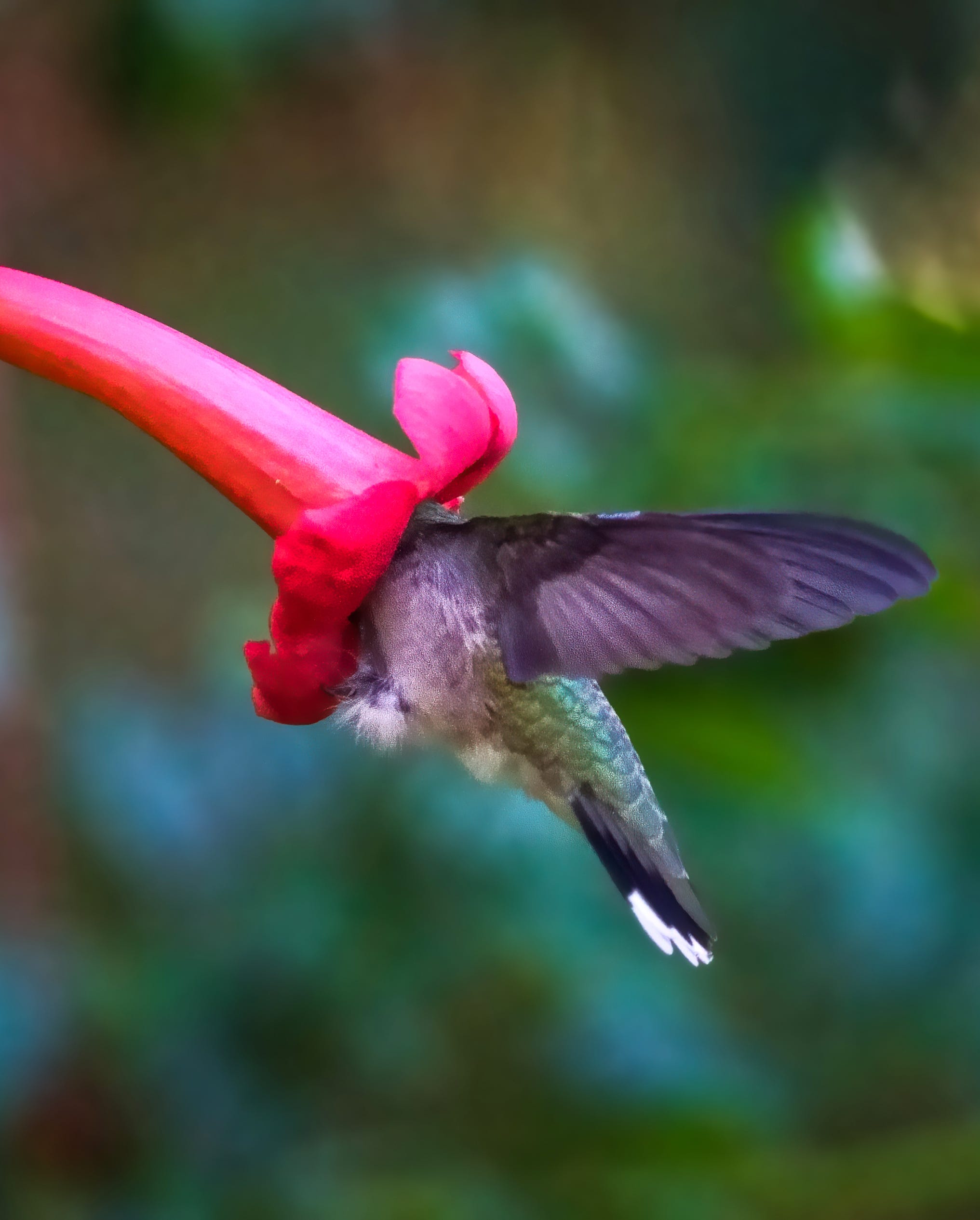
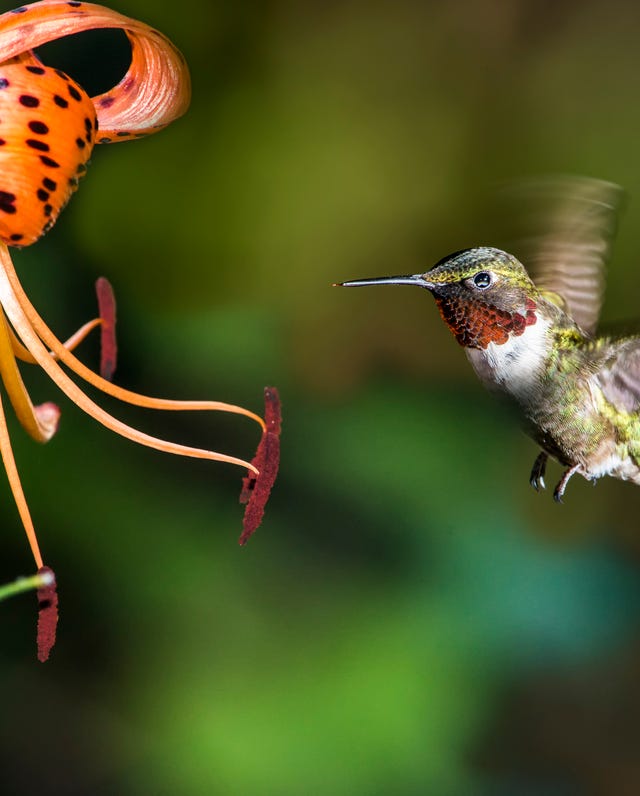
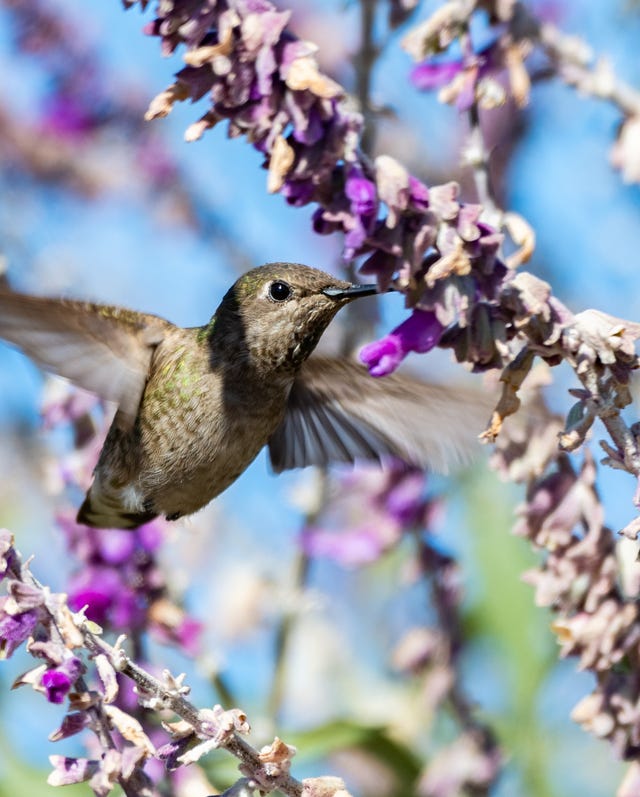
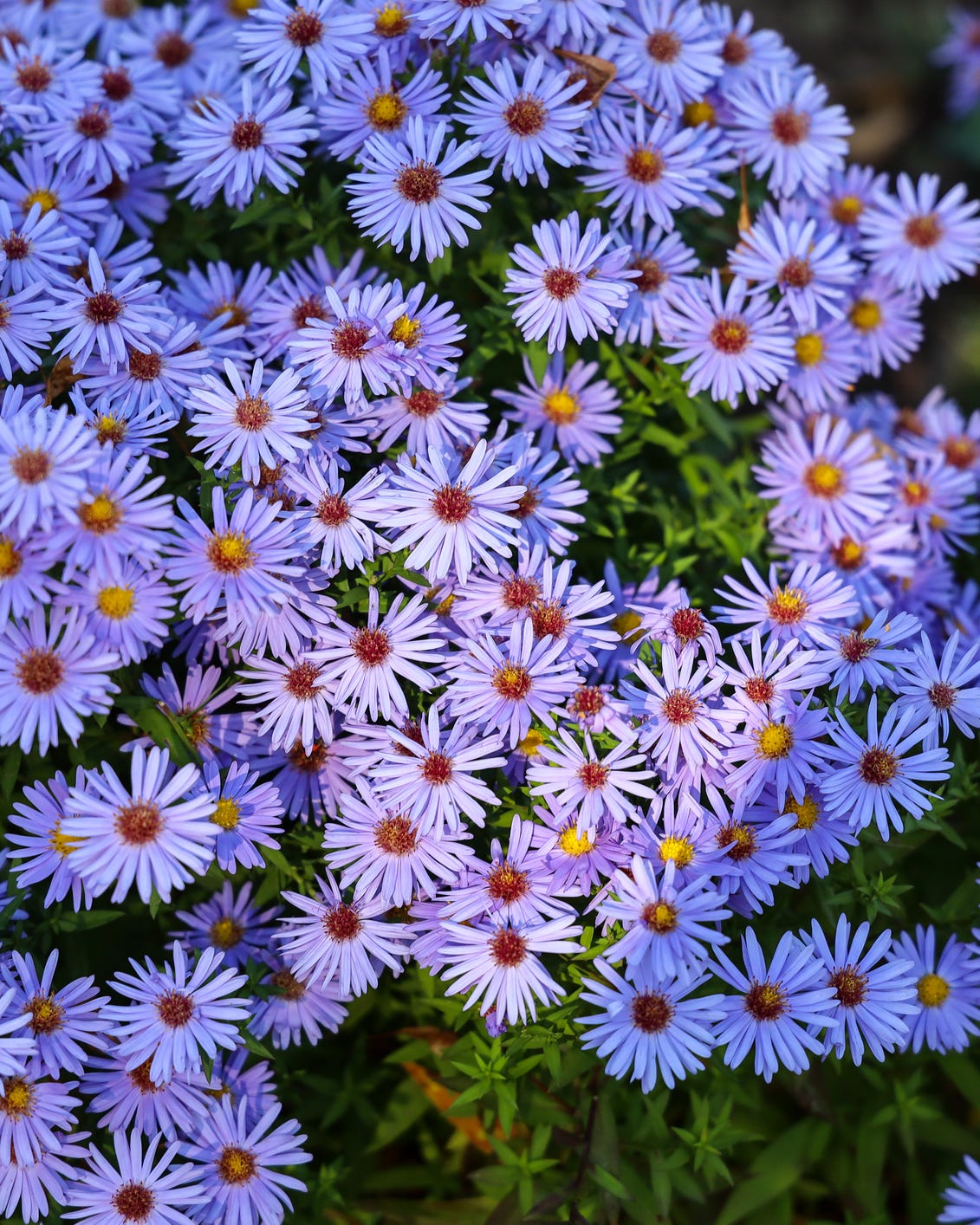
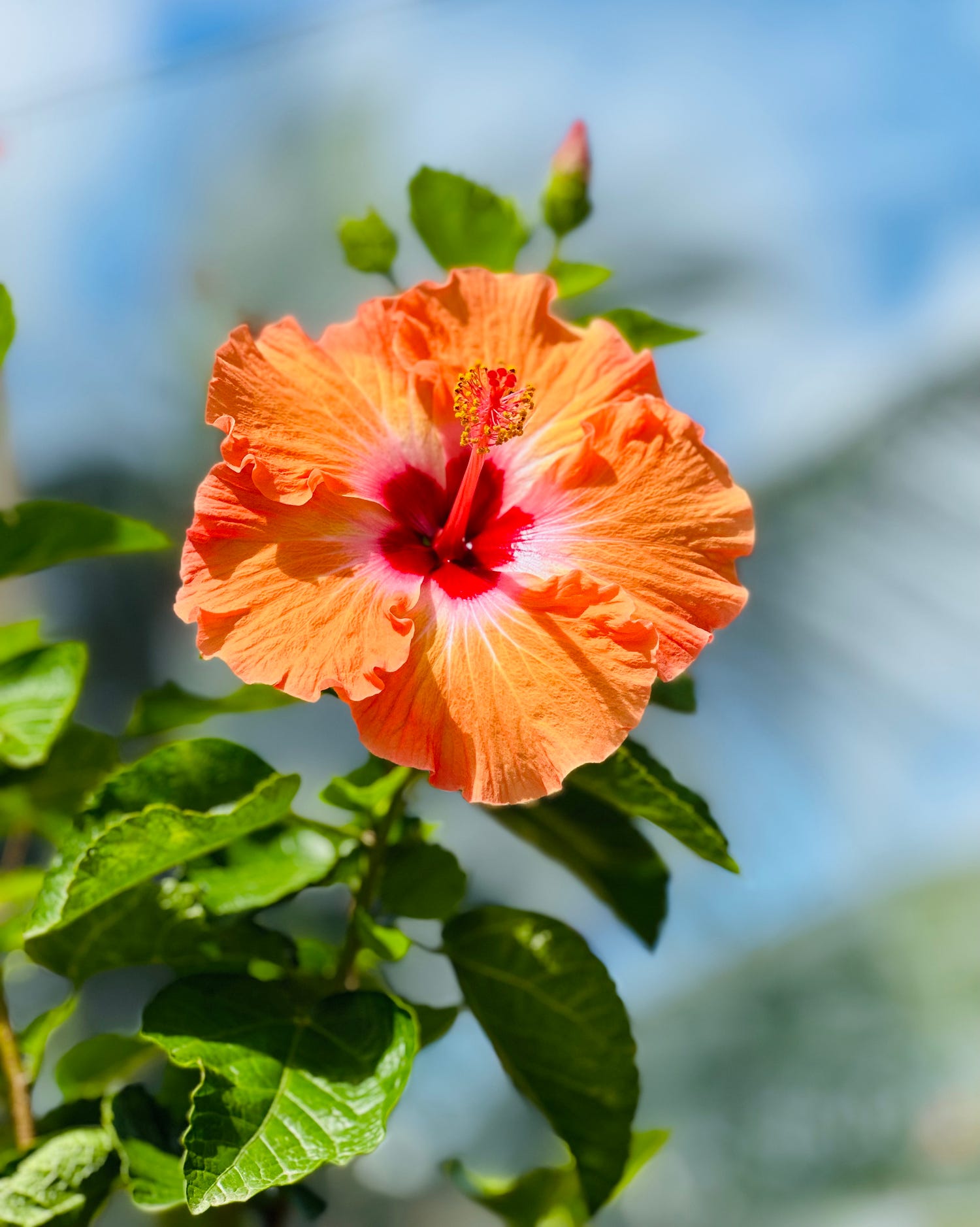
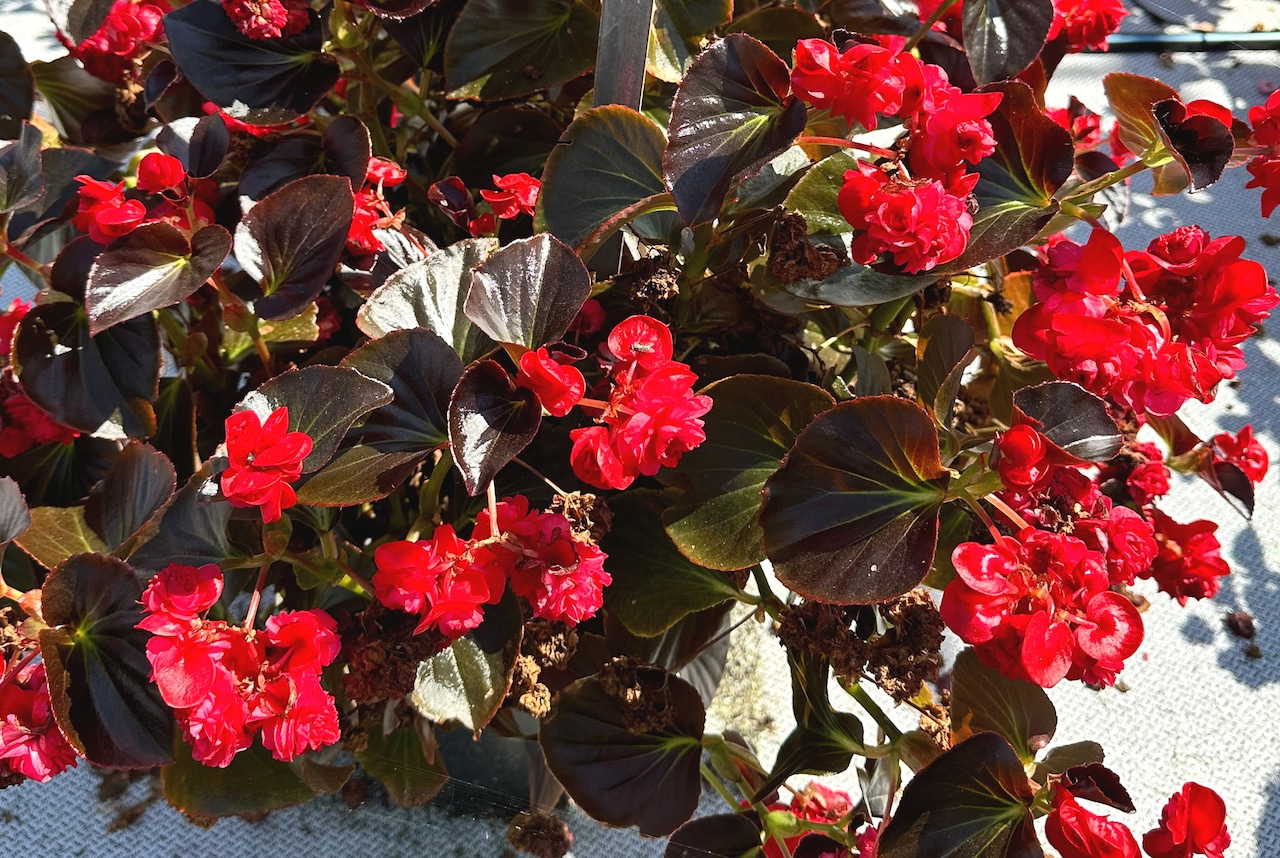
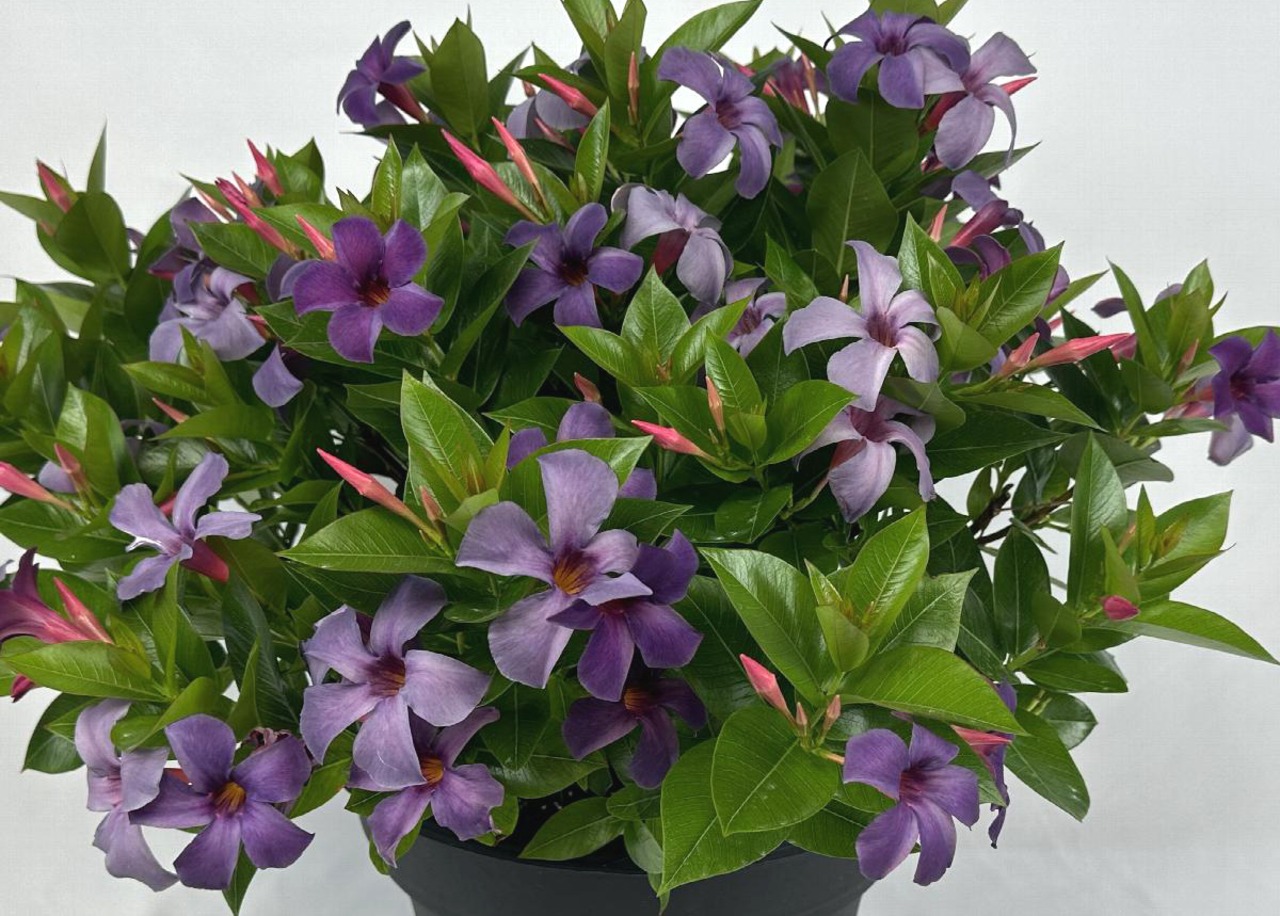
The article suggests gifting pollinator-friendly perennial flowers for Mother's Day, highlighting their dual benefit for mothers and the environment. Pollinators, including hummingbirds, moths, bats, butterflies, and bees, are crucial for the reproduction of at least 75% of plants. These animals transfer pollen, leading to the fertilization and growth of seeds, fruits, and new sprouts. However, pollinator populations are declining due to factors such as habitat loss, pests, pathogens, and exposure to agrochemicals. Planting pollinator-friendly flowers helps increase food sources and habitats for these vital creatures, contributing to a healthier and more sustainable future.
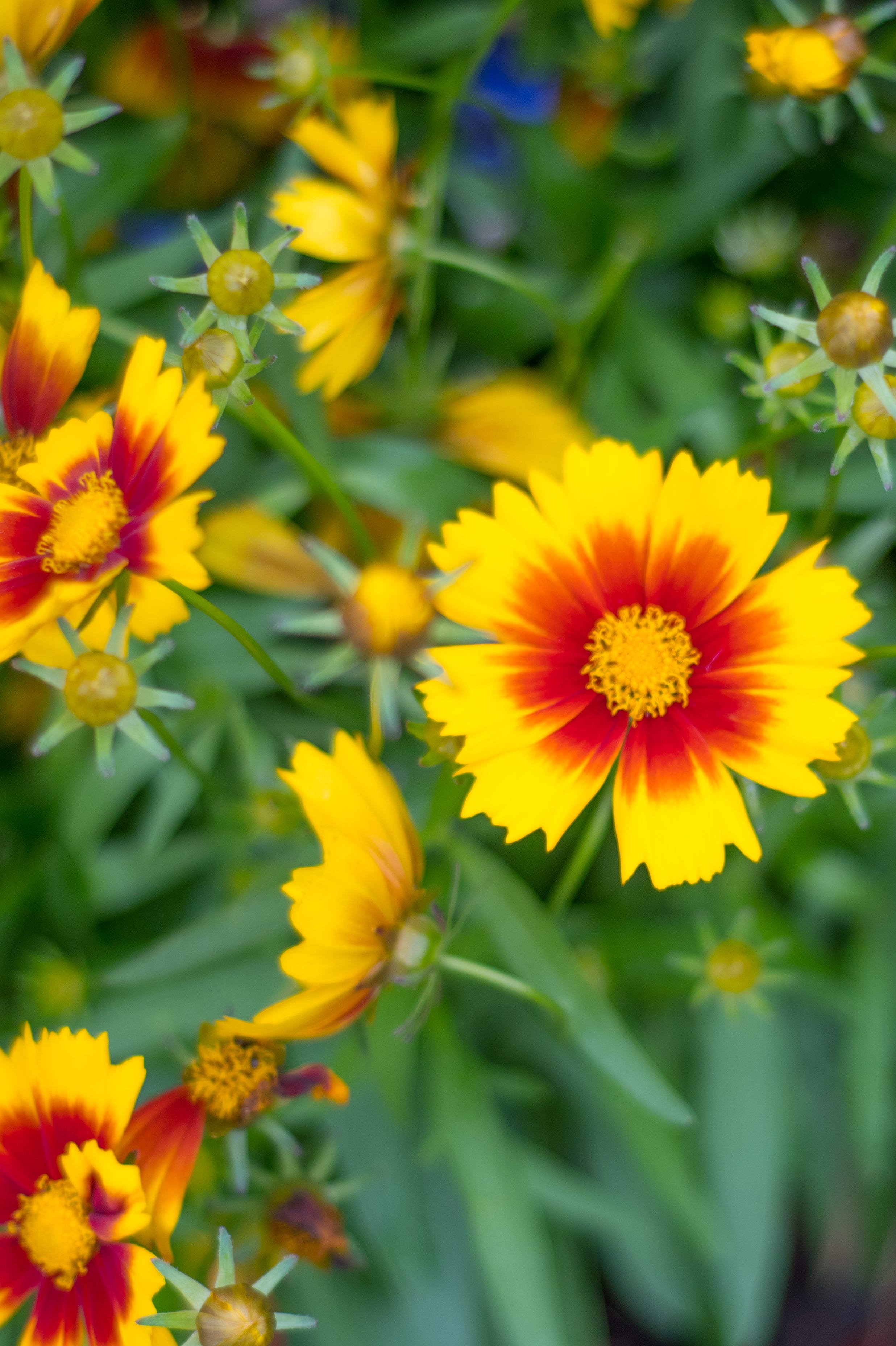
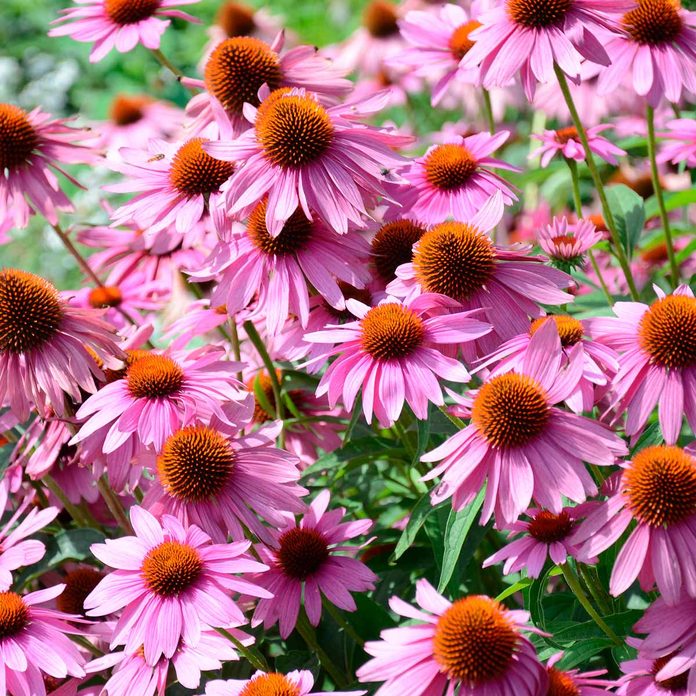
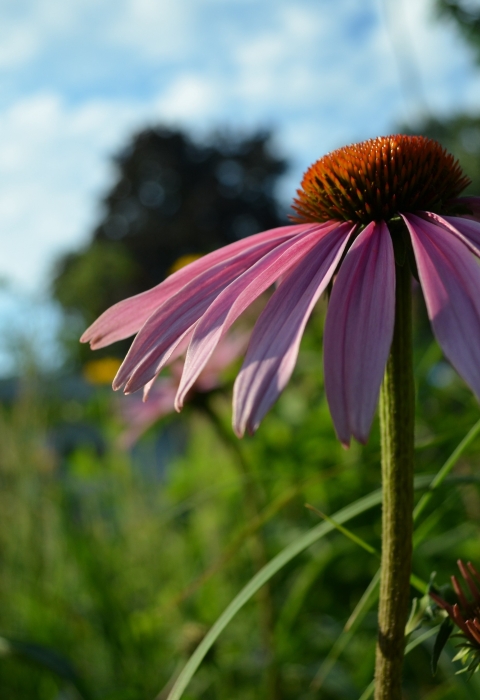
The article then details several pollinator-friendly perennial plant species that thrive in the North Atlantic-Appalachian Region, each supporting a diverse array of pollinators. Purple Coneflower, with its showy lavender blossoms, grows two-to-five feet tall, is hardy, drought-resistant, and attracts bees and butterflies. Lanceleaf Coreopsis, featuring bright yellow blossoms, grows in clumps and forms large colonies. It is drought-resistant, attracts butterflies, moths, and bees, and its seeds are a food source for finches and other songbirds.
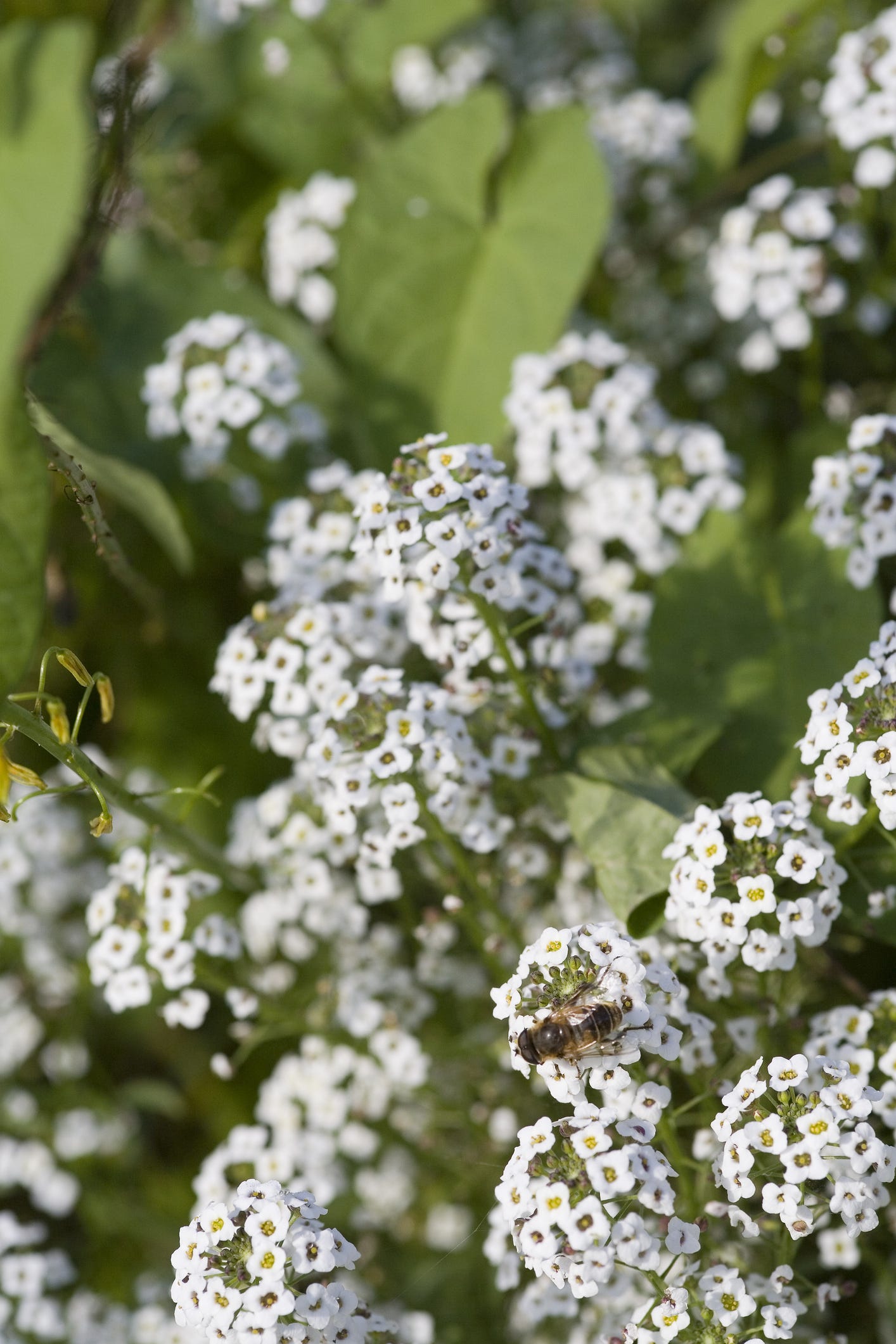
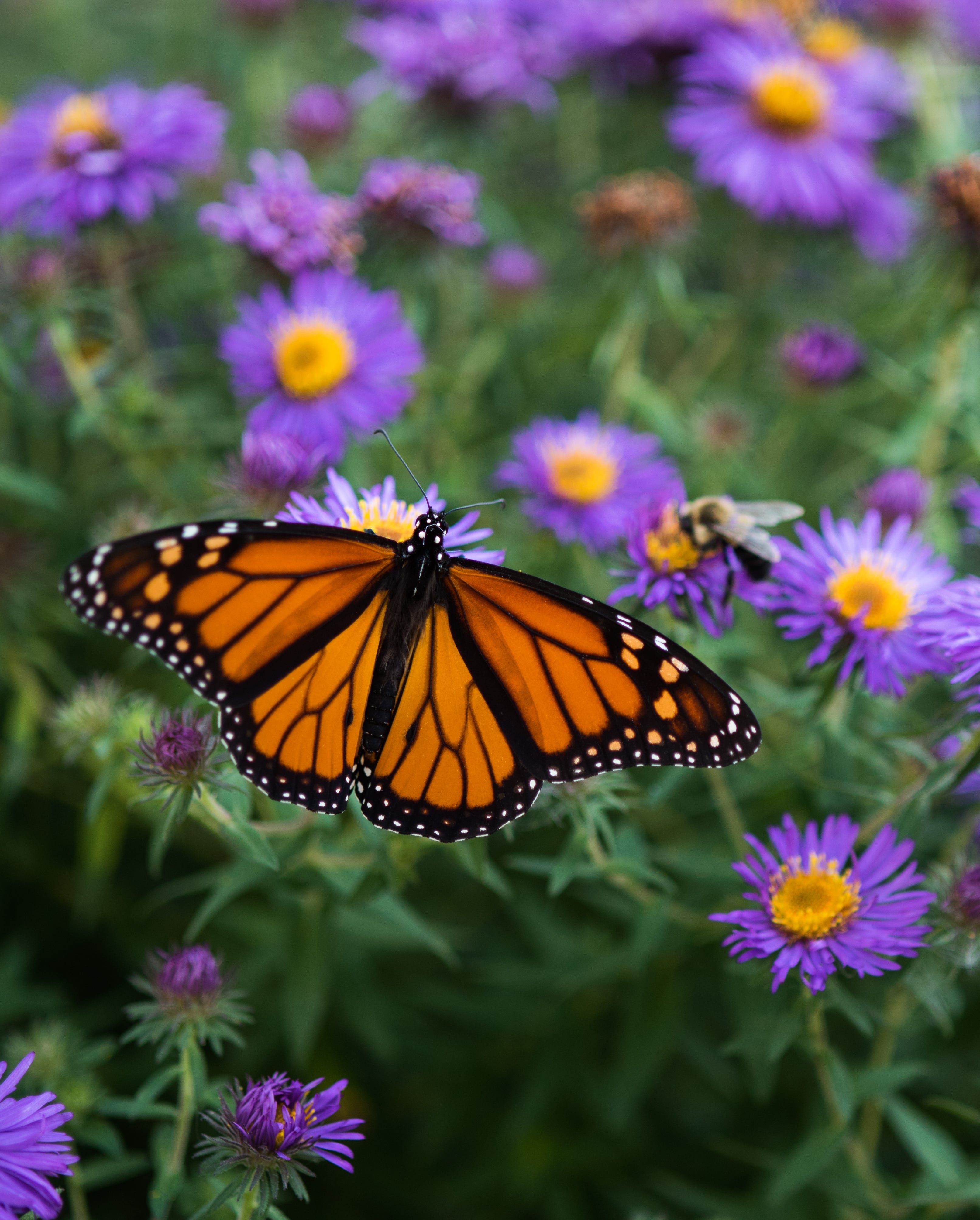
Butterfly Milkweed offers bushy bright orange flowers and is a host plant for monarch butterfly caterpillars, which depend on it for nourishment. The monarch butterfly is currently a candidate for listing under the Endangered Species Act, making this plant particularly important for its conservation. Boneset, named for its historical use in treating dengue, produces small white flower clusters that bloom in late summer. It is often planted for erosion control in wetlands and rain gardens, attracting bees, flies, wasps, beetles, and butterflies, and serving as a food source for various moth caterpillars.
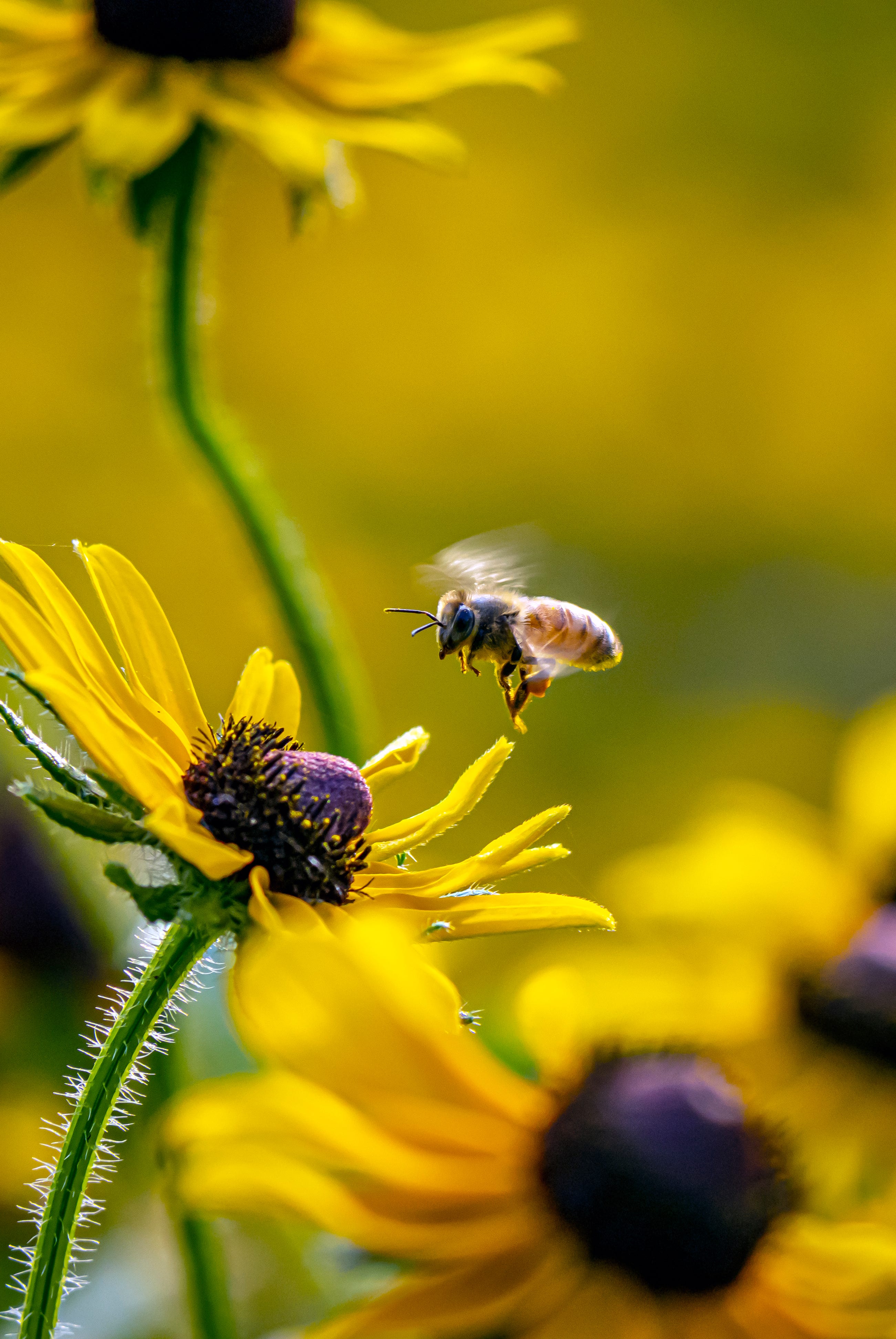
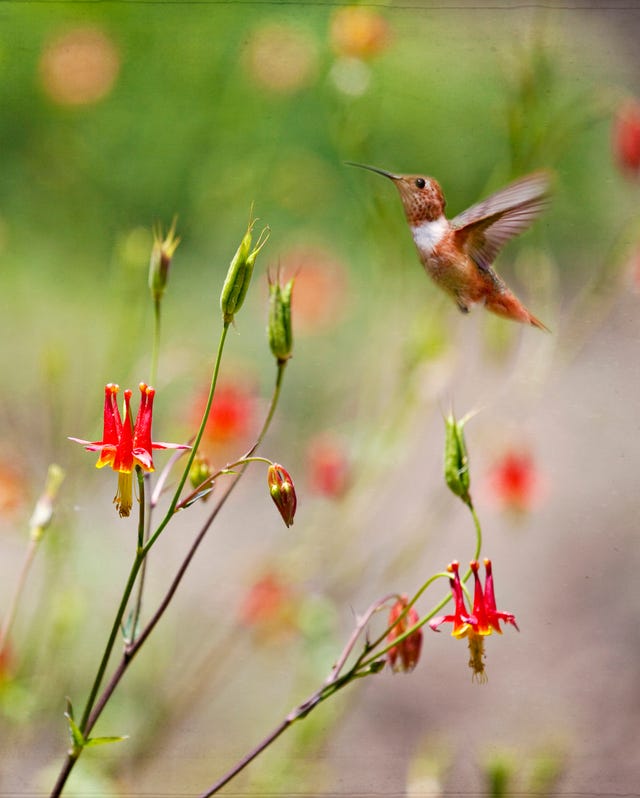
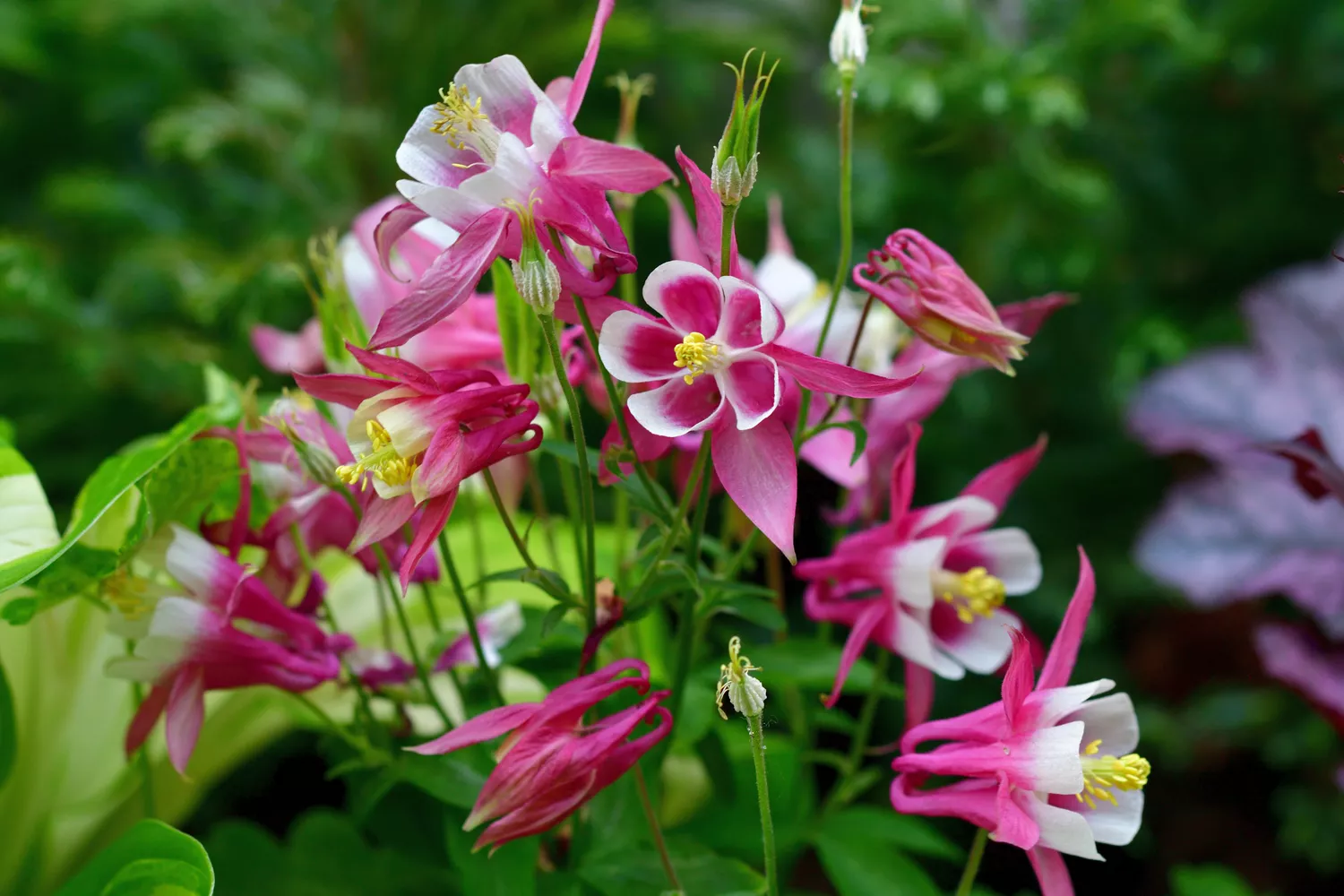
Eastern Columbine is recognized for its striking red and yellow tube-shaped flowers, which attract long-tongued insects and hummingbirds. It spreads through self-seeding and is easy to maintain, even in pots. Black-Eyed Susan resembles miniature sunflowers with yellow petals and black centers. These deer-resistant flowers attract charismatic birds like American goldfinches, black-capped chickadees, white-breasted nuthatches, and northern cardinals, making them ideal for bird-loving mothers.
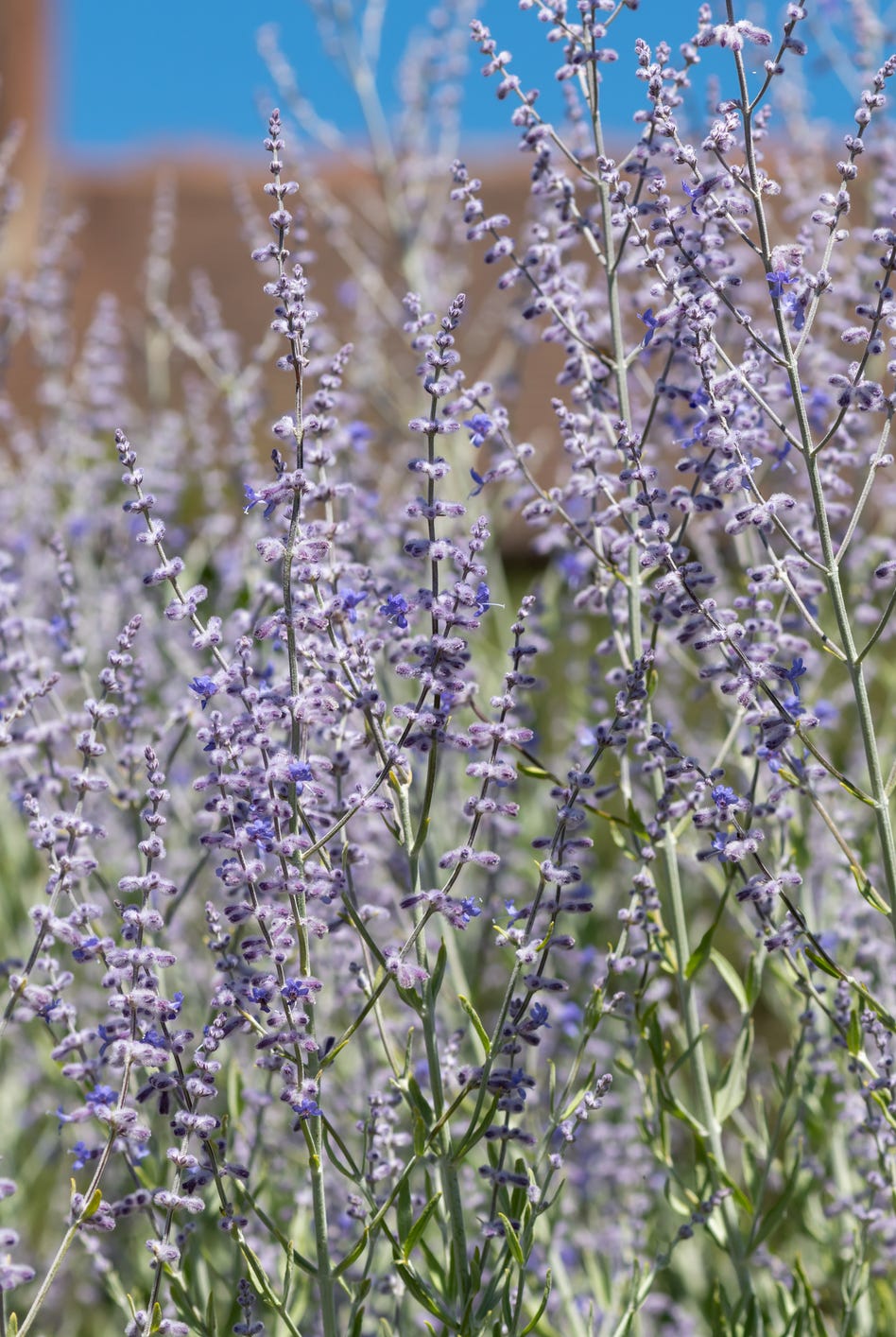
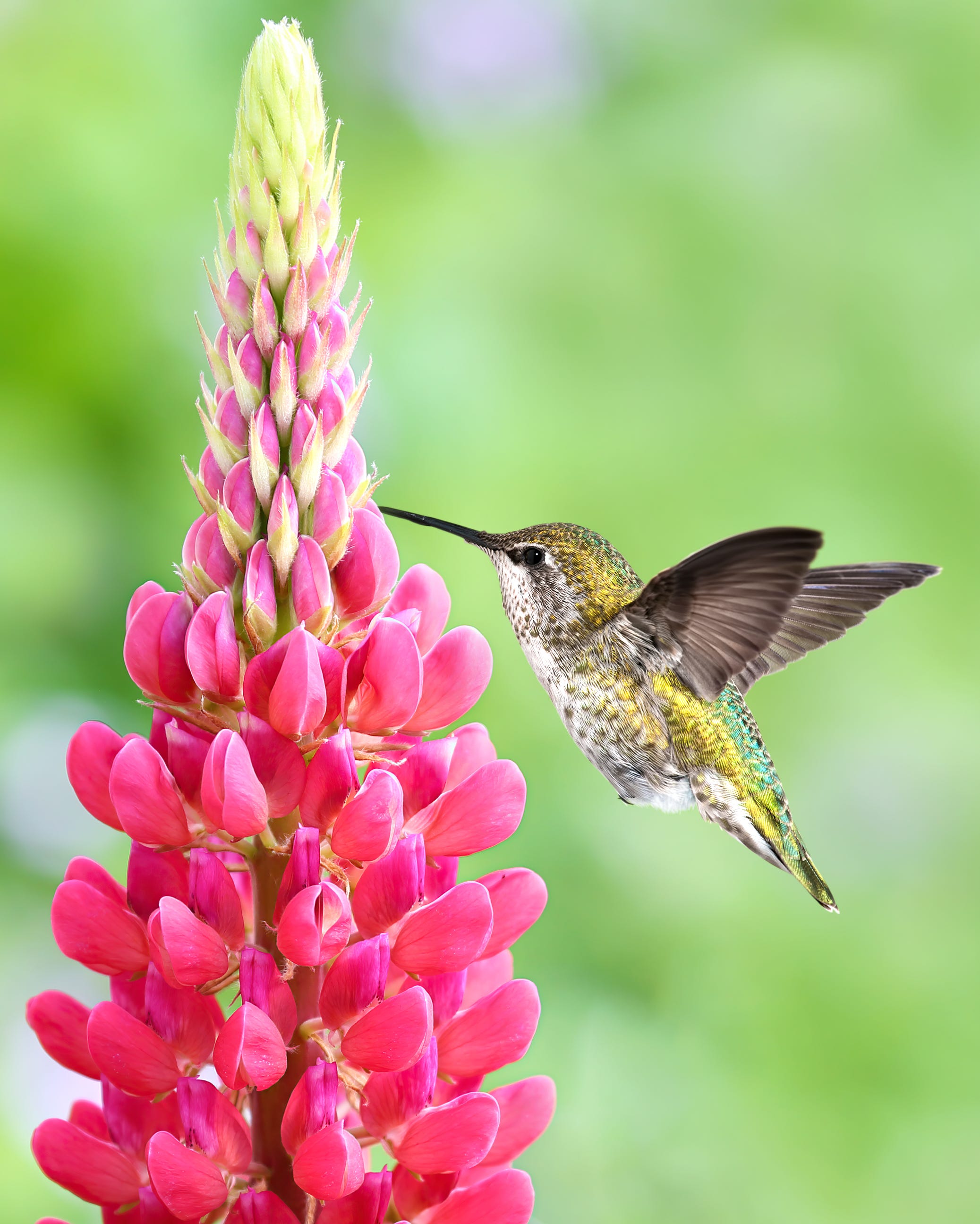
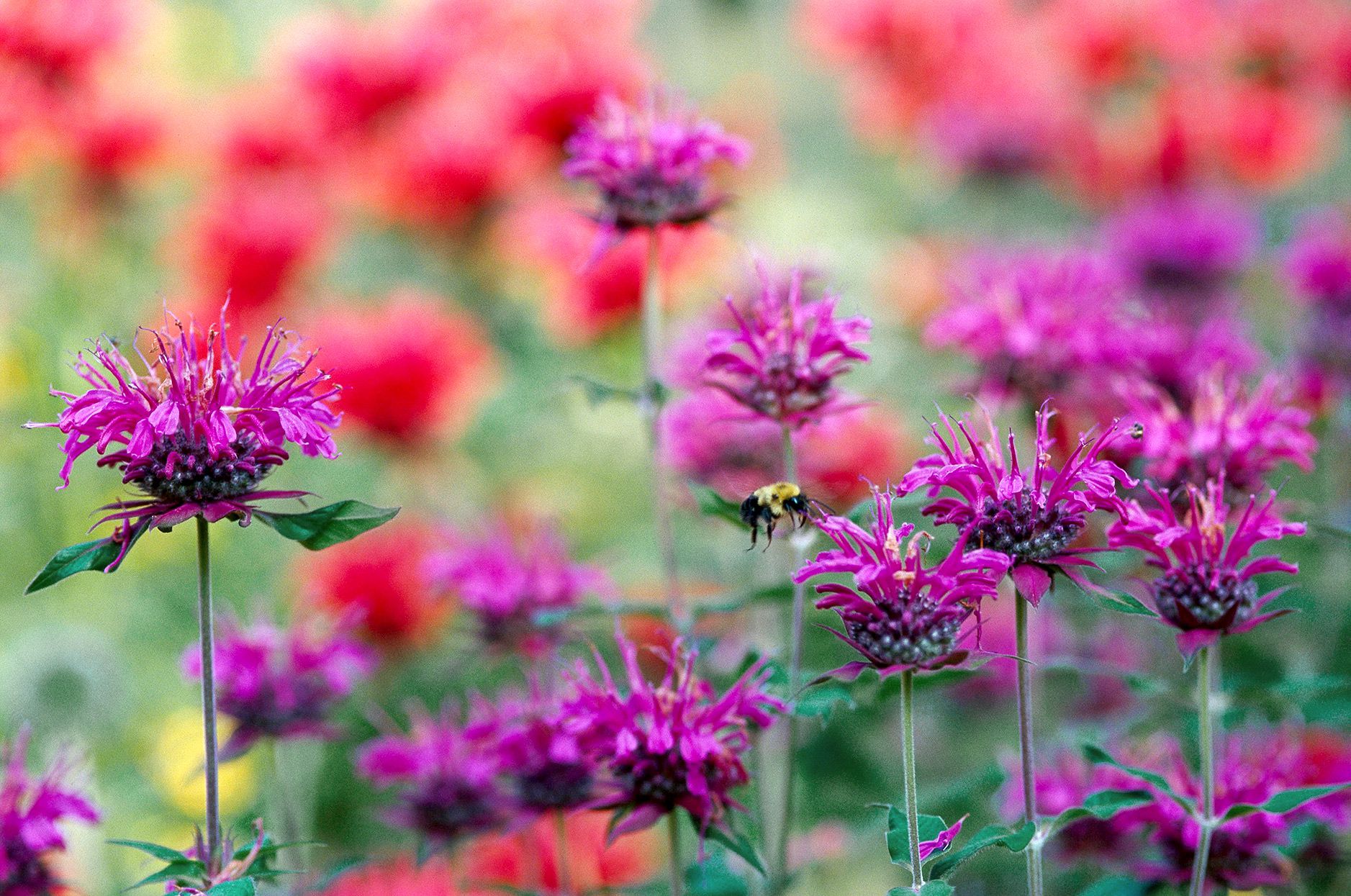
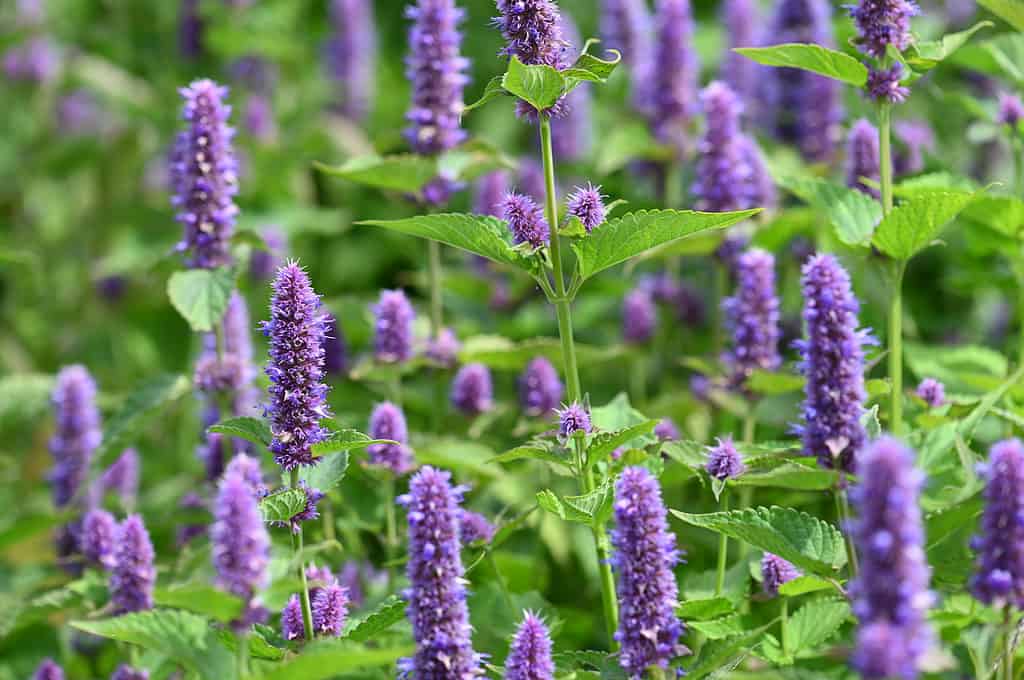
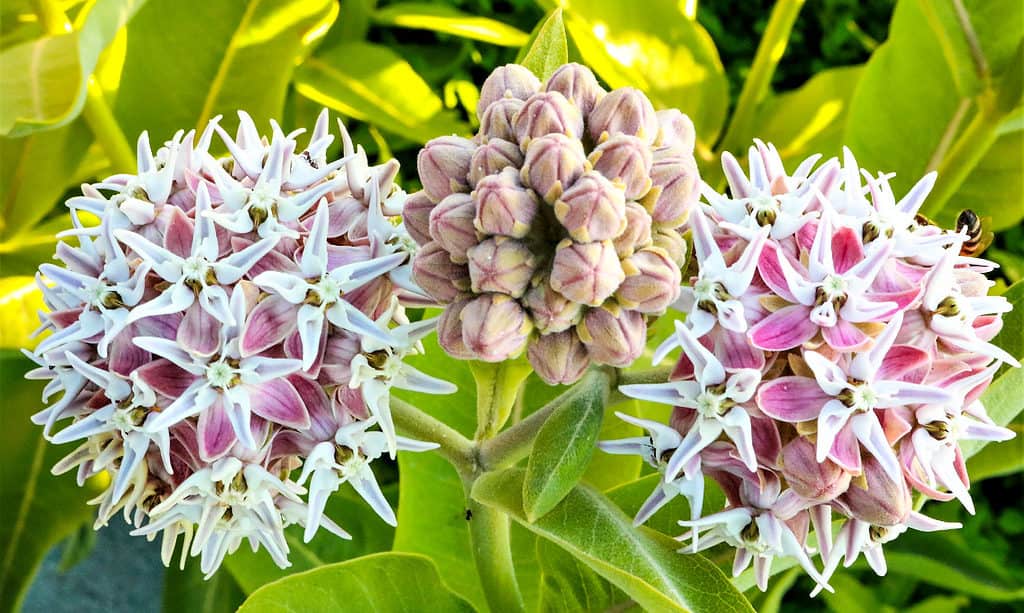
Common Milkweed, despite its name, is becoming less common due to competition from other plants, relying on natural disturbances like wind, large mammal movement, fires, and storms for reproduction. Its large pink and purple flower balls attract an abundance of monarch butterflies, making it a garden spectacle. Evening Primrose, with its large yellow flowers and light lemon fragrance, opens exclusively in the evening, attracting bees in the morning and hawk moths at night. Hawk moths are significant pollinators due to their long tongues and ability to travel long distances, spreading pollen effectively. Wild Bergamot, also known as bee balm, has ragged pom-pom flowers in lavender, pink, and white. Its bright colors and fragrance attract various pollinators, especially moths and hummingbirds. It is also the primary food source for the rusty-patched bumblebee, a species facing significant population decline. Lastly, Turtlehead, with its unique white, tubular flowers resembling turtle heads, thrives in wet, mucky soils. Its blooms are primarily pollinated by hummingbirds and bumblebees, which are strong enough to access the pollen inside.
#PollinatorFriendly #Perennials #MotherNature #PollinatorConservation #WildlifeHabitat #Gardening #EnvironmentalProtection #BotanicalGifts #MonarchButterfly #PollinatorFriendly #Perennials #MotherNature #PollinatorConservation #WildlifeHabitat #Gardening #EnvironmentalProtection #BotanicalGifts #MonarchButterfly
0 comment in total
 No comments yet
You may also like
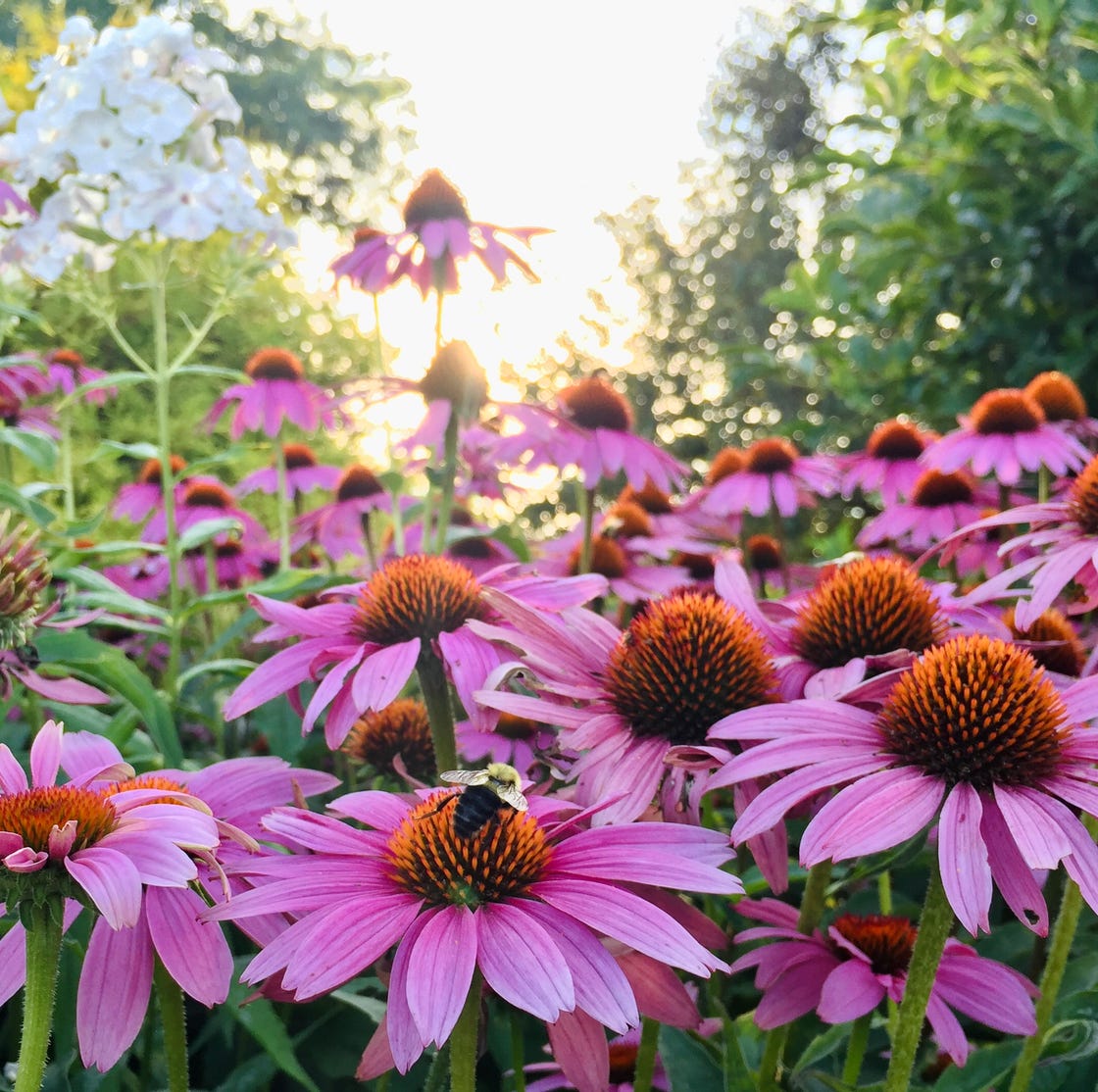
22 Beautiful, Bee-Friendly Flowers That'll Turn Your Garden Into a Pollinator Paradise

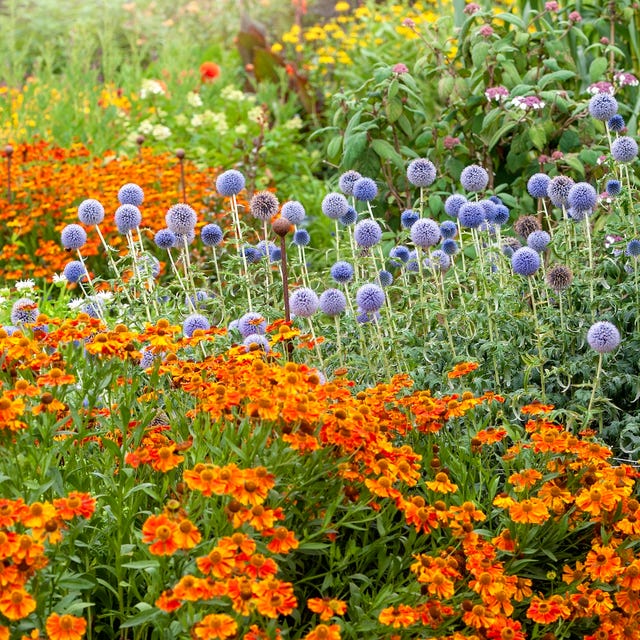
These Low-Maintenance Perennial Flowers Bloom Every Season

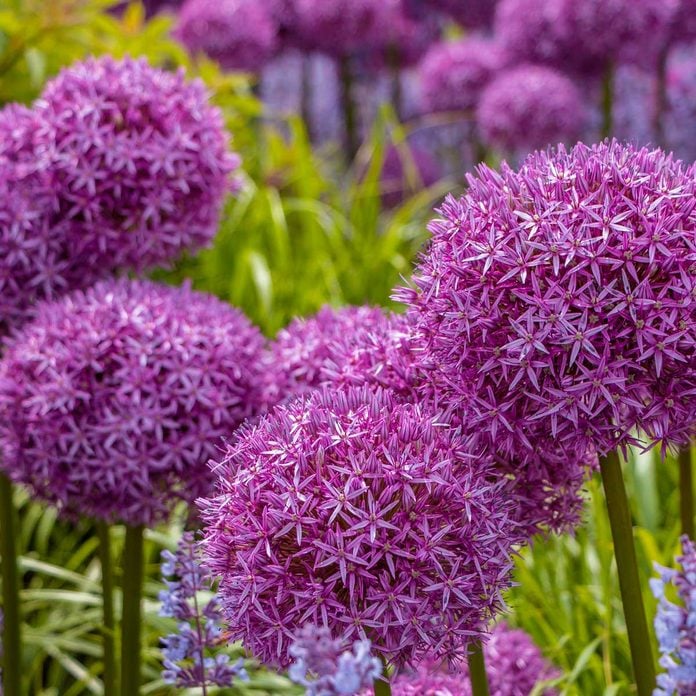
10 Pretty Purple Flowers That’ll Make Your Garden Pop

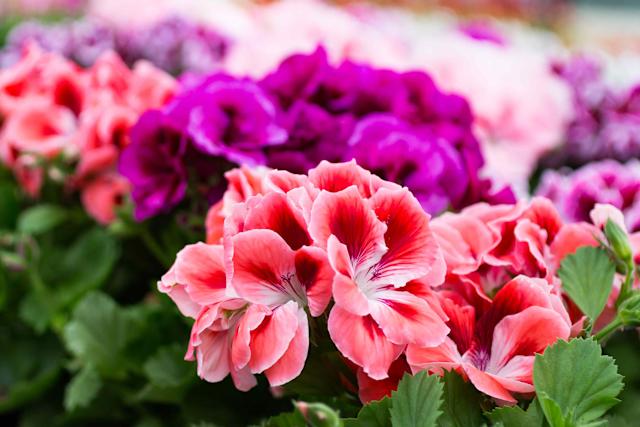
8 Perennials That Bloom Multiple Times a Year for Beautiful Flowers in Every Season
Gardeners, These Low-Maintenance Perennial Flowers Bloom Every Season
These Colorful Flowers Will Attract Hummingbirds to Your Yard

Attract Bees To Your Garden With These Vibrant Flowers
Best flowering ground cover plants – 5 expert-approved species to fill your borders with vibrant color
Want to See Hummingbirds? Plant These Flowers in Your Yard or Garden
15 Perennial Flowers That Produce Long-Lasting Blooms Year After Year
15 Colorful Plants to Brighten Up Your Landscape
14 Gorgeous Flowers That Start With V
13 Colorful Nectar Plants for Pollinators

Hey, Gardeners! Plant These Summer Flowers for a Bright and Beautiful Yard
30 Gorgeous Plants That Attract Hummingbirds to Your Garden

The Best Flowers to Plant in Montana: 15 Flowers for a Gorgeous Bloom
Turn Your Garden Into a Butterfly Oasis with These Plants
The best new annual flowers of 2025

Grow Up! Flowering Vines to Adorn Walls, Trellises and Fences
How To Grow And Care For Columbine Flowers